Artist
Subject
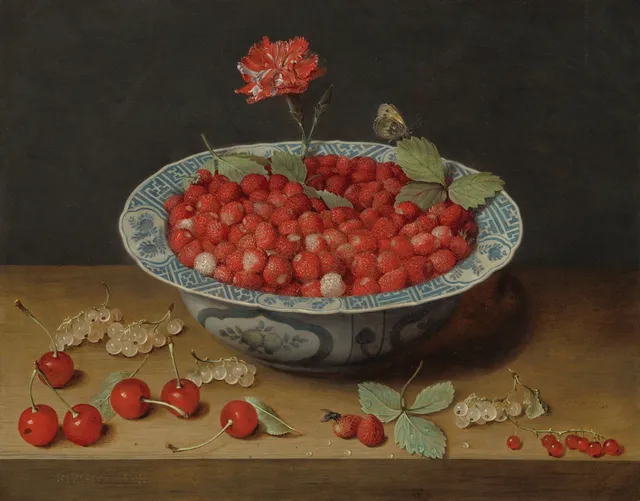
Kraak Porcelain is a subject in art. The gallery holds 28 works in this subject in art, including works by Pieter Claesz, Jan Davidsz. de Heem and Willem Claesz Heda.
Kraak ware or Kraak porcelain (Dutch Kraakporselein) is a type of Chinese export porcelain produced mainly in the late Ming dynasty, in the Wanli reign (1573–1620), but also in the Tianqi (1620–1627) and the Chongzhen (1627–1644). It was among the first Chinese export wares to arrive in Europe in mass quantities, and was frequently featured in Dutch Golden Age paintings of still life subjects with foreign luxuries.
Artist
Artist
Kraak porcelain, known in Dutch as Kraakporselein, is a type of Chinese export porcelain produced primarily during the late Ming dynasty, specifically during the Wanli reign (1573-1620), with continued manufacture through the Tianqi (1620-1627) and Chongzhen (1627-1644) reigns. It represents one of the first Chinese export wares to reach Europe in mass quantities, transported mainly by Portuguese and later Dutch merchants. The ware takes its name from the Portuguese carrack ships (carraca) that carried it across maritime trade routes, though alternative etymologies have been proposed, including derivation from the Dutch verb kraken, meaning to break or crack, a reference to the ware's notorious tendency to chip at its bracketed rim. Manufactured at the Jingdezhen kilns in southern China, Kraak porcelain belongs to the broader category of underglaze cobalt blue and white wares, yet it is distinguished by its unique panelled decoration and its explicit manufacture for foreign markets rather than domestic Chinese consumption. Its arrival in Europe fundamentally altered ceramic consumption patterns and inspired extensive imitation across multiple continents.
The defining visual characteristic of Kraak porcelain is its foliated radial panel decoration, in which the vessel surface is divided into discrete segments, each containing its own image. These panels typically radiate toward a bracketed rim that is structurally vulnerable to chipping. Motifs draw upon traditional Chinese porcelain imagery, including stylized peonies and chrysanthemums, Buddhist auspicious emblems, and occasionally landscapes, birds, insects, and animals such as elephants, lions, and horses. Human figures appear only rarely. The central medallion design, often present on plates, anchors the composition while the segmented rim creates a rhythmic, compartmentalized visual field. This panelled structure, known in some scholarship in relation to Kaiguang patterns, reflects a blending of Chinese ceramic tradition with artistic sensibilities adapted for export markets. The decorative program carried layered meanings: for European consumers, the exotic motifs signaled worldly sophistication and access to distant luxury goods, while the formal structure of radial panels created a distinctive aesthetic that differentiated Kraak ware from other Chinese porcelains. The very presence of Kraak porcelain in European collections and paintings spoke to the global reach of maritime trade and the cultural prestige of Chinese manufactured goods in the early modern period.
Within the collection, Kraak porcelain appears in 28 works, predominantly within Dutch Golden Age still life paintings that feature foreign luxuries. The depicted works include compositions such as Wild Strawberries and a Carnation in a Wan-Li Bowl, Breakfast with a Crab, Game piece with poultry, multiple still life and breakfast pieces, Still Life with Fruit and Lobster, Vase of Flowers, Banquet Piece with Ham, Still Life with Crab and Fruit, Still Life with a Ming Jug, and others. These paintings typically position Kraak vessels as markers of wealth and cosmopolitan taste, integrating them among other imported commodities and foodstuffs. The klapmuts bowl, a broader, rimmed form designed specifically for European consumption, appears notably in works such as Jan Davidsz de Heem's still lifes, where it holds fruit or shaved ham. This form, absent even from the extensive Topkapı Palace collection, demonstrates the adaptive nature of Chinese production to foreign demand. The collection's works reflect how Kraak porcelain functioned within a broader visual economy of conspicuous consumption, where the display of Chinese export ware communicated social status and participation in global trade networks.
The treatment of Kraak porcelain evolved significantly across periods and cultures. In China, production began during the Wanli reign as a deliberate export commodity, distinct from wares intended for the domestic market. The quality of the porcelain itself remains debated among scholars: some argue it approaches the finest domestic Ming wares, while others characterize it as inferior; specialist Maura Rinaldi positions it as a middle category between coarse heavy wares and truly fine ceramics. After the fall of the Ming dynasty in 1644, Chinese production ceased, prompting Dutch merchants to seek alternatives. Japanese potters at Arita and Persian ceramicists under the Safavid dynasty began producing imitations to satisfy continued European demand. Ultimately, Dutch manufacturers at Delft developed their own tin-glazed earthenware versions, known as Delftware, which by 1670 employed a quarter of Delft's male population. These European adaptations blended Chinese-inspired motifs with local artistic traditions, incorporating influences from painters such as Nicolaes Berchem and Leonaert Bramer. The Kraak style also persisted into the early Qing dynasty, though with improved glaze quality and less kiln sand adherence. Marine archaeological research on shipwrecks has provided crucial chronological data, as the durable nature of porcelain allows precise dating of production moments and trade route reconstruction.
Kraak porcelain achieved particular prominence through its frequent depiction in seventeenth-century Dutch Golden Age painting, where it served as a standard signifier of luxury and global commerce. Jan Davidsz de Heem incorporated klapmuts bowls in his sumptuous banquet still lifes, including one work where two such bowls hold fruit and shaved ham respectively. Other painters who featured Kraak ware include Osias Beert and Floris van Dijck, who integrated the distinctive blue and white vessels into their still life compositions. These painted depictions are historically significant as they document not only the appearance of the porcelain but also its social context within Dutch bourgeois and aristocratic interiors. The painted representations sometimes show vessels in states of use or display that reveal their functional integration into European dining practices. Beyond painting, the physical objects themselves have notable archaeological afterlives, with significant finds including the 1976 discovery of a large quantity of Kraak porcelain in the wreck of the Witte Leeuw, a Dutch East India Company ship that sank near Saint Helena. Such shipwreck assemblages provide concrete evidence of the scale of trade and the specific vessel forms in circulation.
The legacy of Kraak porcelain extends across material culture, artistic production, and contemporary digital heritage research. Its arrival in Europe catalyzed the development of entire ceramic industries, most notably Delftware in the Netherlands, which dominated European markets until Chinese porcelain became available again in the early eighteenth century. The global pattern of imitation, from Arita to Persia to Delft, established a model of cross-cultural ceramic adaptation that would characterize export porcelain production for centuries. Kraak porcelain's durability has made it an invaluable resource for marine archaeologists, as shipwreck assemblages provide datable snapshots of production and trade patterns; its use as ballast cargo, due to its ability to withstand water exposure, means it frequently survives when organic materials perish. In contemporary scholarship, Kraak porcelain has become a subject of computational analysis, with recent research employing stable diffusion models augmented with LoRA and ControlNet to analyze and regenerate its distinctive decorative patterns. This digital humanities approach, critically examines the underlying rules of pattern generation that traditional iconographic methods have struggled to systematically decode. The ware continues to attract collector interest, and its study illuminates the early modern globalization of material culture, the mechanics of cross-cultural design adaptation, and the enduring aesthetic appeal of blue and white ceramic traditions.
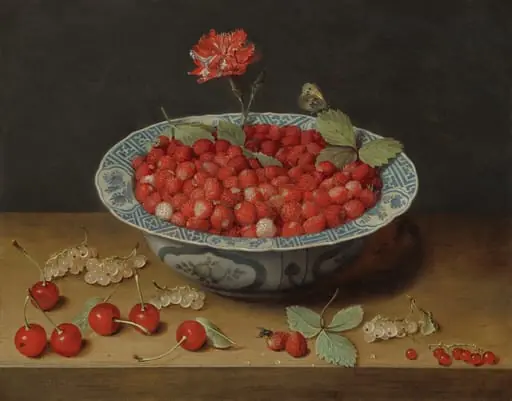 Wild Strawberries and a Carnation in a Wan-Li Bowl
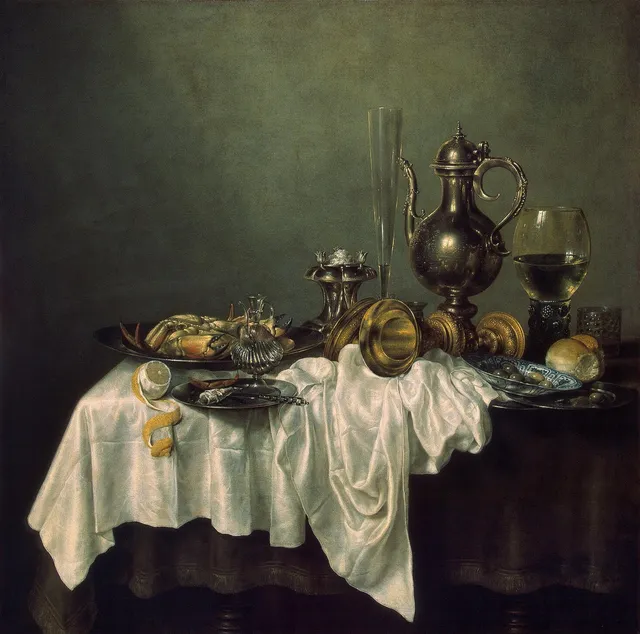
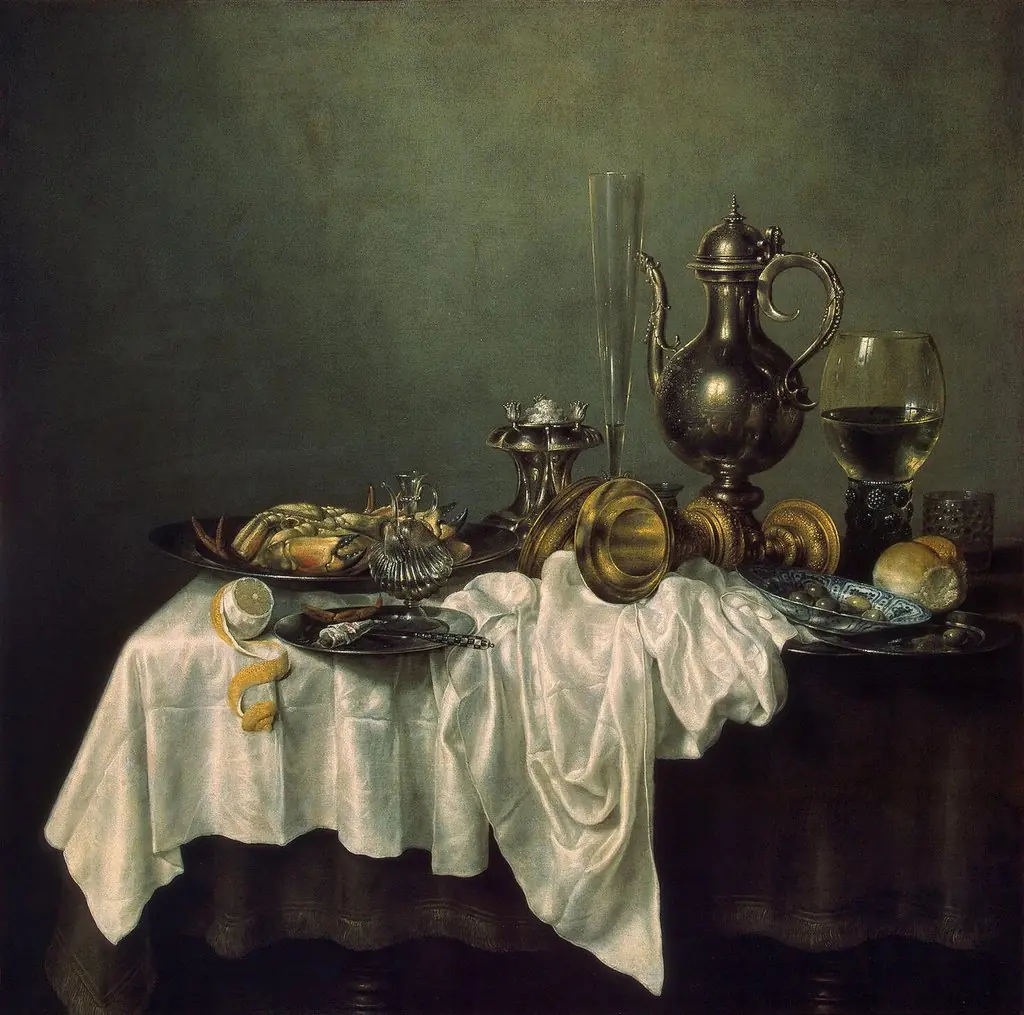 Breakfast with a Crab
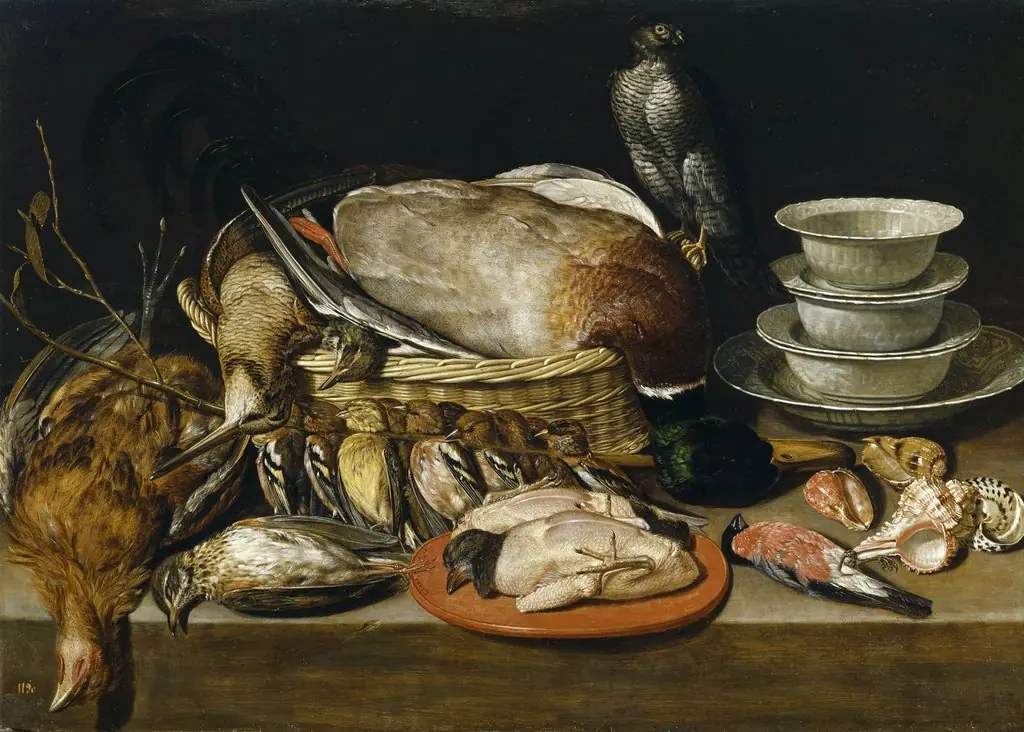 Game piece with poultry
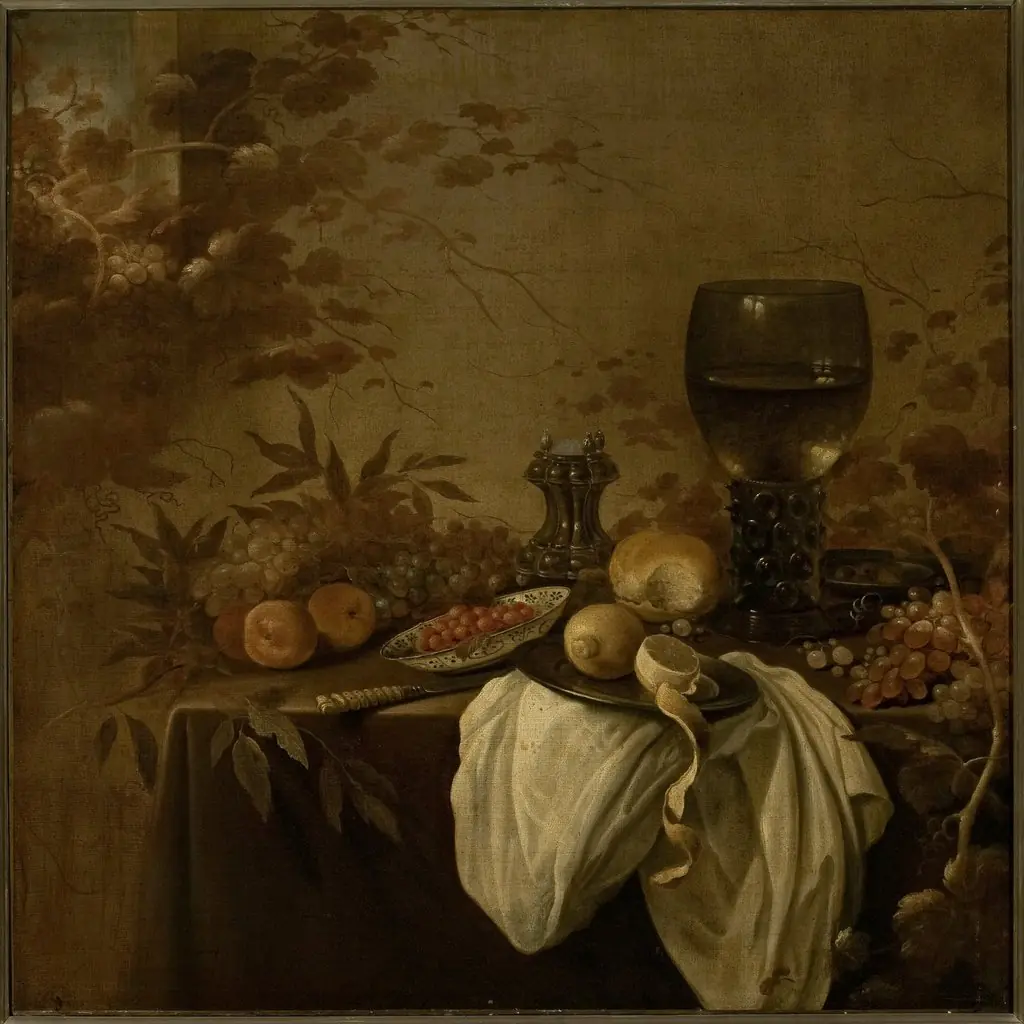 Still life
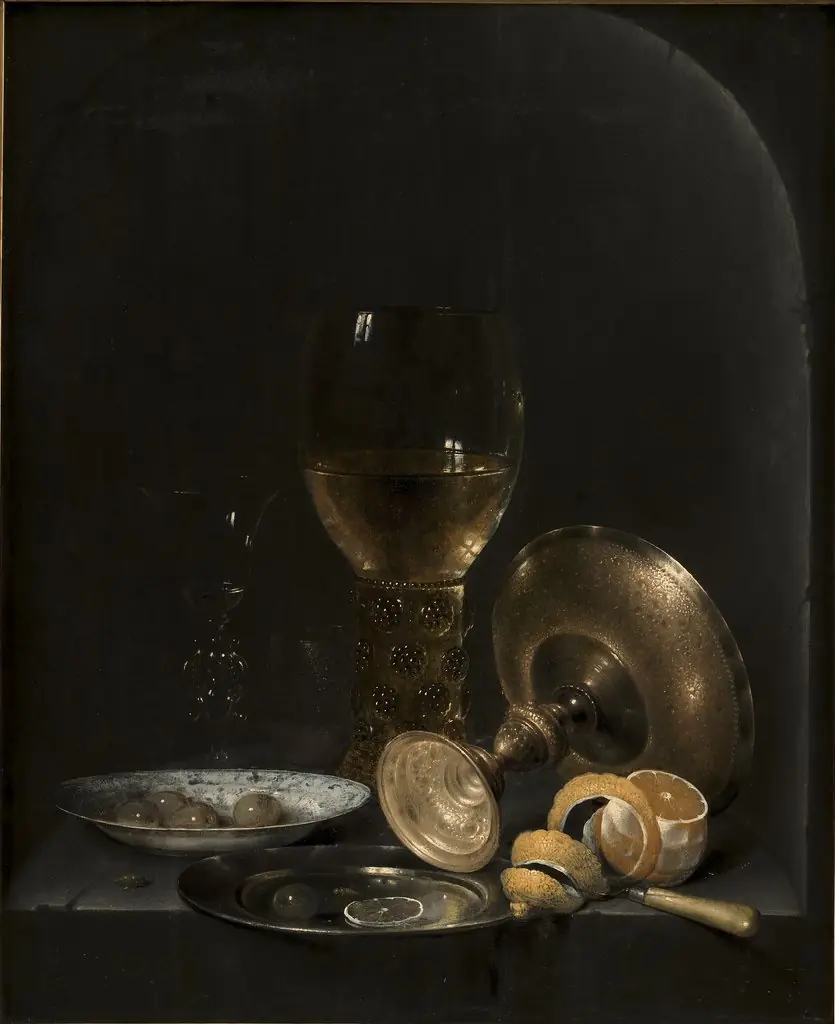 Still life. Breakfast Piece in a Stone Niche
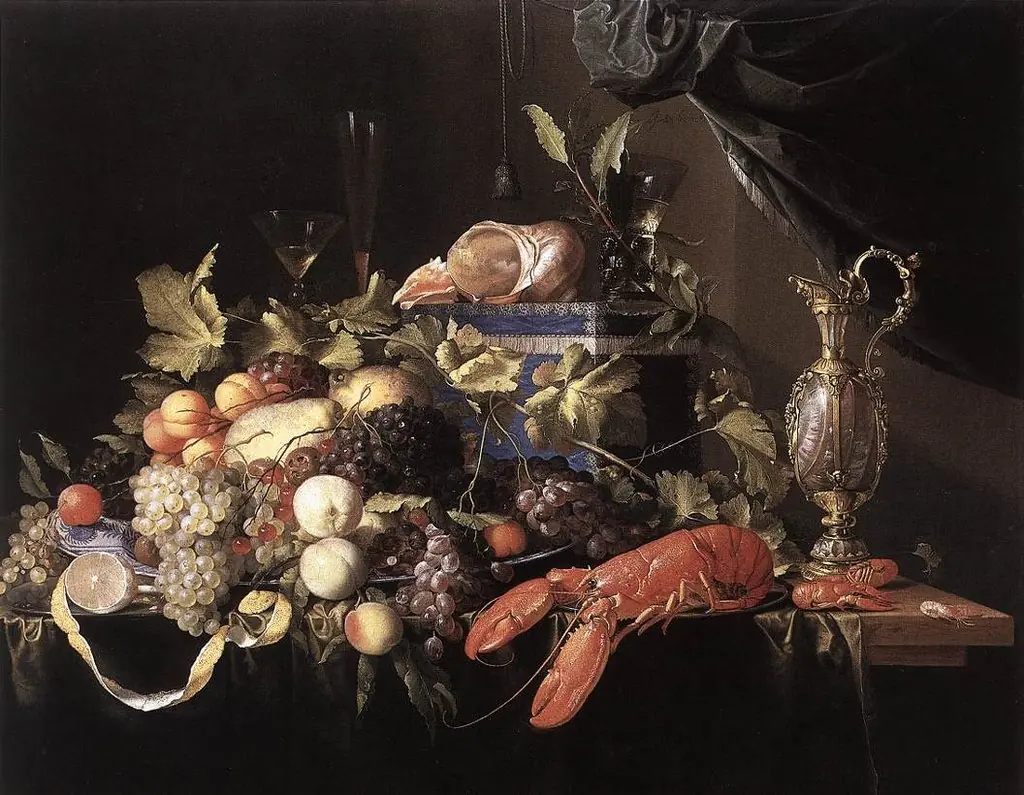 Still Life with Fruit and Lobster
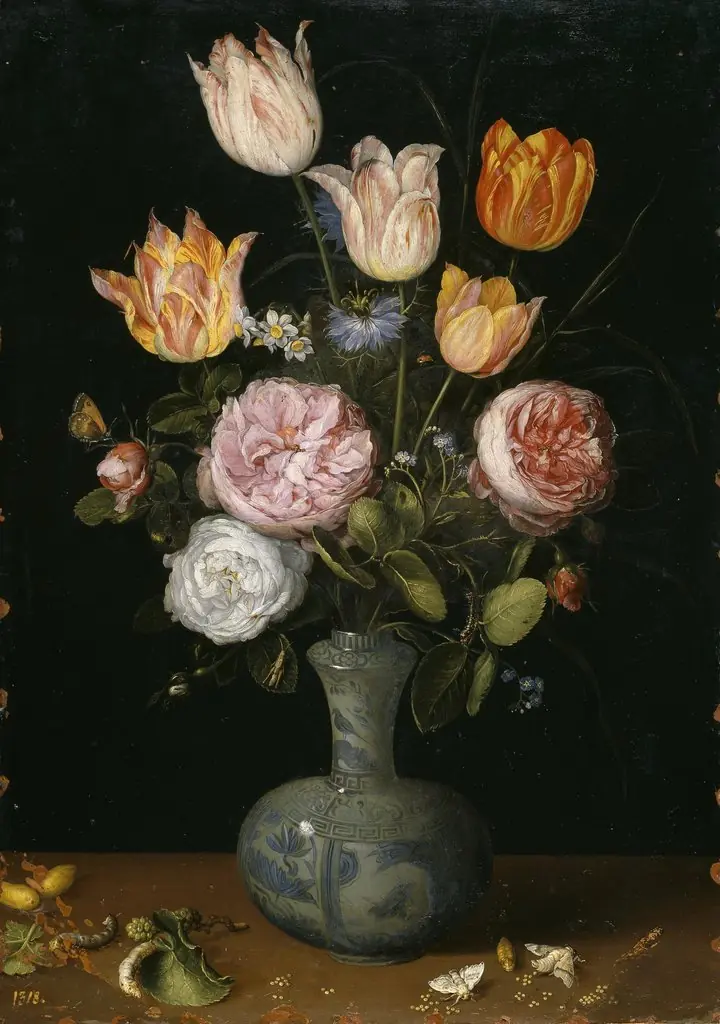 Vase of Flowers
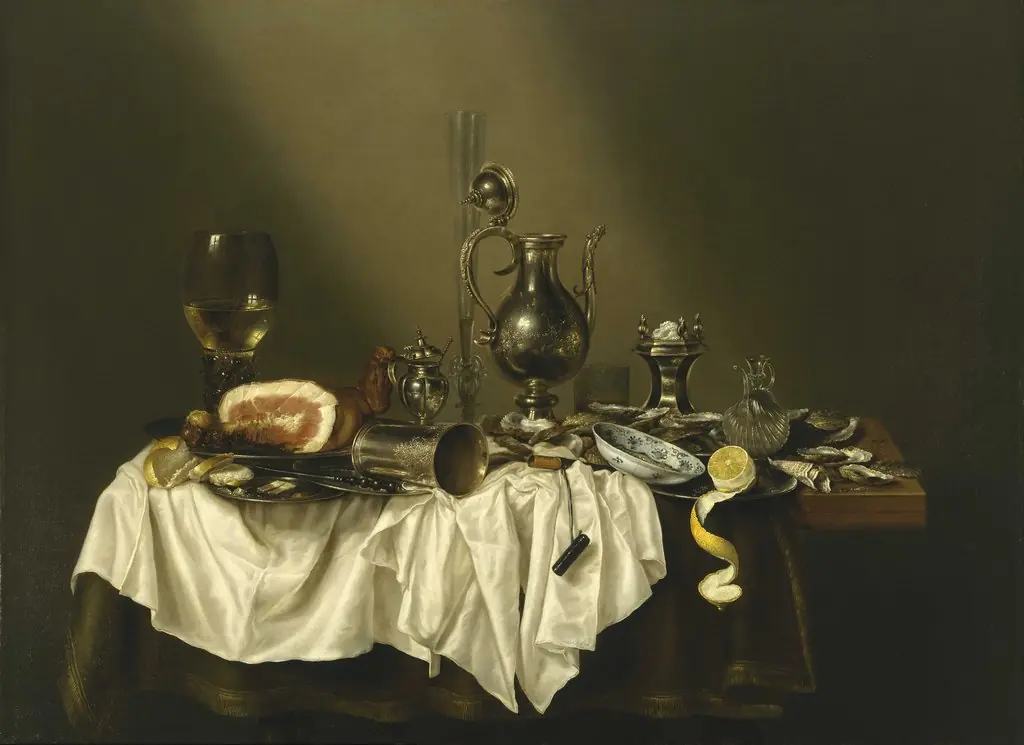 Banquet Piece with Ham
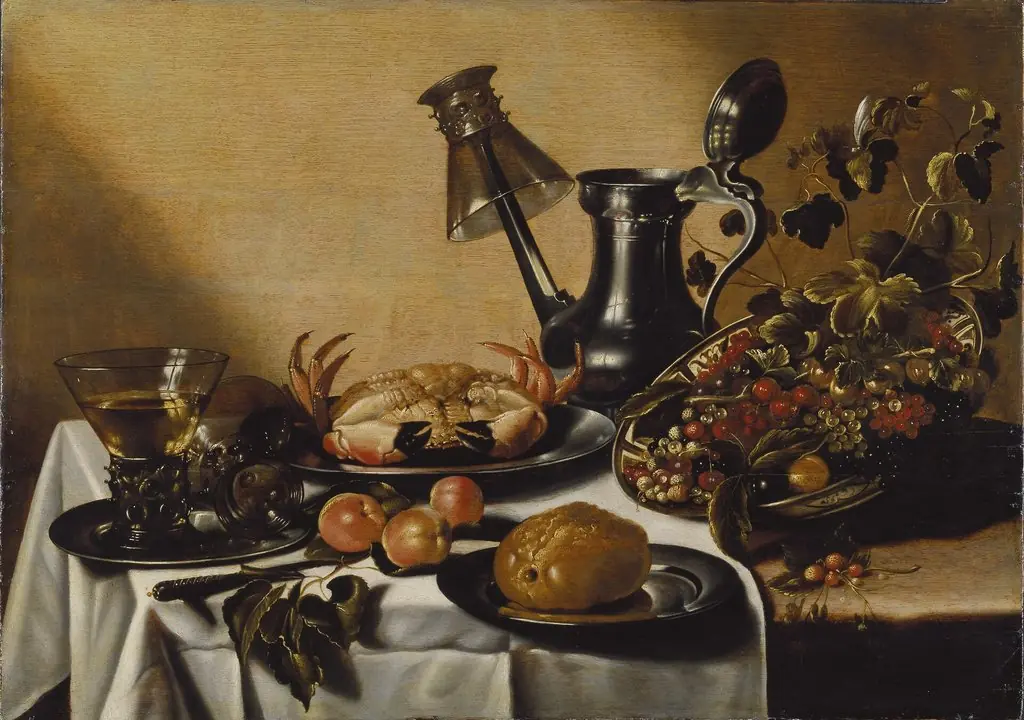 Still Life with Crab and Fruit
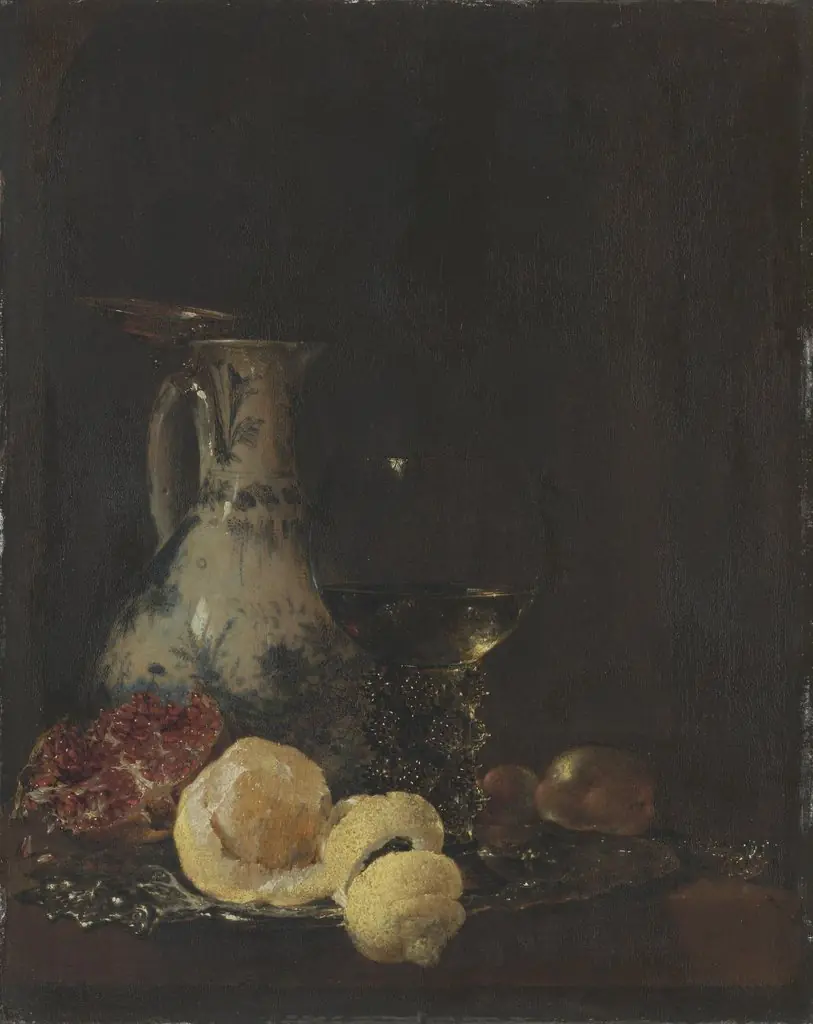 Still Life with a Ming Jug
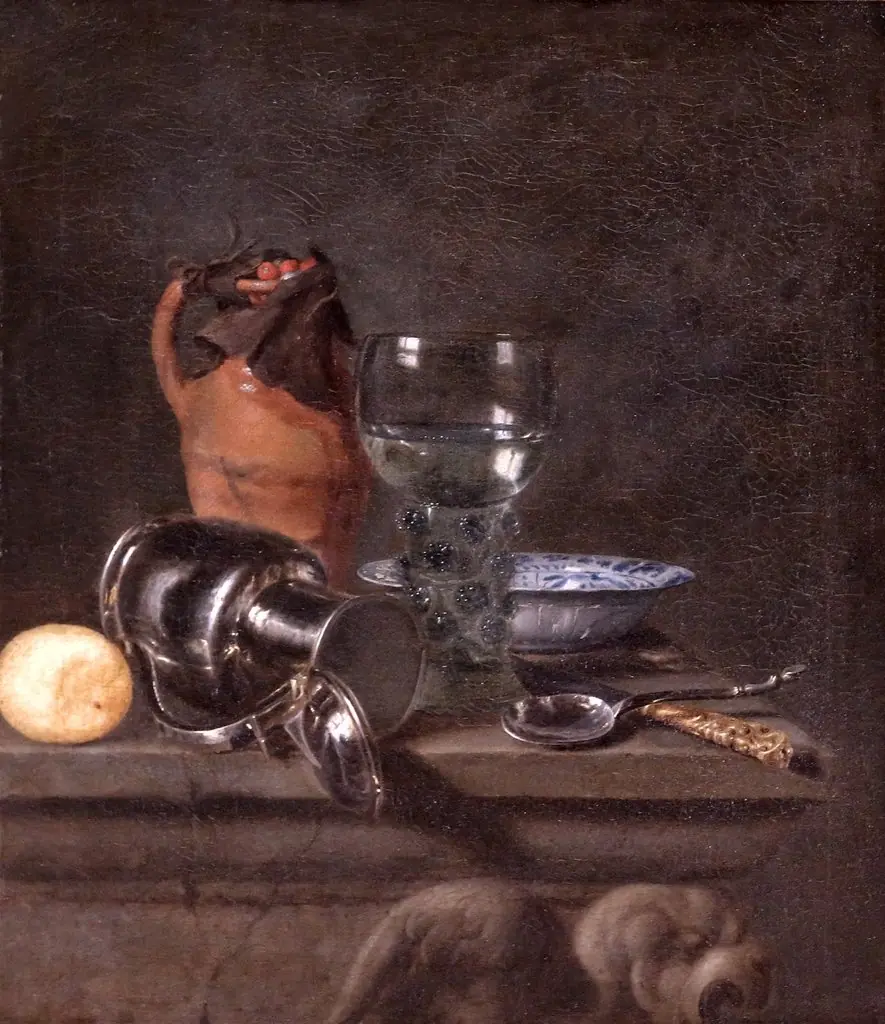 Still life with fallen pewter jug and roemer
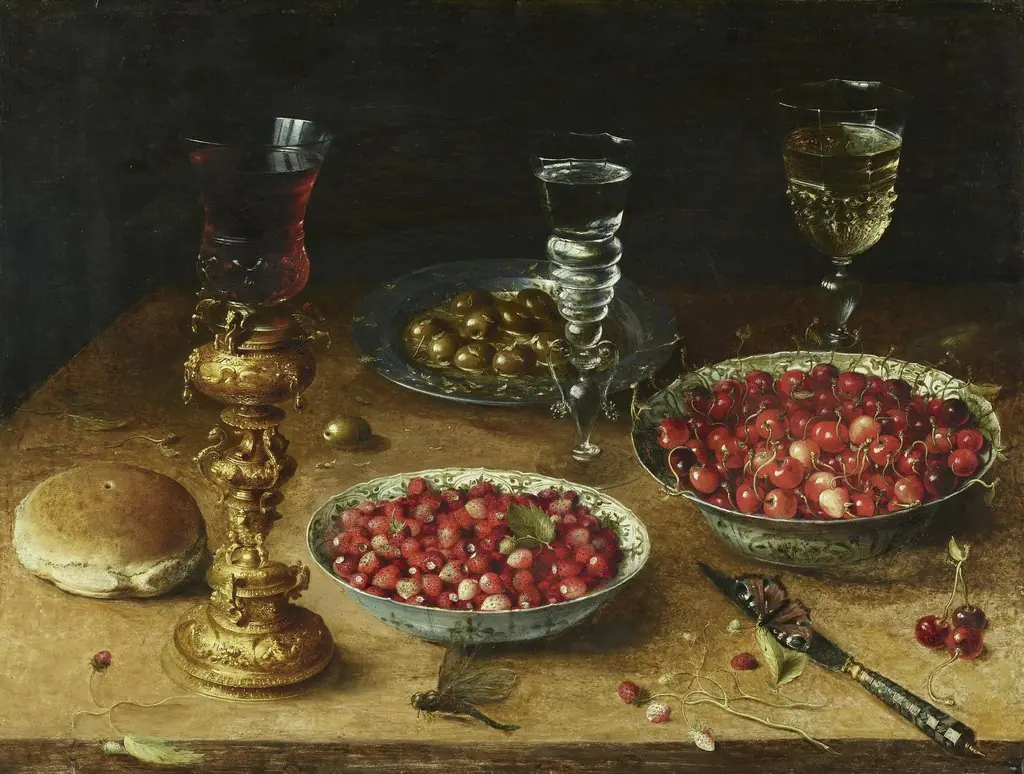 Still-Life with Cherries and Strawberries in China Bowls
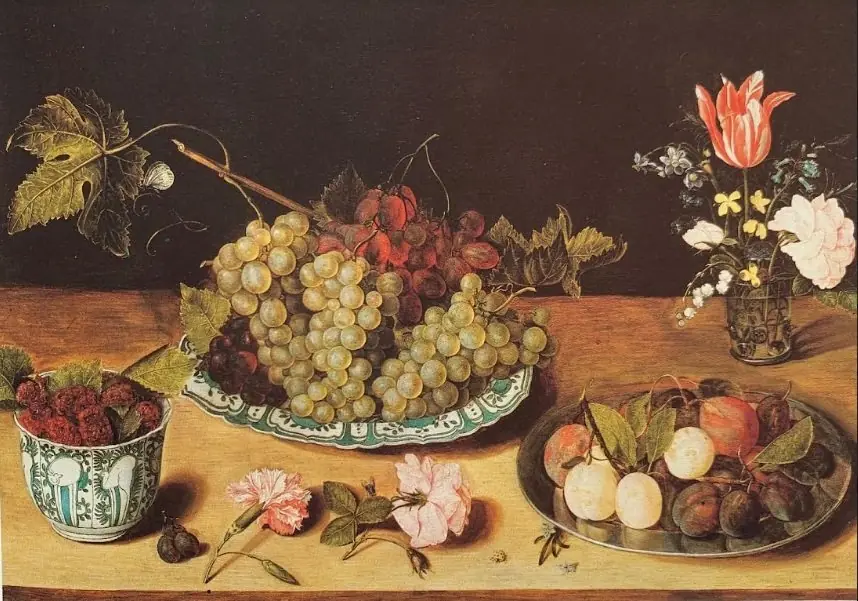 Glass of flowers, plate with grapes, plate with plums and crow cup of black raspberries
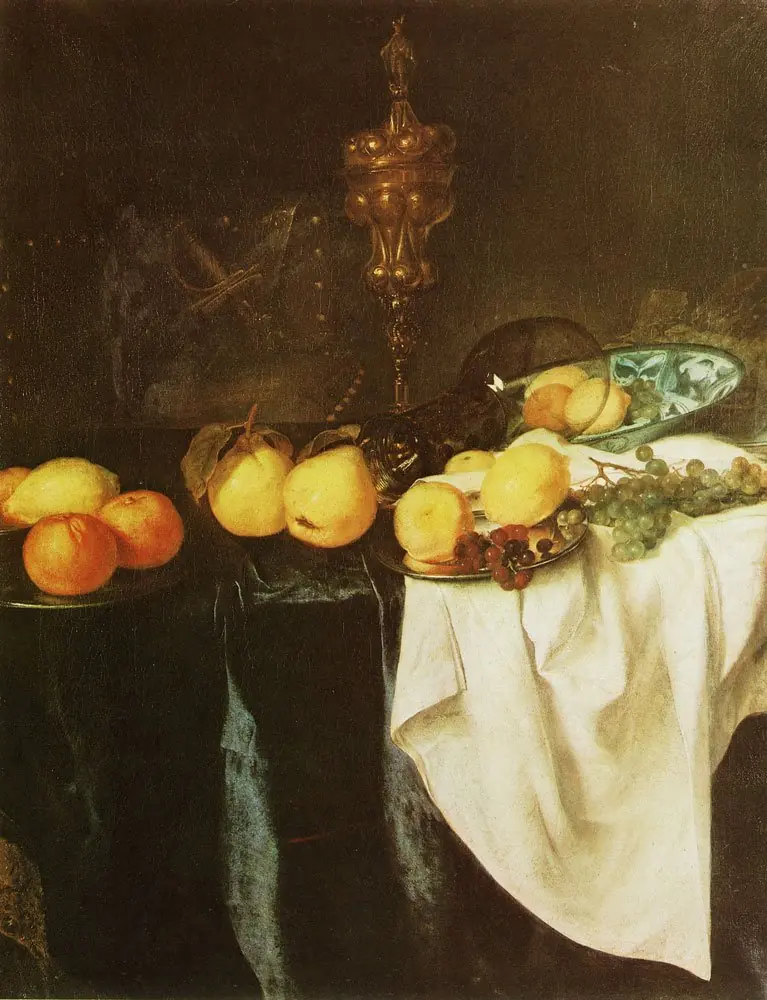 Still life with covered beaker and fruit
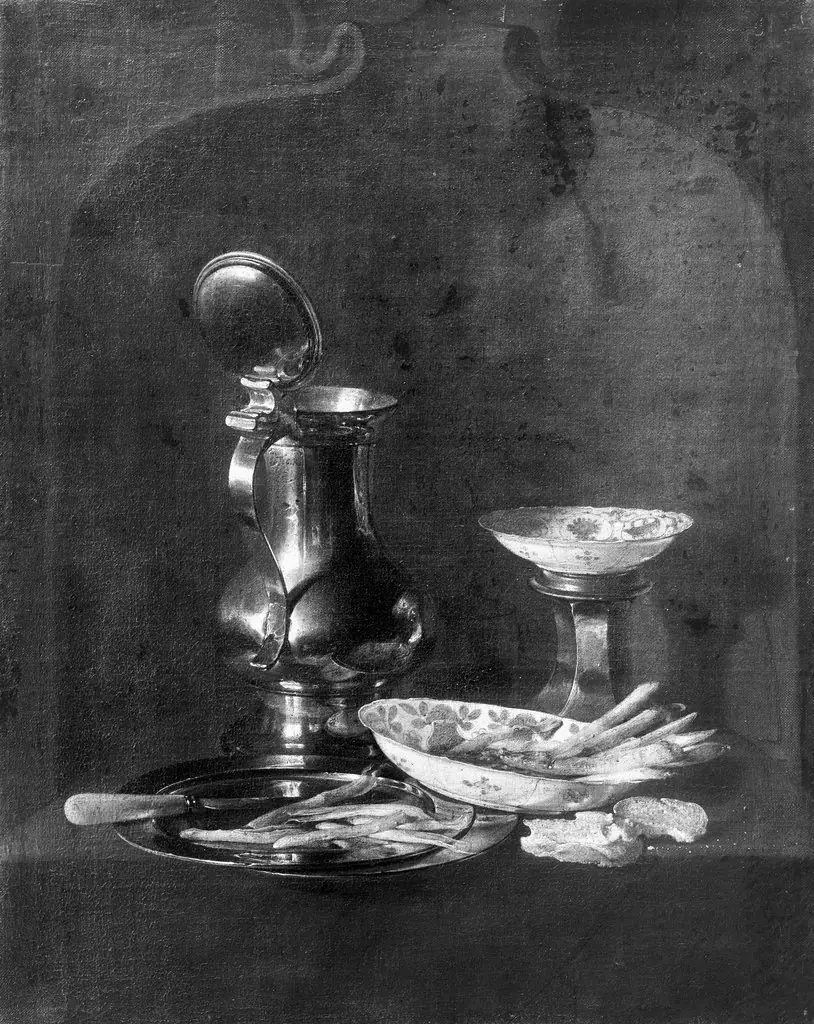 Still life with pewter utensils and Chinese bowls
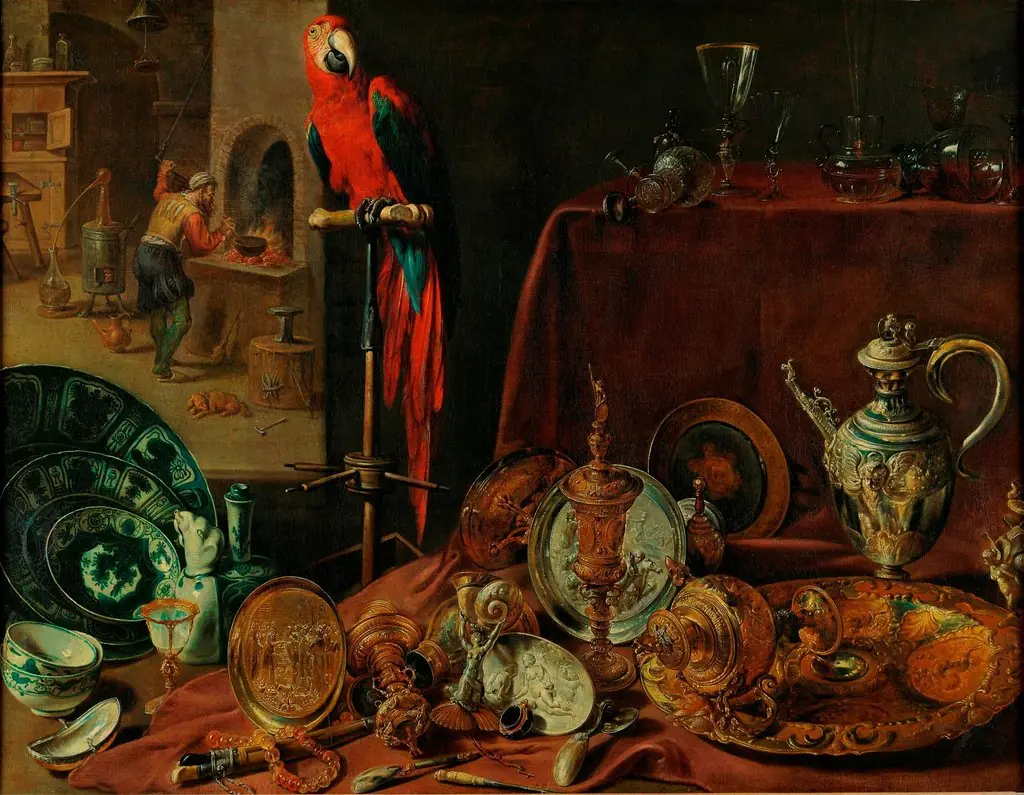 Still life with parrot, an allegory of fire
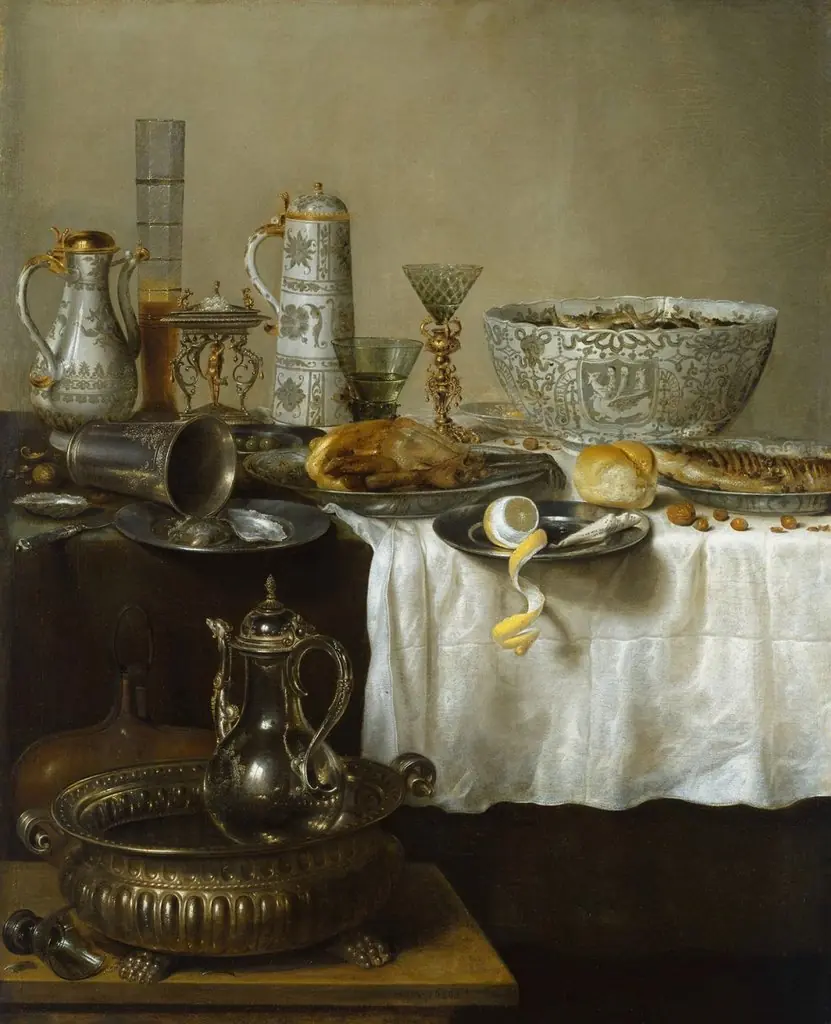 Sumptuous still life
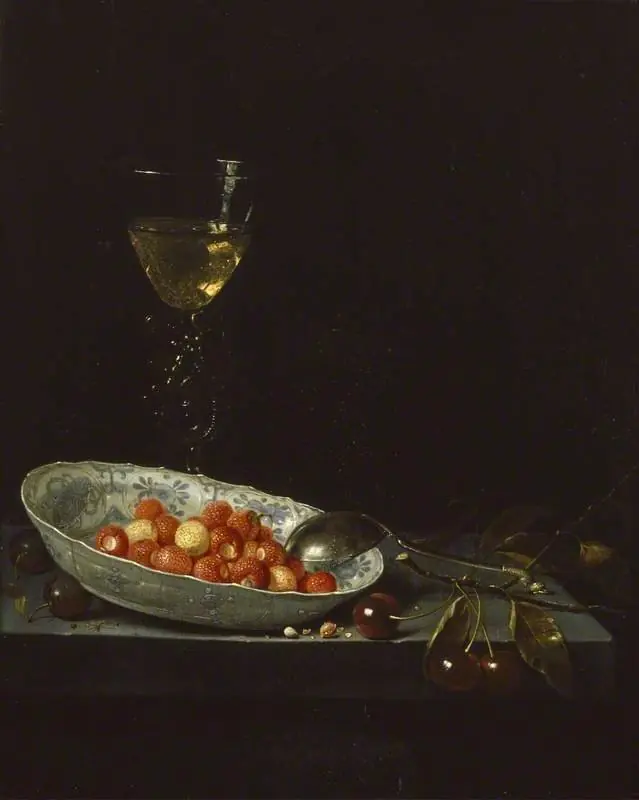 Still Life with Strawberries and Cherries
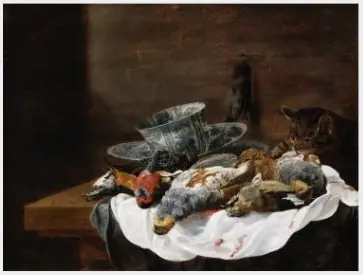 Still Life with Dead Birds
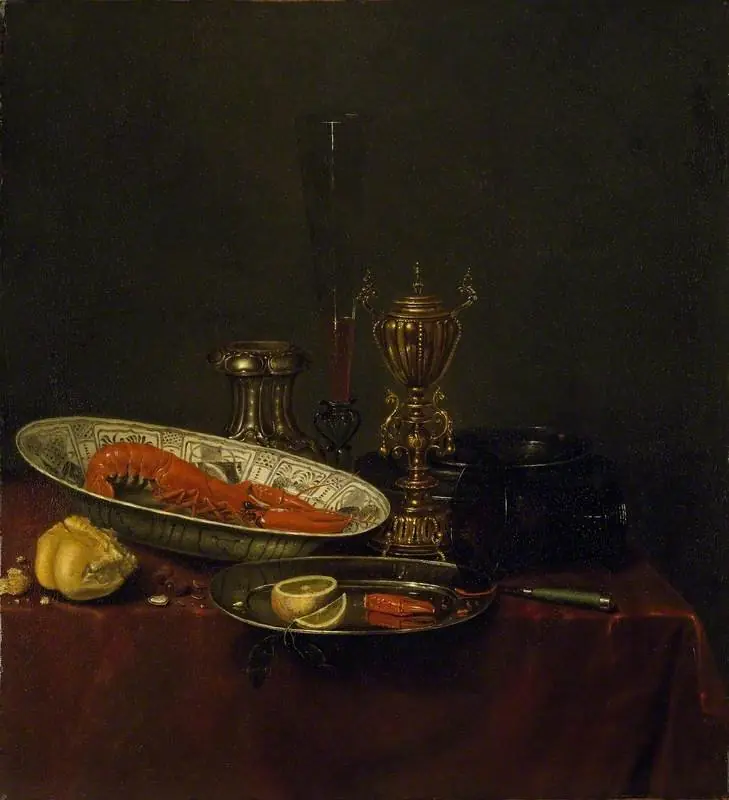 Still Life with a Lobster
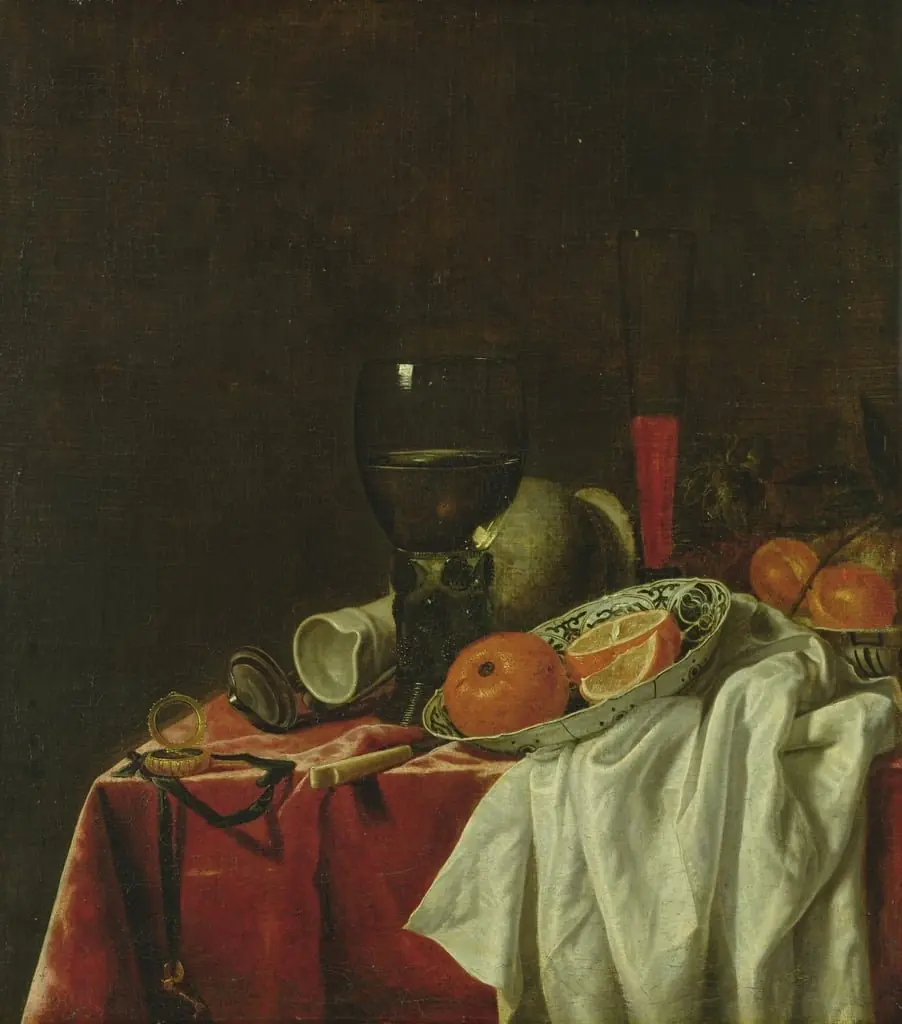 Still Life
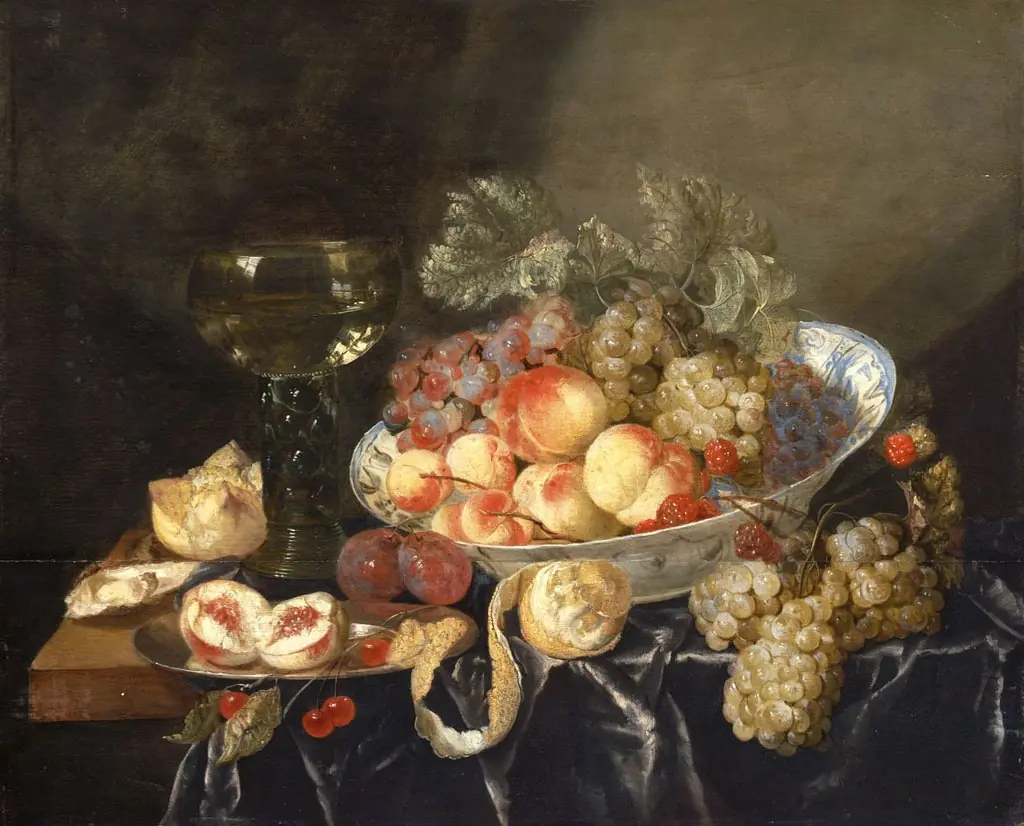 Fruit (Still Life)
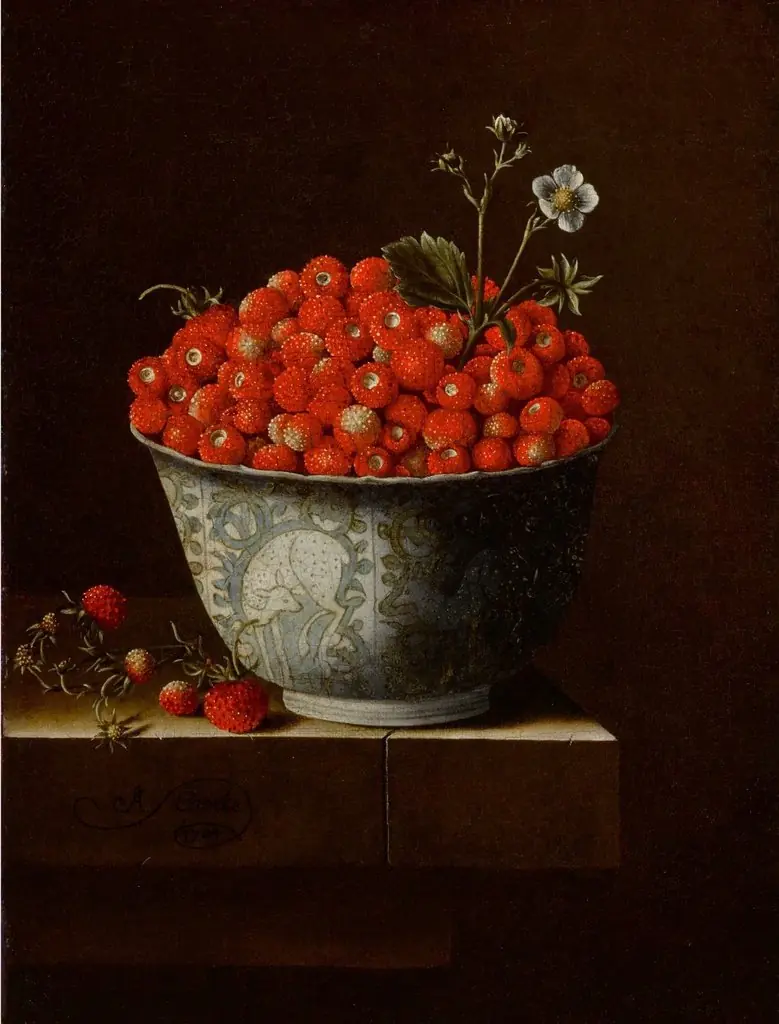 Still life of fraises-de-bois in a Wan-Li bowl upon a stone ledge
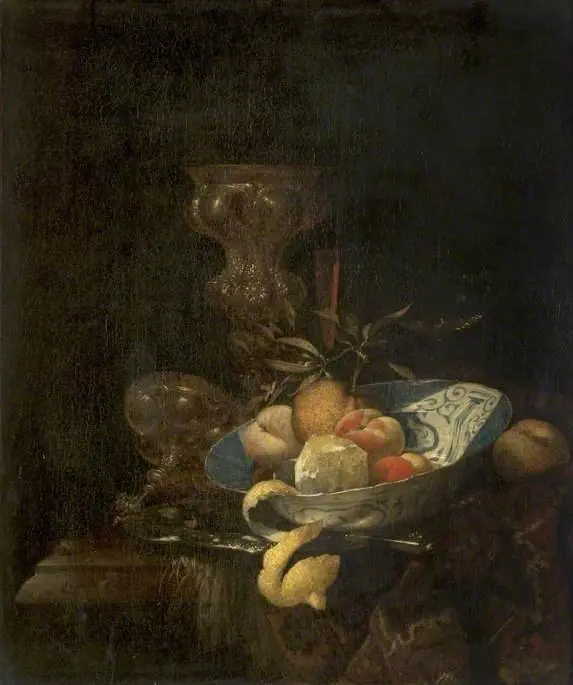 Still Life of Silver-Gilt Goblet, Porcelain Bowl, Glassware and Peeled Orange
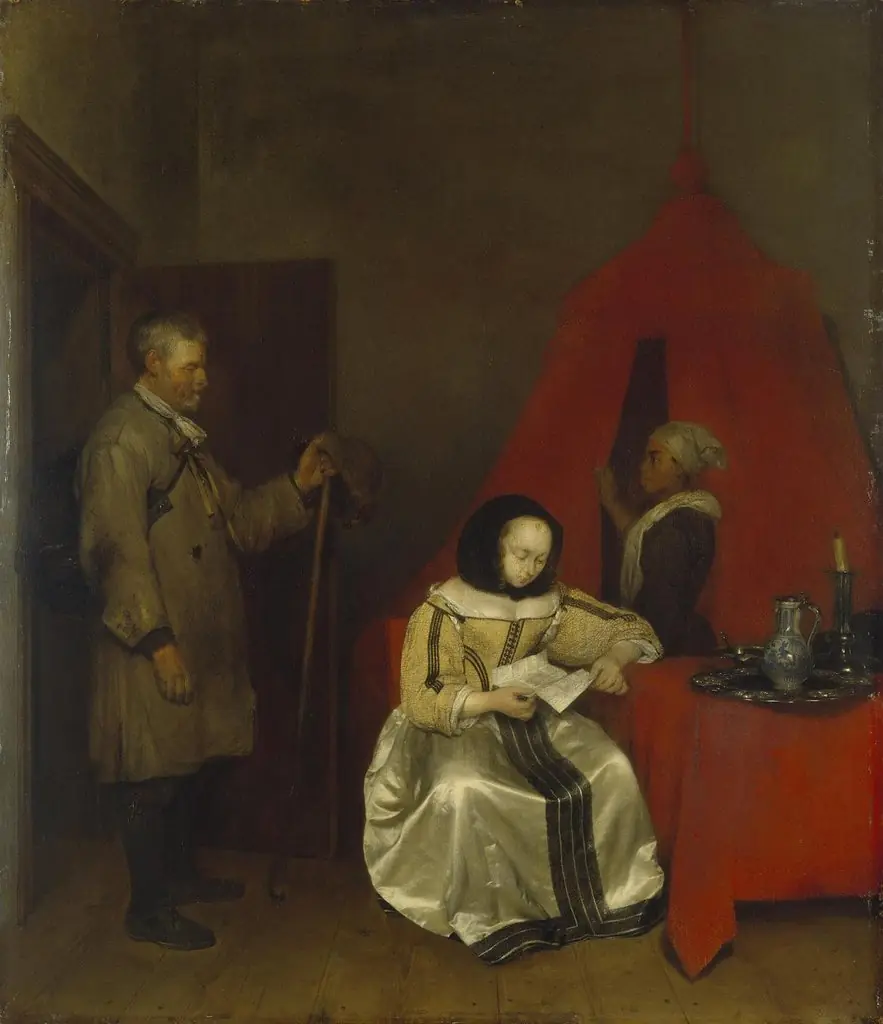 Rural Postman
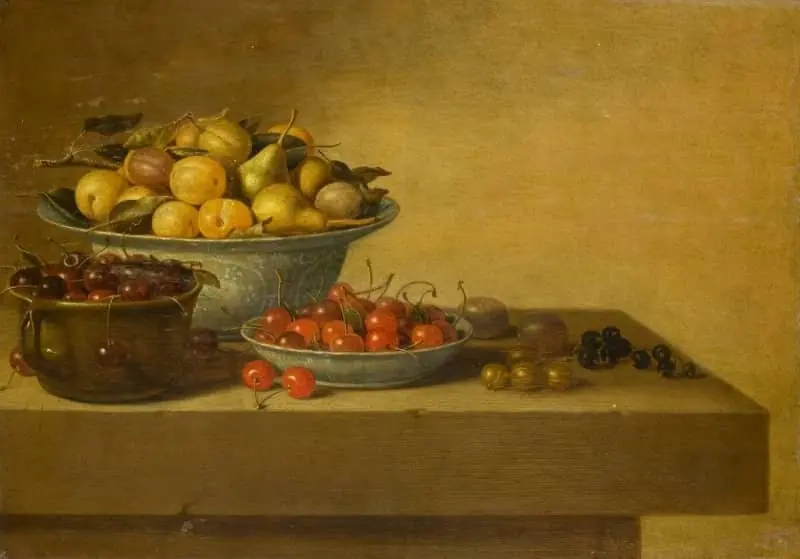 Fruit still life
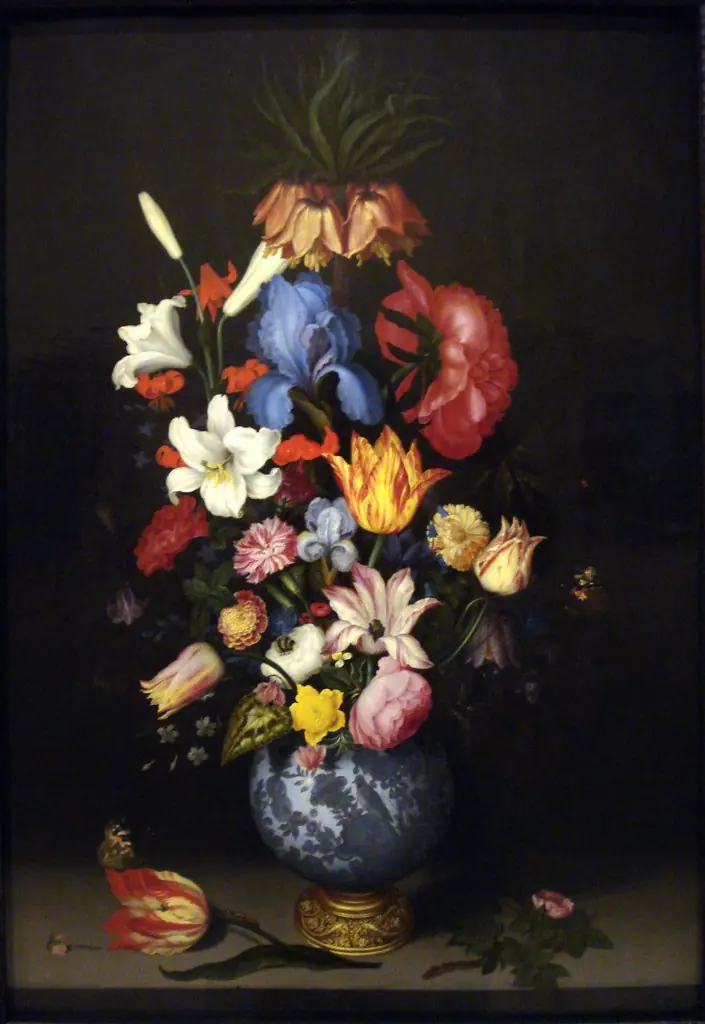 Bouquet in a Wan-Li Vase with a Gilt Mount
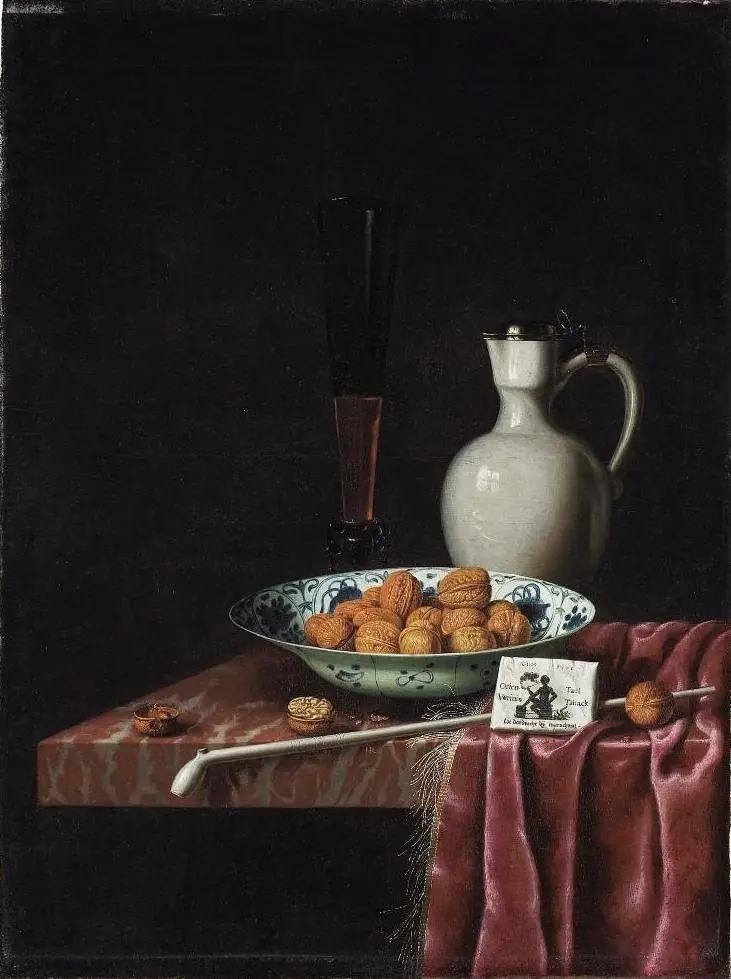 Still Life with Walnuts, Tobacco and Wine
Kraak Porcelain is a subject in art. Kraak ware or Kraak porcelain (Dutch Kraakporselein) is a type of Chinese export porcelain produced mainly in the late Ming dynasty, in the Wanli reign (1573–1620), but also in the Tianqi (1620–1627) and the Chongzhen (1627–1644).
Artifact World Gallery holds 28 public-domain Kraak Porcelain works, all free to view and download.
Key Kraak Porcelain artists in the collection include Pieter Claesz, Jan Davidsz. de Heem and Willem Claesz Heda.
Kraak Porcelain works in the collection are held by Gemäldegalerie Berlin, Museum of Fine Arts, Budapest and Ashmolean Museum.
Your cart is empty
Browse artworks →