Artwork
Triptych
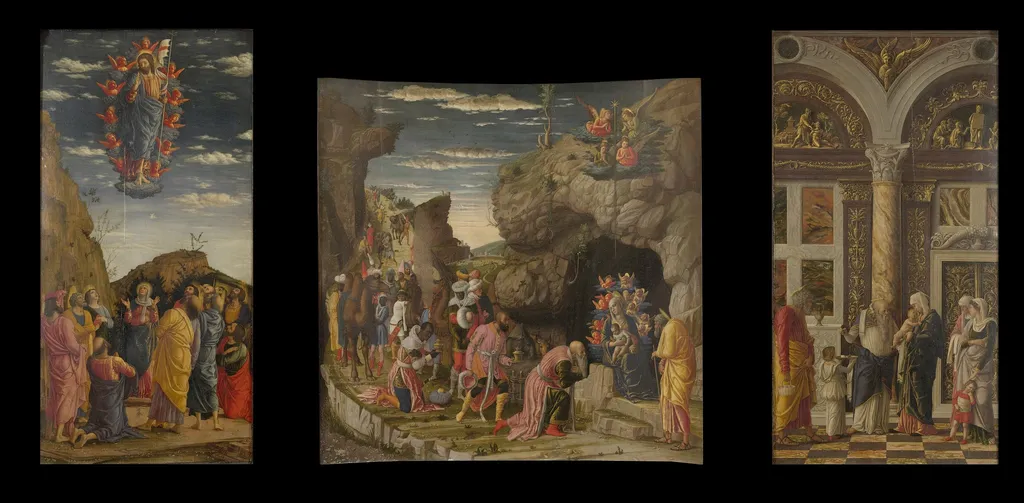
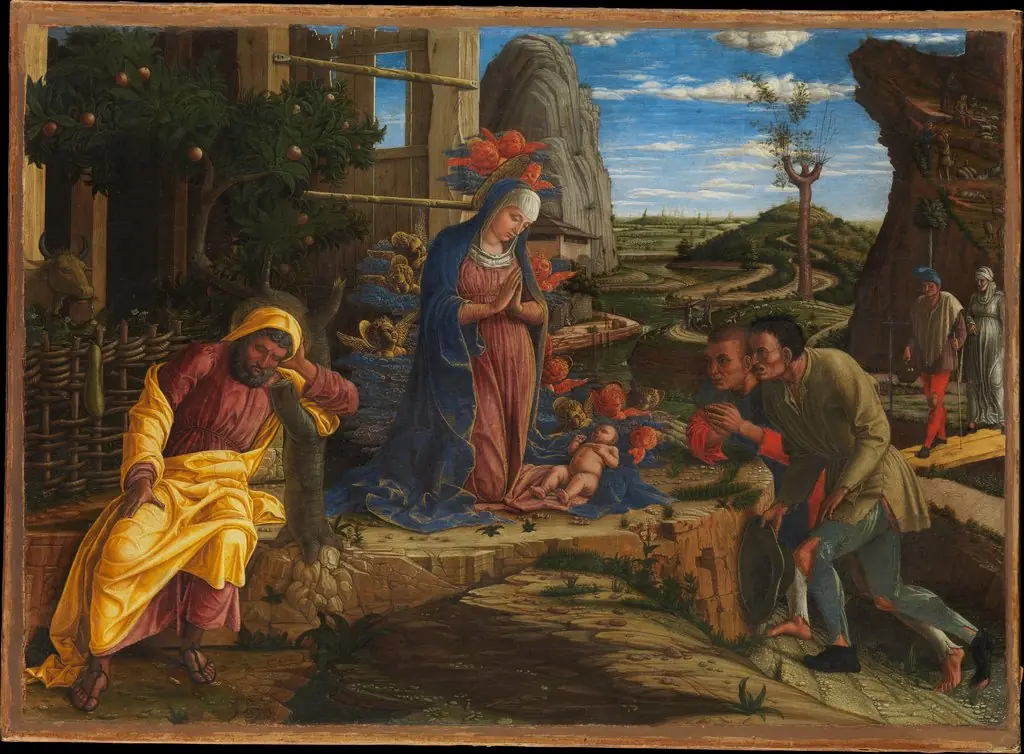
Triptych is a tempera painting by the Early Renaissance artist Andrea Mantegna. It dates from 1464 and is held in the collection of the Uffizi Gallery.
About this work
Overview
Painted in 1464 by Andrea Mantegna, this tempera triptych illustrates the Adoration of the Magi across three hinged panels.
Painted in 1464 by Andrea Mantegna, this tempera triptych illustrates the Adoration of the Magi across three hinged panels. It is housed in the Uffizi Gallery in Florence and represents a key example of early Renaissance religious art. Mantegna’s approach emphasizes structural clarity and spatial depth, distinguishing his work from contemporaries through a rigorous attention to form and architectural precision.
Subject & Meaning
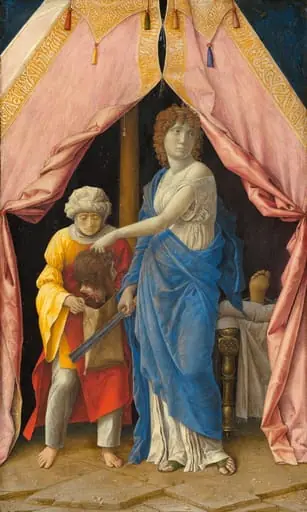
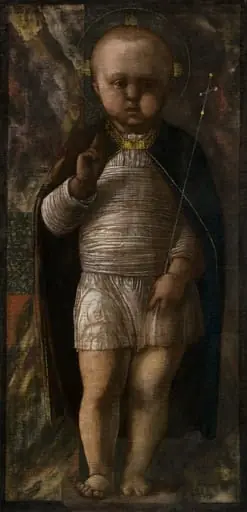
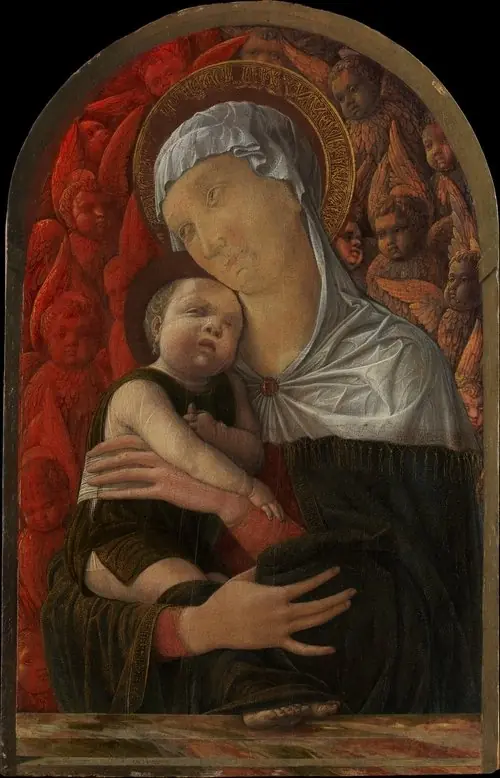
The central panel portrays the moment the Magi present gifts to the infant Christ, surrounded by a diverse retinue of attendants, soldiers, and onlookers. The left panel shows a celestial figure amid red-winged angels, suggesting divine intervention, while the right depicts a classical ruin with figures observing the scene. Together, the panels frame the sacred event within a world of human activity and antiquity, reinforcing the theological significance of Christ’s birth.
Technique & Style
Mantegna employed tempera on panel to achieve sharp outlines and a hard-edged, sculptural quality in his figures. He rendered surfaces with a metallic sheen and used a low horizon line to amplify the monumentality of the composition. The rocky terrain and architectural elements reflect his study of Roman ruins, while the rigid postures and angular drapery convey a sense of timeless, almost epigraphic form.
History & Provenance
Commissioned for a private devotional setting, the triptych entered the Medici collection in the late 15th century and was later transferred to the Uffizi Gallery. Its survival through centuries of political and religious upheaval underscores its perceived importance. Documentation from the Medici archives confirms its presence in Florence by the 1490s, linking it to the city’s humanist circles and patronage networks.
Context
Created during the height of early Renaissance humanism, the work reflects a growing interest in classical antiquity and empirical observation. Mantegna’s integration of Roman architecture and military dress into a biblical scene aligns with contemporary scholarly pursuits in archaeology and history. The triptych format itself was common in northern Italian altarpieces, serving both liturgical and domestic devotional functions.
Legacy
Mantegna’s triptych influenced later artists through its fusion of classical form with religious narrative. Its emphasis on spatial logic and sculptural anatomy became a model for Renaissance painters seeking to ground sacred subjects in tangible, observable reality. Though not widely exhibited in its original setting, its compositional strategies resonated in the works of Venetian and Lombard contemporaries.
Artist & collection
Artist
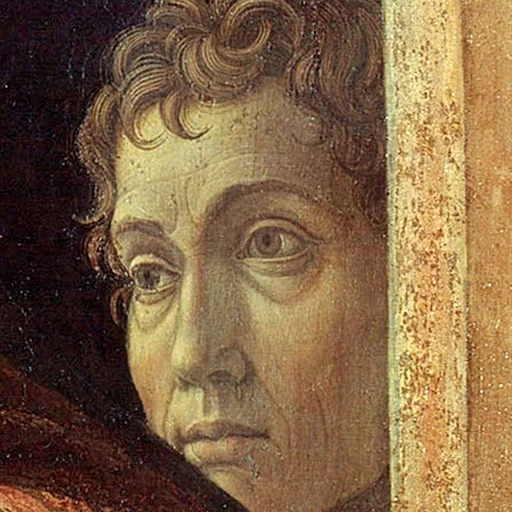
Andrea Mantegna (UK: US:; Italian:; c. 1431 – September 13, 1506) was an Italian Renaissance painter, a student of Roman archaeology, and the son-in-law of Jacopo Bellini. Like other artists of the time, Mantegna…

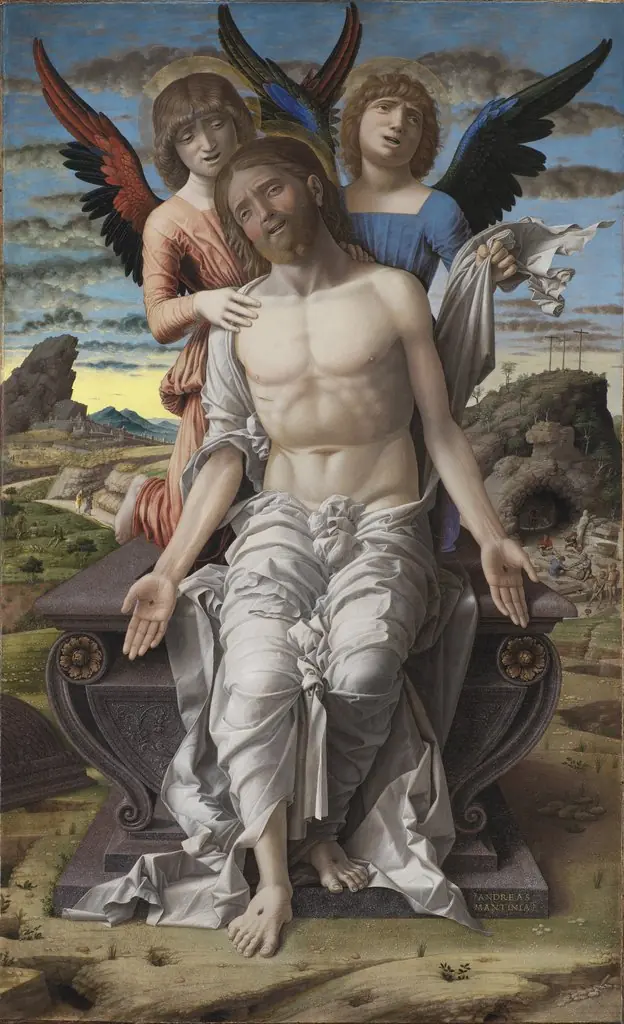
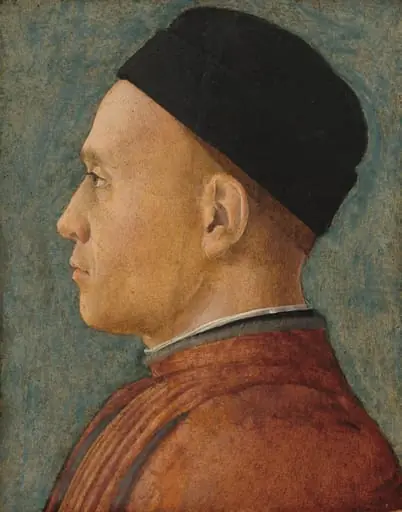
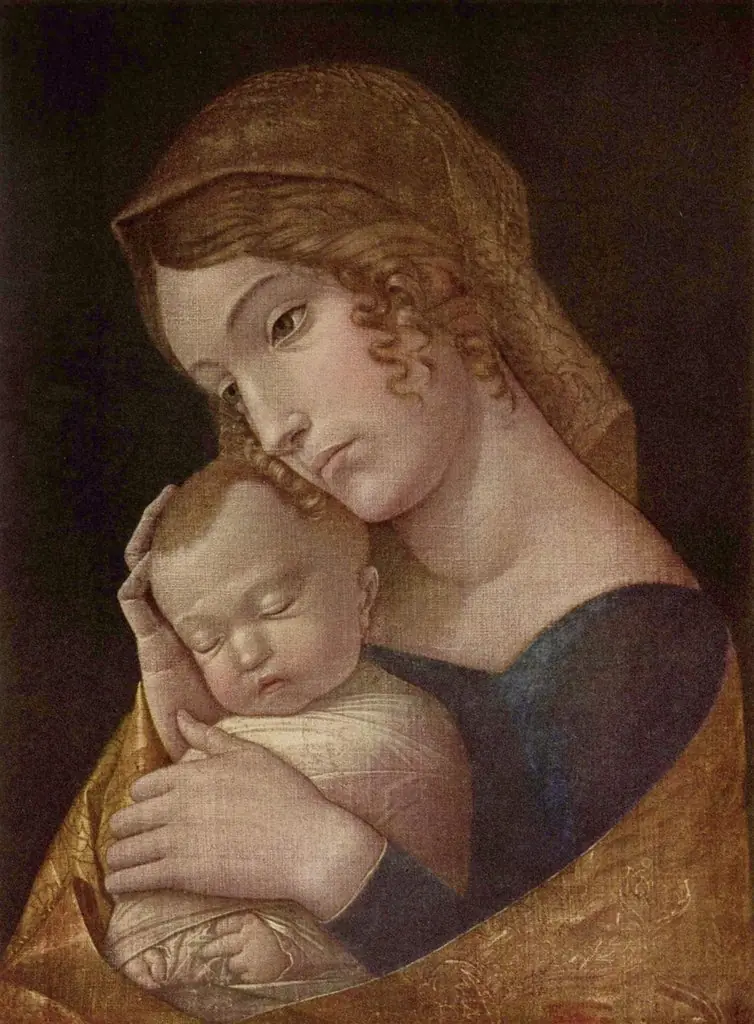
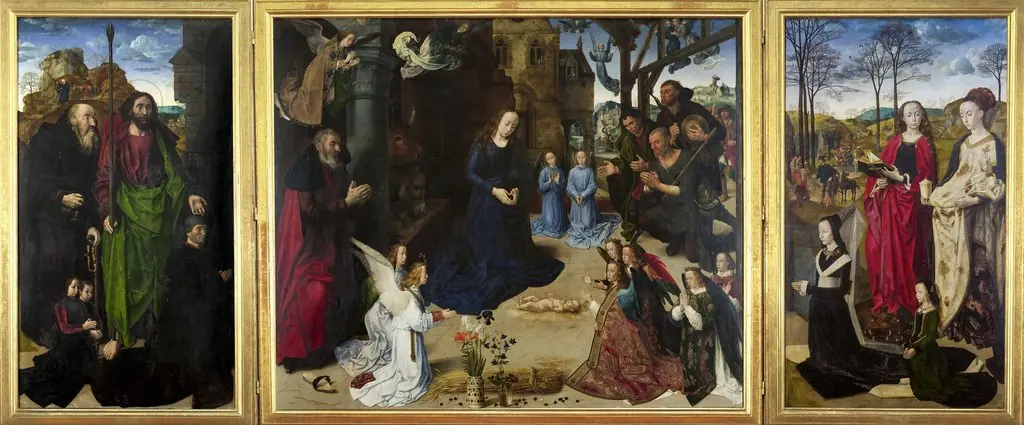
- Portinari Triptych
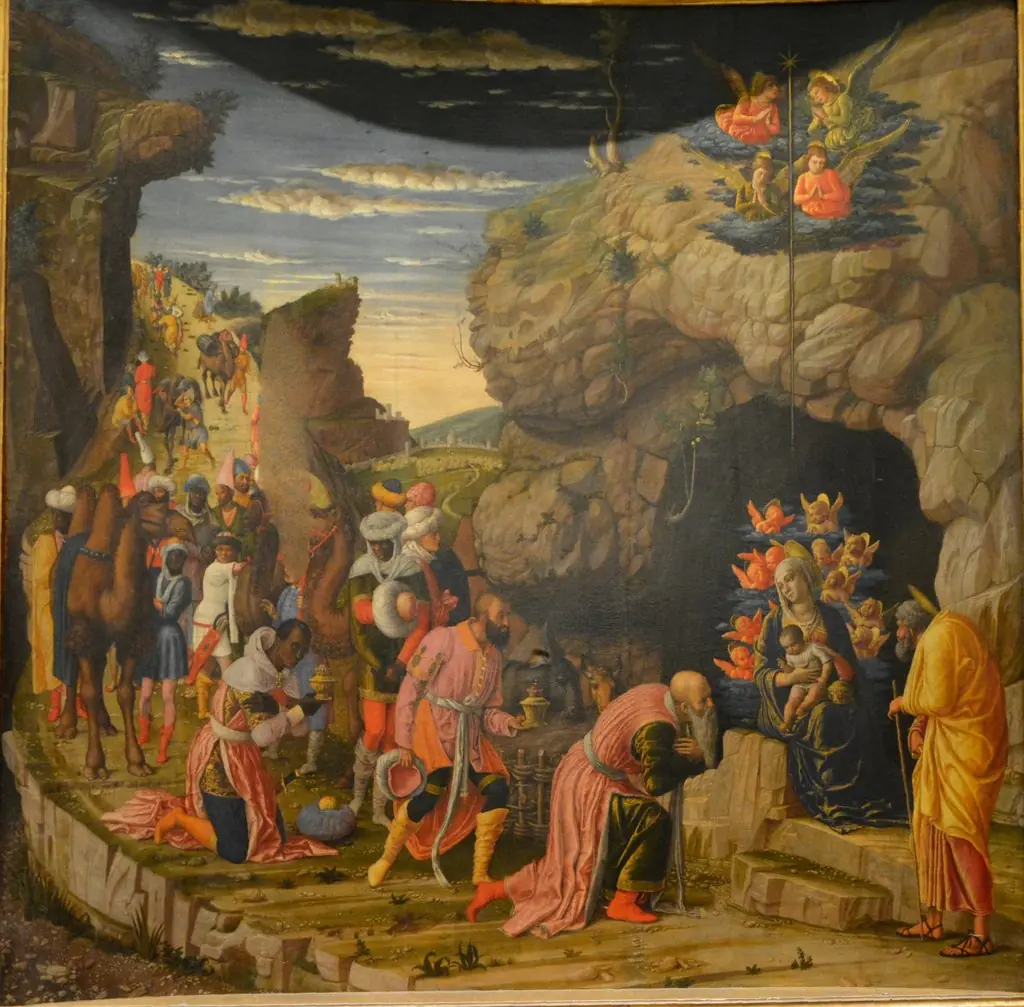 Adoration of the Magi
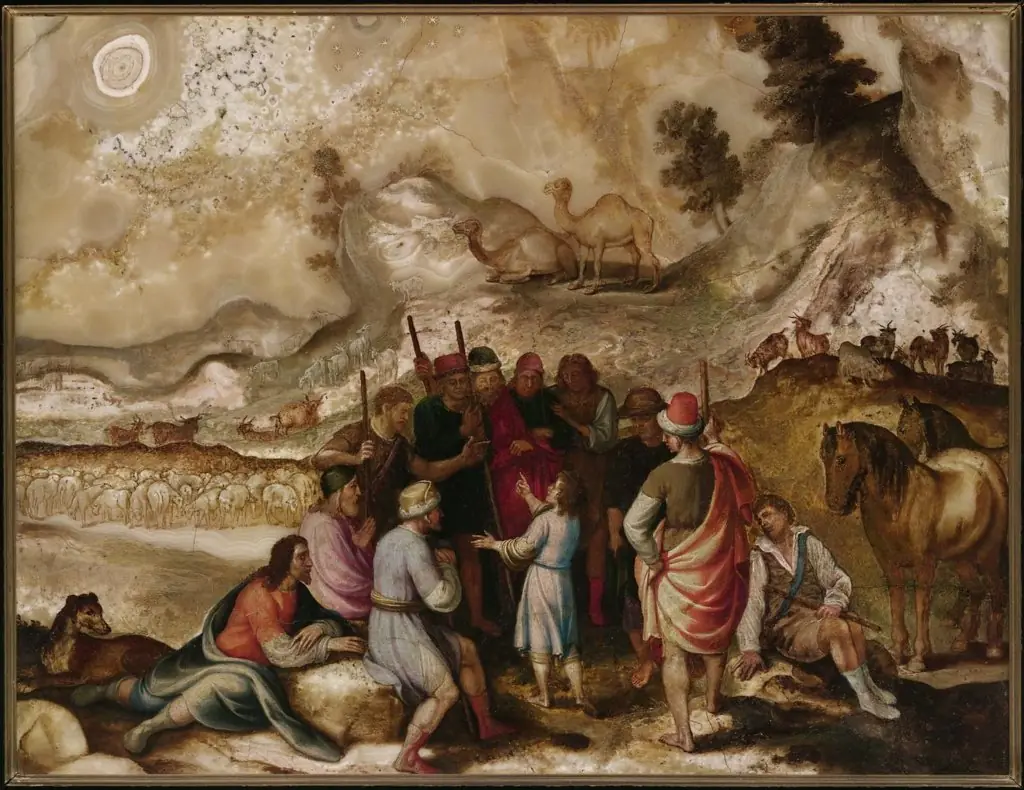 Joseph Explaining His Dream to His Brothers
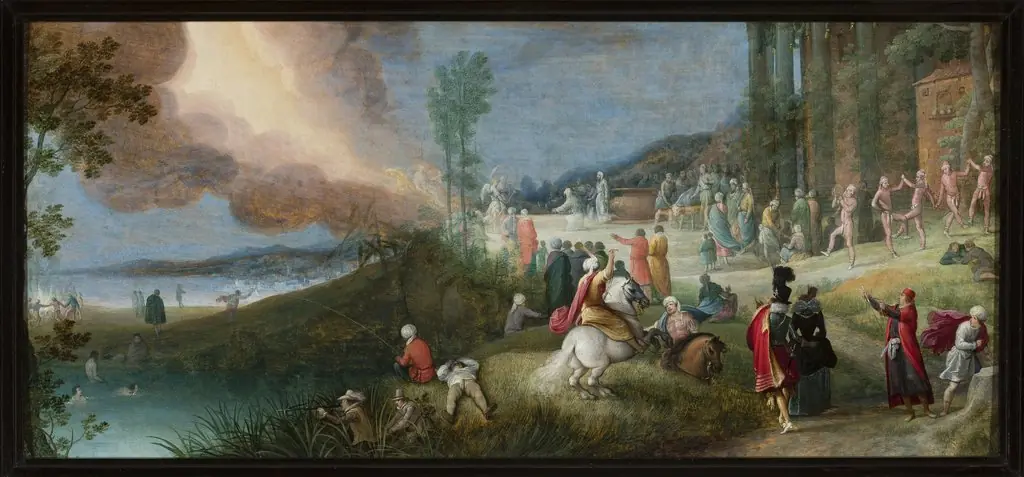 Offering scene
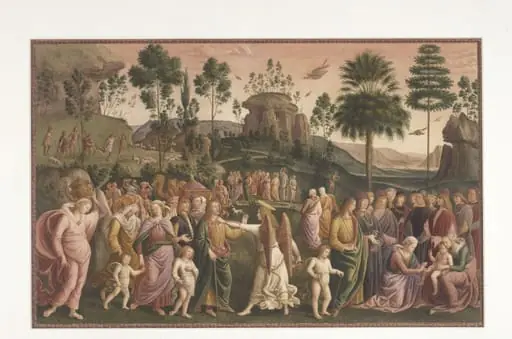 Copy after the painting Moses and the Angel by Perugino in the Collegio del Cambio, Perugia.
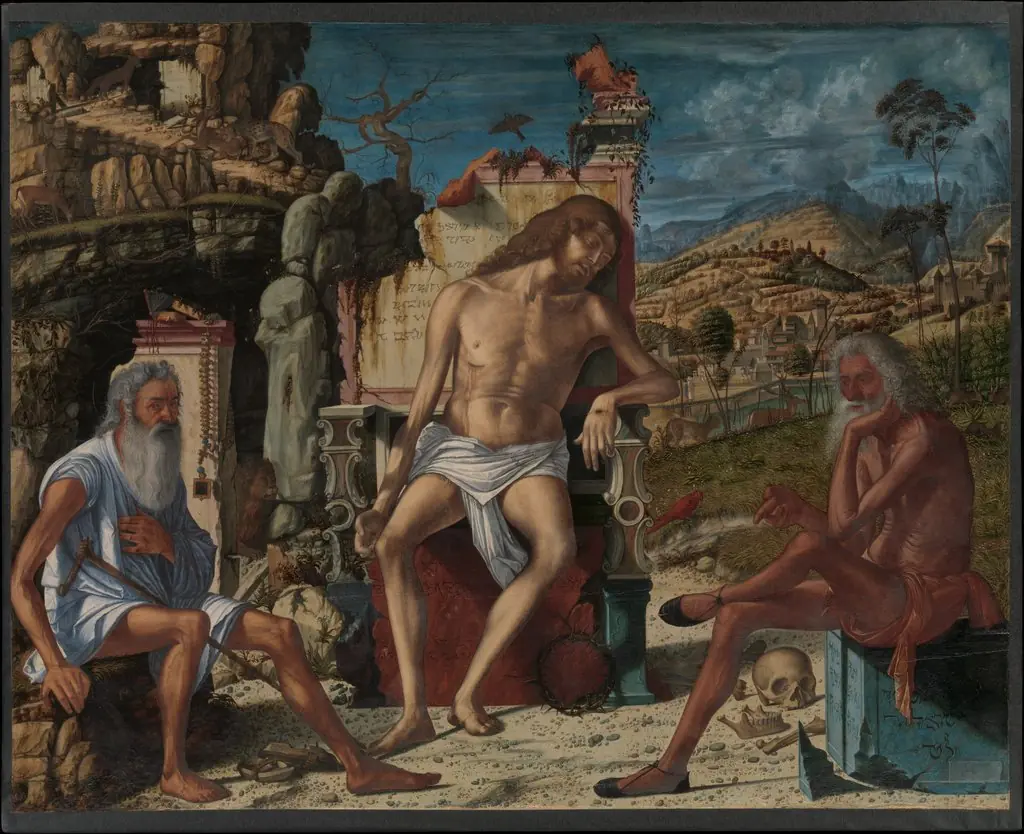 The Meditation on the Passion
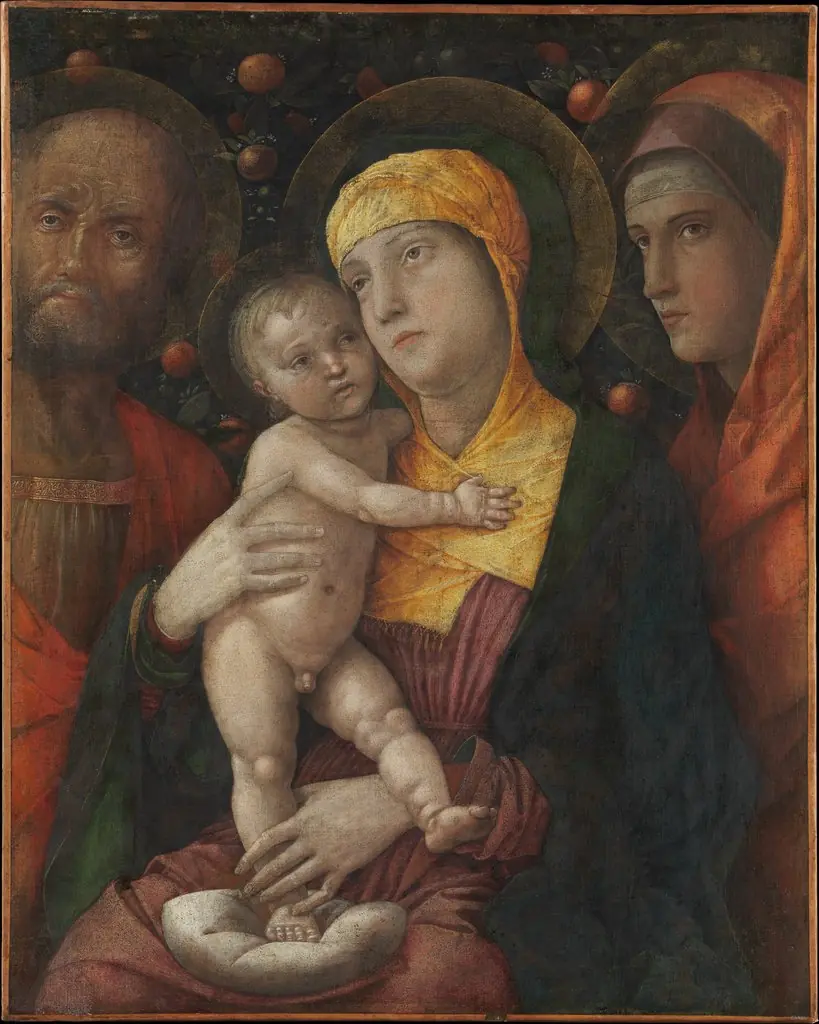
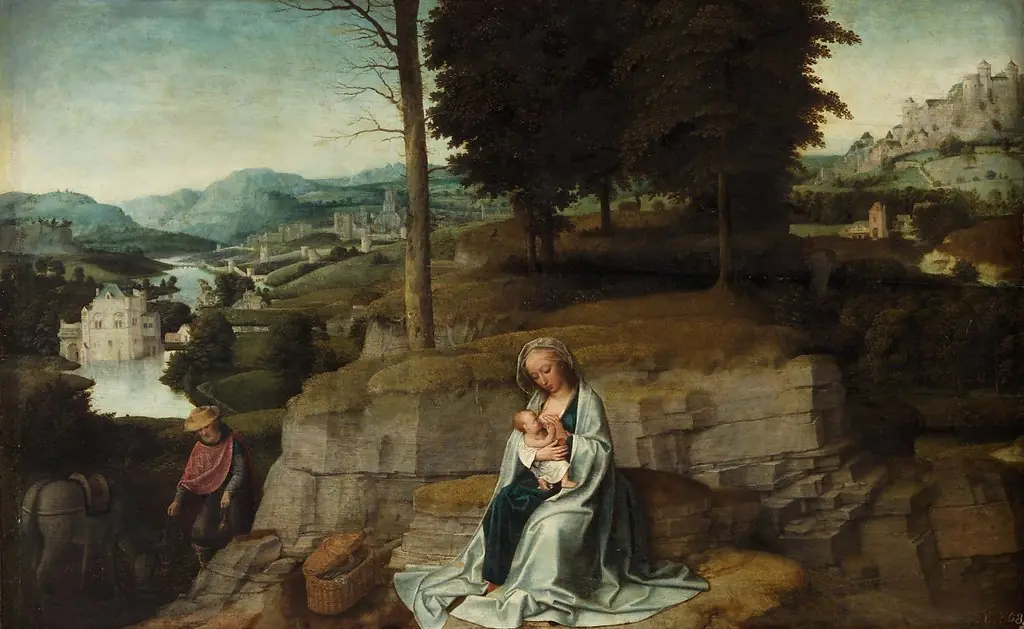 Rest on the Flight into Egypt
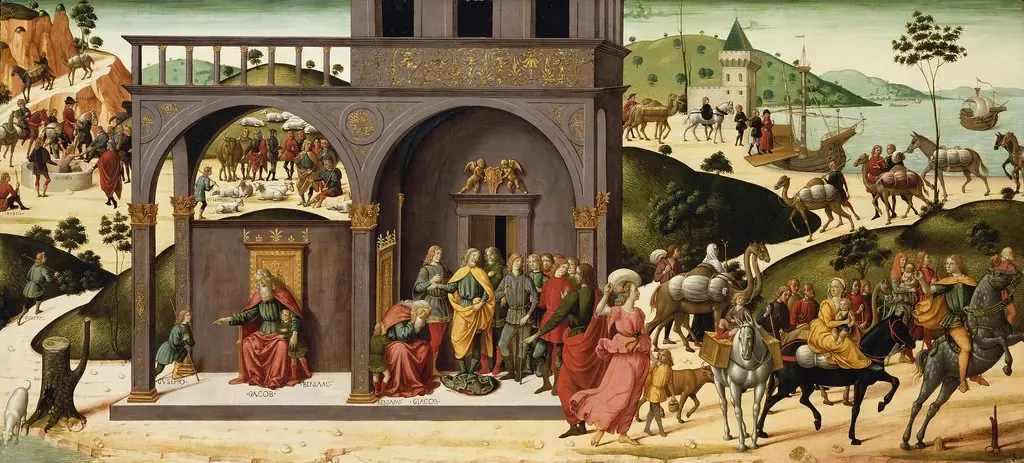 The Story of Joseph
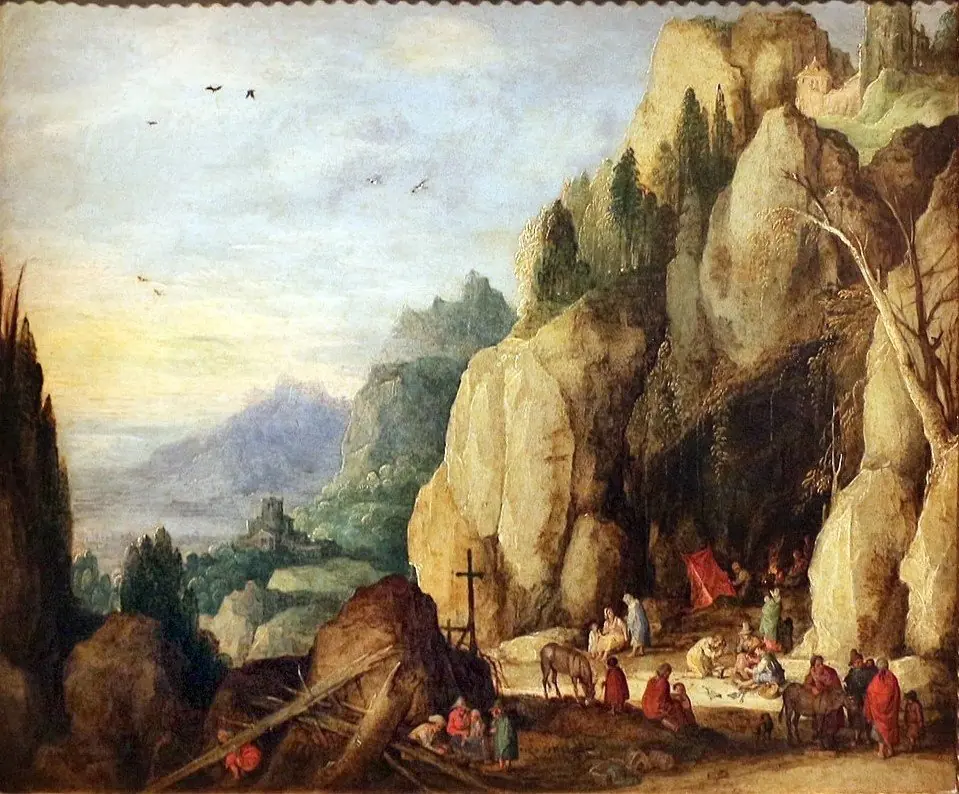 Acampamento
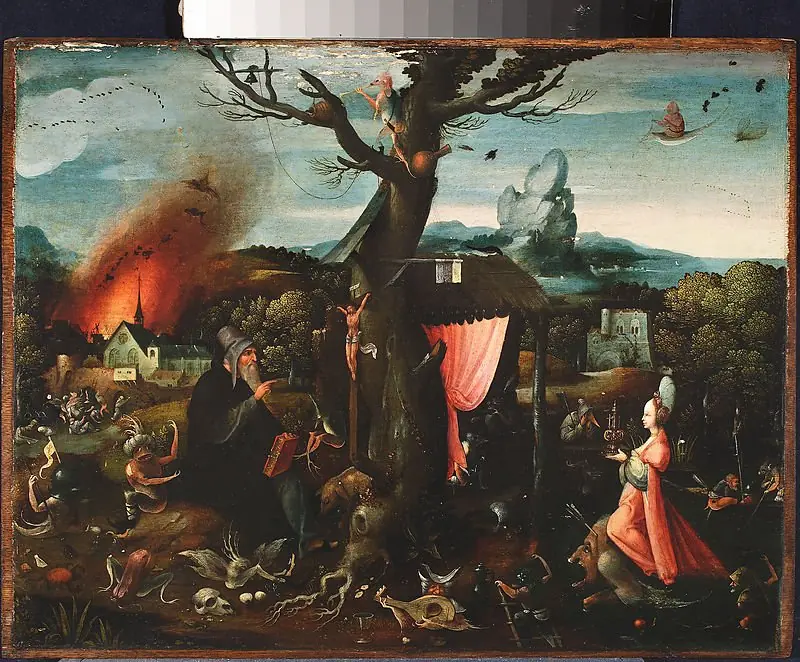 Temptation of St. Anthony (Jacobus de Voragine, Legenda aurea, Vitae Patrum)
 Saint John the Baptist Bearing Witness