Artwork
Adoration of the Magi
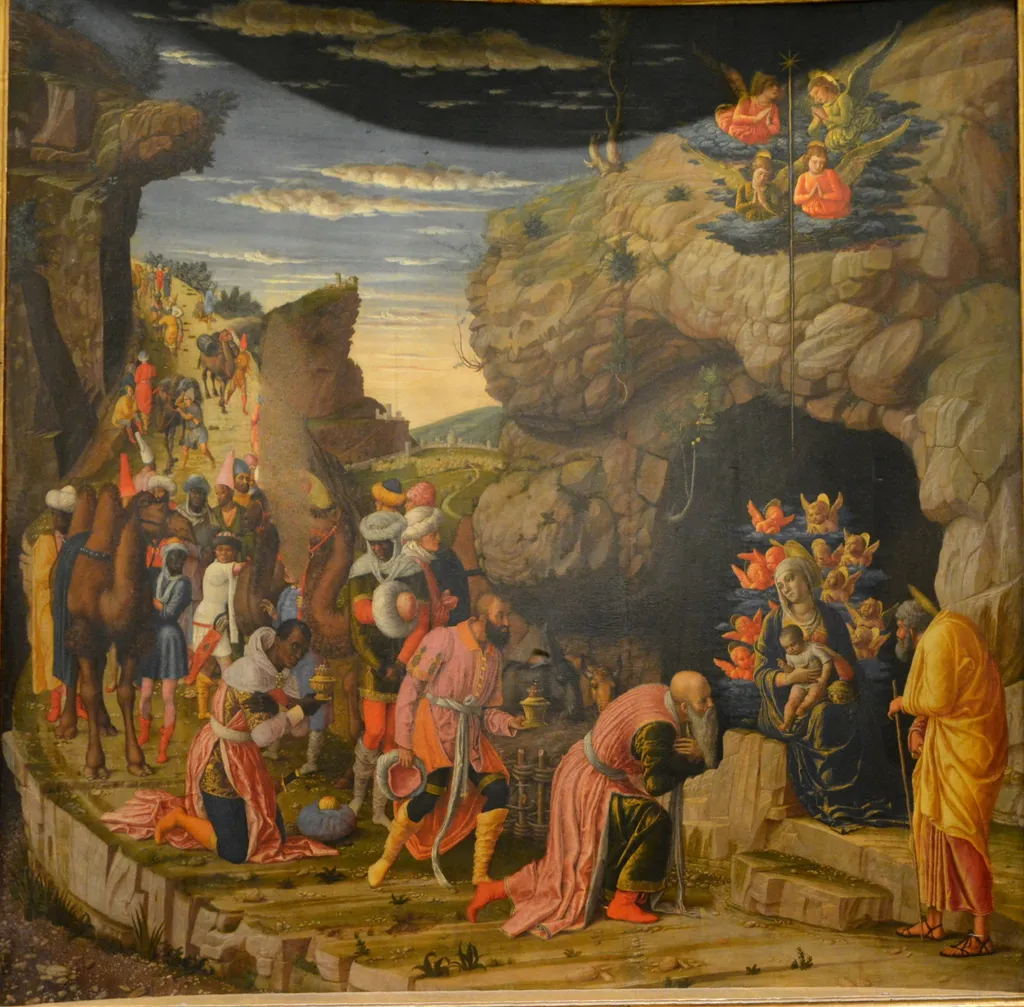
Adoration of the Magi is a tempera painting by the Early Renaissance artist Andrea Mantegna. It dates from 1463 and is held in the collection of the Uffizi Gallery.
About this work
It’s the largest, central panel of a three‑panel group that also includes an Ascension of Christ and a Circumcision of Christ.
Andrea Mantegna’s Adoration of the Magi was painted in 1463 using tempera. It’s the largest, central panel of a three‑panel group that also includes an Ascension of Christ and a Circumcision of Christ. The three works were brought together in the 19th century, though scholars aren’t sure they were meant as a single triptych.
The painting dates to around 1460, according to the museum’s records. You can see the work at the Uffizi Gallery in Florence. Check out the museum next.
Subject & Meaning
The central panel of Andrea Mantegna's triptych, dated 1463, depicts the Adoration of the Magi, a religious scene drawn from the New Testament account of the three kings paying homage to the newborn Christ. The composition shows the Magi descending along a path carved into the rock toward the Child's grotto, where the Virgin Mary is portrayed crowned by angels in a manner drawn from a Byzantine model.
The flanking panels of the triptych extend the devotional program through complementary scenes from the life of Christ: the Ascension on one side and the Circumcision on the other, framing the Adoration as the focal episode of Christ's infancy and manifestation to the Gentile world. The Magi's act of adoration traditionally signifies the recognition of Christ's kingship and divinity by the non-Jewish nations, while the Virgin's angelic crown evokes her queenship and role as Queen of Heaven.
Together, the three panels form a narrative cycle originally intended for a private chapel setting, with the Adoration serving as the central devotional image.
Technique & Style
Andrea Mantegna's Adoration of the Magi is executed in tempera on panel, a medium consistent with mid-Quattrocento Italian practice. The central panel of the Uffizi Triptych measures approximately 76 by 76.5 cm, making it nearly square and notably larger than the flanking Ascension and Circumcision panels, each about 86 by 42.5 cm. Scholars have long observed stylistic and formal inconsistencies among the three components, including differences in format, setting, and quality, which has led critics such as Roberto Longhi to argue that the works were not conceived as a unified triptych but originated from separate locations within the same chapel. The differing dimensions of the central and side panels were later masked by a gilded neo-Renaissance intaglio frame added when the trio was reassembled in the nineteenth century.
History & Provenance
The Adoration of the Magi (central panel of the Uffizi Triptych) is a tempera-on-panel painting by Andrea Mantegna dated to circa 1460‑1463. It was commissioned in the 1460s for Ludovico III Gonzaga’s private chapel in the Castle of St. George, Mantua, a fact recorded in Mantegna’s April 1464 letters to the duke and noted by Vasari. After remaining in the Mantuan chapel, the work resurfaced in 1587 when it was found cut up near Pistoia among the belongings of Don Antonio de’ Medici; it entered the Grand Duchy of Tuscany’s collection before 1632, where it was briefly misattributed to Botticelli.
The three panels were first exhibited together in 1827 with a neo‑Renaissance intaglio frame to reconcile their differing sizes, and they now reside in the Uffizi Gallery. Scholars debate whether the panels were conceived as a unified triptych, with some arguing they originated from different chapel locations.
Context
The Adoration of the Magi occupies a contested position in Andrea Mantegna's oeuvre and in the historiography of early Italian Renaissance painting. It forms the central panel of the so-called Uffizi Triptych, a grouping of three tempera-on-panel works whose unity has been debated since their nineteenth-century reassembly. Most scholars date the commission to the 1460s for Ludovico III Gonzaga's private chapel in Mantua's Castle of St. George, citing Mantegna's letters of April 1464 and Vasari's account.
However, scholars such as Fiocco have argued the panels were instead produced in Tuscany during Mantegna's trips of 1466 and 1467, while stylistic analysis has linked them to his late Paduan period ending in 1459.
Roberto Longhi further doubted the triptych's coherence, theorizing that the panels originated from different locations within the same chapel. The Adoration was misattributed to Botticelli after entering the Grand Duchy of Tuscany's collection in 1632, and a 1985 sale of another version set a then record price of $10.5 million.
Legacy
The Adoration of the Magi panel established a significant legacy through its influence on later religious art and its role in shaping interpretations of Mantegna's narrative techniques. Its depiction of the Magi descending to the Child's grotto, with the Virgin crowned by angels in a Byzantine style, became a reference point for compositions emphasizing sacred intimacy. The work's misattribution to Botticelli in the 17th century and its later recognition as a Mantegna masterpiece contributed to a reevaluation of his artistic legacy, particularly his use of perspective and detail in sacred scenes.
The 1985 sale of another version for $10.5 million underscored its enduring market and cultural resonance, cementing its status as a benchmark for Renaissance art valuation. The panel's inclusion in the Uffizi Gallery's collection since the 19th century, alongside scholarly debates about its origins and compositional unity, further solidified its reputation as a pivotal work in the evolution of Italian Renaissance art.
Overview
Andrea Mantegna's Adoration of the Magi is a tempera-on-panel painting, created around 1460-1463. It serves as the central and largest panel of a three-panel group, accompanied by the Ascension of Christ and the Circumcision of Christ. The trio is housed at the Uffizi Gallery in Florence.
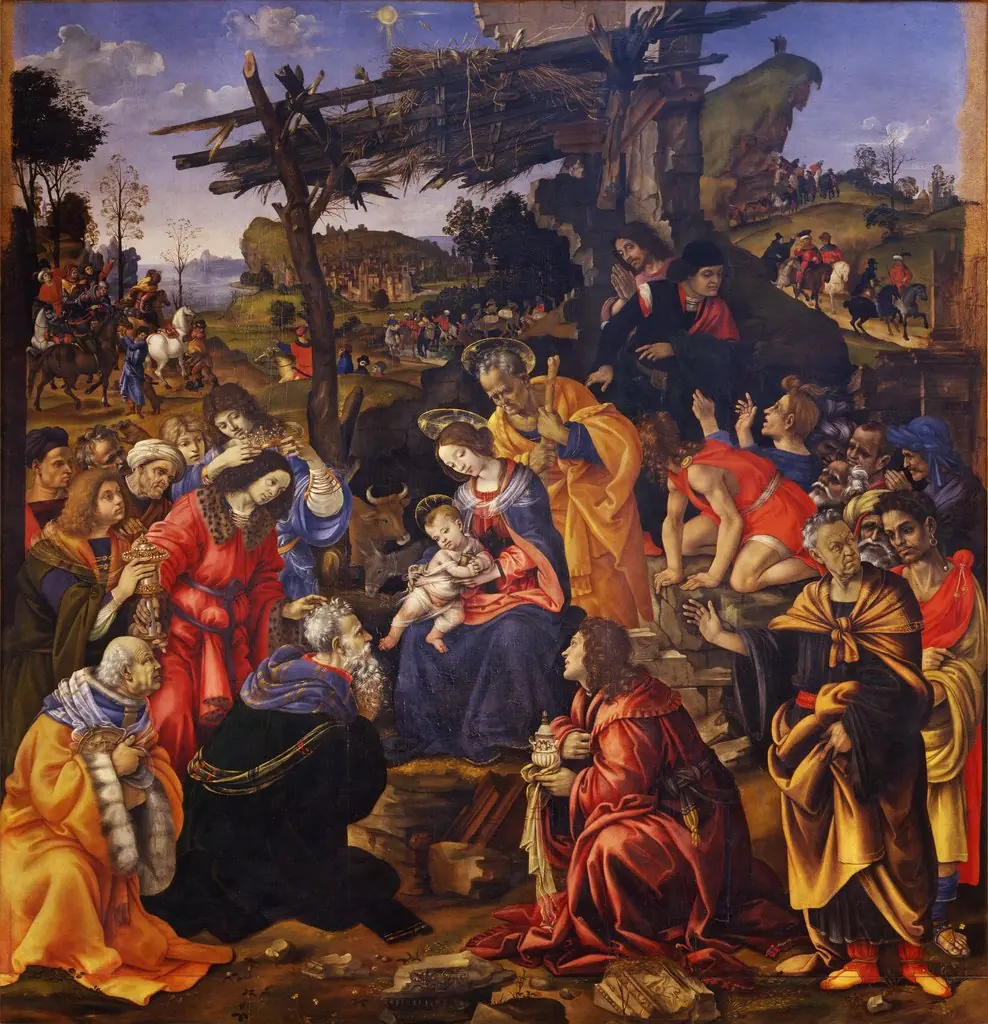
Own this work as a print
Artist & collection
Artist
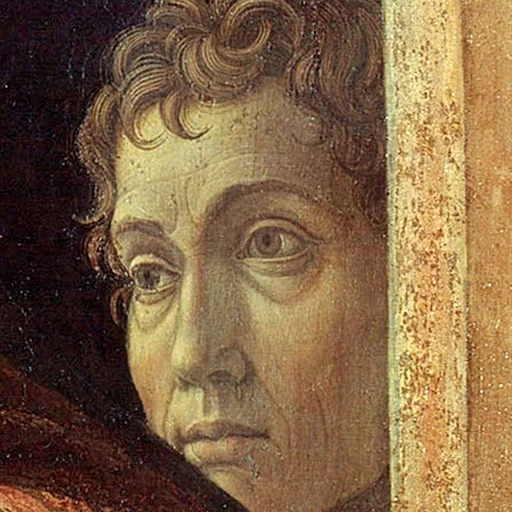
Andrea Mantegna (UK: US:; Italian:; c. 1431 – September 13, 1506) was an Italian Renaissance painter, a student of Roman archaeology, and the son-in-law of Jacopo Bellini. Like other artists of the time, Mantegna…

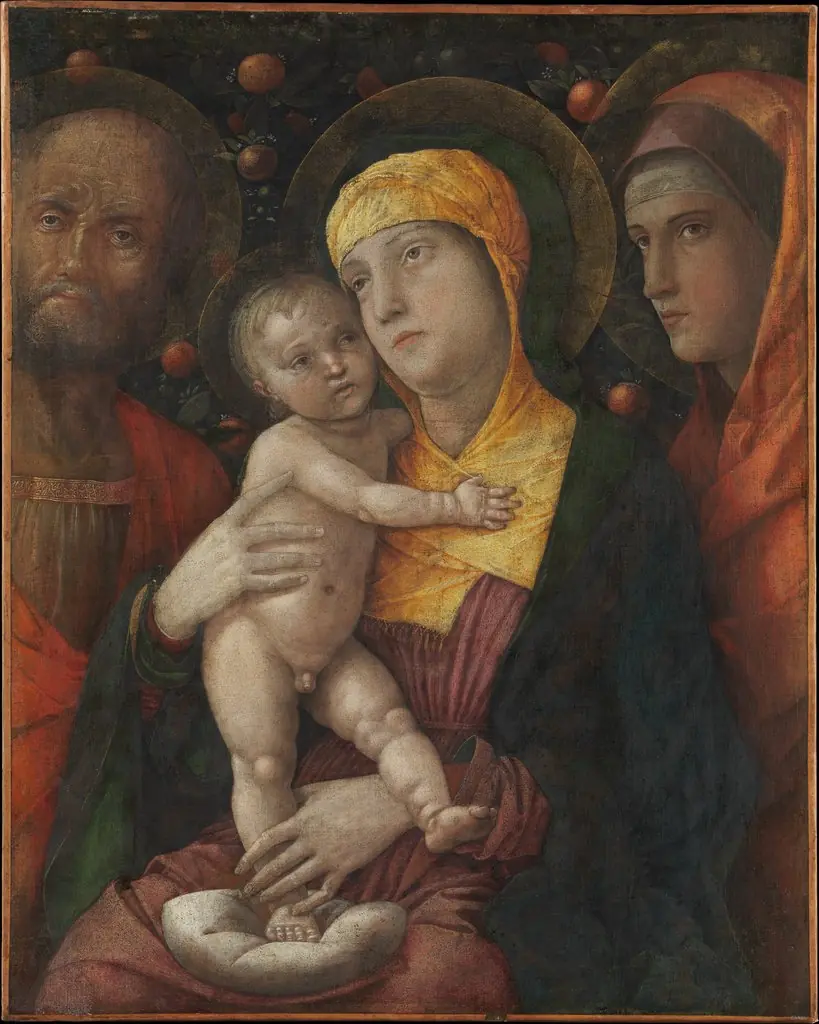
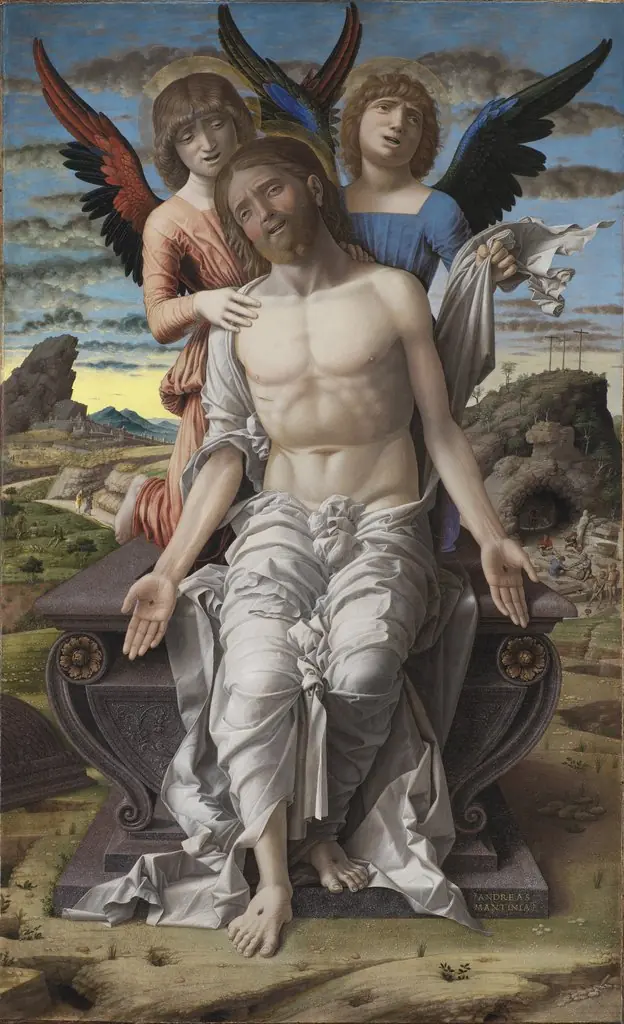
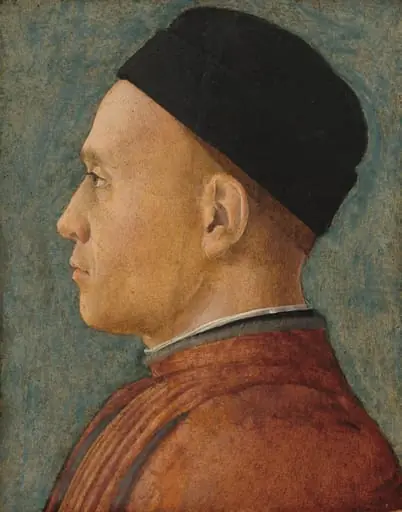
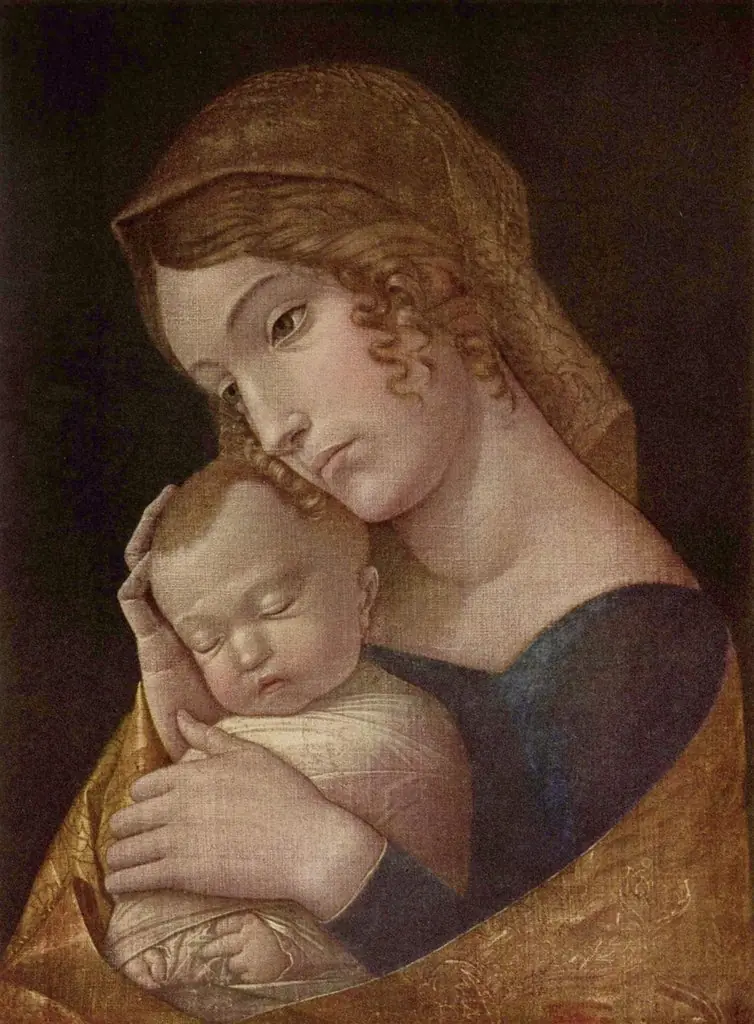
- Adoration of the Magi
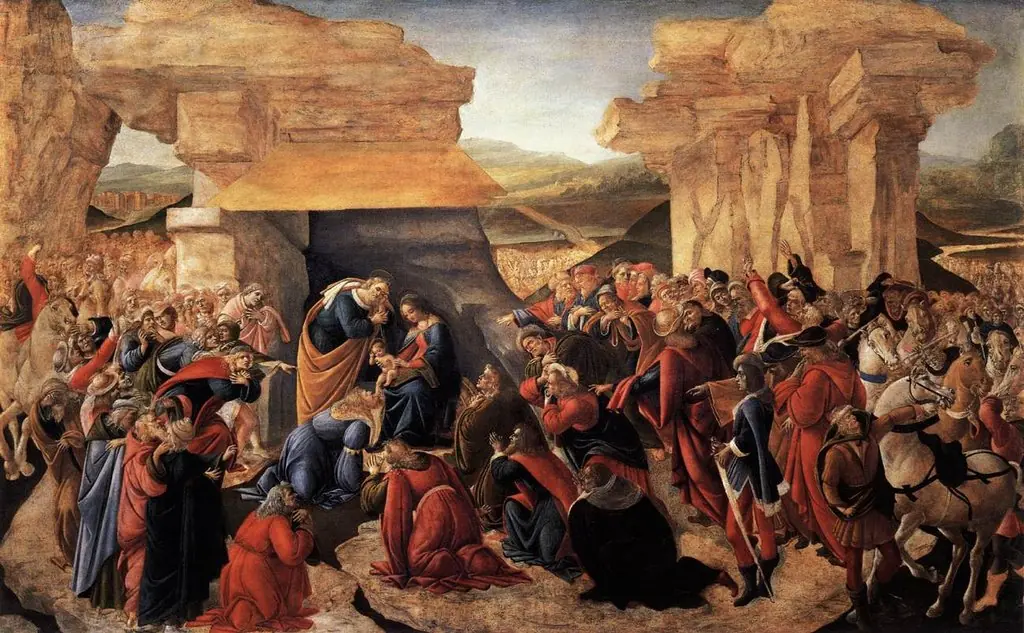 Adoration of the Magi
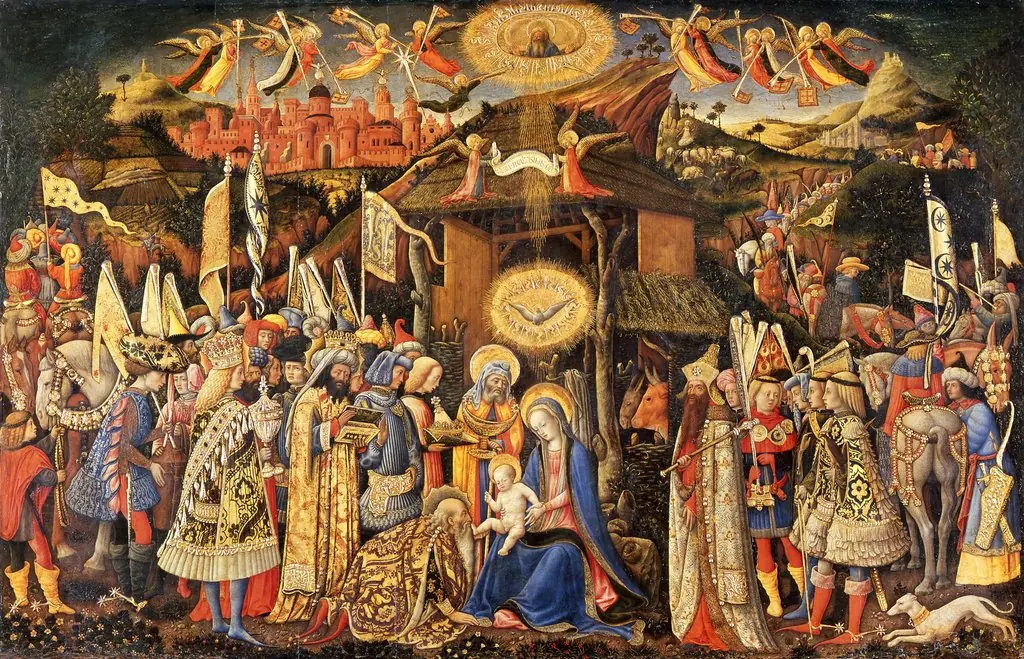 Adoration of the Magi
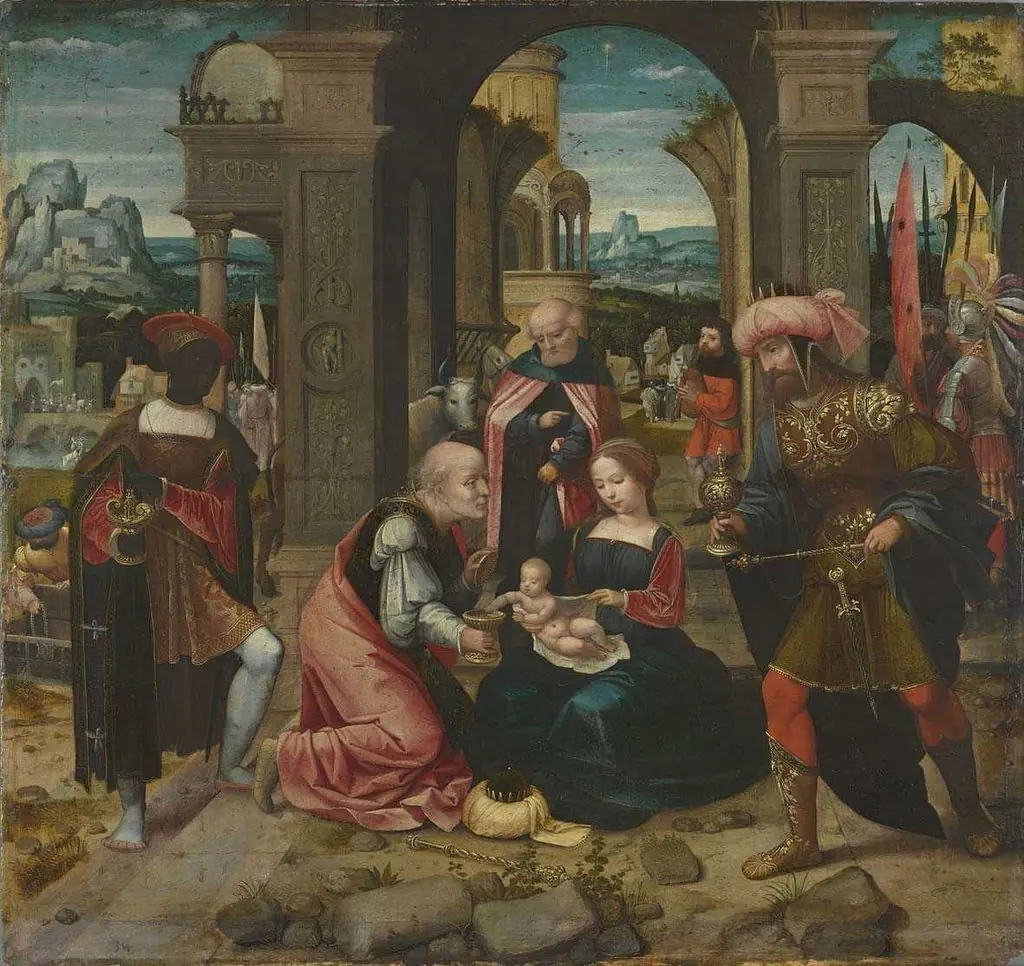 Adoration of the Magi
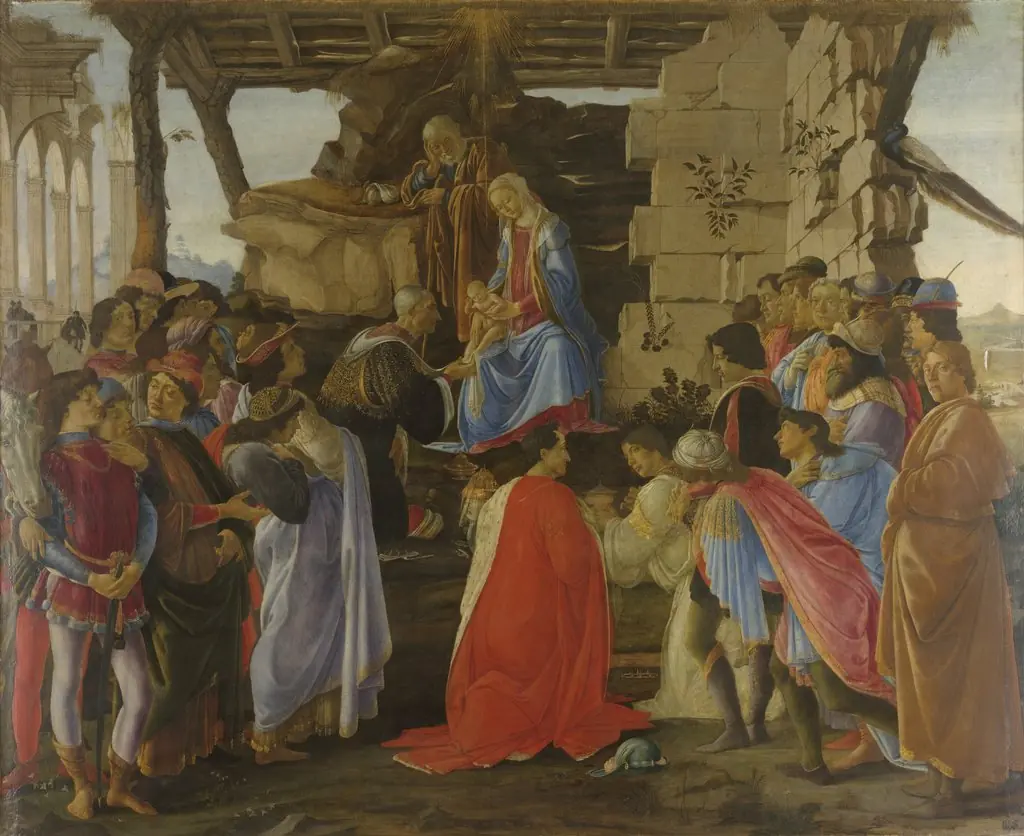 Adoration of the Magi
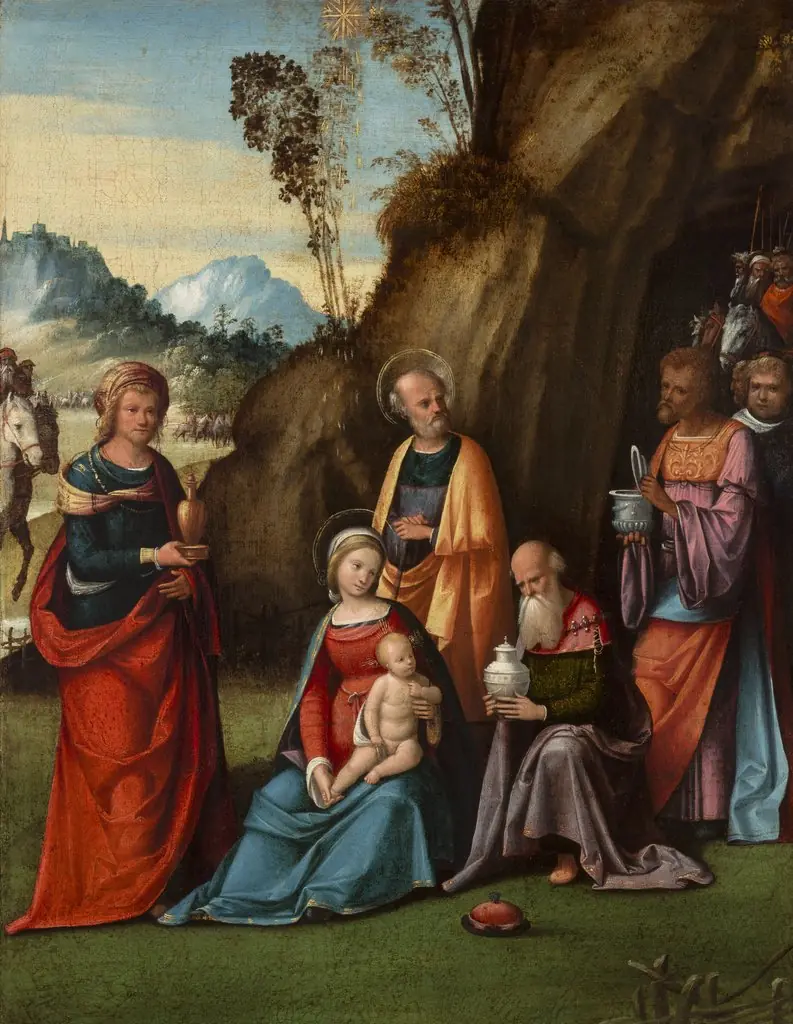 Adoration of the Magi
 Adoration of the Magi
 Adoration of the Magi
 The Adoration of the Shepherds
 Resurrection of Christ
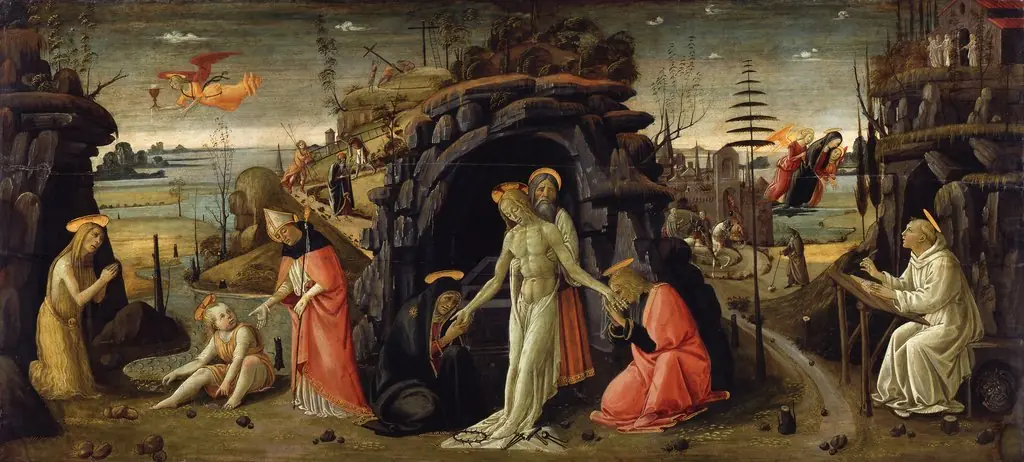 Landscape with biblical scenes and scenes from the legends of saints
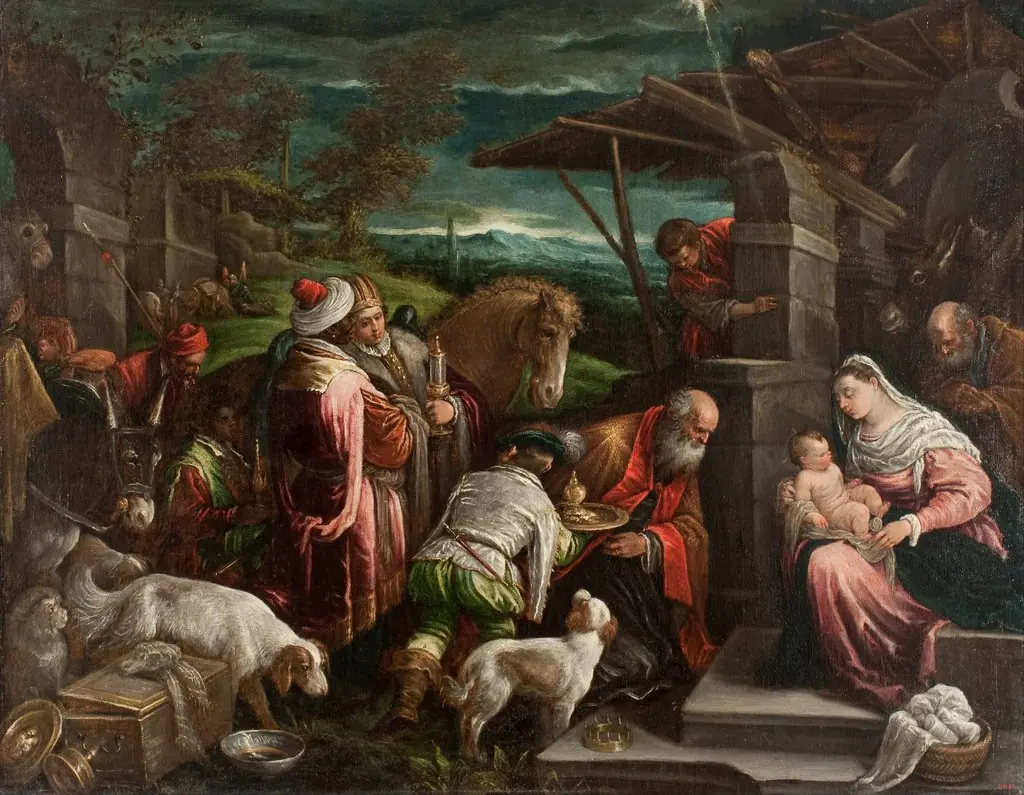 Adoration of the Magi