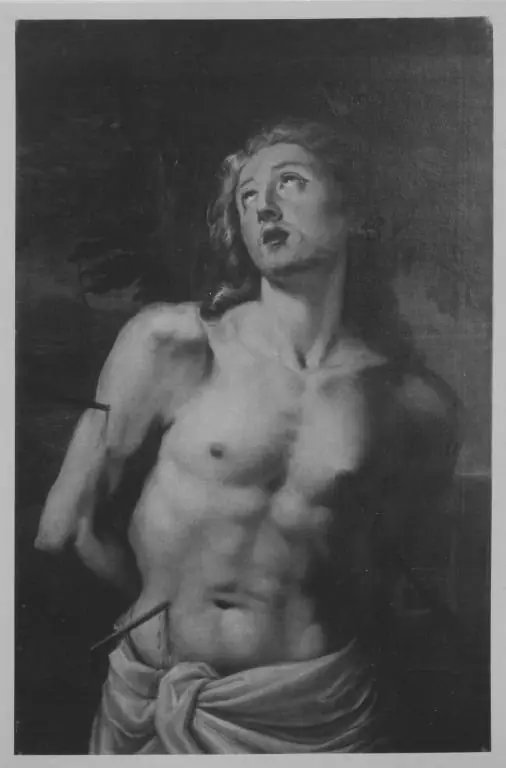
Artwork
Hl. Sebastian (Kopie nach)
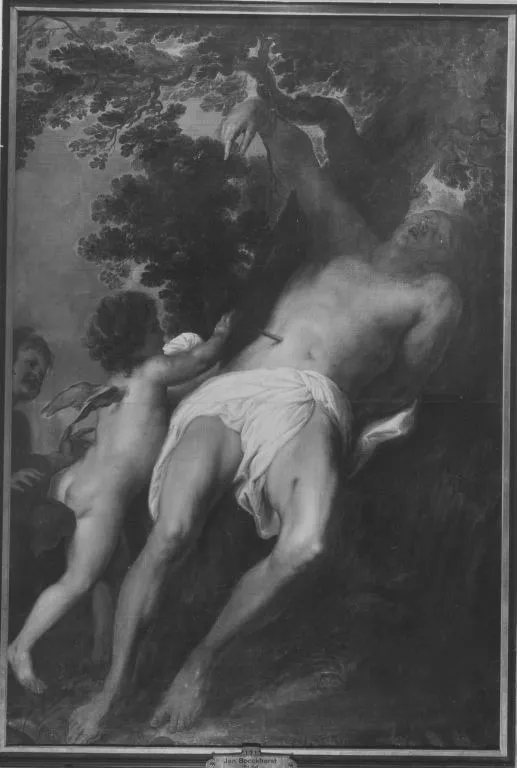
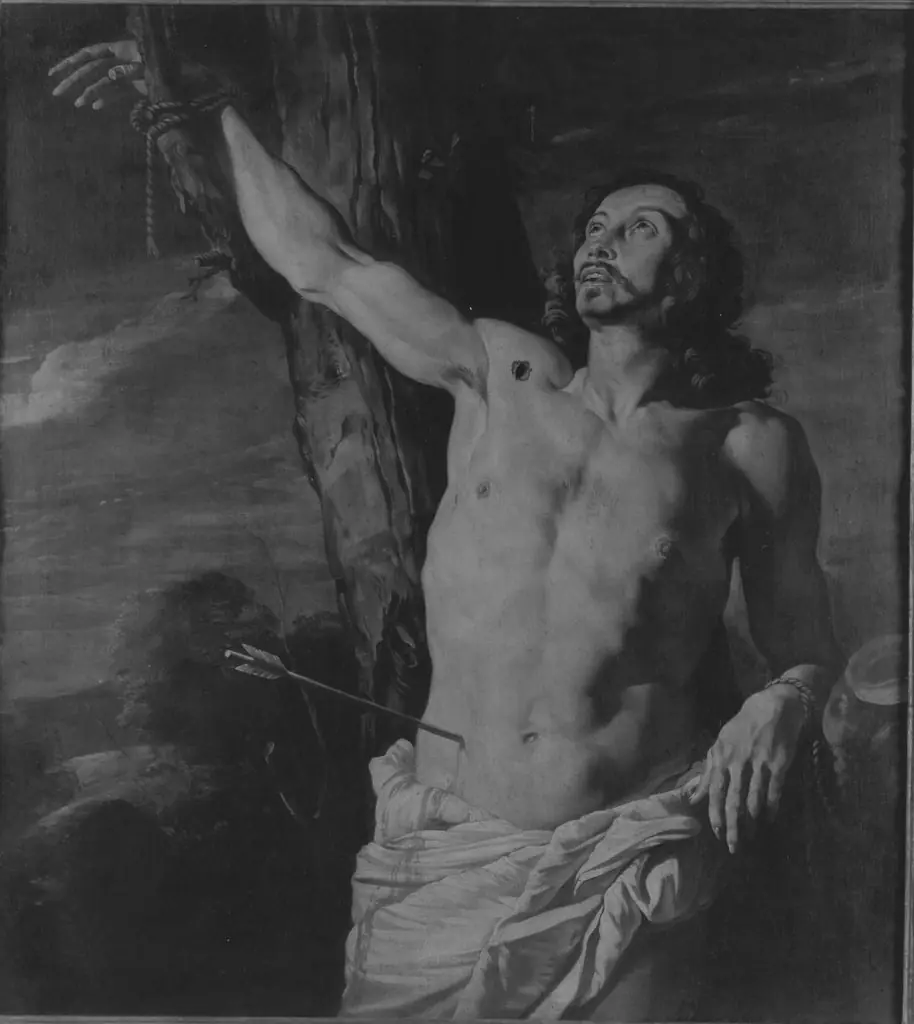
Hl. Sebastian (Kopie nach) is an unspecified painting by the Flemish Baroque painting artist Anthony van Dyck. It dates from 1620 and is held in the collection of the Bavarian State Painting Collections.
About this work
Subject & Meaning
Van Dyck’s mastery is evident in the naturalistic rendering of the figure and dramatic chiaroscuro, enhancing the emotional gravity of the scene.
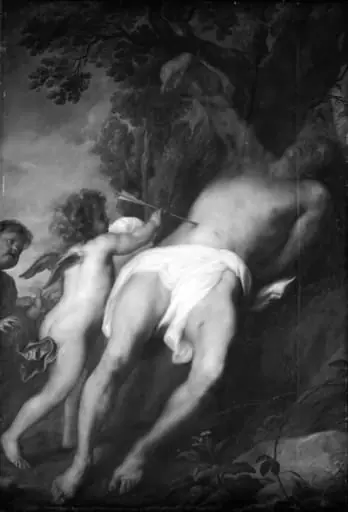
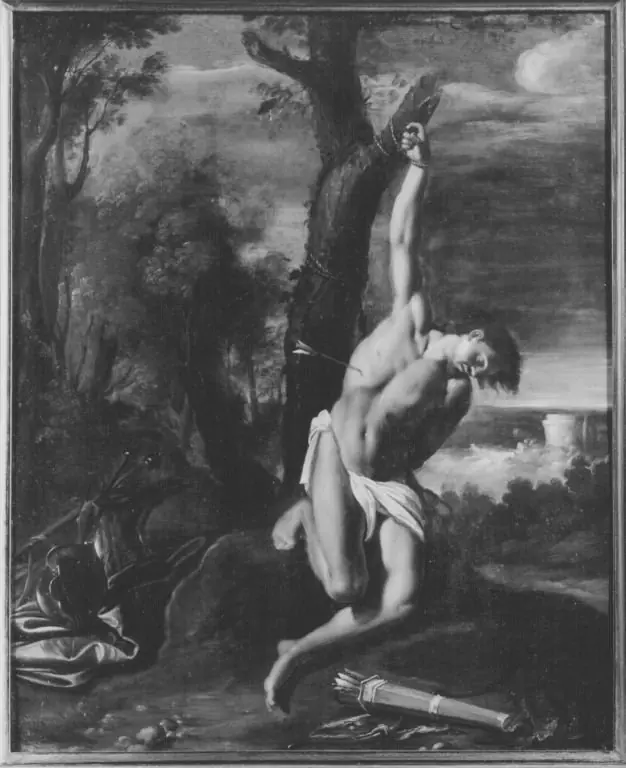
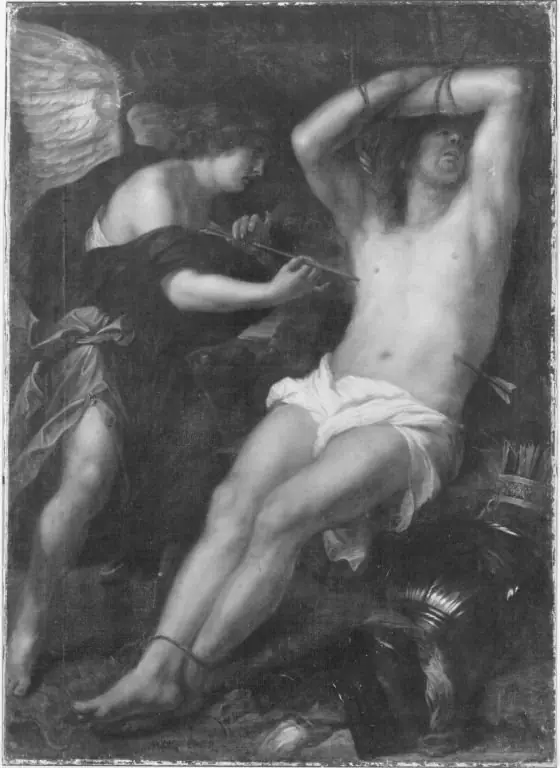
The artwork depicts Saint Sebastian, a Christian martyr traditionally associated with divine protection and steadfast faith amid persecution. Rendered as a religious painting by Anthony van Dyck in 1620, the composition emphasizes the saint’s suffering and resilience, reflecting themes of sacrifice and spiritual endurance. The work is part of the Bavarian State Painting Collections and housed in the Alte Pinakothek.
The representation draws on established iconography of martyrdom, where Sebastian is often shown bound to a post with arrows, symbolizing both physical torment and unwavering devotion. This subject aligns with Counter-Reformation ideals promoting saintly perseverance as a model for believers.
Van Dyck’s mastery is evident in the naturalistic rendering of the figure and dramatic chiaroscuro, enhancing the emotional gravity of the scene. The painting’s formal qualities underscore the sacred narrative, reinforcing its devotional purpose within a religious context.
Technique & Style
Hl. Sebastian (Kopie nach) is classified as a painting on a vertical support measuring 201 cm in height by 135 cm in width. The work is a religious composition dated to 1620 and attributed to Anthony van Dyck, functioning as a copy after an earlier prototype.
Its subject is the martyrdom of Saint Sebastian, rendered within the conventions of religious art. The painting is held in the Bavarian State Painting Collections and located at the Alte Pinakothek.
No further details regarding the specific medium (oil on canvas, panel, or otherwise), brushwork, palette, surface condition, or stylistic handling are documented in the available sources.
History & Provenance
Hl. Sebastian (Kopie nach) is dated to 1620 and attributed to Anthony van Dyck. The title signifies that it is a copy after another composition.
It is a religious painting depicting the martyrdom of Saint Sebastian and measures approximately 201 cm in height and 135 cm in width. The painting is presently part of the Bavarian State Painting Collections and displayed at the Alte Pinakothek in Munich. No further details regarding its original commission, earlier owners, or provenance are provided in the sources.
Context
The work is a 1620 religious painting by Anthony van Dyck depicting the martyrdom of Saint Sebastian, housed in the Bavarian State Painting Collections at the Alte Pinakothek.
Scholarship situates this copy within van Dyck's early output, reflecting his mastery of Counter-Reformation religious imagery and influence on later artists.
Critical reception emphasizes its significance as a devotional piece within Baroque religious art, contributing to the narrative of saintly endurance.
Legacy
Hl. Sebastian (Kopie nach) became a frequently copied image of the martyrdom of Saint Sebastian within the Baroque tradition, influencing later devotional practices and iconography in Southern German religious art. Its presence in the Bavarian State Painting Collections at the Alte Pinakothek cemented its role as a reference point for the subject, shaping scholarly understanding of van Dyck's impact on Counter-Reformation visual culture.
The work's transmission through copies helped standardize depictions of Saint Sebastian's martyrdom in 17th-century Central European art, contributing to the broader legacy of martyrdom imagery in European religious painting.
Overview
This painting is a 1620 copy by Anthony van Dyck of an earlier depiction of Saint Sebastian. It is now held in the Alte Pinakothek.
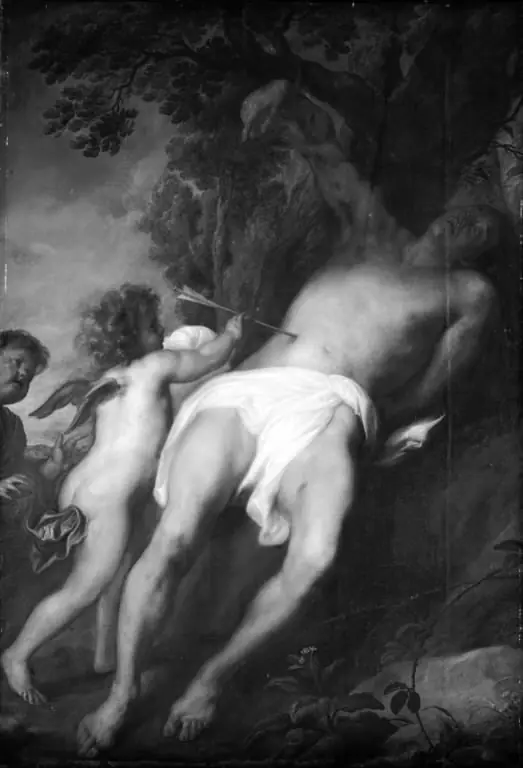
Artist & collection
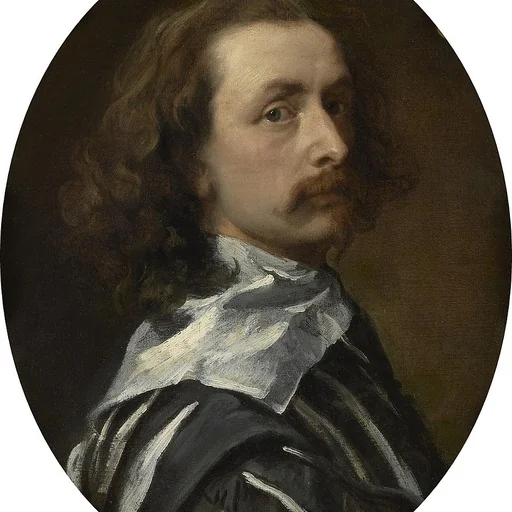
Artist
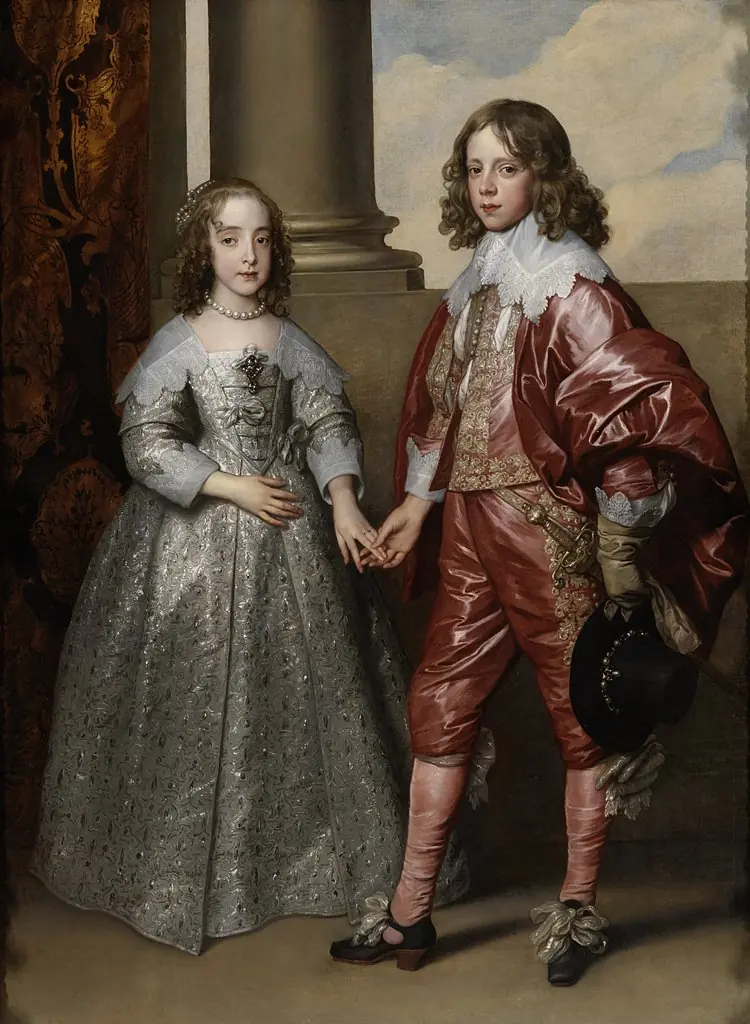
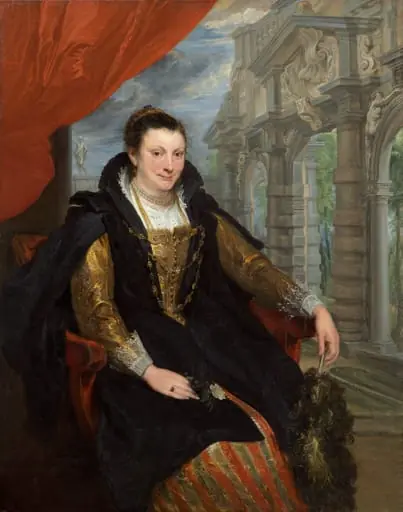
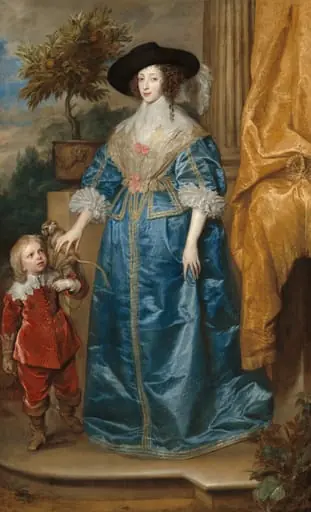
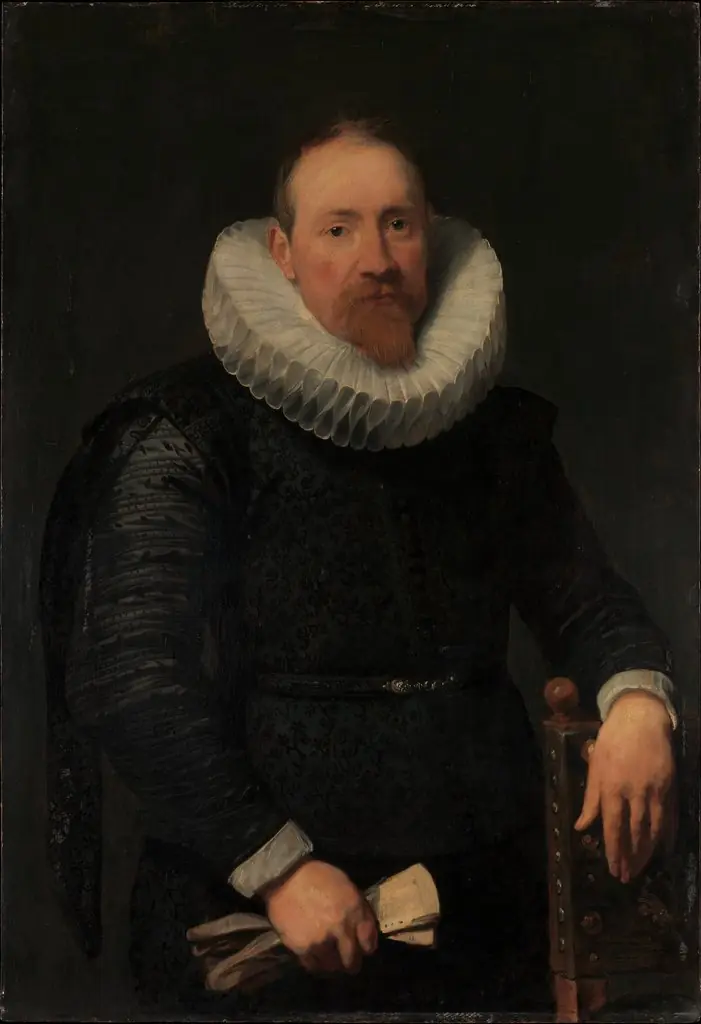
Sir Anthony van Dyck (; Dutch: Antoon van Dijck; 22 March 1599 – 9 December 1641) was a Flemish Baroque artist, who became the leading court painter in England after success in the Spanish Netherlands and Italy.