Artwork
Venus and Mars
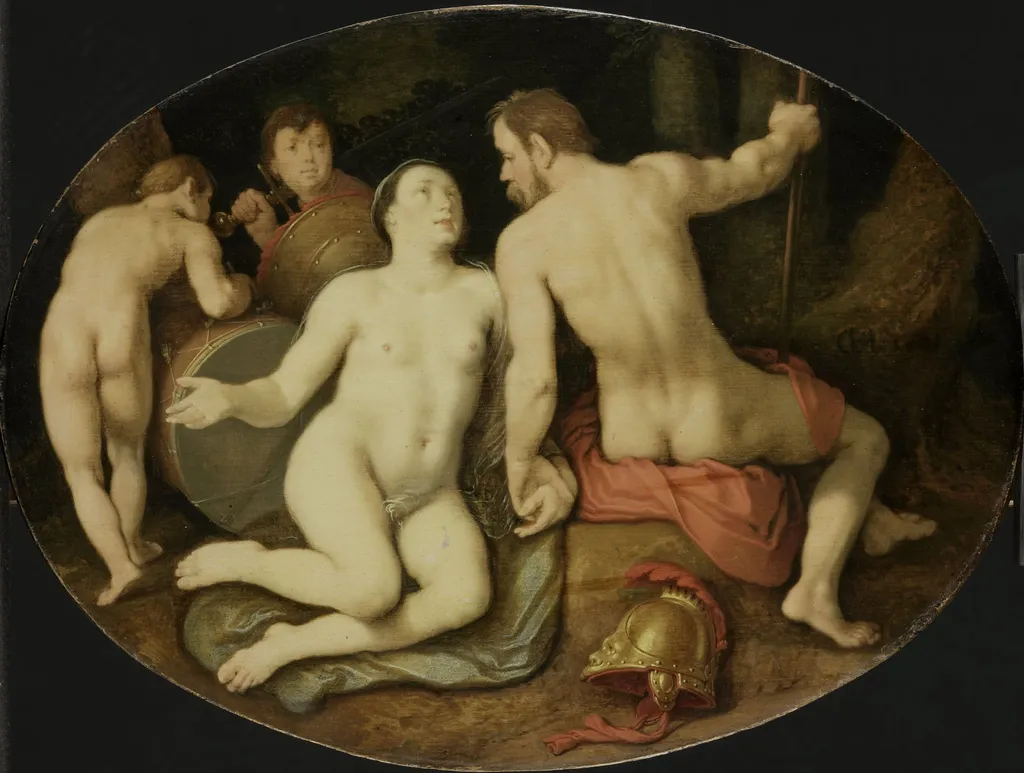
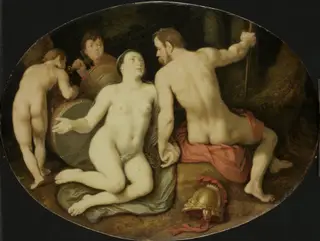
Venus and Mars is an oil painting by the Dutch Golden Age artist Cornelis van Haarlem. It dates from 1628 and is held in the collection of the Rijksmuseum.
About this work
Subject & Meaning
Symbolic elements such as the martial attributes of Mars and the delicate flora associated with Venus underscore themes of harmony between love and conflict.
The painting depicts the mythological lovers Venus, goddess of love, and Mars, god of war, shown reclining together in an intimate scene that emphasizes their sensual union. Symbolic elements such as the martial attributes of Mars and the delicate flora associated with Venus underscore themes of harmony between love and conflict. The work’s composition and erotic tone reflect the late‑Renaissance fascination with classical mythology and the celebration of sensuality within a mythological context.
Technique & Style
The painting is executed in oil on panel, measuring 31.5 by 42 cm. Its compact scale and smooth wooden support would have permitted the fine, detailed handling characteristic of Cornelis van Haarlem's late mannerist style.
The work depicts the mythological subject of Venus and Mars, though it is also associated with religious art and nude genres in its broader classification. The artist's approach to this mythological theme reflects the dramatic, physically dynamic figuration for which he was known.
History & Provenance
The painting Venus and Mars was created by Cornelis Cornelisz. van Haarlem in 1628. Executed in oil on panel, the work measures 31.5 cm in height and 42 cm in width. It currently resides in the collection of the Rijksmuseum in Amsterdam. The artwork depicts mythological figures within the genre of religious art and nudes.
The painting is housed in the Rijksmuseum, with accession number SK-A-3284. It has been part of the museum's collection since its acquisition, featured in exhibitions highlighting Dutch Golden Age mythological works, including the 1999 exhibition "Dutch Masters: Myth and Reality" and the 2005 retrospective "Cornelis van Haarlem: Life and Legacy".
Context
Cornelis van Haarlem's 1628 oil painting Venus and Mars, depicting the mythological lovers, is housed in the Rijksmuseum collection and is classified as both mythology and nude genre art. The work has been examined within scholarly discussions of Dutch Golden Age mythological painting, particularly regarding its erotic undertones and compositional influences from contemporary Flemish models. Its reception in modern scholarship often contextualizes it within van Haarlem's broader oeuvre of narrative works that blend classical themes with emerging Baroque dynamism, reflecting the period's fascination with sensuous storytelling.
The painting's presence in a major national museum underscores its significance as an example of how mythological subjects were employed to explore human desire and artistic technique in 17th-century Amsterdam.
Overview
Cornelis van Haarlem’s oil painting Venus and Mars was executed in 1628, at the height of the Dutch Golden Age. The canvas presents a mythological tableau in which the goddess Venus and the god of war, Mars, occupy the foreground, while secondary figures appear in the distance. The work is part of the Rijksmuseum’s collection and exemplifies the artist’s mature Northern Mannerist approach.
Own this work as a print
Artist & collection
Artist
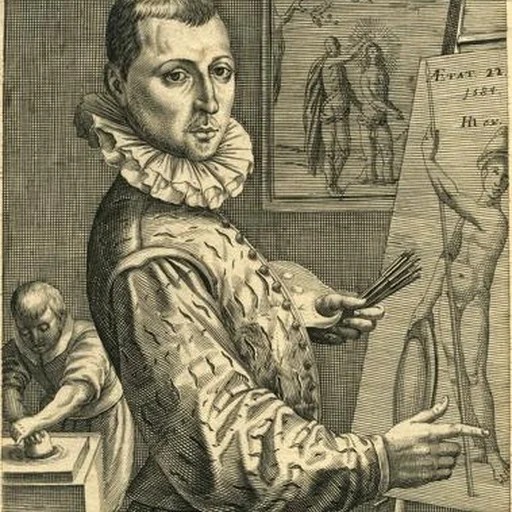
Cornelis Corneliszoon van Haarlem (Dutch:; 1562 – 11 November 1638) was a Dutch Golden Age painter and draughtsman, one of the leading Northern Mannerist artists in the Netherlands, and an important forerunner of Frans Hals as a…

 Venus and Mars
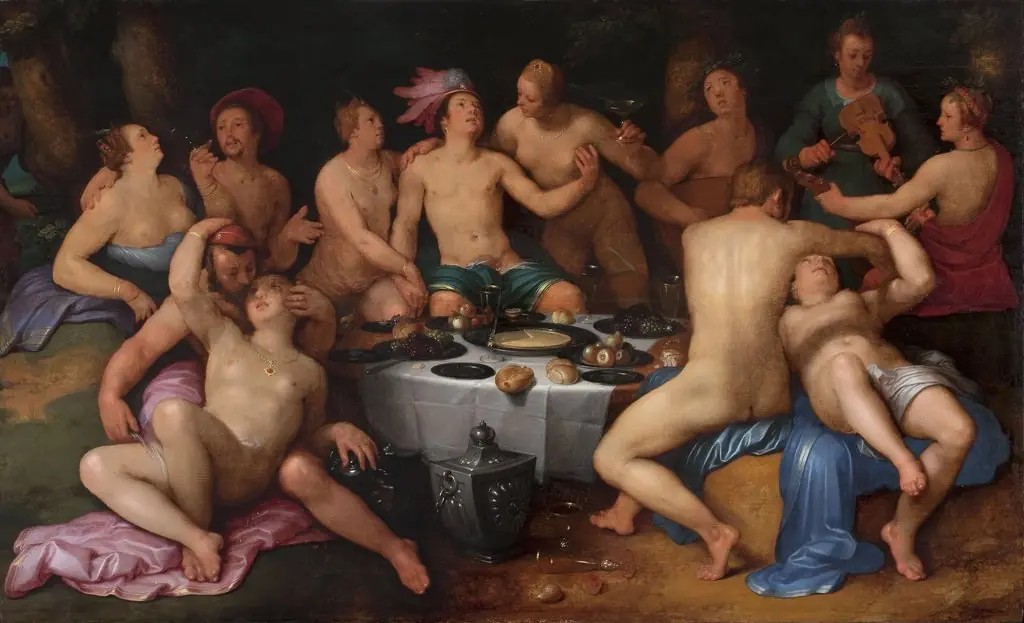 Feast of the prodigal son (Luke 15:11-13)
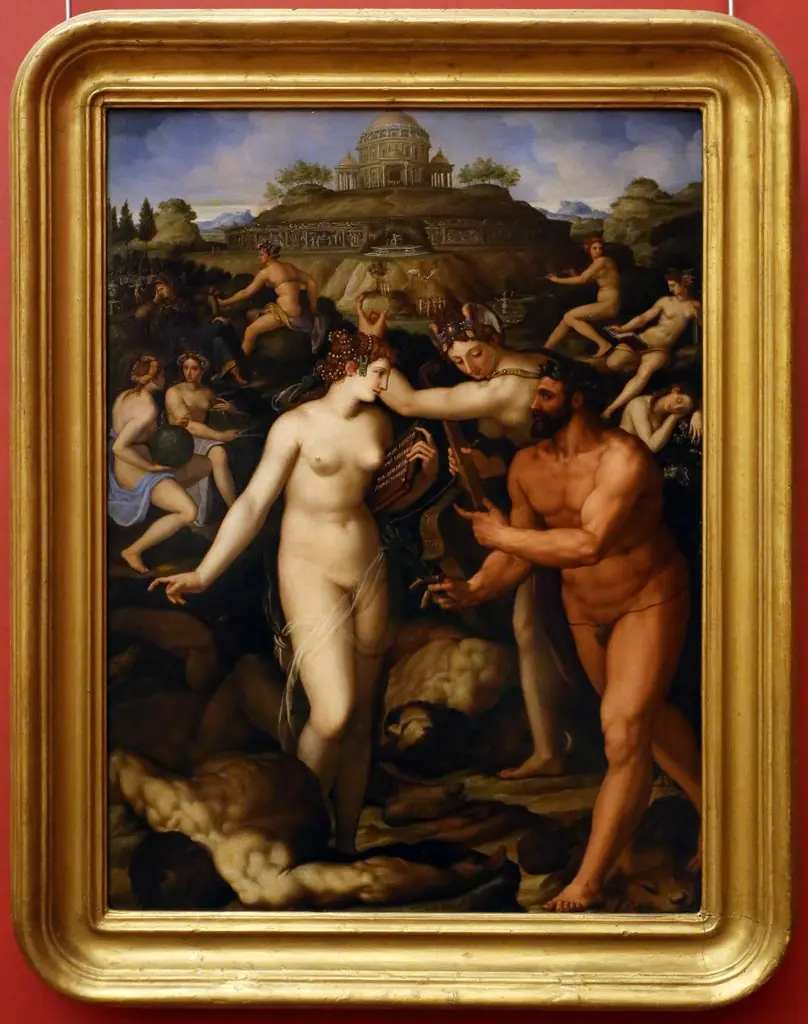 Hercules crowned by a Muse
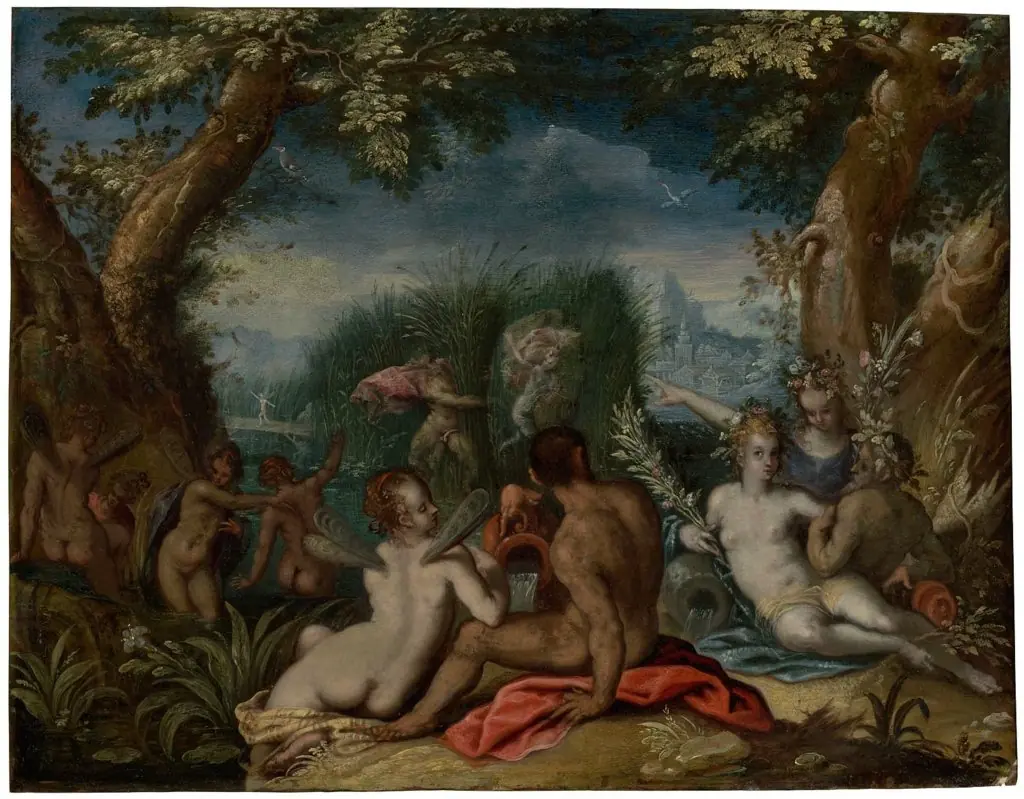 Pan and Syrinx with River Gods and Nymphs
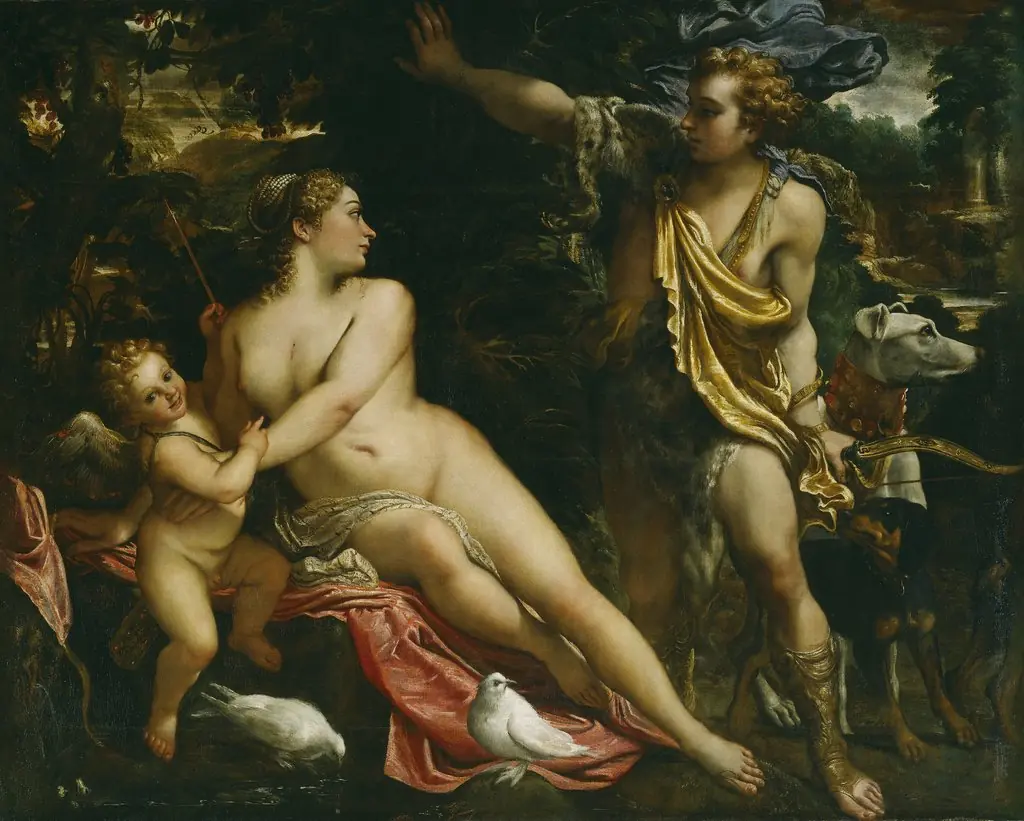 Venus, Adonis and Cupid
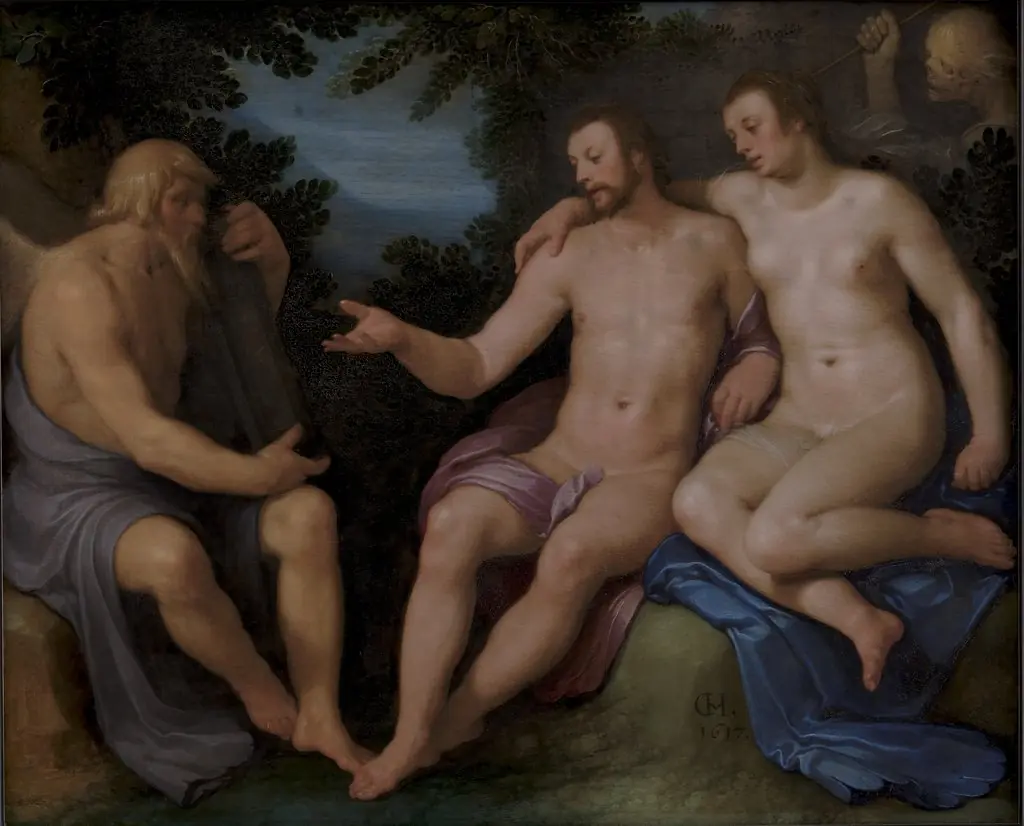 Allegory on the Brevity of Life
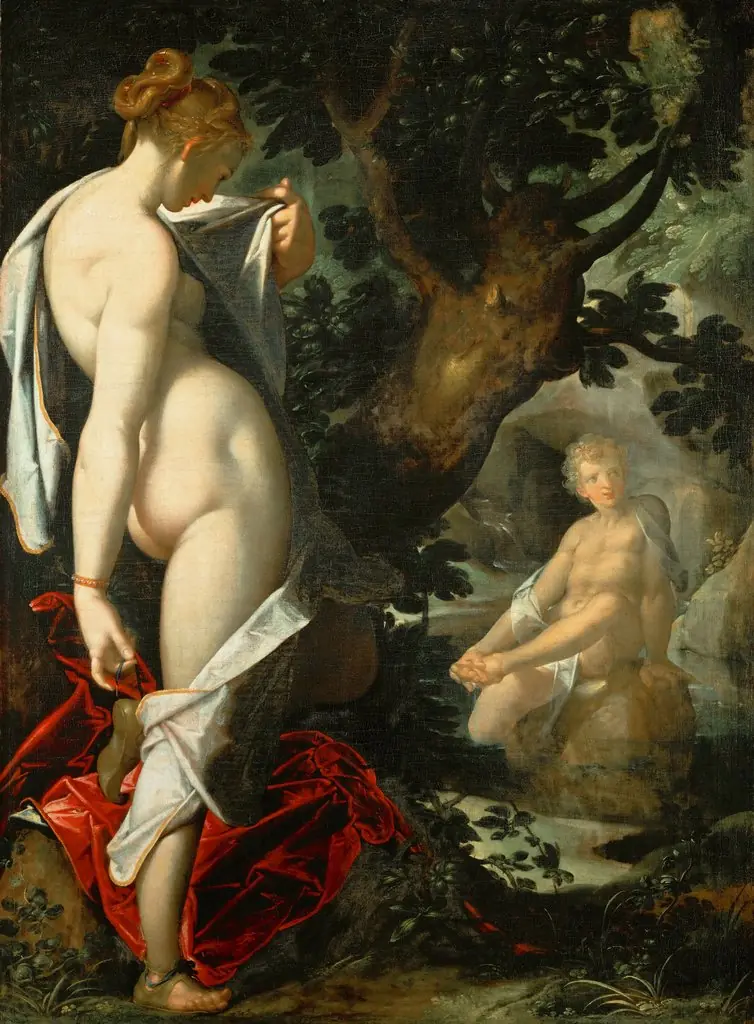 Hermaphroditus and the nymph Salmacis
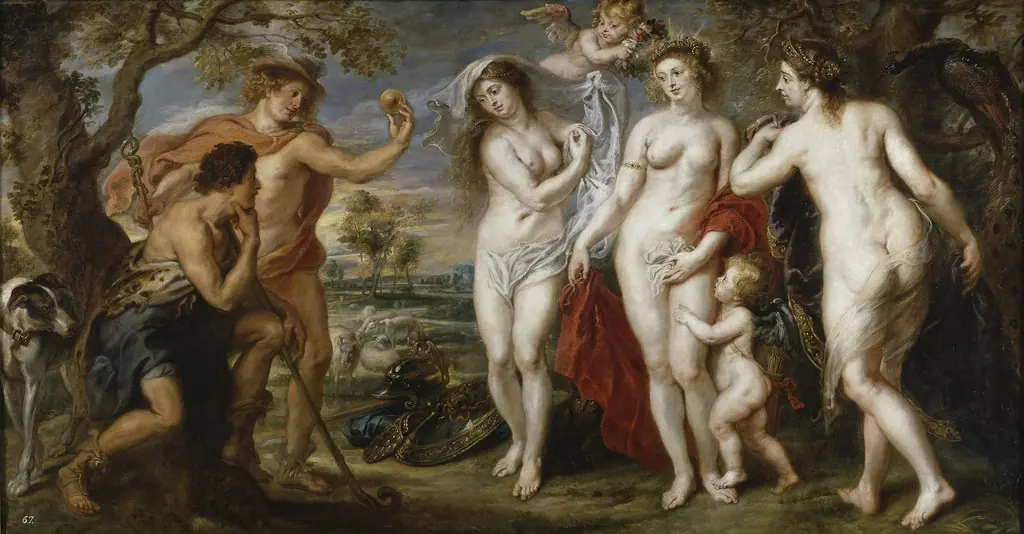 The Judgement of Paris
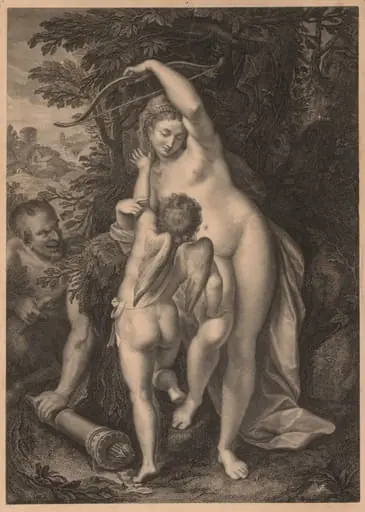 L'Amour desarme
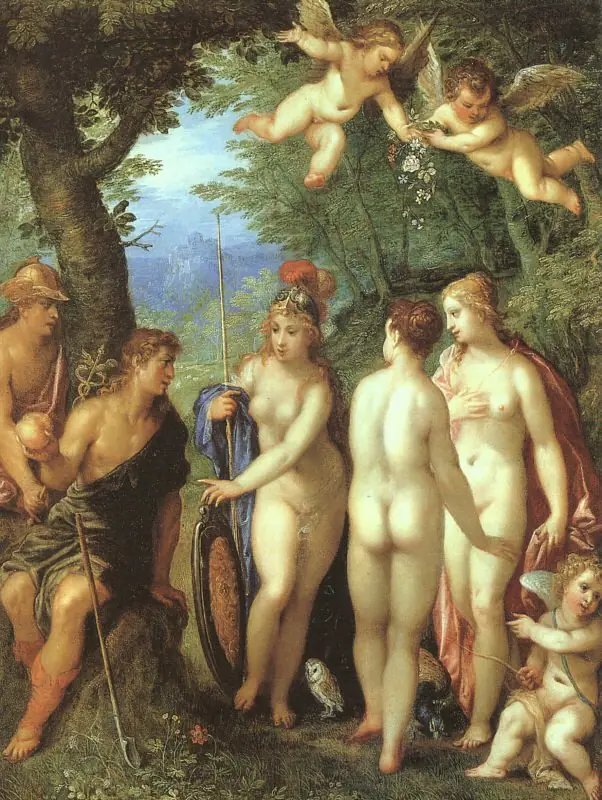 The Judgement of Paris by Hendrick van Balen
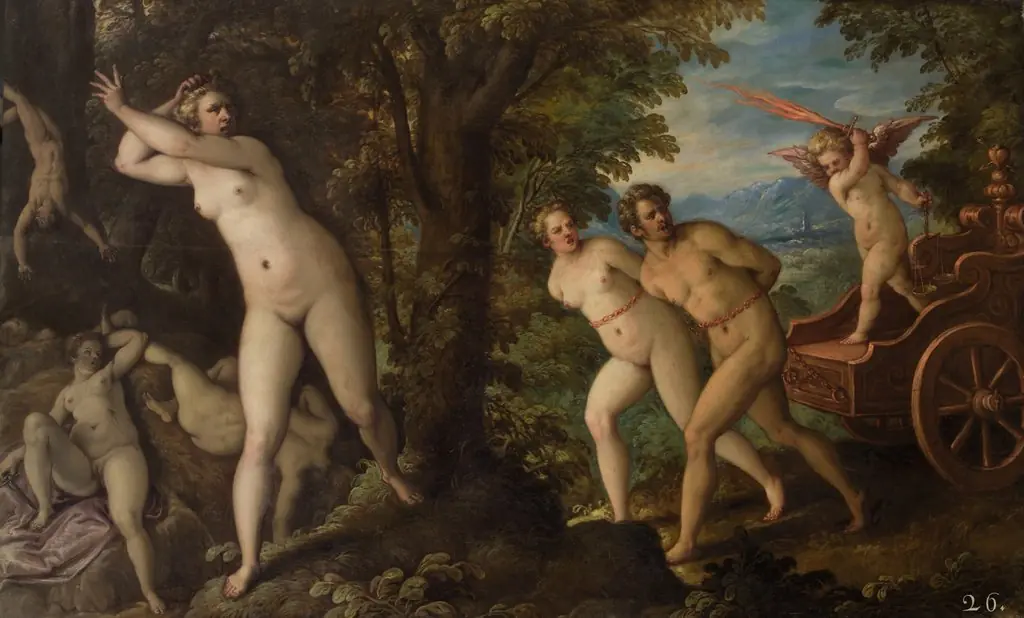 Punishment of Love
- Venus and Mars