Artwork
Hirondelles
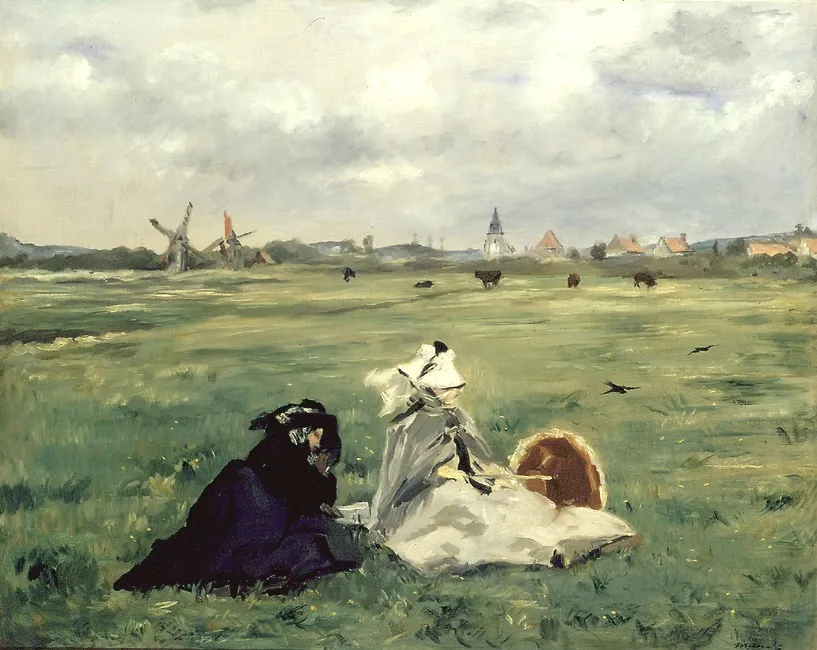
Hirondelles is an oil painting by the Impressionist artist Édouard Manet. It dates from 1873 and is held in the collection of the Foundation E.G. Bührle Collection.
About this work
Overview
Hirondelles, painted by Édouard Manet in 1873, is an oil-on-canvas work currently in the collection of the Kunsthaus Zürich. It portrays three women seated in a rural landscape, their forms softened by atmospheric light and loose brushwork. The title, meaning 'swallows' in French, alludes to the small birds visible in the sky, subtly anchoring the scene in a transient, seasonal moment.
Subject & Meaning
The painting captures three women in outdoor attire, coats and wide-brimmed hats, seated on a grassy slope, one holding a basket. Their quiet, unposed demeanor suggests a moment of rest rather than narrative action. The presence of swallows in flight and the distant village imply a connection between human stillness and the rhythms of nature, evoking a contemplative mood without overt symbolism.
Technique & Style
Manet employed broad, fluid brushstrokes to convey texture and movement, particularly in the grass and sky. The palette favors muted greens, browns, and grays, with subtle variations in tone to suggest depth. Background elements like the village are rendered with softer edges and reduced contrast, enhancing the sense of spatial recession and atmospheric haze characteristic of his later work.
History & Provenance
Completed in 1873, Hirondelles was likely painted during Manet’s time in the countryside near Paris, a period when he increasingly turned to outdoor subjects.
Completed in 1873, Hirondelles was likely painted during Manet’s time in the countryside near Paris, a period when he increasingly turned to outdoor subjects. The work entered the Kunsthaus Zürich’s collection in the early 20th century, having passed through private hands after its creation. Its journey reflects growing European appreciation for Manet’s evolving approach to landscape and everyday life.
Context
In the early 1870s, Manet moved away from urban scenes toward rural subjects, influenced by Impressionist interests in light and plein air painting. Though not a formal member of the group, his use of open brushwork and naturalistic color in Hirondelles aligns with broader shifts in French painting. The work reflects a quiet departure from academic conventions, favoring immediacy over idealized composition.
Legacy
Hirondelles stands as a quiet example of Manet’s late-period exploration of landscape and informal portraiture. While less celebrated than his major salon works, it reveals his sensitivity to transient effects of light and mood. The painting’s restrained tone and technical freedom influenced later artists seeking to capture everyday moments with emotional resonance rather than dramatic narrative.
Artist & collection
Artist
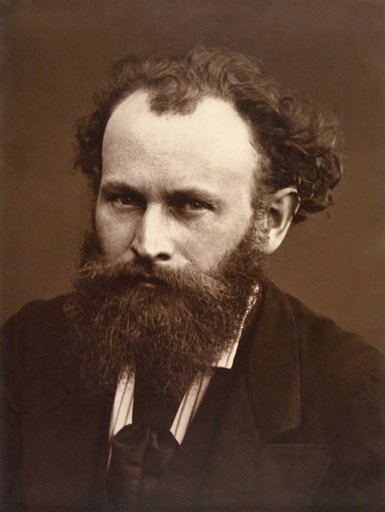
Édouard Manet was a French modernist painter. He was one of the first 19th-century artists to paint modern life, as well as a pivotal figure in the transition from Realism to Impressionism.

- Sketch at Scheveningen
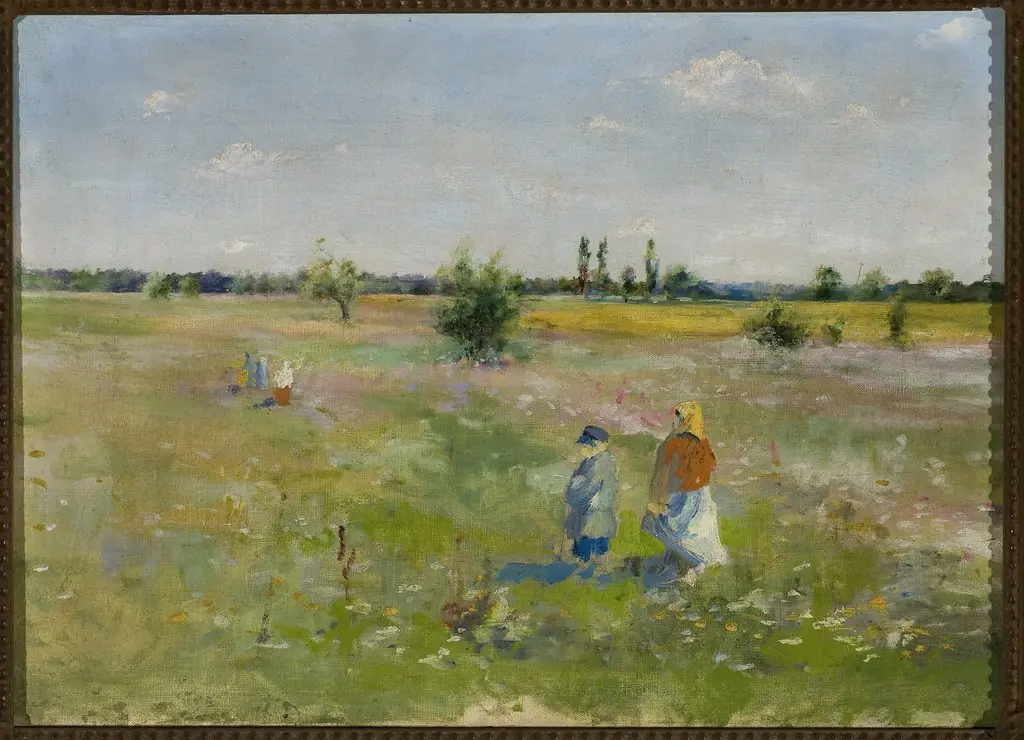 In the meadow
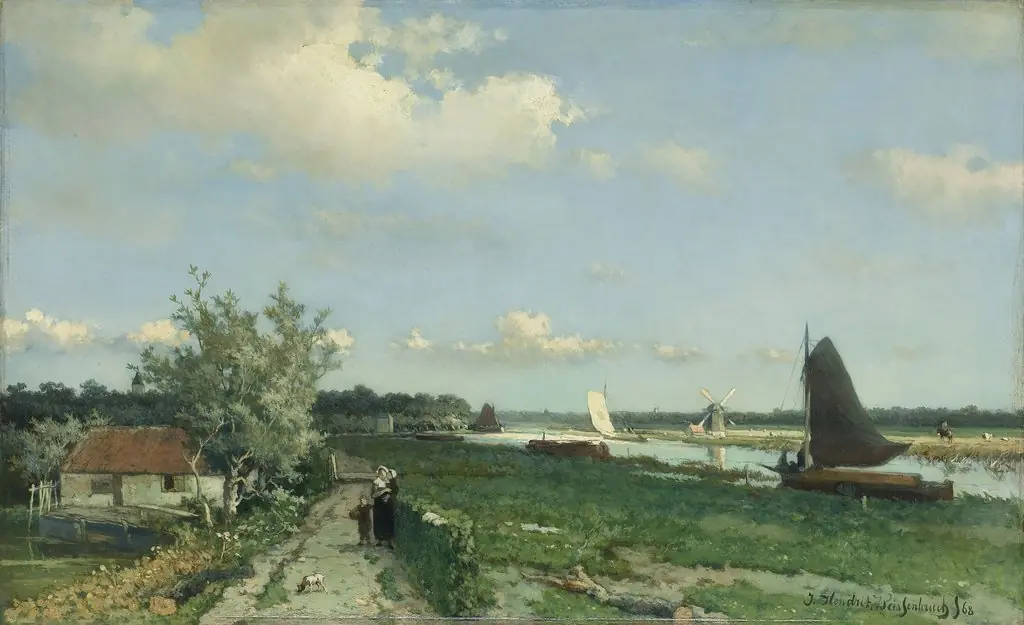 The Trekvliet Shipping Canal near Rijswijk, known as the ‘View near the Geest Bridge’
 View of the Mill and Bridge on the Noordwest Buitensingel in The Hague
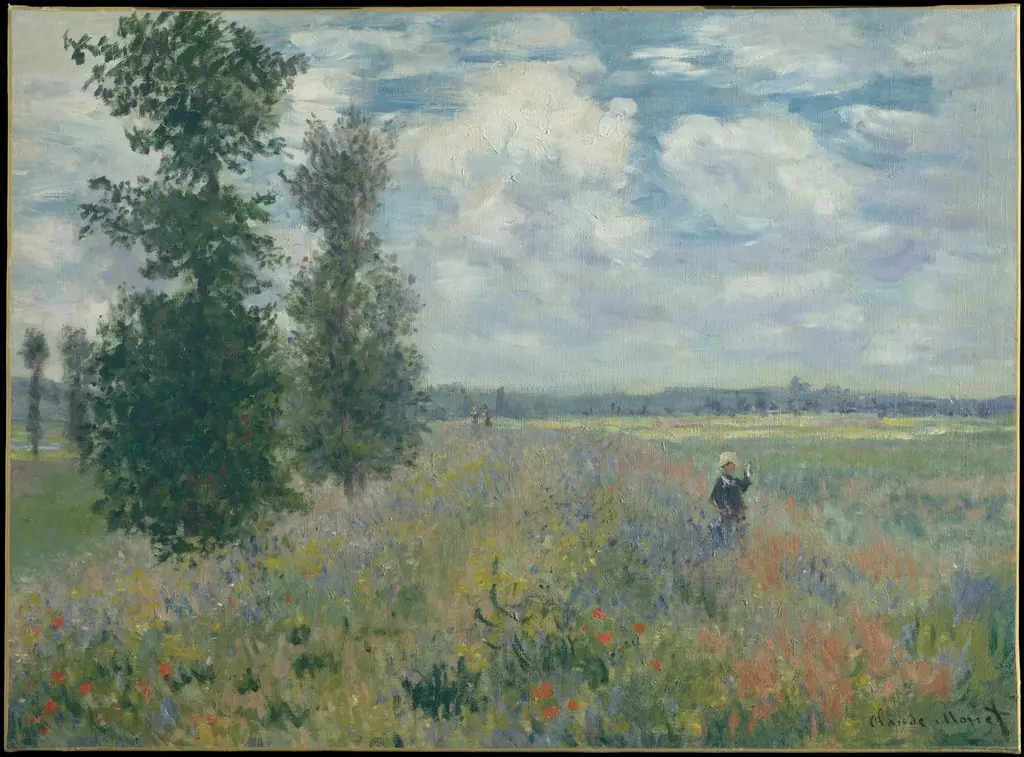 Poppy Fields near Argenteuil
 Parc Cordier in Trouville
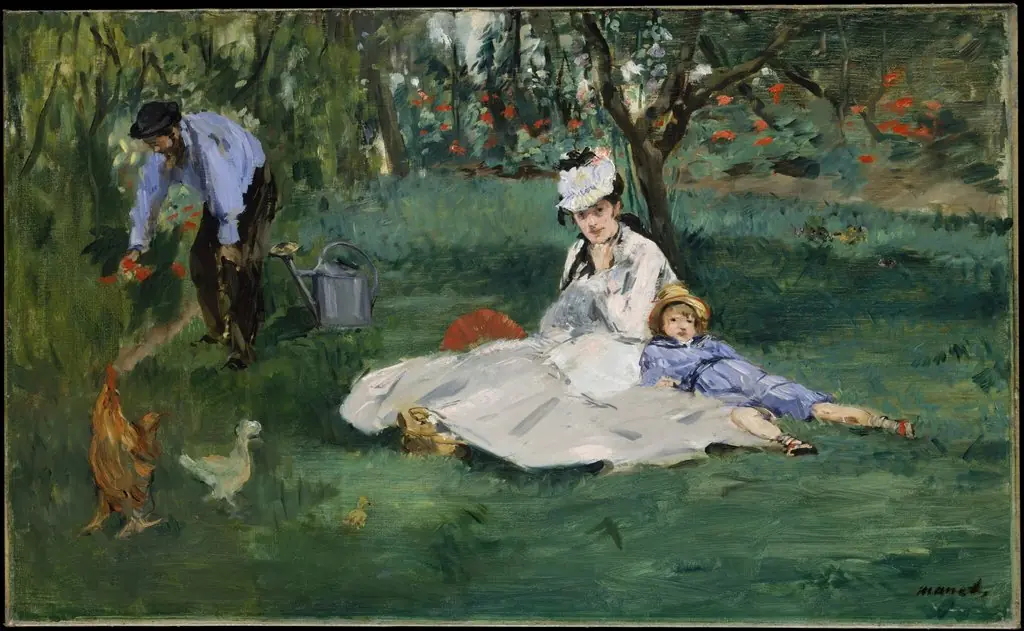 The Monet Family in Their Garden at Argenteuil
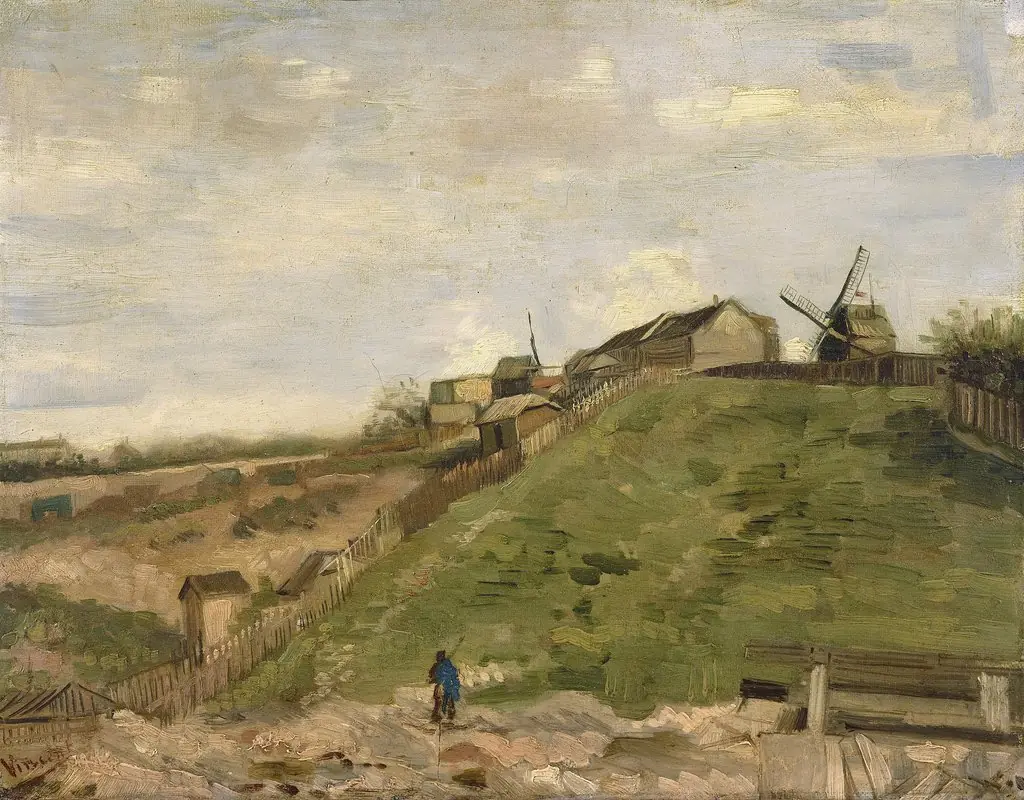 The Hill of Montmartre with Stone Quarry
 Camille Monet und ihr Sohn Jean in Argenteuil
 On the Beach, Dieppe
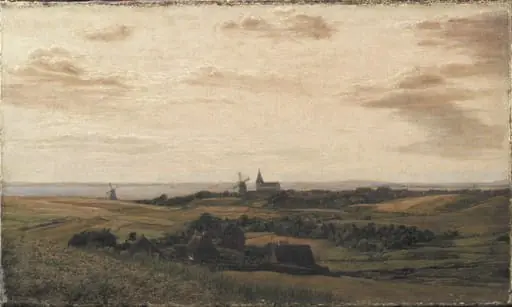 A View towards Assens in Funen. In the Distance the Coast of Schleswig
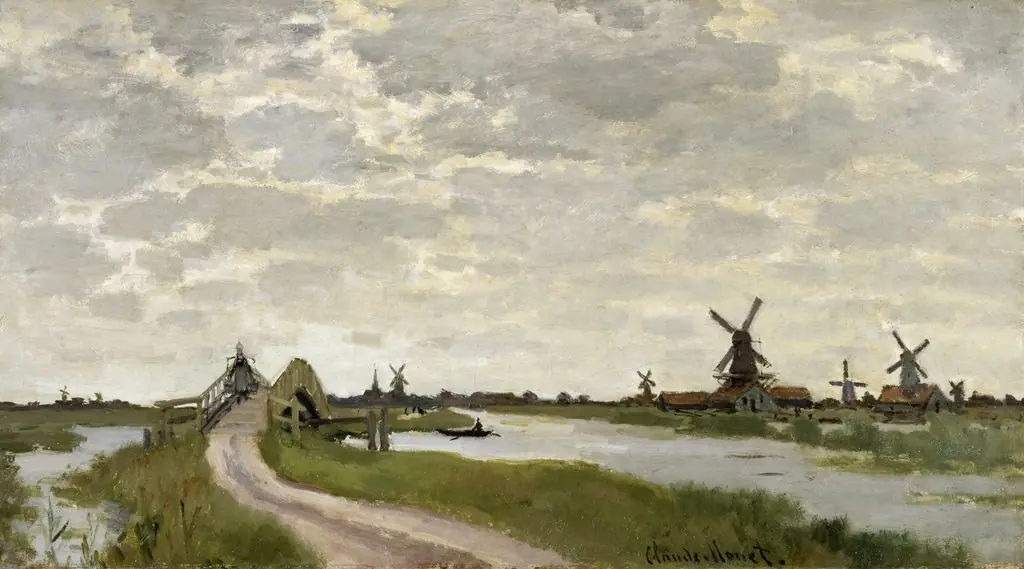 Windmills Near Zaandam