Artwork
An Allegory (Fàbula)
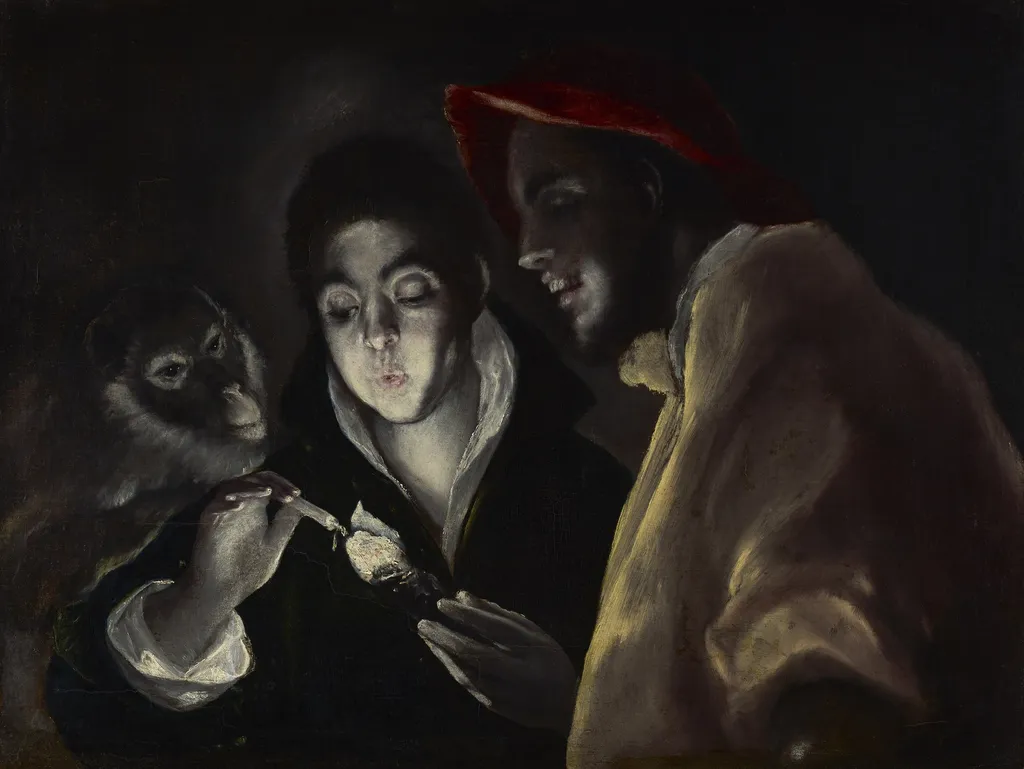
An Allegory (Fàbula) is an oil painting by the Mannerist artist El Greco. It dates from 1592 and is held in the collection of the National Galleries Scotland.
About this work
Overview
Created in 1592, An Allegory (Fàbula) is an oil painting by the Spanish‑born artist El Greco. The work is part of the collection of the Scottish National Gallery, where it is displayed among the museum’s holdings of late Renaissance art.
Subject & Meaning
The composition presents three human figures and a monkey within a dim interior. The leftmost figure clutches a small object, studying it intently, while the central figure also gazes at the item. The rightmost person turns away, and a monkey perches on the left figure’s shoulder, suggesting a narrative that may involve curiosity, knowledge, or moral instruction.
Technique & Style
El Greco employs pronounced chiaroscuro, allowing a single, unseen light source to illuminate the central group against a deep shadowed background. The muted palette heightens the contrast, giving the scene a three‑dimensional quality and focusing attention on the objects of study. The brushwork remains tight around the figures, while the surrounding darkness recedes.
History & Provenance
The painting entered the Scottish National Gallery’s collection in the 20th century, though earlier ownership records are scarce. Its attribution to El Greco has been consistently accepted since scholarly catalogues identified the characteristic elongation of forms and the dramatic lighting typical of his late works.
Context
Executed near the end of El Greco’s Toledo period, the work reflects the artist’s interest in allegorical subjects that blend religious and secular themes. The inclusion of a monkey, a common symbol of folly or base instincts, aligns with contemporary iconography used to convey moral lessons through everyday scenes.
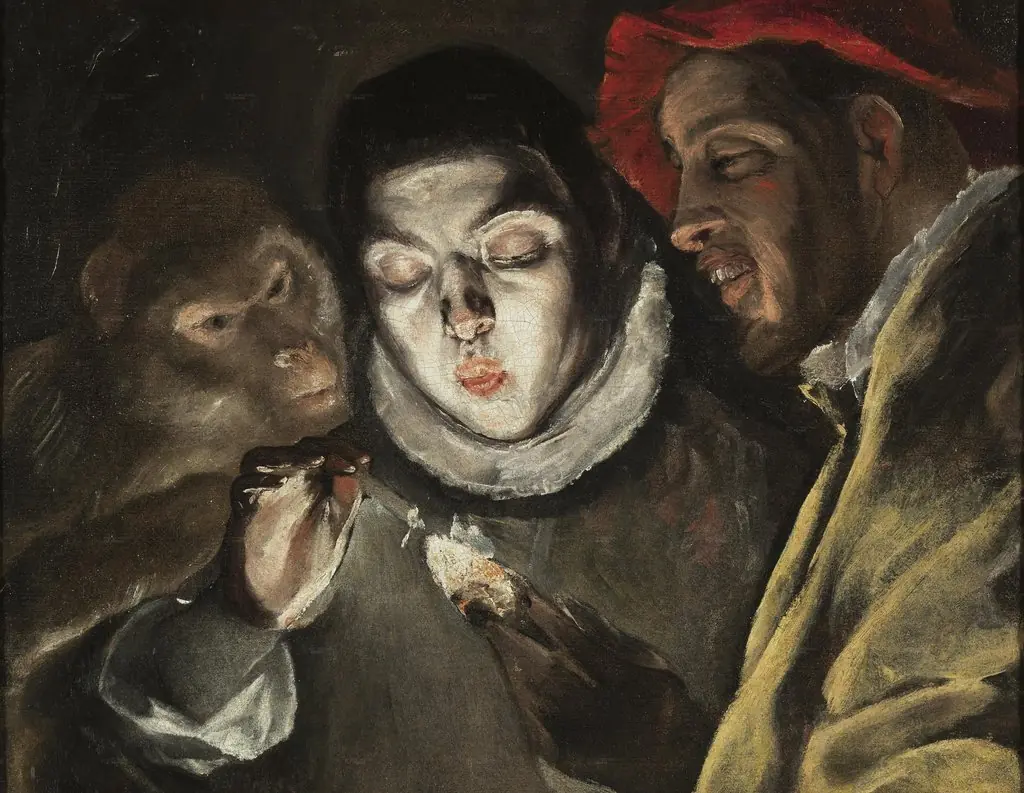
Own this work as a print
Artist & collection
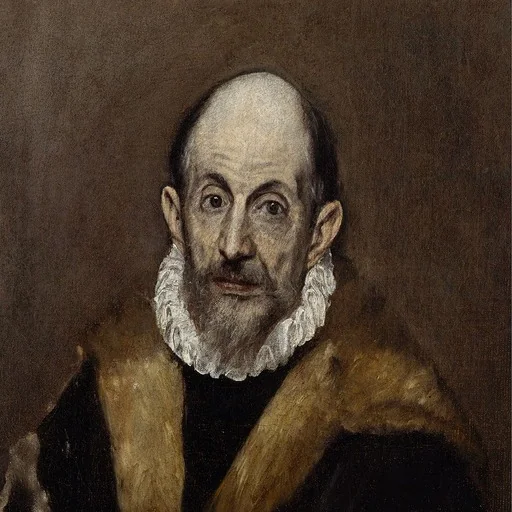
Artist
Doménikos Theotokópoulos was born in 1541 in Candia (modern Heraklion), the capital of Venetian-ruled Crete, where he was trained in the post-Byzantine tradition of icon painting.

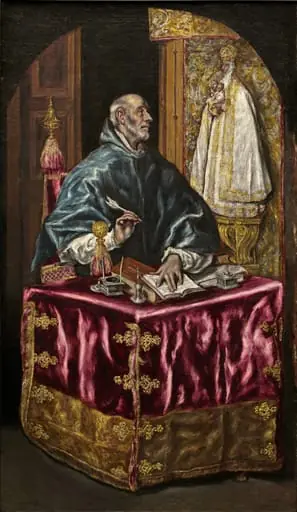
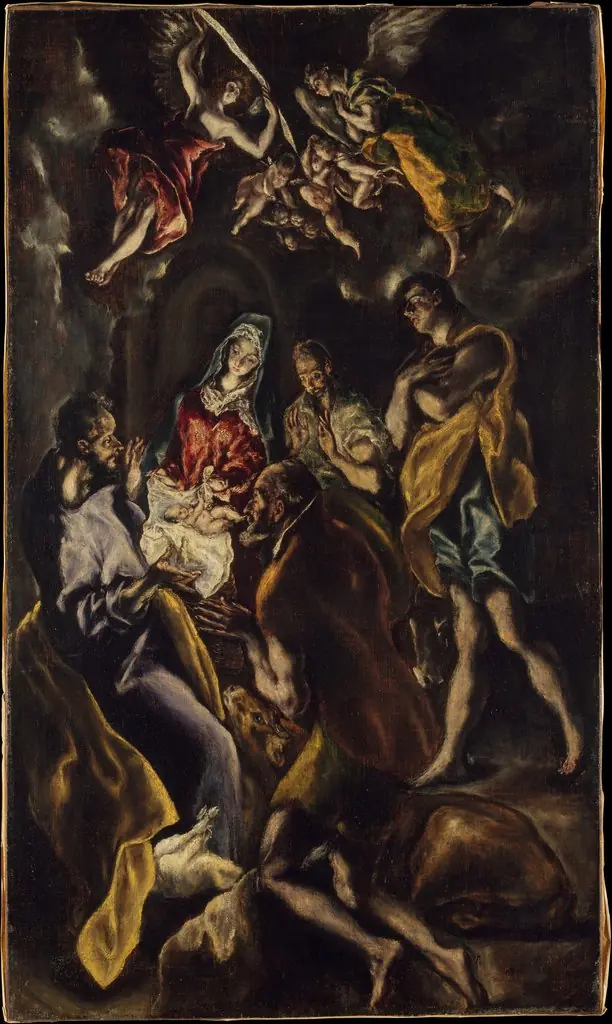
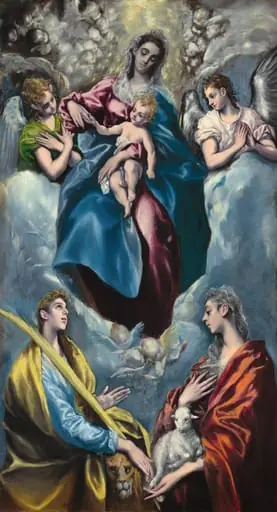
- The Fable
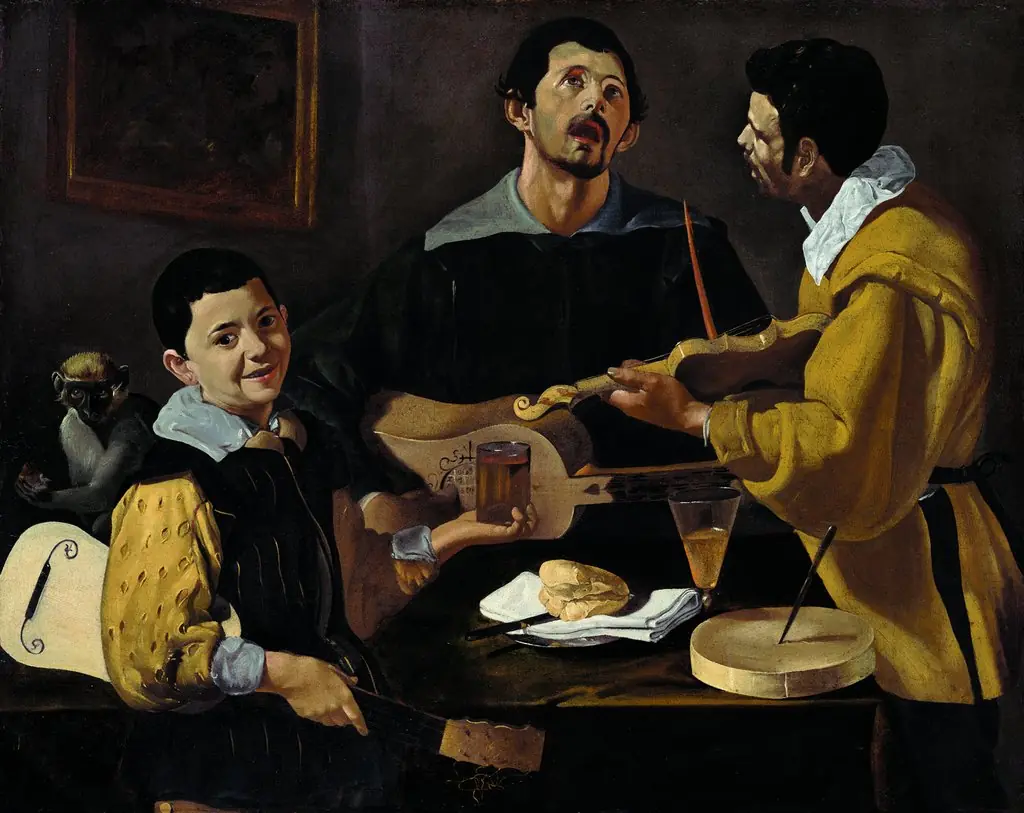 Three Musicians
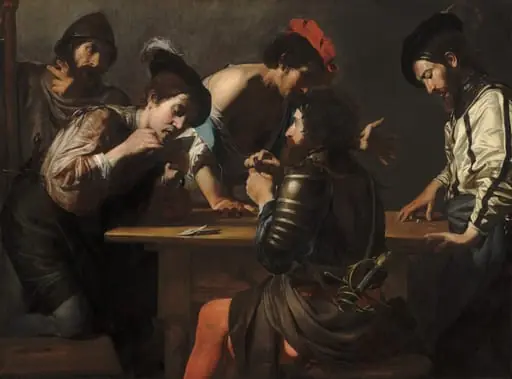 Soldiers Playing Cards and Dice (The Cheats)
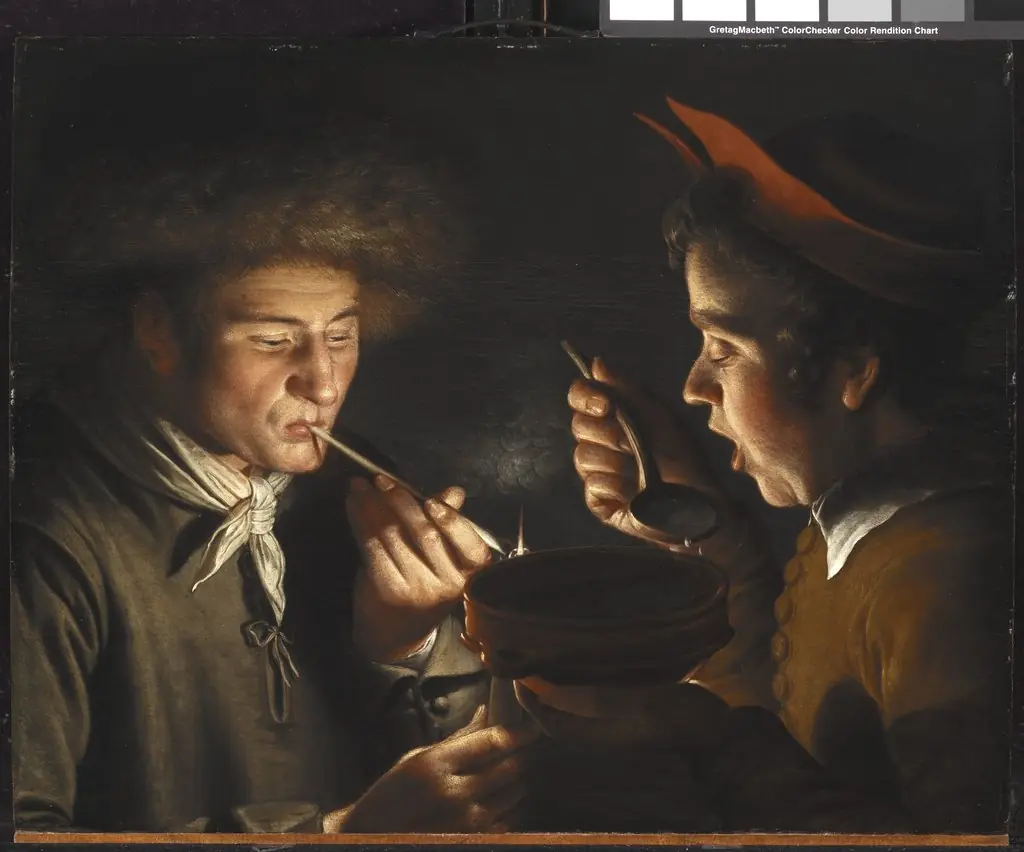 A Man Smoking and Another Man Eating by Candlelight
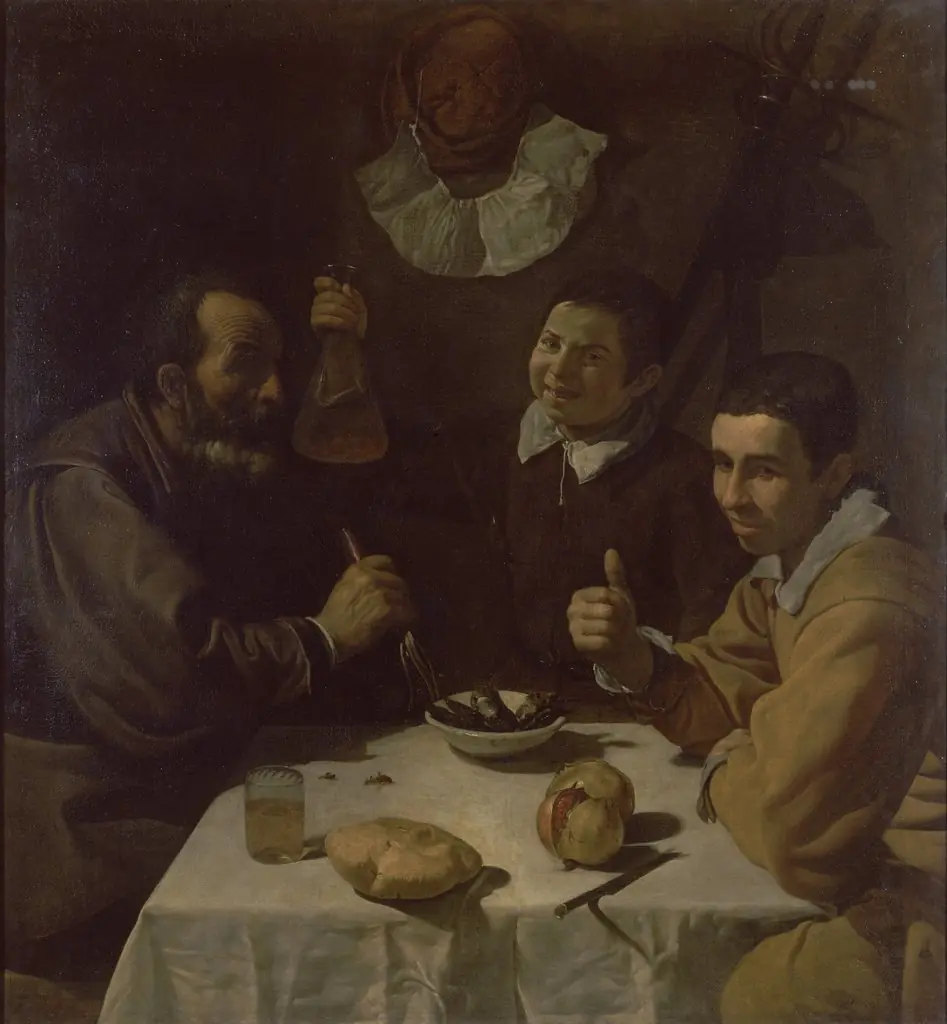 The Lunch
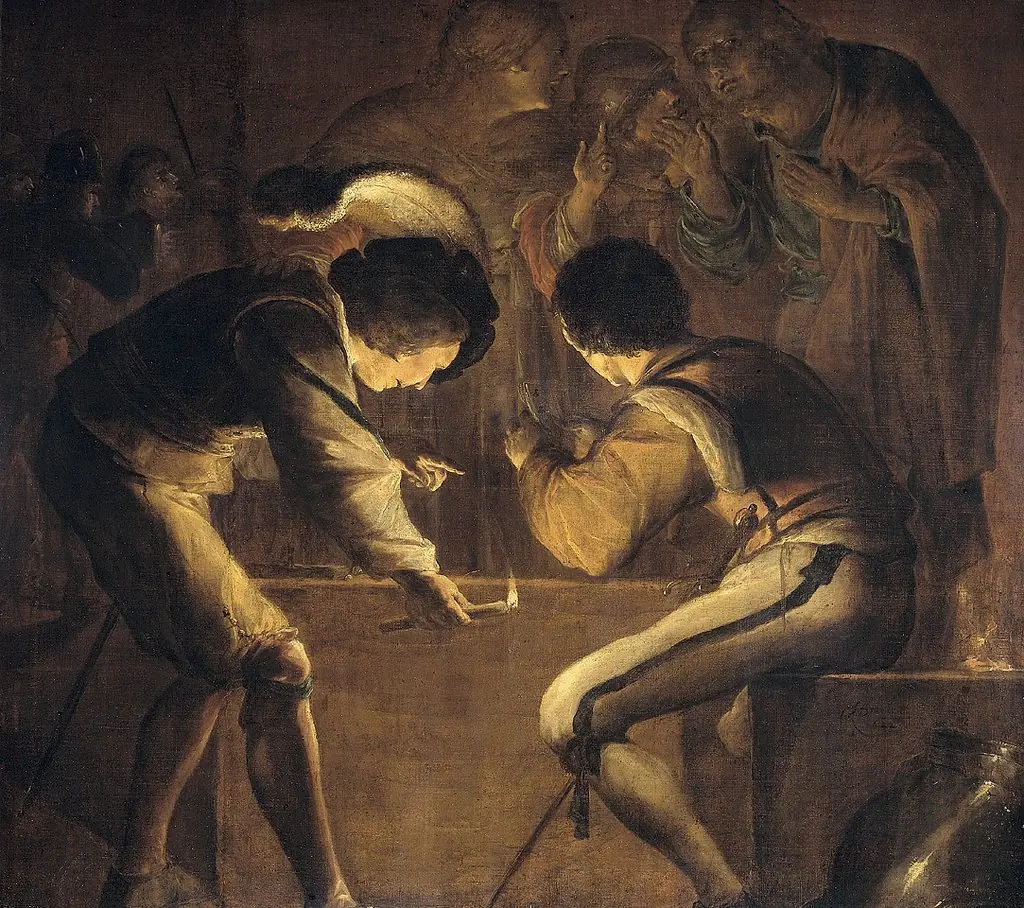 St Peter's denial
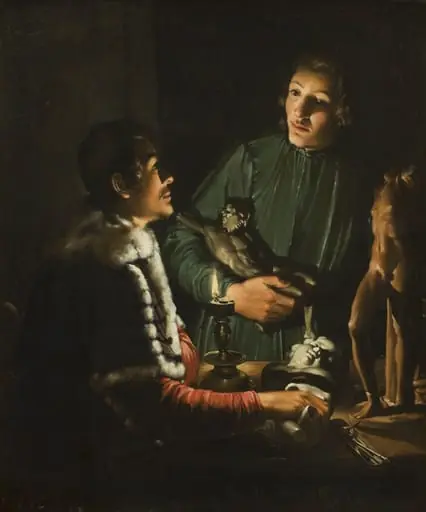 Two Sculptors at Night in Rome. Double Portrait of Francois Duquesnoy and Georg Petel
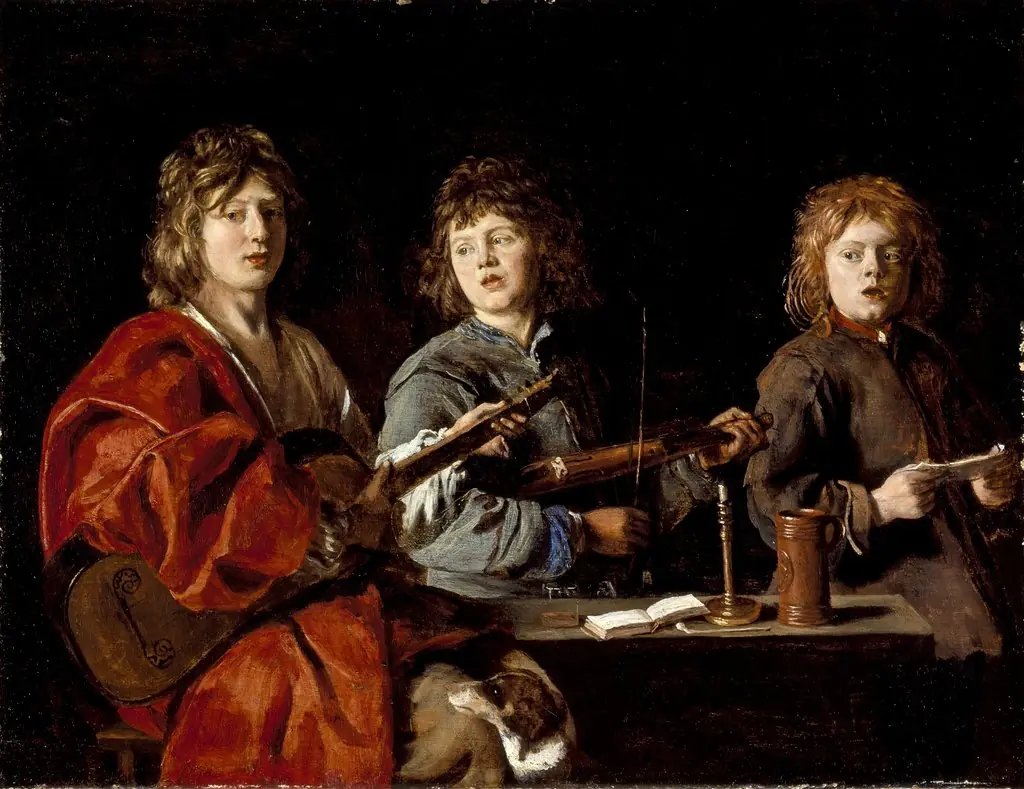 Three Young Musicians
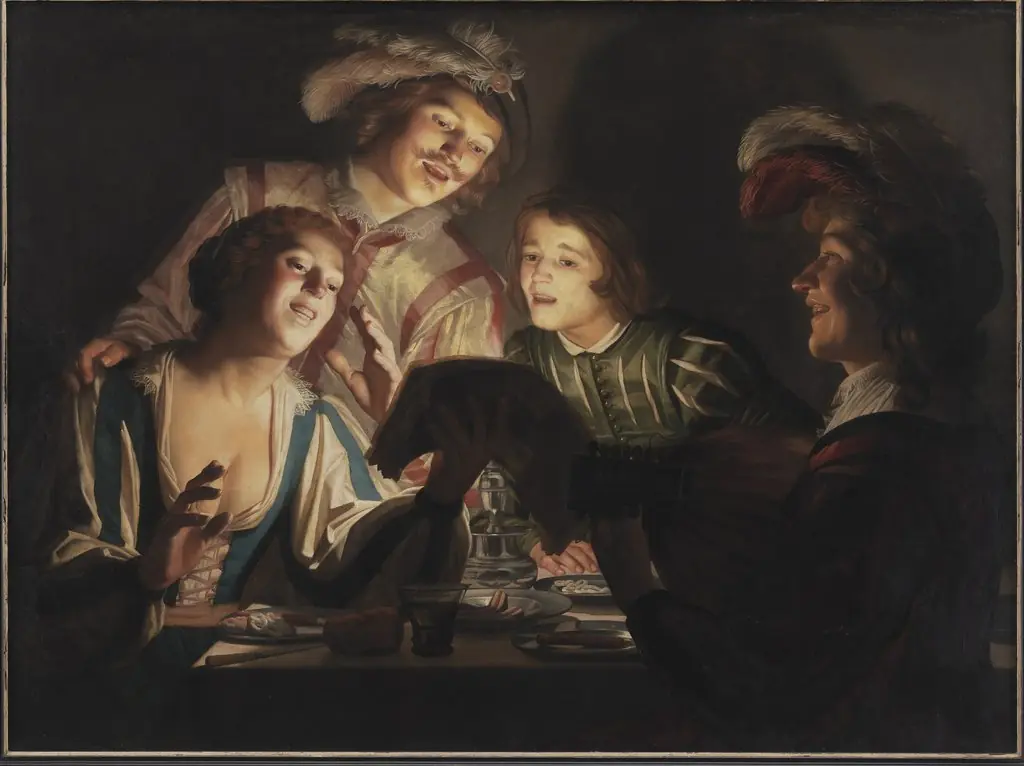 Musical Group by Candlelight
 Musical Group by Candlelight
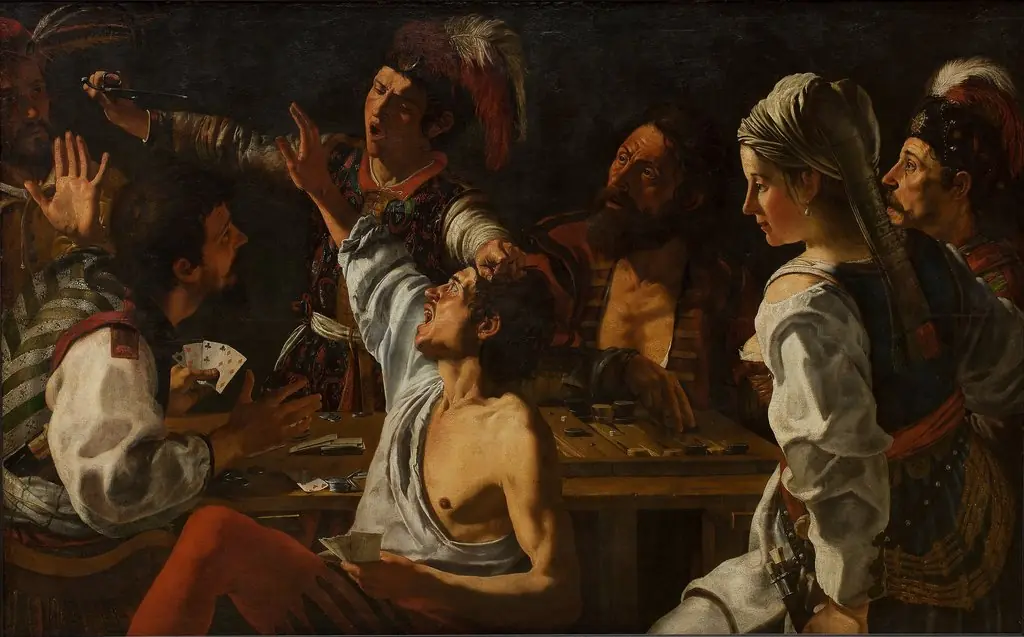 Card and Backgammon Players. Fight over Cards
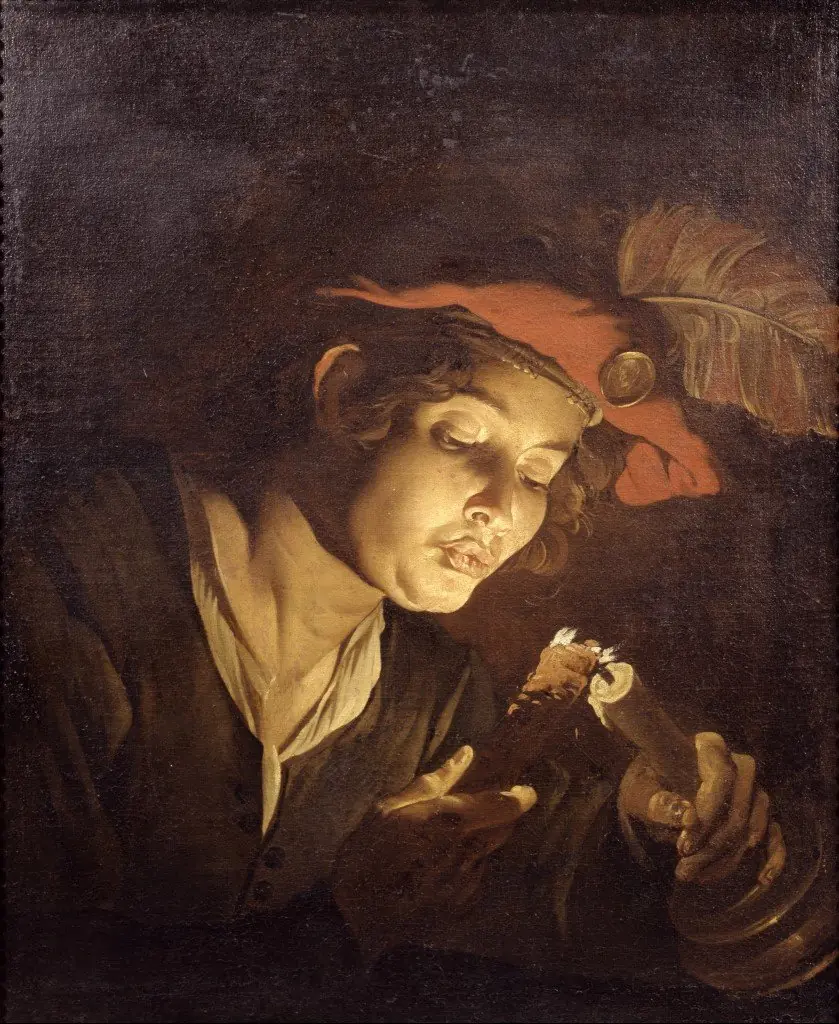 Boy lighting a candle from a wick