Artwork
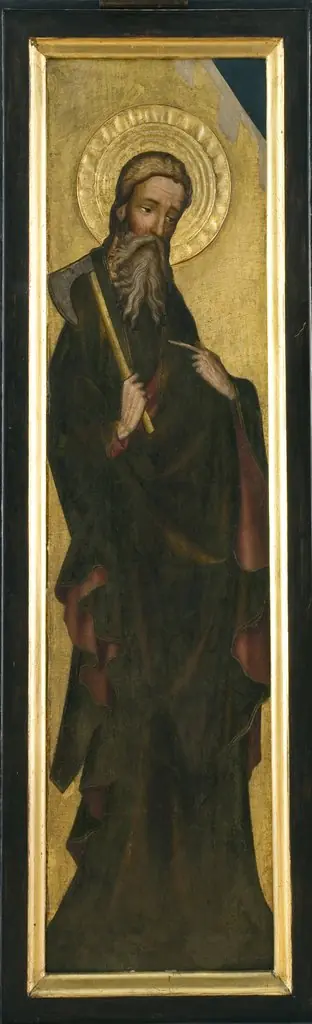
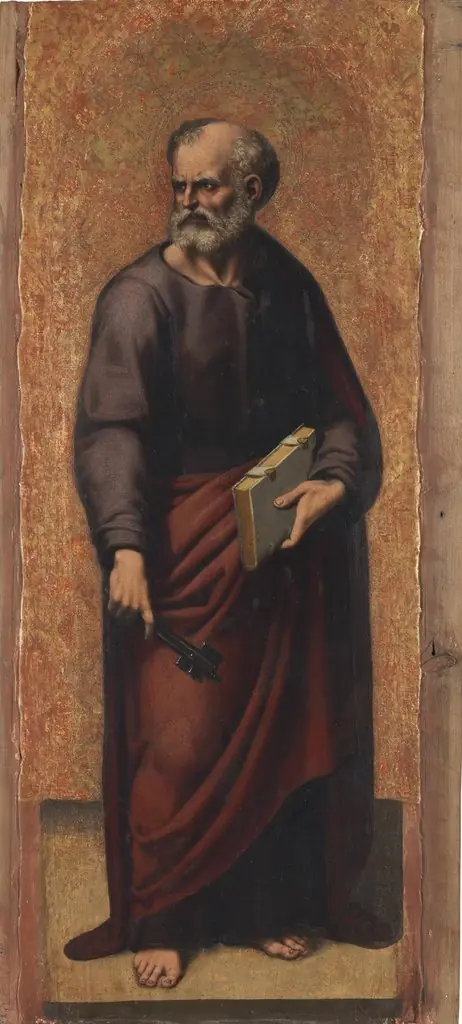
Panel from a Triptych: St. Anthony Abbot
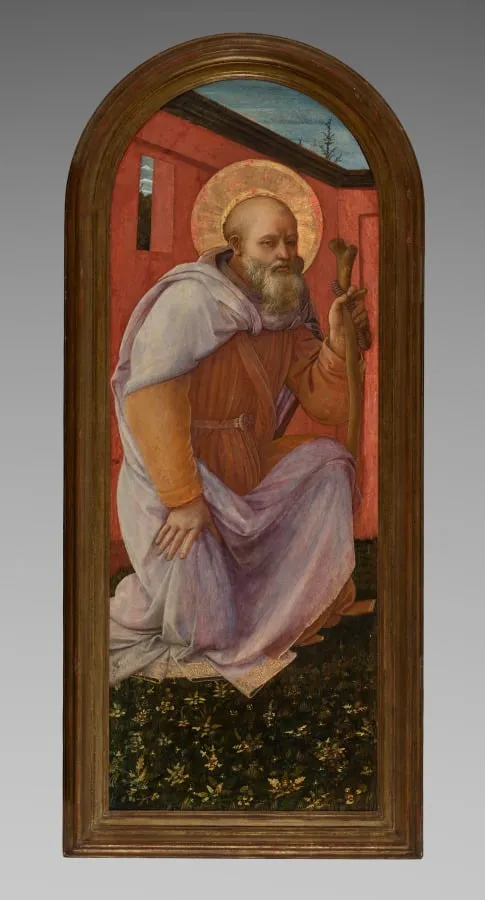
Panel from a Triptych: St. Anthony Abbot is an unspecified painting by the Early Renaissance artist Filippo Lippi. It dates from 1458 and is held in the collection of the Cleveland Museum of Art.
- Accession no.
- 1964.150.2
- Credit line
- Leonard C. Hanna Jr. Fund
About this work
Overview
This painted wooden panel forms one wing of a once-complete triptych that originally centered on a Madonna and Child flanked by depictions of Saint Anthony the Abbot and Saint Michael. The central image is now lost, leaving the two side panels as independent works.
Subject & Meaning
The figure shown is Saint Anthony the Abbot, portrayed in his monastic habit with a staff and a small pig at his feet, symbols associated with his ascetic life in the desert and his legendary temptations. The iconography emphasizes his role as the founder of monasticism and his renunciation of worldly goods.
Technique & Style
Executed by Fra Filippo Lippi, the panel demonstrates early Renaissance concerns with three‑dimensional modeling. Lippi employs linear perspective and careful chiaroscuro to render the folds of the black robe with convincing shadows, giving the saint a solid, weighty presence within a shallow architectural setting.
History & Provenance
Commissioned in 1457 by Giovanni di Cosimo de’ Medici of Florence as a diplomatic gift for Alfonso V of Aragon, the triptych reflects the Medici’s patronage of Florentine art. The work remained in private collections before entering its present museum context, where the central panel remains missing.
Context
Lippi’s approach draws on the innovations of Masaccio’s Brancacci Chapel, integrating realistic spatial construction with devotional imagery. The inclusion of Saint Michael on the opposite wing, armed with sword and shield, balanced the program by representing heavenly protection against evil.
Artist & collection
Artist
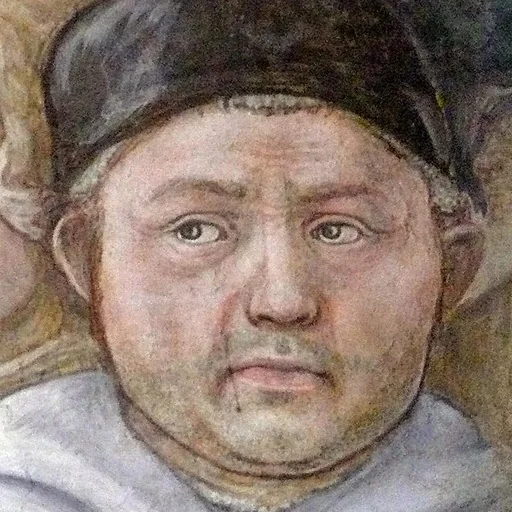
Filippo Lippi (c. 1406 – 8 October 1469), also known as Lippo Lippi, was an Italian Renaissance painter of the Quattrocento (fifteenth century) and a Carmelite priest. He was an early Renaissance master of a painting…

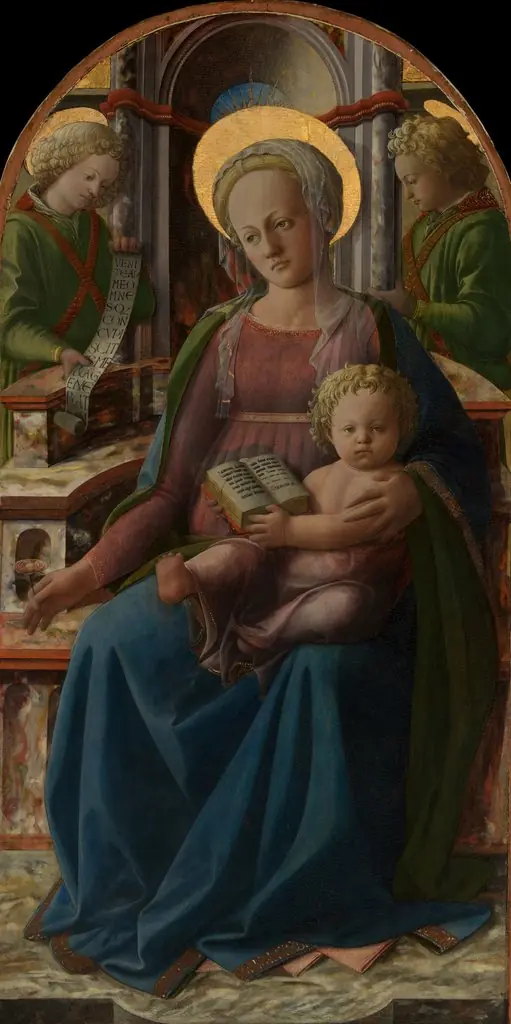 Madonna and Child Enthroned with Two Angels
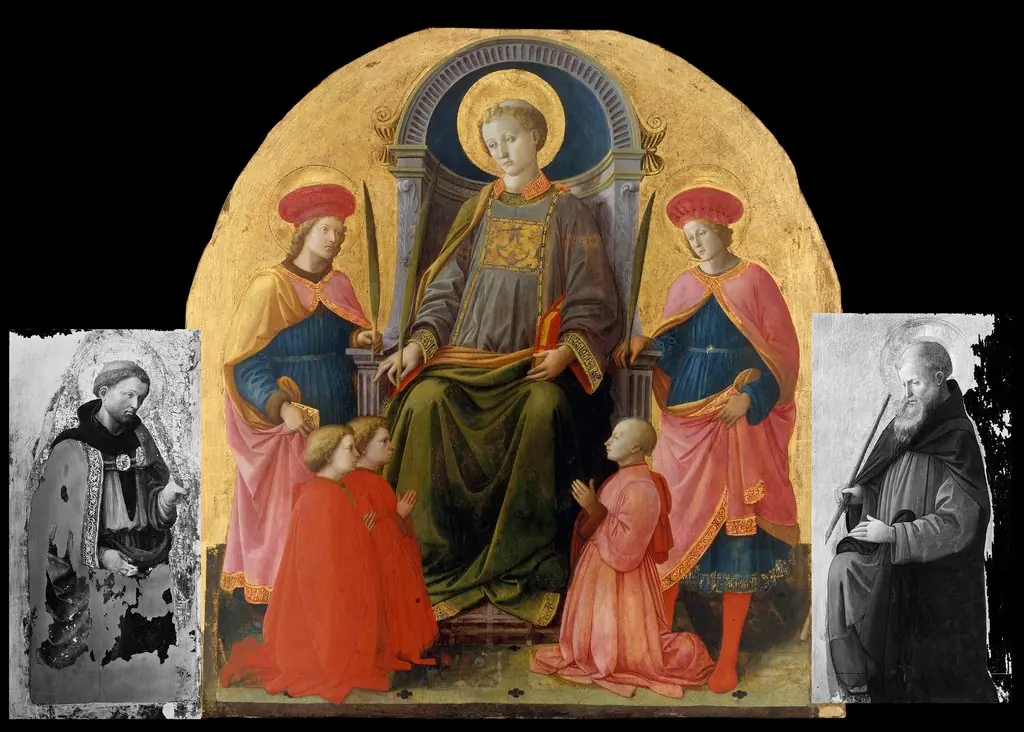 Saint Lawrence Enthroned with Saints and Donors
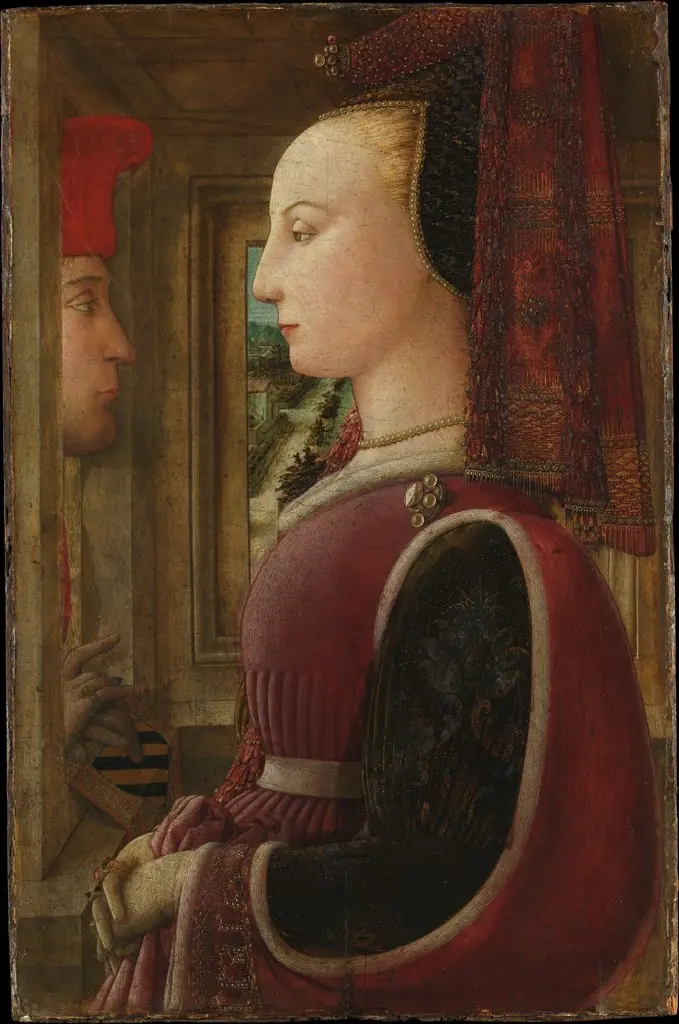 Portrait of a Woman with a Man at a Casement
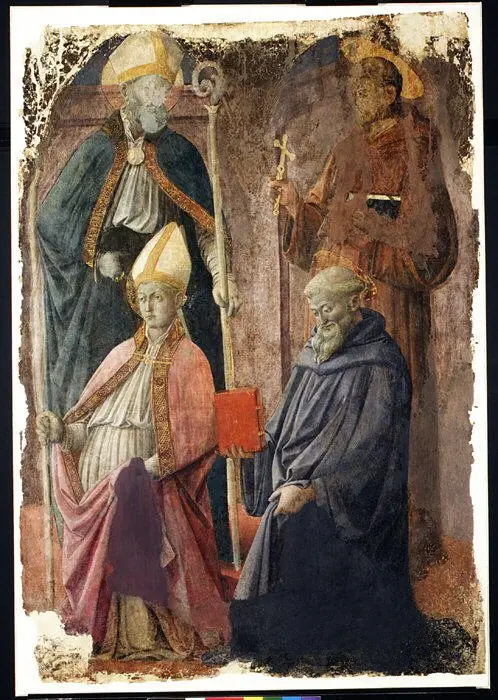 Saints Augustine and Francis, a Bishop Saint, and Saint Benedict
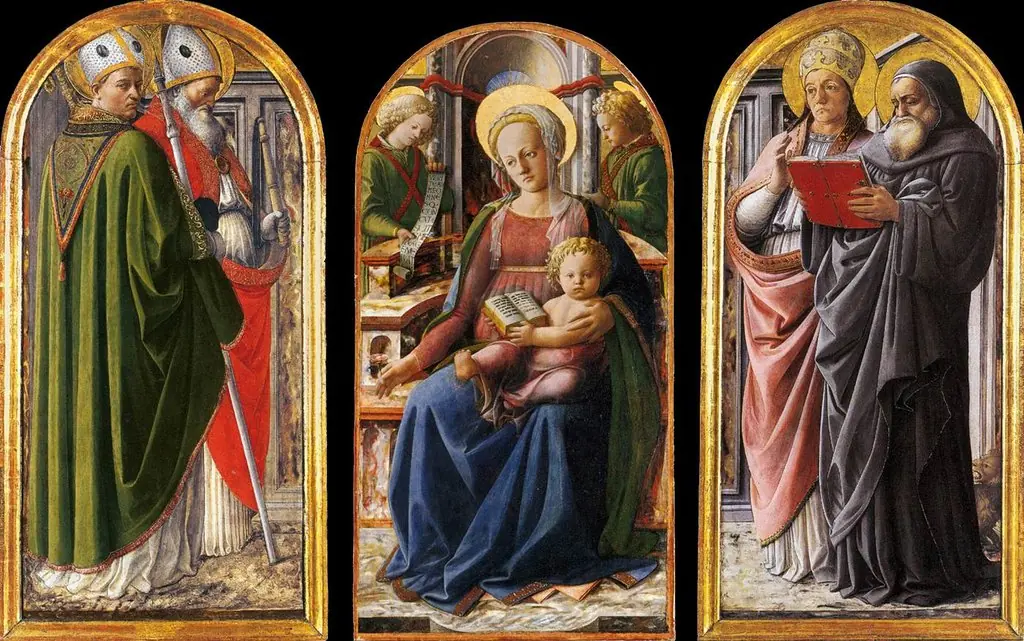 Madonna and Child with Angels and Saints
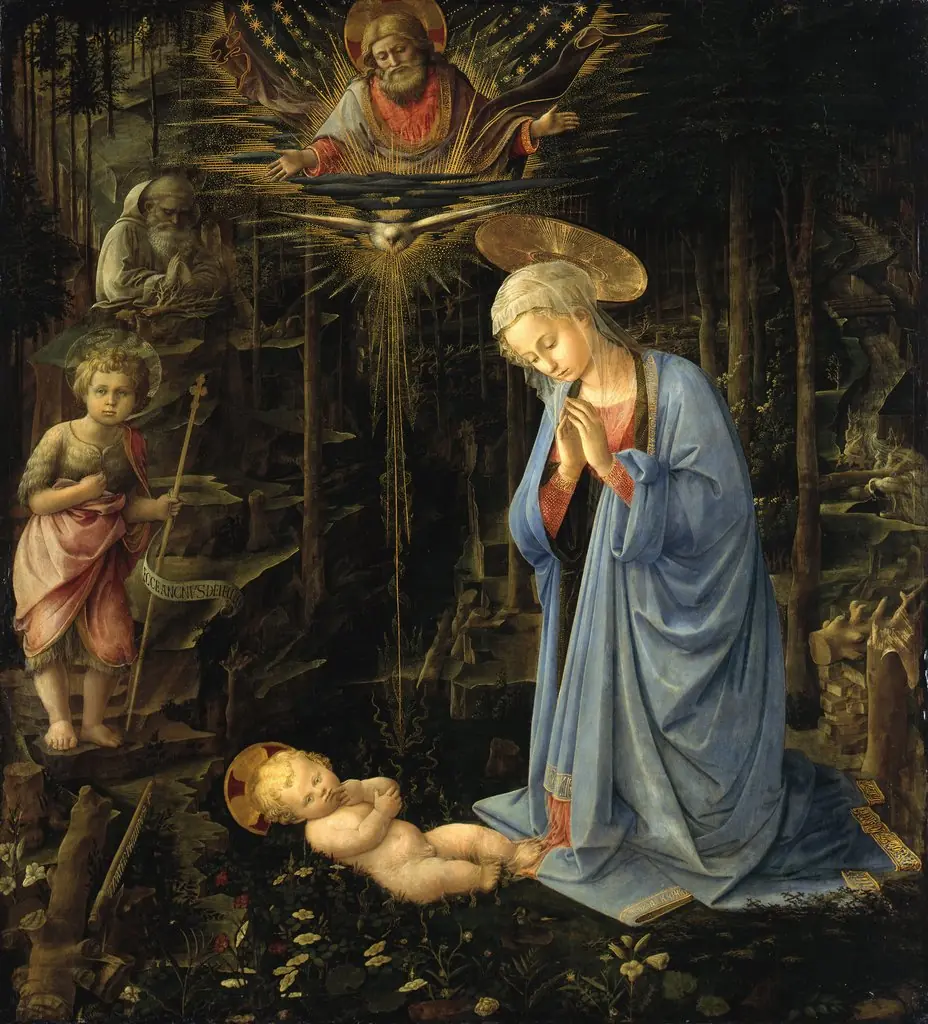 Adoration in the Forest
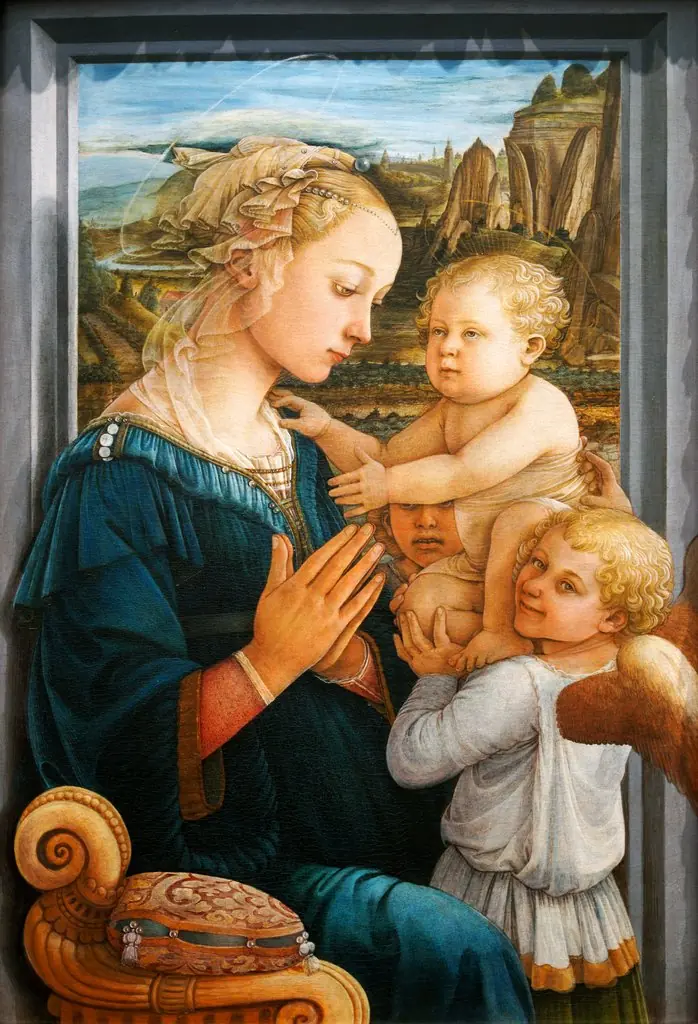 Madonna and Child
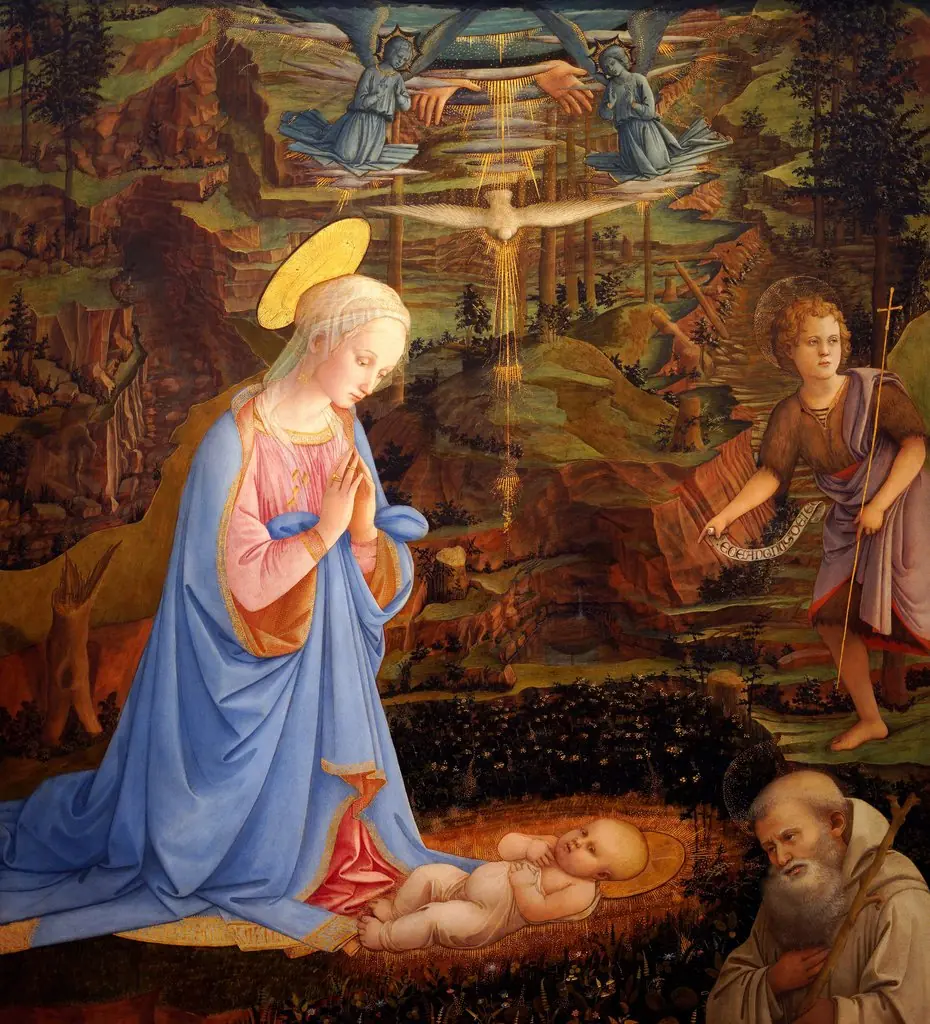 Adoration of Camaldoli