Artwork
The Death of Hercules
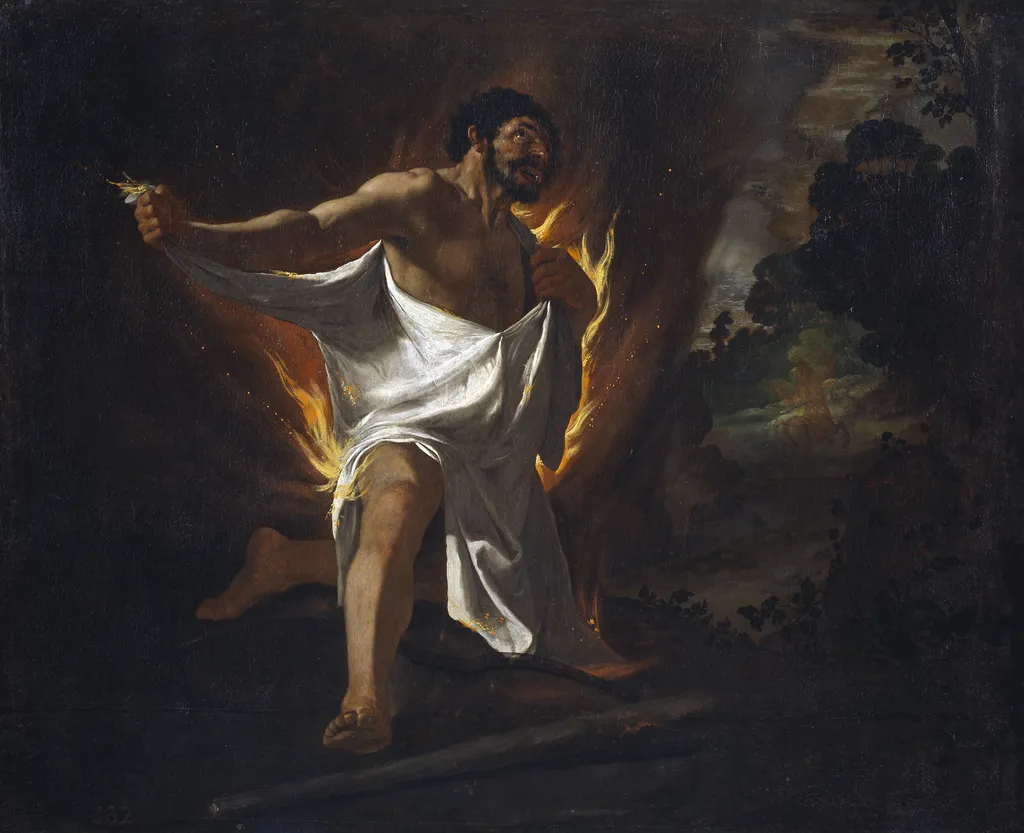
The Death of Hercules is an oil painting by the Early Baroque Italian artist Francisco de Zurbarán. It dates from 1634 and is held in the collection of the Museo del Prado.
About this work
Overview
Created for the Hall of Realms in the Palacio del Buen Retiro, it formed part of a ten-panel cycle depicting the labors and fate of the mythological hero.
Painted in 1634 by Francisco de Zurbarán, The Death of Hercules is an oil on canvas measuring 135.9 by 167.0 cm. Created for the Hall of Realms in the Palacio del Buen Retiro, it formed part of a ten-panel cycle depicting the labors and fate of the mythological hero. The work now resides in the Museo del Prado, Madrid, and stands out within the series for its dramatic intensity and departure from Zurbarán’s typical restrained compositions.
Subject & Meaning
The painting captures Hercules in the final moments of his life, writhing as the poisoned tunic of Nessus consumes him. The centaur, already dead from Hercules’s earlier arrow, lies in the distant background. Without the traditional funeral pyre, the scene emphasizes internal torment rather than ritualized death.
This portrayal aligned with Philip IV’s dynastic propaganda, linking the Spanish monarchy to Hercules’s divine lineage and the virtue of suffering endured for higher purpose.
Technique & Style
Zurbarán employs stark chiaroscuro to model Hercules’s muscular form, casting one side in brilliant light and the other in deep shadow. The white robe, partially torn and billowing, contrasts with the dark, undefined background, heightening the figure’s isolation. The hero’s twisted posture and contorted expression convey visceral agony, while the club and arrow in his hands anchor the narrative in his past deeds. The rendering of flesh and fabric suggests a sculptural solidity, influenced by Italian and Spanish predecessors.
History & Provenance
Commissioned for the Hall of Realms, the series was overseen by Diego Velázquez, who coordinated artists and likely shared visual references with Zurbarán. Sources for the composition include 16th-century prints by Gabriel Salmon and Sebald Beham, as well as possible influences from Caravaggio, Ribera, and Torrigiano’s statue of Jerome. The painting remained in royal collections after the Buen Retiro’s decline and was later transferred to the Prado, where it has been held since the 19th century.
Context
The Hercules cycle served as political allegory under Philip IV, reinforcing royal authority through classical myth. Zurbarán, known for religious austerity and monastic subjects, was an unusual choice for such a secular, nude-centered project. His adaptation of the myth avoided overt heroism, focusing instead on suffering and mortality, qualities that resonated with Counter-Reformation sensibilities and the Spanish court’s emphasis on endurance and divine right.
Legacy
Though the full Hercules series received mixed critical attention for its deviation from Zurbarán’s usual style, The Death of Hercules is frequently singled out for its emotional power and technical command. It remains a rare example of the artist engaging with dynamic human movement and mythological drama, bridging Spanish realism with broader European Baroque trends. Its influence is seen in later Spanish depictions of physical and spiritual crisis.
Own this work as a print
Artist & collection
Artist
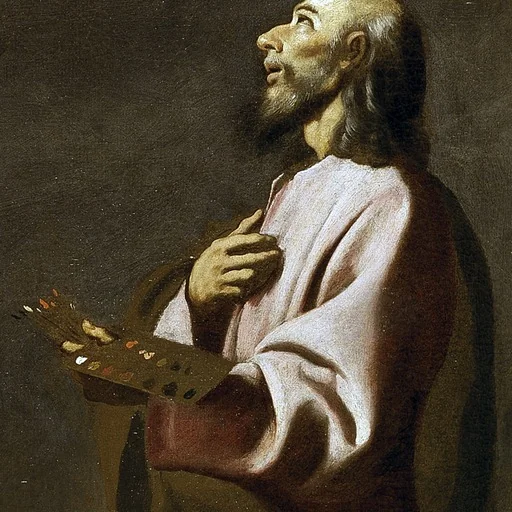
Francisco de Zurbarán was a Spanish Baroque painter. He is known primarily for his religious paintings depicting monks, nuns, and martyrs, and for his still-lifes. Zurbarán gained the nickname "Spanish Caravaggio",…

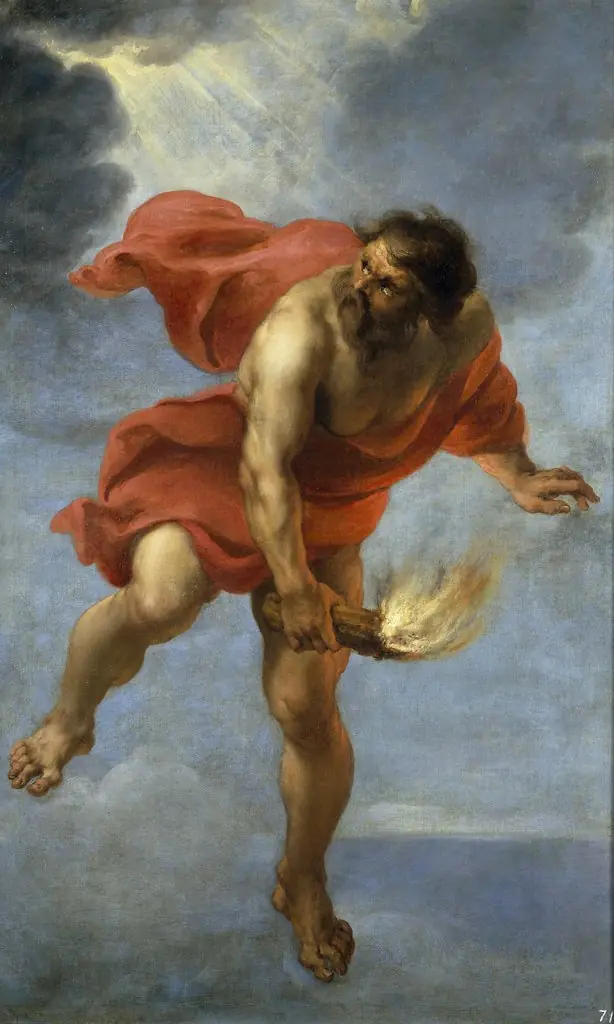
- Prometheus Carrying Fire
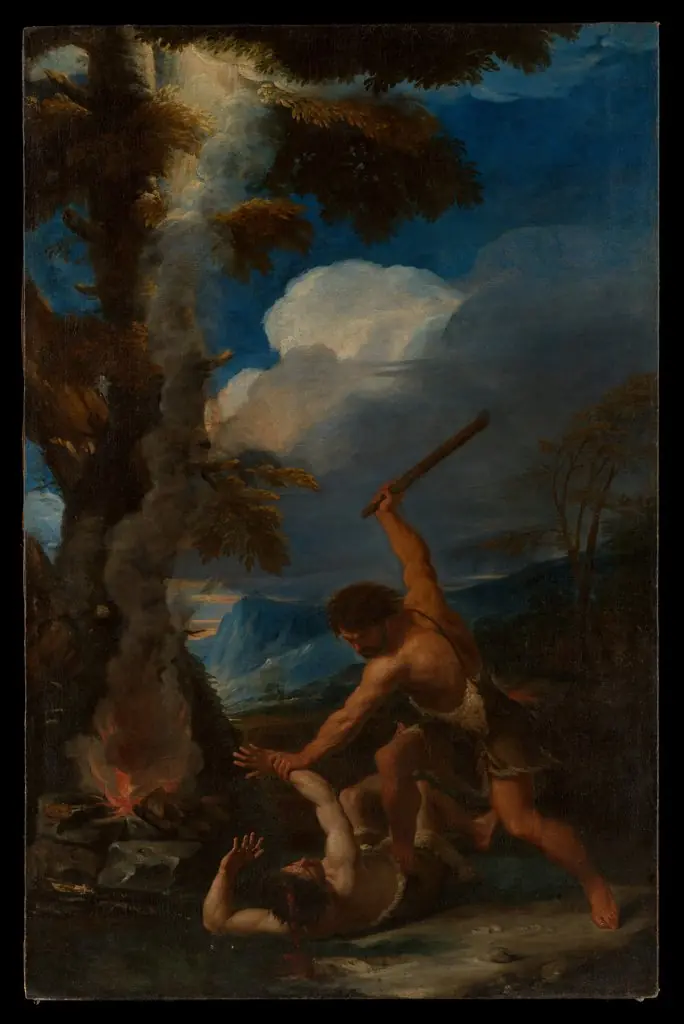 Cain Slaying Abel
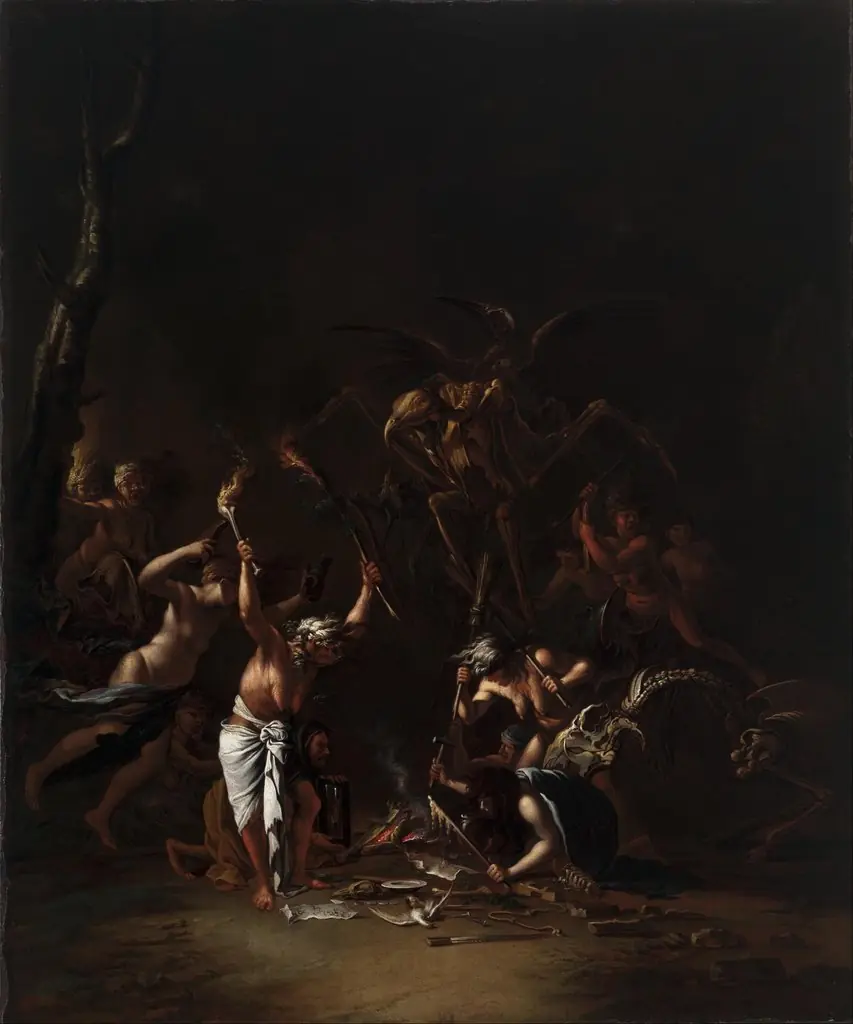 The Witches' Sabbath
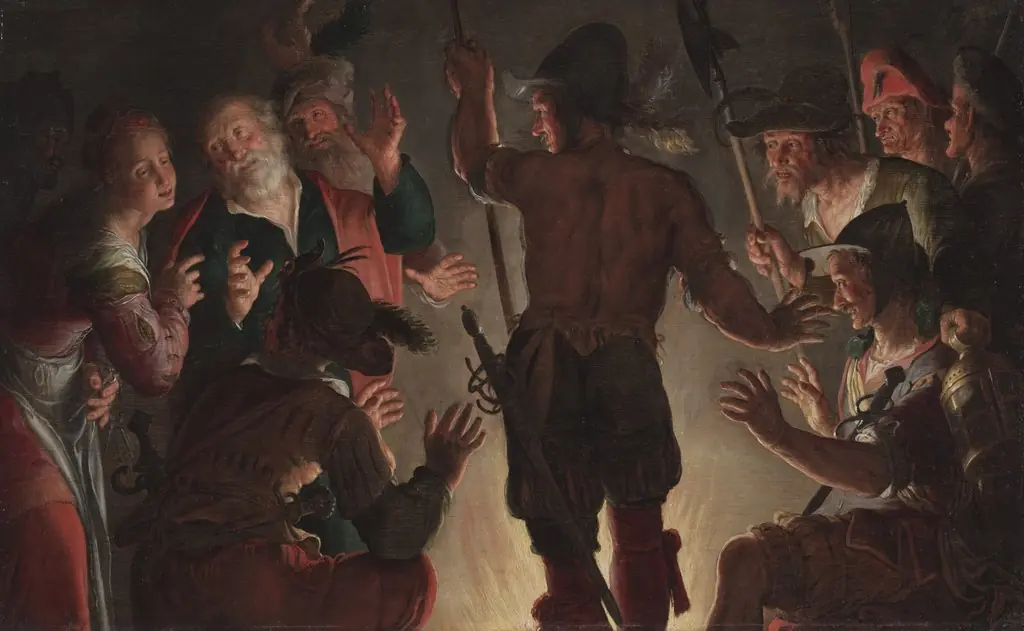 The Denial of Peter
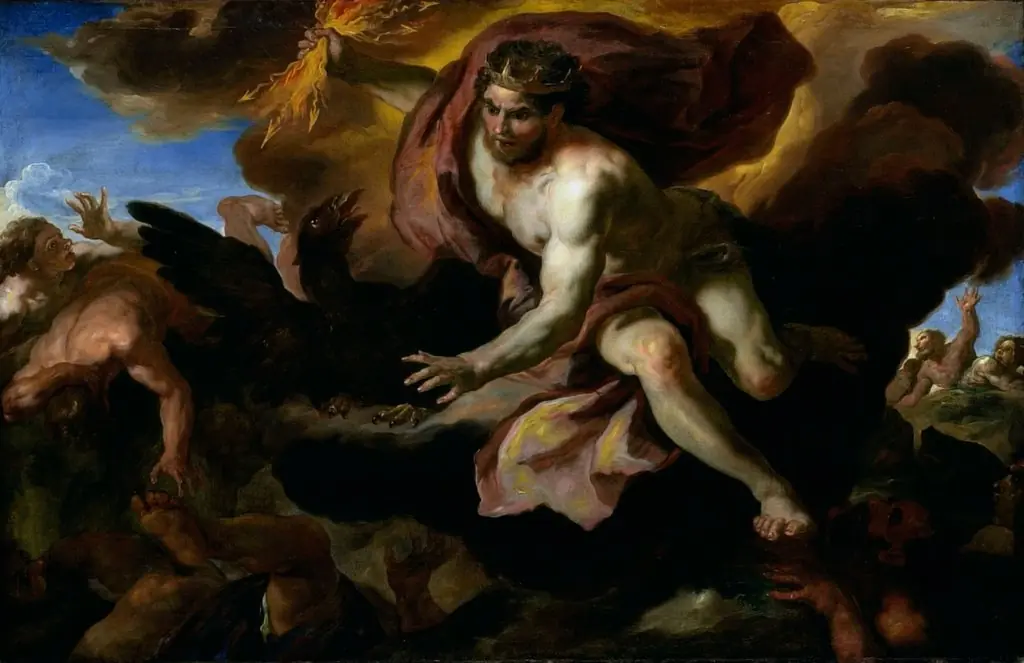 Jove casts his Thunderbolts at the Rebellious Giants
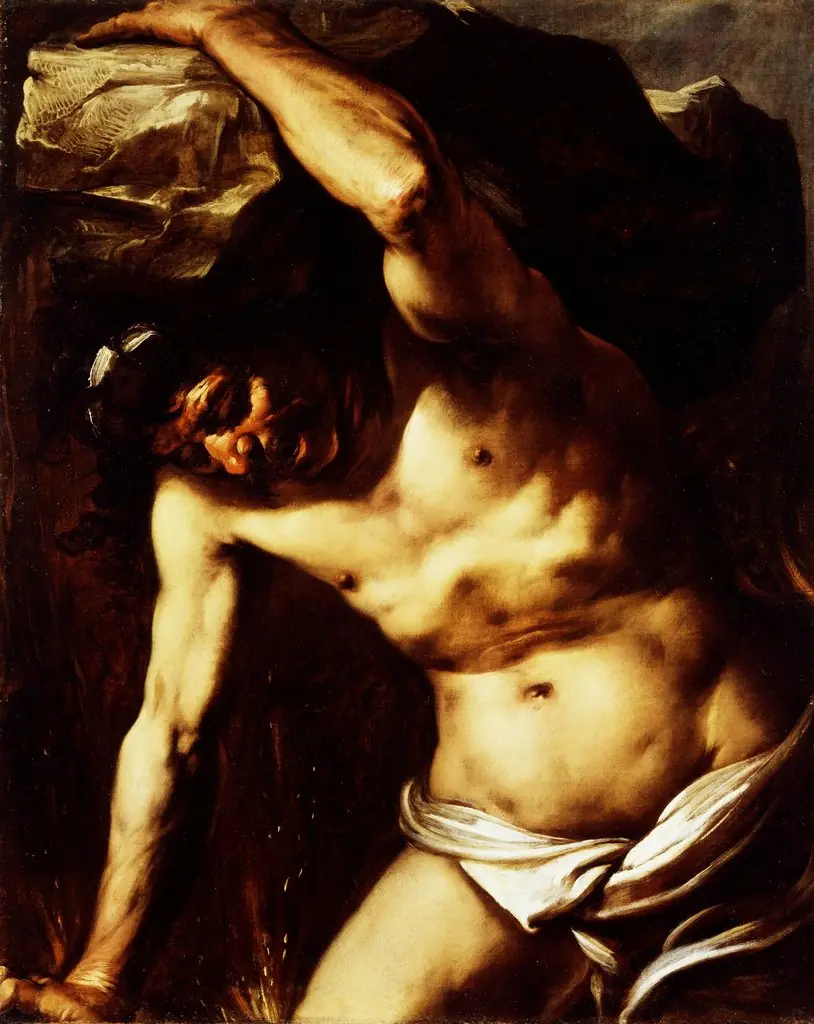 Sisyphus
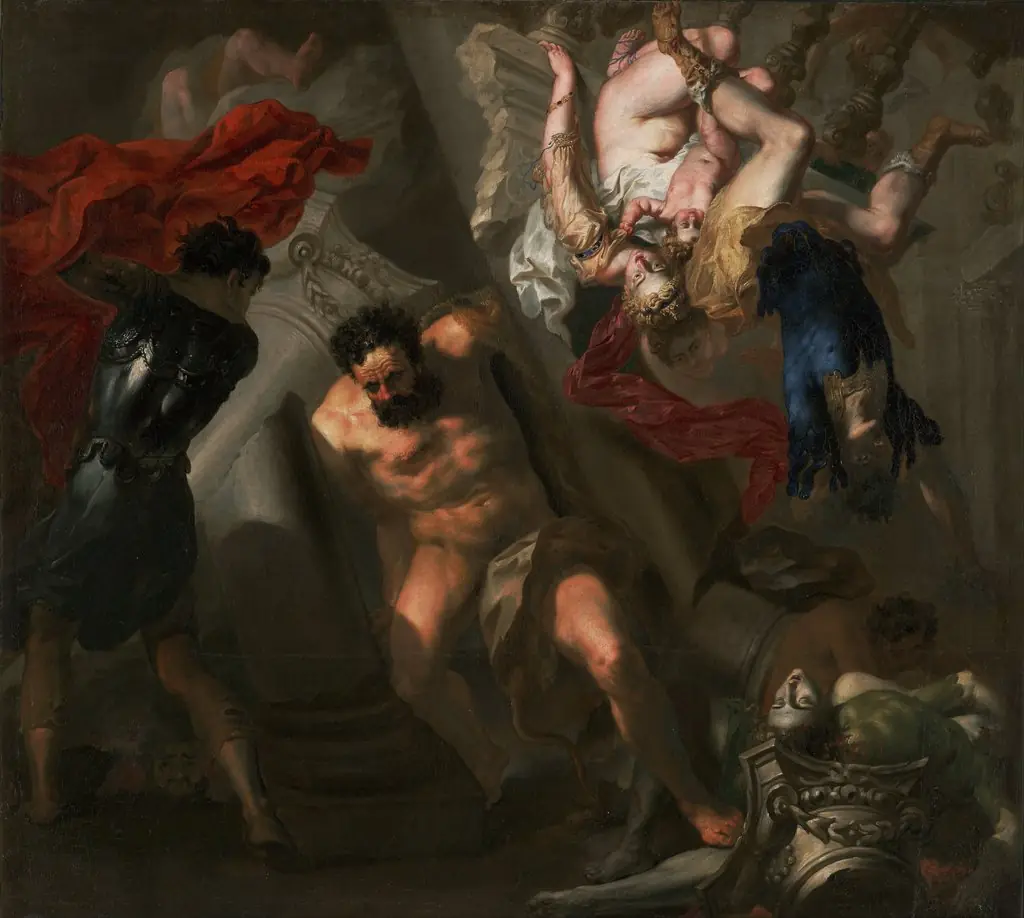 The Death of Samson
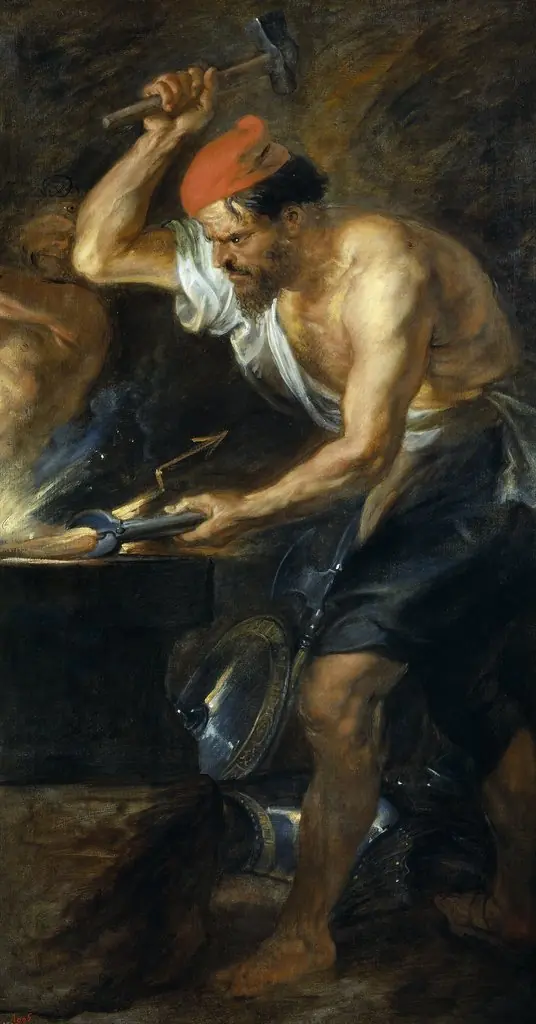 Vulcan forging the Thunderbolts of Jupiter
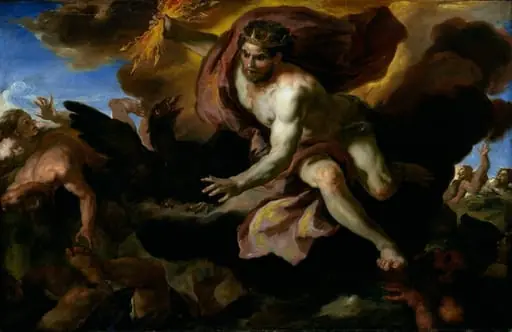 Jove Casts His Thunderbolts at the Rebellious Giants
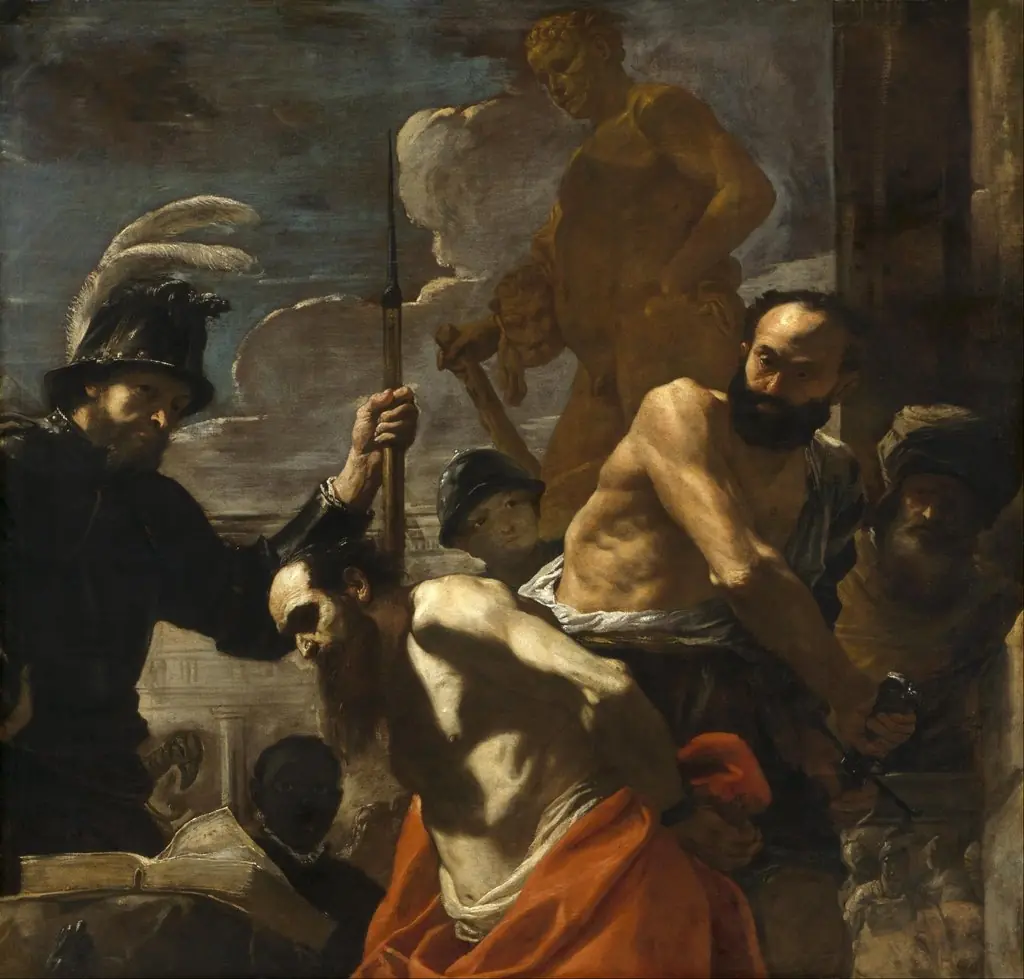 The Martyrdom of Saint Paul
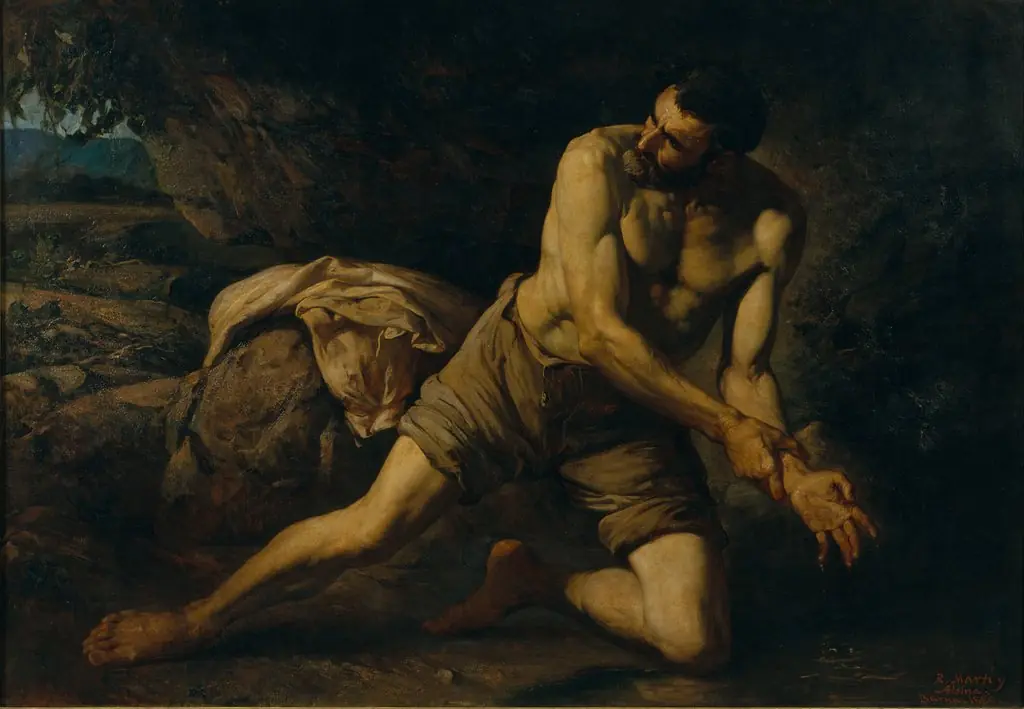 The Criminal. 'The Mark of the Crime'
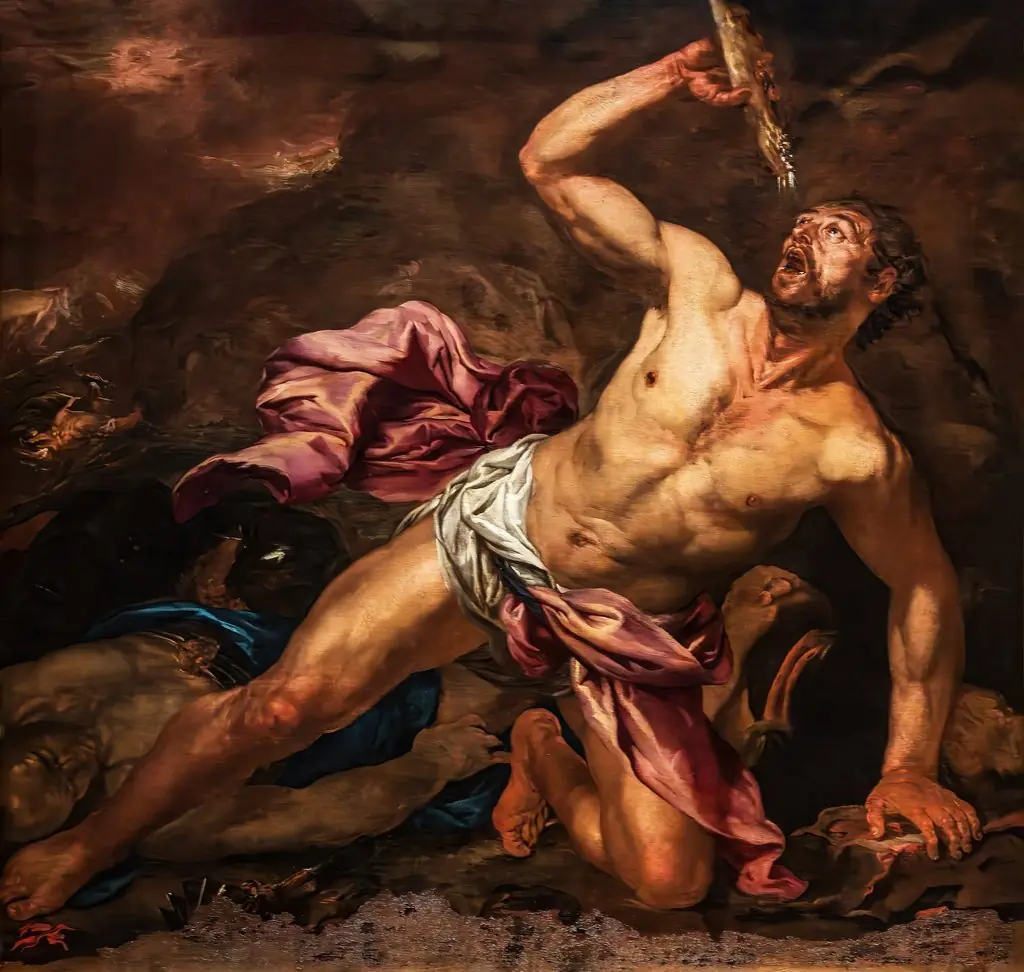 Samson