Artwork
Mammon
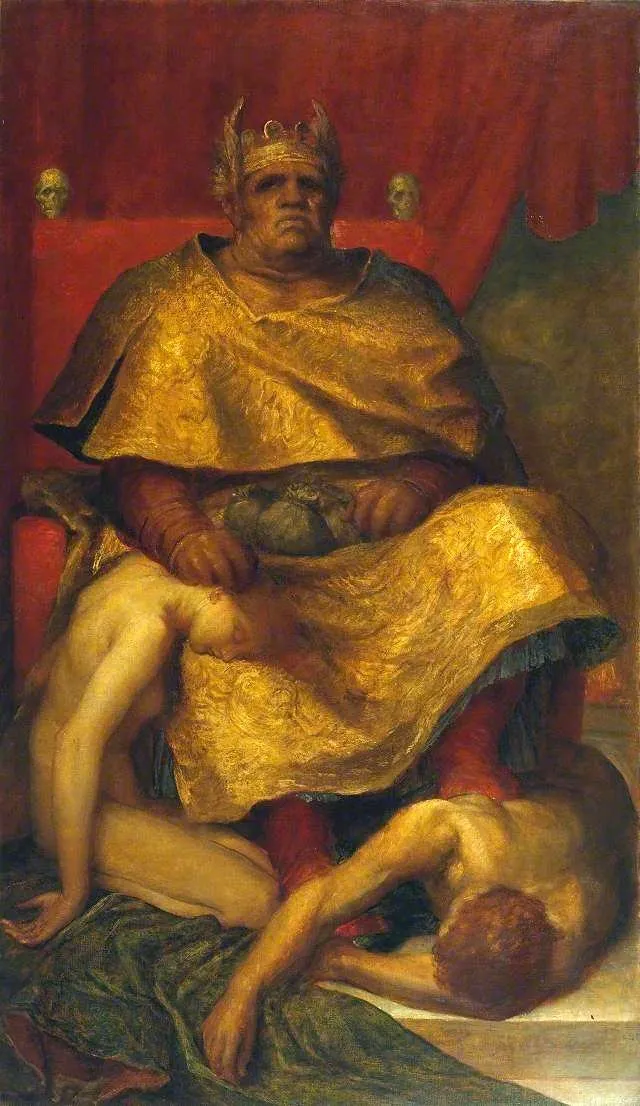
Mammon is an oil painting by the Symbolist artist George Frederic Watts. It dates from 1893 and is held in the collection of the Tate.
About this work
He donated it to the South Kensington Museum in 1886, and it later moved to the Tate Gallery in 1897, where it now hangs.
Mammon is an 1885 oil painting by the English artist George Frederic Watts. It is an allegorical work that depicts a scene from Edmund Spenser’s The Faerie Queene, where the figure of Mammon, the personification of greed, crushes the weak with indifference. Watts created this piece to comment on how wealth was replacing religion in society and causing social decline.
He donated it to the South Kensington Museum in 1886, and it later moved to the Tate Gallery in 1897, where it now hangs. If you’re curious for more, check out museum: Tate Britain.
Overview
Mammon is an 1885 oil painting by George Frederic Watts, an allegorical work depicting a scene from Edmund Spenser’s The Faerie Queene. The painting critiques the corrupting influence of wealth, a theme prevalent in Watts’s oeuvre during this period.
Subject & Meaning
The painting personifies greed through the figure of Mammon, illustrating how indifference to the plight of the weak leads to their oppression. This reflects Watts’s concern that wealth had supplanted religion in modern society, contributing to social deterioration.
Technique & Style
While specific technical details of the painting are not highlighted, the work is characteristic of Watts’s approach to allegorical subjects, typically rendered in oil paint to convey moral and social commentary through symbolic figures and scenes.
History & Provenance
Created in 1885, Mammon was donated by Watts to the South Kensington Museum in 1886. It was transferred to the Tate Gallery in 1897 and is currently part of the collection at Tate Britain.
Context
Part of a broader series by Watts exploring the theme of wealth’s corrupting influence, Mammon engages with late 19th-century societal anxieties over the role of wealth and religion.
Legacy
Though not frequently exhibited outside Tate Britain, the painting’s popularity through reproductions has made it one of Watts’s more recognized works, contributing to the artist’s reputation for socially conscious art.
Artist & collection
Artist
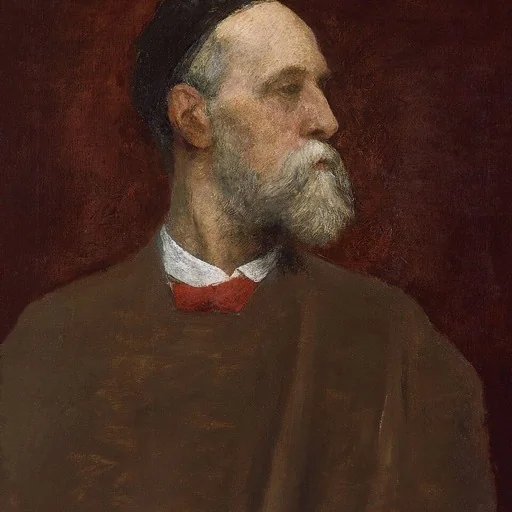
George Frederic Watts (23 February 1817 – 1 July 1904) was a British painter and sculptor associated with the Symbolist movement.

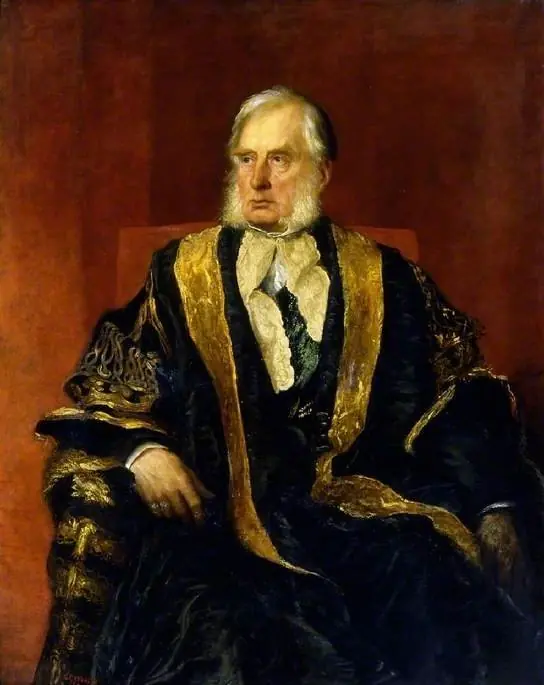
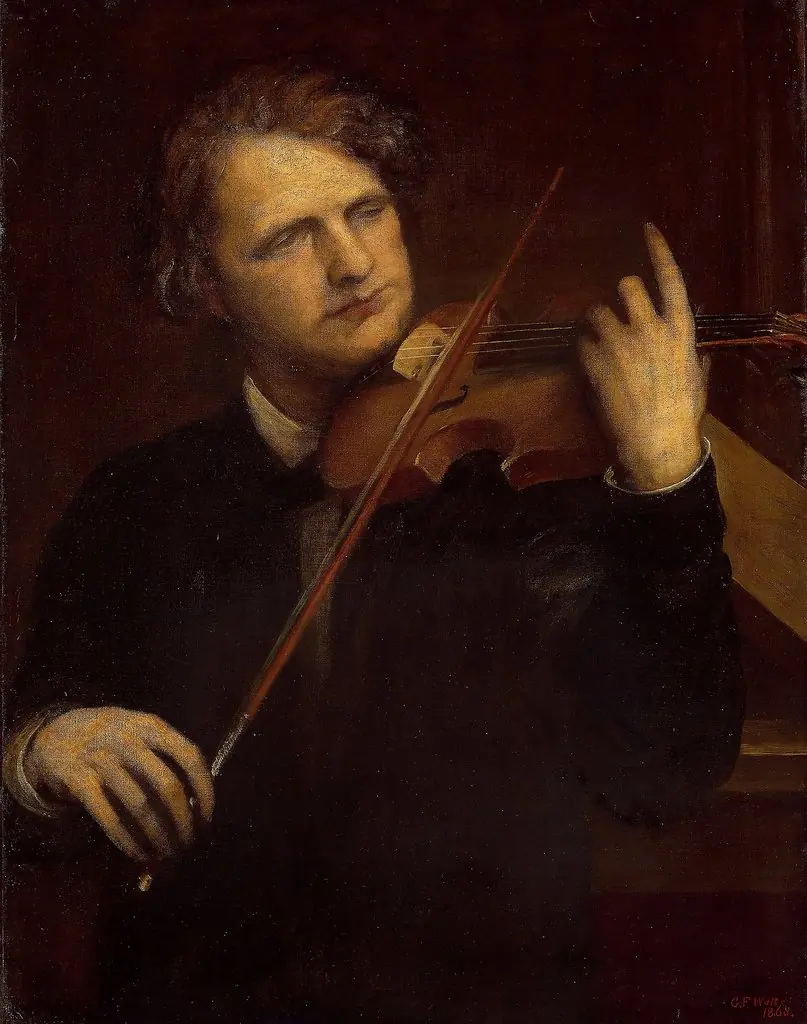
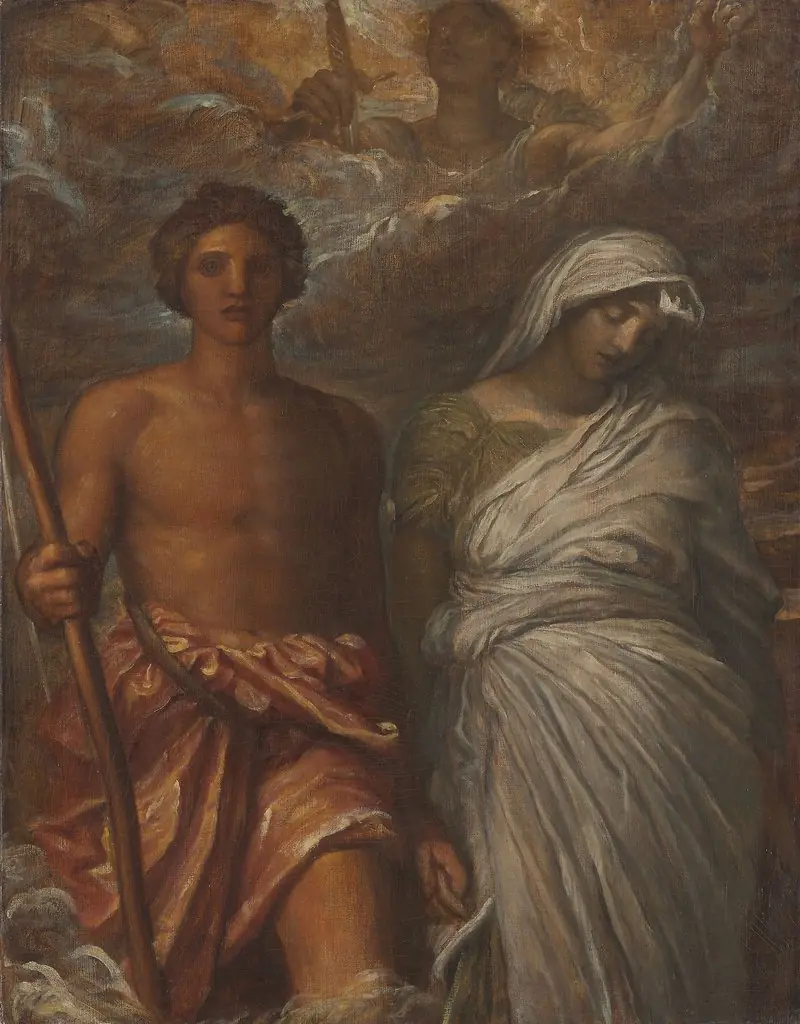
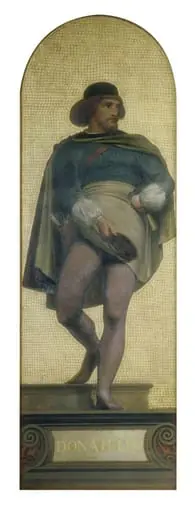
- Donatello: design for a mosaic in the Museum (the 'Kensington Valhalla')
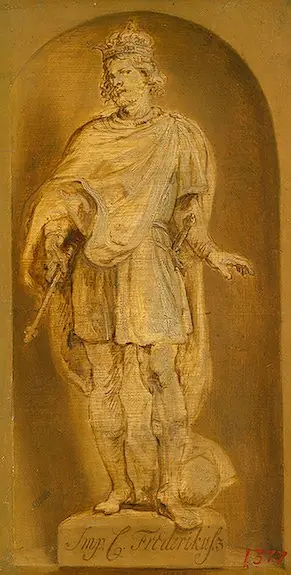 Statue of Frederick III in a niche
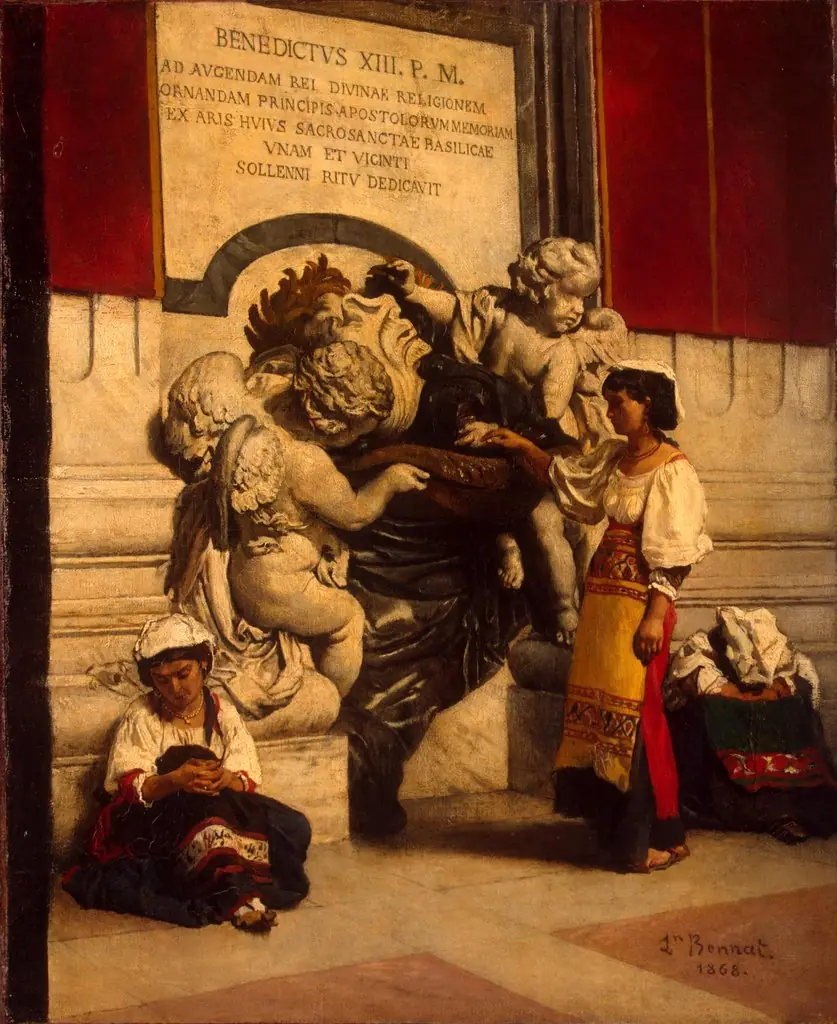 Holy Water Font by St Peter's Basilica in Rome
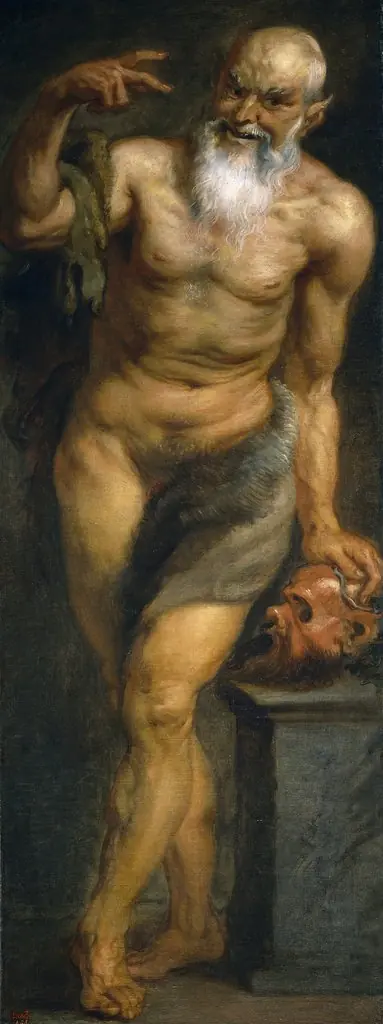 Satyr
Satyr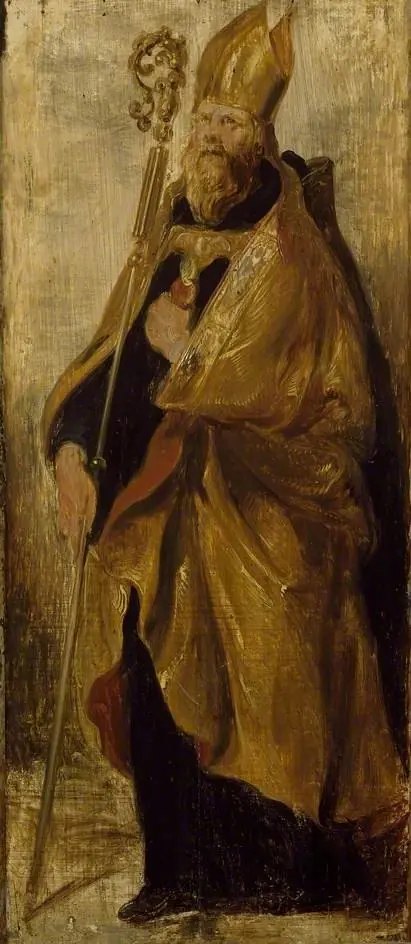 St Augustine
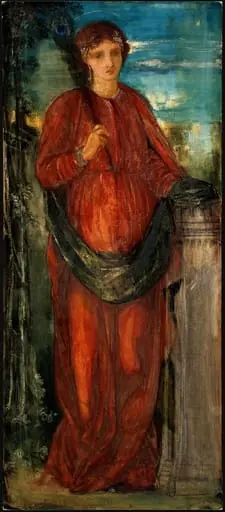 Saint Barbara
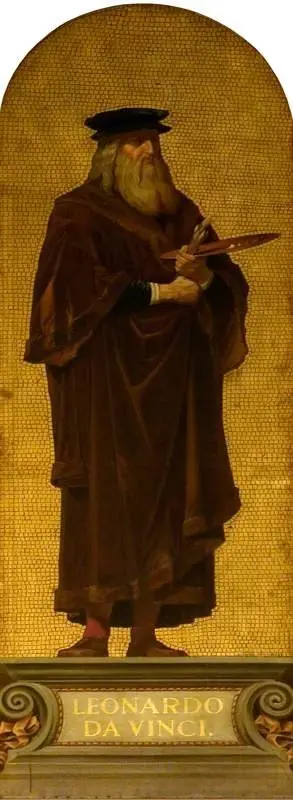 Leonardo da Vinci (1452–1519) (design for a mosaic in the Victoria and Albert Museum)
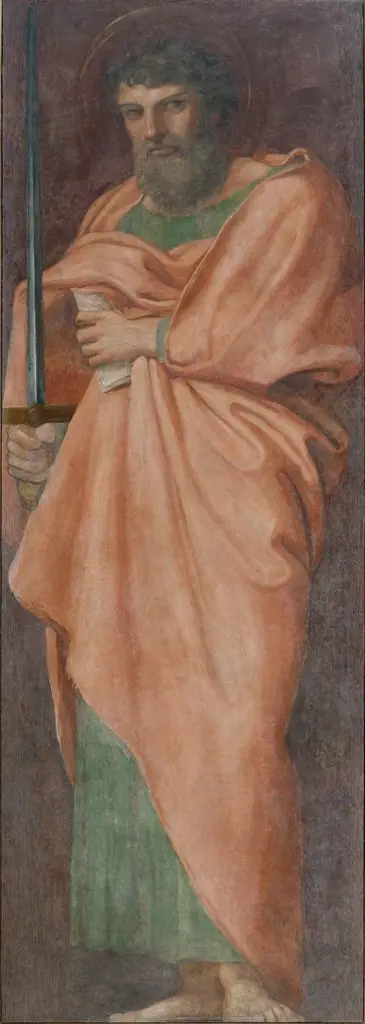 Saint Paul
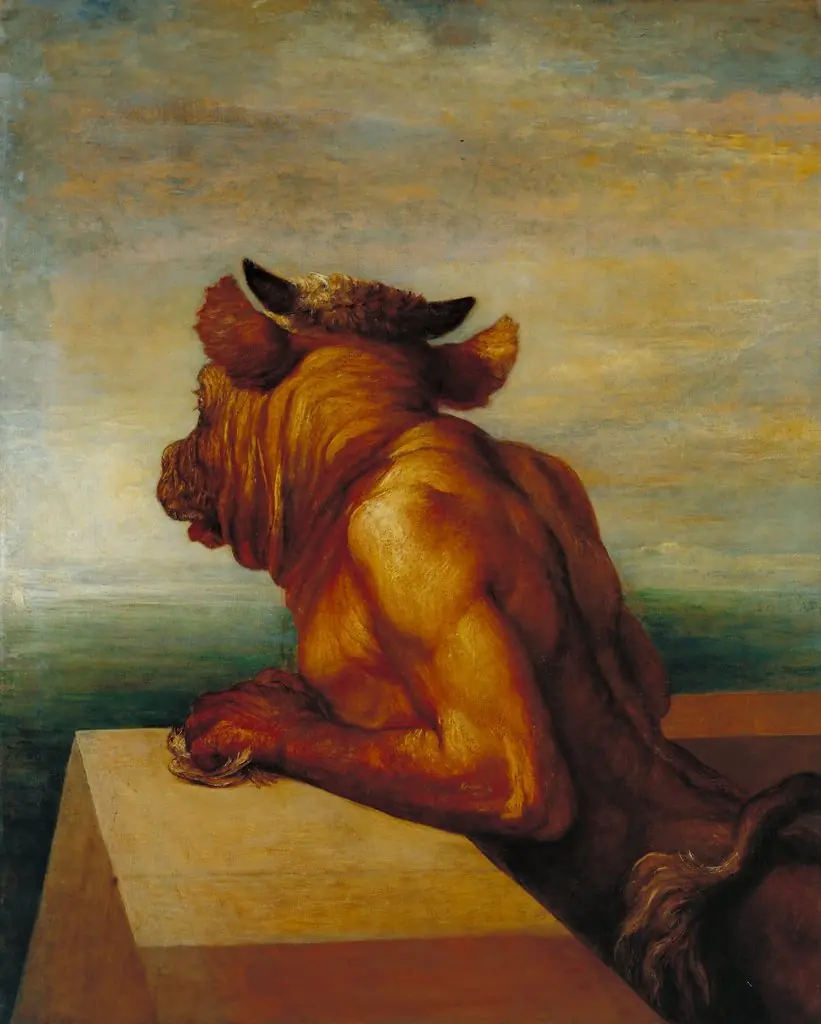 The Minotaur
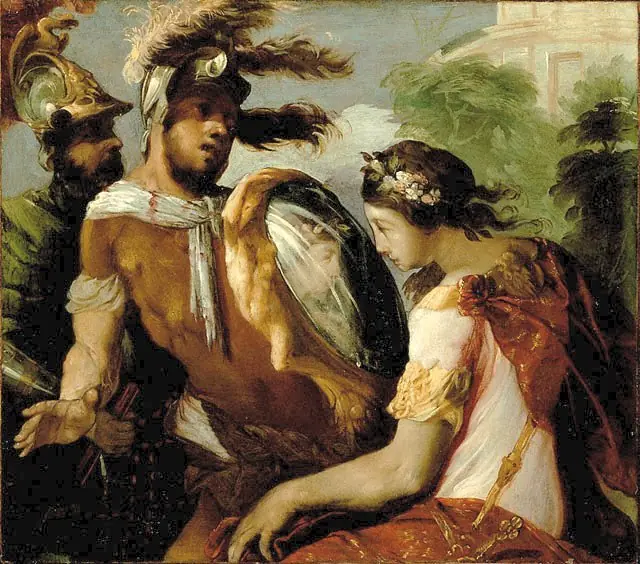 Rinaldo and the Mirror-Shield
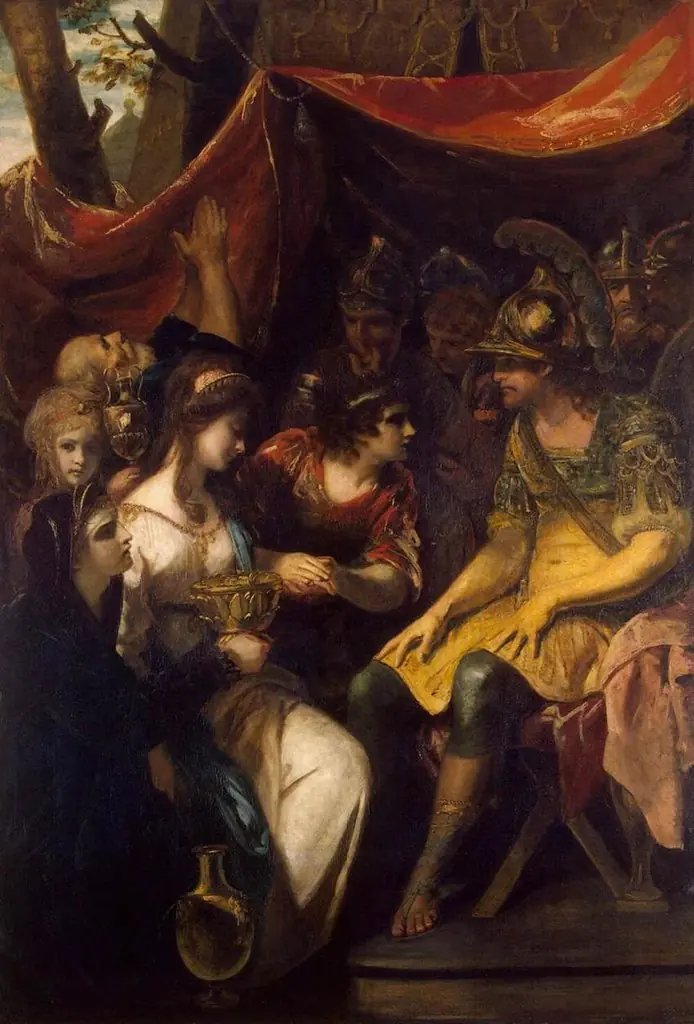 Continence of Scipio
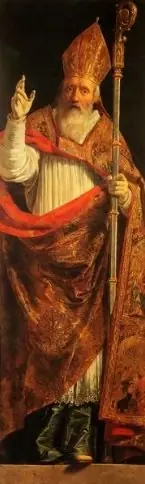 Saint Germanus of Auxerre