Artwork
Pyramus and Thisbe
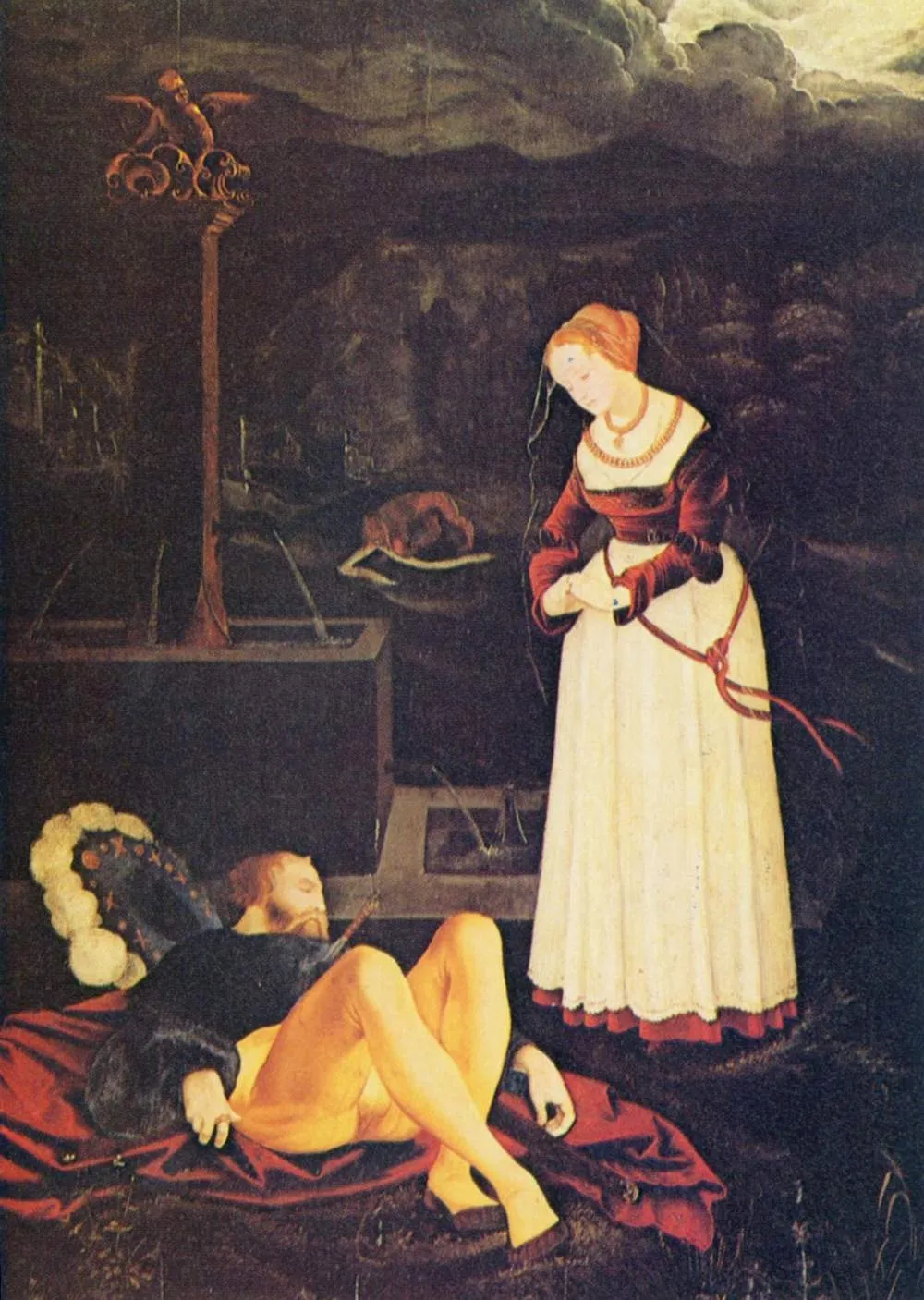
Pyramus and Thisbe is an oil painting by the Mannerist artist Hans Baldung Grien. It dates from 1530 and is held in the collection of the Gemäldegalerie Berlin.
About this work
Overview
Created in 1530, this oil on canvas by Hans Baldung Grien portrays the ill‑fated lovers Pyramus and Thisbe, a story taken from Ovid’s Metamorphoses. The composition captures a dimly lit interior where the grieving woman in a white gown leans over the lifeless body of her companion, surrounded by a discarded helmet, a sword, and a dog perched on a bench.
Subject & Meaning
The painting visualizes the tragic climax of the Pyramus and Thisbe myth, emphasizing themes of love, loss, and fatal misunderstanding. Thisbe’s veil‑like red cloth and her downcast gaze convey mourning, while the fallen figure of Pyramus underscores the fatal consequences of their secret union, inviting contemplation of the emotional intensity inherent in the ancient tale.
Technique & Style
Baldung employs a pronounced chiaroscuro, juxtaposing deep shadows against illuminated forms to heighten the drama of the scene. The stark contrast accentuates the pale complexion of the woman and the limp posture of the man, while the limited palette of muted tones punctuated by the vivid red cloth reflects the artist’s characteristic use of expressive colour within a Mannerist framework.
History & Provenance
The work is part of the Gemäldegalerie in Berlin’s collection, where it has been displayed since its acquisition by the museum. Its provenance traces back to the artist’s workshop in early 16th‑century Germany, reflecting Baldung’s reputation for producing paintings, prints, and stained‑glass designs for both courtly and private patrons.
Context
Baldung’s career unfolded under the influence of Albrecht Dürer, integrating German Renaissance precision with the elongated forms and complex compositions typical of Mannerism. This painting exemplifies his synthesis of learned classical subjects and innovative visual effects, situating it within the broader transition from Renaissance naturalism to the heightened emotionality of the later 16th‑century art.
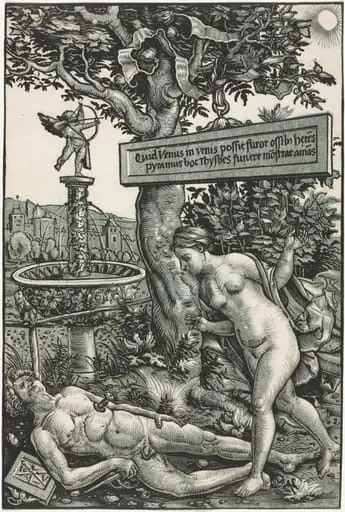
Artist & collection
Artist
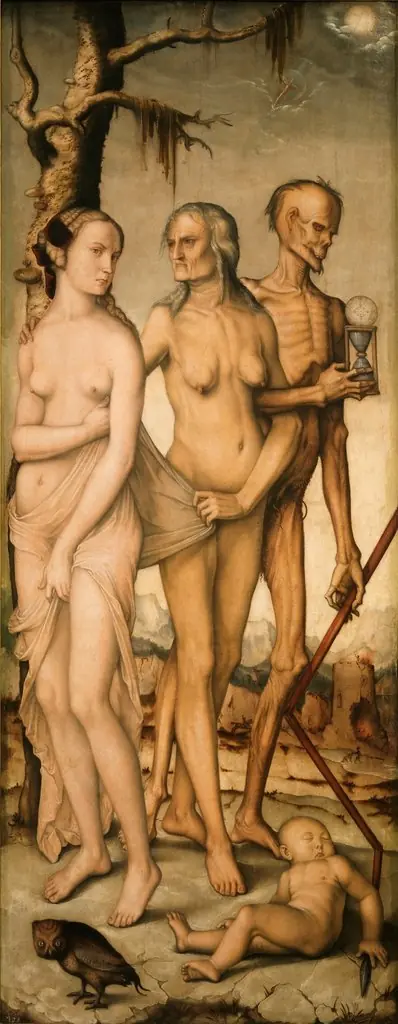
Hans Baldung (1484 or 1485 – September 1545), called Hans Baldung Grien, (being an early nickname, because of his predilection for the colour green), was a painter, printer, engraver, draftsman, and stained glass…

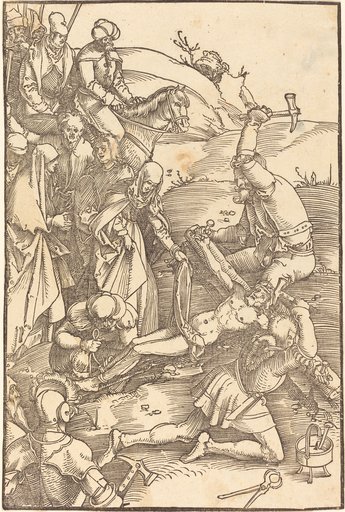
 The Martyrdom of St. Barbara
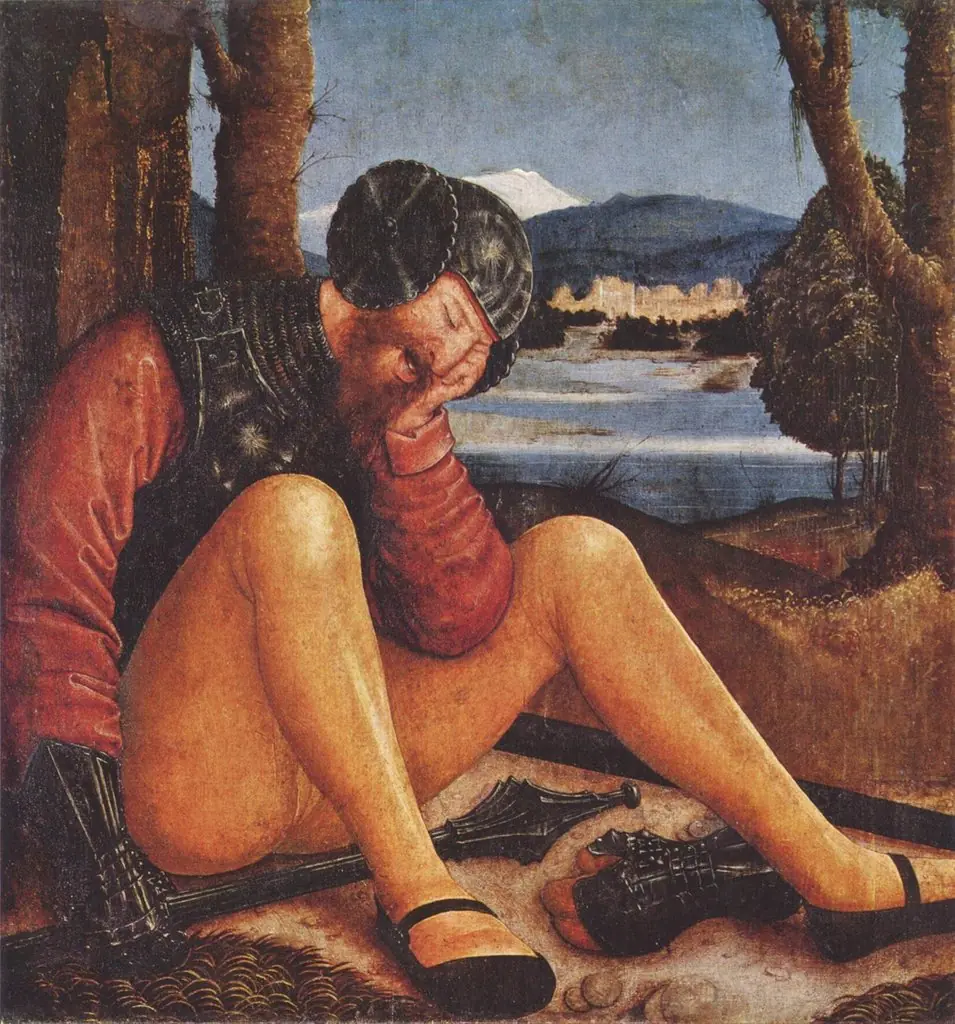 Schlafender Grabwächter mit Streitkolben und Schwert
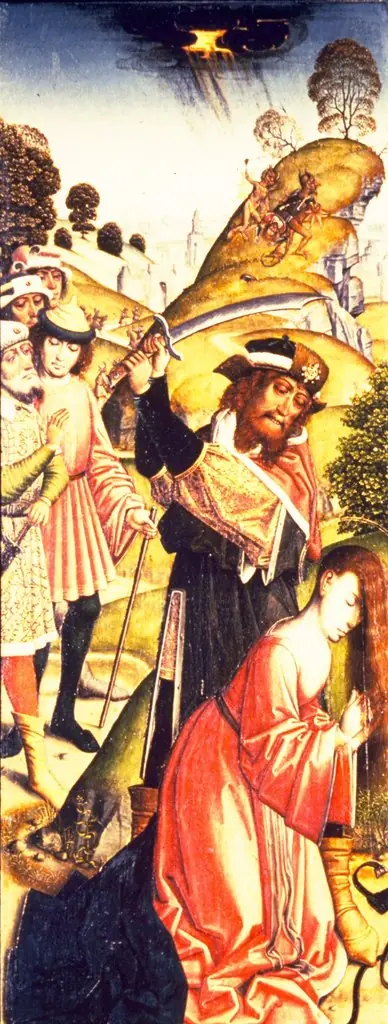
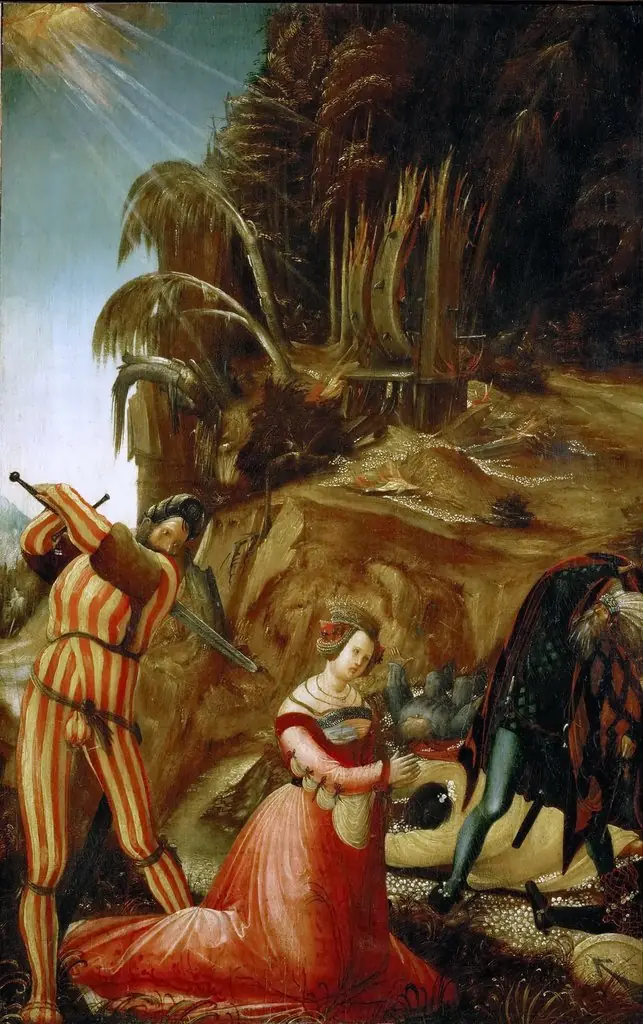 Beheading of St. Catherine
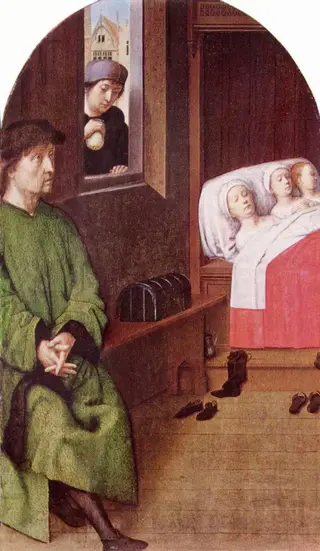 Three Legends of Saint Nicholas
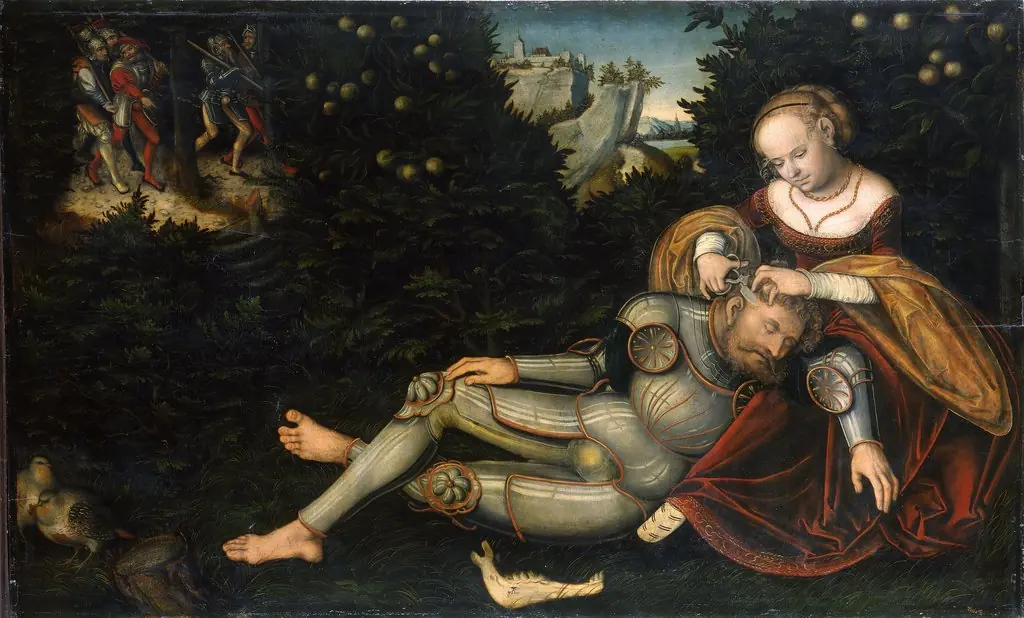 Samson and Delilah
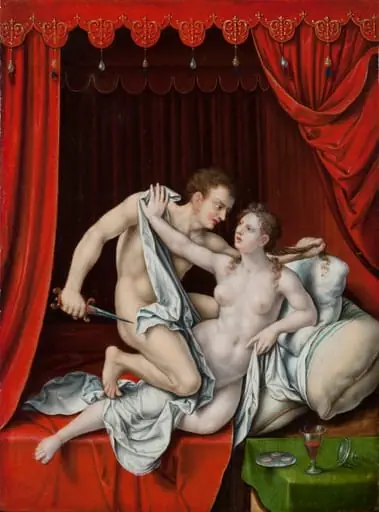 Tarquiniu și Lucreția
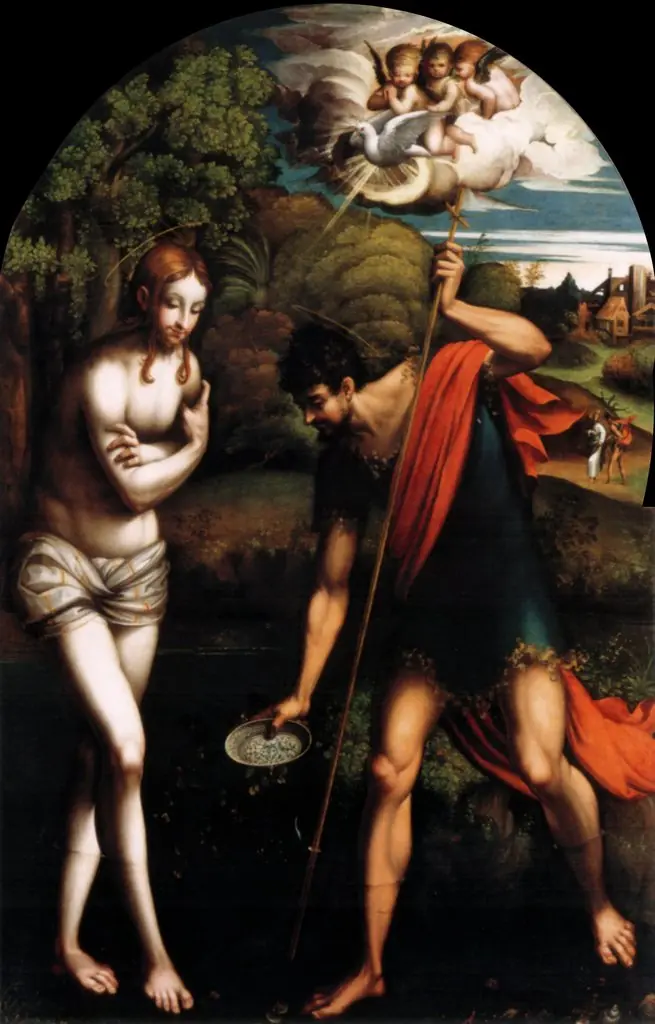 Baptism of Christ
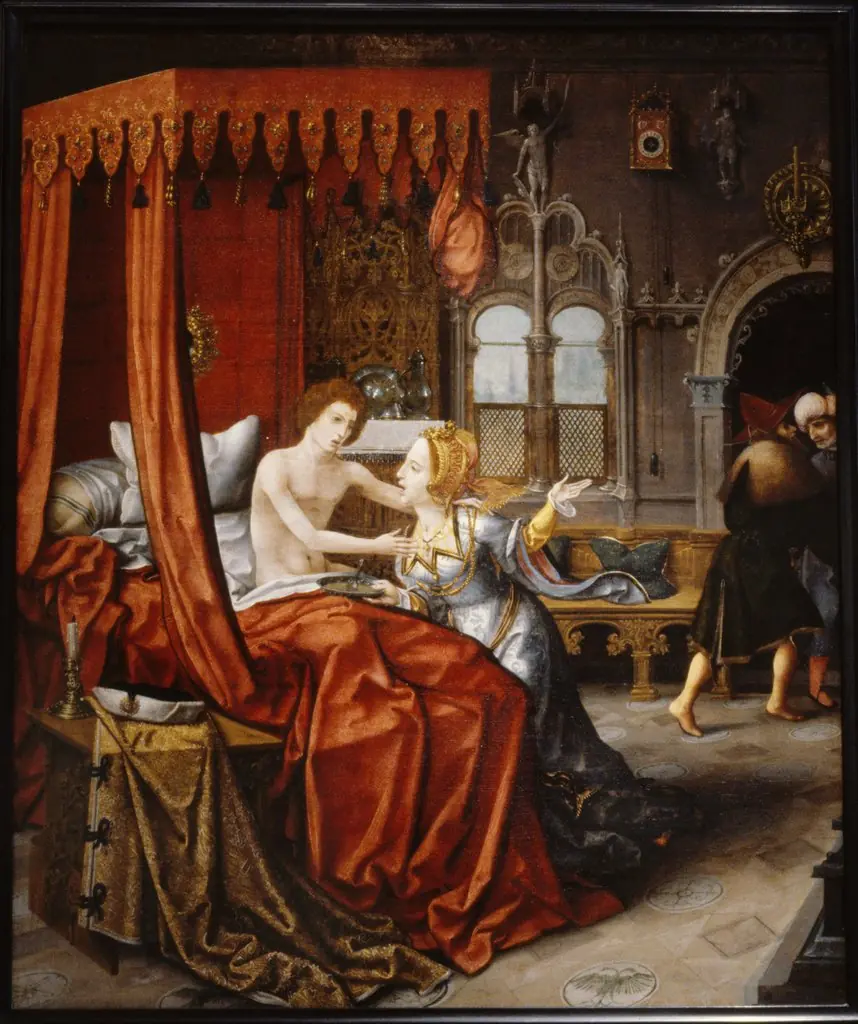 Amnon Attacking Tamar
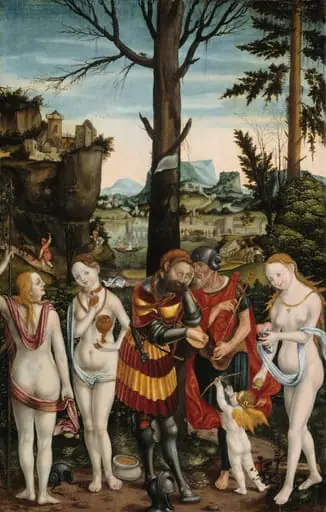 The Dream of Paris
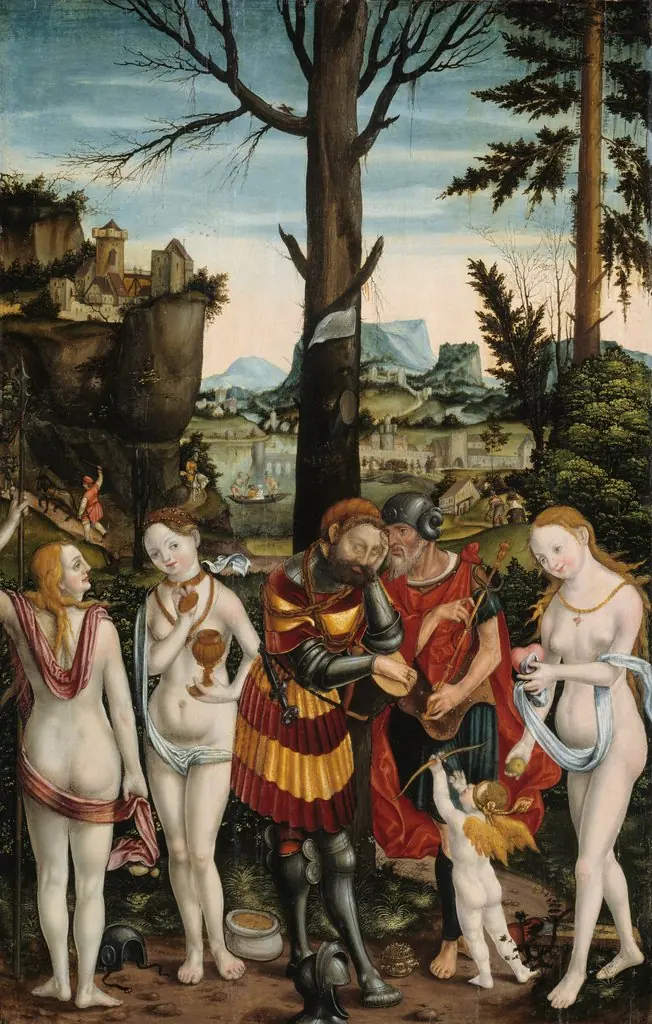 The Dream of Paris
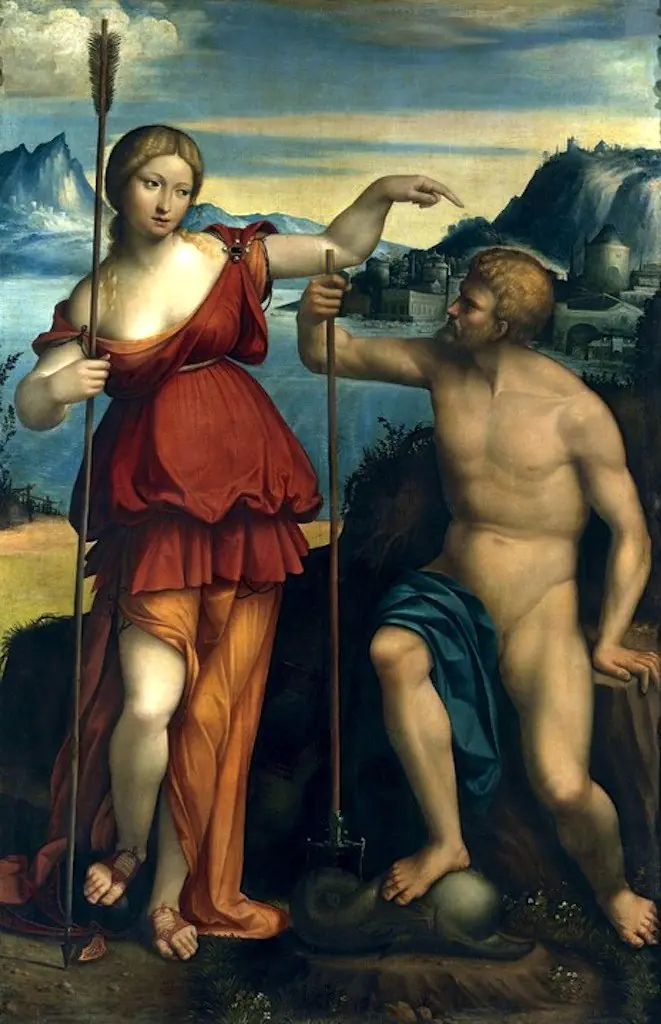 Poseidon and Athena battle for control of Athens
- Pyramus and Thisbe