Artwork
Untitled
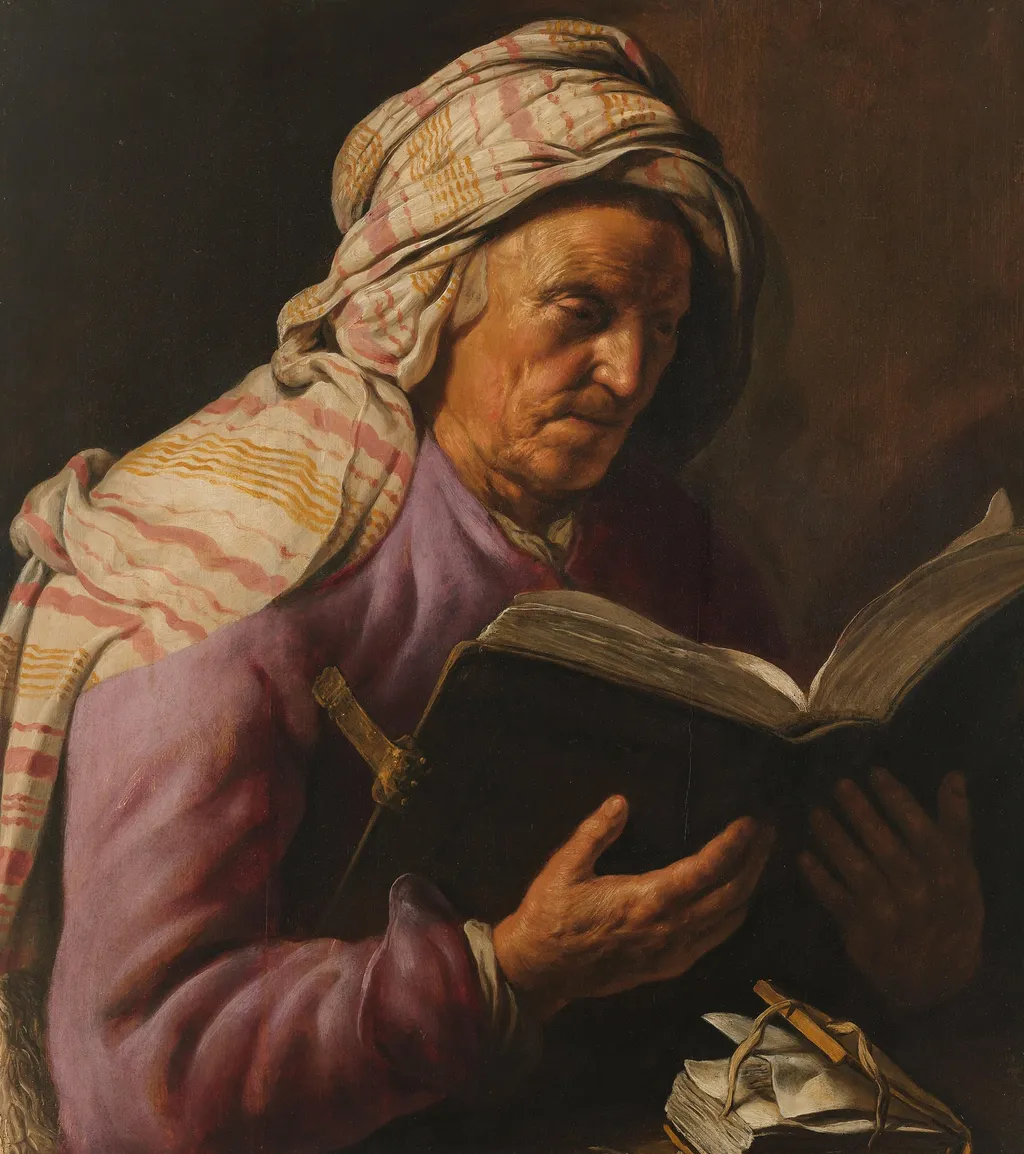
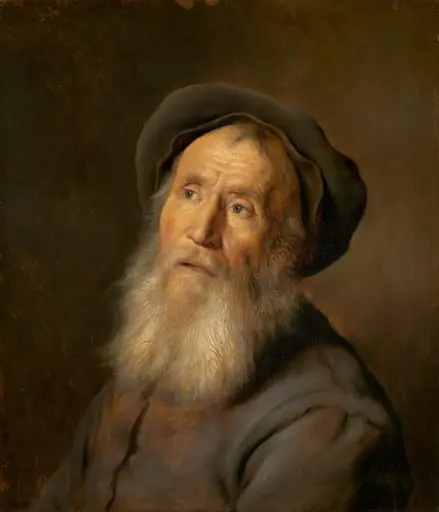
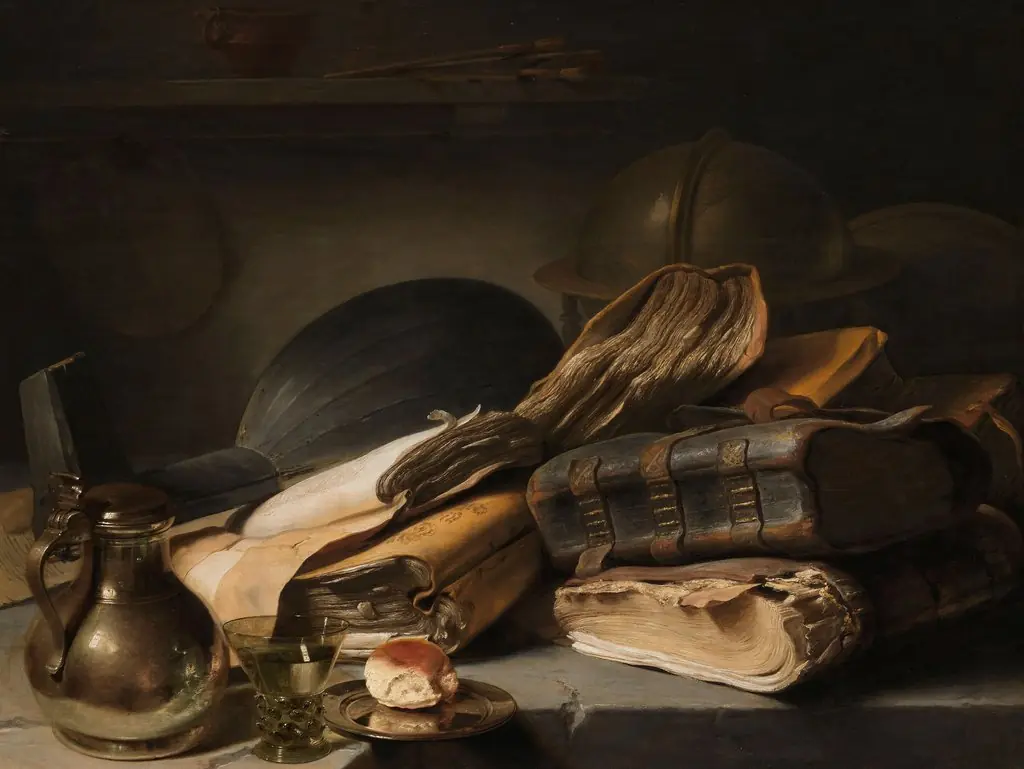
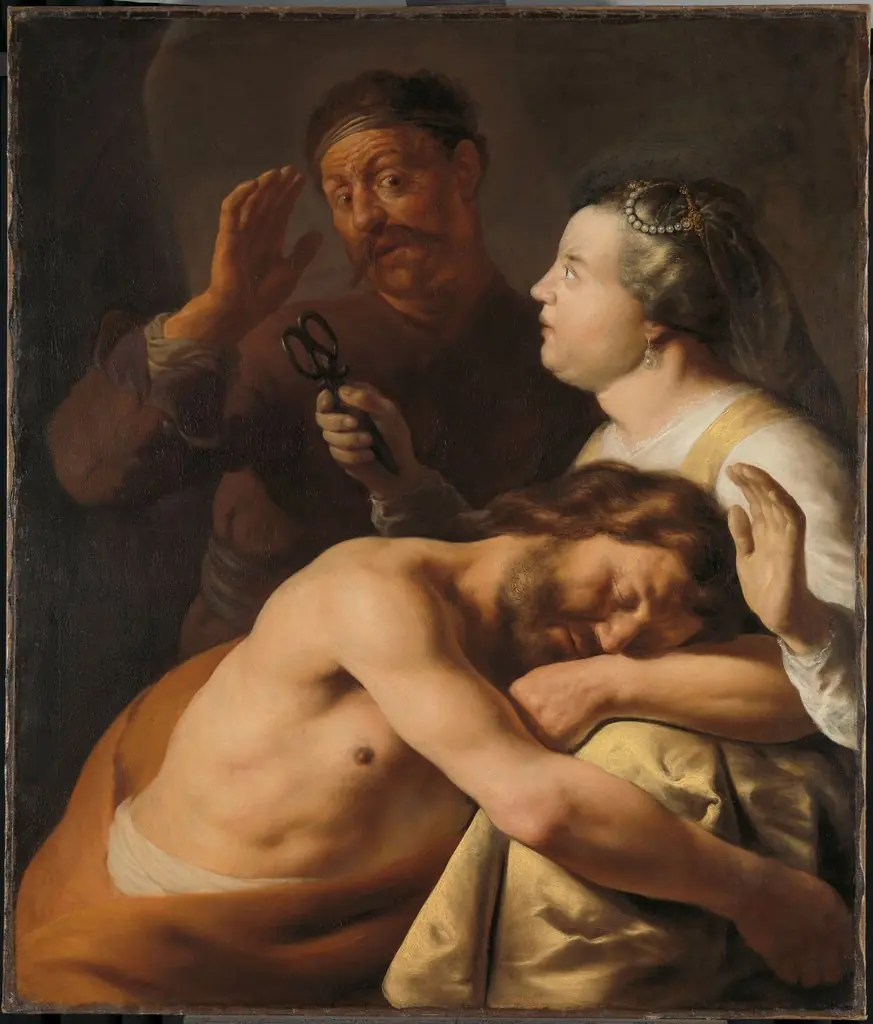
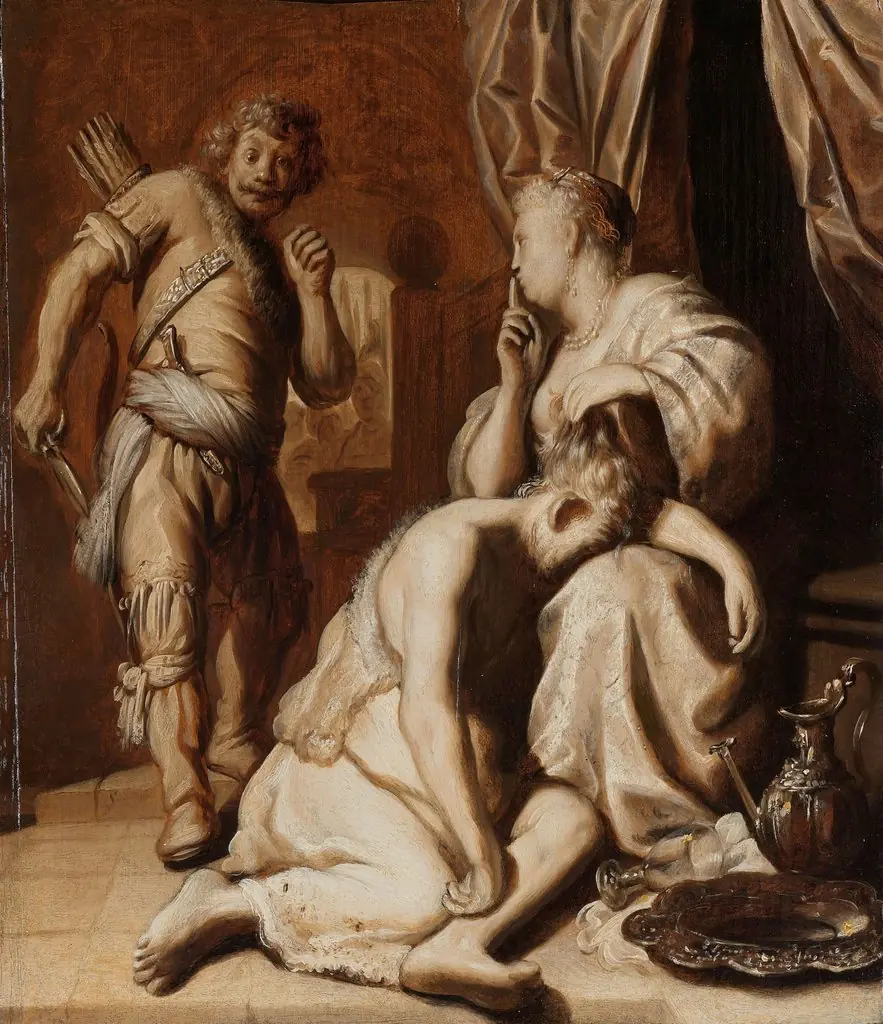
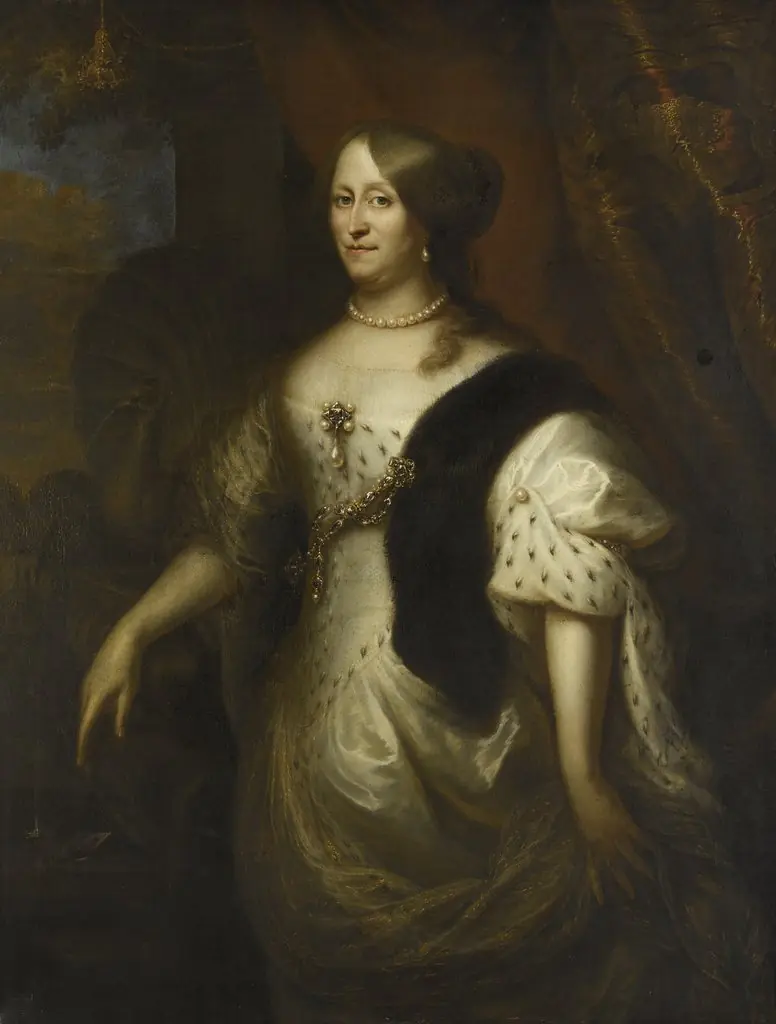
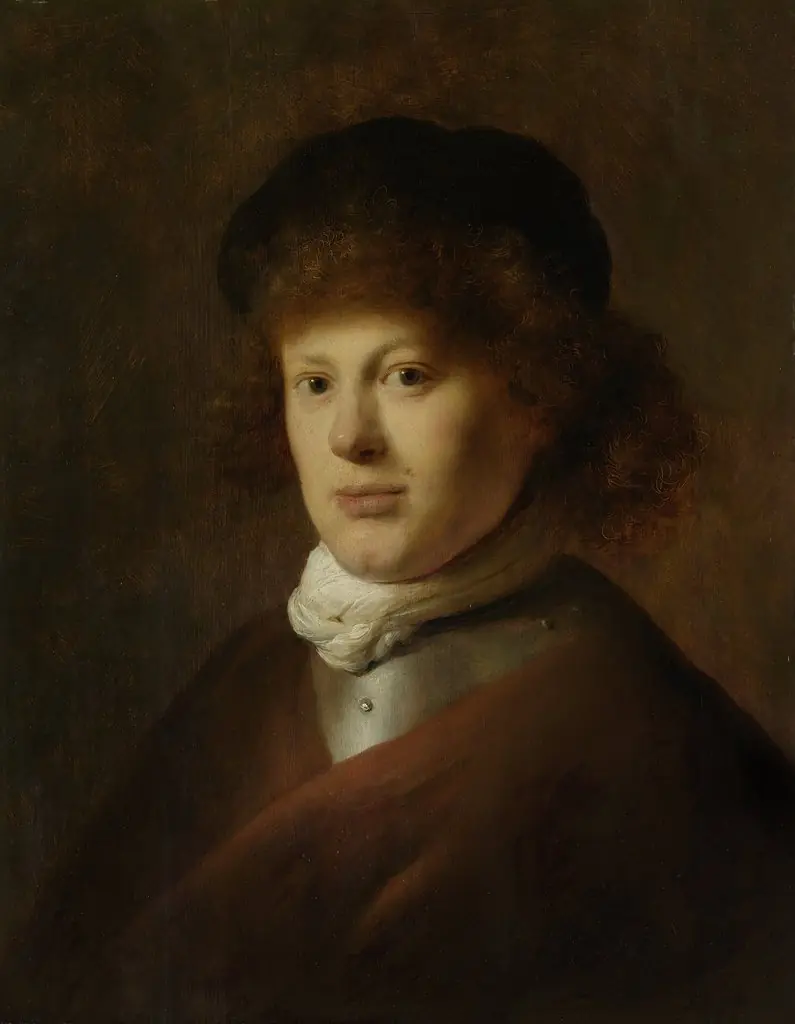
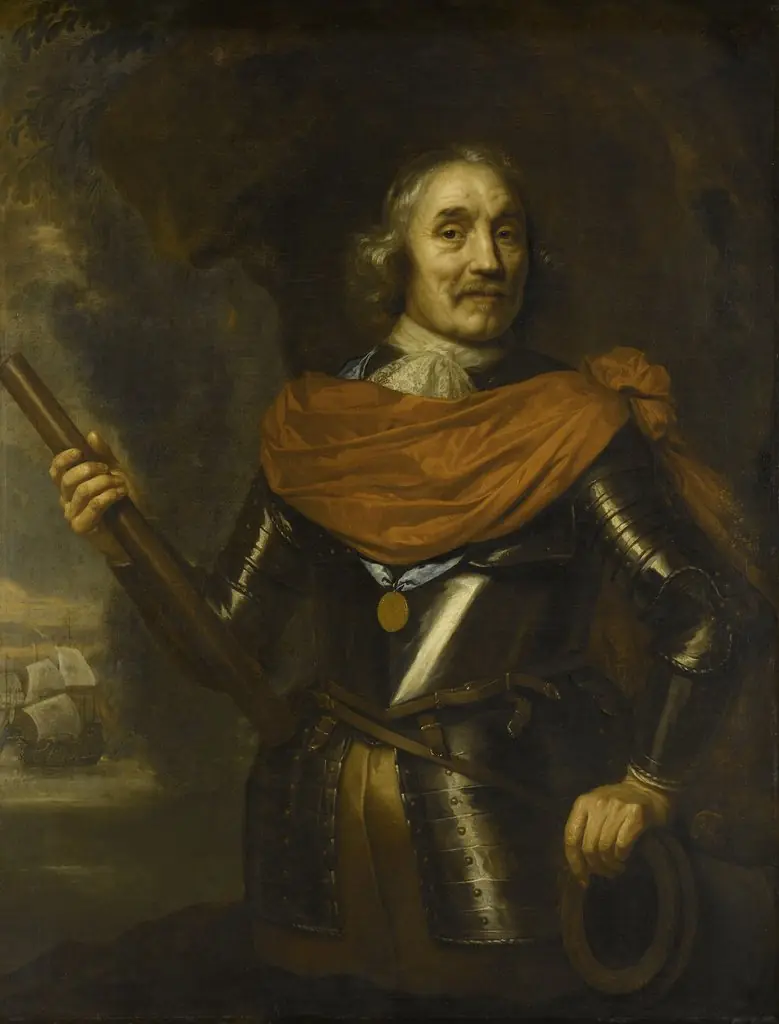
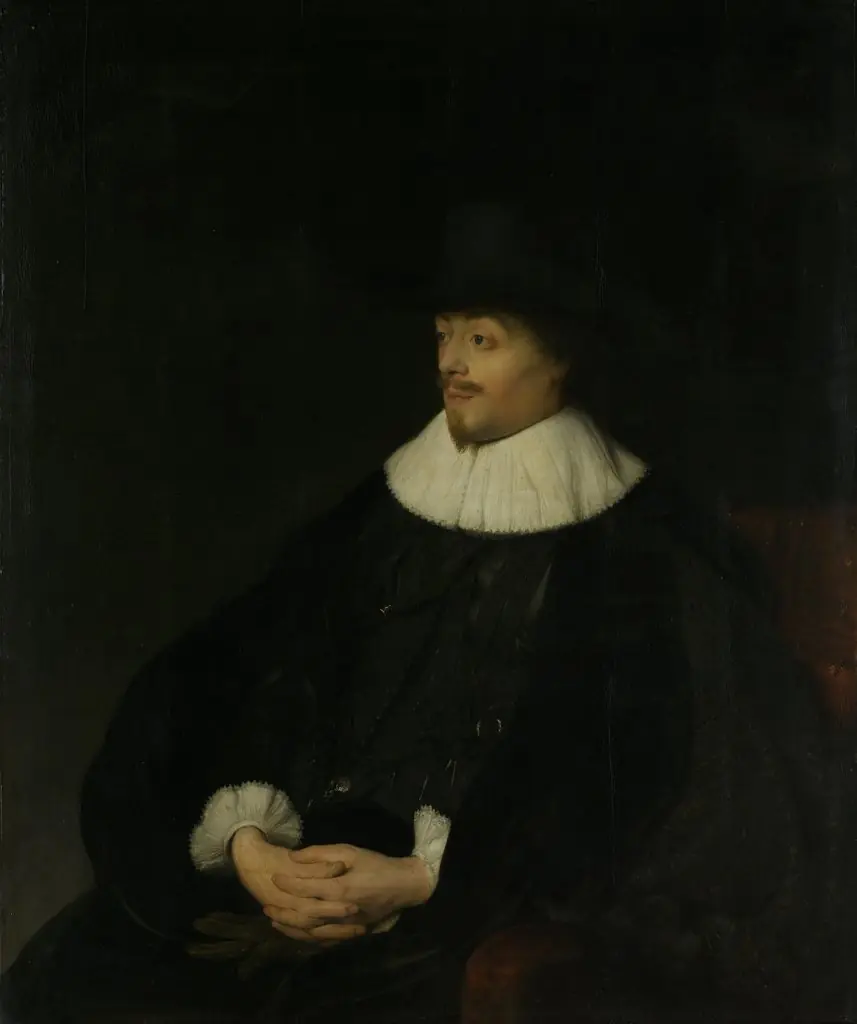
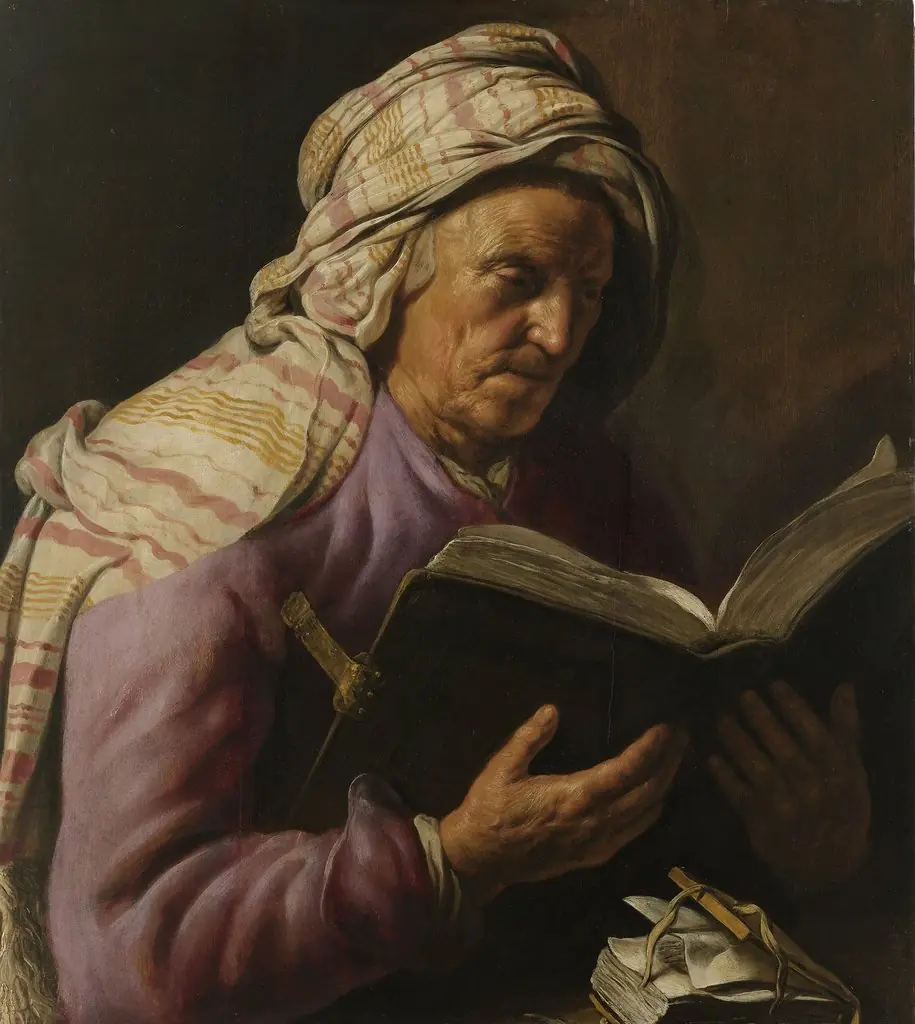
Untitled is an unspecified painting by the Dutch Golden Age artist Jan Lievens. It dates from 1624 and is held in the collection of the Rijksmuseum.
About this work
Subject & Meaning
The work reflects Lievens' early mastery of portraiture and his engagement with the Caravaggisti style, emphasizing realism and chiaroscuro.
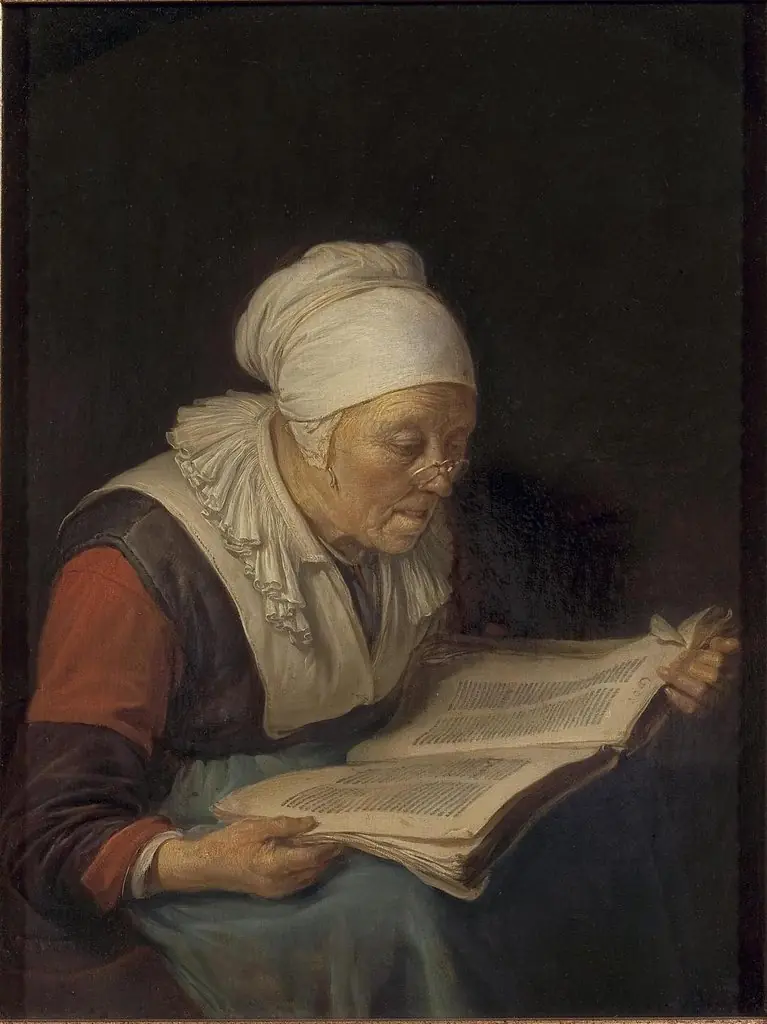
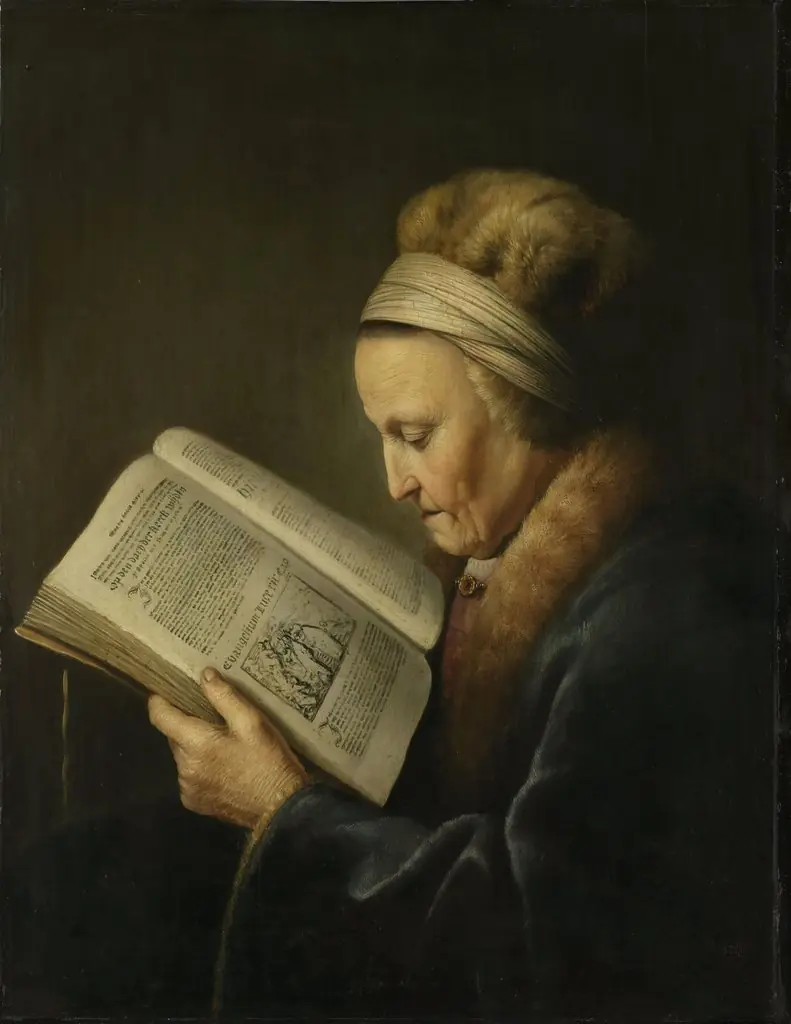
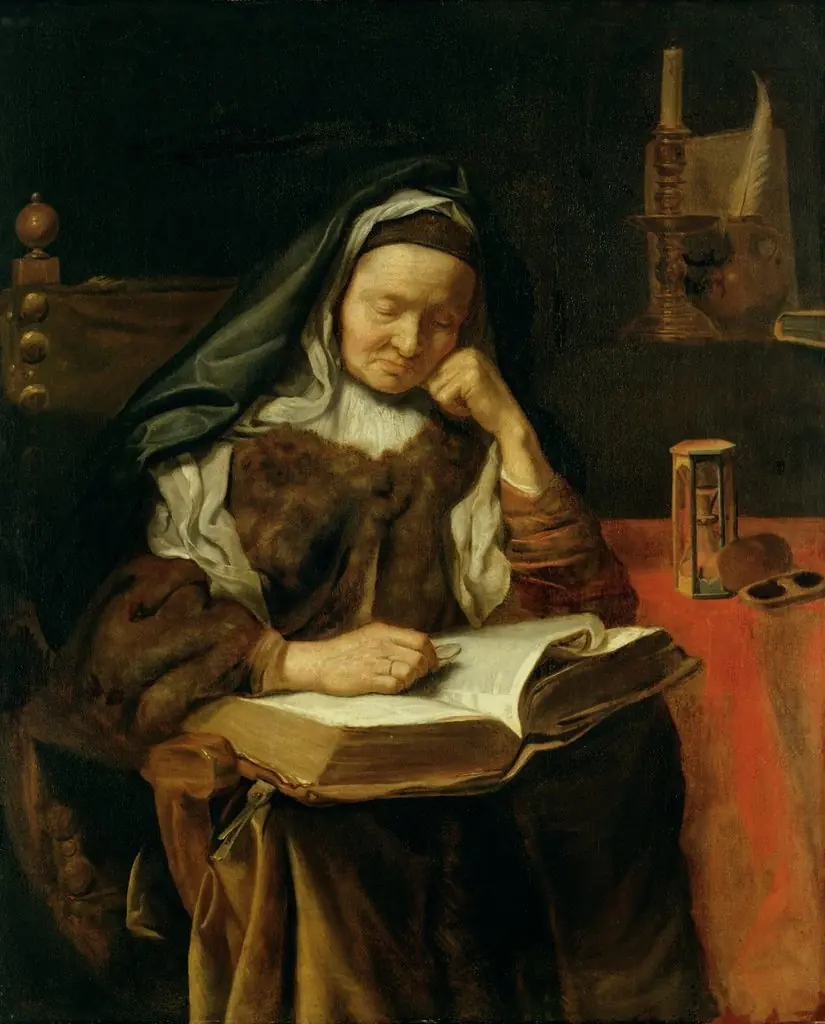
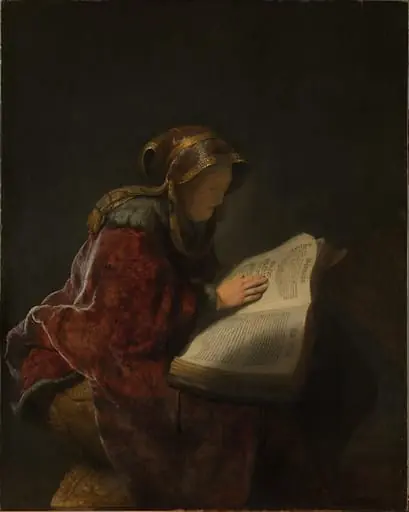
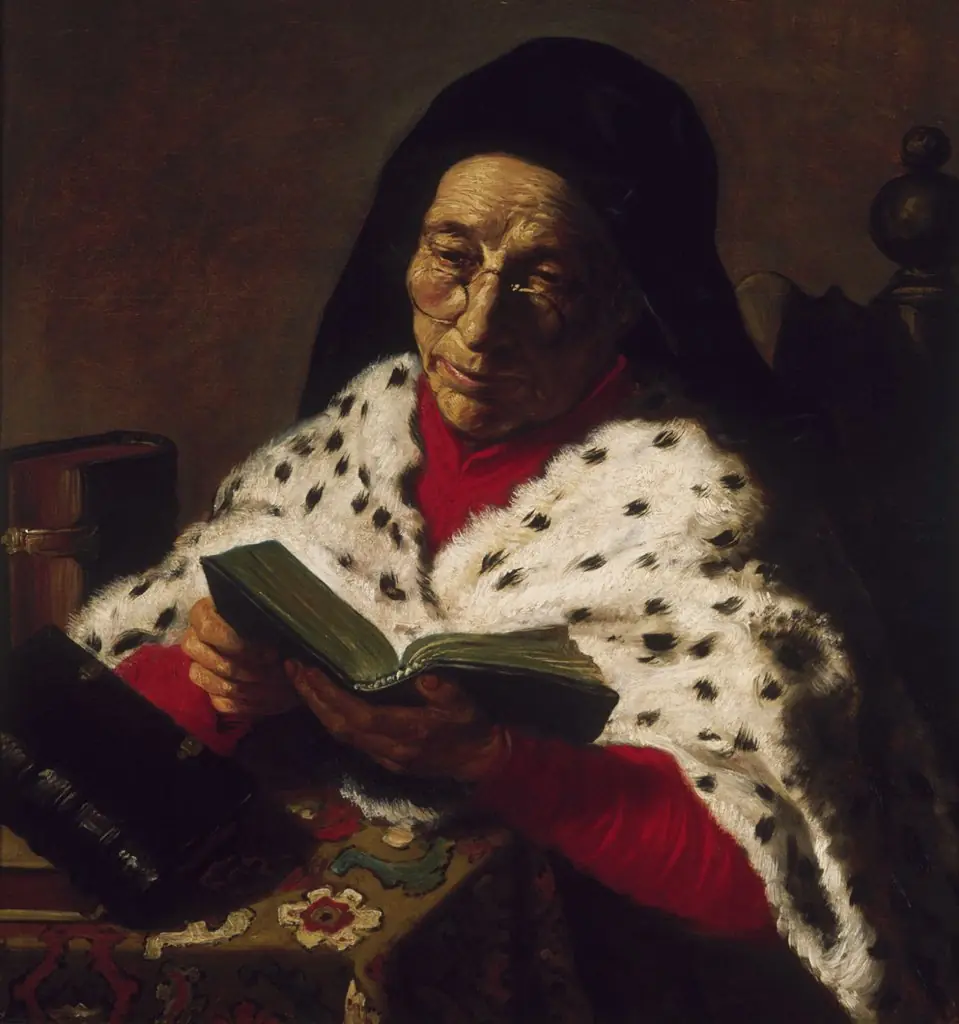
Jan Lievens' Untitled painting from around 1624 to 1625 is classified as a portrait, depicting a young man reading by the light of a turf-fire, a scene noted for its dramatic lighting and psychological intensity. The work reflects Lievens' early mastery of portraiture and his engagement with the Caravaggisti style, emphasizing realism and chiaroscuro. His approach to rendering light and gesture in this piece aligns with his broader artistic innovations during this period, particularly in capturing introspective and individualized subjects. The painting's subject, though unnamed, symbolizes intellectual contemplation and moral seriousness, themes recurrent in his portraiture. This interpretation is supported by historical accounts of his sitters' psychological depth and the influence of contemporary Dutch and Flemish artistic trends on his practice.
The portrait exemplifies Lievens' skill in conveying narrative nuance through facial expression and gesture, a hallmark of his early career before his stylistic evolution and geographical shift to England and Antwerp. Such works underscore his contribution to the Dutch Golden Age portrait genre, blending technical innovation with thematic depth.
Technique & Style
Untitled c. 1624-1625 by Jan Lievens is a portrait painting executed on canvas using oil pigments. The work reflects the Dutch Golden Age portrait tradition and demonstrates Lievens' early technical command of naturalistic facial rendering and dramatic chiaroscuro influenced by Caravaggisti. His handling of light emphasizes three-dimensional form, while the composition balances psychological immediacy with formal pose conventions of the era. As a collaborative piece from his Leiden period with Rembrandt van Rijn, the painting exemplifies their shared stylistic experimentation in portraiture before their professional split in 1631.
History & Provenance
Jan Lievens was born around 1607 in Leiden to Lieven Hendriksze, an embroiderer, and Machtelt Jans van Noortzant. He began apprenticeship with Joris van Schooten in Leiden at age 10, then trained under Pieter Lastman in Amsterdam alongside Rembrandt van Rijn, with whom he shared a studio from approximately 1626 to 1631. Their collaborative period produced works often difficult to attribute. Lievens gained early patronage, including a life-size painting of a young man reading by firelight purchased by Maurice of Nassau around 1620, later gifted to James I via the English Ambassador. He traveled to England in 1631, painted portraits for Thomas Howard, 21st Earl of Arundel, and was influenced by Anthony van Dyck. He settled in Antwerp in 1635, married Suzanna Colyn de Nole in 1638, and later worked in The Hague and Berlin as a court painter. After returning to Amsterdam in 1655, he faced financial hardship by the 1670s, with his family rejecting his inheritance due to debts. A posthumous rediscovery of a drawing occurred in 2022, auctioned for €1.35 million.
Context
Dated to about 1624-25, this early portrait by Jan Lievens belongs to the period when he worked in close association with the young Rembrandt in Leiden. Contemporaries such as Constantijn Huygens contrasted Lievens’ inventive boldness with Rembrandt’s deeper expressivity, noting that Lievens favored striking compositional invention over Rembrandt’s psychological penetration. Lievens’ early career was marked by rapid recognition; by his mid-teens his work had attracted the attention of stadholder Maurice of Nassau and even reached the English court via diplomatic gift. After the 1631 split with Rembrandt, Lievens traveled to London, worked in Antwerp under Rubens’s influence, and later served northern courts before returning to Amsterdam in 1655. Though admired in his time, his later years were clouded by financial distress, culminating in his children’s refusal of his estate in 1674.
Own this work as a print
Artist & collection

Artist
Jan Lievens (24 October 1607 – 4 June 1674) was a Dutch Golden Age painter who was associated with his close contemporary Rembrandt, a year older, in the early parts of their careers.