Artwork
Samuel Pitts
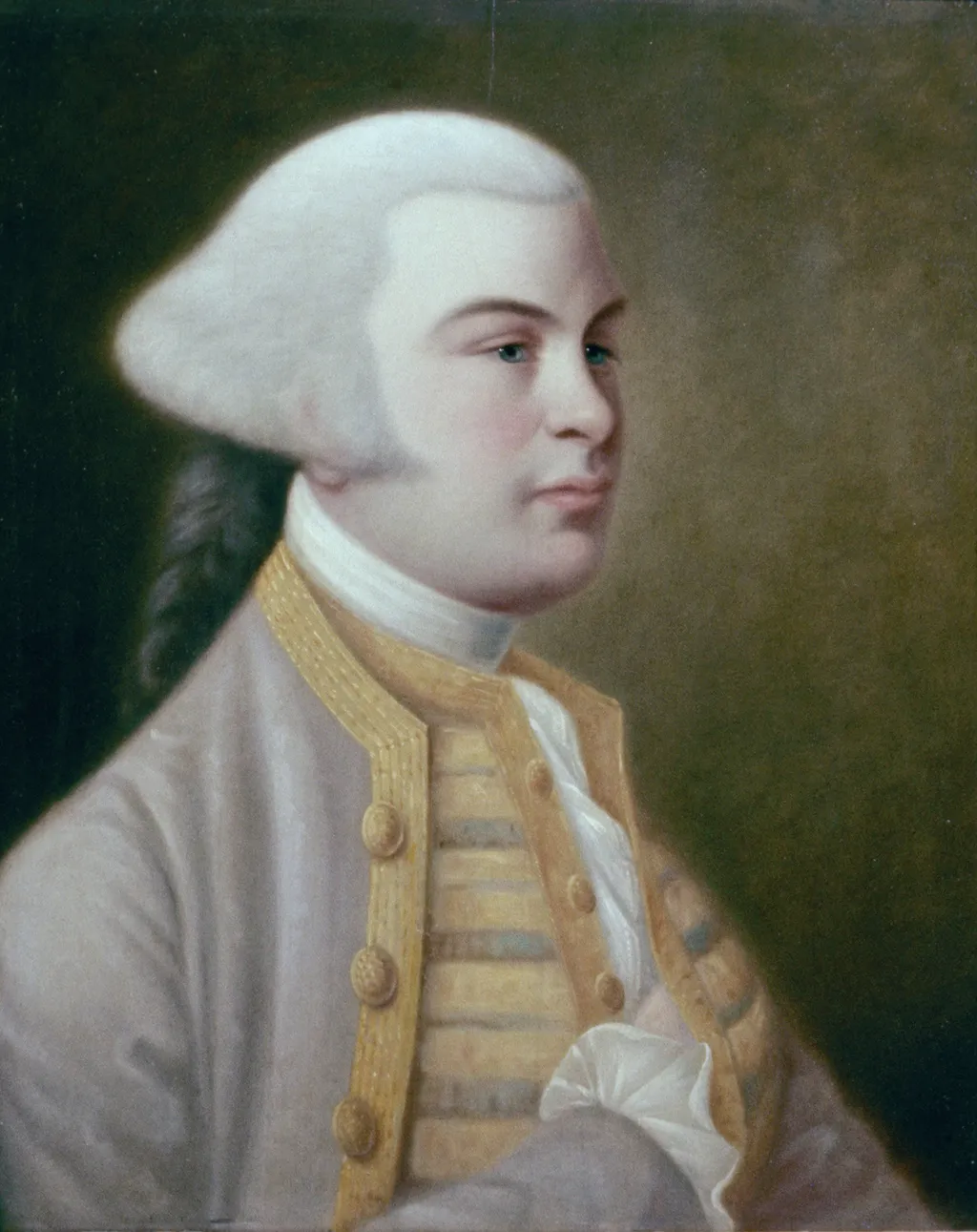
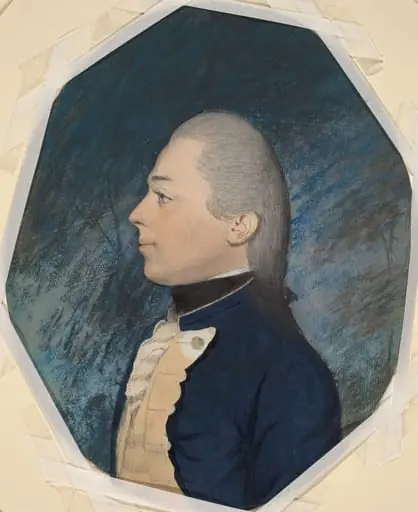
Samuel Pitts is an unspecified painting by the Realist artist John Singleton Copley. It dates from 1786 and is held in the collection of the Detroit Institute of Arts.
About this work
This portrait features a man with fair skin and short white hair, dressed in a light-colored jacket adorned with gold trim and buttons.
This portrait features a man with fair skin and short white hair, dressed in a light-colored jacket adorned with gold trim and buttons. He wears a white shirt underneath, and his right hand is tucked into his jacket.
The man's attire and hairstyle suggest a formal setting, possibly from the 18th century. The artist's use of light and shadow adds depth to the painting, drawing attention to the subject's face and clothing.
To learn more about the artist behind this portrait, explore the works of John Singleton Copley.
Overview
Painted circa 1786, Samuel Pitts is a portrait by John Singleton Copley, created during his years in London after relocating from colonial America. The work exemplifies Copley’s continued focus on precise, lifelike representation, even as he expanded into historical subjects. It remains part of the Detroit Institute of Arts collection, reflecting his enduring reputation for capturing individual presence through careful observation.
Subject & Meaning
The sitter, Samuel Pitts, is depicted in formal attire typical of late 18th-century British gentlemen: a light jacket with gold trim, a white shirt, and short white hair. His right hand is discreetly tucked into his waistcoat, a conventional pose suggesting composure and social refinement. The portrait conveys status and restraint rather than narrative, emphasizing the subject’s identity through dress and demeanor rather than symbolic elements.
Technique & Style
Copley employed fine brushwork and controlled lighting to render texture and form with precision. The contrast between the soft glow on Pitts’s face and the subtle sheen of his jacket highlights the artist’s mastery of chiaroscuro. Fabric folds, metallic buttons, and the faint sheen of skin are rendered with meticulous attention, reflecting his training in realism and his ability to convey materiality without embellishment.
History & Provenance
Copley moved to London in 1774 to pursue larger historical commissions and greater artistic recognition. Samuel Pitts was painted during this transitional phase, when he maintained his portrait practice alongside ambitions in academic painting. The work entered the Detroit Institute of Arts collection in the 20th century, where it remains as a representative example of his British-period portraiture.
Context
In 1780s London, portraiture was a dominant genre among the professional and merchant classes seeking to affirm social standing. Copley, though American by birth, adapted to British tastes, blending colonial precision with European elegance. Pitts likely belonged to this demographic, a man of means commissioning a portrait to project dignity and refinement in an era of growing visual culture.
Legacy
Samuel Pitts illustrates Copley’s consistent commitment to psychological and physical accuracy in portraiture, a hallmark of his career across continents. While less famous than his American works, this painting contributes to understanding how he sustained his reputation in England, bridging transatlantic artistic traditions through disciplined technique and quiet authority in representation.
Own this work as a print
Artist & collection

Artist
John Singleton Copley (July 3, 1738 – September 9, 1815) was an American-born British painter active in both the Thirteen Colonies and England.

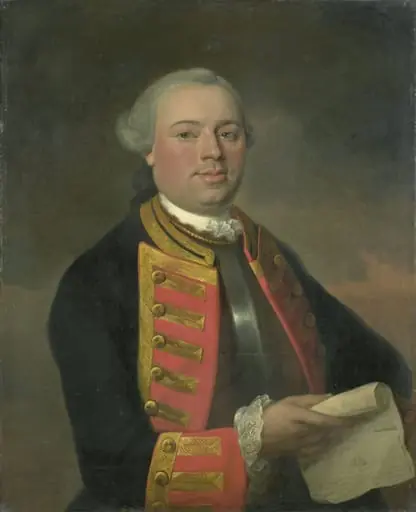 Johan Arnold Zoutman (1724-93), Vice Admiral
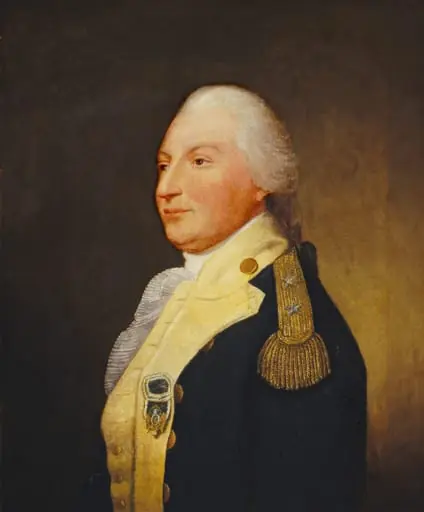 General William Smallwood
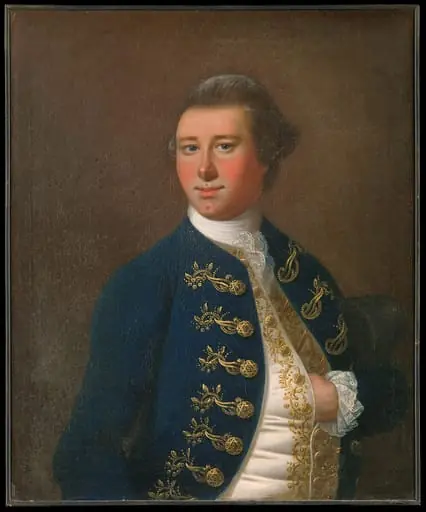 John Dart
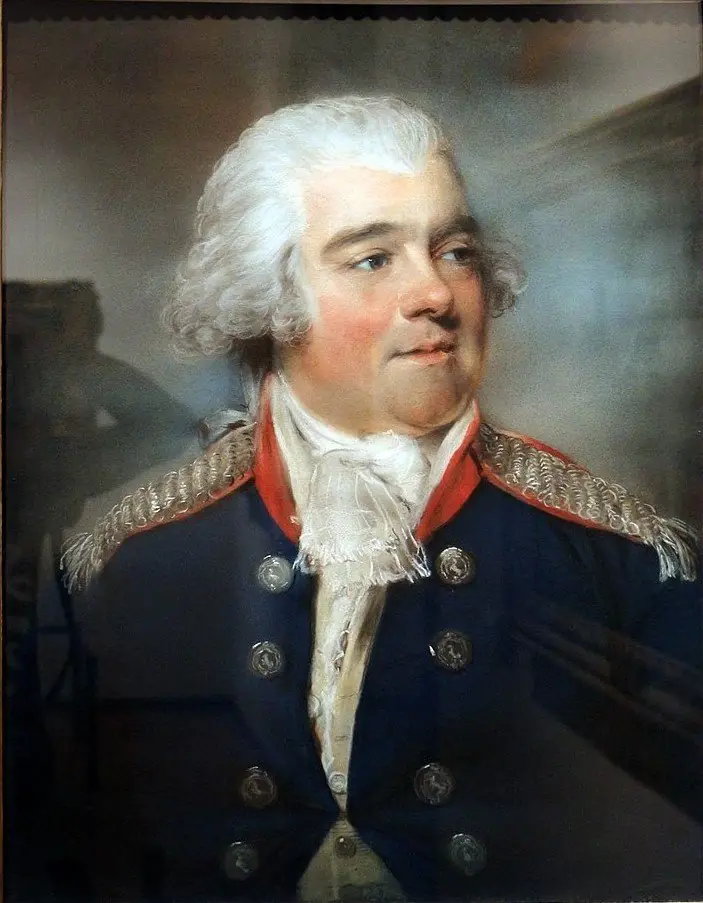 Retrato de Sir Richard Glode d'Orpington
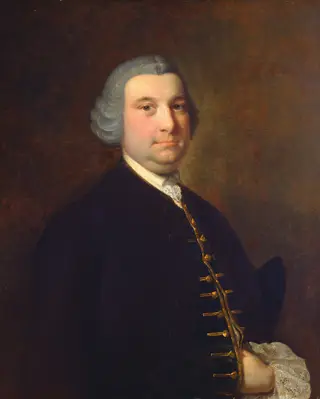 Portrait of a Gentleman
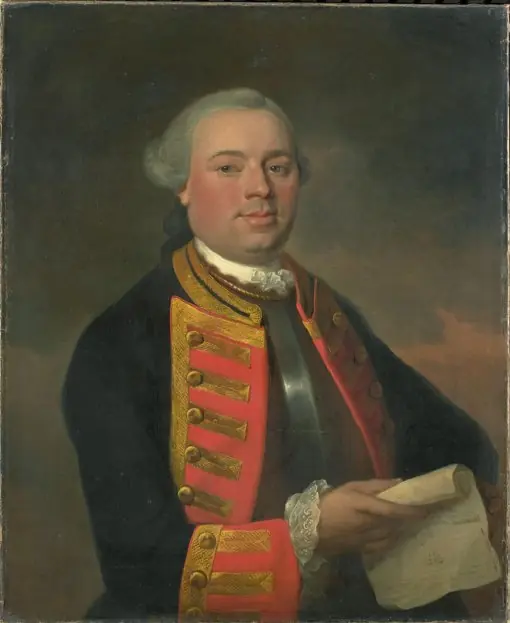 Johan Arnold Zoutman (1724-1793) - Vice-Admiral
 Admiral Harry Paulet (1719/20–1794), Sixth Duke of Bolton
 Maatuomari, myöhemmin valtioneuvos Jørgen Wichmand, aateloituna Wichfeld til Engestofte og Ulriksdal (1729-1797)
 Joseph Howell, Jr.
 Portrait of a Man
 Thomas Peyton
- Samuel Cutts