Artwork
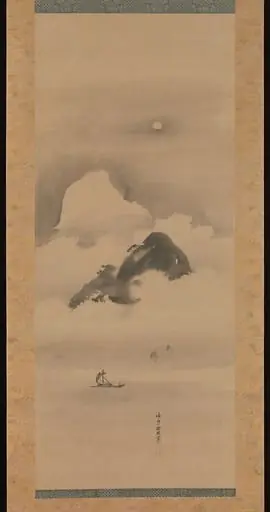
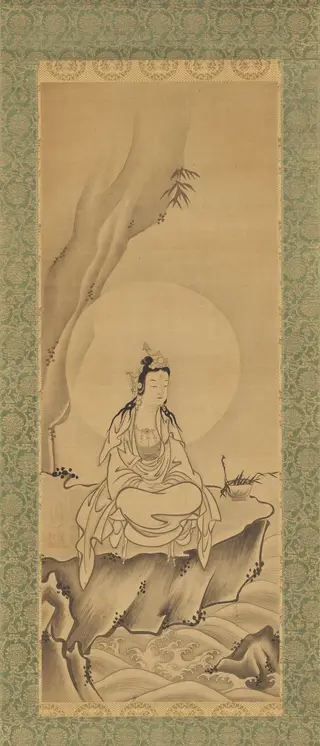
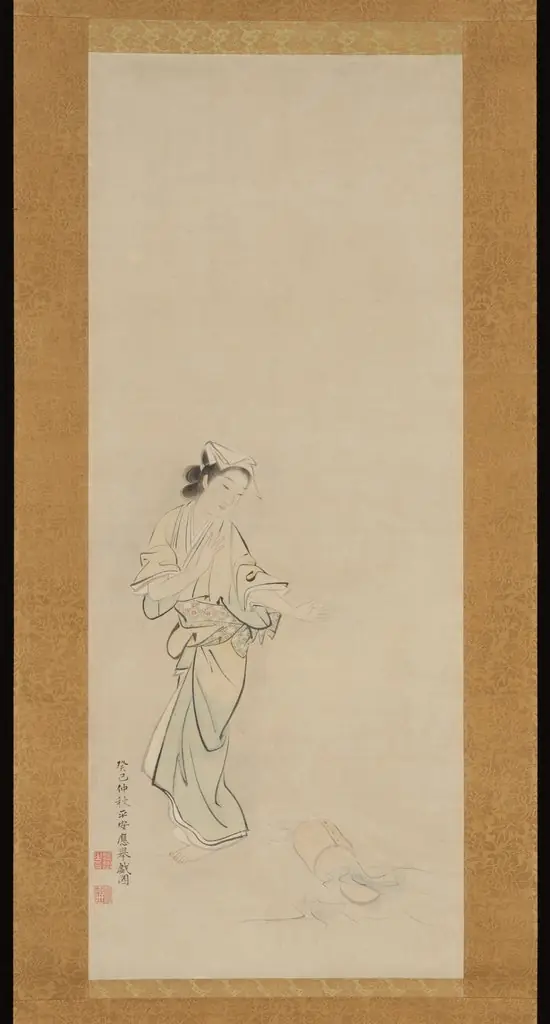
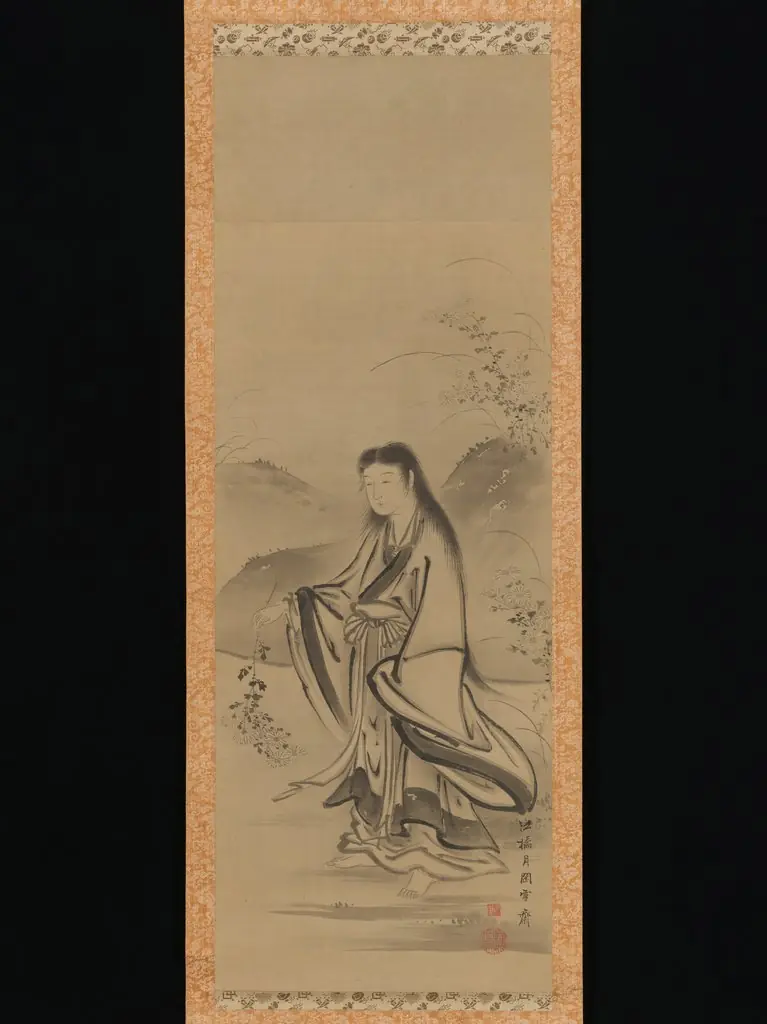
狩野探幽筆 笛吹地蔵図|Jizō Bosatsu Playing a Flute
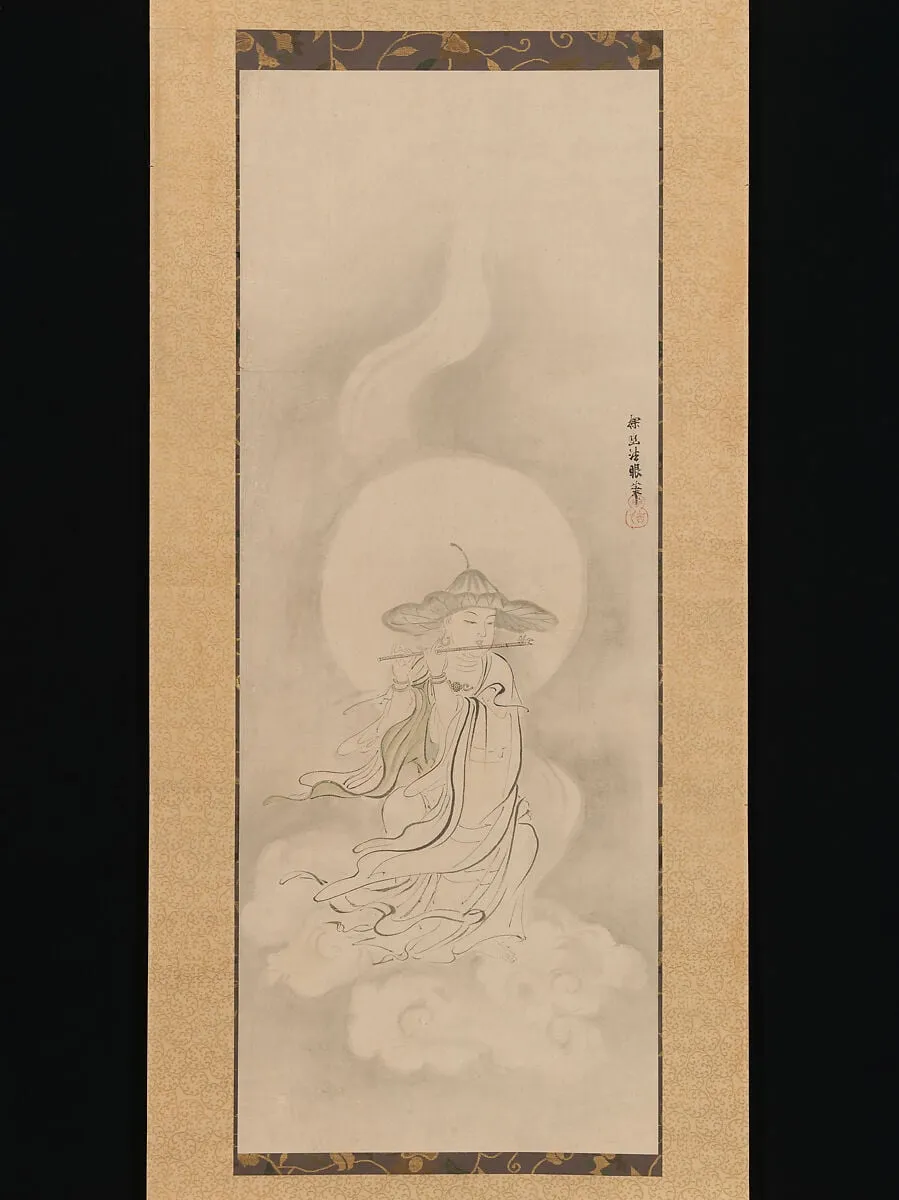
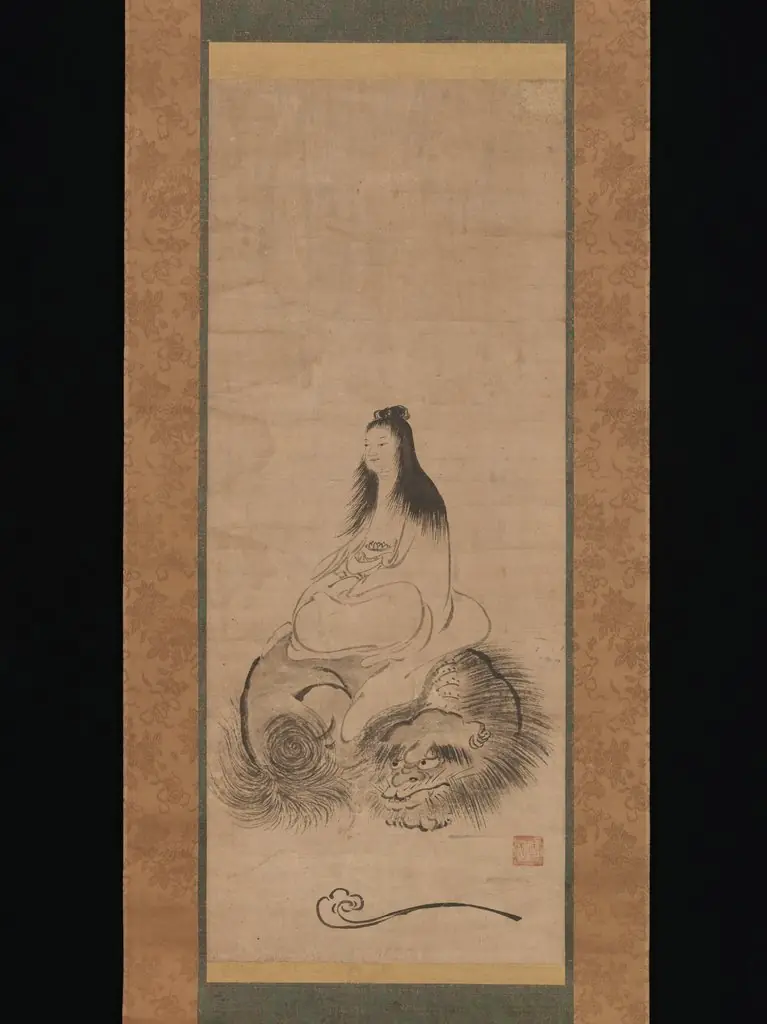
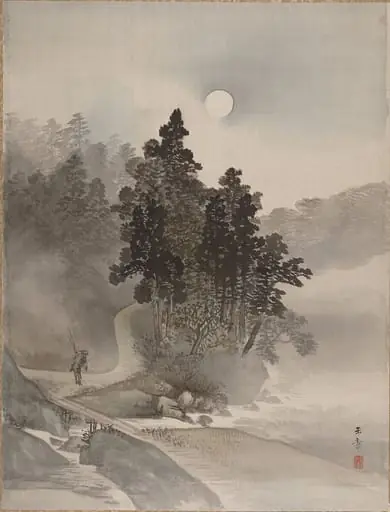
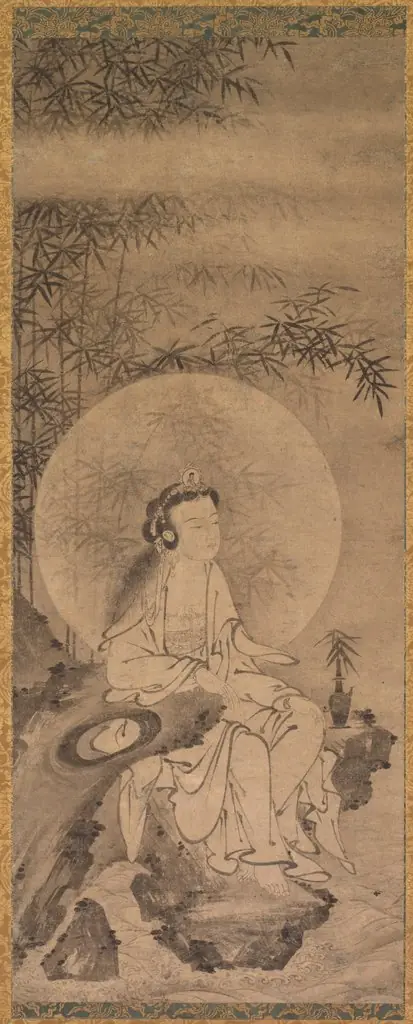
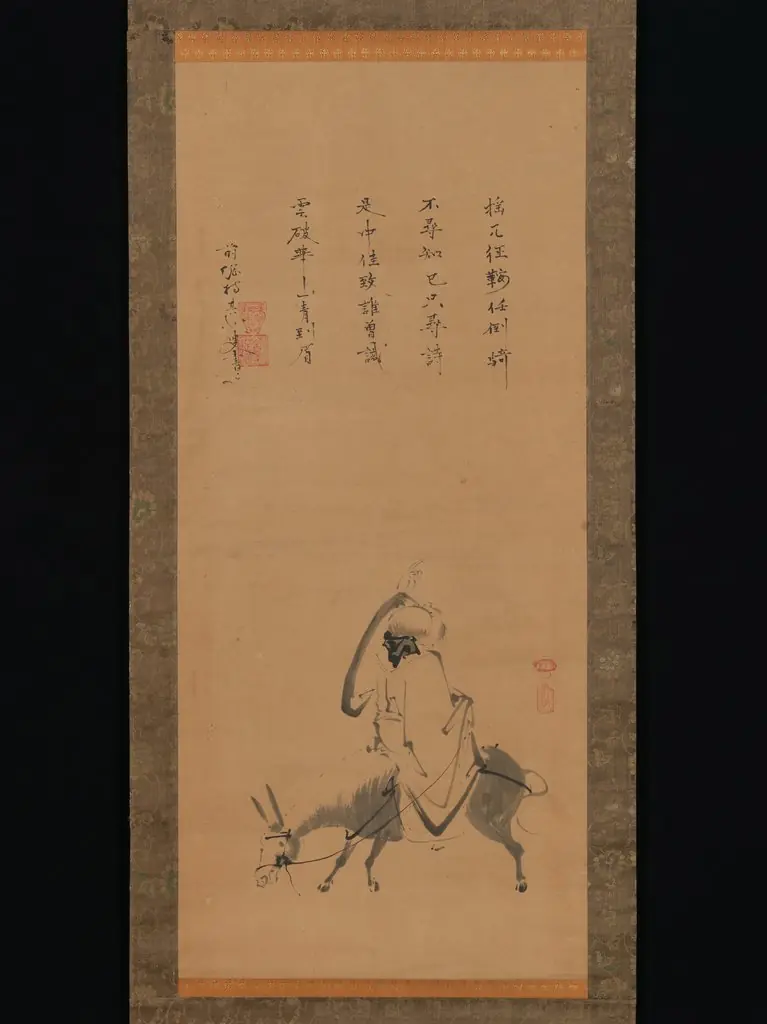
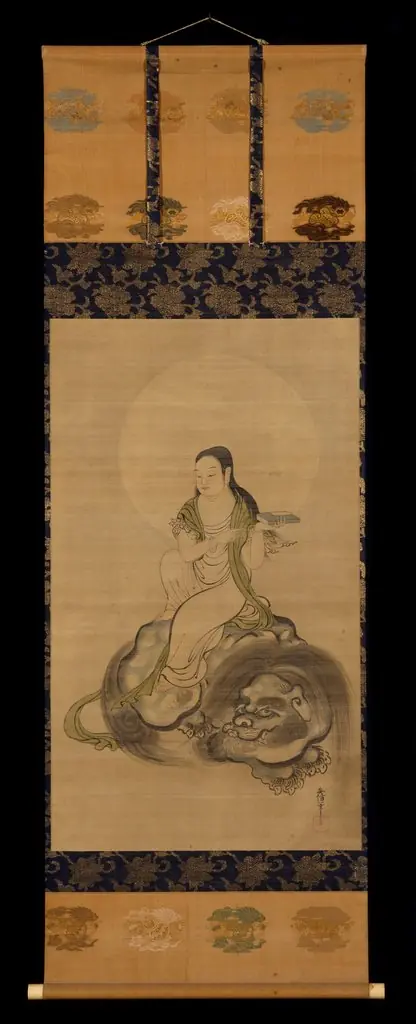
狩野探幽筆 笛吹地蔵図|Jizō Bosatsu Playing a Flute is an ink painting by the Baroque artist Kano Tan'yū. It dates from 1650 and is held in the collection of the Metropolitan Museum of Art.
About this work
Subject & Meaning
The iconography centers on Jizō holding a flute, an attribute that symbolizes both serenity and the harmonizing of spiritual forces.
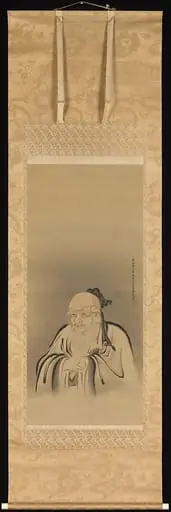
The hanging scroll Jizō Bosatsu Playing a Flute depicts the bodhisattva Jizō (地蔵), a revered figure in East Asian Buddhism associated with compassion and protection, particularly for travelers and children. The iconography centers on Jizō holding a flute, an attribute that symbolizes both serenity and the harmonizing of spiritual forces. In Buddhist tradition, Jizō is often depicted as a monk or youthful figure, and the inclusion of the flute may reference narratives where he uses music to guide or comfort beings in the afterlife.
The work’s subject aligns with the genre of religious painting, conveying themes of mercy and spiritual solace through its depiction of a revered bodhisattva engaged in a tranquil, musical act.
Technique & Style
Created in 1650 by Kano Tan'yū, Jizō Bosatsu Playing a Flute is executed as a hanging scroll on paper. The artist employed ink and color to render the composition, utilizing the traditional medium associated with the Kano school. The work depicts the Bodhisattva Jizō engaged in the act of playing a flute, a subject rendered with the formal clarity characteristic of mid-seventeenth-century Japanese religious painting.
As a hanging scroll, the support allows for vertical display, while the combination of ink lines and applied color defines the figure's form and spiritual presence. The piece remains a significant example of Tan'yū's religious output from this period, preserving the stylistic conventions of the era through its specific material construction.
History & Provenance
Jizō Bosatsu Playing a Flute was created by the artist Kanō Tan'yū in 1650. The work was produced in Japan and is executed as a hanging scroll using ink and color on paper. Currently, the painting is held in the collection of the Metropolitan Museum of Art.
Beyond its date of inception, authorship, and present institutional ownership, the specific details regarding the work's original commission, early ownership chain, or broader provenance history prior to its acquisition by the Metropolitan Museum of Art are not established in the available sources.
The hanging scroll by Kano Tan’yū, titled 狩野探幽筆 笛吹地蔵図 (Jizō Bosatsu Playing a Flute), dates to 1650 and is executed in ink and color on paper. It belongs to the Paintings genre within the religious category and depicts the Bodhisattva with a flute. The work is held by the Metropolitan Museum of Art in New York, where it is listed in the museum’s collection; however, the accession number is not specified in the consulted sources. No exhibition history is documented in the provided references.
Overview
This hanging scroll, titled "Jizō Bosatsu Playing a Flute," was created by the artist Kano Tan'yū around 1650. Executed in ink and color on paper, the painting offers a distinctive representation of the Bodhisattva Jizō. The artwork captures the revered Buddhist figure in an unexpected, contemplative pose, engaged in playing a flute. The composition emphasizes a serene atmosphere, inviting viewers to reflect on this unique portrayal.
Artist & collection