Artwork
Diana in a Landscape
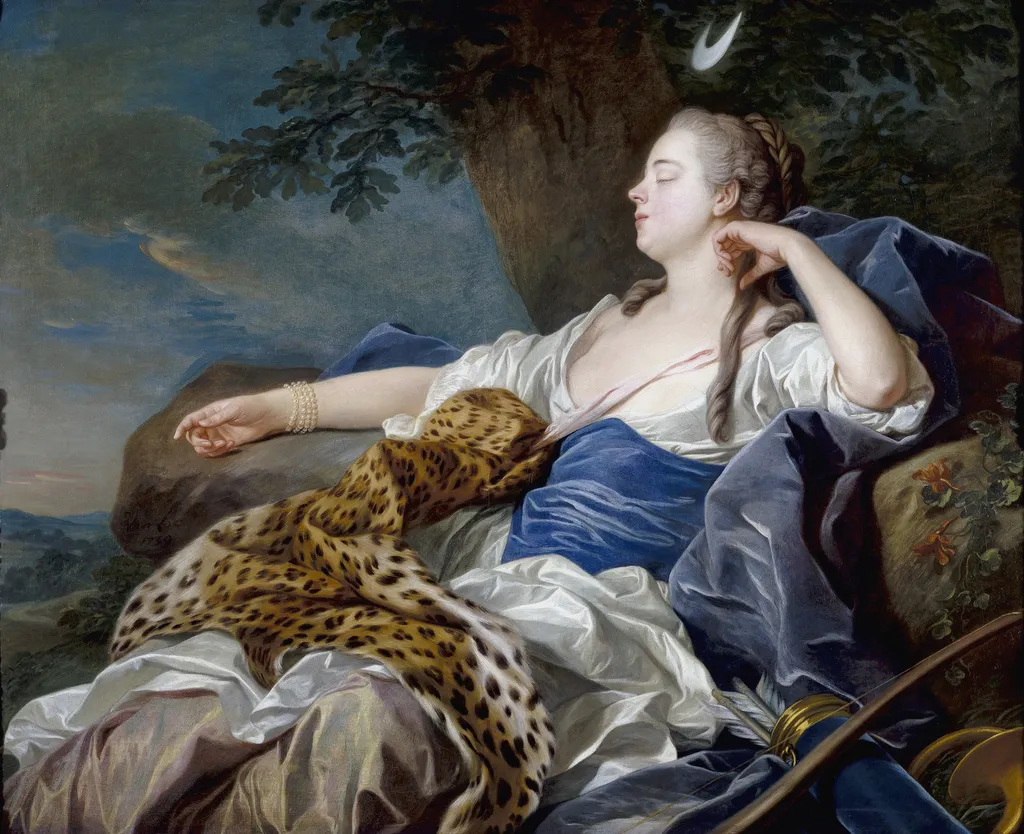
Diana in a Landscape is an oil painting by the Rococo painting artist Louis-Michel van Loo. It dates from 1739 and is held in the collection of the Museo del Prado.
About this work
Subject & Meaning
The painting depicts Diana, the Roman goddess of the hunt, set within a landscape setting.
The painting depicts Diana, the Roman goddess of the hunt, set within a landscape setting. As a mythological subject, Diana is traditionally associated with hunting, wilderness, and the moon, and her inclusion in a pastoral landscape aligns with the genre conventions of mythological painting that place divine figures within natural surroundings. The work represents the classical tradition of rendering Diana as a solitary or contemplative figure amid the woods, a theme widely treated in European art to evoke themes of chastity, nature, and divine presence in the wild.
The painting's classification as both a mythological painting and a landscape reflects this dual focus, combining the iconography of the goddess with an expansive natural environment to convey her dominion over untamed spaces.
Technique & Style
Created in 1739, Diana in a Landscape is an oil painting executed on canvas by Louis-Michel van Loo. The work measures 109 cm in height and 133 cm in width, presenting a mythological scene within a landscape setting. Stylistically, the piece belongs to the genre of mythological painting, depicting the figure of Diana.
The medium of oil paint allows for the detailed rendering of the landscape environment surrounding the central deity.
History & Provenance
The work titled Diana in a Landscape was painted by Louis-Michel van Loo in 1739 as an oil on canvas. It entered the collection of the Museo del Prado, where it remains on display.
The painting was created as part of the artist's mythological series and reflects van Loo's role in the decorative tradition of 18th‑century French art.
Its dimensions are 109 cm in height and 133 cm in width.
The painting Diana in a Landscape by Louis-Michel van Loo (1739) is part of the Museo del Prado collection in Madrid. It is cataloged under the inventory number P00968. The work has been featured in exhibitions at the Prado, including a showcase of 18th-century French paintings.
Context
The work Diana in a Landscape by Louis-Michel van Loo presents a mythological scene featuring the Roman goddess Diana within an idealized natural setting. Painted in oil on canvas in 1739, it exemplifies the Rococo aesthetic through its delicate brushwork and ornamental composition, situating it within the artist's broader output of decorative and antiquarian subjects. The painting measures 109 cm by 133 cm and is part of the permanent collection at the Museo del Prado, where it is classified as a mythological landscape.
Its creation aligns with 18th-century French artistic trends that emphasized classical themes and pastoral beauty, reflecting van Loo's role in bridging the ornate Rococo style with emerging Neoclassical sensibilities.
Scholarly analysis of the work remains limited, but its iconography and technical execution have been noted in studies of van Loo's contributions to mythological painting and the development of French landscape genres during the mid-1700s. The painting's inclusion in the Museo del Prado's collection underscores its significance as a representative example of transnational artistic exchange in the European art market of the period.
Overview
Louis-Michel van Loo’s 1739 oil painting titled Diana in a Landscape presents a reclining female figure within an open natural setting. The work is part of the collection at the Museo del Prado, illustrating the artist’s engagement with mythological subjects during the early eighteenth century.
Own this work as a print
Artist & collection

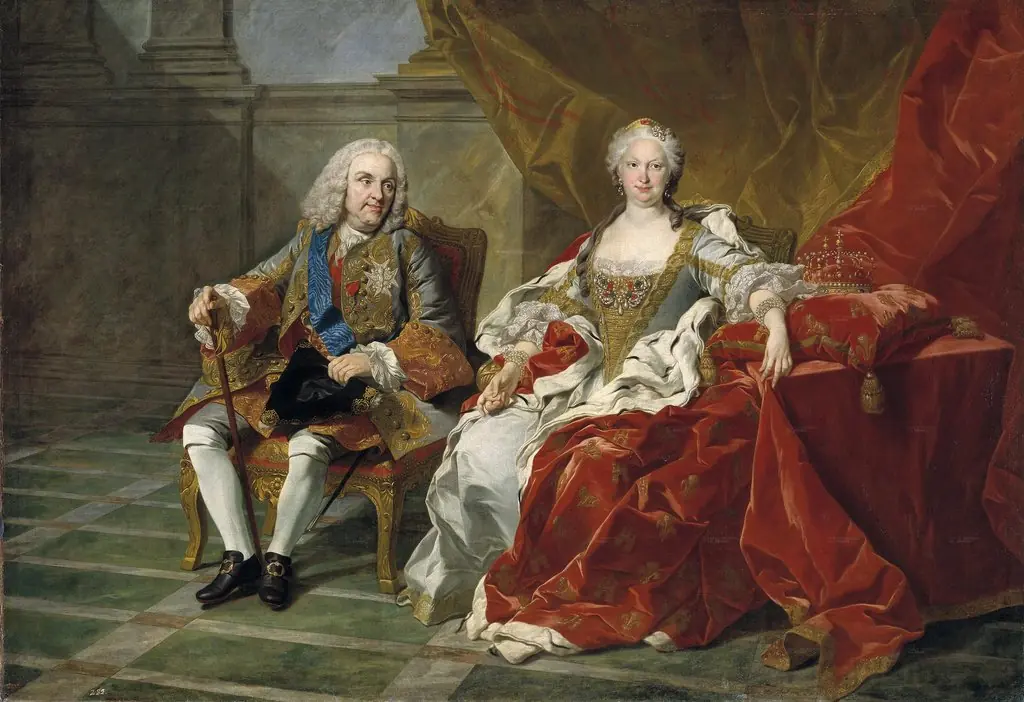
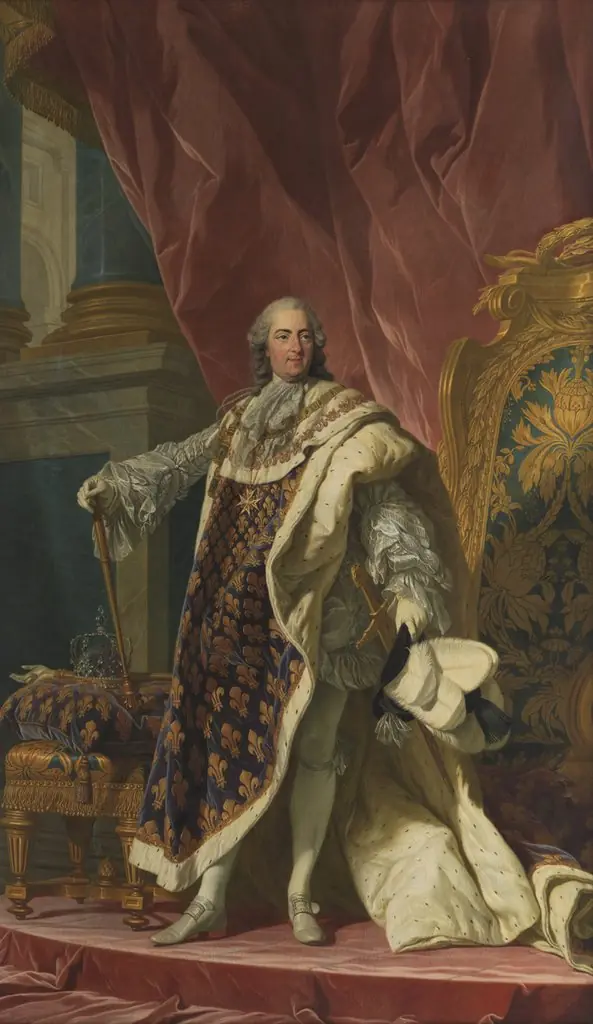
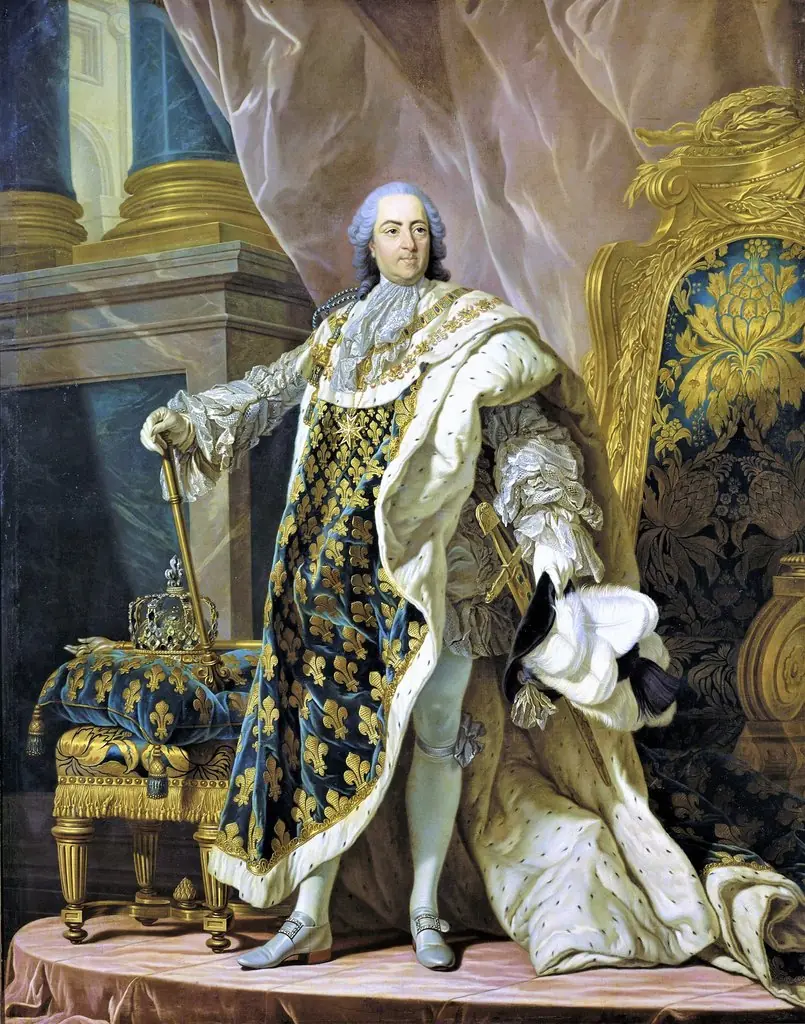
- Portrait of a Woman as Diana
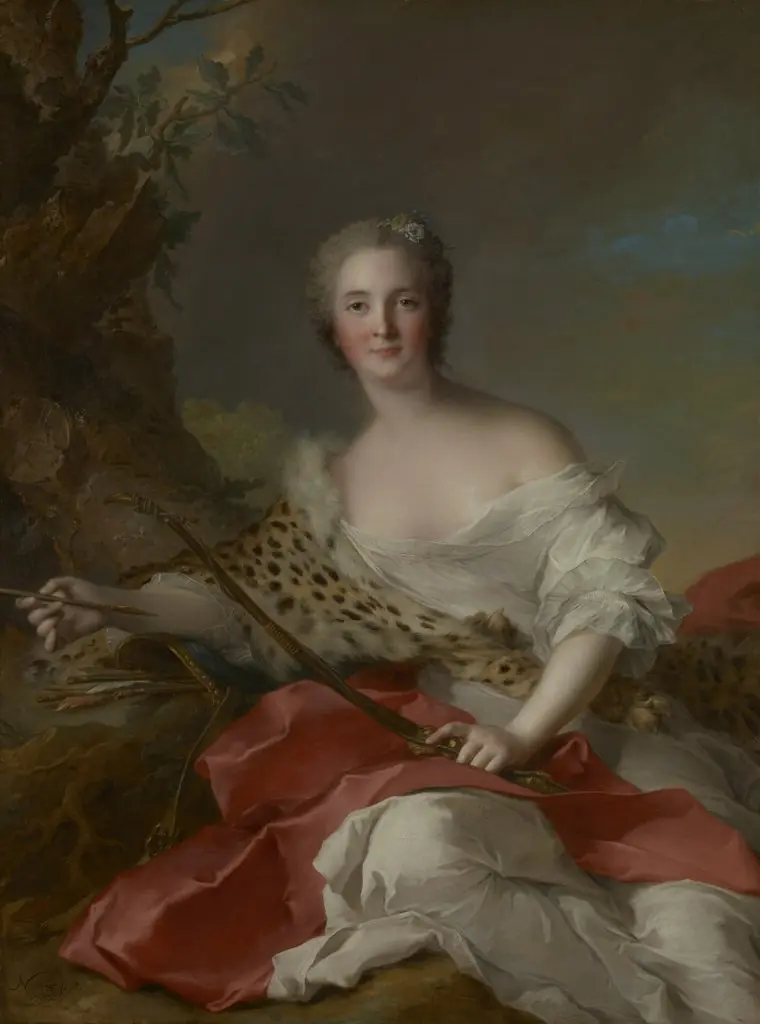 Portrait of Madame Bonnier de la Mosson as Diana (Constance-Gabrielle-Magdeleine du Monciel de Lauraille
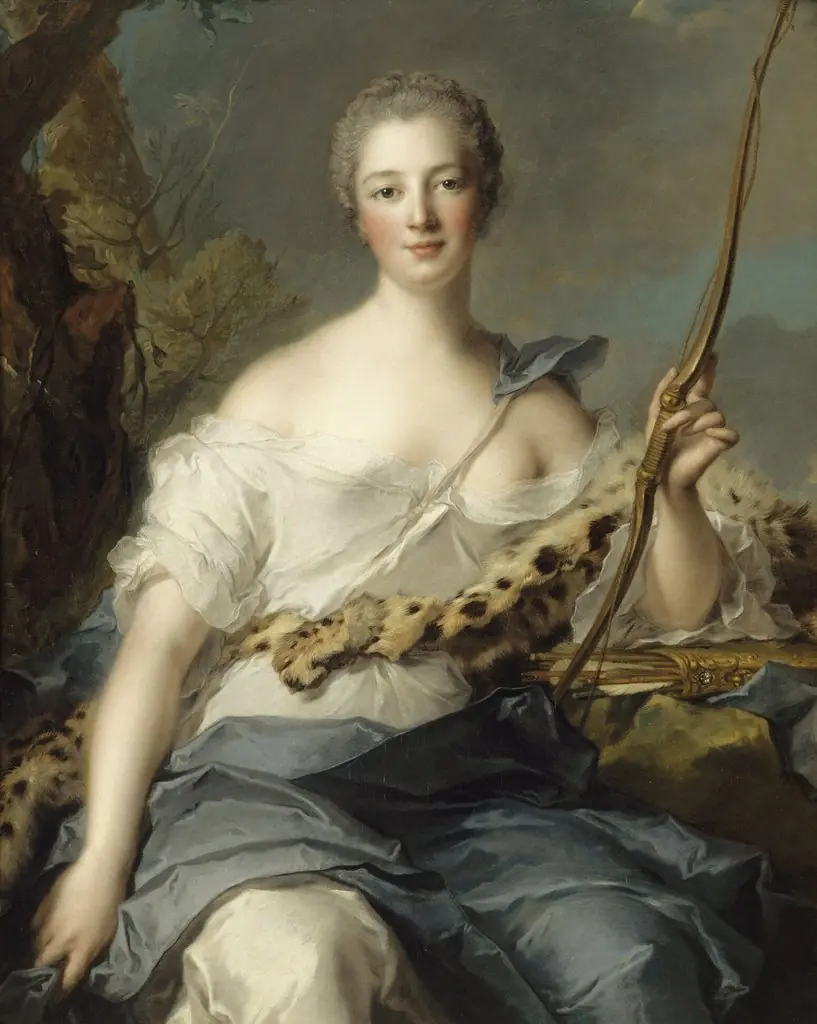 Jeanne-Antoinette Poisson, Marquise de Pompadour
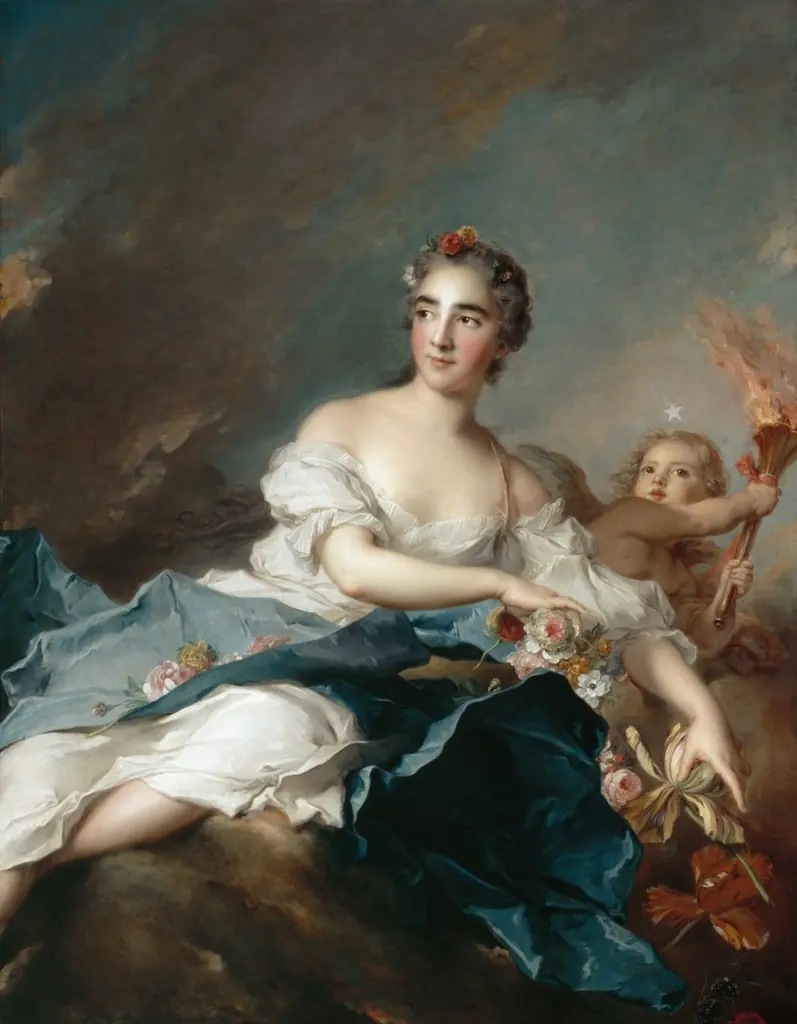 The Countess de Brac as Aurora
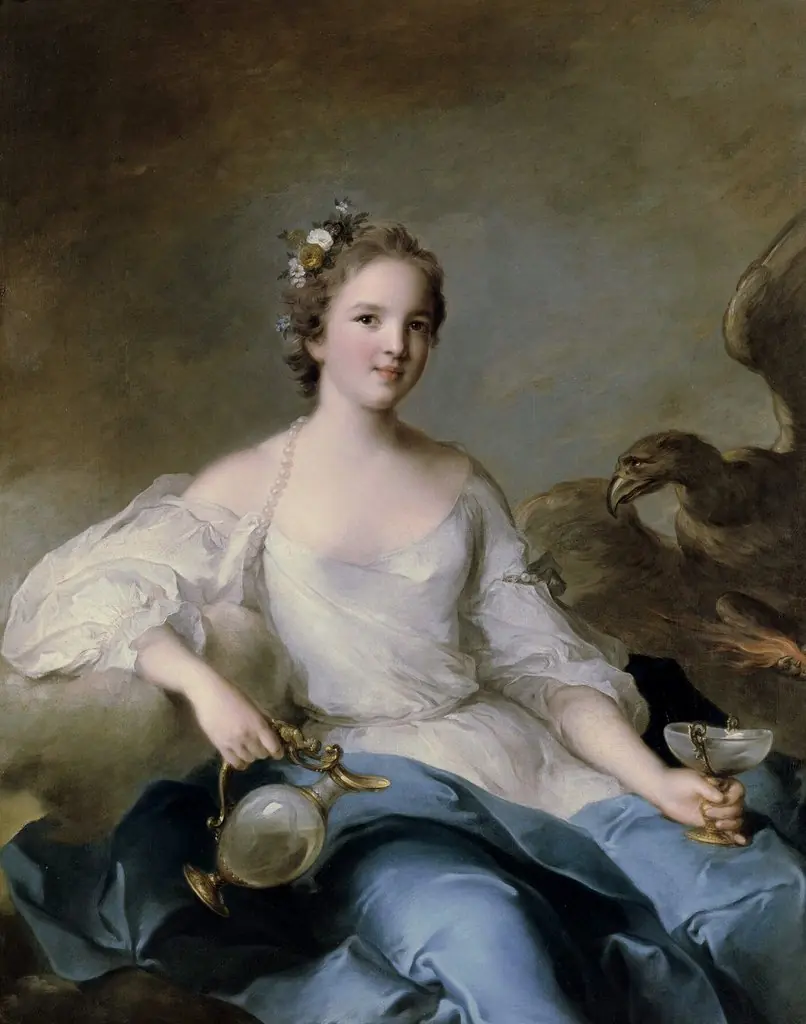 Portrait of Charlotte-Louise de Rohan-Guéméné, princesse de Masseran (1722-1786)
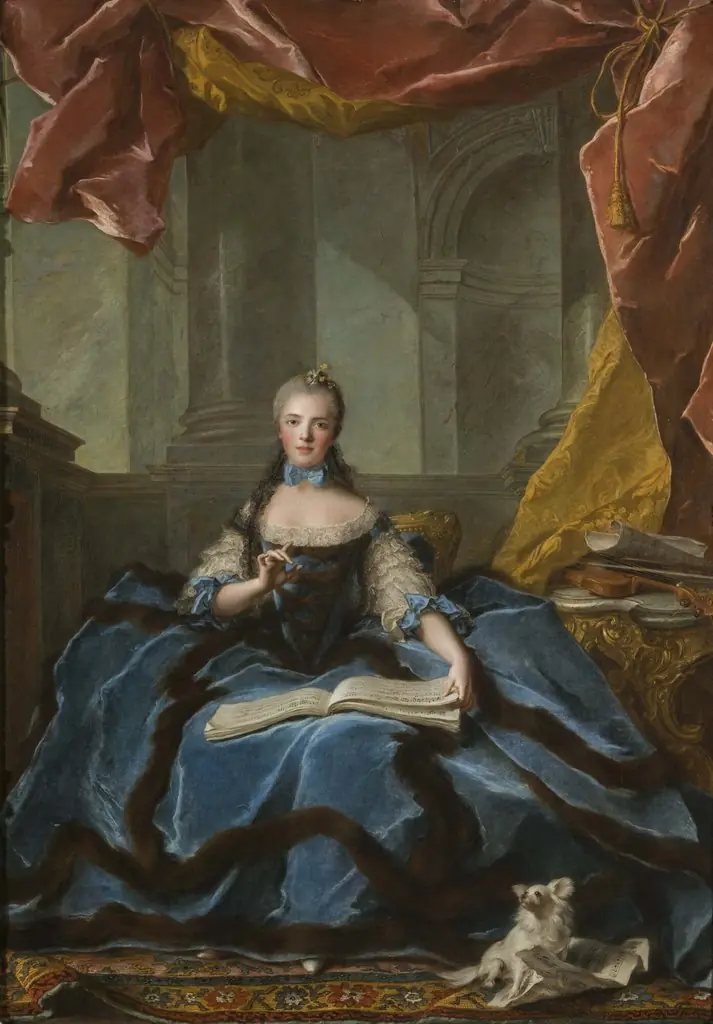 Marie-Adélaïde of France, known as Madame Adélaïde
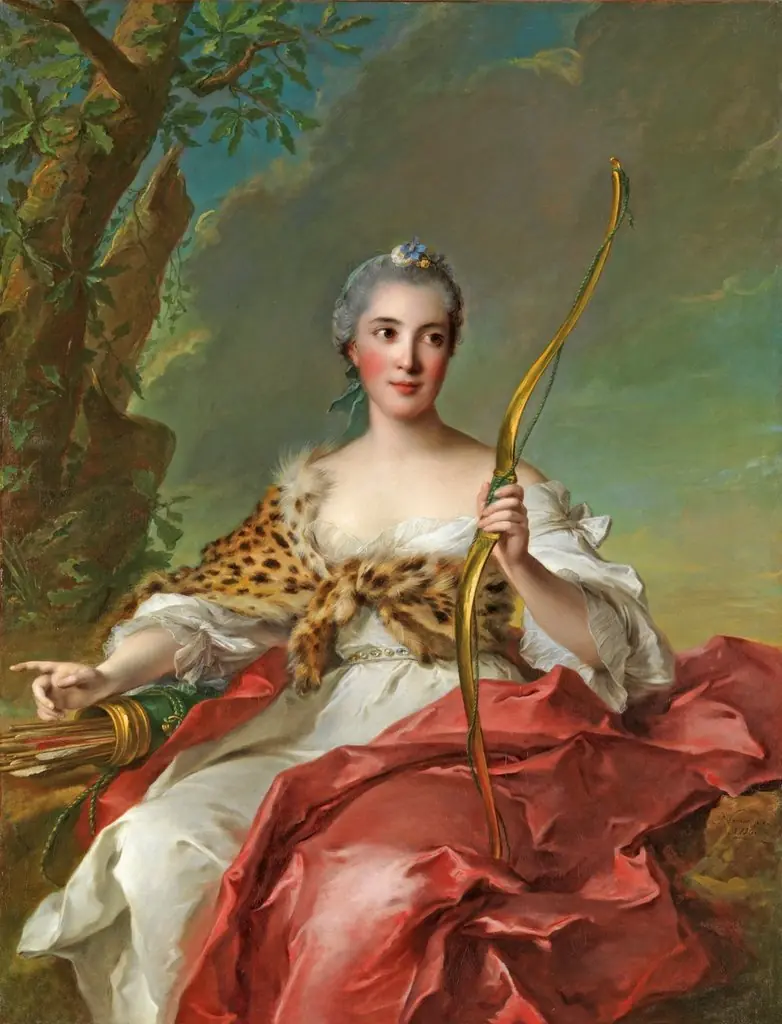 Madame Bergeret de Frouville as Diana
 Princess Victoire of France - The Water
 Madame de Pompadour
 Princess Marie Adélaïde of France - The Air
 The Muses Urania and Calliope
 Madame Le Fèvre de Caumartin as Hebe