Artwork
The Rape of Proserpine
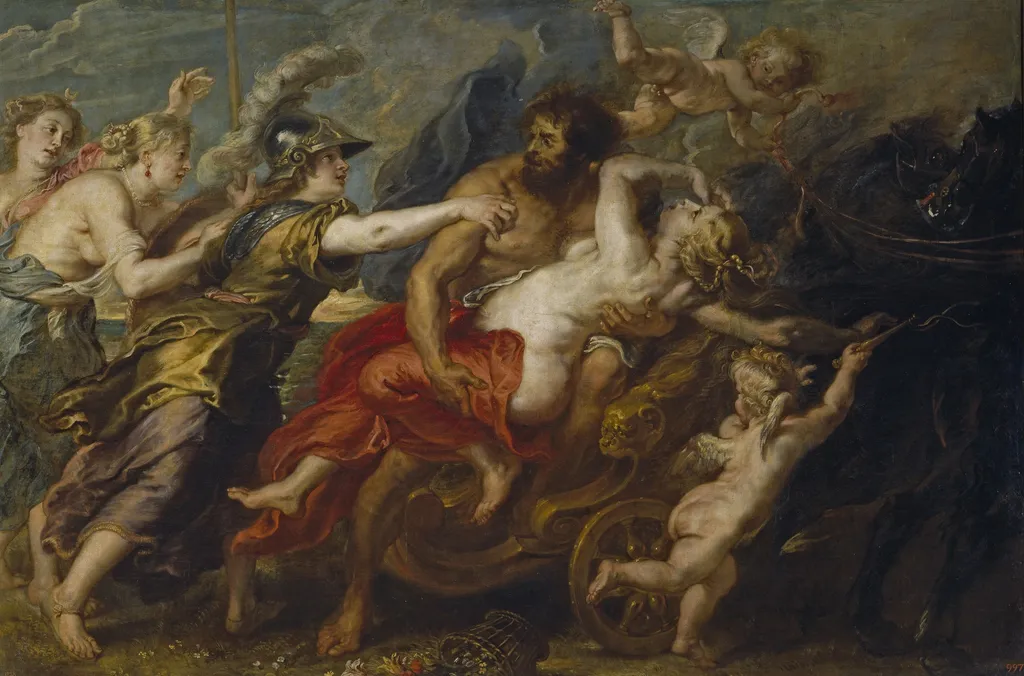
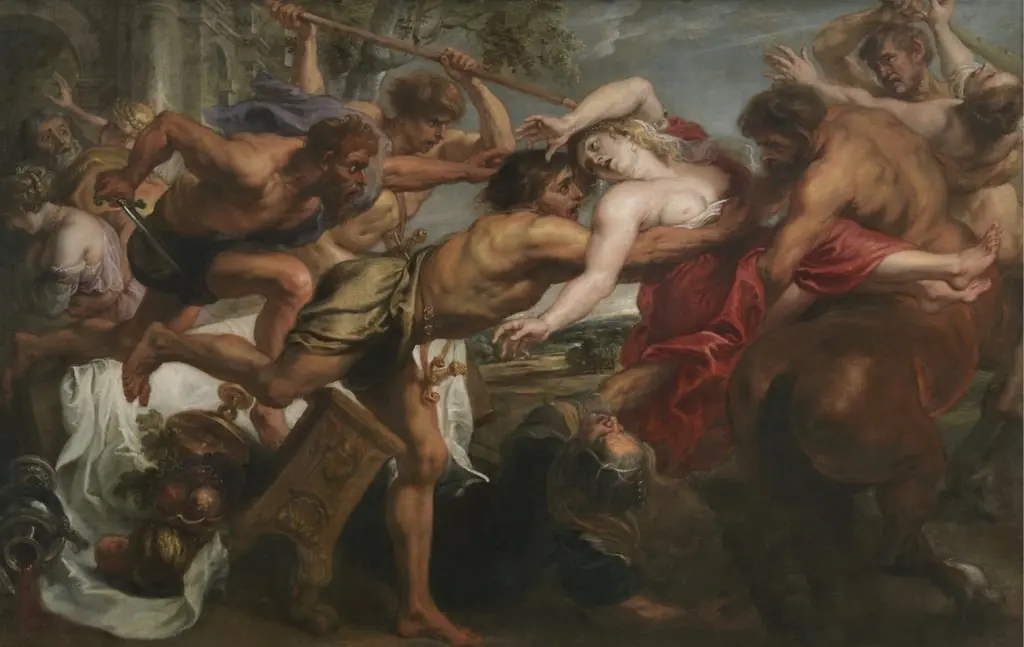
The Rape of Proserpine is an oil painting by the Baroque artist Peter Paul Rubens. It dates from 1636 and is held in the collection of the Museo del Prado.
About this work
Subject & Meaning
The work illustrates the myth of Proserpina’s abduction by Pluto, showing the goddess accompanied by Minerva, Venus, Diana and a combat‑helmeted figure.
The work illustrates the myth of Proserpina’s abduction by Pluto, showing the goddess accompanied by Minerva, Venus, Diana and a combat‑helmeted figure. Created in 1636 as an oil on canvas, it is classified as a mythological painting and belongs to the Baroque movement.
The scene symbolizes the classical underworld myth of Persephone’s seizure, a subject chosen for its dramatic narrative and theological resonance within Baroque art. The painting entered the Spanish royal collection, was owned by Ferdinand VII, and is now displayed in the Museo del Prado, Madrid.
Technique & Style
Executed in oil on canvas in 1636, the work is painted on a medium-weight linen support measuring 181 cm in height and 271.2 cm in width.
Rubens employs a fluid handling of paint to render the dynamic struggle between Pluto and Proserpina, emphasizing muscular tension and swirling drapery through rapid, yet controlled brushwork. The composition is organized along a diagonal axis that directs the viewer’s eye from the struggling figures in the foreground toward the receding landscape, where lighter tones and atmospheric haze create spatial recession.
Formal qualities foreground the Baroque principle of movement, with exaggerated contrapposto and spiraling poses that heighten the scene’s drama. Figures are arranged in a compact, overlapping cluster that isolates the central struggle from the background, while chiaroscuro effects modulate the light to accentuate the bodies’ plasticity and the emotional intensity of the moment.
History & Provenance
The Rape of Proserpine is an oil on canvas painted by Peter Paul Rubens in 1636, depicting the mythological abduction of Proserpina by Pluto. The work was created for the Spanish monarchy and originally formed part of the collection of paintings that decorated the Torre de la Parada, the hunting lodge of King Philip IV of Spain. It was later held by Ferdinand VII of Spain before entering the holdings of the Museo del Prado in Madrid, where it remains on view today.
The Rape of Proserpine by Peter Paul Rubens is held at the Museo del Prado in Madrid, housed in the Royal Palace of Madrid. The painting is part of the museum's collection and was previously owned by Ferdinand VII of Spain.
The work originally belonged to the collection of paintings that decorated the Torre de la Parada, a hunting lodge commissioned by the Spanish monarch Philip IV. From that royal setting it eventually entered the holdings of the Museo del Prado, where it remains on view today.
Context
The Rape of Proserpine (1636) by Peter Paul Rubens is emblematic of the Flemish Baroque’s fusion of Italian dynamism and local colorism, a synthesis that defined Rubens’s mature mythological compositions.
Scholarly attention has emphasized the painting’s placement within Rubens’s late mythological series, notably its original commission for the Torre de la Parada, Philip IV of Spain’s hunting lodge near Madrid, where it adorned the monarch’s private galleries alongside works by Titian and Velázquez. The work’s dramatic figural arrangement and spiraling composition exemplify Rubens’s ability to render mythological violence as theatrical spectacle, aligning with Counter-Reformation imperatives to move the viewer through affective engagement. Its current location in the Museo del Prado preserves its status as a touchstone of Baroque mythological painting, frequently cited in studies of Rubens’s engagement with classical sources and his role in disseminating Italianate models north of the Alps.
Within art history, the painting is situated alongside contemporaneous treatments of the Proserpine myth, including those by Rembrandt and Bernini, while remaining distinct for its kinetic energy and the integration of landscape as an expressive counterpart to human action.
Overview
Peter Paul Rubens, a prominent Flemish artist, completed The Rape of Proserpine in 1636. This oil painting captures a dramatic mythological scene, depicting the abduction of Proserpina by Pluto. The work exemplifies the Flemish Baroque style through its dynamic composition and rich palette, characteristic of the period's emphasis on powerful visual narratives. It is currently housed in the Museo del Prado.
Own this work as a print
Artist & collection
Artist
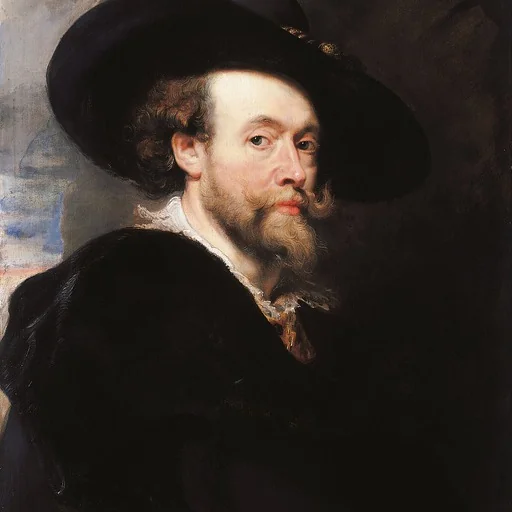
Sir Peter Paul Rubens ( ROO-bənz; Dutch:; 28 June 1577 – 30 May 1640) was a Flemish artist and diplomat.