Artwork
Jupiter and Lycaon
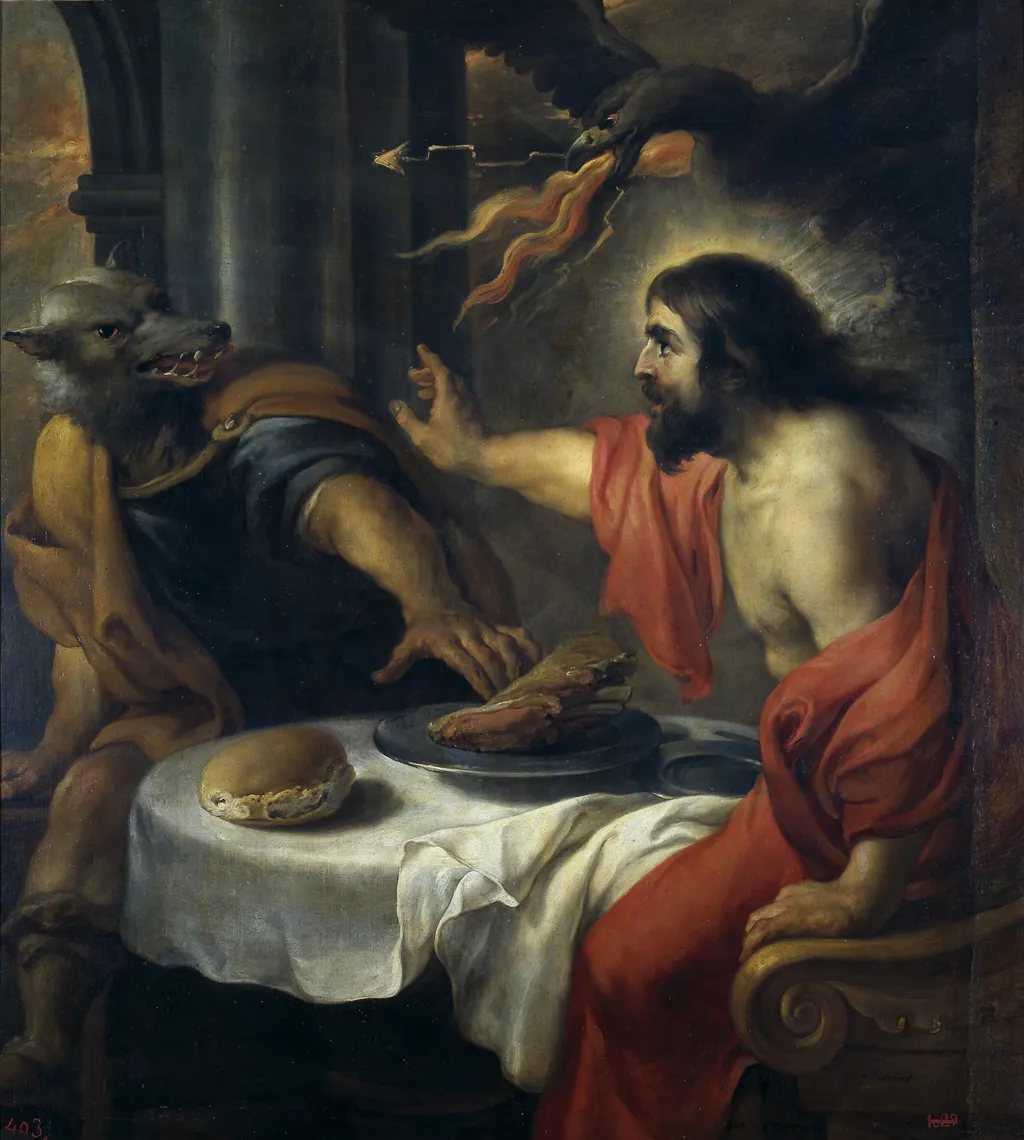
Jupiter and Lycaon is an oil painting by the Flemish Baroque painting artist Peter Paul Rubens. It dates from 1636 and is held in the collection of the Museo del Prado.
About this work
Subject & Meaning
The wolf imagery reinforces the transformation motif, linking the scene to broader symbolic associations of lycanthropy and divine retribution.
The painting portrays Jupiter, the king of the gods, in the act of transforming himself to test the hospitality of the mortal Lycaon. Jupiter’s thunderbolt and the presence of a wolf reference his divine authority and the mythic link to wolves, while the banquet setting underscores themes of trust and deception. The work therefore symbolizes divine justice and the consequences of hubris within classical mythology.
The composition draws on mythological narratives in which Jupiter assumes a human guise to interact with mortals, a motif that conveys both power and moral assessment. The wolf imagery reinforces the transformation motif, linking the scene to broader symbolic associations of lycanthropy and divine retribution.
Technique & Style
The work is an oil painting executed on canvas, employing the conventional handling of oil paint to achieve rich coloration and delicate modeling characteristic of Rubens' mature mythological compositions. Formal analysis highlights the dynamic diagonal composition, dramatic chiaroscuro, and the expressive rendering of figures that convey both narrative intensity and sensual movement. The surface treatment preserves the luminous texture of the oil medium while maintaining structural integrity over centuries of display.
Context
The painting Jupiter and Lycaon is attributed to both Peter Paul Rubens and Jan Cossiers, reflecting the collaborative workshop practices common in 17th-century Flemish art. While the work is dated to 1636, some records suggest a later creation date around 1650, indicating ongoing scholarly debate regarding its precise chronology and authorship. Currently held in the collection of the Museo del Prado, the canvas depicts a mythological narrative central to the artistic output of the period.
The attribution to Rubens alongside Cossiers places the piece within the broader context of master-pupil or joint production models that defined the era's high Baroque style.
Overview
Jupiter and Lycaon is a 1636 oil painting by Peter Paul Rubens, a Flemish artist known for his diplomatic career and historical depictions of mythological themes.
History & Provenance
The painting is part of the Museo del Prado's collection and exemplifies the Flemish Baroque style, characterized by rich coloration and dynamic compositions.
Own this work as a print
Artist & collection
Artist
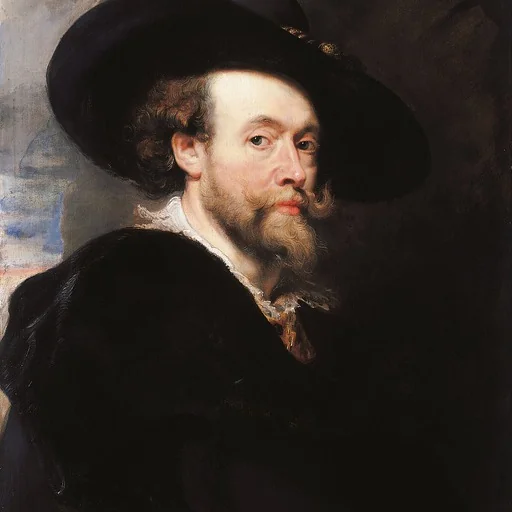
Sir Peter Paul Rubens ( ROO-bənz; Dutch:; 28 June 1577 – 30 May 1640) was a Flemish artist and diplomat.

- The Supper at Emmaus
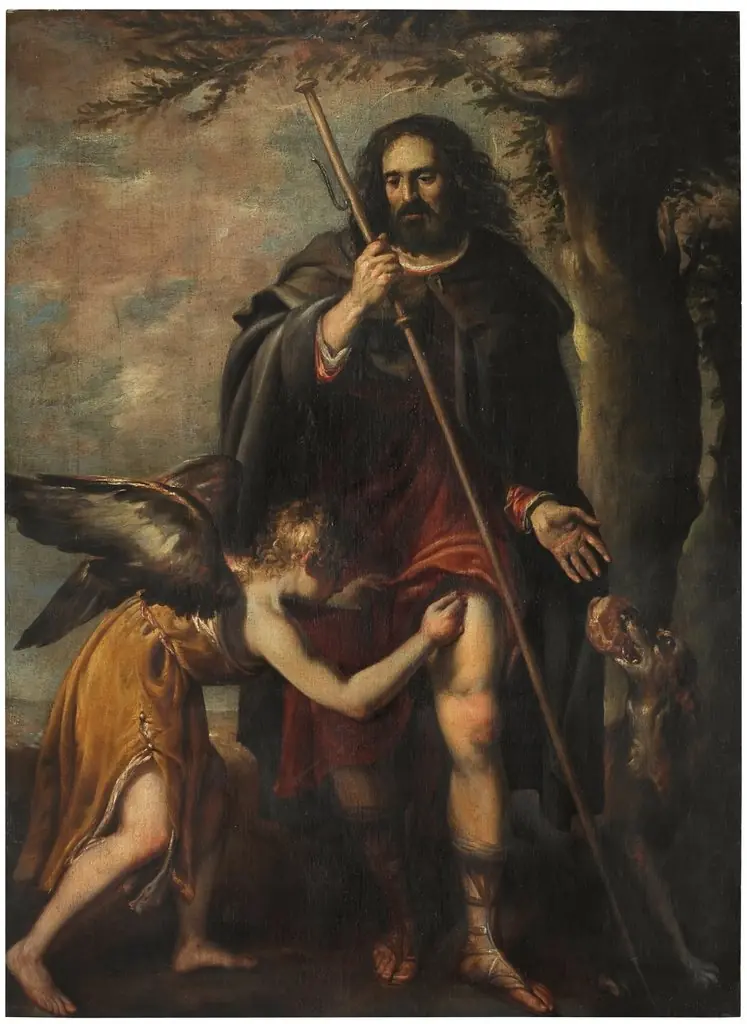 San Roque
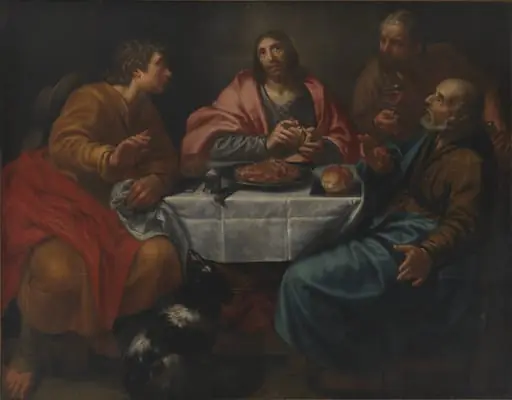 Christ in Emmaus
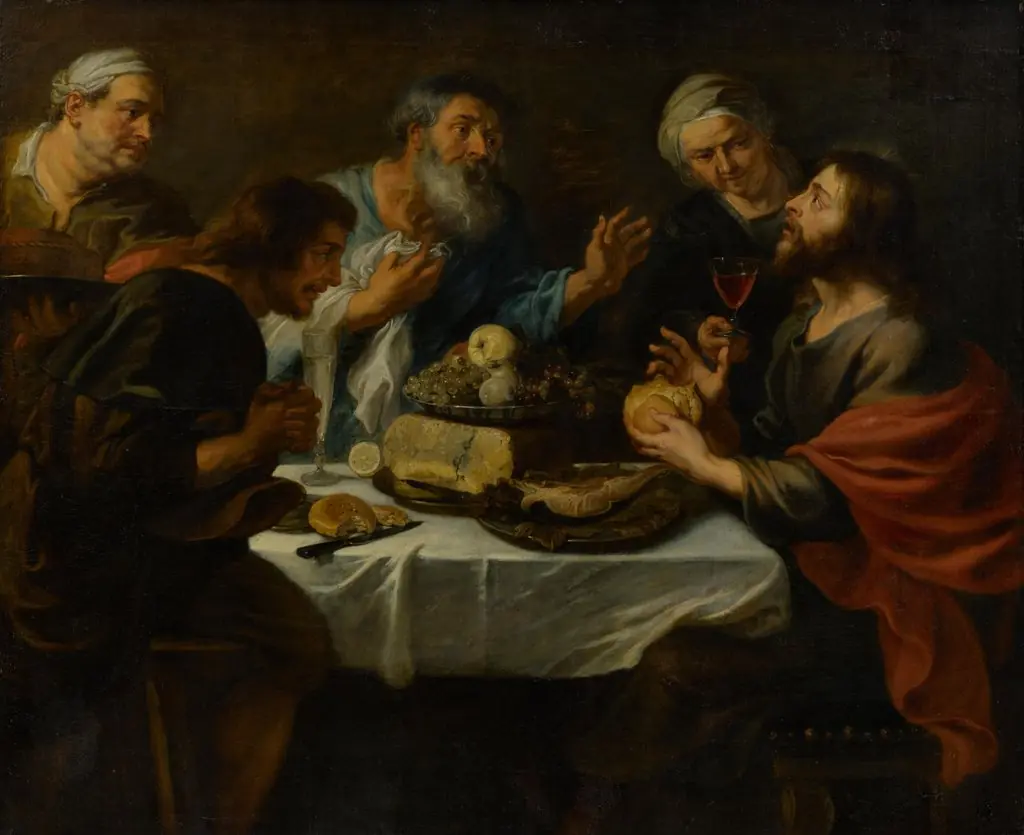 Christ at Emmaus
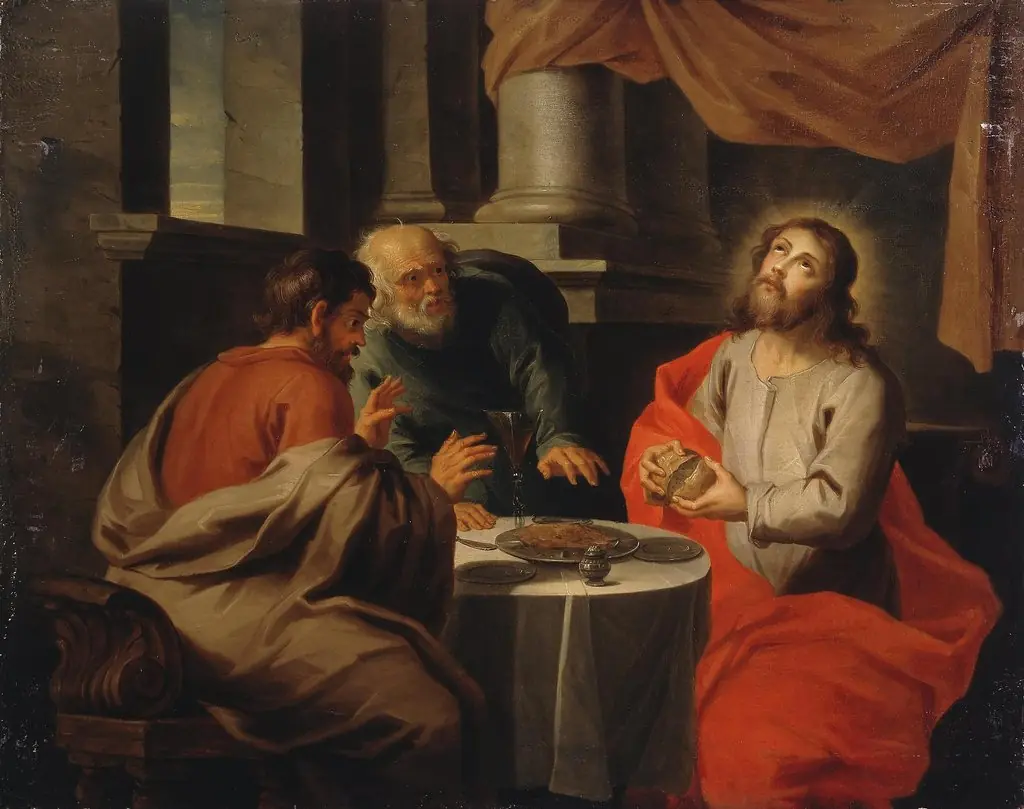 Christ and his Disciples in Emmaus
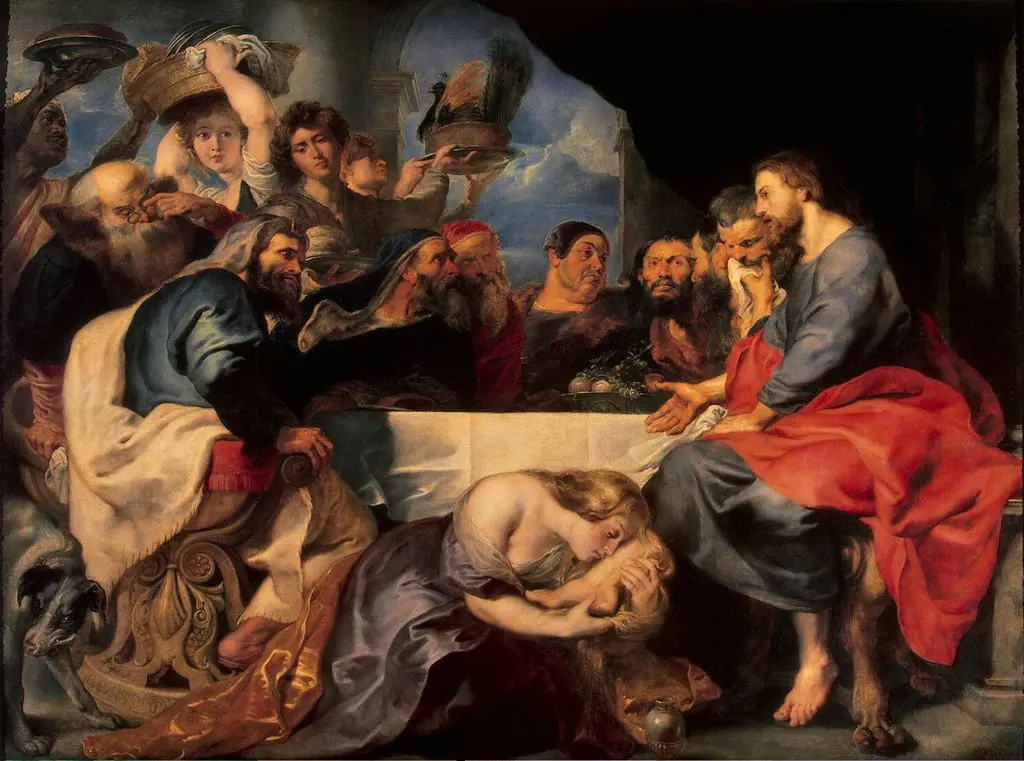 Feast in the House of Simon the Pharisee
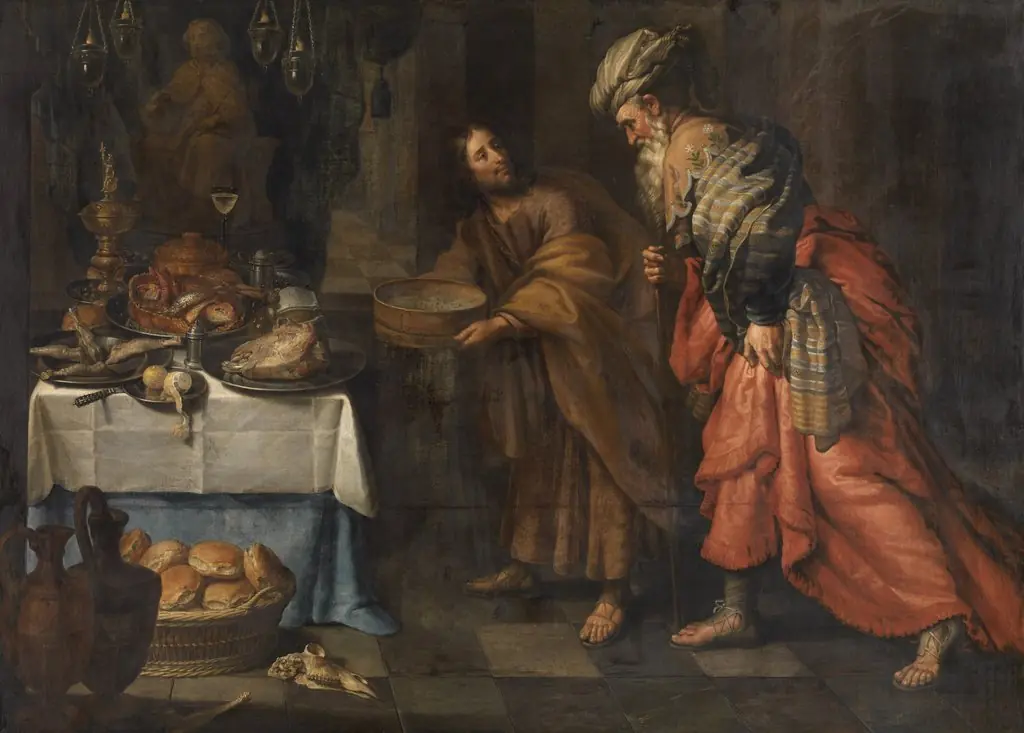 Daniël décrouvant l'imposture des prêtres de Baäl
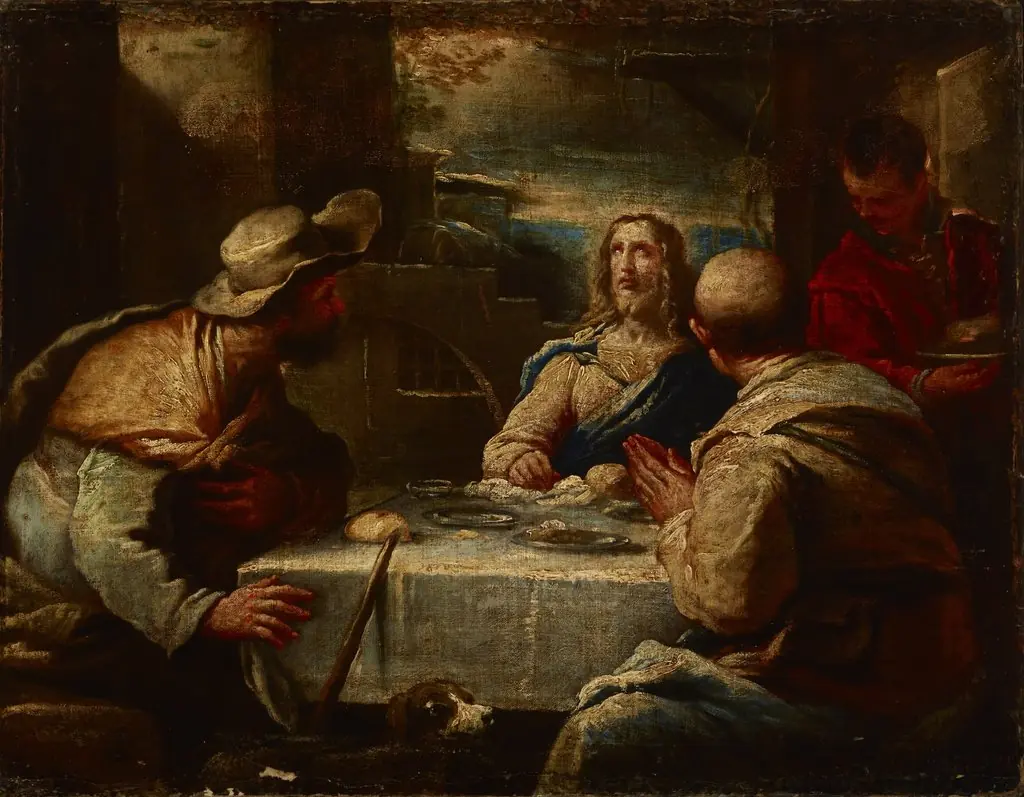 Christ in Emmaus
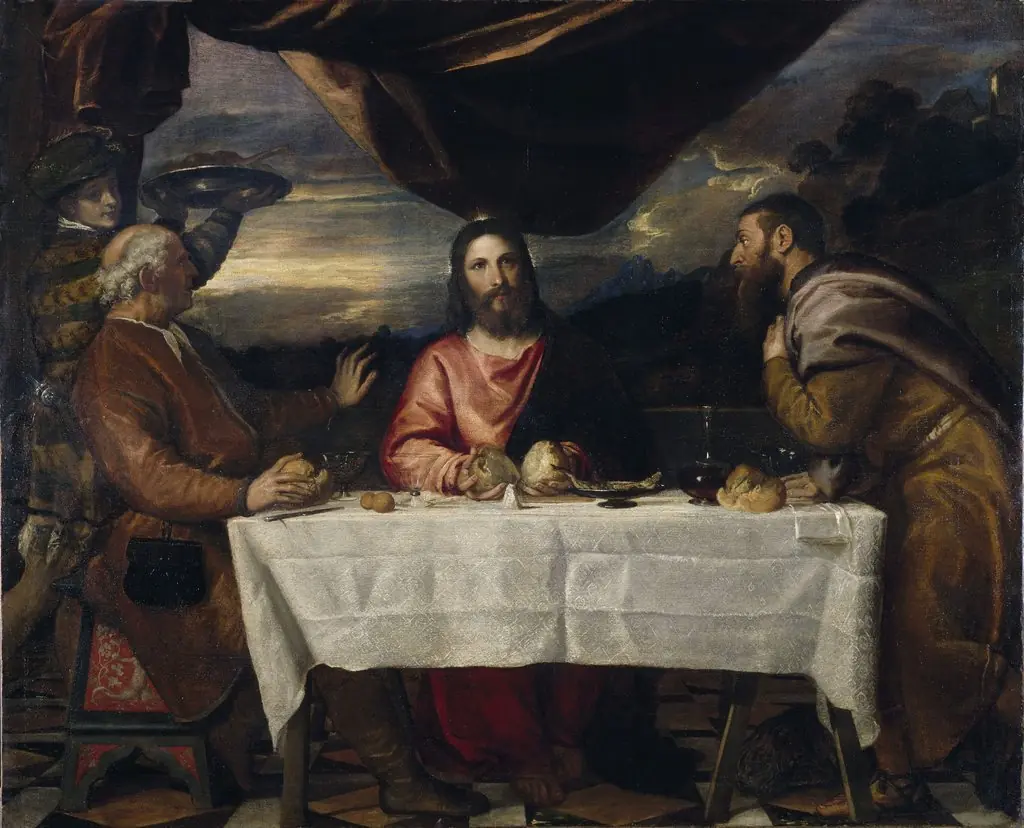 The Supper at Emmaus
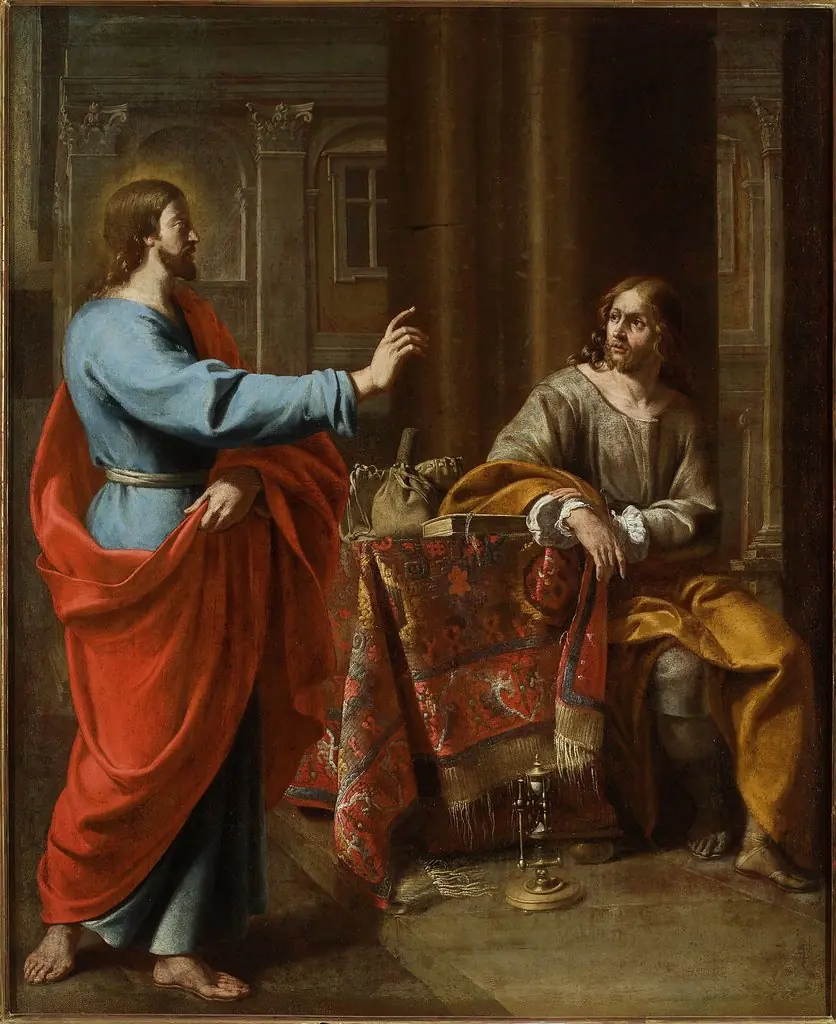 Calling of St. Matthew (Matthew 9:9, Mark 2:14, Luke 5:27-28)
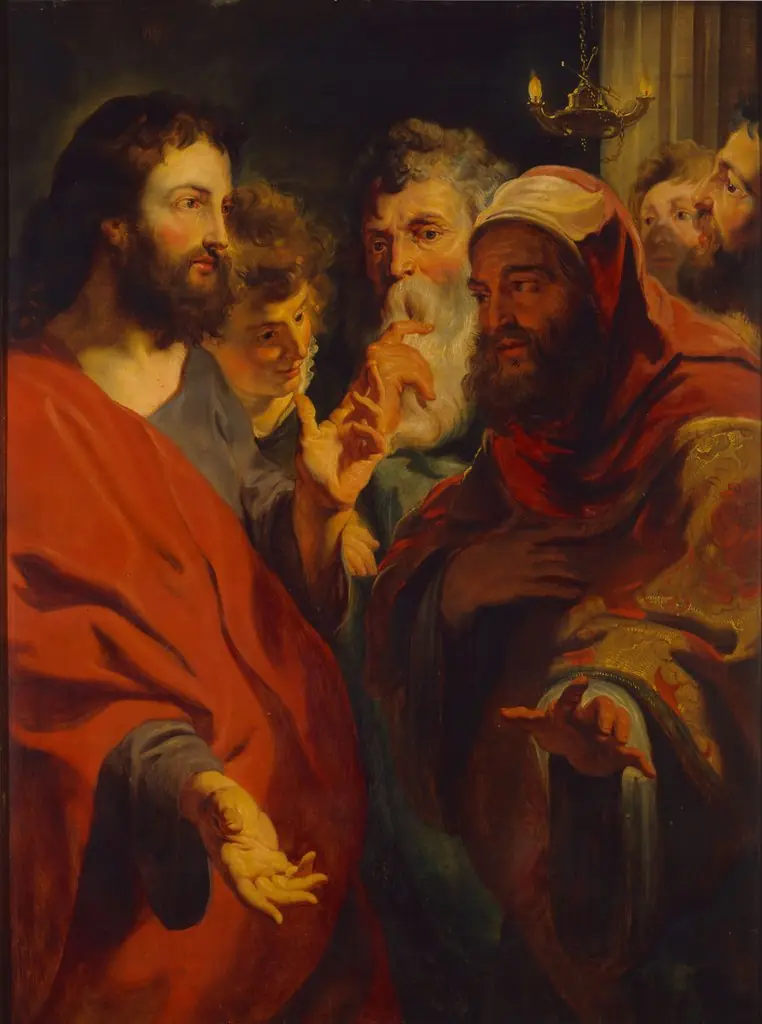 Christ instructing Nicodemus
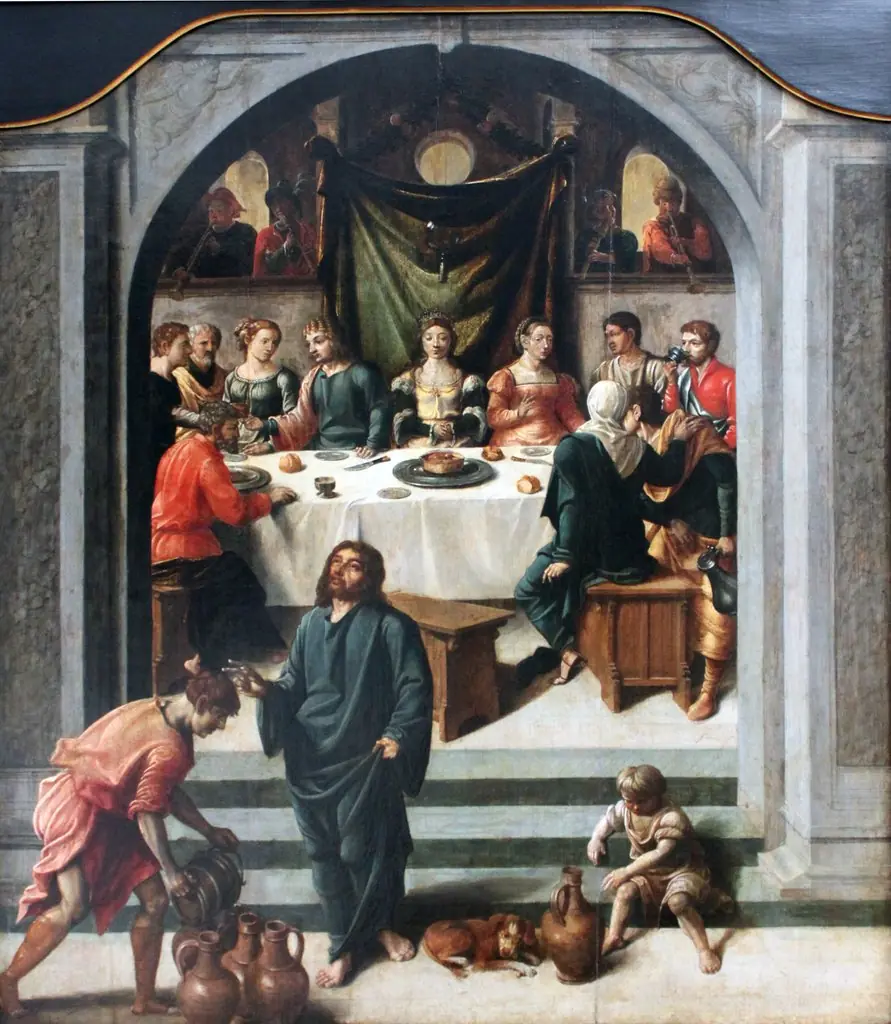 The Wedding at Cana