Artwork
Nymphs and Satyrs
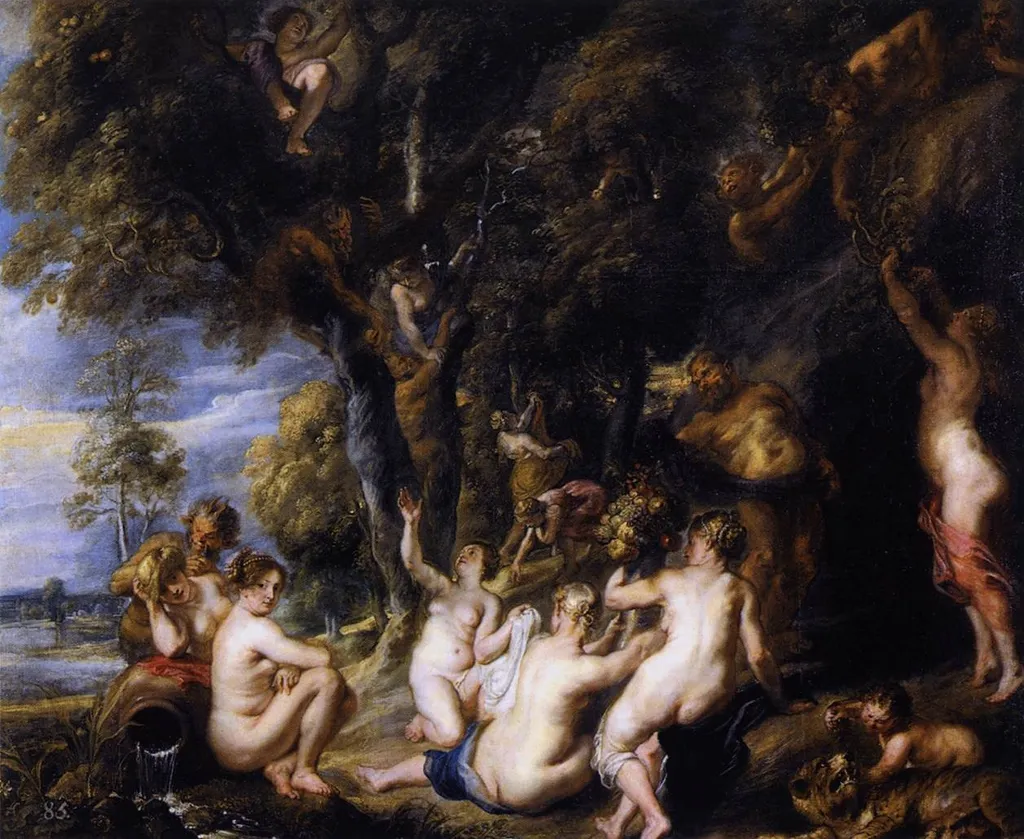
Nymphs and Satyrs is an oil painting by the Flemish Baroque painting artist Peter Paul Rubens. It dates from 1615 and is held in the collection of the Museo del Prado.
About this work
Subject & Meaning
Peter Paul Rubens's painting depicts a mythological scene populated by nymphs and satyrs, figures drawn from classical antiquity often associated with nature and revelry. The composition includes a cornucopia, a traditional symbol of abundance and plenty, reinforcing the work's thematic focus on fertility and the bounty of the natural world. As a mythological painting, the work represents the interaction between these distinct groups of creatures, embodying the Baroque interest in dynamic movement and sensual allegory.
Technique & Style
Its composition unites classical poses with dynamic movement, employing rich coloration and fluid brushwork that convey both sensuality and narrative clarity.
The work is an oil painting executed on canvas, a medium typical of Rubens’ mature mythological output. Its composition unites classical poses with dynamic movement, employing rich coloration and fluid brushwork that convey both sensuality and narrative clarity. The handling of light accentuates the musculature of the satyr and the delicate translucency of the nymphs, reflecting Baroque emphasis on anatomical realism and emotive expression. These formal qualities underscore the painting’s status as a quintessential example of 17th‑century mythological painting.
History & Provenance
Rubens’s Nymphs and Satyrs is dated to 1615 on internal records, aligning with the artist’s early maturity in Antwerp.
The work entered the Museo del Prado by 1794, when it was inventoried in the Spanish royal collection as El juicio de Paris. It remained in Madrid’s royal holdings until the creation of the Prado in 1819, thereafter becoming part of the museum’s permanent collection. No archival record confirms a specific commission, but its mythological subject and decorative scale align with commissions Rubens received from European courts and collectors during the 1610s.
Overview
Created in 1615 by the Flemish painter Peter Paul Rubens, this oil work belongs to the Baroque period. It depicts a mythological gathering set in a wooded landscape, populated by nude figures engaged in music, dance, and intimate gestures. A central female figure holds a cornucopia spilling fruit and flowers, while a stream winds through the background, conveying a lively, celebratory atmosphere.
Context
Rubens’ career combined artistic production with diplomatic service, allowing him to travel widely and absorb diverse influences. In the early 17th century, mythological subjects were popular among aristocratic patrons who valued allegorical content. This work exemplifies Rubens’ ability to merge classical narratives with the exuberant visual language of his time, catering to contemporary tastes for opulent, theatrical compositions.
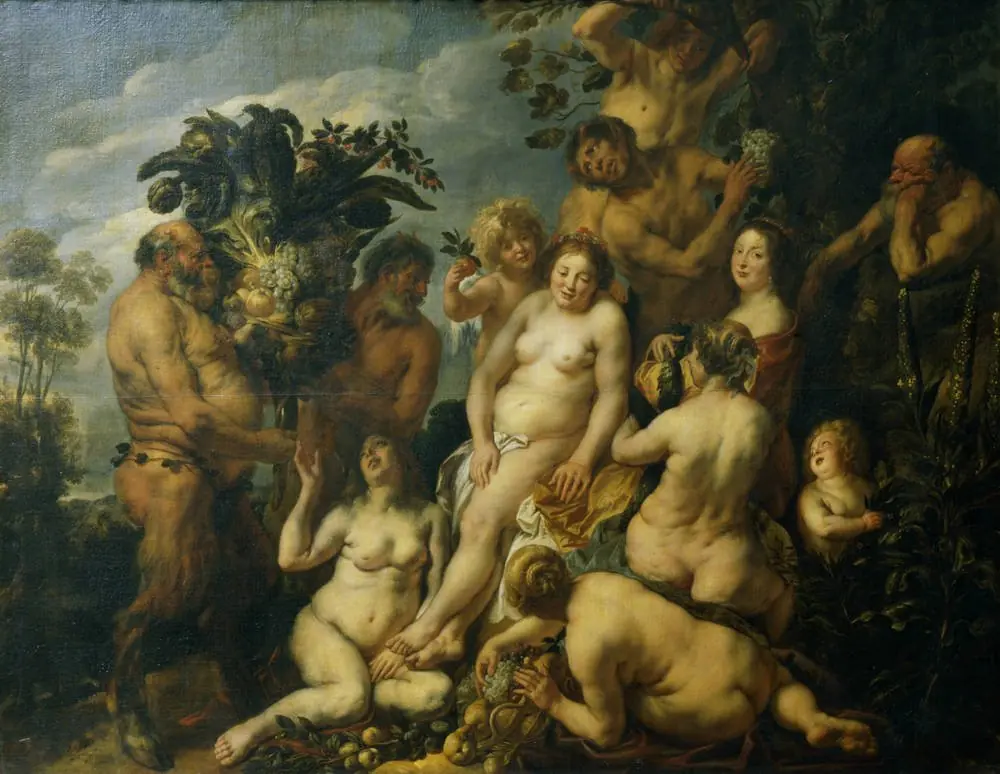
Artist & collection
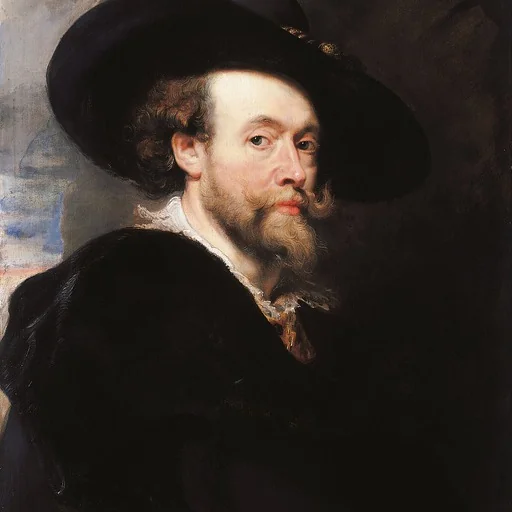
Artist
Sir Peter Paul Rubens ( ROO-bənz; Dutch:; 28 June 1577 – 30 May 1640) was a Flemish artist and diplomat.

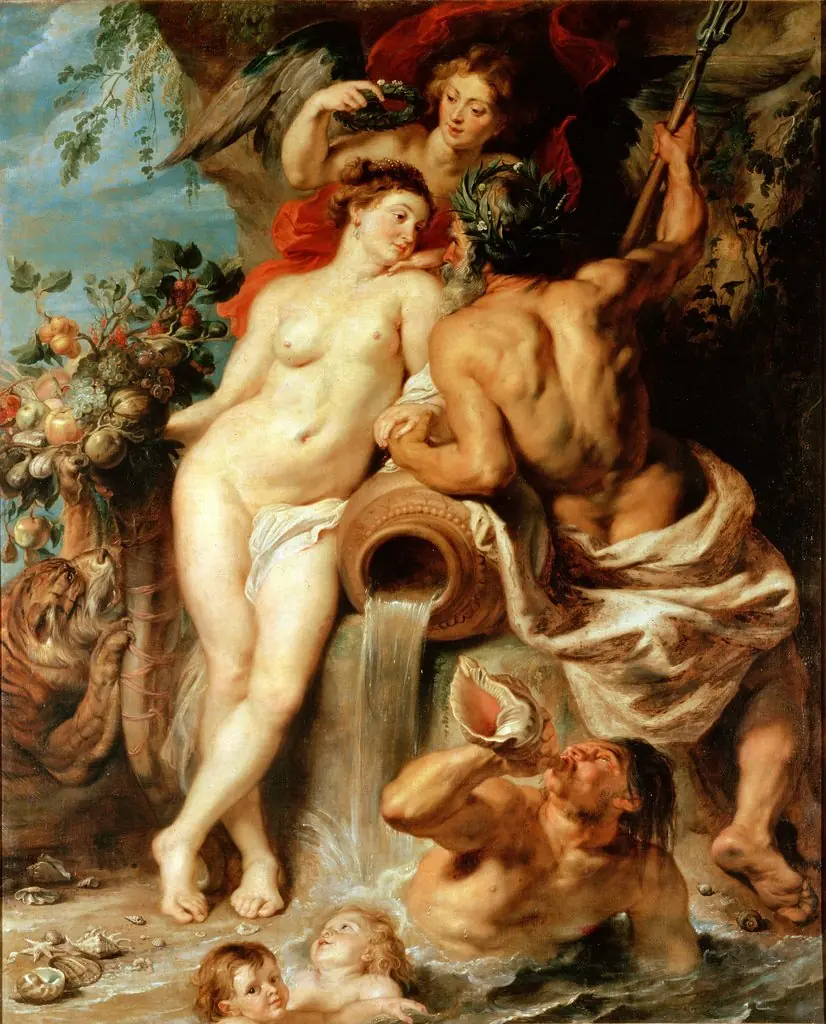
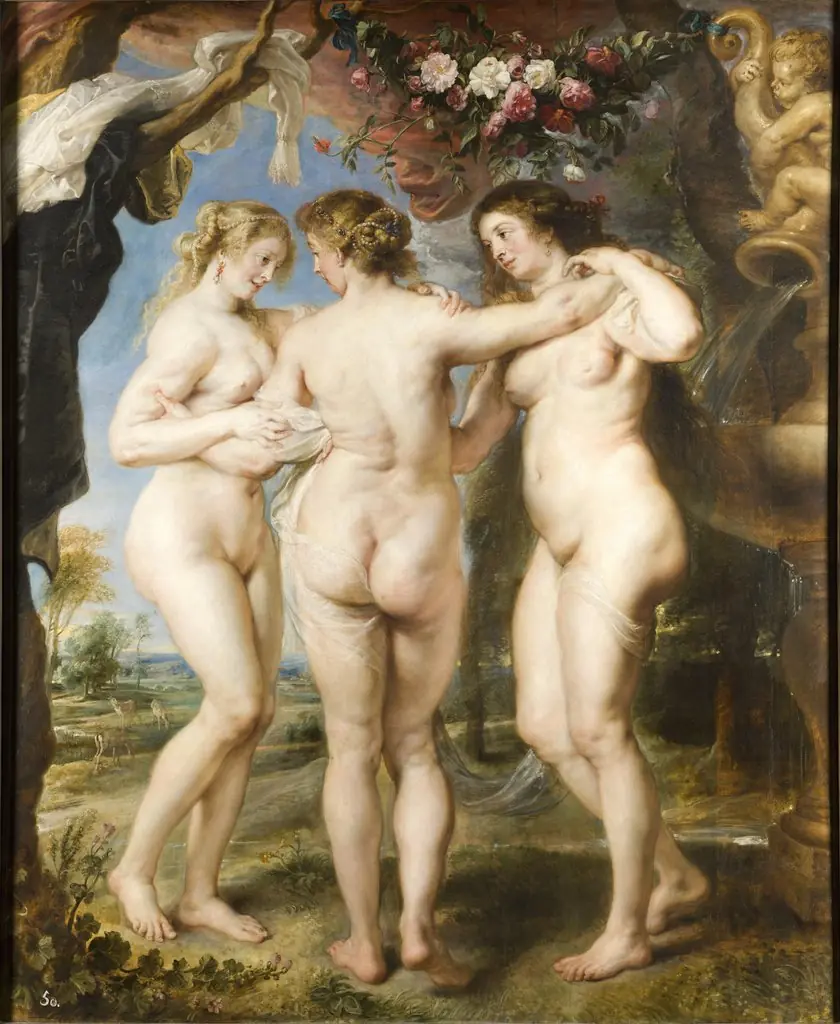
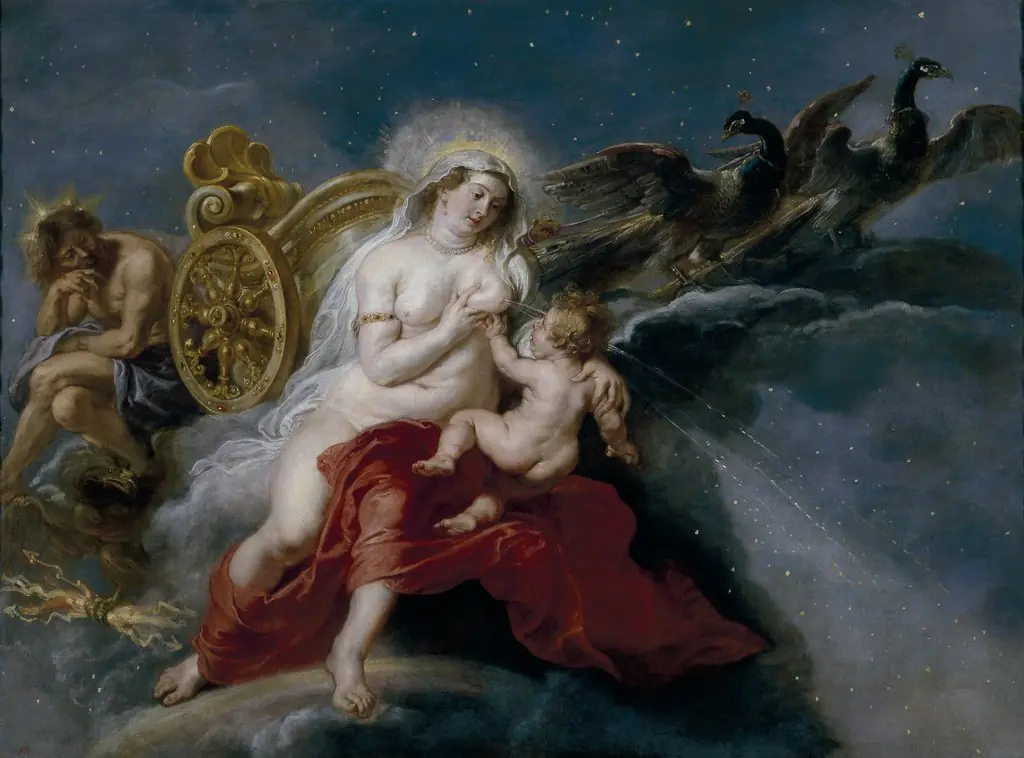
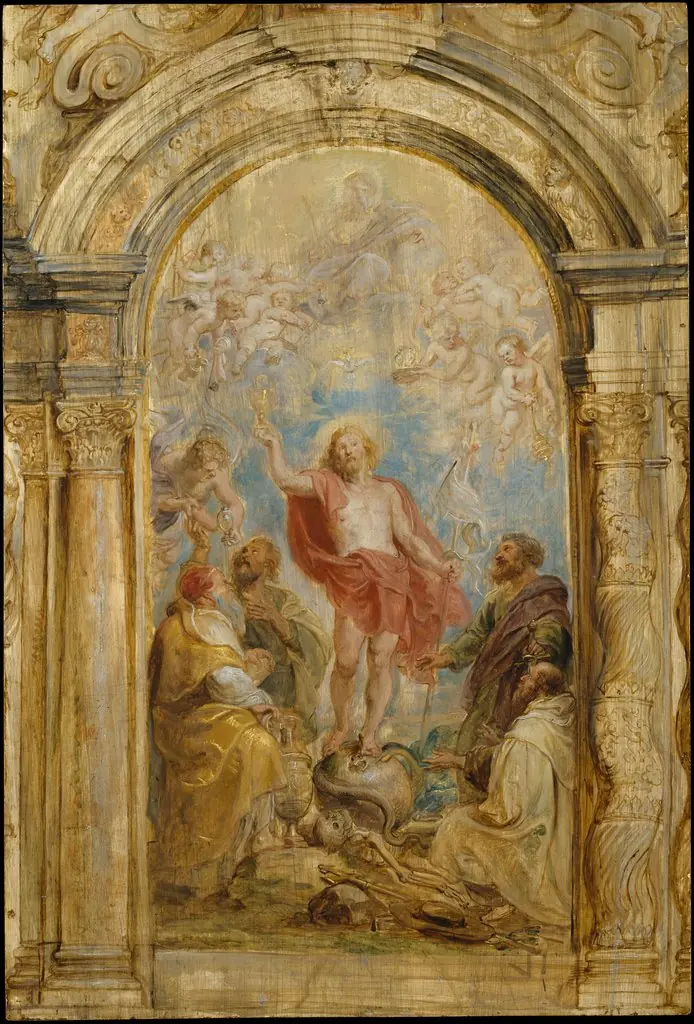
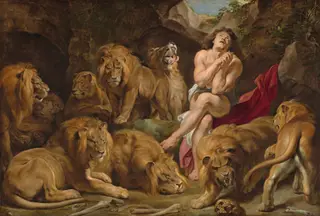
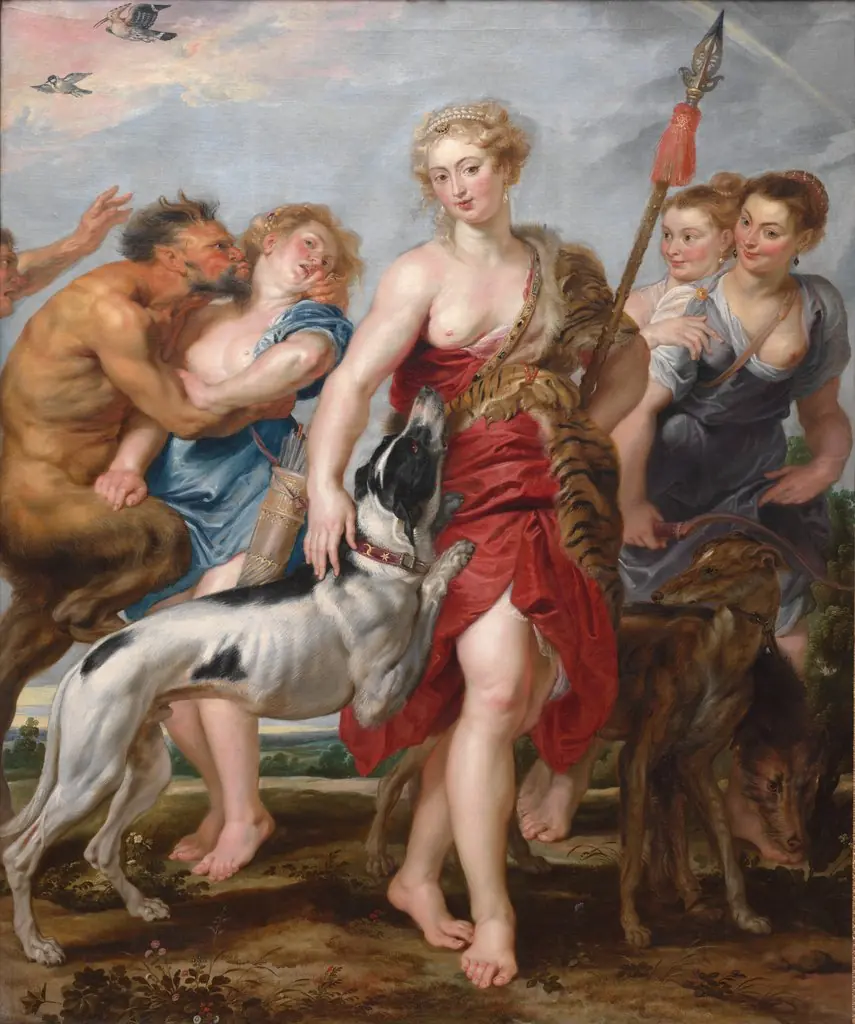
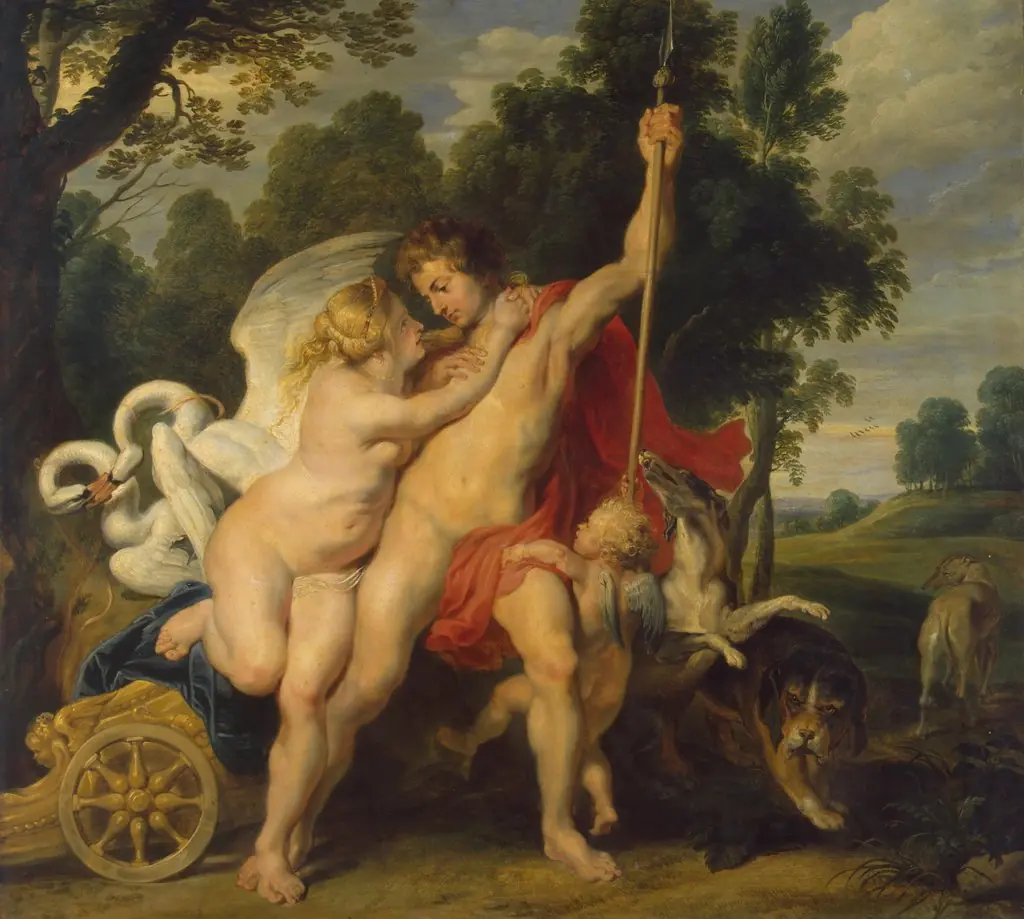
- Allegory of Fertility
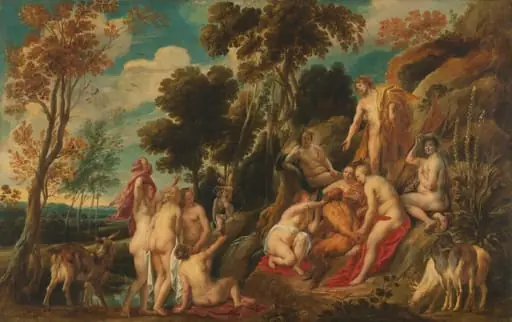 Untitled
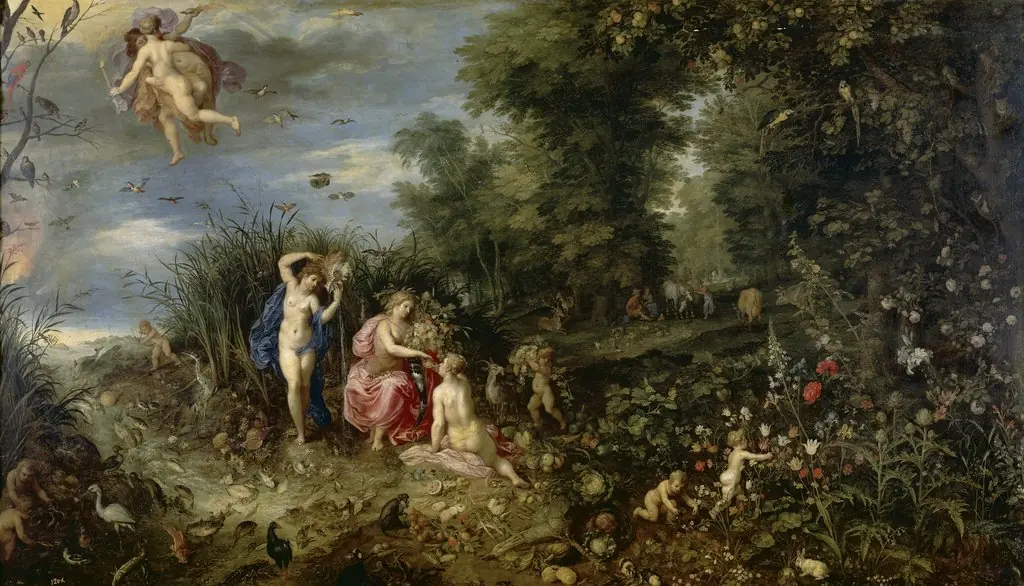 Abundance and the Four Elements
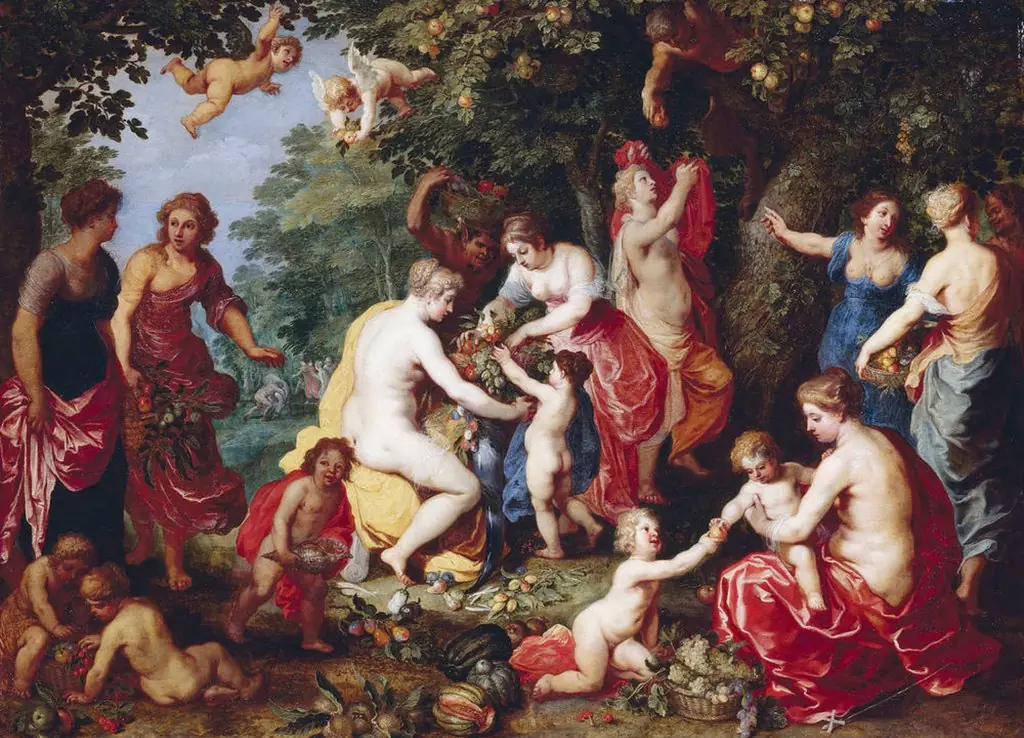 Nymphs and children under fruit trees (Naiads fill the cornucopia)
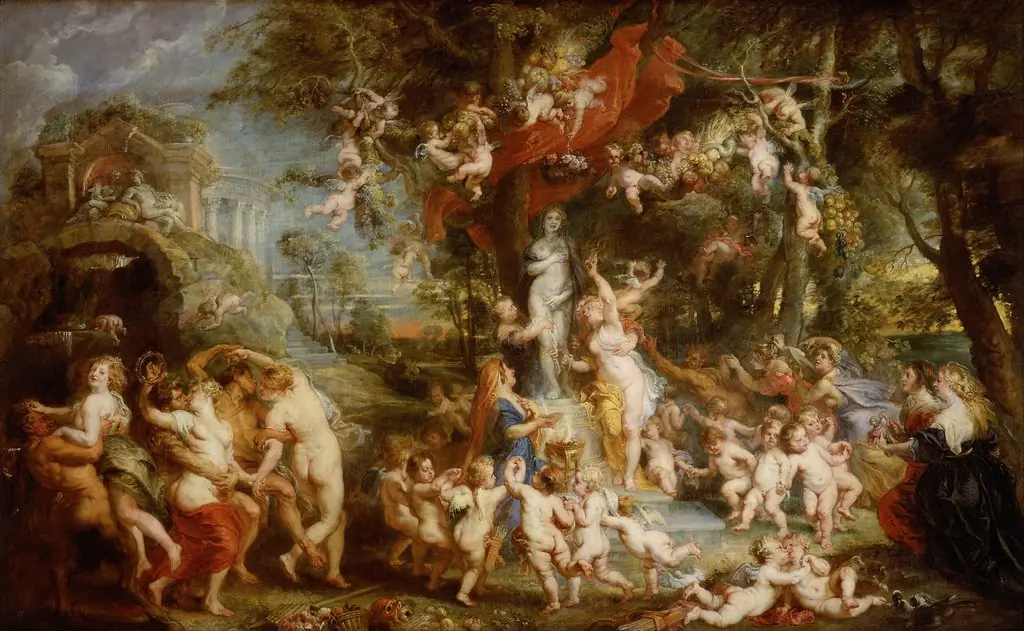 The Feast of Venus
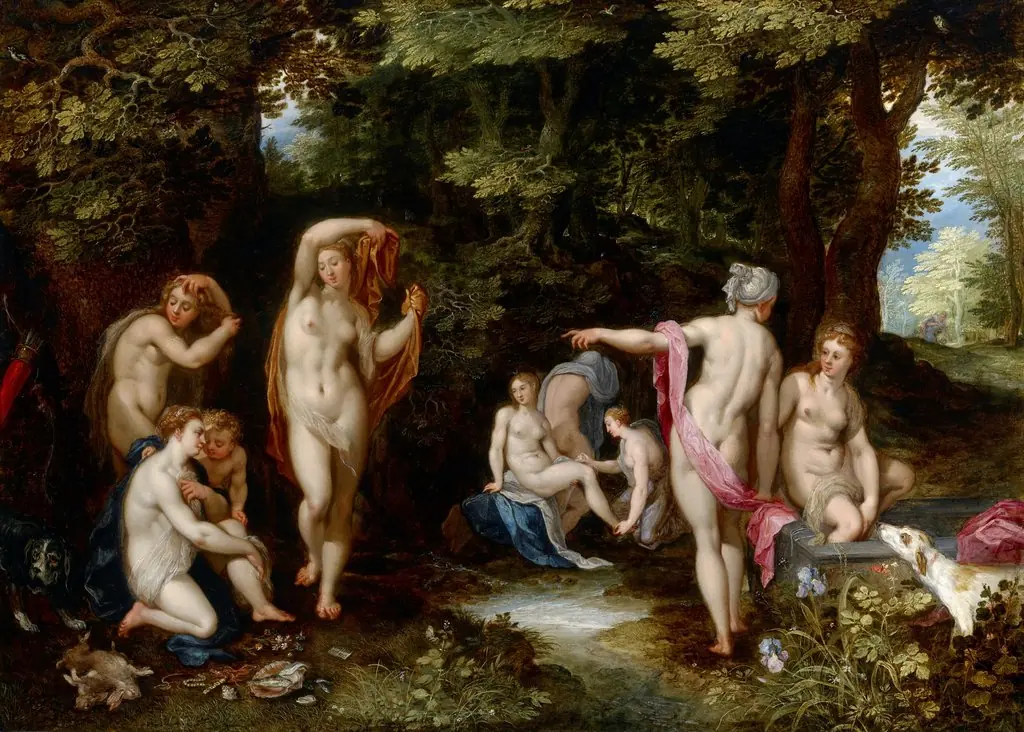 Diana and Actaeon
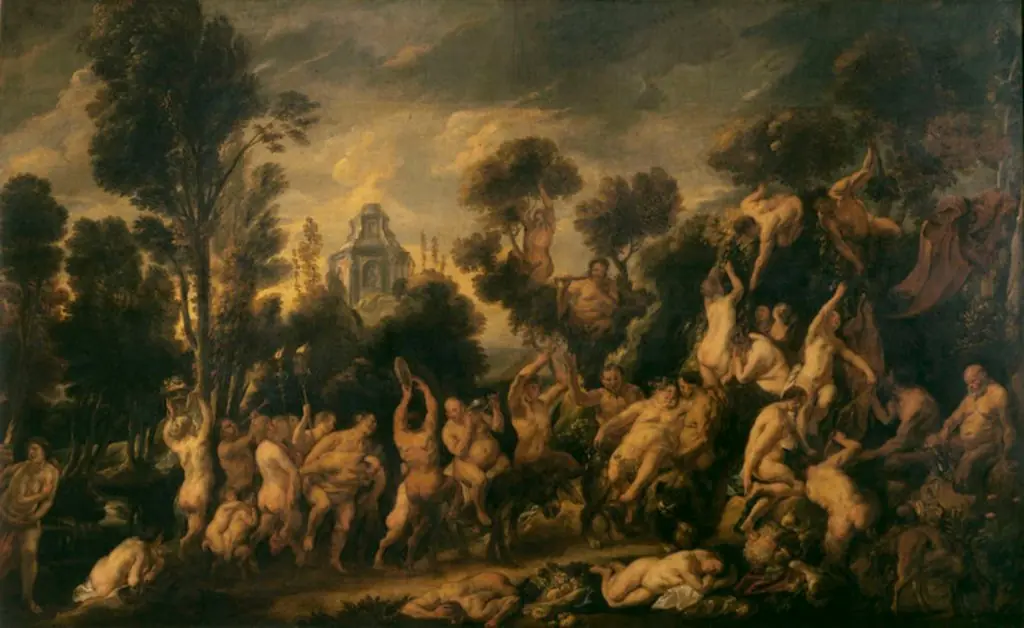 The Triumph of Bacchus
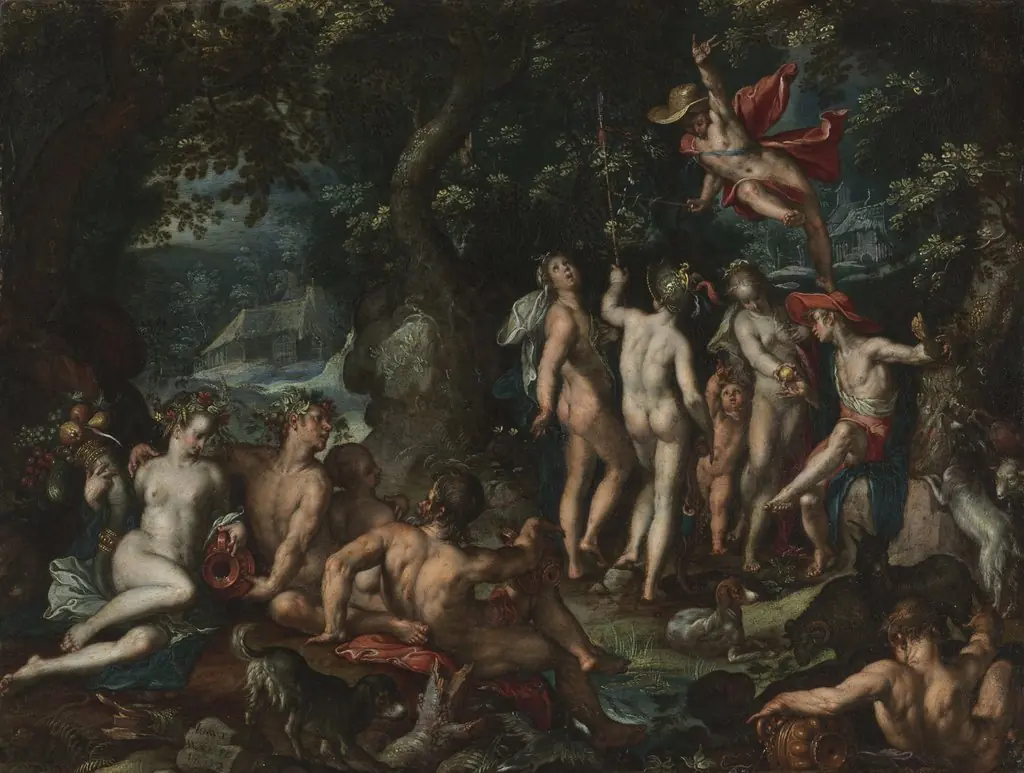 The Judgment of Paris
 The Judgment of Paris
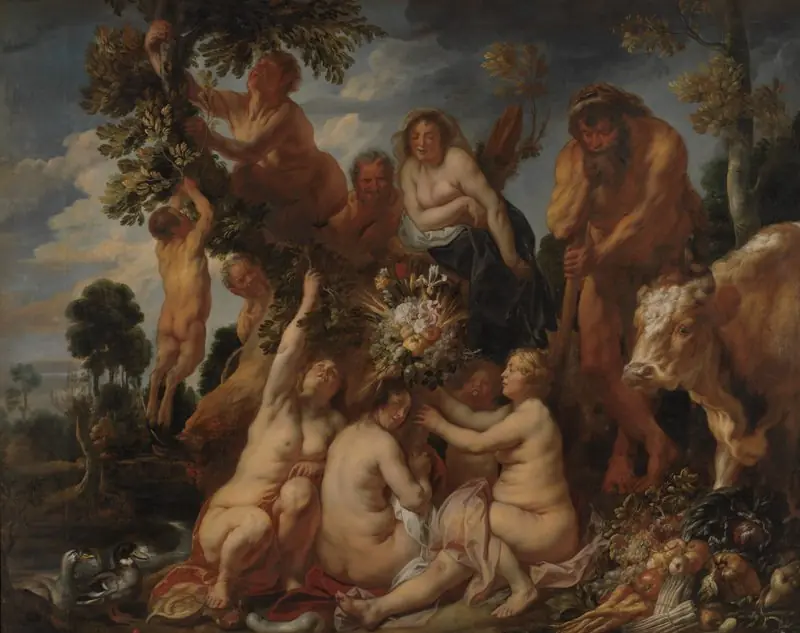 Achelous Defeated by Hercules. The Origin of the Cornucopia. (Allegory of Fruitfulness)
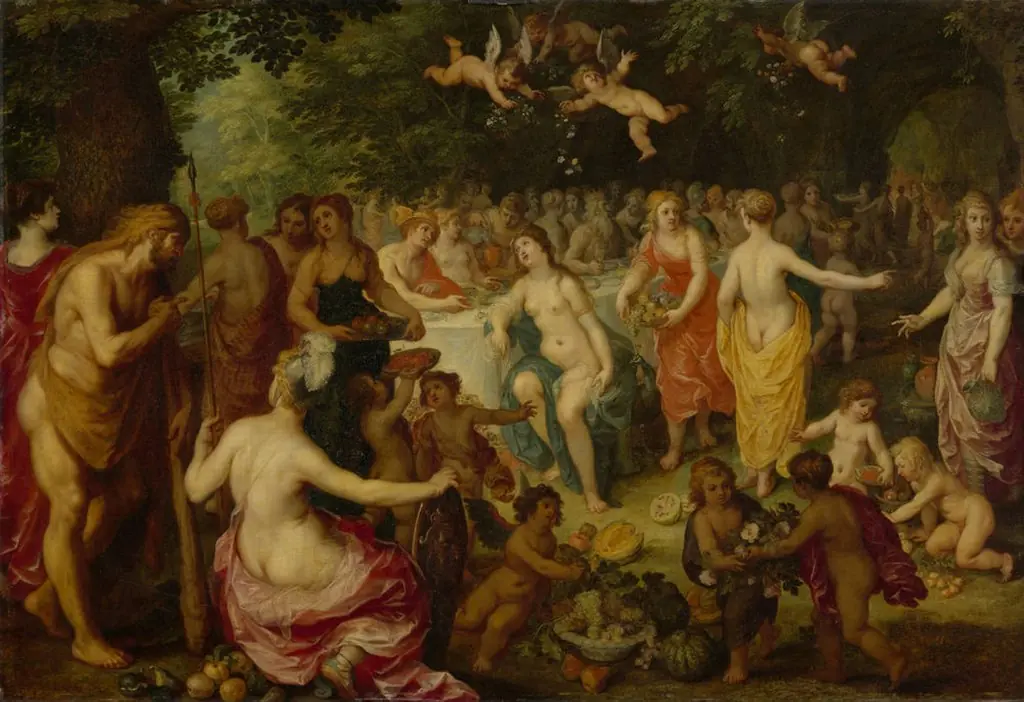 The Feast of the Gods
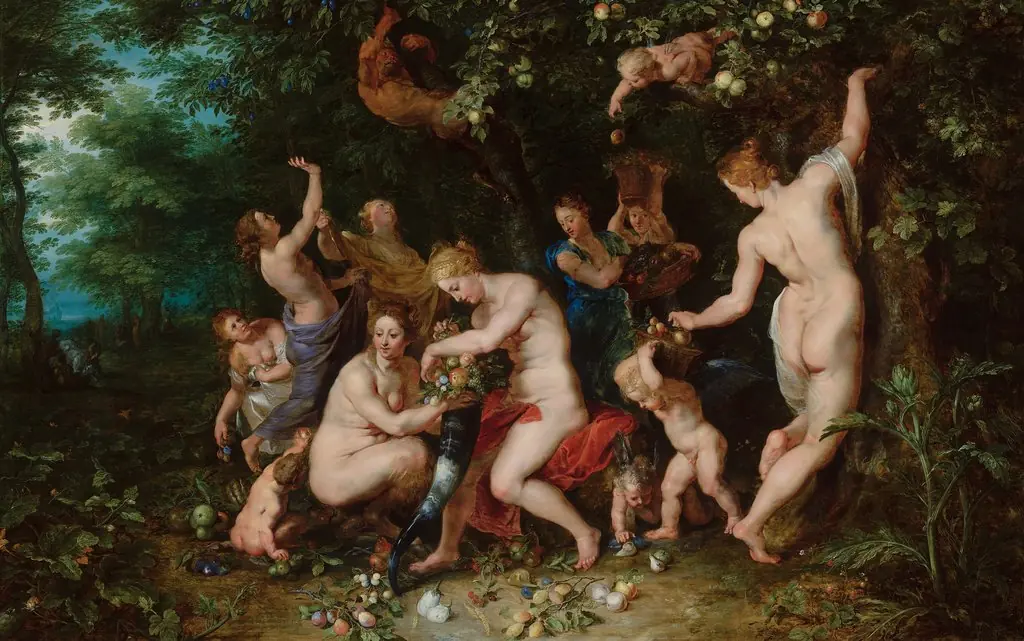 Nymphs filling the horn of plenty