Artwork
Portrait of Charles de Longueval
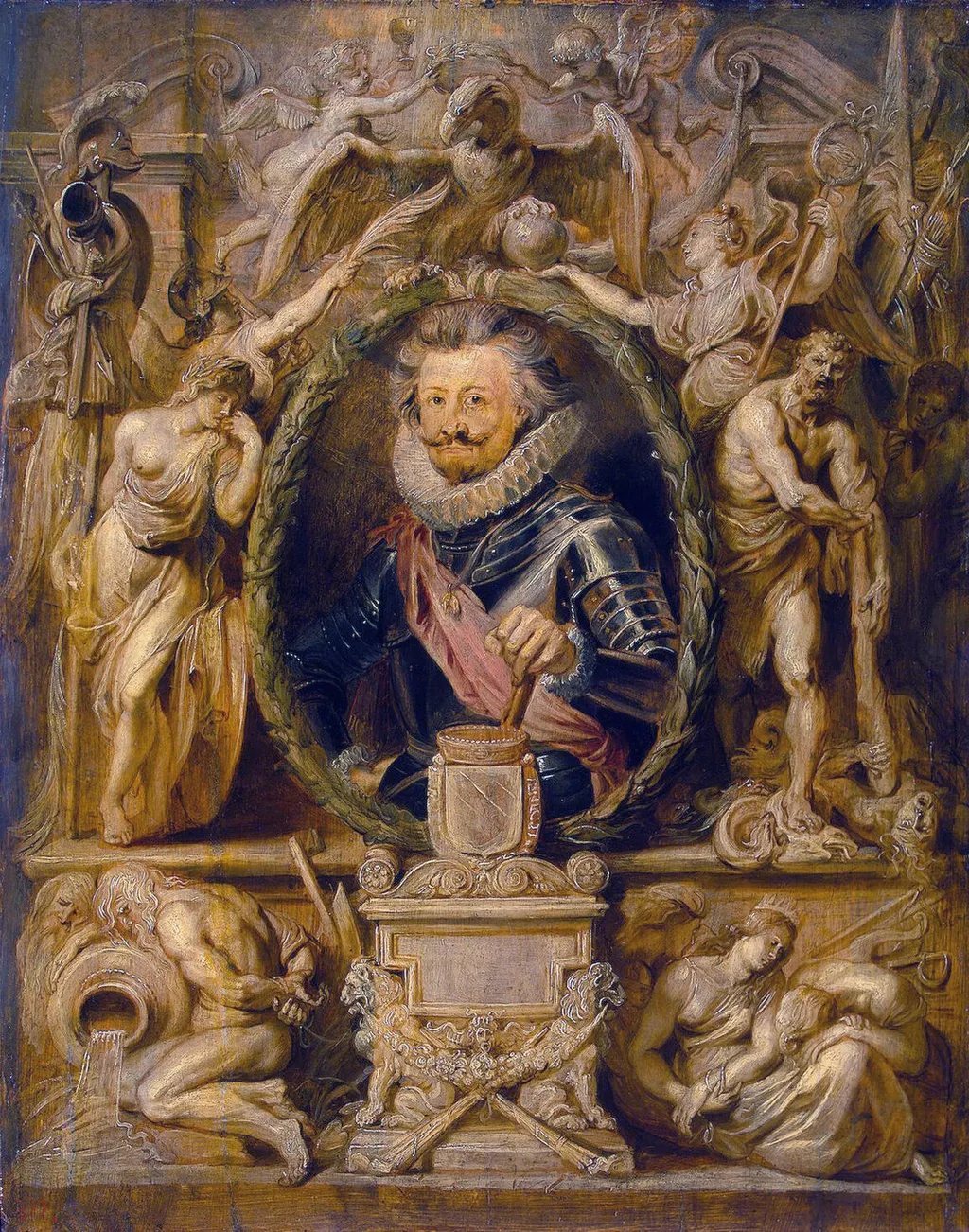
Portrait of Charles de Longueval is an oil painting by the Flemish Baroque painting artist Peter Paul Rubens. It dates from 1621 and is held in the collection of the Hermitage Museum.
About this work
Overview
Peter Paul Rubens created the oil painting Portrait of Charles de Longueval in 1621. Executed in the Flemish Baroque style, the work combines a formal portrait with an elaborate allegorical setting. It is part of the collection of the State Hermitage Museum in St. Petersburg.
Subject & Meaning
The central figure is Charles de Longueval, depicted in a richly detailed black‑and‑white armor jacket, seated before a carved stone pedestal. He holds a small object in his right hand, his expression solemn. Flanking him are two nude allegorical figures, one bearing a scroll, the other leaning on a staff, suggesting themes of knowledge and authority.
Technique & Style
Rubens employs his characteristic vigorous brushwork and a vivid palette to render the textures of metal, stone, and flesh. The composition is dynamic, with swirling clouds and winged forms in the sky that contrast with the solid, sculptural figures at the base, creating a theatrical spatial illusion.
History & Provenance
After its completion, the portrait entered private collections before being acquired by the State Hermitage Museum, where it remains on display. Its provenance traces a path from early 17th‑century patronage to a major public institution.
Context
The painting reflects Rubens’s dual role as a court diplomat and artist, integrating portraiture with allegorical elements common in Baroque court commissions. The inclusion of heraldic symbols on the pedestal underscores de Longueval’s status and the work’s function as a visual statement of prestige.
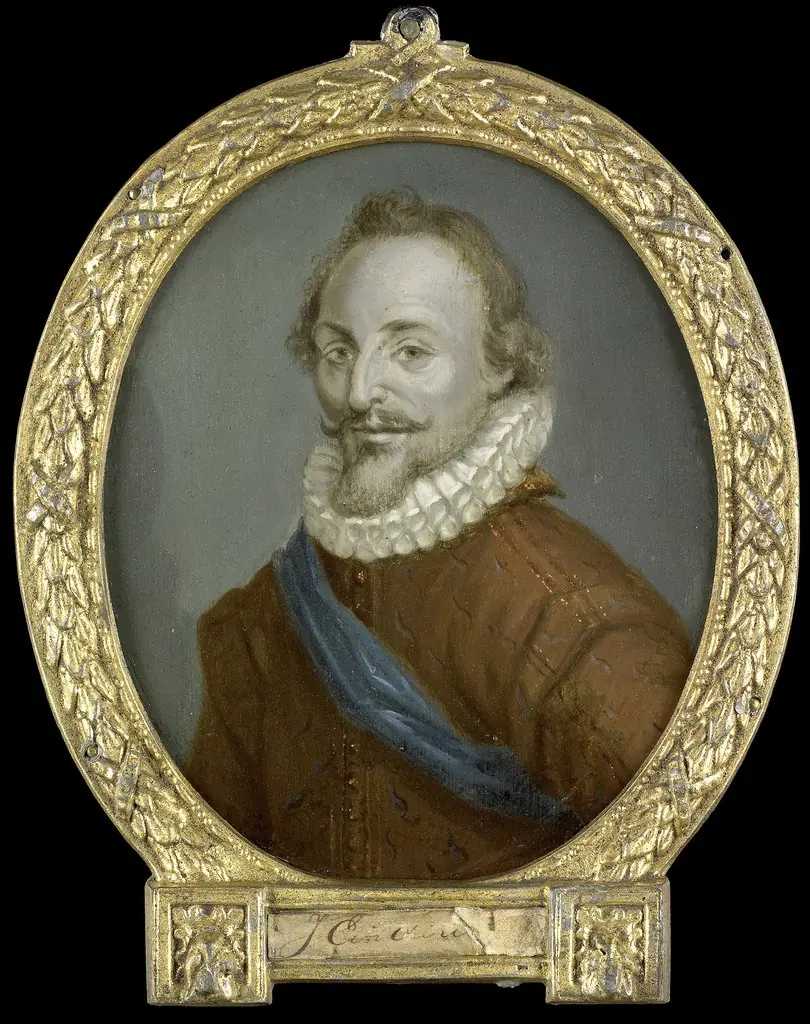
Artist & collection
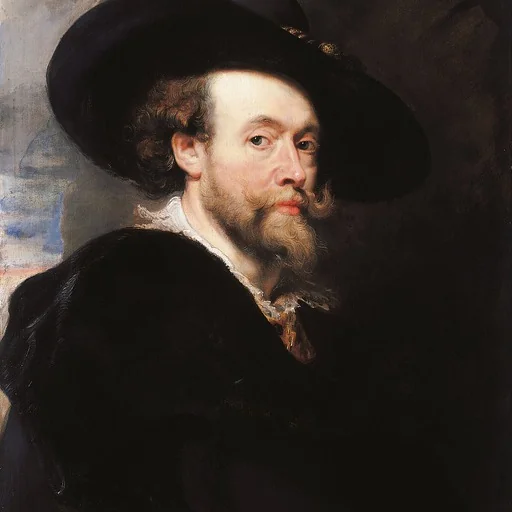
Artist
Sir Peter Paul Rubens ( ROO-bənz; Dutch:; 28 June 1577 – 30 May 1640) was a Flemish artist and diplomat.

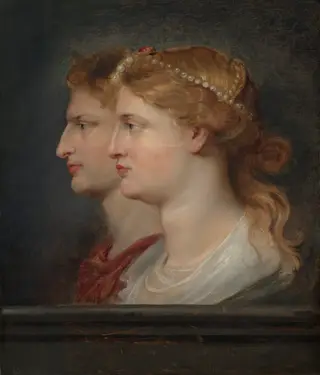
- Portrait of Jacob van den Eynde, Governor of Woerden
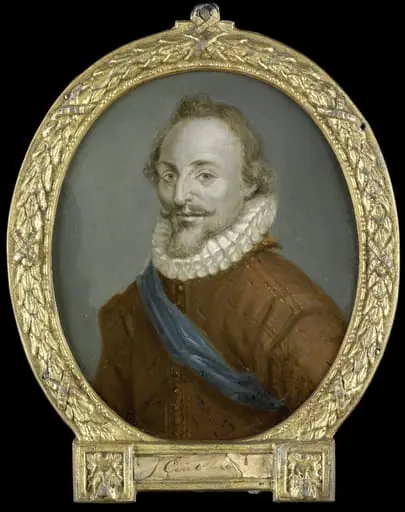 Portrait of Jacob van den Eynde, Governor of Woerden
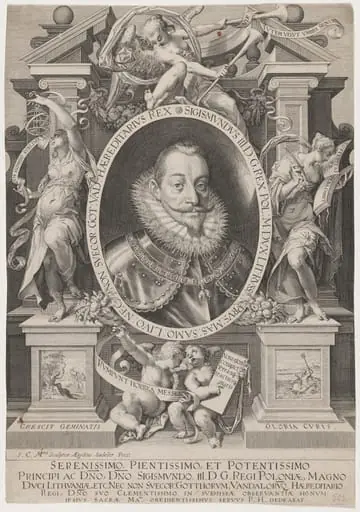 Sigismund III, King of Poland
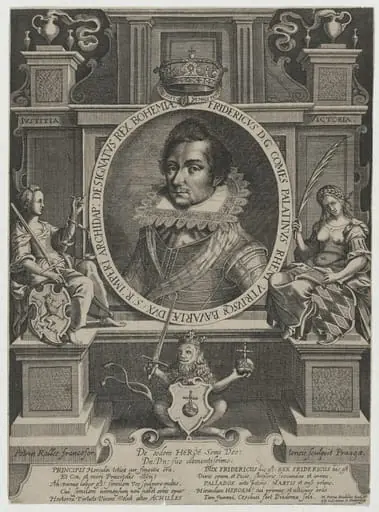 Frederick V, King of Bohemia
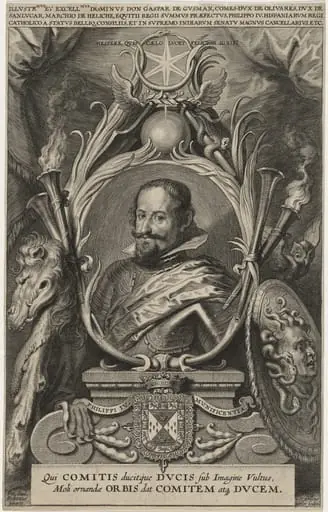 Gaspar de Guzman, Count of Olivares and Duke of San Lucas
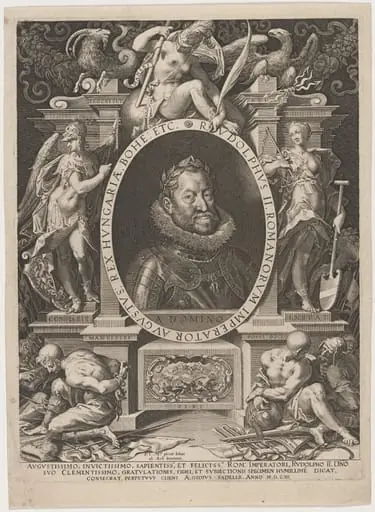 Emperor Rudolph II
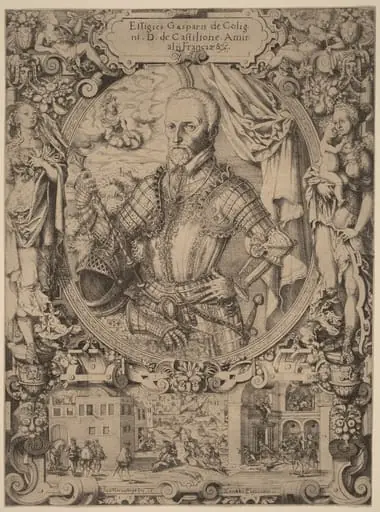 Gaspar de Coligny
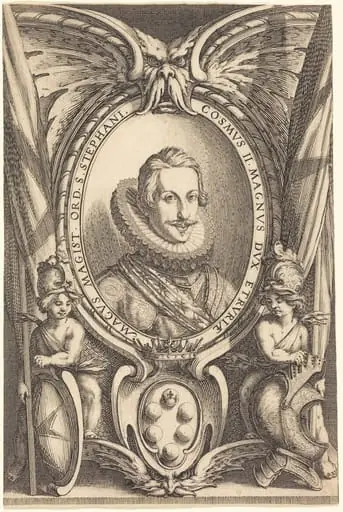 Cosimo II de' Medici, Grand Duke of Tuscany
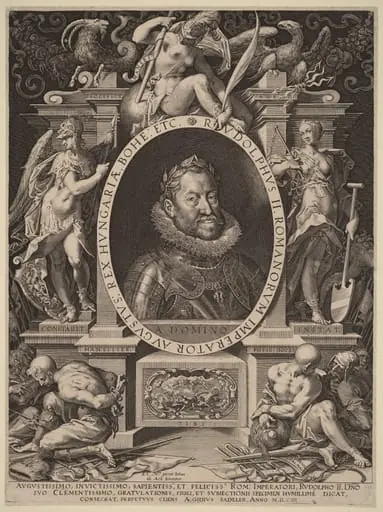 Rudolph II
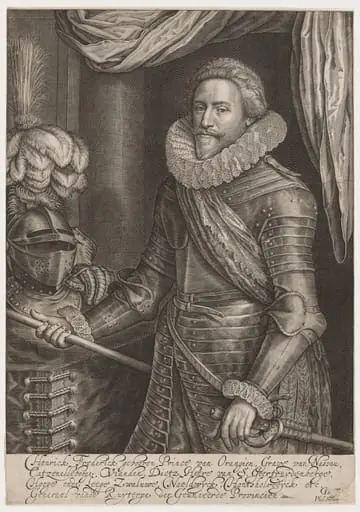 Frederick Henry, Prince of Orange
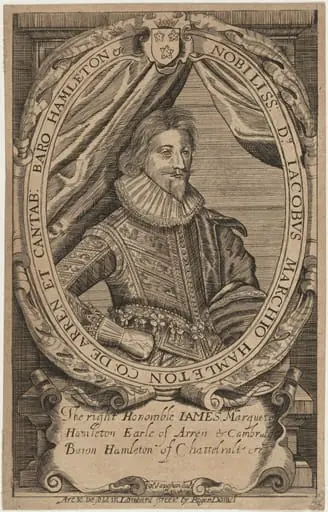 James, Second Marquis of Hamilton
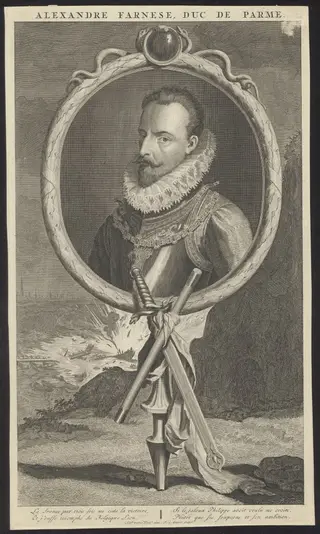 Portrait of Alexander Farnese, Duke of Parma