Artwork
The Rape of Europe
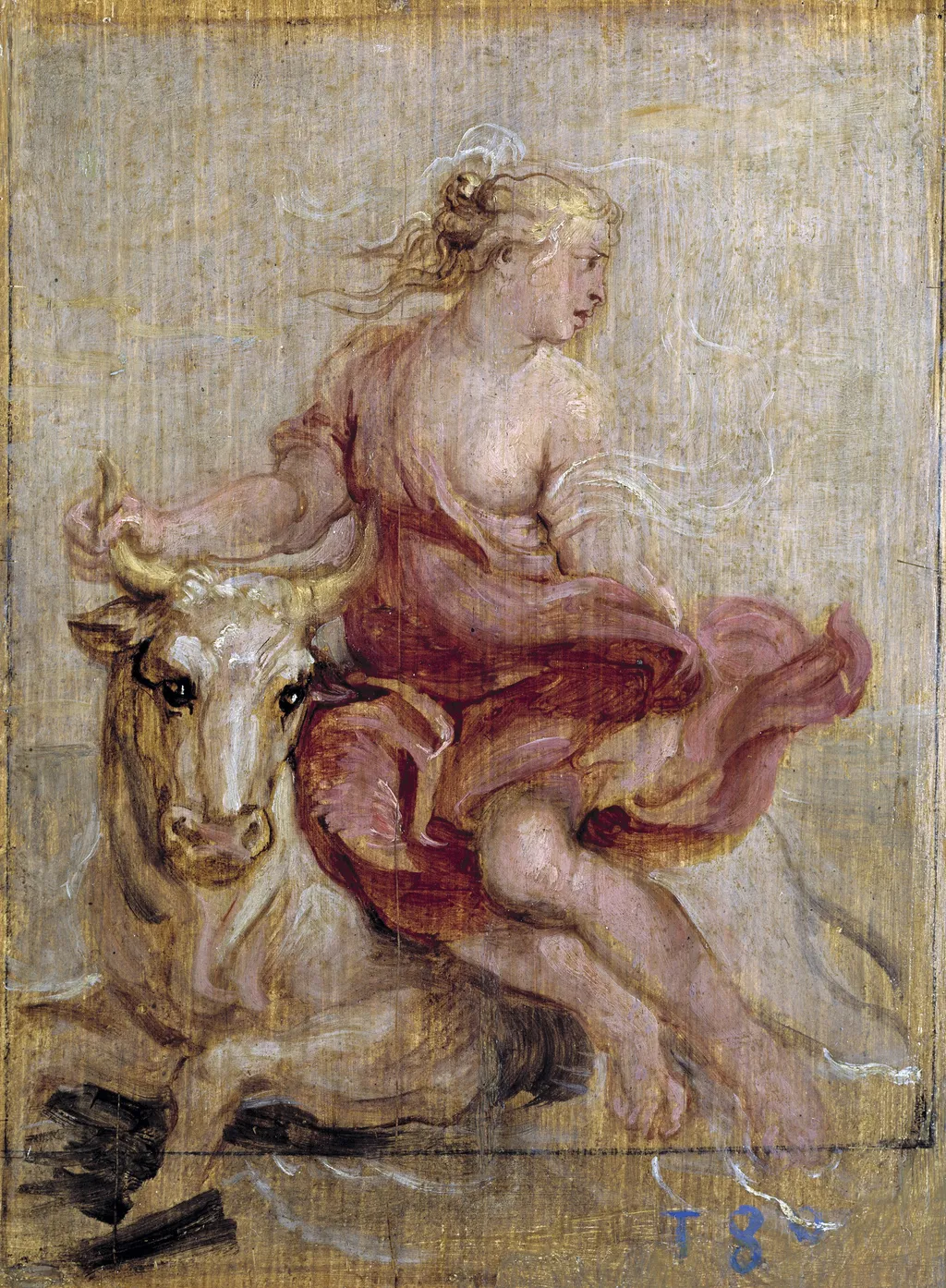
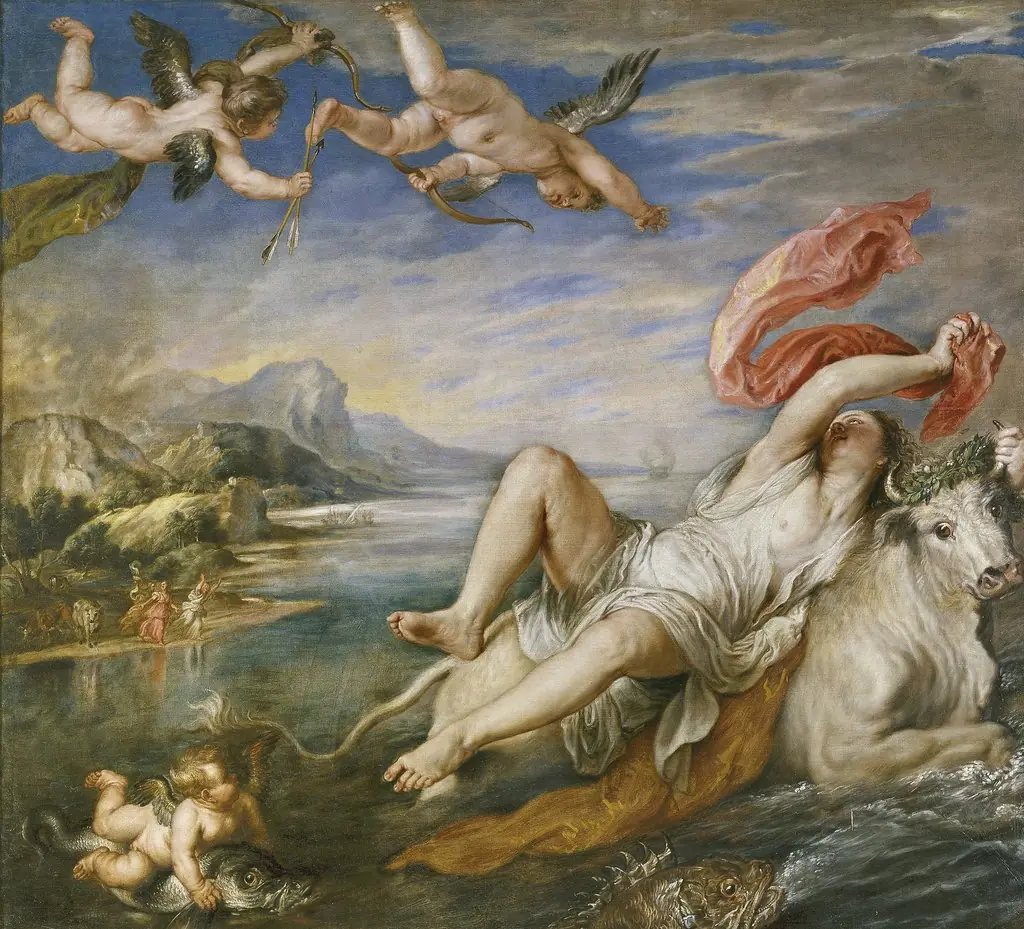
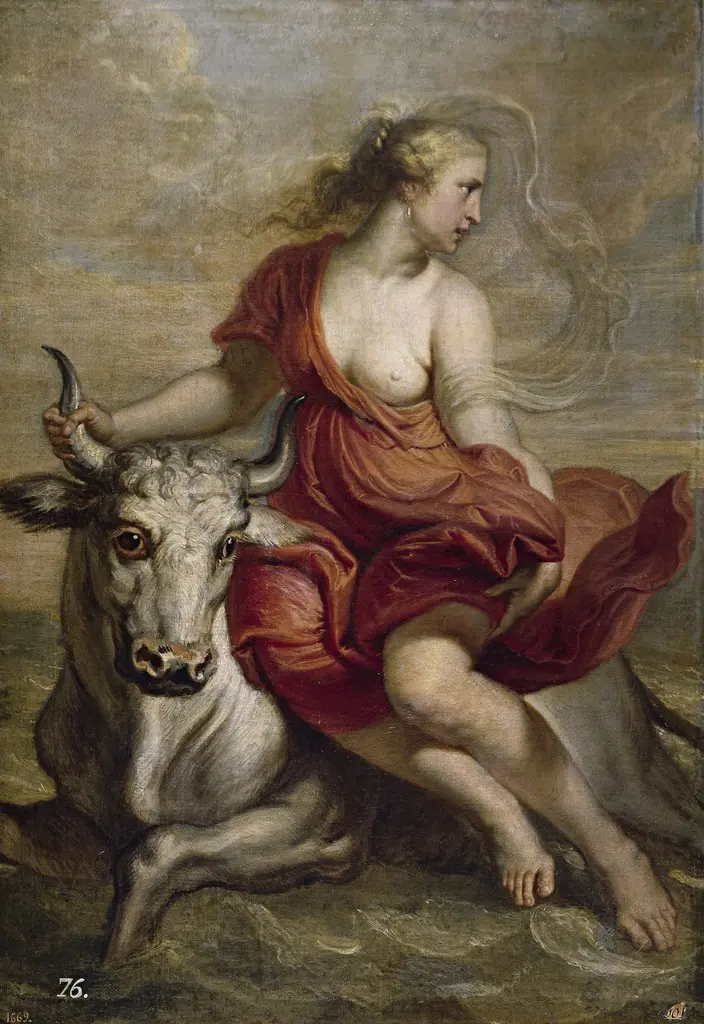
The Rape of Europe is an oil painting by the Flemish Baroque painting artist Peter Paul Rubens. It dates from 1636 and is held in the collection of the Museo del Prado.
About this work
Subject & Meaning
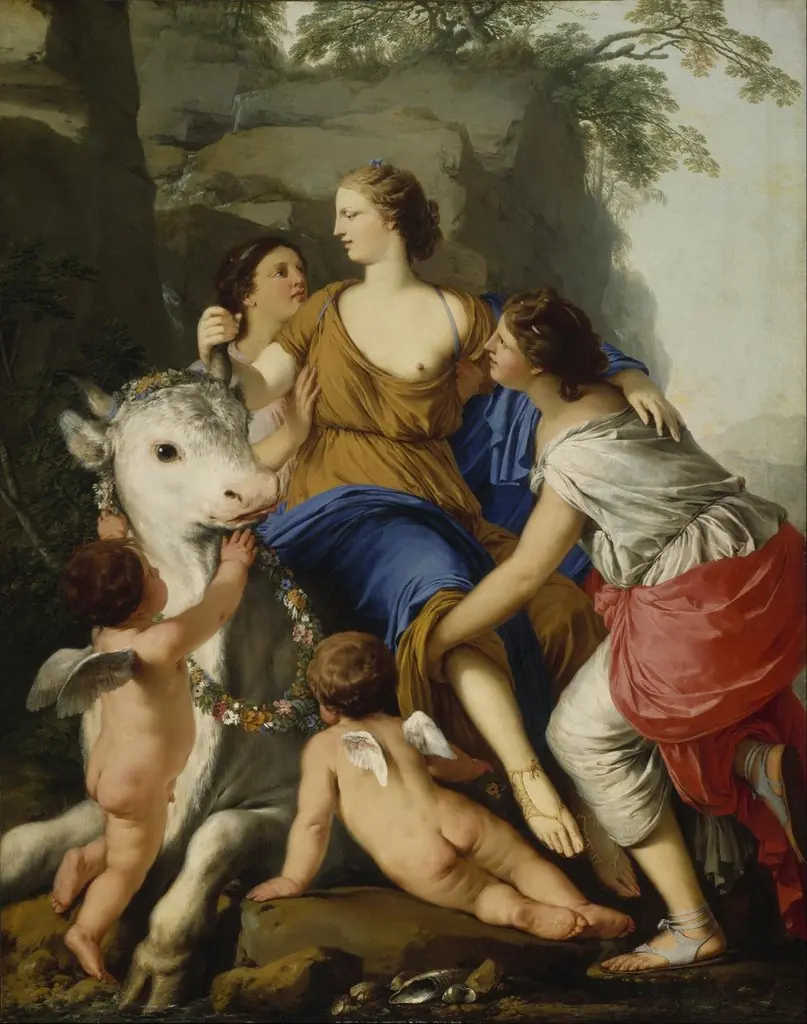
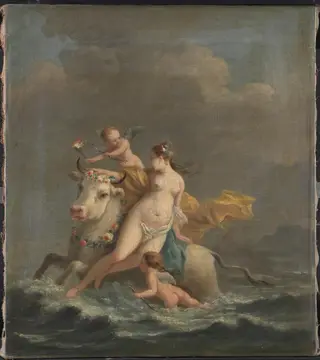
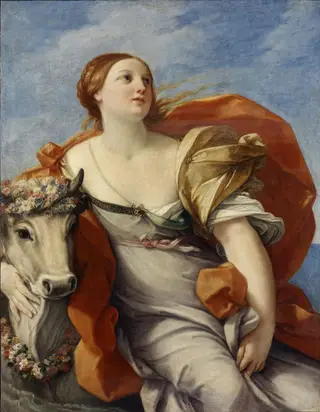
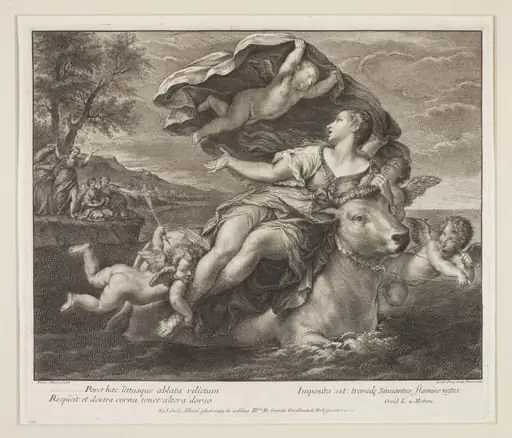
Peter Paul Rubens's 1636 oil painting illustrates the mythological abduction of Europa by Zeus.
Peter Paul Rubens's 1636 oil painting illustrates the mythological abduction of Europa by Zeus. The work depicts the specific moment of the rape of Europa, a narrative derived from classical antiquity where the god Zeus, transformed into a bull, carries the Phoenician princess away. As a mythological painting, the composition focuses on the interaction between the divine figure and his mortal captive, serving as a visual representation of this ancient legend.
The imagery centers entirely on these two figures, capturing the dramatic tension of the abduction without additional allegorical layers specified in the available records.
Technique & Style
The work is an oil painting executed on wooden panel, measuring 18.9 cm in height by 13.7 cm in width. Its composition centers on the mythological scene of Europa’s abduction, rendered with the dynamic brushwork and rich coloration characteristic of Rubens’s Baroque style. The handling of light and the muscular, twisting forms of the figures convey a sense of movement and tension, while the overall formal balance reflects the artist’s mastery of narrative composition.
The painting’s condition appears stable, with the original oil medium preserved and no significant alterations documented.
History & Provenance
The artwork titled The Rape of Europe was painted by Peter Paul Rubens in 1636 using oil on panel. It measures 18.9 cm by 13.7 cm and falls within the mythological genre, depicting the rape of Europa, Zeus, and Europa. The work was created as part of Rubens' mythological series and was completed in the mid-17th century. It entered the collection of the Museo del Prado, where it remains on display.
The painting's creation history is tied to Rubens' prolific output in the 1630s, with documentary evidence placing its inception between 1636-01-01 and 1636-00-00. Its subject draws directly from the myth of Europa's abduction by Zeus, a theme Rubens rendered multiple times. The work was later acquired by the Museo del Prado, establishing a clear ownership chain from the artist to the institution.
Overview
Created in 1636 by the Flemish painter and diplomat Peter Paul Rubens, this oil on canvas illustrates the classical tale of Europa’s abduction. Executed in the vigorous Flemish Baroque idiom, the composition captures a moment of intense motion, with the heroine clinging to a charging bull against a plain, golden‑brown backdrop. The work is part of the Museo del Prado’s permanent collection.
Own this work as a print
Artist & collection
Artist
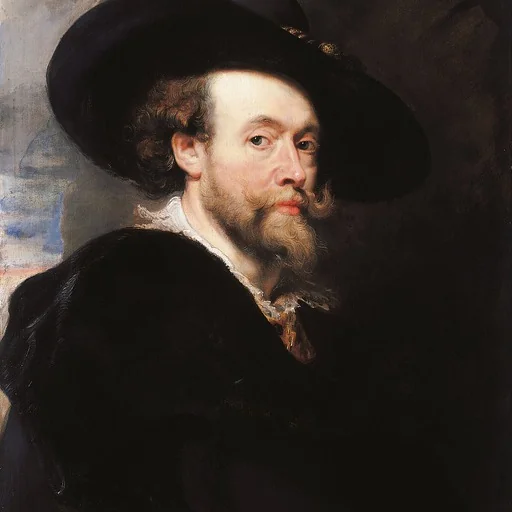
Sir Peter Paul Rubens ( ROO-bənz; Dutch:; 28 June 1577 – 30 May 1640) was a Flemish artist and diplomat.