Artwork
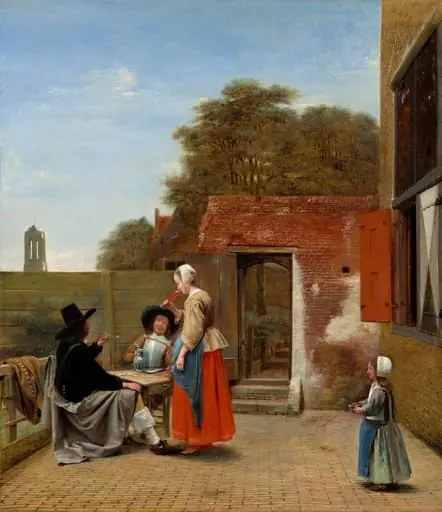
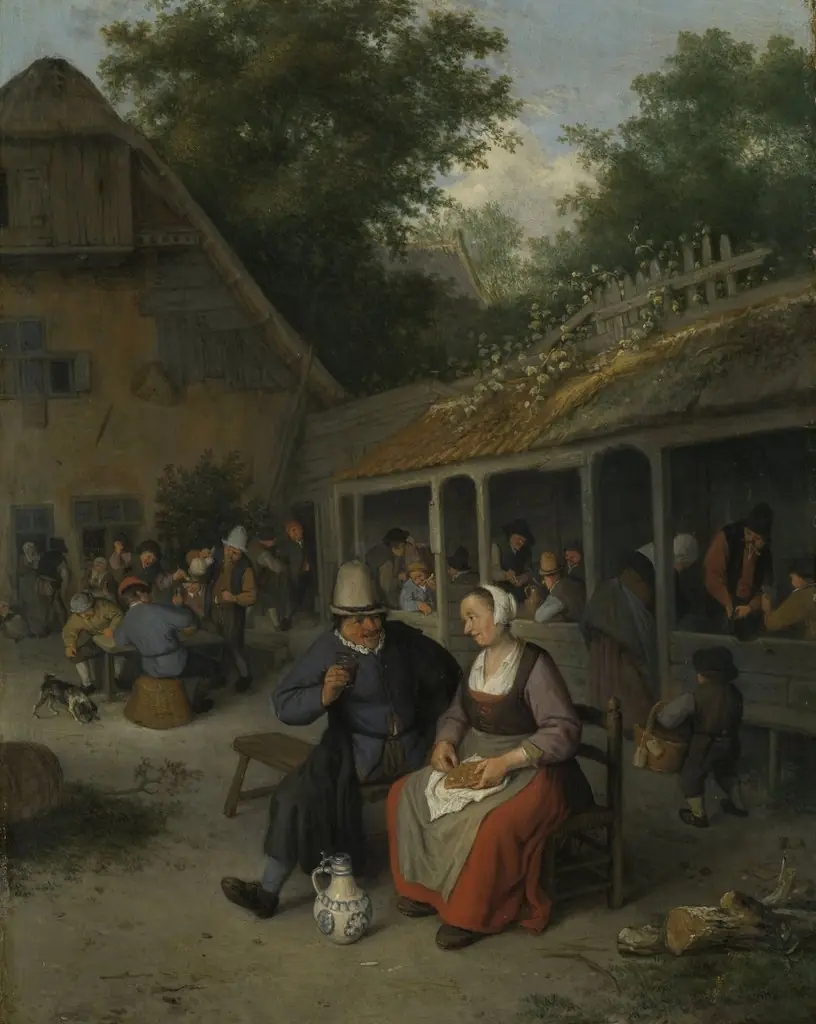
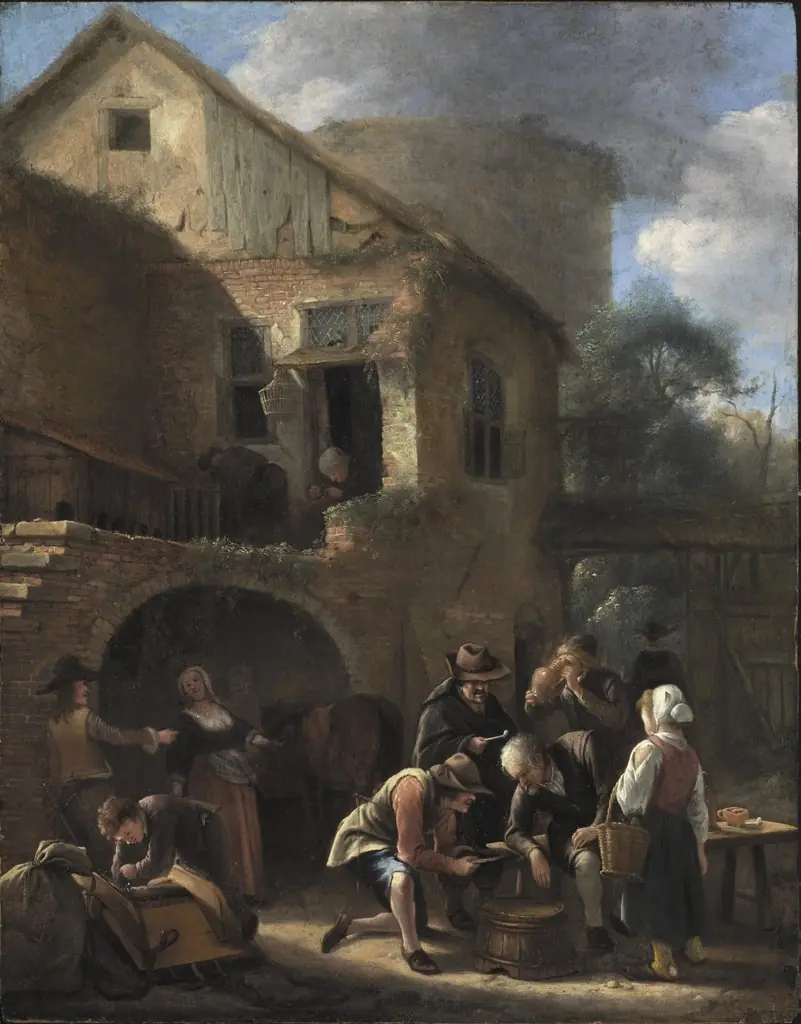
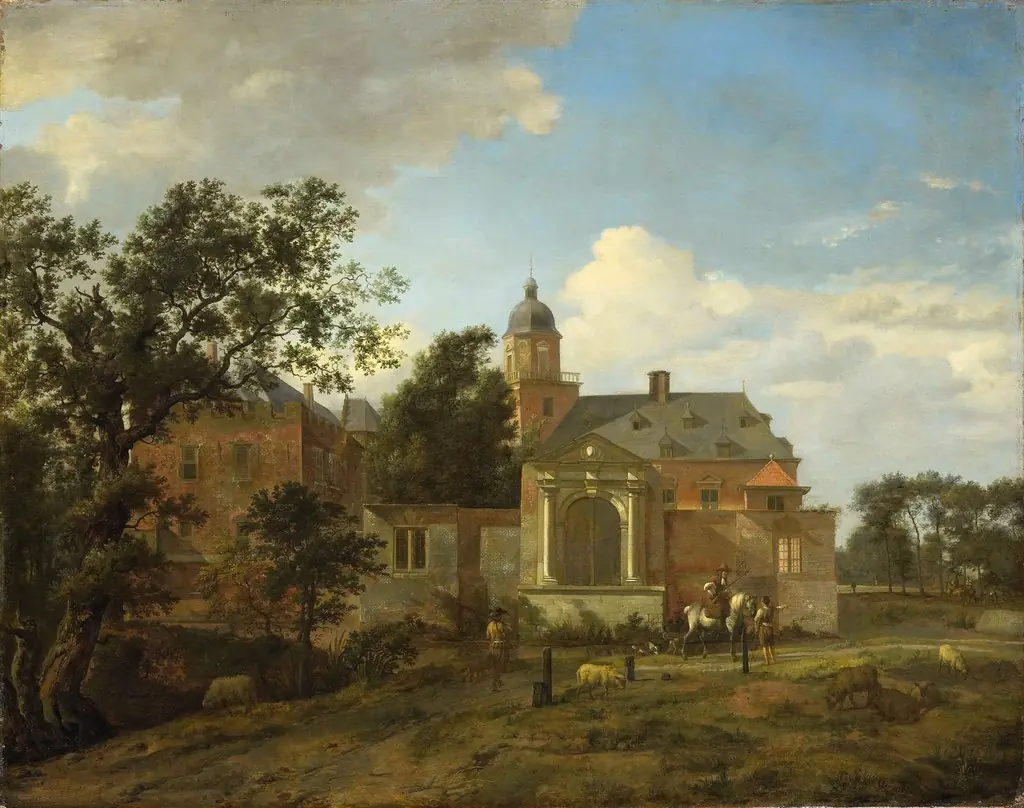
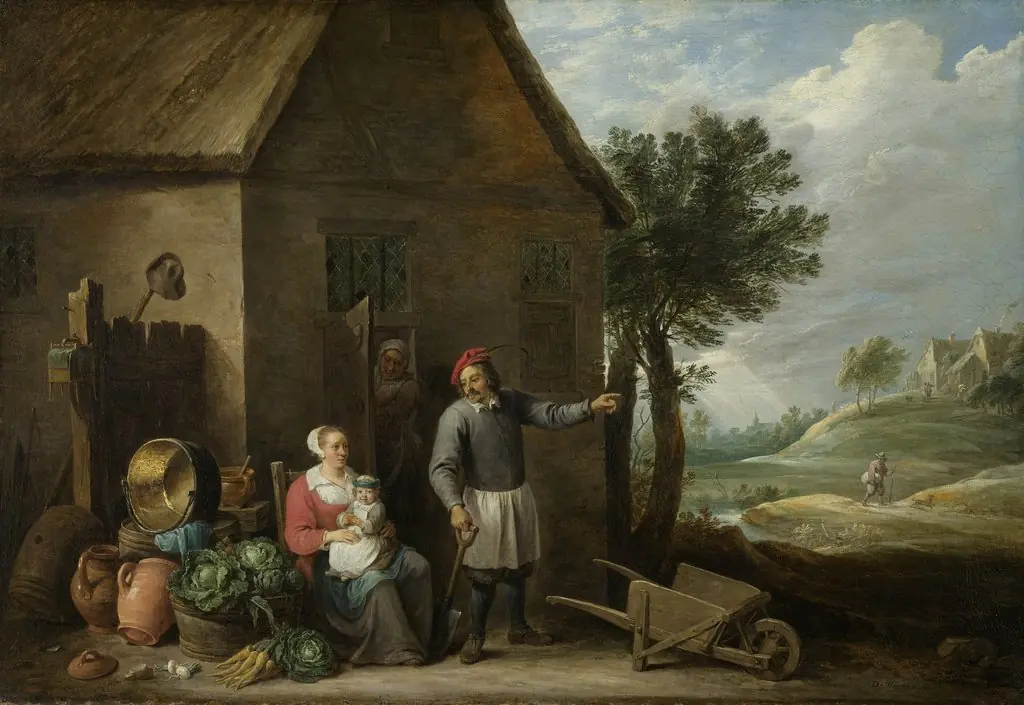
Een gezelschap op de plaats achter een huis
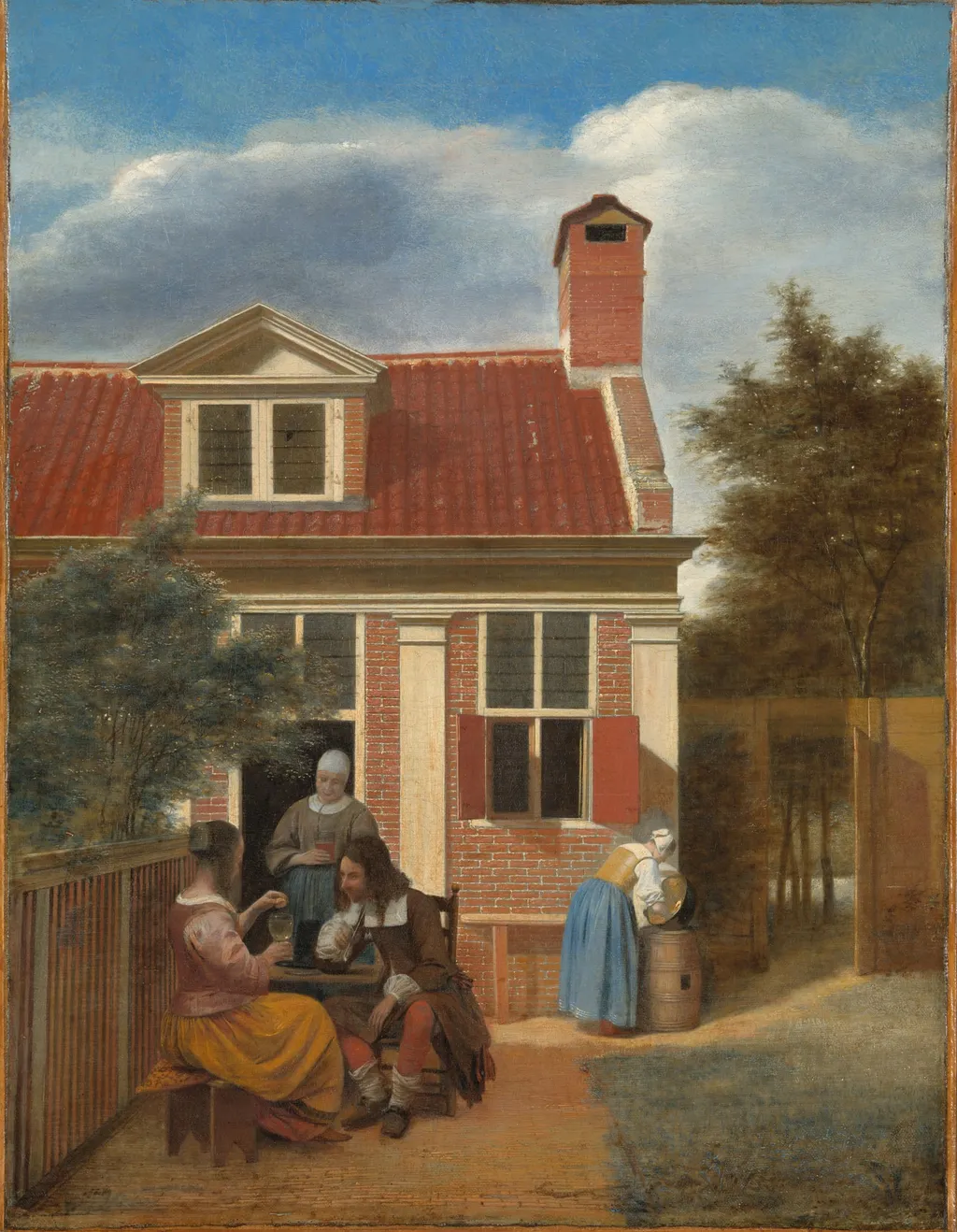
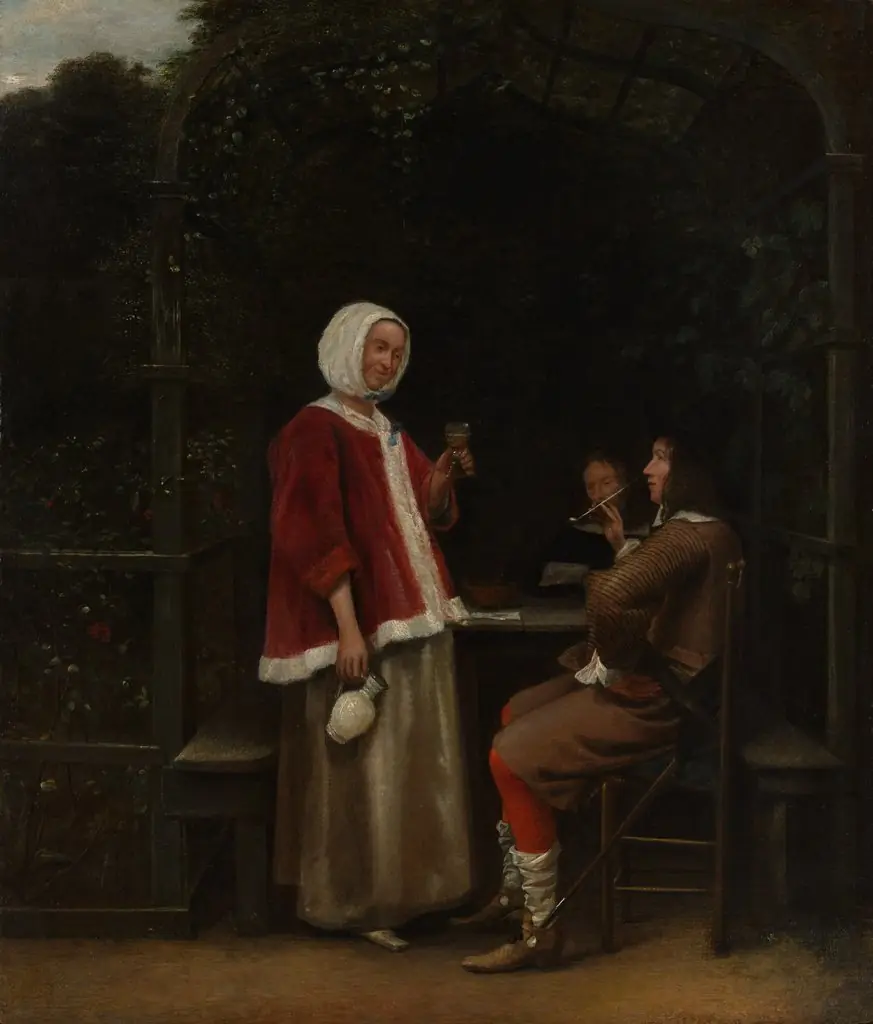
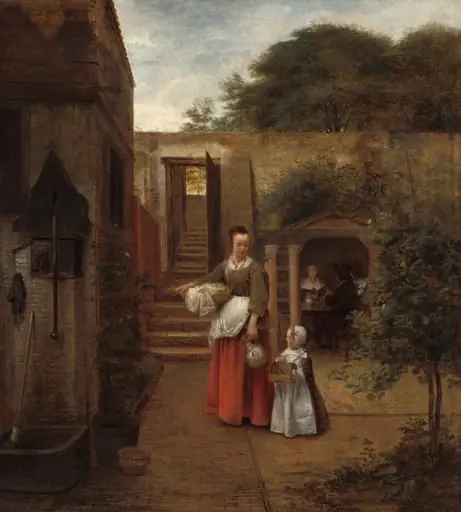
Een gezelschap op de plaats achter een huis is an unspecified painting by the Baroque artist Pieter de Hooch. It dates from 1663 and is held in the collection of the Rijksmuseum.
About this work
Subject & Meaning
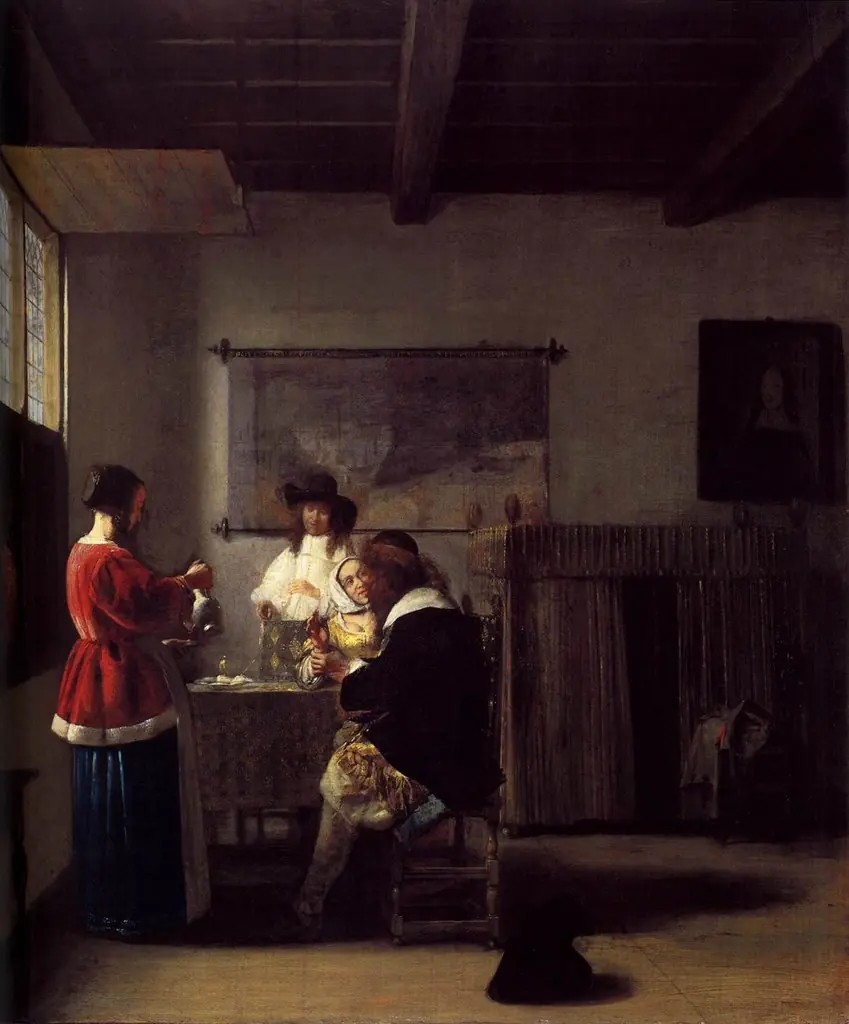
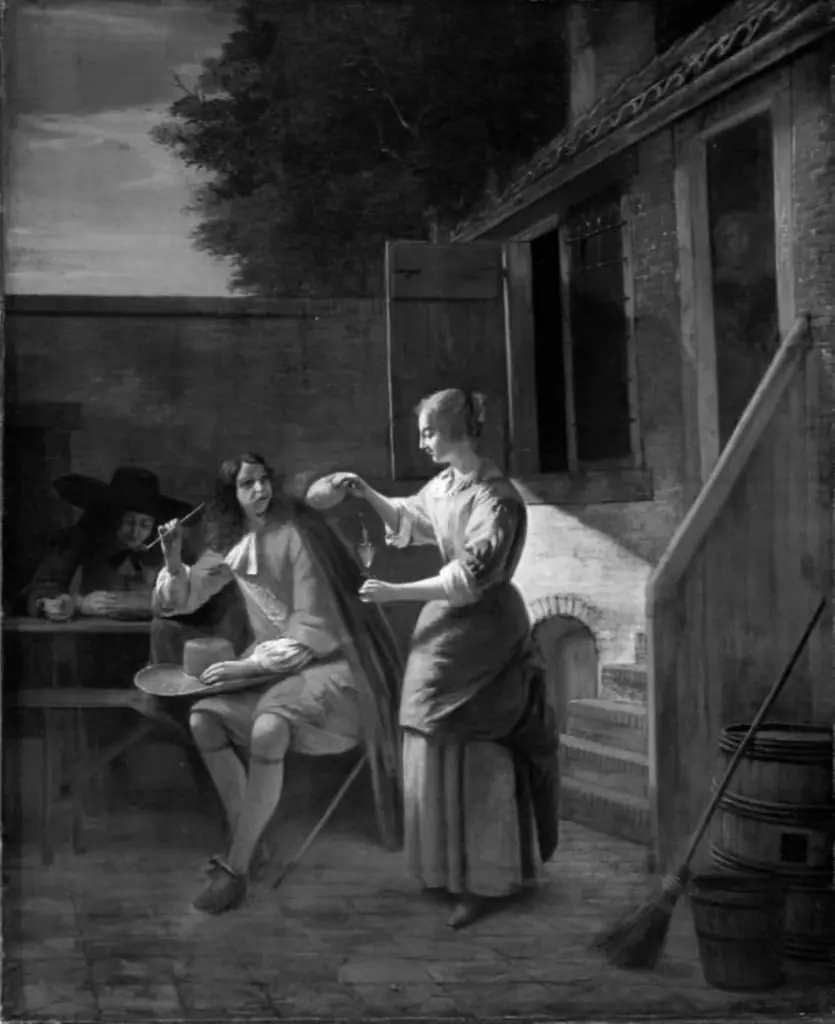
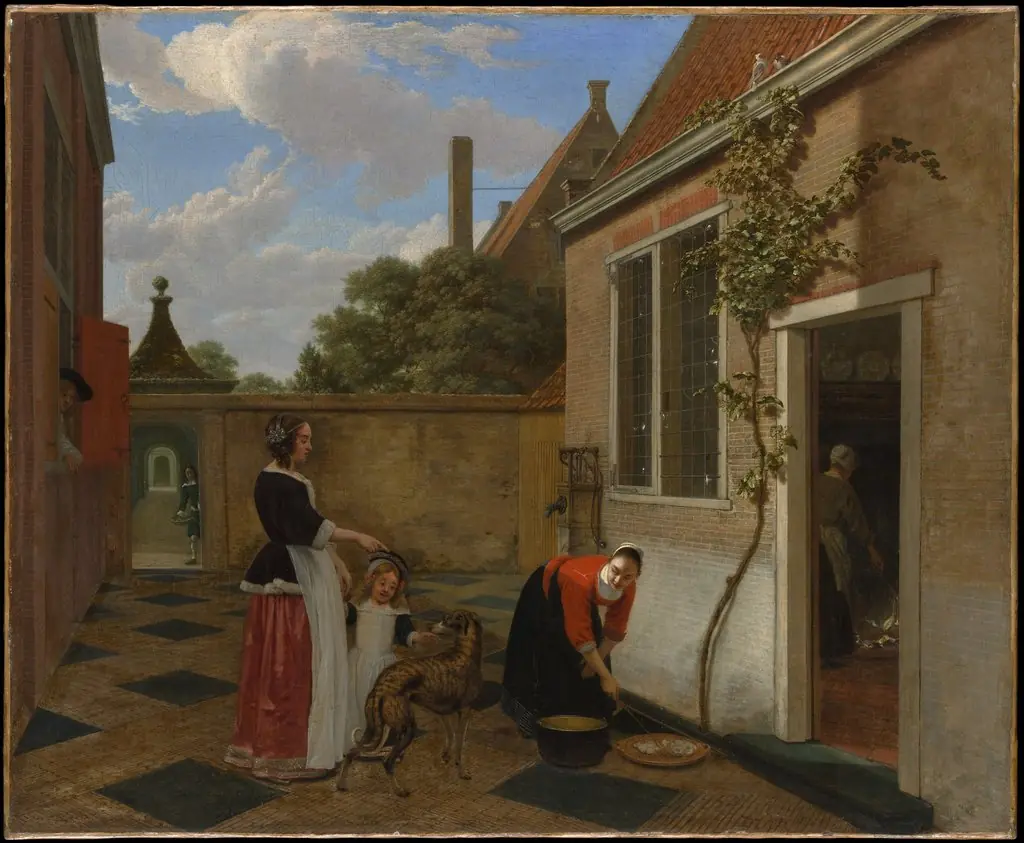
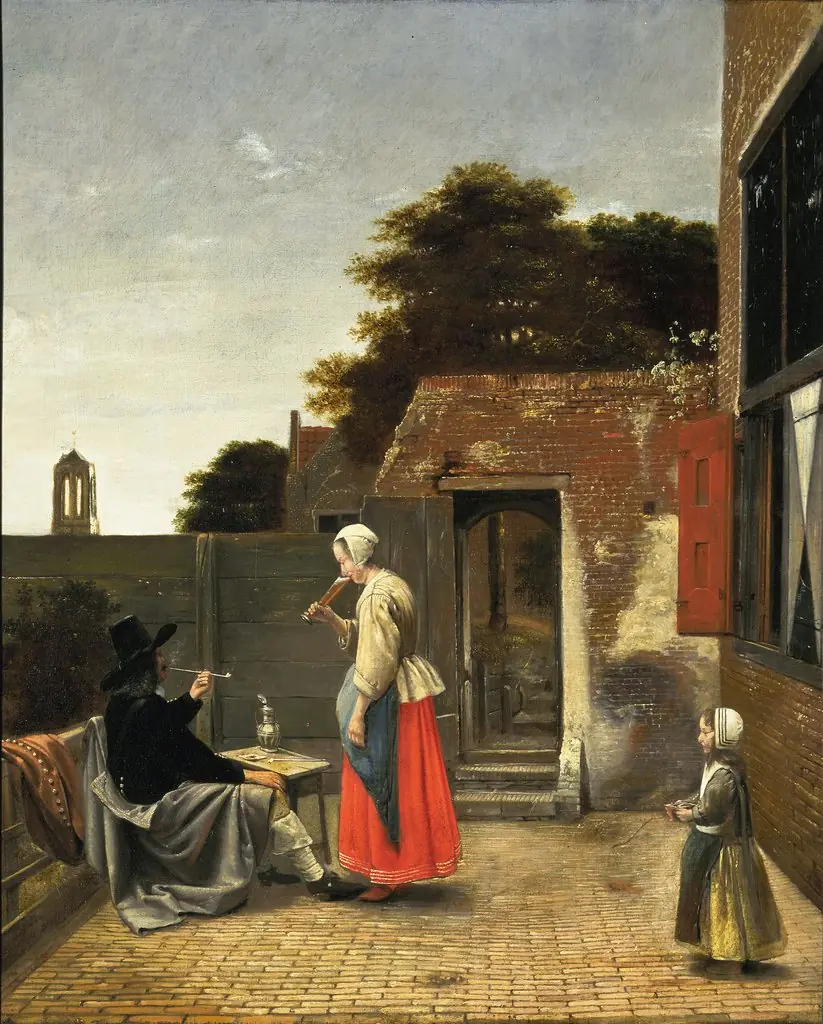
The work depicts a social gathering in the courtyard behind a house, a subject central to Pieter de Hooch's genre paintings of the Dutch Golden Age.
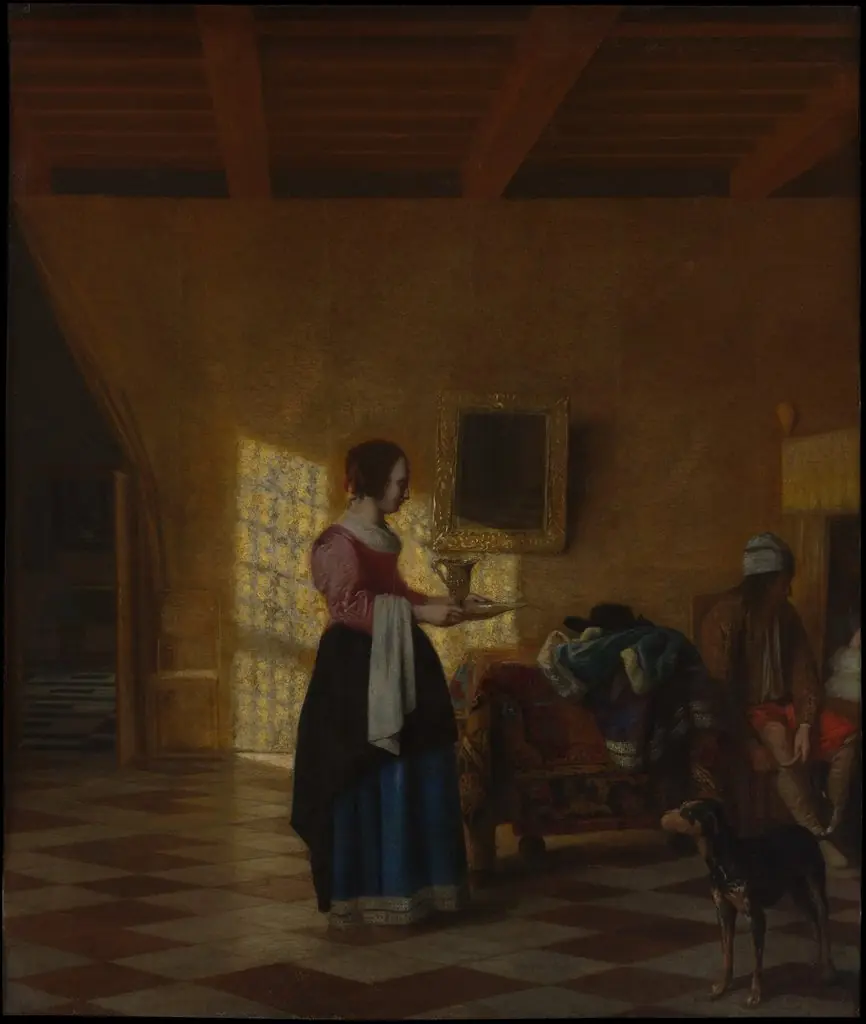
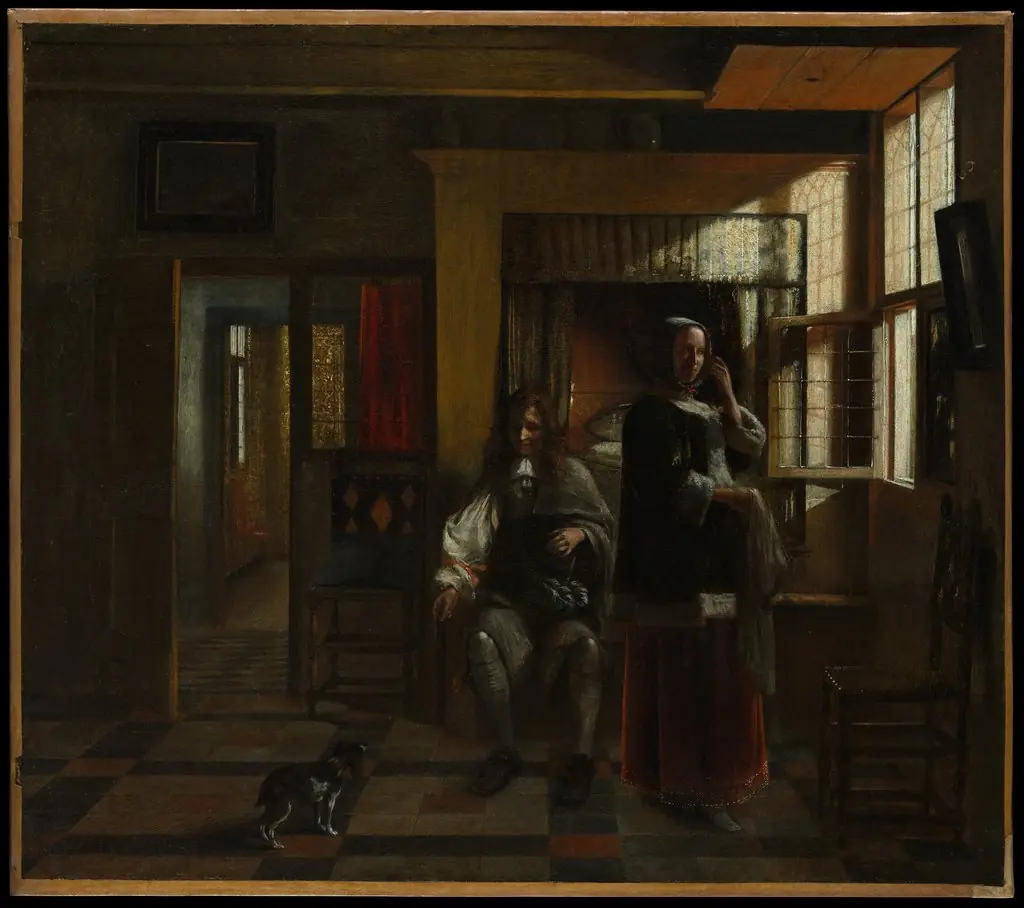
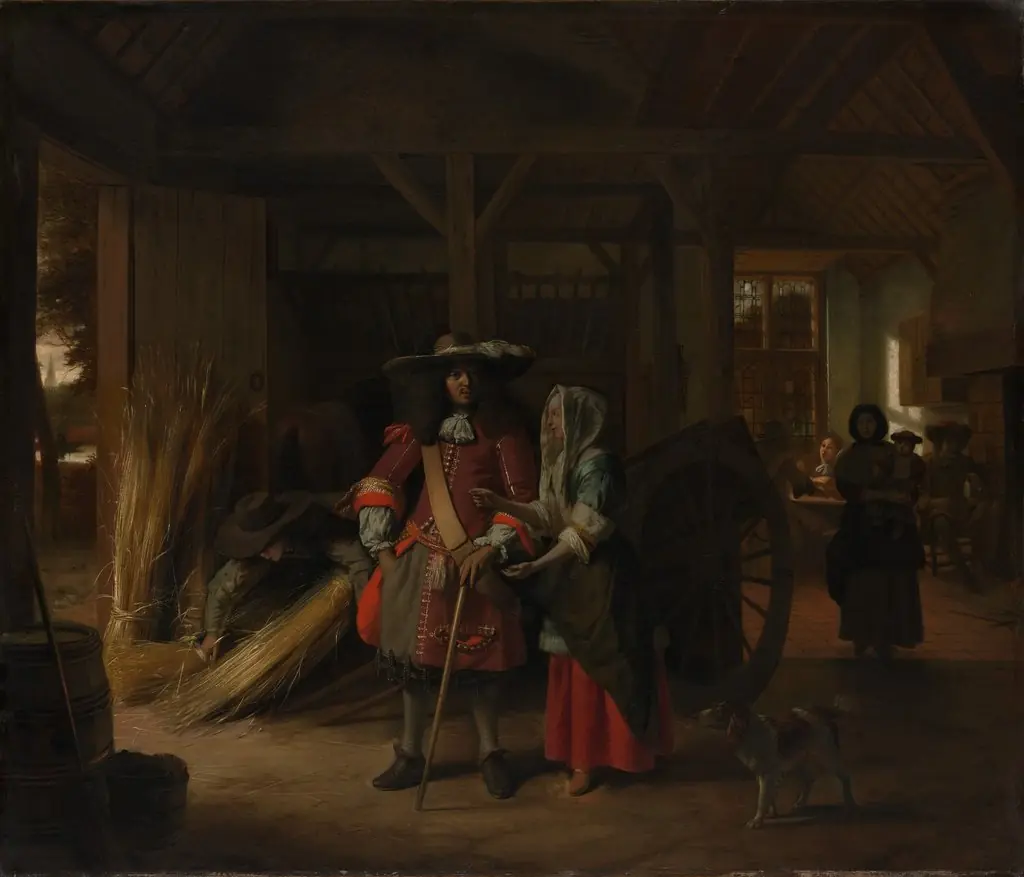
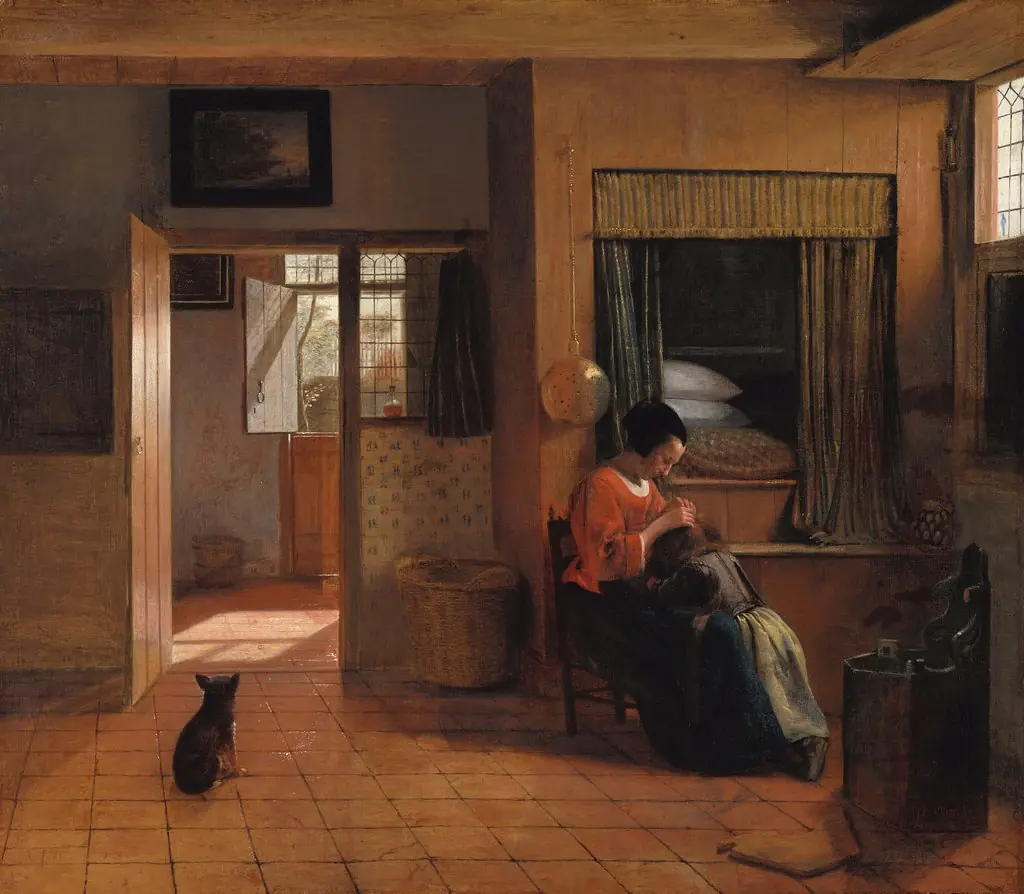
The work depicts a social gathering in the courtyard behind a house, a subject central to Pieter de Hooch's genre paintings of the Dutch Golden Age. These scenes typically feature figures engaged in quiet domestic activities, reflecting an idealized vision of Dutch household life characterized by order, simplicity, and moral virtue. The composition often emphasizes geometric perspective and the interplay of light, frequently utilizing a 'doorkijkje' or through-view that connects the foreground courtyard to a brightly lit interior or adjacent space.
This architectural depth symbolizes transparency and the harmonious organization of the home. By portraying women and children in such serene, well-ordered settings, the artist elevates everyday domesticity to a representation of civic and familial stability, a theme particularly resonant in the seventeenth-century Netherlands.
Context
Pieter de Hooch painted "Een gezelschap op de plaats achter een huis" during his mature Delft period, circa 1663–1665, when he produced his most celebrated works. This period marked his shift toward refined genre scenes of domestic life, distinguished by masterful treatment of light, perspective, and spatial depth through doorkijkjes (views through doorways). De Hooch was a contemporary of Johannes Vermeer in the Delft Guild of St. Luke, and their works share thematic concerns with quiet interior scenes, though scholars note de Hooch's distinctive use of doorkijkjes to exterior or adjoining spaces, while Vermeer typically employed window light within single rooms.
De Hooch is credited as among the first artists to make courtyards a principal subject in painting, and his work from this peak period established him as a leading master of Dutch Golden Age genre painting.
Legacy
Pieter de Hooch's interior and courtyard scenes, exemplified by works such as Een gezelschap op de plaats achter een huis, are credited with popularizing the doorkijkje motif, a view through a doorway into an adjoining space or courtyard, that became a hallmark of Dutch genre painting. His contemporaries, including Vermeer, shared his interest in light and perspective, though de Hooch consistently emphasized depth via these transitional views. Despite this innovation, the early biographer Arnold Houbraken, writing in 1719, knew little of the artist, praising his skill in interior scenes yet excluding him from his canon of the century's leading painters.
Later misattributions, such as the Alte Pinakothek's Die lesende Frau, actually by Pieter Janssens Elinga, further clouded his reputation. Renewed scholarly attention, spurred by a 2017 Turing Foundation project, culminated in a 2019–2020 joint exhibition at the Delft Museum Het Prinsenhof and the Rijksmuseum.
Overview
Titled "Een gezelschap op de plaats achter een huis" (A Company in the Backyard of a House), this painting presents a serene domestic scene unfolding in a sunlit backyard. The composition features four individuals: a woman and a man conversing under the shade of a tree, alongside two maidservants engaged in their duties. The artwork captures a moment blending leisure with household activity, typical of 17th-century genre painting.
Own this work as a print
Artist & collection
Artist
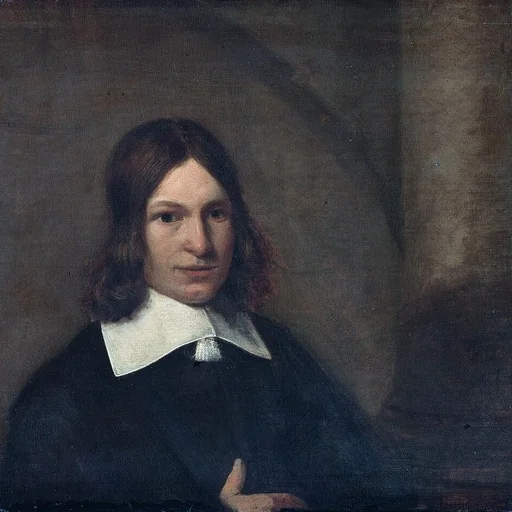
Pieter Hendricksz. de Hooch (Dutch:; also spelled Hoogh or Hooghe; bapt. 20 December 1629 – after 1683), was a Dutch Golden Age painter famous for his genre works of quiet domestic scenes with an open doorway. He was a…