Artwork
Diptych of Philip de Croÿ with The Virgin and Child
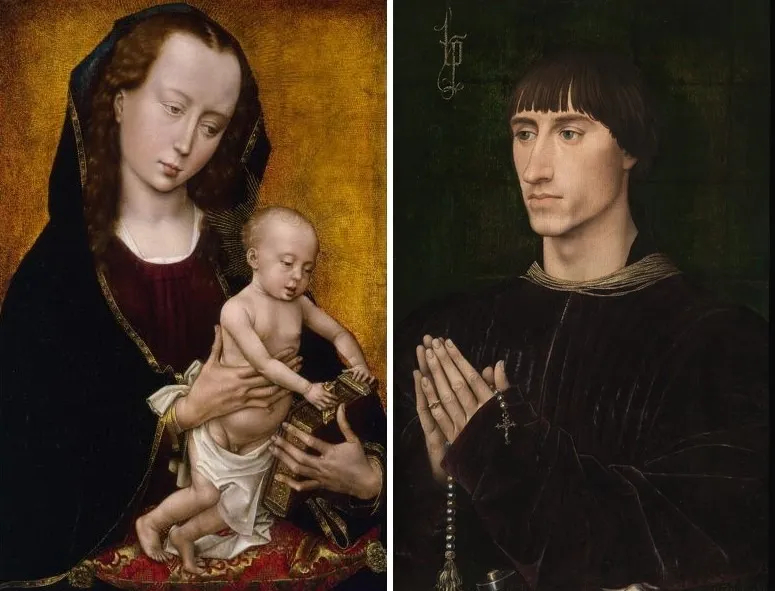
Diptych of Philip de Croÿ with The Virgin and Child is an oil painting by the Northern Renaissance artist Rogier van der Weyden. It dates from 1460 and is held in the collection of The Huntington Library, Art Museum, and Botanical Gardens.
About this work
It shows two panels side by side, one with Philip de Croÿ and the other with the Virgin and Child.
This small oil painting is a diptych from about 1460. It shows two panels side by side, one with Philip de Croÿ and the other with the Virgin and Child. The work uses oil paint on oak wood.
Experts think these panels once formed a folding diptych but were split long ago. The portrait’s back even has Philip’s family crest and a title he used between 1454 and 1461.
See it in person at the Royal Museum of Fine Arts Antwerp.
Overview
The work consists of two small oak panels painted in oil around 1460, attributed to the Netherlandish master Rogier van der Weyden. One panel portrays the nobleman Philip de Croÿ, the other depicts the Virgin and Child. Both panels are now housed separately, the portrait in Antwerp and the devotional image in San Marino, California.
Subject & Meaning
The left-hand panel presents Philip de Croÿ in a formal portrait, his identity confirmed by a family crest and a title inscribed on the reverse side, indicating his status between 1454 and 1461. The opposite panel shows a conventional devotional scene of the Virgin holding the infant Christ, intended for private contemplation.
Technique & Style
Executed in oil on oak, the diptych demonstrates van der Weyden’s characteristic attention to detail and subtle modeling of flesh. The figures are rendered with a restrained palette and delicate chiaroscuro, while the background remains largely flat, focusing attention on the subjects.
History & Provenance
Documentary evidence links the Virgin and Child panel to a 1629 inventory of Alexandre d'Arenberg, a descendant of Philip de Croÿ, confirming its early ownership. The two panels were originally hinged as a single devotional object but were separated at an unknown date, later entering distinct collections.
Context
Created during the mid‑15th century, the diptych reflects the Burgundian court’s practice of commissioning personal devotional objects that combined portraiture with religious imagery. Such works served both as status symbols and as aids for private prayer.
Legacy
The surviving panels illustrate van der Weyden’s influence on portraiture and devotional painting in the Low Countries. Their division and subsequent re‑assembly in separate institutions underscore the challenges of preserving composite artworks from this period.
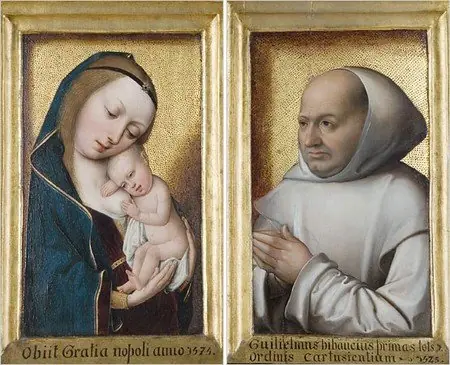
Artist & collection
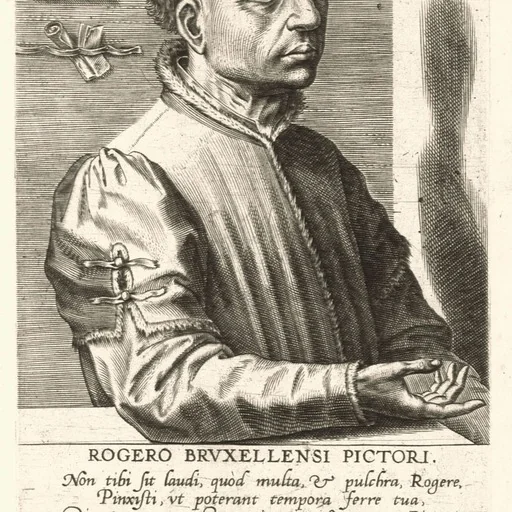
Artist
Rogier van der Weyden (Dutch:; 1399 or 1400 – 18 June 1464), initially known as Roger de la Pasture (French: ), was an early Netherlandish painter whose surviving works consist mainly of religious triptychs,…

Museum
The Huntington Library, Art Museum, and Botanical Gardens
Continue through works from the same source collection.
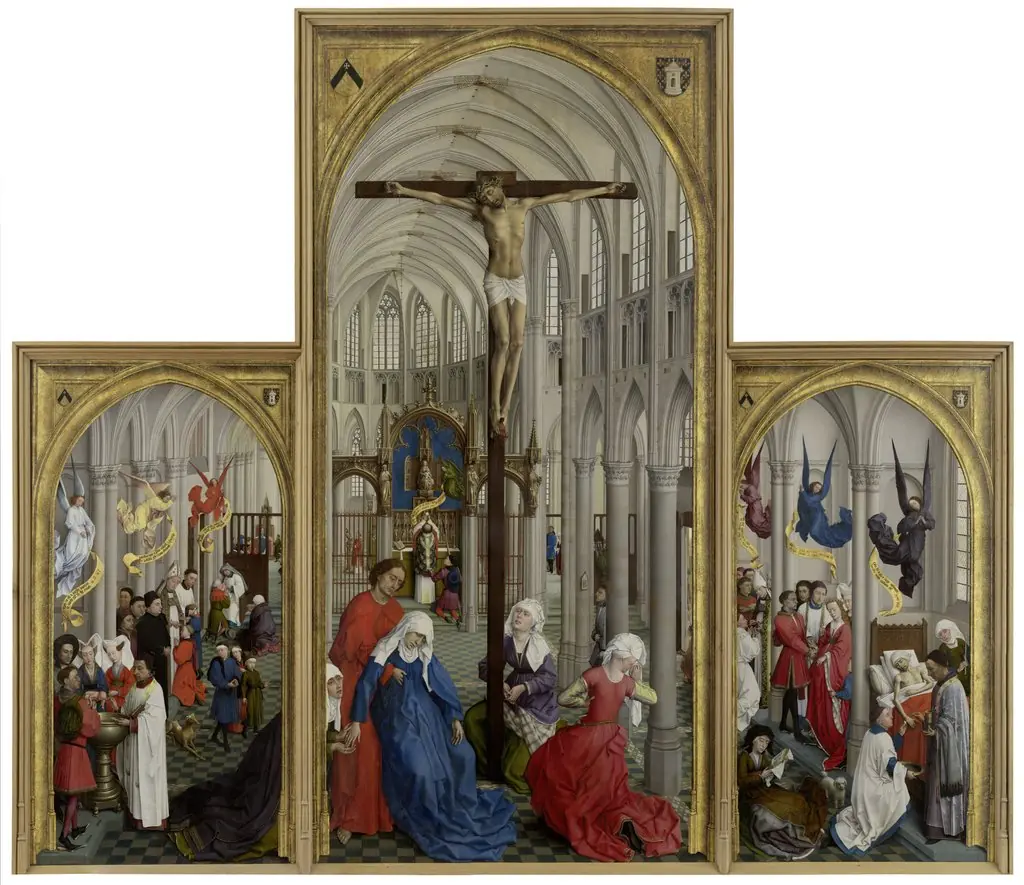
 Pagagnotti Triptych
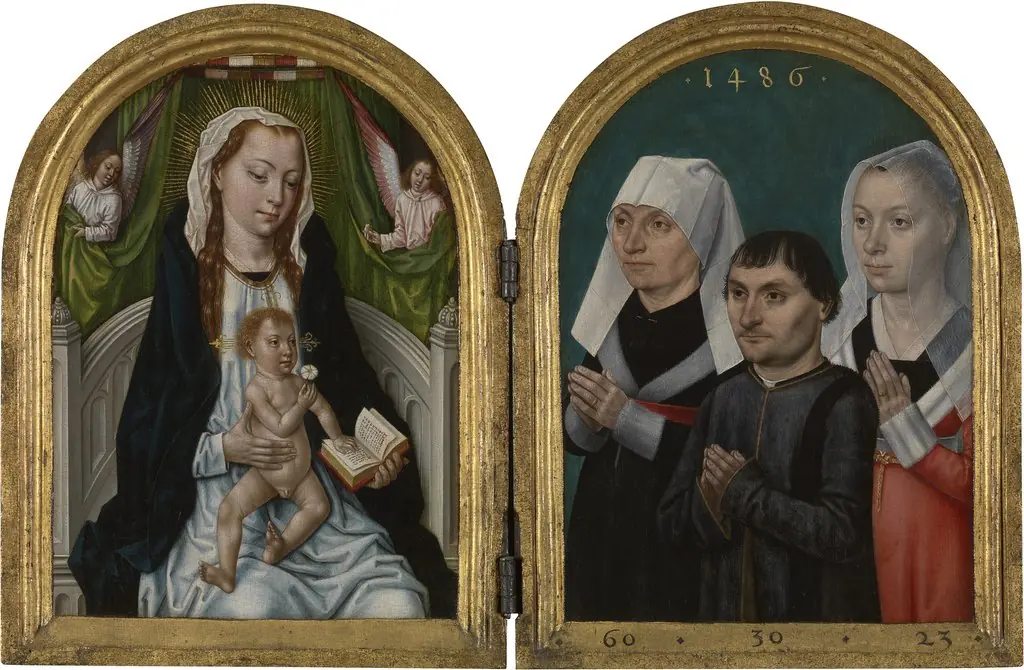 Diptych with the Virgin and Child and Three Donors
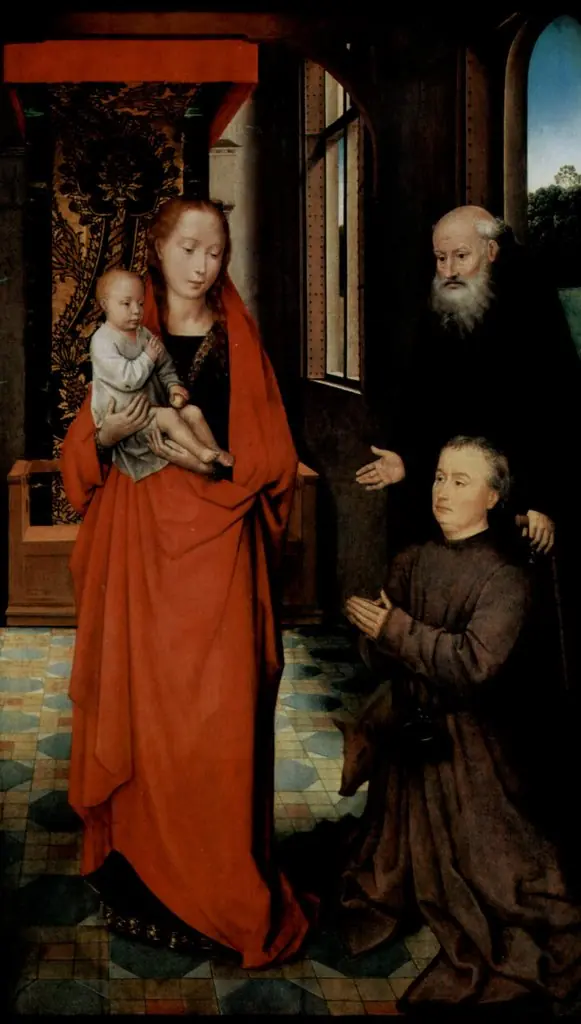 Virgin and Child with St Anthony the Abbot and a Donor
 Chicago diptych
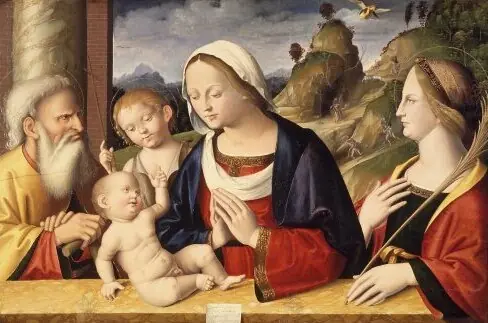 Holy Family with Saints John the Baptist and Catherine of Alexandria
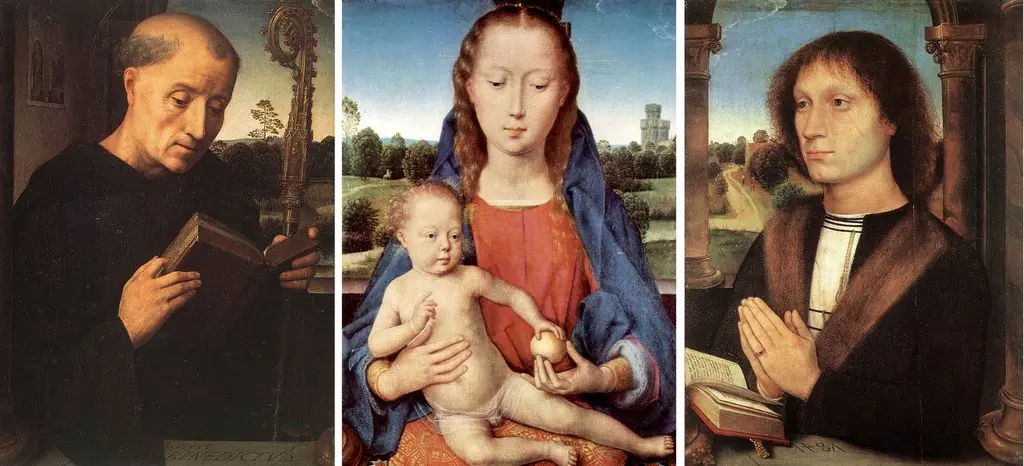 Benedetto Portinari's Triptych
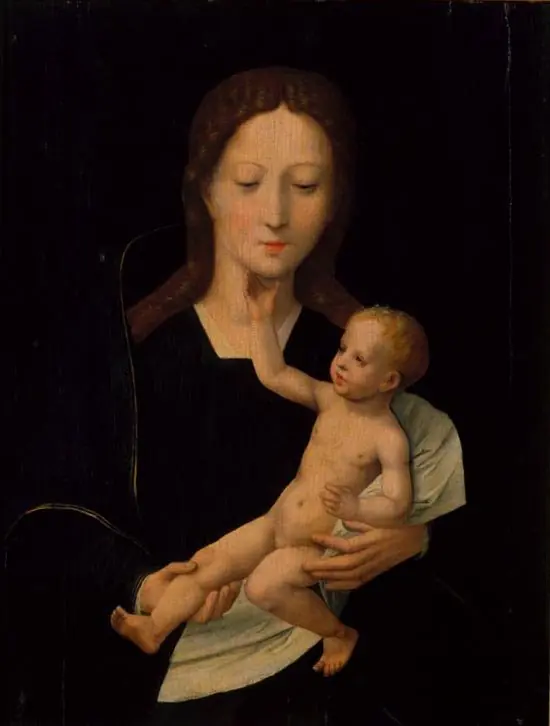 Virgin and Child
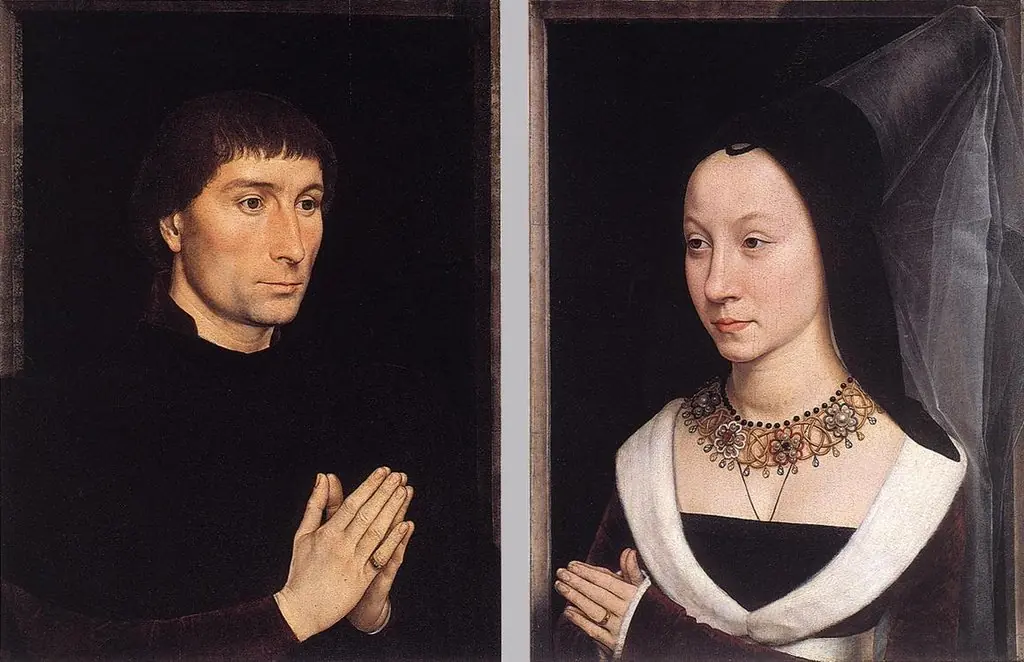 Tommaso di Folco Portinari (1428–1501); Maria Portinari (Maria Maddalena Baroncelli, born 1456)
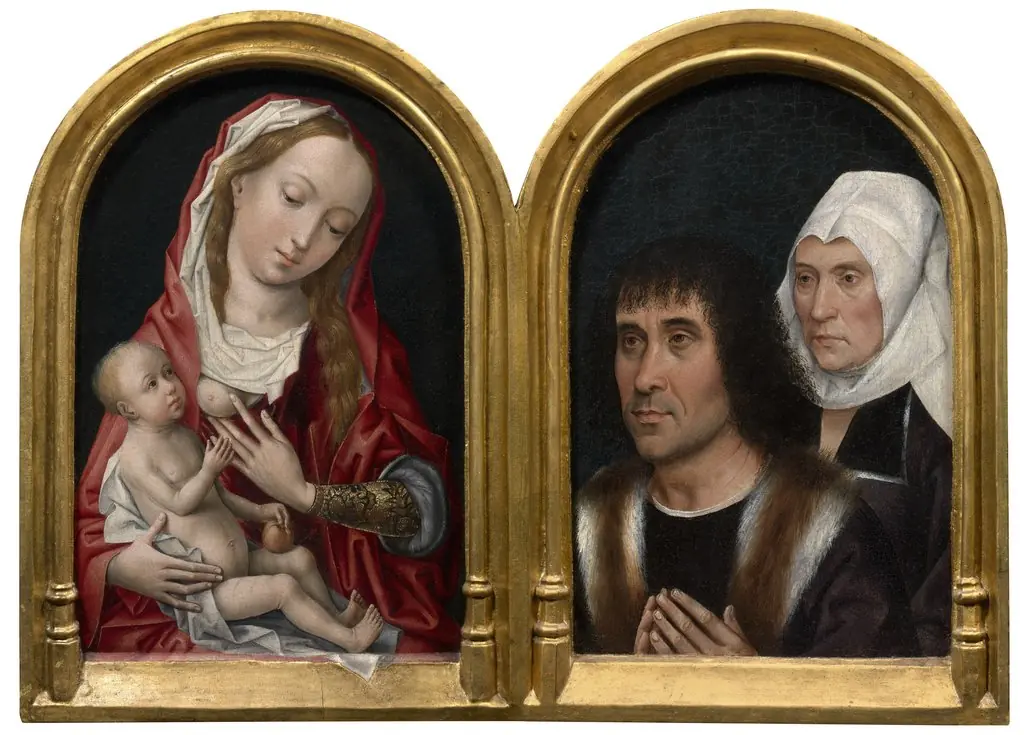 Madonna with Two Donors