Artwork
Madonna Bardi
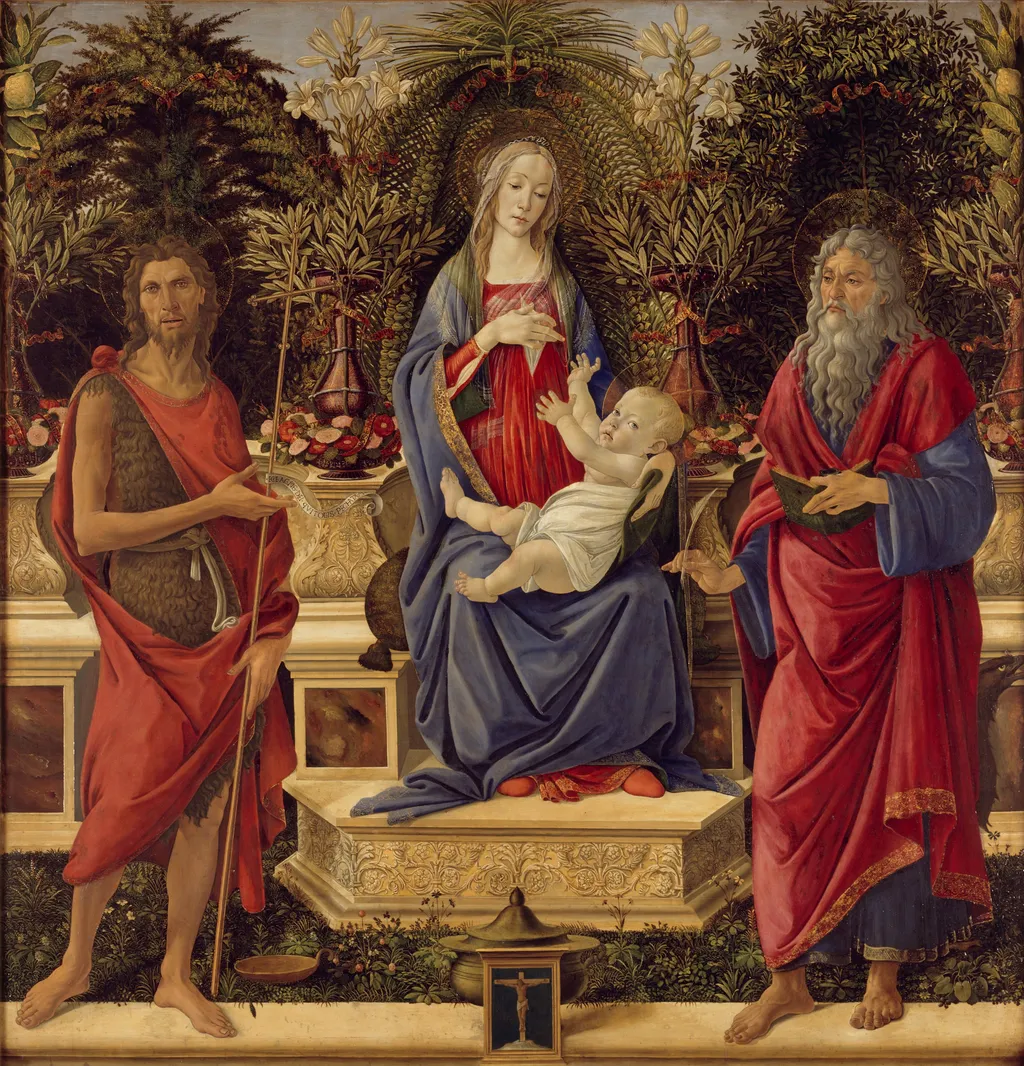
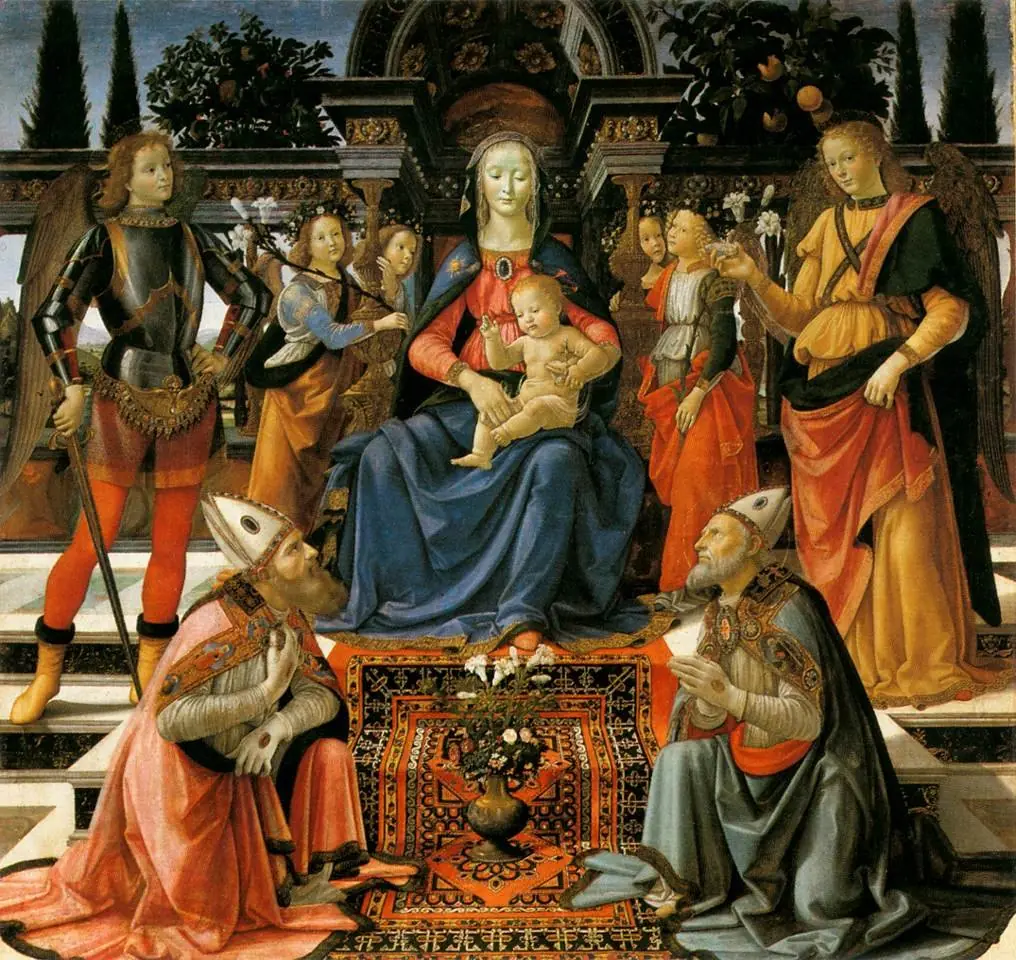
Madonna Bardi is a paint painting by the Early Renaissance artist Sandro Botticelli. It dates from 1500 and is held in the collection of the Gemäldegalerie Berlin.
About this work
Subject & Meaning
The painting’s detailed vegetation and symbolic elements are documented in later scholarship.
The work depicts the Virgin Mary enthroned with the Christ Child, flanked by Saints John the Baptist and John the Evangelist; it was commissioned by the Florentine banker Agnolo Bardi for his family chapel. Its iconography is rich: a hortus conclusus, white lilies, a mystic vase, red flowers that allude to the Passion and the martyrdom of the two Johns, and olive and laurel branches that symbolize the Incarnation. The lush garden of palms, olives, myrtle and other plants reinforces Marian virtues of virginity, purity and new Venus status, while the ascetic rendering of Mary reflects the influence of Savonarola. The painting’s detailed vegetation and symbolic elements are documented in later scholarship.
Technique & Style
Executed circa 1485, the Bardi Madonna is a tempera painting on a support of glued poplar panels, measuring approximately 185 by 180 centimeters. The surface was prepared with a ground layer before Botticelli applied pigments, utilizing costly ultramarine blue for the Virgin's mantle and the garments of Saint John the Evangelist. Gold paint was employed for accentuation and lighting effects, particularly on foliage and palm fronds, while the halos feature transparent gold rings.
The work is generally in good condition with no major losses, though minor retouching is visible on the drapery and some inscriptions on plant ribbons are no longer fully legible. Stylistically, the composition is characterized by a static, statue-like arrangement of figures with an ascetic quality evident in the Virgin's elongated, sharp features. Despite this stillness, the scene is animated by lush, meticulously detailed vegetation forming leafy niches and the active gesturing of the Christ Child, reflecting a heightened use of chiaroscuro and plasticity.
History & Provenance
The Madonna Bardi was commissioned by the wealthy Florentine banker Agnolo Bardi for his family's chapel in the Basilica of Santo Spirito in Florence. Sandro Botticelli executed the tempera-on-panel work between 1484 and 1485, with completion dated to the end of 1485. The original framing of the altarpiece was produced by the workshop of architect and woodcarver Giuliano da Sangallo but is now lost; a simplified modern reconstruction in the pilaster-entablature style of surviving contemporary altars in Santo Spirito has taken its place, the original having been removed in the seventeenth century.
The painting subsequently entered the Gemäldegalerie in Berlin, where it is displayed in the Italian painting collection of the thirteenth to fifteenth centuries, in hall XVIII, associated with the Bardi Chapel.
The Madonna Bardi is held by the Gemäldegalerie in Berlin, where it is installed in the Italian painting 13th–15th-century section, hall XVIII, and is associated with the Bardi Chapel display. Originally commissioned by the Florentine banker Agnolo Bardi for his family chapel at the Basilica of Santo Spirito in Florence, the altarpiece was completed around the end of 1485. Its recorded exhibition history includes the show "Botticelli Reimagined."
Context
Completed circa 1485 for Agnolo Bardi's chapel in Santo Spirito, the Madonna Bardi exemplifies Botticelli's transition toward an ascetic style influenced by Savonarola. Scholars note the Virgin's elongated, sharp features and the composition's static rigidity as precursors to the artist's later mystical crisis. Giorgio Vasari praised the work in 1550 for its meticulous botanical details, particularly the olive and palm trees within the hortus conclusus.
The complex iconography, featuring symbols of purity like white lilies and myrtle associating Mary with a new Venus, has been extensively analyzed in art historical literature. While the original frame by Giuliano da Sangallo is lost, the painting remains a key example of Late Quattrocento religious art, balancing decorative richness with an emerging emotional tension that distinguishes it from Botticelli's earlier, more graceful works.
Legacy
The painting was featured in the 2010 exhibition Botticelli Reimagined, demonstrating its ongoing relevance in scholarship. Conservation records indicate that the original 17th‑century frame was removed and replaced by a modern reconstruction, reflecting changing curatorial practice. Art historians have highlighted its complex iconography and the Savonarolan austerity in the figures, interpreting these elements as early signs of the artist’s stylistic development. The work continues to inform studies of Renaissance visual symbolism and gender representation.
Overview
Sandro Botticelli's "Madonna Bardi," a tempera-on-panel painting, was completed around 1485, part of his output from the 1480s. This work, also known as "Madonna and Child with Saint John the Baptist and Saint John the Evangelist," is currently displayed at the Gemäldegalerie in Berlin. It represents a significant example of Italian Renaissance art, depicting a common religious theme with characteristic detail.
Own this work as a print
Artist & collection
Artist
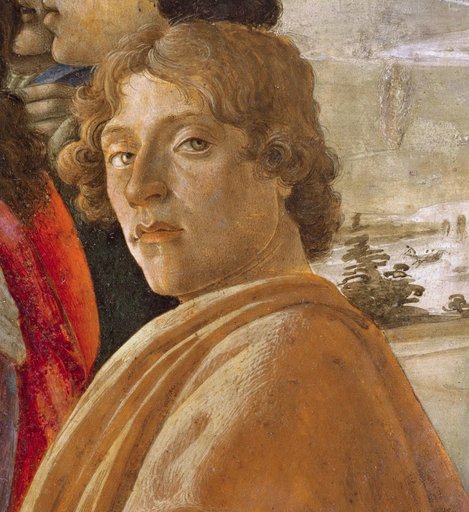
Alessandro di Mariano di Vanni Filipepi, better known as Sandro Botticelli or simply Botticelli, was an Italian painter of the Early Renaissance.

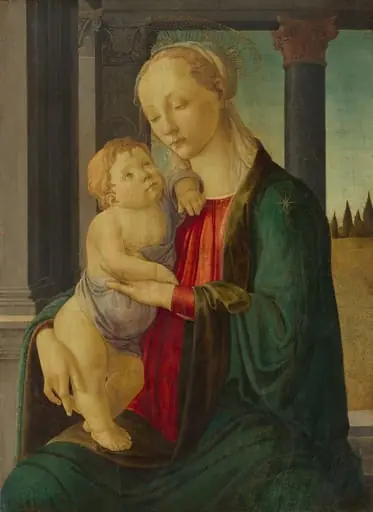
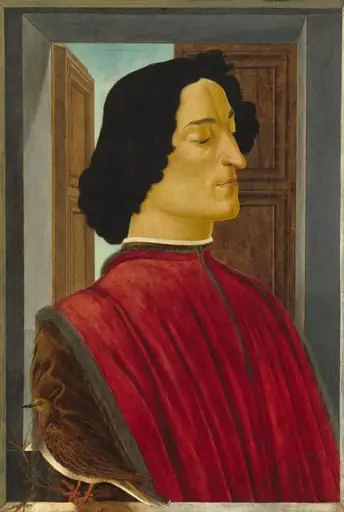
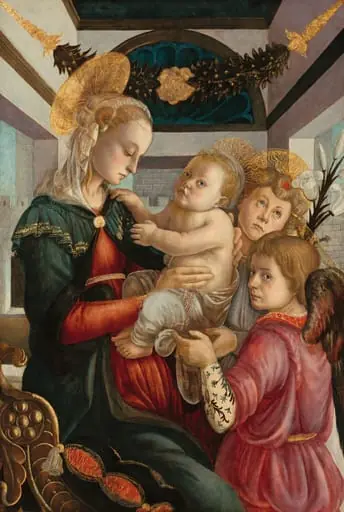
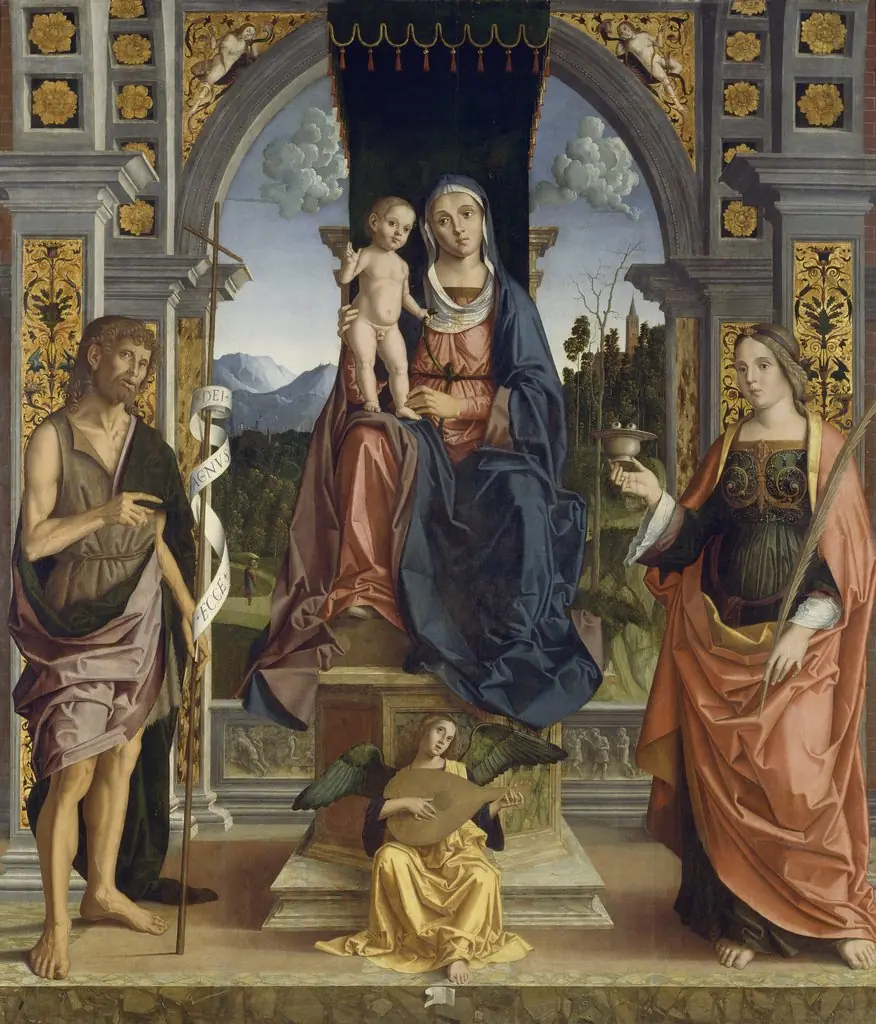
- The Virgin and Child Enthroned, with Saints John the Baptist and Lucy
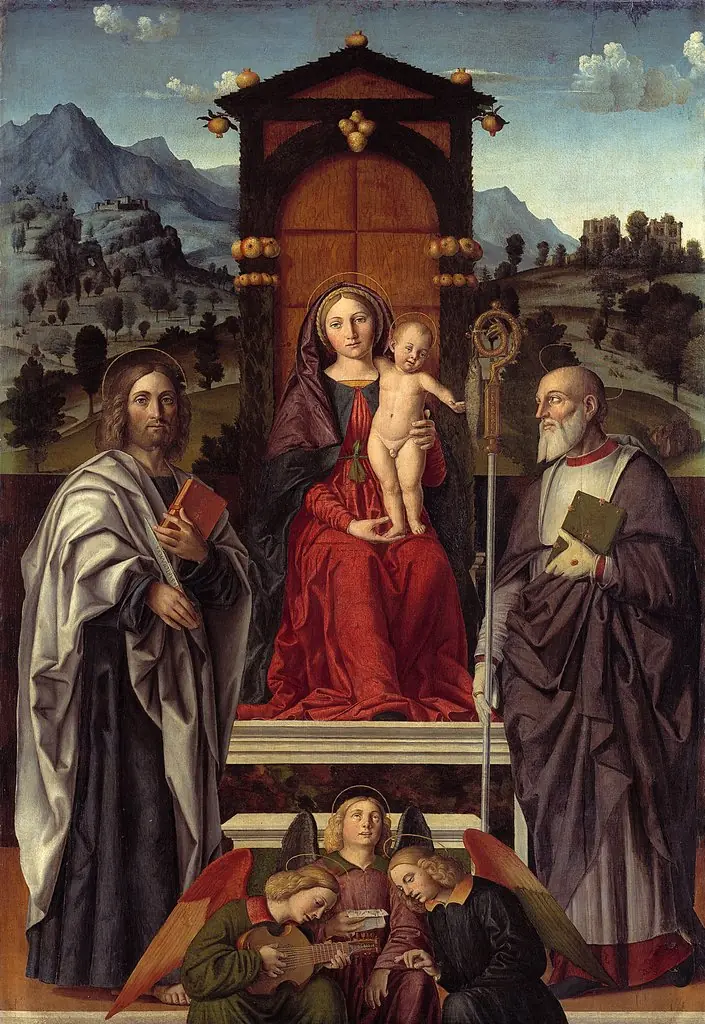 Mary and Child Enthroned with Saints
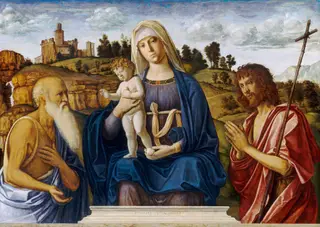 Madonna and Child with Saint Jerome and Saint John the Baptist
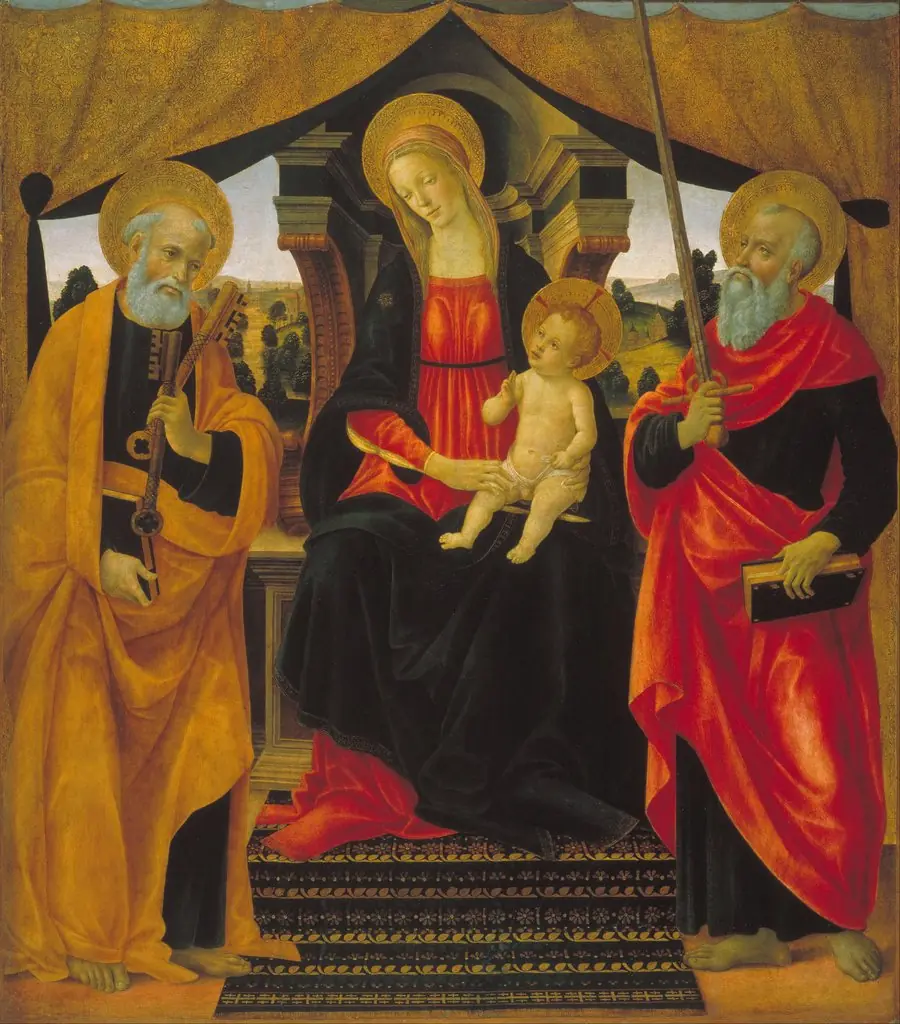 Virgin and Child between Saint Peter and Saint Paul
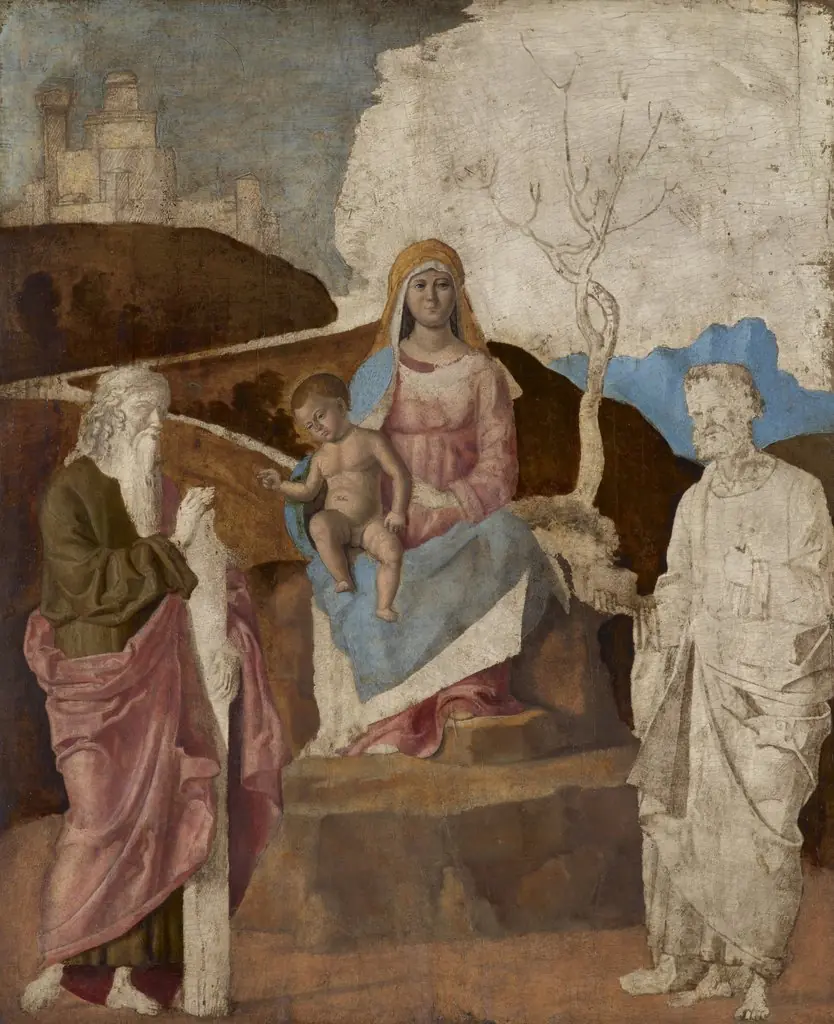 The Virgin and Child with Saint Andrew and Saint Peter
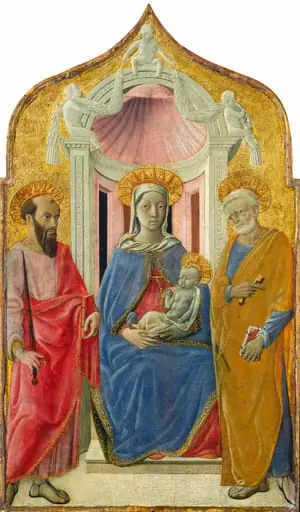 Madonna and Child Enthroned with Saint Peter and Saint Paul
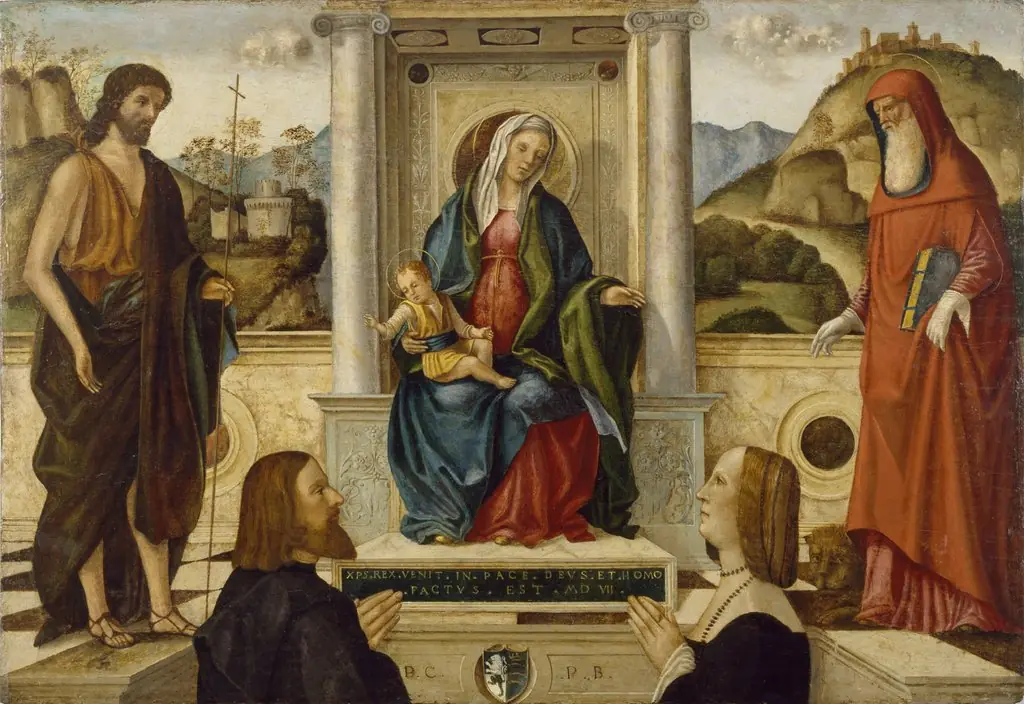 Madonna and Child Enthroned with Saints and Donor
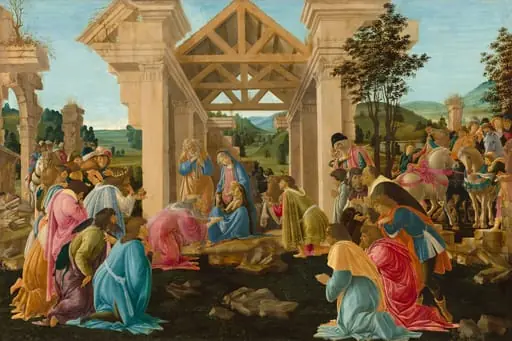
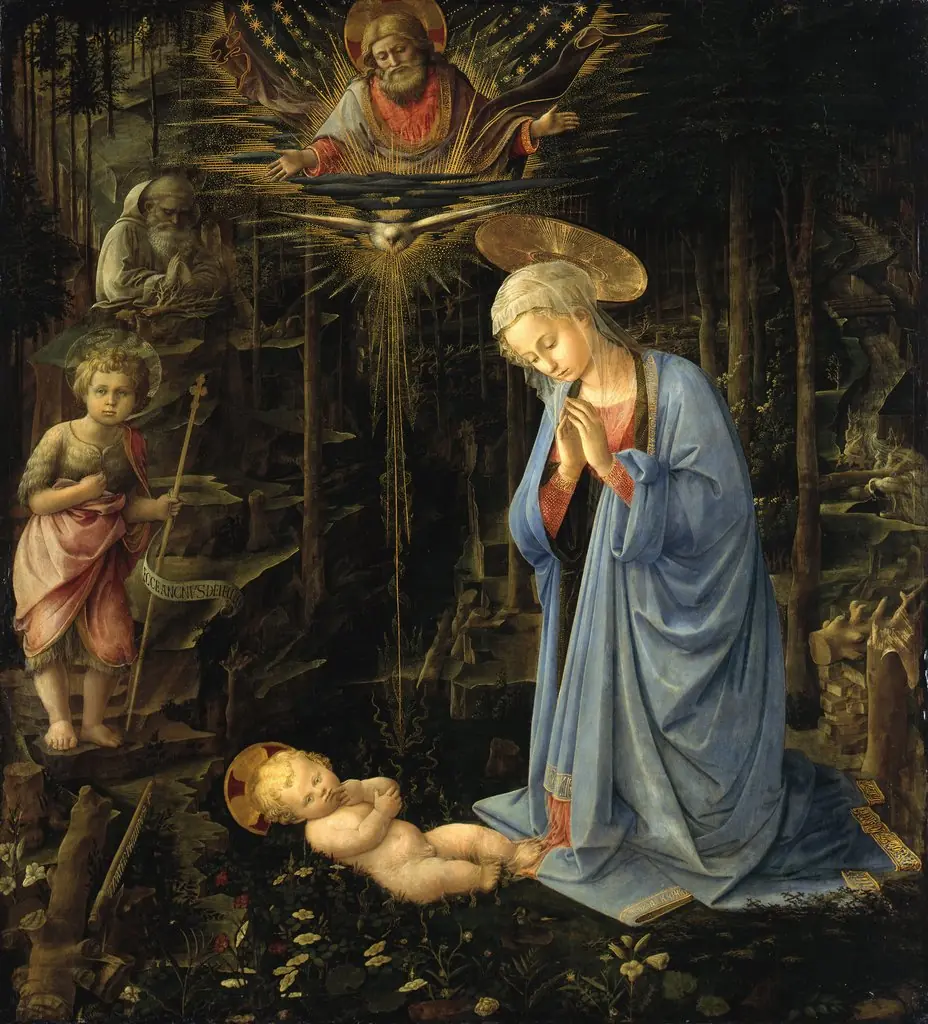 Adoration in the Forest
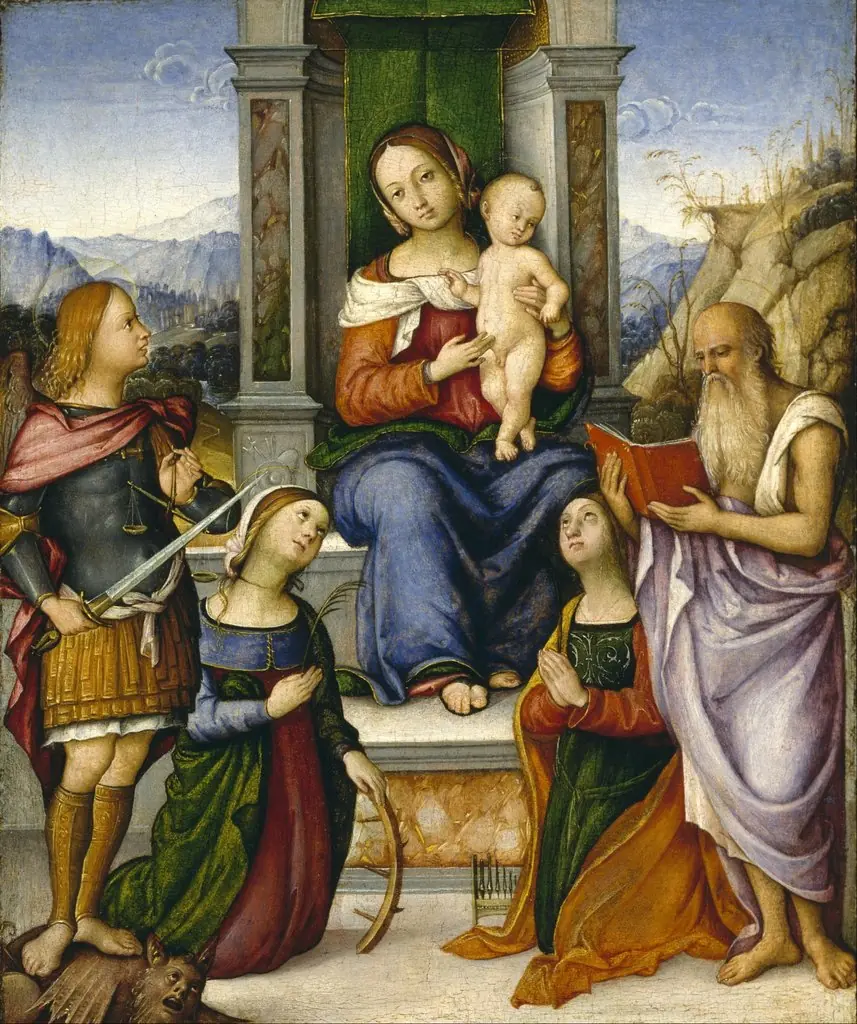 The Virgin and Child Enthroned with Saints Michael, Catherine of Alexandria, Cecilia, and Jerome
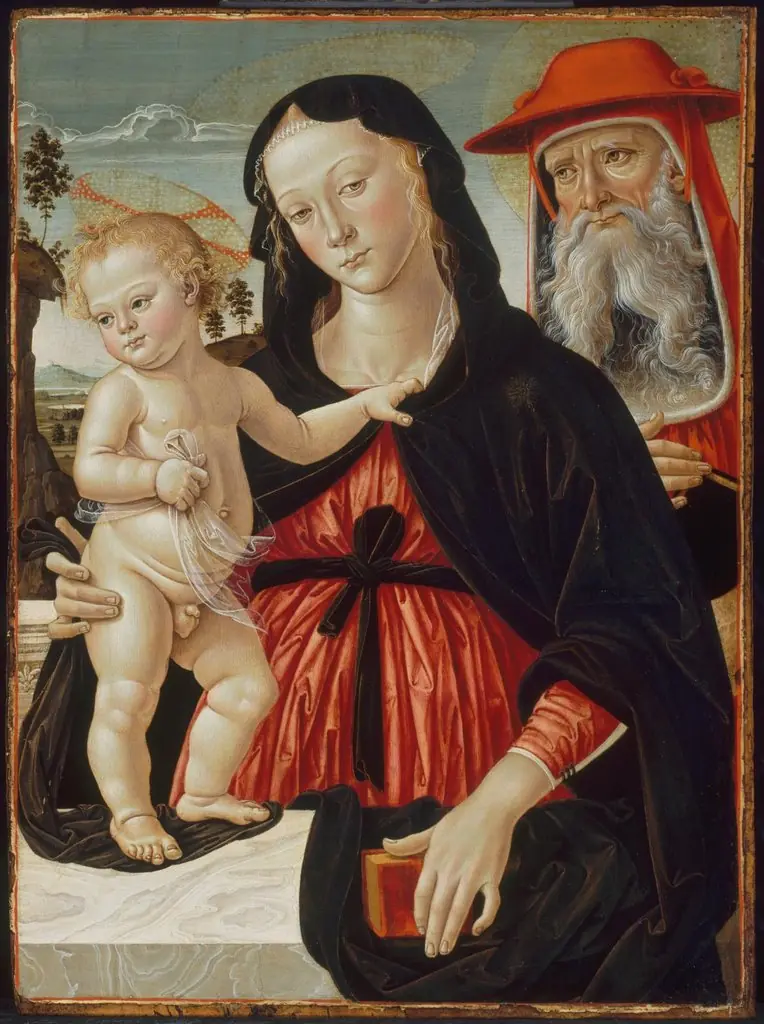 Virgin and Child with Saint Jerome
 Madonna and Child Enthroned with Saints