Artwork
Madonna of the Roses
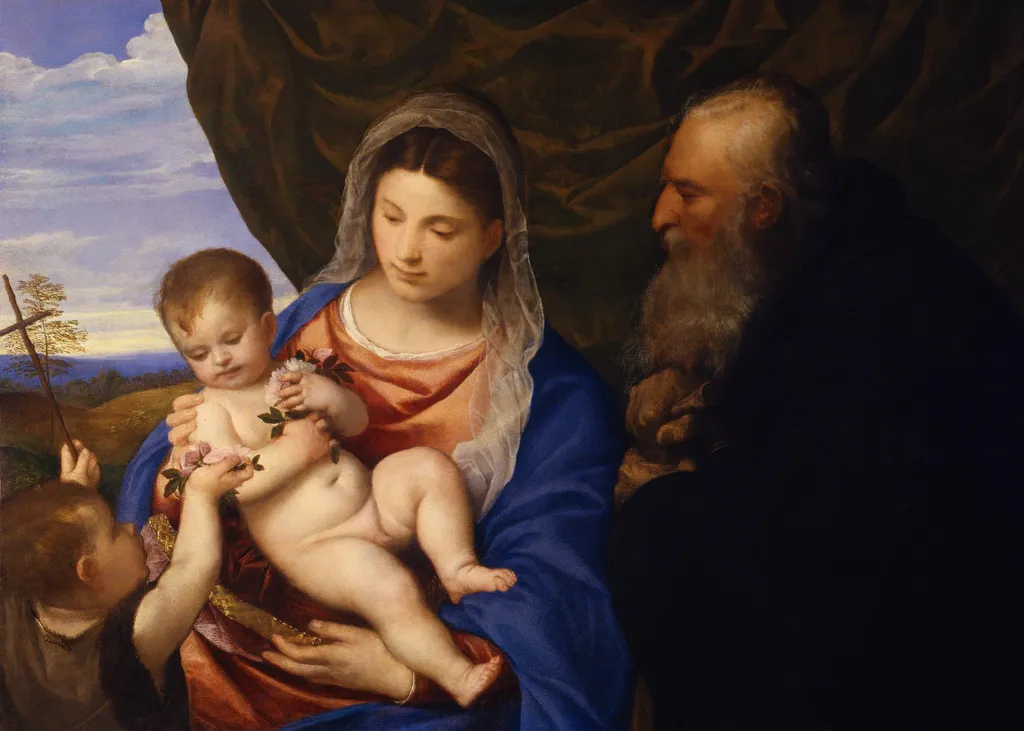
Madonna of the Roses is an oil painting by the Mannerist artist Titian. It dates from 1530 and is held in the collection of the Uffizi Gallery.
About this work
This painting is called Madonna of the Roses. It's an oil paint work by Titian.
It was created around 1530 and features the Madonna and Child, along with other figures. The painting also includes Anthony the Great and a young John the Baptist.
To learn more about the style and techniques used in this painting, look up the artist: Titian.
Subject & Meaning
Mary’s physiognomy aligns with Titian’s mature Madonnas of this period, while Anthony the Great is rendered in profile with pronounced realism.
The painting depicts the Virgin Mary seated with the Christ Child, accompanied by the young Saint John the Baptist and Anthony the Great. The traditional title derives from the roses offered to Mary by the Baptist, a motif tied to Marian iconography: the rose symbolizes her purity, while its pink petals also prefigure the blood of Christ’s Passion.
The composition follows a sacra conversazione formula introduced by Giovanni Bellini and adapted by Titian, with a heavy curtain drawn aside to reveal a quiet, rustic landscape on the left. Mary’s physiognomy aligns with Titian’s mature Madonnas of this period, while Anthony the Great is rendered in profile with pronounced realism. The closed curtain and rich folds, along with the luminous landscape, reflect the lingering influence of Giorgione’s tonal approach within Titian’s Venetian practice.
Technique & Style
The work is an oil painting on canvas, measuring 69 by 96.5 cm, created around 1530. It depicts the Virgin Mary holding the infant Jesus, flanked by Saint John the Baptist and Saint Anthony the Great, with a bouquet of roses held by the child. The composition follows a format derived from Giovanni Bellini, featuring a heavy draped curtain on the left that opens to a landscape, and it reflects Titian's early use of rich color and soft modeling characteristic of the Venetian school.
The figures are rendered with strong psychological presence, particularly in the profile portrait of Saint Anthony, while the drapery is depicted with realistic, deep folds. The background landscape retains echoes of Giorgione's influence, and the rose offered by the child serves as both a symbolic attribute of Marian purity and a reference to the Passion. The painting was originally part of the collection of Archduke Leopold Wilhelm, exchanged in 1793 to the Uffizi Gallery in Florence, and underwent restoration in 1978 that revealed its high pictorial quality.
History & Provenance
The Madonna of the Roses is dated circa 1530 and attributed to Titian. It entered the Uffizi in Florence through an exchange concluded in 1793 between the imperial collection in Vienna and the Uffizi, organized by the gallery’s director Luigi Lanzi. Before that transfer, the painting belonged to Archduke Leopold Wilhelm of Austria, whose collection is documented as its earliest recorded ownership.
Earlier doubts about its attribution to Titian were linked to its poor condition, which was addressed by a 1978 restoration that clarified the work’s high quality. The painting has remained in the Uffizi’s holdings since 1793, with brief periods in storage due to conservation concerns, before being displayed in the museum’s gallery dedicated to Titian from 2001.
The painting is held in the Gallerie degli Uffizi, Florence, with inventory number 1890 (inv. 1890).
It entered the Uffizi in 1793 as part of an exchange with Vienna’s imperial collections, having previously belonged to Archduke Leopold Wilhelm of Austria. The exchange also included Titian’s Flora, Dürer’s Adoration of the Magi, and Bellini’s Holy Allegory.
Context
The Madonna of the Roses is recognized as a significant example of Titian's work from the transition between the 1520s and 1530s, reflecting the enduring influence of Giorgione through its rustic landscape and heavy drapery. Scholarly analysis identifies its composition as derived from Giovanni Bellini, utilizing a typology of a parted curtain revealing a view that Titian employed in his early career. The work's attribution faced historical scrutiny due to its poor condition, with doubts occasionally arising regarding its authorship.
However, following a restoration in 1978, critics and scholars reaffirmed its high artistic quality, establishing it as one of the finest examples of Titian's Madonnas from this period. The painting's physical presence in the Uffizi Gallery since 1793, following an exchange with the Viennese collection, further cements its place in the canon of Venetian Renaissance art.
Legacy
The Madonna of the Roses, painted by Titian around 1530, has had a lasting impact on the development of religious imagery in Western art. Its composition, featuring the Virgin and Child surrounded by saints within a richly detailed interior and landscape, influenced later depictions of sacra conversazione scenes, particularly in the works of 17th-century Dutch painters such as Jan Baptist Weenix and later artists who copied its motifs. The painting's iconography, especially the inclusion of Saint John the Baptist offering roses to the Madonna, reinforced symbolic associations between Marian purity and the Passion, a theme that resonated through Baroque and Rococo art.
Its exchange in 1793 between the Viennese and Florentine collections brought it into broader scholarly attention and cemented its place in art historical narratives of Titian’s mature period.
Overview
Created around 1530, this oil on panel work by Titian is known as the Madonna of the Roses. It is currently displayed in the Uffizi Gallery in Florence and bears a signature reading “Ticianus f.”, a mark that may have been added after the artist’s lifetime.
Own this work as a print
Artist & collection

Artist
Tiziano Vecellio (Italian:; c. 1488/1490 – 27 August 1576), Latinized as Titianus, hence known in English as Titian ( TISH-ən), was an Italian Renaissance painter. The most important artist of Renaissance Venetian…

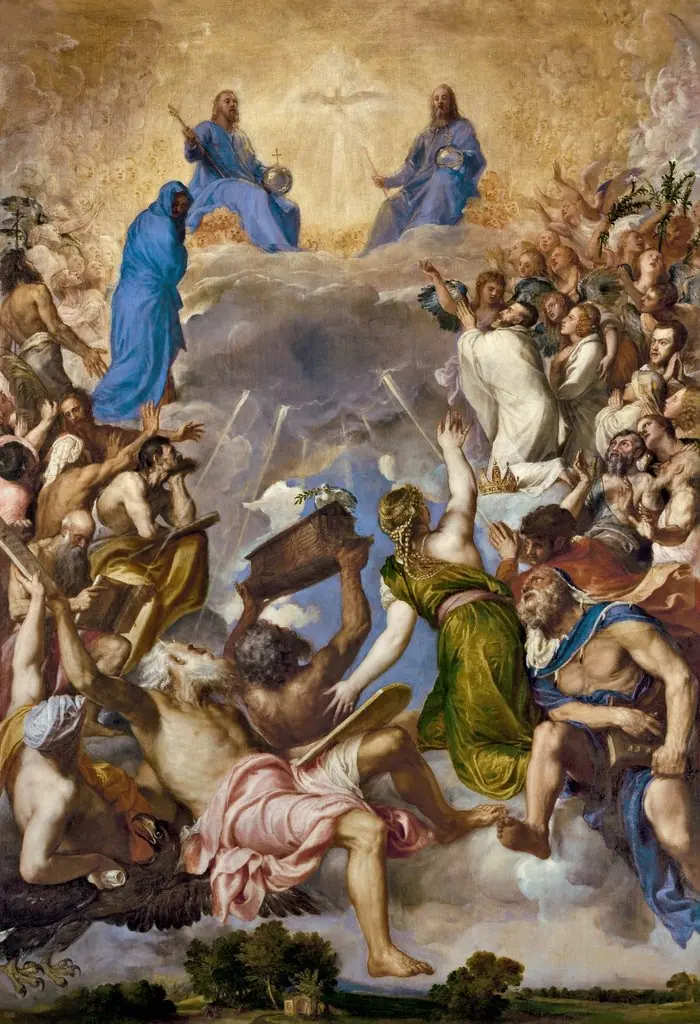
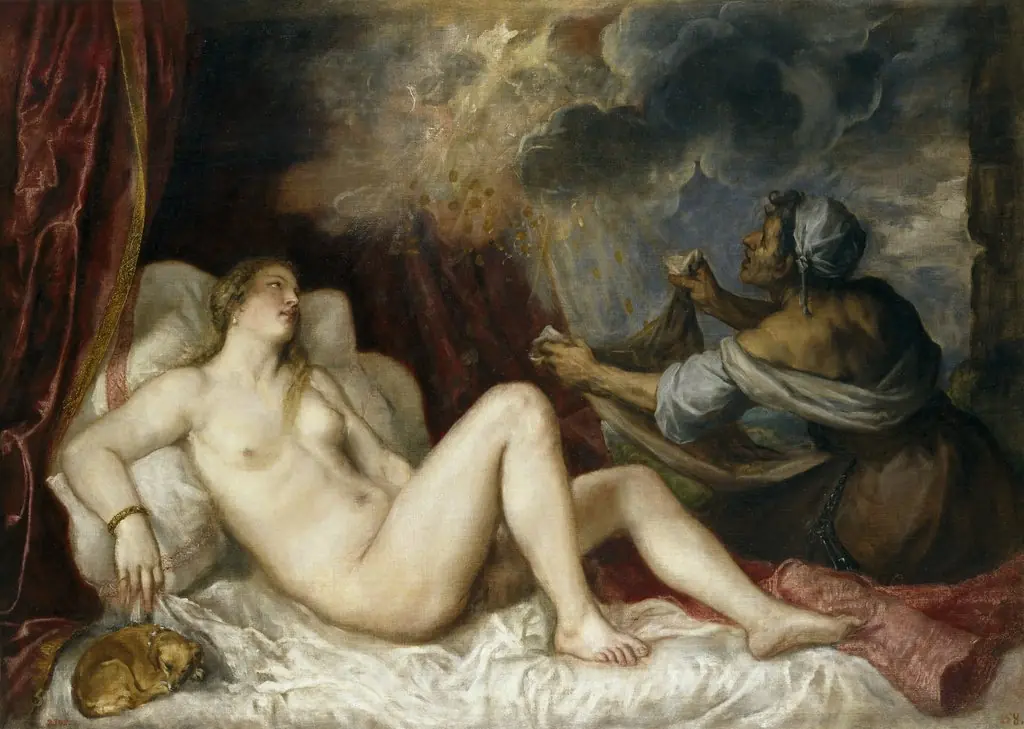
- Madonna and Child with Saint Jerome and Saint Dorothy
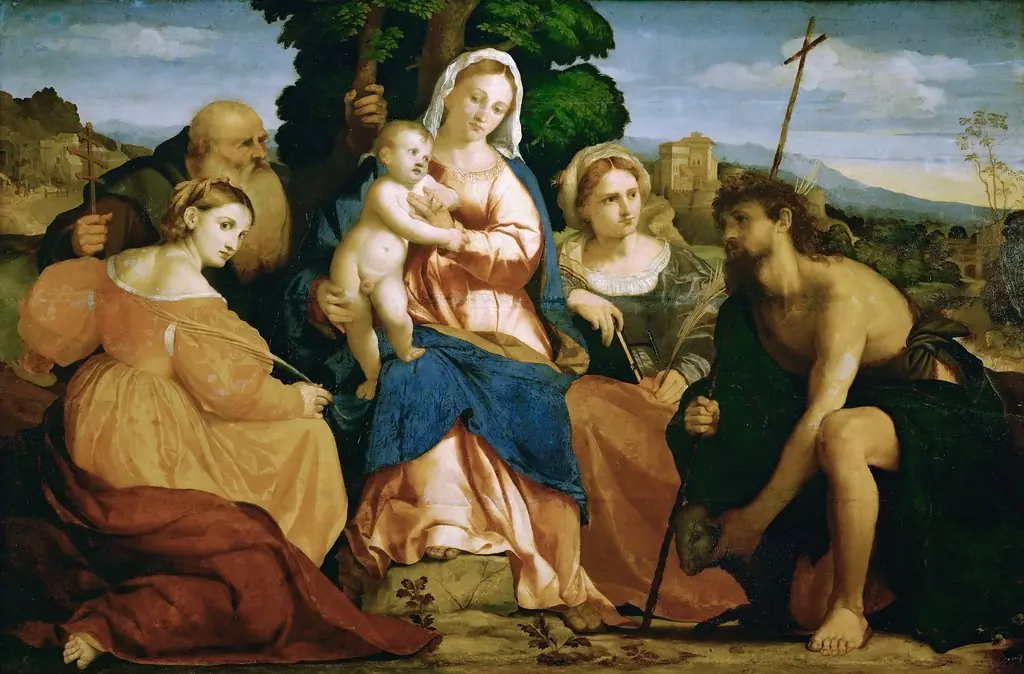 Sacred conversation
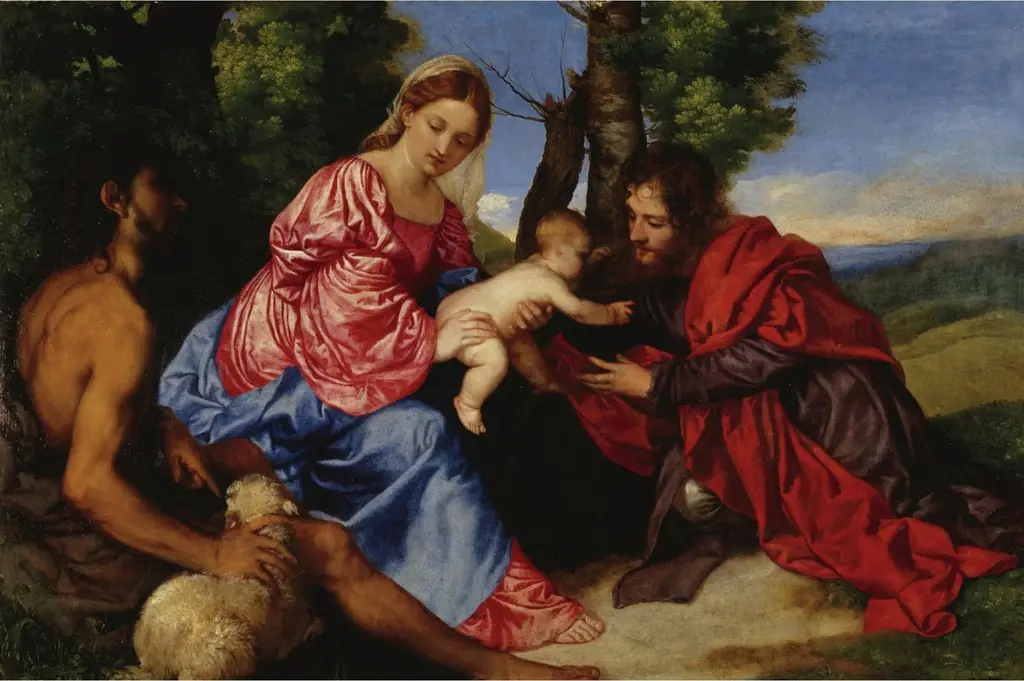 The Virgin and Child with St John the Baptist and an Unidentified Saint
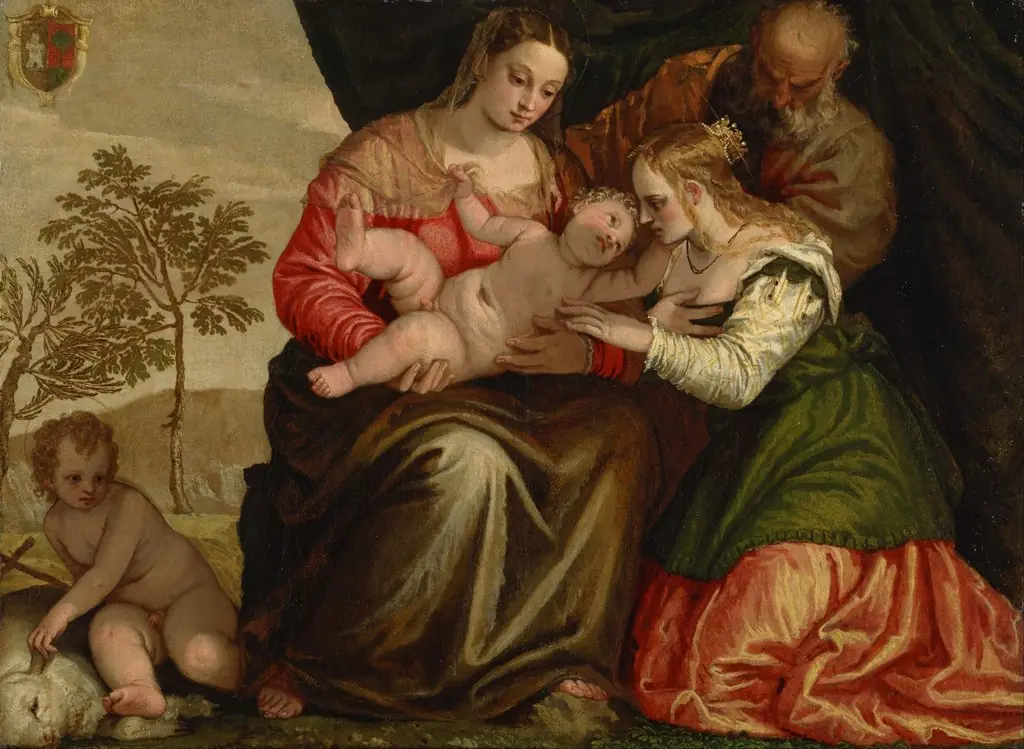 The Mystic Marriage of St. Catherine
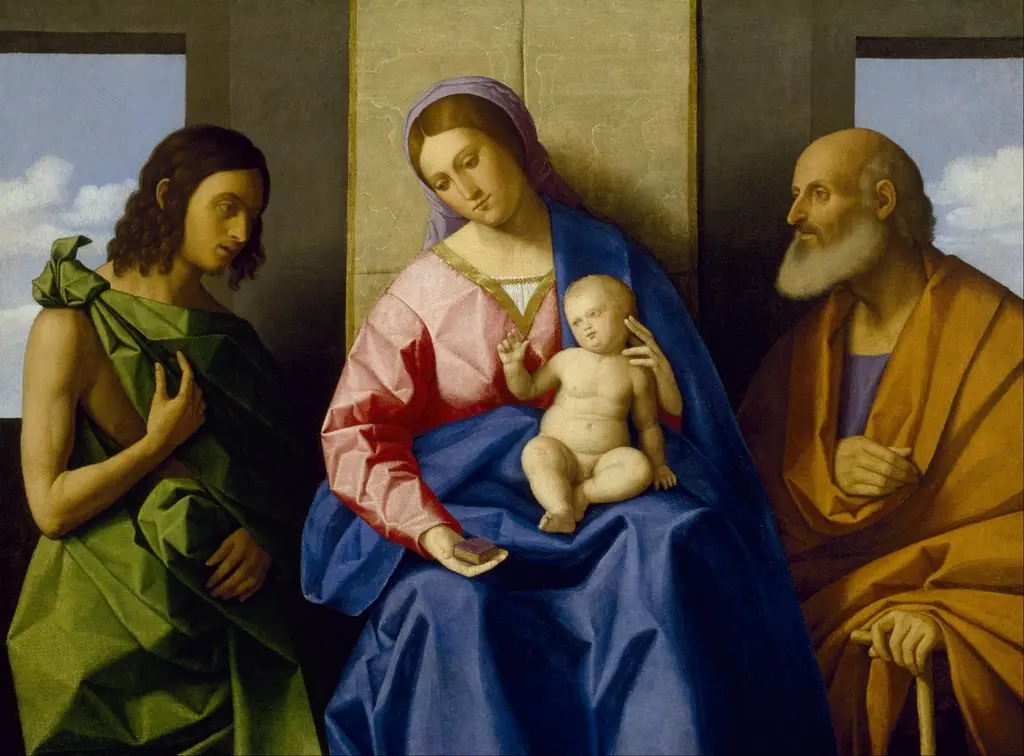 Virgin and Child with Saints John the Baptist and Joseph
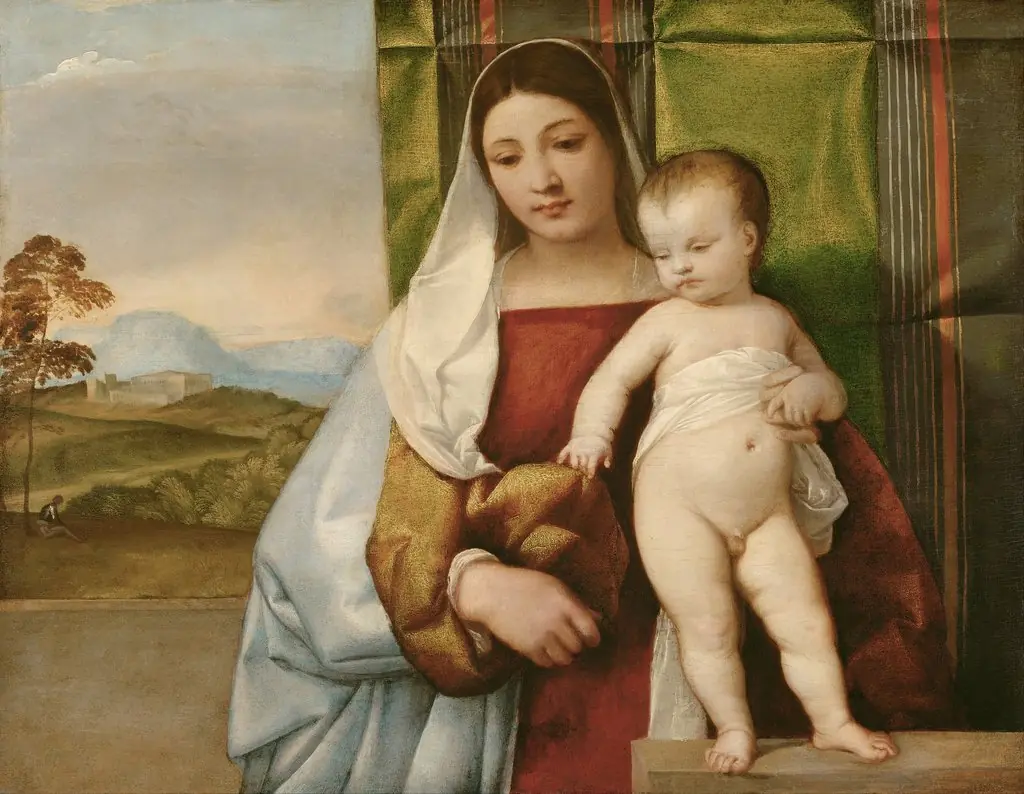 The Gypsy Madonna
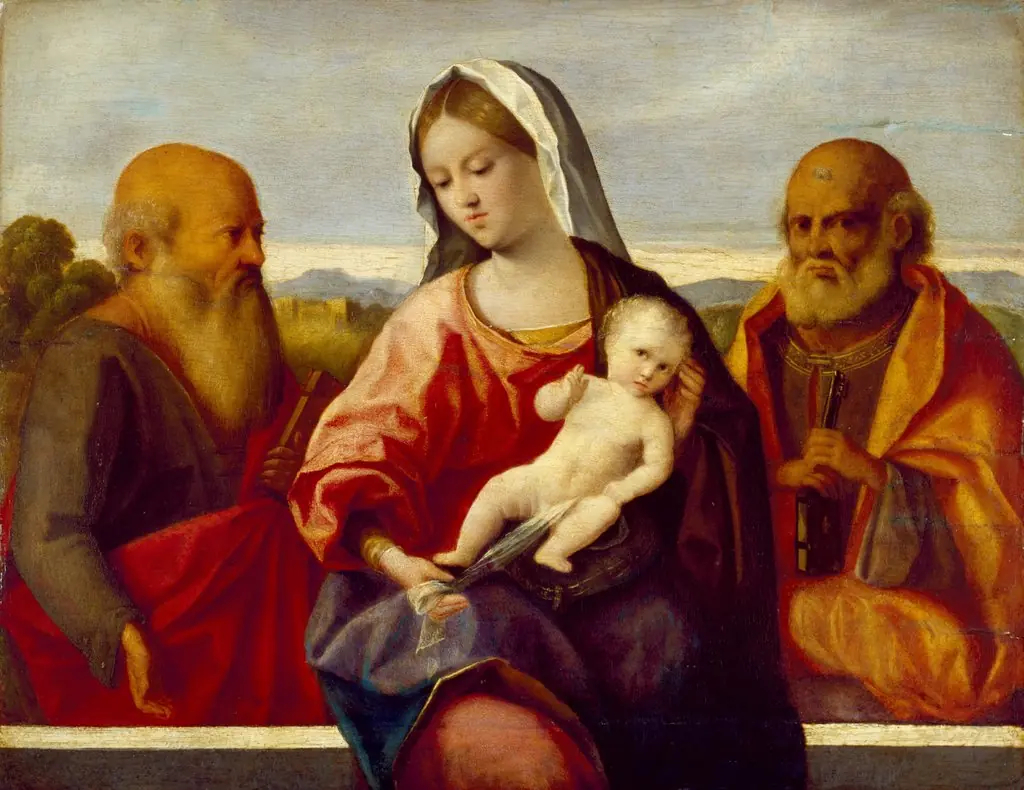 Madonna and Child with Saints Peter and Paul
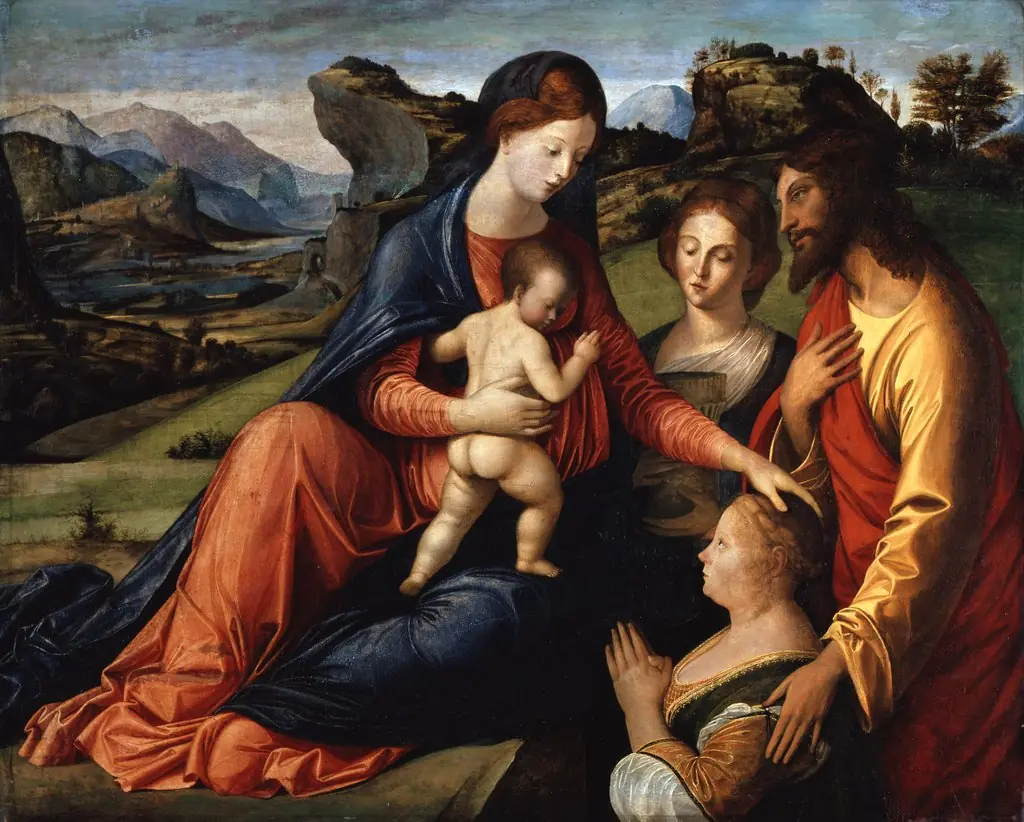 Virgin and Child with Saint Barbara, Saint John the Baptist and a female donor
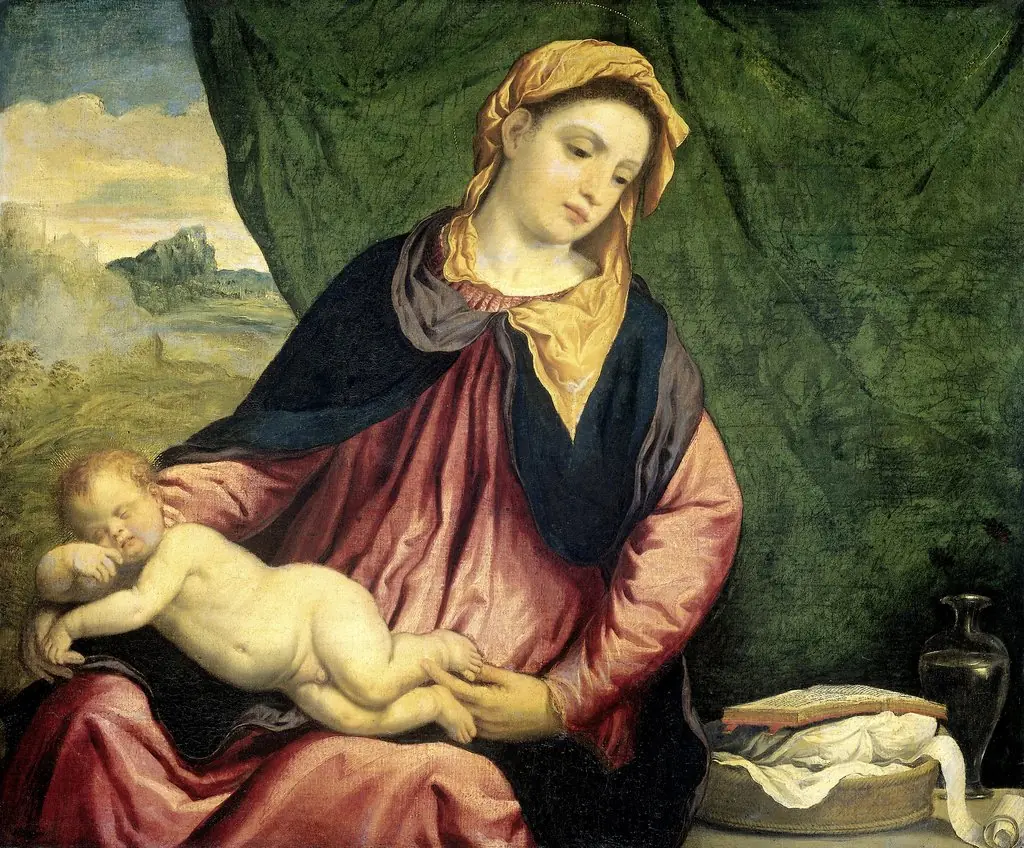 Madonna with Sleeping Child
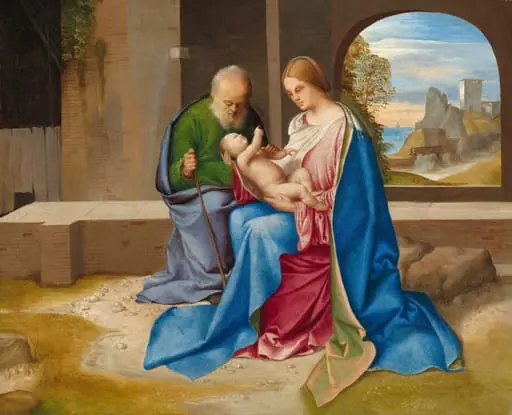 The Holy Family
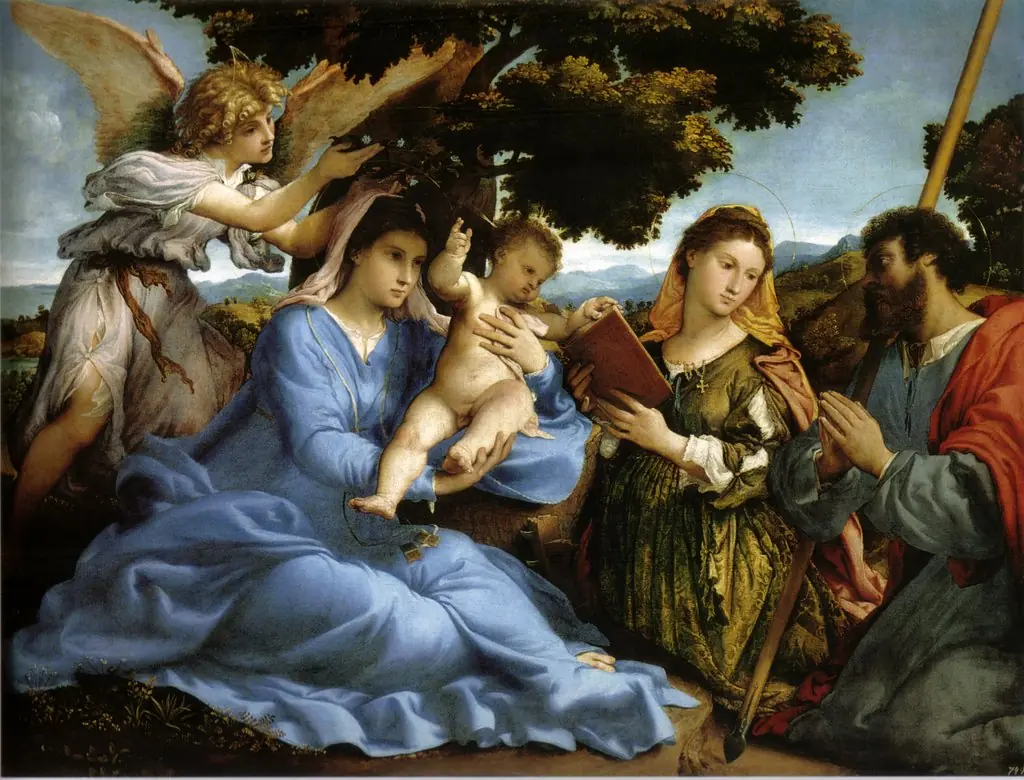 Madonna and child with Saint Catherine, Saint James the Greater, and an angel
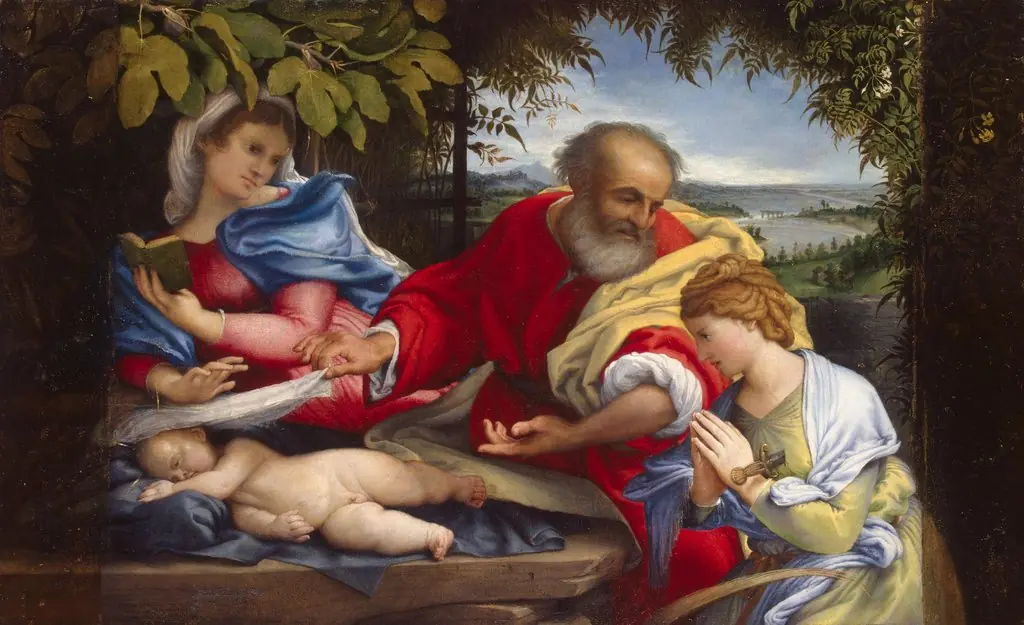 Rest on the Flight into Egypt with St Justine