Artwork
Portrait of Cardinal Cristoforo Madruzzo
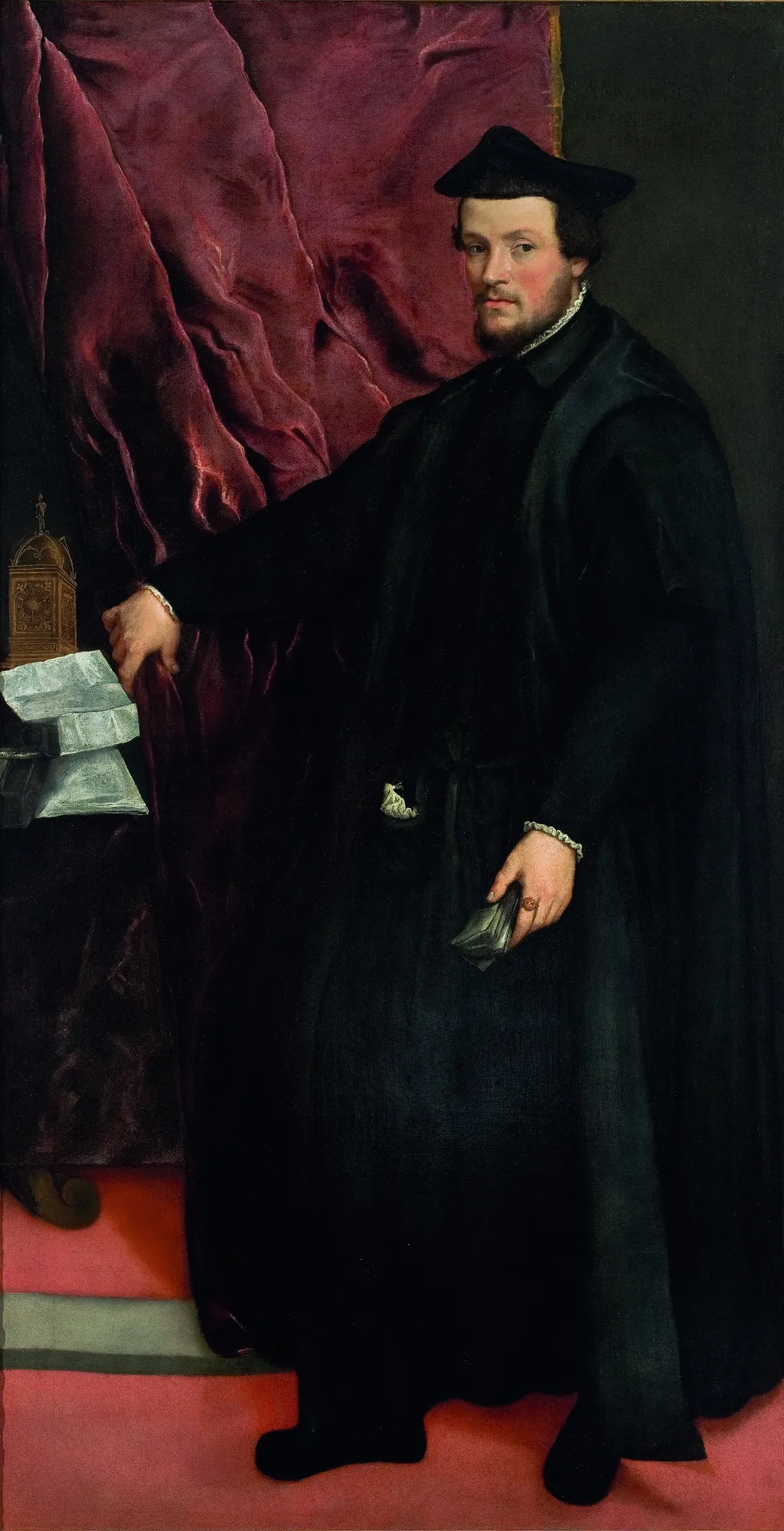
Portrait of Cardinal Cristoforo Madruzzo is an oil painting by the High Renaissance artist Titian. It dates from 1552 and is held in the collection of the São Paulo Museum of Art.
About this work
This painting is called Portrait of Cardinal Cristoforo Madruzzo. It was made by Titian in 1552. The artist signed and dated the work, which is now held at the São Paulo Museum of Art, and this fact tells us the painting has been preserved and valued over time.
To learn more about the style and methods used in this painting, look up the technique of glazing.
Overview
Titian's Portrait of Cardinal Cristoforo Madruzzo, executed in 1552, depicts the Prince-Bishop of Trent in a three-quarter view against a dark, neutral background. The cardinal is shown seated, wearing the scarlet robes and biretta of his office, with his right hand resting on a book that signifies his ecclesiastical authority and learning. Titian employs his characteristic Venetian technique, utilizing rich, layered oil glazes to render the texture of the velvet and the softness of the skin with remarkable vitality.
The composition focuses intensely on the sitter's psychological presence, capturing a moment of quiet dignity and intellectual depth rather than mere ceremonial display. Signed and dated by the artist, the work represents a high point in Titian's late portraiture, demonstrating his ability to convey the character of powerful figures through subtle modeling and atmospheric depth. Currently held in the collection of the São Paulo Museum of Art, this painting stands as a significant example of mid-16th-century Italian portraiture, illustrating the artist's mature style and his enduring influence on the depiction of religious and political leaders during the Counter-Reformation era.
Subject & Meaning
The sitter, Cristoforo Madruzzo, served as a cardinal and prince‑bishop during a period of intense religious and political activity in the Holy Roman Empire. His portrayal emphasizes the authority and gravitas associated with his office, reflecting the broader Renaissance interest in individual character and status conveyed through portraiture.
Technique & Style
Executed in oil on canvas, the portrait showcases Titian’s mature handling of light and color. The subtle layering of translucent glazes creates a luminous flesh tone and depth in the fabrics, a hallmark of the Venetian school’s approach to achieving realism and atmospheric effect.
History & Provenance
Signed and dated by Titian, the painting’s documented provenance traces its movement from private collections in Europe to its acquisition by the São Paulo Museum of Art in the twentieth century. Its preservation and continued exhibition attest to its recognized artistic and historical value across centuries.
Artist & collection
Artist
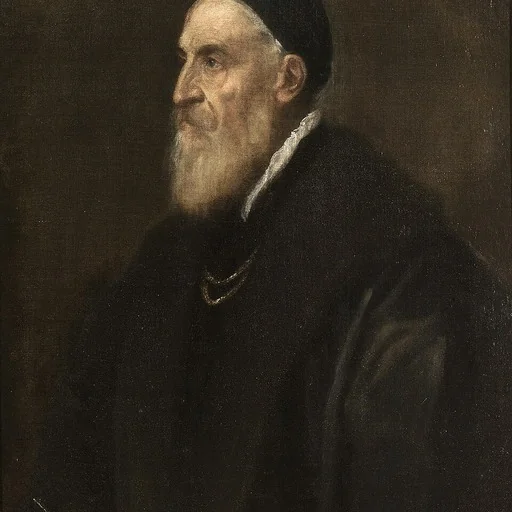
Tiziano Vecellio (Italian:; c. 1488/1490 – 27 August 1576), Latinized as Titianus, hence known in English as Titian ( TISH-ən), was an Italian Renaissance painter. The most important artist of Renaissance Venetian…

 Portrait of a Knight of the Order of Santiago
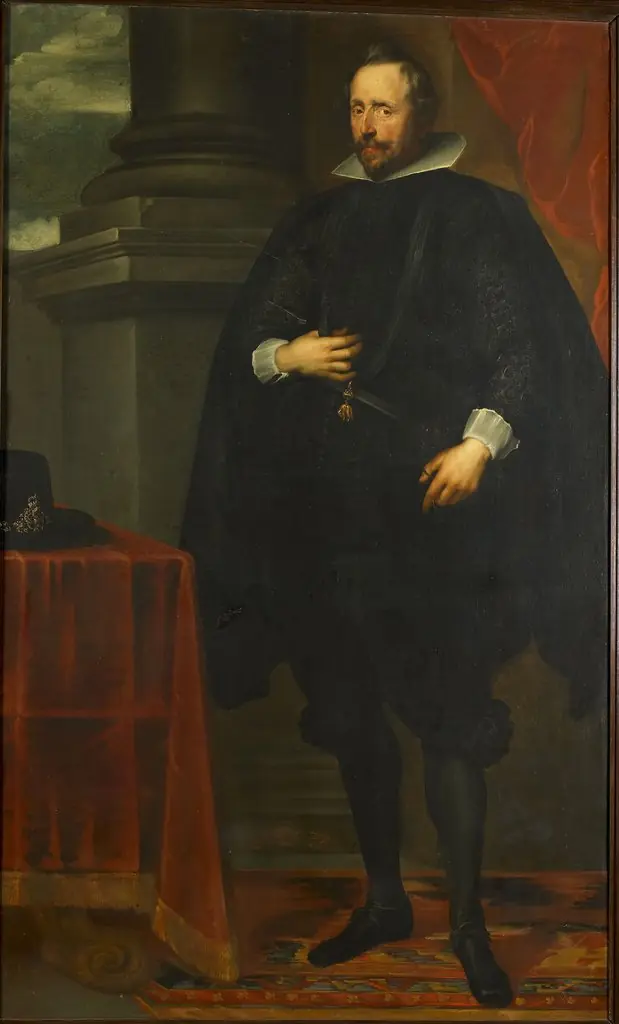 Portrait of Wolfgang Wilhelm, Count Palatine of Neuburg
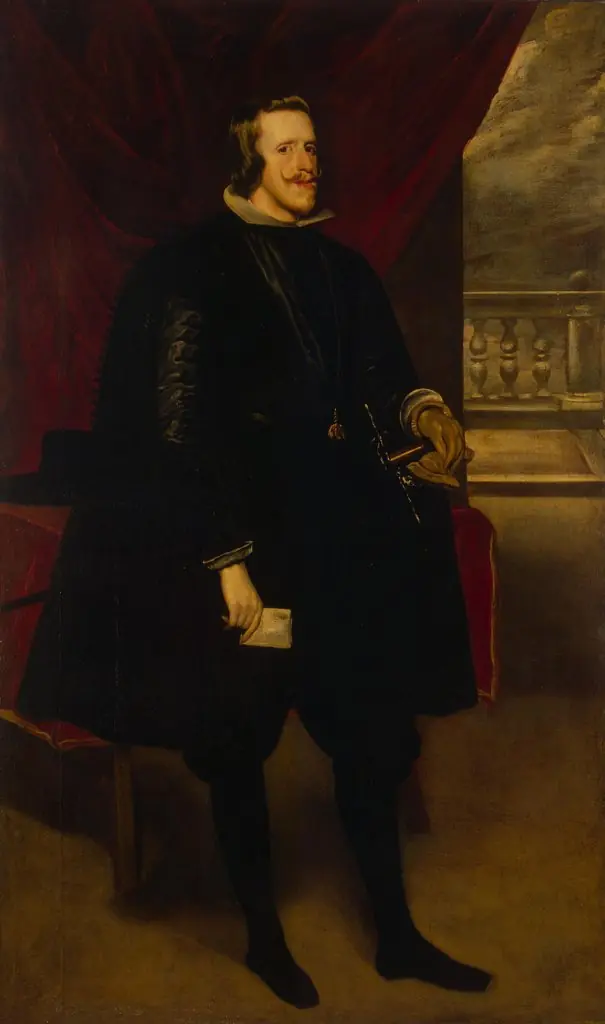 Portrait of Philip IV, King of Spain
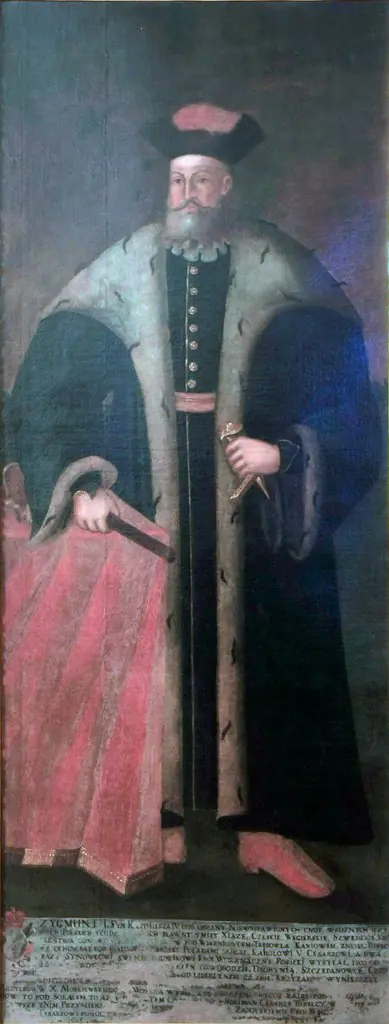 Portrait of king Sigismund I the Old (1467–1548)
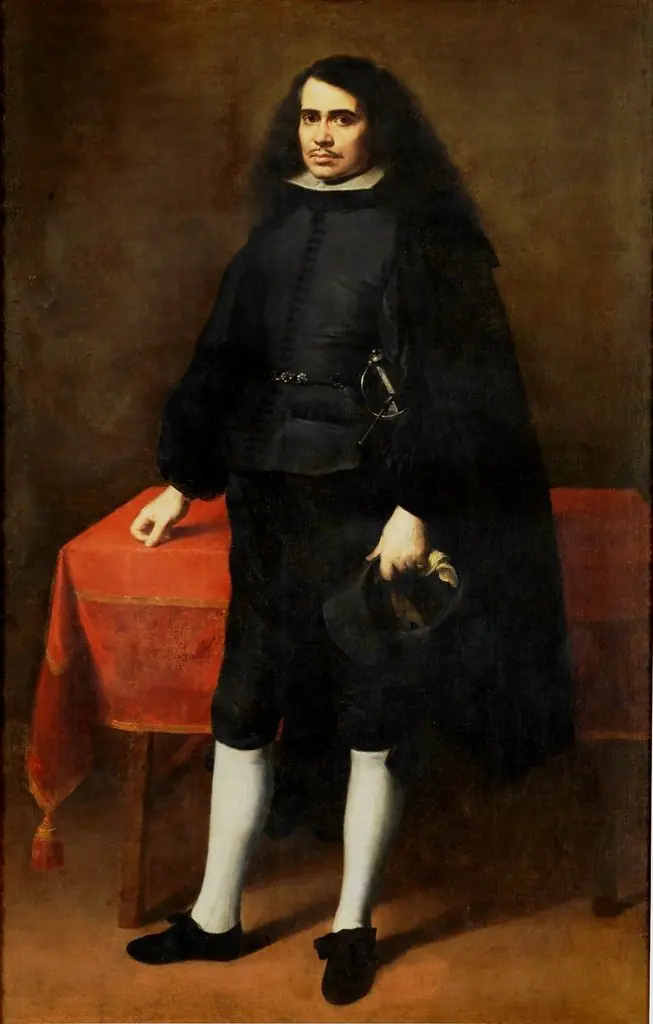 Portrait of a Man
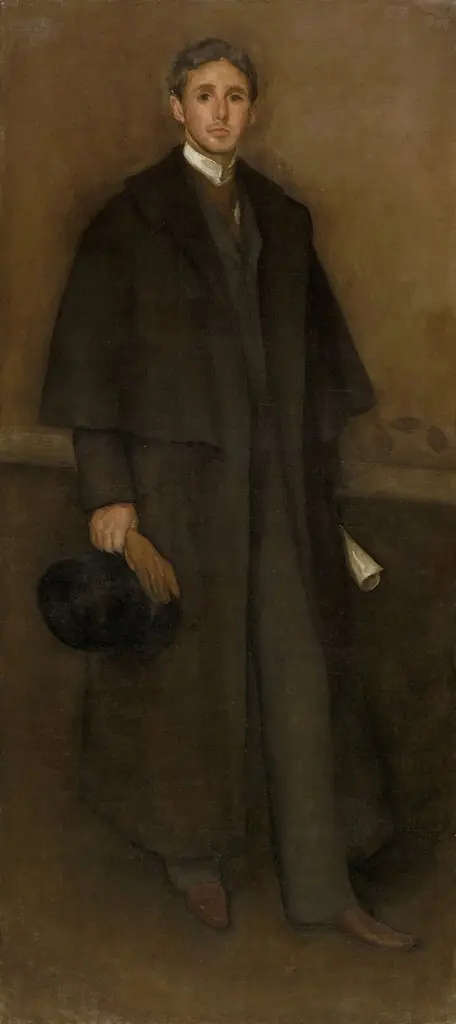 Arrangement in Flesh Color and Brown: Portrait of Arthur Jerome Eddy
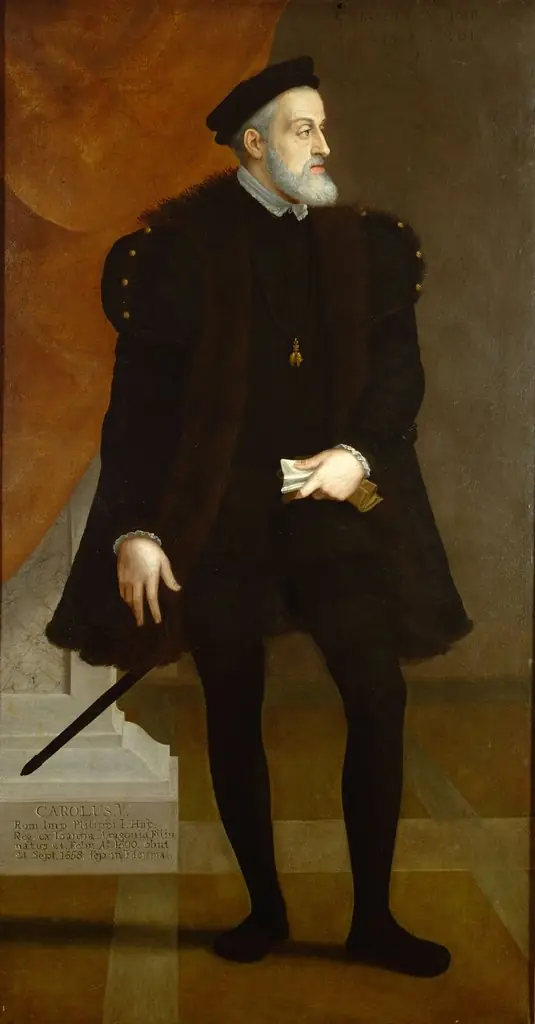 Kaiser Karl V. (1500-1558) als Fünfzigjähriger in ganzer Figur
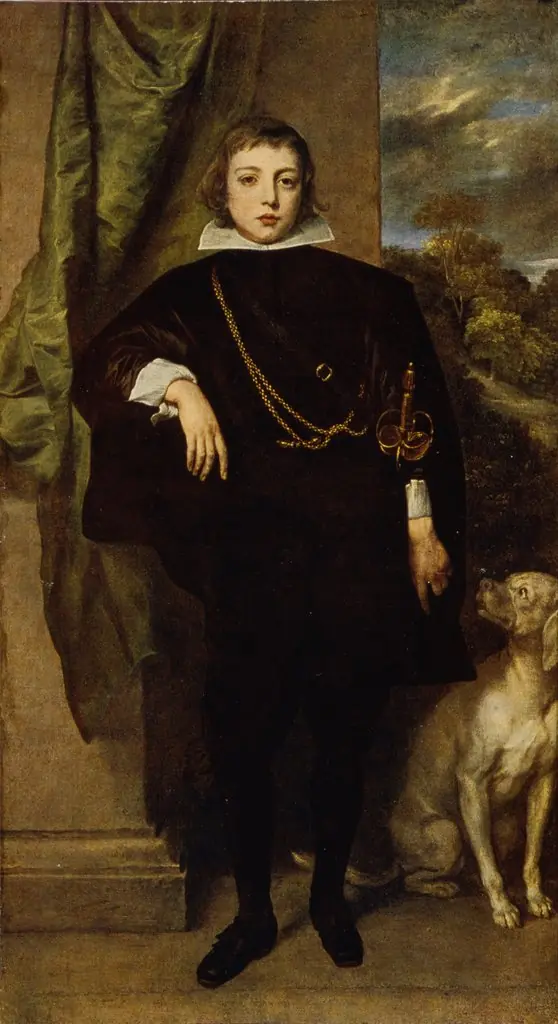 Portrait of Filippo Francesco d'Este, Marchese di Lanzo with his Dog