Artwork
Altar frontal from Gia
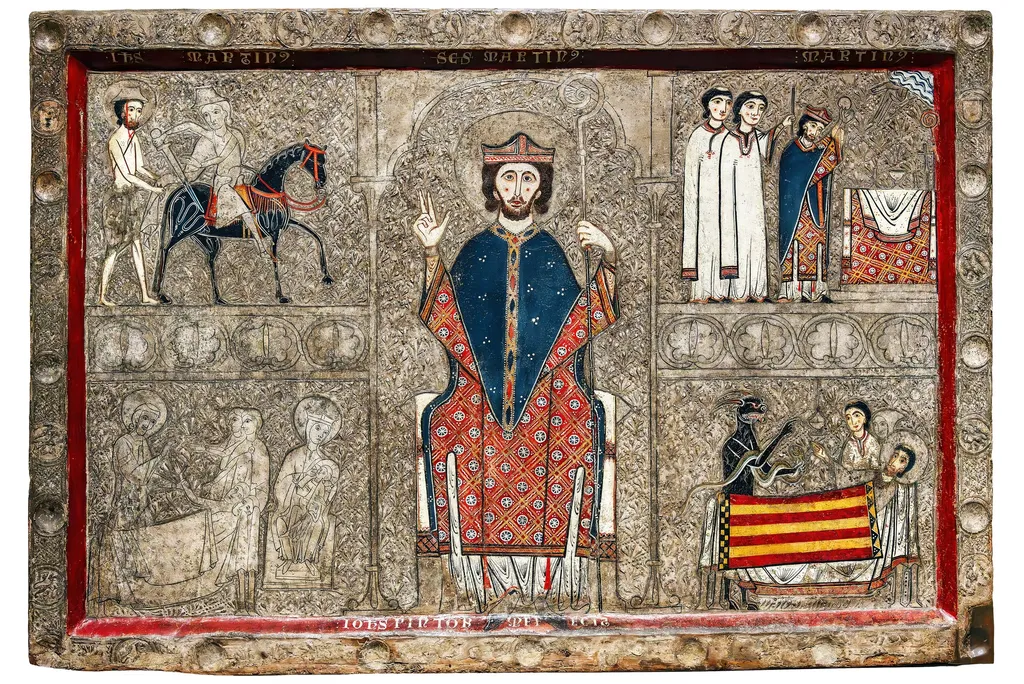
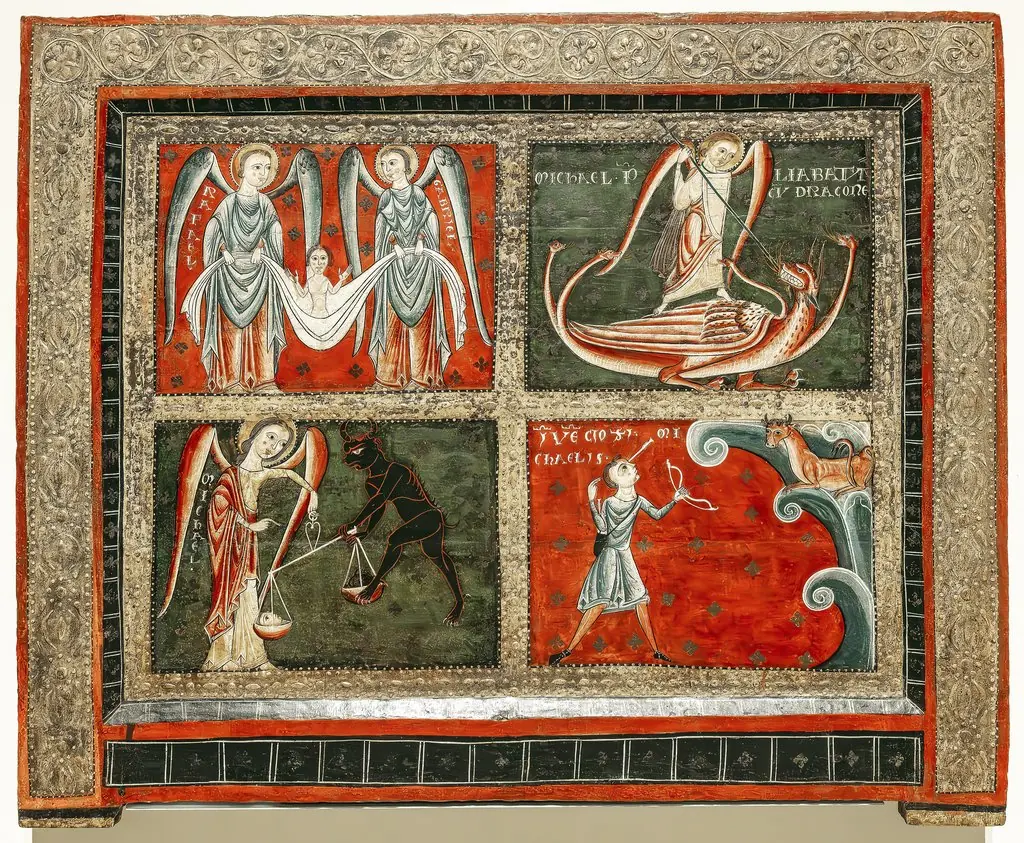
Altar frontal from Gia is an unspecified painting by the Byzantine icon painting artist Unknown. It dates from 1250 and is held in the collection of the Museu Nacional d'Art de Catalunya. This painted altar frontal originates from Gia, a region associated with medieval Christian liturgical art.
About this work
Overview
Its scale and detail suggest it was created for a significant ecclesiastical setting, likely in the late medieval period.
This painted altar frontal originates from Gia, a region associated with medieval Christian liturgical art. Designed to adorn the front of an altar, it functions as a devotional focal point. The central figure, crowned and robed in vivid red and blue, dominates a composition rich with narrative panels.
Its scale and detail suggest it was created for a significant ecclesiastical setting, likely in the late medieval period.
Subject & Meaning
The central figure is likely a saint or bishop, identified by regal attire and staff, symbols of spiritual authority. Surrounding scenes depict daily and ceremonial life, horseback riders, figures holding objects, possibly illustrating miracles, parables, or the saint’s earthly deeds. These vignettes serve to connect the divine presence with the community’s lived experience, reinforcing sacred narratives for congregants.
Technique & Style
The work employs tempera or egg-based pigments on a wooden panel, typical of medieval panel painting. Colors are intense and flat, with gold accents likely used for halos or borders. Details in clothing and figures are rendered with fine brushwork, emphasizing texture and pattern over naturalism. The composition is hierarchical, with the central figure scaled larger than surrounding scenes.
History & Provenance
The frontal is attributed to an unknown artisan, common in medieval ecclesiastical art where individual authorship was often subordinated to religious function. It likely originated in a monastery or cathedral in the Gia region, possibly during the 12th or 13th century. Its survival suggests it was preserved through liturgical use or later收藏, though its exact journey to modern collections remains undocumented.
Context
Created during a period when liturgical objects were vital to worship, this frontal reflects the broader European tradition of using visual narratives to instruct the largely illiterate faithful. Similar altar frontals appear across Iberia and southern France, where regional styles blended Byzantine influences with local iconography. Its production aligns with monastic workshops that produced devotional art for liturgical use.
Legacy
Though unsigned and regionally specific, the frontal contributes to the understanding of medieval visual culture beyond major artistic centers. It exemplifies how local artisans adapted religious iconography to community contexts. Today, it stands as a testament to the craftsmanship and spiritual intent of anonymous medieval makers, valued for its historical continuity rather than individual fame.
Artist & collection









- Altar frontal
 Altar frontal from Cardet
 Altar frontal from Ix
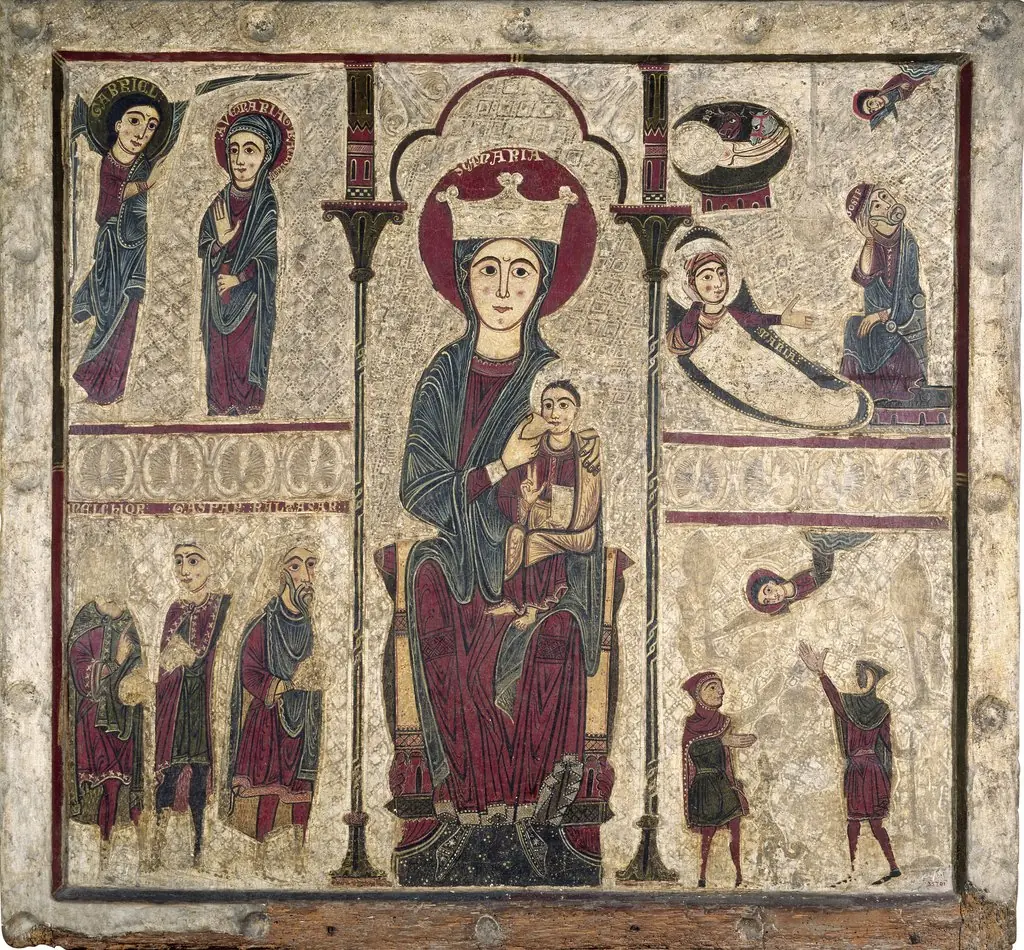 Altar frontal from Rigatell
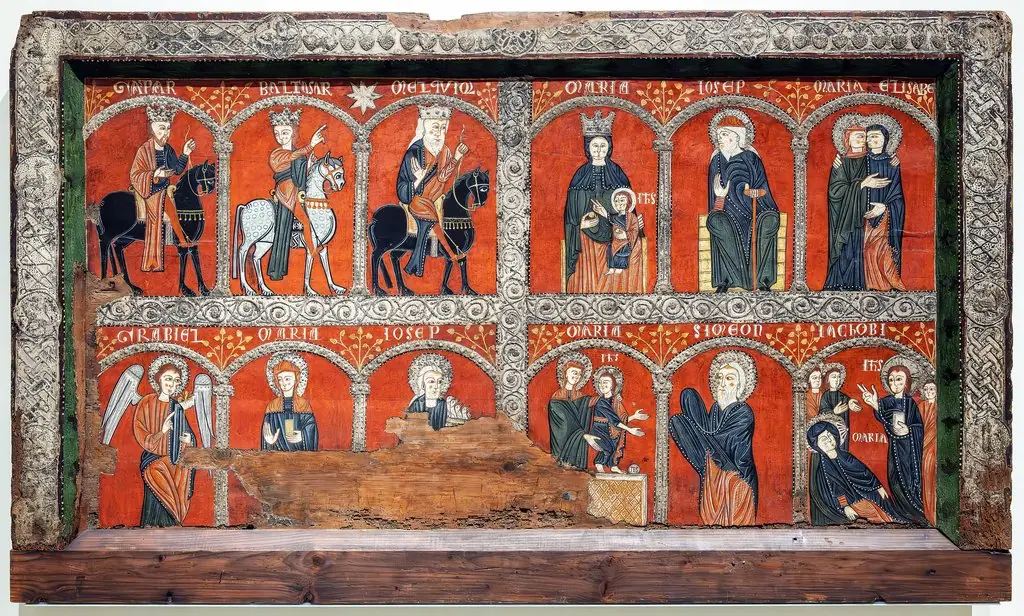 Altar frontal from Mosoll
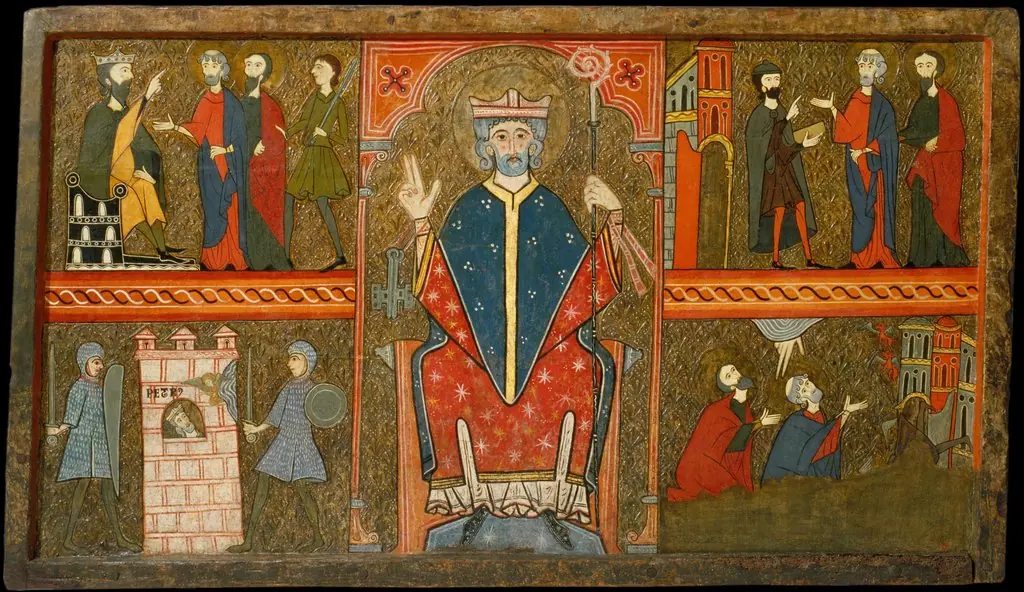 Altar frontal of Sant Pere de Boí
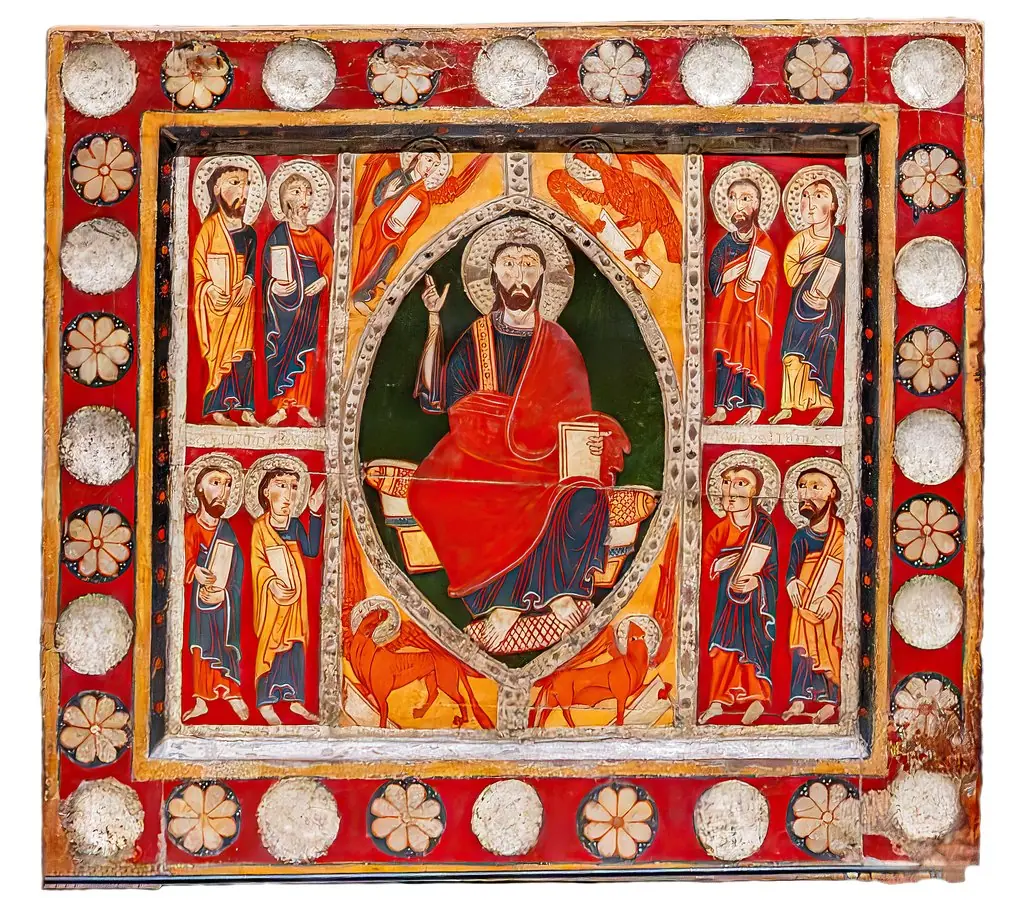 Altar frontal from Sant Romà de Vila
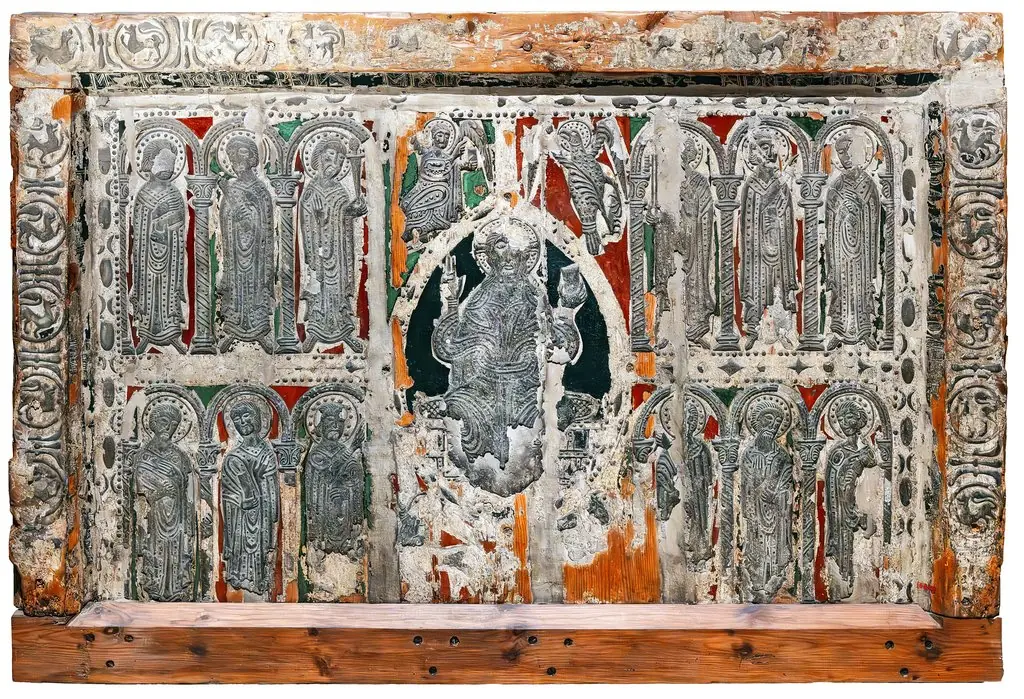 Altar frontal from Esterri de Cardós
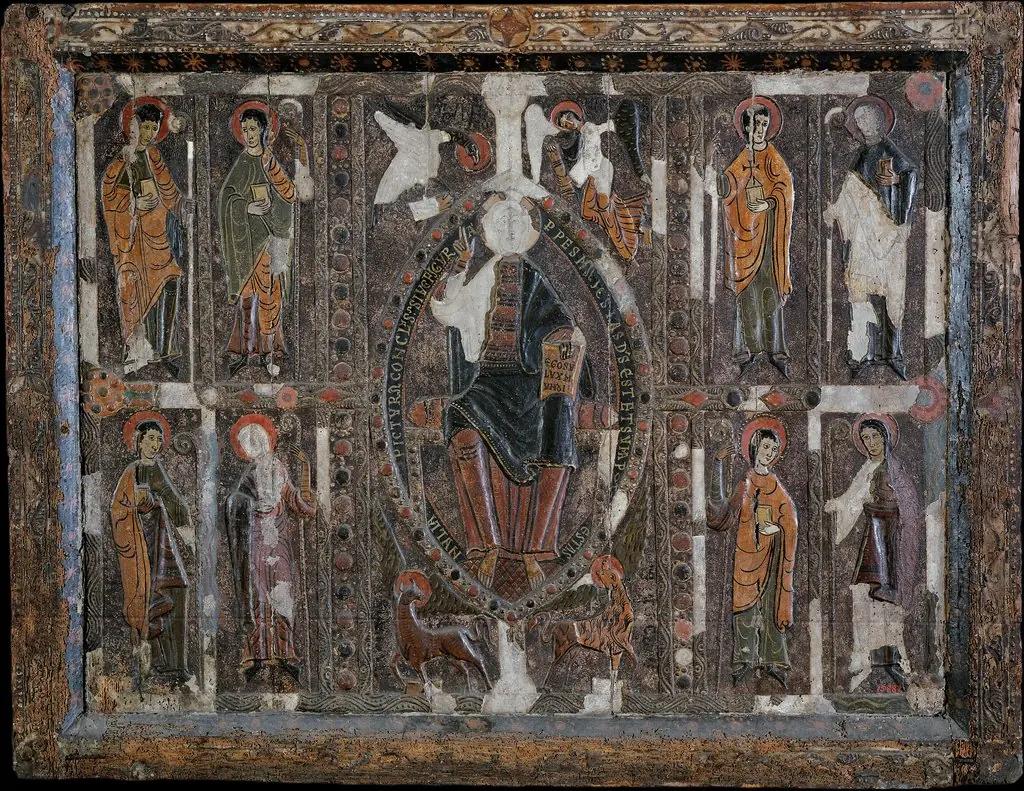 Altar frontal from Planès
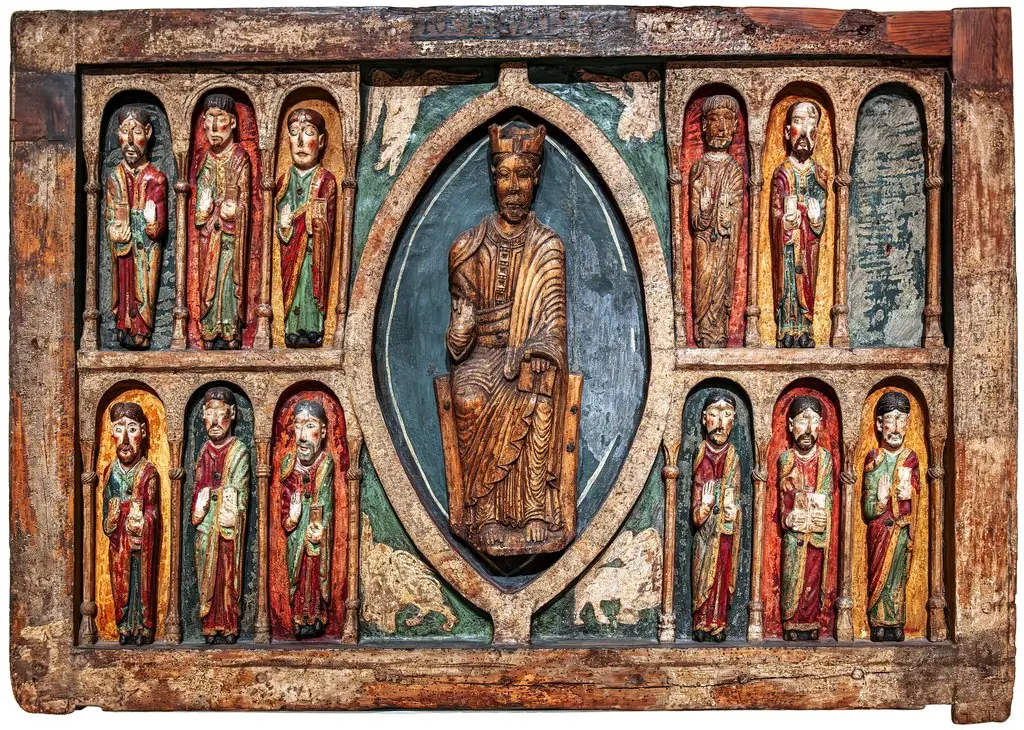 Altar frontal from Santa Maria in Taüll
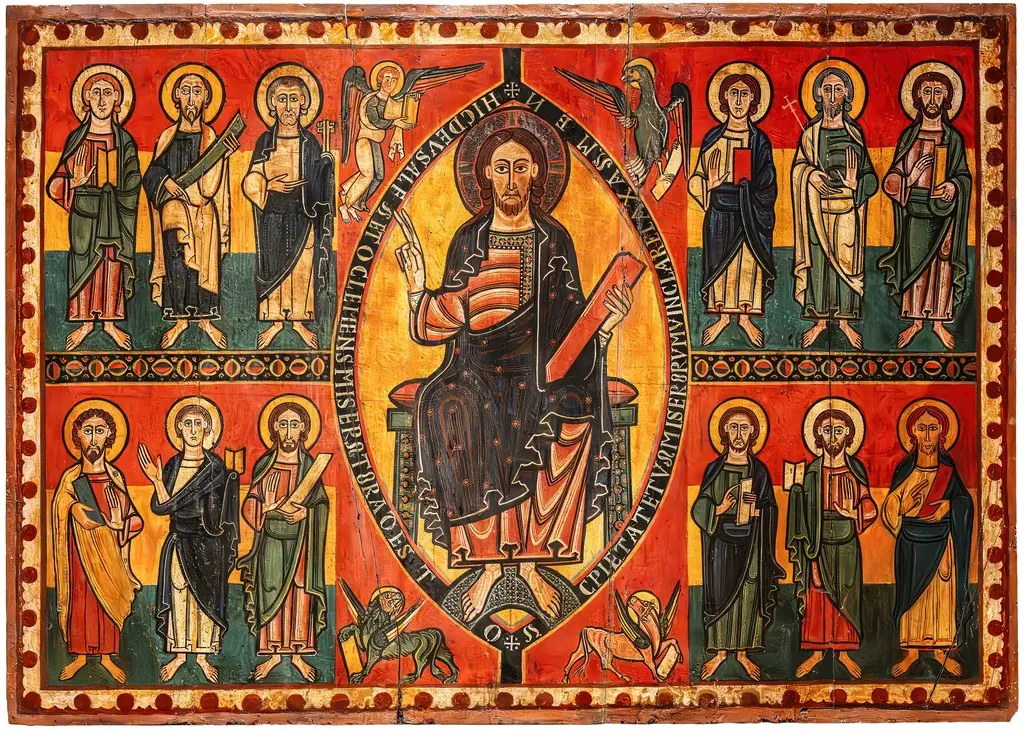 Altar frontal from Esquius
 Altar frontal of the Archangels