Artwork
Bamboo in Moonlight
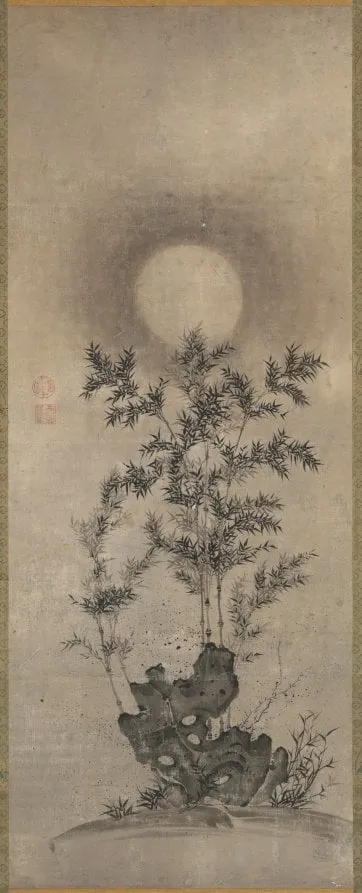
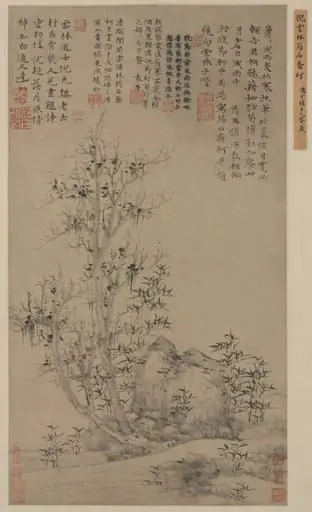
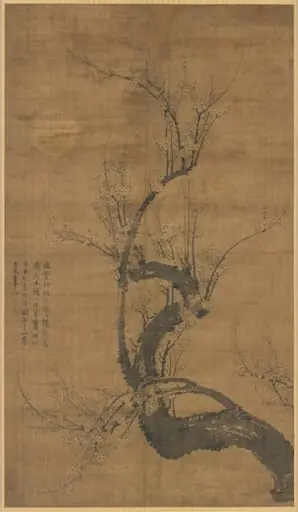
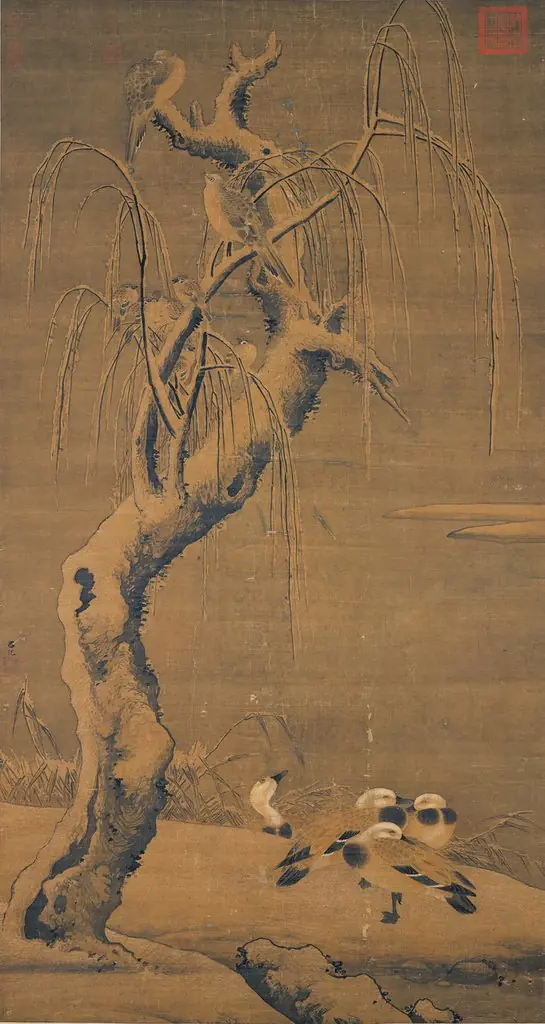
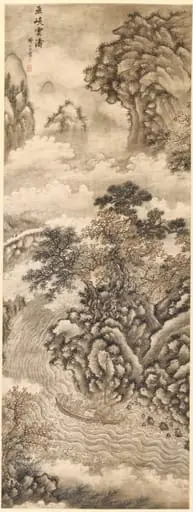
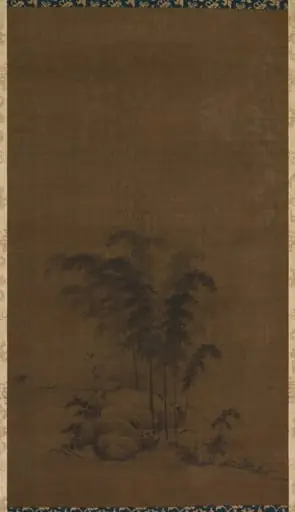
Bamboo in Moonlight is an unspecified painting by the Joseon dynasty painting artist Unknown. It dates from 1504 and is held in the collection of the Cleveland Museum of Art.
- Accession no.
- 1987.186
- Credit line
- Andrew R. and Martha Holden Jennings Fund
About this work
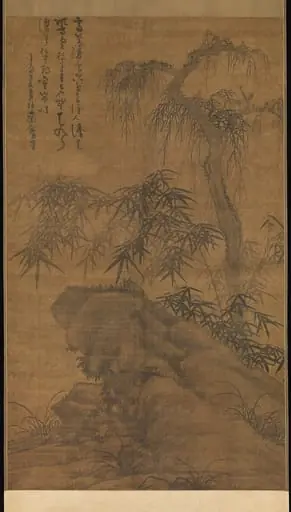
You see a tall bamboo stalk bending in the moonlight, its leaves sharp against the dark sky.
In Korea’s Joseon dynasty, bamboo stood for resilience, it bends but doesn’t break. Artists called it one of the “four gentlemen,” a symbol of noble character. The moon here isn’t just light; it’s a quiet partner to the plant.
To see more like this, look up korea, joseon dynasty (1392–1910).
Overview
Bamboo in Moonlight is a painting that captures a serene nocturnal scene of a lone bamboo stalk under the illumination of a full moon.
Subject & Meaning
The subject, bamboo, symbolizes resilience and noble virtue, embodying the Joseon literati's ideal of harmony with nature. The moon serves as a contemplative counterpart, enhancing the serene ambiance.
Technique & Style
While specific techniques used in the painting are not detailed, the sharp contrast between the bamboo's silhouette and the dark sky suggests a deliberate emphasis on simplicity and chiaroscuro to evoke a meditative mood.
History & Provenance
Created during the Joseon dynasty (1392–1910), the painting reflects the era's aesthetic values. Detailed provenance information is not provided.
Context
Within Joseon art, bamboo was one of the 'four gentlemen' (along with plum trees, orchids, and chrysanthemums), representing virtues admired by the literati class.
Artist & collection