Artwork
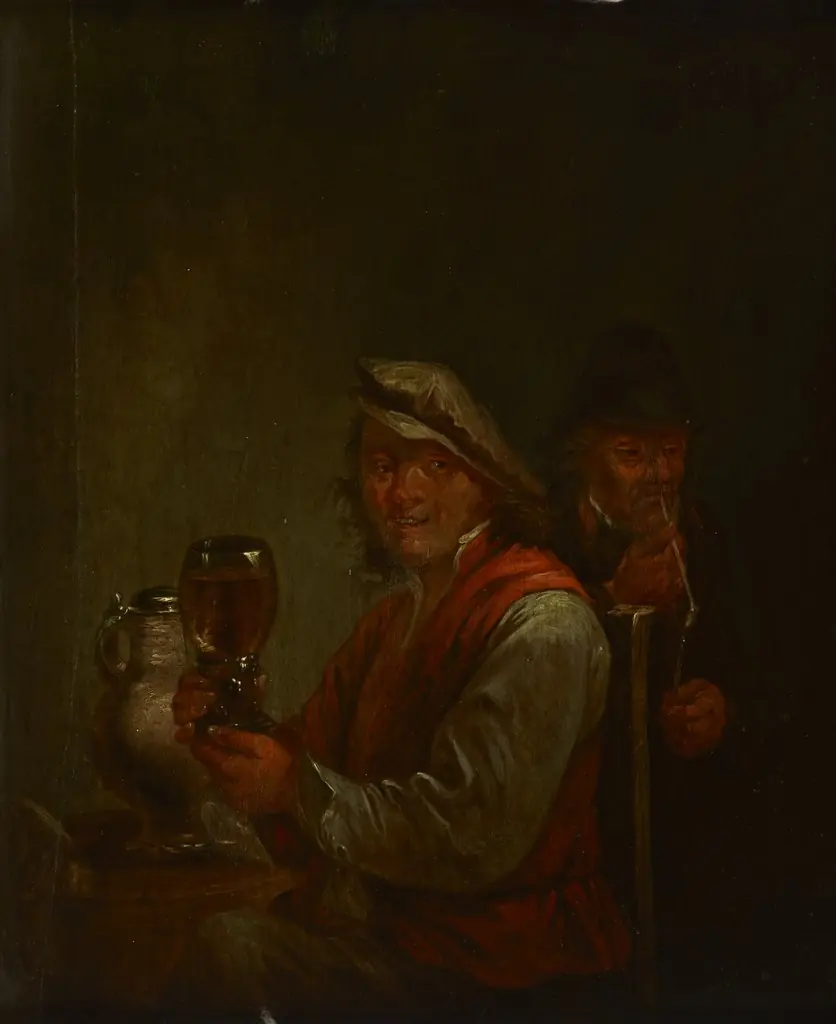
Man with a jug
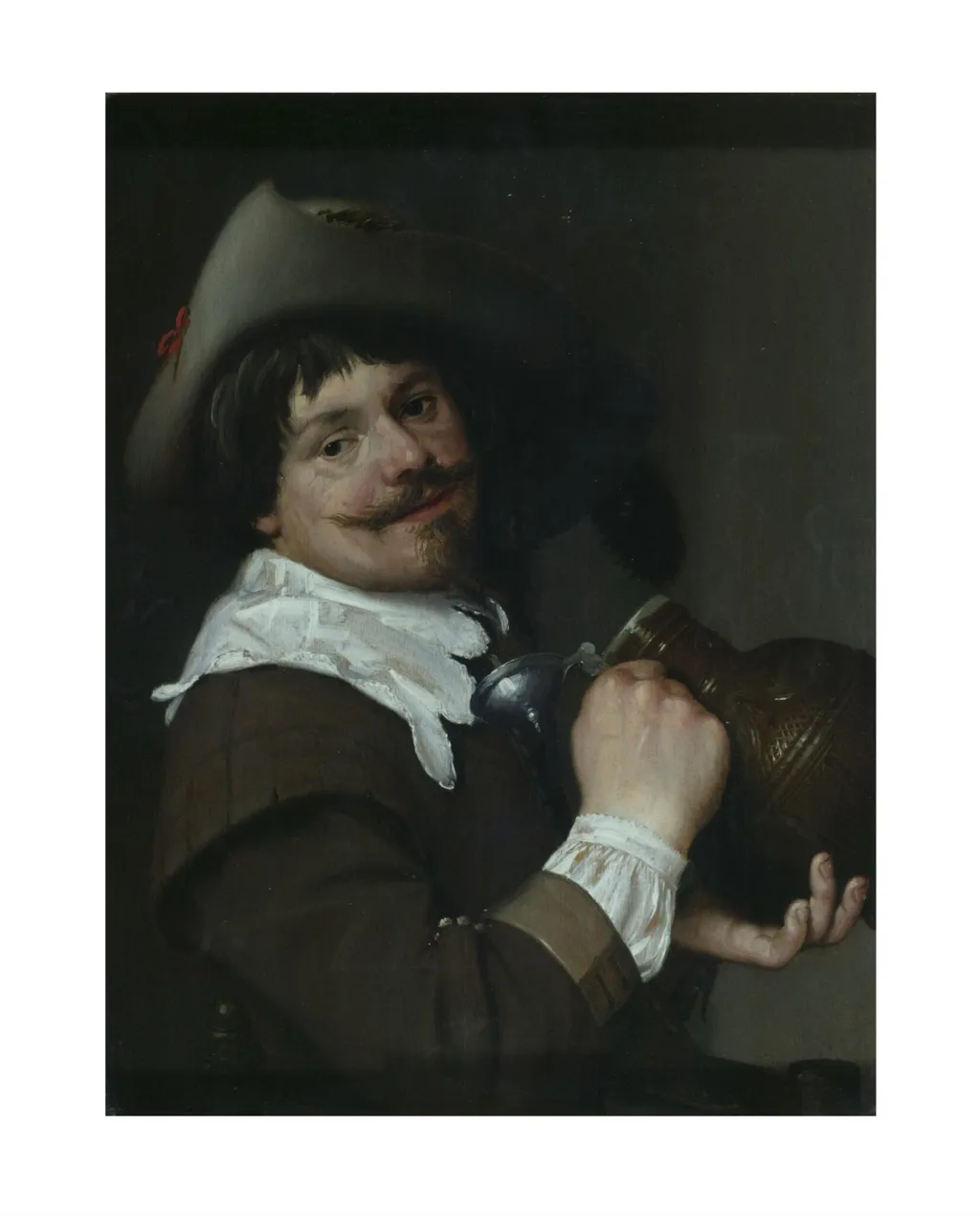
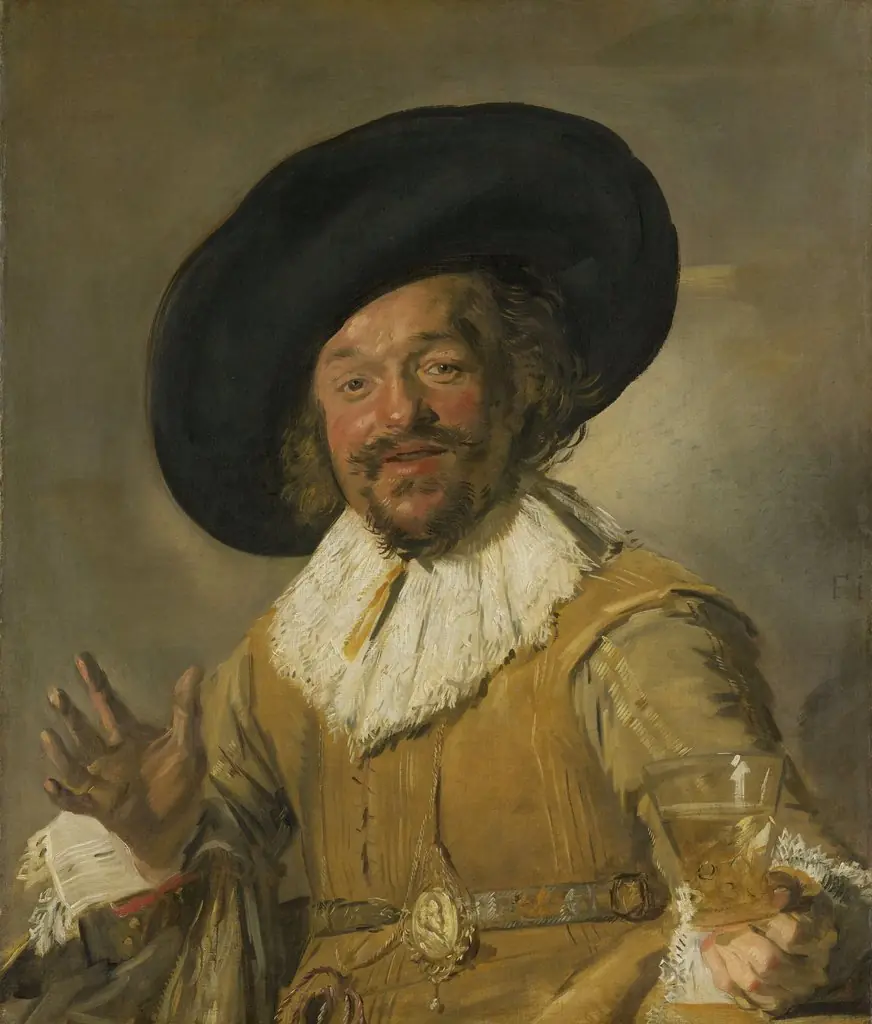
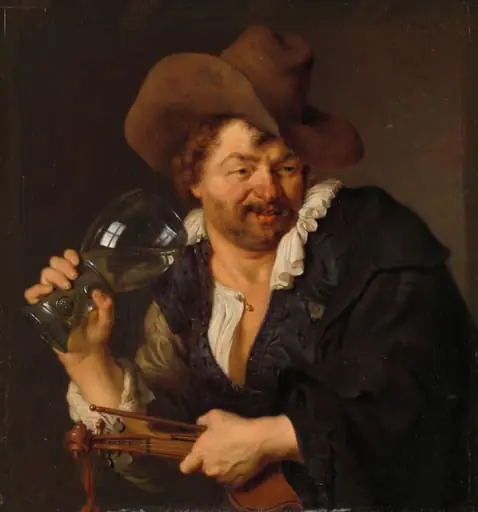
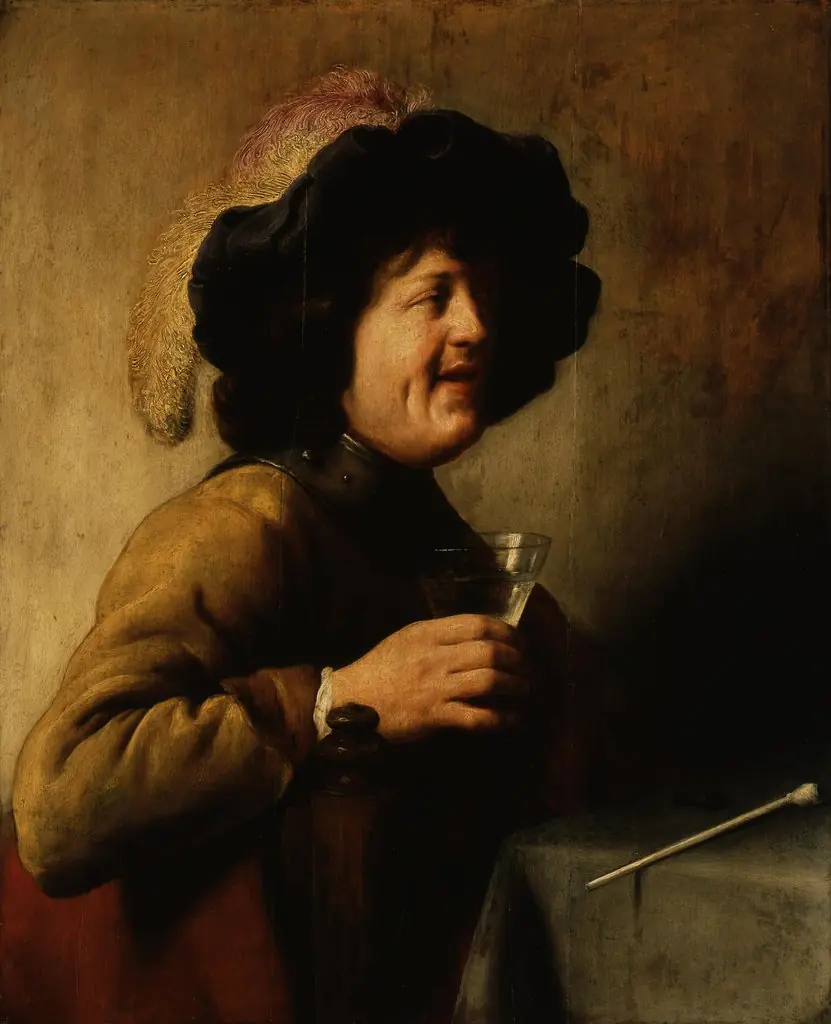
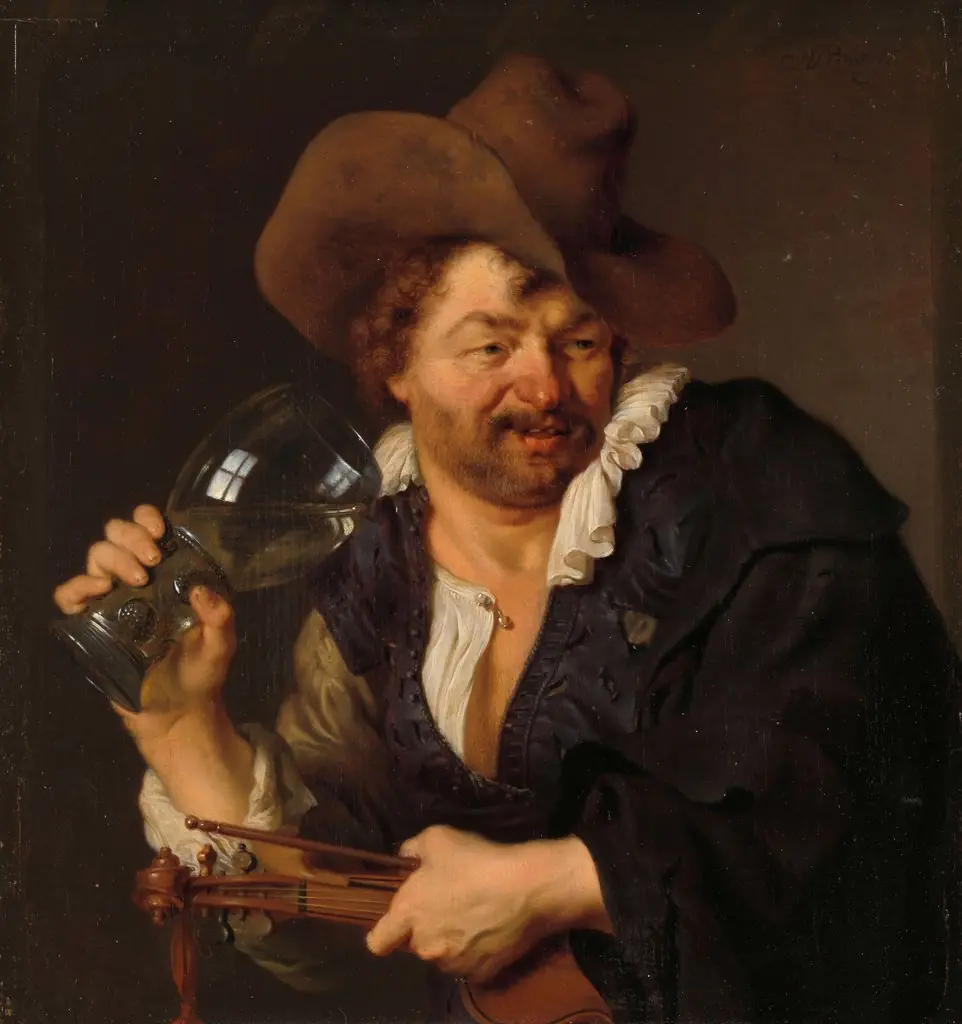
Man with a jug is an oil painting by the Baroque artist Unknown. It dates from 1635 and is held in the collection of the Victoria and Albert Museum. This oil painting from 17th-century Holland depicts a man holding a jug, dressed in modest attire and gazing directly at the viewer.
About this work
The painting is interesting because it was once thought to be by a famous artist, but now we're not so sure.
The painting shows a man holding a jug. He's dressed in simple clothes and looks straight ahead. The painting is interesting because it was once thought to be by a famous artist, but now we're not so sure.
The story behind the painting is that it was attributed to Frans Hals, a well-known painter from Haarlem. This city was a hub for artists in the 17th century, leading to a new style of realistic painting. The painting's style is similar to others from this time and place.
The man's expression is quiet and calm. To learn more about this style of painting, look into the technique of chiaroscuro.
Overview
This oil painting from 17th-century Holland depicts a man holding a jug, dressed in modest attire and gazing directly at the viewer. Once attributed to Frans Hals, it is now considered the work of an unknown artist active in Haarlem, likely influenced by Hals’s approach to portraiture. The piece reflects the regional shift toward naturalistic depiction that defined Dutch Golden Age genre painting.
Subject & Meaning
The figure is an ordinary man, neither noble nor theatrical, rendered with quiet dignity. His direct gaze and unadorned clothing suggest a focus on everyday life, a hallmark of Dutch genre painting. The jug may imply domesticity or labor, but no narrative is overtly staged. The painting’s power lies in its unembellished presence, inviting contemplation rather than storytelling.
Technique & Style
Brushwork is loose yet deliberate, with attention to texture in fabric and skin tone. Light falls naturally across the figure, creating subtle contrasts without the dramatic chiaroscuro of Caravaggio’s followers. The style aligns with Haarlem’s tendency toward restrained realism, blending observational precision with a sense of immediacy, echoing Hals’s influence without replicating his energetic brushstroke.
History & Provenance
The painting was long credited to Frans Hals due to stylistic similarities, a common practice among early collectors seeking works by renowned names. Later scholarship, based on comparative analysis of brushwork and compositional habits, led to its reclassification as by a follower or contemporary. Its provenance remains largely undocumented beyond its association with Haarlem’s artistic milieu.
Context
Haarlem in the early 1600s attracted numerous painters seeking patronage and community, fostering a school known for lifelike depictions of common people. Artists there absorbed influences from Utrecht’s Caravaggisti but adapted them into calmer, more intimate scenes. This painting exemplifies how regional styles evolved through emulation rather than direct imitation.
Legacy
Though no longer linked to Hals, the painting contributes to understanding the broader network of Haarlem artists who extended his legacy. It illustrates how attribution in art history shifts with research, revealing the collaborative nature of artistic development. Its continued presence in collections underscores the value placed on unassuming, authentic portrayals of 17th-century life.
Artist & collection