Artwork
Offerings to Mahakala
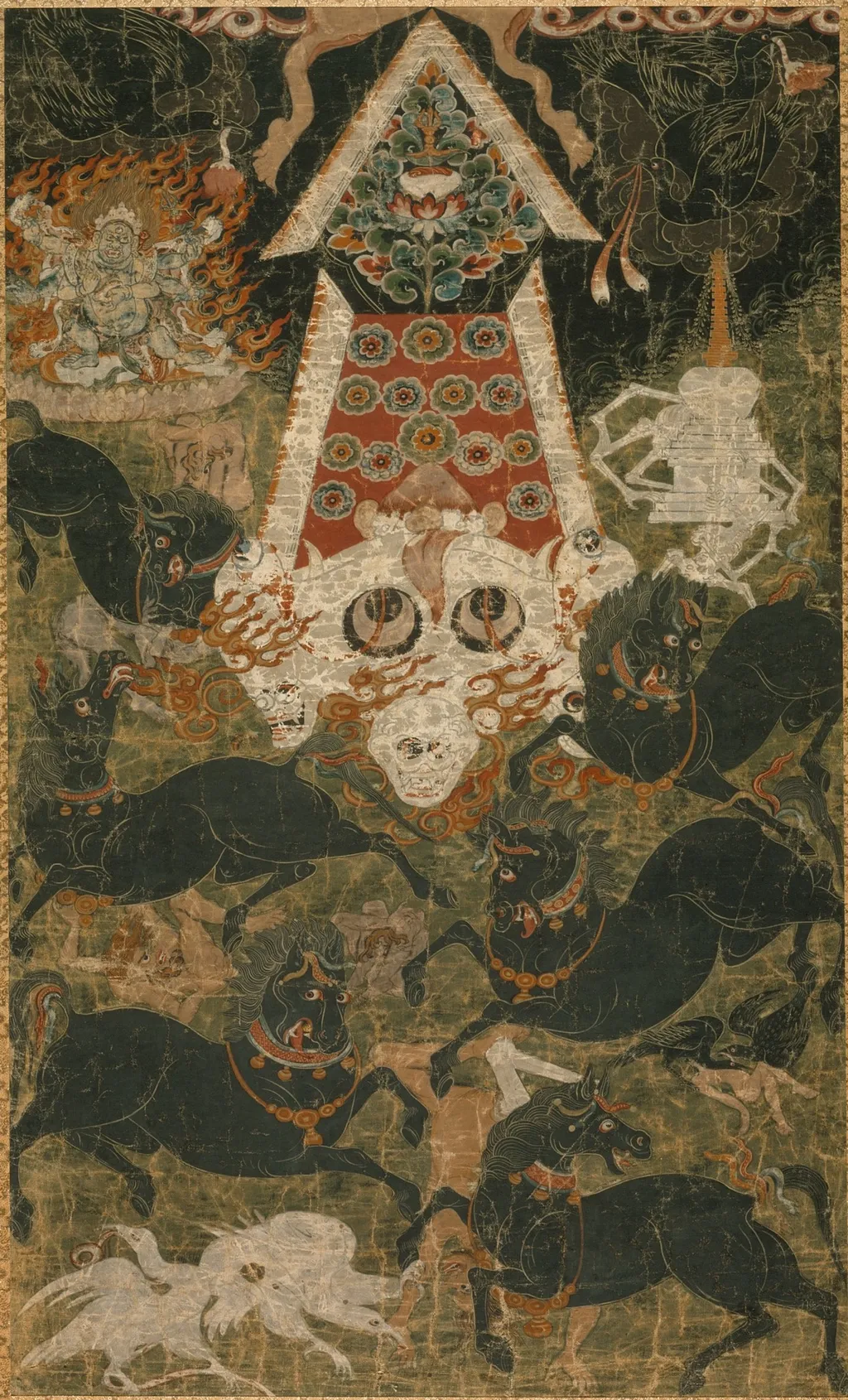
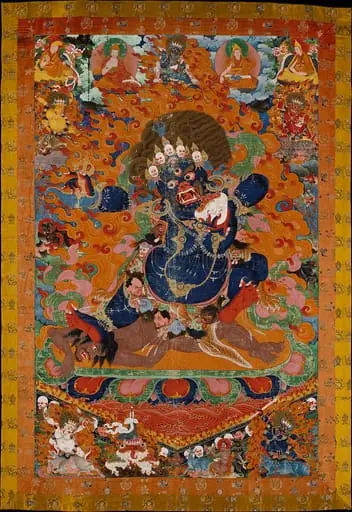
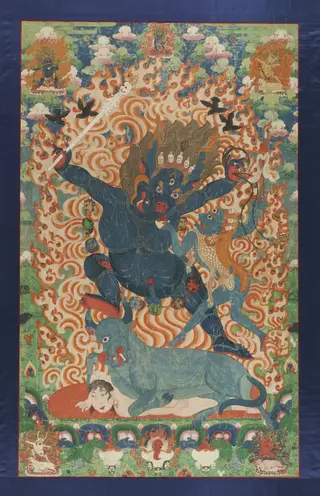
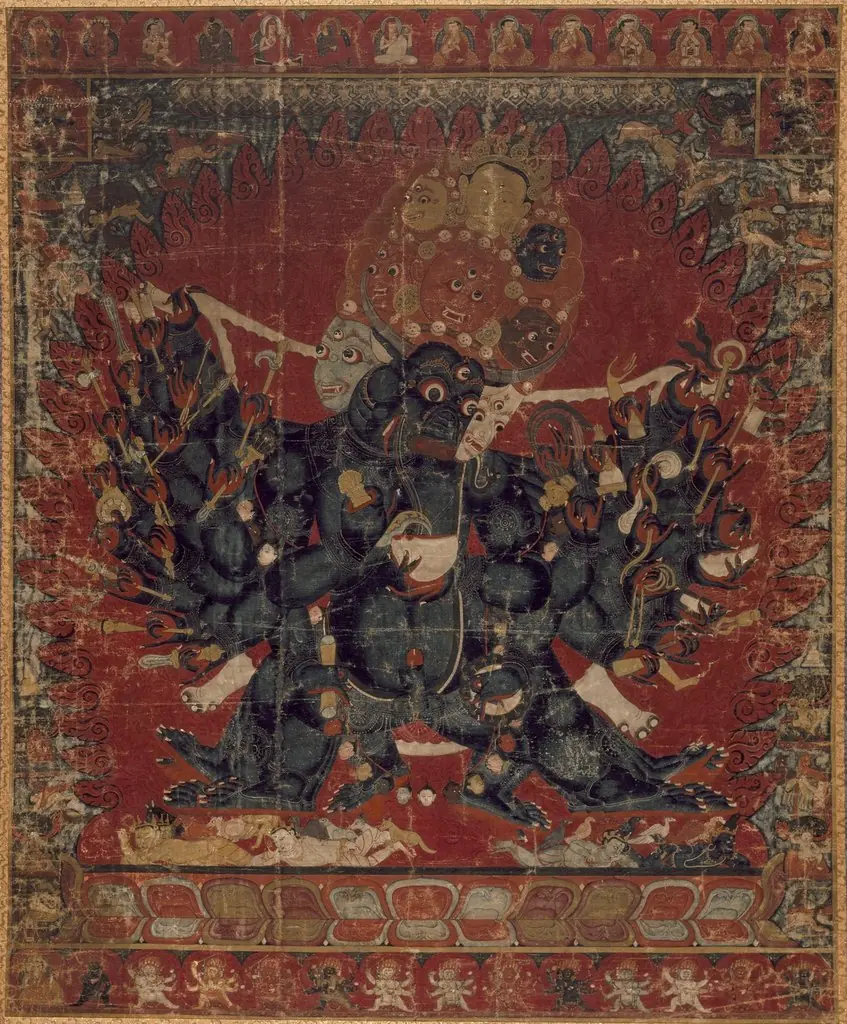
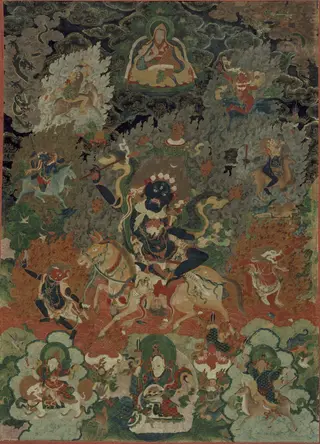
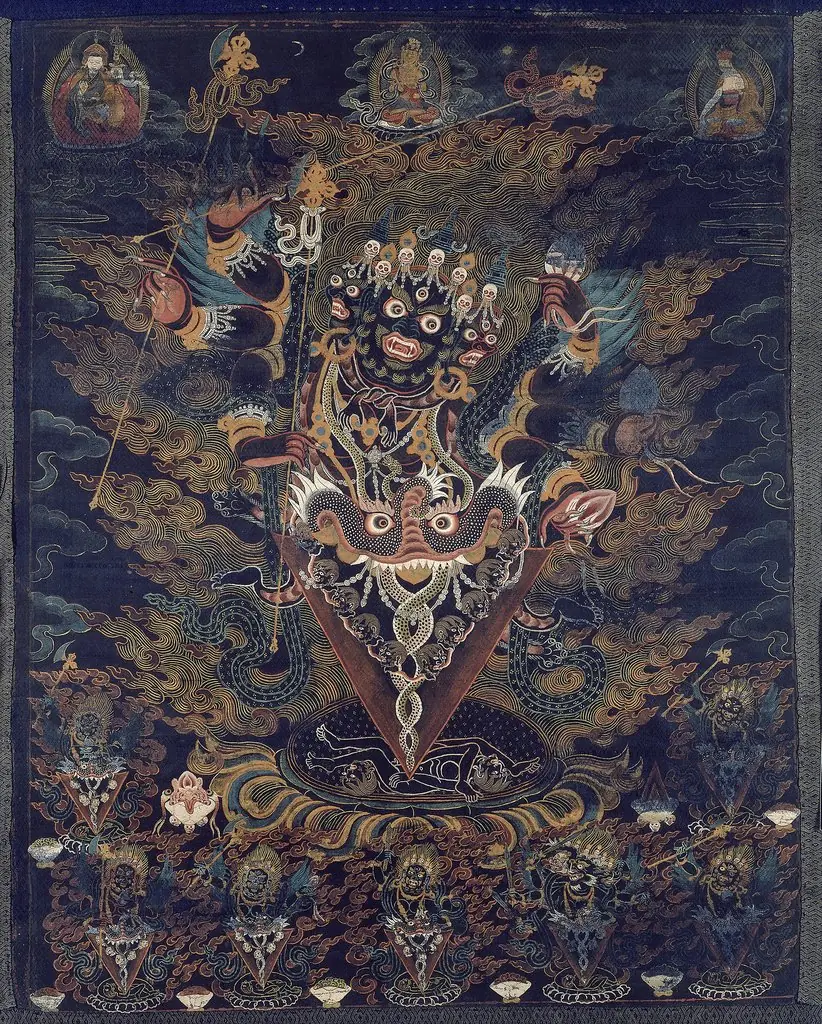
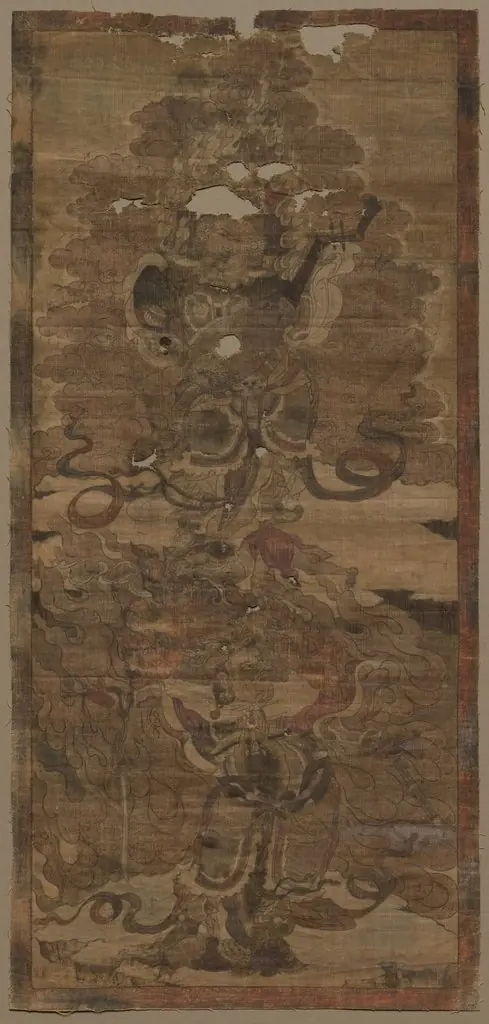
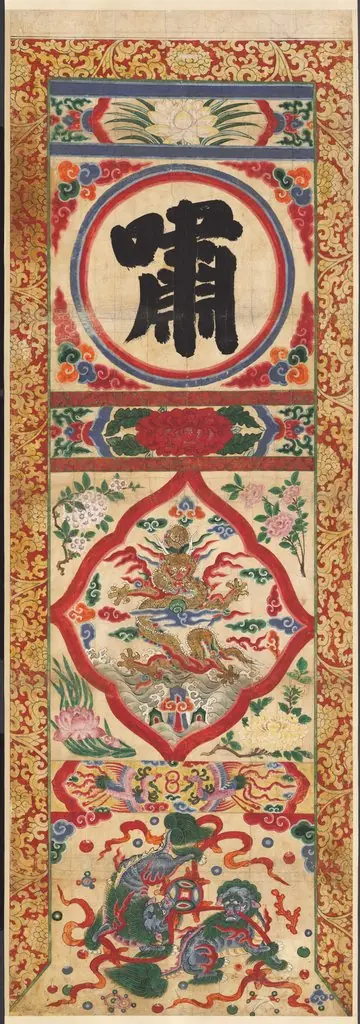
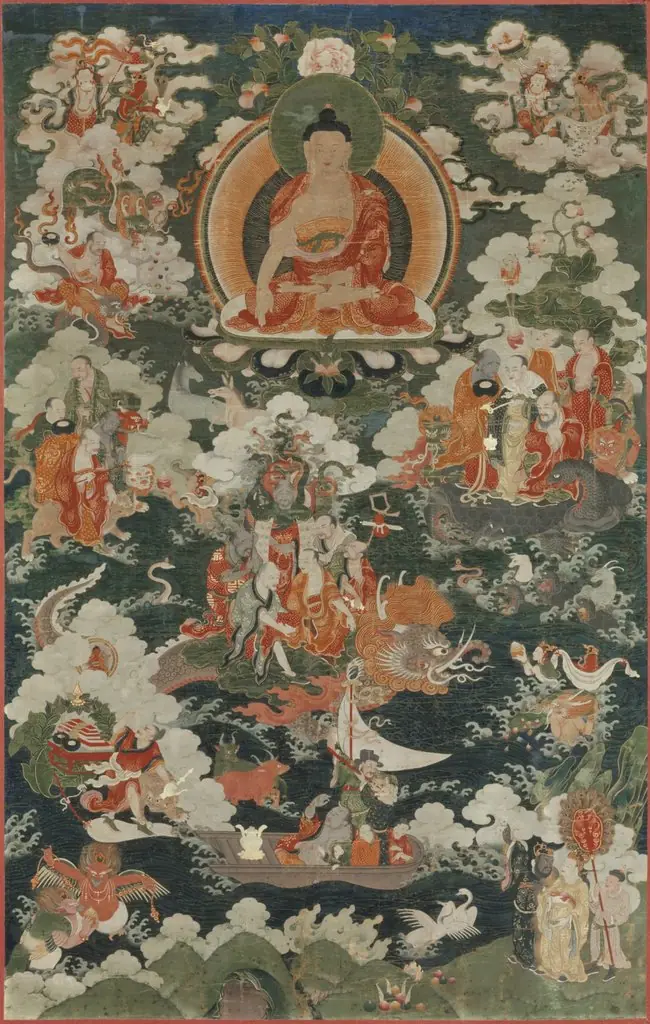
Offerings to Mahakala is an unspecified painting by the Rococo painting artist Unknown. It dates from 1750 and is held in the collection of the Los Angeles County Museum of Art. This Tibetan Buddhist painting, dated to 1750, depicts a ritual offering scene centered on Mahakala, a protective deity.
About this work
The painting is called Offerings to Mahakala. It was made in 1750. You can find it at the Los Angeles County Museum of Art, which might have more information about the artist and the painting's history.
The museum has a large collection of art from different time periods and cultures. To learn more about this type of art, you can look up the Los Angeles County Museum of Art.
Overview
The work resides in the collection of the Los Angeles County Museum of Art, where it is preserved as part of a broader assemblage of Himalayan religious art.
This Tibetan Buddhist painting, dated to 1750, depicts a ritual offering scene centered on Mahakala, a protective deity. Executed in mineral pigments on cloth, it follows traditional thangka conventions, blending spiritual symbolism with precise iconographic detail. The work resides in the collection of the Los Angeles County Museum of Art, where it is preserved as part of a broader assemblage of Himalayan religious art.
Subject & Meaning
Mahakala, portrayed in a wrathful form, is shown receiving offerings of ritual objects, flowers, and sacred substances. The scene reflects tantric practices aimed at invoking protection, removing obstacles, and sustaining spiritual discipline. Surrounding figures, likely monks or deities, reinforce the communal nature of devotion, emphasizing the deity’s role as guardian of the Dharma.
Technique & Style
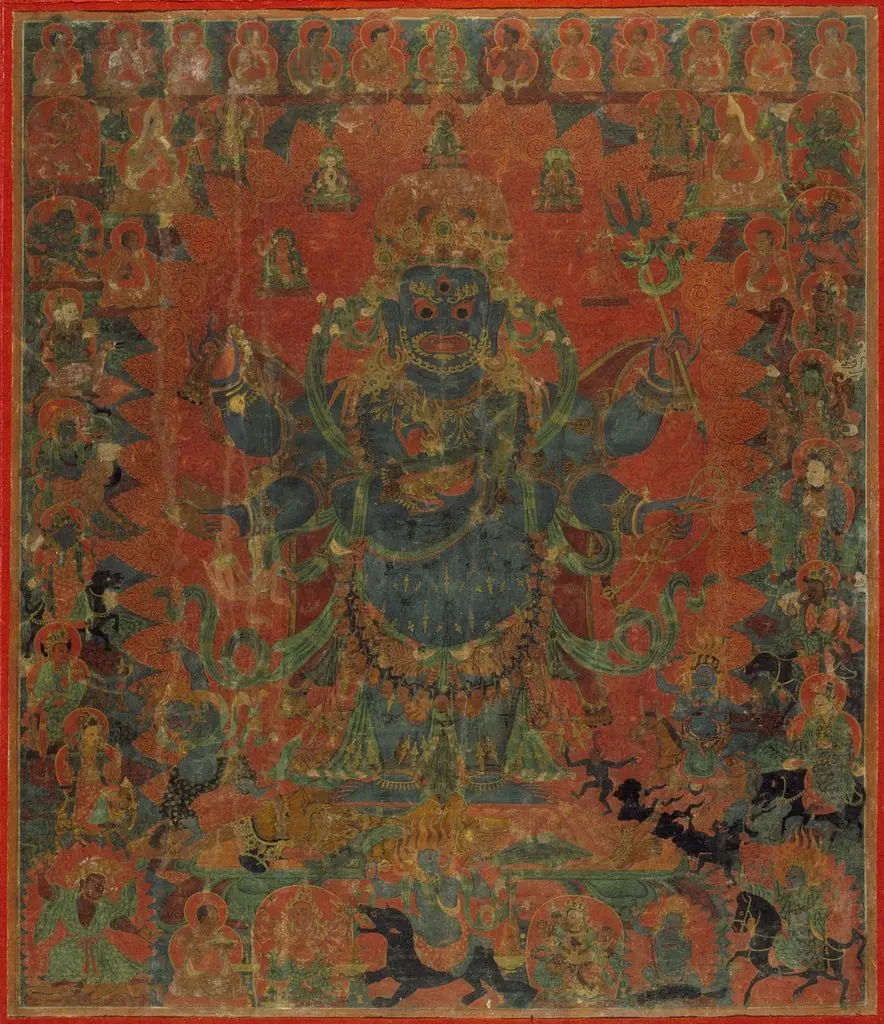
The painting employs traditional thangka techniques: mineral pigments applied with fine brushes on cotton canvas, outlined in black ink and enhanced with gold leaf. Composition is symmetrical and hierarchical, with Mahakala at the center, surrounded by concentric layers of symbolic elements. Colors are rich but restrained, adhering to doctrinal guidelines rather than naturalistic representation.
History & Provenance
The painting’s exact origin and maker remain undocumented, though its style suggests production in a Tibetan monastic workshop during the mid-18th century. It entered the Los Angeles County Museum of Art’s collection through established acquisition channels, likely as part of a broader effort to represent Himalayan religious traditions in a global context.
Context
Created during a period of renewed monastic activity in Tibet, the painting reflects the enduring role of visual art in ritual life. Thangkas like this were used in meditation, teaching, and ceremonial settings, serving both as devotional aids and as embodiments of sacred presence. Similar works were produced across the Himalayan region, often commissioned by monasteries or patrons seeking spiritual merit.
Legacy
As a preserved example of 18th-century Tibetan devotional art, the painting contributes to scholarly understanding of Himalayan religious practices. It continues to be studied for its iconography and craftsmanship, offering insight into how visual culture sustained Buddhist teachings beyond textual transmission.
Artist & collection