Artwork
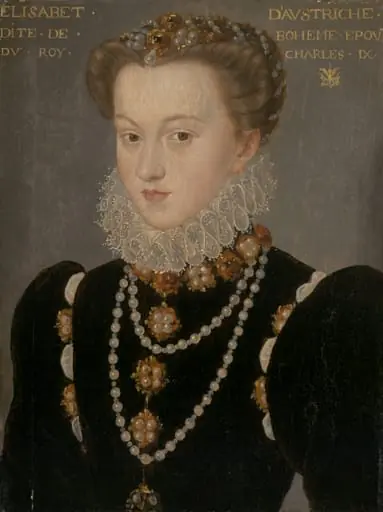
Portrait of an Unknown Lady in mourning dress, dated 1576.
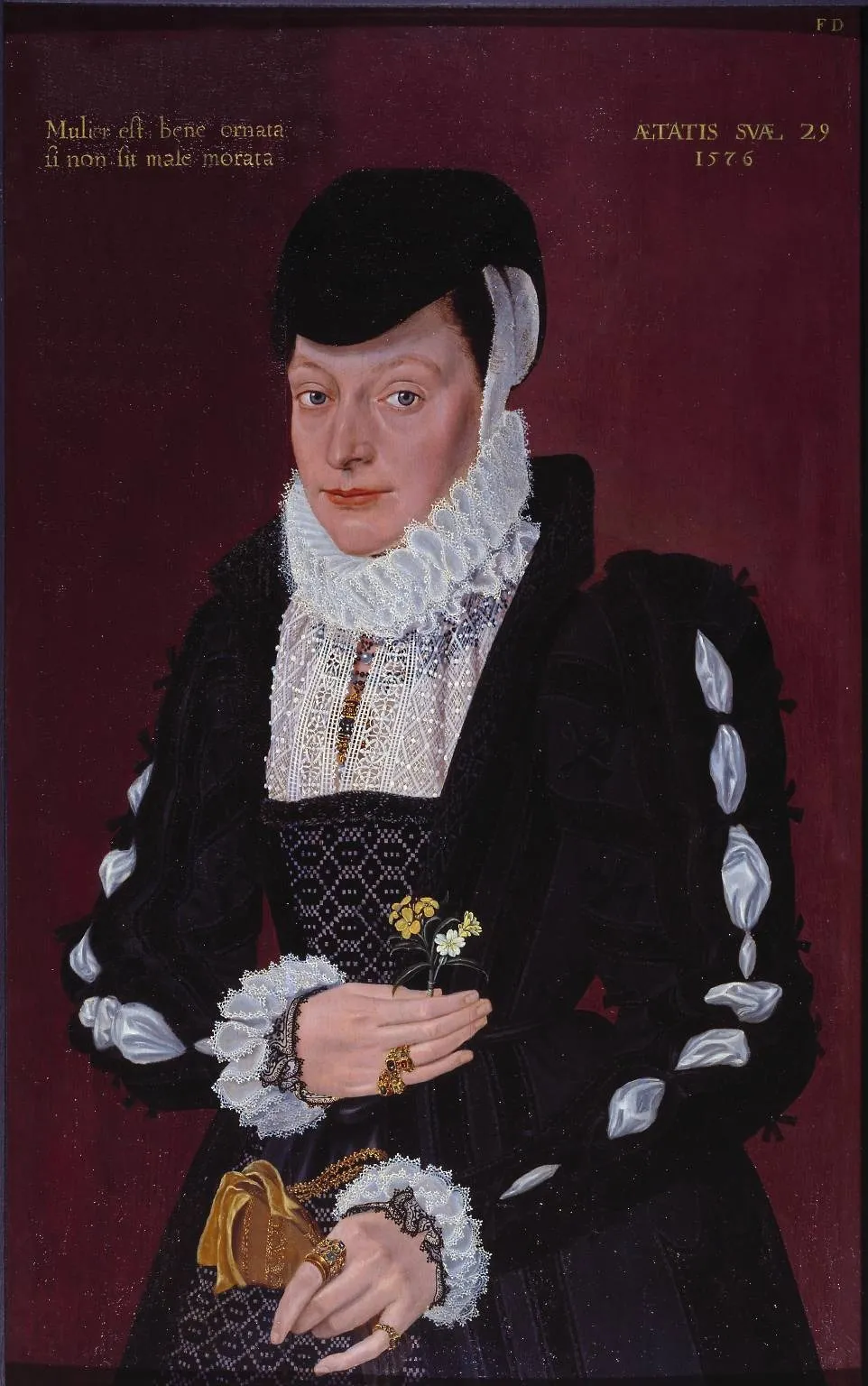
Portrait of an Unknown Lady in mourning dress, dated 1576. is an oil painting by the Mannerist artist Unknown. It dates from 1588 and is held in the collection of the Tate Britain. Painted in 1576, this oil portrait captures a woman dressed in full mourning attire.
About this work
Overview
A small bouquet of flowers rests in her hands, a subtle counterpoint to the darkness of her clothing.
Painted in 1576, this oil portrait captures a woman dressed in full mourning attire. Her somber expression and restrained posture convey a quiet sense of loss. The deep red background contrasts with her black garments, drawing focus to her figure.
A small bouquet of flowers rests in her hands, a subtle counterpoint to the darkness of her clothing. The work is unsigned and bears no inscription, leaving her identity unknown.
Subject & Meaning
The woman’s attire, black dress, white lace cuffs, and ruffled collar, aligns with 16th-century European mourning customs. The flowers she holds may symbolize remembrance or the fleeting nature of life. Her gaze is lowered, avoiding direct engagement, reinforcing a tone of introspection.
The gold ring suggests she was of some social standing, yet the painting emphasizes grief over status, suggesting a personal rather than ceremonial purpose.
Technique & Style
The artist employed fine brushwork to render the textures of lace and silk, with delicate highlights on the collar and cuffs. The deep red background is applied in broad, even strokes, creating a somber, enveloping space. Facial features are rendered with subtle modeling, avoiding dramatic expressionism.
The composition is tightly framed, focusing attention on the figure’s stillness and the quiet dignity of her mourning.
History & Provenance
The painting’s early history is undocumented. It entered a private collection in the 19th century and was later acquired by a European museum in the 1950s. No records link it to a known artist or patron.
Its survival without attribution suggests it was valued for its emotional resonance rather than its origin. Conservation records indicate minimal restoration, preserving its original surface.
Context
In late 16th-century Europe, mourning portraiture was common among the elite following deaths in the family, particularly among royalty and nobility. While formal portraits often celebrated life, this work reflects a more private expression of bereavement. The use of black as a color of mourning had become standardized, and the inclusion of flowers was a recognized symbol of remembrance in funerary culture.
Legacy
Though not attributed to a major artist, the portrait endures as a quiet testament to personal grief in the Renaissance. It offers insight into how mourning was visually articulated outside of public ceremonies. Its unassuming nature and emotional restraint have made it a point of study for scholars examining private expressions of loss in early modern portraiture.
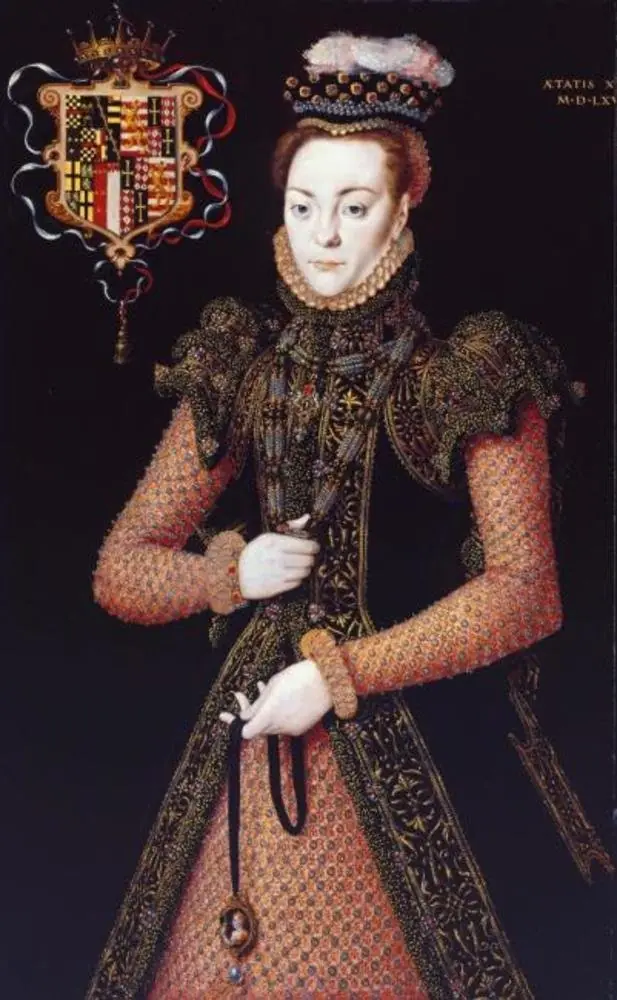
Artist & collection









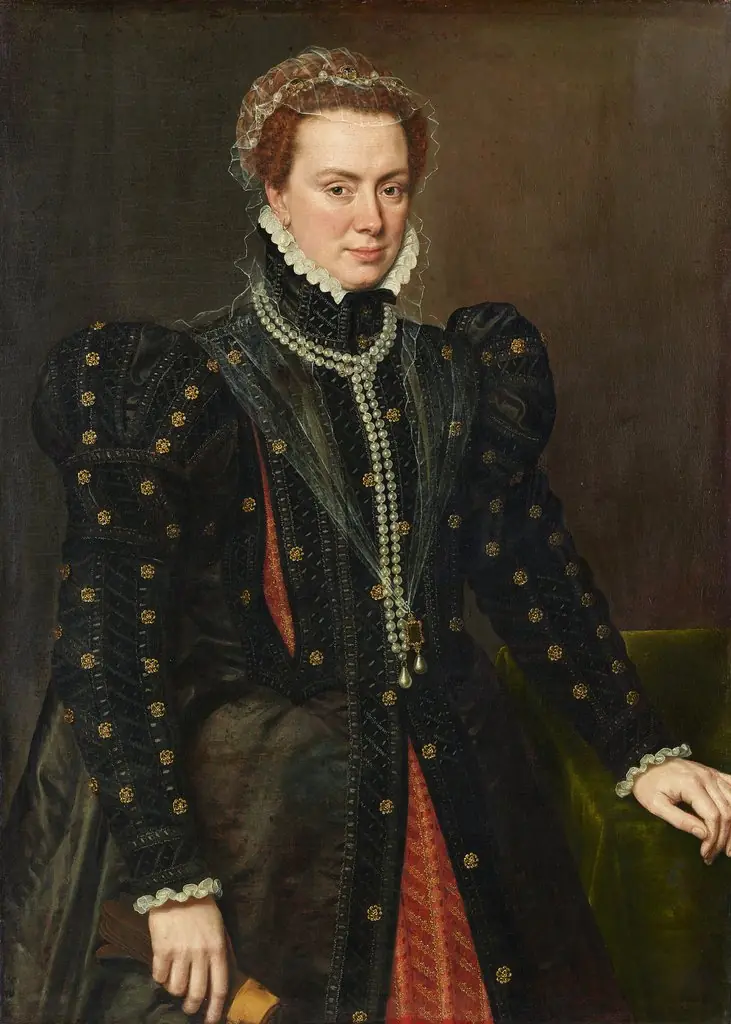 Margaret, Duchess of Parma
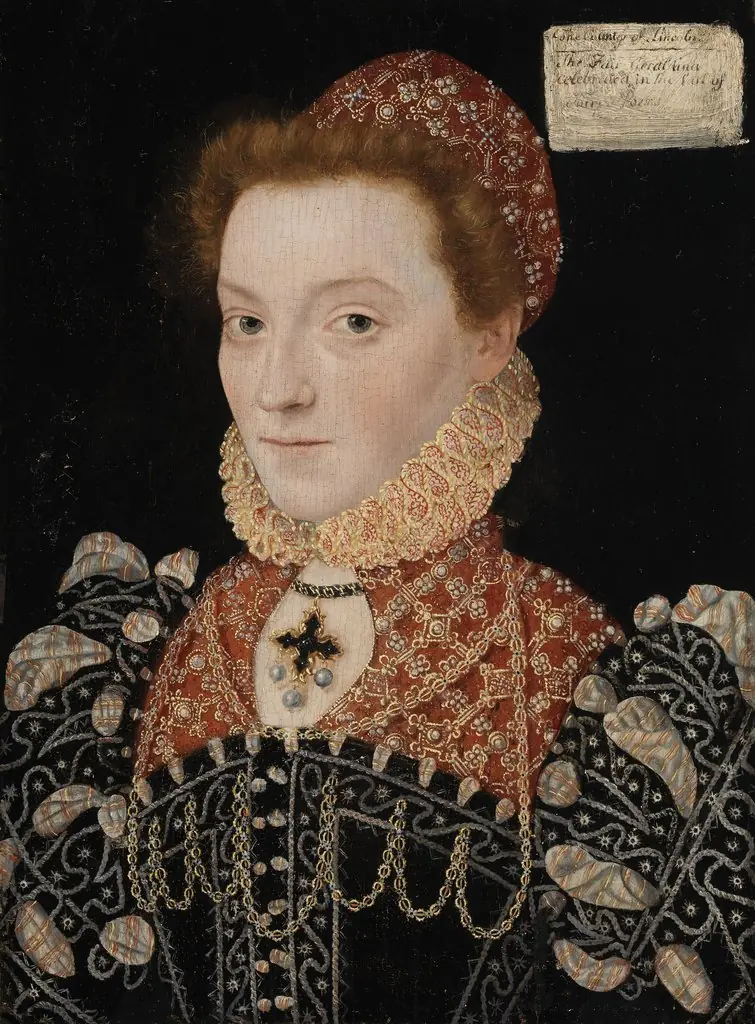 Portrait of 'The Fair Geraldine' (Elizabeth Fitzgerald, Countess of Lincoln, c1528-1590)
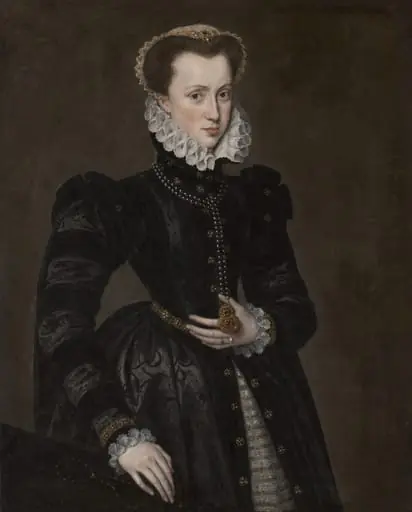 Portrait of a Court Lady
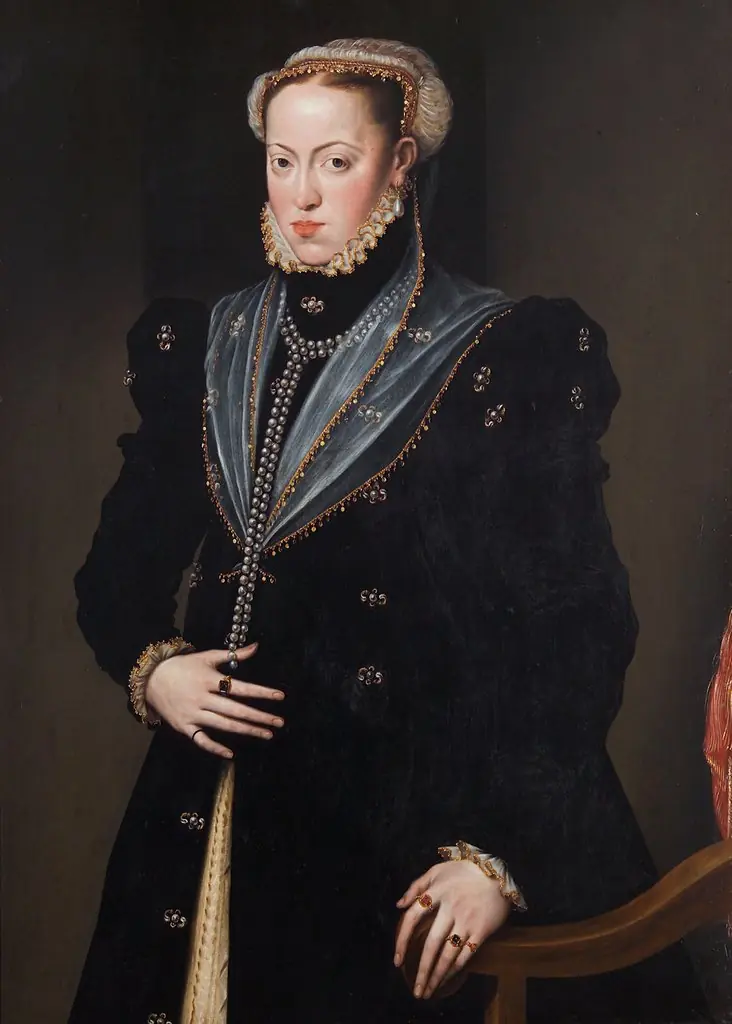 Infantin Maria (1528-1603), Kaiserin, Bildnis in halber Figur
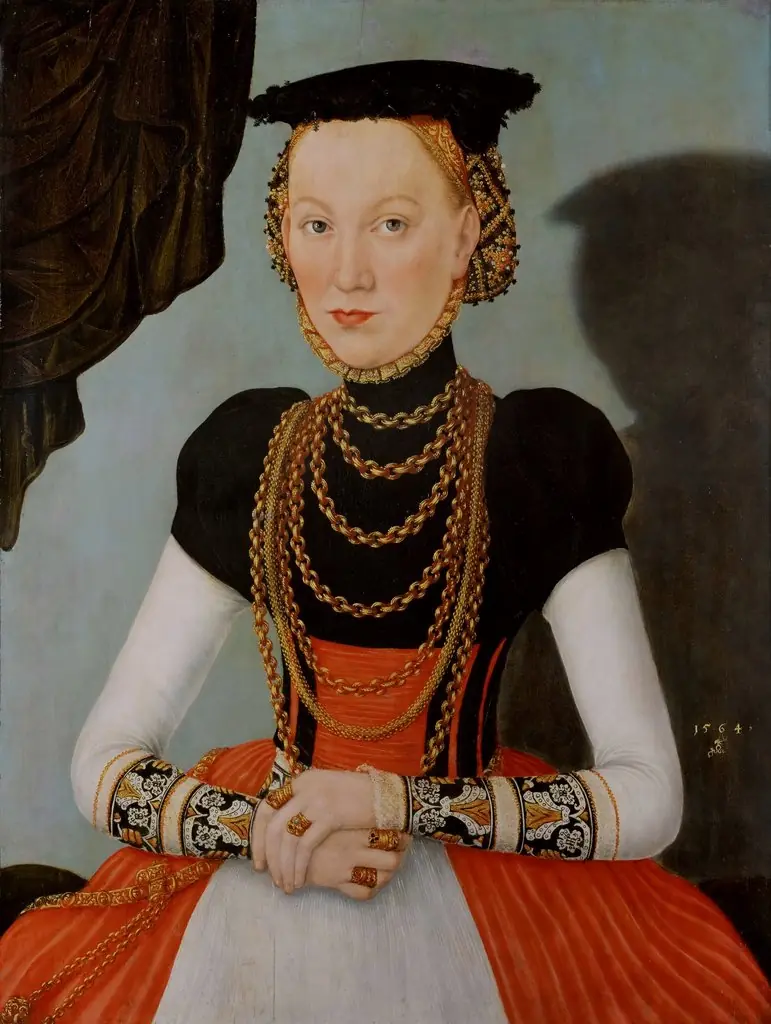 Female Portrait
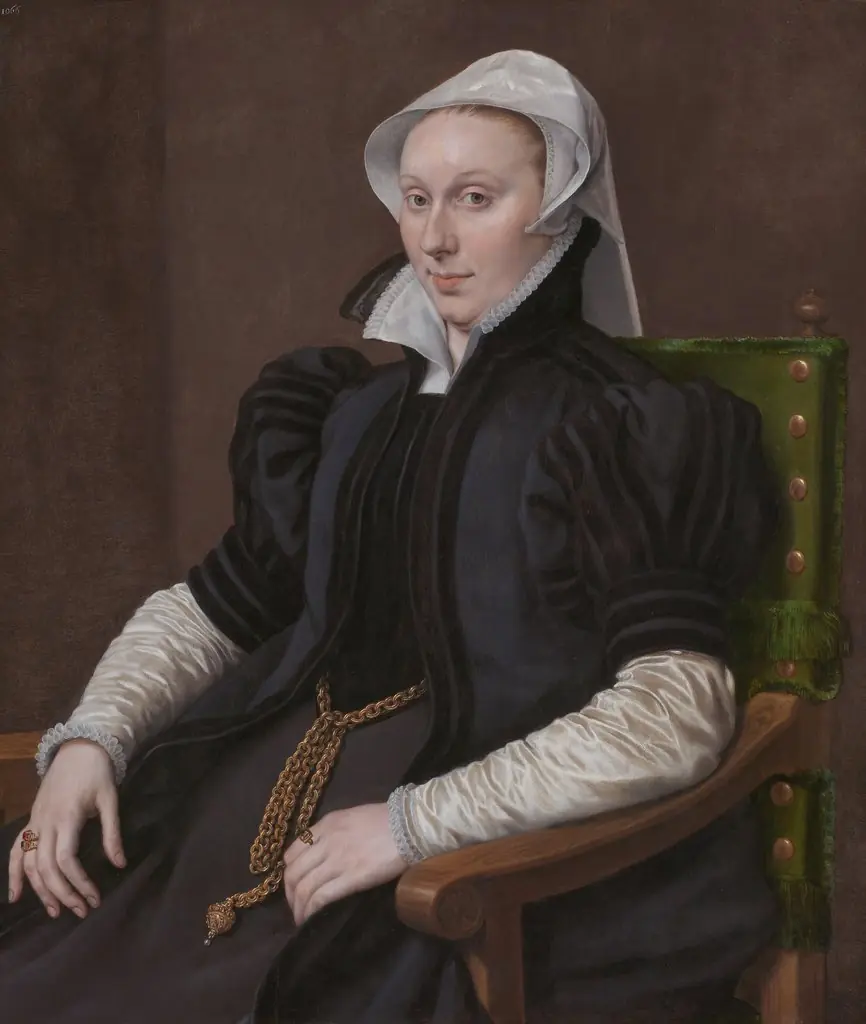 Portrait of Anne Fernely, pendant to Sir Thomas Gresham
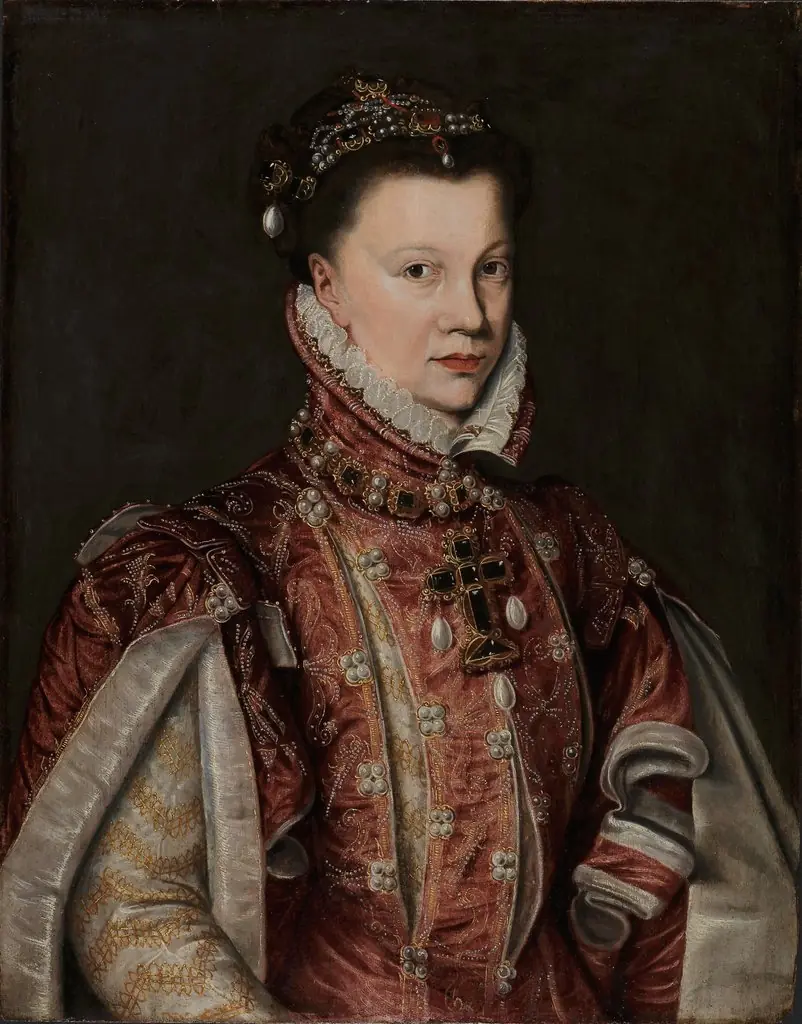 Elisabeth of Valois
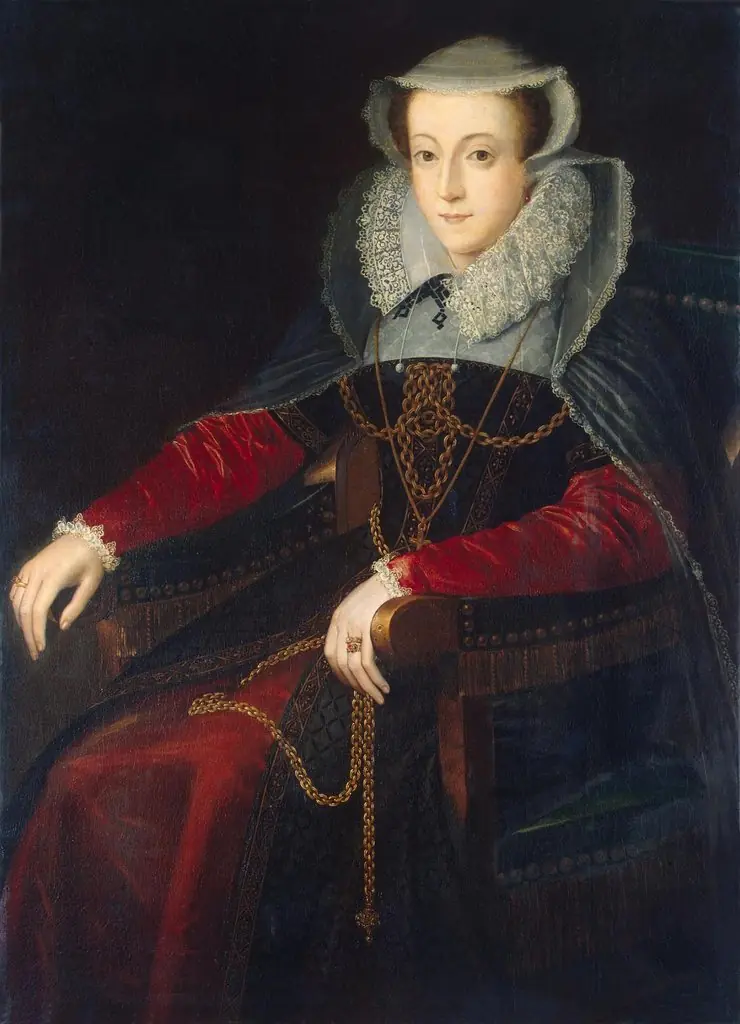 Portrait of Mary Stuart, Queen of Scots
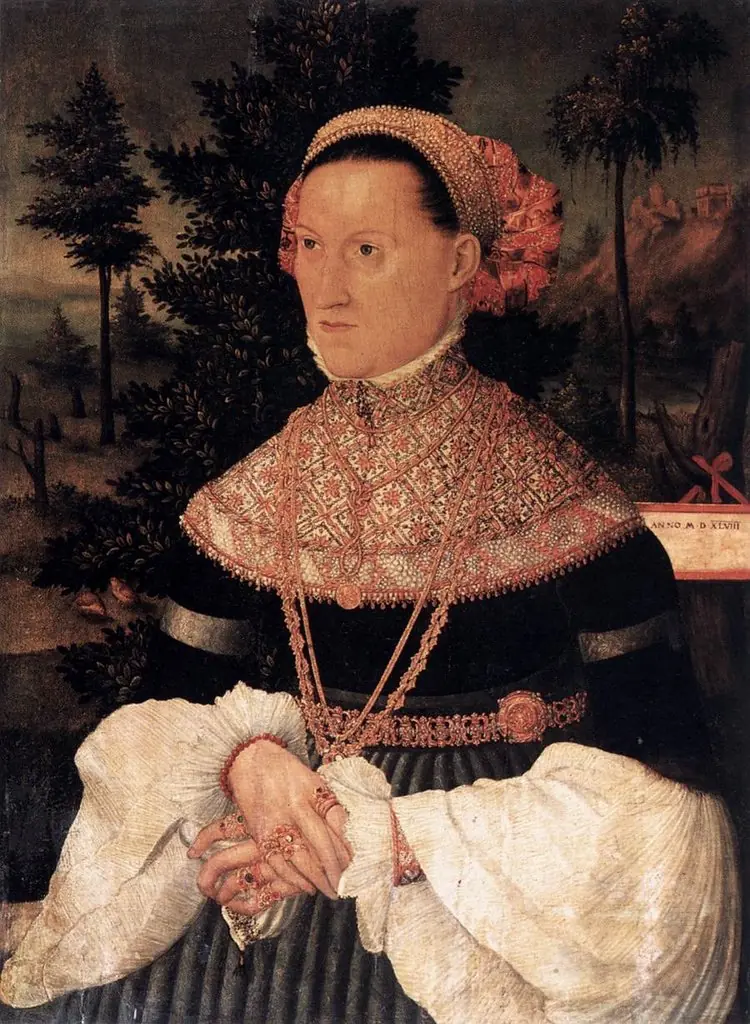 A Lady
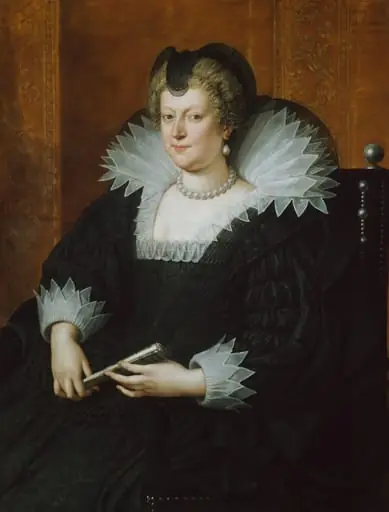 Marie de’ Medici
 Portrait of Elizabeth of Austria, Wife of King Charles IX of France
- Portrait of an Unknown Lady