Artwork
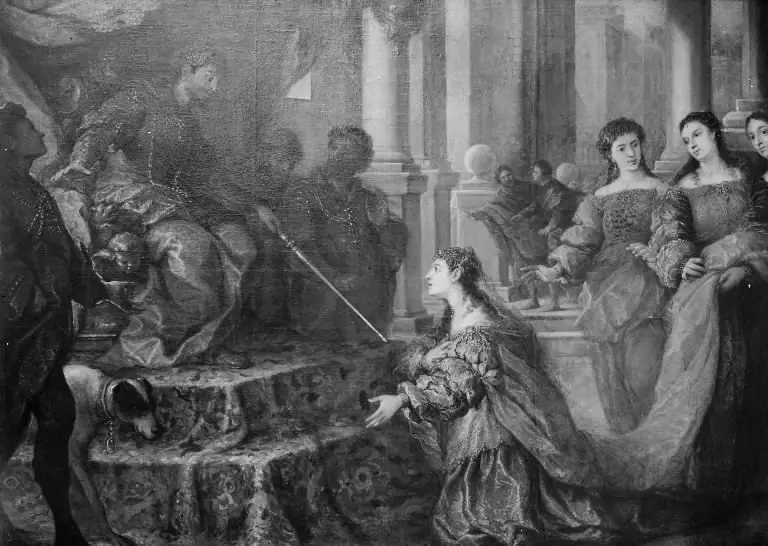
The Women of Bethulia Celebrating the Triumph of Judith over Holophernes
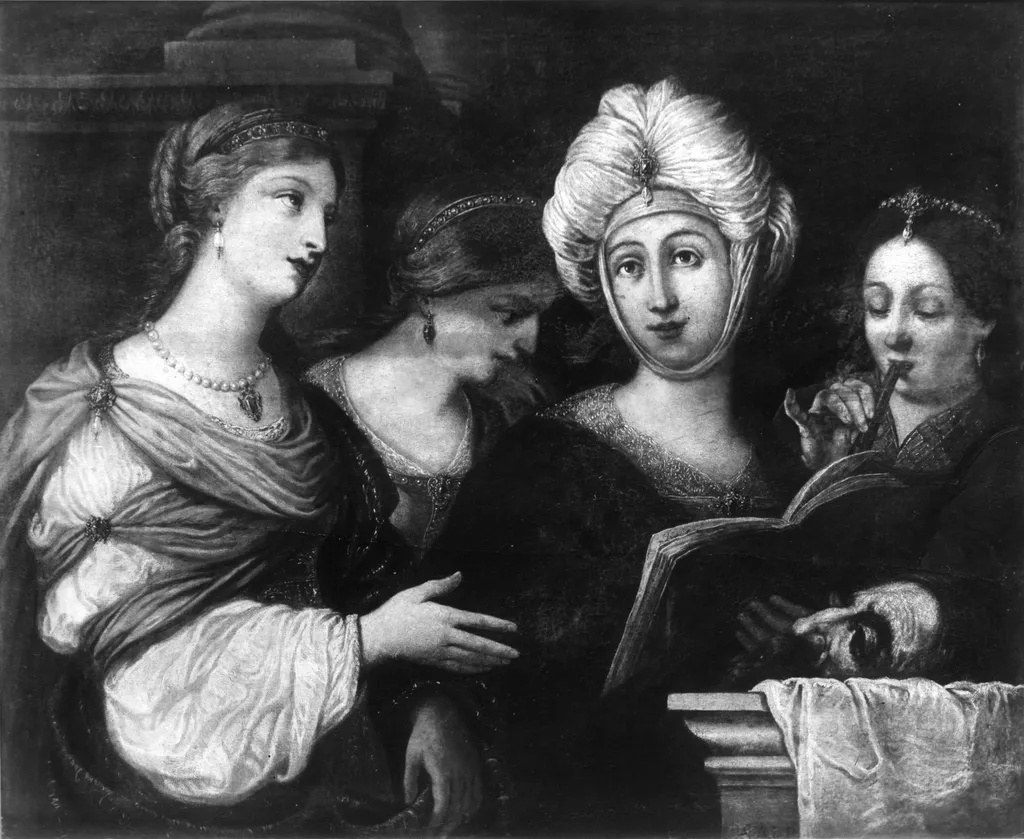
The Women of Bethulia Celebrating the Triumph of Judith over Holophernes is an oil painting by the Flemish Baroque painting artist Unknown. It dates from 1700 and is held in the collection of the Walters Art Museum. An oil painting portraying four women in a moment of quiet jubilation, set against a deep, shadowed background.
About this work
Overview
An oil painting portraying four women in a moment of quiet jubilation, set against a deep, shadowed background. They gather around a table draped in white cloth, their expressions and postures conveying relief and celebration. The composition centers on their shared presence, with lighting emphasizing facial features and fabric textures through strong contrasts of light and dark.
Subject & Meaning
The scene illustrates the women of Bethulia rejoicing after Judith’s victory over the Assyrian general Holophernes. Their gathering symbolizes communal gratitude and deliverance from siege. Each figure’s attire and posture reflect individual roles within the group, yet their unity underscores collective triumph over oppression, rooted in the biblical narrative of Judith’s courage.
Technique & Style
Chiaroscuro is employed to sculpt the figures from darkness, drawing focus to their faces and garments. The white tablecloth contrasts with the muted tones of their clothing, enhancing spatial depth. Brushwork is restrained, favoring solidity over detail, with attention to the play of light on fabric folds and skin, reinforcing the solemnity of the moment.
History & Provenance
The painting’s origin is tied to early modern religious art traditions, likely produced in the 17th century by an artist influenced by Caravaggisti practices. Its early ownership remains undocumented, but its subject matter aligns with Counter-Reformation interests in heroic female saints. It entered public collections in the late 19th century, where it was cataloged as a devotional work.
Context
Depictions of Judith’s triumph were common in European art during periods of religious conflict, serving as allegories for divine intervention and moral fortitude. This painting reflects a trend of focusing on female agency and communal response rather than the act of violence itself, emphasizing aftermath and quiet reverence over spectacle.
Legacy
The work contributes to a broader visual tradition that elevates biblical women as symbols of resilience. While not widely reproduced, its restrained composition and emotional gravity distinguish it from more theatrical interpretations. It remains a quiet testament to the cultural resonance of Judith’s story in early modern visual culture.
Artist & collection









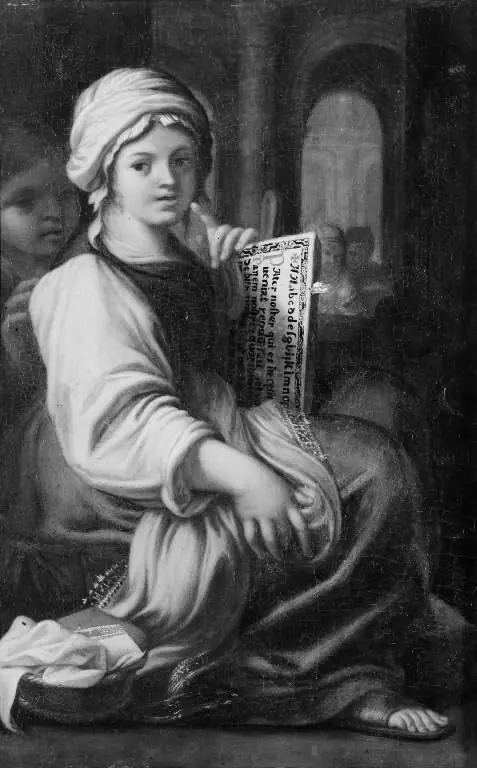
- Girl with a Hornbook
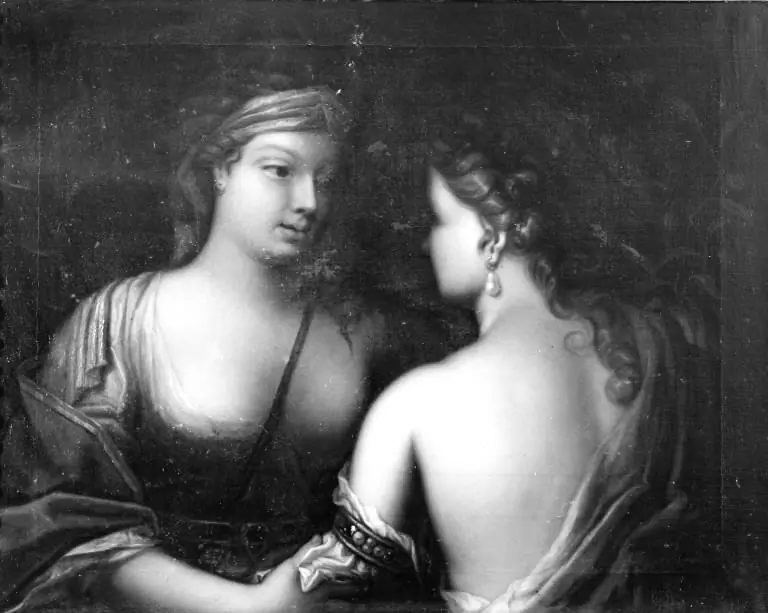 Tvende fruentimmer i halv figur
 Tvende fruentimmer i halv figur
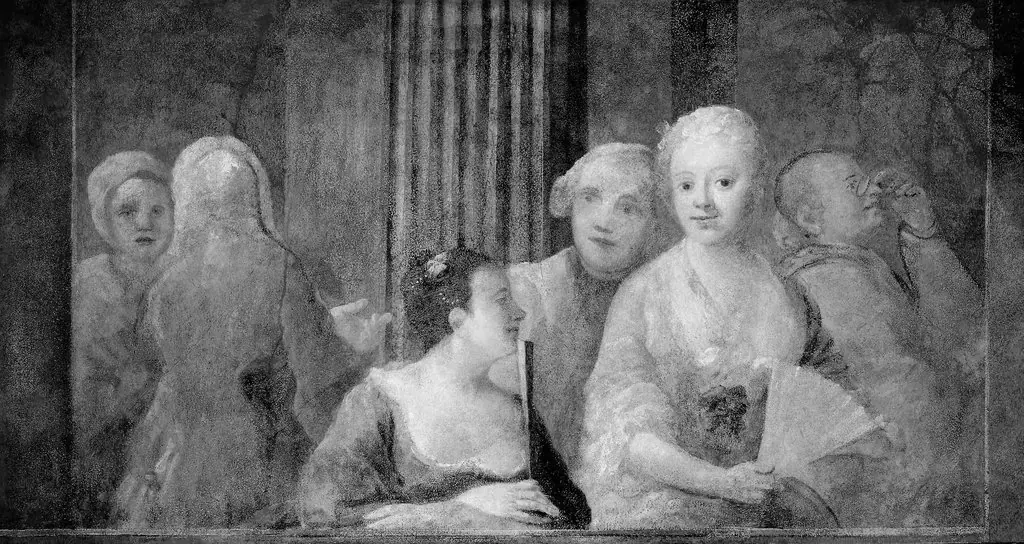 Fashionable Figures, with Two Women Holding Fans
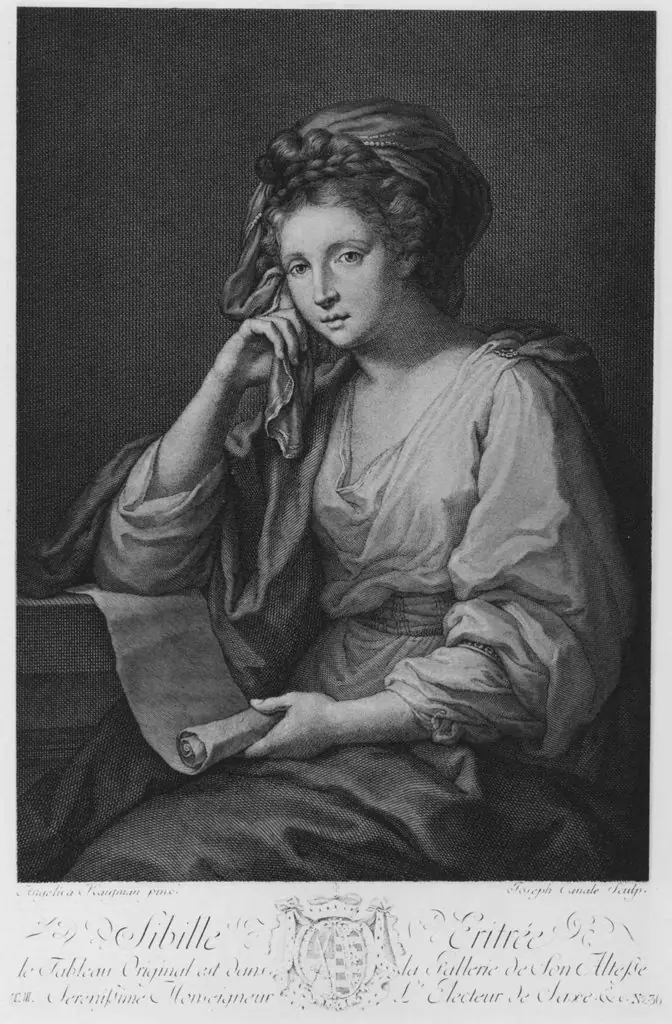 Sybille
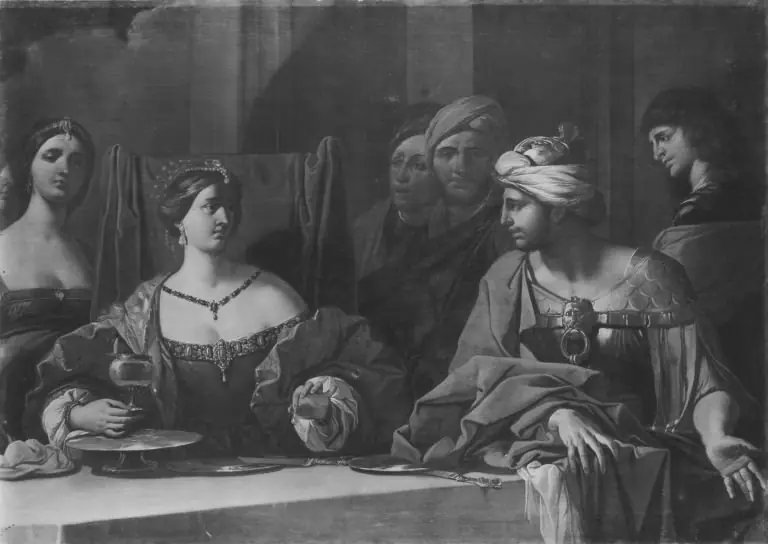 Das Gastmahl der Kleopatra
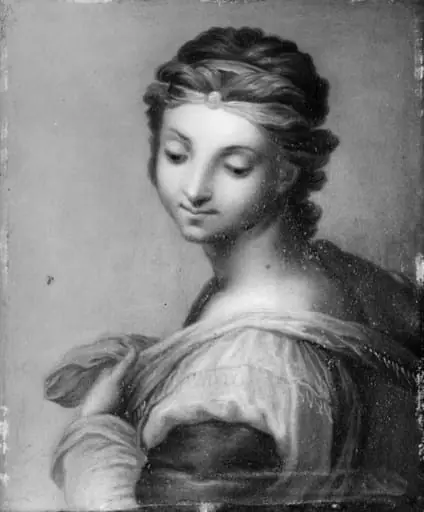 Den hellige Barbara
 Den hellige Barbara
 Woman Holding Two Tablets (the Cumaean Sibyl?)
 Judith with the head of Holofernes or Salome with the head of St John the Baptist
 Tvende fruentimmer, hvoraf den forreste holder en bog i sin hånd
 Esther Kneeling before Ahasverus