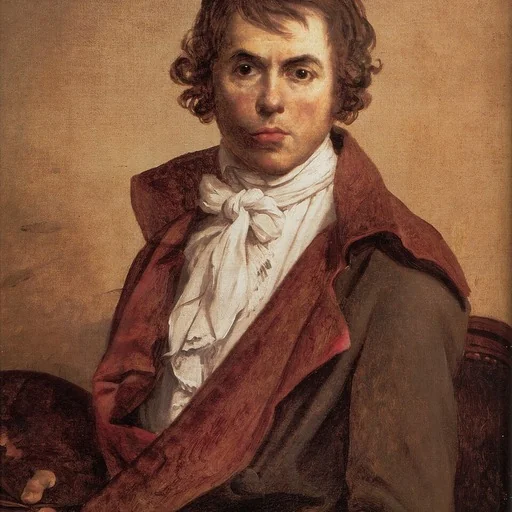
Subject
Achilles
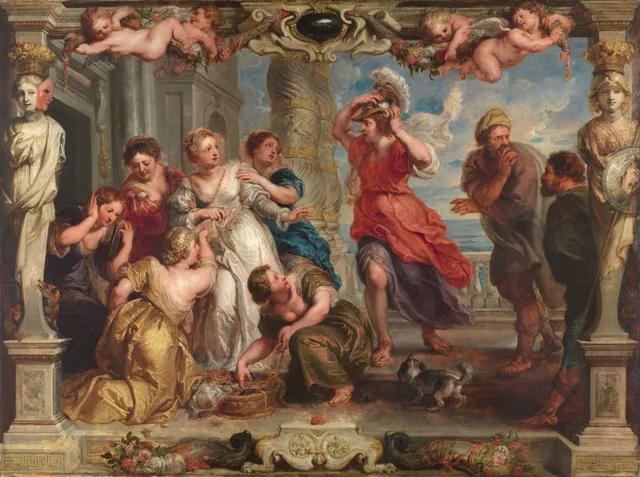
Achilles is a subject in art. The gallery holds 25 works in this subject in art, including works by Jacques-Louis David, Anthony van Dyck and Peter Paul Rubens.
male given name
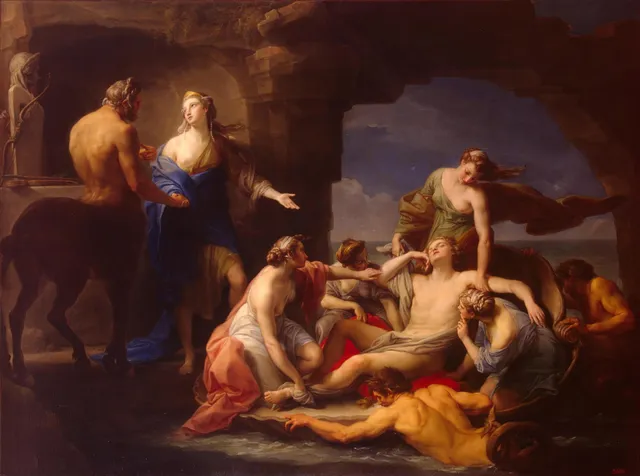
Key artists
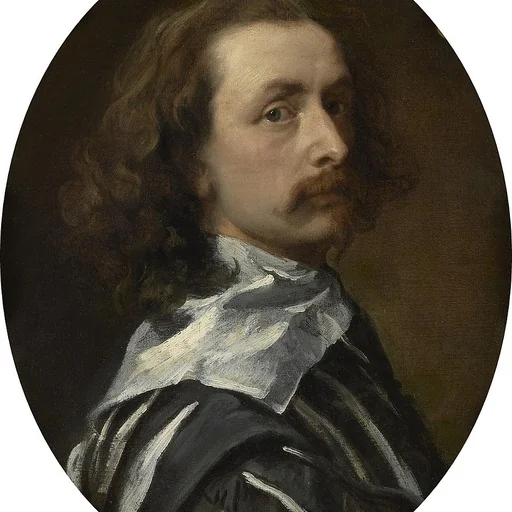

Overview
Achilles, the central hero of Homer's Iliad and the greatest warrior of the Greek army during the Trojan War, is a recurring subject in Western art. The son of the Nereid Thetis and the mortal king Peleus of Phthia, Achilles was fated to choose between a long, obscure life and a brief, glorious death at Troy. His choice of the latter, cemented by his slaying of the Trojan prince Hector and his own subsequent death from an arrow to his vulnerable heel, established him as the paradigmatic hero of glory and grief. Artists have repeatedly turned to his myth to explore themes of mortality, divine intervention, martial fury, and tragic destiny, making his life episodes a foundational corpus of classical and post-classical iconography.
Iconography & meaning
The iconography of Achilles is deeply tied to his dual nature as both invulnerable and fatally flawed. The most famous attribute, the vulnerable heel, derives from the post-Homeric tradition, notably Statius's first-century Achilleid, where Thetis dips the infant Achilles in the River Styx, holding him by the heel. This motif symbolizes a crucial, hidden weakness, giving rise to the proverbial Achilles heel. Another early tradition depicts Thetis anointing him with ambrosia and burning away his mortal parts in a fire. His education under the centaur Chiron on Mount Pelion is a common motif representing the heroic ideal, where the youth masters hunting, music, and warfare. The episode of Achilles disguised as a girl named Pyrrha among the daughters of King Lycomedes on Skyros, and his subsequent unmasking by Odysseus through the ruse of a shield and spear among women's garments, carries themes of inescapable destiny and the revelation of true, martial identity. His slaying of Hector and the subsequent supplication by Priam for Hector's body visualize the extremes of his wrath and his ultimate humanity.
In the collection
Within the collection, the subject of Achilles is represented in twenty-six works, spanning various media and focusing on distinct narrative episodes from the hero's life. The works frequently depict his childhood and protective measures, such as Thetis immersing her infant son in the River Styx to make him invulnerable, and Thetis taking Achilles from the centaur Chiron or receiving weapons for him from Hephaestus. The Skyros episode is a major theme, appearing in multiple works titled Achilles discovered Among the Daughters of Lycomedes and Achilles discovered by Ulysses and Diomedes. The Trojan War narrative is represented through scenes like Priam Begging the Body of Hector from Achilles. The collection also includes a terracotta neck-amphora from circa 530 BCE, attributed to the Painter of London B 235, which depicts the post-Homeric subject of Ajax carrying the body of Achilles, a popular motif during the sixth century BCE. Additionally, the collection holds a graphite drawing by Eugene Delacroix from circa 1844 titled The Education of Achilles.
Across movements & periods
The treatment of Achilles in art has shifted significantly across periods and cultures. In the Archaic Greek period of the sixth century BCE, vase painters favored the violent aftermath of his death, depicting Ajax rescuing his body from the battlefield in black-figure terracotta. In the Roman era, the narrative of Achilles on Skyros became a prominent subject for megalography, the depiction of life-sized or larger-than-life figures, as seen in a second-century CE mural discovered in a Roman domus near Reims, France. This fresco, emphasizing the hero's grandeur and his relationship with Deidamia, demonstrates how provincial Roman elites adopted Greek mythological themes to display cultural sophistication. By the seventeenth century, Baroque artists like Peter Paul Rubens and Anthony van Dyck approached the Skyros episode with dramatic dynamism and psychological tension, integrating the scene into grand decorative programs for royal patrons. In the nineteenth century, Romantic artists such as Eugene Delacroix revisited the education of Achilles under Chiron, using the subject to explore intimate, expressive draftsmanship rather than monumental narrative.
Notable depictions
Beyond the ancient terracotta amphora attributed to the Painter of London B 235 and the Roman mural near Reims, several notable depictions define the artistic reception of Achilles. Peter Paul Rubens and Anthony van Dyck collaborated on the painting Achilles discovered by Ulysses and Diomedes, a work documented in the Spanish royal collection and now held by the Museo del Prado. The painting was part of a larger Achilles series designed by Rubens, extensively cataloged in the Corpus Rubenianum Ludwig Burchard. In the field of drawing, Eugene Delacroix produced a notable graphite work, The Education of Achilles, around 1844, now in the Metropolitan Museum of Art. Measuring 9 5/16 by 11 11/16 inches, this drawing showcases Delacroix's Romantic interpretation of the hero's formative years under the centaur Chiron.
Legacy
The legacy of Achilles extends far beyond ancient epic into language, anatomy, and cultural symbolism. The post-Homeric myth of his invulnerable body and fatal heel gave rise to the enduring idiom Achilles heel, denoting a specific, fatal vulnerability in an otherwise strong entity, and the anatomical term Achilles tendon. His name itself, possibly derived from the Greek achos meaning pain or distress, encapsulates his role as the hero of grief, an ironic counterpoint to his association with martial glory. The narrative of Achilles hiding among women and revealing his true nature through a martial object has resonated across centuries, providing a framework for exploring gender performance and inescapable destiny. Archaeological finds, such as the second-century CE megalographic fresco in Reims, underscore how deeply the hero's myth permeated the Roman provincial elite, serving as a marker of cultural refinement and a vehicle for themes of fate, heroism, and the pursuit of eternal glory over a long, obscure life.
Works
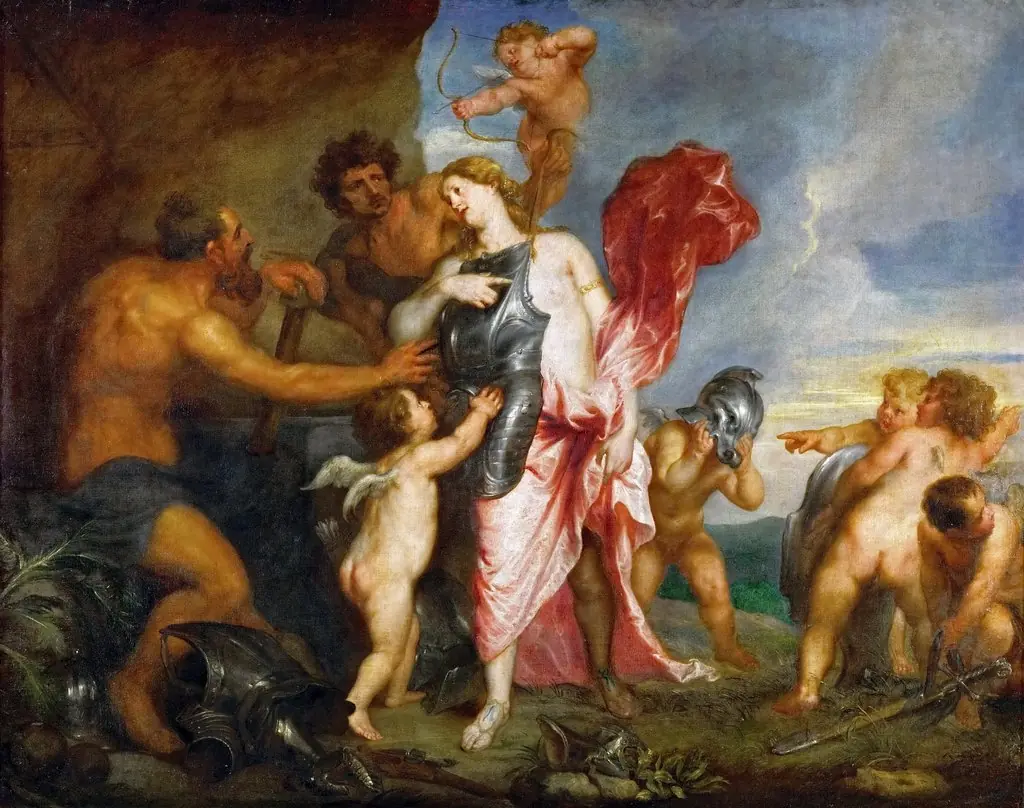 Thetis Receiving the Weapons of Achilles from Hephaestus
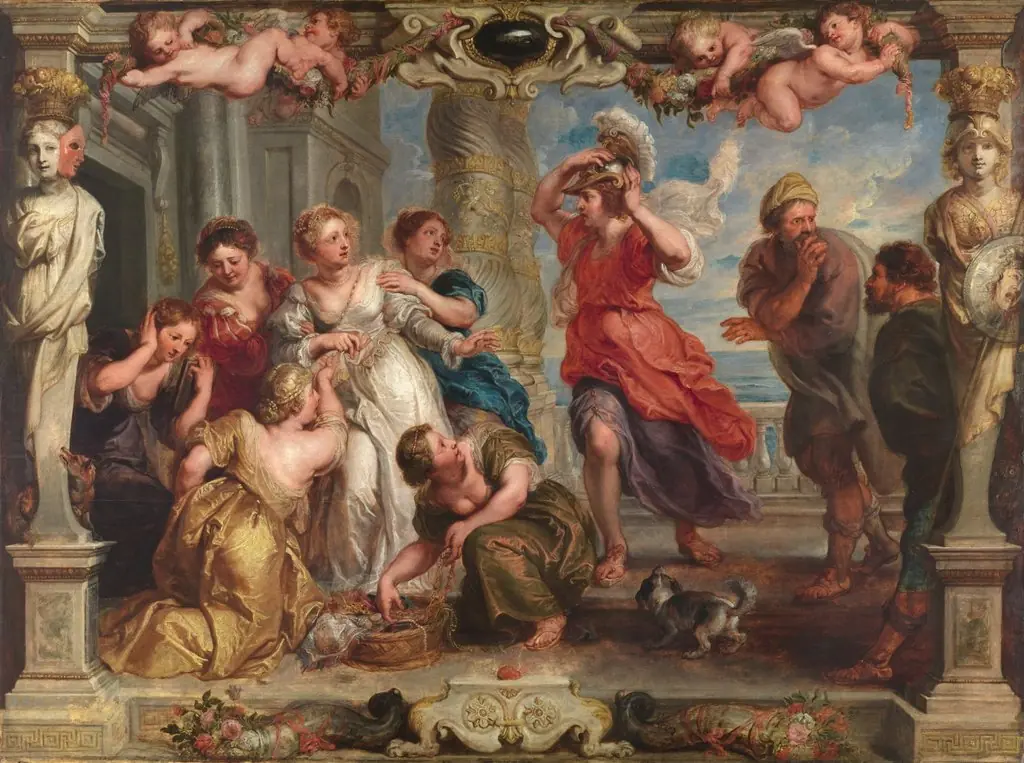 Achilles discovered Among the Daughters of Lycomedes
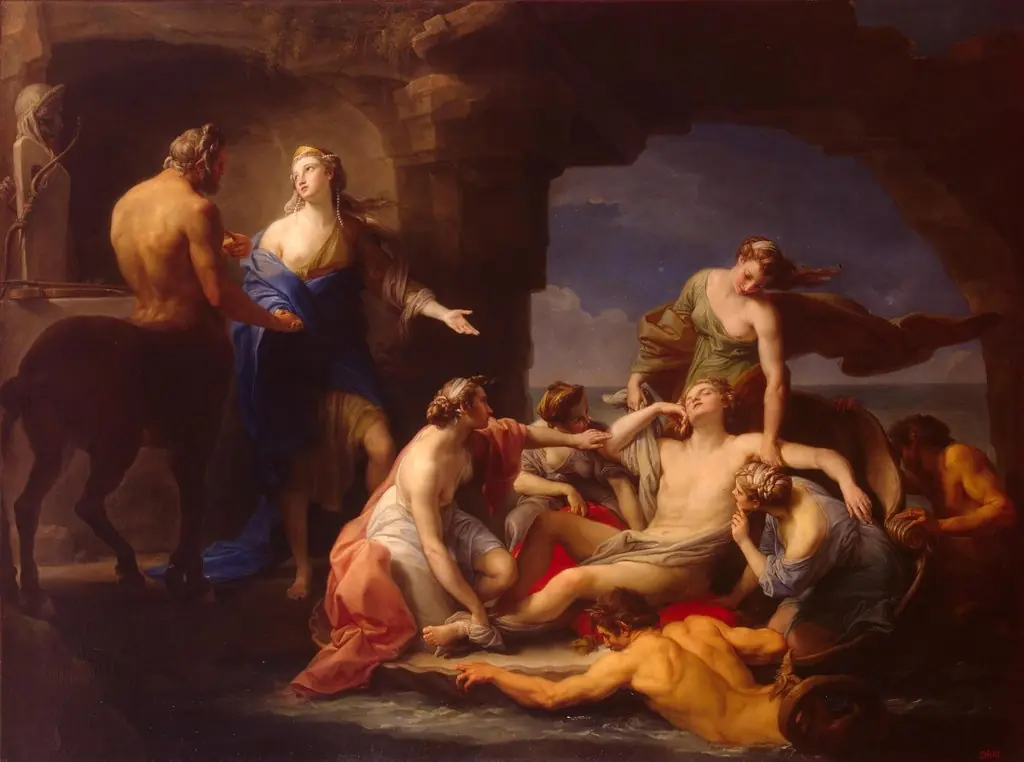 Thetis takes Achilles from the Centaur Chiron
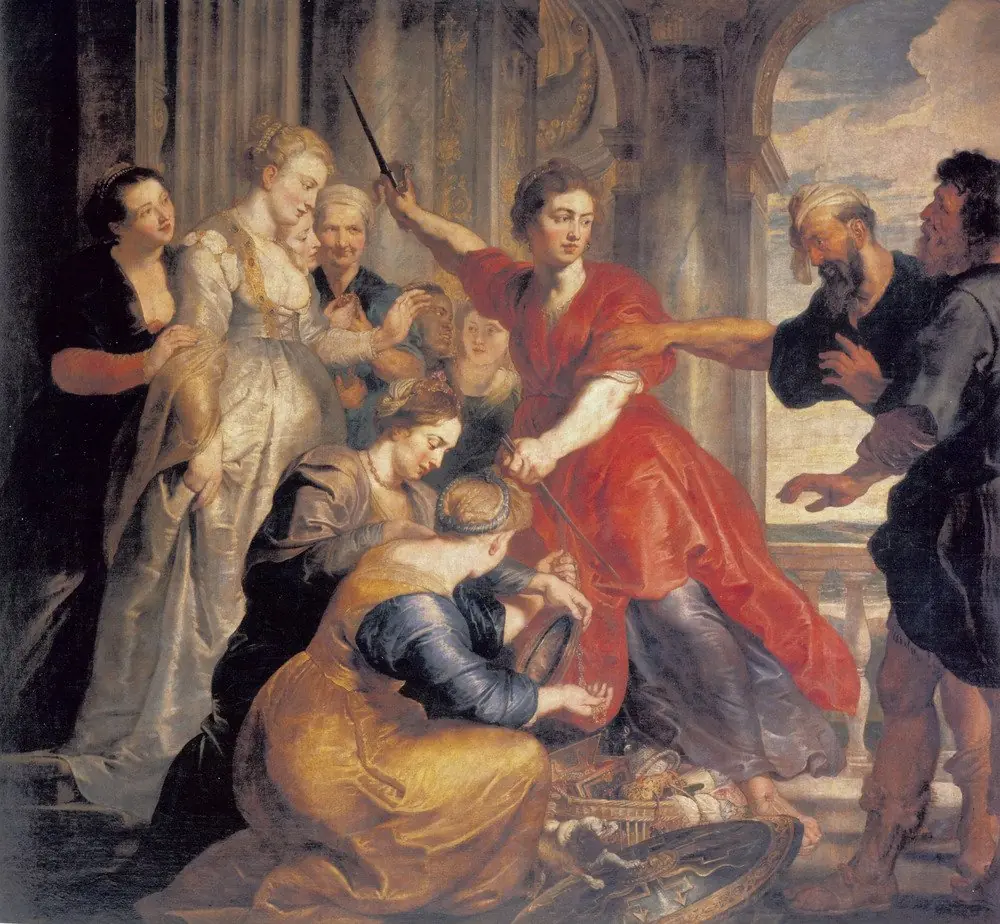 Achilles discovered by Ulysses and Diomedes
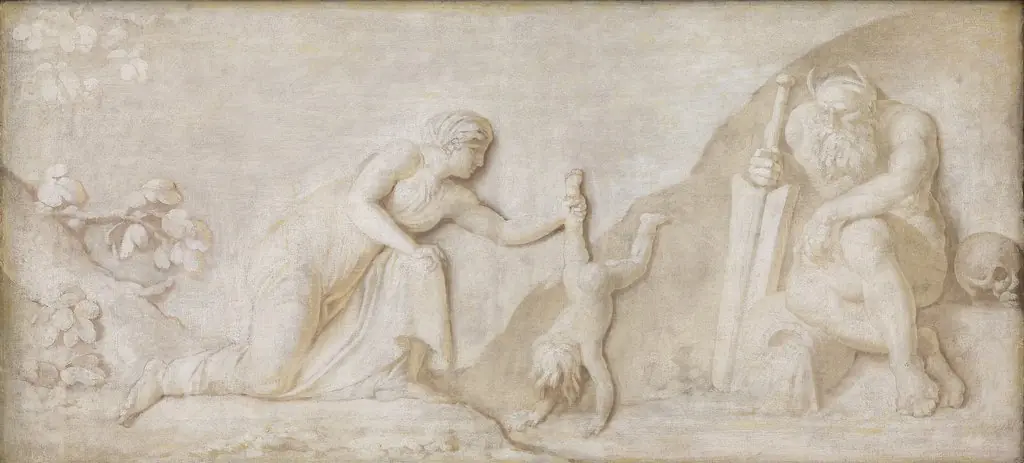 Thetis Immersing her Infant Son Achilles in the River Styx to Make him Invulnerable
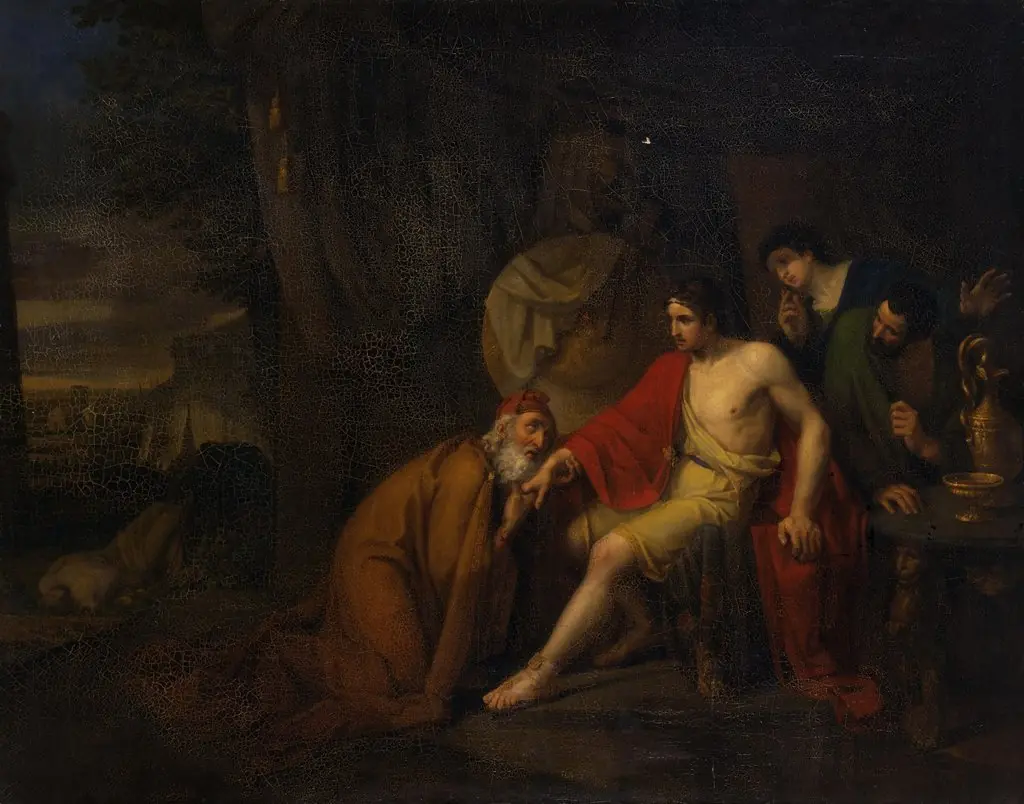 Priam Begging the Body of Hector from Achilles
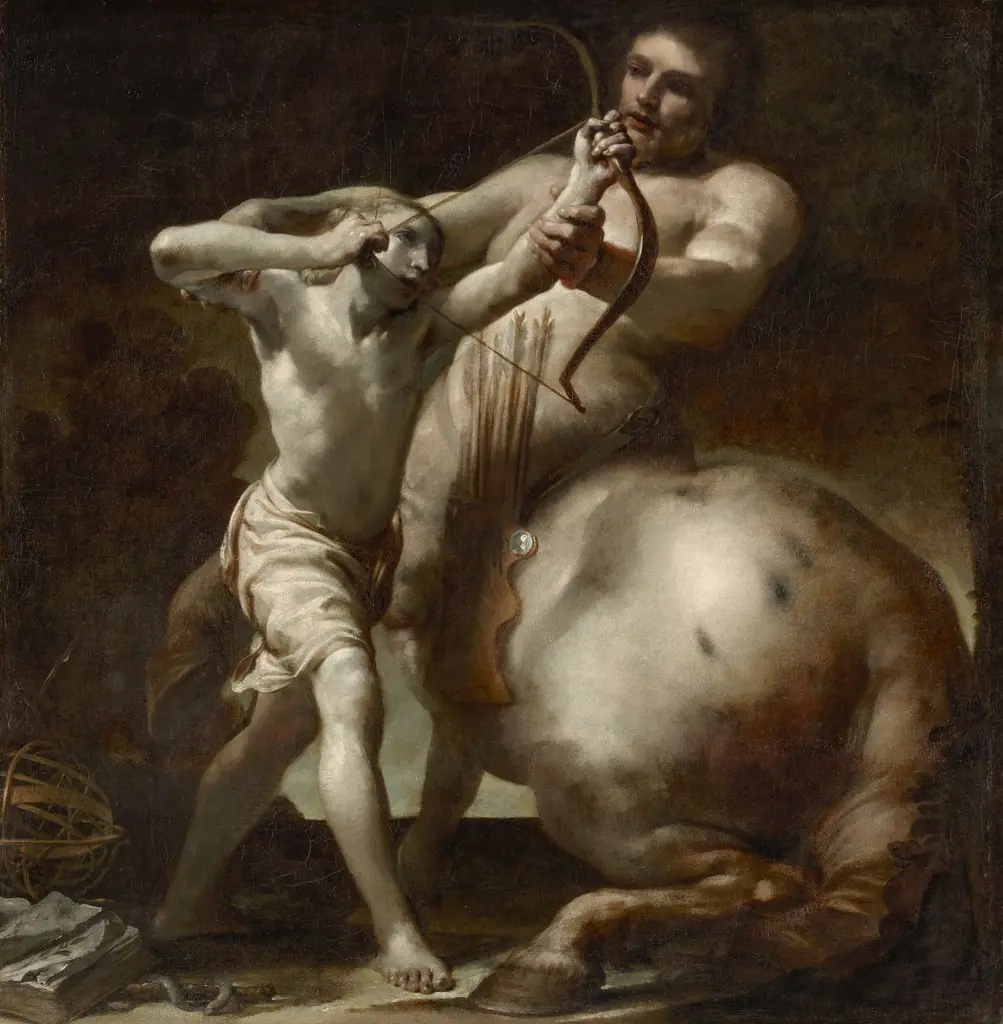 Achilles and Chiron
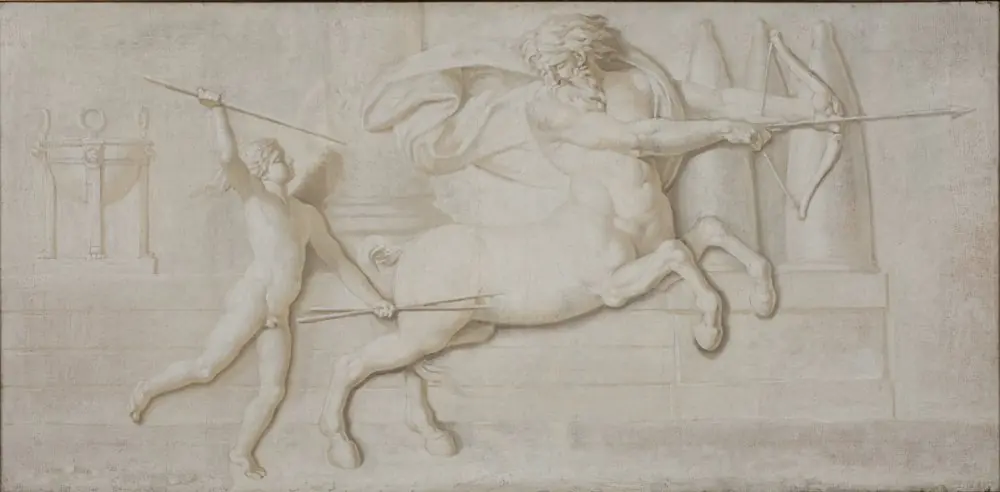 Achilles and the Centaur Cheiron
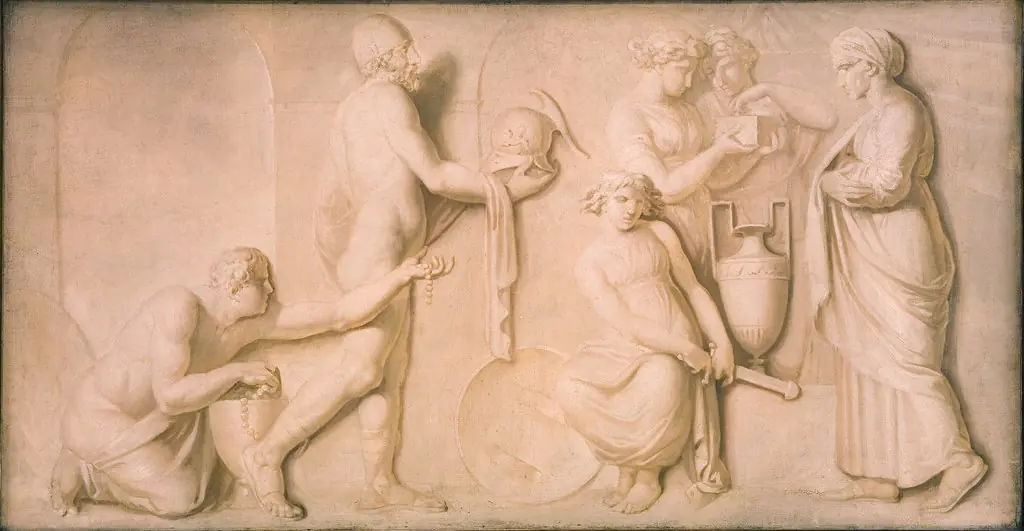 Achilles and the Daughters of Lycomedes
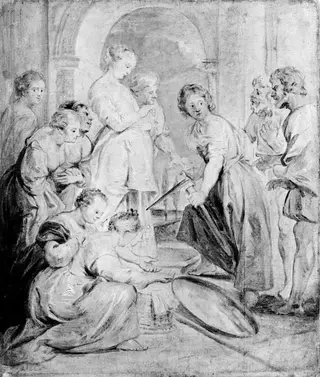 Achilles among the Daughters of Lycomedes
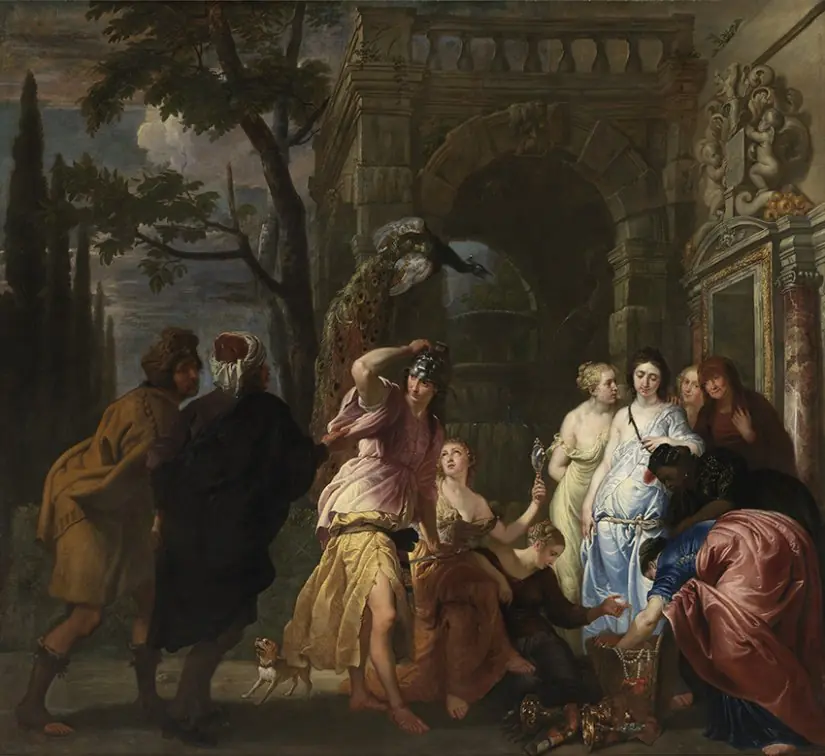 Achilles among the Daughters of Lycomedes
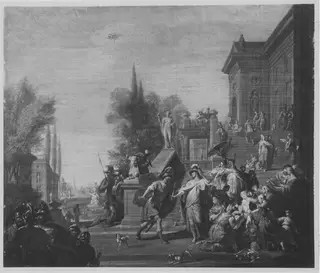 Odysseus entdeckt den verkleideten Achill
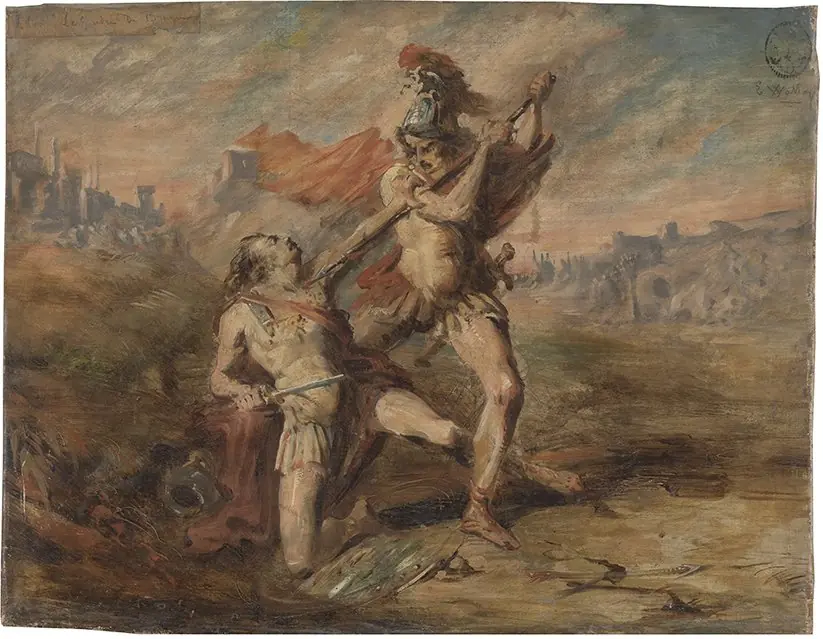 Achilles doodt Hector
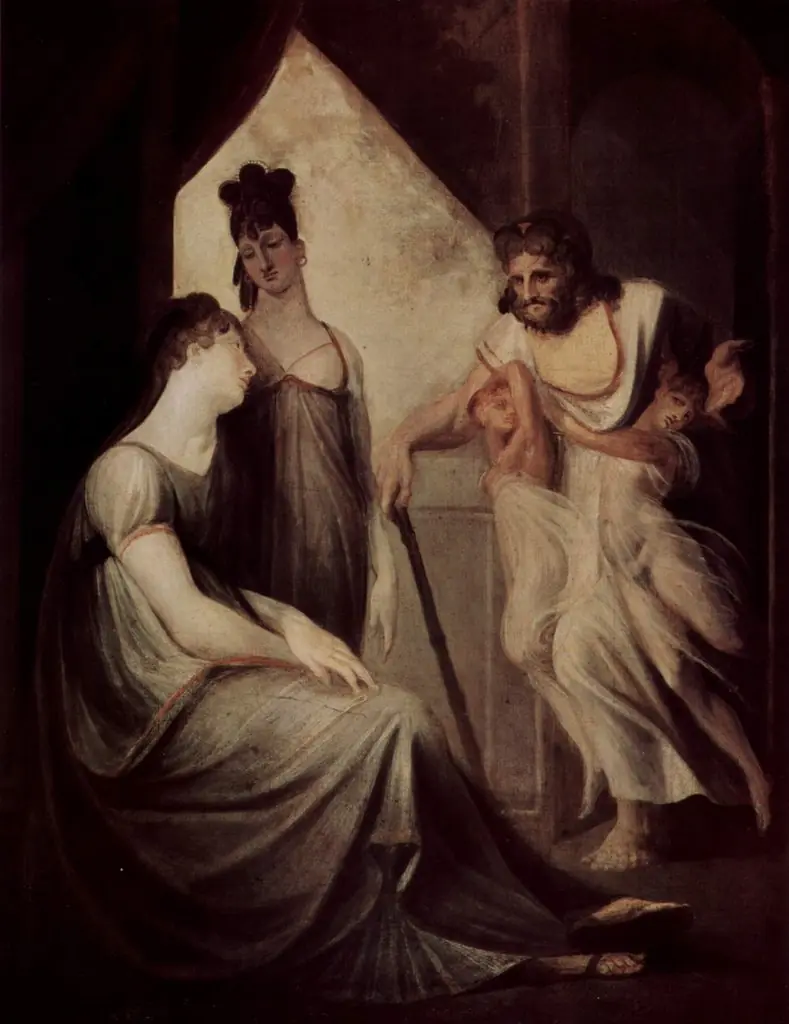 Thetis bittet Hephaistos, für ihren Sohn Achilleus eine Rüstung zu schmieden
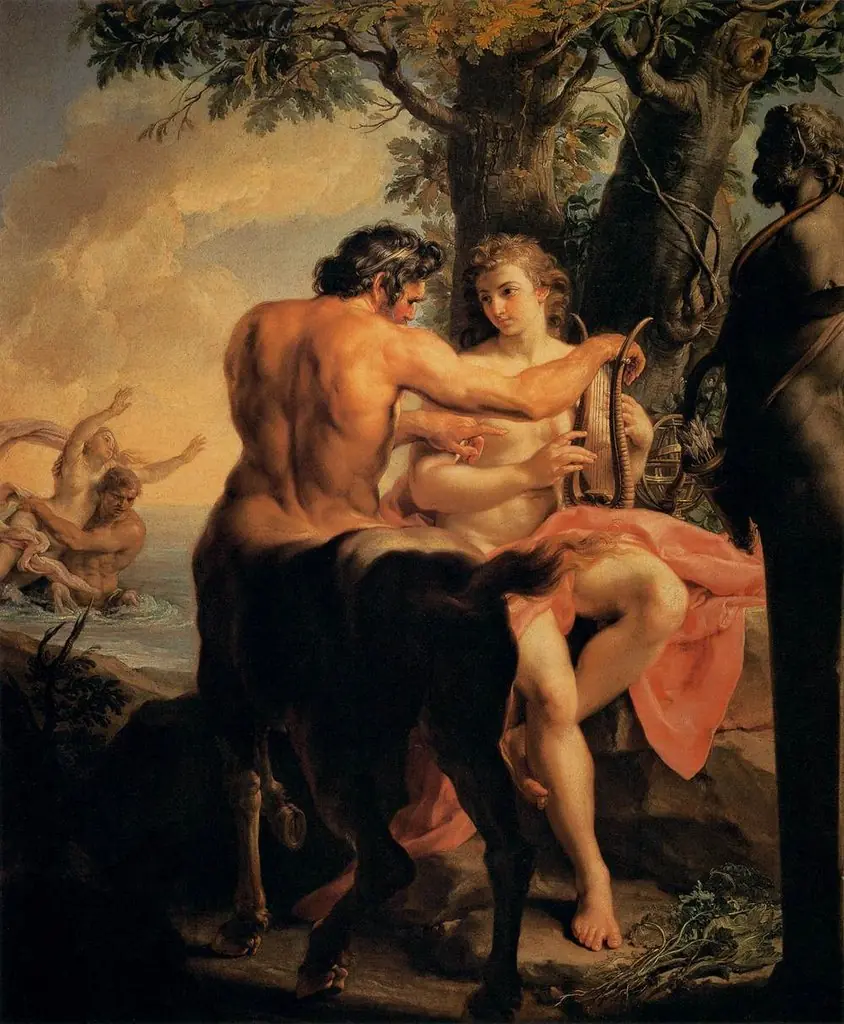 Achilles and the Centaur Chiron
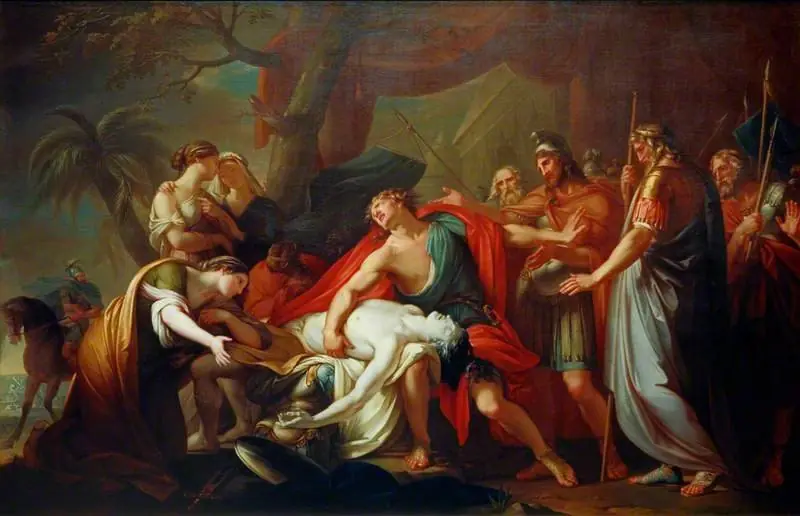 Achilles Lamenting the Death of Patroclus
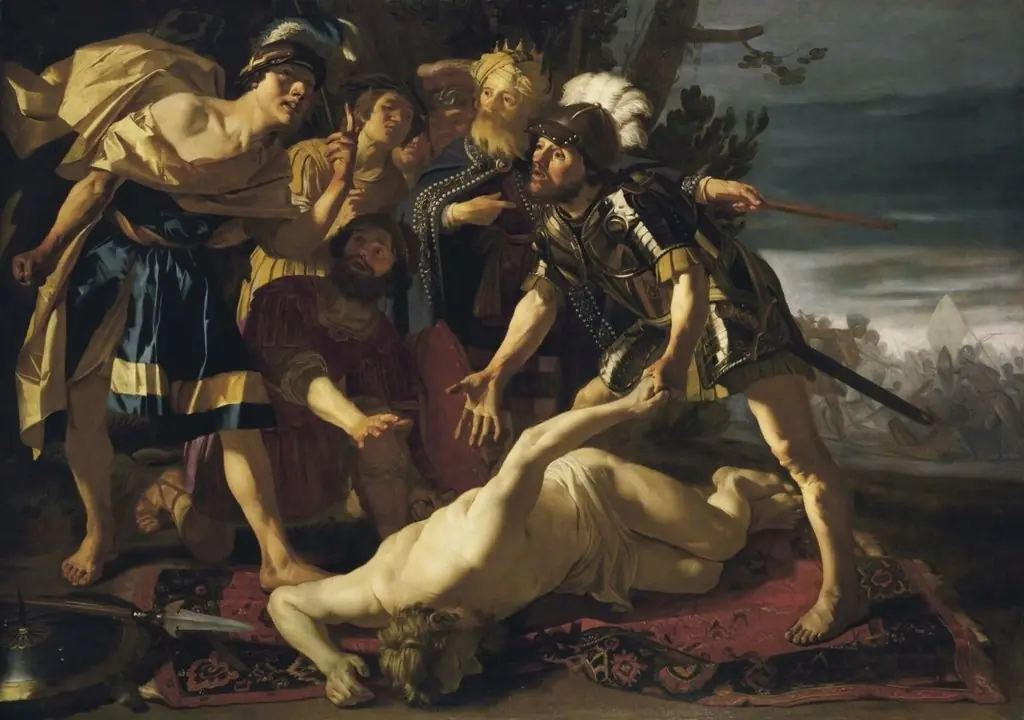 Achilles preparing to avenge the death of Patroclus
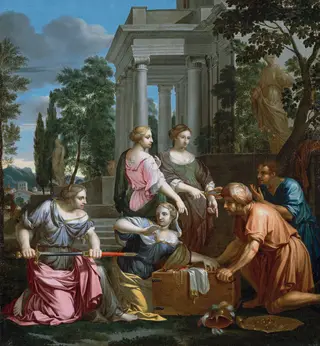 Achilles amongst Lycomede's daugthers
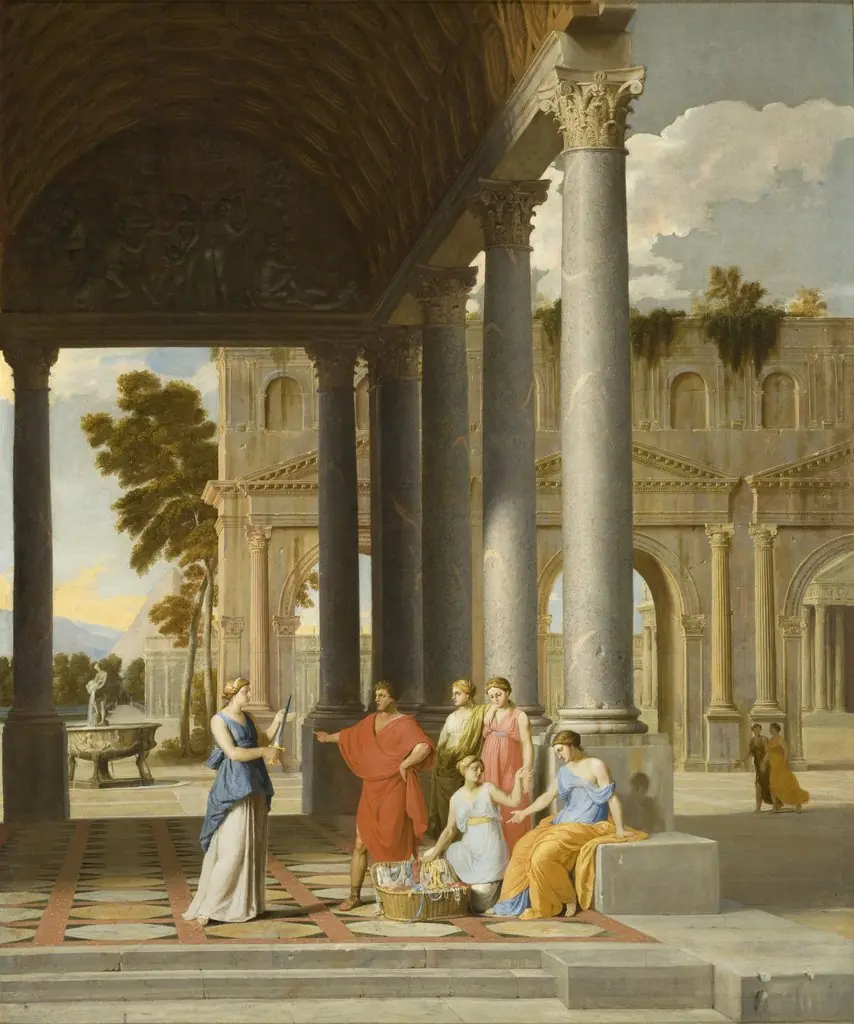 Achilles Discovered Among the Daughters of Lycomedes
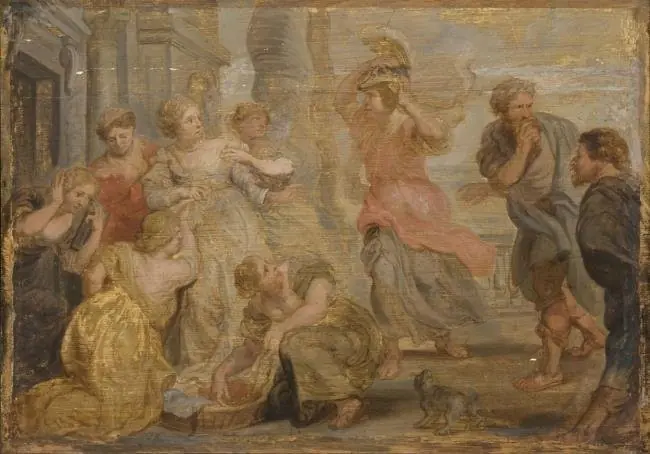 Achilles Discovered among the Daughters of Lycomedes
 Achilles en de dochters van Lycomedes
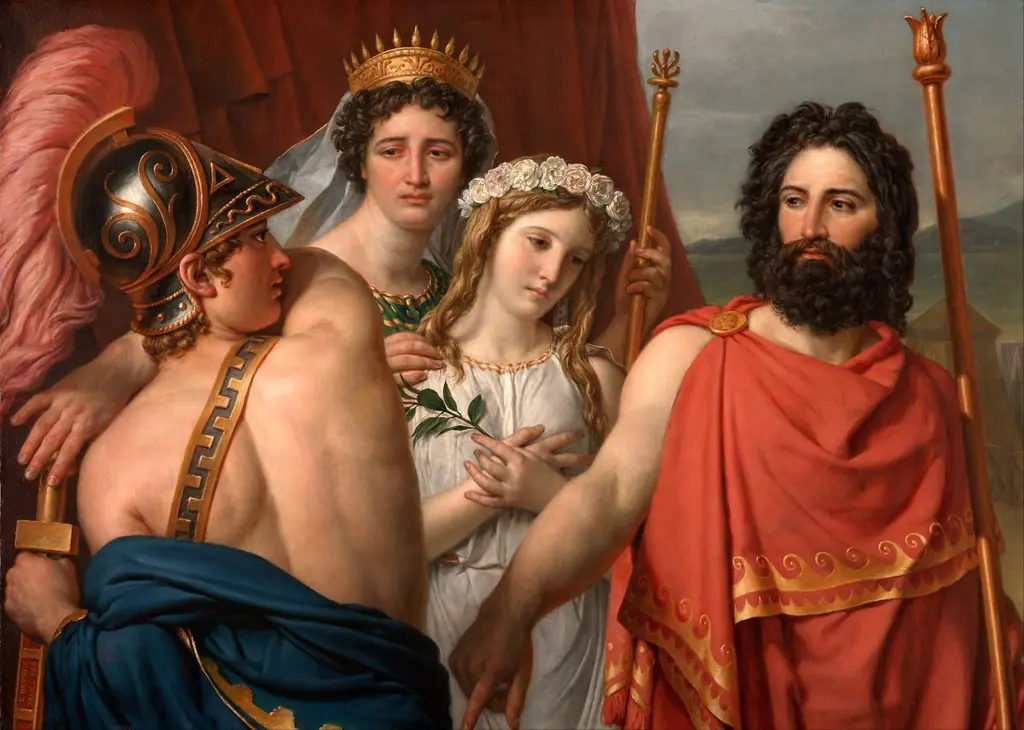 The Anger of Achilles
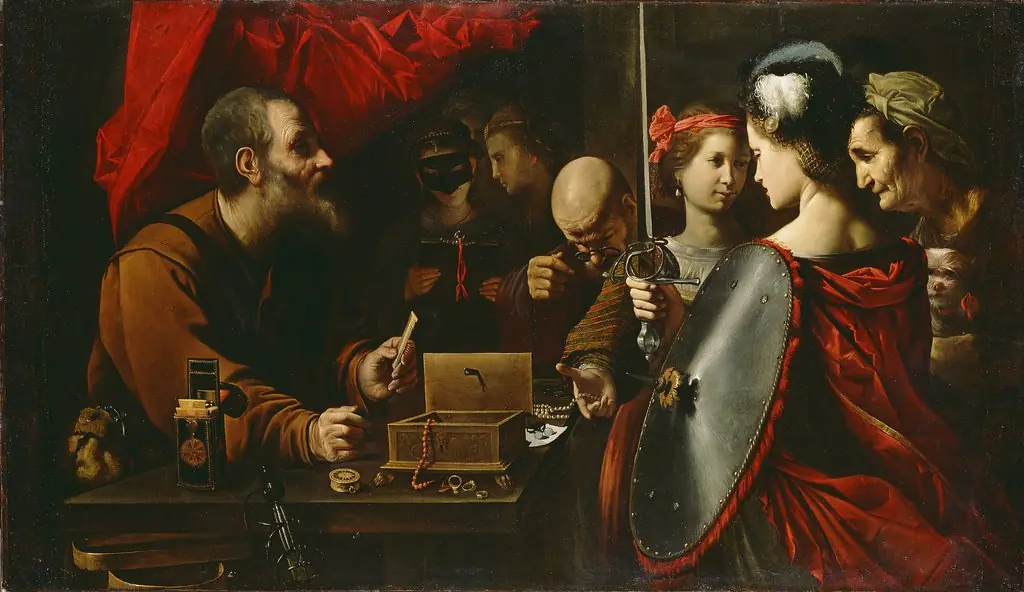 Achilles among the Daughters of Lycomedes
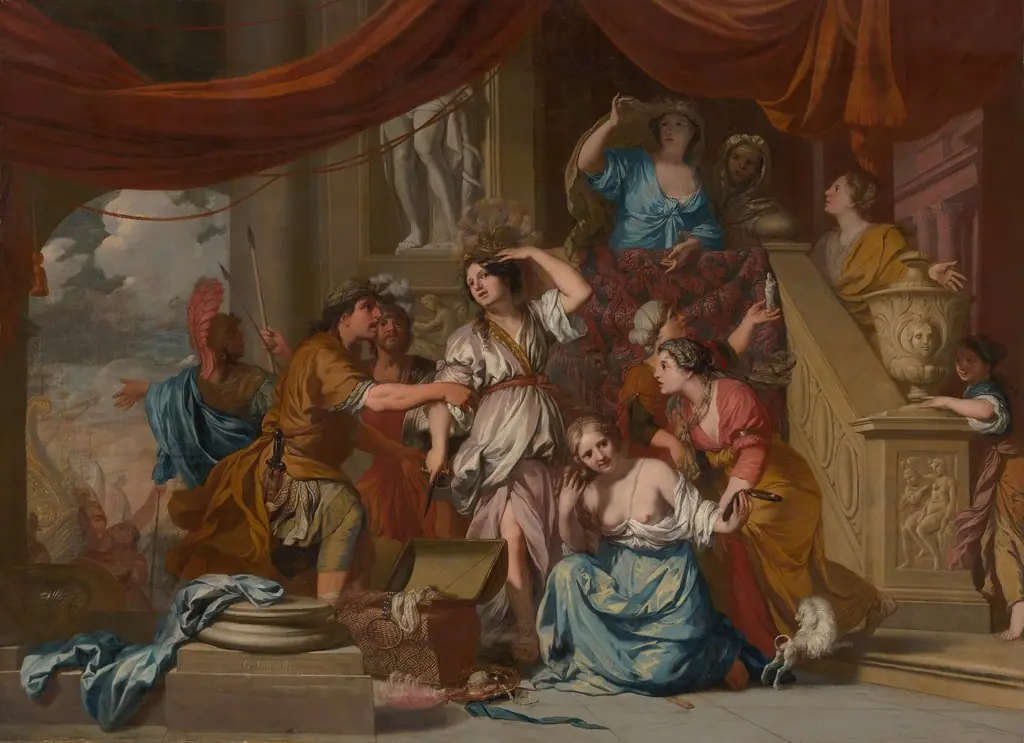 Achilles Discovered among the Daughters of Lycomedes
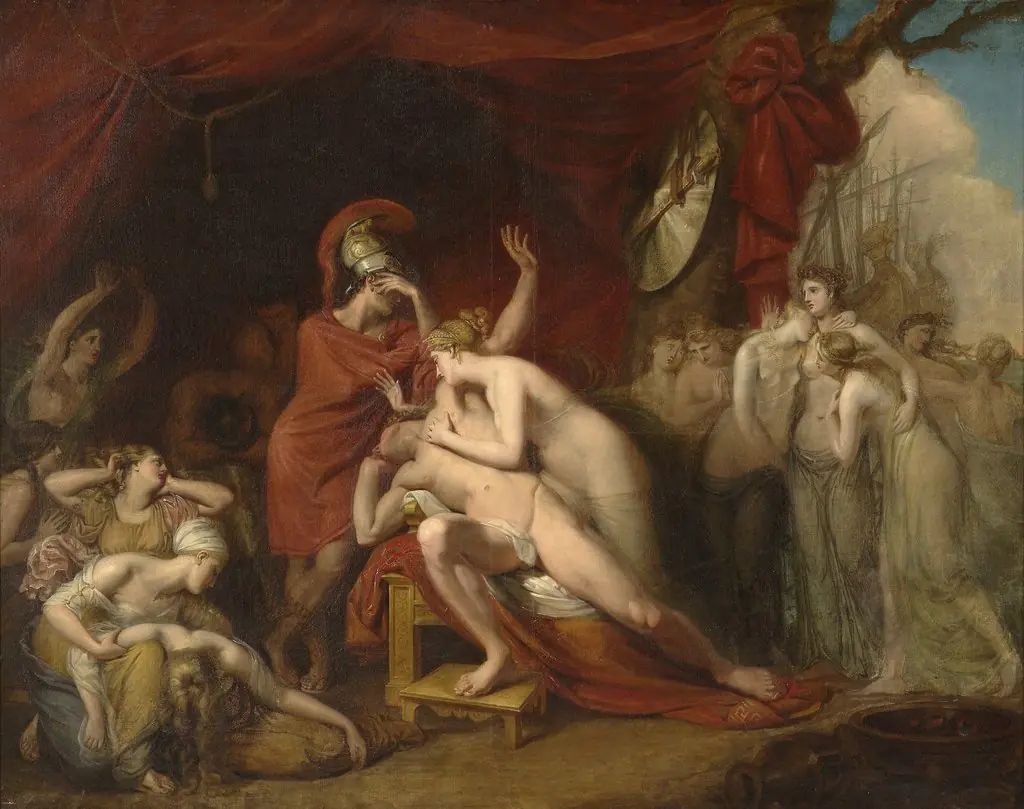 Achilles frantic for the loss of Patroclus, rejecting the consolation of Thetis
Frequently asked questions
What is Achilles?
Achilles is a subject in art. male given name
How many Achilles works does Artifact World Gallery have?
Artifact World Gallery holds 25 public-domain Achilles works, all free to view and download.
Who are the key Achilles artists?
Key Achilles artists in the collection include Jacques-Louis David, Anthony van Dyck and Peter Paul Rubens.
Where can I see Achilles works?
Achilles works in the collection are held by Statens Museum for Kunst, Groeningemuseum and Kunsthistorisches Museum.