Subject
Combat Helmet
Combat Helmet is a subject in art. The gallery holds 86 works in this subject in art, including works by Titian, Paolo Veronese and El Greco.
The combat helmet is among the oldest forms of protective headgear, and its image is nearly as ancient as the object itself. The earliest examples reach back to the Bronze Age: the Mycenaean boar's-tusk helmet—rows of split tusks lashed to a leather cap—was already being worn around 1600 BCE and is described in Book Ten of Homer's *Iliad*, when Odysseus arms for a night raid. A reconstructed example survives from a grave at Dendra near Mycenae, dated to about 1400 BCE, and such helmets appear painted on Late Bronze Age frescoes and vases. By the early seventh century BCE the bronze Corinthian helmet, beaten from a single sheet to enclose the whole head with slits for eyes and mouth, became the defining headpiece of the Greek hoplite and a lasting emblem of martial valour.
In classical and later European art the helmet evolved from equipment into attribute—a visual shorthand for the wearer's character. Minerva, the Roman goddess of wisdom and strategic war, is almost always shown in a Corinthian helmet pushed back to reveal her face, signalling intellect harnessed to force; Mars, by contrast, wears his helmet as a sign of raw aggression. Paolo Veronese (1528–1588) exploited exactly this contrast in *Venus and Mars* and *Mars and Venus with Cupid and a Dog*, where the war god's discarded or worn helmet sets military hardness against amorous tenderness. Peter Paul Rubens carries the same iconography into *The Judgement of Paris*, where the helmeted Minerva stands among the contending goddesses.
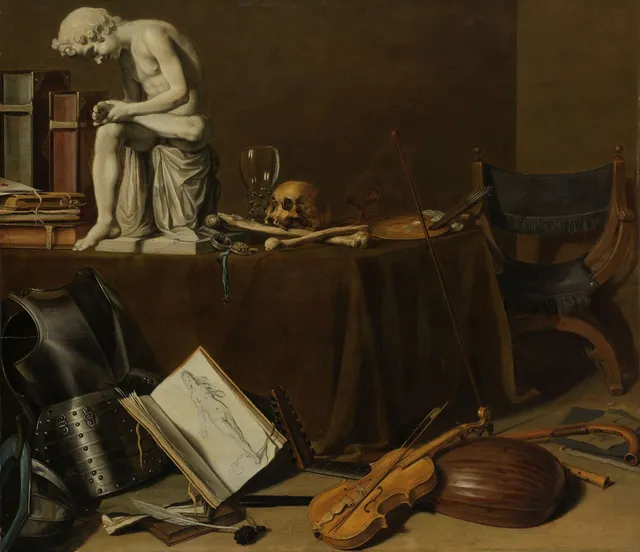
Dutch *vanitas* painting gave the helmet a darker meaning. In Pieter Claesz's *Vanitas Still Life with the Spinario*, arms and armour become emblems of earthly power that mean nothing before death—the gleaming metal a reminder that military glory, like all worldly ambition, decays. History painting, meanwhile, kept the helmet contemporary: Francisco de Zurbarán's *The Defense of Cádiz Against the English* (1634), made for the Hall of Realms at Madrid's Buen Retiro Palace alongside Velázquez's *Surrender of Breda*, bristles with the morions and plumed helmets of seventeenth-century Spanish defenders.
Across these traditions the helmet remains one of art's most durable signs—of protection and aggression, wisdom and brute force, glory and its vanity—an emblem that links Mycenaean tusks to the Baroque battlefield and beyond.
Key artists

Overview
A combat helmet is a type of helmet designed to serve as body armor intended to protect the wearer's head during combat. Also known as a ballistic helmet, battle helmet, or helmet system, it is among the earliest types of protective headgear developed by humans, with origins dating back to the Bronze Age. As a recurring subject in art, the combat helmet functions as a visual shorthand for warfare, martial virtue, and the armor of mythological figures. Its representation allows artists to ground divine or historical narratives in the recognizable realities of military conflict, while also serving as a marker of historical period, national identity, and technological progress.
Iconography & meaning
In art, the combat helmet carries layered iconographic meanings tied to both its protective function and its cultural associations. It signifies martial readiness, divine warfare, and the status of the warrior. When worn by figures such as Mars, the Roman god of war, the helmet symbolizes aggressive conflict and divine authority over battle. In vanitas still life paintings, the helmet serves as a memento mori, representing the futility of military glory and the inevitability of death. Beyond its symbolic weight, the helmet historically functioned as a crucial identifier of nationality, rank, and branch of service, with insignias, crests, and unit markings transforming a piece of protective armor into a statement of allegiance and identity on the battlefield.
Across movements & periods
The treatment of the combat helmet in art and material culture has shifted alongside the evolution of warfare and technology. In antiquity, early helmets of leather, brass, and bronze, such as the Corinthian and Illyrian types, appeared in art as idealized forms worn by hoplites and heroes. During the Middle Ages, the depiction of full plate armor and enclosed helmets, like the great helm or sallet, reflected a culture of chivalric combat and the need for protection against close-range strikes. The advent of firearms rendered heavy armor largely obsolete, and by the late 17th century, helmets became largely ceremonial or restricted to cavalry, reflected in art through ornate dragoon and cuirassier helmets. The industrialized warfare of the 20th century prompted a renaissance of functional steel helmets, such as the Adrian, Brodie, and Stahlhelm, which appeared in modern art and propaganda as symbols of the mechanized soldier. In the 21st century, helmets made of aramids and ultra-high molecular weight polyethylene, equipped with rails for night-vision and communications, represent a shift toward modular, technology-integrated systems.
Notable depictions
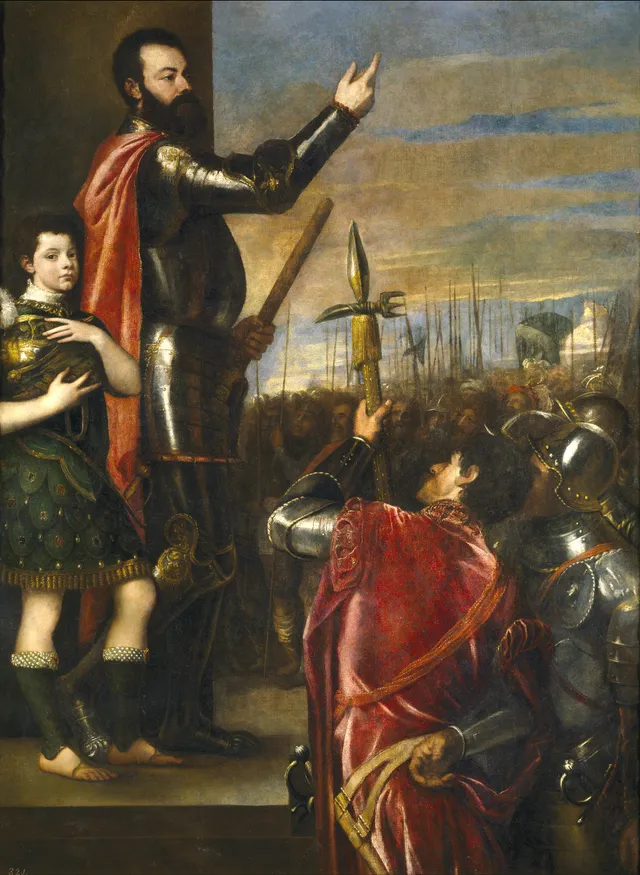
Notable artistic depictions of the combat helmet often leverage its form to convey martial themes. The Standard of Ur and the Stele of the Vultures provide the earliest known artistic representations of organized armies, showing Sumerian infantry wearing helmets in tight formations. In Renaissance and Baroque painting, the helmet frequently appears in mythological works, such as Venus and Mars and the Judgement of Paris, where its presence contrasts the vulnerability of other figures with the armored readiness of the war god. Historical paintings like the Storming of Rheinfelden and Alfonso d'Avalos Addressing his Troops depict the specific helmet designs of their eras, from 17th-century plate to 19th-century leather and metal. In the 20th century, the German Stahlhelm transcended its functional role to become a powerful icon in Allied propaganda, symbolizing the enemy, while the silhouette of the French Adrian helmet became the official insignia for the American 93rd Division, demonstrating the helmet's role as a graphic emblem.
Legacy
The combat helmet maintains a profound legacy as both a collectible artifact and a cultural symbol. In museums and private collections, helmets are prized for their historical provenance, authentic wear, and unit markings, which offer tangible connections to past conflicts. The M1 helmet, used by the United States from World War II through the Cold War, endures as an icon of American military history in popular culture. Modern helmets continue this legacy of symbolic and functional evolution, with contemporary designs like the Next-Generation Integrated Head Protection System and the French F3 prioritizing modularity, lightweight composites, and integration with tactical devices. The enduring presence of the combat helmet in art, from ancient stelae to modern military collections, underscores its ongoing relevance as a representation of the soldier's experience and the continuous pursuit of survivability in warfare.
Works
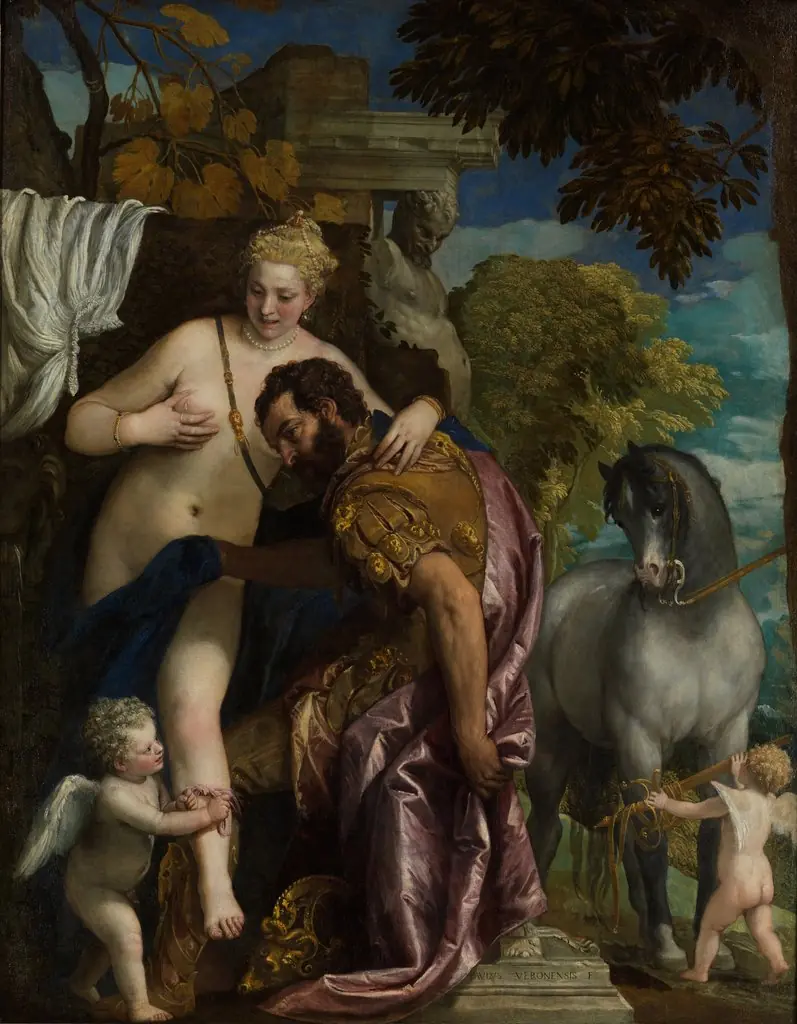 Venus and Mars
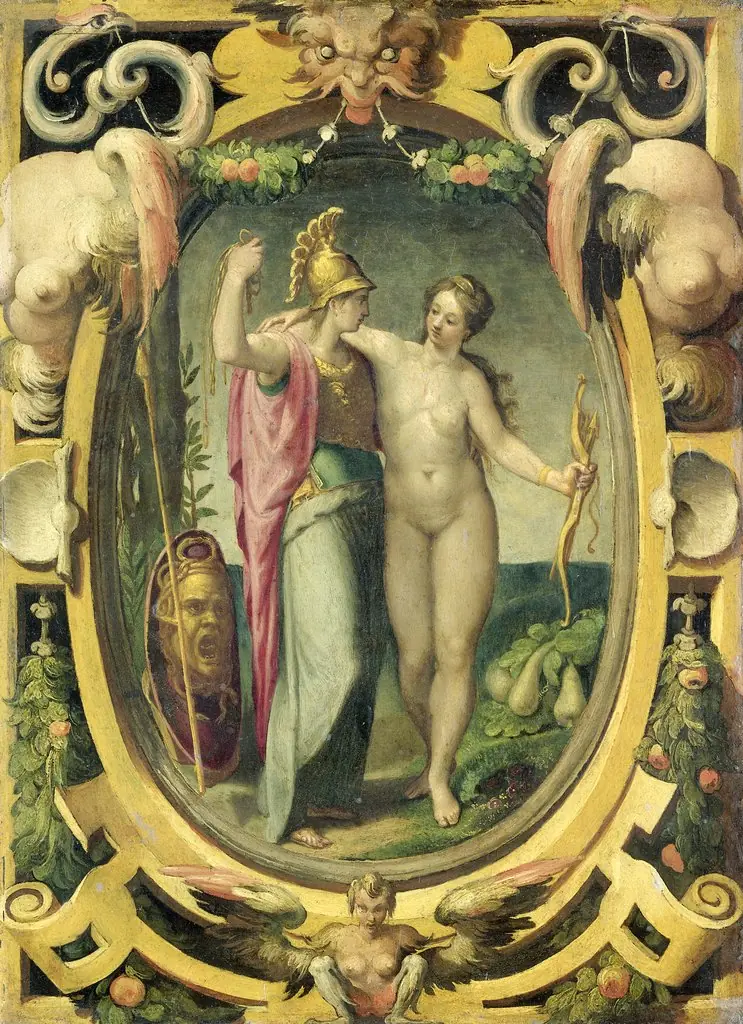 Venus and Minerva
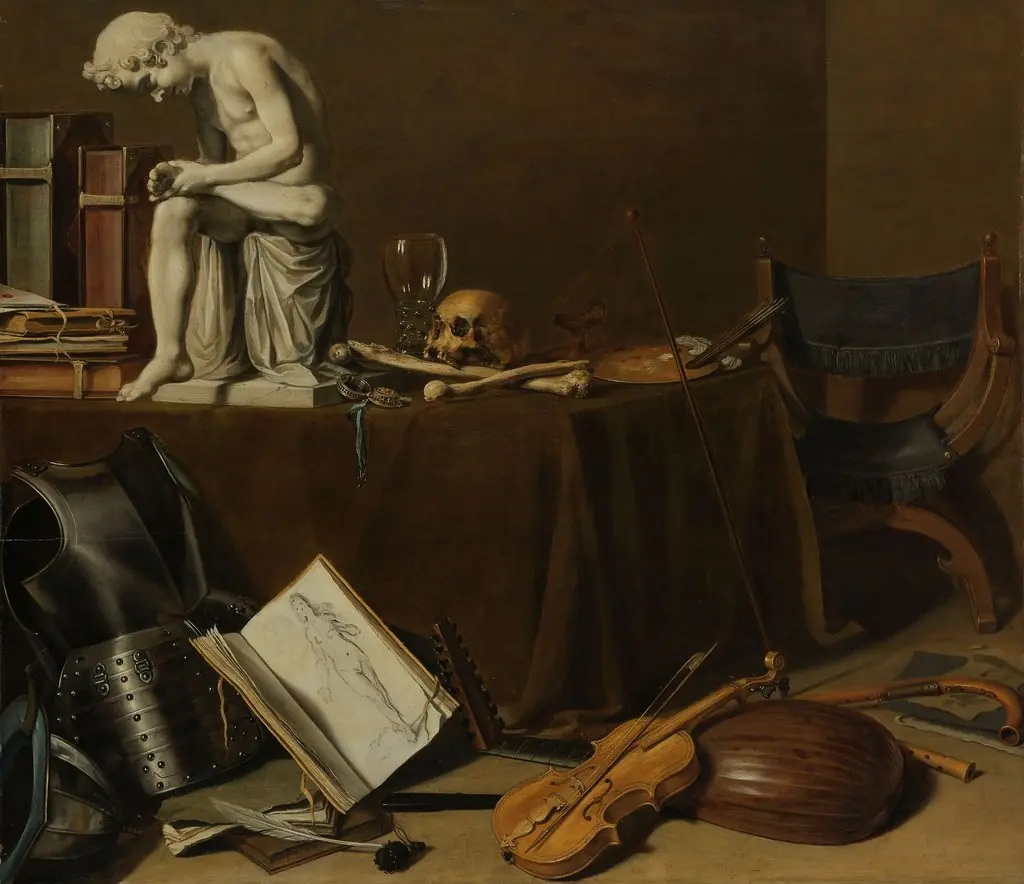 Vanitas Still Life with the Spinario
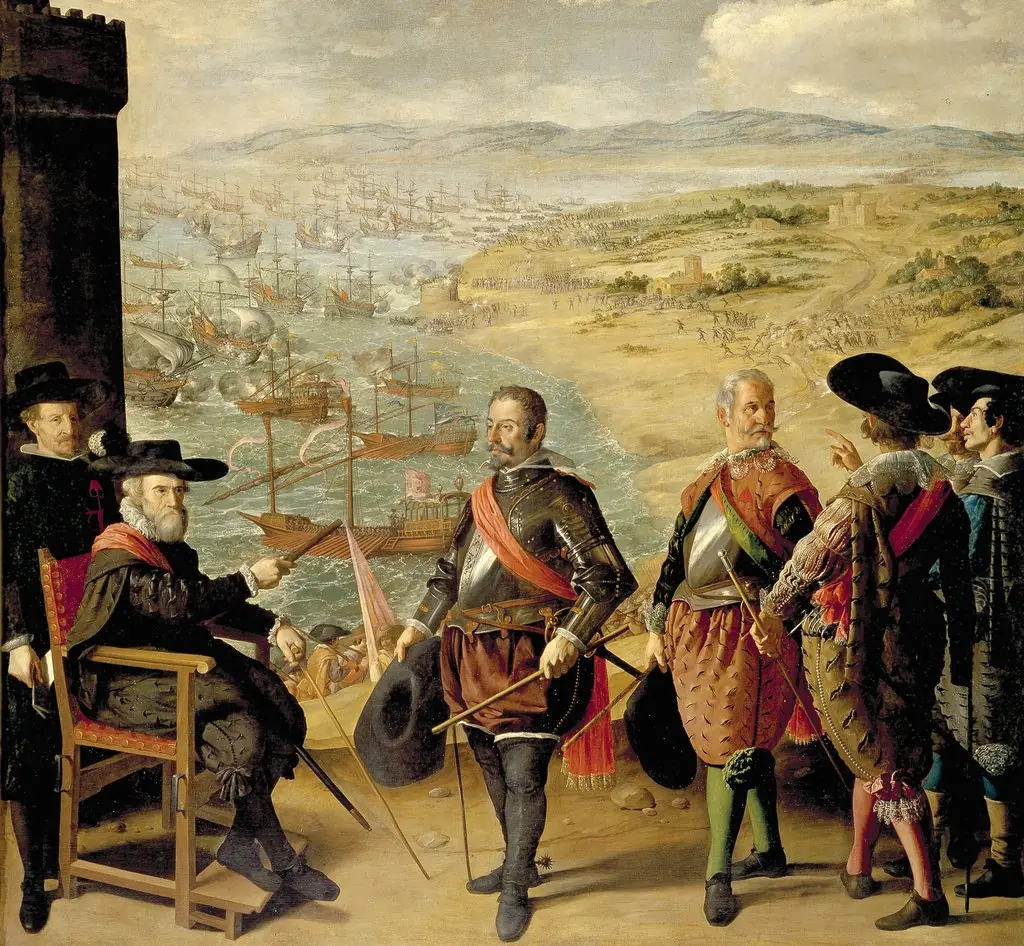 The Defense of Cadiz Against the English
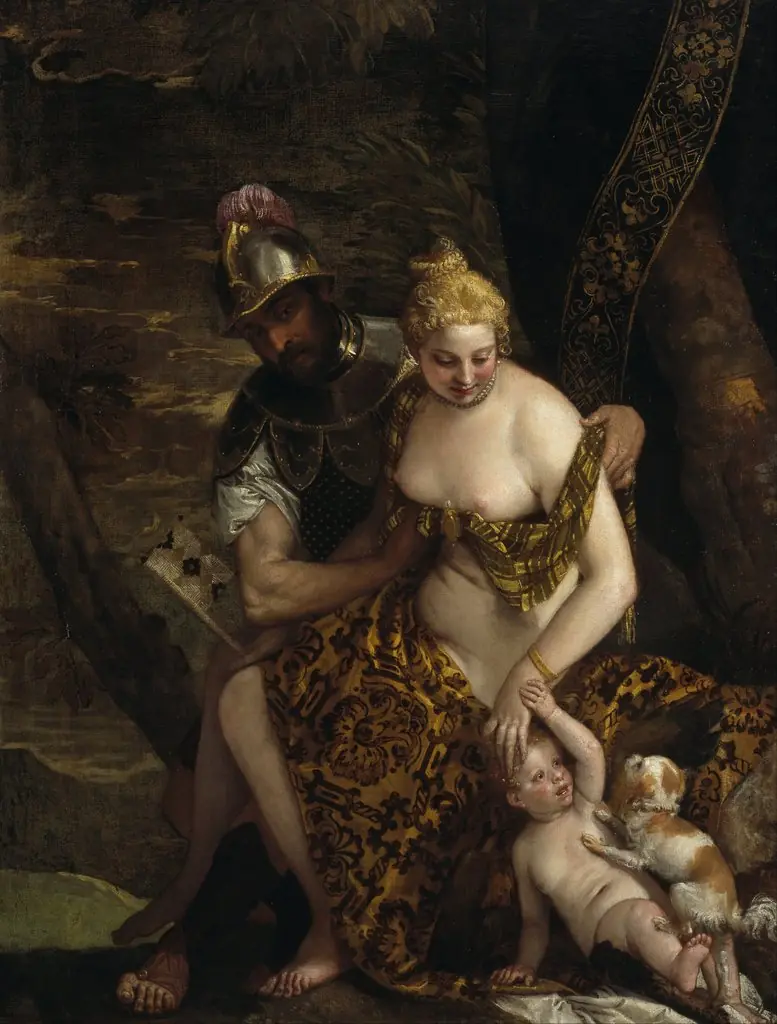 Mars and Venus with Cupid and a Dog
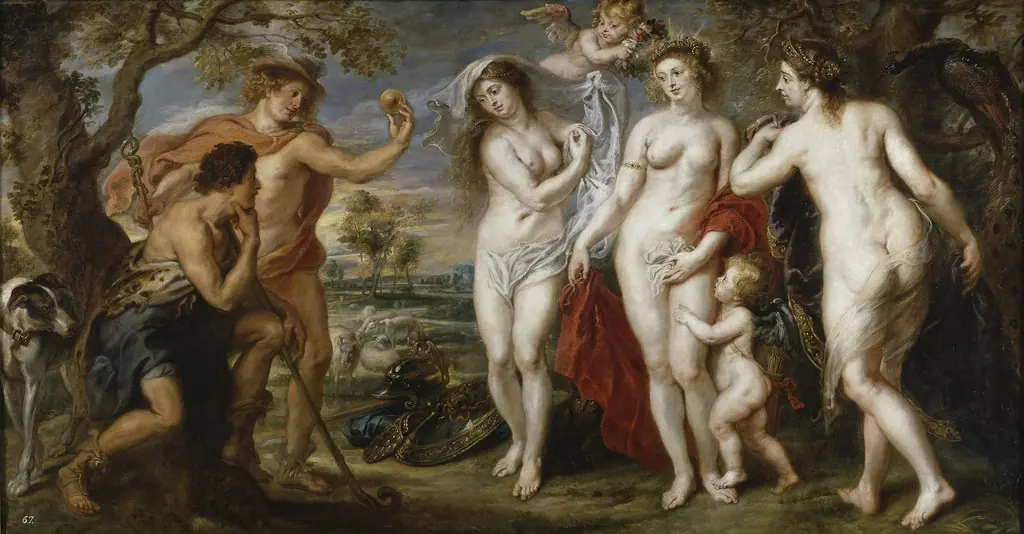 The Judgement of Paris
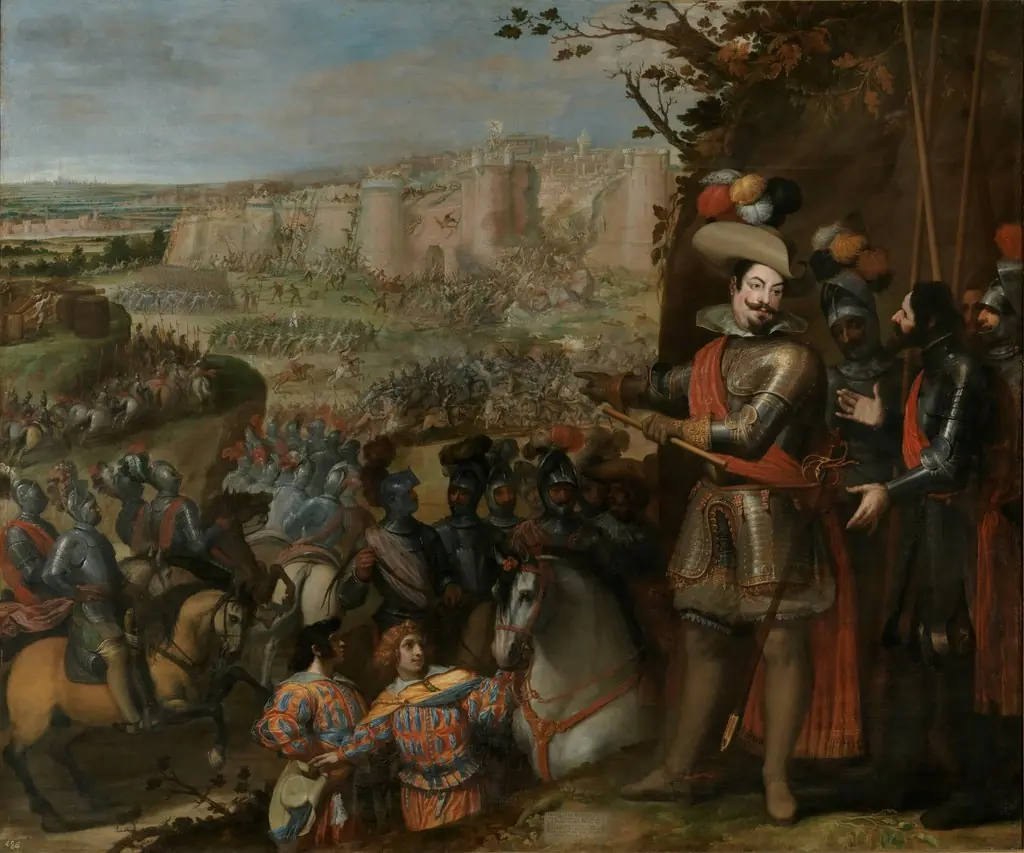 The Storming of Rheinfelden
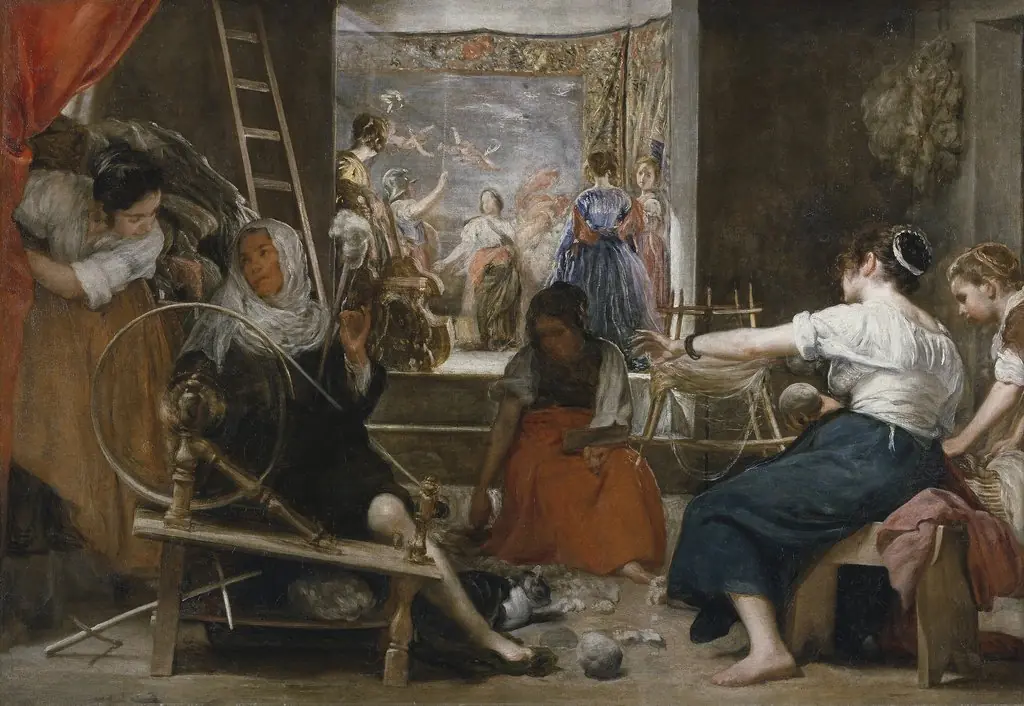 Las Hilanderas
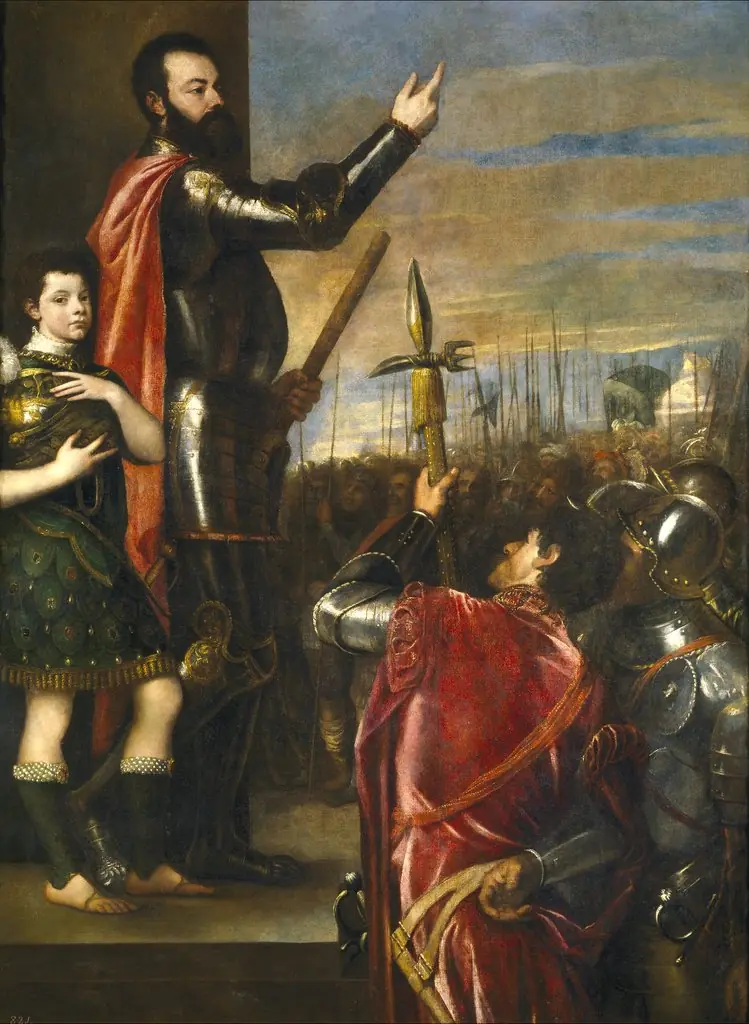 Alfonso d'Avalos Addressing his Troops
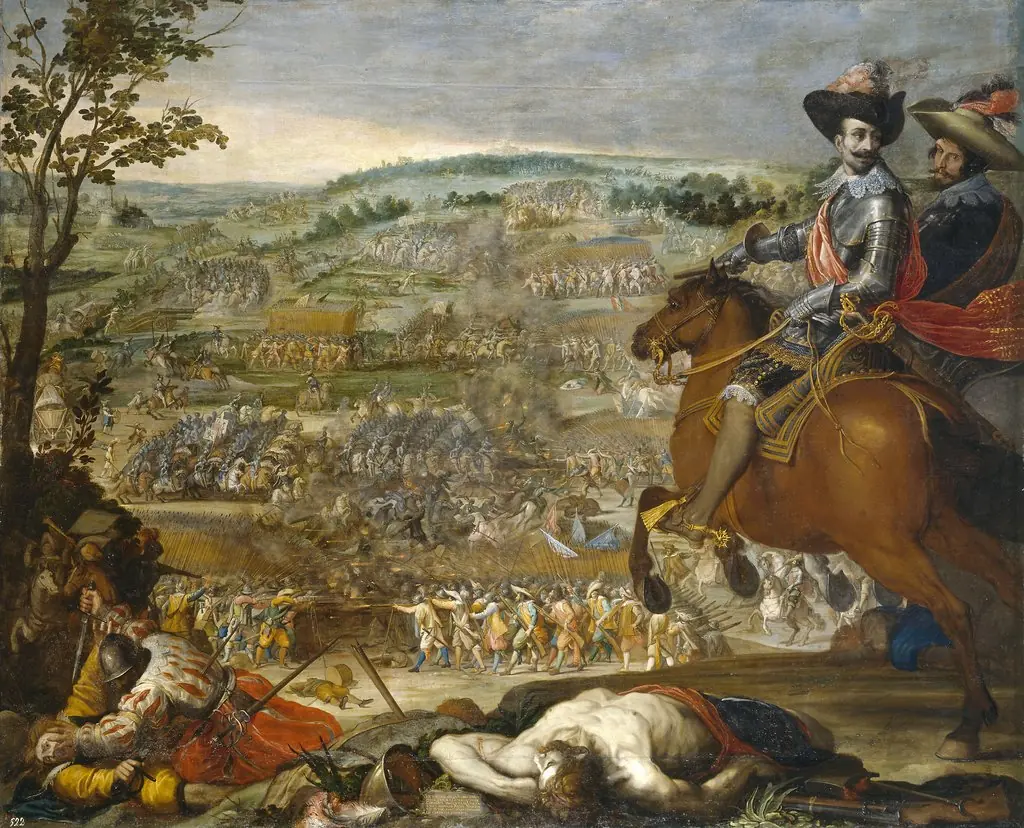 The Victory of Fleurus
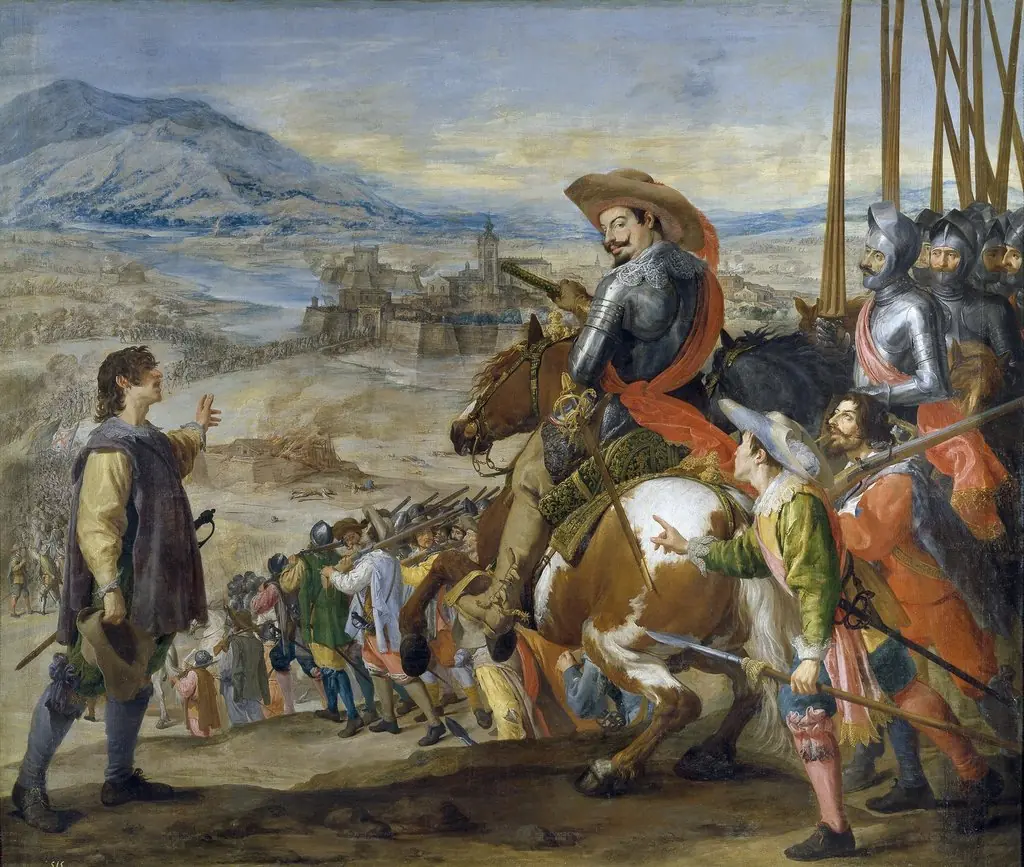 The Liberation of Brisach
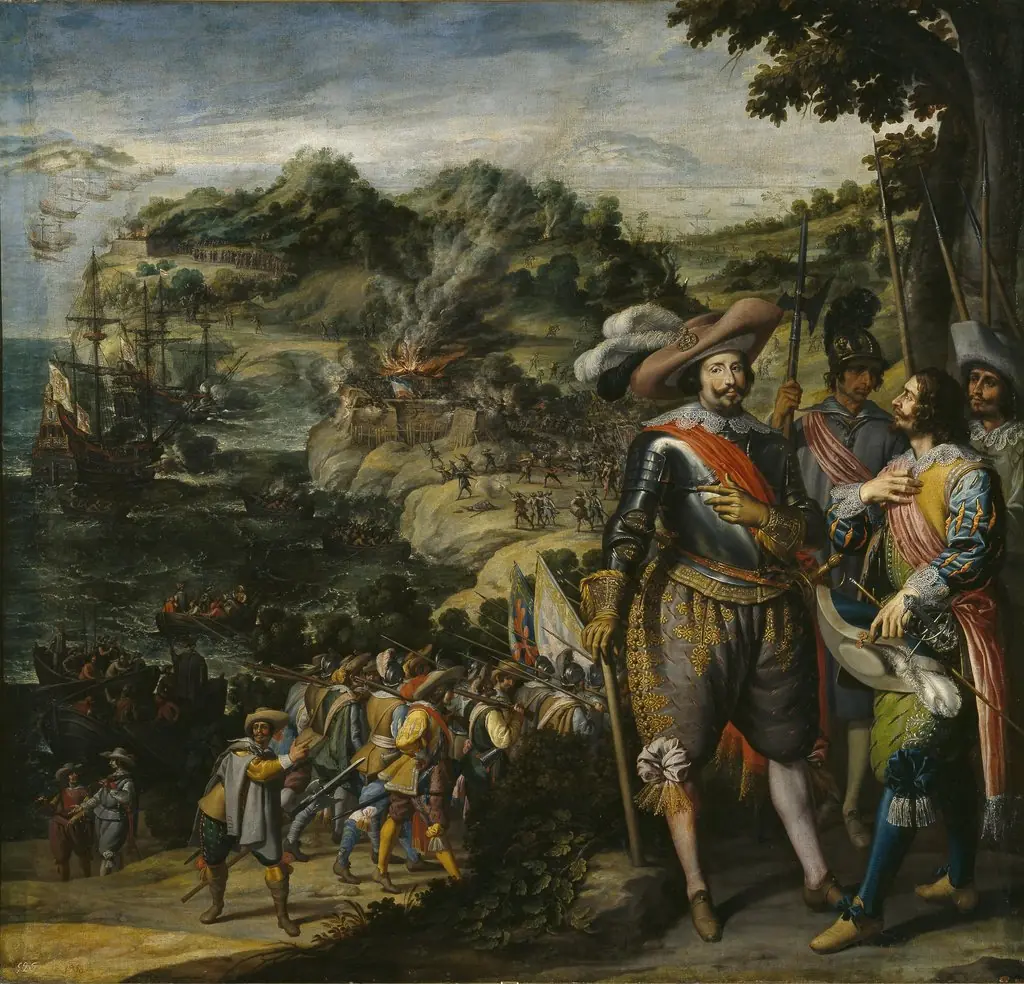 The recovery of the island of San Cristobal by Don Frederic of Toledo
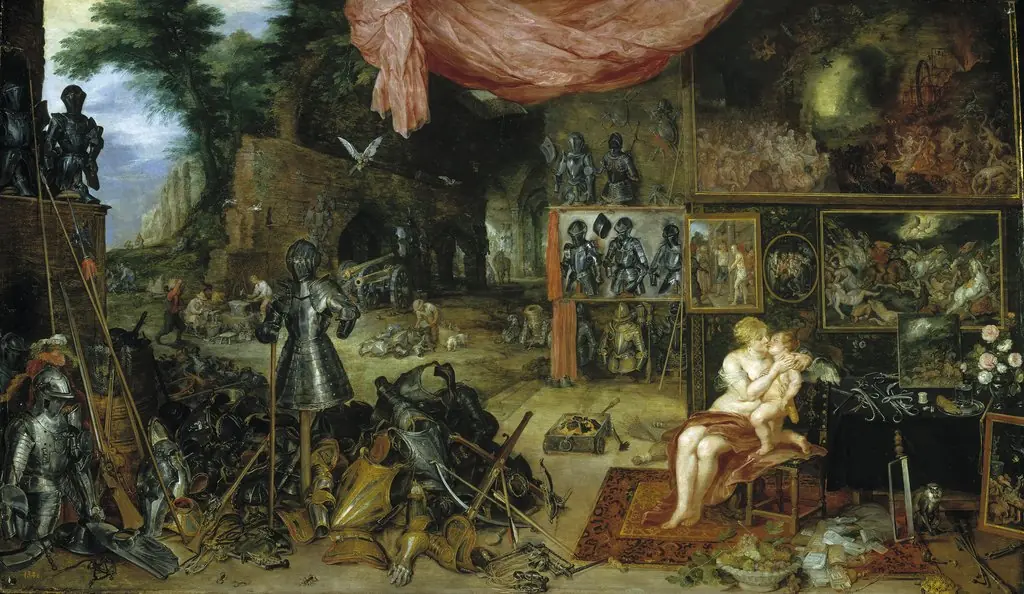 Touch
Touch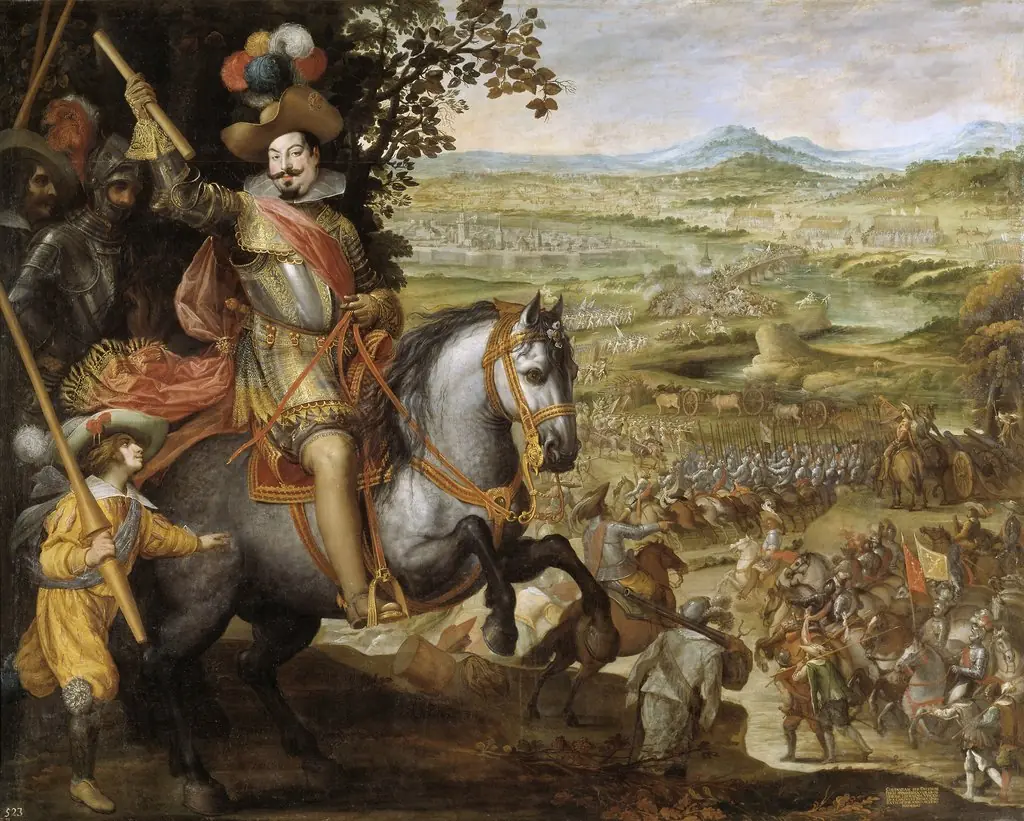 The Relief of Constance
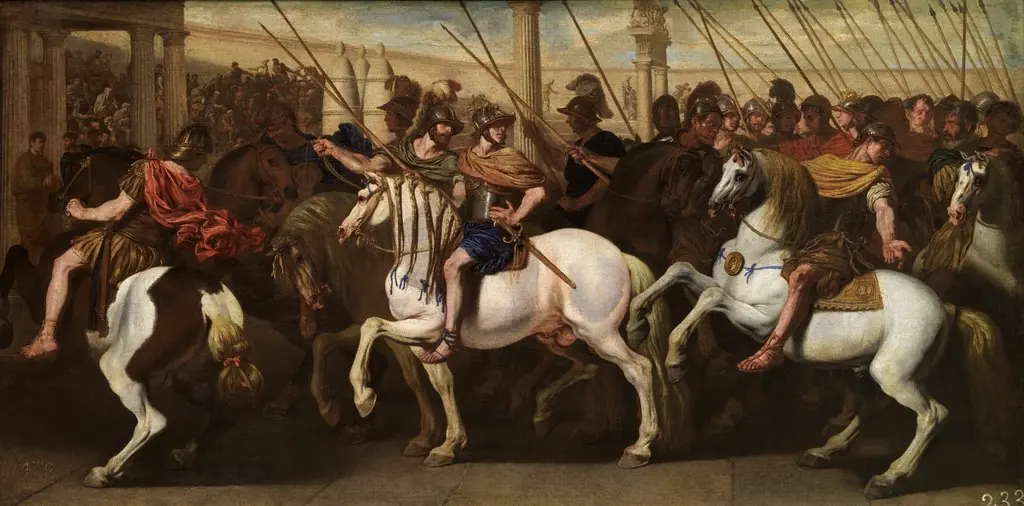 Roman Soldiers in the Circus
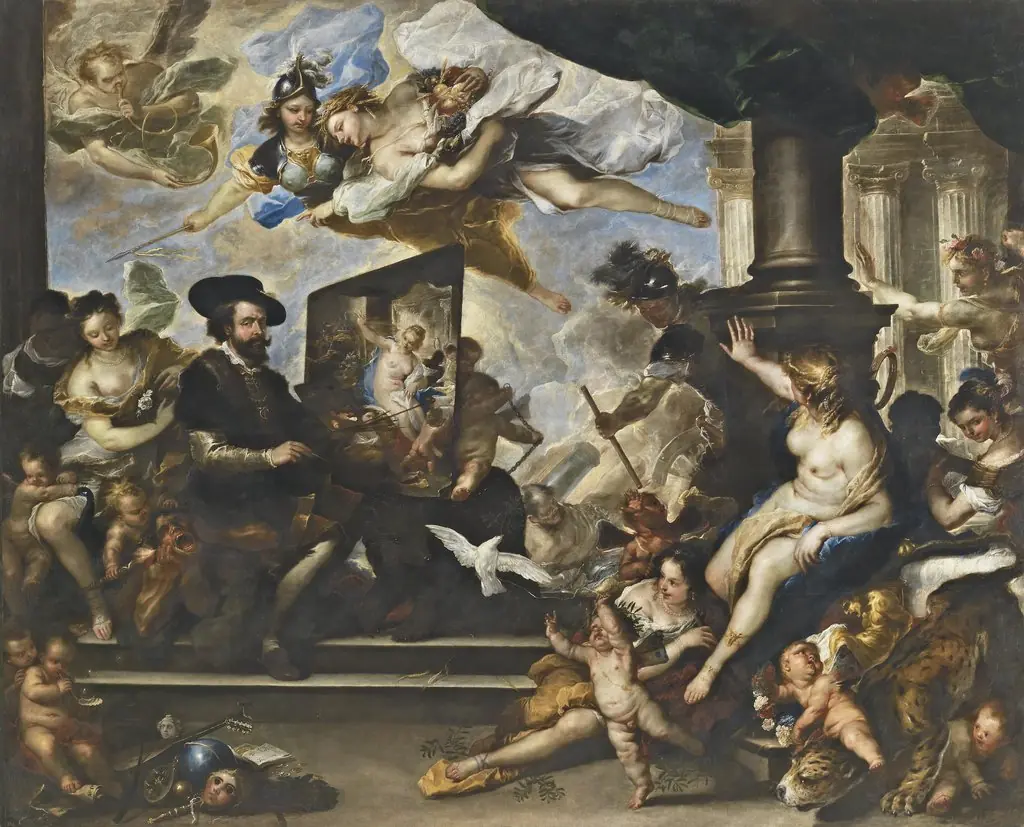 Rubens painting ‘The Allegory of Peace’
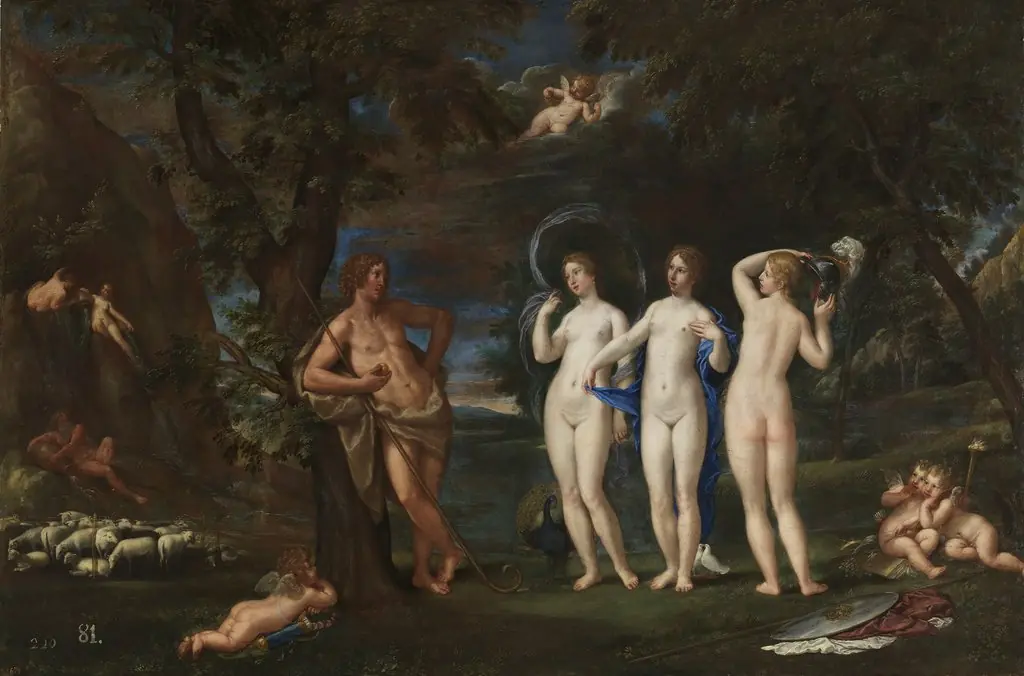 The judgement of Paris
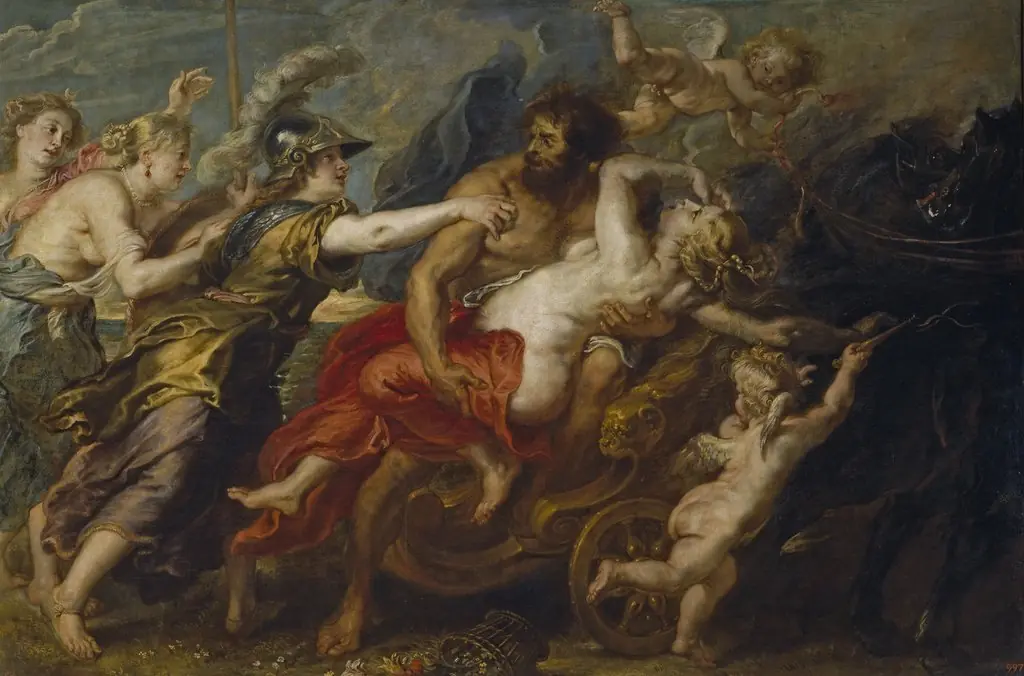 The Rape of Proserpine
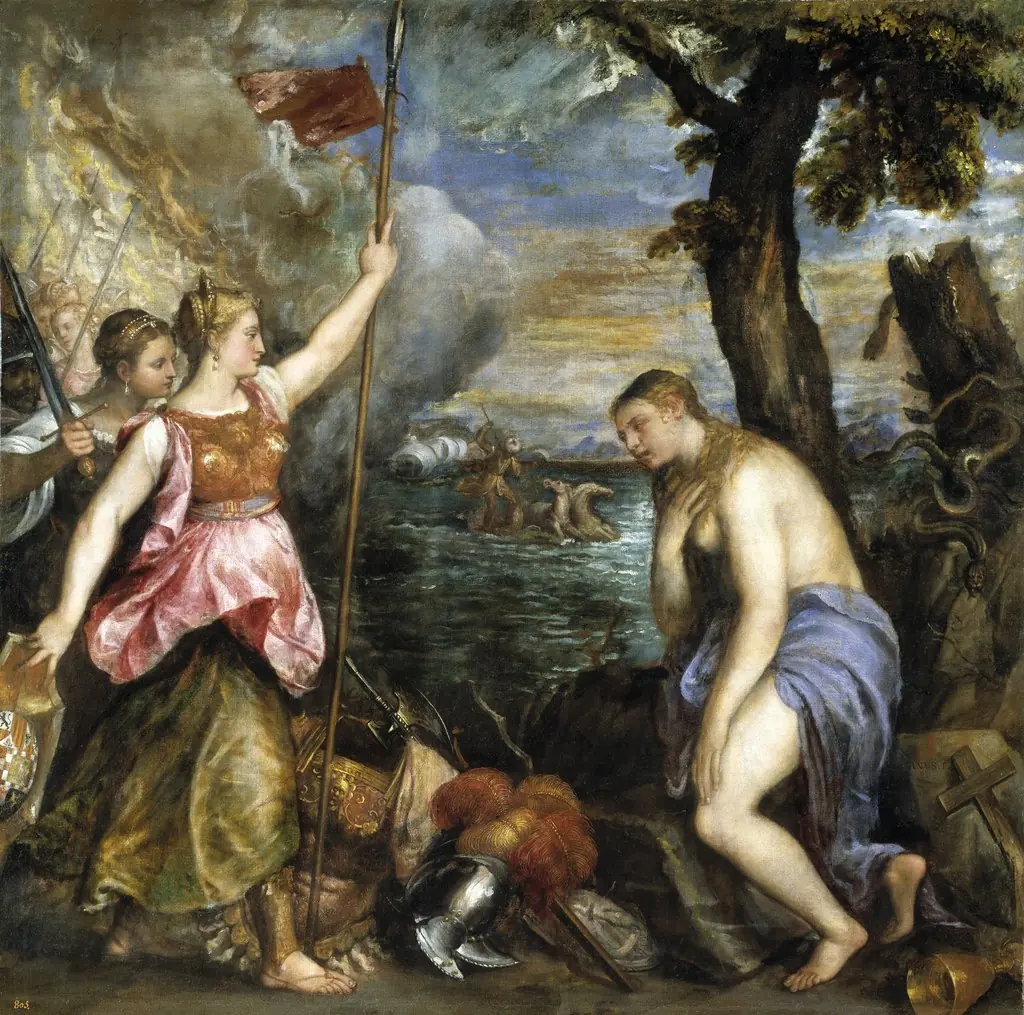 Religion saved by Spain
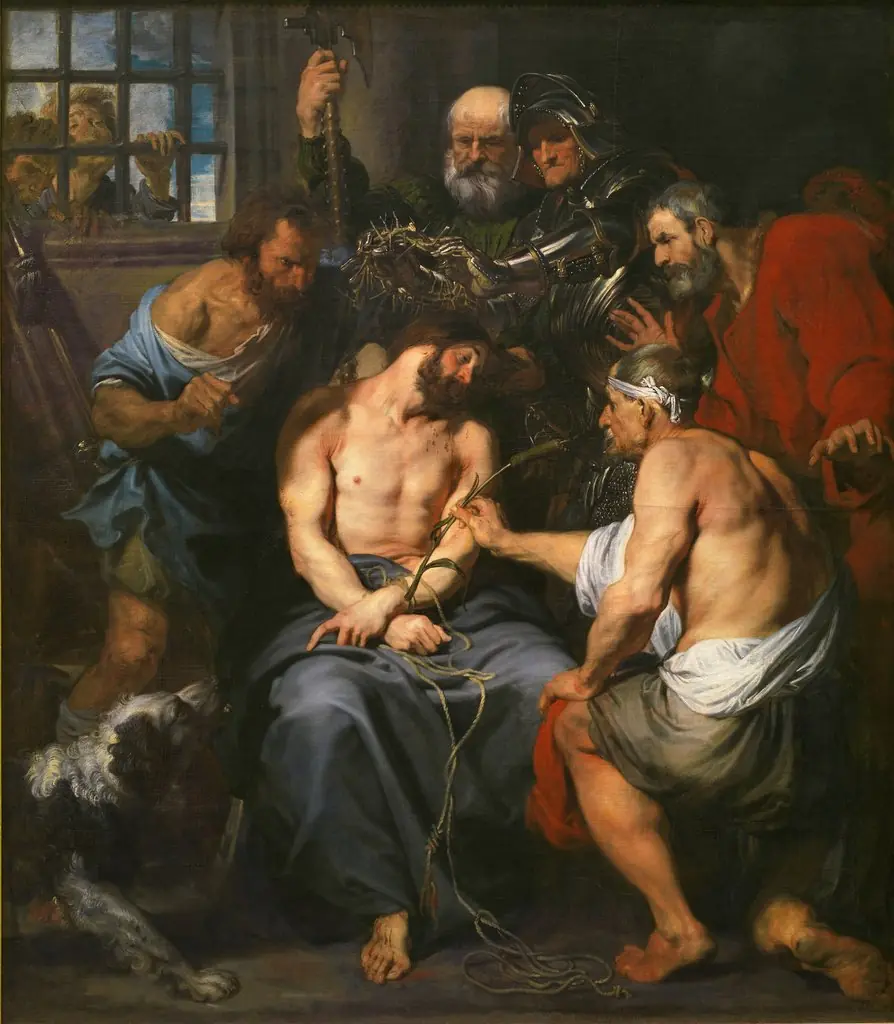 The Crown of Thorns
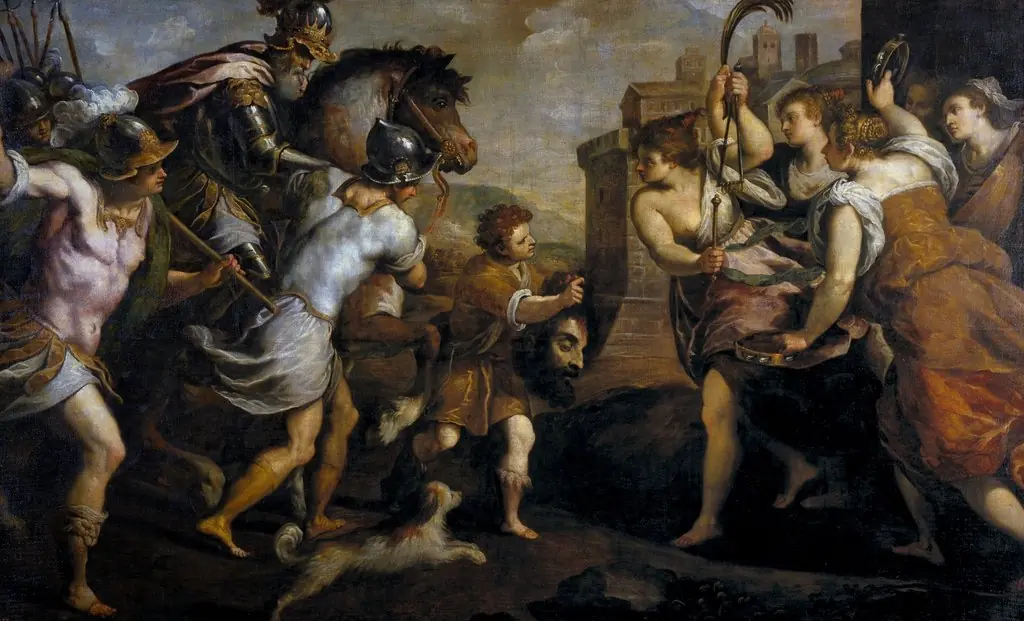 David with Goliath's Head
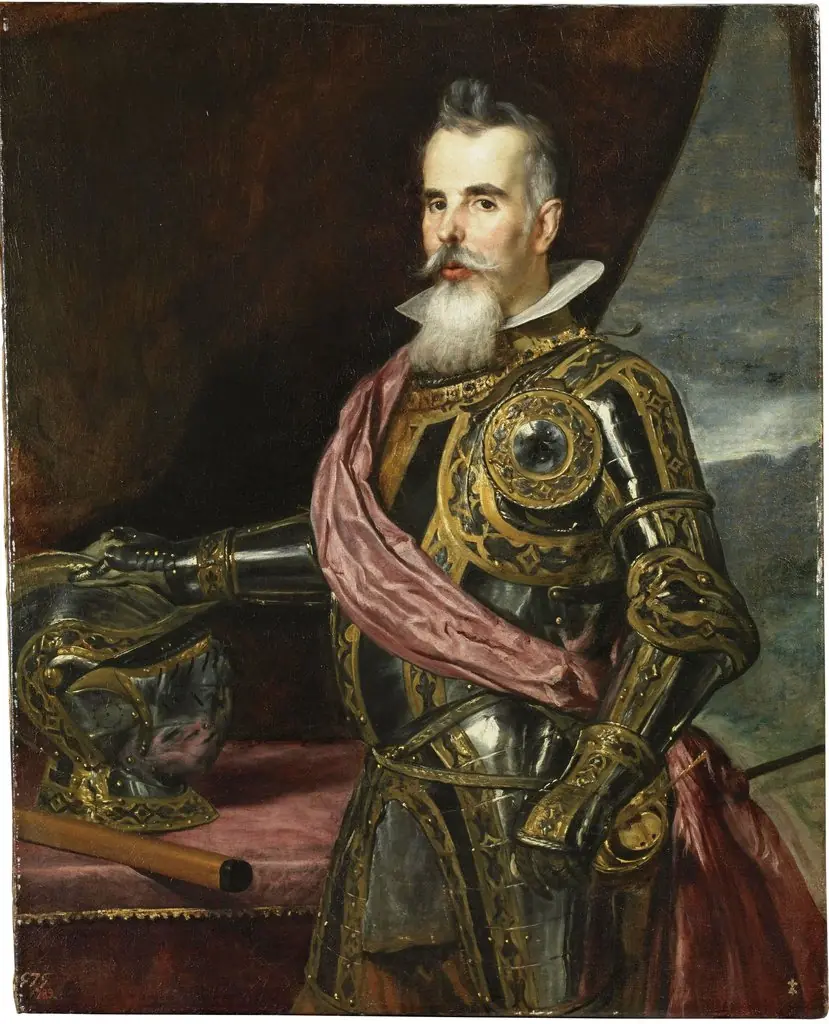 Juan Francisco Pimentel, conde de Benavente
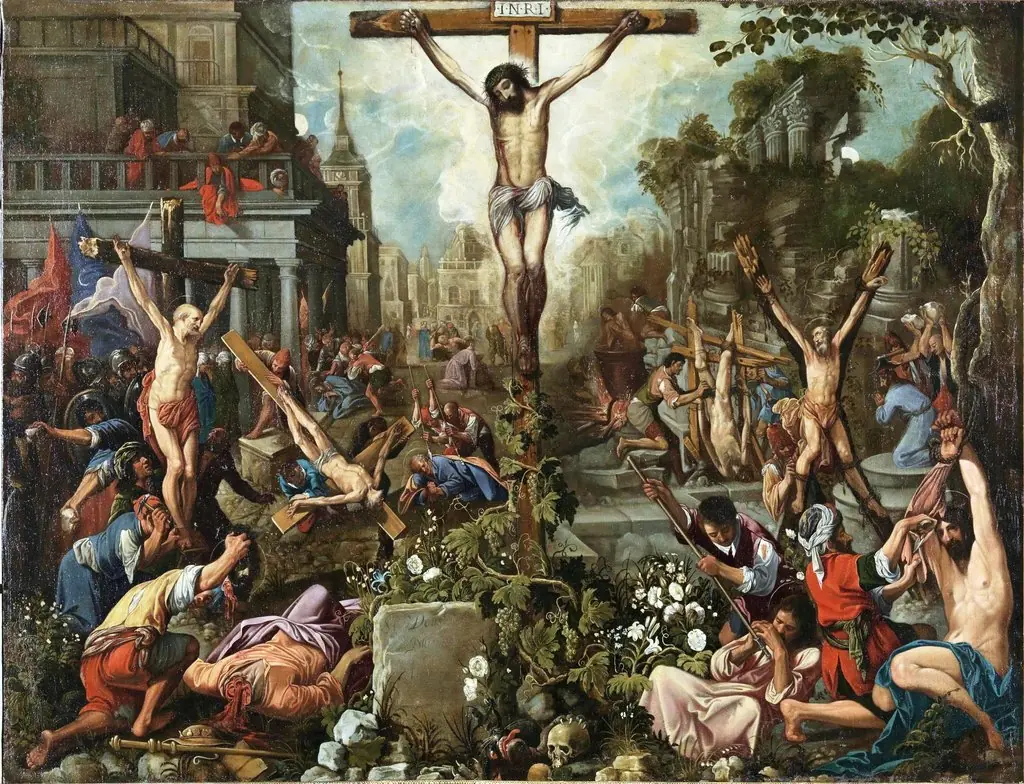 Christ, the Example for Martyrs
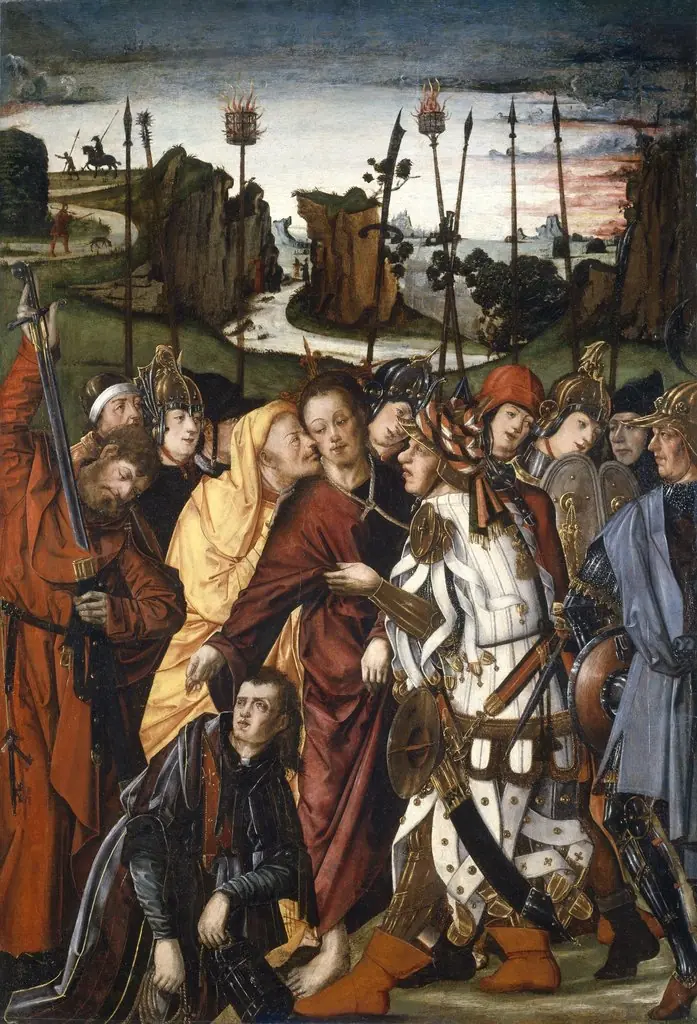 The Taking of Christ
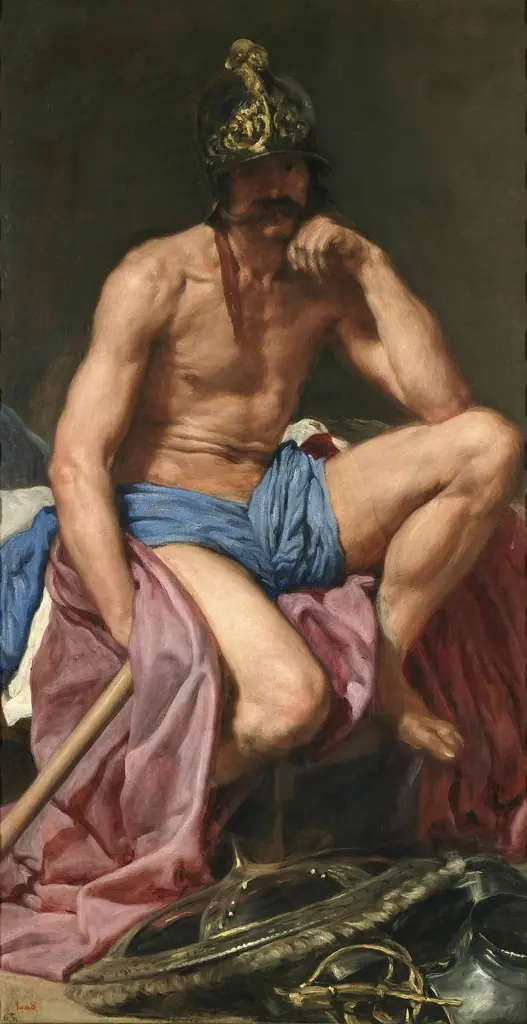 Mars Resting
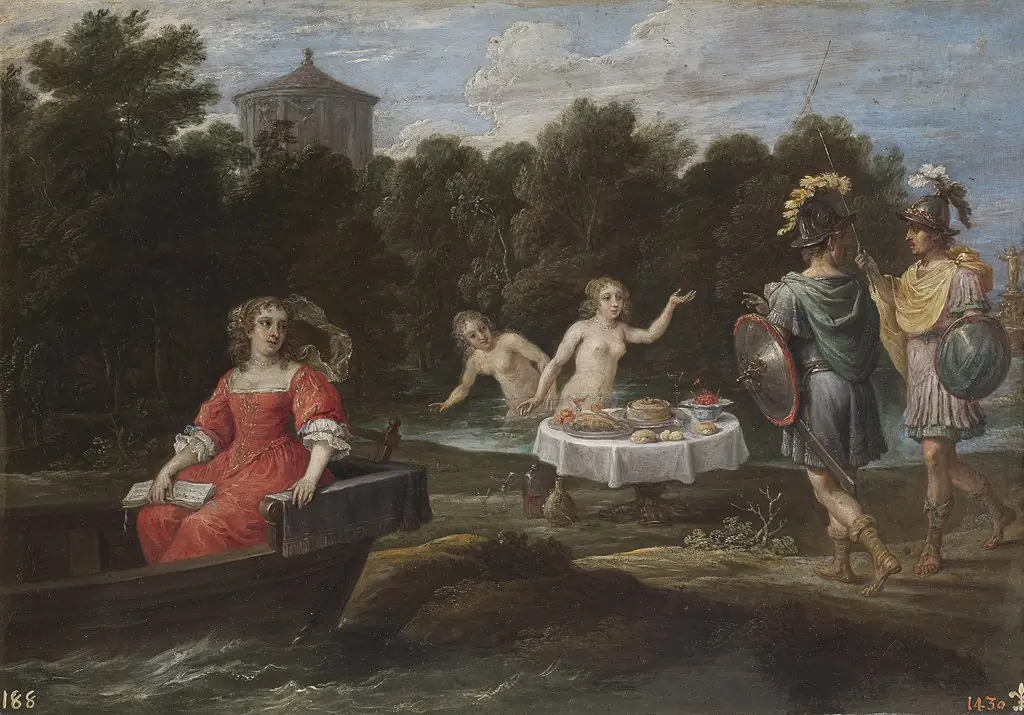 Carlos y Ubaldo en las islas Afortunadas
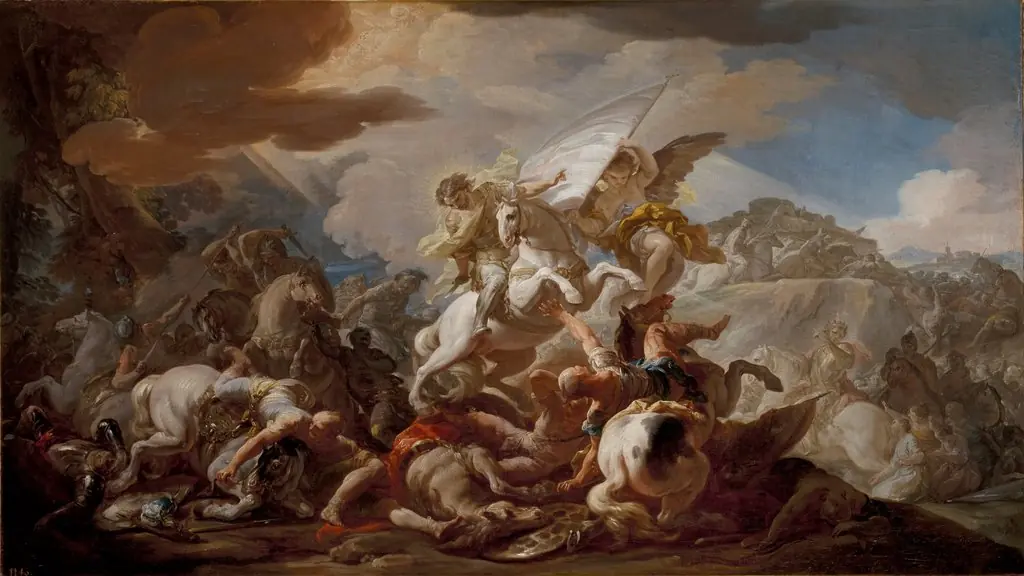 Battle of Clavijo
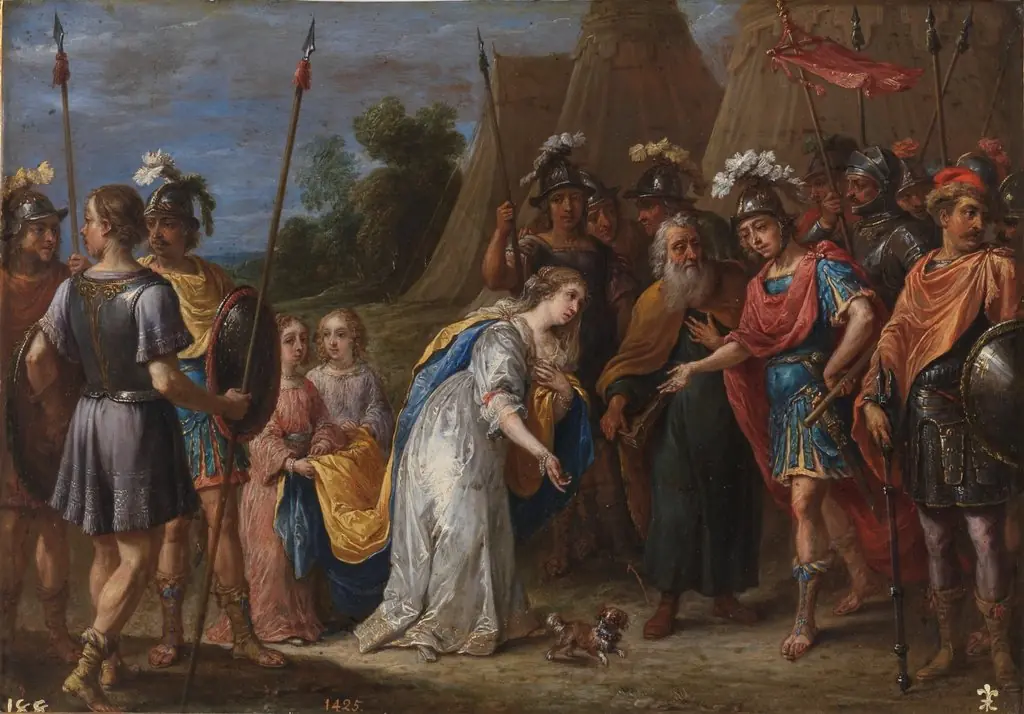 Armida ante Godofredo de Bouillon
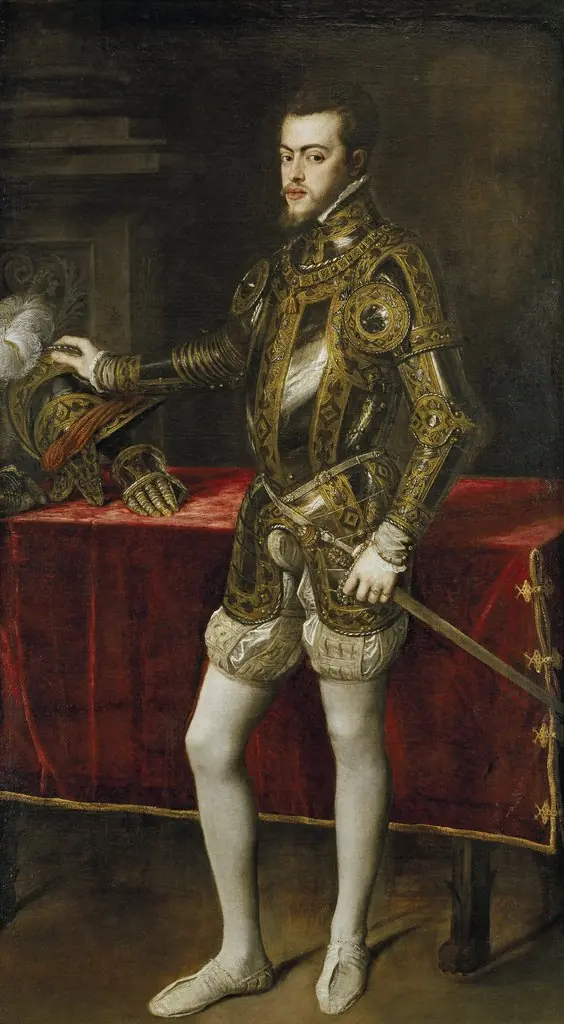 Philip II in Armour
 Rest during the Flight to Egypt
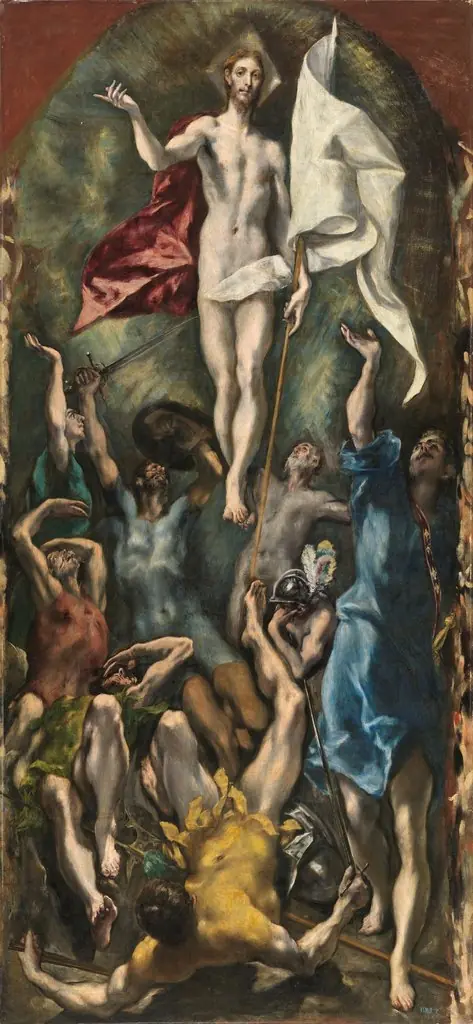 The Resurrection
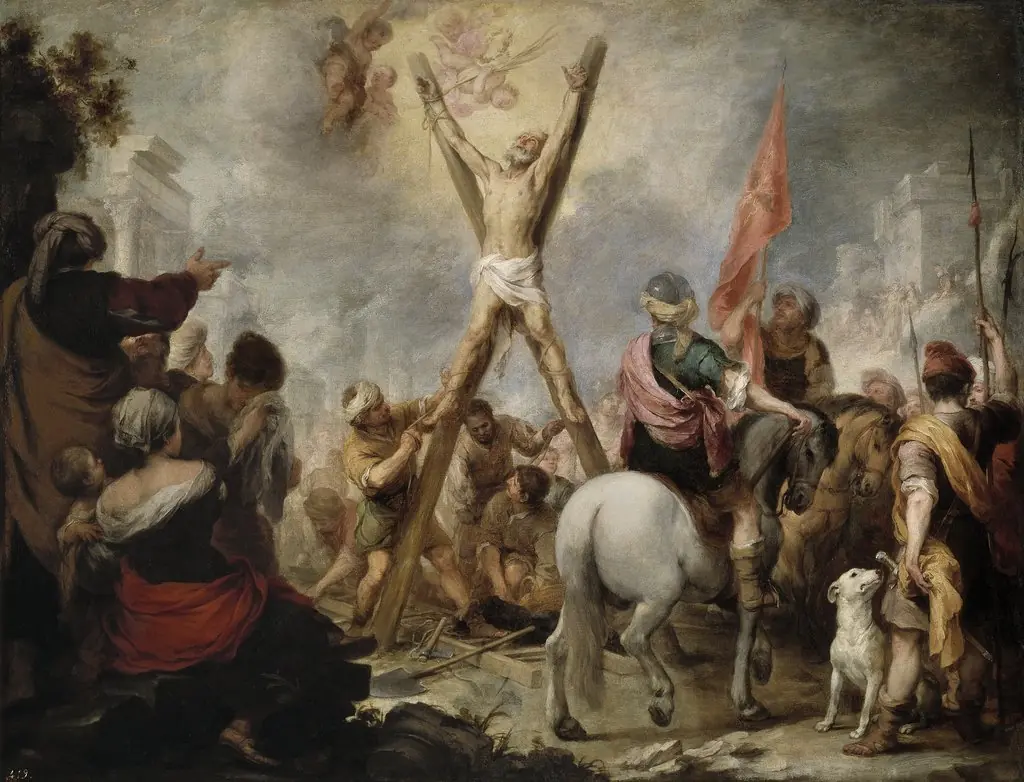 The Martyrdom of St. Andrew
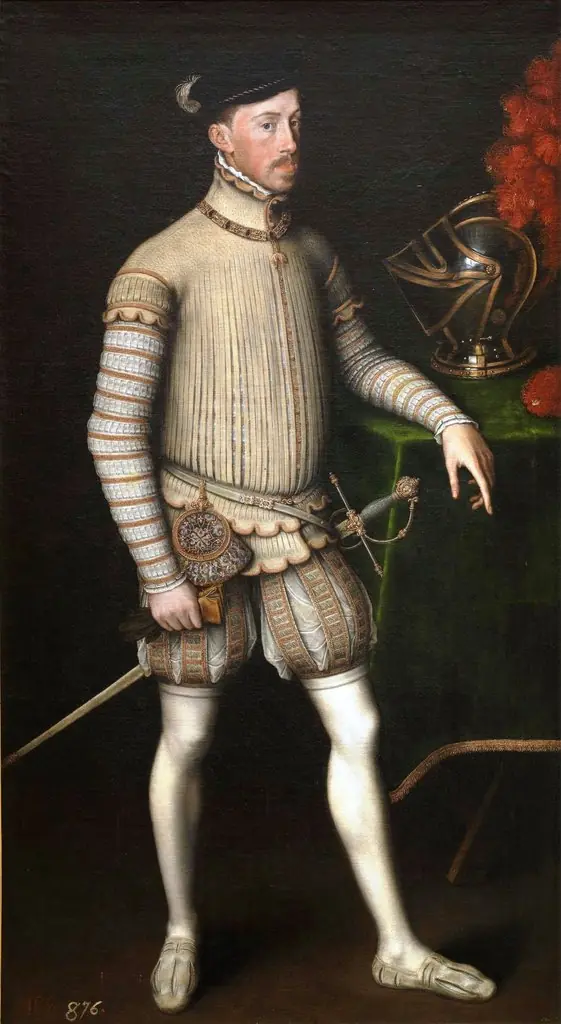 Emperor Maximilian II
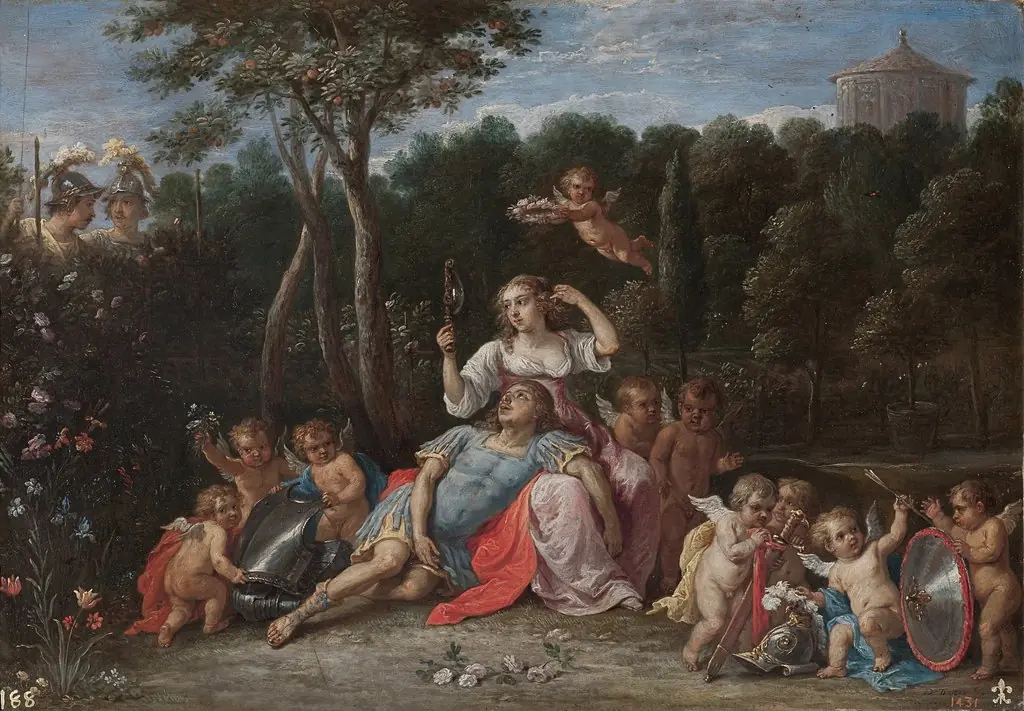 El jardín de Armida
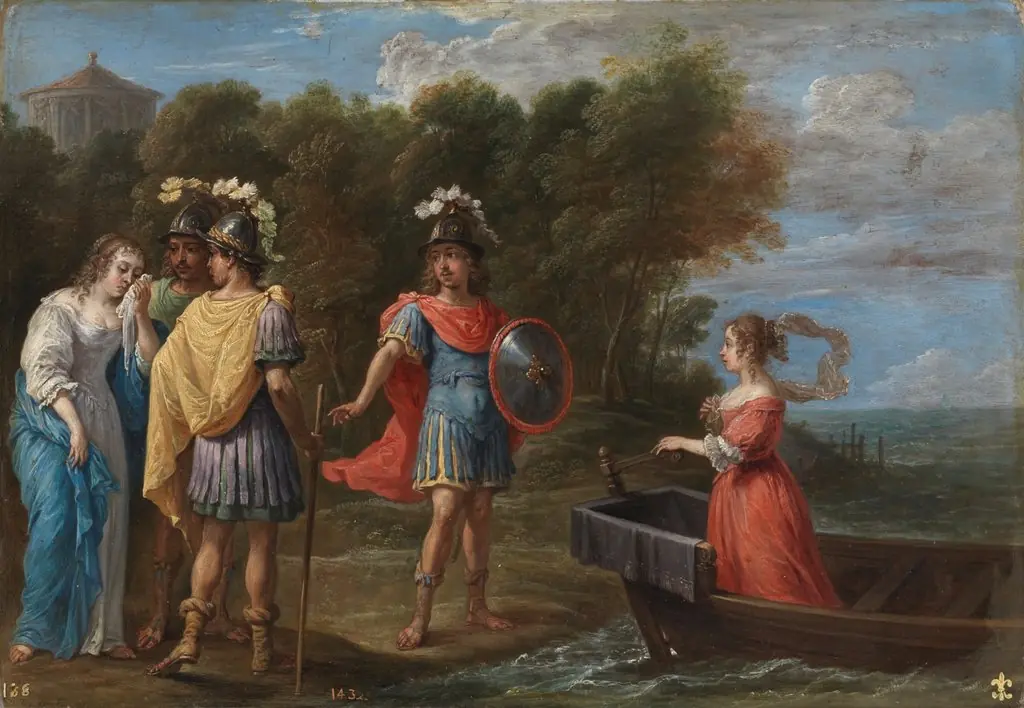 Armida and Rinaldo
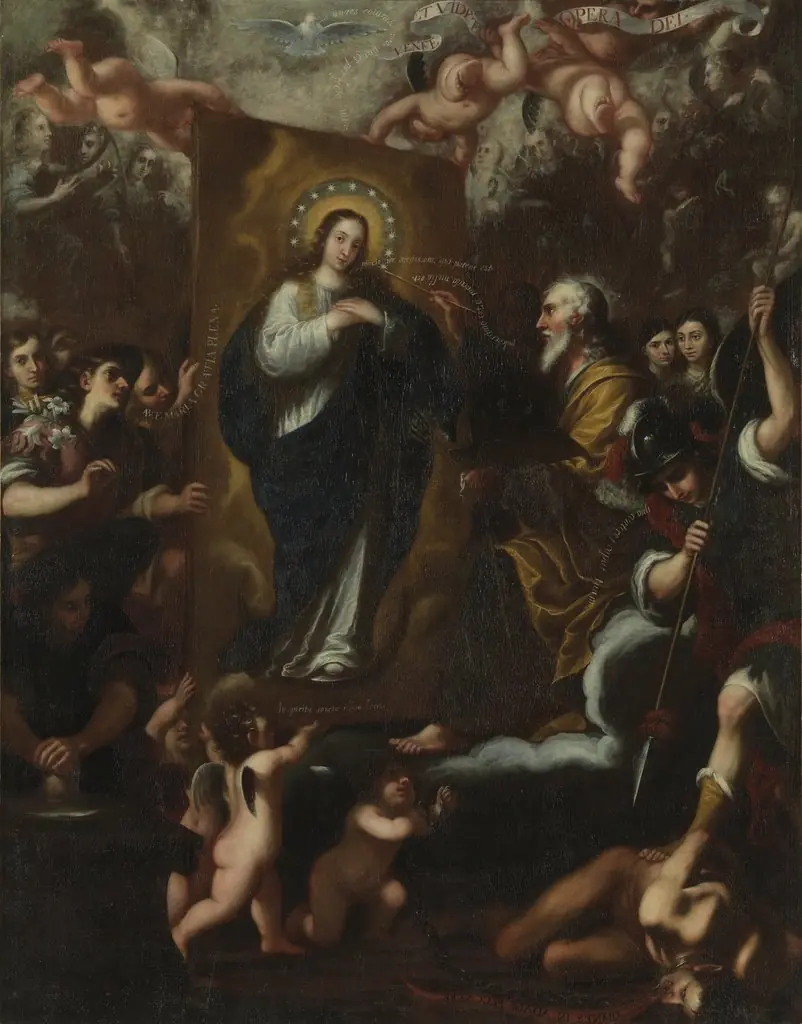 God the Father painting the Immaculate Conception
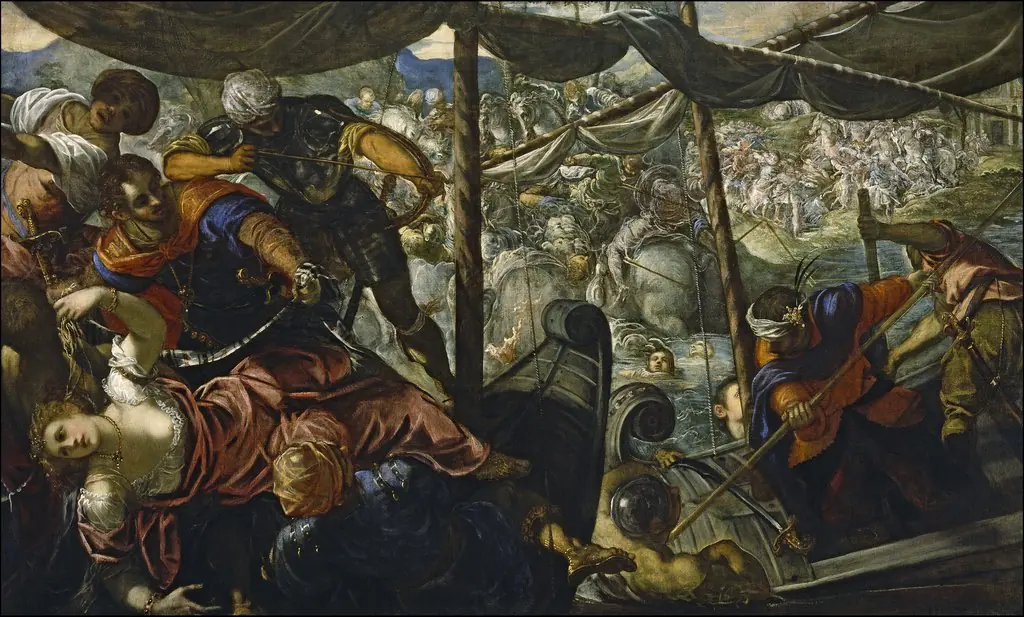 The Rape of Helen
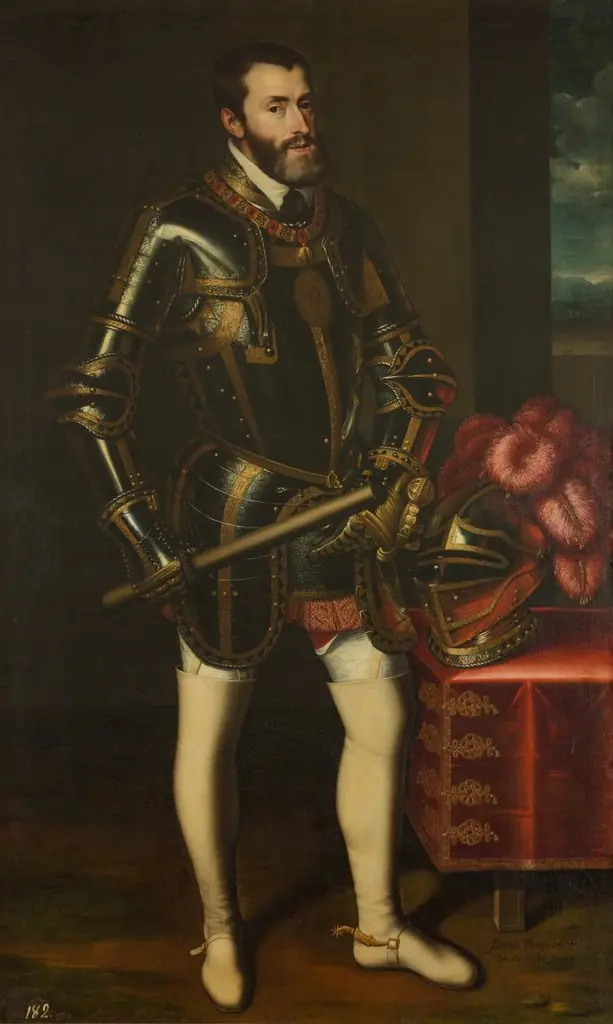 The Emperor Charles V
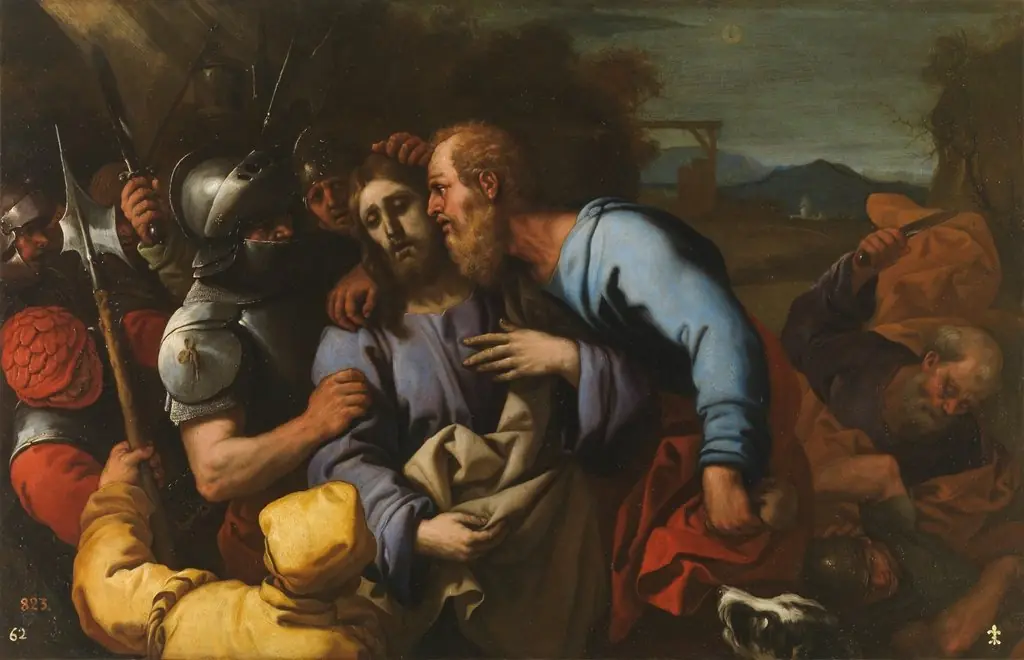 The Kiss of Judas
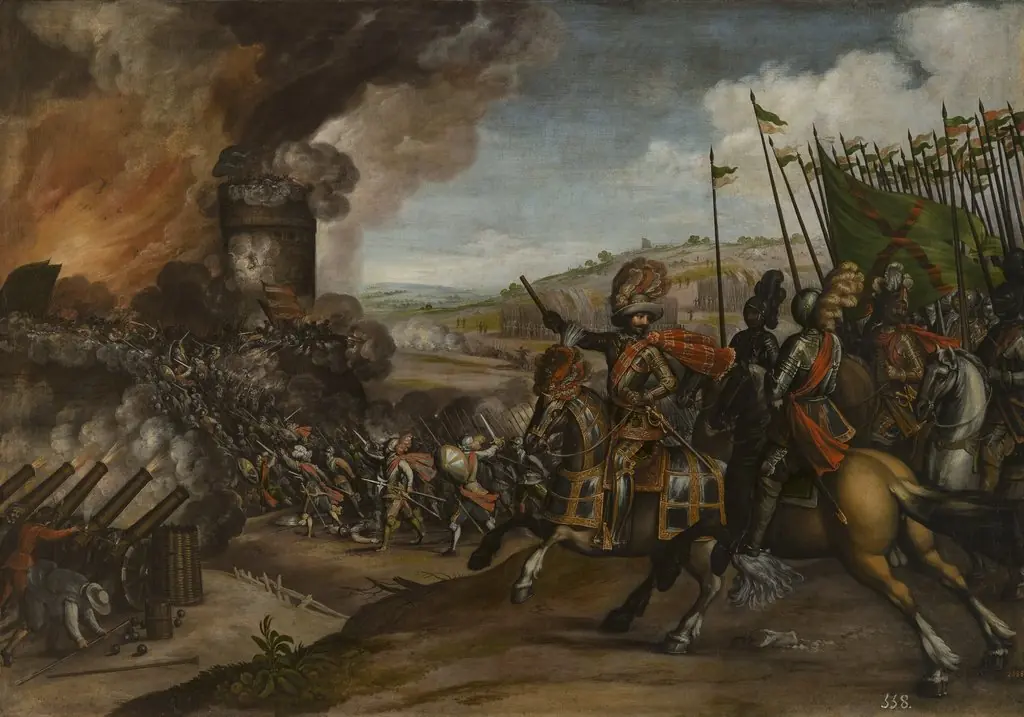 Battle of Gascona and battery in a castle
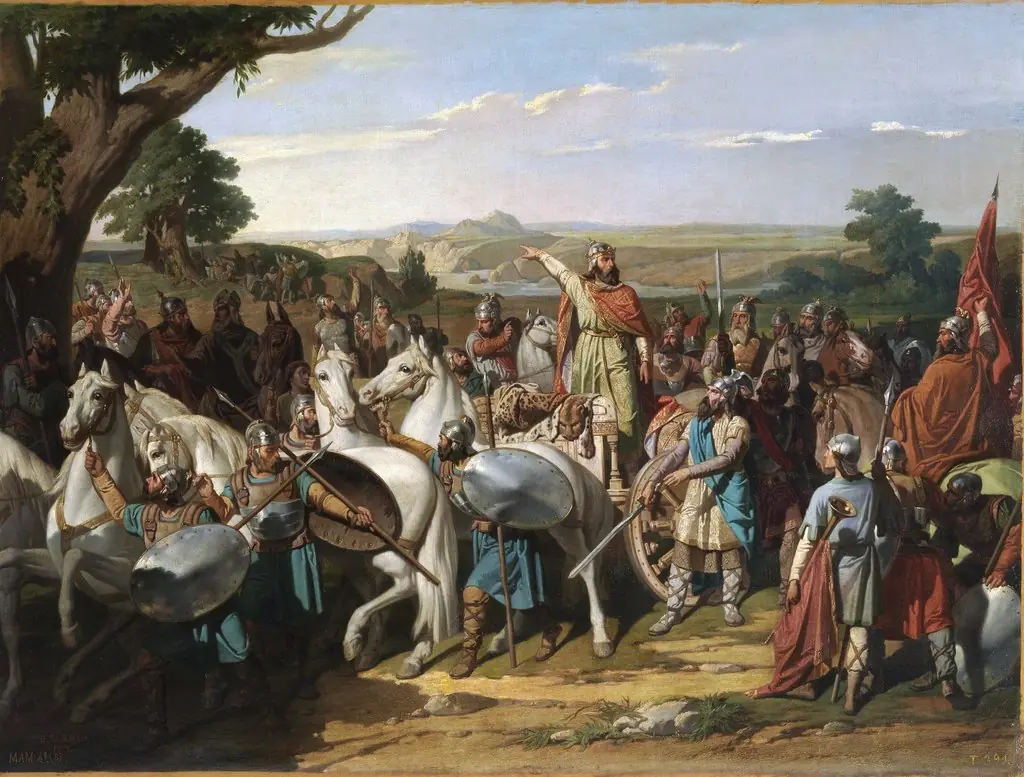 El rey don Rodrigo arengando a los jefes de su ejército antes de dar la batalla del Guadalete
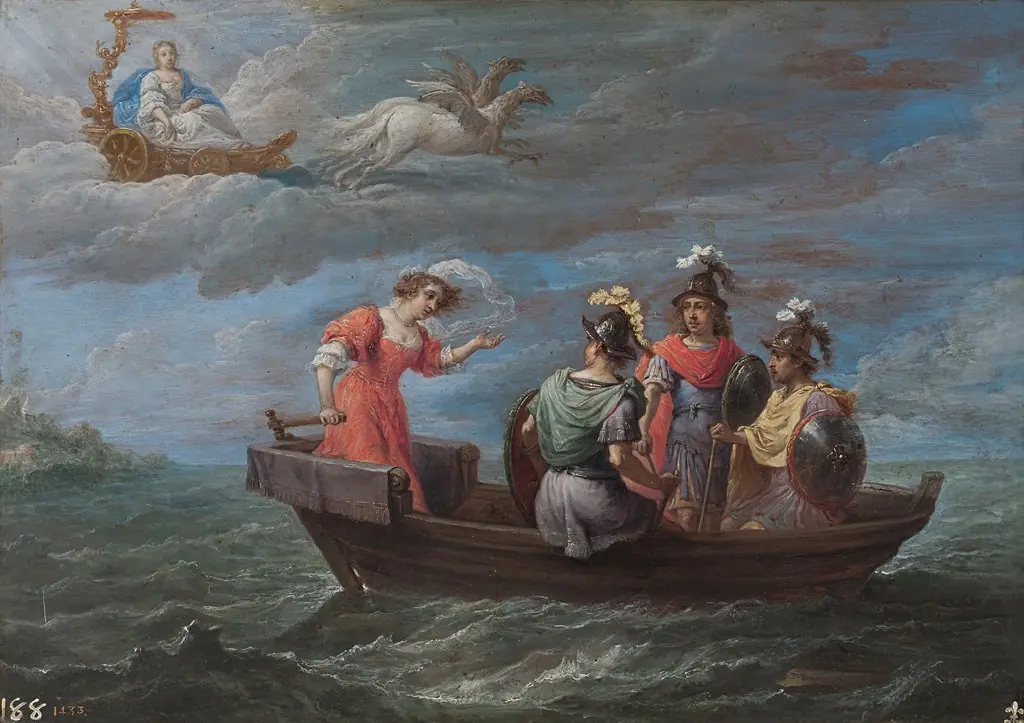 Reinaldo huye de las islas Afortunadas
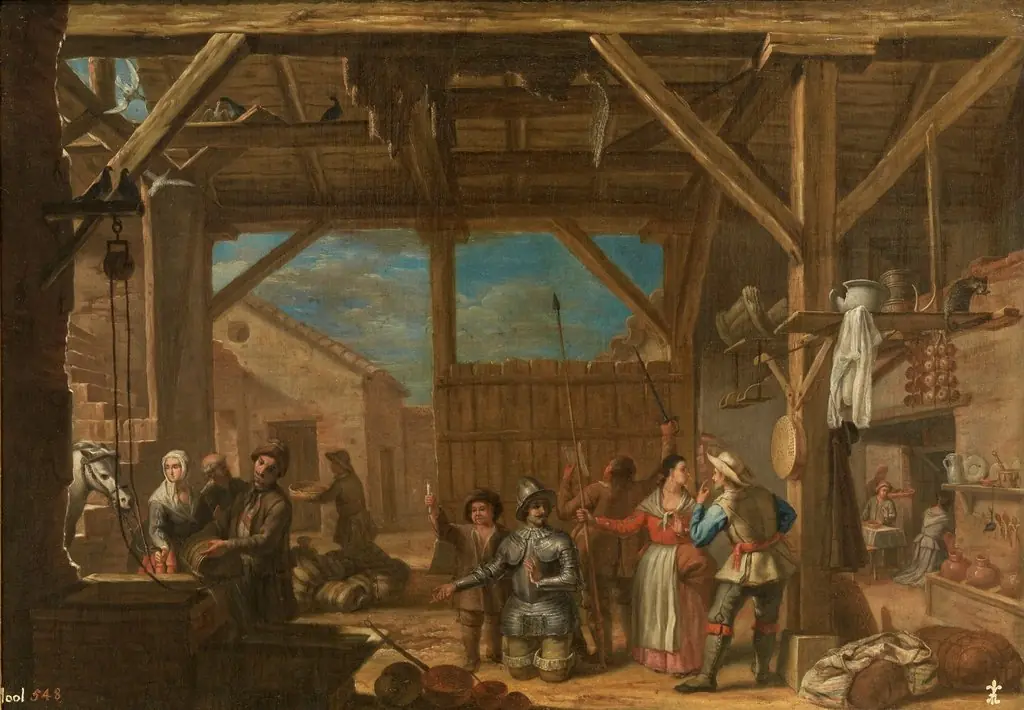 Don Quixote Dubbed a Knight
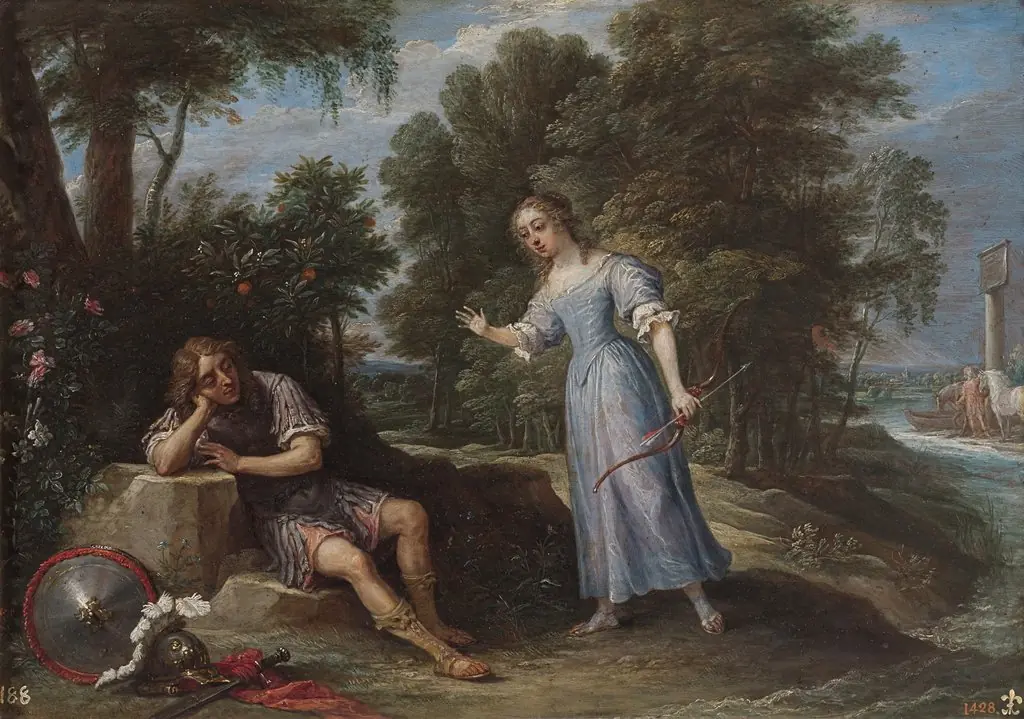 Rinaldo in love with Armida
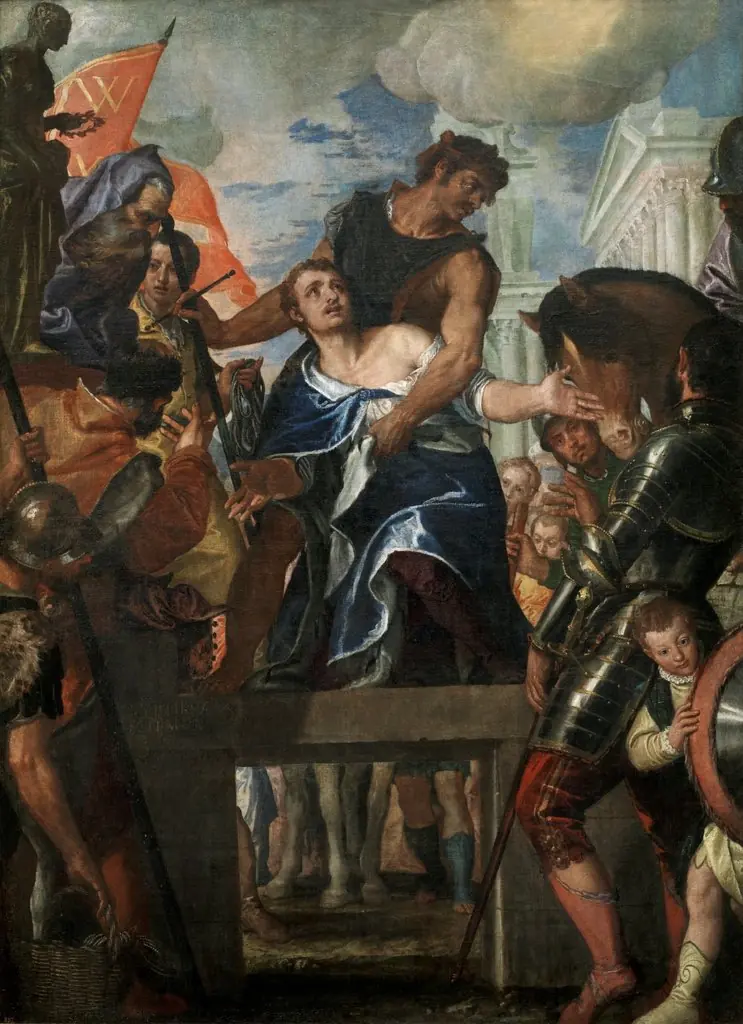 The Martyrdom of Saint Mennas
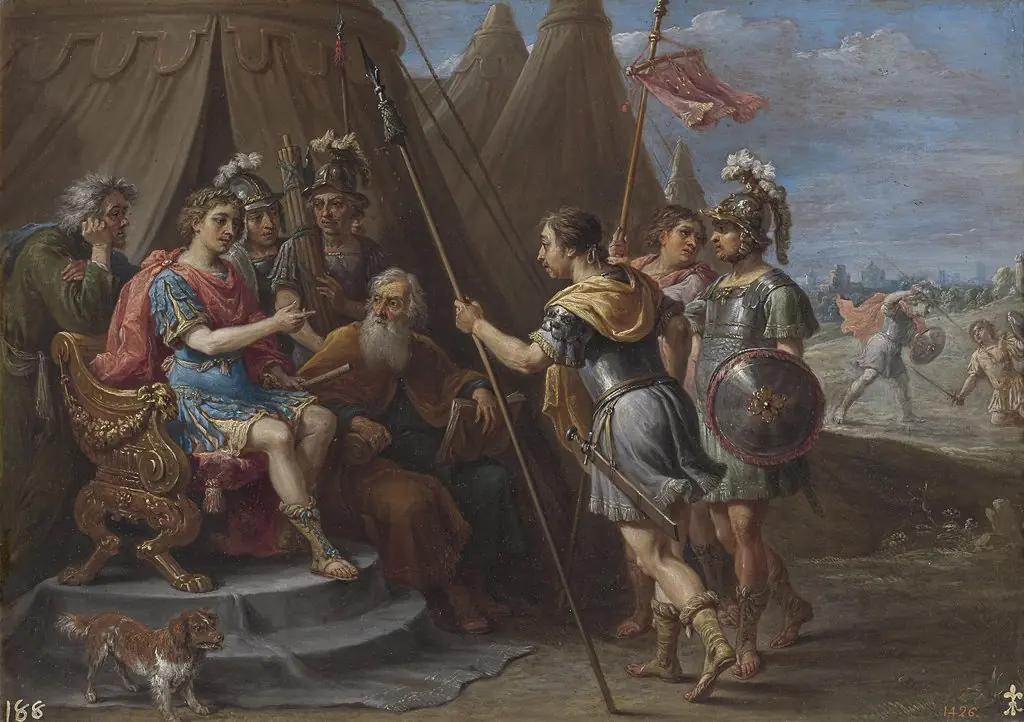 Godofredo y el Consejo escuchan la demanda de Armida
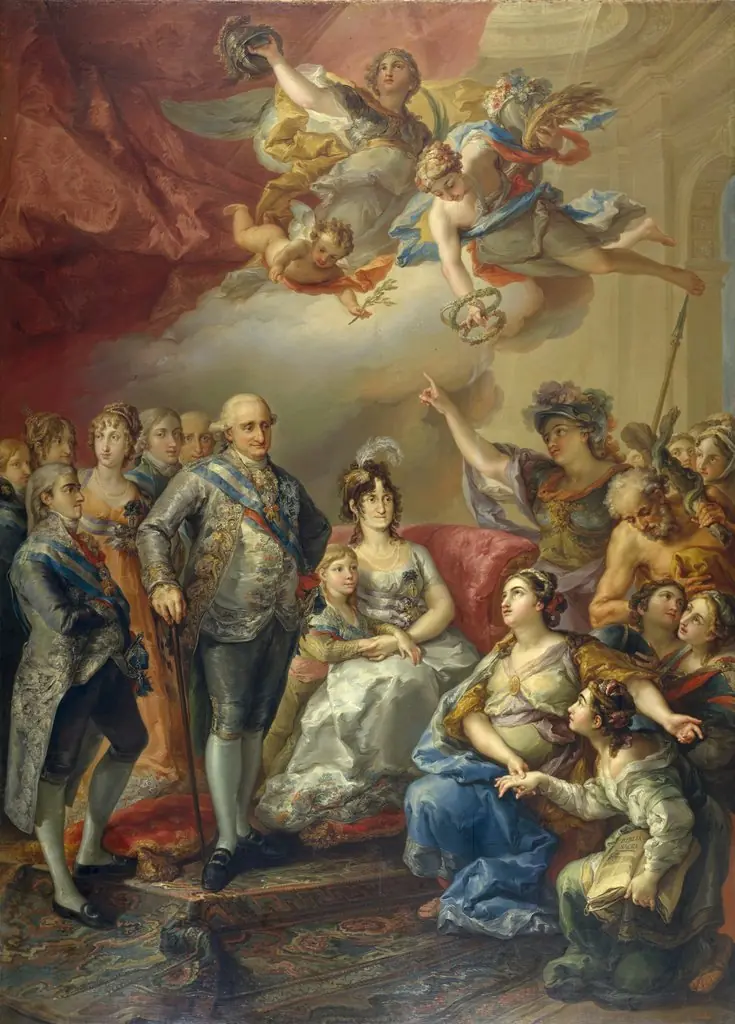 Charles IV and his Family honoured by the University of Valencia
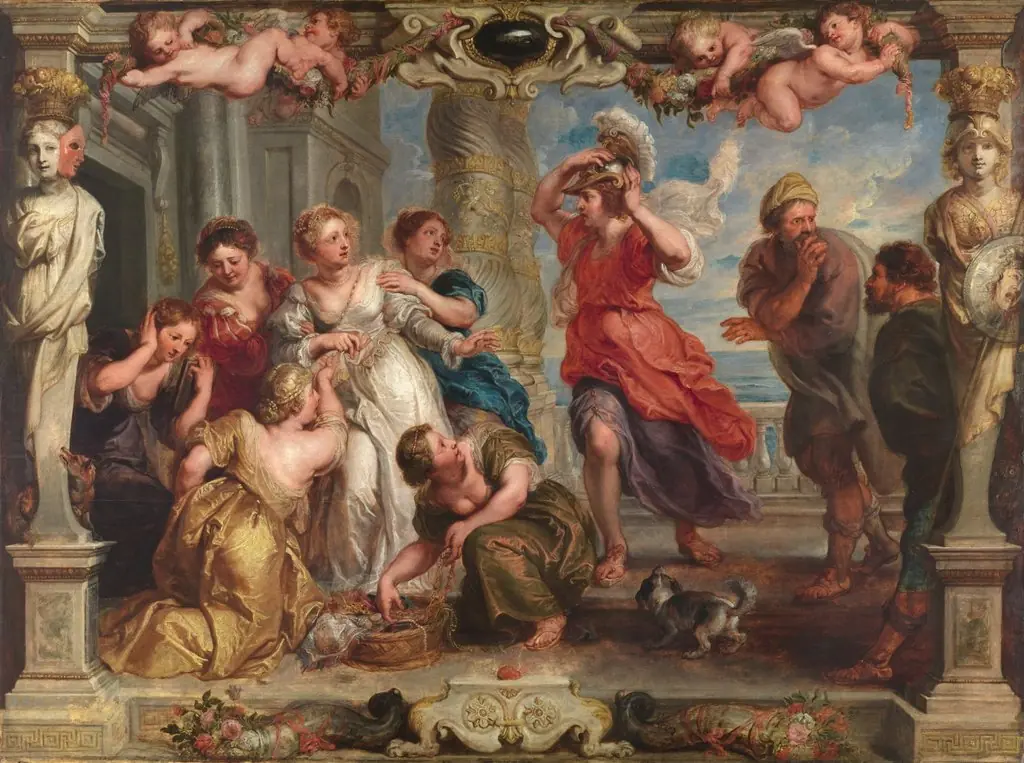 Achilles discovered Among the Daughters of Lycomedes
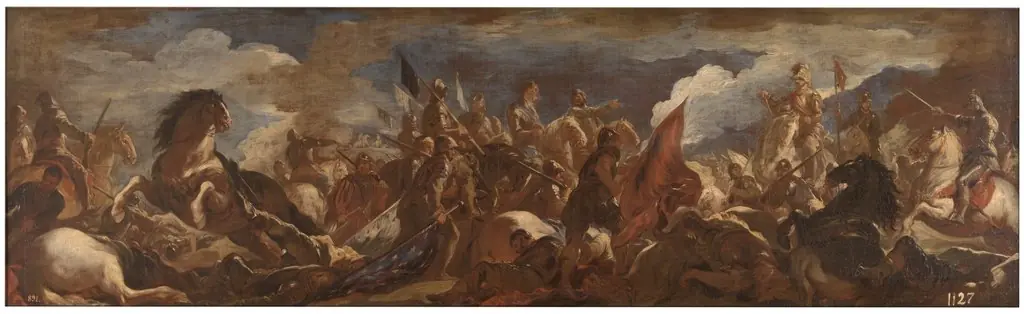 Prisión del condestable de Montmorency, en la Batalla de San Quintín
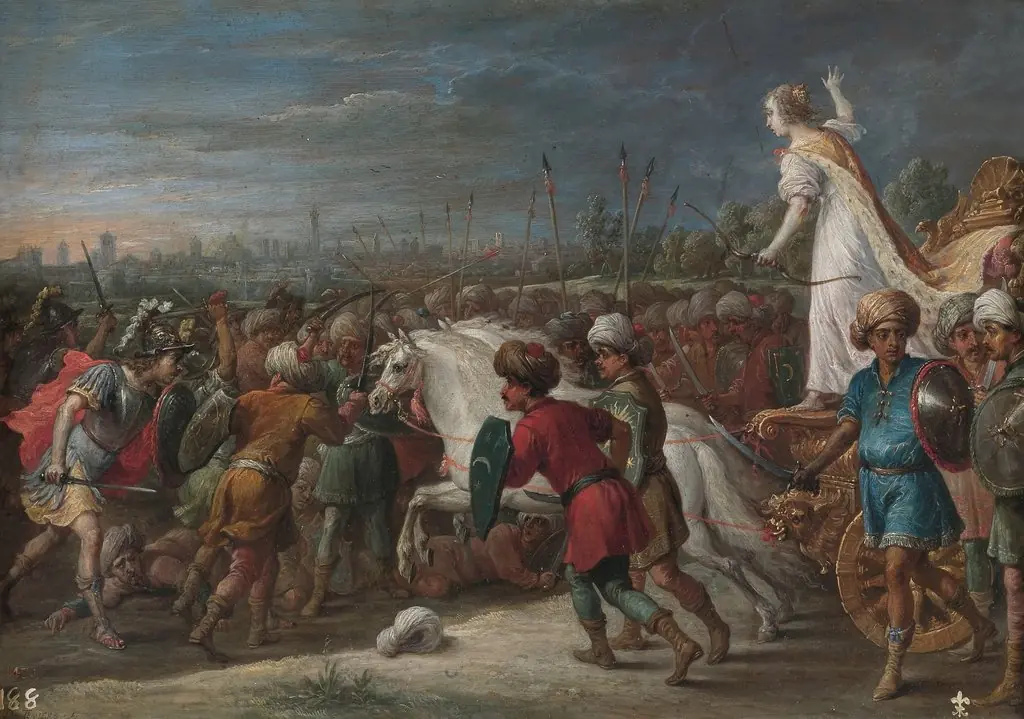 Armida en la batalla frente a los sarracenos
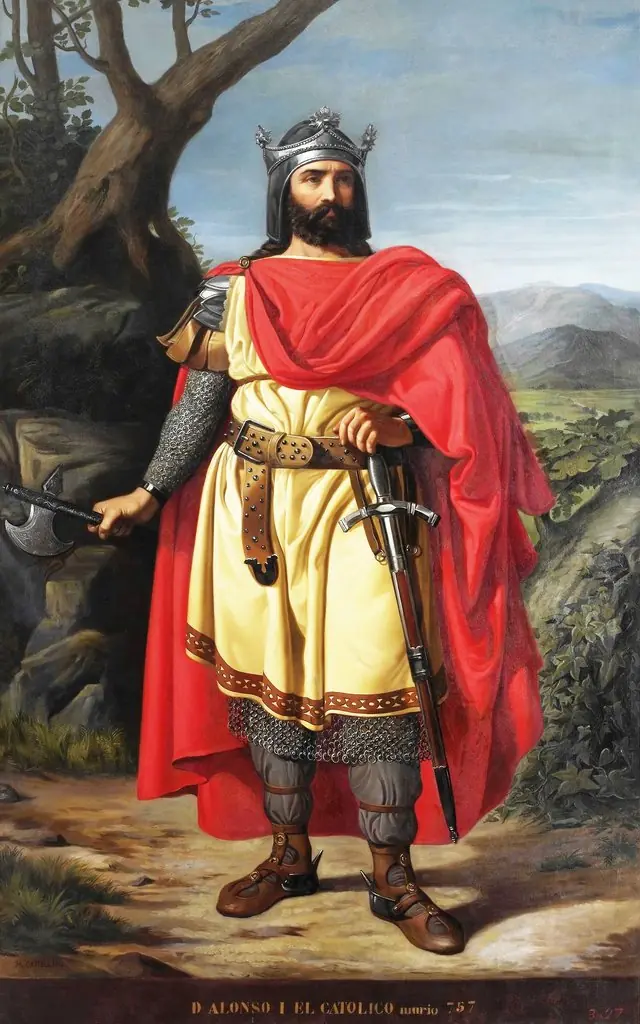 Alfonso I
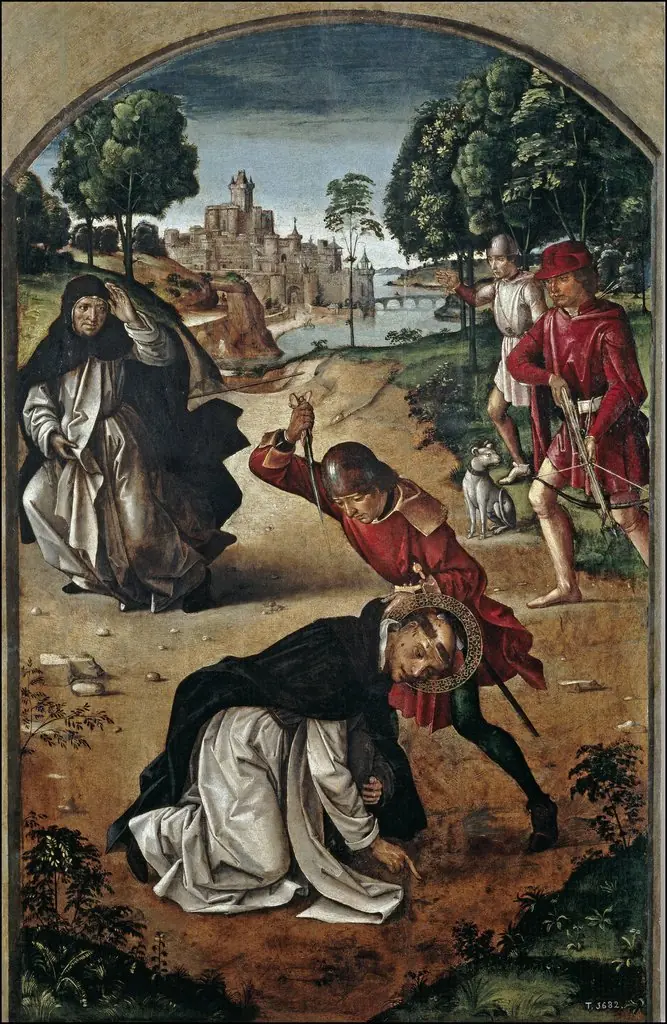 The Death of Saint Peter Martyr
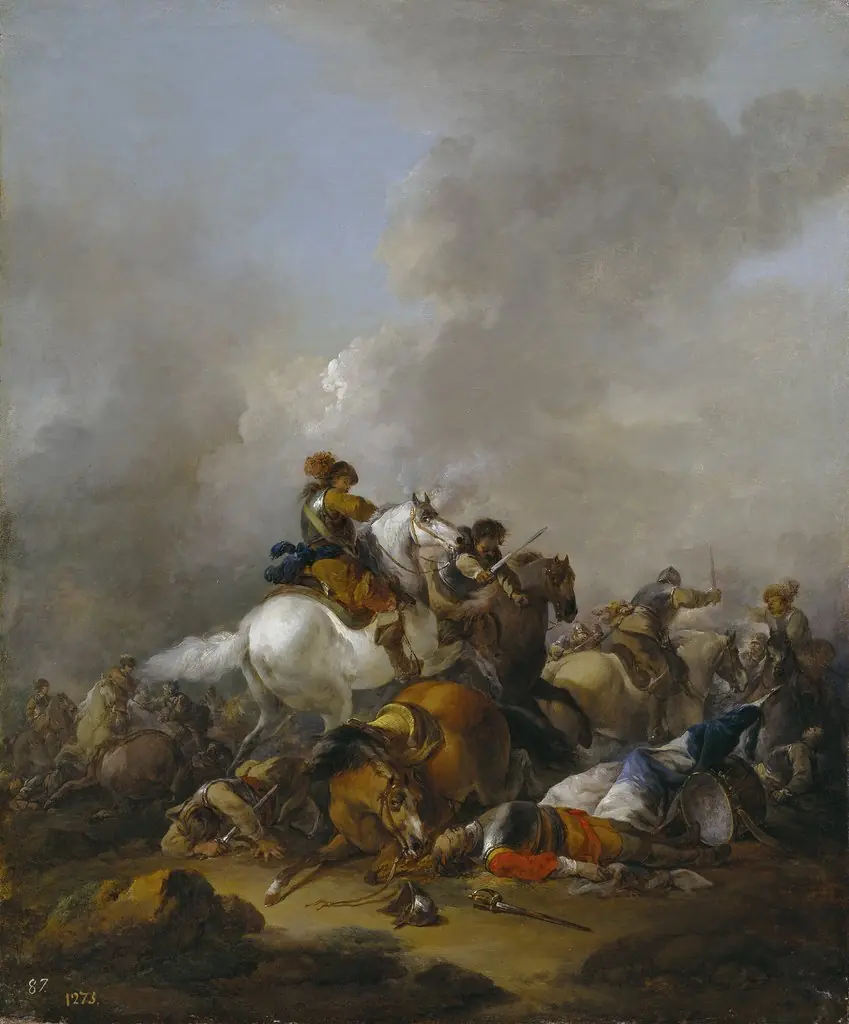 Cavalry Battle
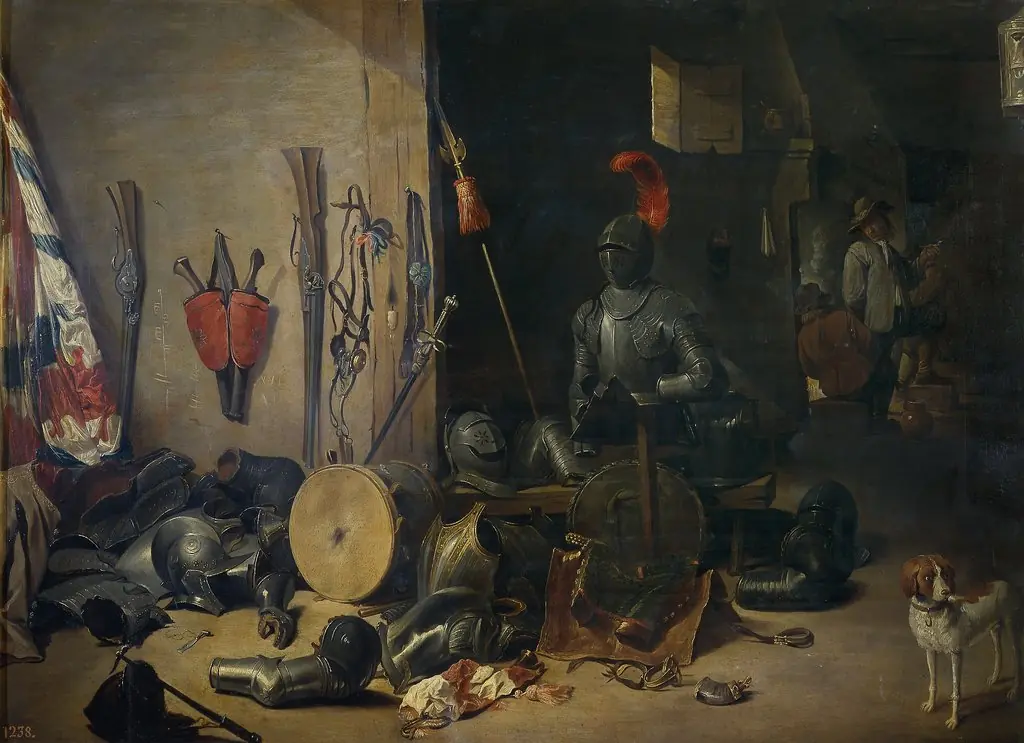 Le Corps de Garde
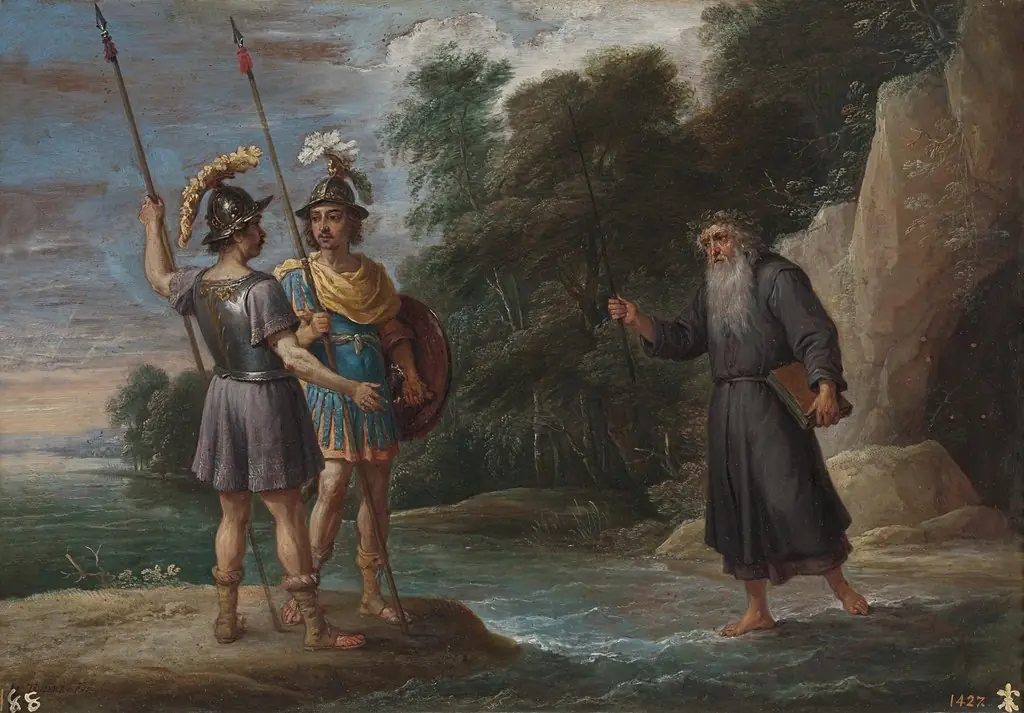 El mago descubre a Carlos y Ubaldo el paradero de Reinaldo (La búsqueda de Reinaldo)
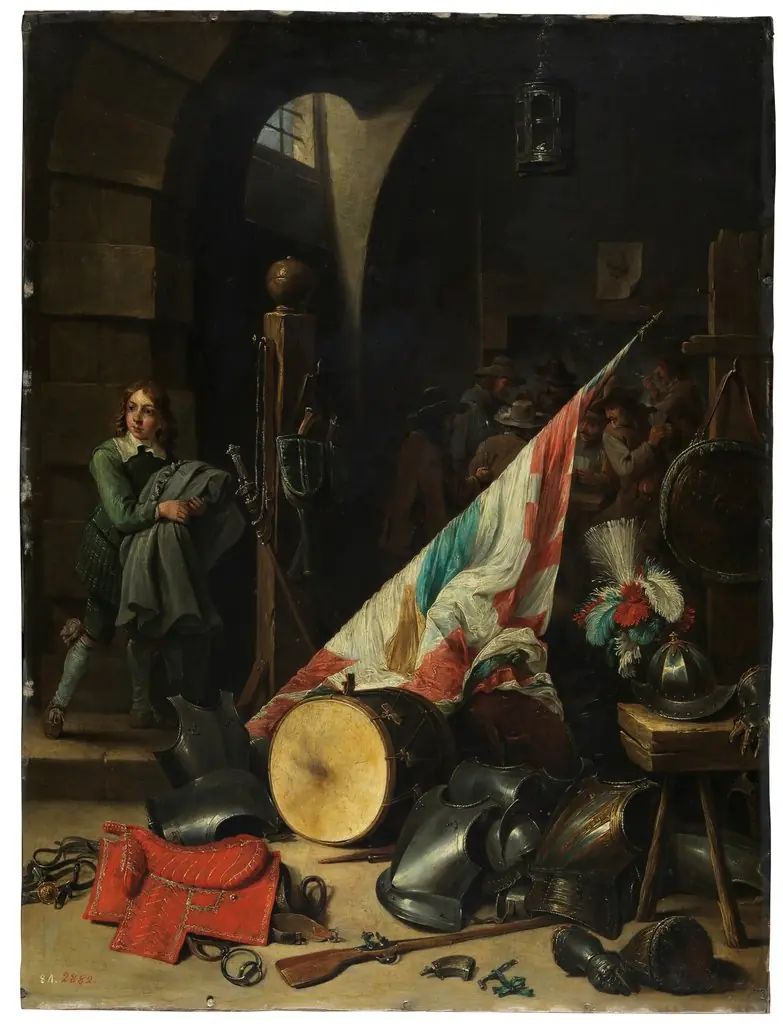 The Guard-Room
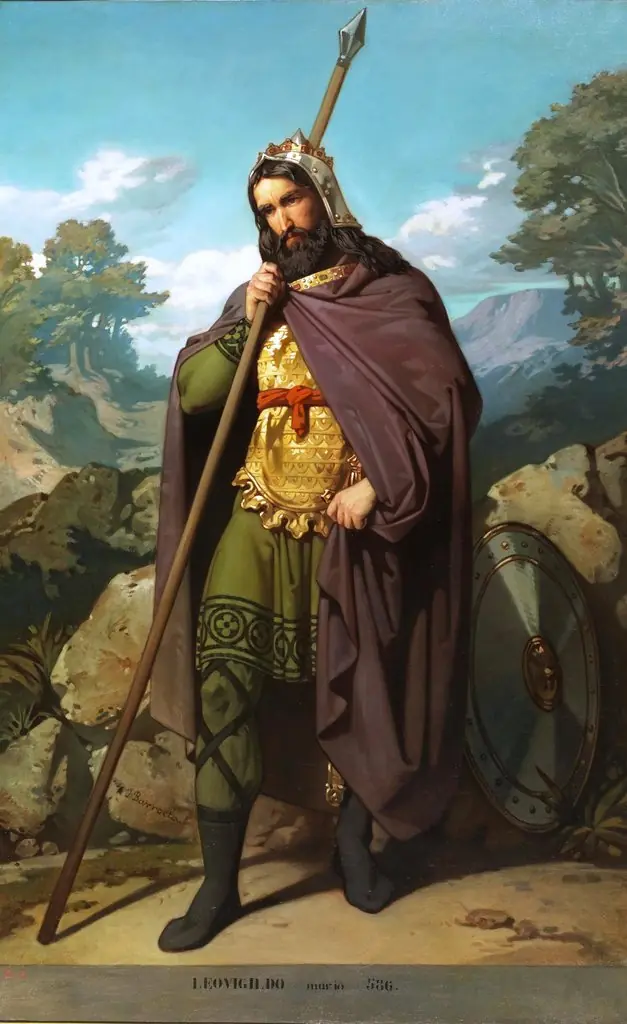 Leovigildo
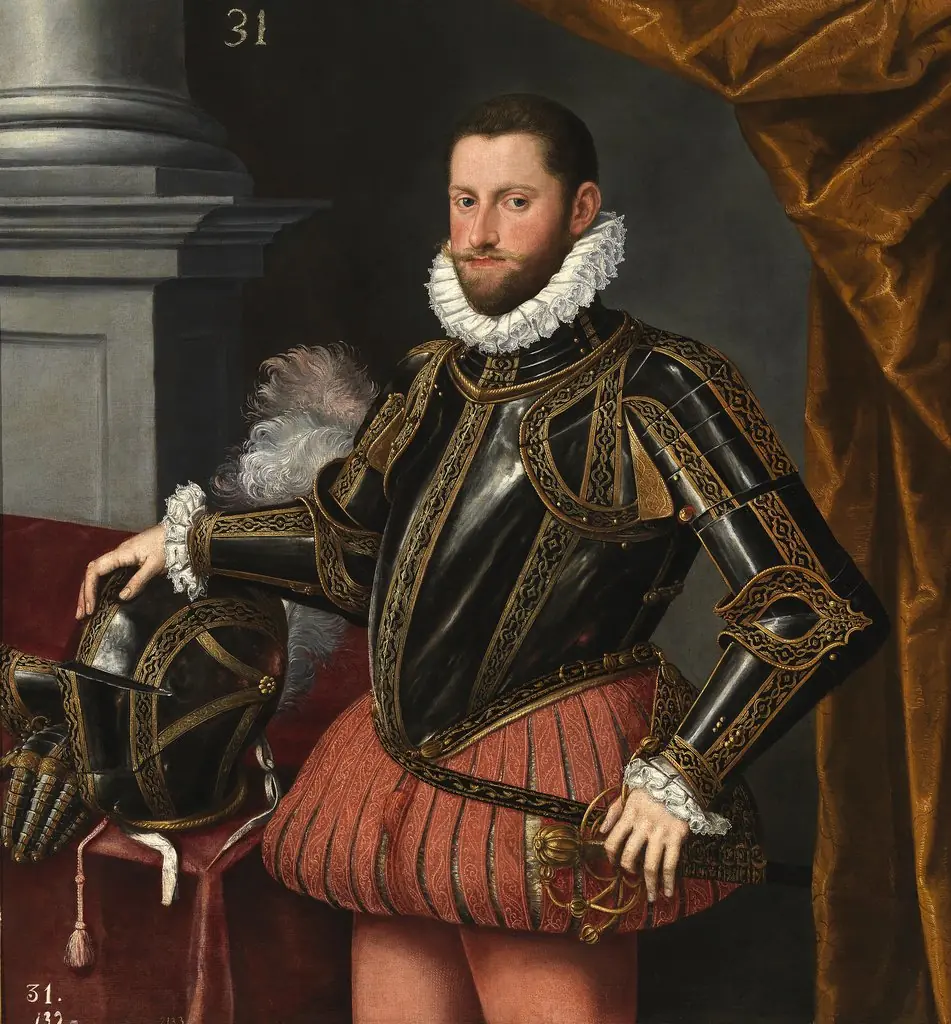 El archiduque Diego Ernesto de Austria
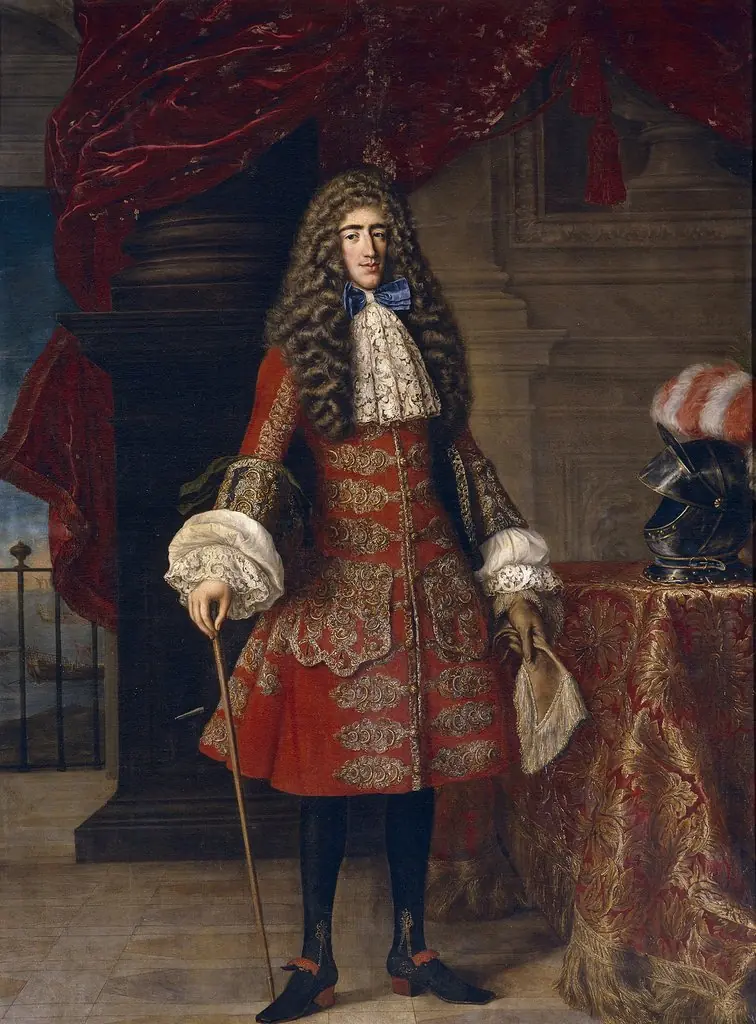 Portrait of Don Luis de la Cerda, later IX Duke of Medinaceli (or Medinacelli), (1654–1711)
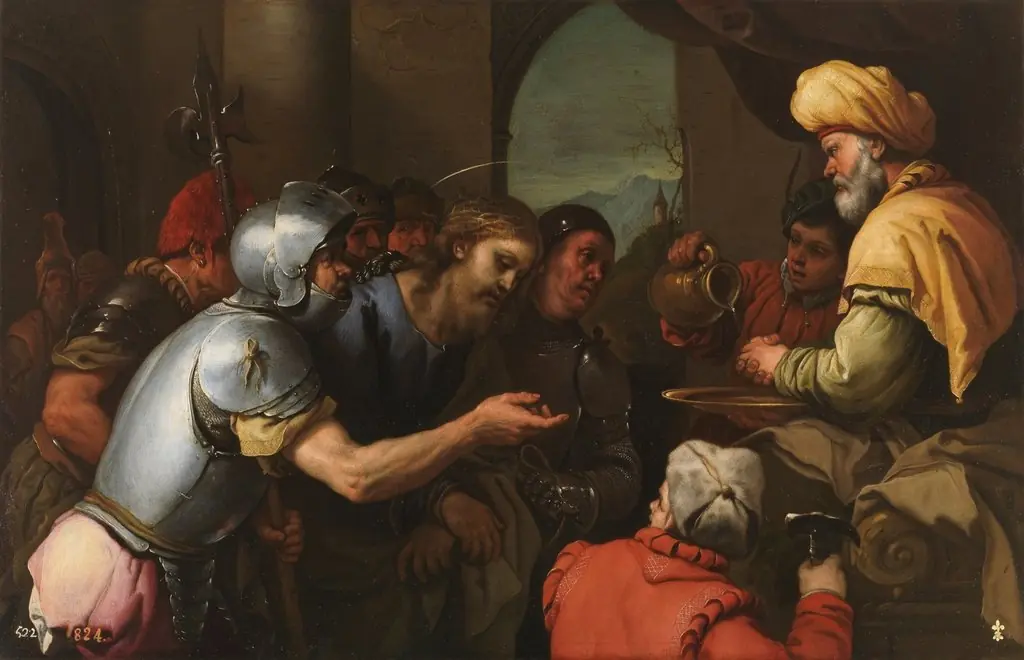 Pilate washing his Hands
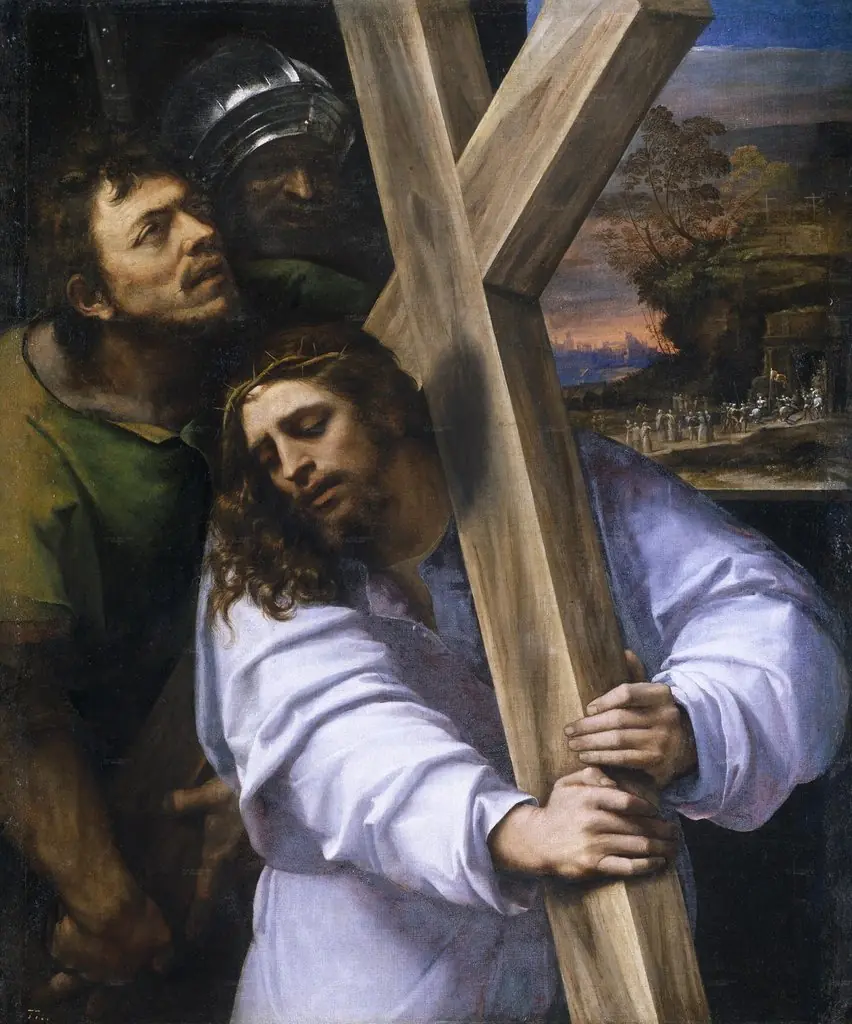 Jesus carrying the Cross
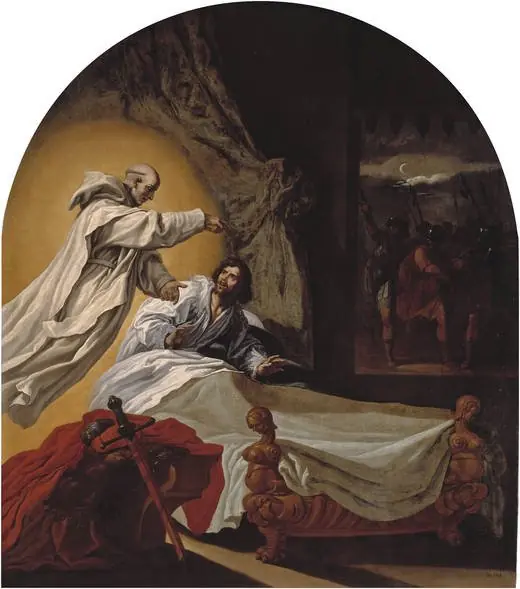 Saint Bruno Appears to Rogerio Guiscardo Count of Apulia and Calabria
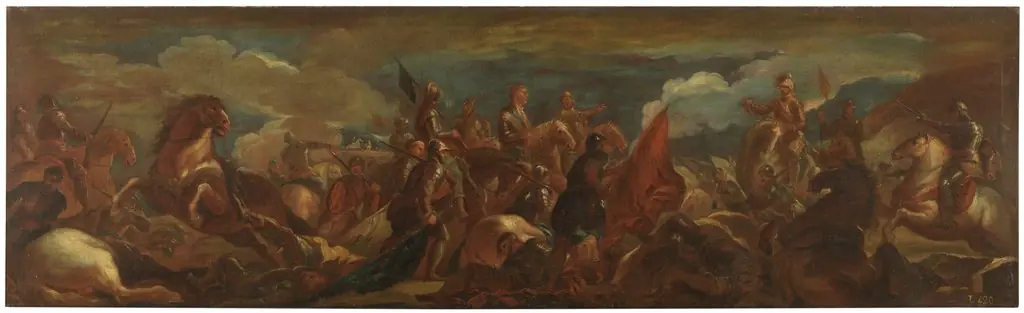 Prisión del condestable de Montmorency, en la Batalla de San Quintín
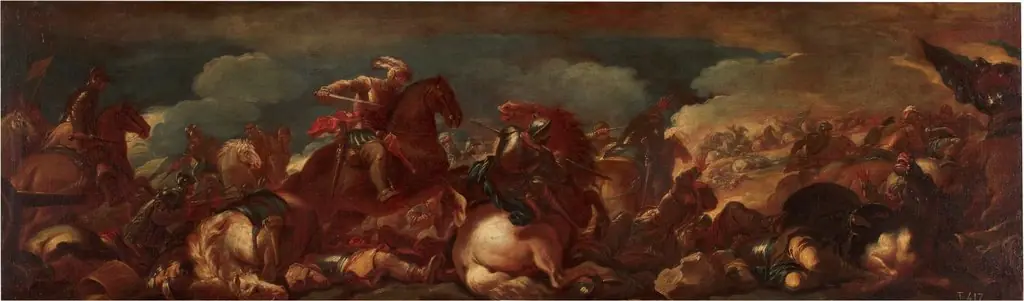 Batalla de San Quintín
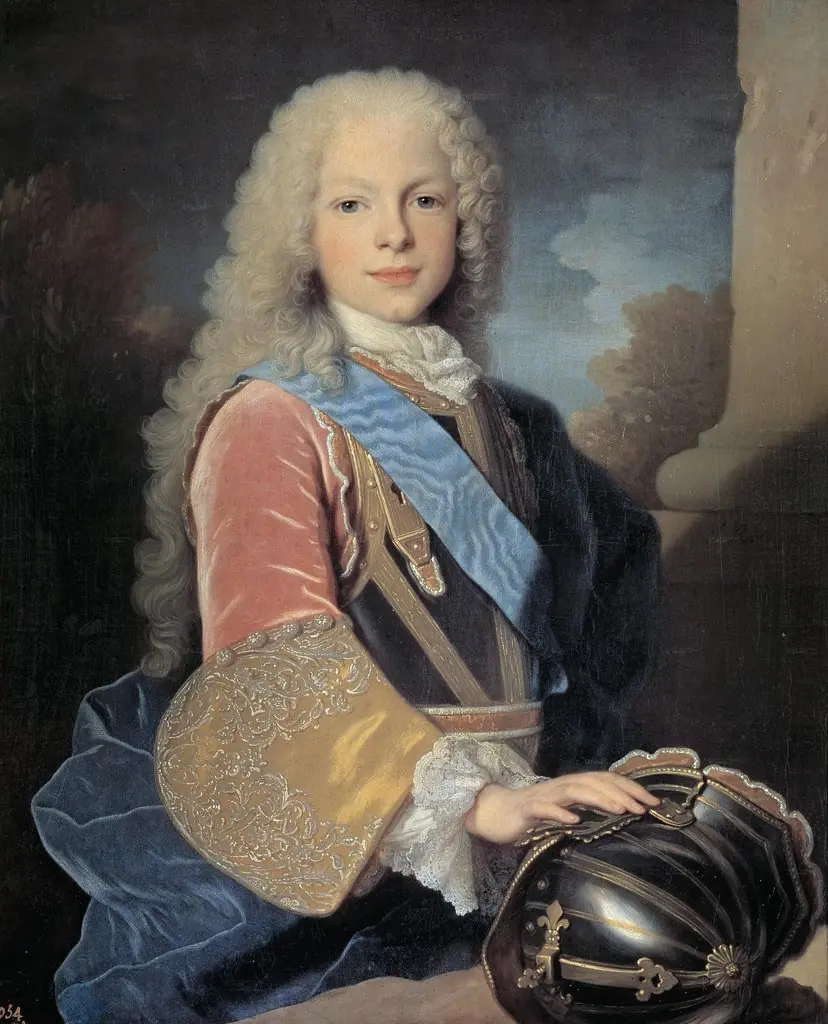 Fernando de Borbón y Saboya príncipe de Asturias (futuro Fernando VI de España)
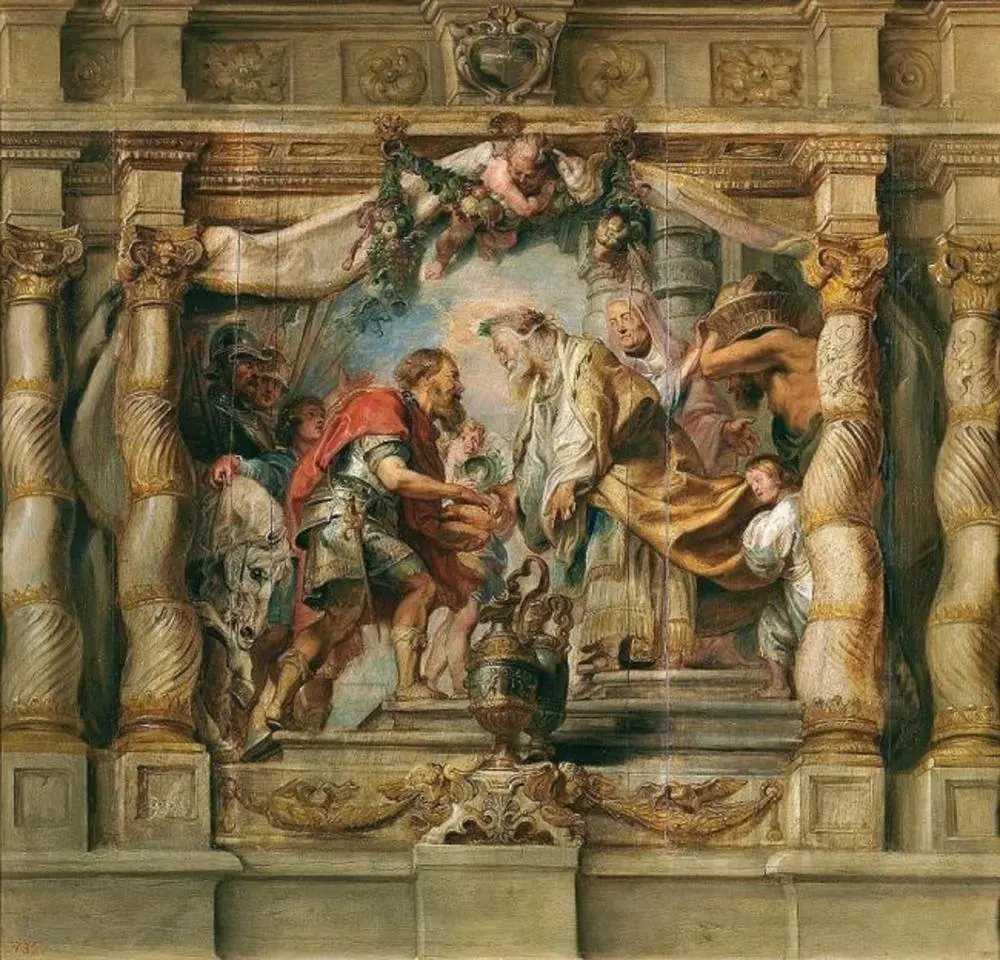 The Meeting of Abraham and Melchizedek
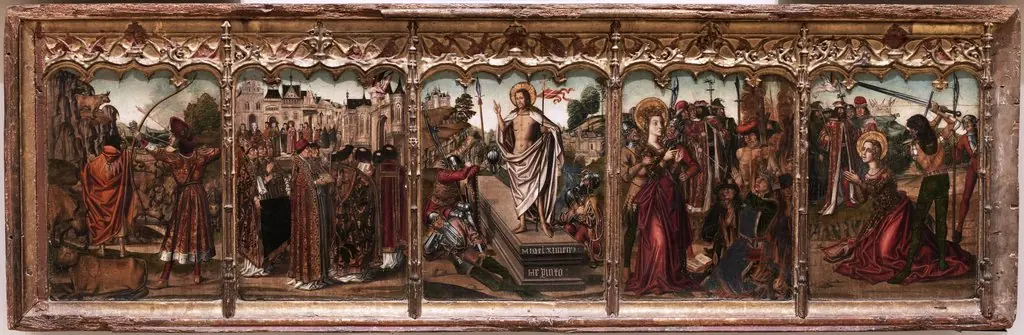 Predella with the Resurrection of Christ
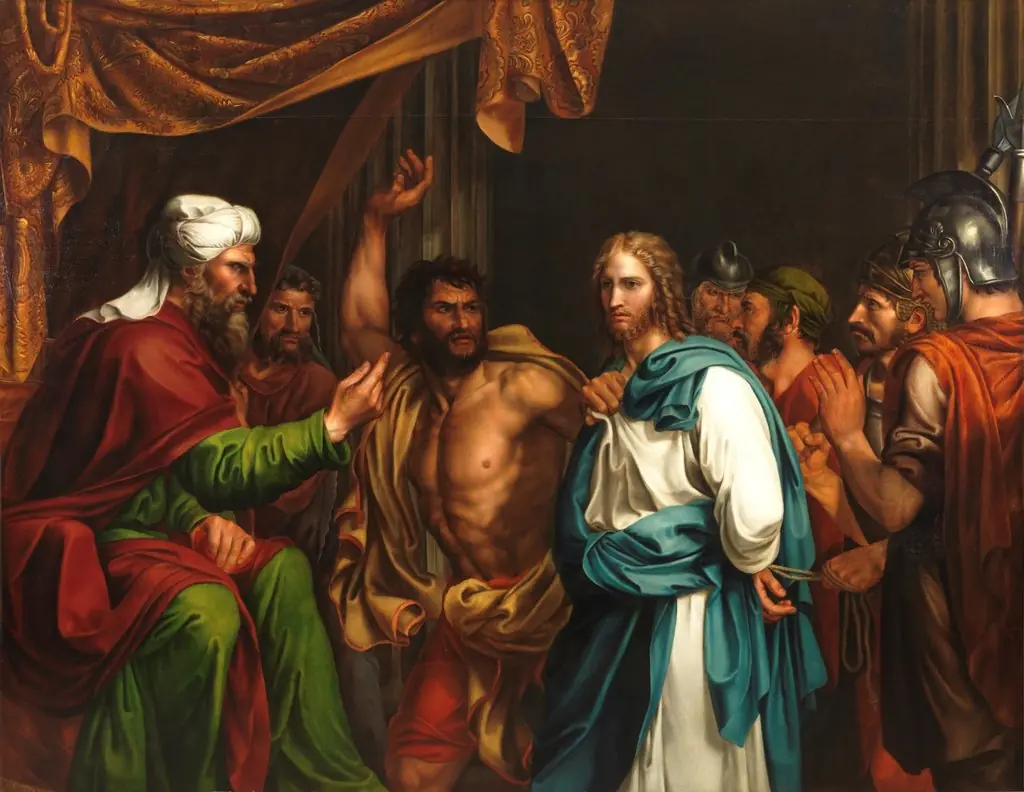 Jesus in the House of Annas
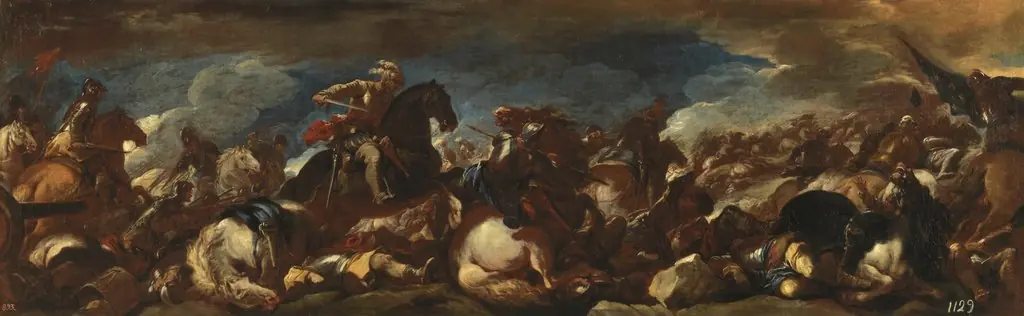 Batalla de San Quintín
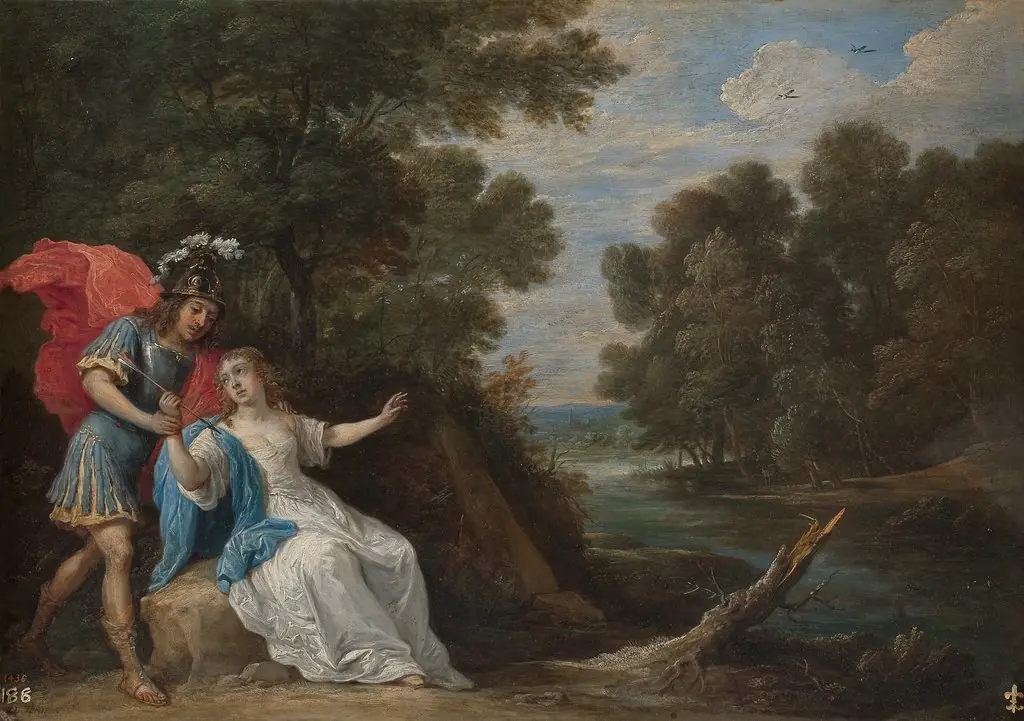 Reconciliación de Reinaldo y Armida
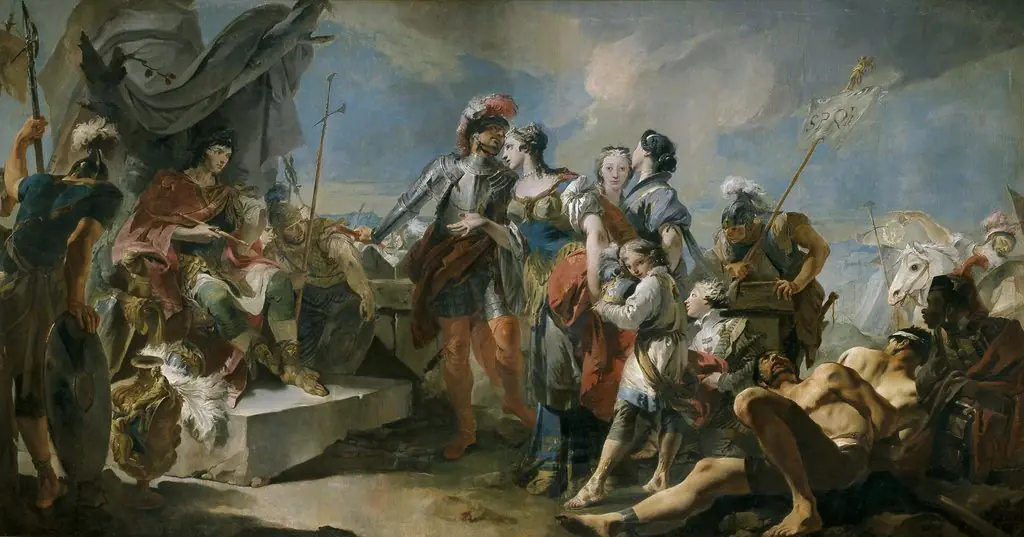 Queen Zenobia before the Emperor Aurelian
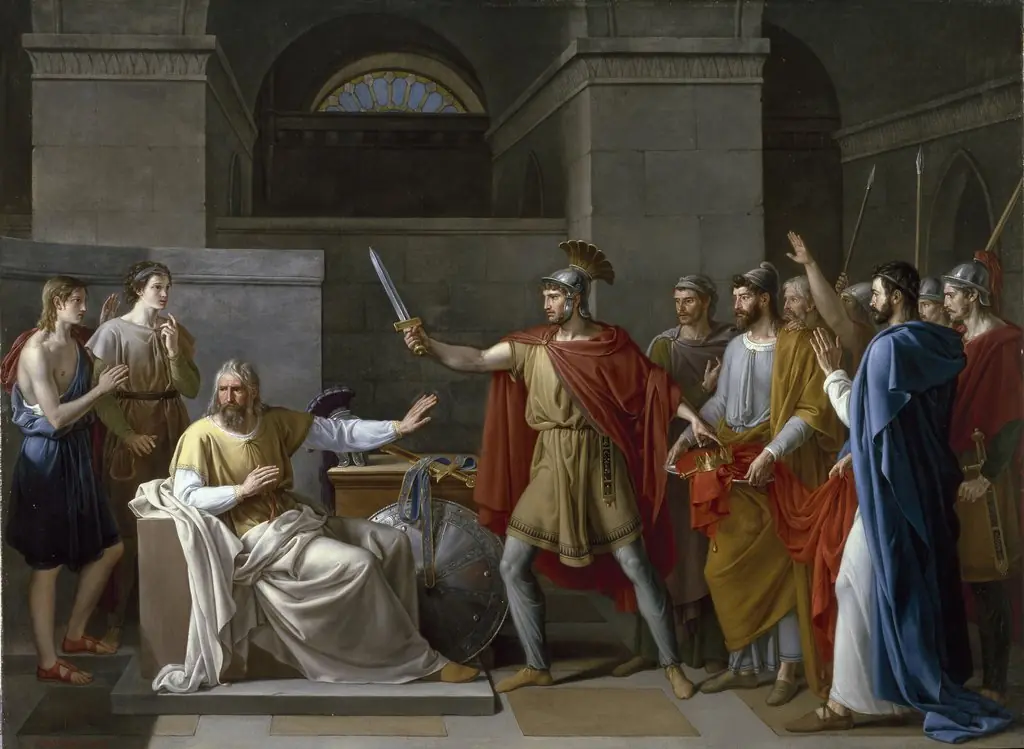 Wamba renouncing the Crown
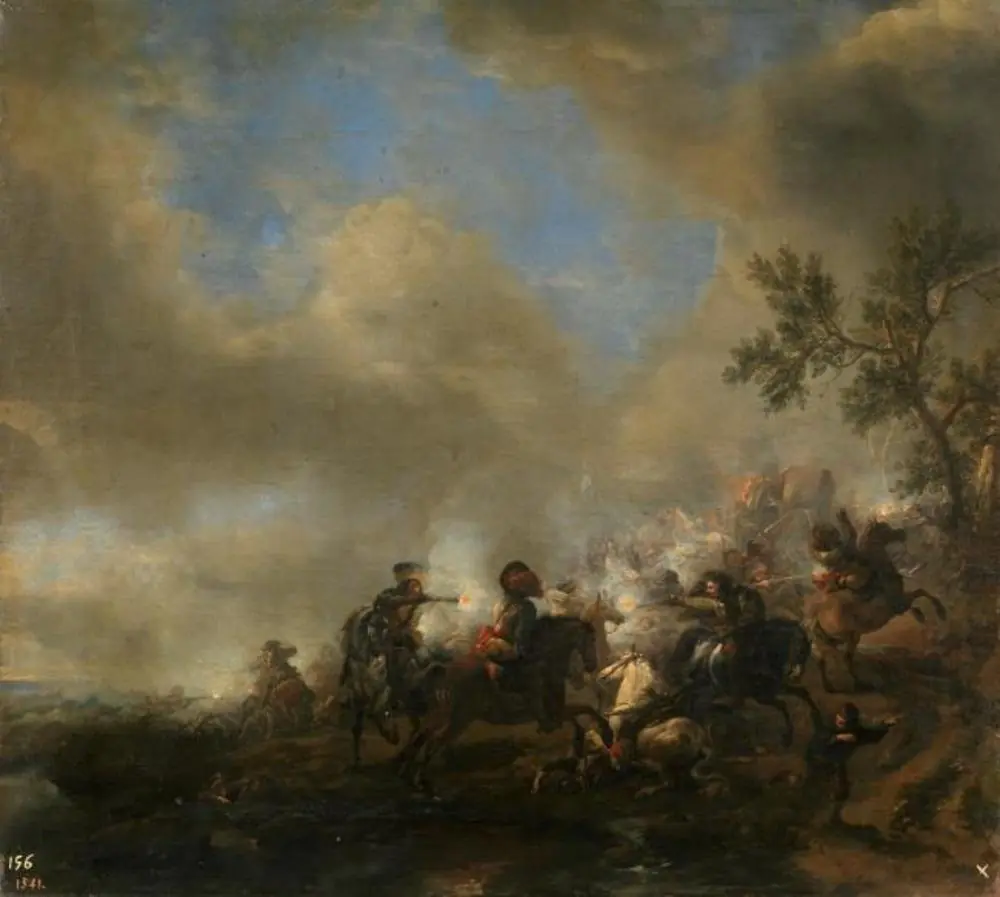 Cavalry Combat
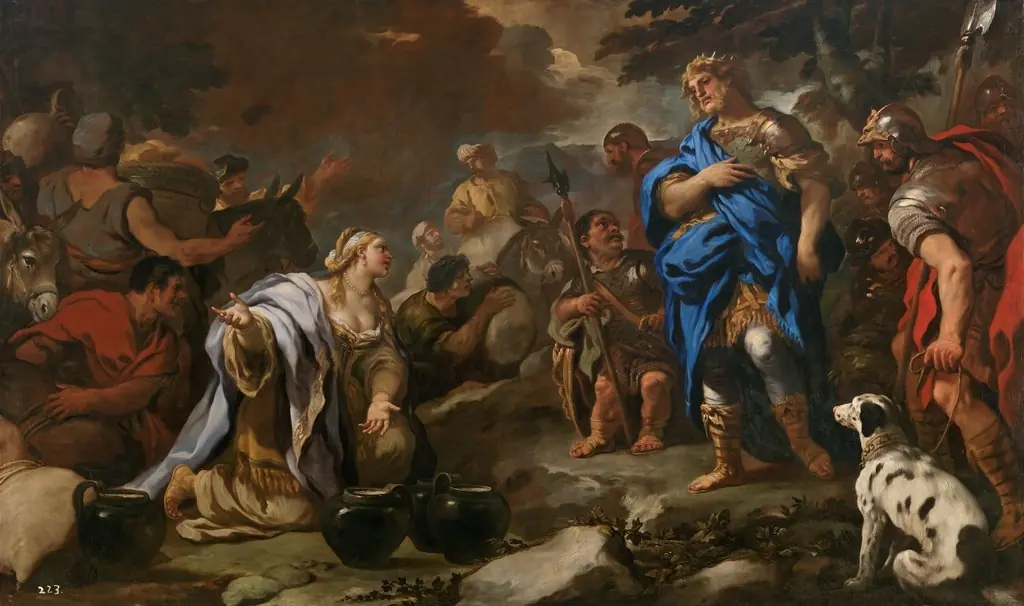 La prudente Abigail
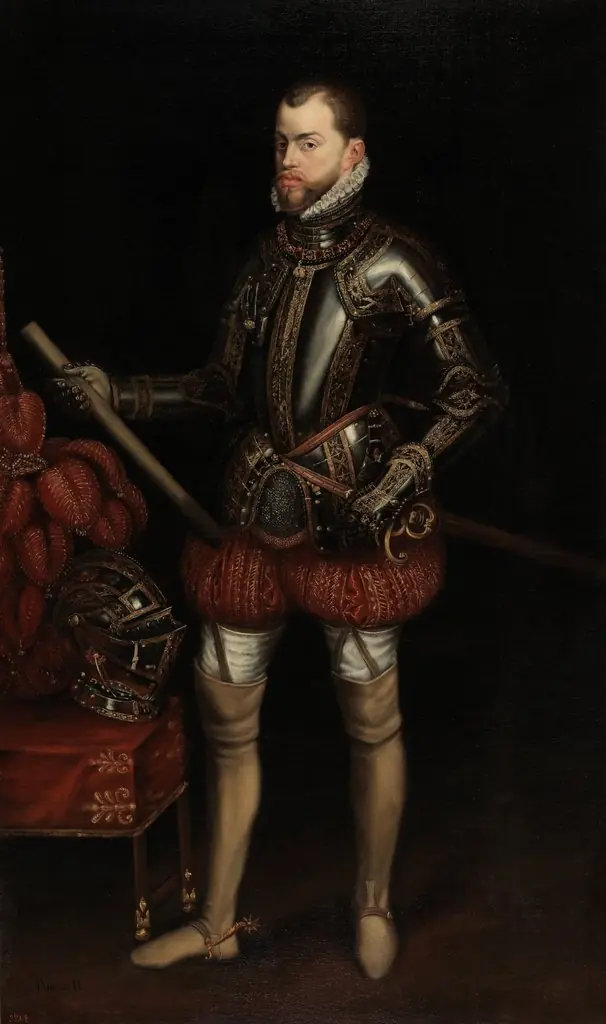 Philip II in St. Quentin's Armour
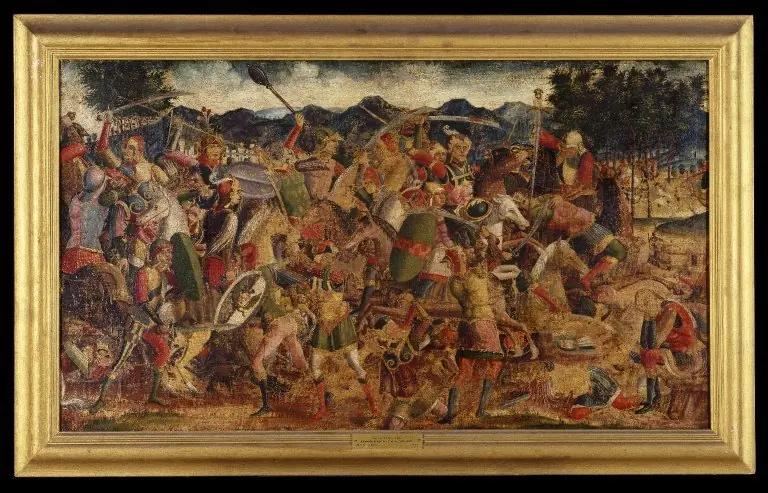 A Battle Scene
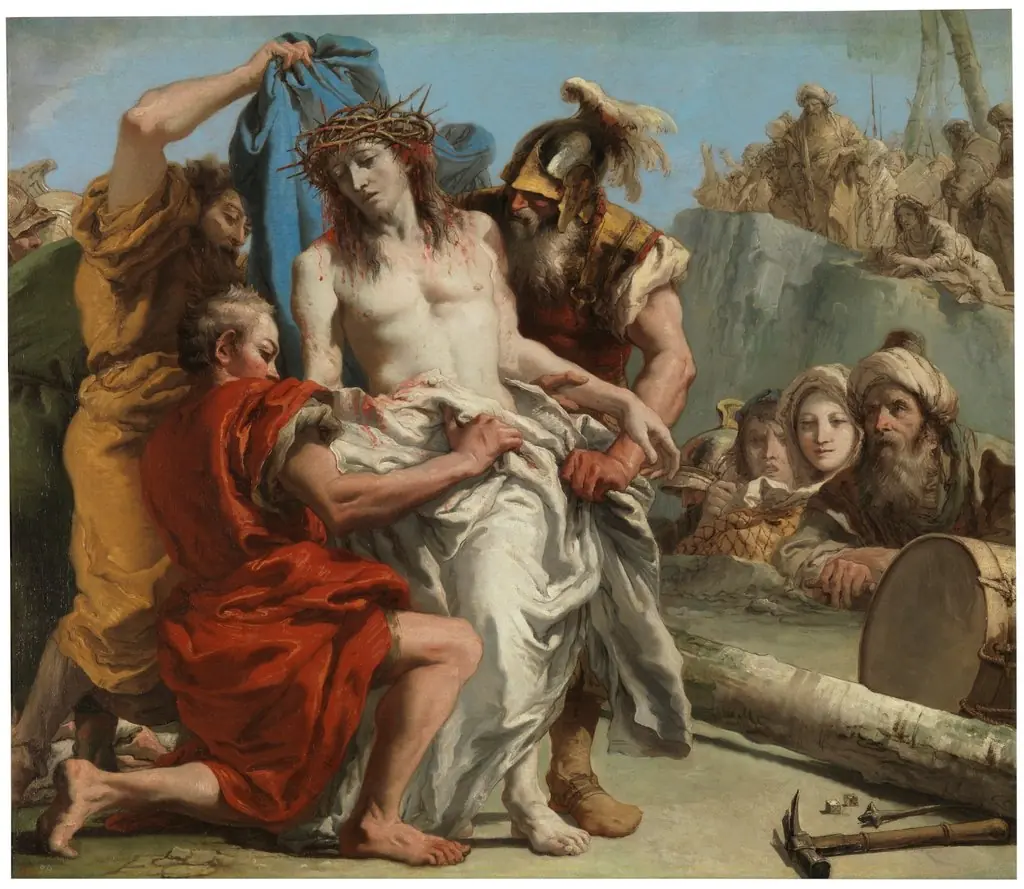 El Expolio de Cristo
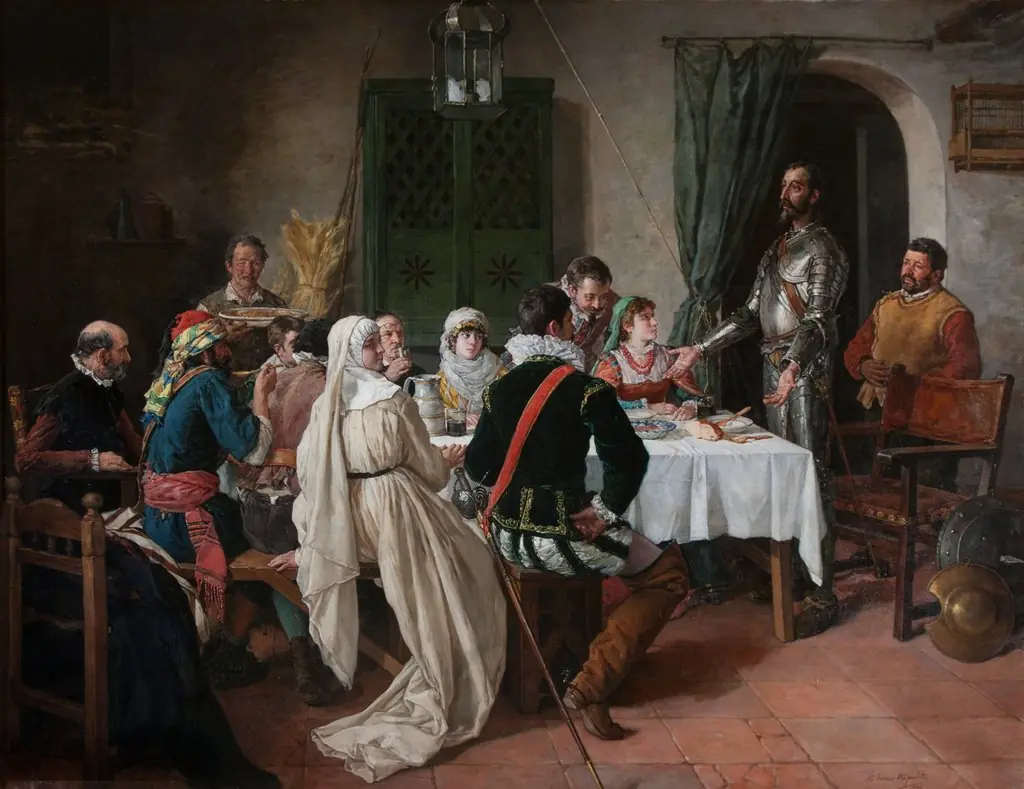 Don Quixote's Speech of Arms and Letters
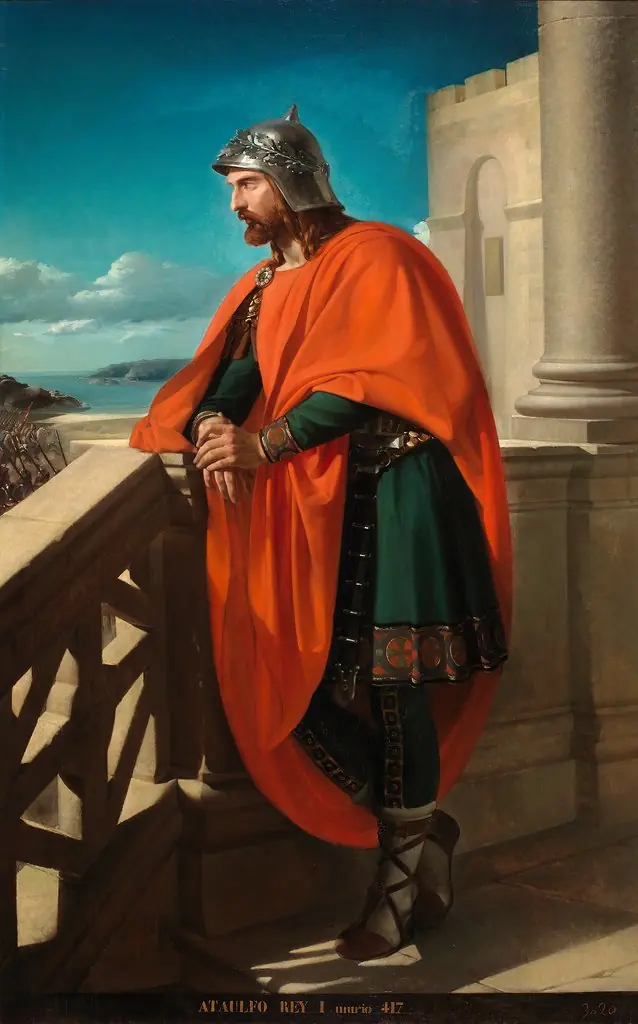 Ataúlfo
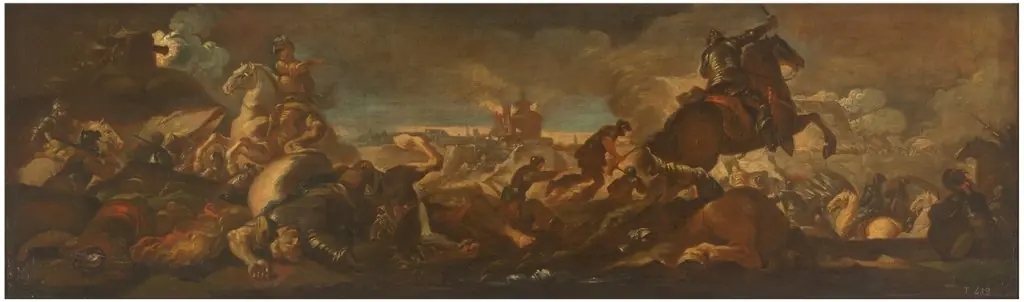 El Sitio de San Quintín
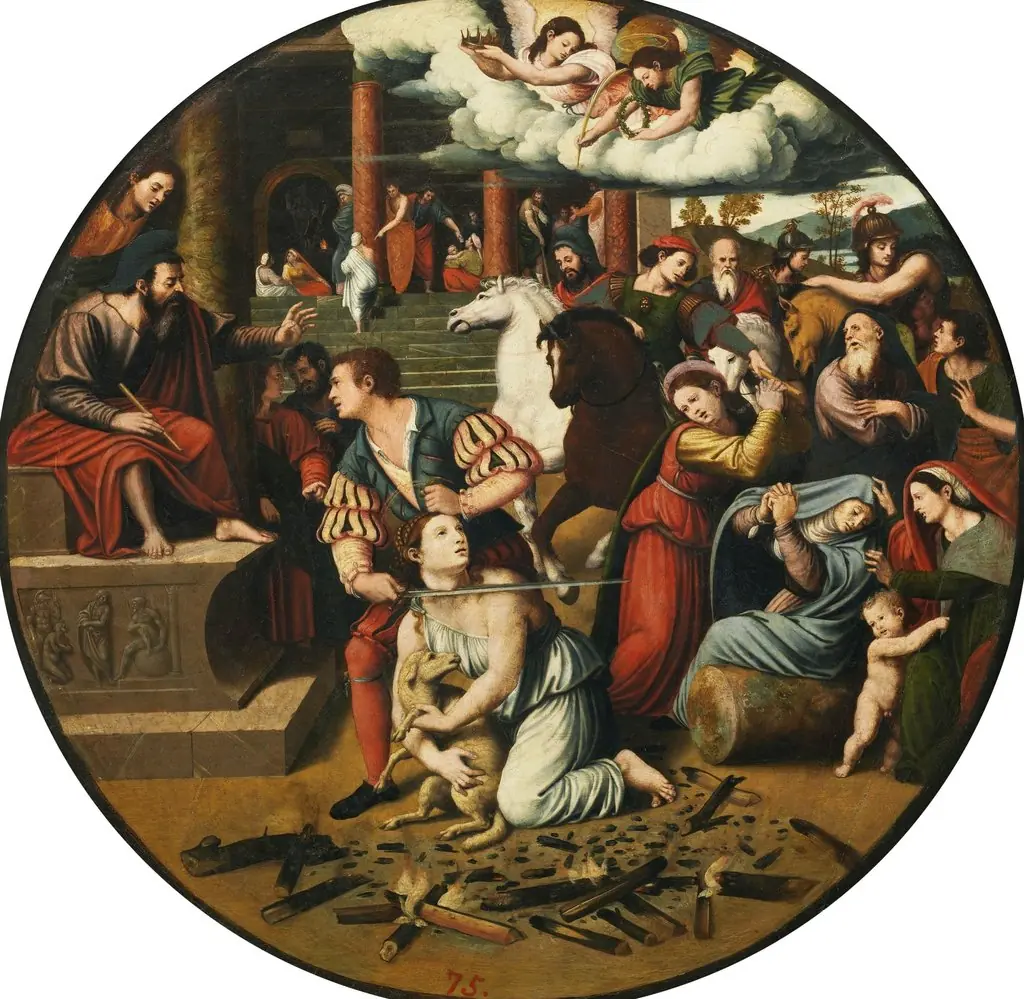 The Martyrdom of Saint Agnes
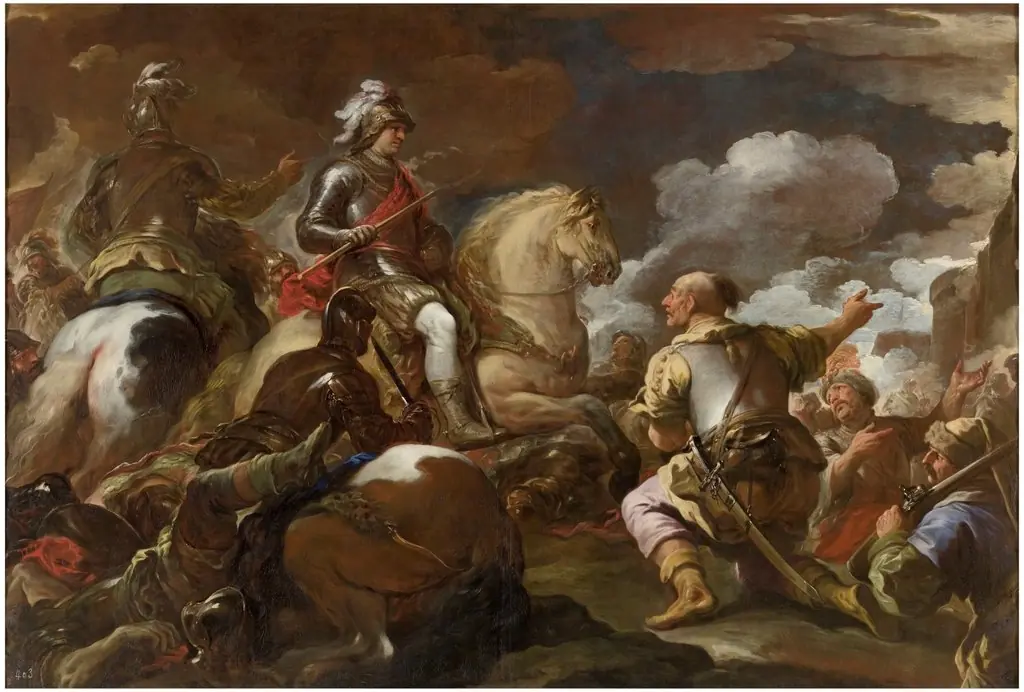 The taking of a stronghold
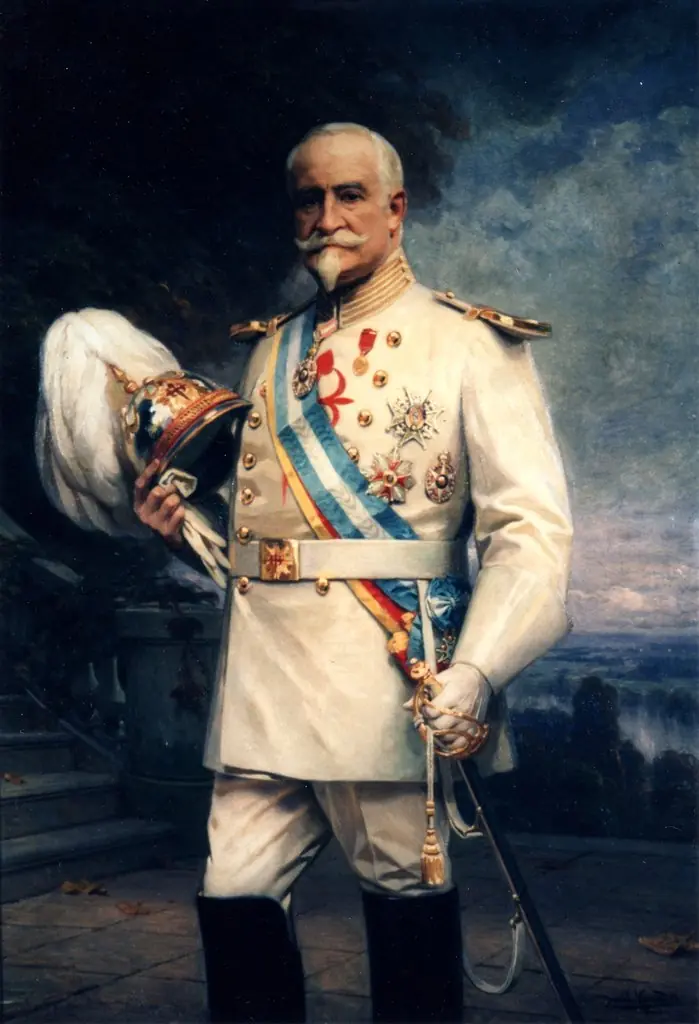 Juan Mariano de Goyeneche y Gamio III conde de Guaqui con uniforme de caballero de la Orden de Santiago
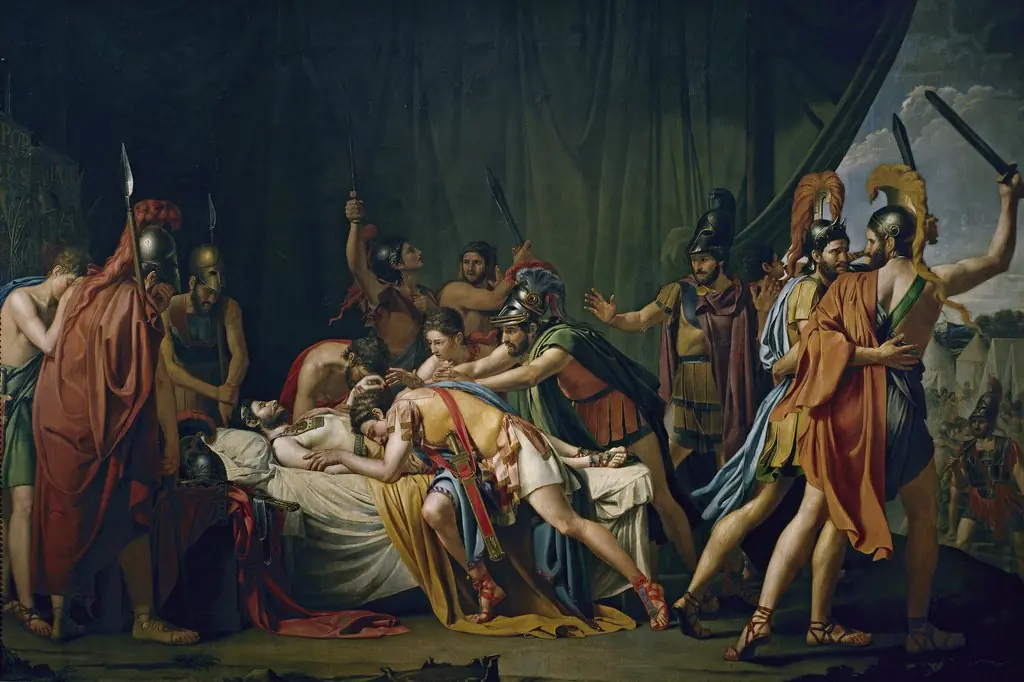 The Death of Viriatus, Chief of the Lusitanians
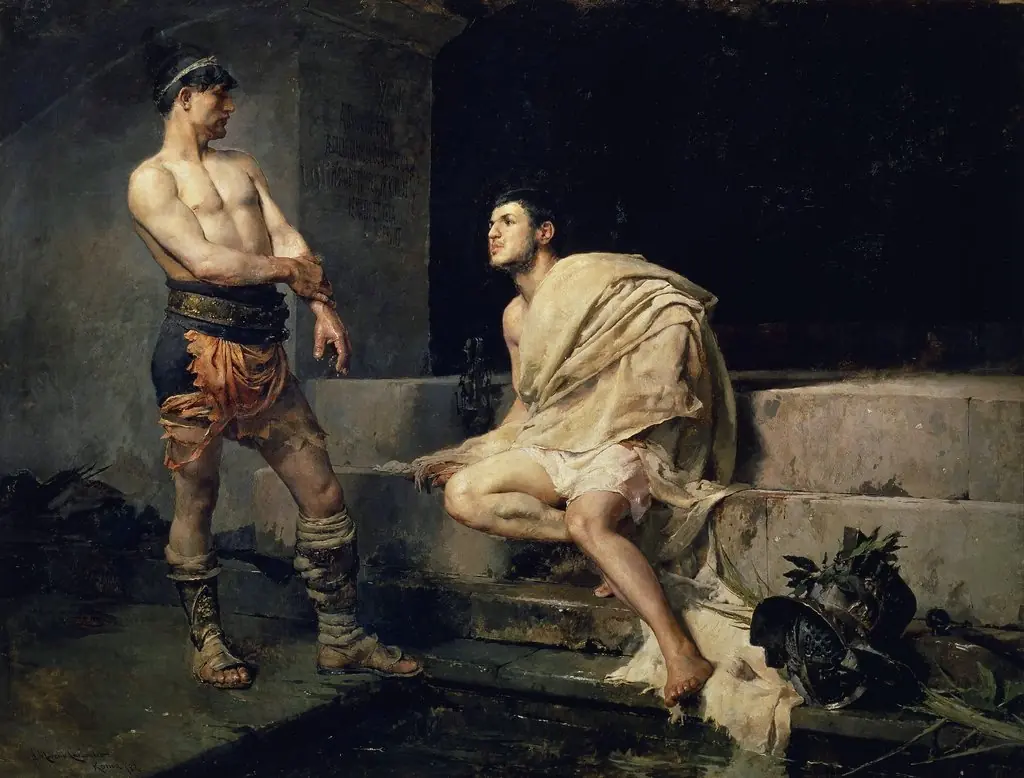 The Gladiators
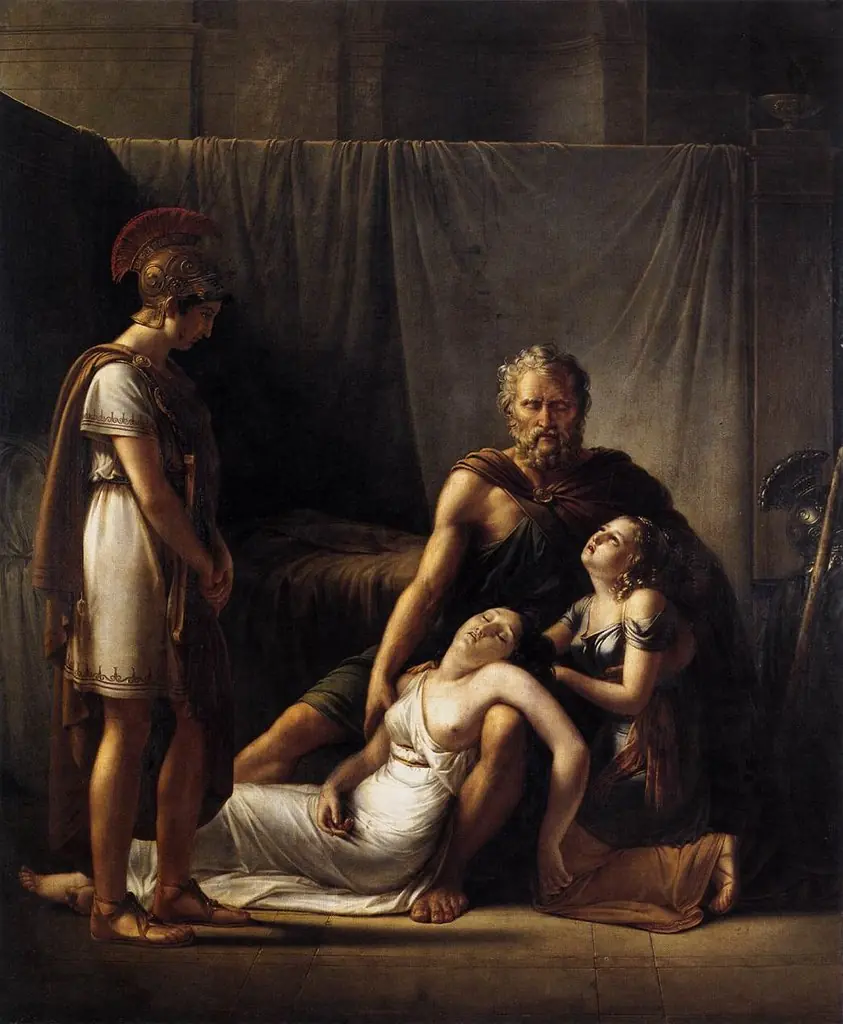 The Death of Belisarius' Wife
Frequently asked questions
What is Combat Helmet?
Combat Helmet is a subject in art. A combat helmet, also called a ballistic helmet, battle helmet, or helmet system (for some modular accessory-centric designs) is a type of helmet designed to serve as a piece of body armor intended to protect the wearer's head during combat.
How many Combat Helmet works does Artifact World Gallery have?
Artifact World Gallery holds 86 public-domain Combat Helmet works, all free to view and download.
Who are the key Combat Helmet artists?
Key Combat Helmet artists in the collection include Titian, Paolo Veronese and El Greco.
Where can I see Combat Helmet works?
Combat Helmet works in the collection are held by Museo del Prado, Rijksmuseum and Brooklyn Museum.