Subject
Church Interior
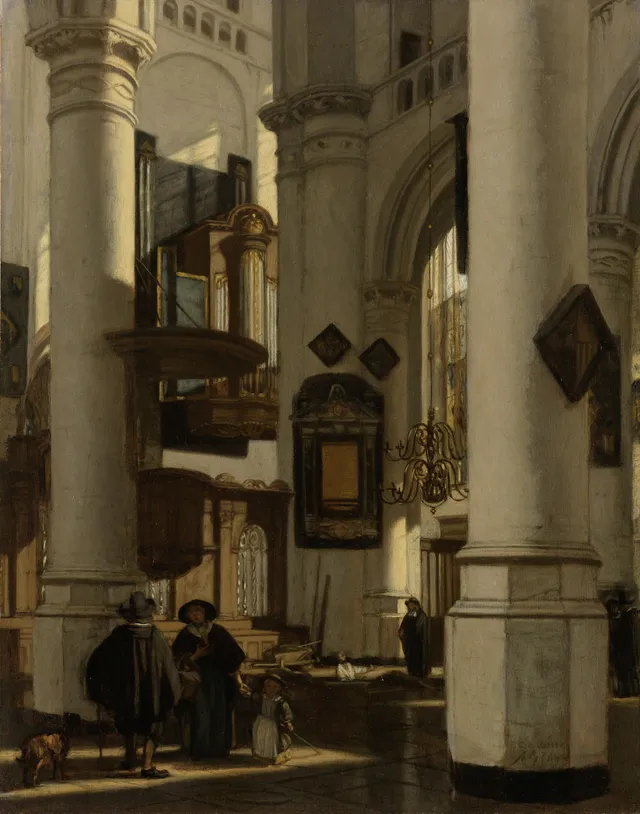
Church Interior is a subject in art. The gallery holds 116 works in this subject in art, including works by Edgar Degas, Joseph Mallord William Turner and John Singer Sargent.
genre in painting
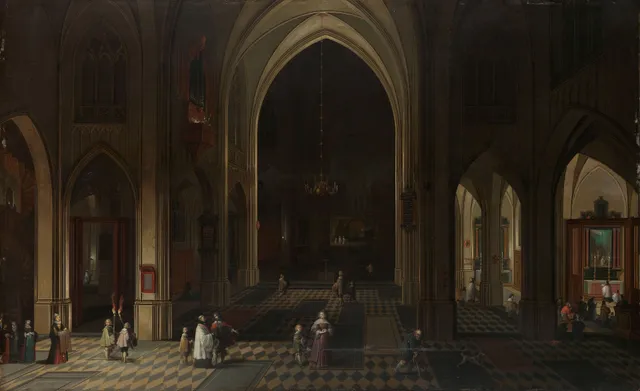
Key artists
Overview
Church interior is a recognized genre in painting that depicts the inside of Christian places of worship, ranging from soaring Gothic cathedrals to modest Protestant meeting houses. As a subject, it emerged prominently in European art during the seventeenth century, when Dutch artists in particular developed it into a specialized category alongside still lifes, landscapes, and portraits. The genre offers artists a complex challenge: rendering architectural space, manipulating light, and often infusing secular or spiritual narrative into a built environment. The motif recurs across art history because the church interior provides a controlled yet dramatic setting where architecture, human activity, and symbolic meaning intersect. It allows painters to explore perspective, atmosphere, and the psychological effects of sacred space while also commenting on religious practice, social order, or the passage of time.
Across movements & periods
The treatment of church interiors evolved significantly across movements and cultures. In the Dutch Golden Age, painters such as Emanuel de Witte elevated the genre by specializing in these views, using light to create both architectural volume and spiritual atmosphere. De Witte's approach sometimes involved considerable liberties with actual architecture, omitting or altering features to achieve compositional or expressive ends. The Protestant Reformation profoundly shaped Northern European depictions, as iconoclasm stripped churches of Catholic imagery and artists responded to newly austere interiors. Later periods saw the genre adapt to different national traditions and religious contexts, with Scandinavian artists contributing precise records of their regional cathedrals. In the twentieth century, the formal qualities of church interior compositions, with their emphasis on flat, overlapping rectangular planes, have been seen as anticipating abstract developments in modern art. Contemporary church design continues to grapple with the legacy of these historical forms, balancing traditional elements such as vaulted ceilings and stained glass with modern needs for functionality, accessibility, and sustainability.
Notable depictions
Emanuel de Witte produced several significant church interior paintings that exemplify the genre's possibilities. His Interior of the Oude Kerk, Delft, dated probably 1650 and executed in oil on wood measuring 19 by 13 5/8 inches, is held at The Metropolitan Museum of Art. This work is notable for its realistic details combined with deliberate architectural alterations, including the omission of a grand sculpted pulpit. The painting incorporates strikingly irreverent elements such as boys scribbling on a column and a urinating dog, juxtaposed with a newly dug grave that serves as a memento mori. Another work by De Witte, titled simply Church Interior and dated circa 1670, is in the Samuel H. Kress Collection at the Seattle Art Museum. This oil on wood panel, measuring 18 7/8 by 16 1/2 inches, represents an invented interior rather than a documented actual church. Its provenance includes Lady Cosmo Bevan, Baroness Anne Beauclerk Dundas Dickson-Poynder Islington, and the David M. Koetser Gallery before acquisition by the Samuel H. Kress Foundation in 1954 and subsequent transfer to Seattle. This painting was exhibited in A Gift to America: Masterpieces of European Painting from the Samuel H. Kress Collection, which traveled to Raleigh, Houston, Seattle, and San Francisco in 1994-1995.
Legacy
The church interior genre has exerted lasting influence on both artistic practice and the broader understanding of sacred space. De Witte's manipulation of architectural reality for expressive purposes established a precedent for treating church interiors as flexible compositional fields rather than mere documentation. The formal analysis of his works, particularly their geometric abstraction of space into flat overlapping planes, has linked seventeenth-century Dutch painting to twentieth-century modernism, notably the abstractions of Piet Mondrian. In contemporary practice, the design of church interiors continues to draw on historical models while incorporating new materials and technologies. Architects such as Antoni Gaudí, with the Basílica de la Sagrada Família in Barcelona, reimagined the spiritual potential of interior space through organic forms and innovative light handling. The ongoing dialogue between tradition and innovation in sacred architecture, whether in historic restorations or new constructions, testifies to the enduring capacity of the church interior to shape human experience of the transcendent. The genre's legacy also persists in museum collections, where these works serve as documents of religious history, architectural evolution, and the changing social functions of sacred spaces.
Works
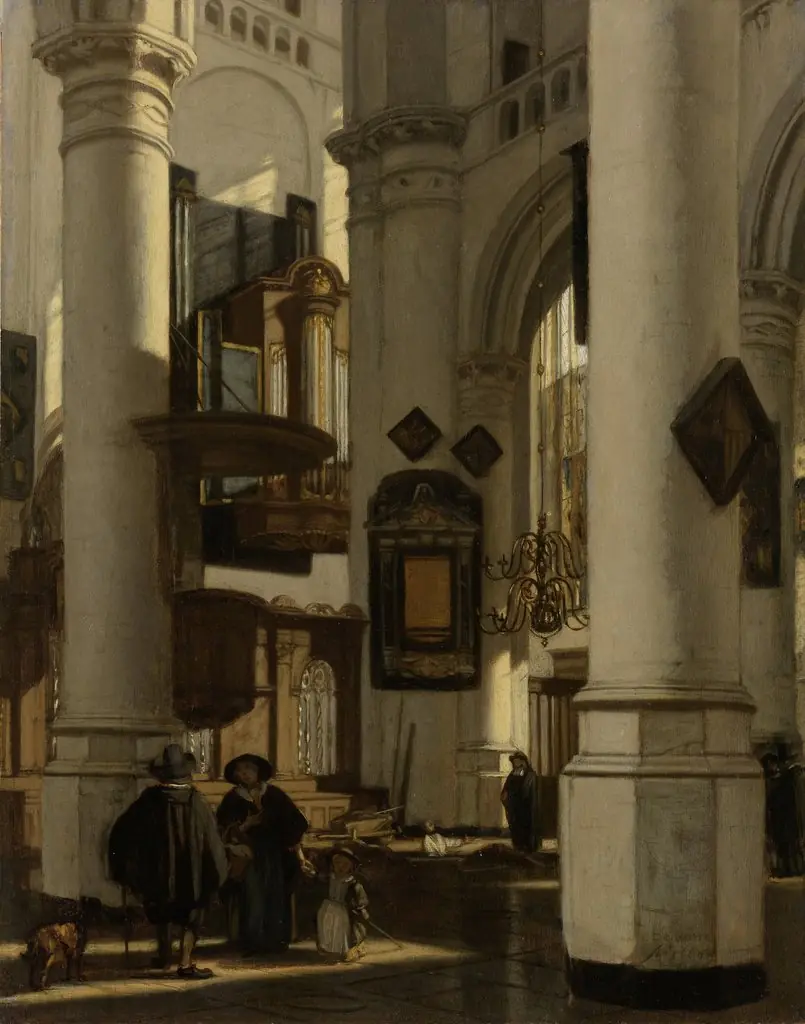 Interior of a Protestant, Gothic Church, with a Gravedigger in the Choir
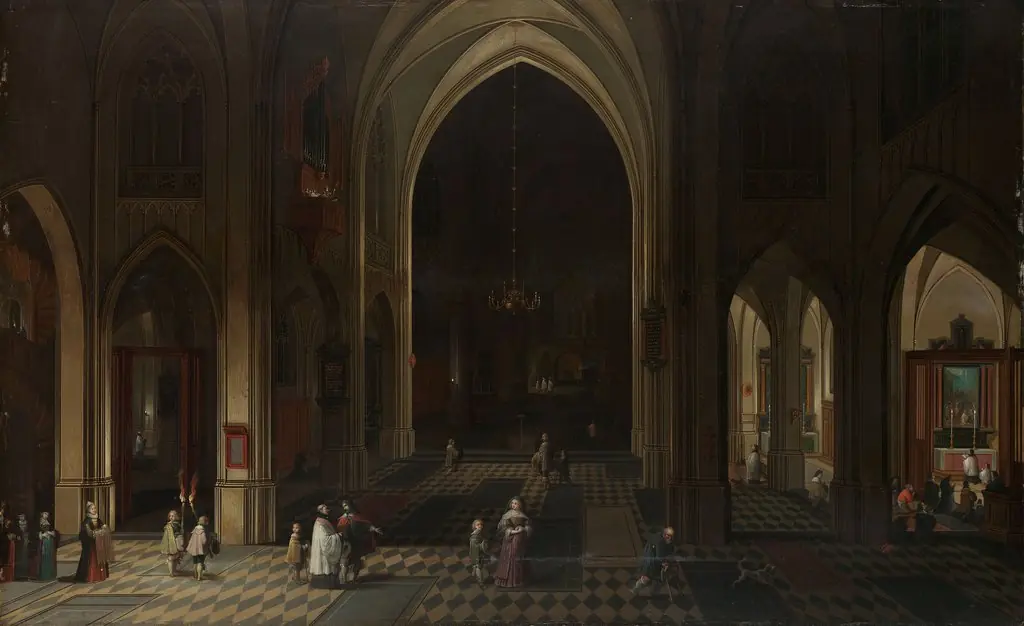 A church interior by candlelight
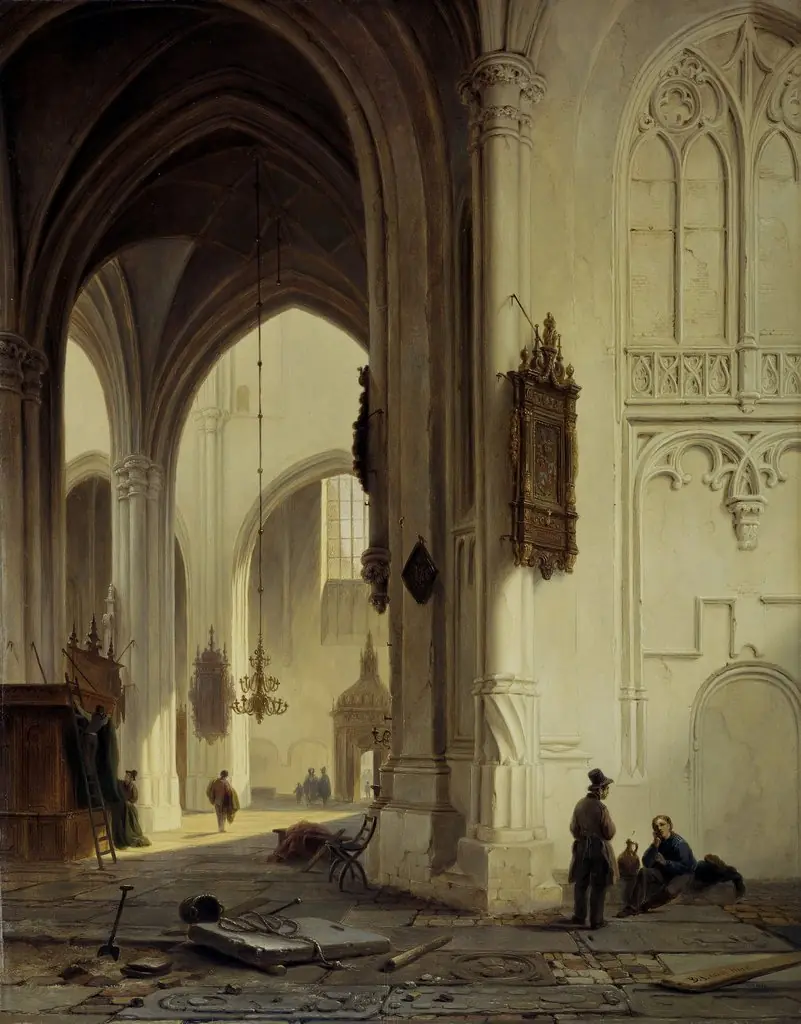 Church interior
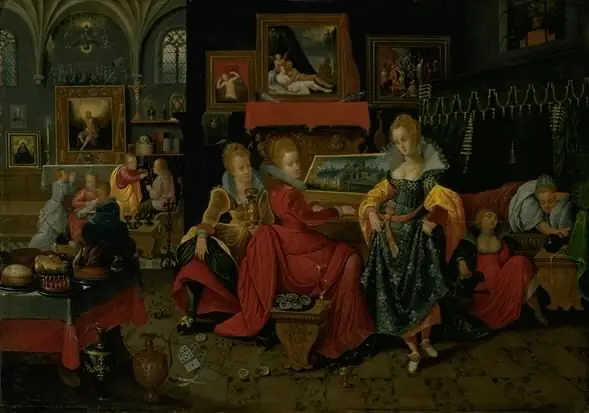 The Parable of the Wise and the Foolish Virgins
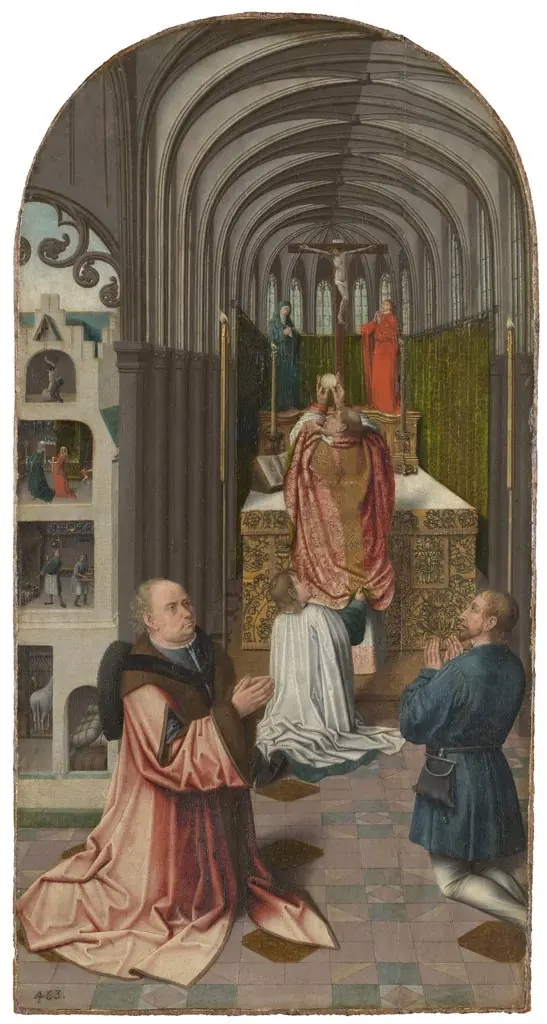 Celebration of a Mass
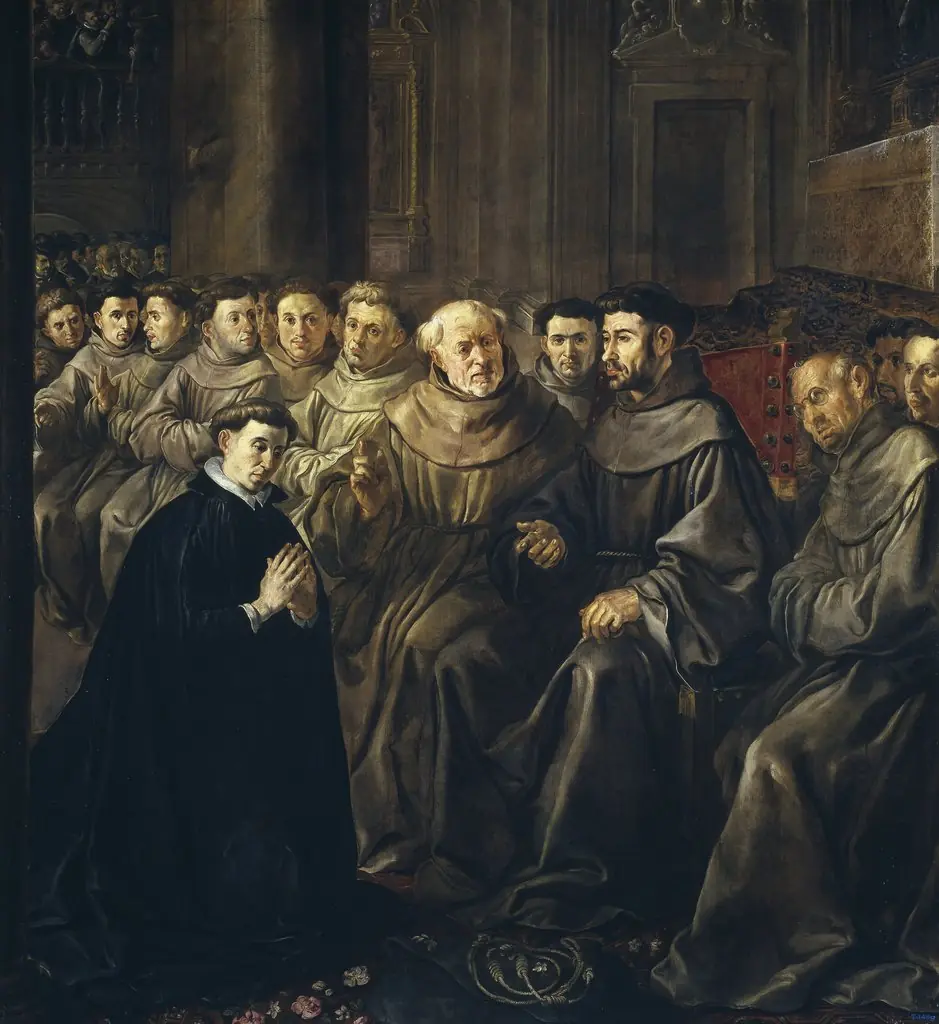 Saint Bonaventure receiving the Habit from Saint Francis
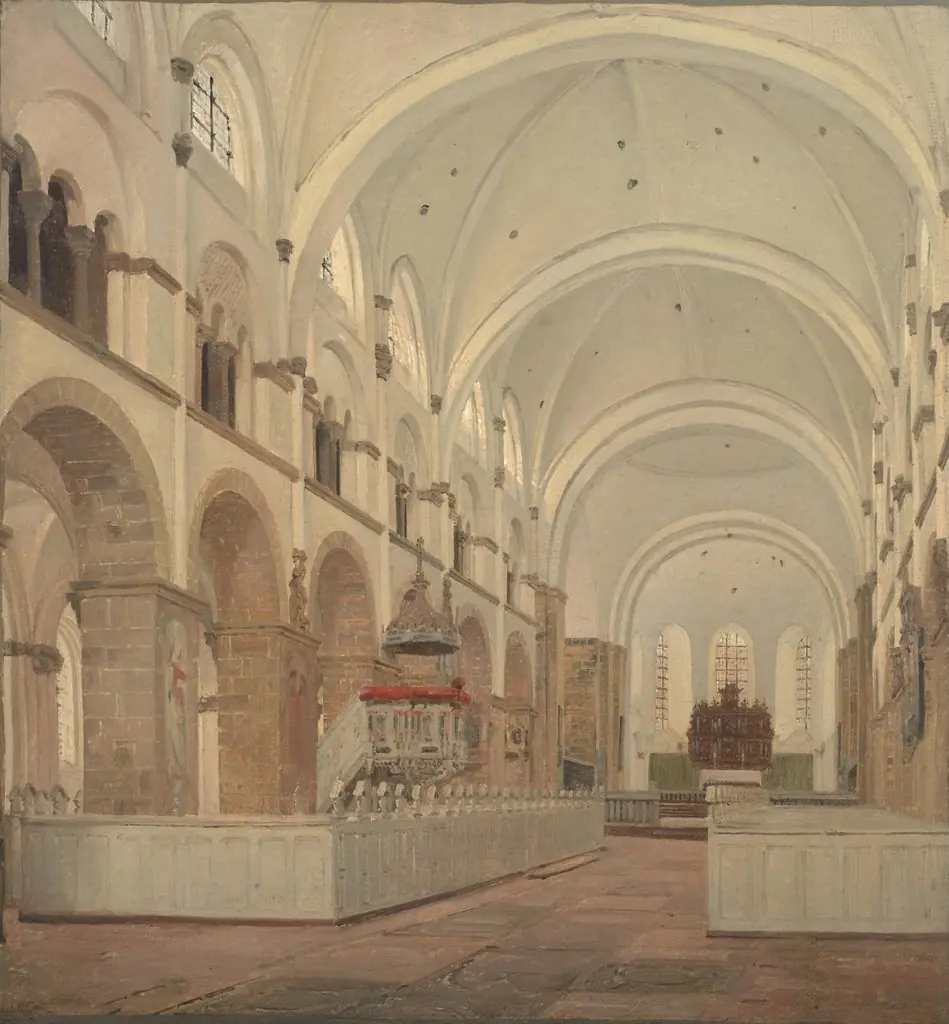 The Interior of Ribe Cathedral
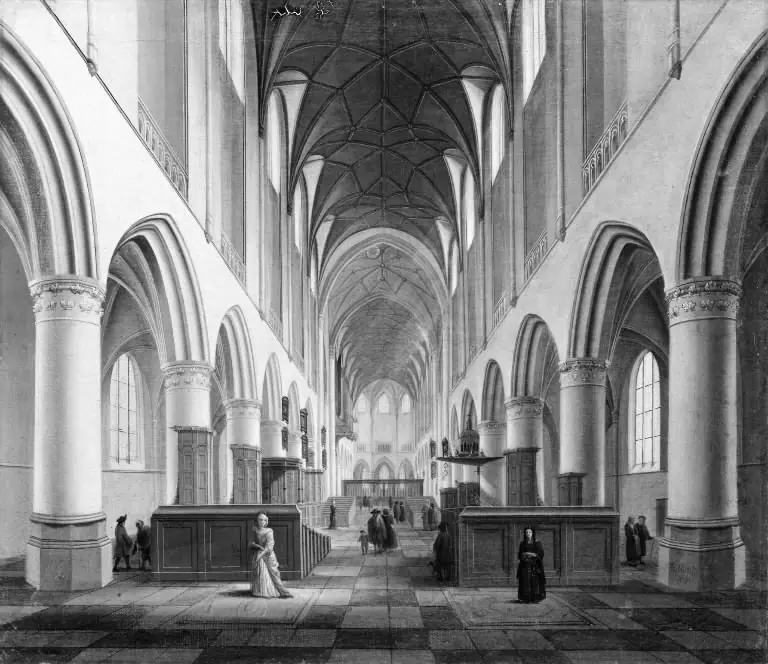 St Bavokerk, Haarlem, Viewed from West to East
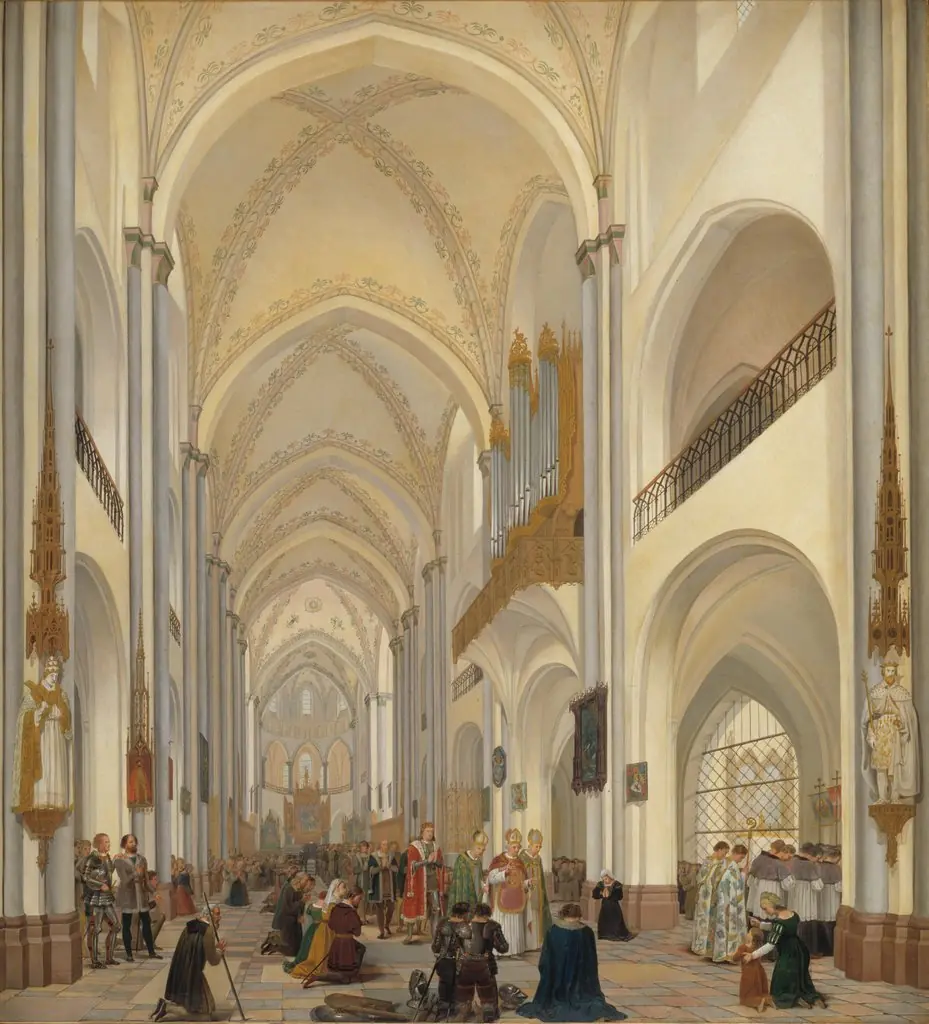 Det indre af Roskilde Domkirke
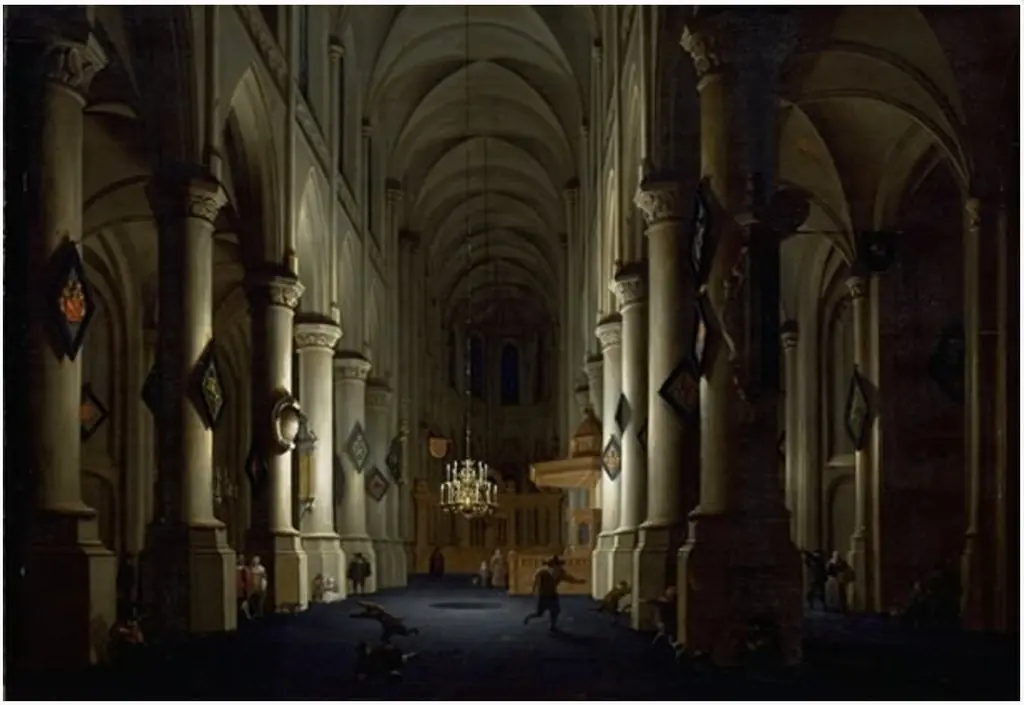 Interior of a Church
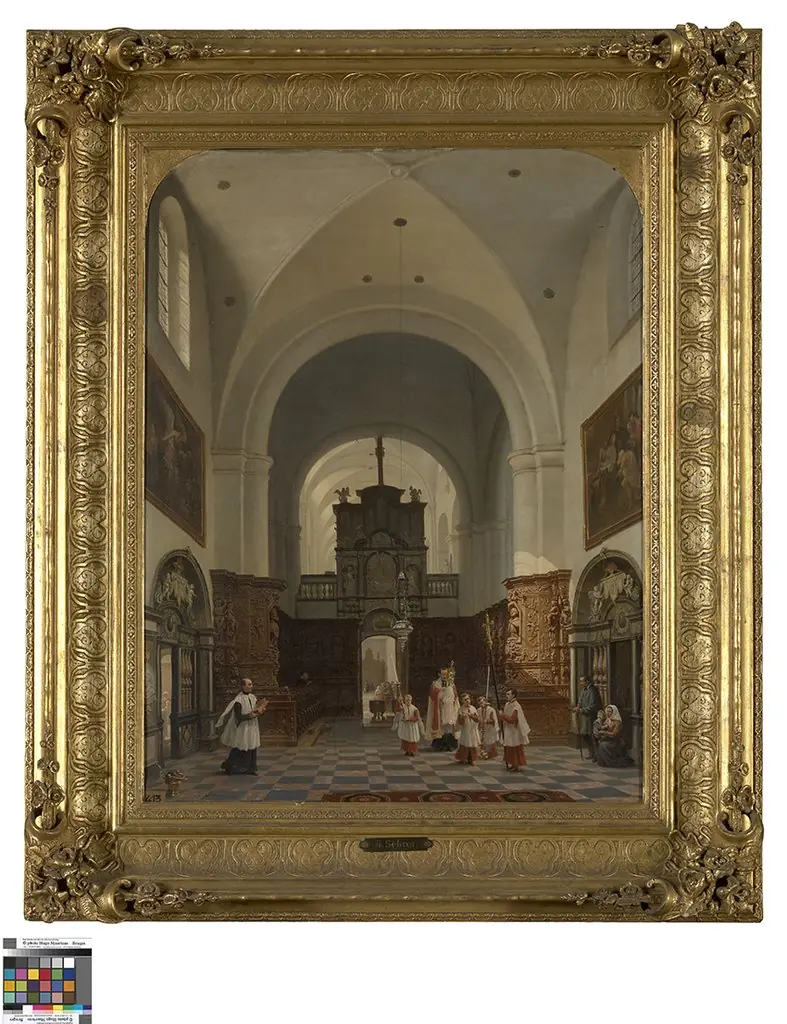 Kerkinterieur
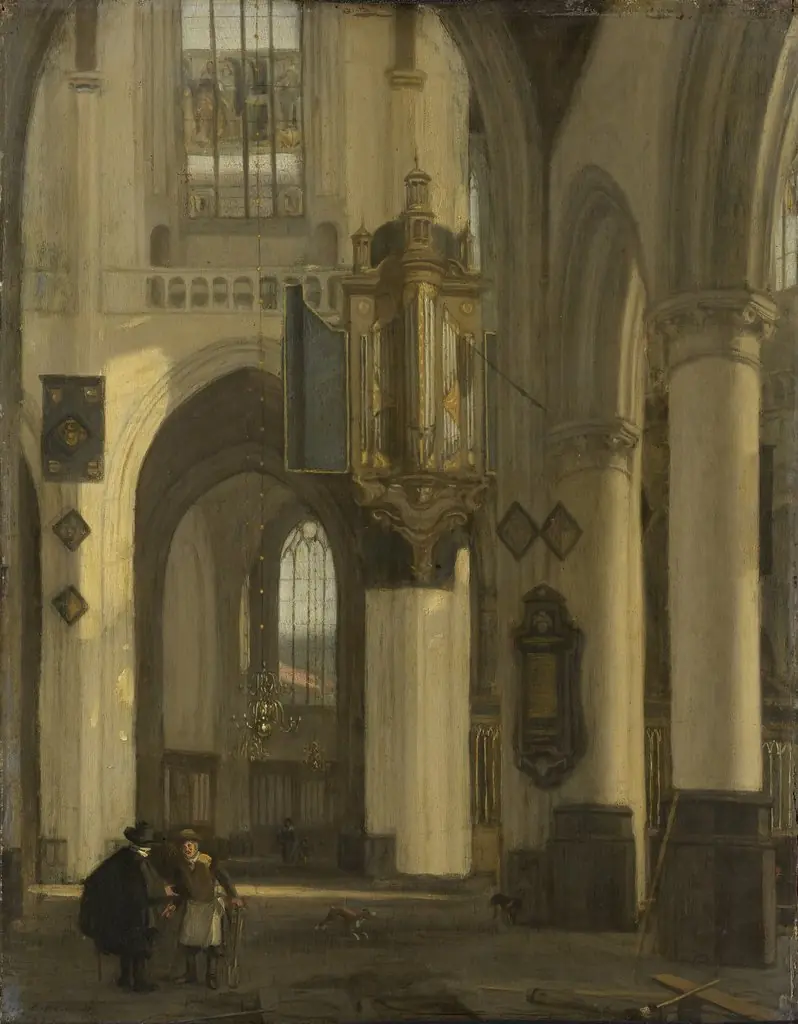 Interior of a Protestant Gothic church with motifs of the Oude and the Nieuwe Kerk in Amsterdam
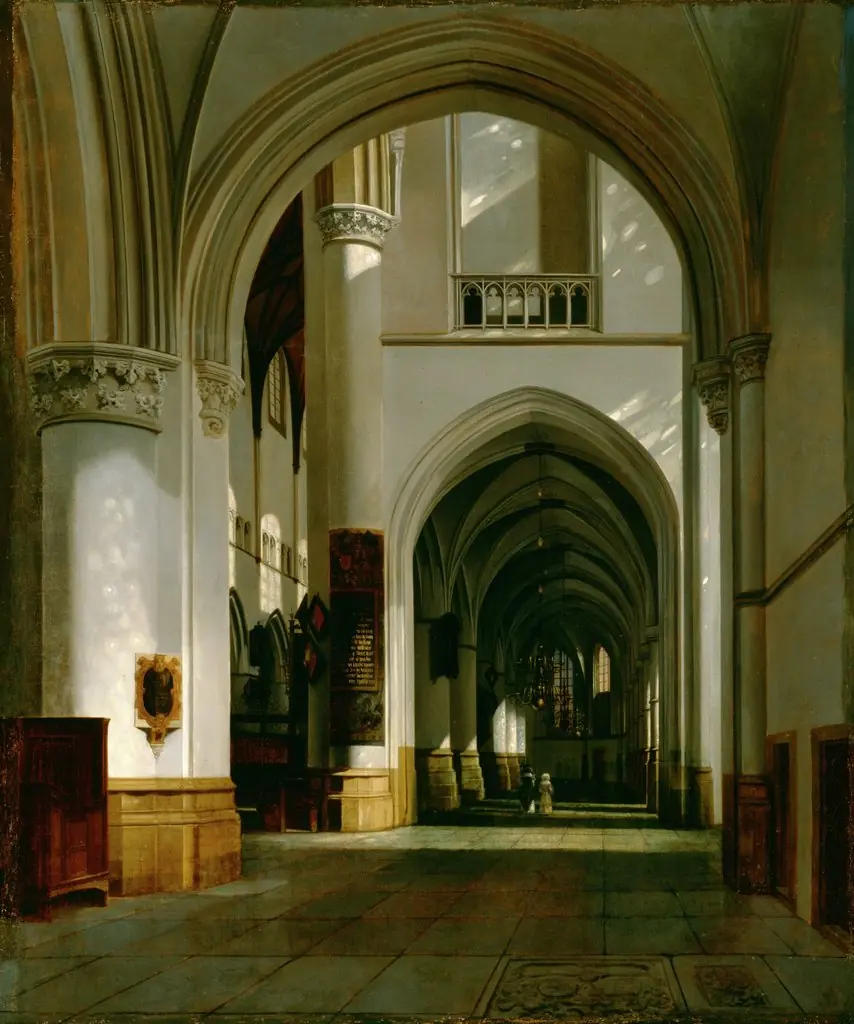 Interior of the Grote Kerk, Haarlem
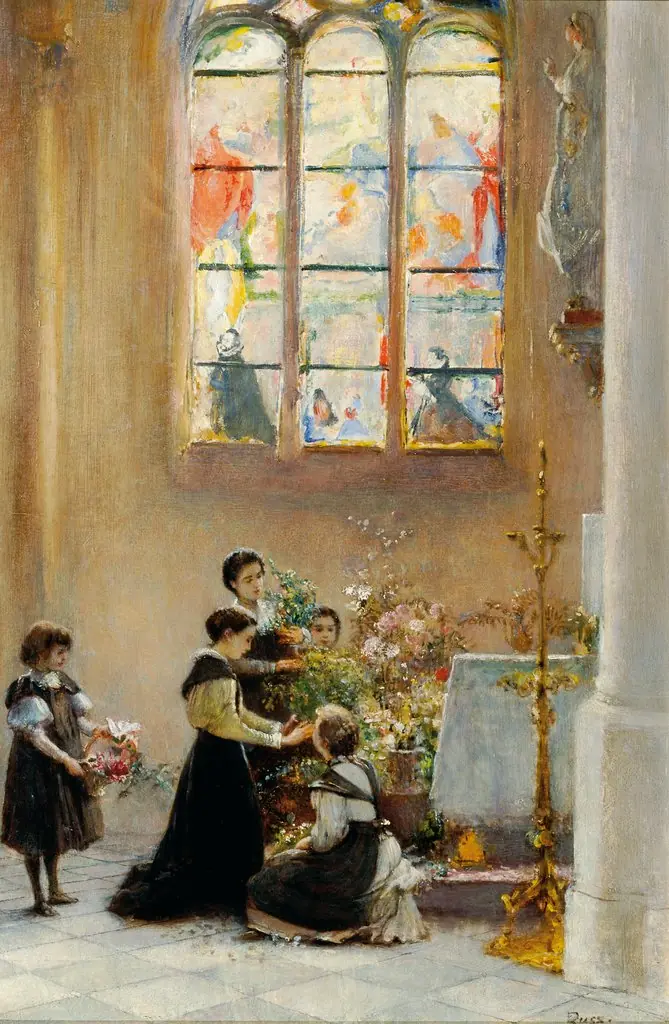 Fest St. Maria in einer Kirche in Venedig
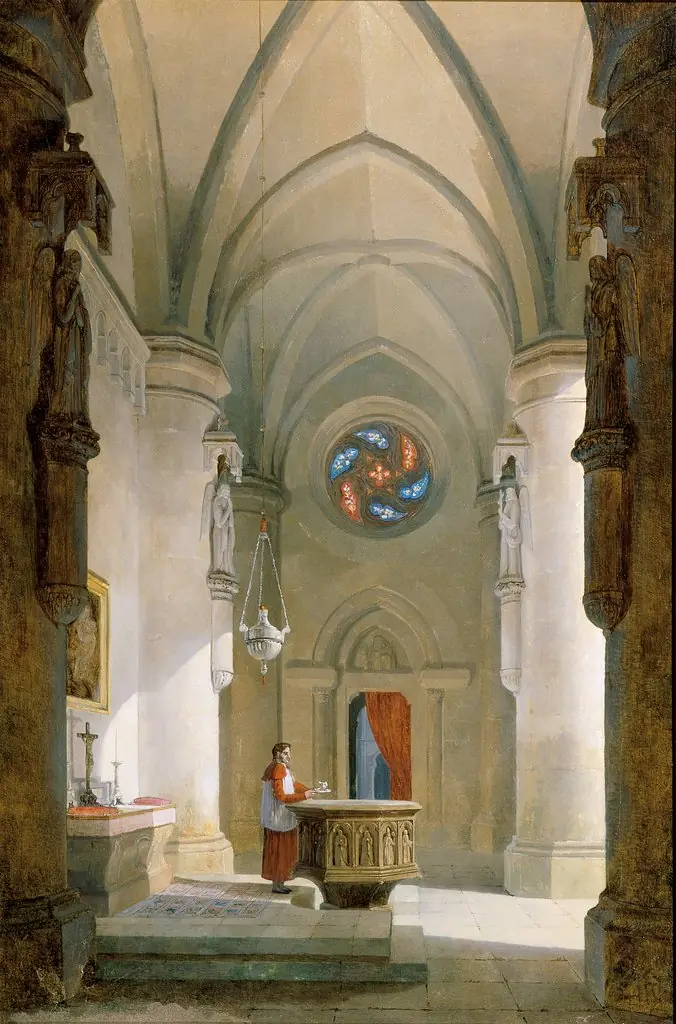 Das Innere einer Taufkapelle
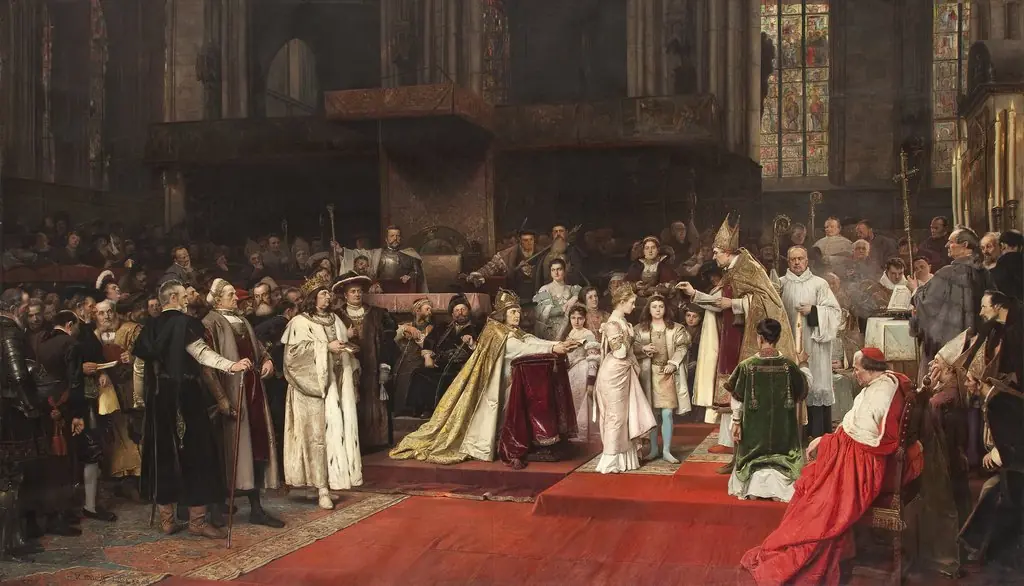 Tu felix Austria nube
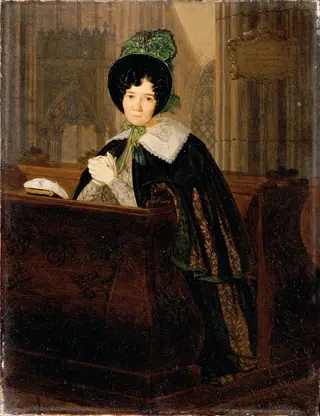 Mrs. Katharina Waldmüller
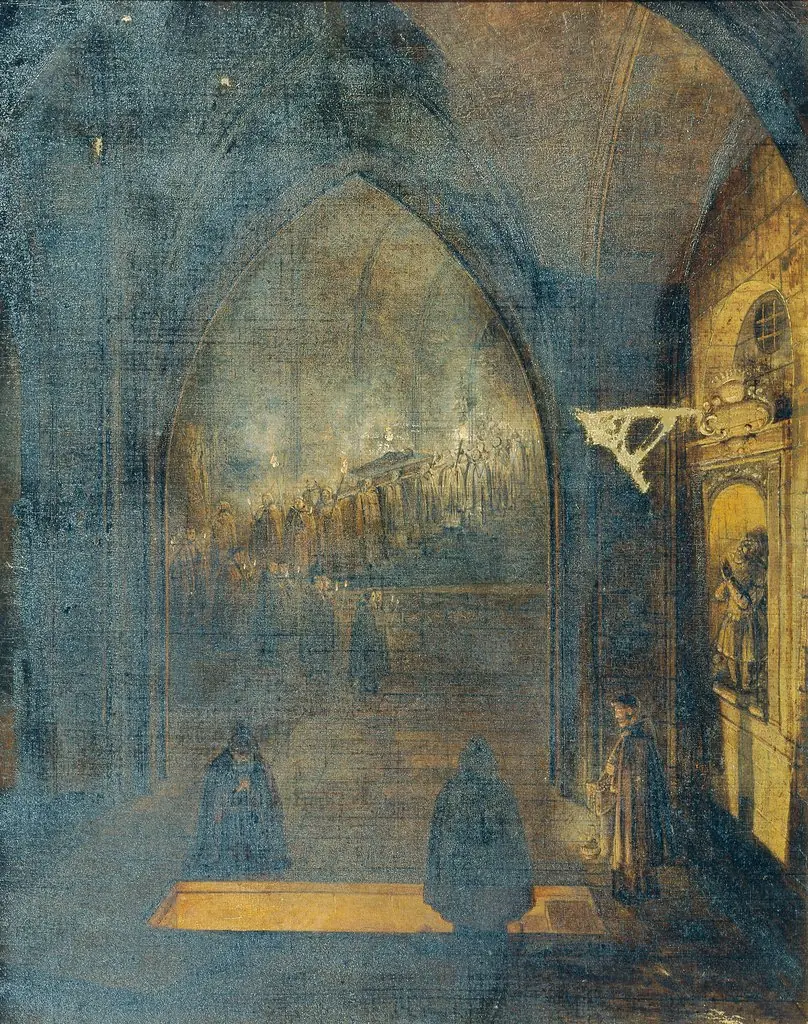 Gruftgewölbe
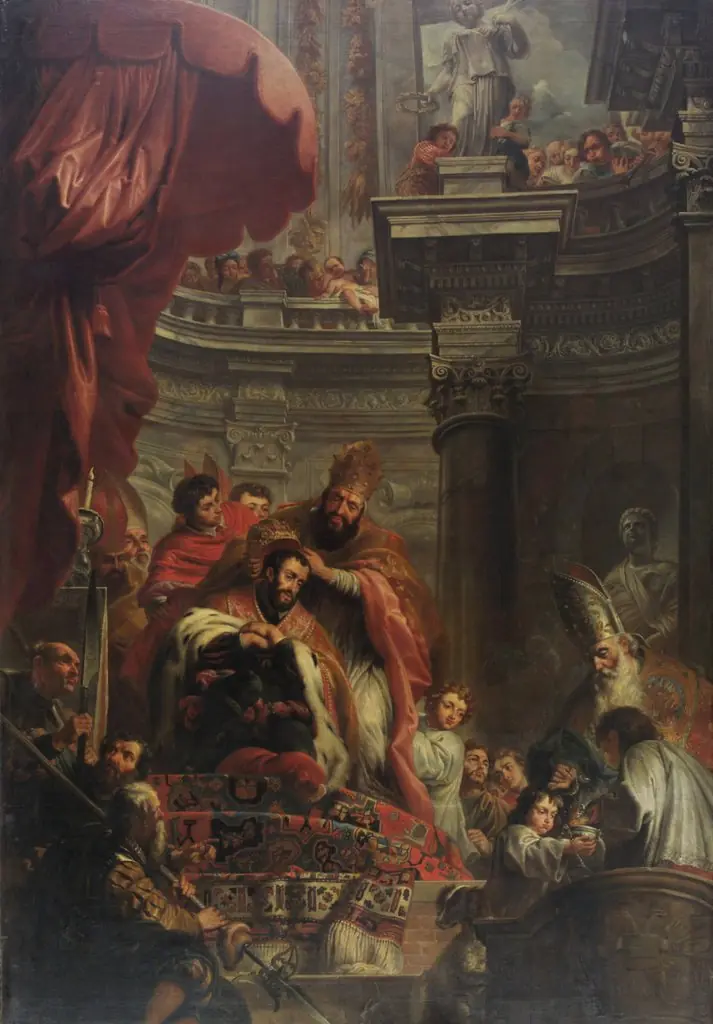 Crowning of Charles V in Bologna
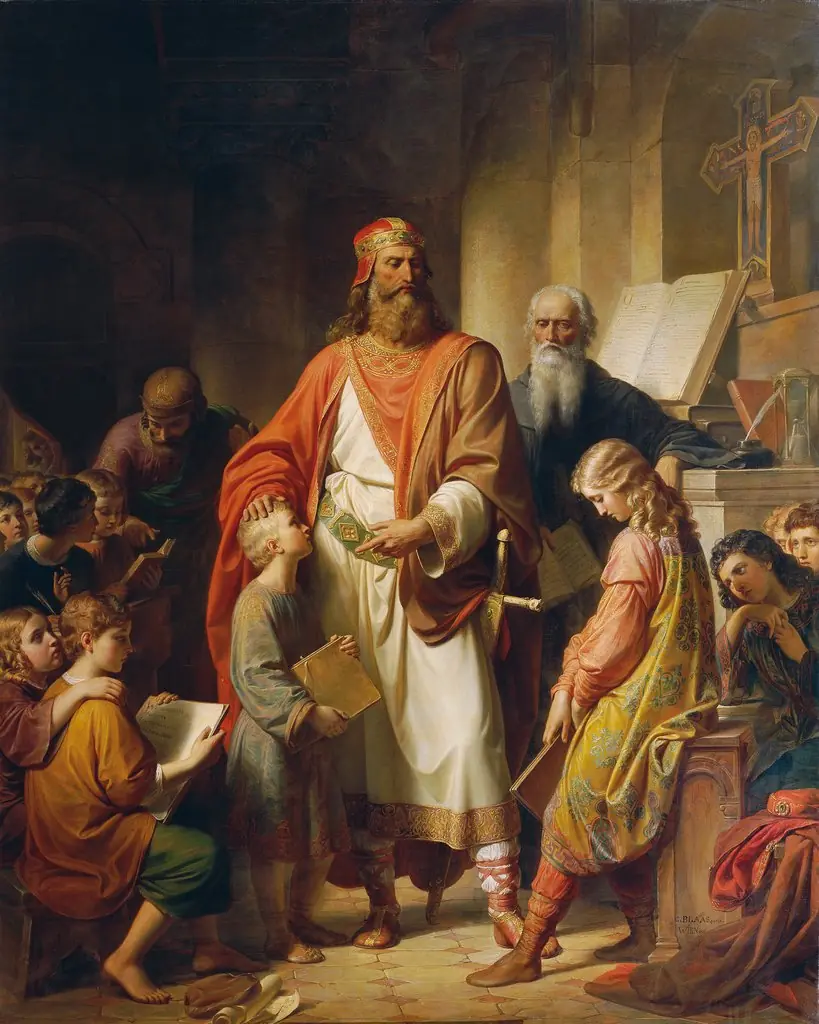 Charlemagne reprimands the neglectful students
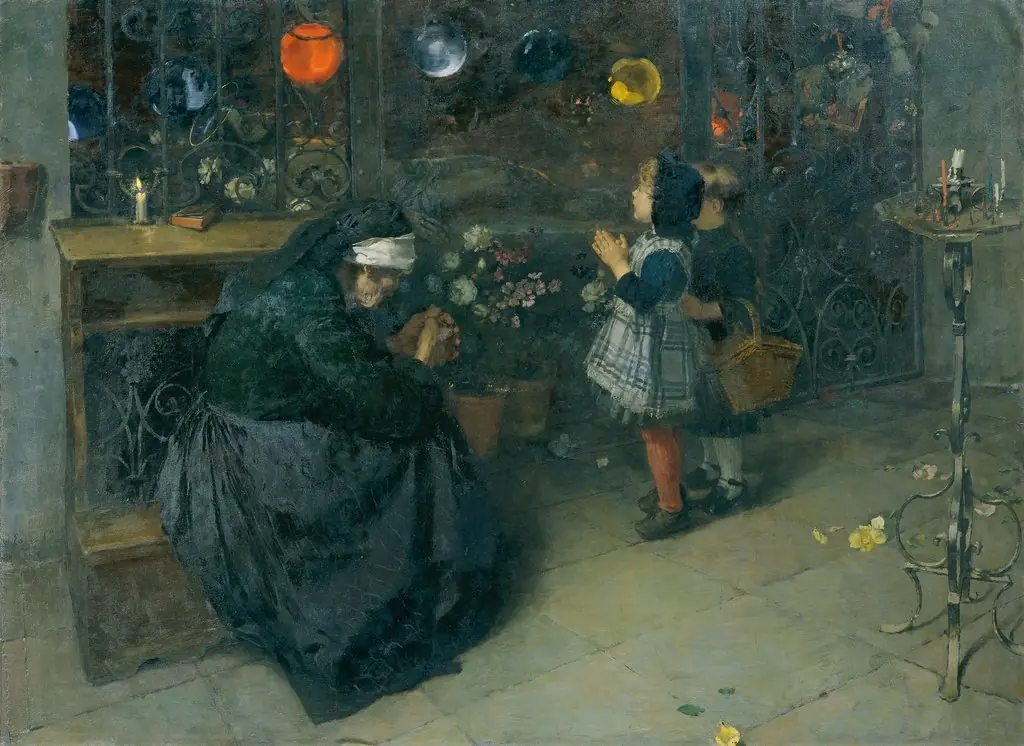 Karfreitag
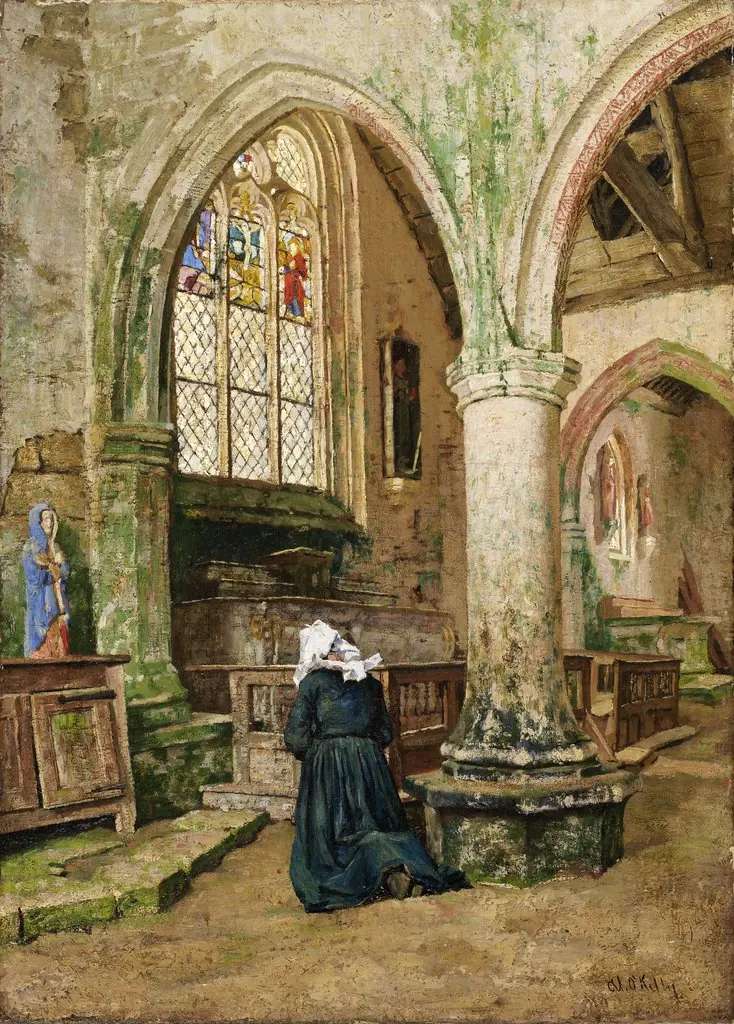 Interior of a Church in Brittany
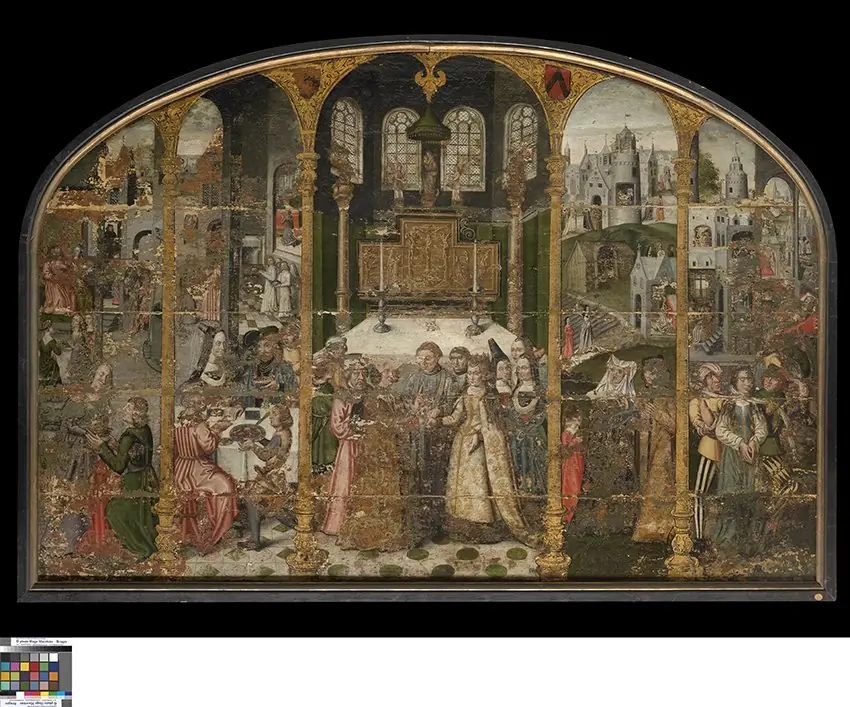 Legende van de heilige Godelieve
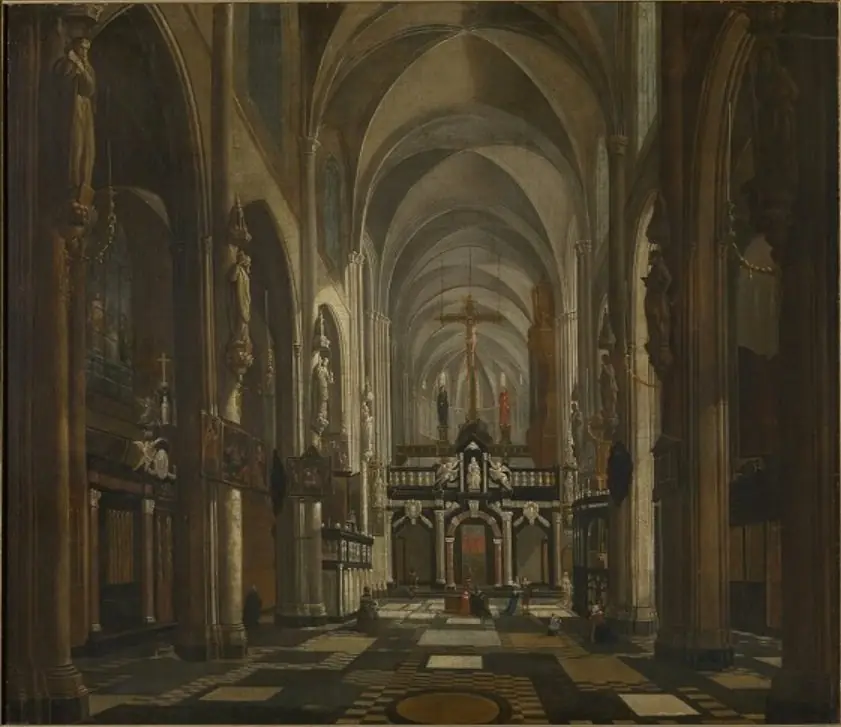 Interior of the former Saint Donatus Church in Bruges
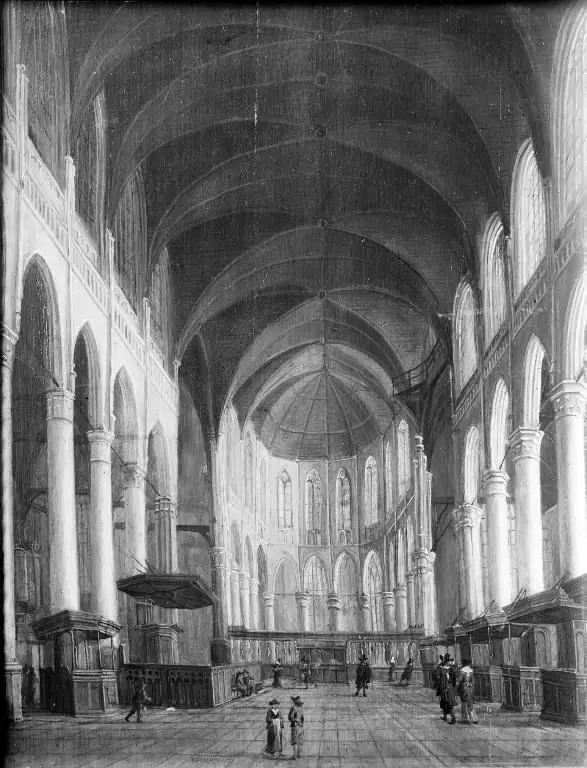 Interior of a Gothic Church
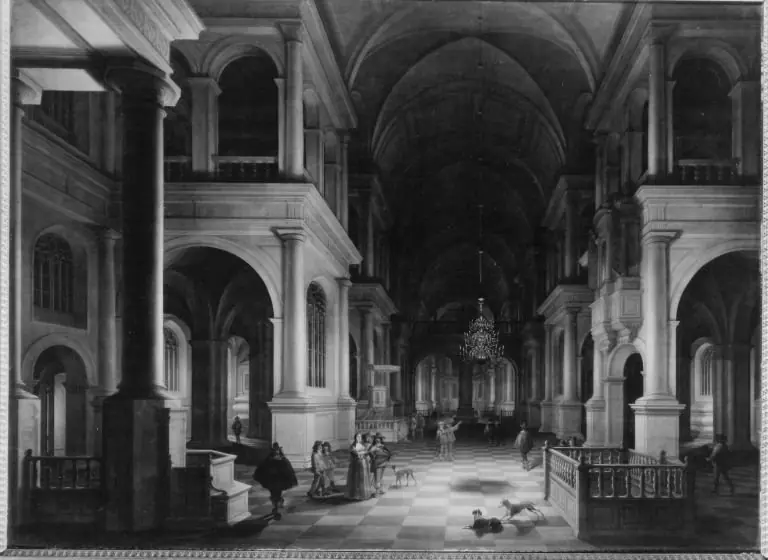 Nächtliches Interieur einer Kirche im Renaissancestil
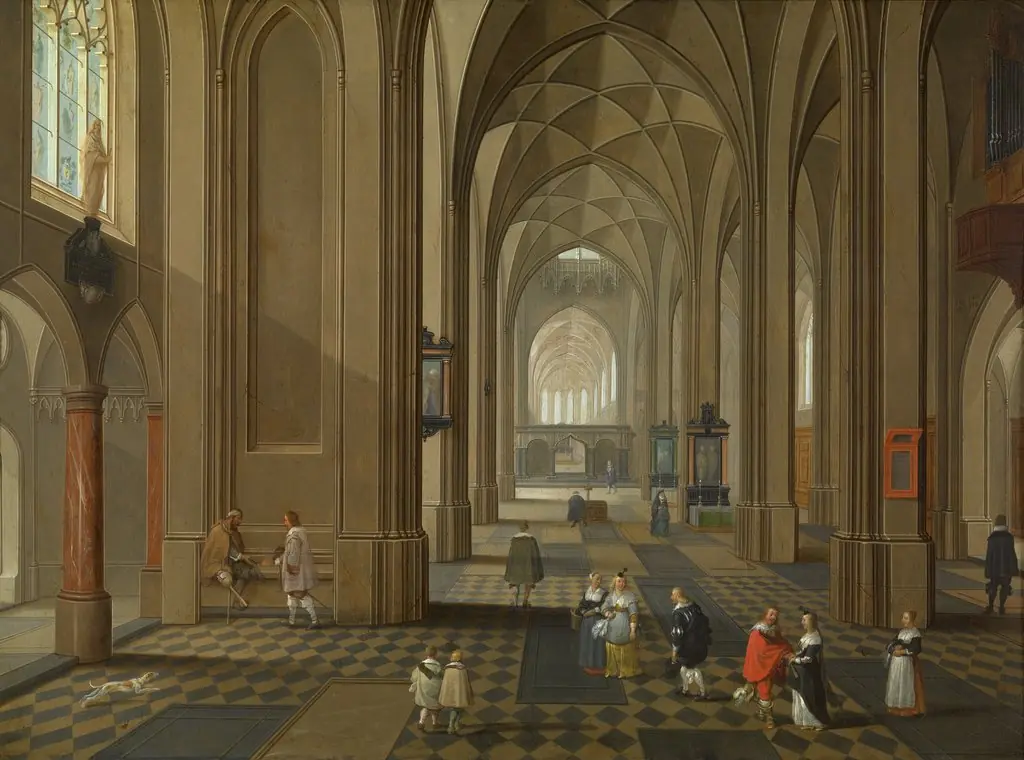 Interior of a Church
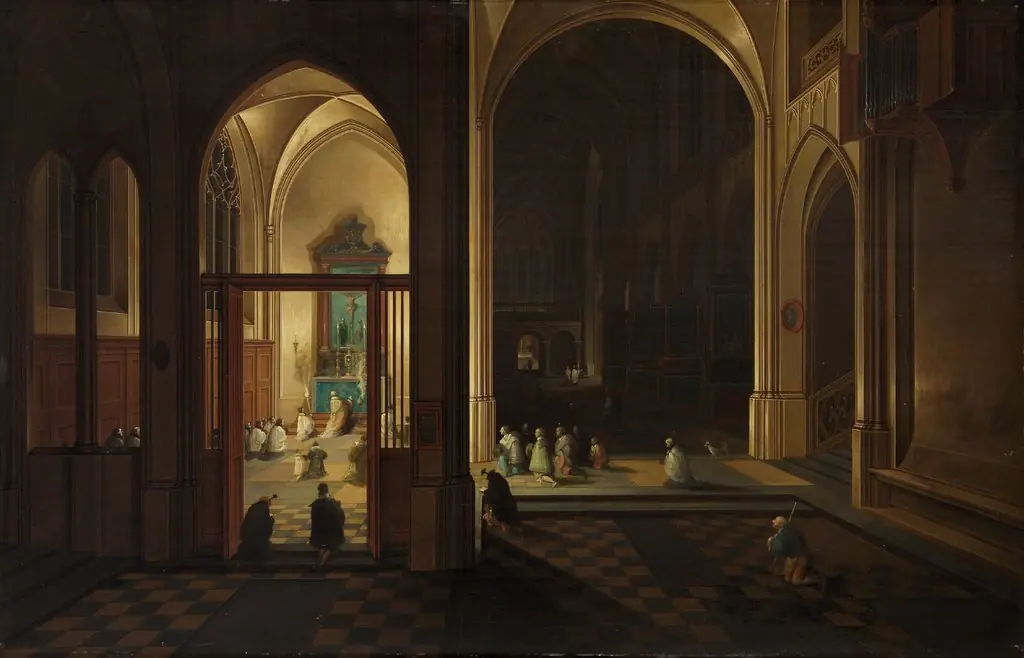 Evening Mass in a Gothic Church
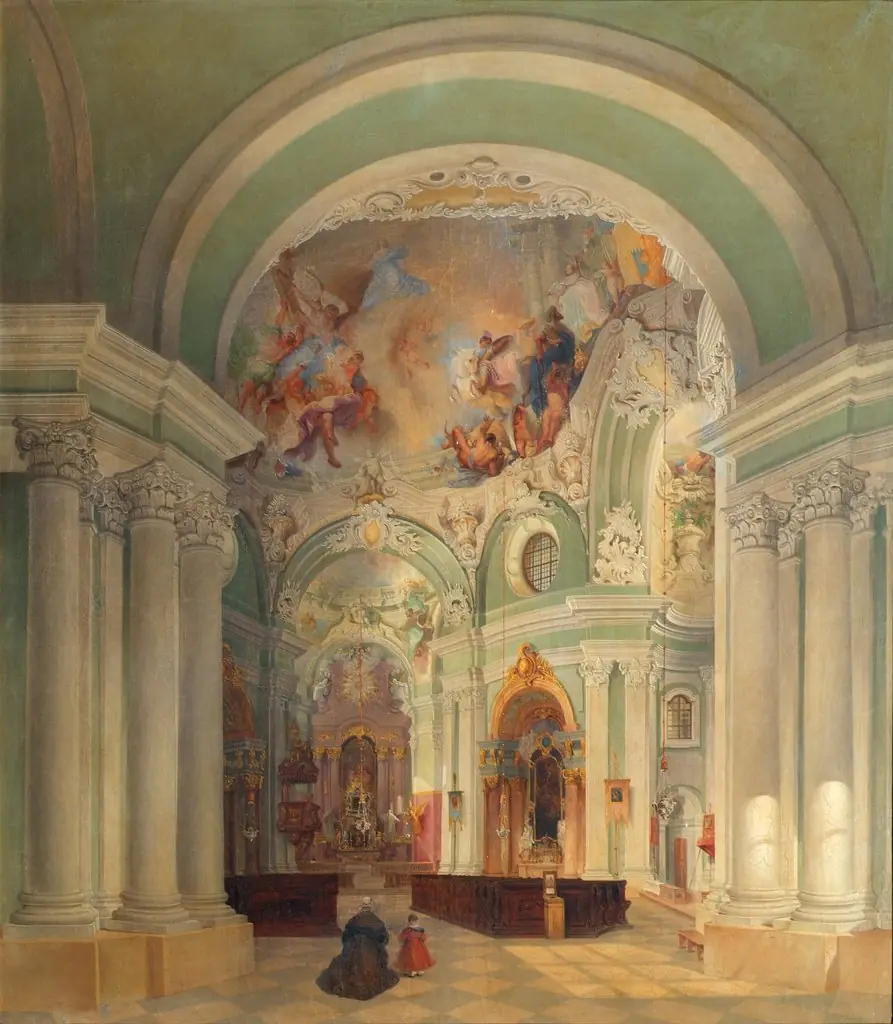 Das Innere der Piaristenkirche in Wien
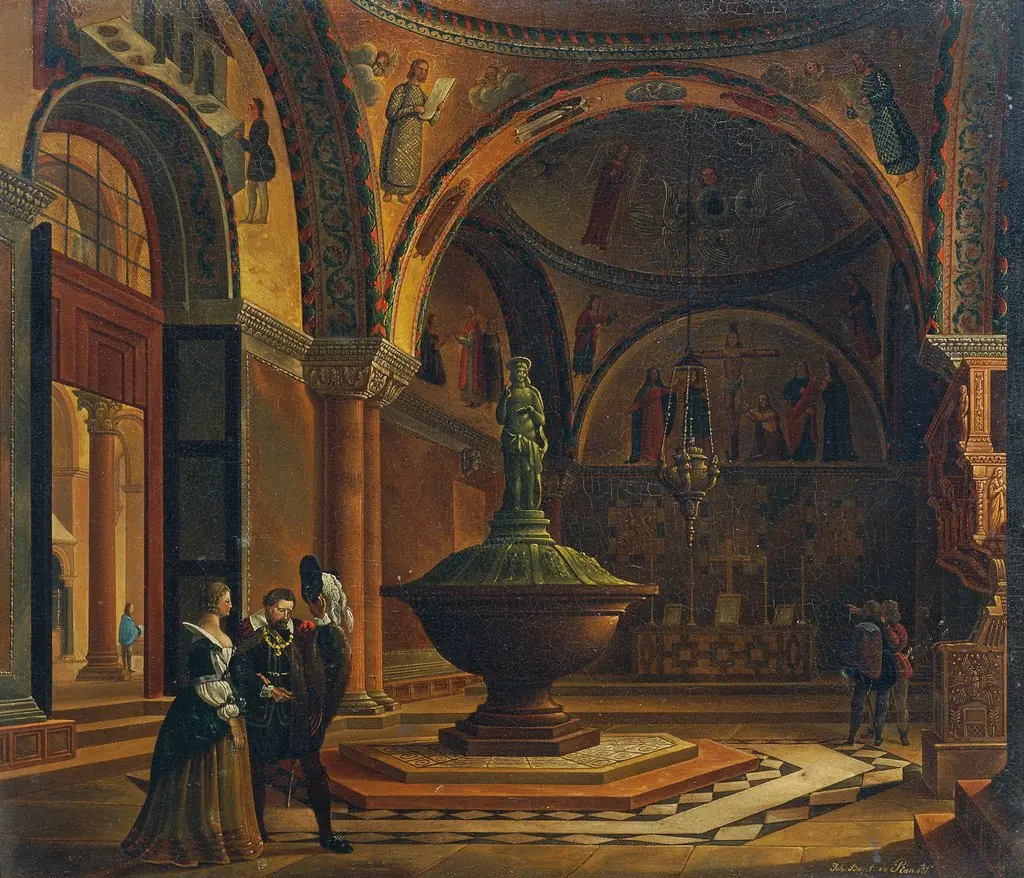 Das Innere des Baptisteriums von San Marco in Venedig
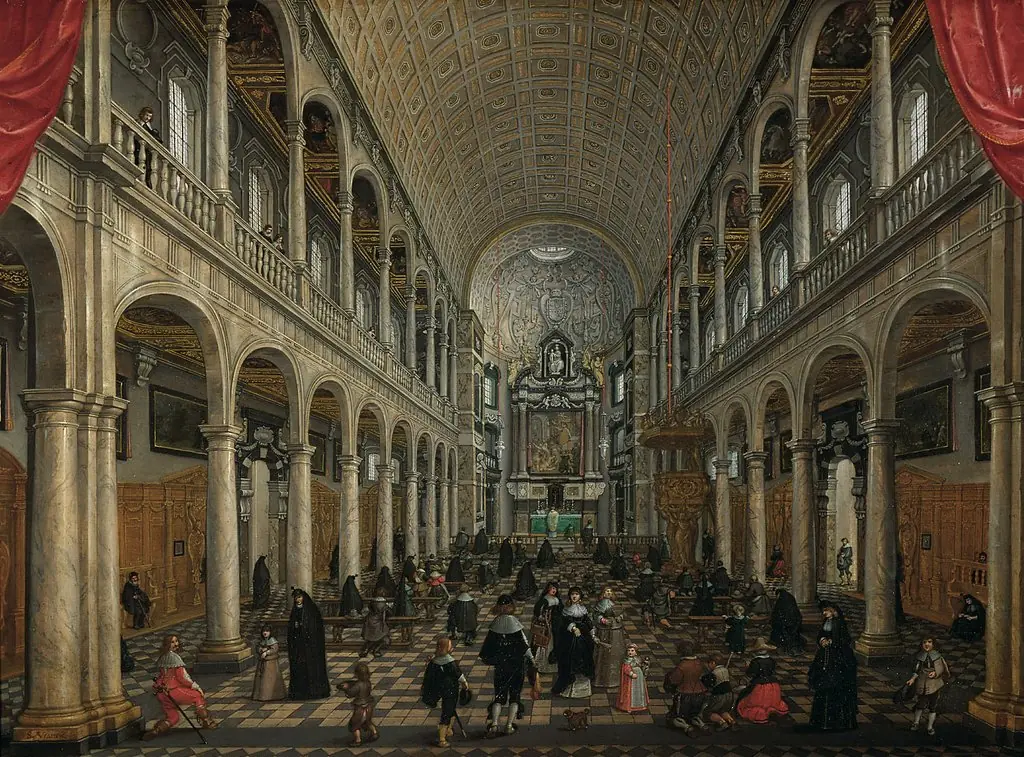 Inner view of the Jesuit church of Antwerp
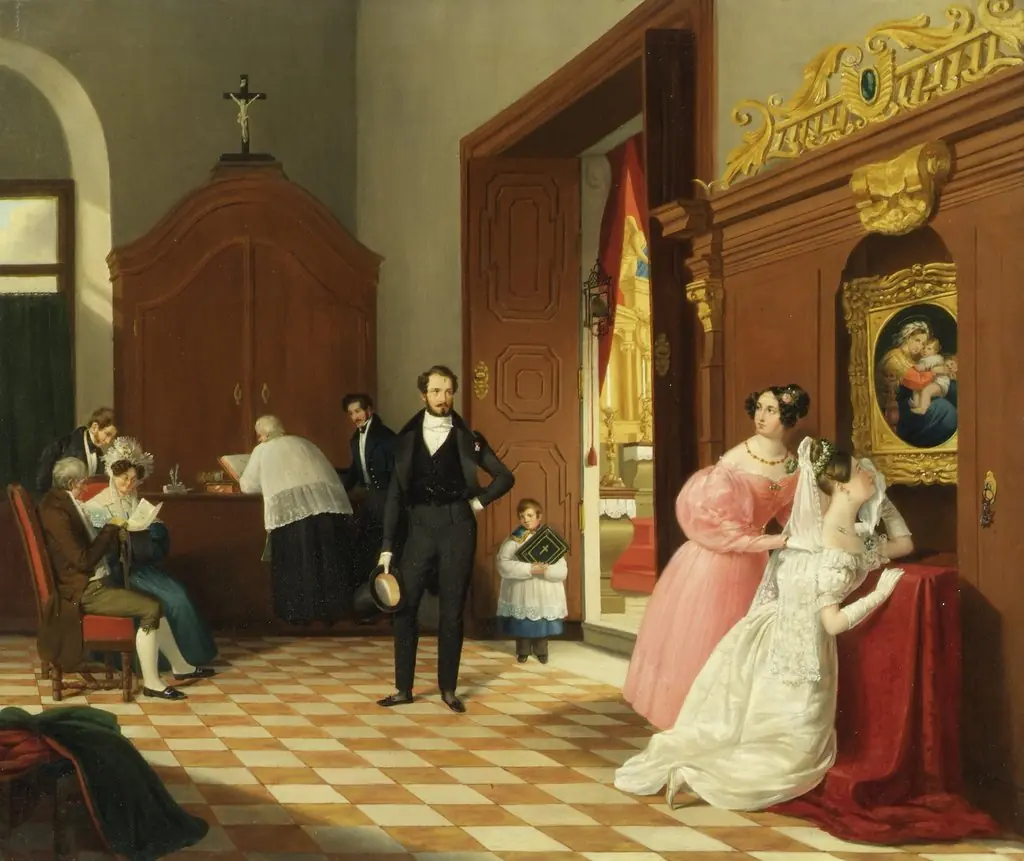 Braut wider Willen
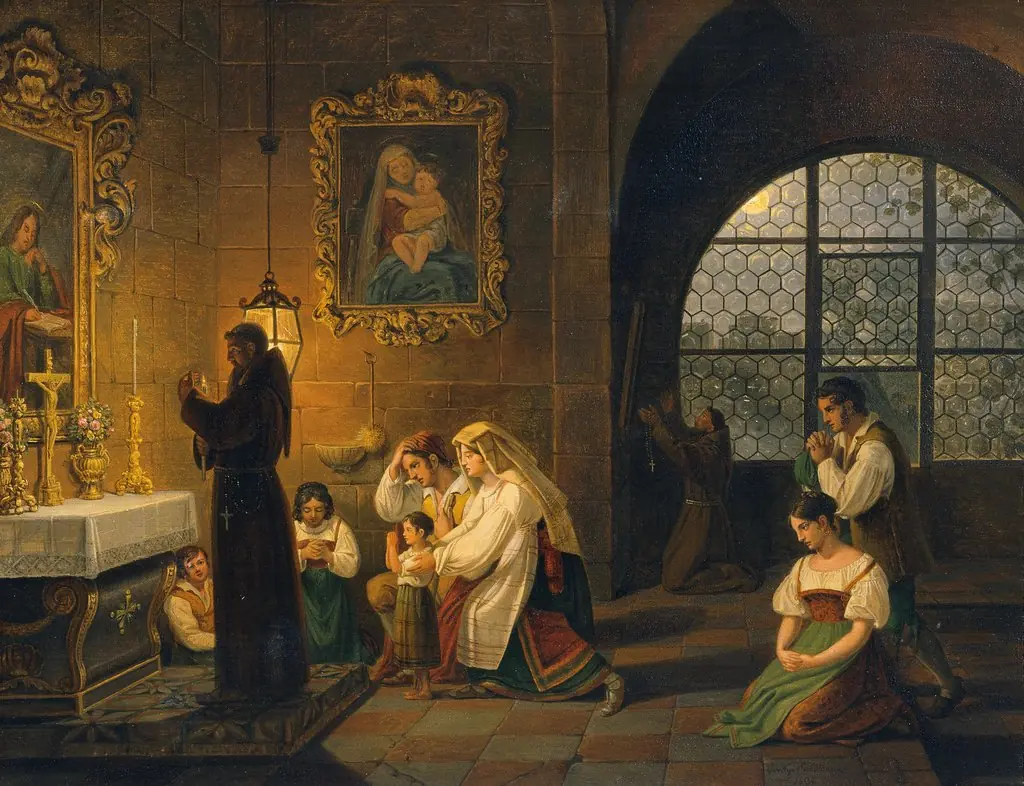 Das Innere einer italienischen Kirche
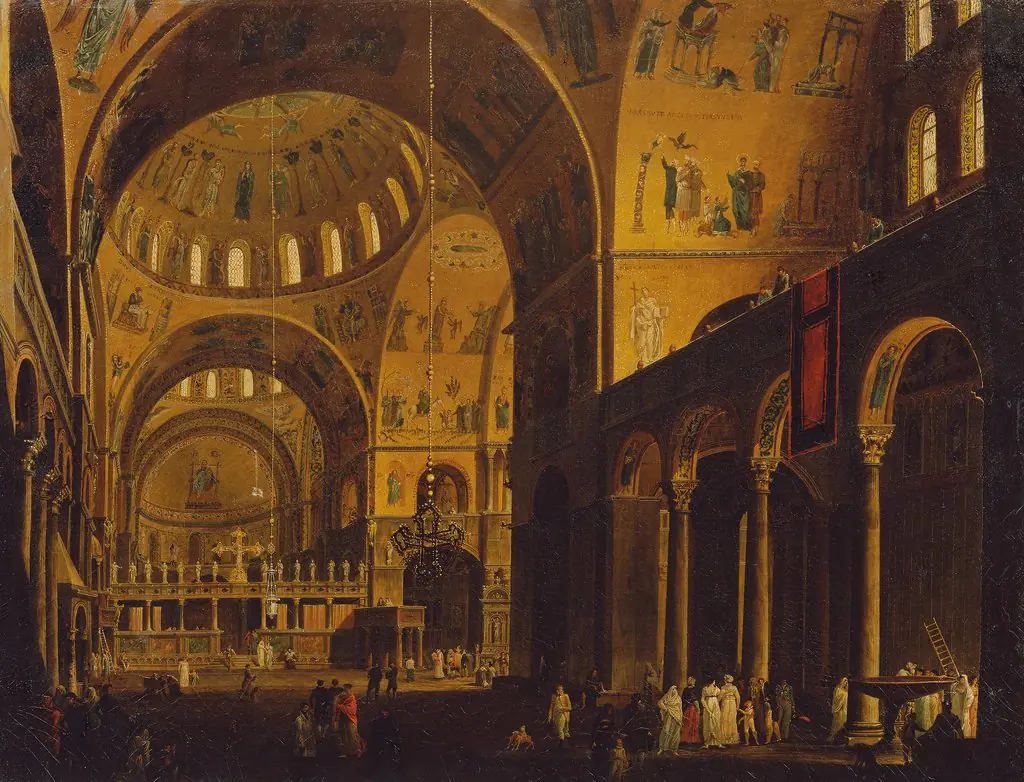 Das Innere von San Marco
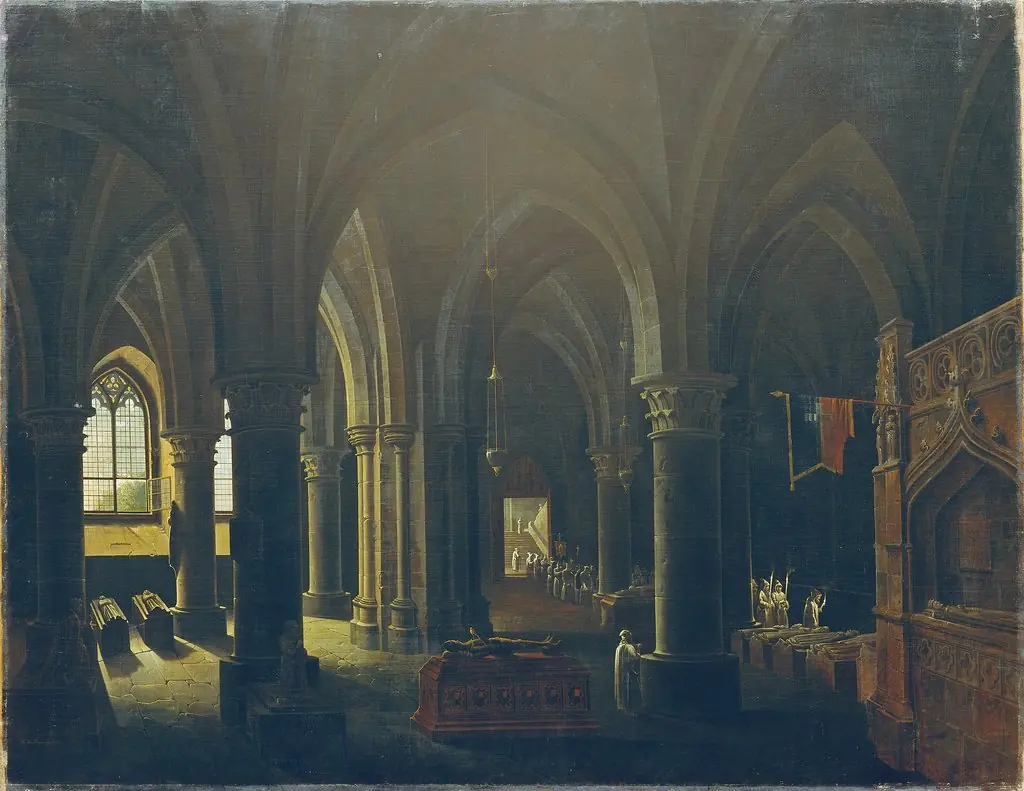 Gotisches Gruftgewölbe
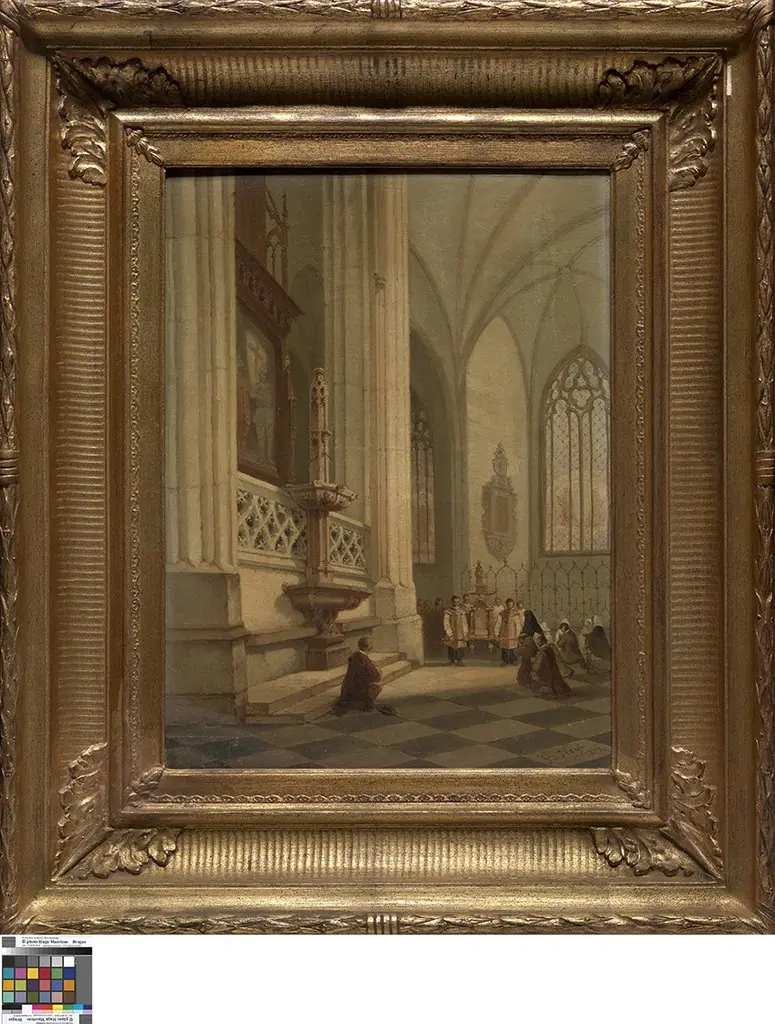 Absis van de kathedraal van Freiburg
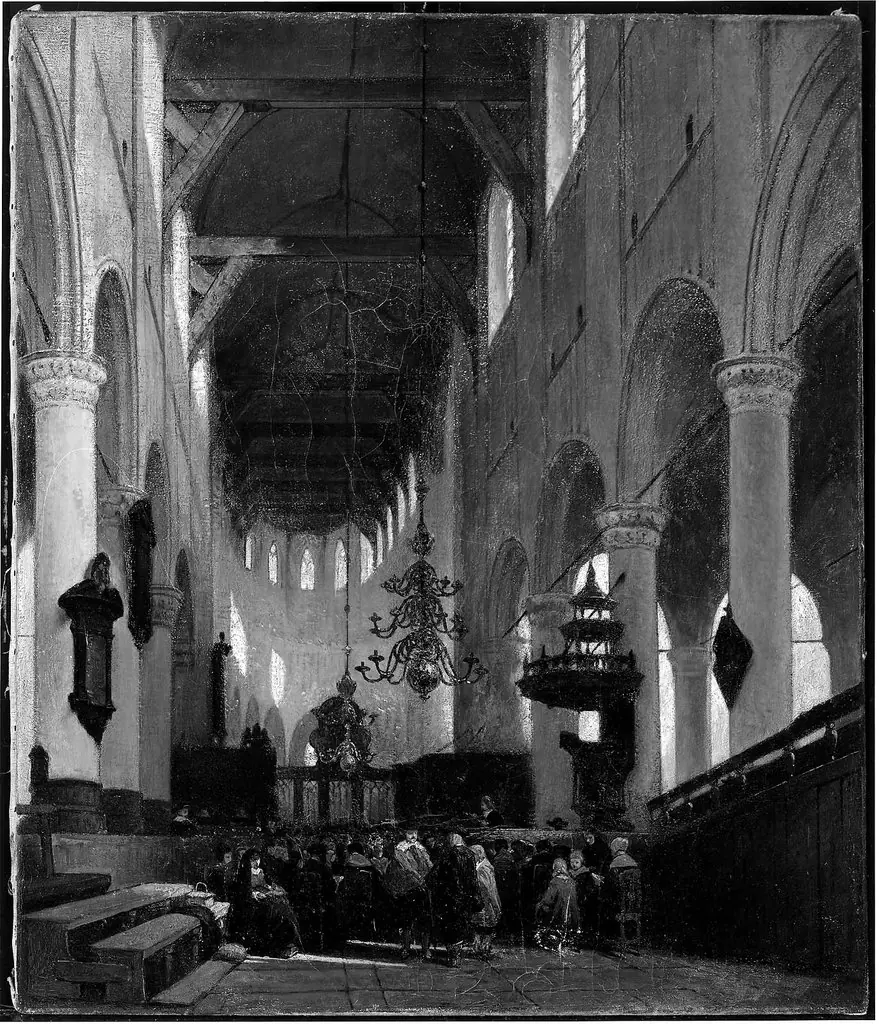 Interior of a Church
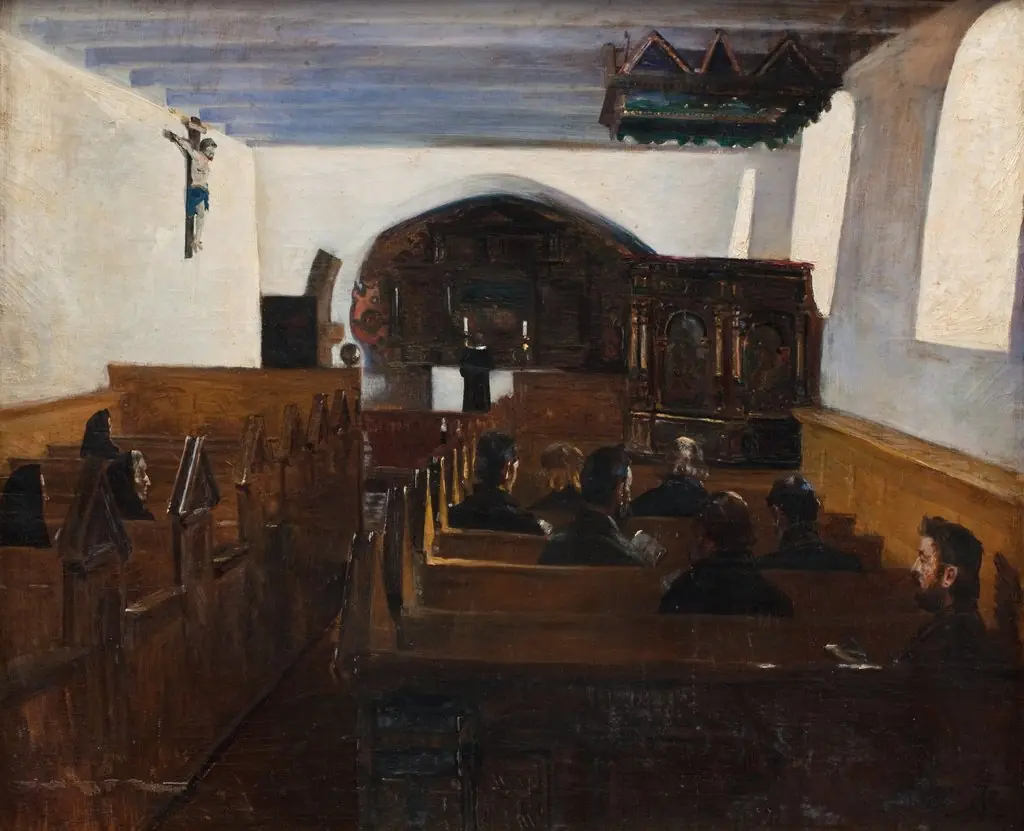 A church Service in the Island of Mors, Jutland
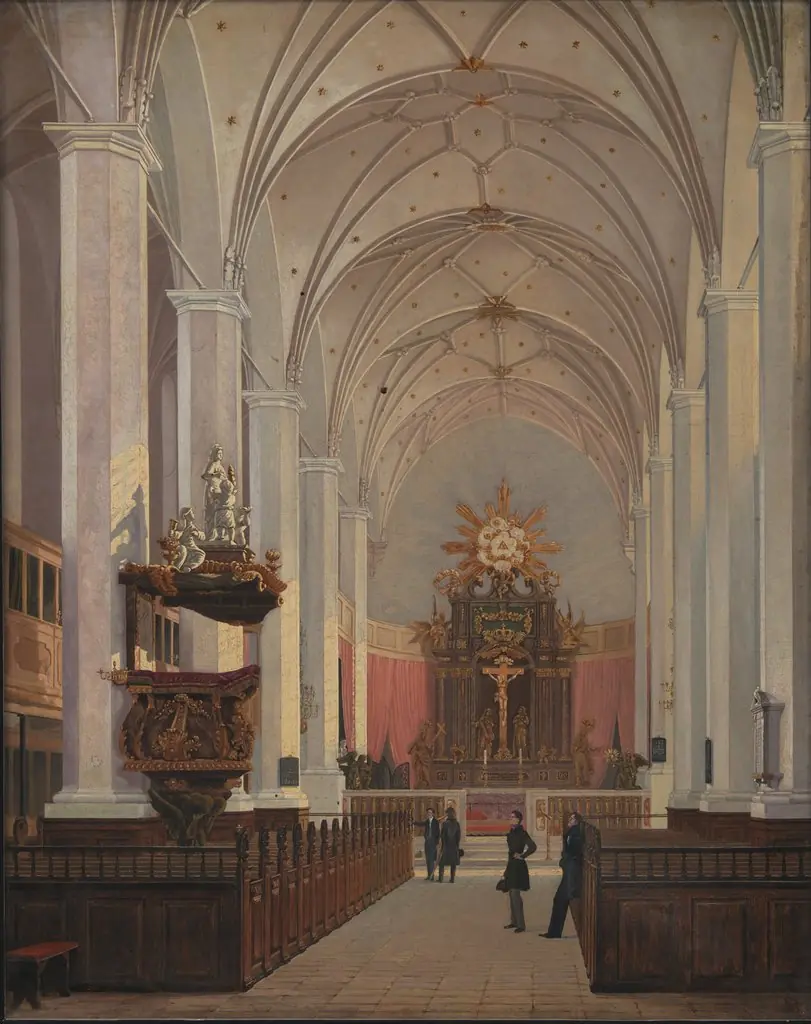 Det indre af Trinitatis Kirke
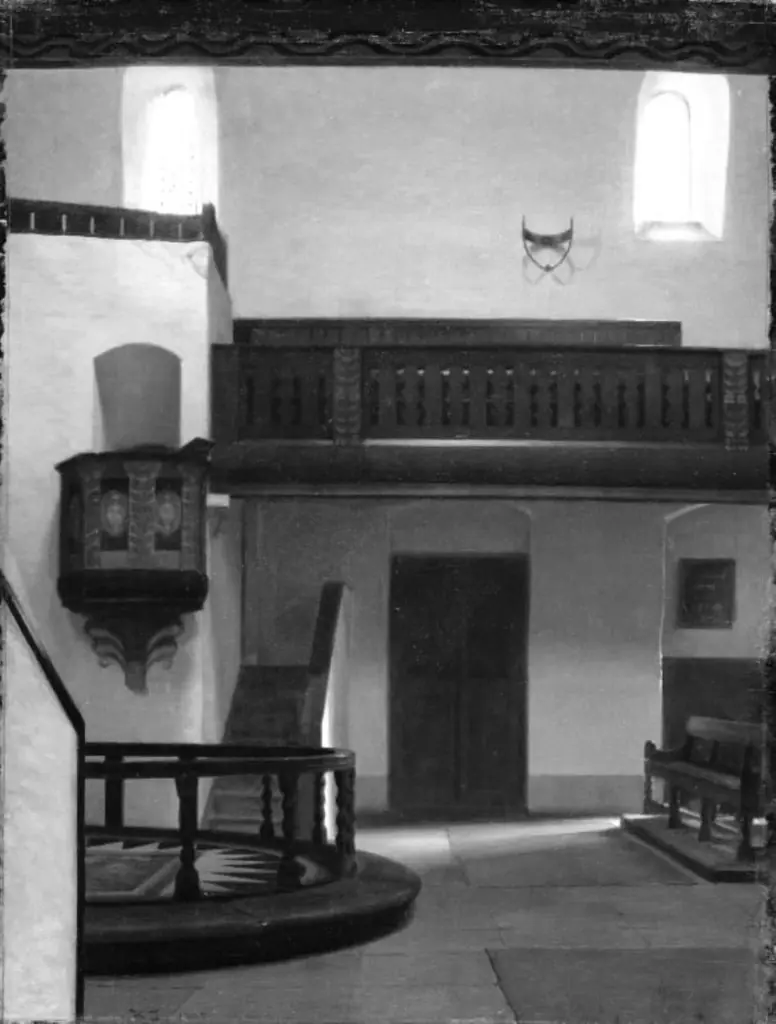 Interiør fra Immanuelskirken
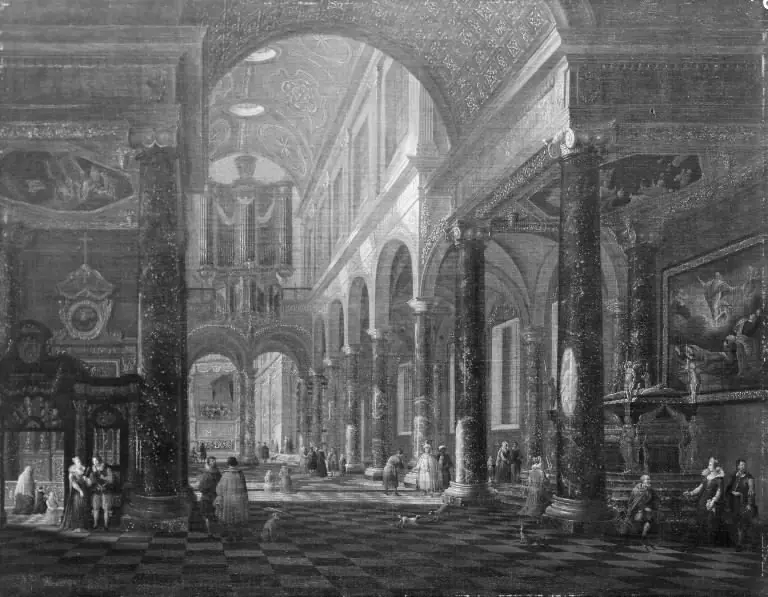 Interior of a Catholic Church
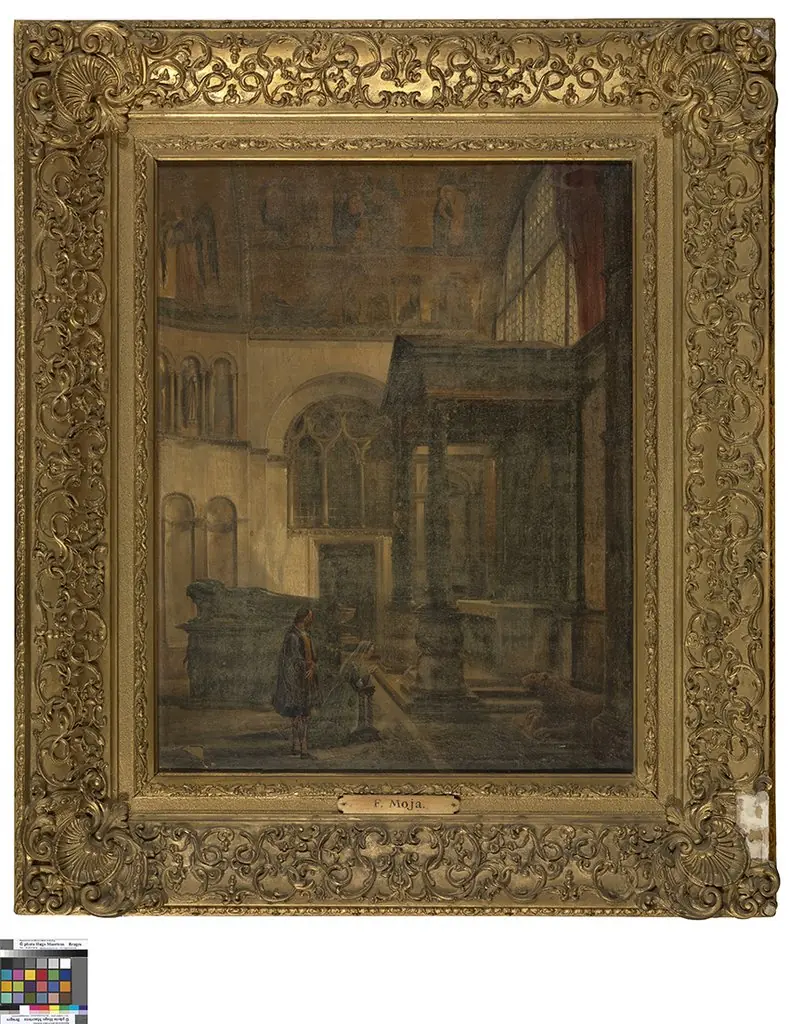 Kerkinterieur
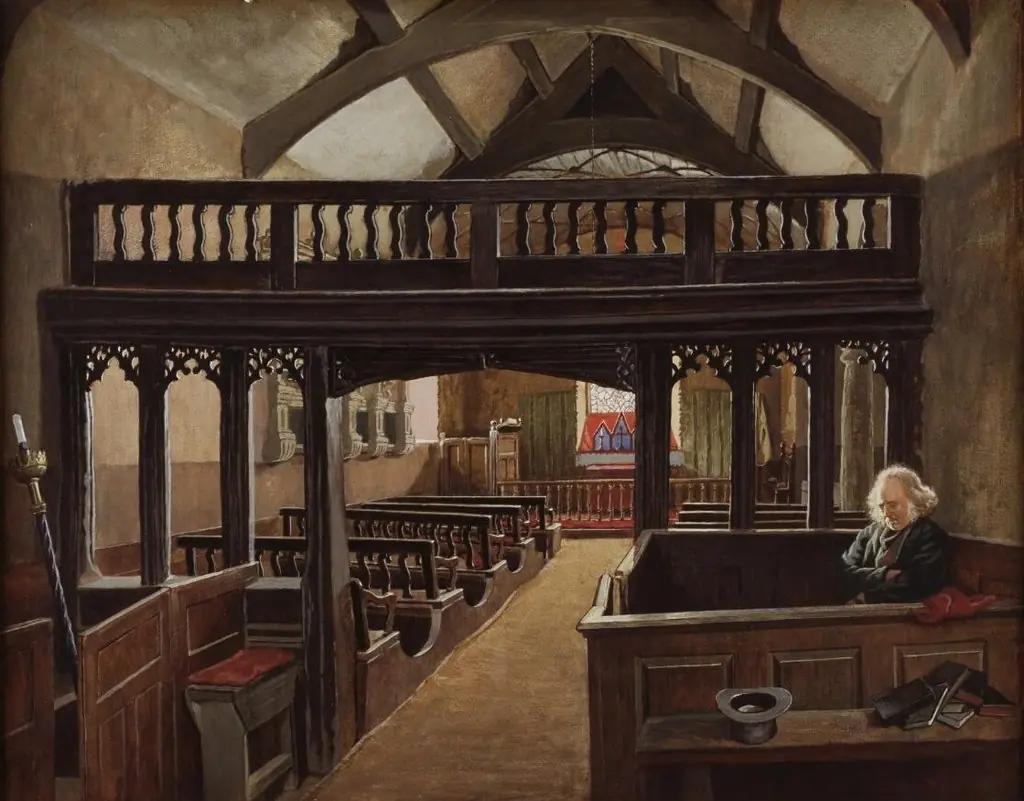 Dic Aberdaron
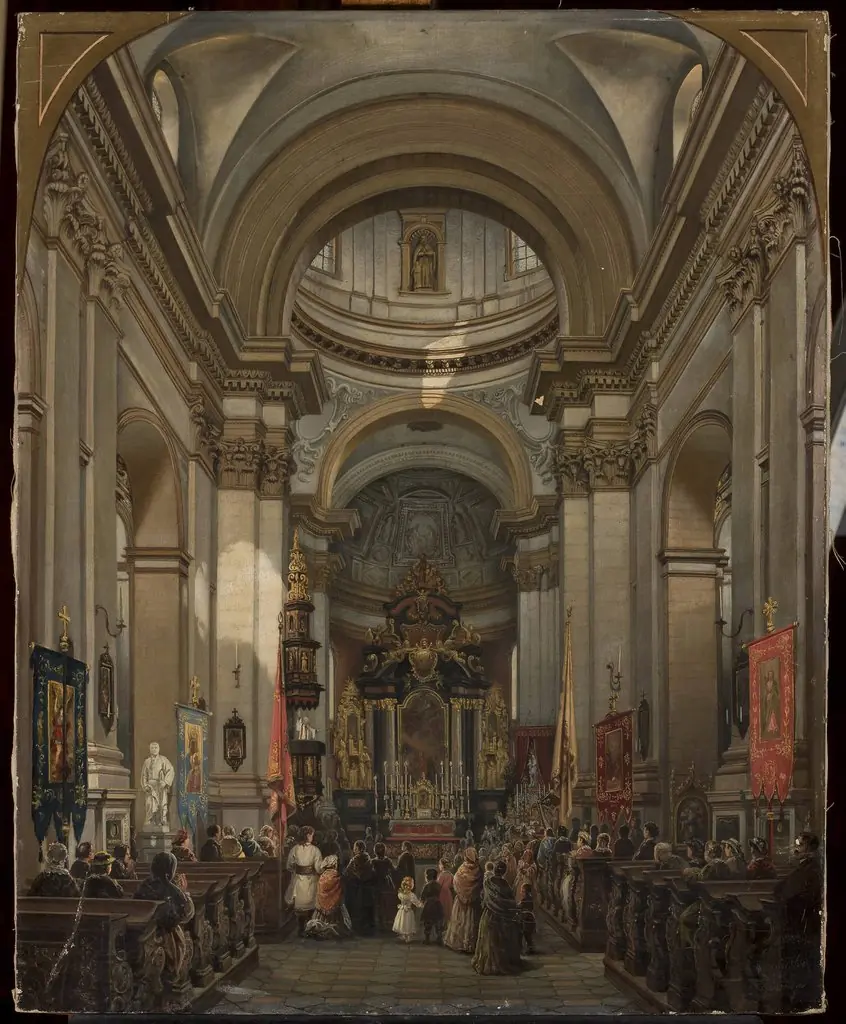 Interior of St. Peter’s church in Kraków
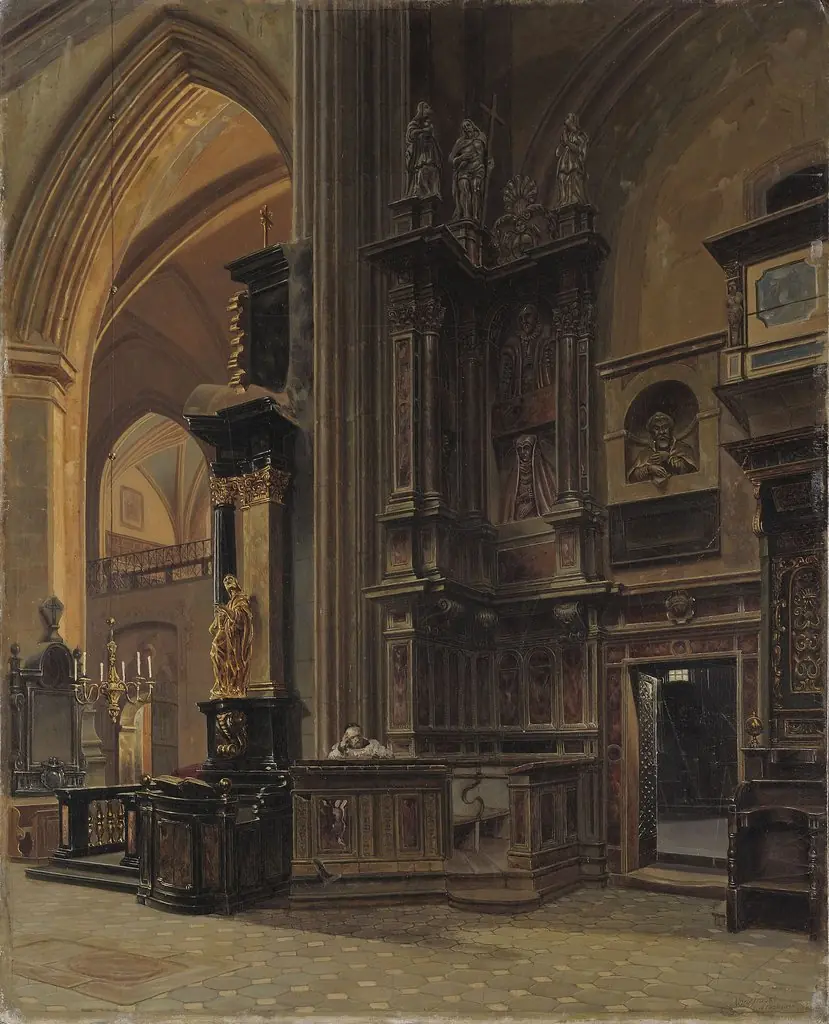 Interior of Saint Mary’s Basilica in Kraków
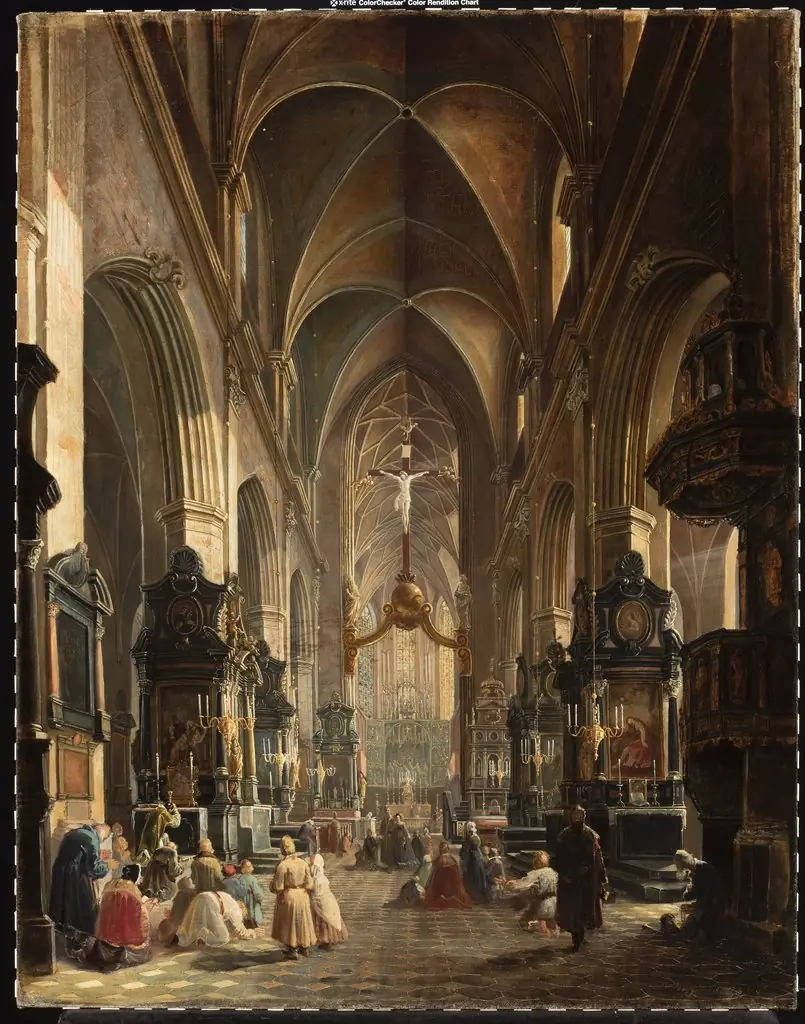 Interior of the Church of Virgin Mary in Kraków
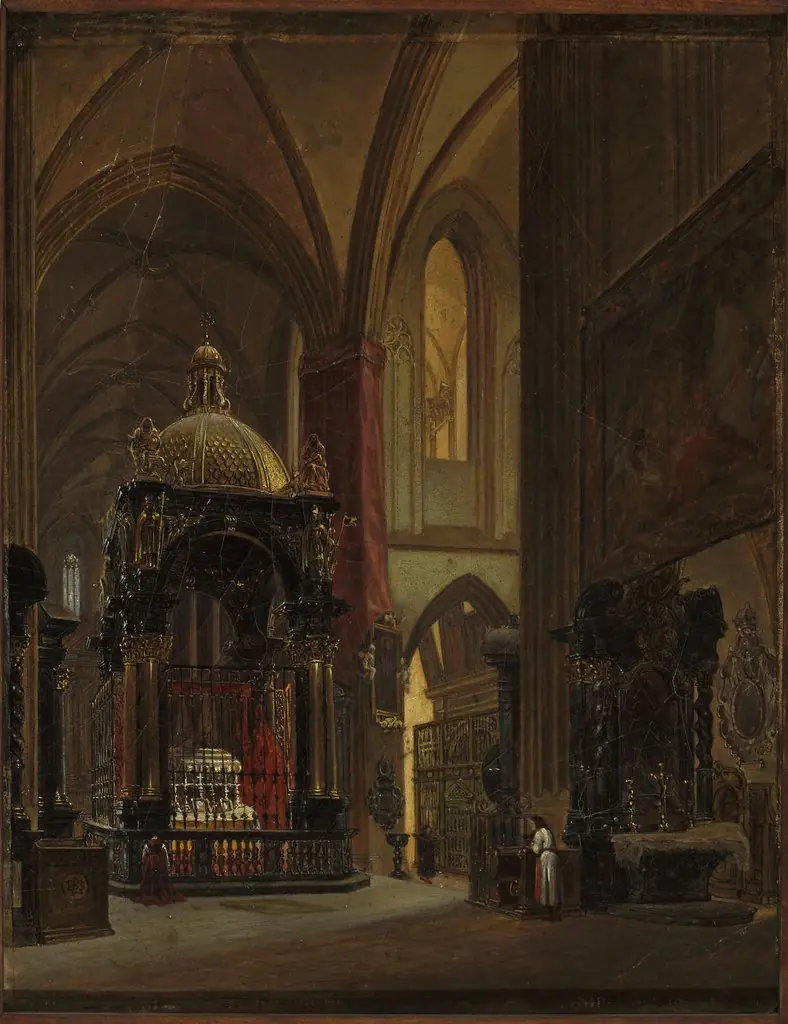 Interior of the Wawel Cathedral
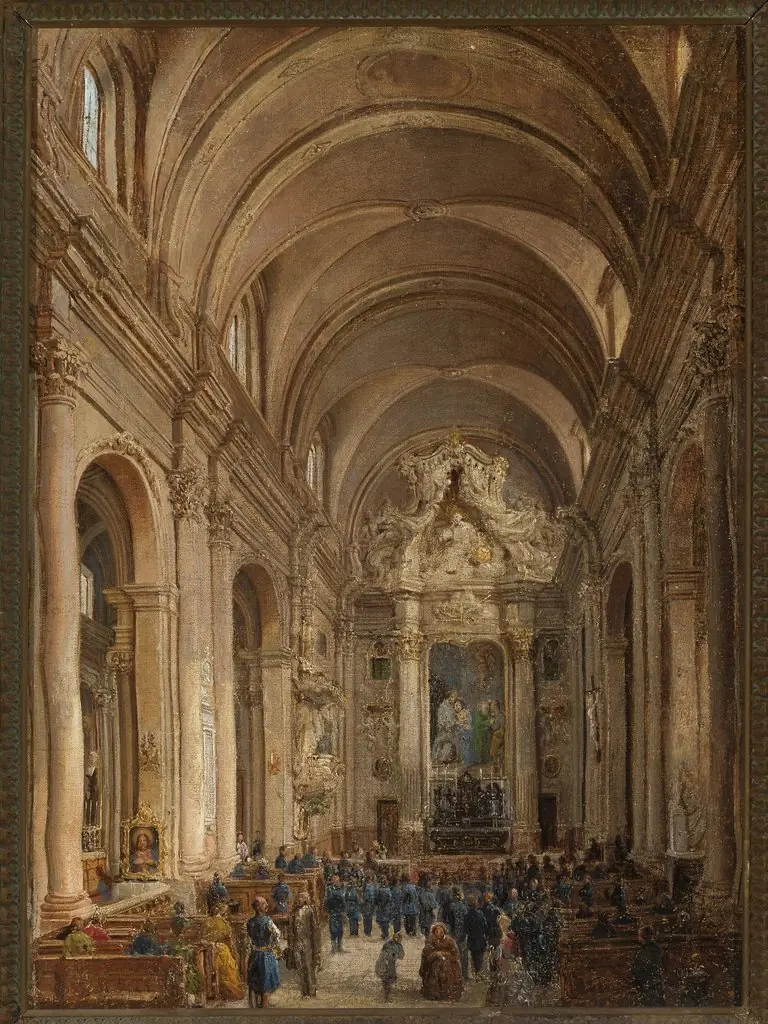 Church of the Nuns of the Visitation in Warsaw
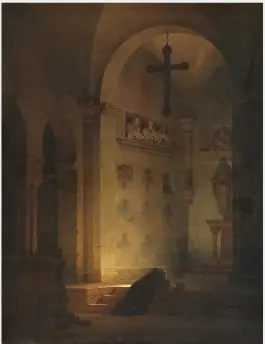 The Last of the Brotherhood
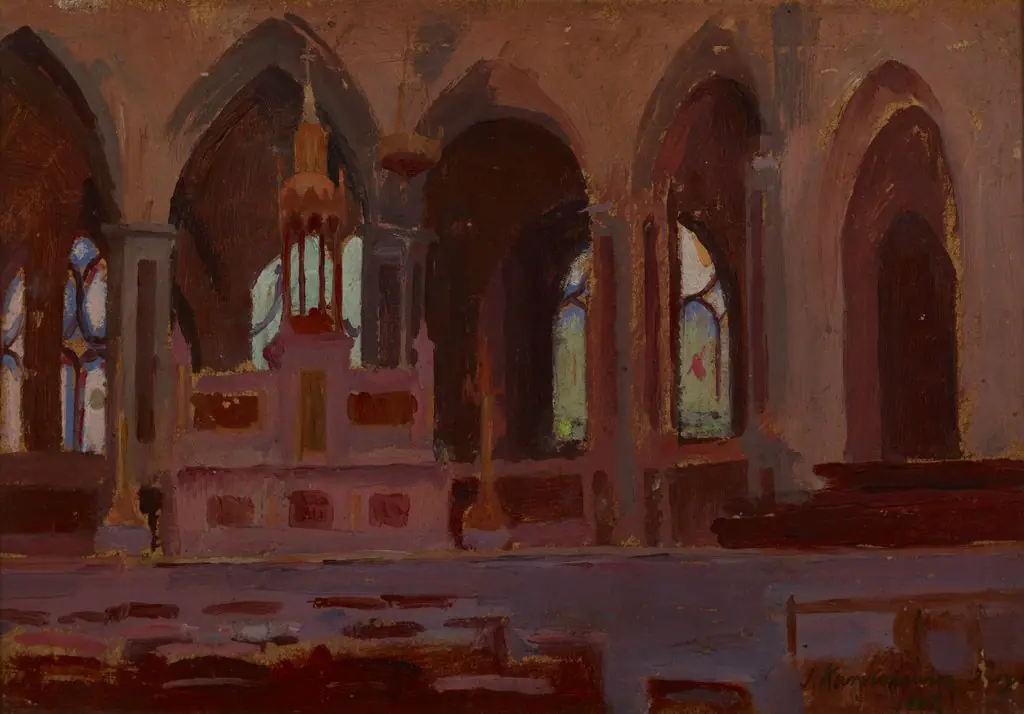 Interior of a Church
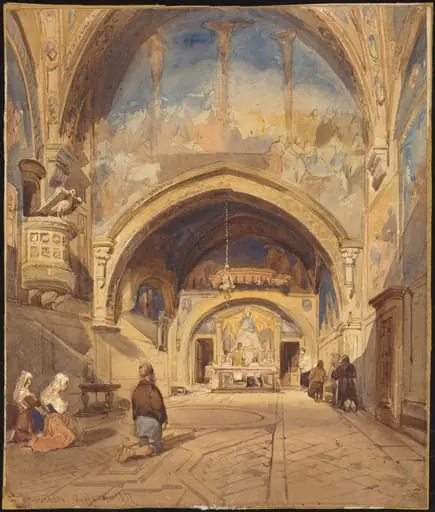 Interior of the Church of San Benedetto, Subiaco
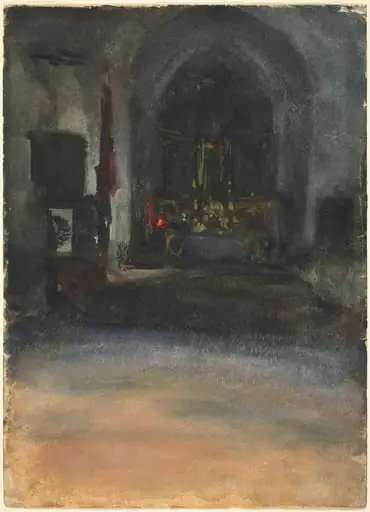 Spanish Church Interior
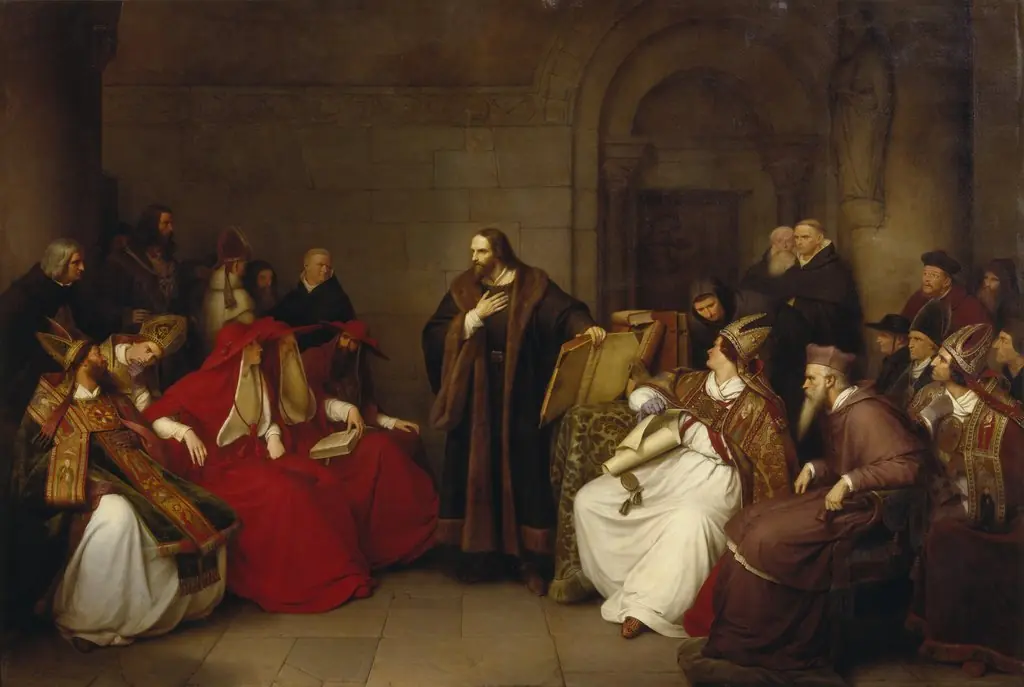 Jan Hus at Constance
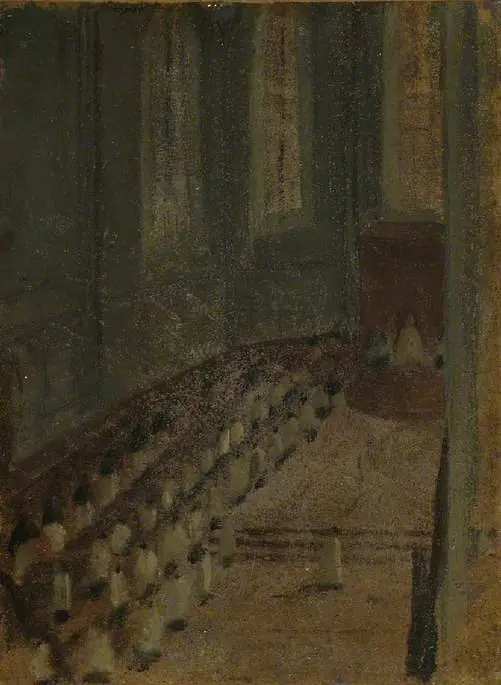 Cérémonie d'ordination dans la Cathédrale de Lyon
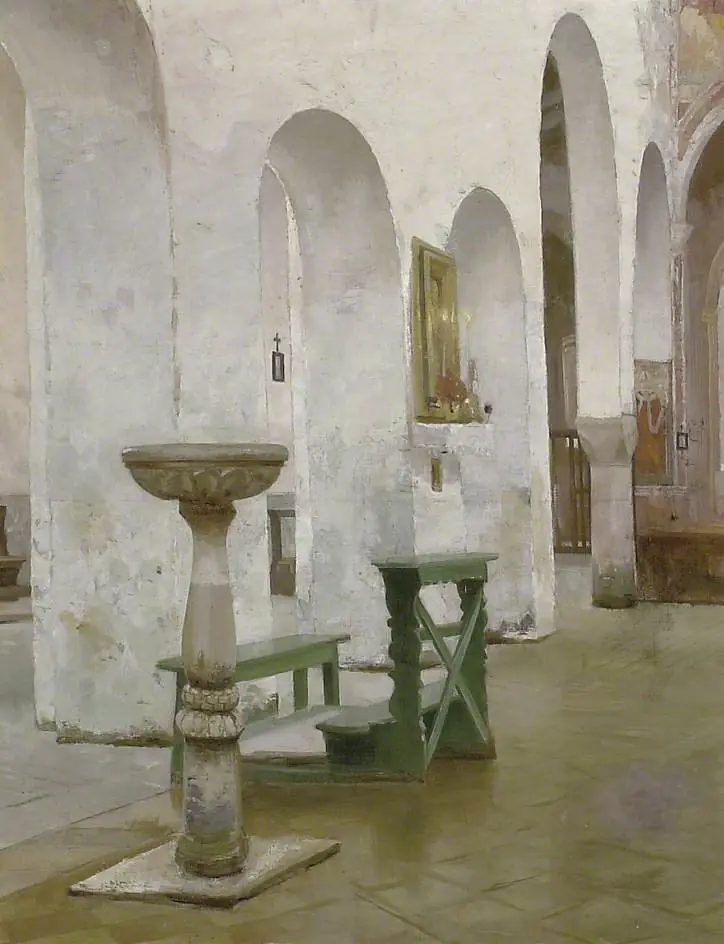 Interior of the Church of Sta Maria in Porto Fuori, Ravenna
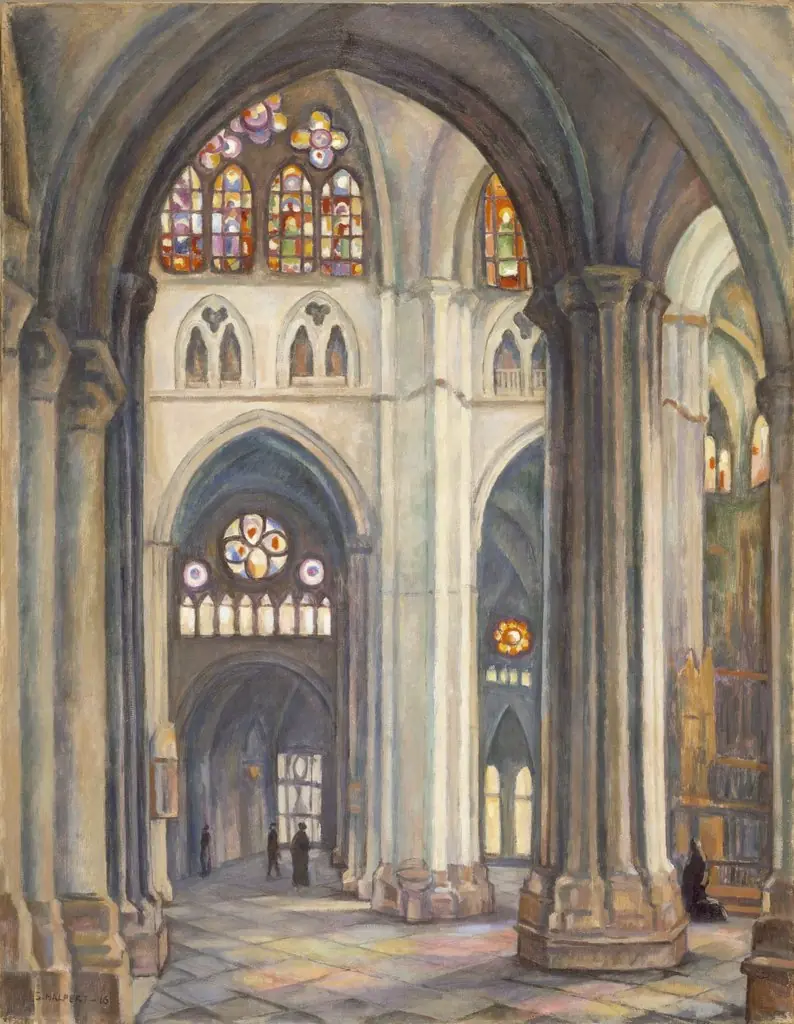 Toledo Cathedral
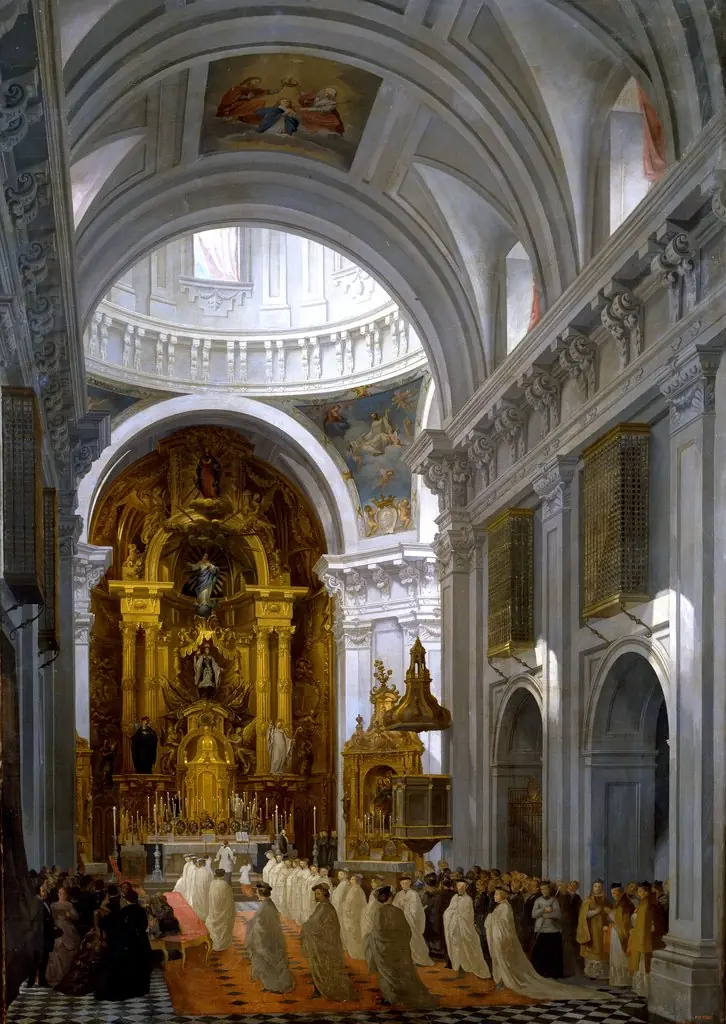 Interior de la Iglesia de las Calatravas en Madrid
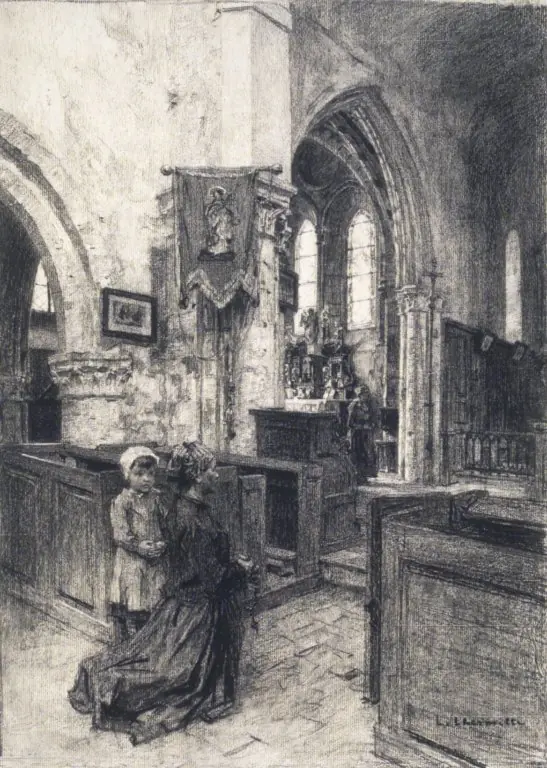 The Church of Saint-Eugène (L'Église de Saint-Eugène)
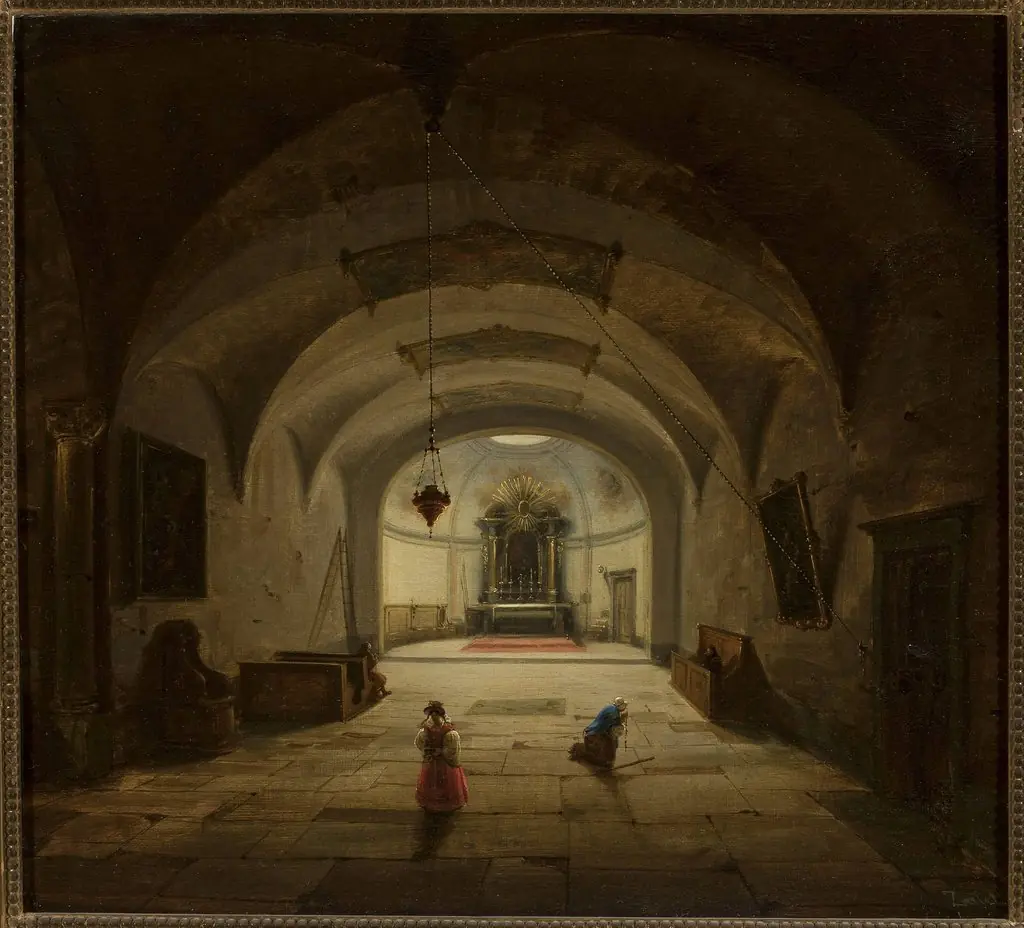 Interior of the subterranean chapel
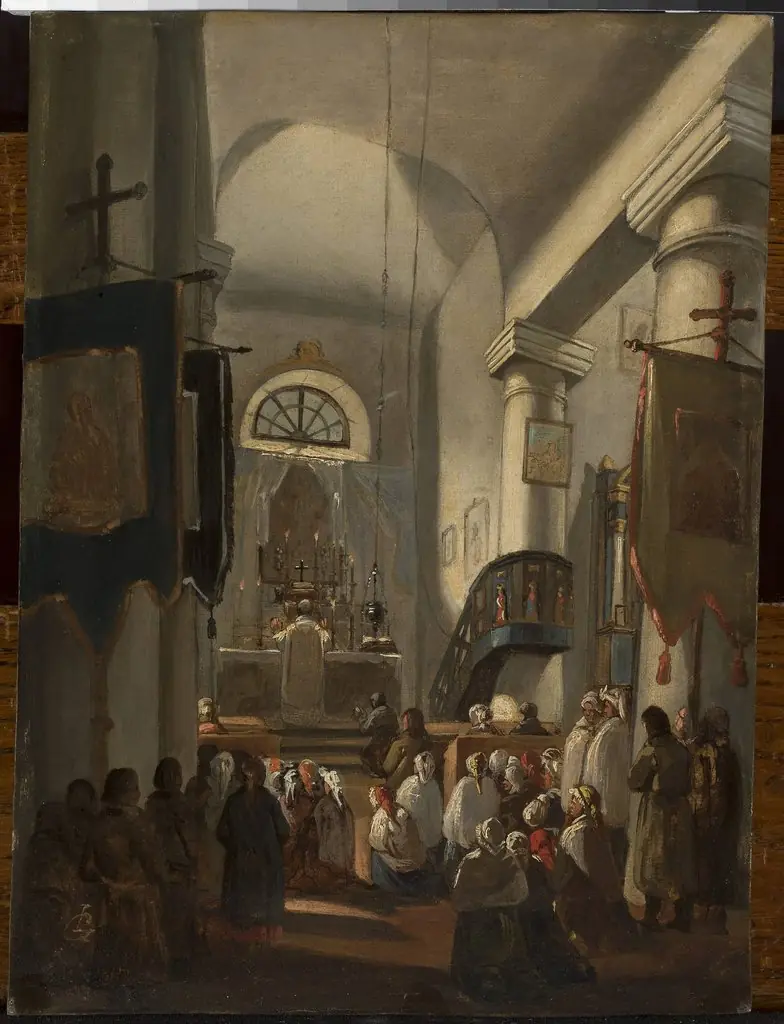 Church interior with staffage
 Interior of St. John’s church in Warsaw
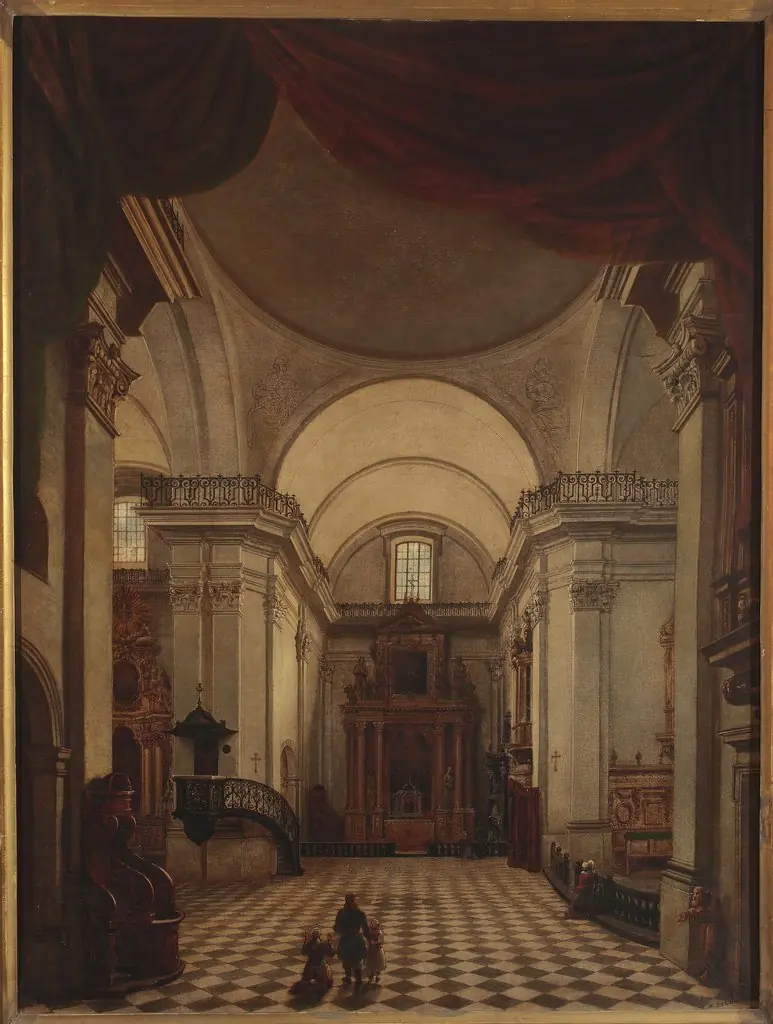 Interior of the Holy Cross Church in Warsaw
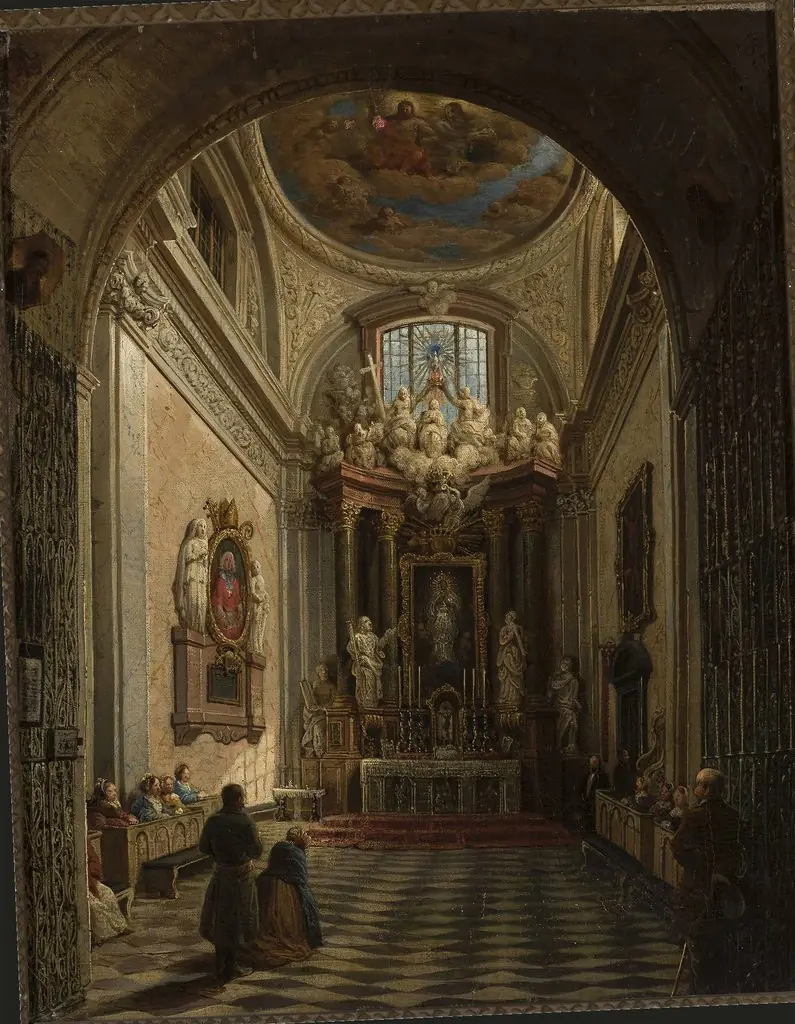 Literary Chapel in St. John’s Cathedral in Warsaw
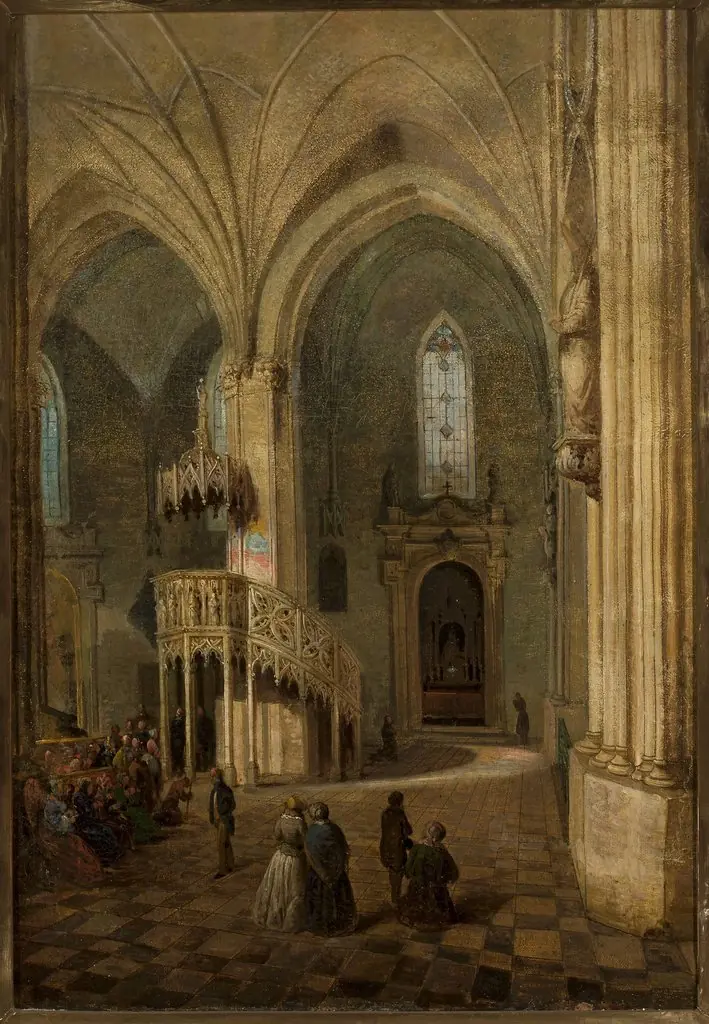 Interior of St. John’s Cathedral in Warsaw
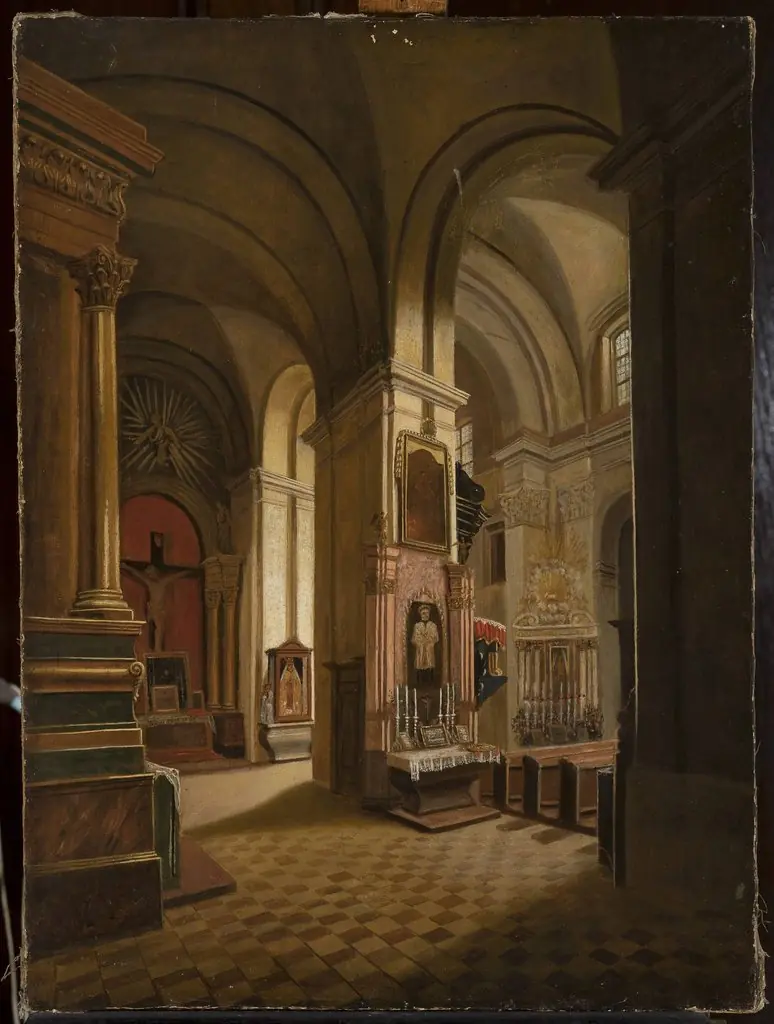 Church interior
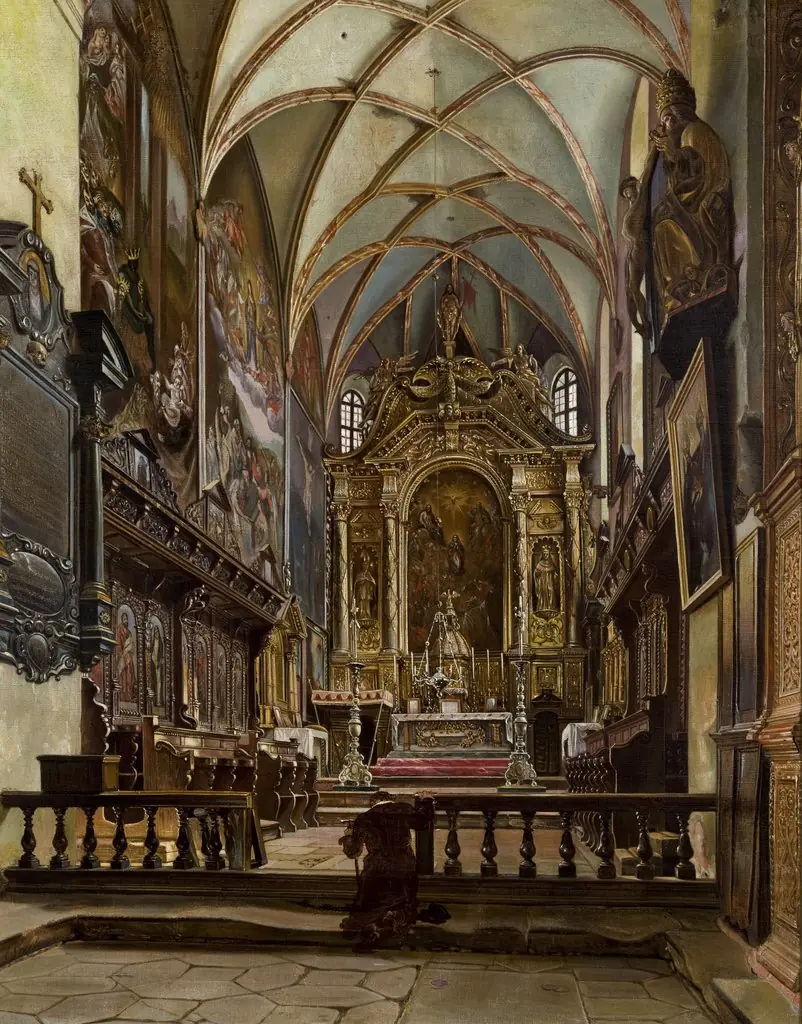 Interior of the Parish Church in Krosno
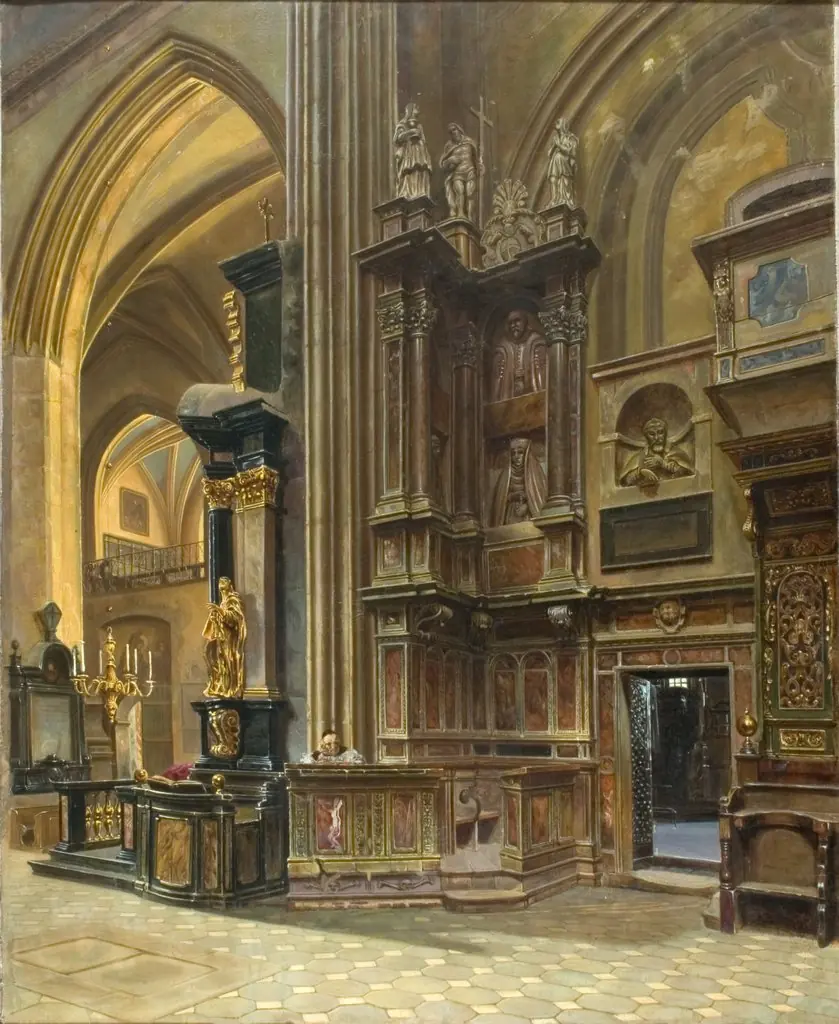 Interior of St Mary's Church in Krakow
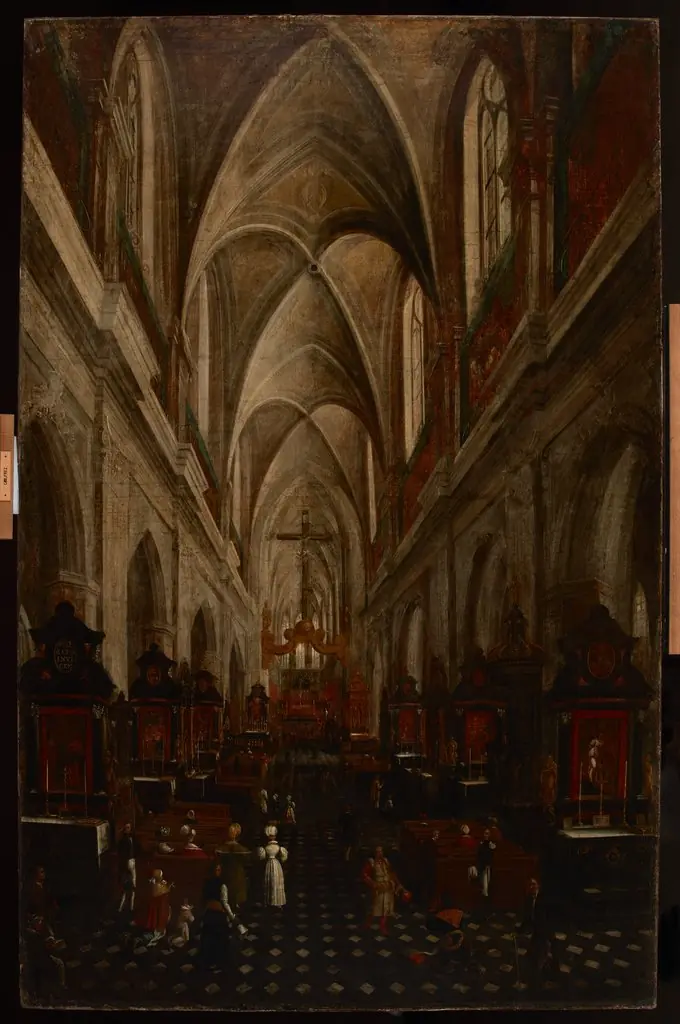 Interior of St Mary's Church in Krakow
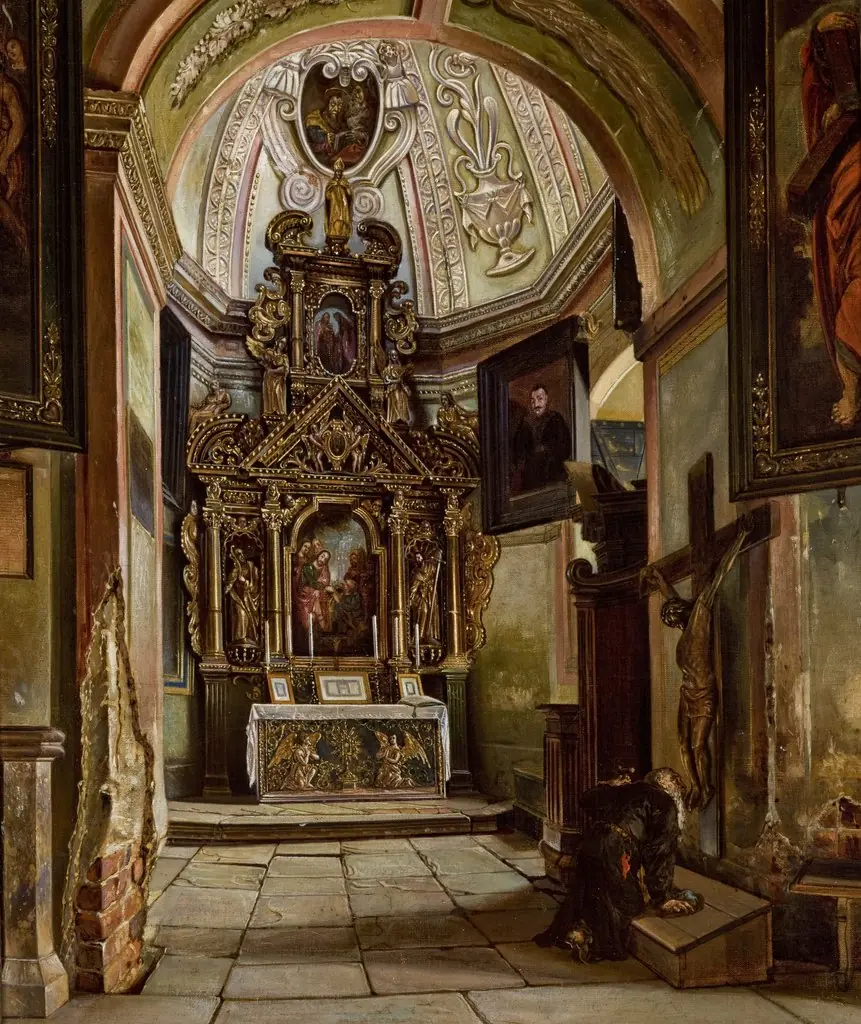 Interior of a Chapel at the Parish Church in Krosno
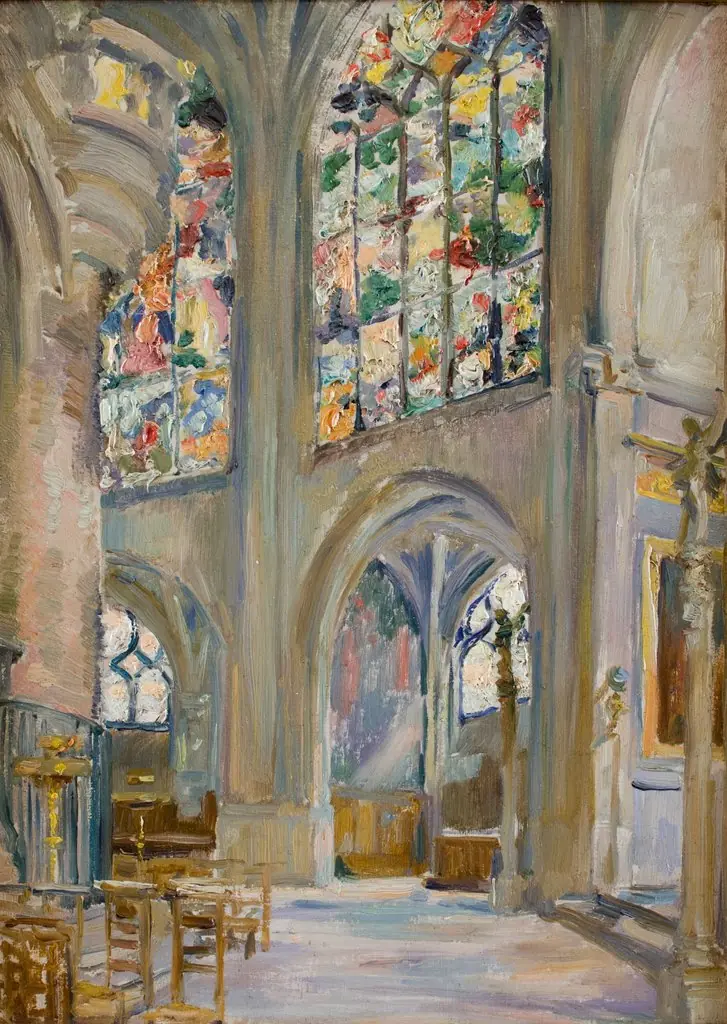 Interior of the Church of St. Étienne in Paris
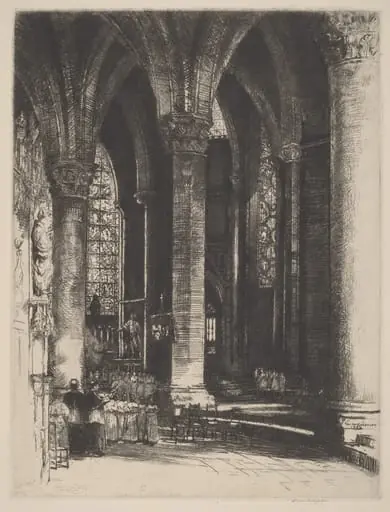 Interior of Chartres
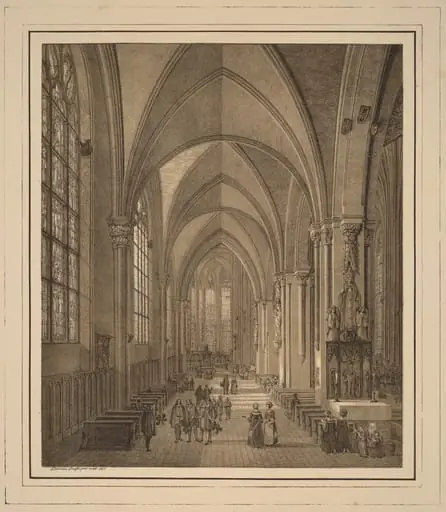 View of the Interior of the Church of St Sebald in Nuremberg
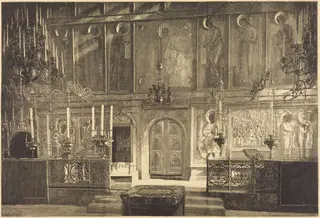 L'Inconestase de la Cathedrale de l'Assomption
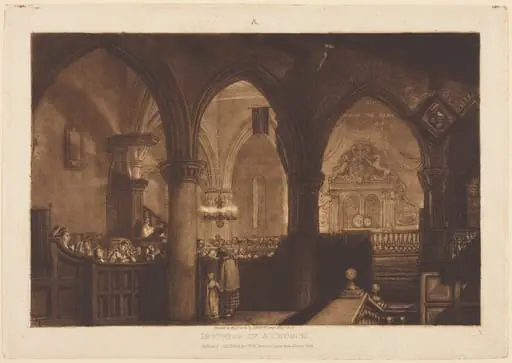 Interior of a Church
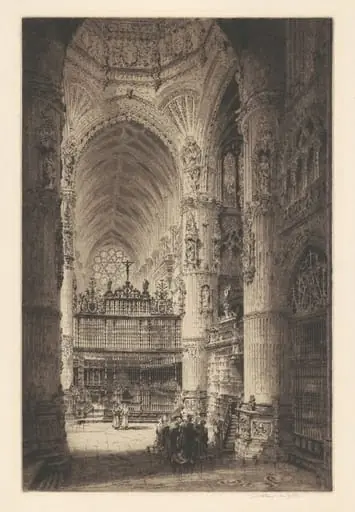 The Great Screen & Choir, Burgos
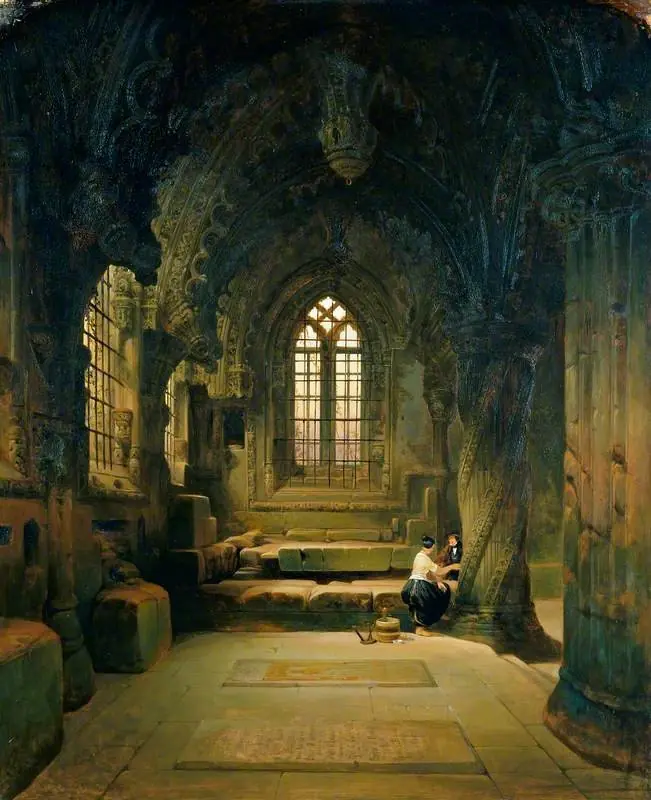 Entrance to the Crypt, Roslin Chapel
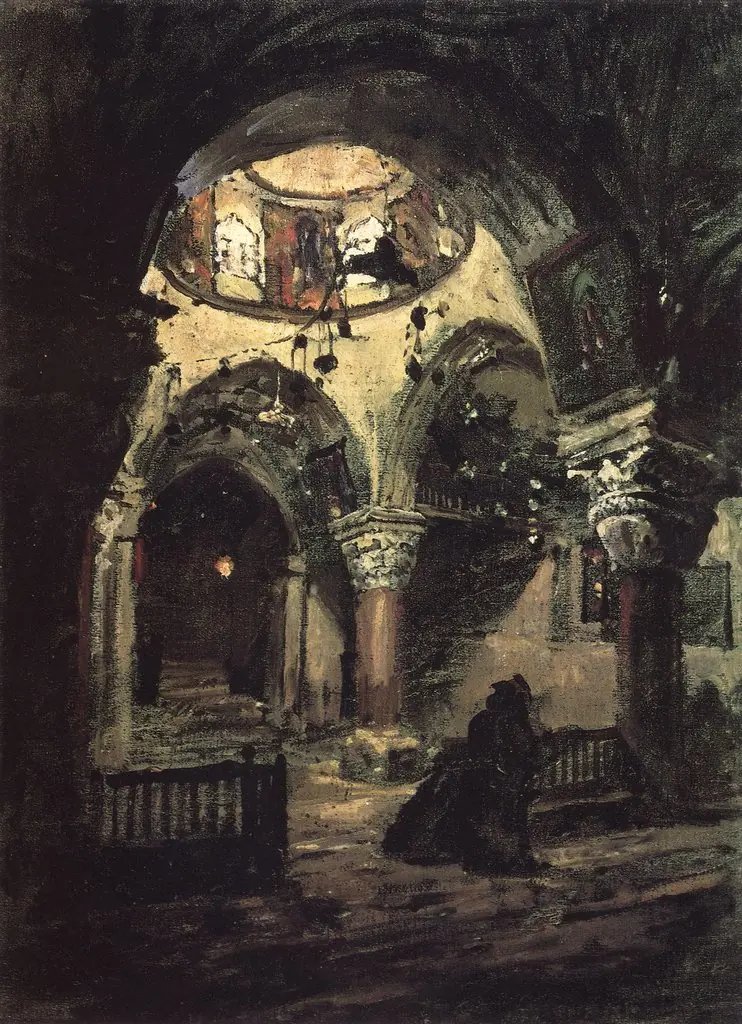 Elena Tumtikya uja
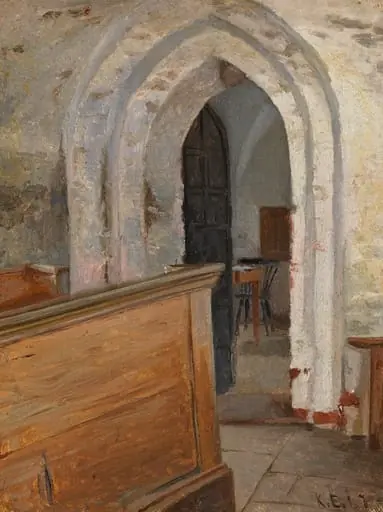 Sisäkuva Finströmin kirkosta, ovi sakaristoon
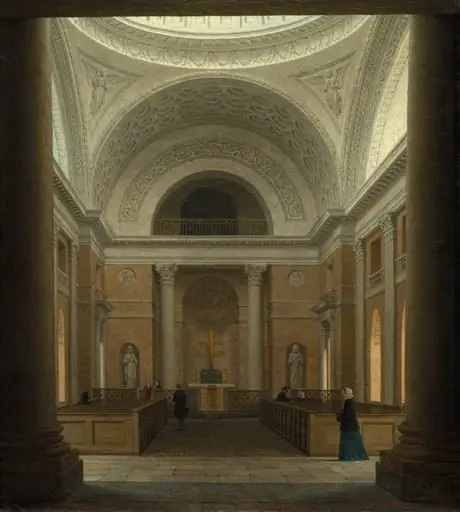 The Slotskirken of Christiansborg, Copenhagen
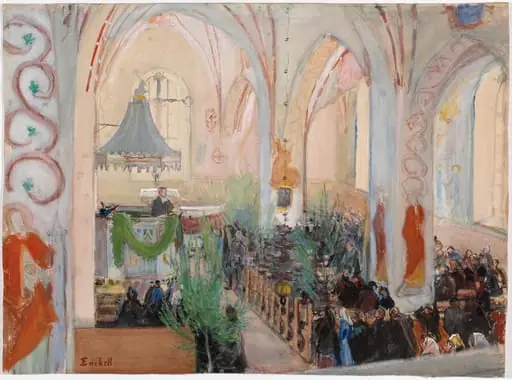 Juhannusjumalanpalvelus Lohjan kirkossa
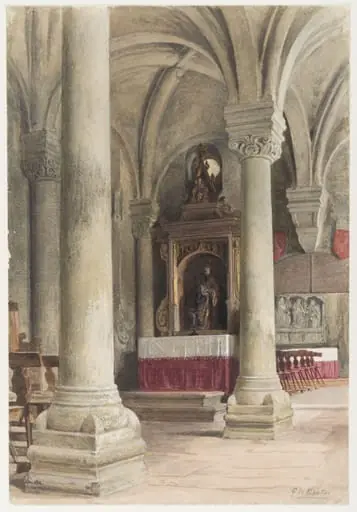 The Chapel of St Eucharius, Nuremberg
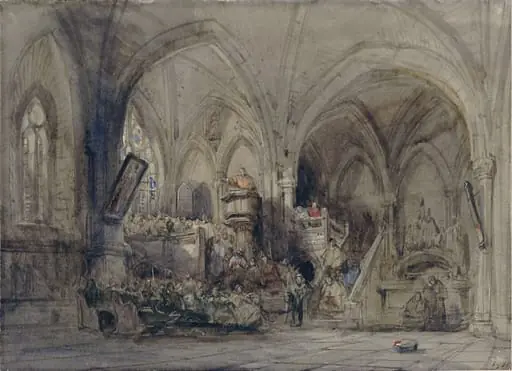 Interior of a church, Spain
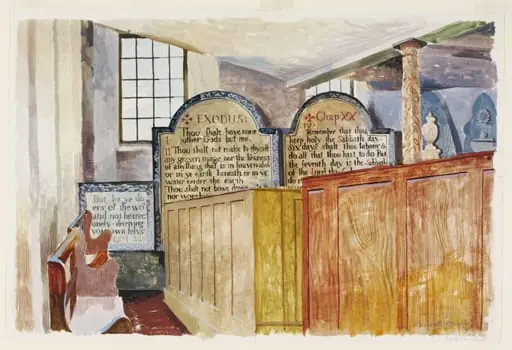 Pews in St Mary's Church, Whitby
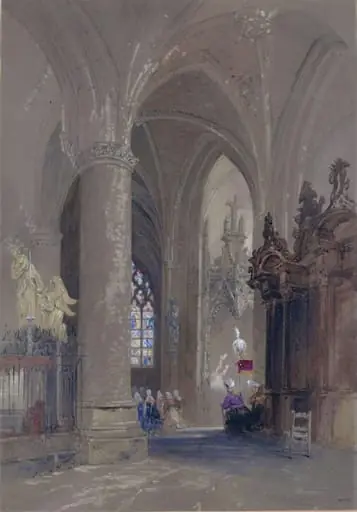 Caudebec on the Seine - Church Interior
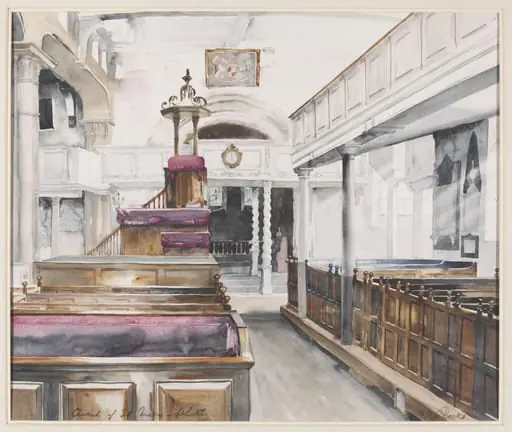 Interior of the Church of St. Mary, Whitby
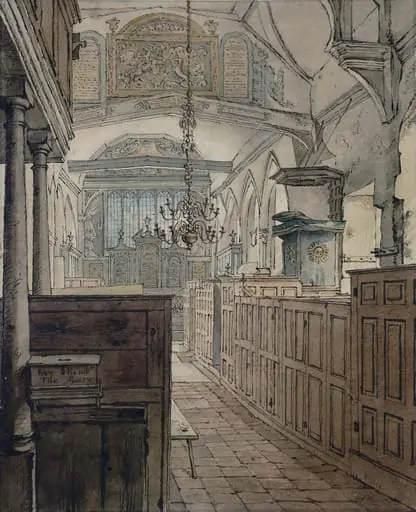 Interior of an old church
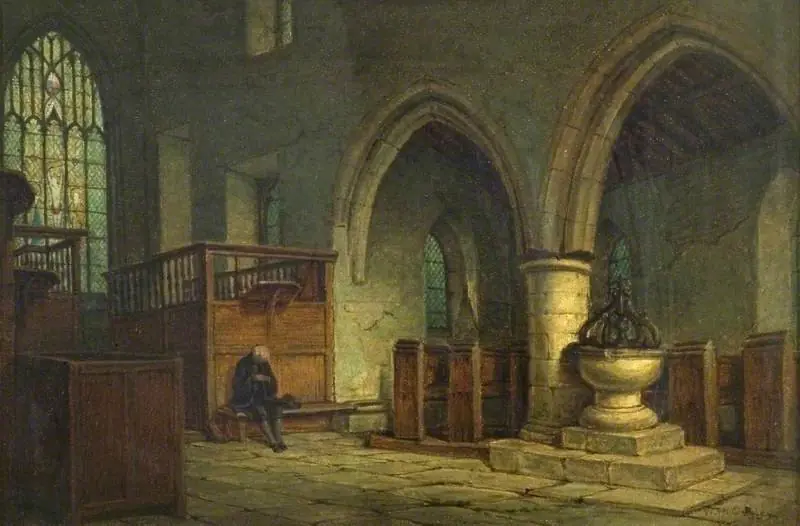 The Chapel, Haddon Hall, Derbyshire
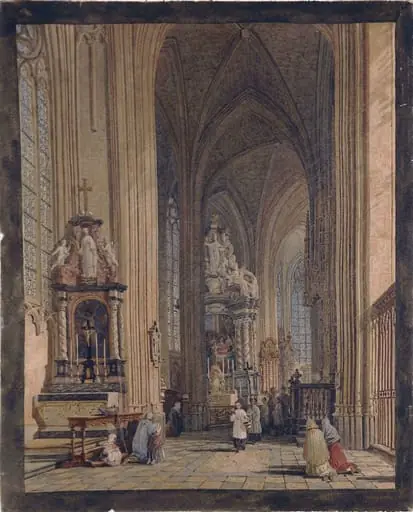 North Aisle of the Choir of the Collegiate Church of St. Peter at Louvain
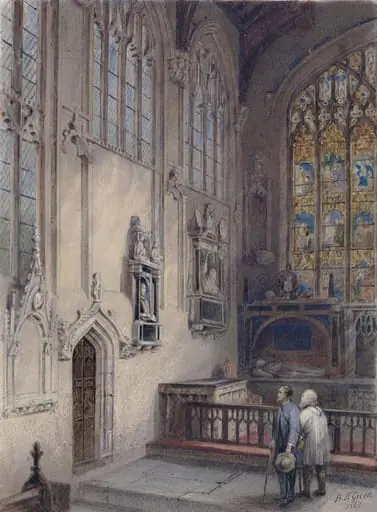 Interior of Stratford-on-Avon church, showing Shakespeare's Monument
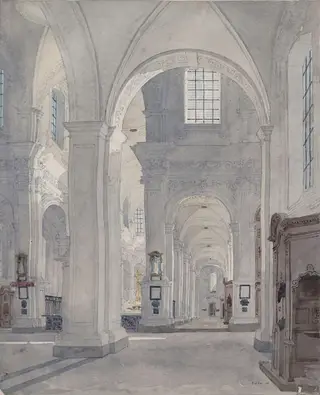 Interior of the cathedral of Cambrai, France
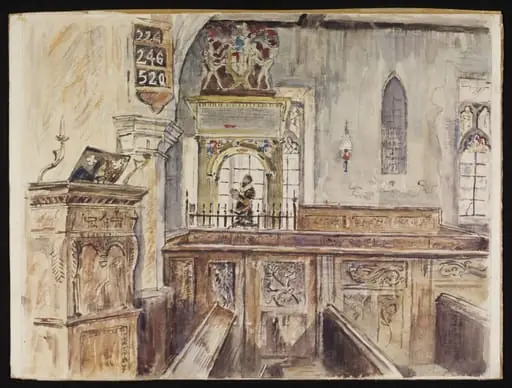 Monument and the Bolingbroke pews, St.Mary’s Church, Lydiard Tregoze
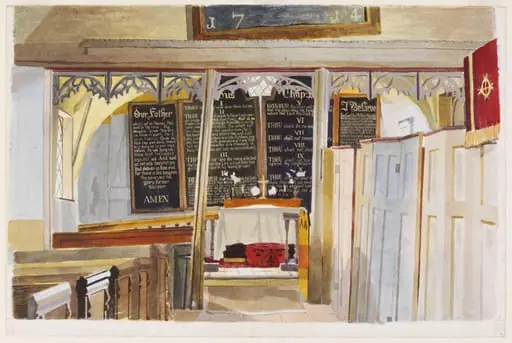 Interior, Black Chapel, North End, near Dunmow, Essex
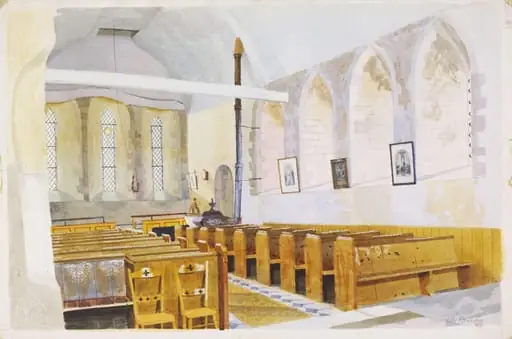 Interior of St. Mary's Church, Tilty
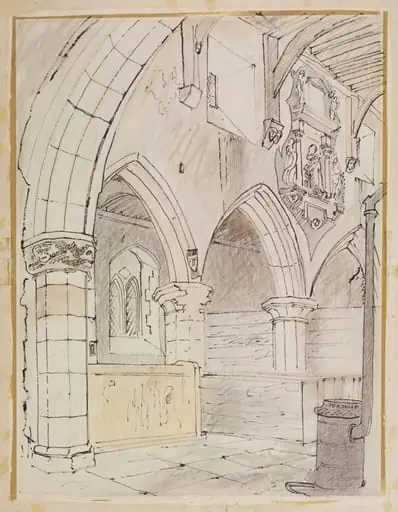 Interior of the Church of St. Denis, Faxton
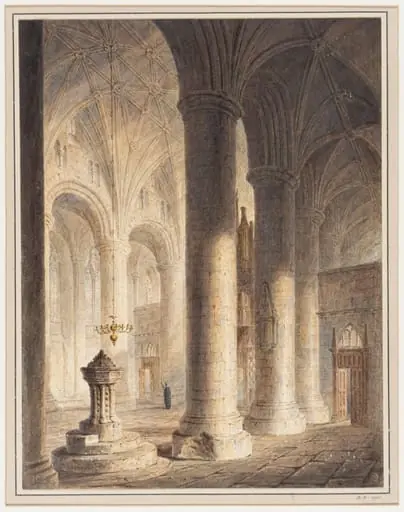 Tewkesbury Abbey
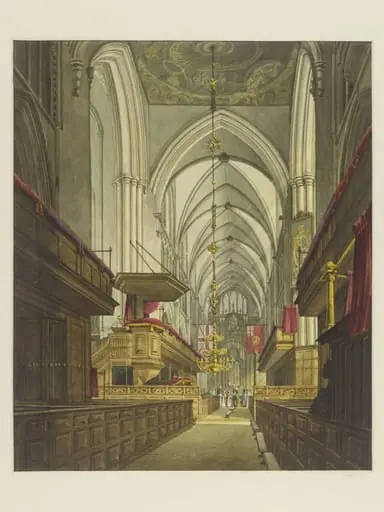 West view of the choir of St. Saviour, Southwark
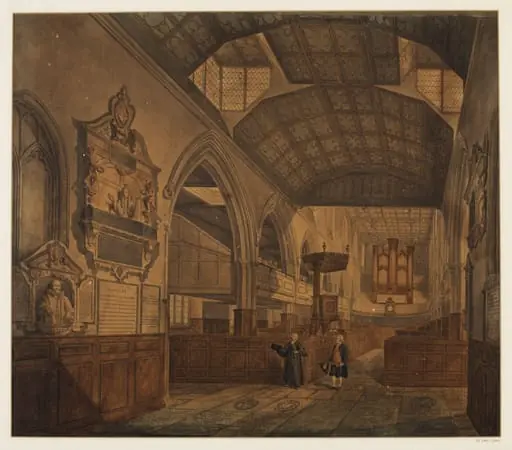 Interior view of the Church of St. Giles, Cripplegate
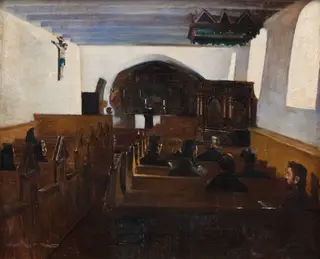 A church Service in the Island of Mors, Jutland
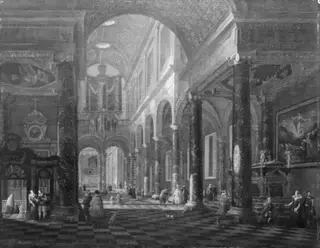 Interior of a Catholic Church
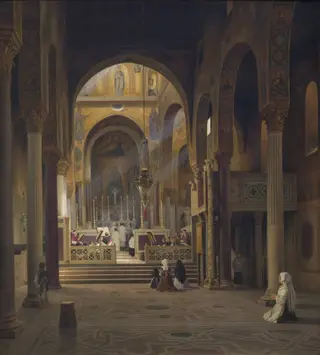 Interior of the Capella Palatina in Palermo, Italy
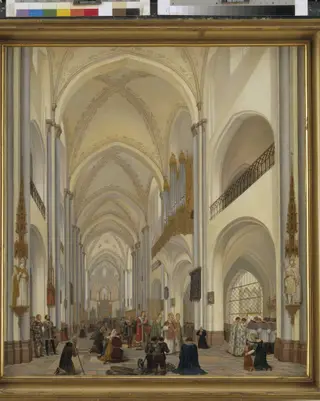 The Interior of Roskilde Cathedral
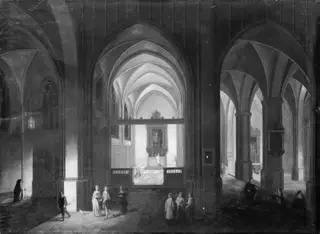 Interior of a Gothic Church by Night
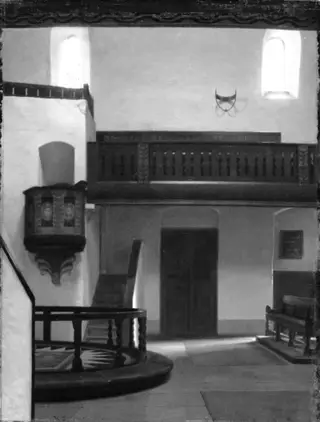 Interiør fra Immanuelskirken
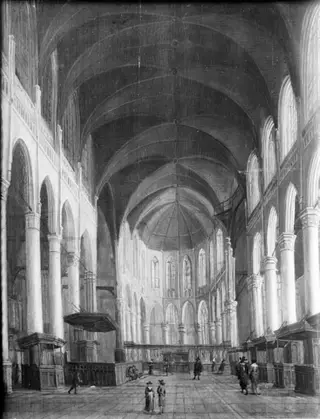 Interior of a Gothic Church
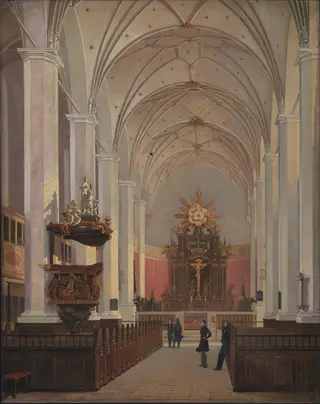 Det indre af Trinitatis Kirke
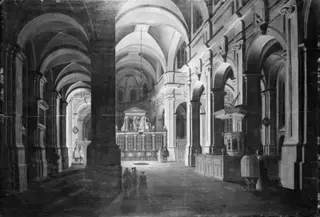 Interior of a Church
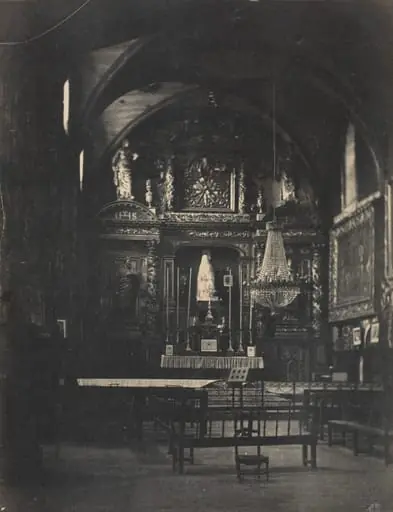 Church Interior
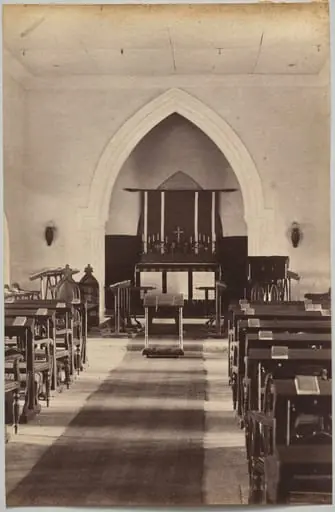 Interior of Church, Neemuch (recto, right)
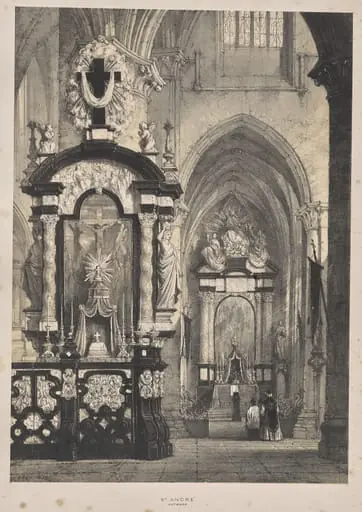 Architecture of the Middle Ages: St. Andre, Antwerp
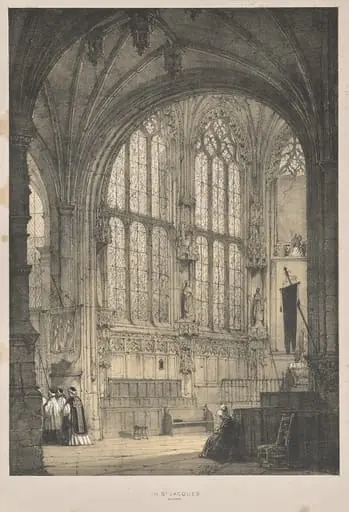 Architecture of the Middle Ages: In St. Jacques, Dieppe, East End, Interior
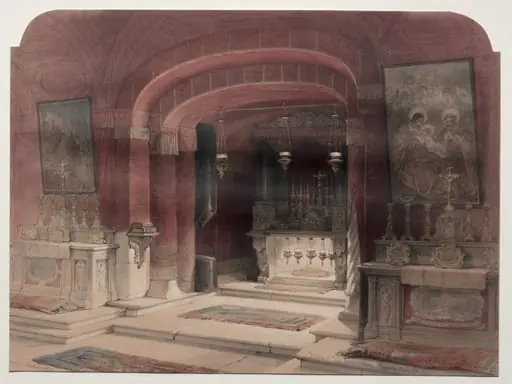 Shrine of the Annunciation, Nazareth
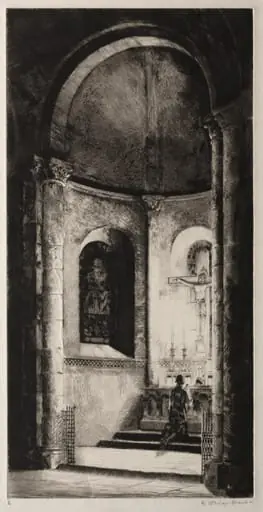 Crusader's Vigil
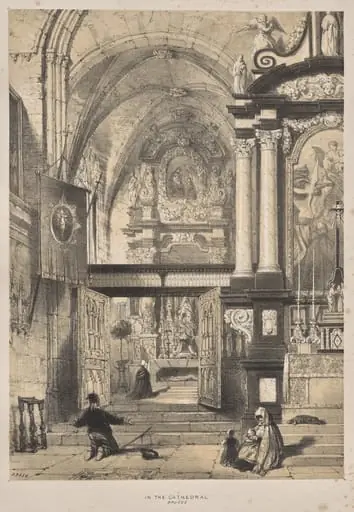 Architecture of the Middle Ages: In the Cathedral, Bruges
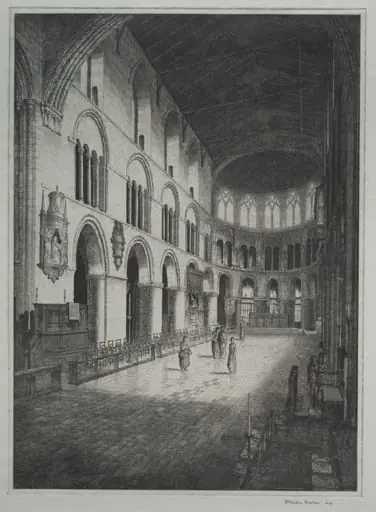 St. Bartholomew's Church, Interior
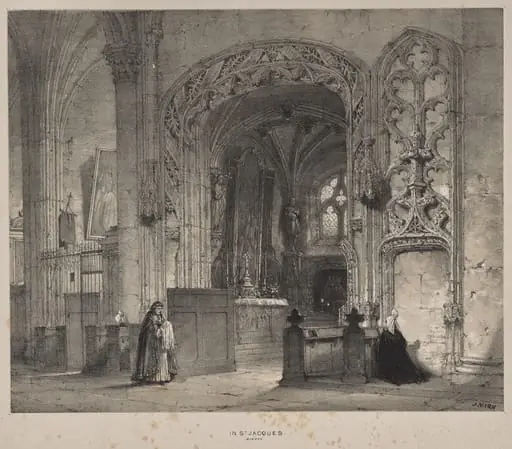 Architecture of the Middle Ages: Chapel in St. Jacques, Dieppe
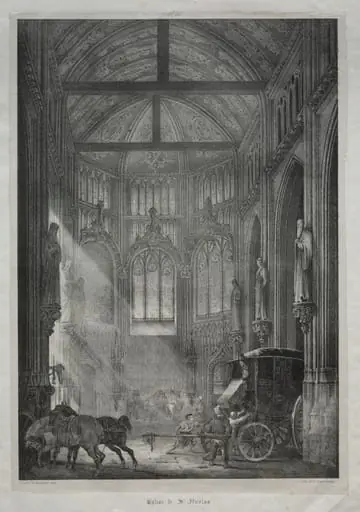 Church of St. Nicholas, Rouen
Frequently asked questions
What is Church Interior?
Church Interior is a subject in art. genre in painting
How many Church Interior works does Artifact World Gallery have?
Artifact World Gallery holds 116 public-domain Church Interior works, all free to view and download.
Who are the key Church Interior artists?
Key Church Interior artists in the collection include Edgar Degas, Joseph Mallord William Turner and John Singer Sargent.
Where can I see Church Interior works?
Church Interior works in the collection are held by Statens Museum for Kunst, Victoria and Albert Museum and Kunsthistorisches Museum.