Subject
Dancer
Dancer is a subject in art. The gallery holds 60 works in this subject in art, including works by Edgar Degas, Sesson Shūkei and Georges Seurat.
Dance is among the oldest subjects in visual art, appearing wherever humans have left images of themselves. Upper Paleolithic rock art at Bhimbetka in central India and the Levantine shelters of eastern Spain preserves rows of figures moving in coordinated formation, while Egyptian tomb painting from as early as 3000 BC shows female dancers and musicians performing at funerals, arms raised and fingers snapping. In ancient Greece, painted vases depict maenads—the ecstatic female followers of Dionysus—whirling to flute and drum, and in India the cosmic dance of Shiva Nataraja became a foundational image, its movement vocabulary codified in the Natya Shastra and carved as the 108 karanas at the temples of Chidambaram and Thanjavur. Across these traditions, dance was rendered because it was sacred, communal, and bound to ritual.
The enduring artistic problem is how to fix motion in a static medium. Painters and sculptors developed a shared vocabulary for the task: the figure arrested mid-step, raised or extended arms, swirling drapery that records a movement just completed, repeated poses that imply a sequence, and the closed ring of joined hands that suggests endless rotation. These conventions let a single frozen image stand in for continuous, rhythmic time.
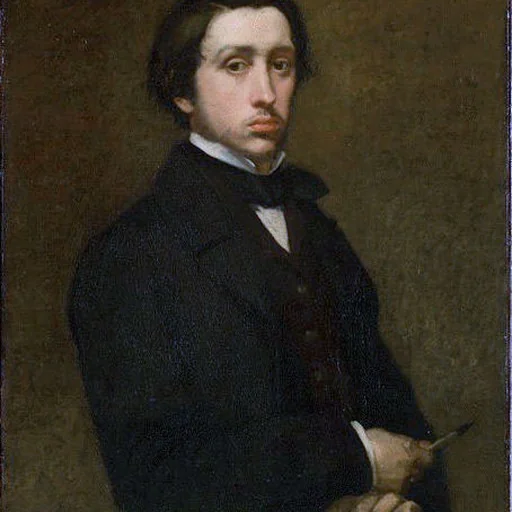
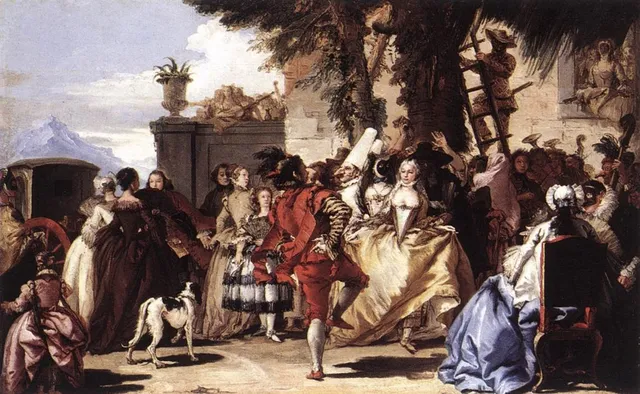
No artist is more identified with the theme than Edgar Degas, who from the 1870s made the Paris Opera ballet his central subject. Preferring rehearsal and the backstage foyer de la danse to polished performance, he painted dancers stretching, resting, and adjusting their slippers in works such as The Dance Class (1874, Metropolitan Museum of Art), and modeled the controversial wax Little Dancer of Fourteen Years (c. 1880), based on the student Marie van Goethem. His contemporaries Jean-Louis Forain and Henri de Toulouse-Lautrec pursued dancers as emblems of fin-de-siècle modernity, while earlier the genre flourished in Giovanni Domenico Tiepolo's rustic A Dance in the Country.
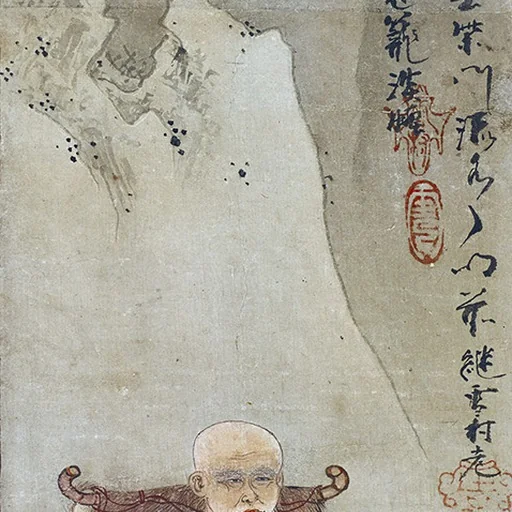
The motif carried directly into modernism. Henri Matisse distilled it to five vermilion figures in a ring in Dance (1910, commissioned by Sergei Shchukin, now in the Hermitage), a touchstone of modern painting, and the performances of Loïe Fuller helped shape Art Nouveau's flowing line. From Sesson Shūkei's ink sages to the Impressionist stage, the dancer remains art's great study of the body in expressive, transient motion.
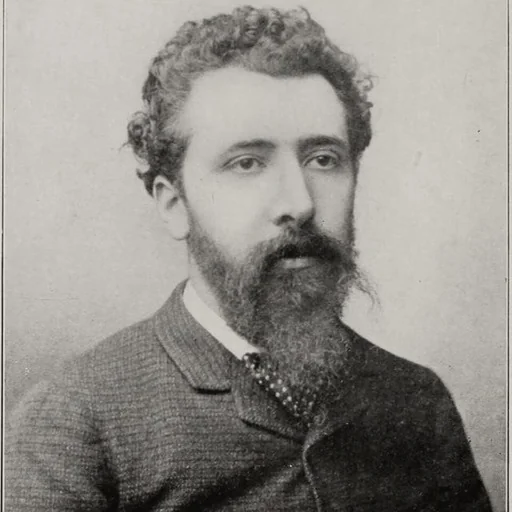
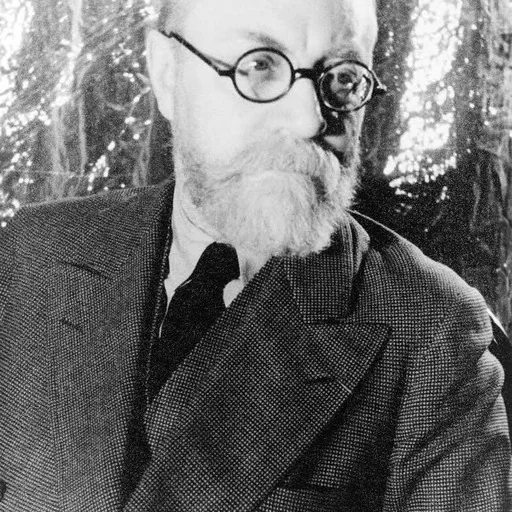
Key artists
Overview
The dancer is a recurring subject in art that depicts a person using body movement for expression, whether in improvised or choreographed sequences. Dance itself is an art form consisting of sequences of body movements with aesthetic and often symbolic value, typically performed with musical accompaniment. The motif appears in 104 works in the collection, spanning paintings, sculptures, and other media that capture dancers in contexts ranging from rehearsal and performance to social gathering and ritual. Artists have long been drawn to the challenge of representing motion in static form, making the dancer a vehicle for exploring human emotion, social dynamics, and cultural identity across civilizations.
Iconography & meaning
The iconography of the dancer carries layered meanings that shift according to context. In religious and mystical traditions, dance signifies spiritual ecstasy and divine connection, as seen in depictions of whirling dervishes performing the sama or the Raslila showing Krishna dancing with Radha and the gopis. Social and ceremonial functions appear in wedding dances, maypole celebrations, and folk gatherings that reinforce community bonds. Theatrical dance, including ballet, conveys narrative and virtuosity, while participatory dance emphasizes common purpose rather than spectacle. Attributes such as specific costumes, musical instruments, and settings signal whether the dance is sacred or secular, professional or amateur, solitary or communal. The dancer can symbolize freedom and joy but also, under certain historical lenses, moral ambiguity, as early Christian tradition sometimes associated dance with debauchery.
In the collection
Within this collection, the dancer appears across a diverse range of works and media. Notable examples include The Dancing Class and The Dance Class by Edgar Degas, A Dance in the Country, the portrait Carmencita, and Dance in a Subterranean Roundhouse at Clear Lake, California. The collection also encompasses East Asian works such as Seven Sages of the Bamboo Grove by the Japanese painter Sesshu Toyo and the Taima Mandala, demonstrating how dance motifs extend across cultural boundaries. A cherry wood sculpture titled Dancer by Elie Nadelman, dating from approximately 1920-22, represents three-dimensional treatment of the subject. The works vary in setting from European ballet studios and Parisian dance halls to indigenous American ceremonial spaces and East Asian religious imagery, reflecting the universal yet culturally specific nature of dance as an artistic subject.
Across movements & periods
The treatment of the dancer has evolved considerably across movements and periods. Prehistoric cave paintings in India and Germany, dating back 10,000 to 14,000 years, establish dance as among humanity earliest artistic subjects. Ancient Greek and Roman art treated dance variously as cultural symbol and pantomime, while medieval Christianity oscillated between liturgical acceptance and condemnation. The Renaissance and Baroque periods saw dance codified as an aristocratic art, culminating in the establishment of the Academie Royale de Danse in Paris in 1661. Impressionists such as Pierre-Auguste Renoir captured social dance in contemporary Parisian life, while Edgar Degas made ballet dancers his signature subject across more than half his output. Post-Impressionist and Fauvist artists including Henri de Toulouse-Lautrec, Raoul Dufy, and Henri Matisse employed heightened color and simplified form to convey dance's emotional and rhythmic qualities. Modern and contemporary artists from Auguste Rodin to Keith Haring have continued to reinterpret the dancer, with Haring's 1987 Untitled (Dance) using bold lines and primary colors to evoke movement and community. Pop artist Roy Lichtenstein notably referenced Matisse's Dance in his 1974 Artist's Studio "The Dance," demonstrating how earlier treatments of the motif become subjects in their own right.
Notable depictions
Several depictions of dancers have achieved particular canonical status. Edgar Degas's The Ballet Class (1871-1874), originally commissioned by opera singer Jean-Baptiste Faure, became one of the most famous dance paintings in history. Henri Matisse's Dance (I) (1909) and its related composition Dance (II) (1910), created for a Russian collector, are celebrated for their dreamlike quality and luminous color. Pierre-Auguste Renoir's Bal du moulin de la Galette (1876), now at the Musee d'Orsay, captures Parisian social dance with Impressionist immediacy. John Singer Sargent's El Jaleo (1882) depicts a Romani dancer with dramatic lighting that emphasizes the theatricality of Spanish dance. William Blake's 1786 watercolor Oberon, Titania and Puck with Fairies Dancing illustrates the final scene of Shakespeare's A Midsummer Night's Dream and influenced later ballet adaptations. Pieter Bruegel the Elder's The Wedding Dance (1566), held at the Detroit Institute of Arts, offers a detailed, vigorously colored glimpse of rural Dutch celebration. In sculpture, Auguste Rodin's engagement with dance extended across his career, while Elie Nadelman's cherry wood Dancer (c. 1920-22) at The Jewish Museum merges classical form with American folk art and vaudeville culture.
Legacy
The dancer as an artistic subject maintains continuous relevance through its capacity to embody both specific cultural moments and universal human experience. The motif has inspired not only visual artists but choreographers, with works like Blake's fairy painting informing George Balanchine's 1962 ballet of A Midsummer Night's Dream. Dance preservation institutions such as Dance Collection Danse in Canada, active for nearly four decades, document and celebrate this heritage. Contemporary dance works since 2000, including Kyle Abraham's Pavement (2012) and Crystal Pite's Betroffenheit (2015), demonstrate how the form continues to address pressing social issues. The dancer in art also serves as a barometer of changing attitudes toward the body, gender, and class, from the idealized figures of antiquity to Degas's unvarnished backstage realism and Haring's democratic, accessible figures. The enduring presence of dance in art collections, popular culture, and academic study confirms its role as what one scholar called an overpowering climax of luminosity, a subject that renews itself with each generation's attempt to capture motion, emotion, and meaning in visual form.
Works
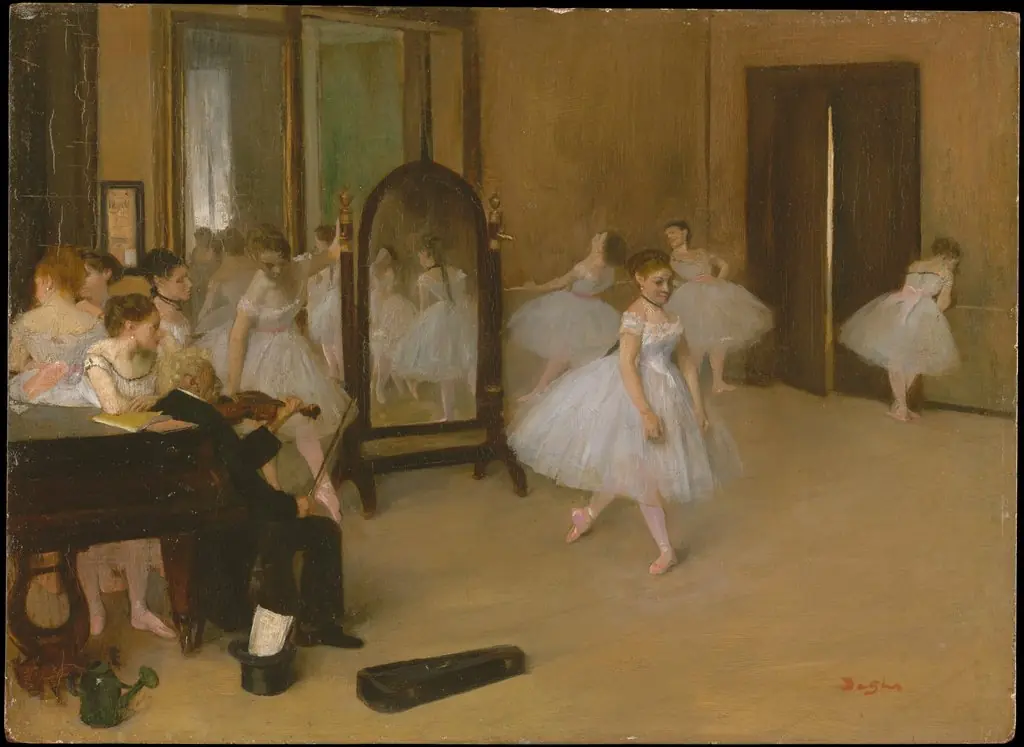 The Dancing Class
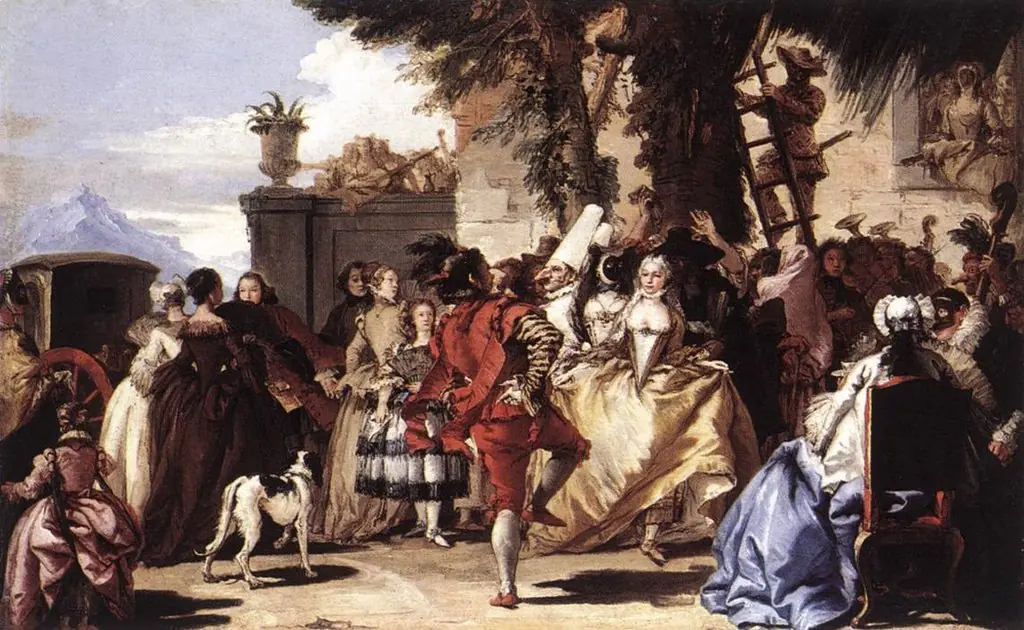 A Dance in the Country
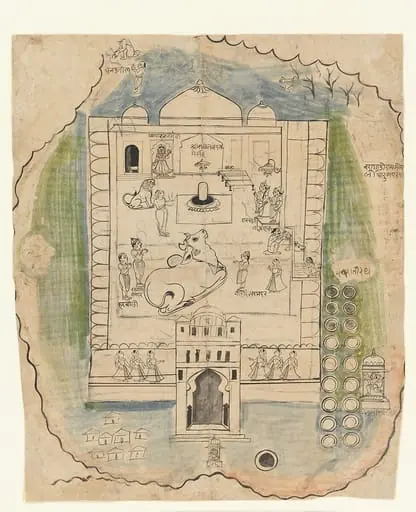 Untitled
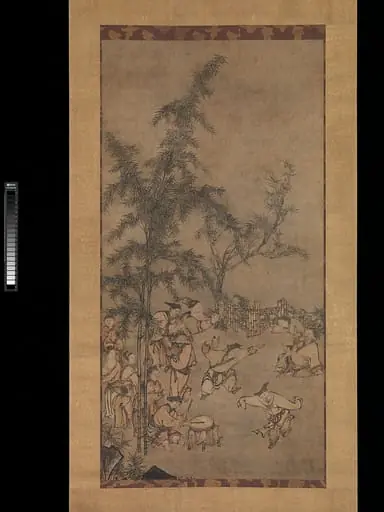 雪村周継筆 竹林七聖図|Seven Sages of the Bamboo Grove
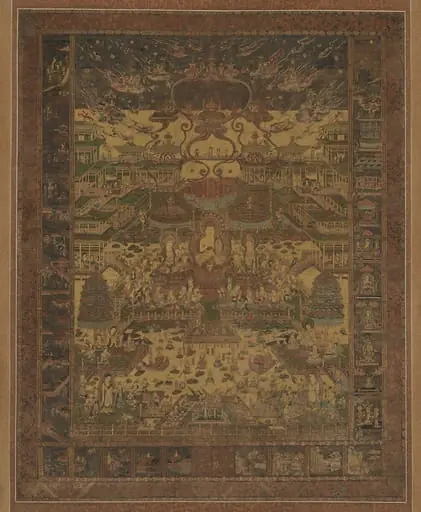 当麻曼荼羅図|Taima Mandala
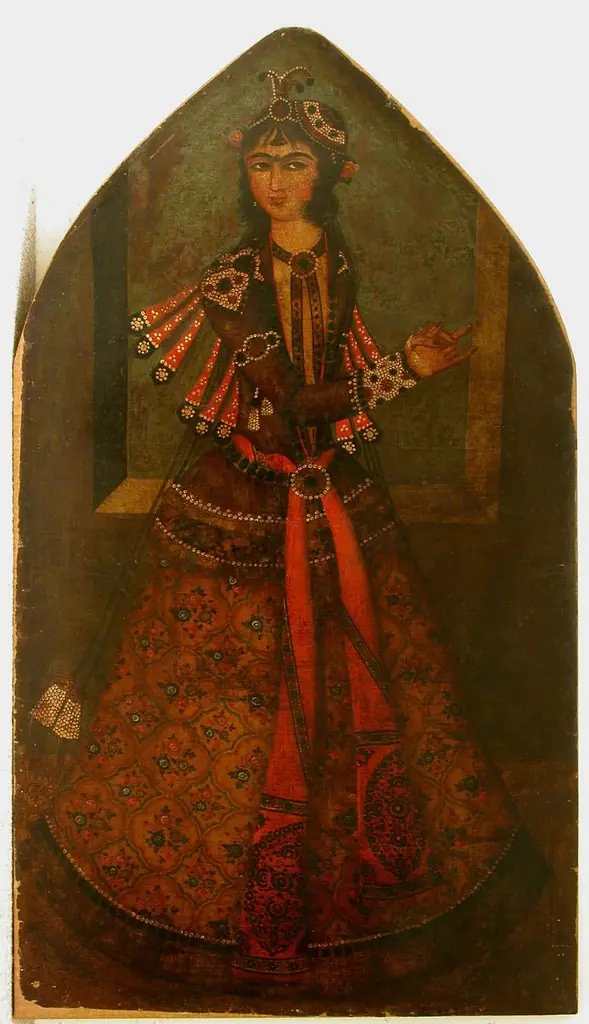 Painting of a Dancer
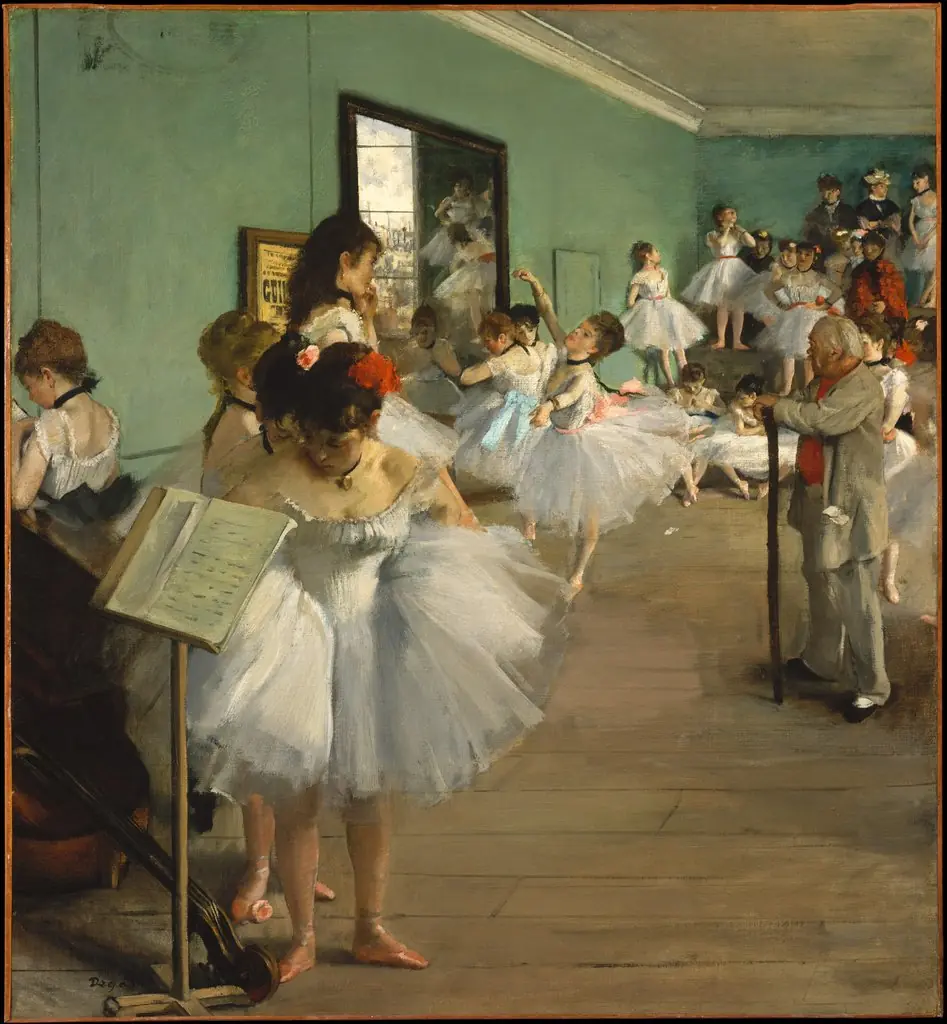 The Dance Class
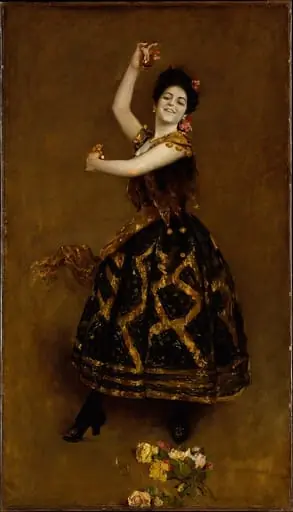 Carmencita
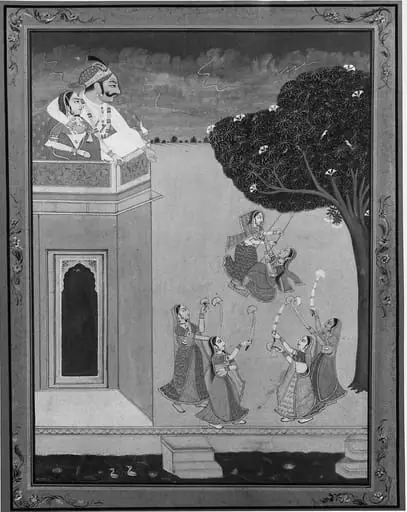 Untitled
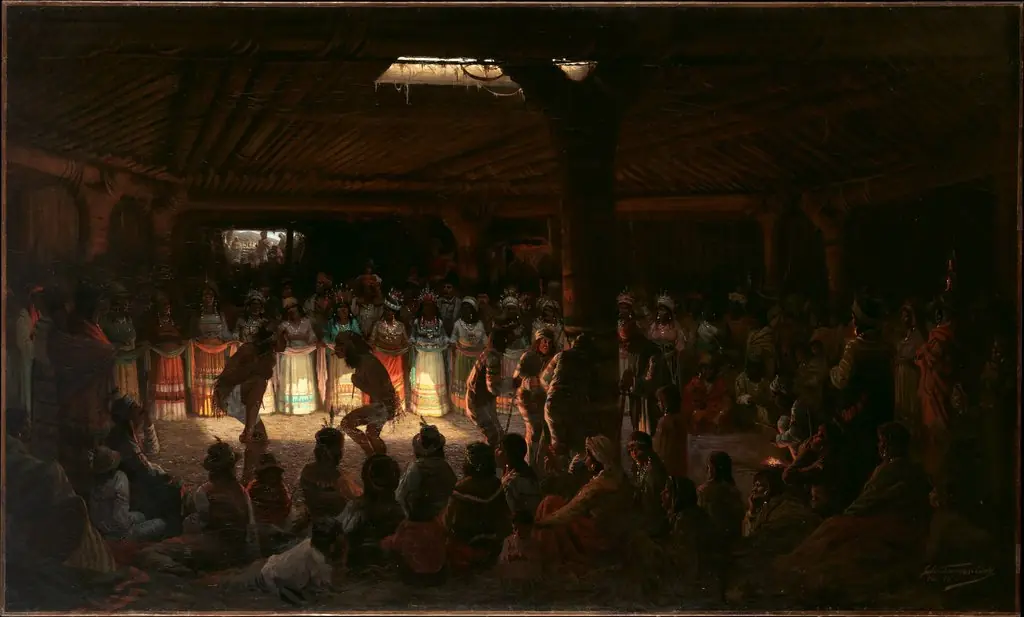 Dance in a Subterranean Roundhouse at Clear Lake, California
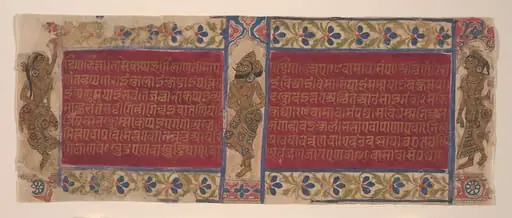 Untitled
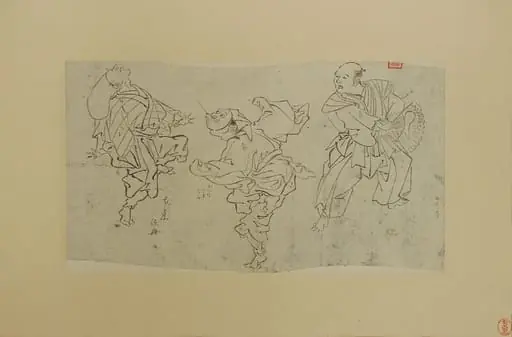 Untitled
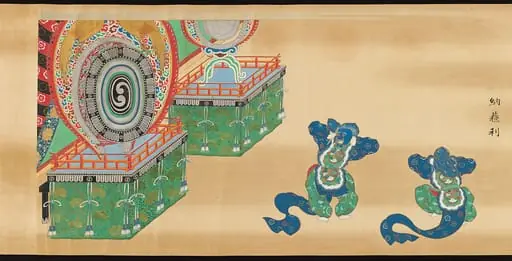 Untitled
 聖徳太子絵伝図|Illustrated Biography of Prince Shōtoku (Shōtoku Taishi e-den)
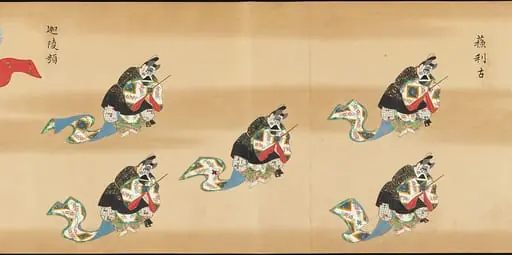 舞楽図巻|Bugaku Imperial Court Dance
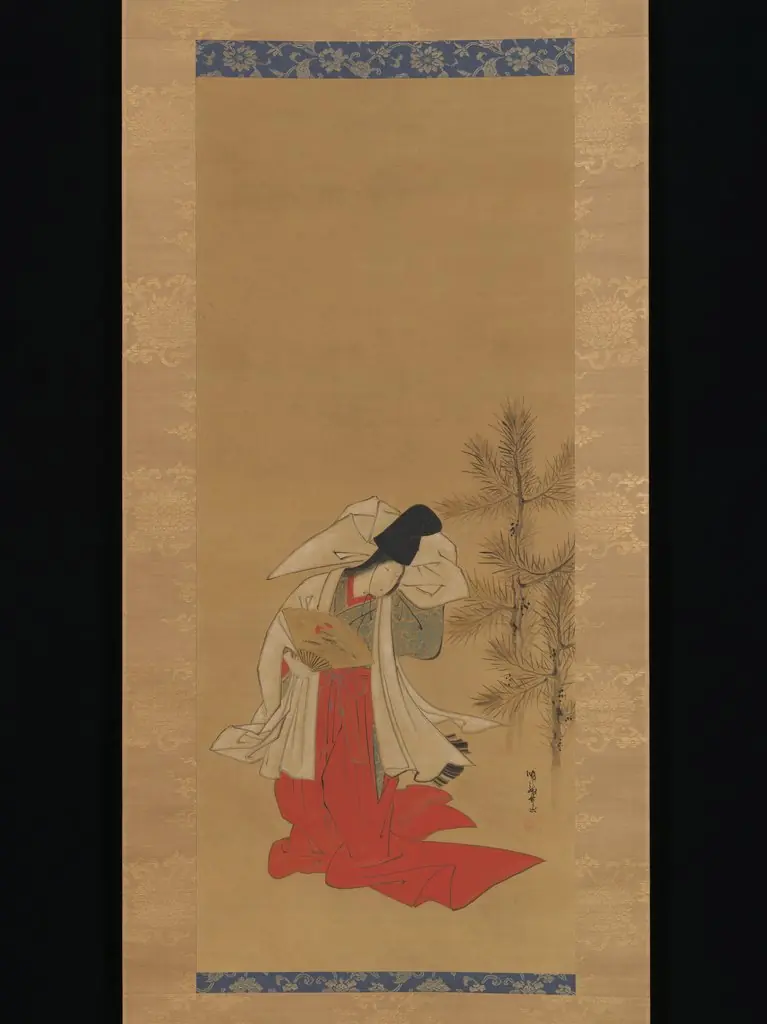 Courtesan-Dancer (Shirabyōshi) for the New Year
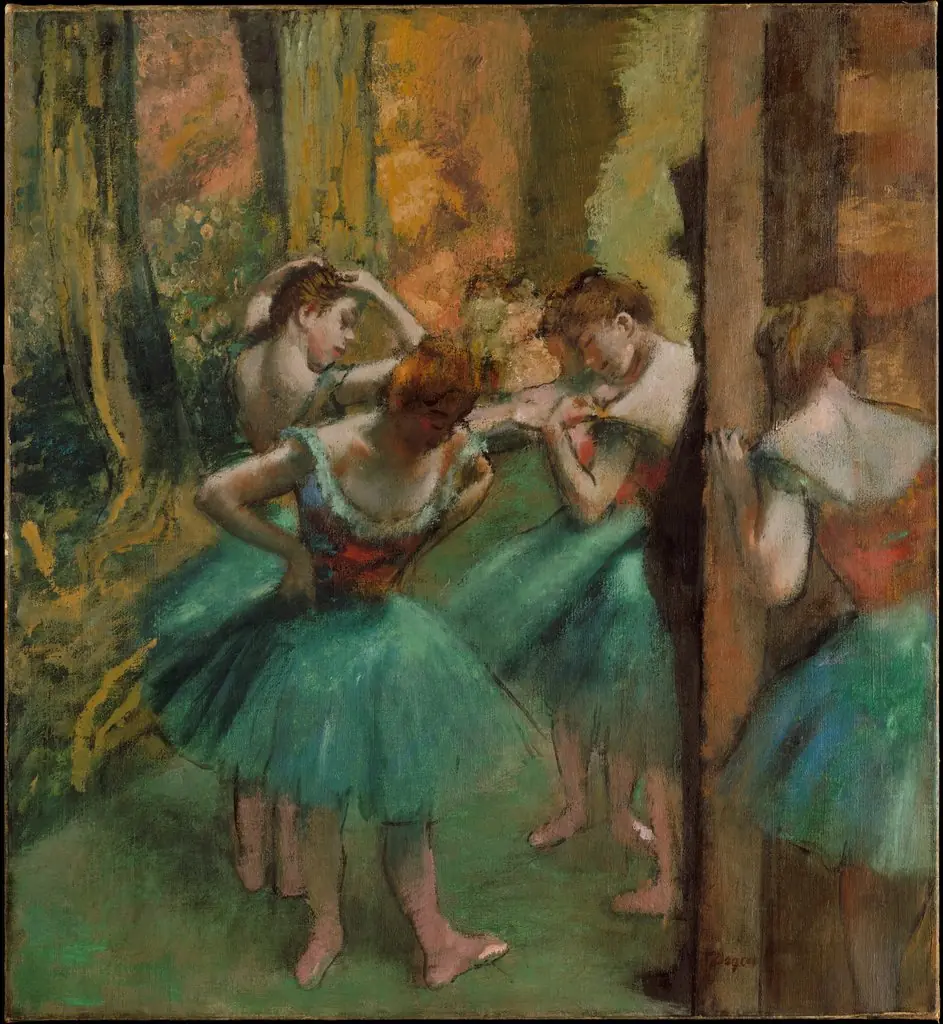 Dancers, Pink and Green
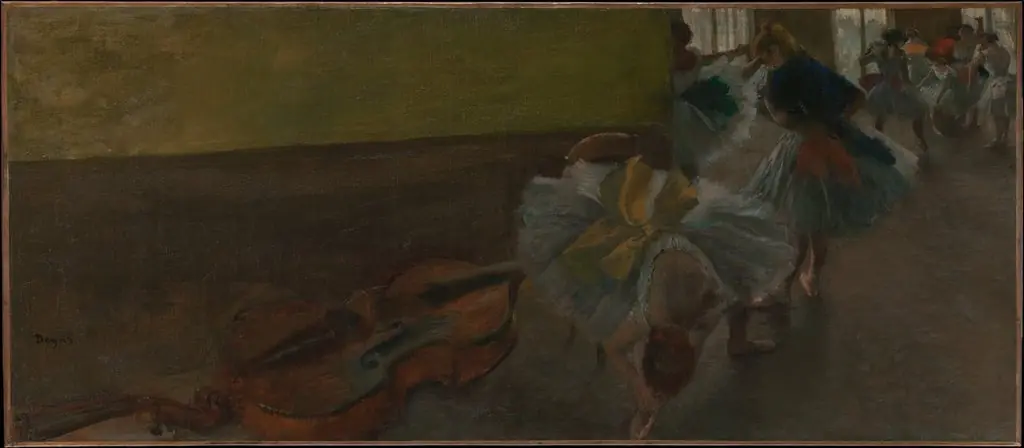 Dancers in the Rehearsal Room with a Double Bass
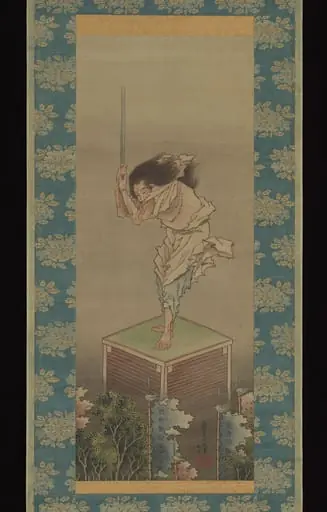 Untitled
 Athlete and Dancer
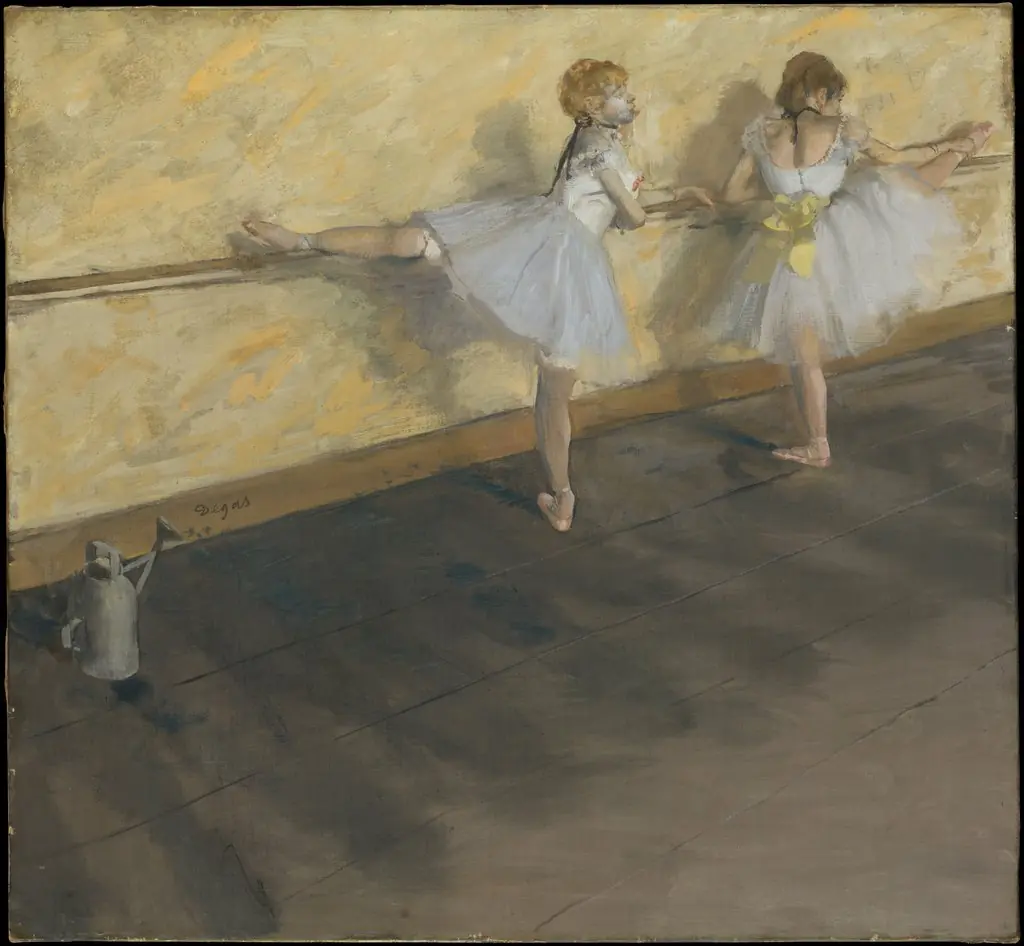 Dancers Practicing at the Barre
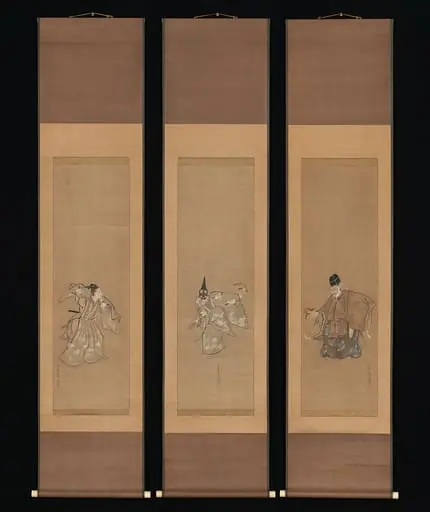 鳥山石燕筆 「翁」図|The Auspicious Noh Dance "Okina"
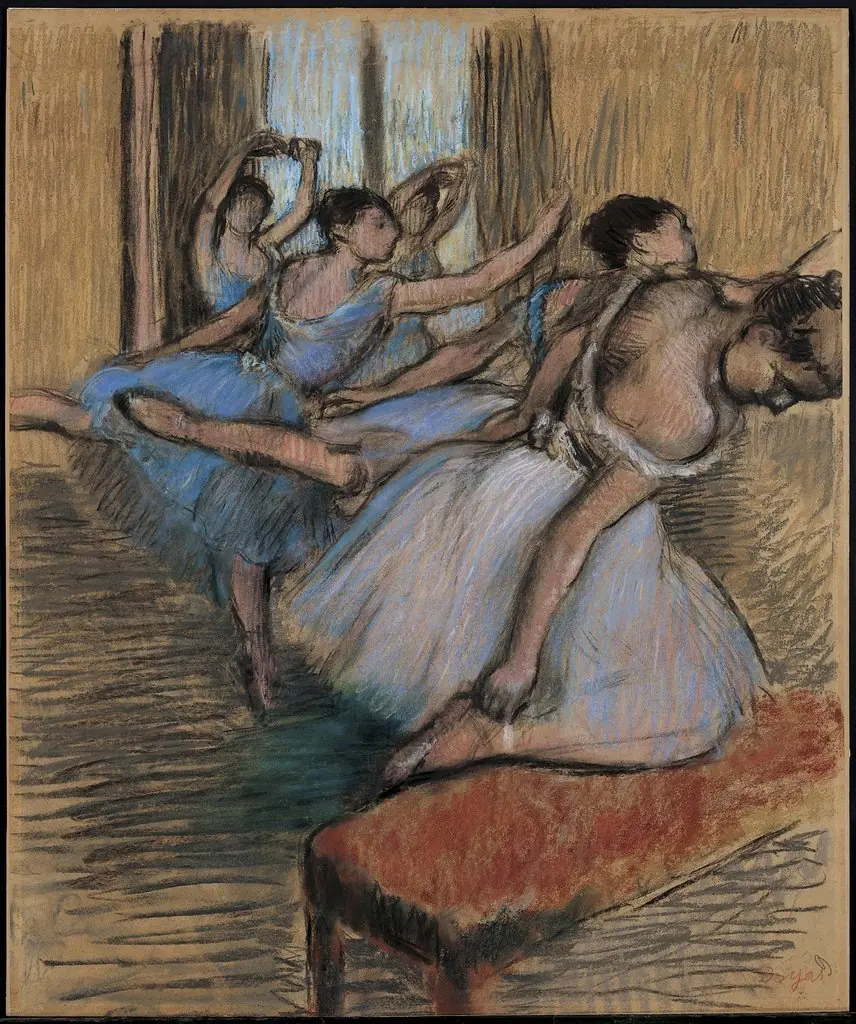 The Dancers
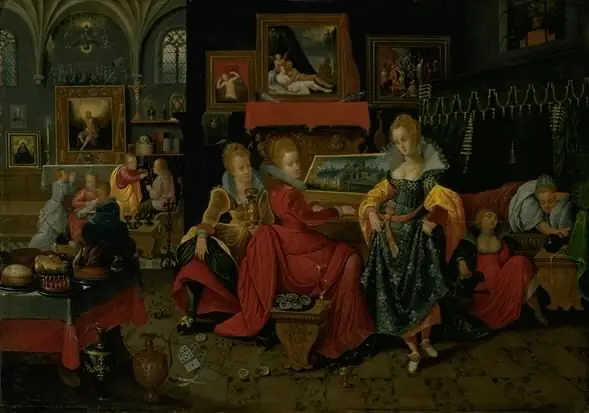 The Parable of the Wise and the Foolish Virgins
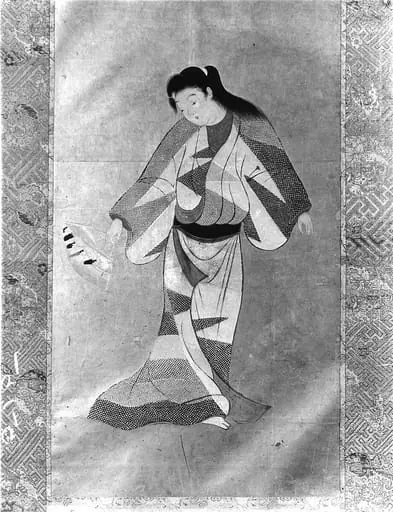 Untitled
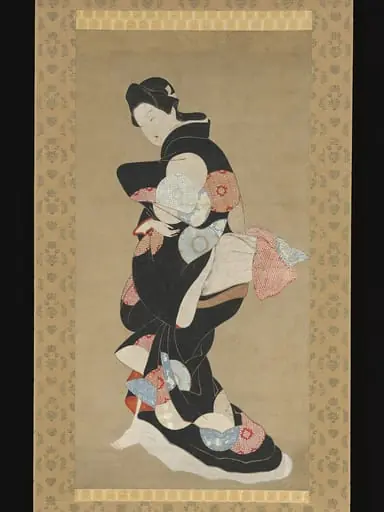 Untitled
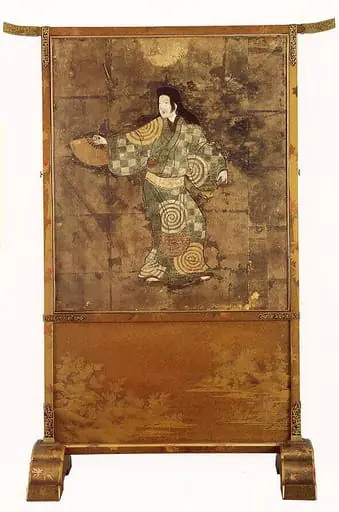 舞姫図・紅葉蒔絵衝立|Freestanding Screen with Dancer
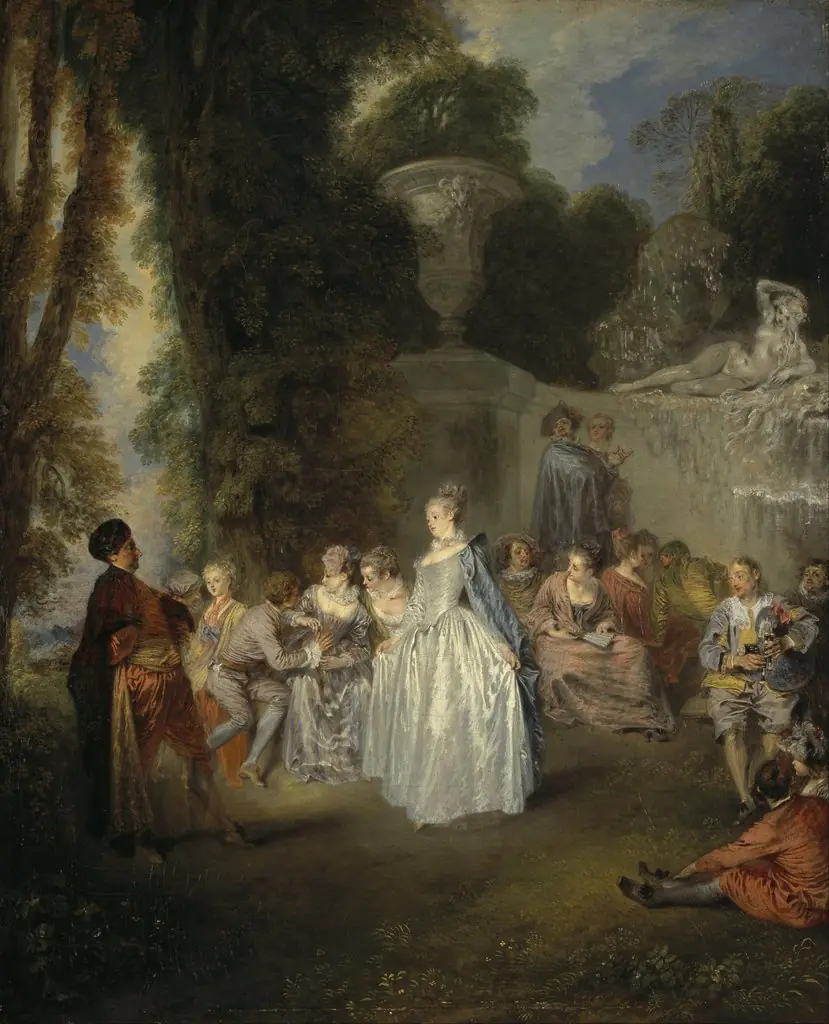 Fêtes Vénitiennes
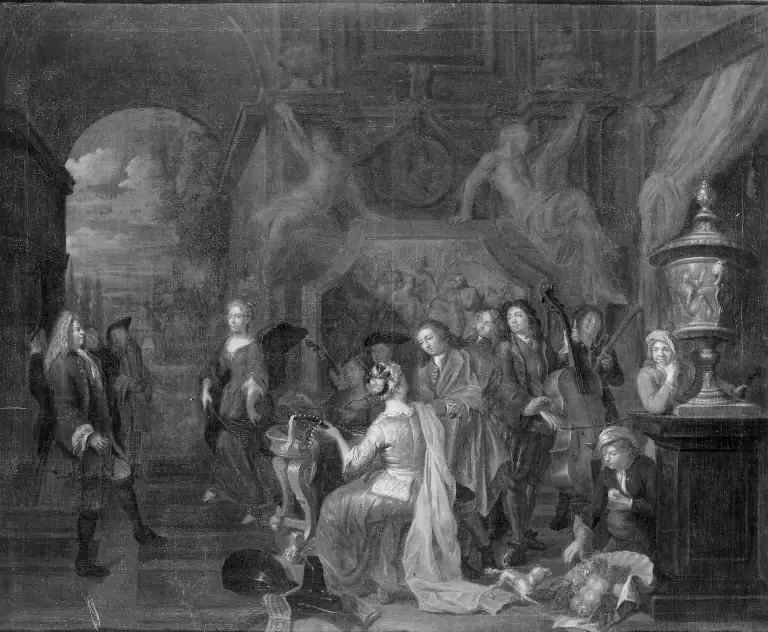 Company Making Music and Dancing on a Terrace
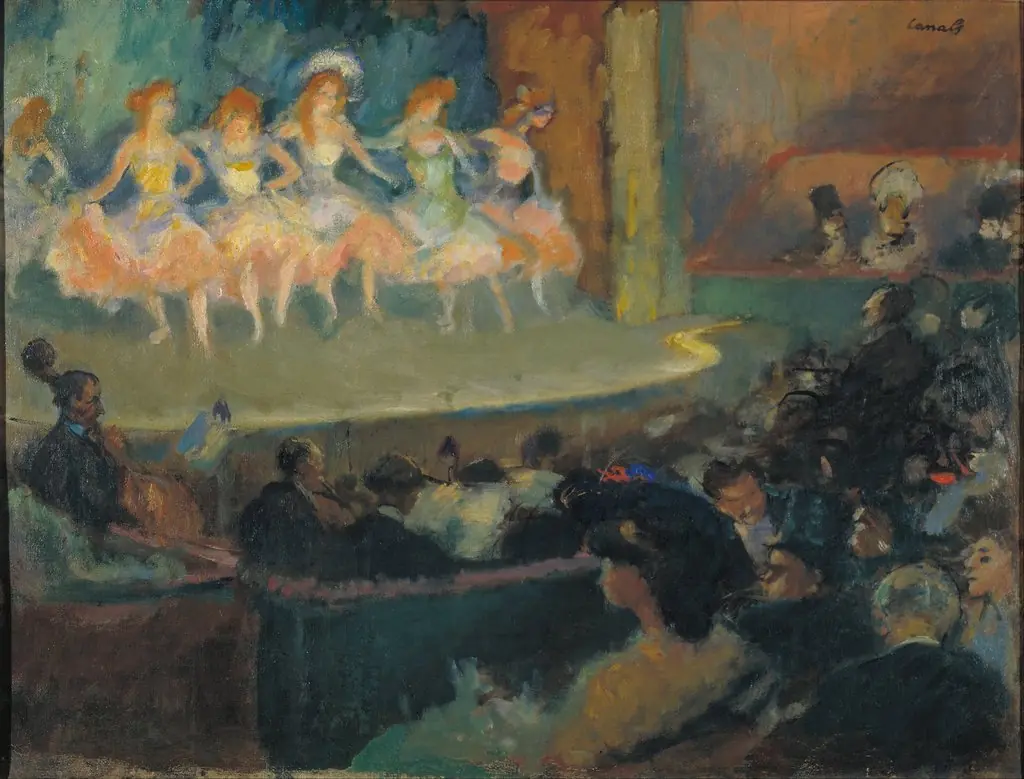 Café Concert
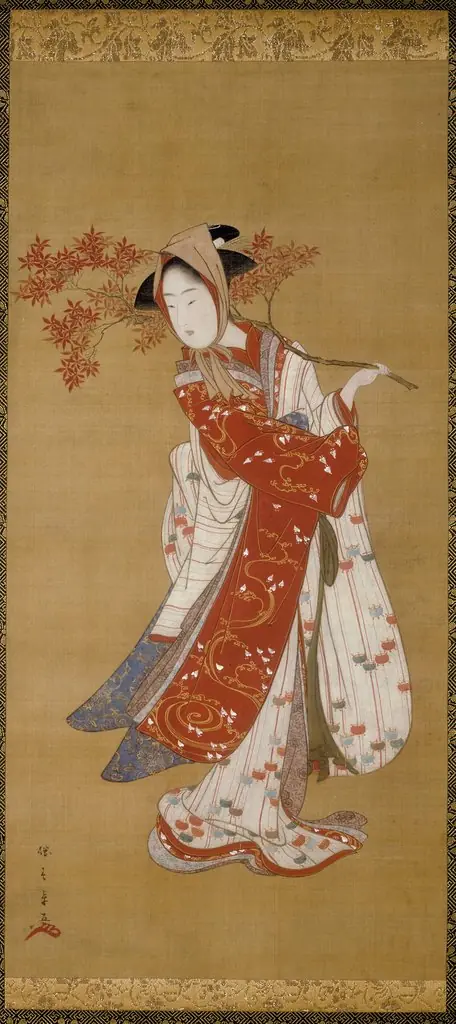 Dancer with a Maple Branch
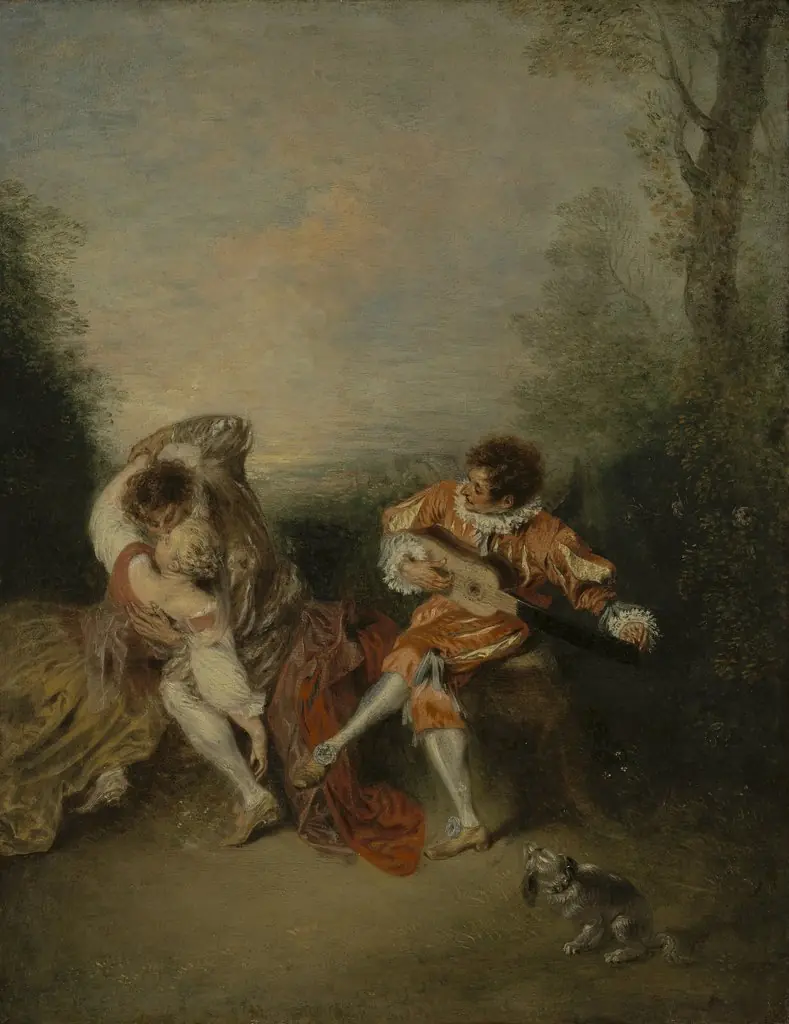 The Surprise
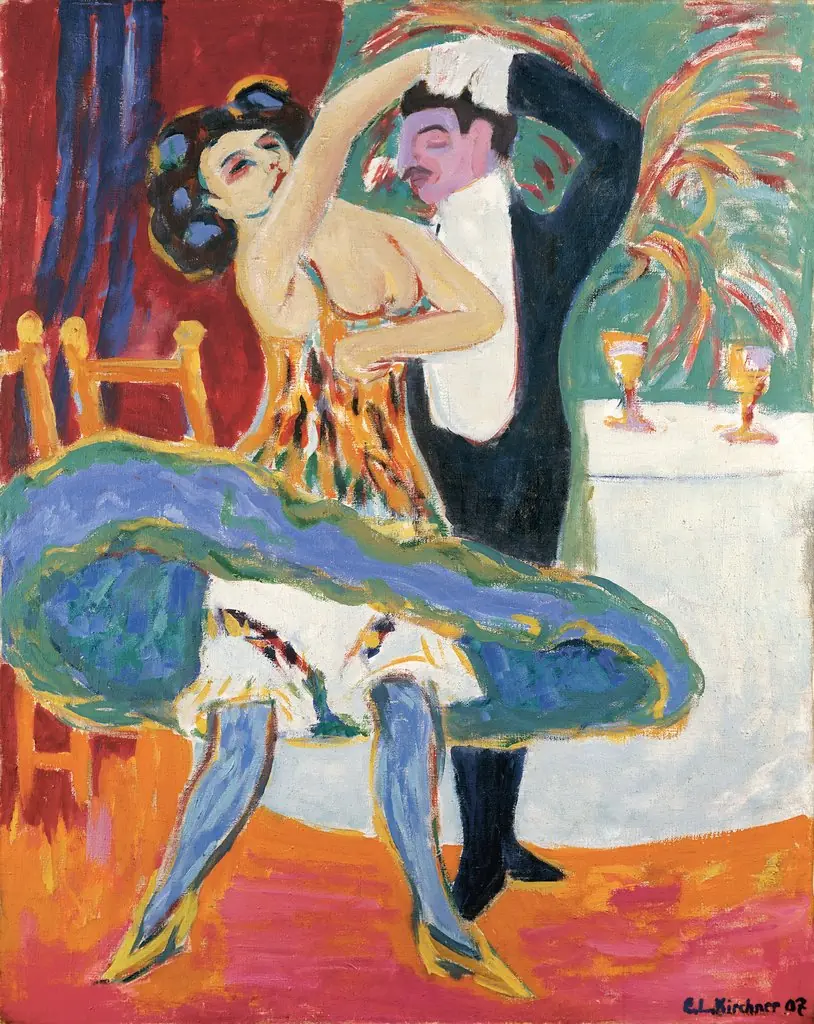 Varieté
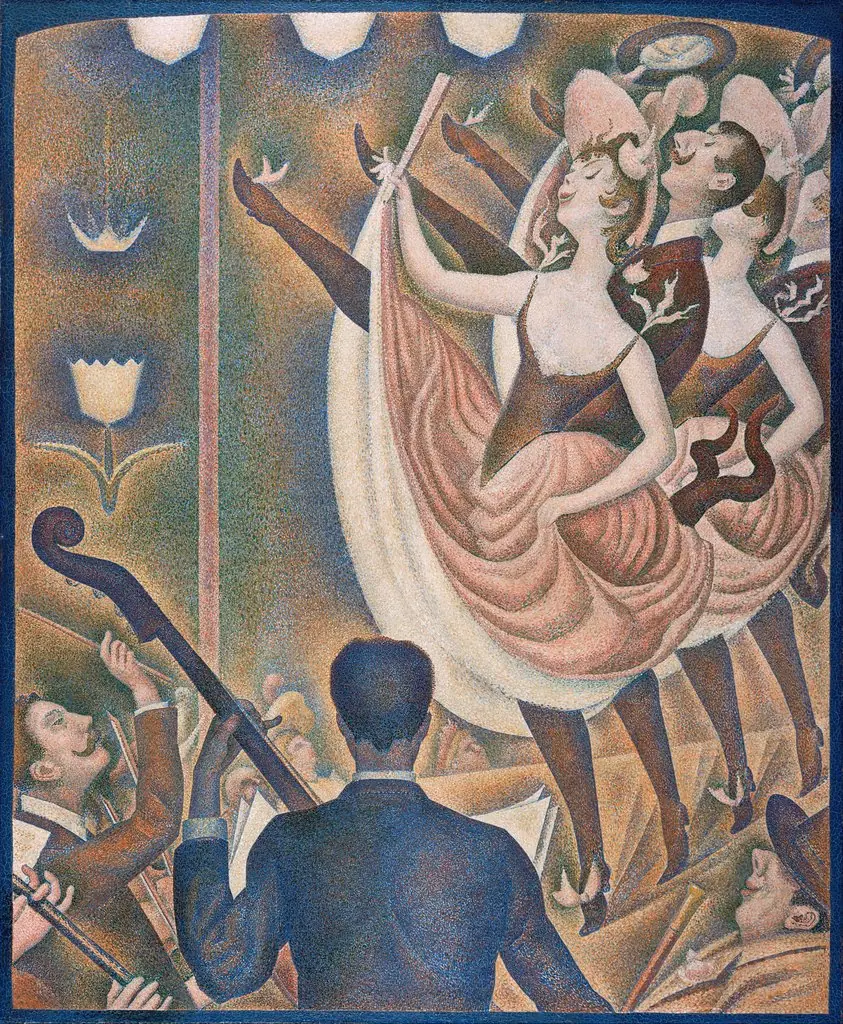 Le Chahut
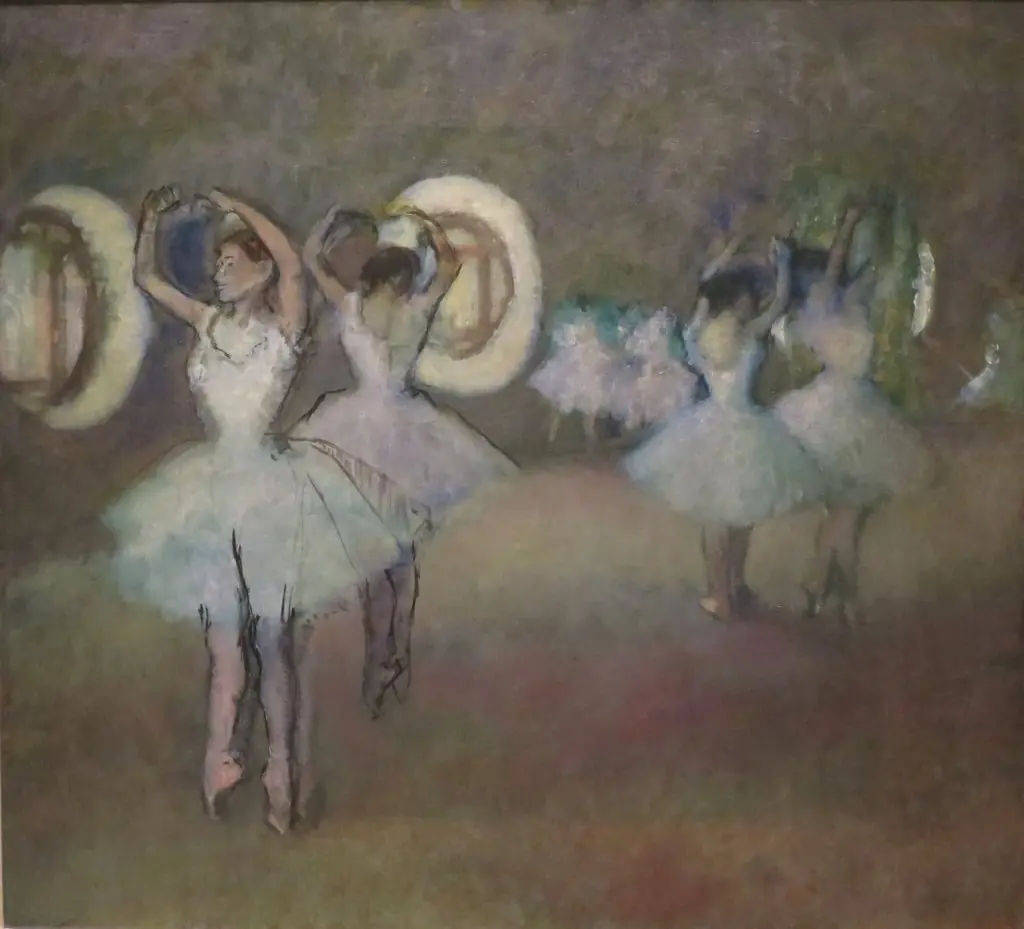 Dancers in the Rotunda at the Paris Opera
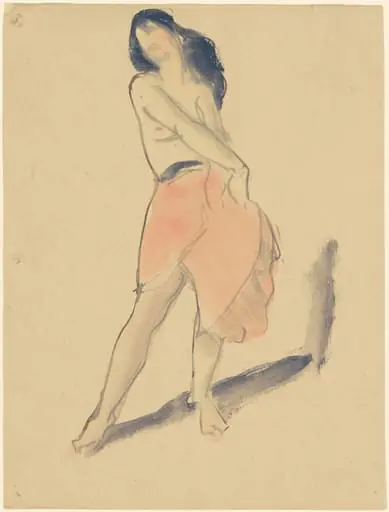 Dancer in a Red Skirt, No. 2
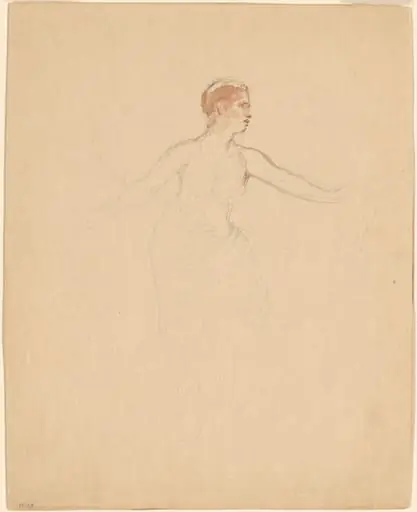 Female Torso
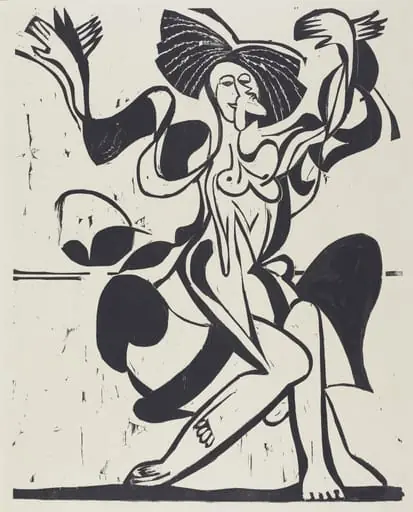 Mary Wigman's Dance
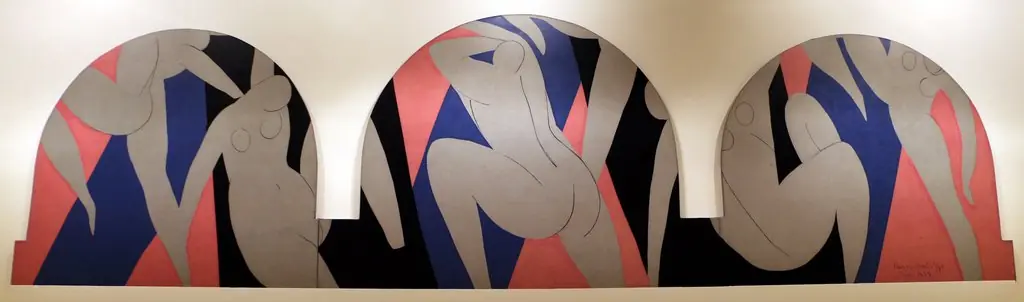 The Dance
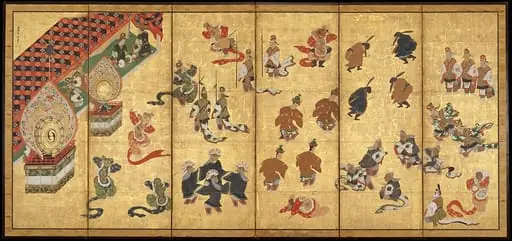 Untitled
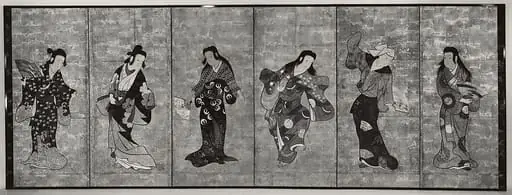 舞伎図屏風|Dancers
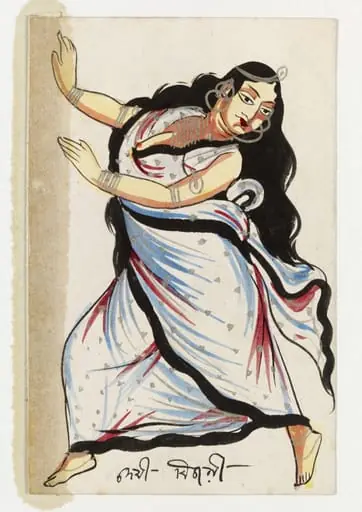 Devi
Devi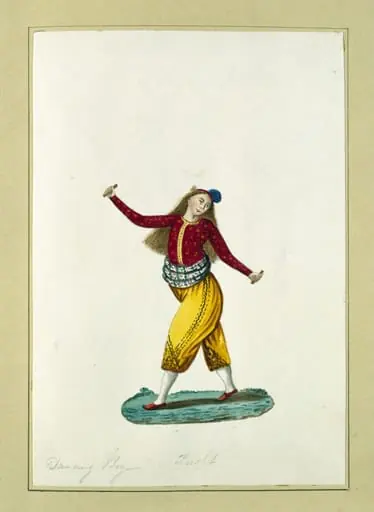 Dancing Boy - Pusht -
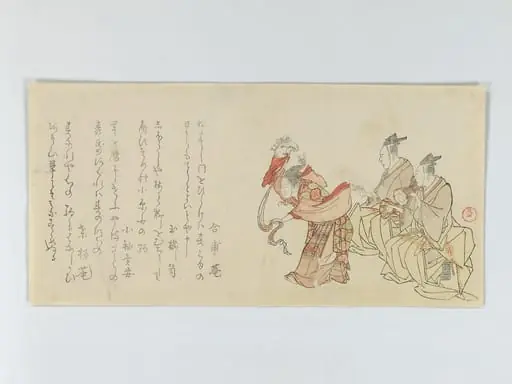 Untitled
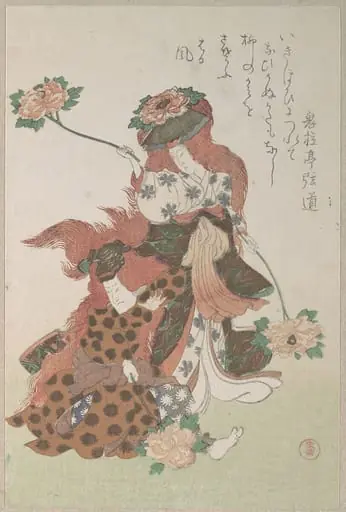 石橋物|Two Dancers Performing a “Shakkyōmono” Kabuki Dance, from Spring Rain Surimono Album (Harusame surimono-jō), vol. 3
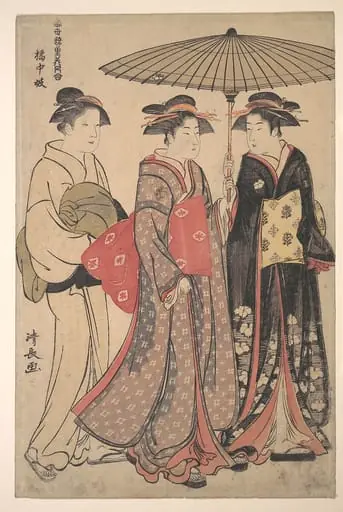 Kitchugi|Dancers of Tachibana Street
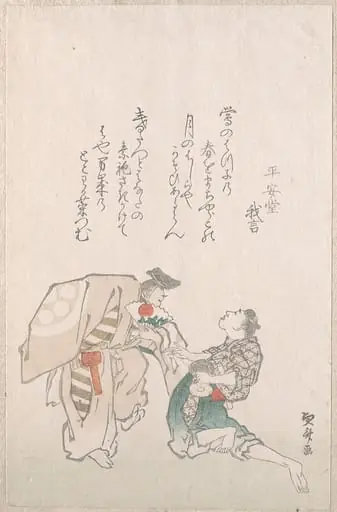 Untitled
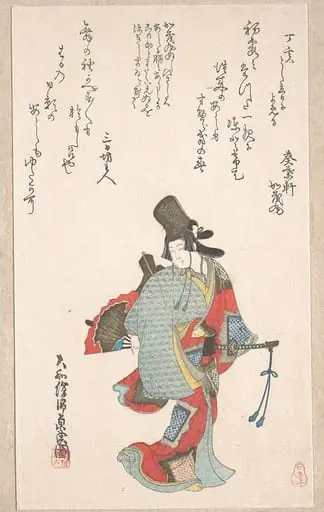 Untitled
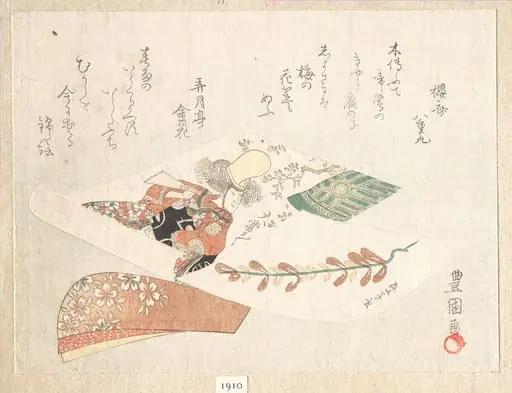 娘道成寺図の錦絵|Print of a Kabuki Dancer from the Maiden of the Dōjōji Temple (Musume Dōjōji)
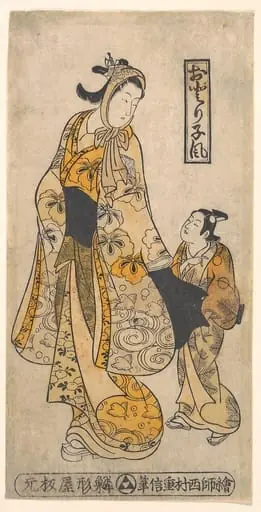 Odari Kafu|Style of the Dancer
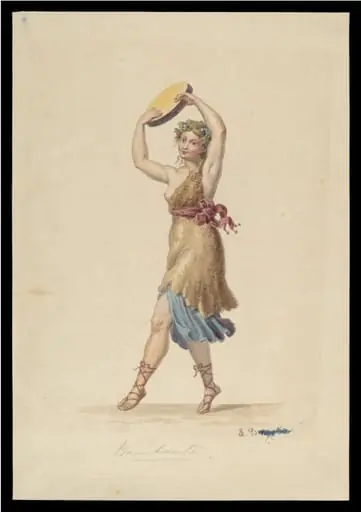 Harry Beard Print Collection
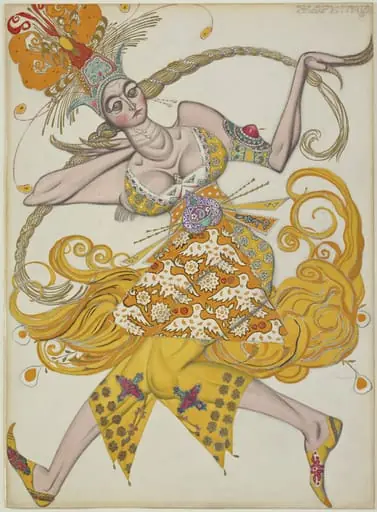 Untitled
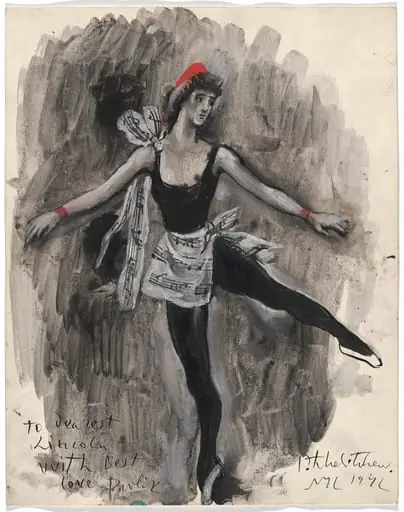 Untitled
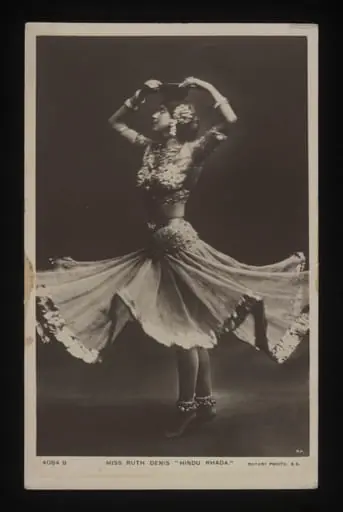 Ruth St Denis
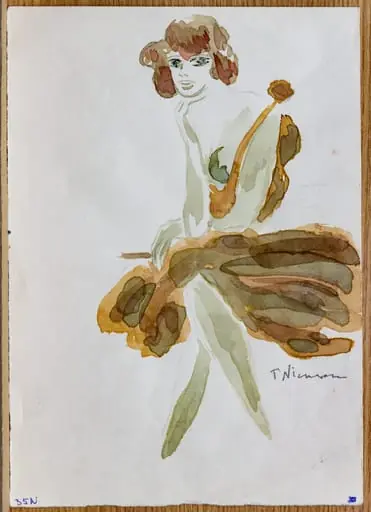 Femeie șezând
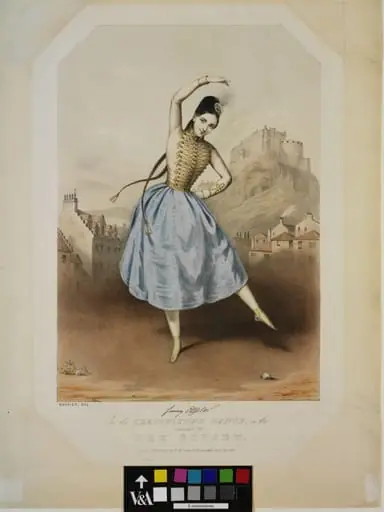 Fanny Elssler dancing the Cracovienne from The Gipsy
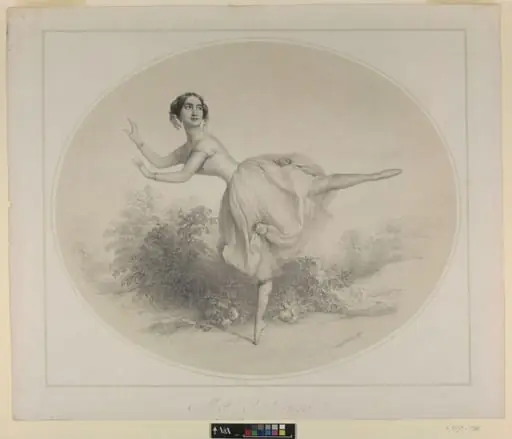 Melle O. Priora
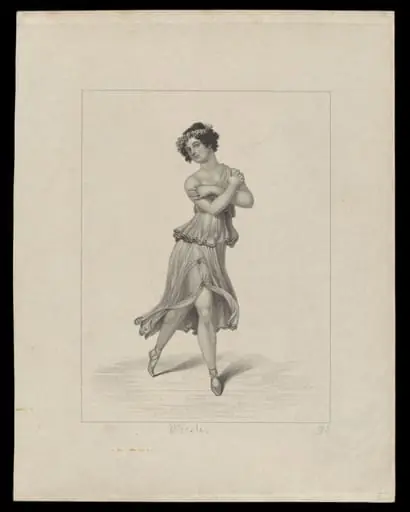 H Beard Print Collection
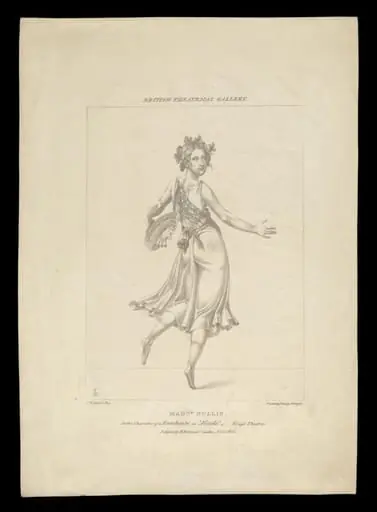 H Beard Print Collection
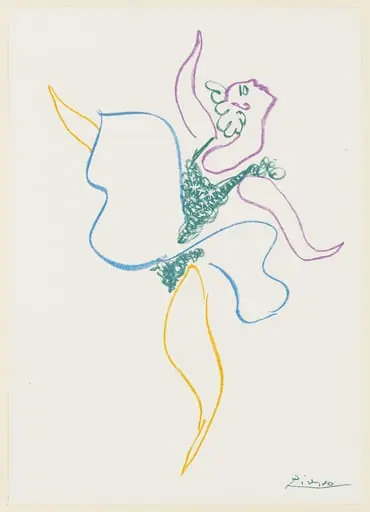 Untitled
Frequently asked questions
What is Dancer?
Dancer is a subject in art. Dance is an art form, consisting of sequences of body movements with aesthetic and often symbolic value, either improvised or purposefully selected.
How many Dancer works does Artifact World Gallery have?
Artifact World Gallery holds 60 public-domain Dancer works, all free to view and download.
Who are the key Dancer artists?
Key Dancer artists in the collection include Edgar Degas, Sesson Shūkei and Georges Seurat.
Where can I see Dancer works?
Dancer works in the collection are held by Metropolitan Museum of Art, Victoria and Albert Museum and National Gallery of Art.