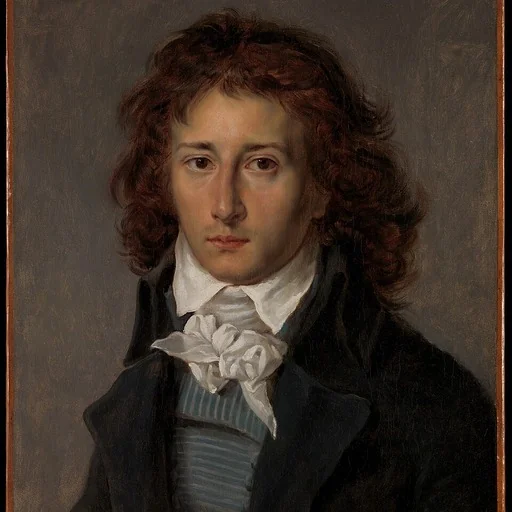
Subject
Royal Mantle
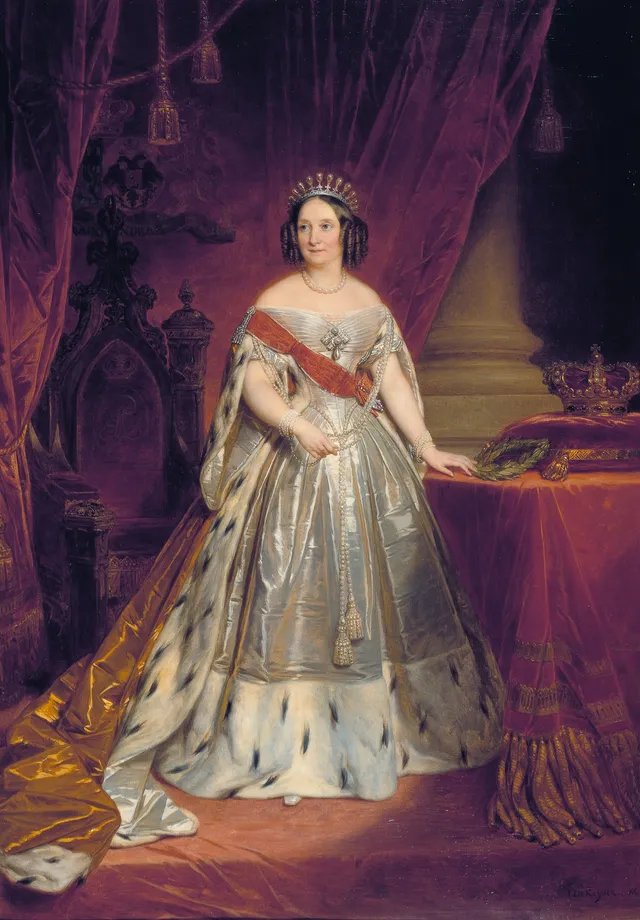
Royal Mantle is a subject in art. The gallery holds 33 works in this subject in art, including works by François Gérard, Caspar Netscher and Heinrich Füger.
A royal mantle, or more simply a Mantle, is a garment normally worn by emperors, kings or queens as a symbol of authority. When worn at a coronation, such mantles may be referred to as coronation mantles.
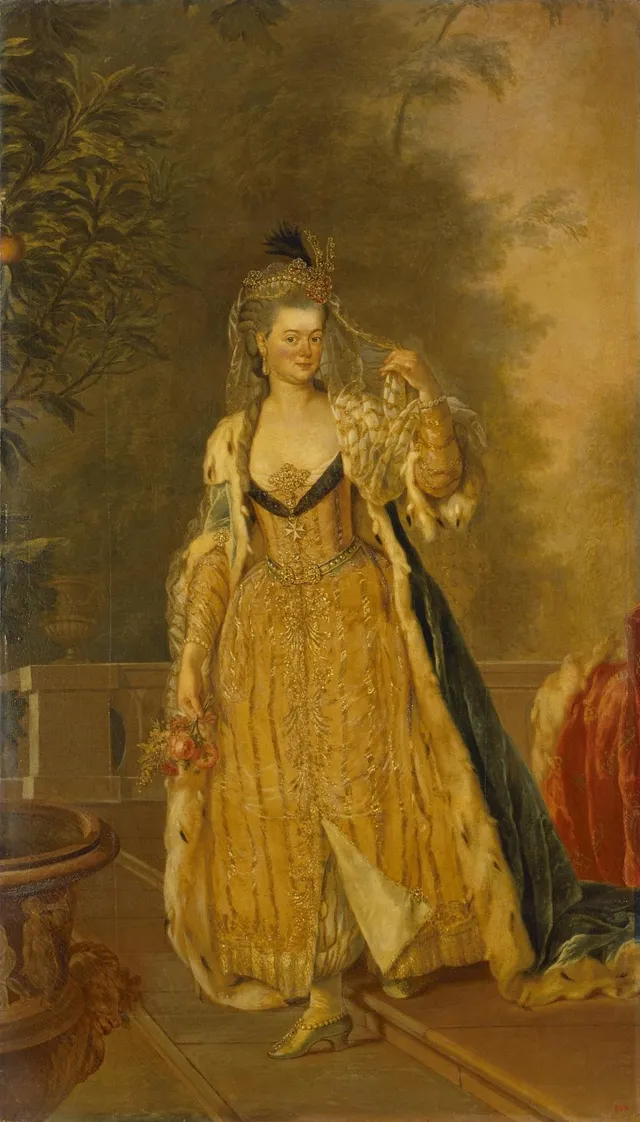
Key artists

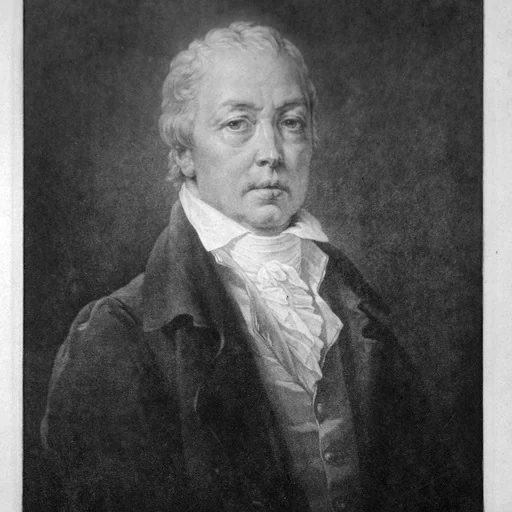
Overview
A royal mantle is a ceremonial cloak worn by emperors, kings, and queens as a symbol of authority, most prominently during coronations and state occasions. The garment, also referred to as a coronation mantle when used in crowning ceremonies, typically takes the form of a long, sleeveless, semicircular or rectangular cloak that falls from the shoulders to the floor, often with a trailing train. It appears in 36 works in the collection, including portraits of Charles IV of Spain, Louis XVI, Catherine I, and Empress Anna Ioannovna, among others. While the mantle serves practical ceremonial functions, its deeper significance lies in its role as a visual assertion of sovereignty, divine right, and the sacred character of monarchy.
Iconography & meaning
The royal mantle carries layered symbolic meanings that evolved from its origins in ecclesiastical and imperial dress. Originally indistinguishable from the religious cope, the mantle acquired distinct royal connotations through its use in sacred ceremonies, fastening at the shoulder rather than the front. The French royal mantle, based on the Ephod of the High Priest of Israel, explicitly substituted for the priest's chasuble to emphasize the religious dimension of coronation; from Louis XIII onward, it was purple, combining the azure of French arms with the scarlet of cardinals' robes. Materials carried potent symbolism: ermine fur, widely used for linings and trim from the late medieval period, signified moral purity and honor; purple dye, extracted from millions of mollusks, proclaimed wealth and imperial continuity. The Coronation cloak of the Holy Roman Empire adopted the semicircular form of clerical copes, while Byzantine-influenced Russian imperial mantles employed brocade and ermine to evoke sacred kingship. In religious art, the motif extended to depictions of Christ as king and the Virgin Mary as Queen of Heaven, their mantels in blue or red denoting heavenly authority and sacrificial love.
Across movements & periods
The royal mantle underwent significant formal and symbolic evolution across cultures and centuries. The oldest European mantles were relatively short and unlined; Assyrian kings wore crimson stolas edged with gold and jewels, while early medieval rulers adopted forms derived from ecclesiastical vestments to assert sacral authority. German emperors uniquely retained a short coat from the 12th century until the empire's end, while Hungarian kings preserved their short coat from Saint Stephen's reign. The 18th century marked a turning toward uniformity: the French model, fur-lined with a long train, became the European standard, adopted even by the non-crowned but inaugurated Dutch monarchs, who term it the Koningsmantel. Britain developed its own continuous tradition, the Robe Royal, with the surviving example made for George IV in 1821 still in use. Outside Europe, indigenous peoples employed distinct materials, such as feathered cloaks or bear and otter pelts, while West African Asante and Ewe cultures reserved the Kente cloth, with certain patterns restricted to royal use alone. The 19th-century shift to synthetic dyes democratized color but diminished the mantle's economic index of power.
Notable depictions
Among the most significant surviving royal mantles is the George IV Robe Royal, created by John Meyer in 1821 for the coron inaugur ation at Westminster Abbey. This cloth-of-gold mantle, embroidered with foliage, crowns, fleurs-de-lis, eagles, roses, thistles, and shamrocks, features a gold eagle clasp manufactured by Rundell, Bridge and Rundell. After serving as a perquisite of the Dean and Chapter of Westminster, it passed into private hands before returning to the Crown in the early 20th century. It has been worn by George V (1911), George VI (1937), Elizabeth II (1953), and Charles III (2023), making it the oldest vestment in current British coronation use. A replacement commissioned from Werner and Sons for Edward VIII's cancelled coronation was never used. Earlier notable examples include the Mantle of Roger II of Sicily (1133/34), a semicircular red silk cloak with lions and Tree of Life embroidery reflecting Christian, Muslim, and Byzantine workshop traditions, later repurposed for Holy Roman Empire coronations; and the Hungarian coronation mantle, originally a 1031 chasuble commissioned by King Stephen I and Queen Gisela, altered in the 13th century and worn by every Hungarian monarch from 1290 onward.
Legacy
The royal mantle persists as a living tradition in constitutional monarchies while also serving as a subject of art historical and museological study. The George IV Robe Royal's continuous use across two centuries exemplifies how such objects accumulate historical resonance through repeated ceremonial activation. Preserved examples in institutions including the Kunsthistorisches Museum in Vienna and the Hungarian National Museum document the evolution of monarchical representation from medieval sacral kingship to modern ceremonial pageantry. The mantle's appearance in state portraiture, as evidenced by the 36 works in this collection, established a visual vocabulary of authority that transcended individual reigns. Contemporary scholarly attention focuses on the material cultures of power embedded in these garments: trade networks for rare dyes and textiles, the political theology of ecclesiastical borrowings, and the performative dimensions of coronation ritual. The Dutch Koningsmantel and British Robe Royal demonstrate how non-crowned or constitutional monarchies adapted the form to inauguration rather than coronation contexts, preserving symbolic continuity while acknowledging changed political circumstances.
Works
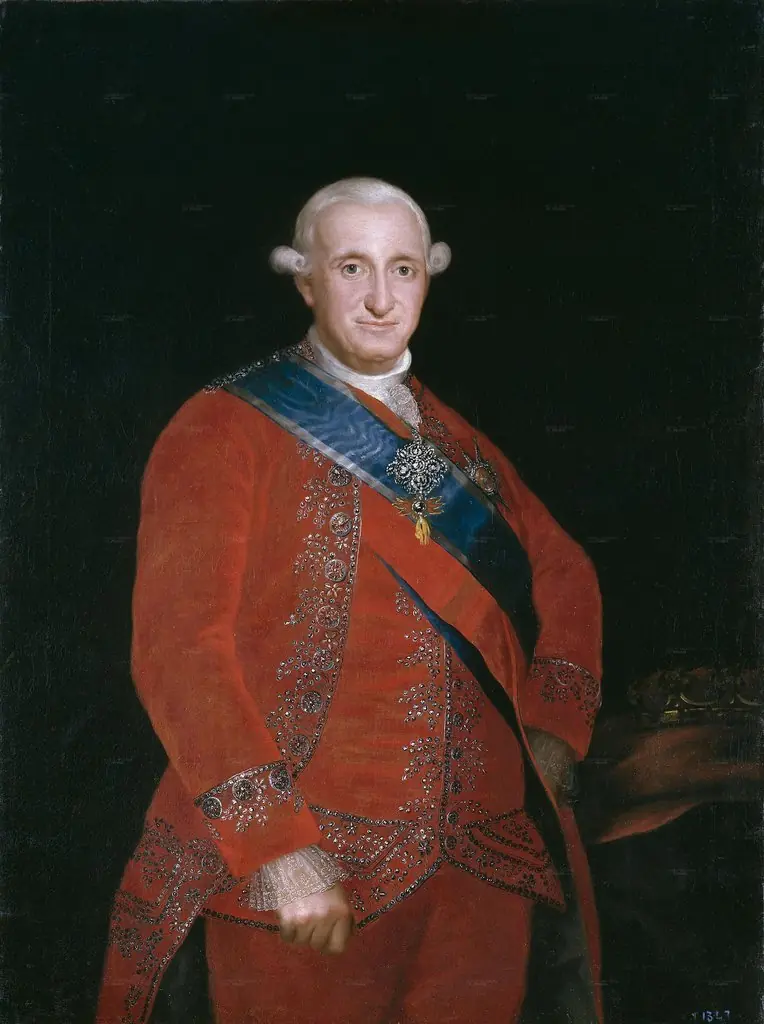 Charles IV, King of Spain
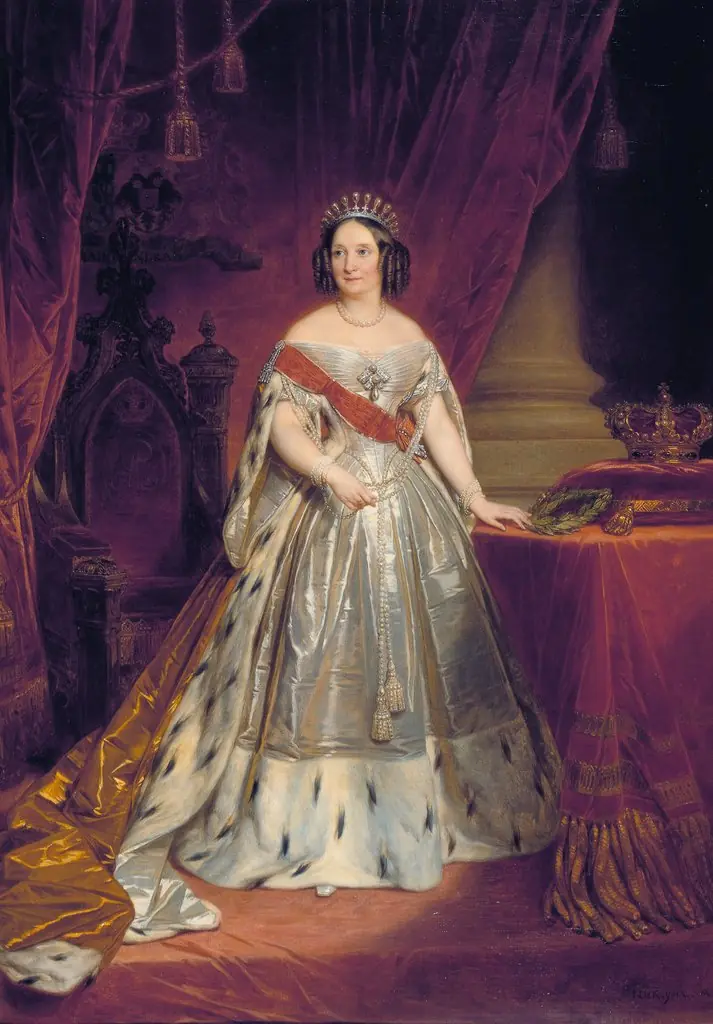 Portrait of Grand Princess Anna Pavlovna
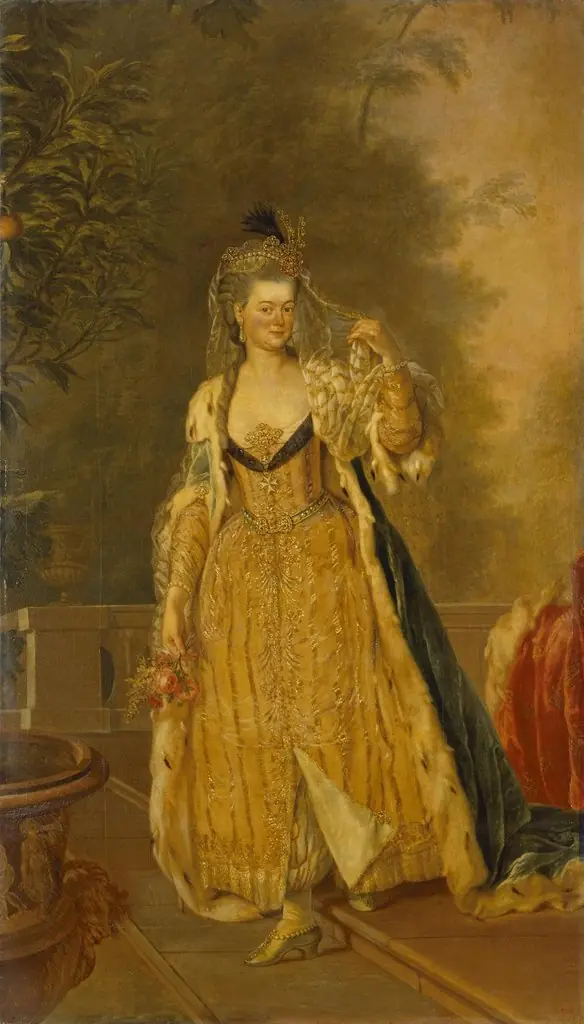 Portrait of Anna Elizabeth Louise Ferdinanda of Prussia
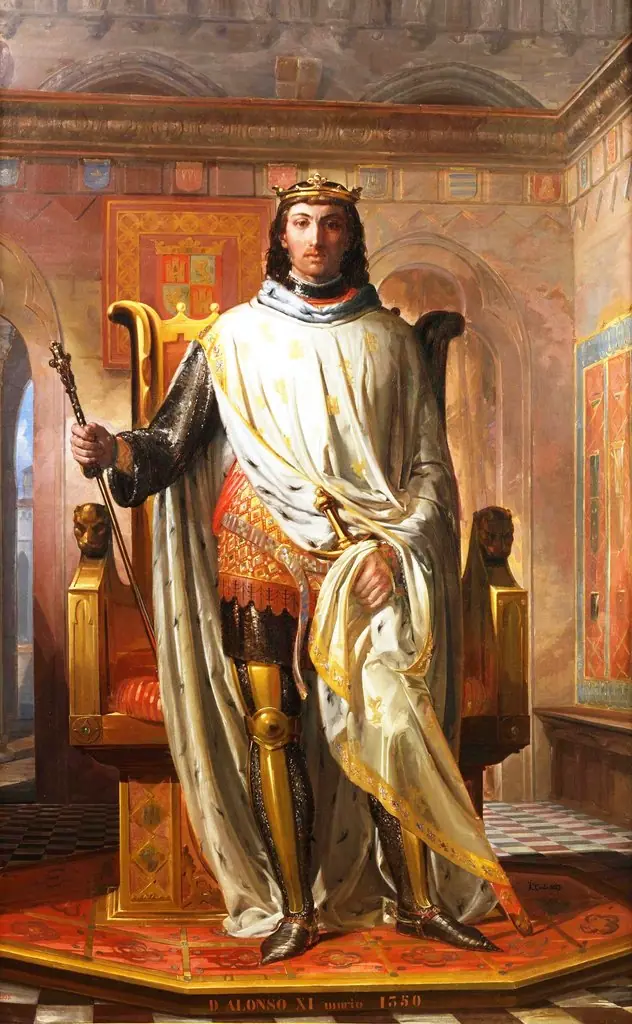 Alfonso XI
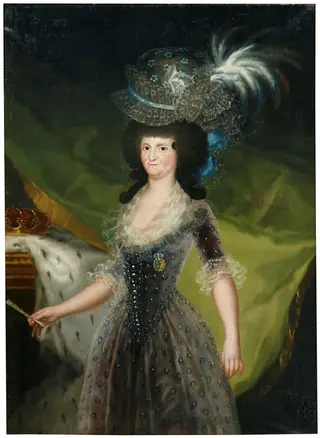 Maria Luisa of Parma, Queen of Spain
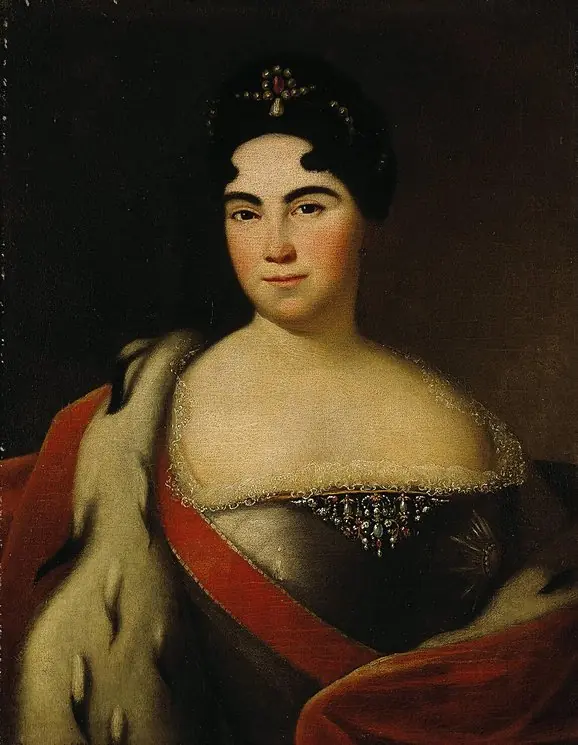 Portrait of Catherine I
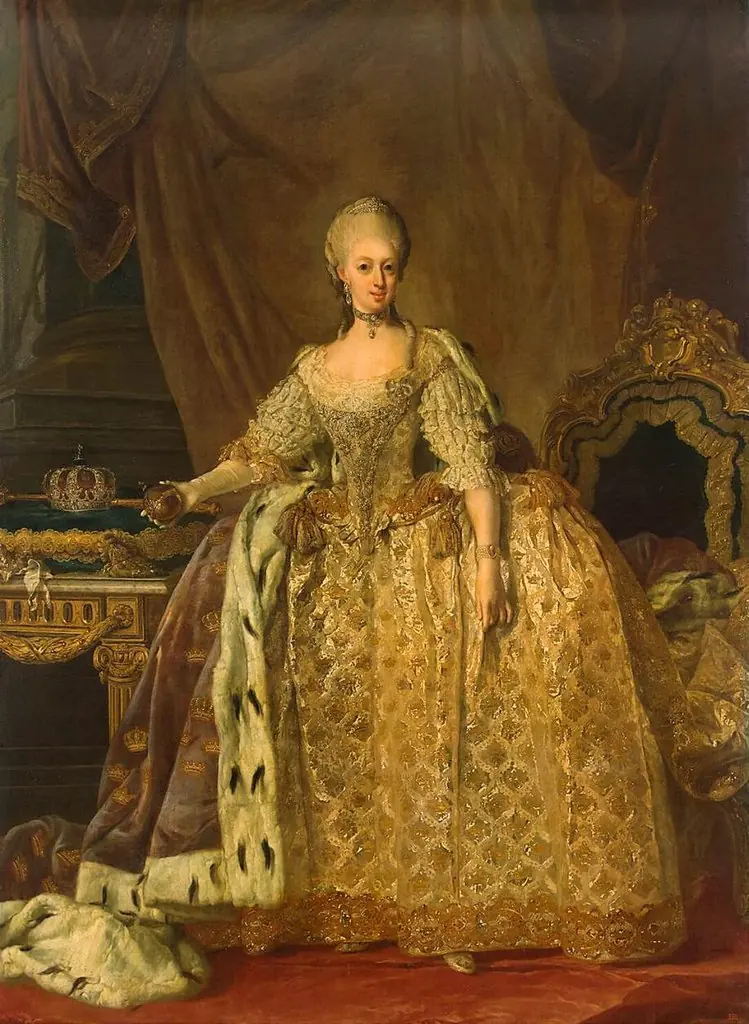 Portrait of Queen Sophie-Magdalene
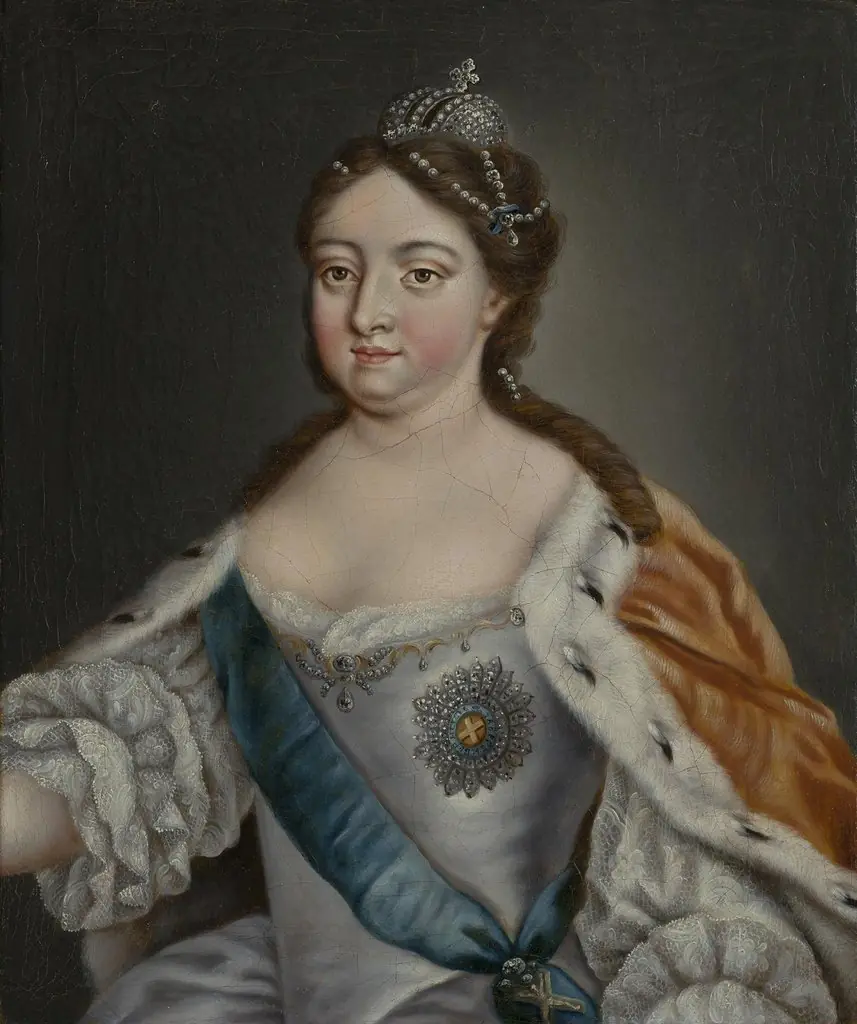 Portrait of Empress Anna Ioannovna
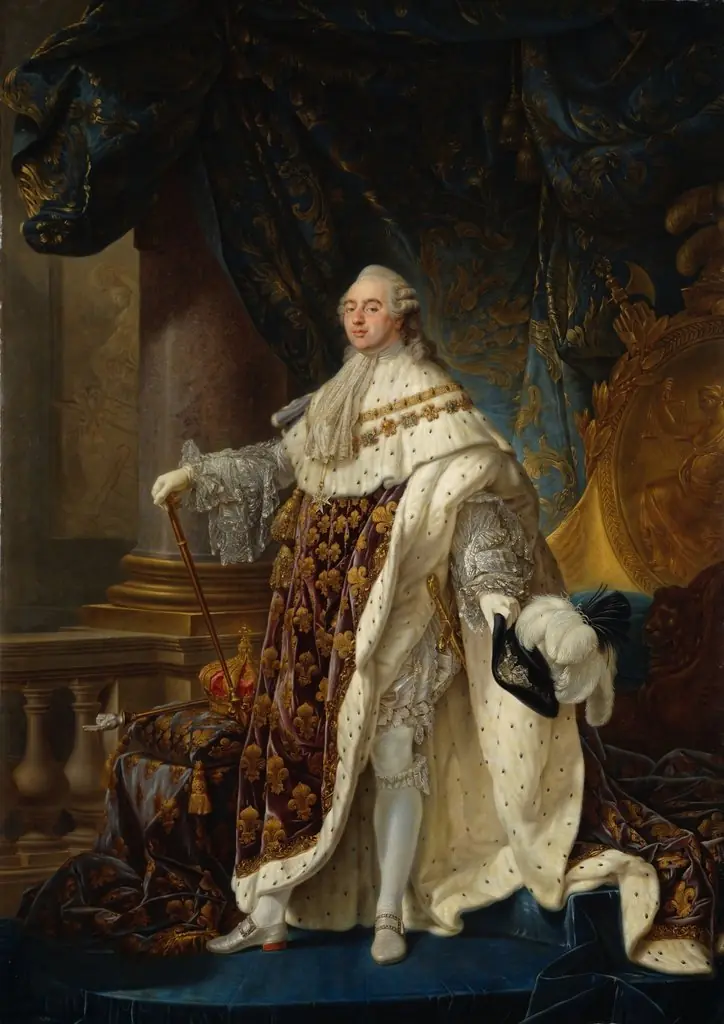 Louis XVI
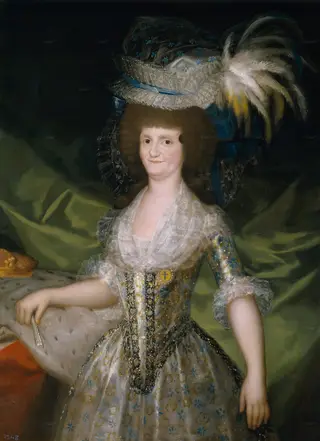 Queen of Spain Maria Louisa, née Bourbon-Parma
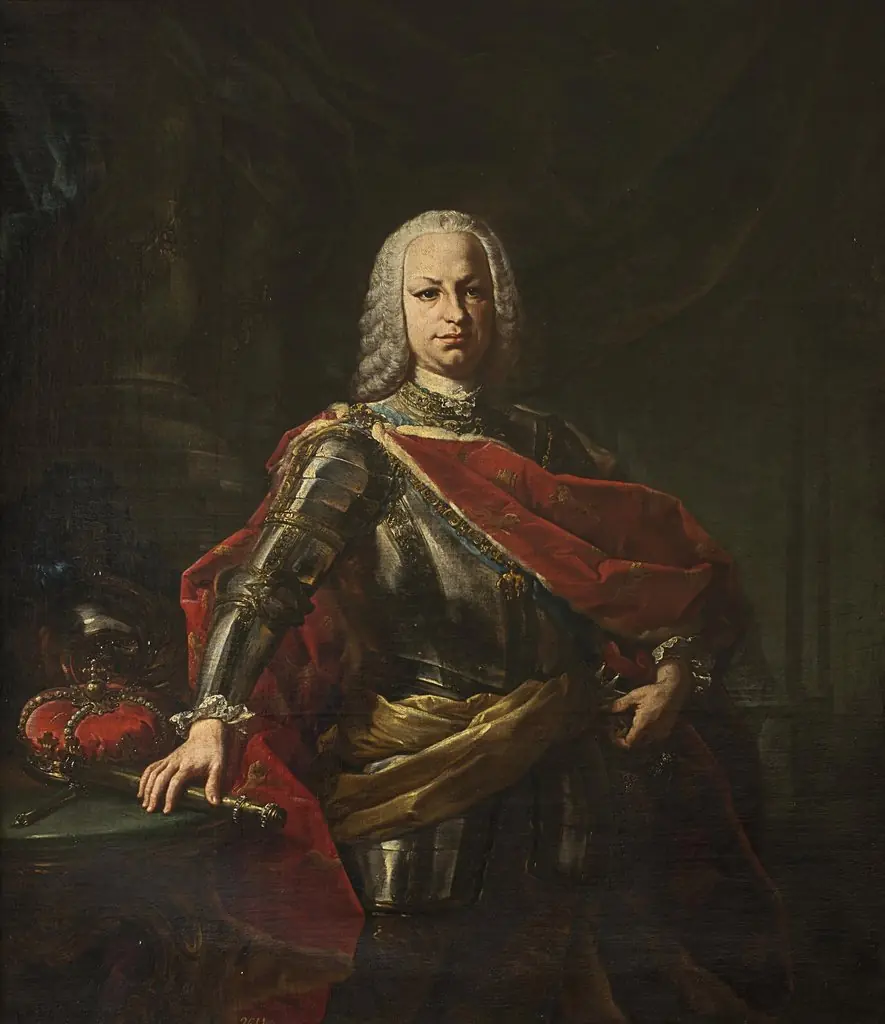 Fernando VI rey de España
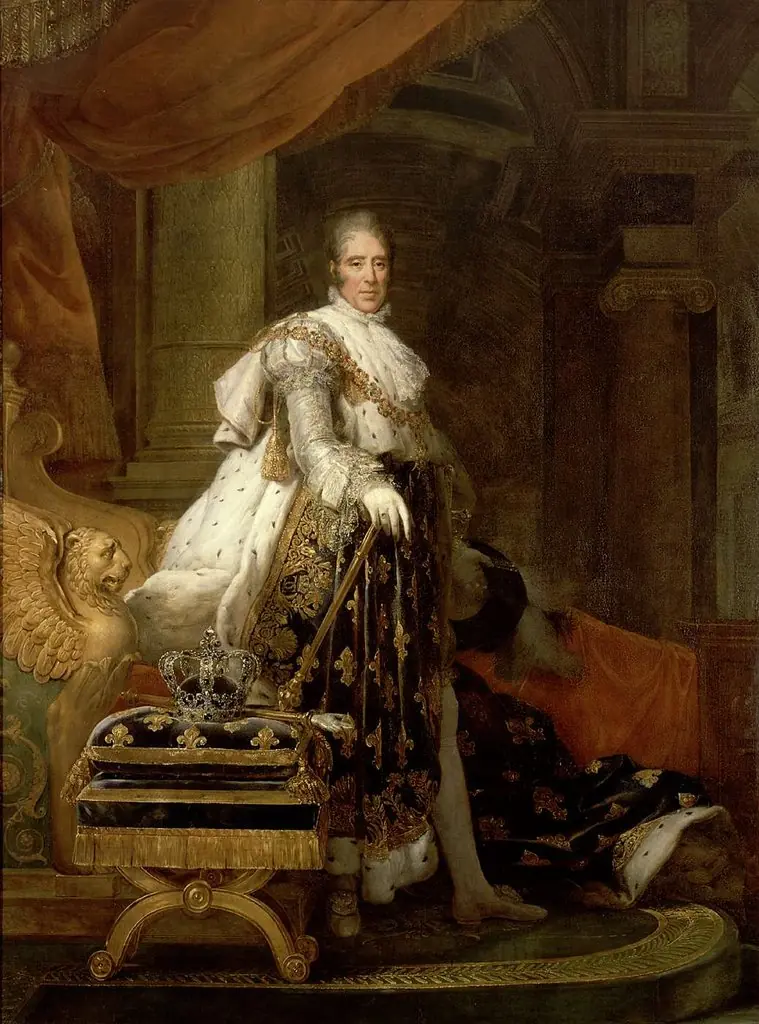 Charles X of France
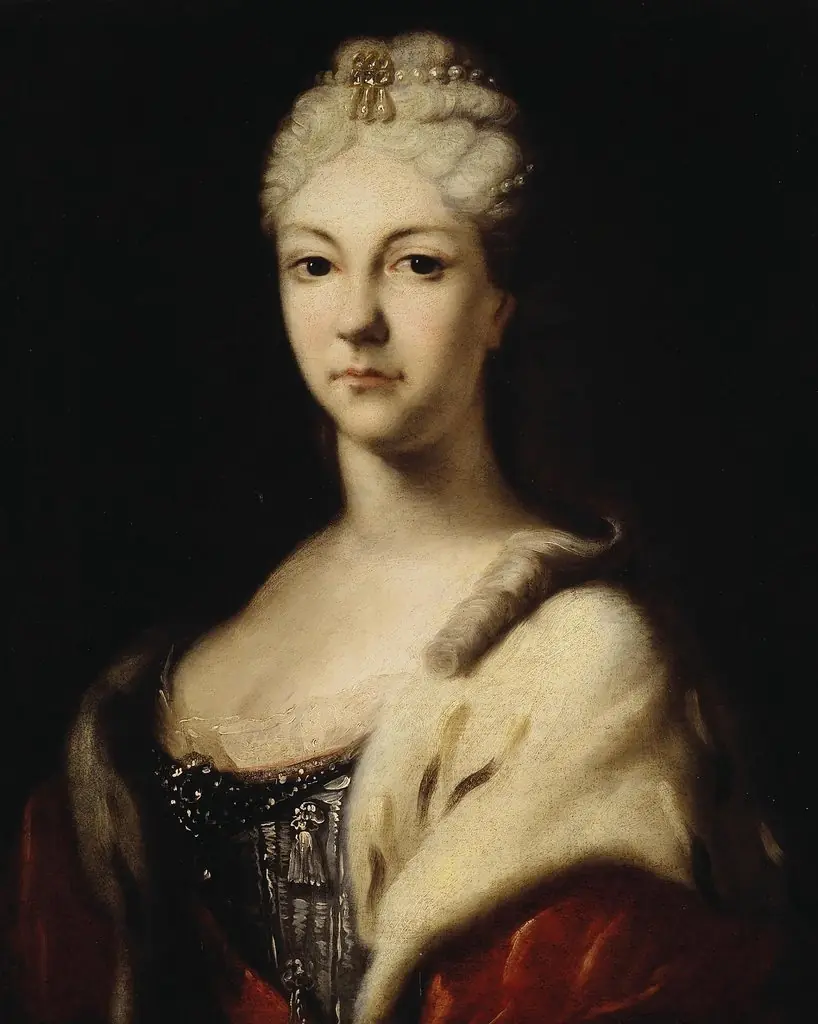 Portrait of Tsarevna Natalia Alexeyevna
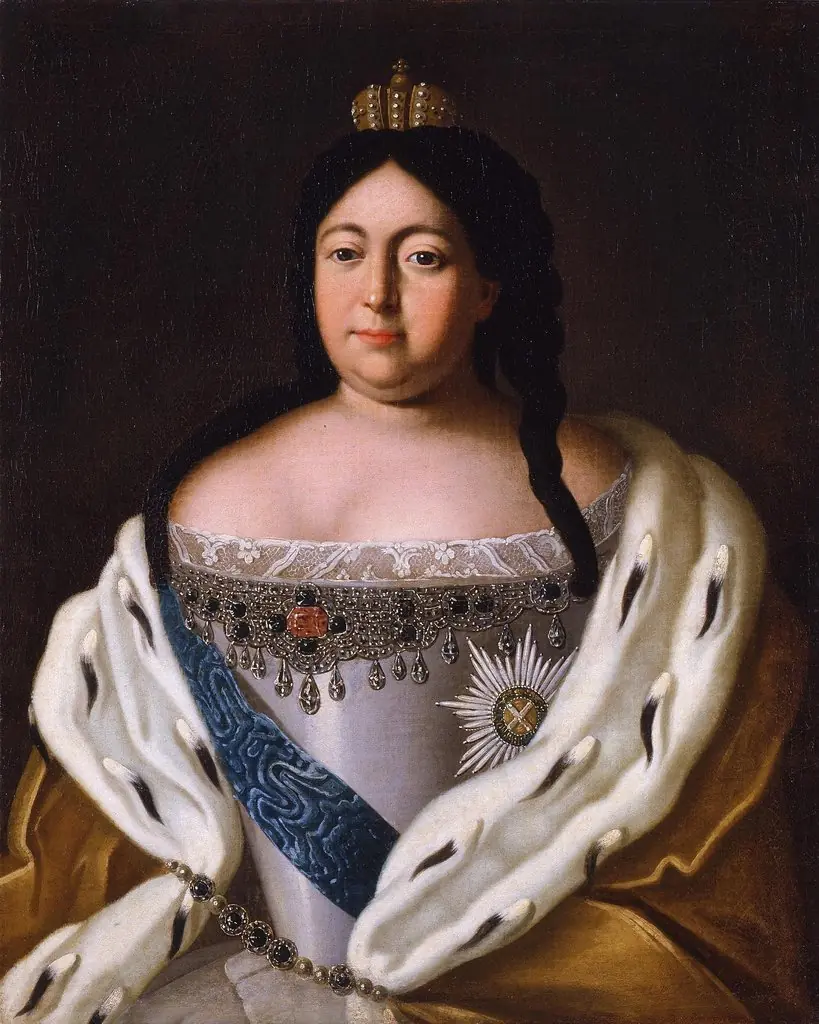 Portrait of Anna Ioannovna
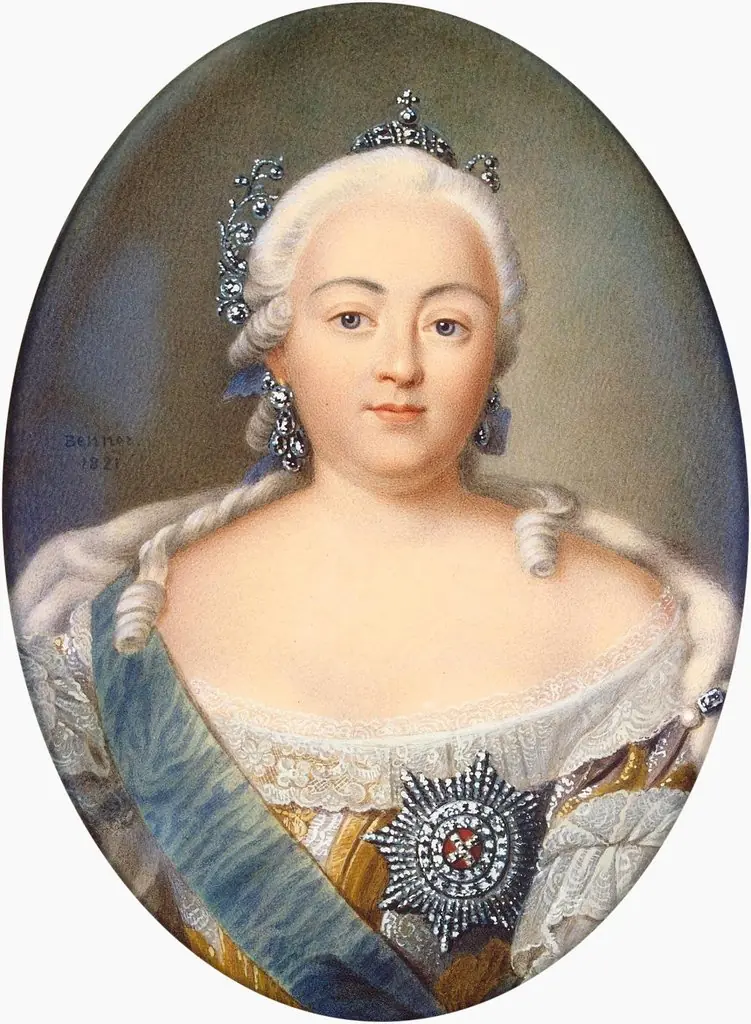 Portrait of Elizabeth of Russia
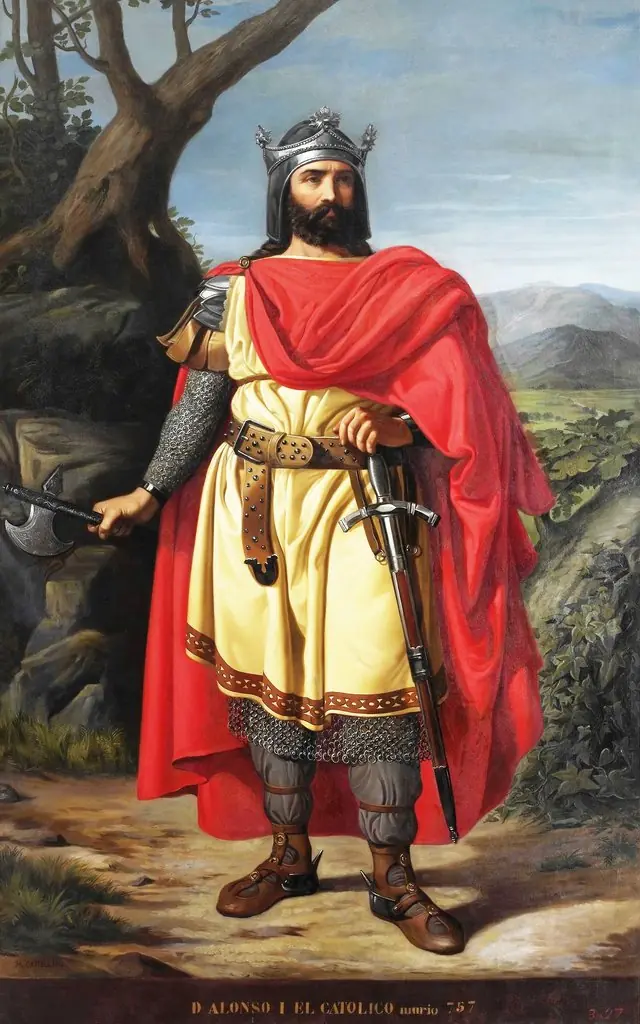 Alfonso I
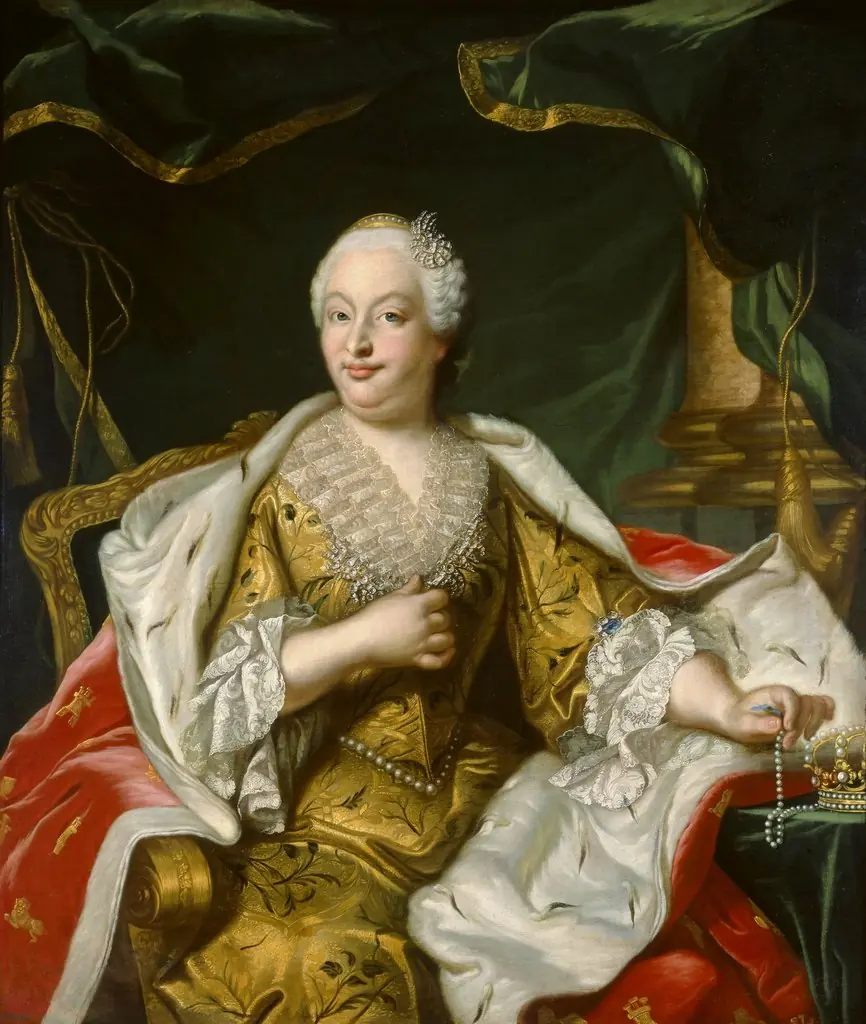 Bárbara de Braganza reina de España
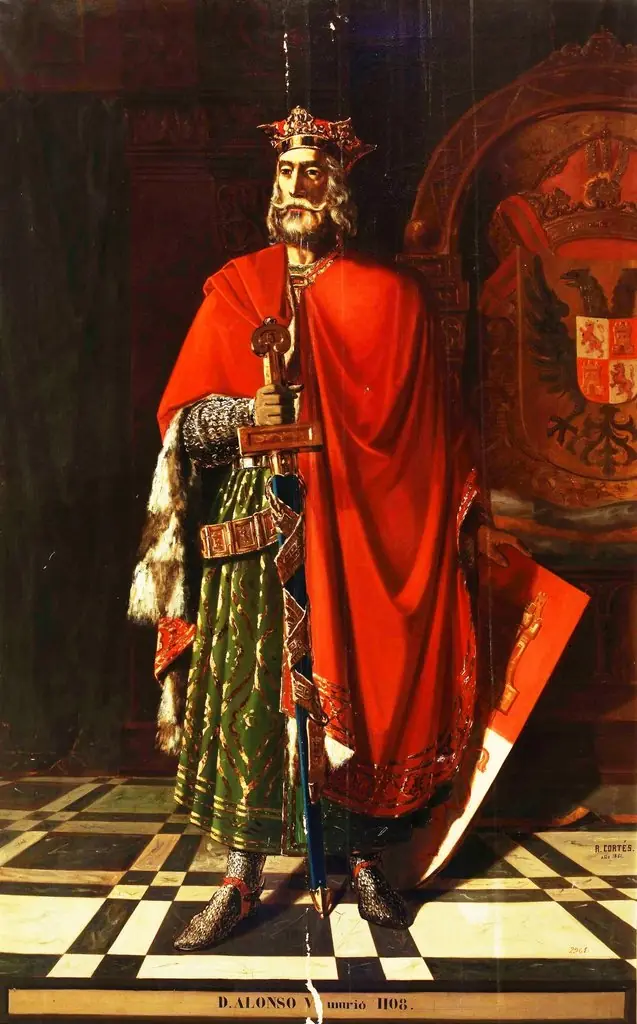 Alfonso VI
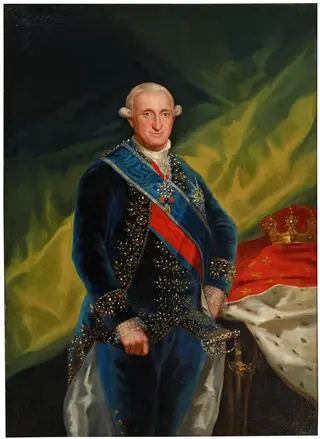 Portrait of King Charles IV
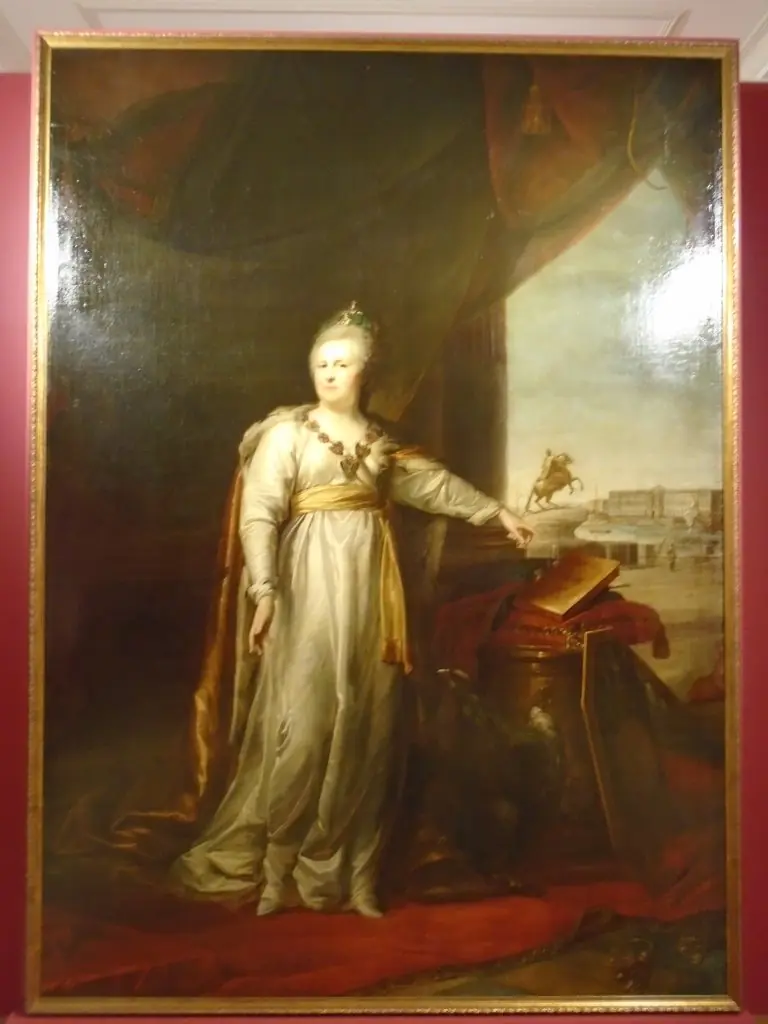 Portrait of Empress Catherine II
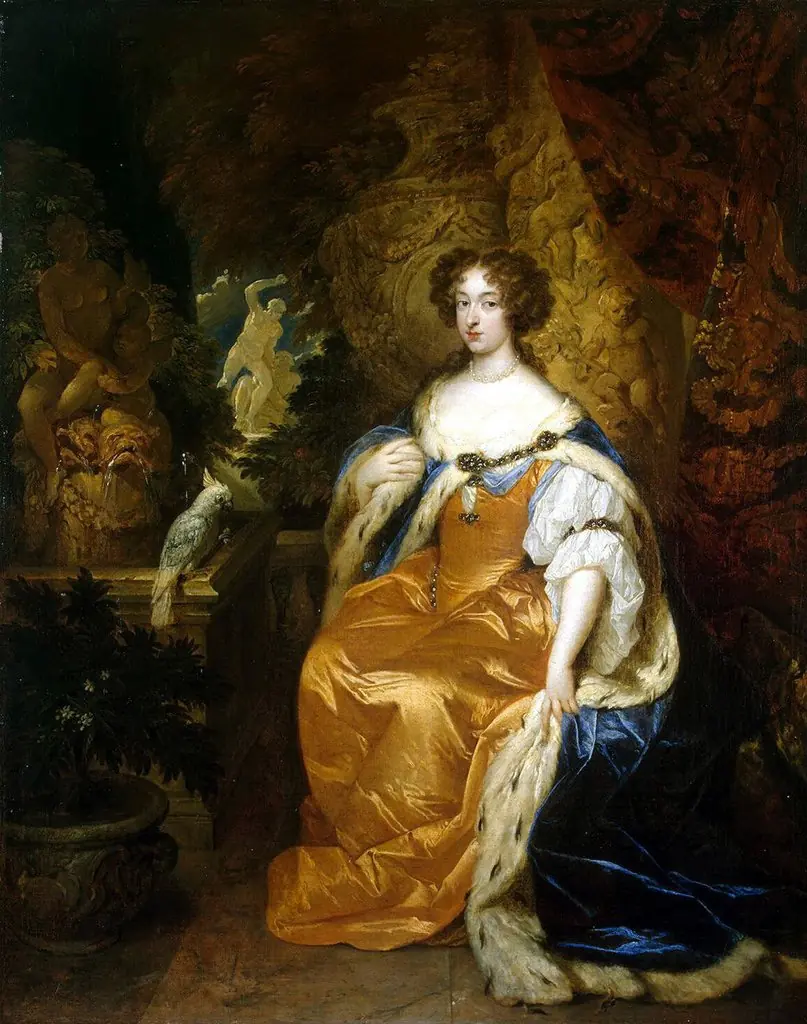 Portrait of Mary Stuart II
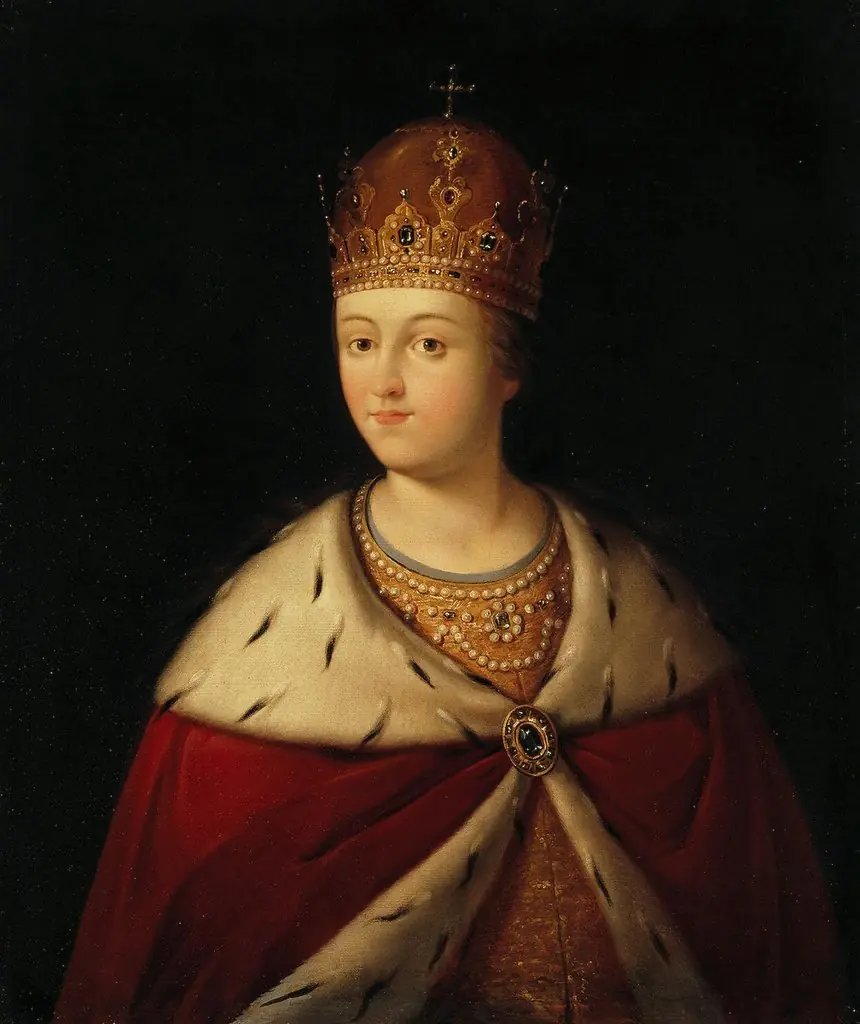 Portrait of Tsarevna Sophia (1657-1704), the Regent of the Russian Empire from 1682 tell 1689
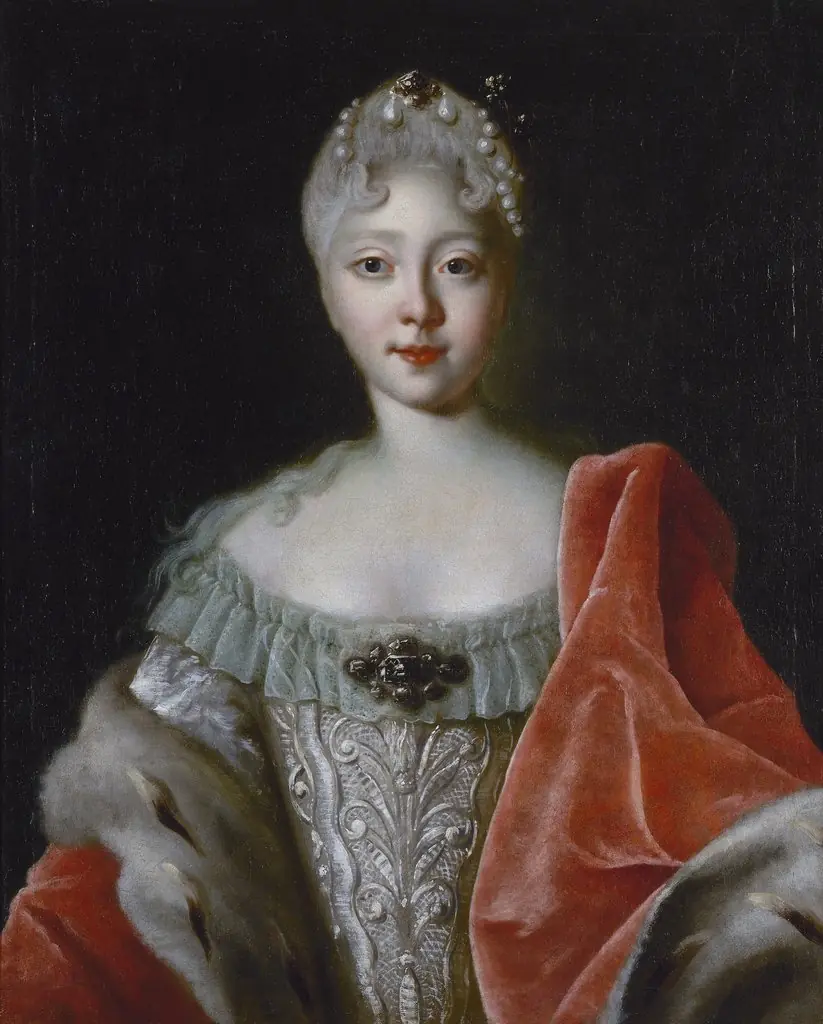 Portrait of Crown Princess Elizabeth Petrovna
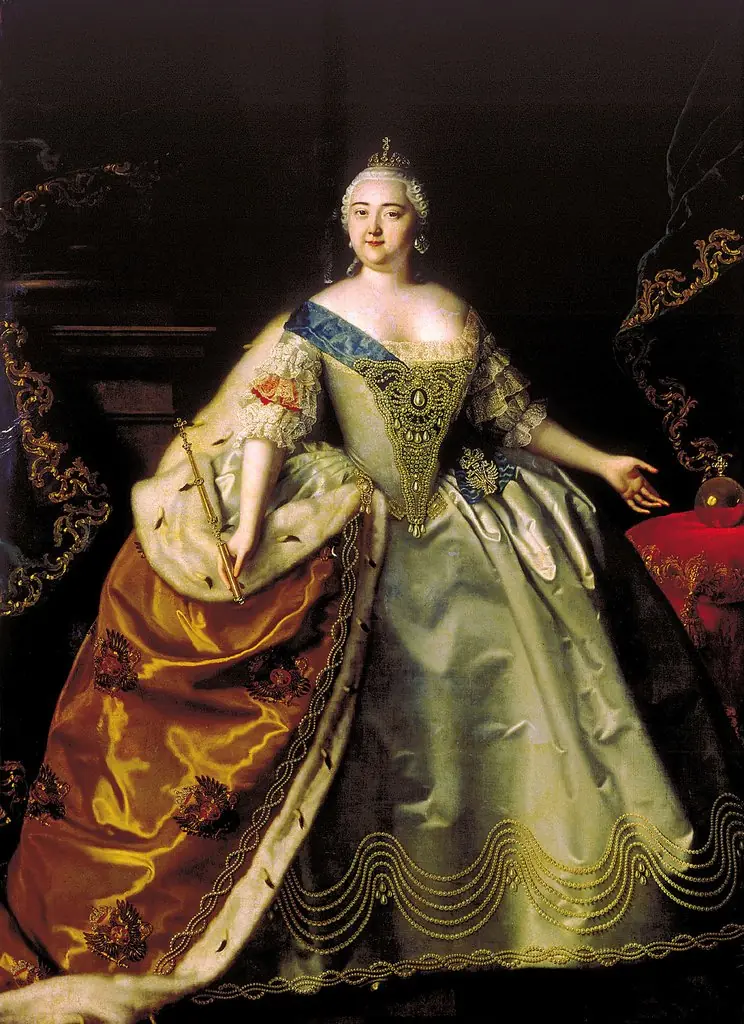 Portrait of Elizabeth of Russia
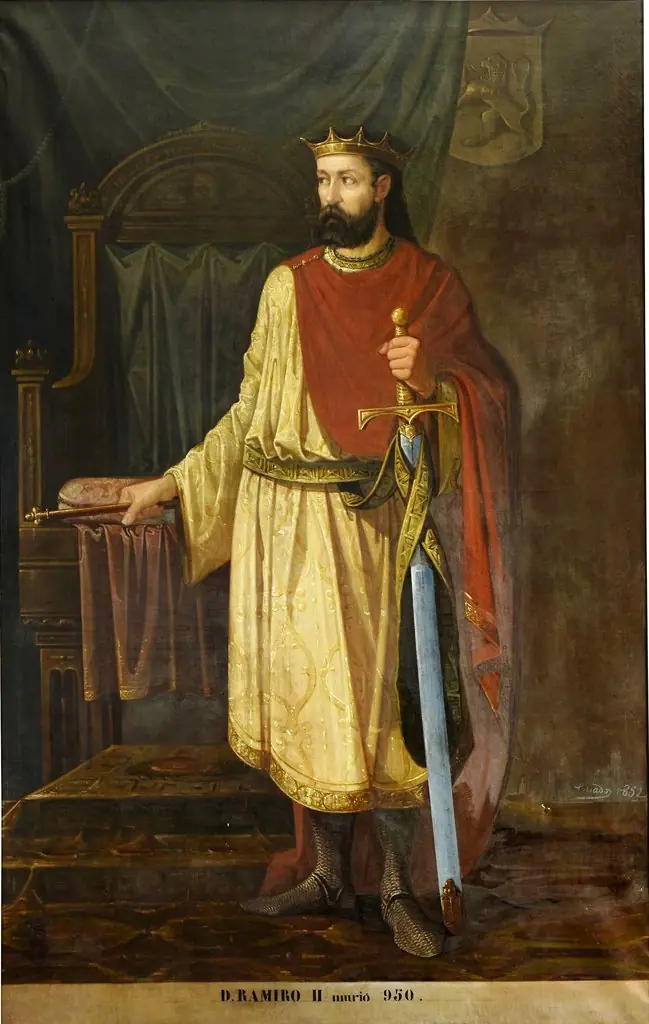 Ramiro II
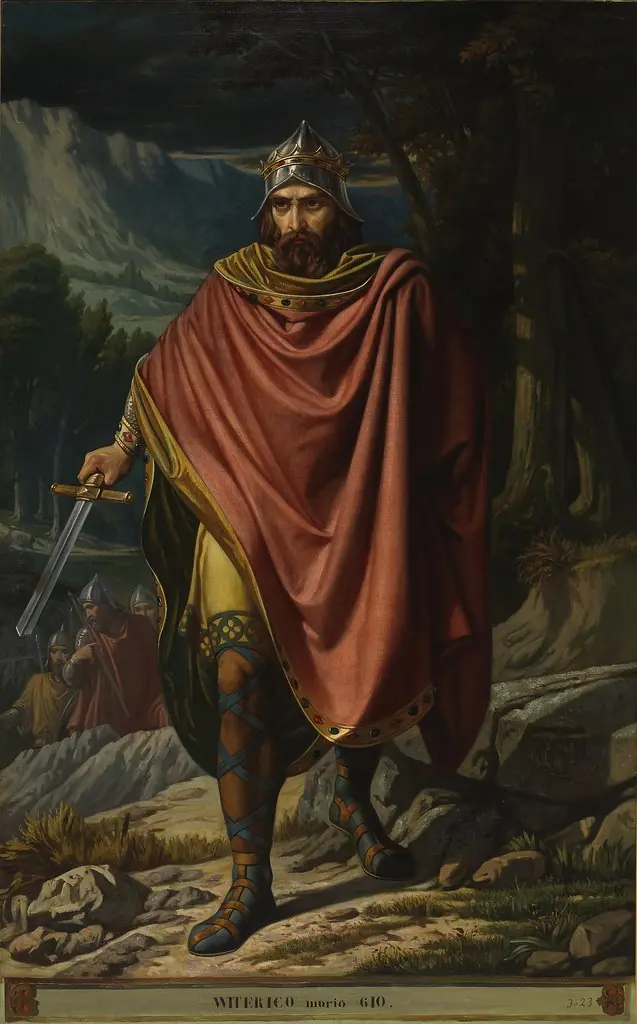 Witerico
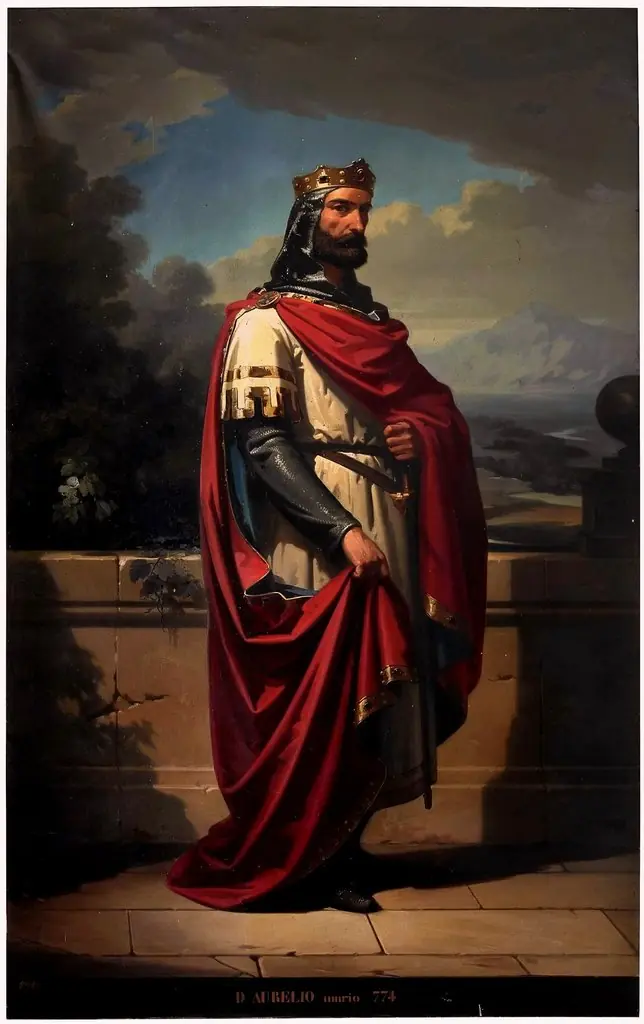 Aurelio
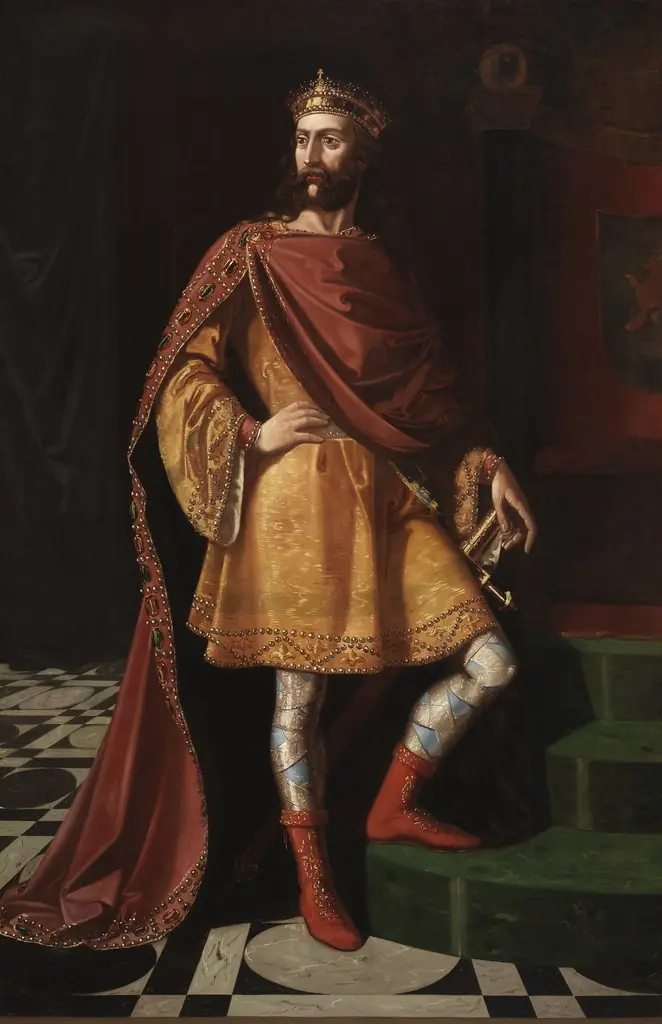 Ervigio
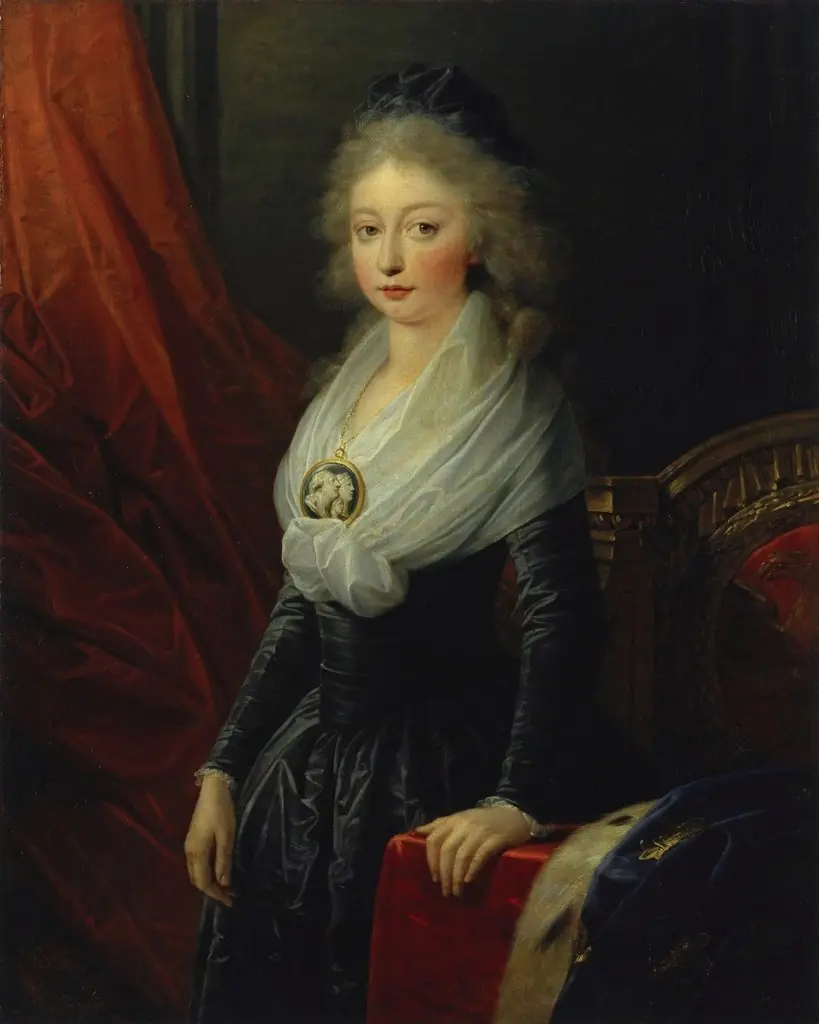 Portrait of Maria Theresia Charlotte of Bourbon
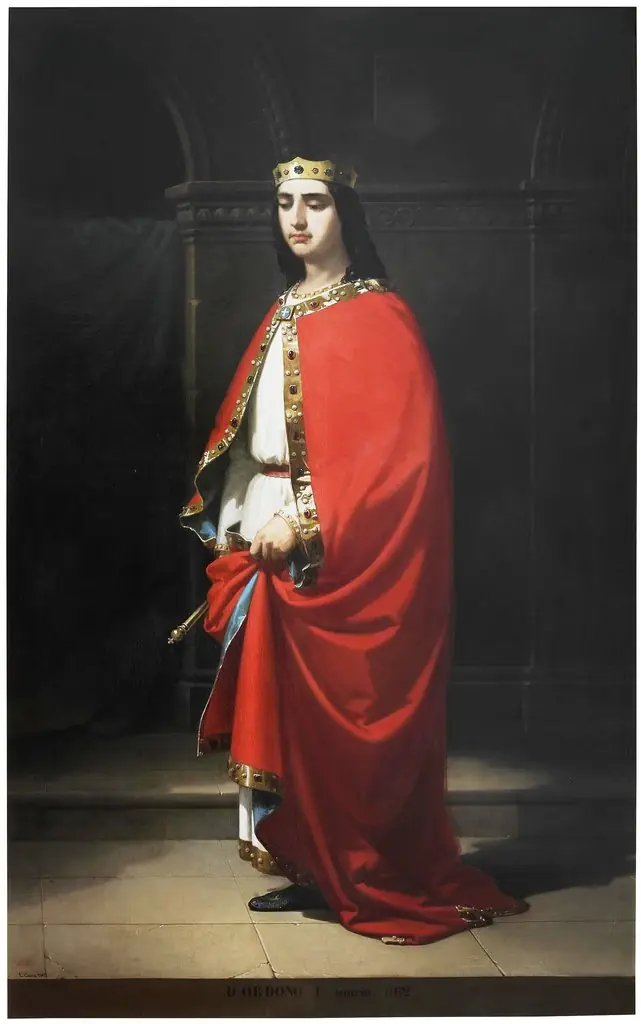 Ordoño I
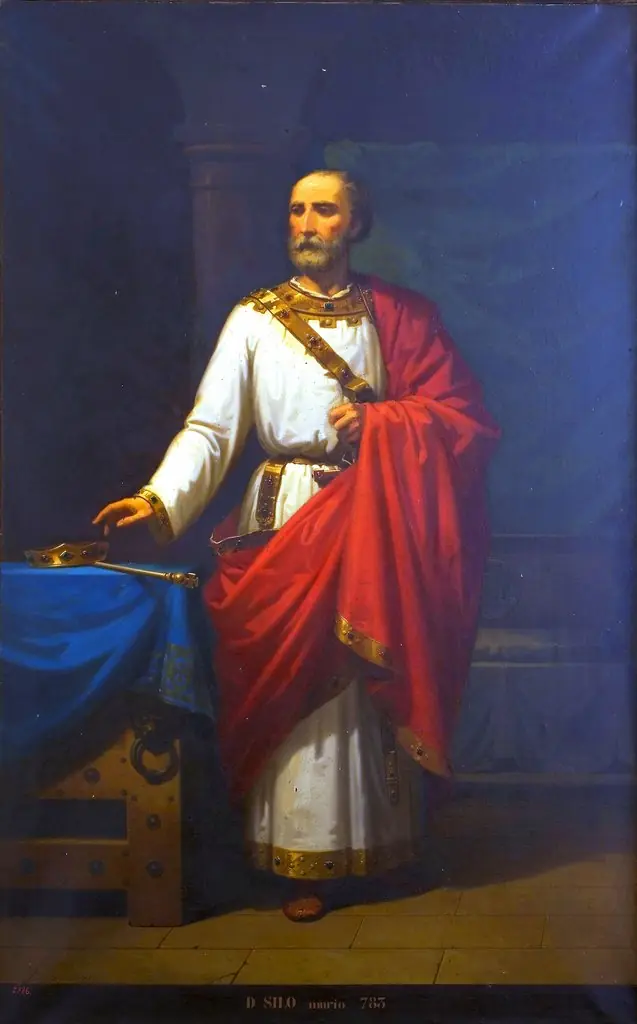 Silo
Silo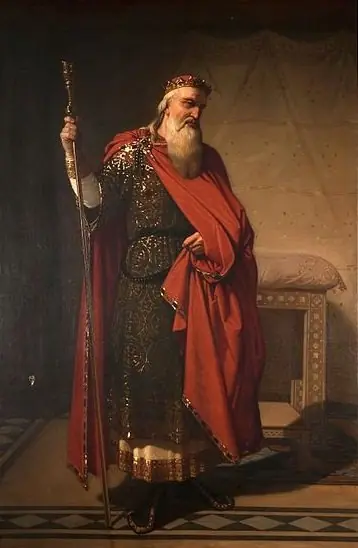 Chindasvinto
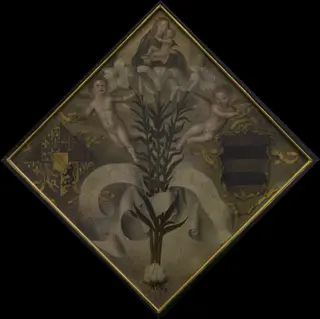 Blazon of the Diest Chamber of Rethoric "De Leliebloem"
Frequently asked questions
What is Royal Mantle?
Royal Mantle is a subject in art. A royal mantle, or more simply a Mantle, is a garment normally worn by emperors, kings or queens as a symbol of authority.
How many Royal Mantle works does Artifact World Gallery have?
Artifact World Gallery holds 33 public-domain Royal Mantle works, all free to view and download.
Who are the key Royal Mantle artists?
Key Royal Mantle artists in the collection include François Gérard, Caspar Netscher and Heinrich Füger.
Where can I see Royal Mantle works?
Royal Mantle works in the collection are held by Museo del Prado, Hermitage Museum and Tretyakov Gallery.