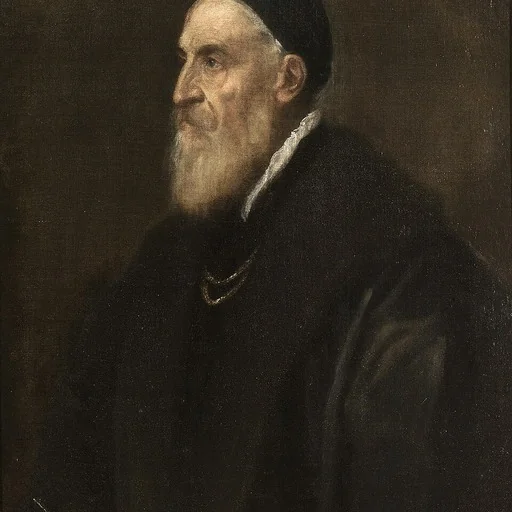
Subject
Golden Fleece
Golden Fleece is a subject in art. The gallery holds 83 works in this subject in art, including works by Titian, David Teniers the Younger and Peter Paul Rubens.
In art the Golden Fleece carries two intertwined meanings. The first is mythological: in Greek legend the fleece is the hide of a golden, flying ram, hung in a sacred grove at Colchis and guarded by a sleepless dragon-serpent, the prize Jason and the Argonauts sailed east to win. Among the oldest of Greek myths, it appears in Archaic and Classical art on painted pottery—Jason seizing the fleece from its tree while Athena looks on—and was revived by later painters, who more often dwelt on the doomed love of Jason and Medea than on the heroic quest, as in Gustave Moreau's Symbolist Jason (1865, Musée d'Orsay).
The second meaning, the one this catalogue's holdings chiefly record, is dynastic. In 1430 Philip the Good, Duke of Burgundy, founded the chivalric Order of the Golden Fleece at Bruges to mark his marriage to Isabella of Portugal. Dedicated to the Virgin and Saint Andrew, it bound an exclusive brotherhood of knights—first twenty-four, later expanded to thirty-one and then fifty-one—to the Catholic faith and the Burgundian crown. Its insignia, the golden pelt of a ram, hung from a collar of linked firesteels and flints striking sparks, or more simply from a red ribbon worn daily.
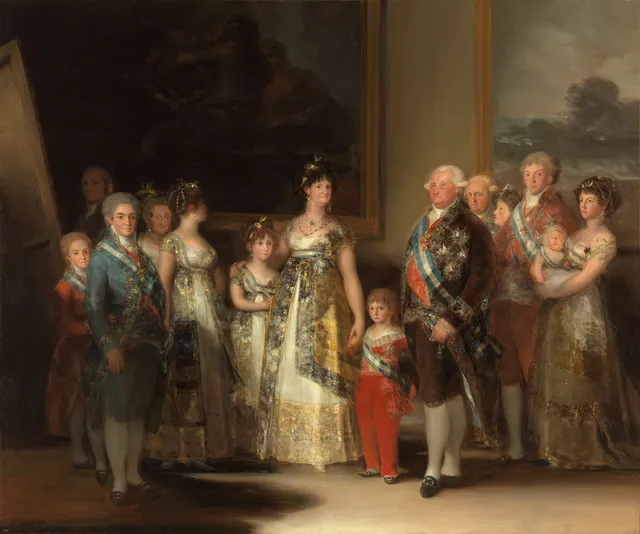
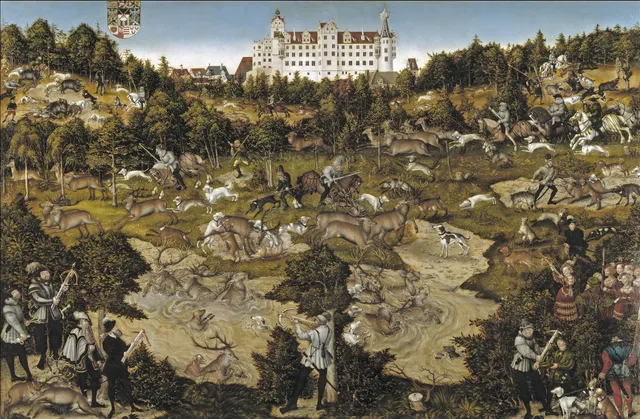
Through the 1477 marriage of Mary of Burgundy to Maximilian of Habsburg the grand mastership passed to the House of Habsburg, and the jewel became the supreme badge of Habsburg and, later, Spanish royalty. This is why the emblem saturates court portraiture. Titian's Equestrian Portrait of Charles V (1548, Prado) shows the emperor in gleaming armour as a knight of the Order; Lucas Cranach the Elder's two hunt panels honour the same Charles V and his brother Ferdinand I at the Castle of Torgau. Goya's Charles IV of Spain and His Family (1800–01) and Vicente López's portrait of the Duke of Infantado carry the same insignia forward into the modern era, while genre painters such as David Teniers the Younger documented the wider Habsburg court world.
The Order survives today, split since the eighteenth century into rival Spanish and Austrian branches. As a visual sign the fleece became a shorthand for Catholic dynastic legitimacy, taking its place beside the Garter and the Order of the Holy Spirit in the iconography of European court portraiture.
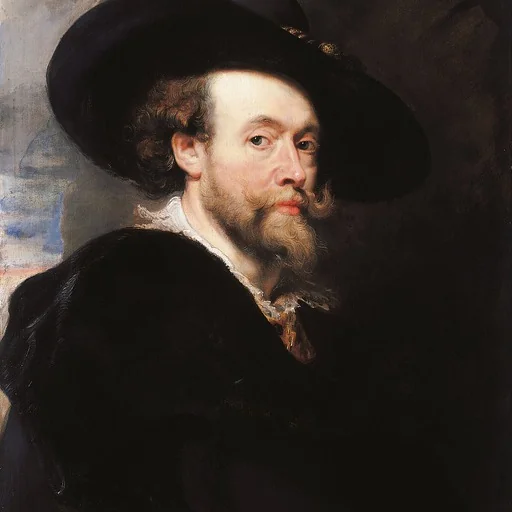
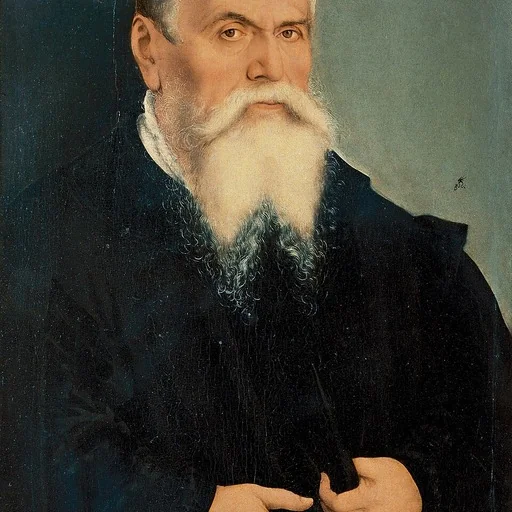
Key artists
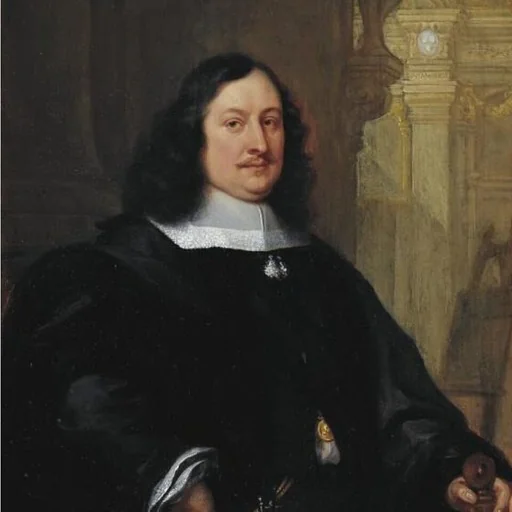
Works
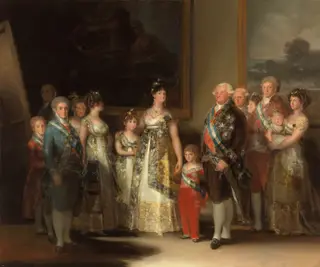 Charles IV of Spain and His Family
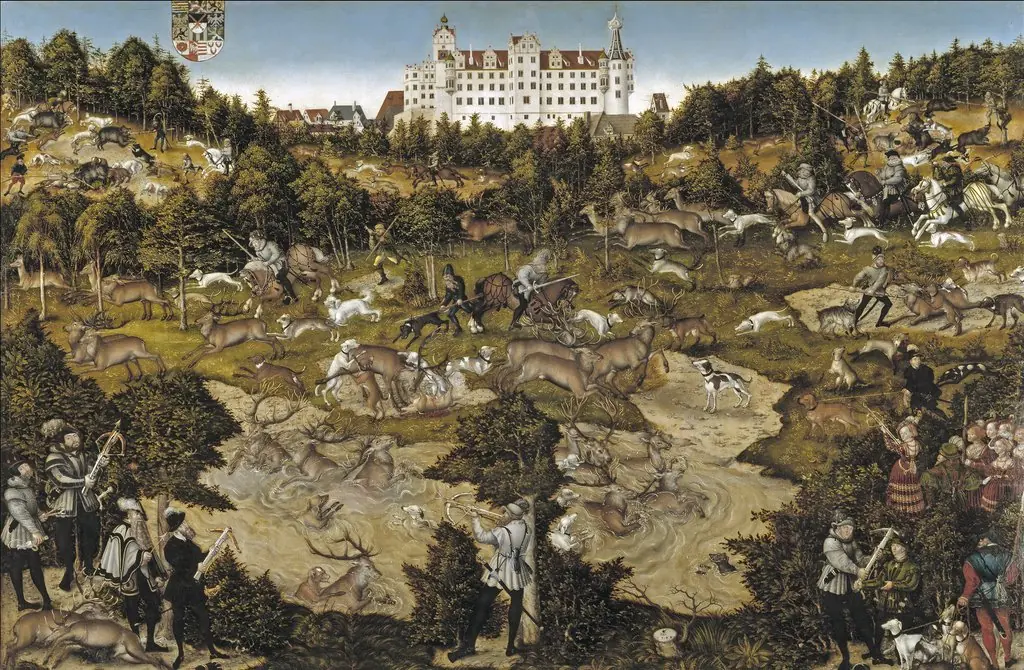 Hunt at the Castle of Torgau in honour of Charles V
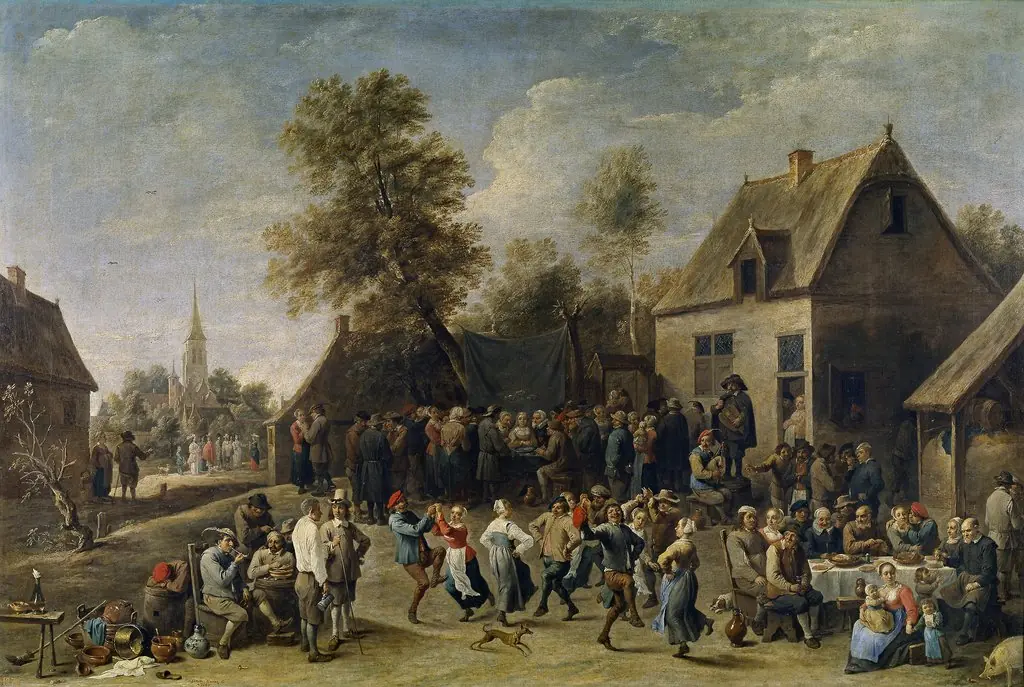 Country Feast
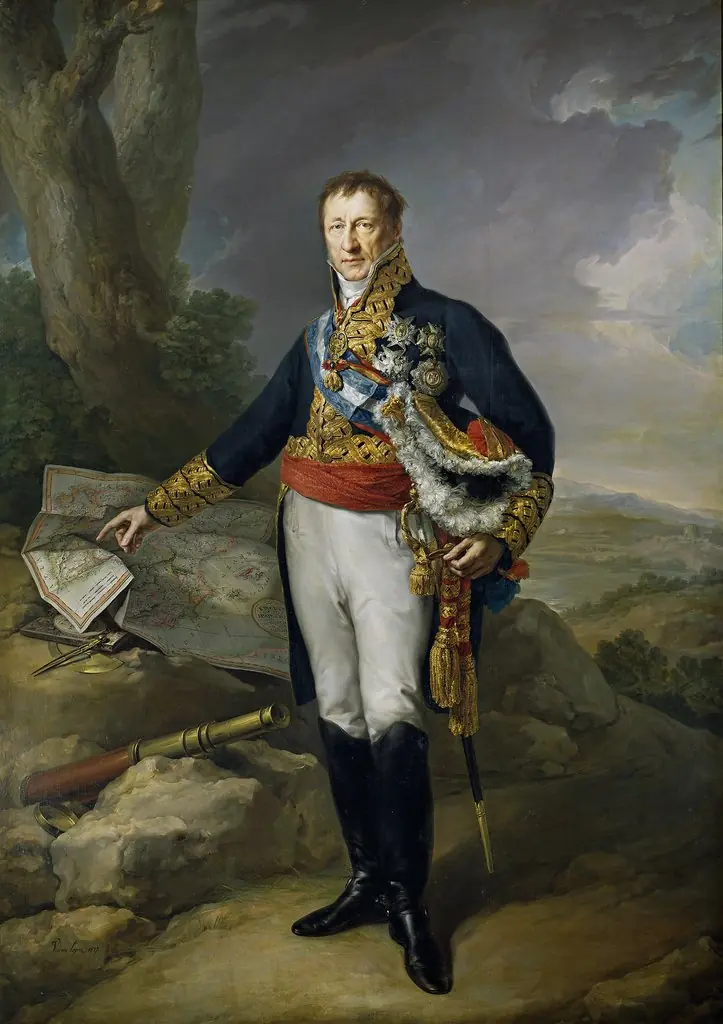 Pedro de Alcántara Álvarez de Toledo y Salm Salm, XIII duque del Infantado
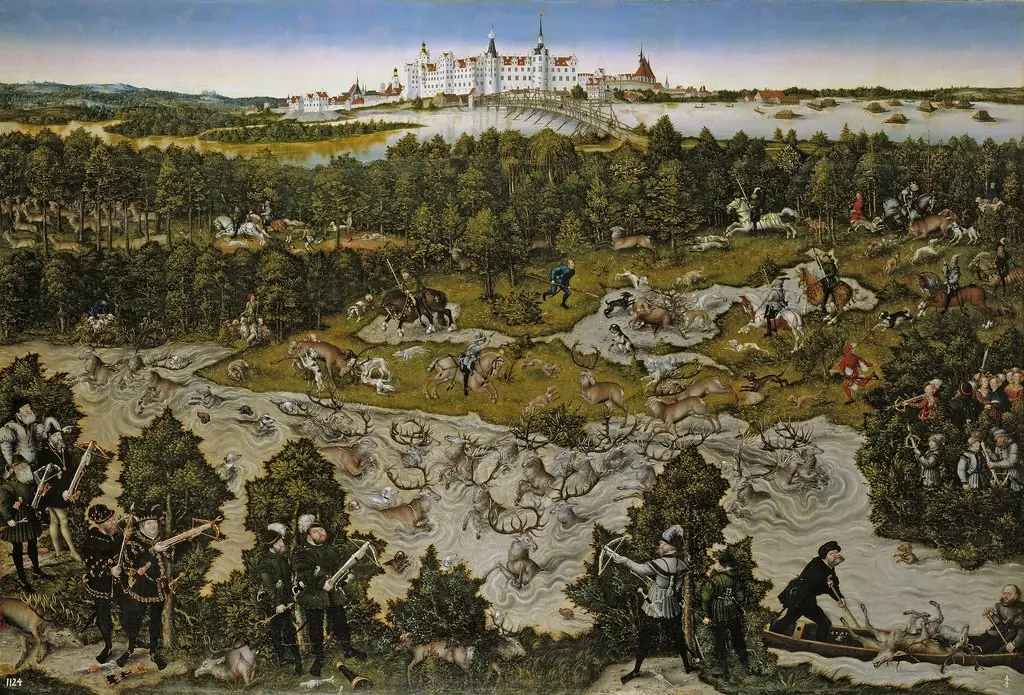 Hunt at the Castle of Torgau in honour of Ferdinand I
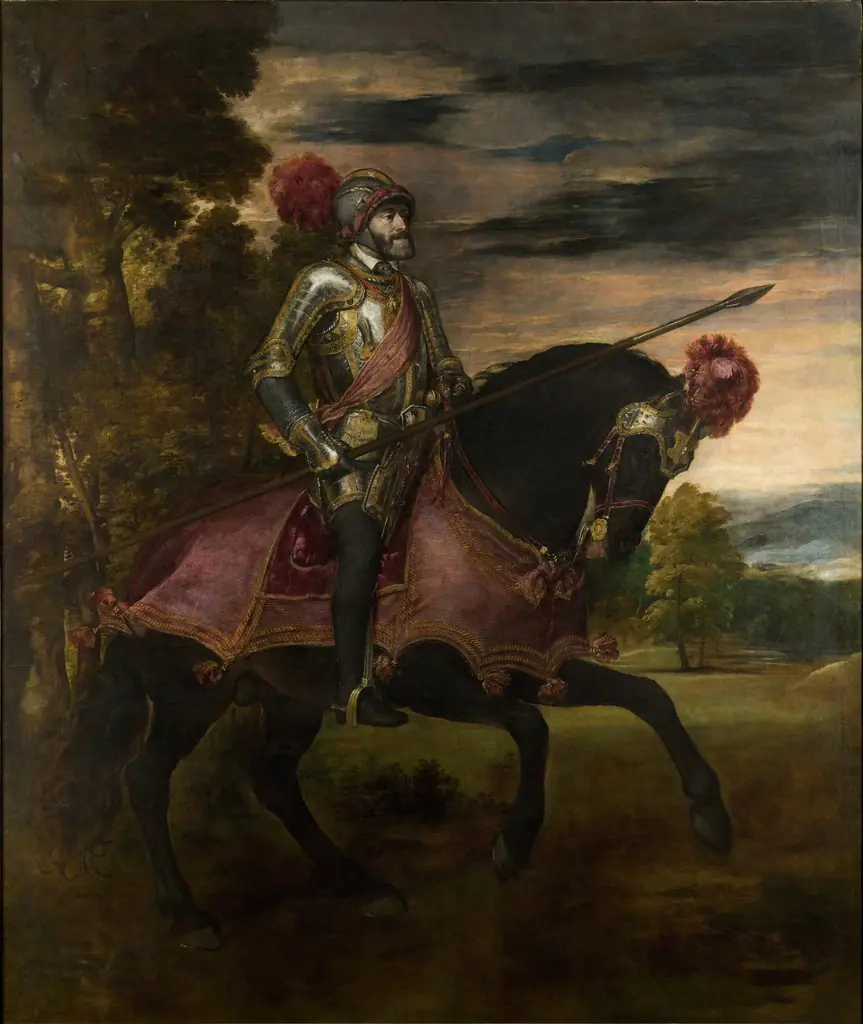 Equestrian Portrait of Charles V
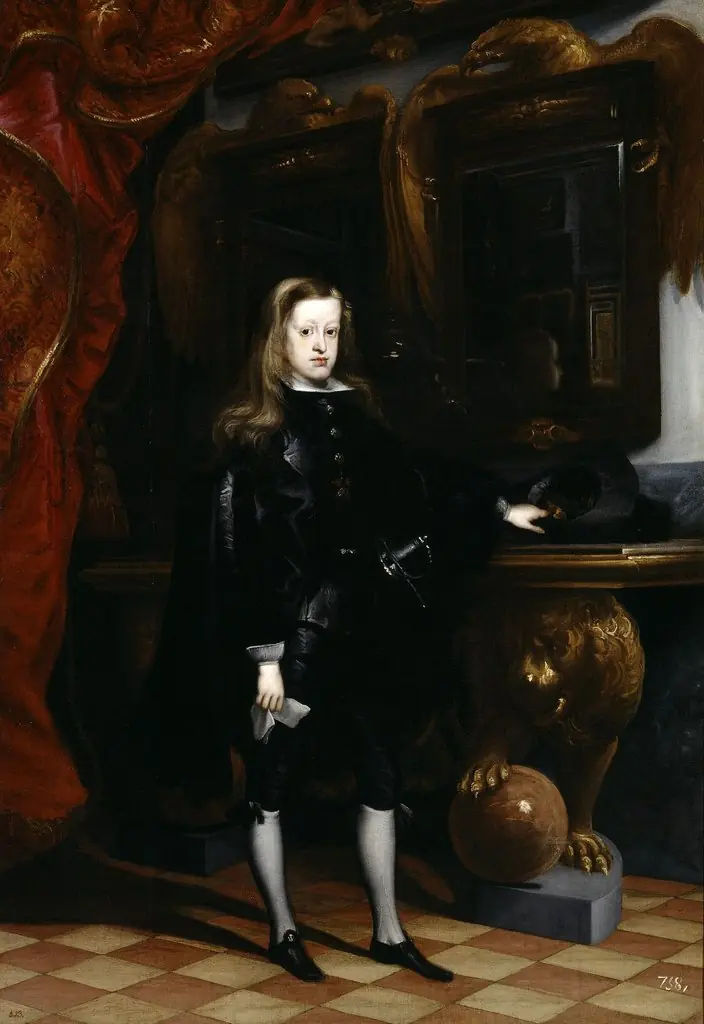 Charles II as a child
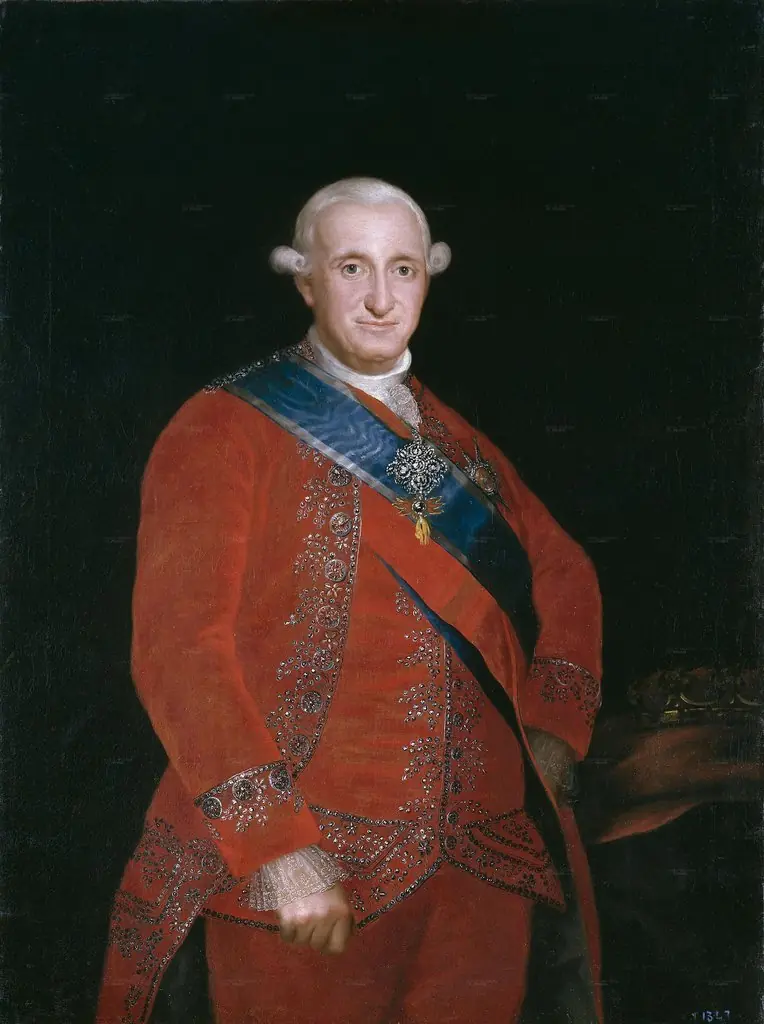 Charles IV, King of Spain
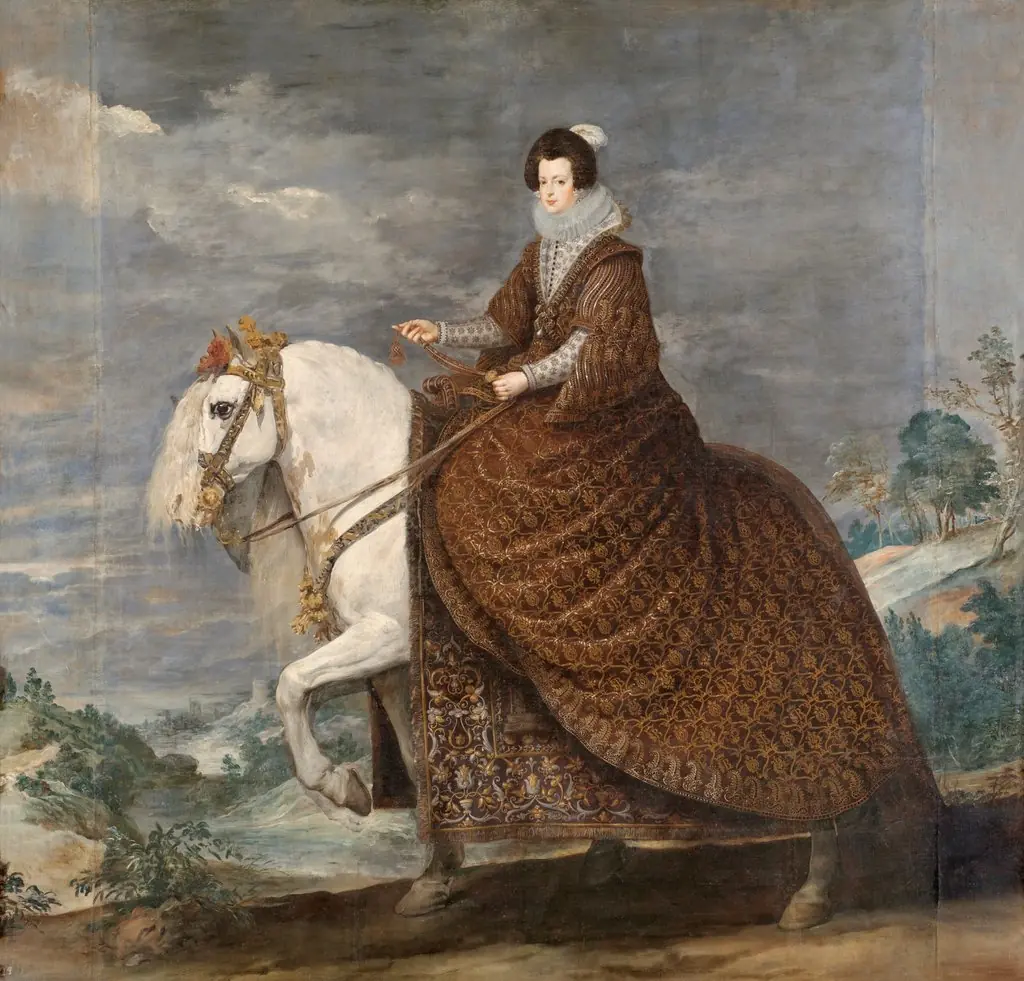 Equestrian Portrait of Elisabeth of France
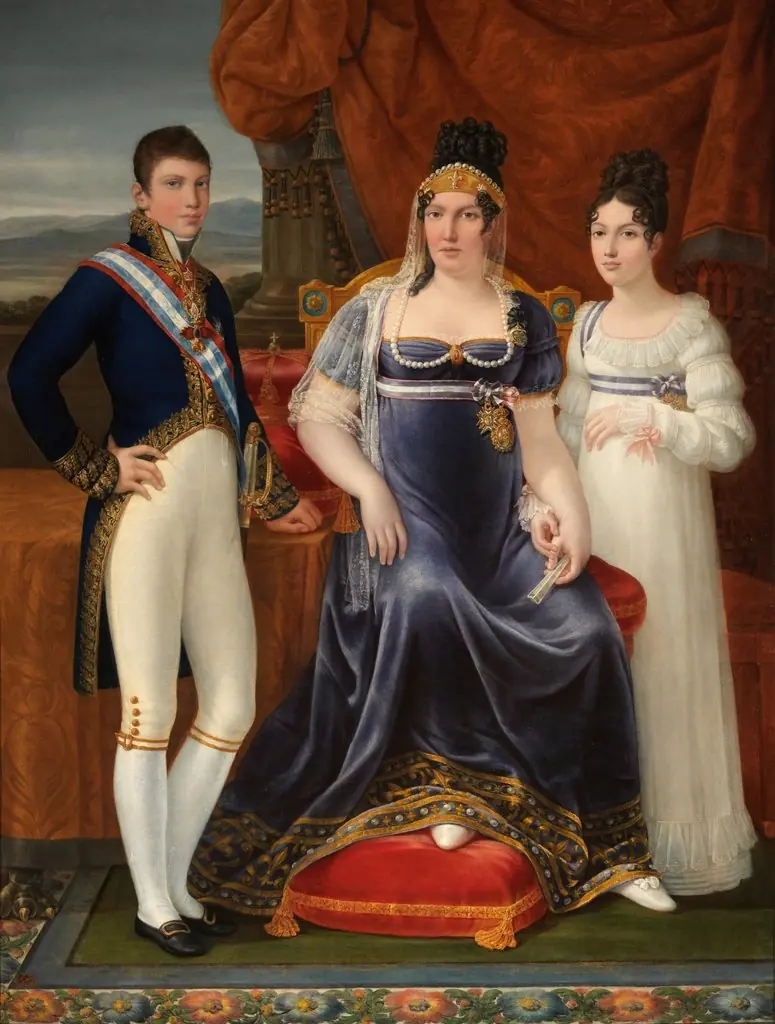 The Queen of Etruria and her Children
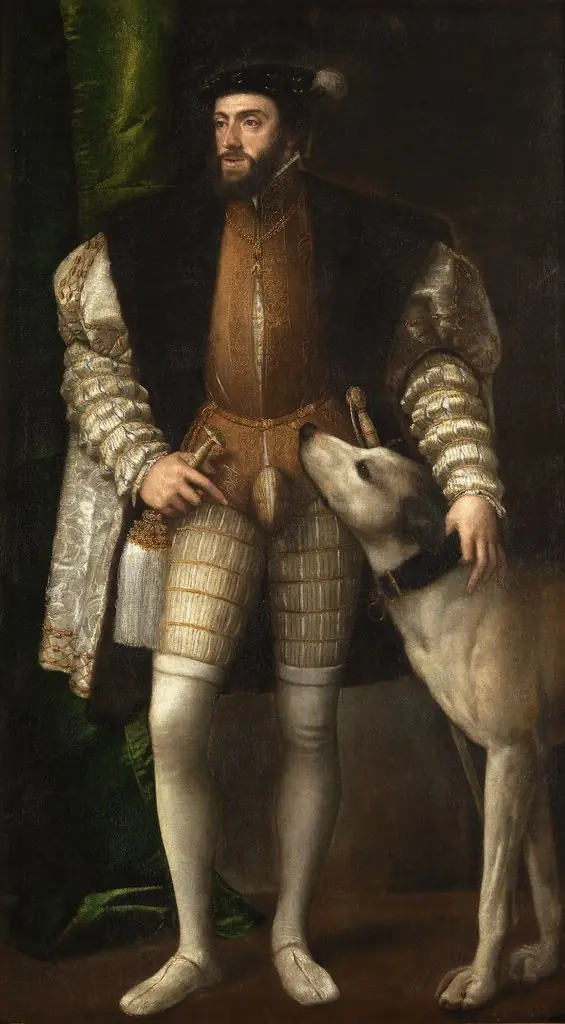 Portrait of Charles V with a Dog
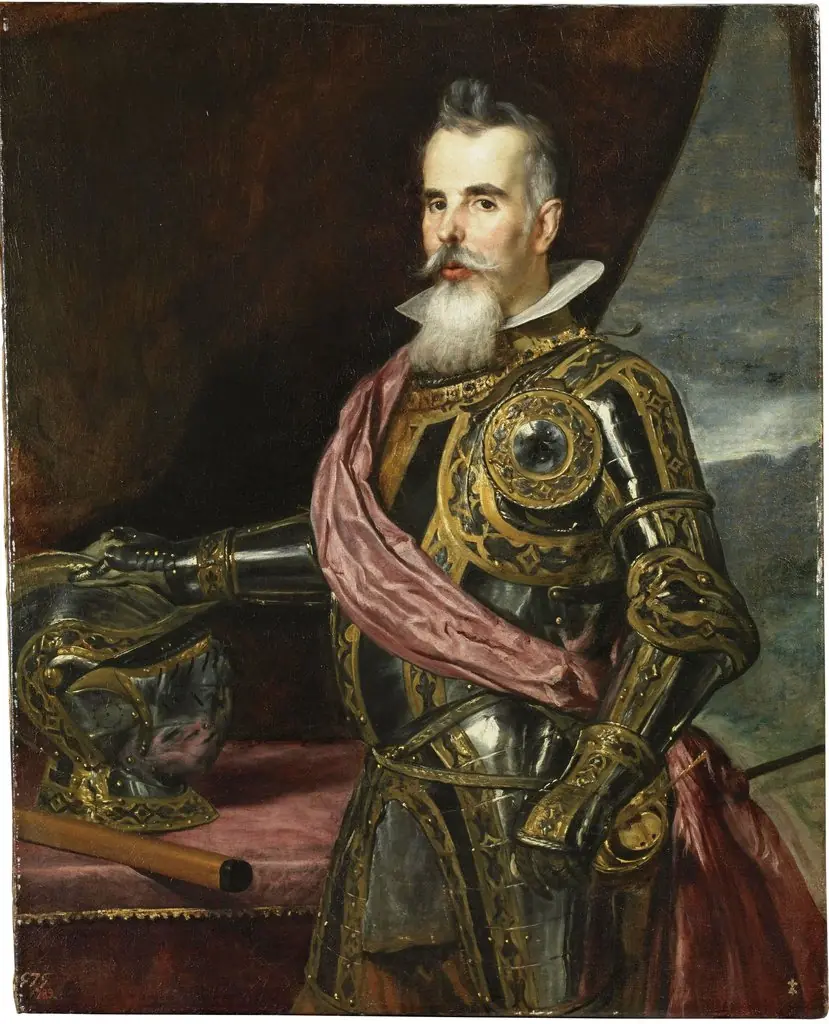 Juan Francisco Pimentel, conde de Benavente
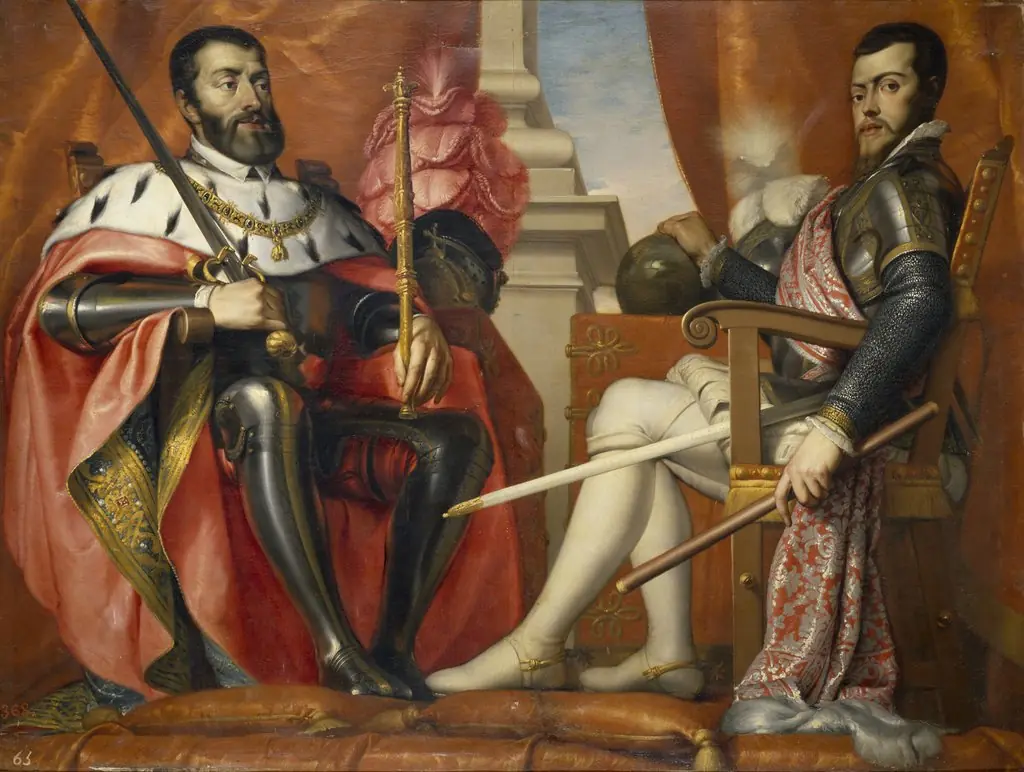 Charles V and Philip II
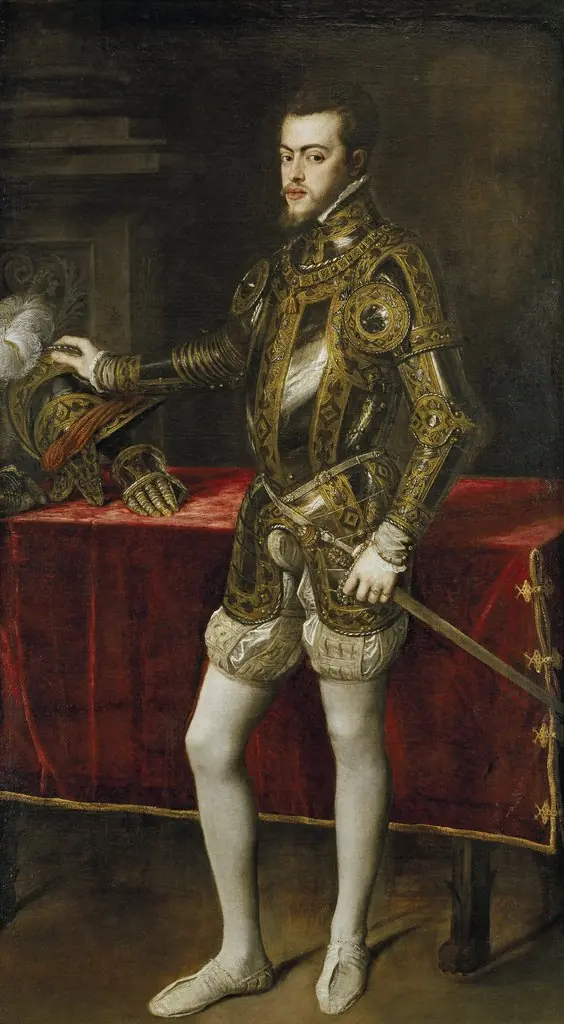 Philip II in Armour
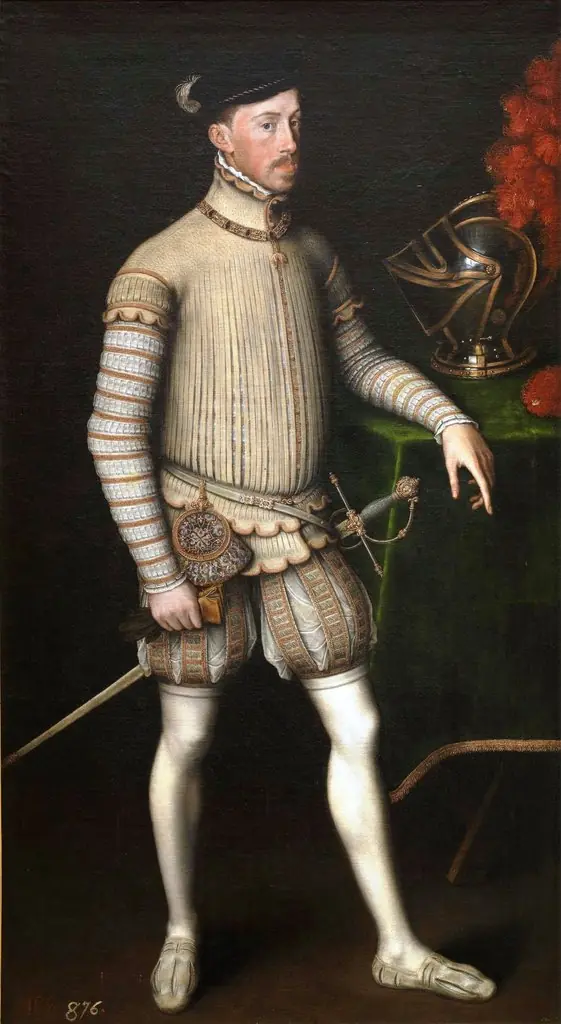 Emperor Maximilian II
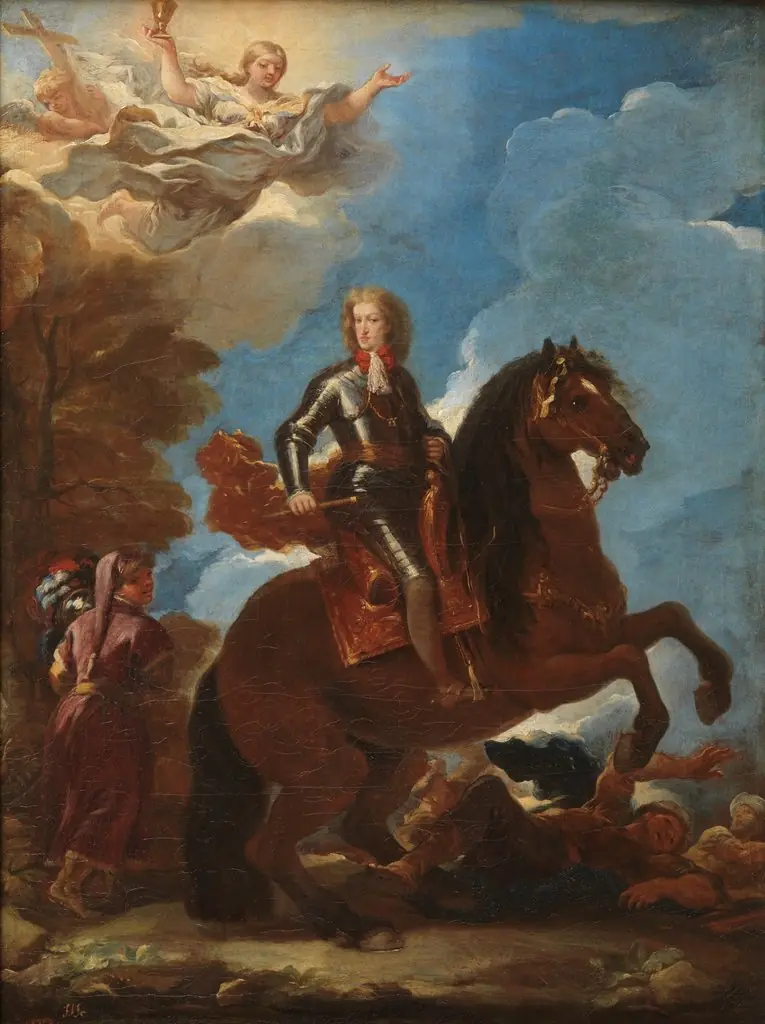 Charles II, King of Spain, on Horseback
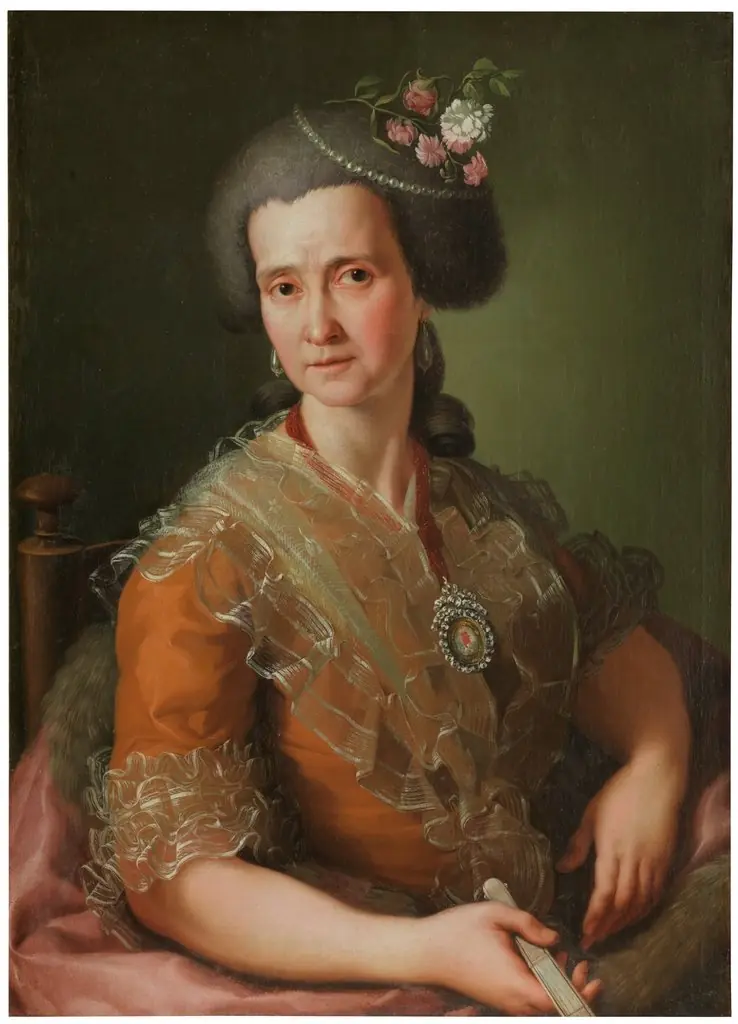 Manuela Tolosa y Aviñón
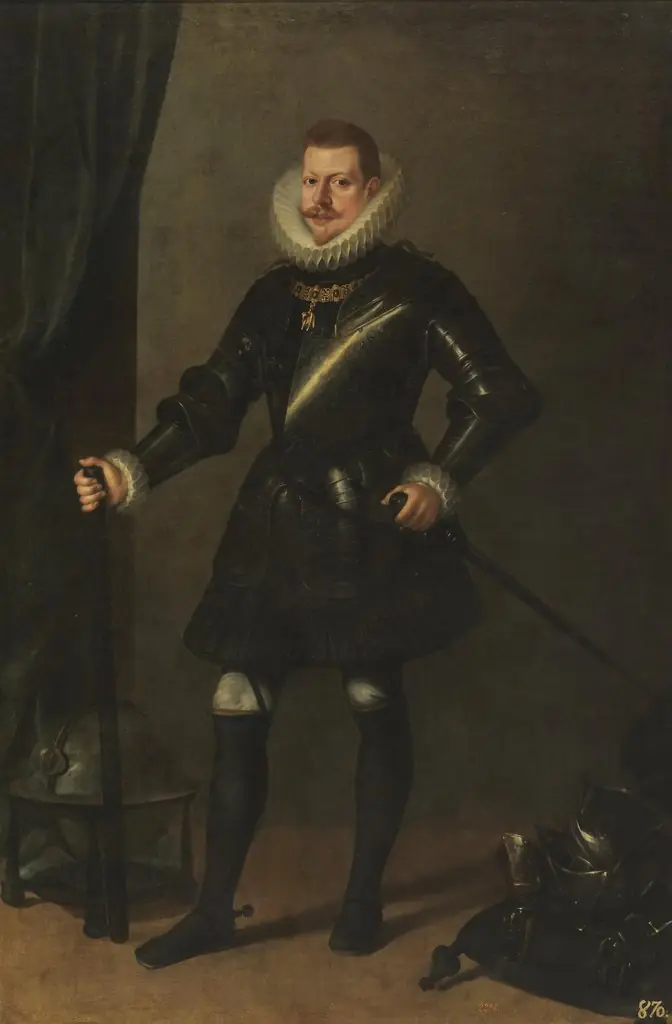 Philip III in Armour
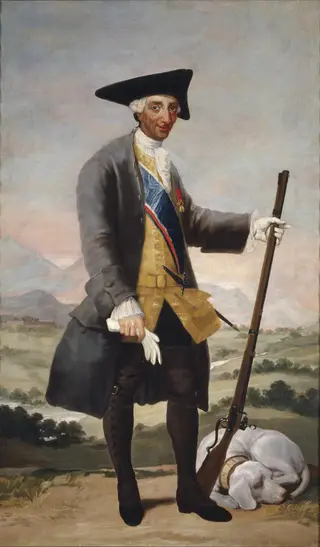 Charles III in Hunting Dress
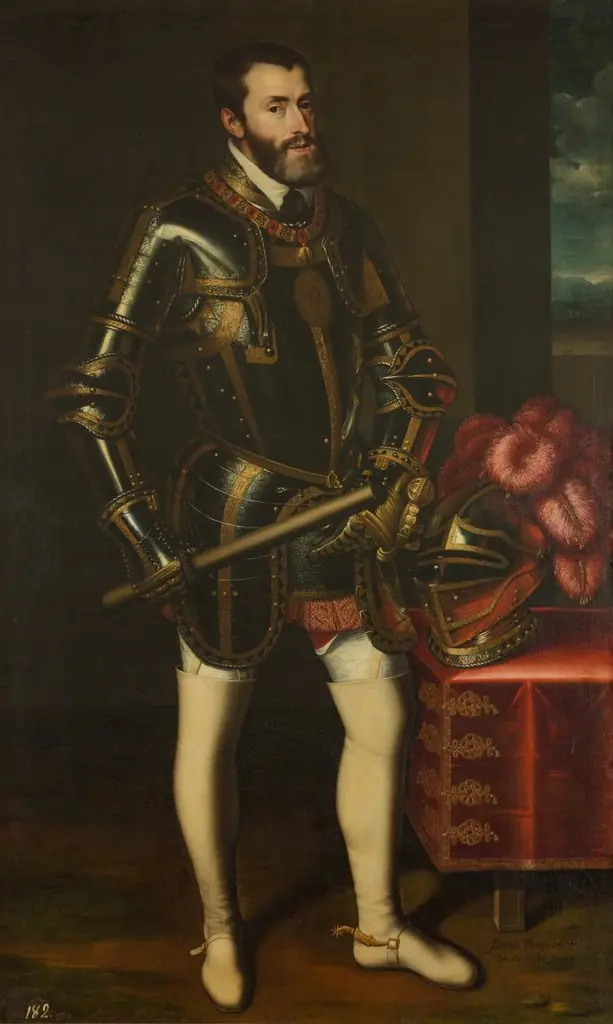 The Emperor Charles V
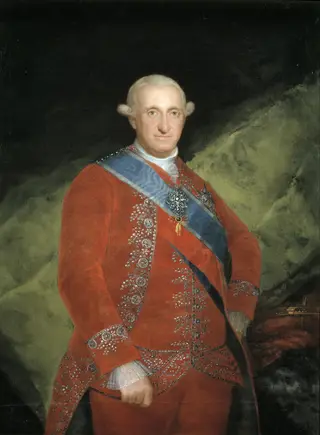 Charles IV in Red
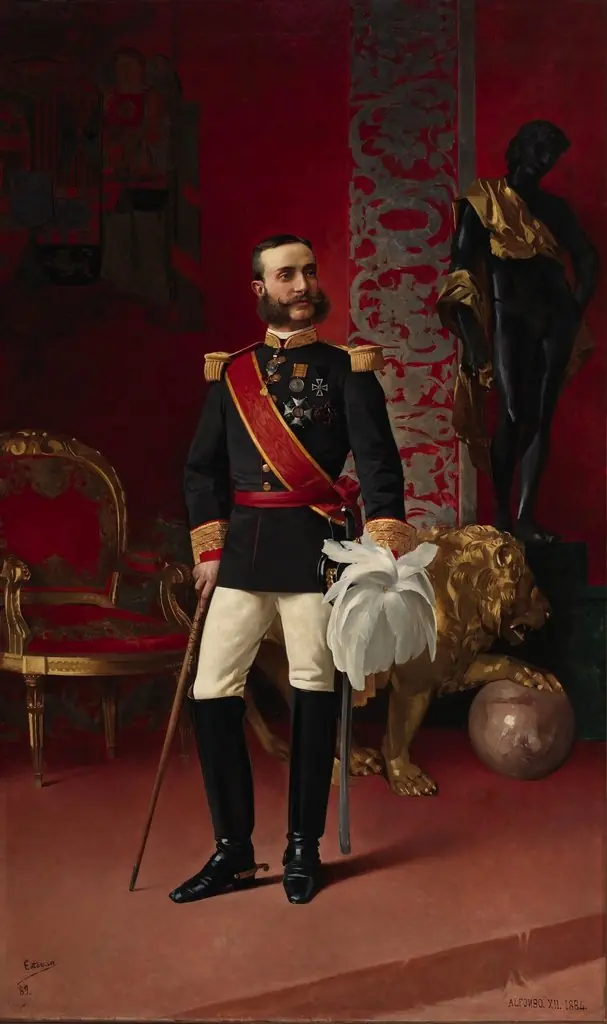 Alfonso XII
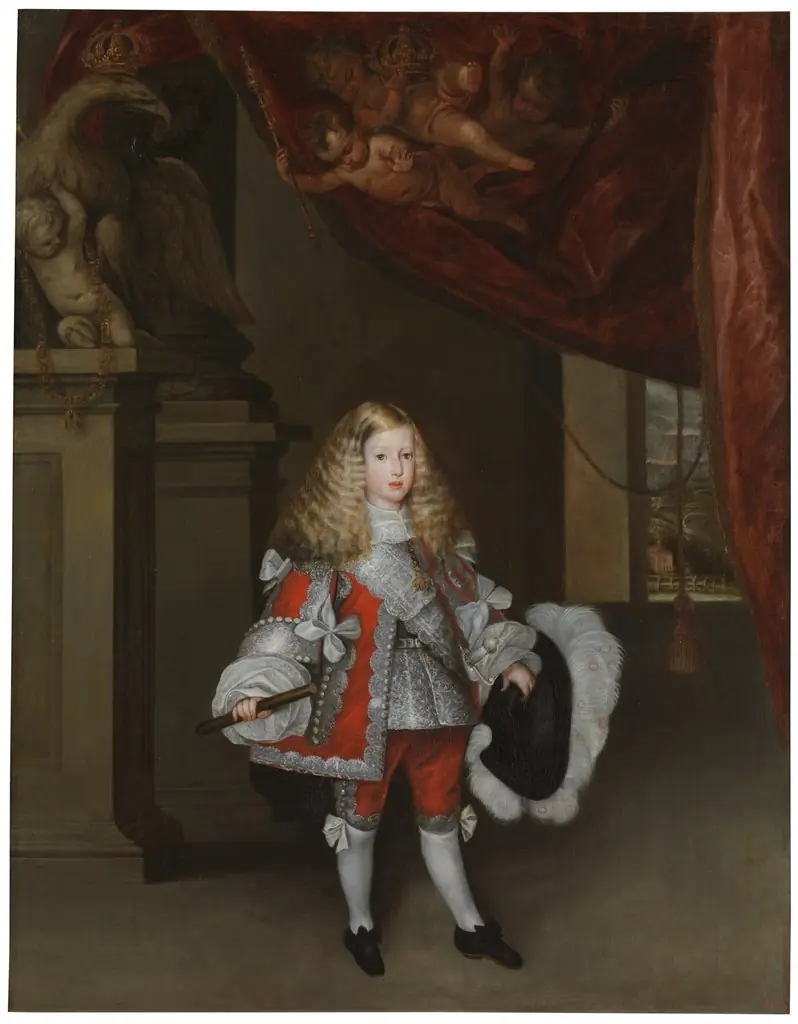 Charles II as a Child
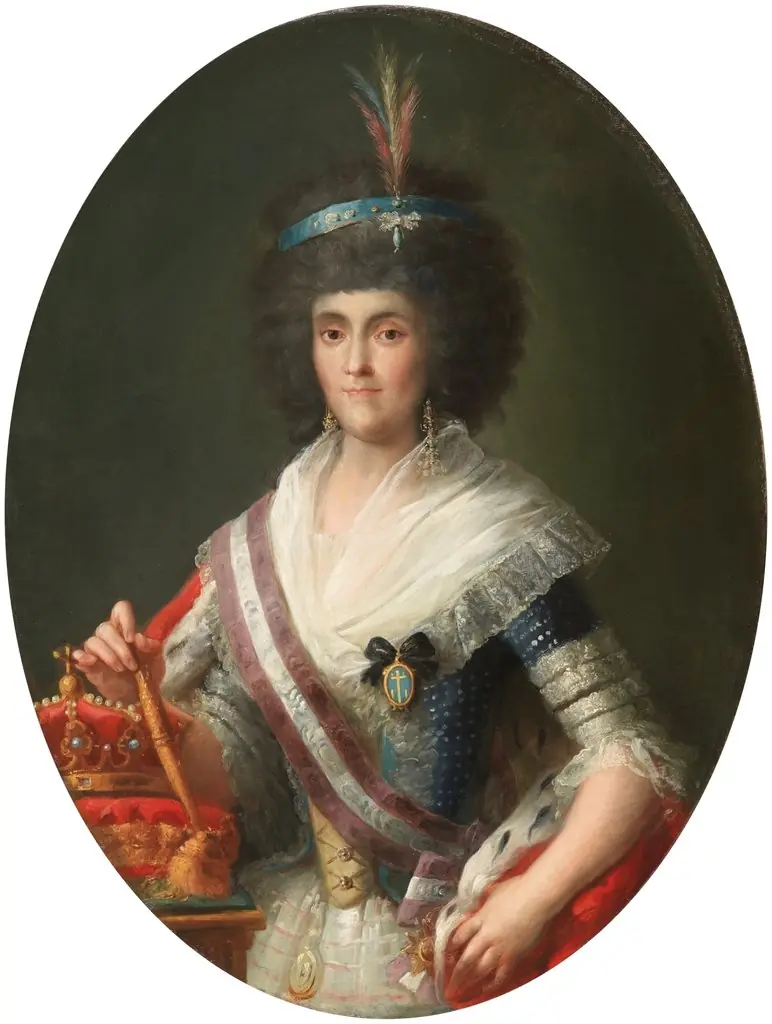 María Luisa de Parma, Queen of Spain
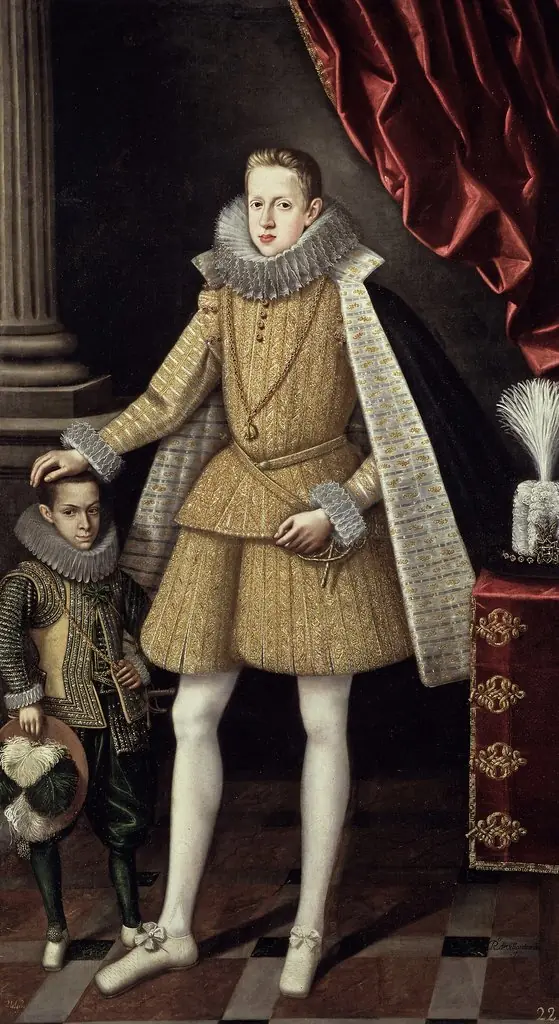 Prince Philip and the Dwarf, Miguel Soplillo
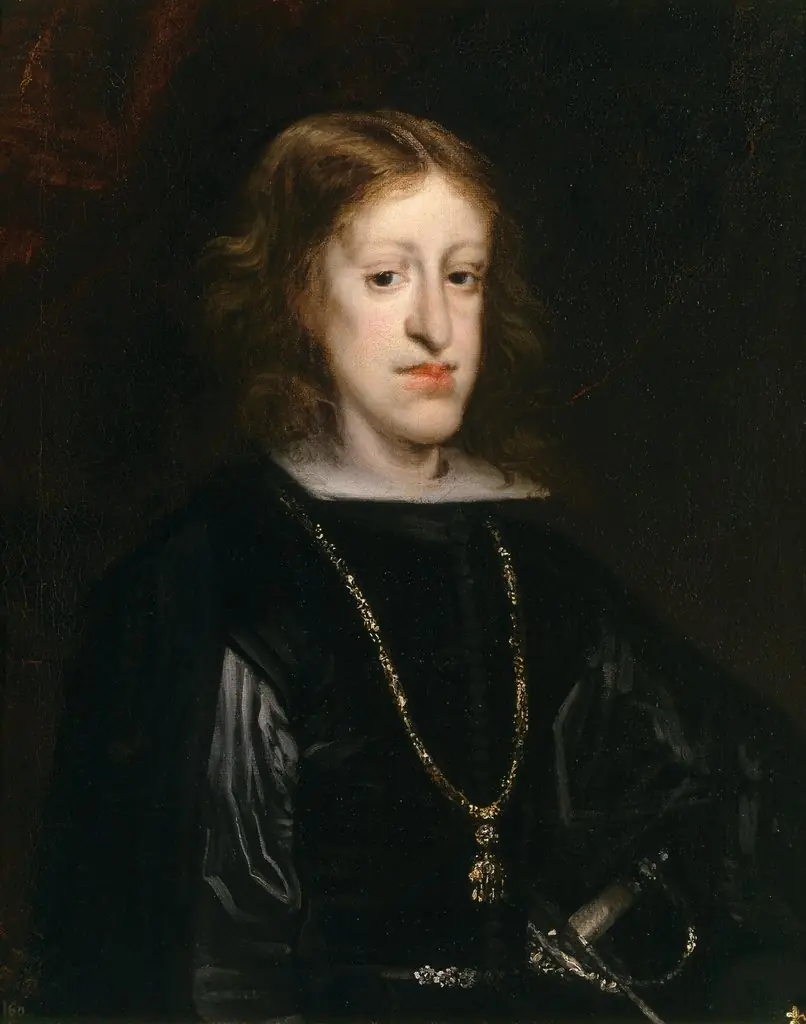 Charles II of Spain
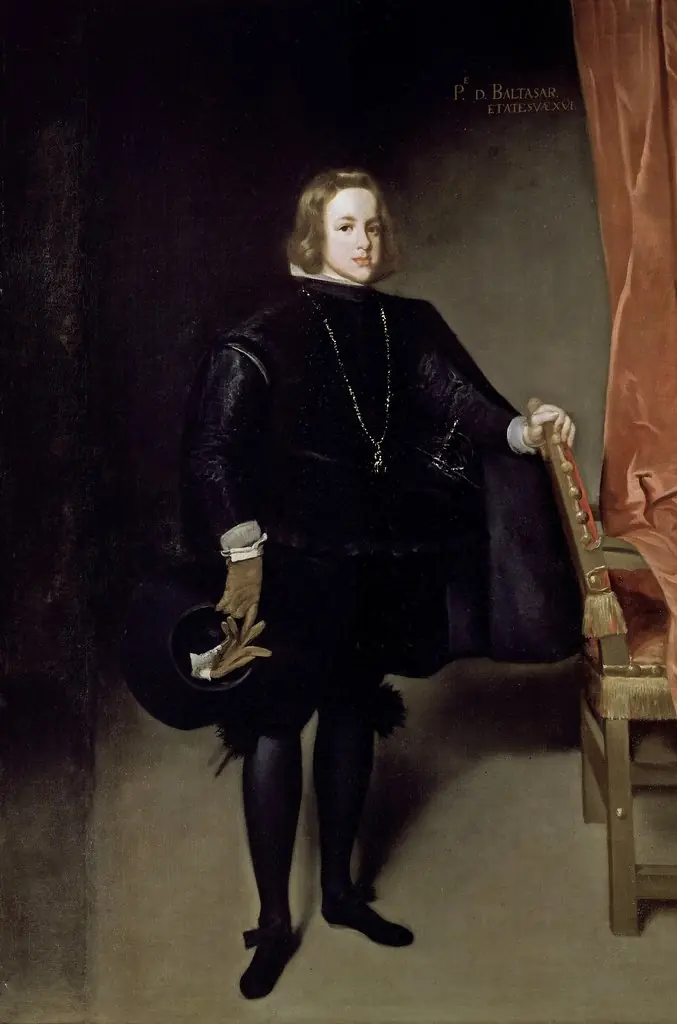 Portrait of Baltasar Carlos of Spain (1629-1646)
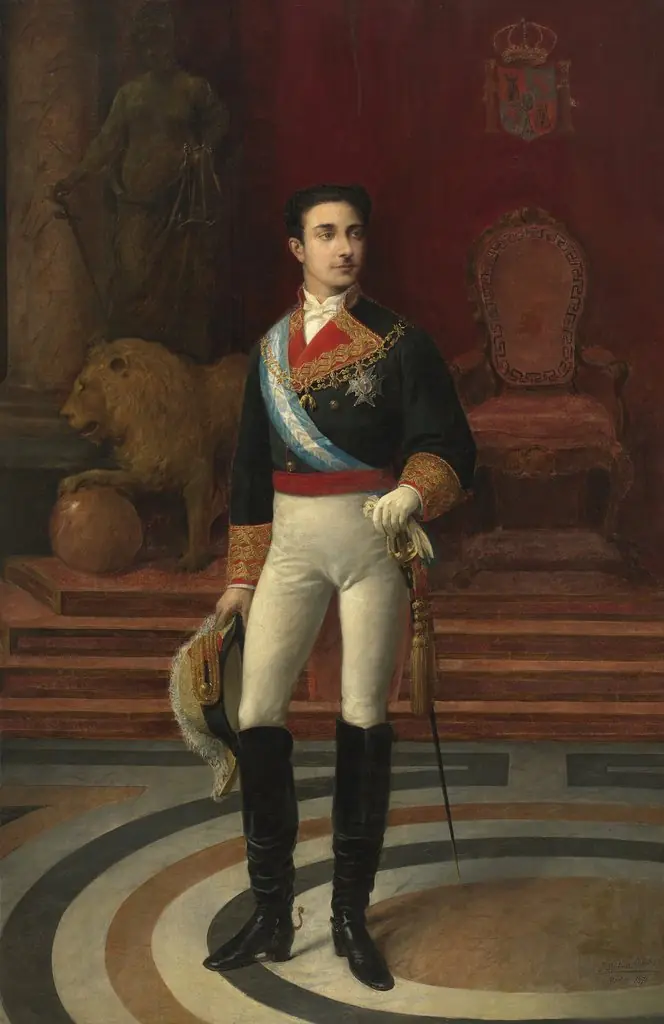 Alfonso XII
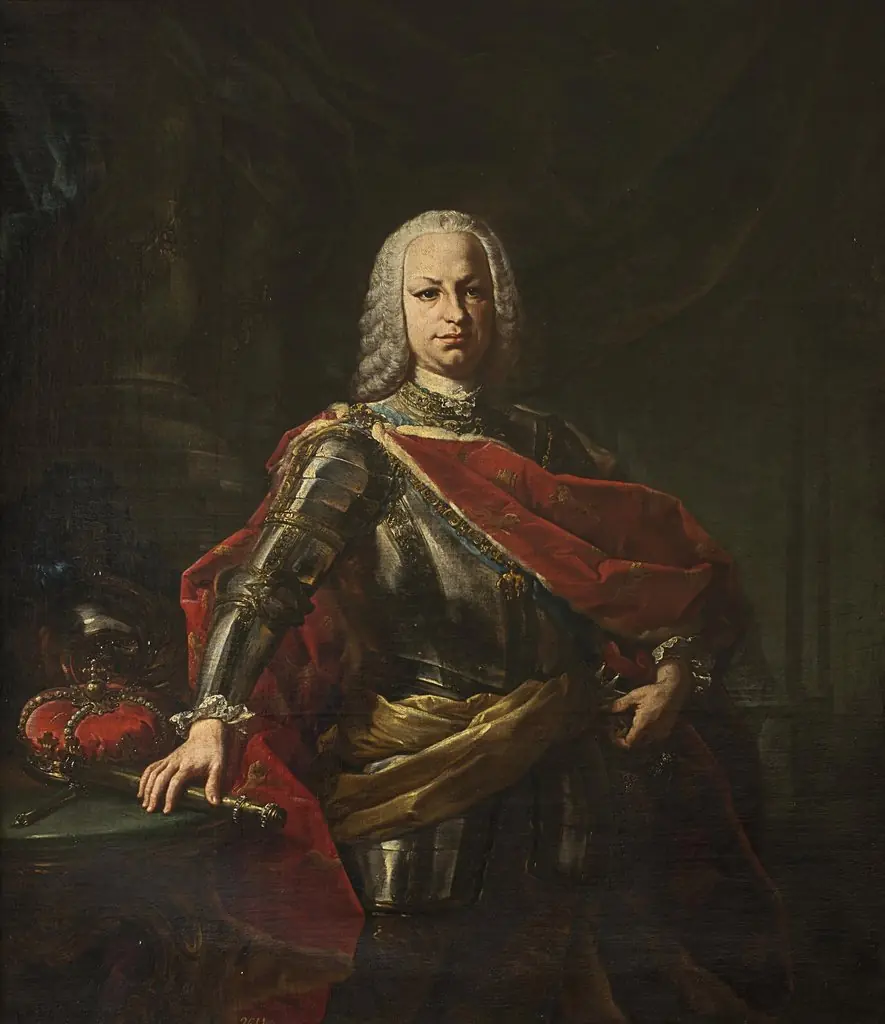 Fernando VI rey de España
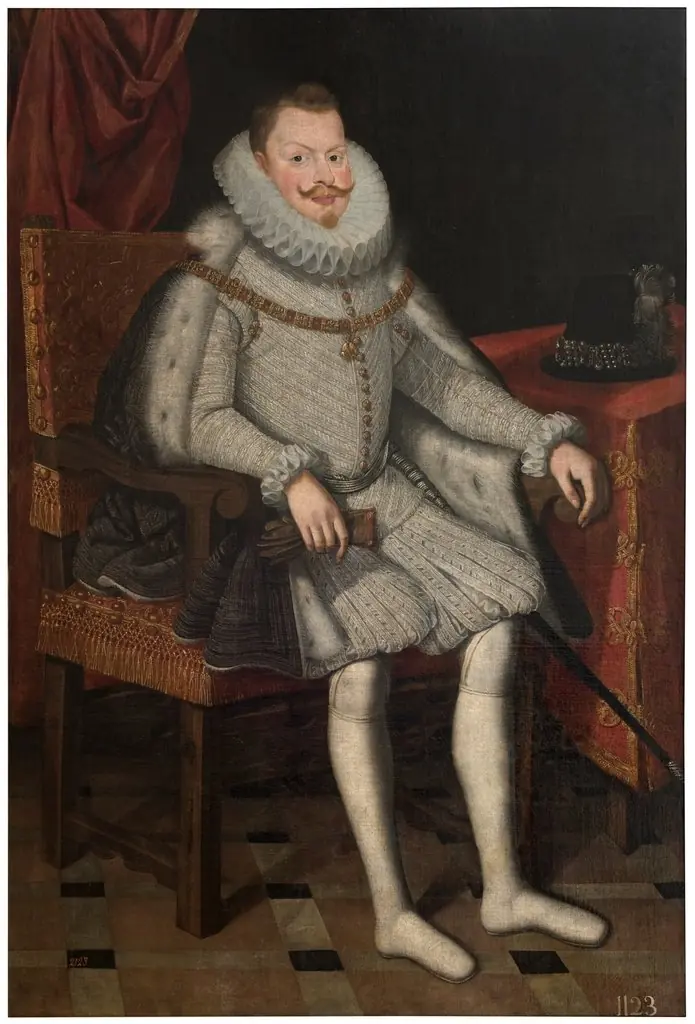 Felipe III rey de España sedente
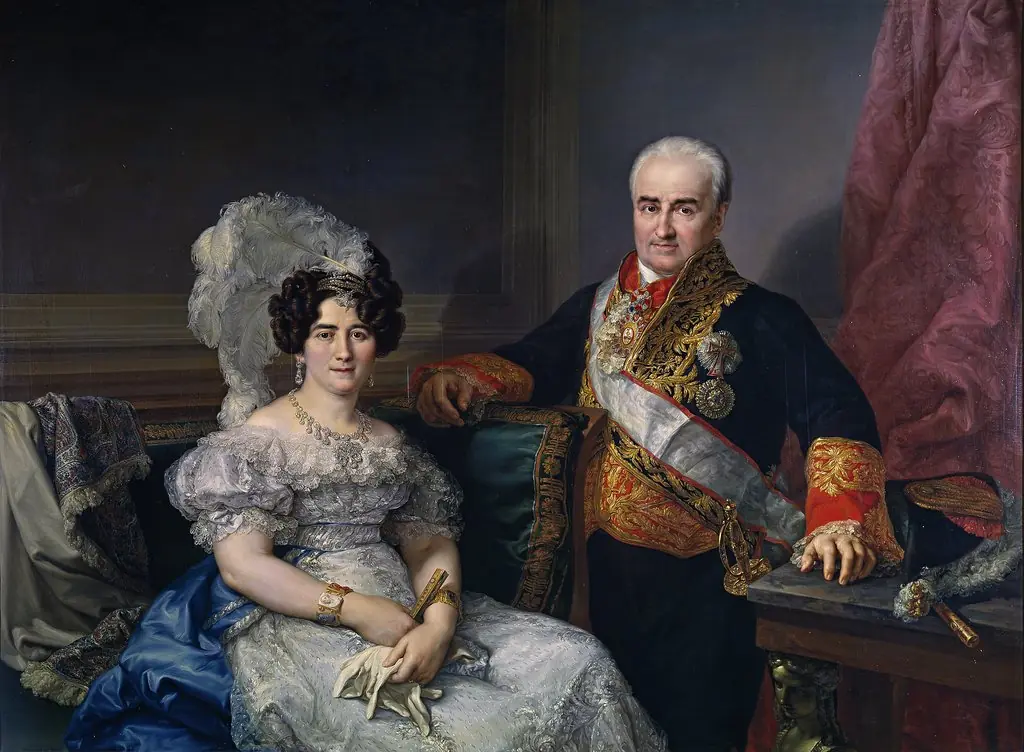 Antonio Ugarte and his wife Maria Antonia Larrazábal
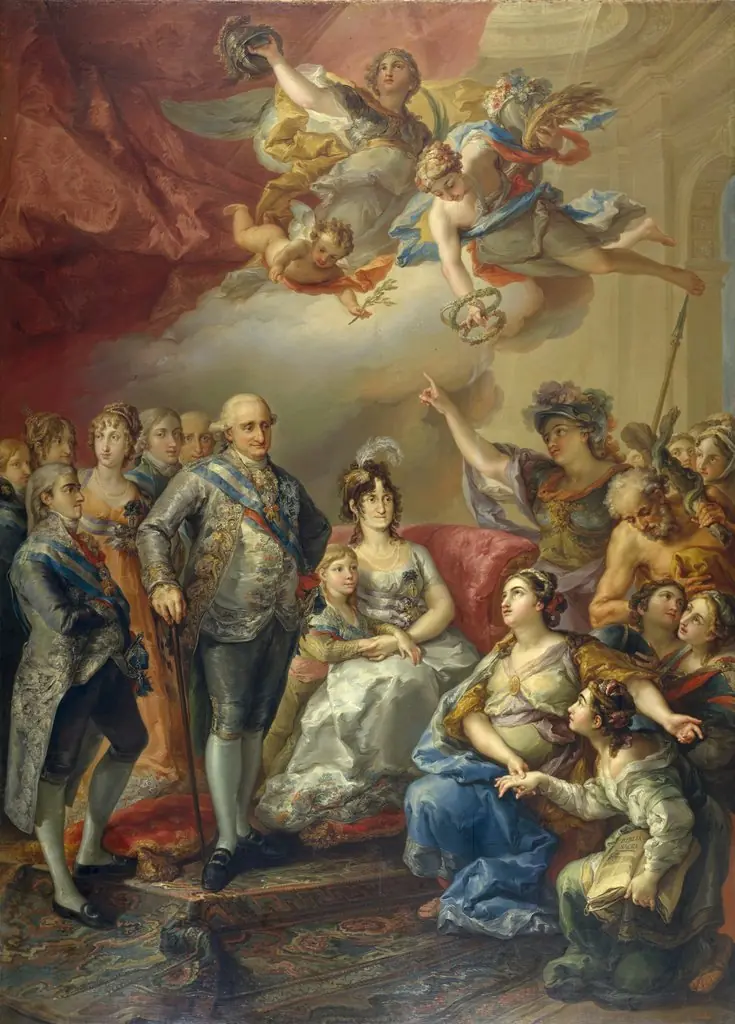 Charles IV and his Family honoured by the University of Valencia
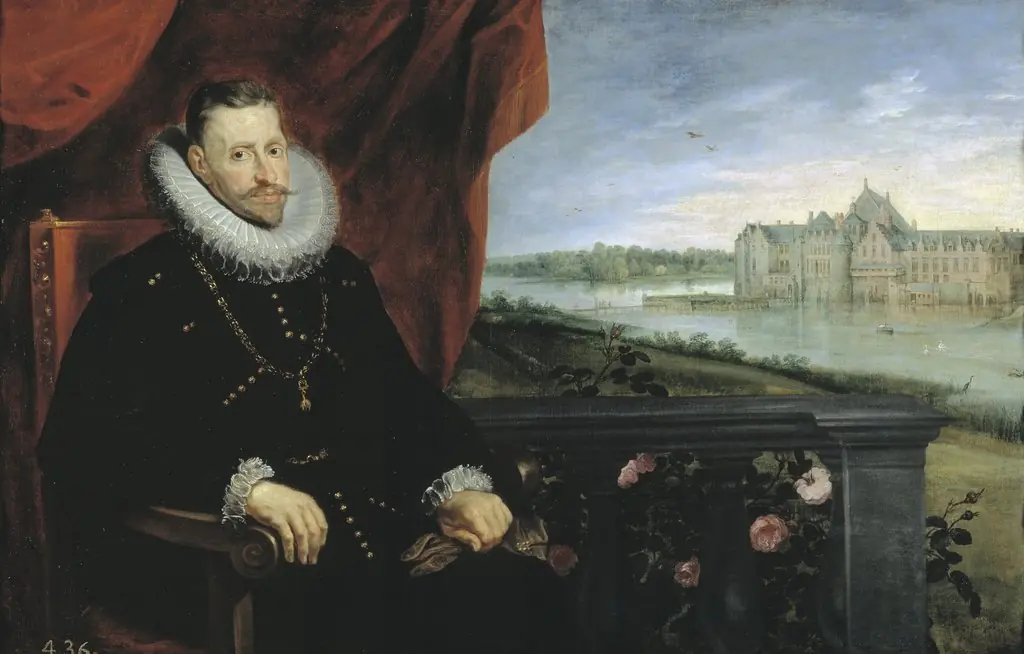 Portrait of Archduke Albert of Austria
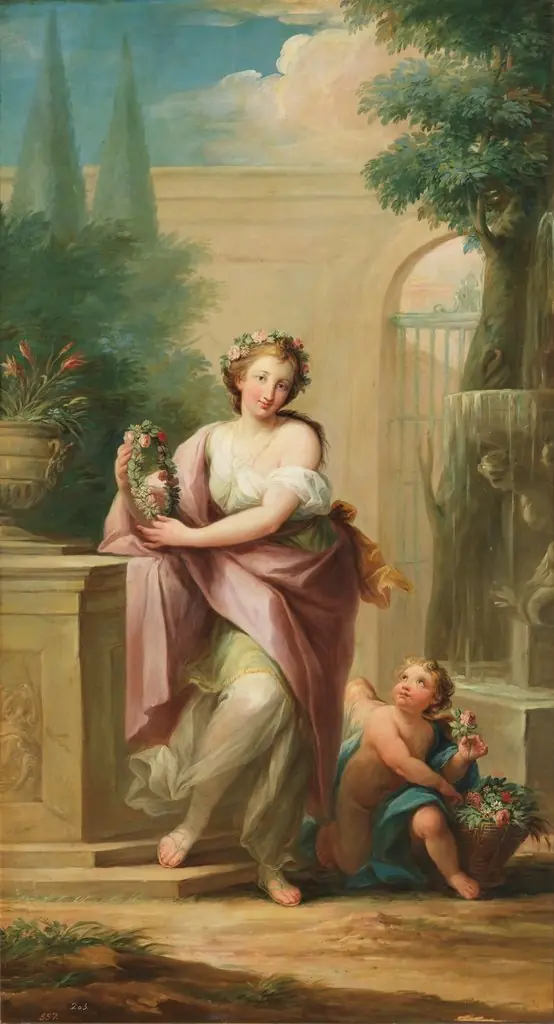 Spring
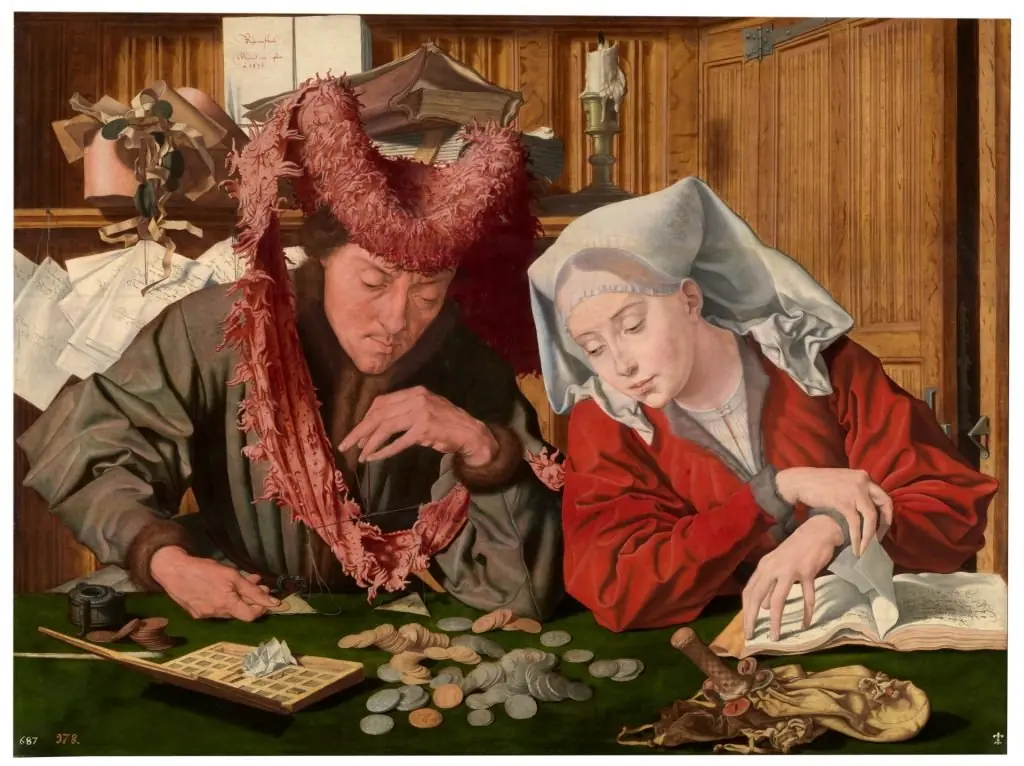 The Moneychanger and his Wife
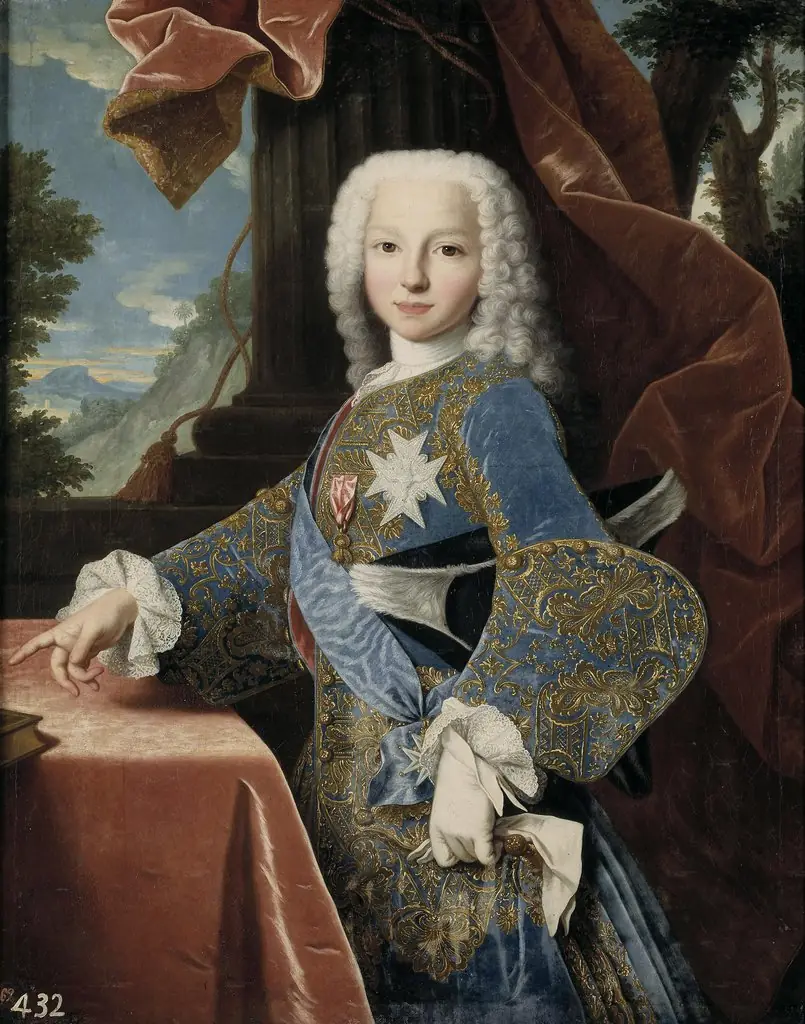 Felipe de Borbón y Farnesio, future Duke of Parma
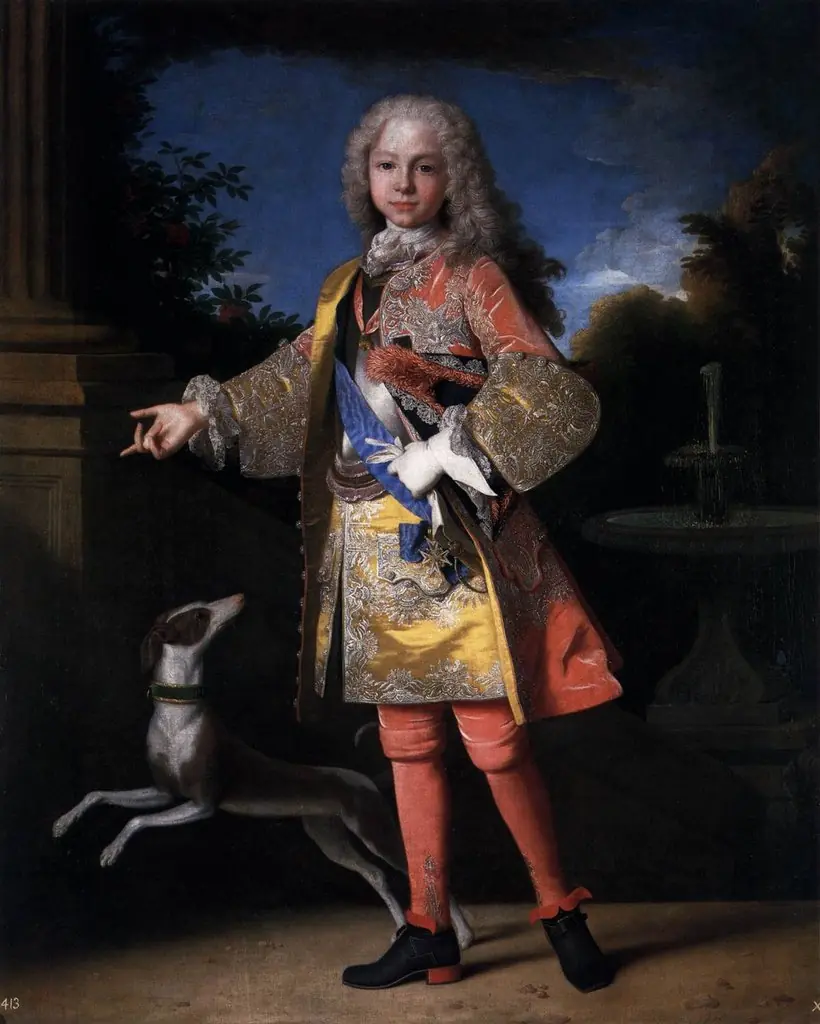 Portrait of Ferdinand VI as a Boy
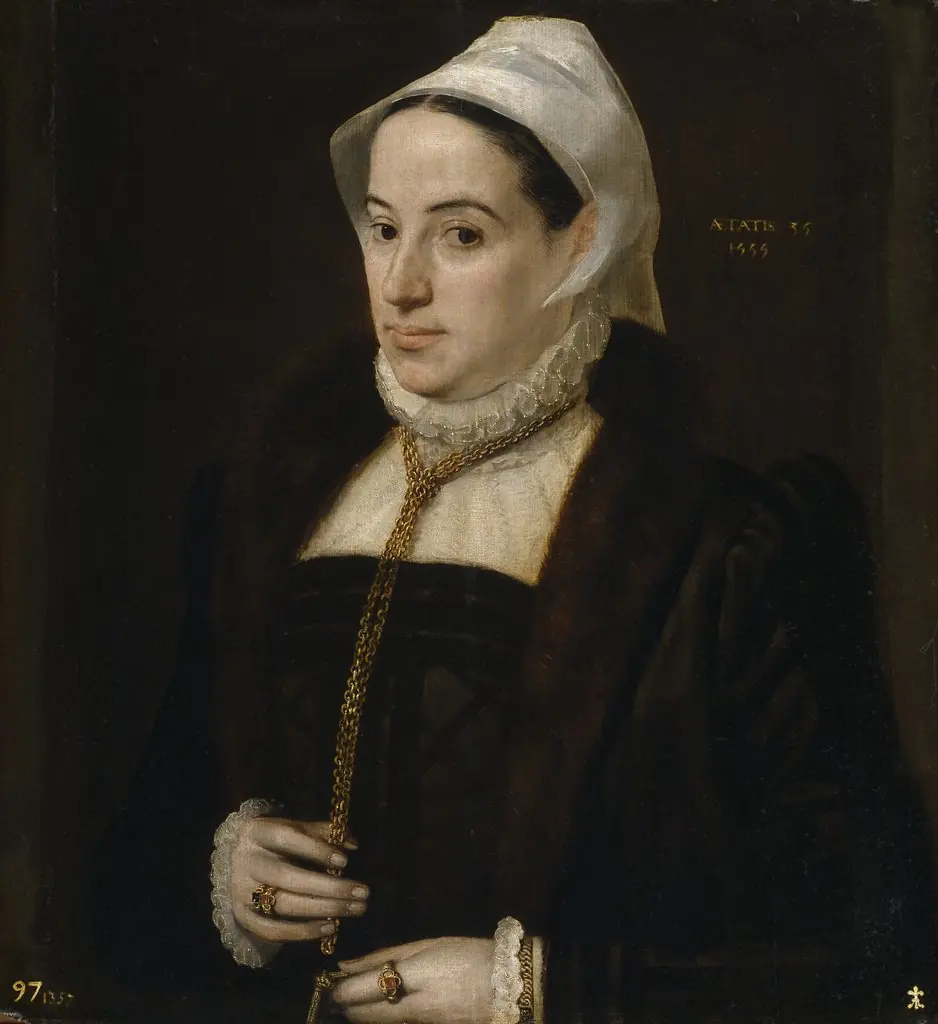 Portrait of a Woman aged 35
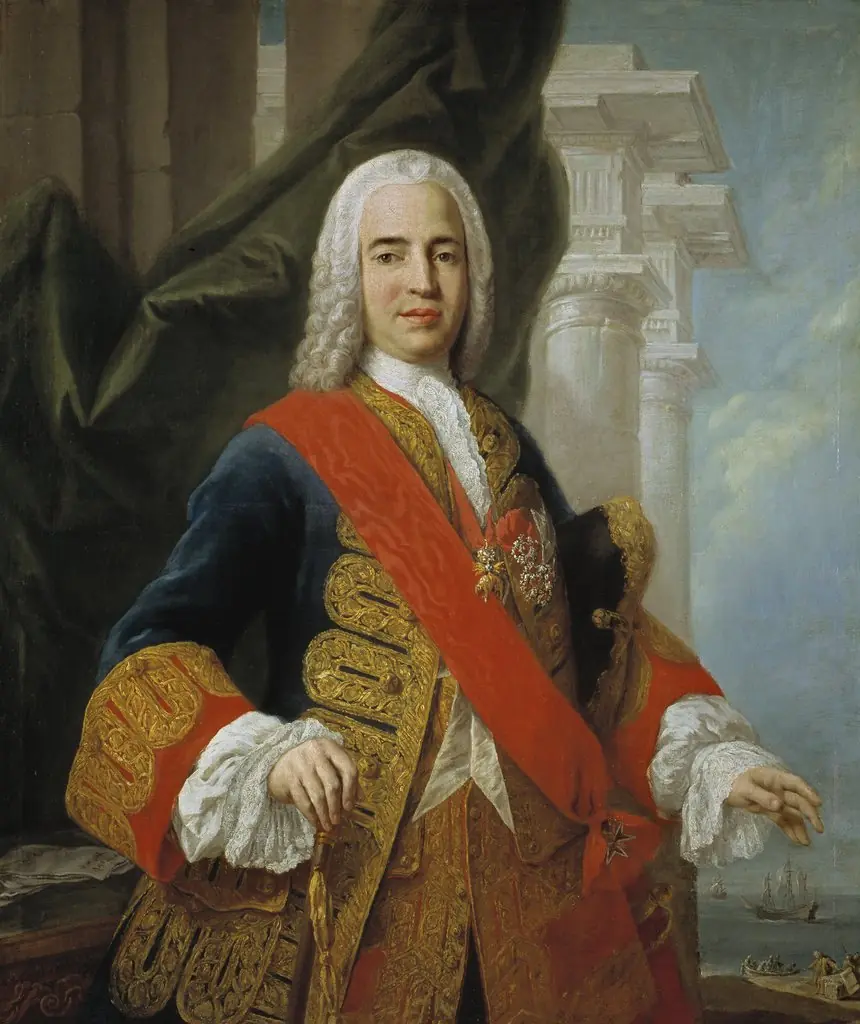 Portrait of the Marquis de la Ensenada
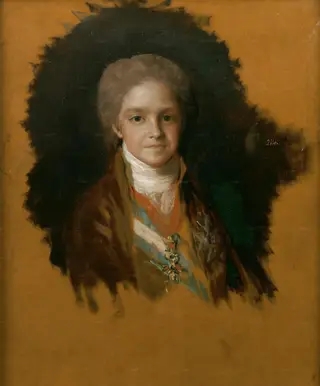 Portrait of the Infante Carlos María Isidro of Spain
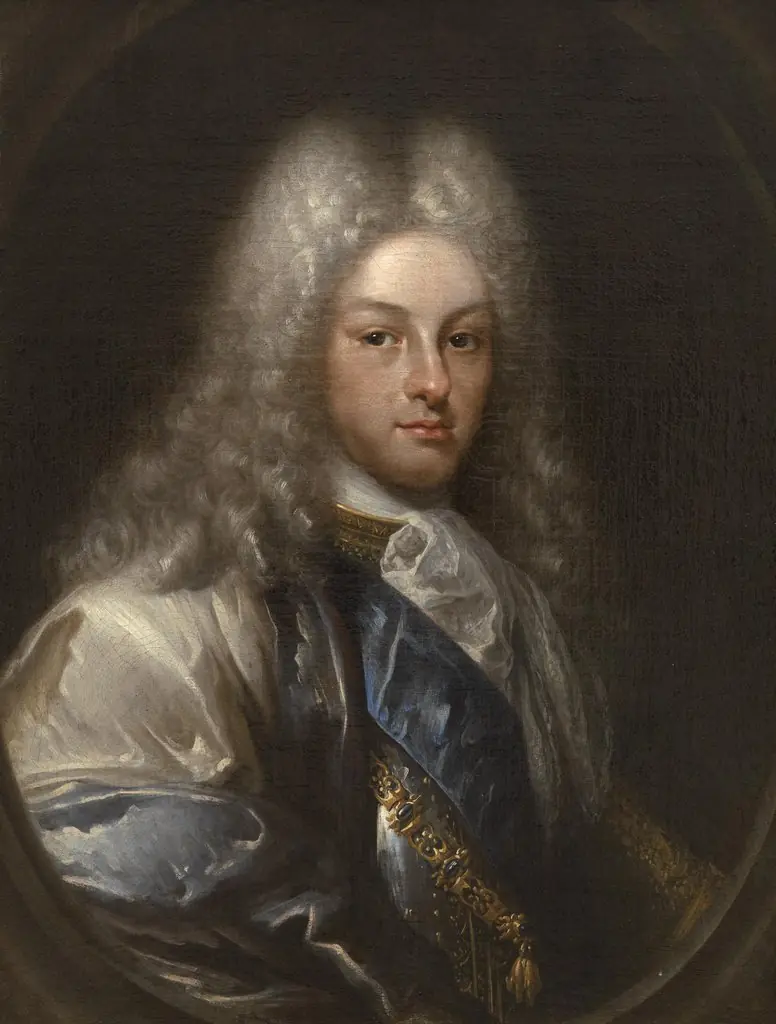 Philip V
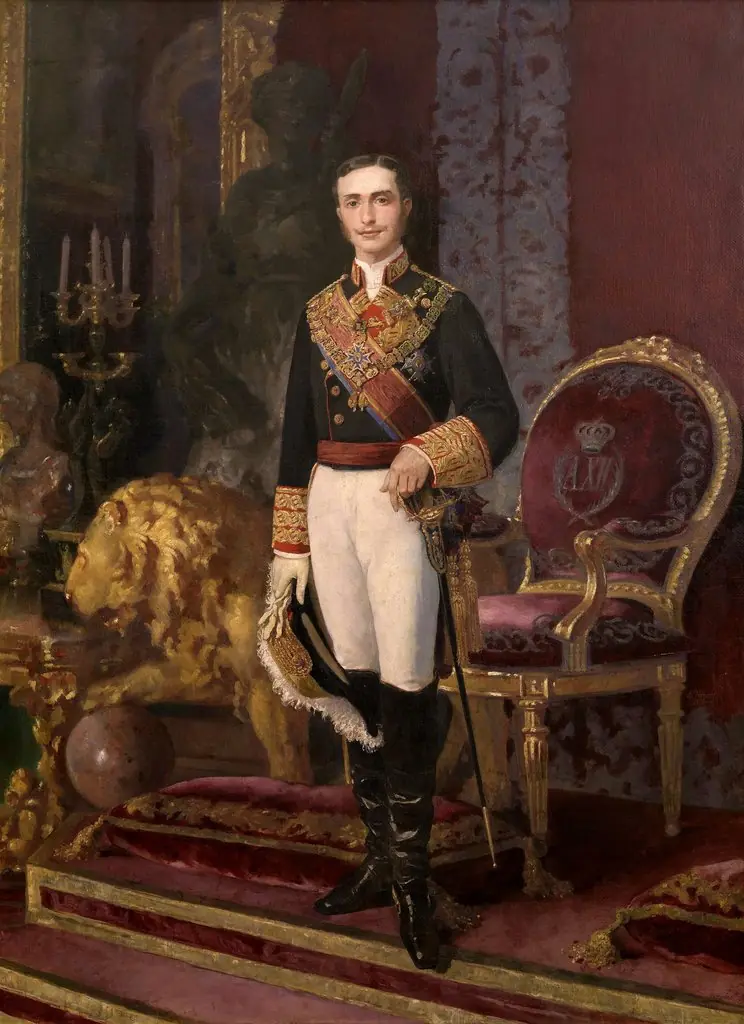 Alfonso XII
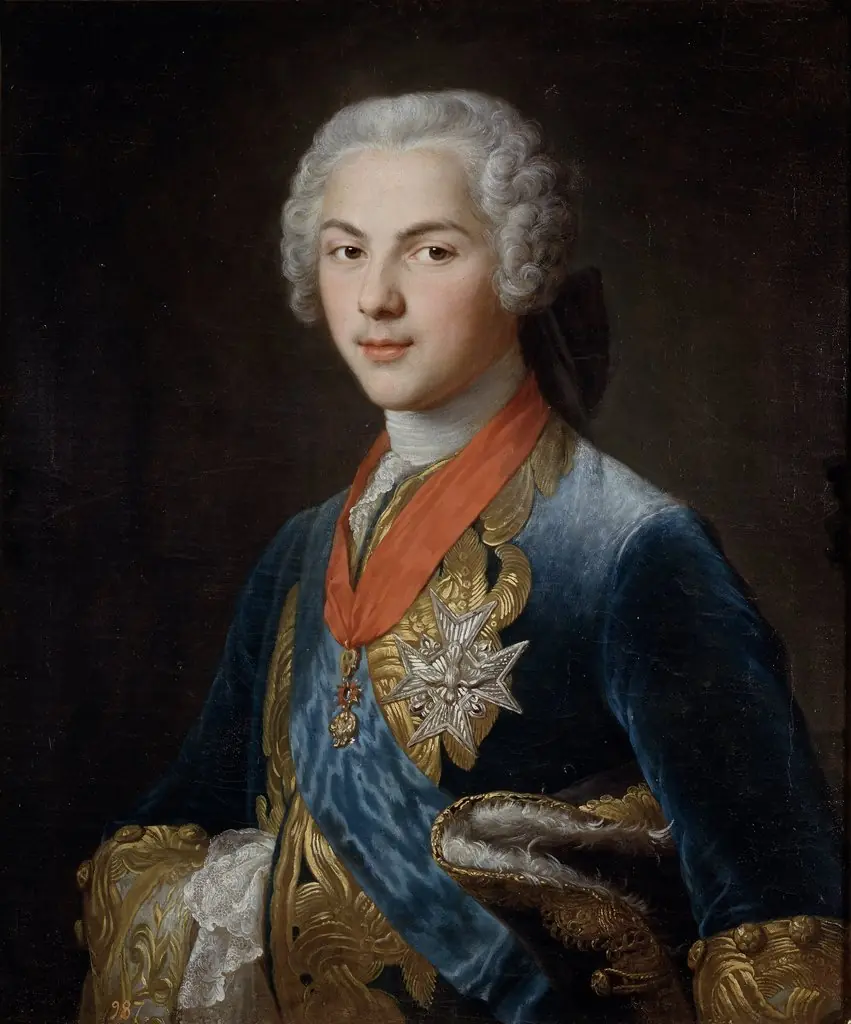 The Dauphin Louis de Bourbon
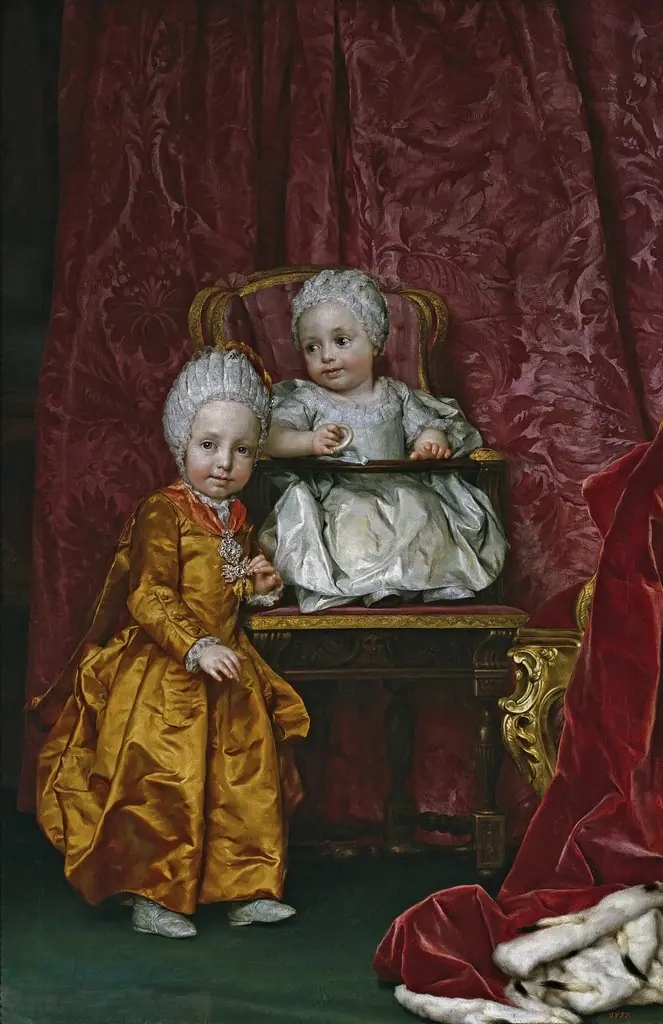 Archduke Ferdinand and Archduchess Maria Anna of Austria
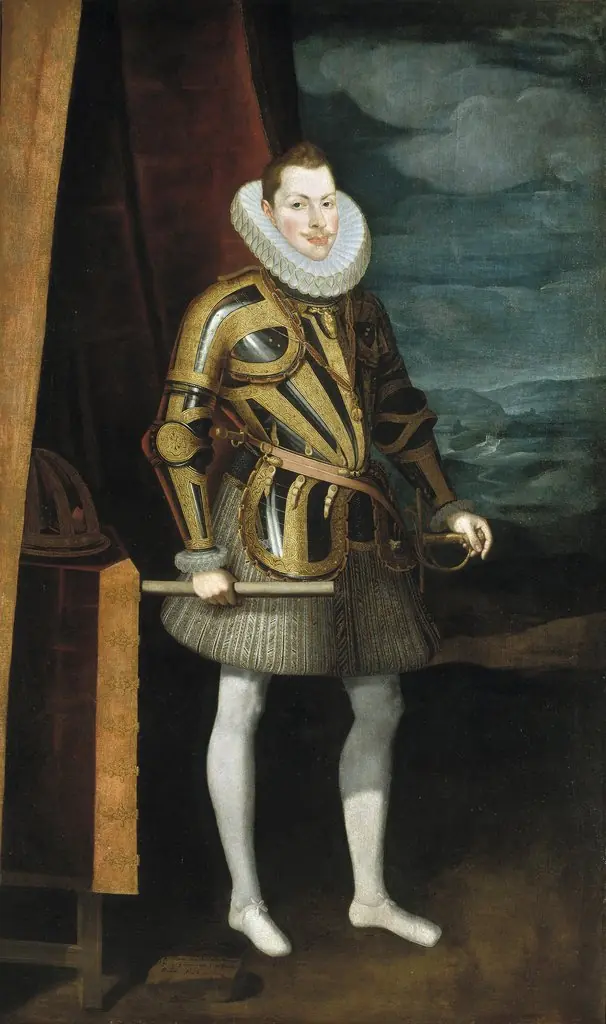 Philip III
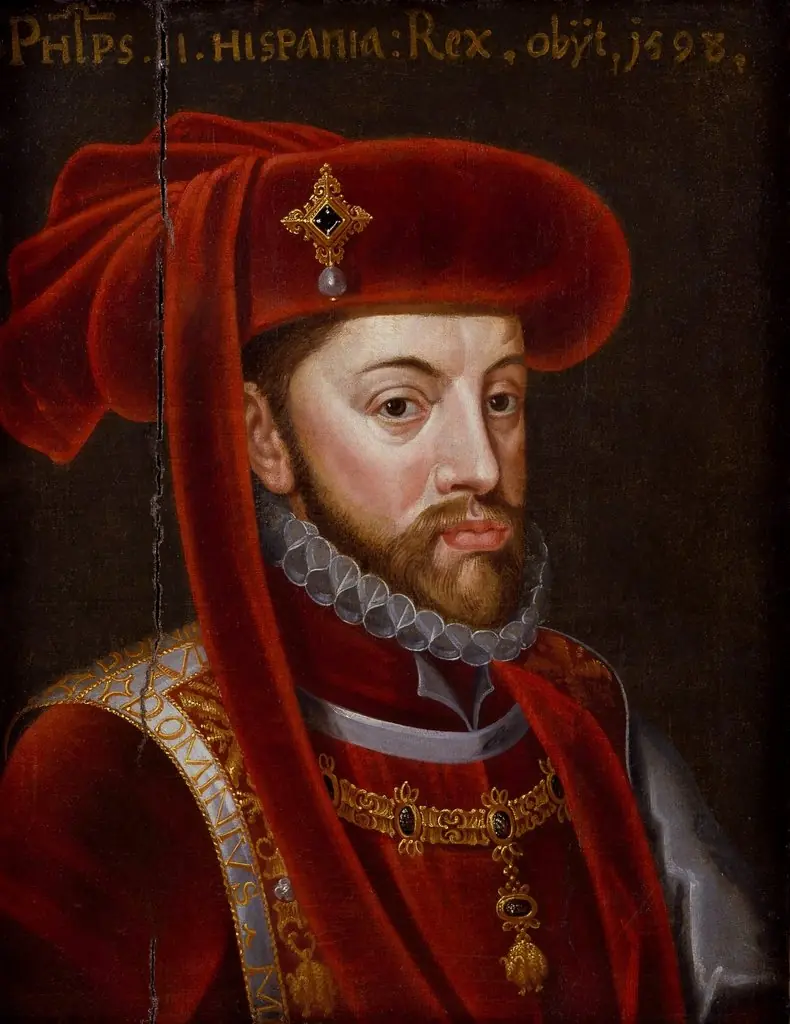 Philip II, King of Spain
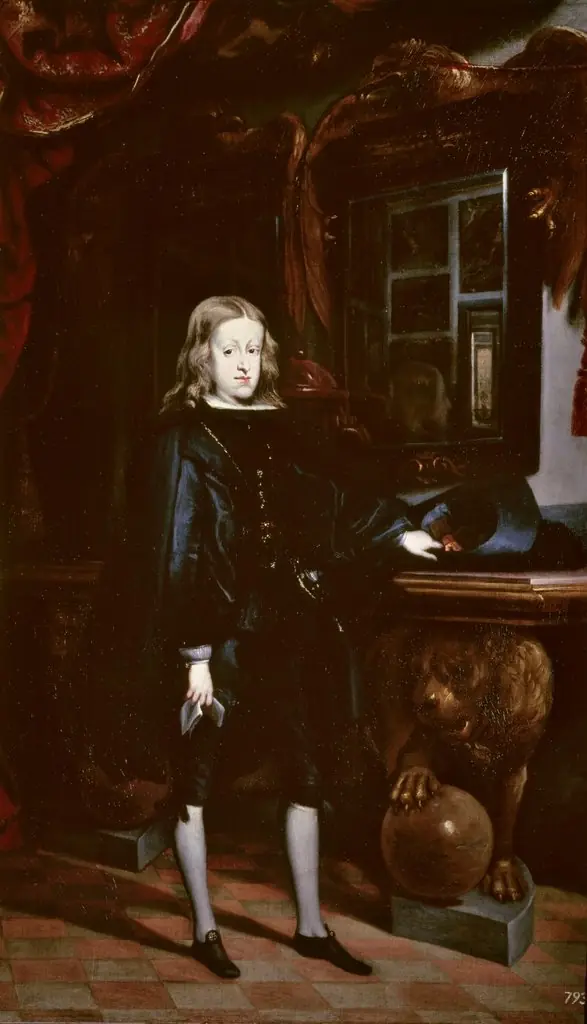 Charles II
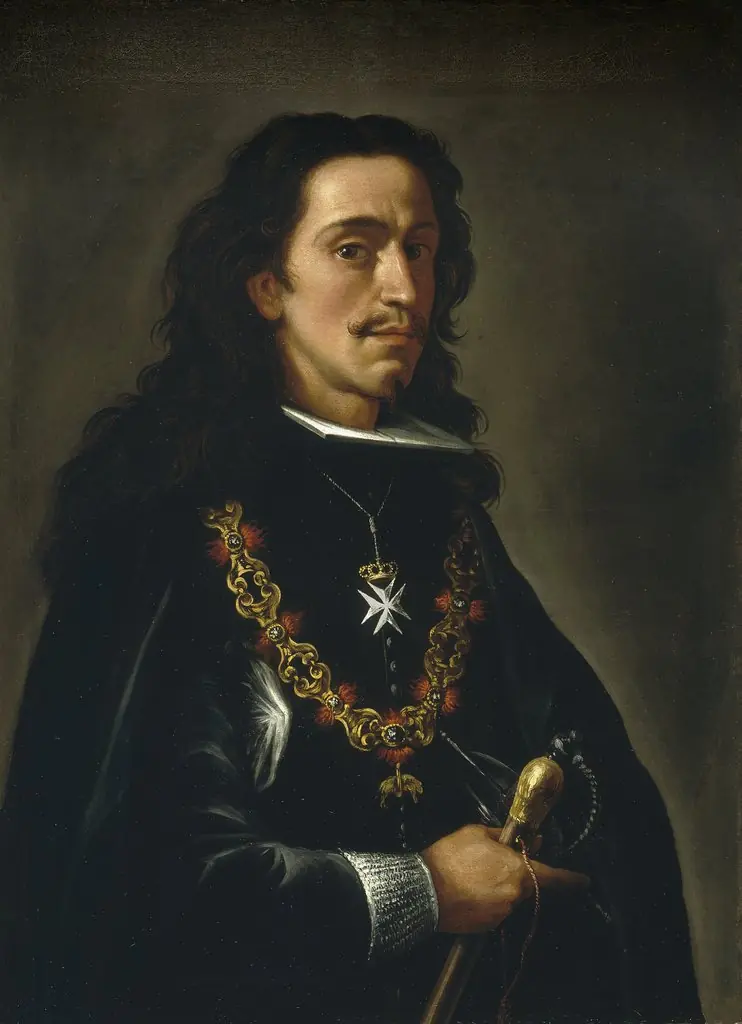 Don Juan José de Austria (¿?)
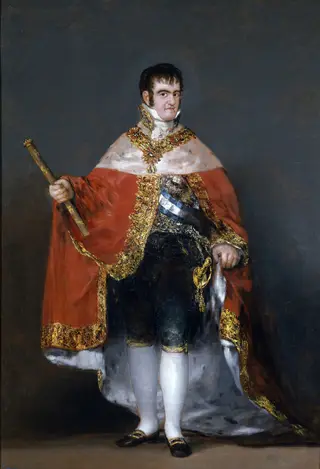 Ferdinand VII in Court Dress
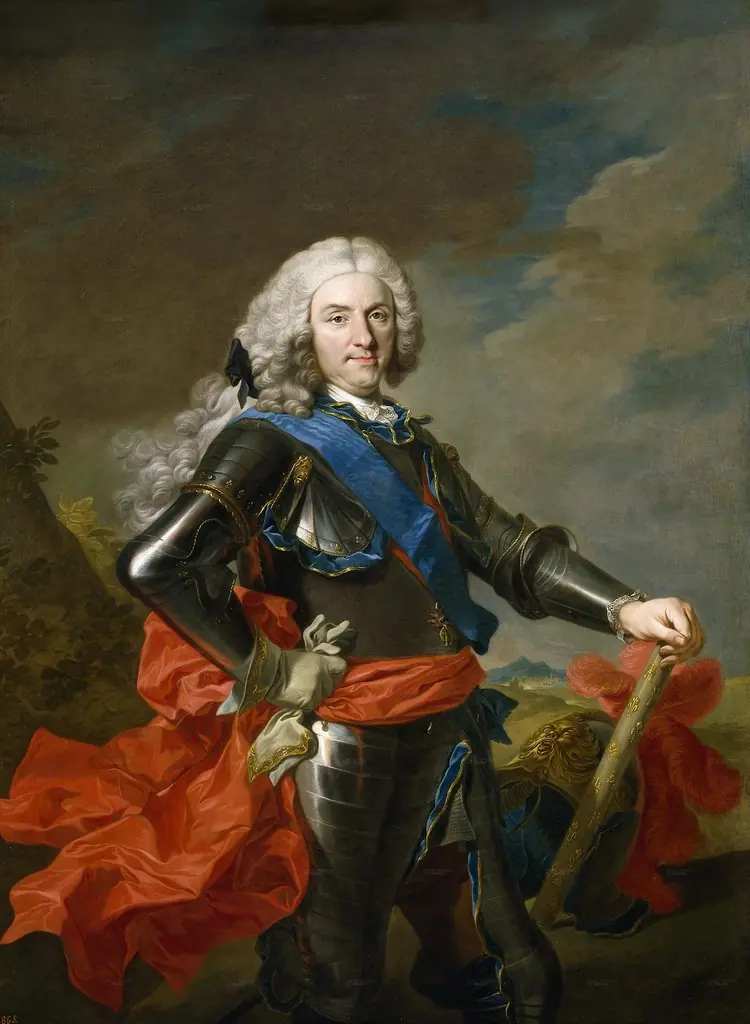 Felipe V, King of Spain
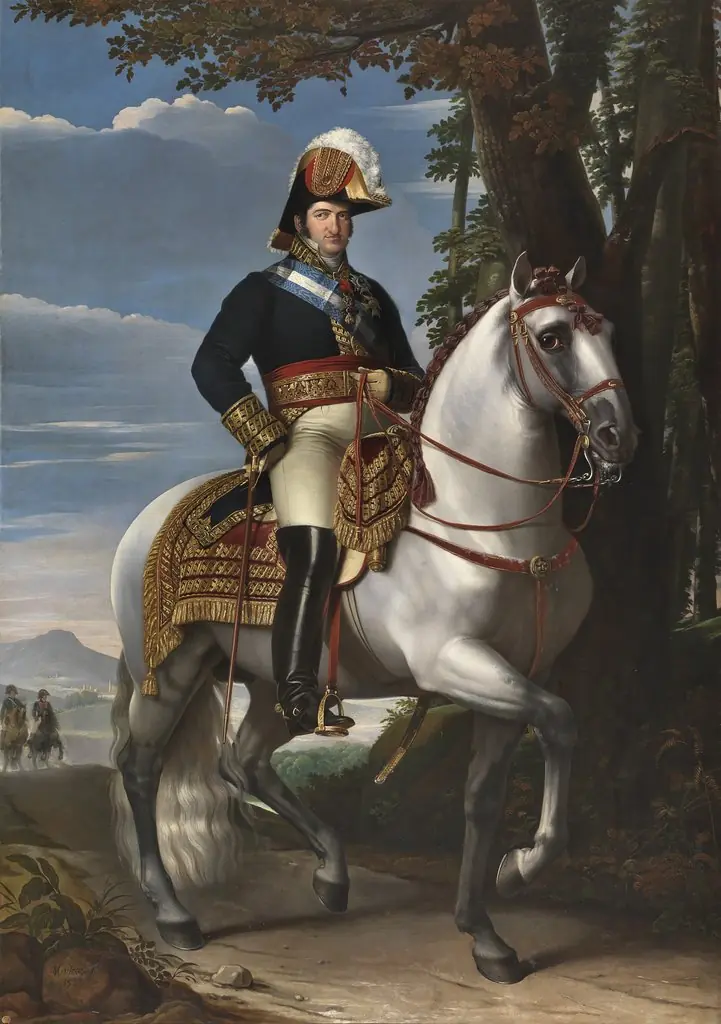 Ferdinand VII of Spain on Horseback
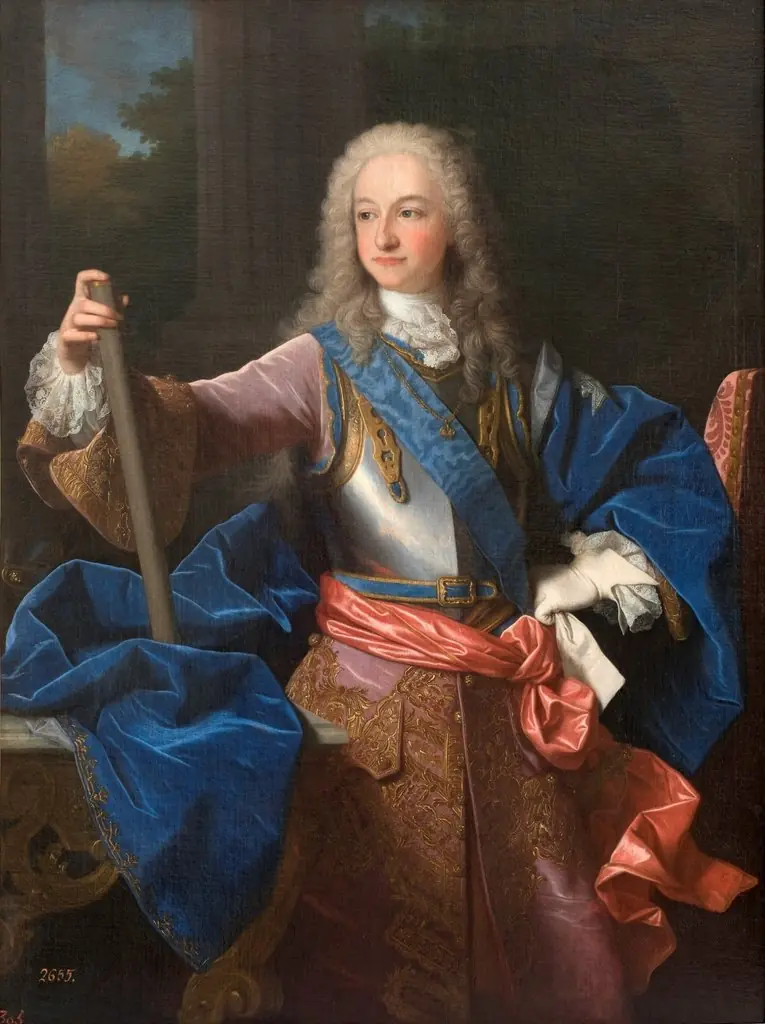 Portrait of Prince Louis of Spain
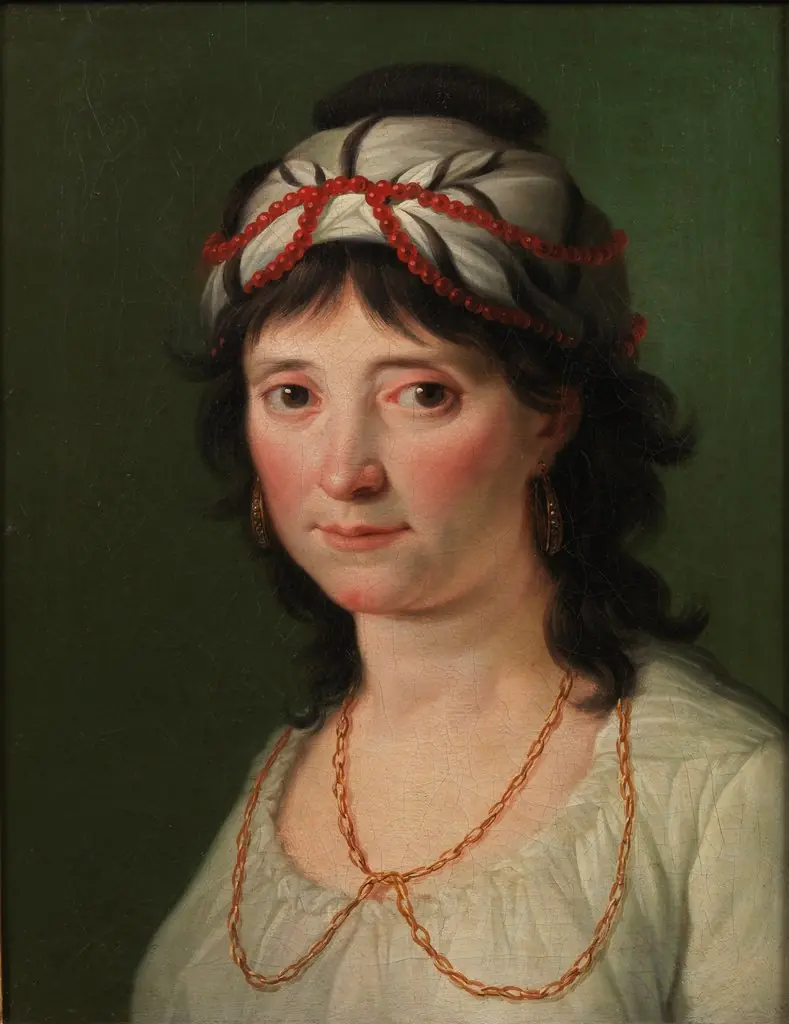 Portrait of a Lady
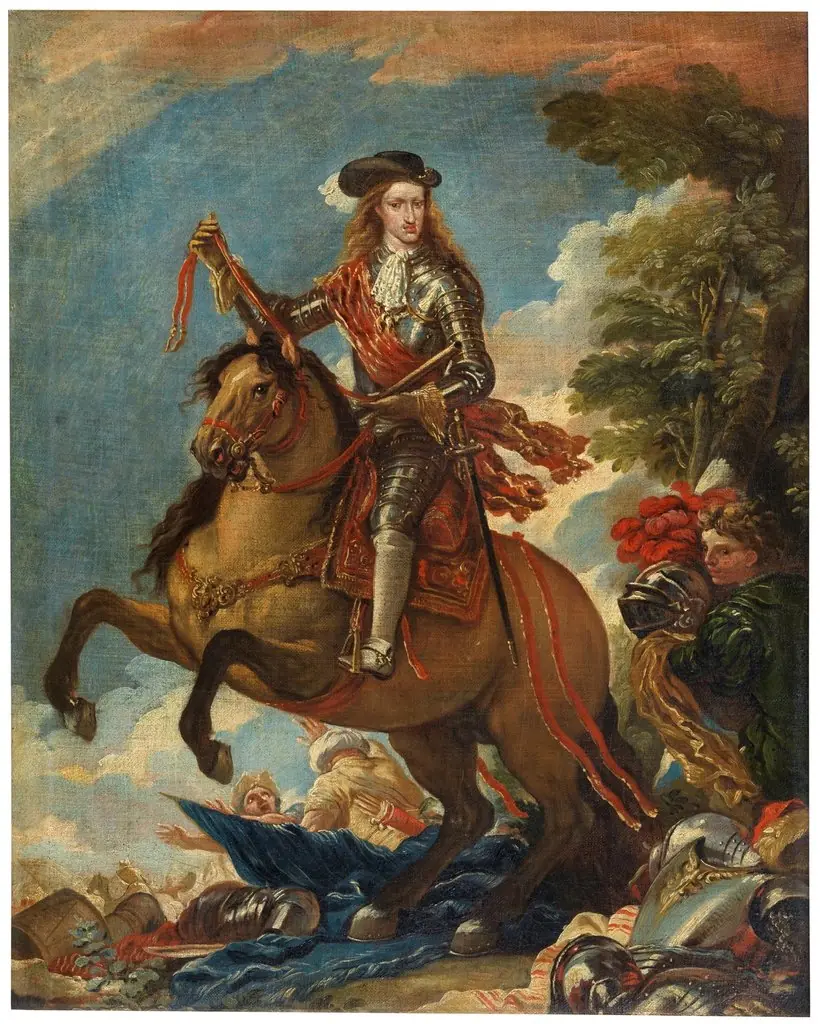 Charles II by horse
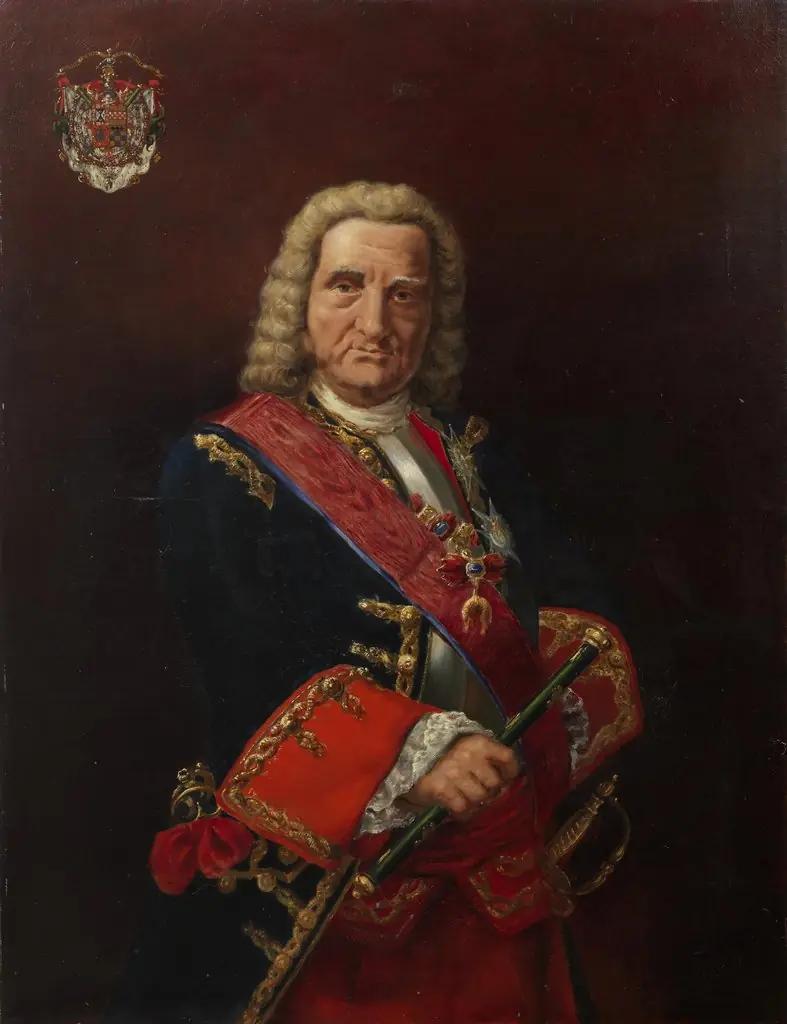 El marqués de la Mina (copia)
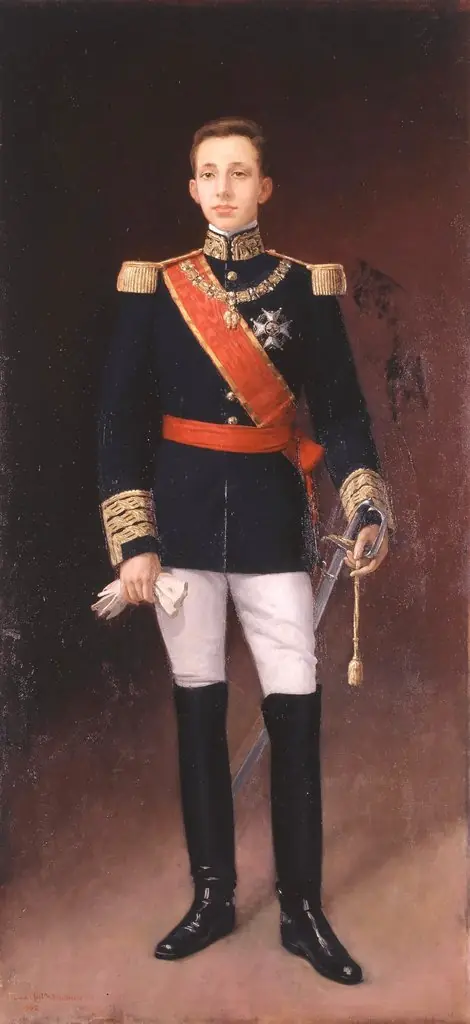 Alfonso XIII
 The Meadow of San Isidro
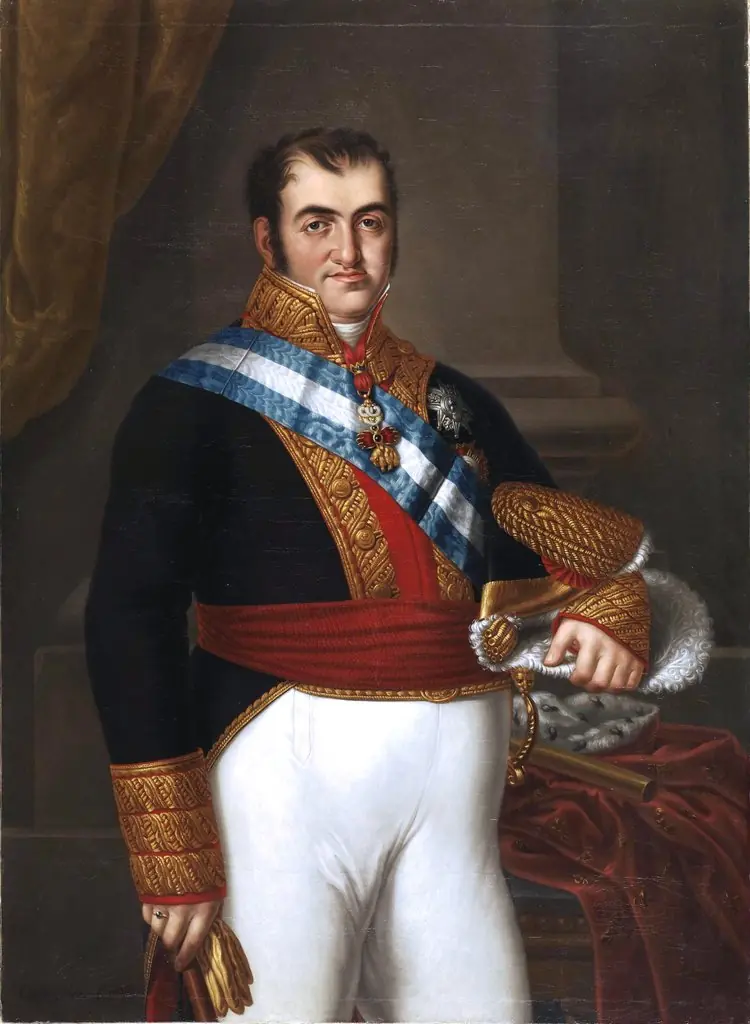 Fernando VII
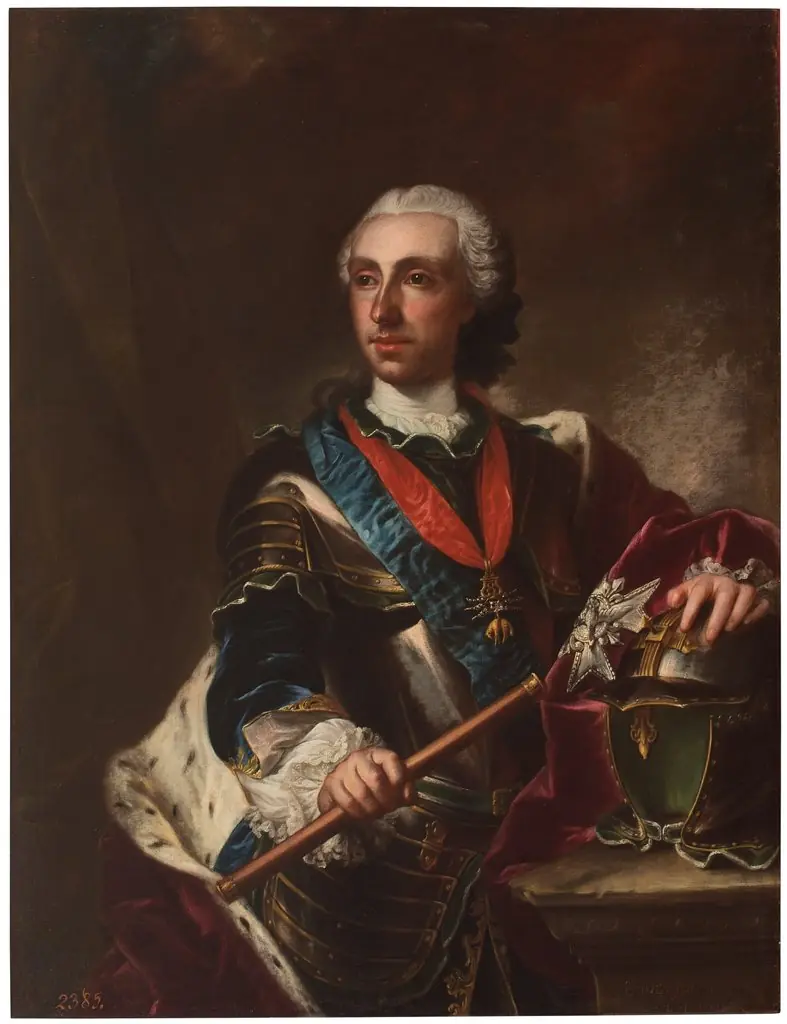 Felipe de Borbón duque de Parma
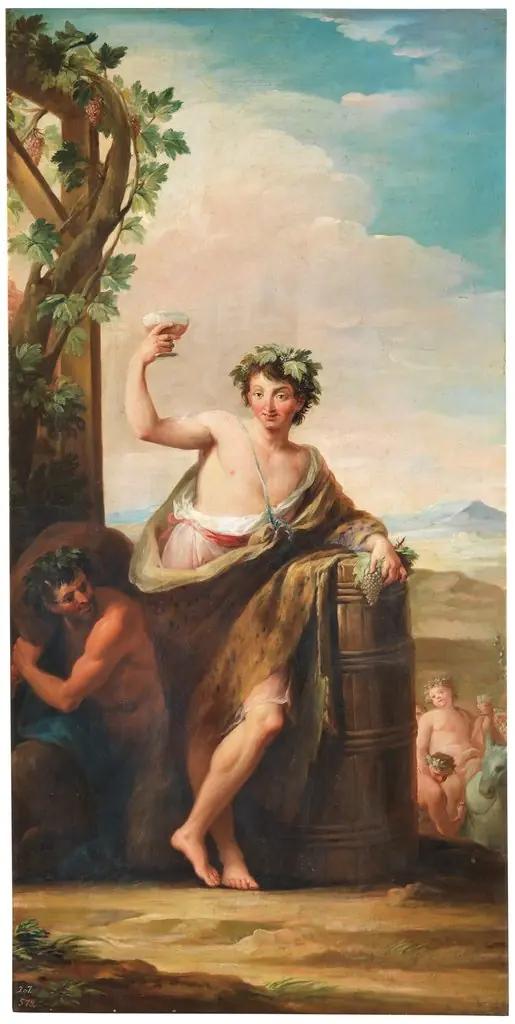 Autumn
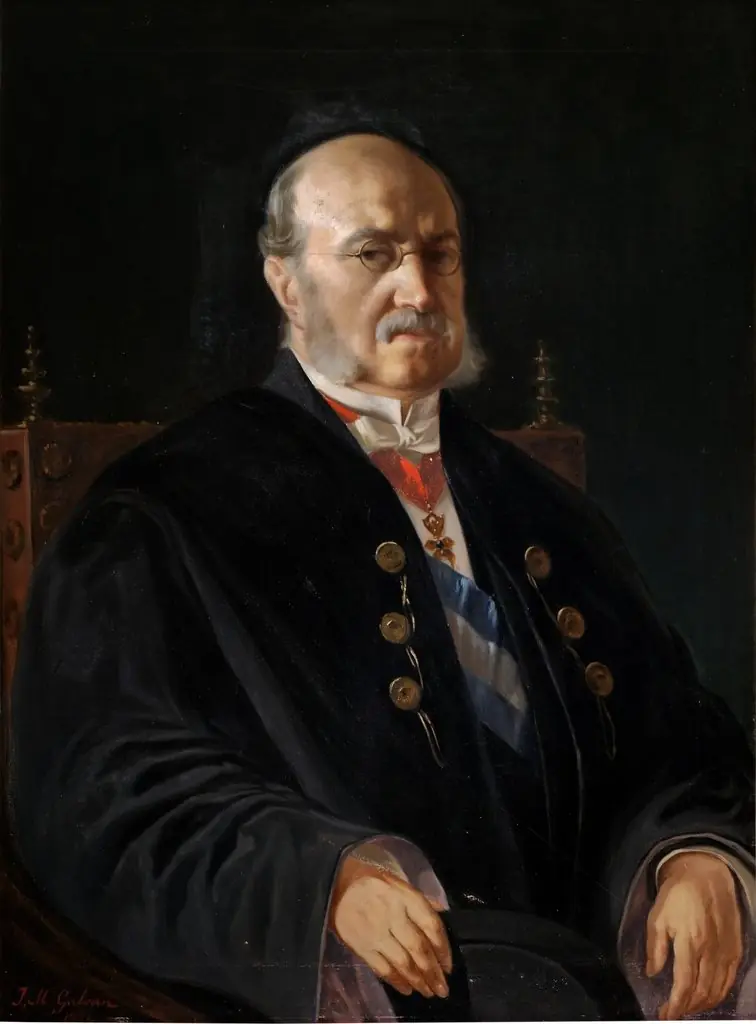 Manuel García Barzanallana I marqués de Barzanallana
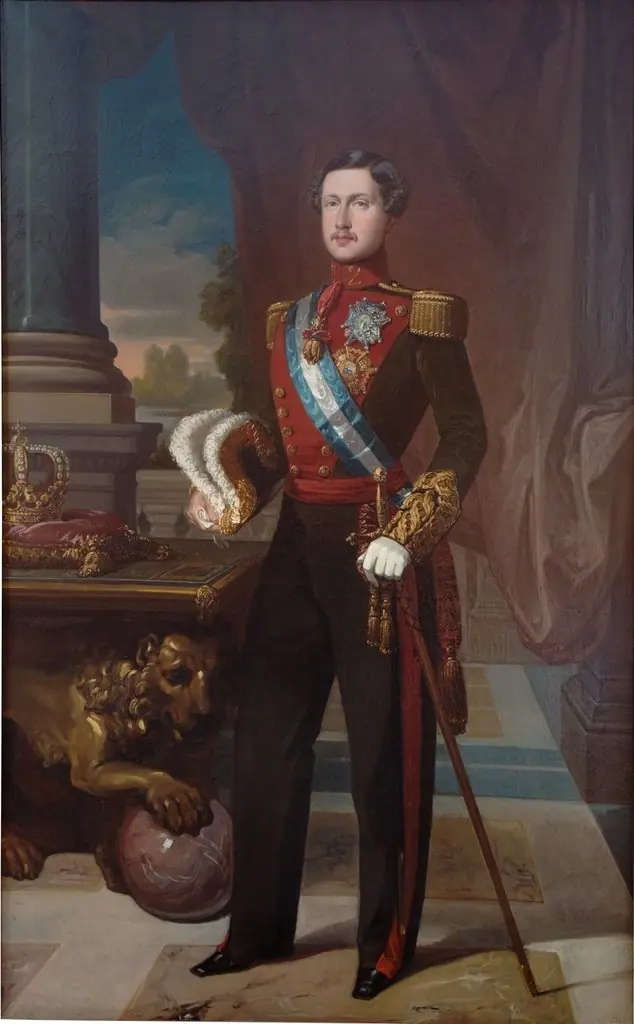 El rey Francisco de Asís con uniforme de capitán general
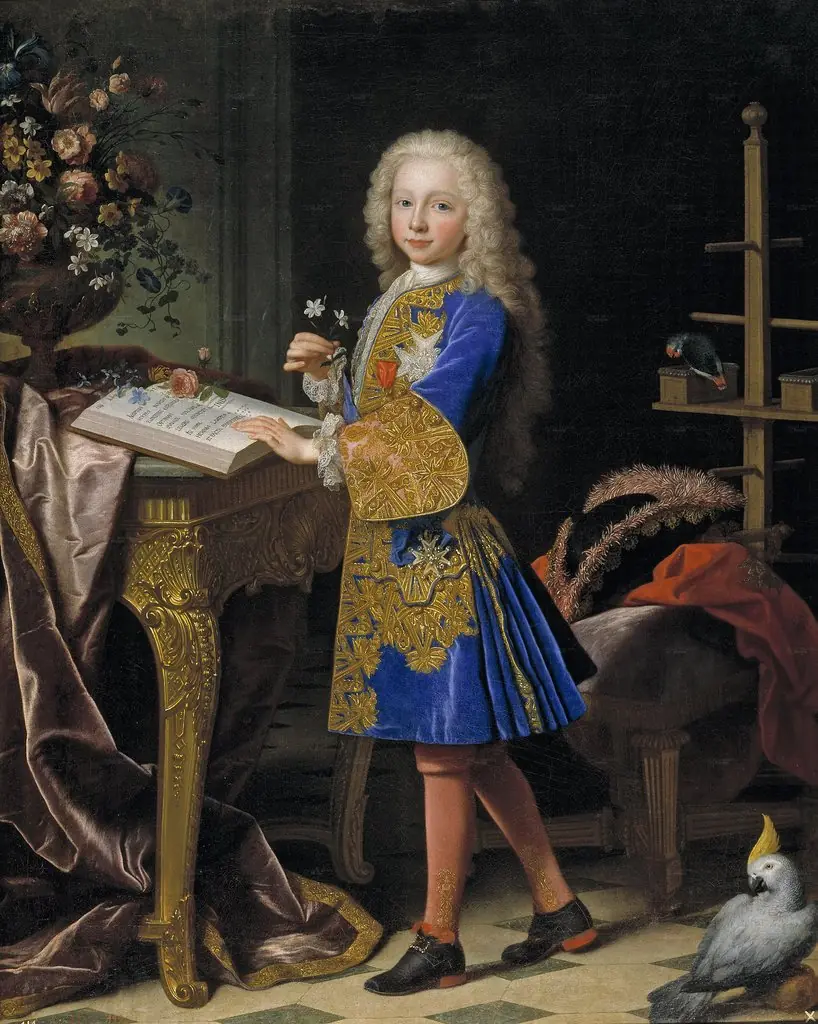 Charles III as a Child
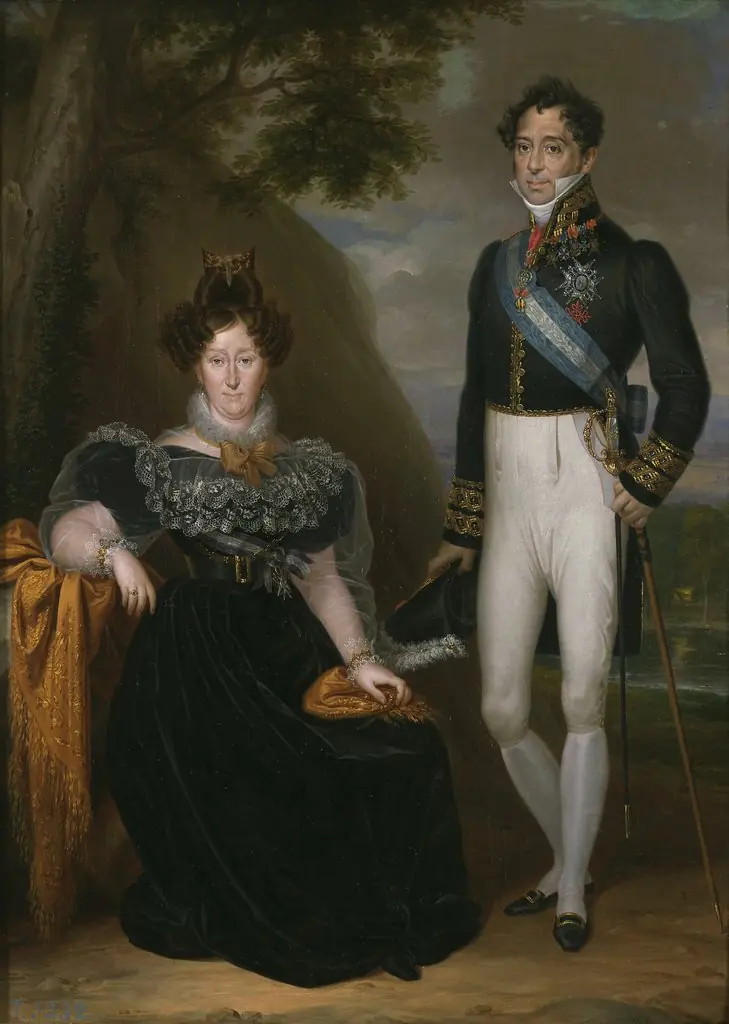 The Duke and Duchess of San Fernando de Quiroga
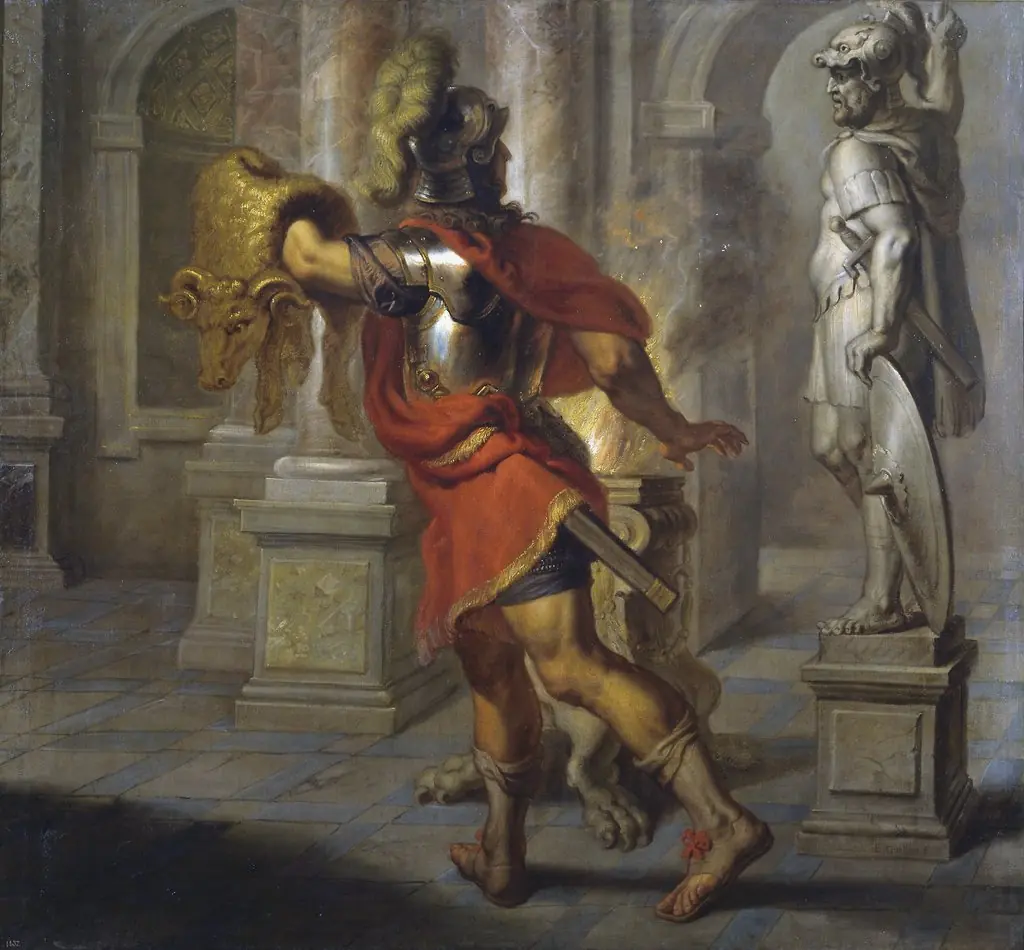 Jason and the Golden Fleece
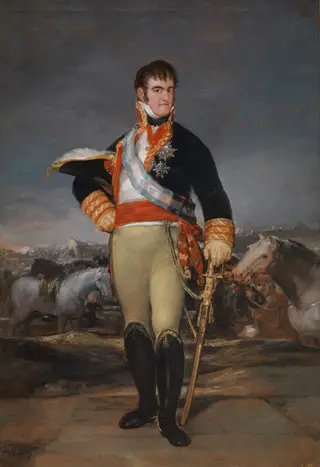 Ferdinand VII at an Encampment
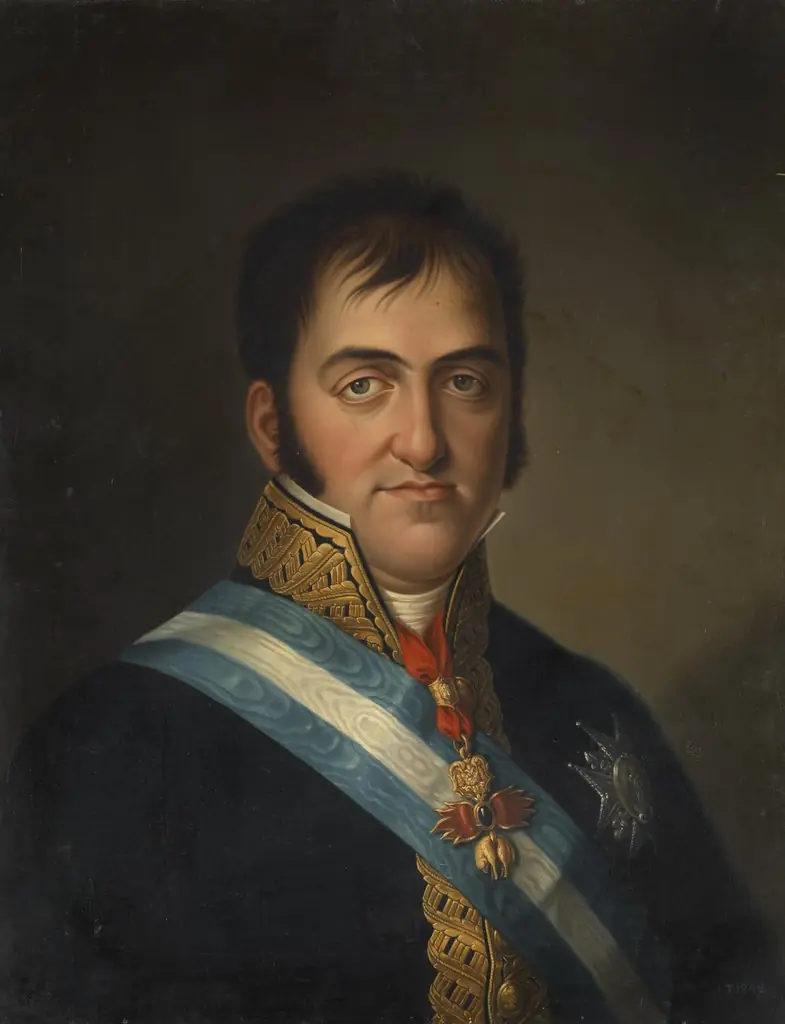 Ferdinand VII
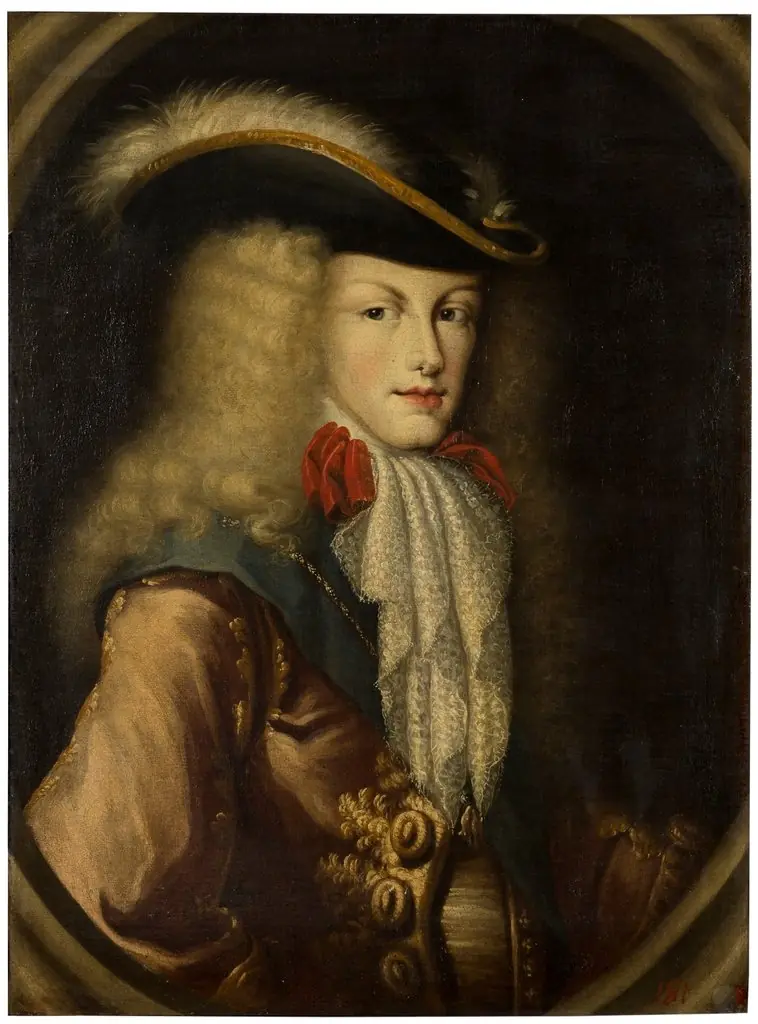 Philip V
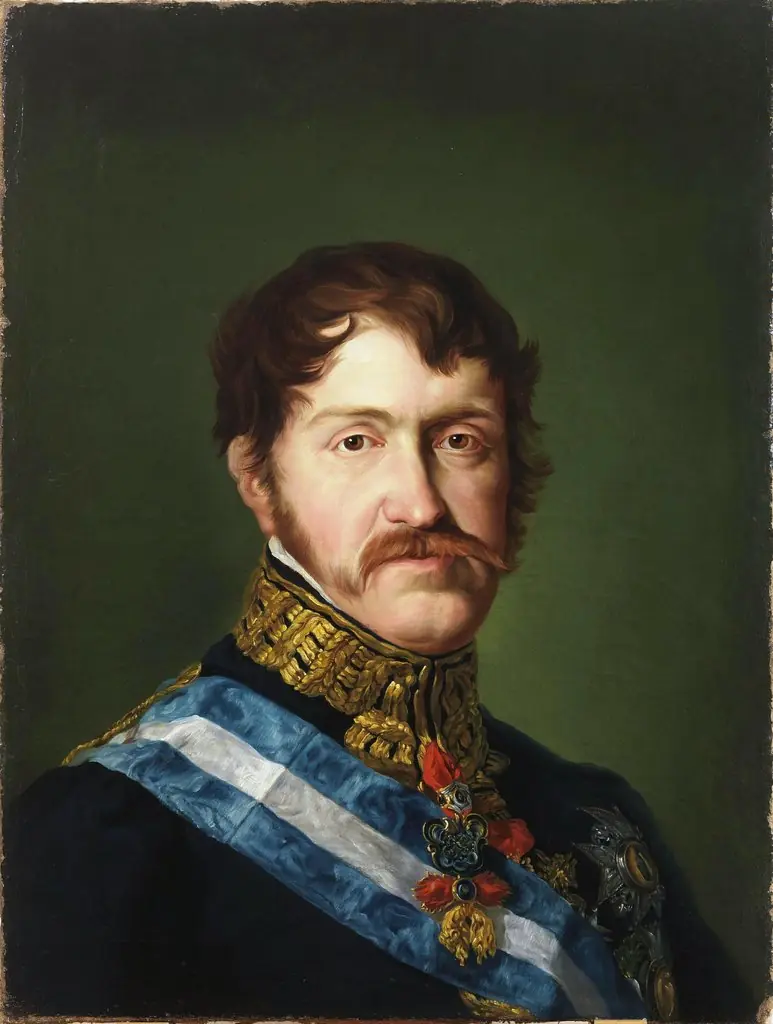 El infante Carlos María Isidro de Borbón
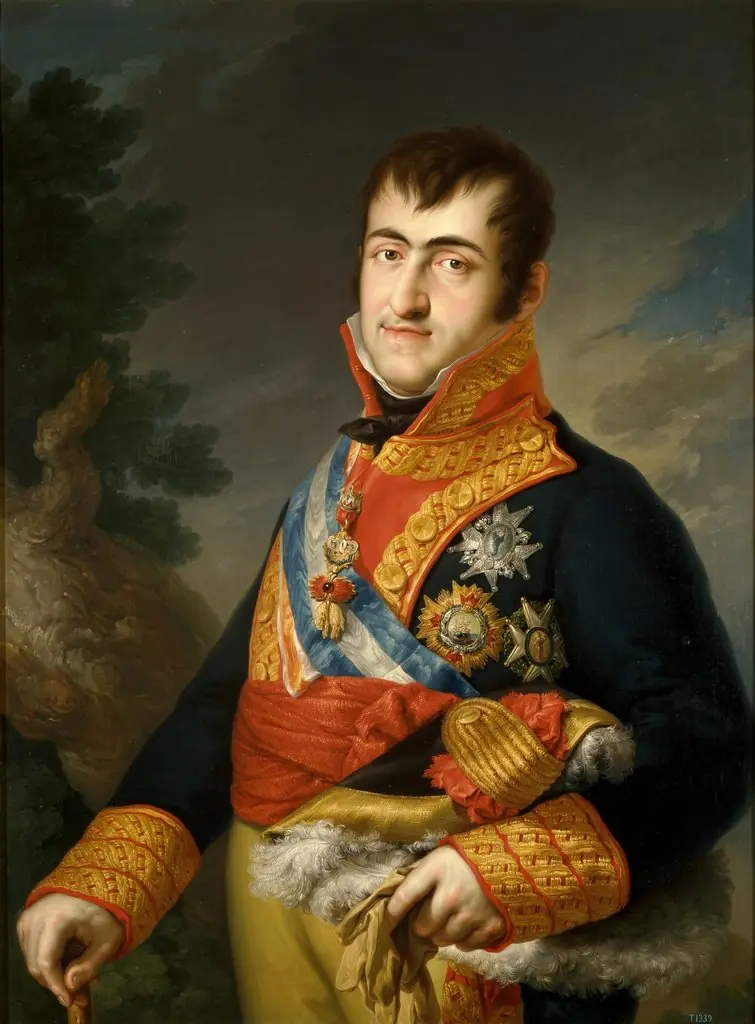 Ferdinand VII in the Uniform of a Captain-general
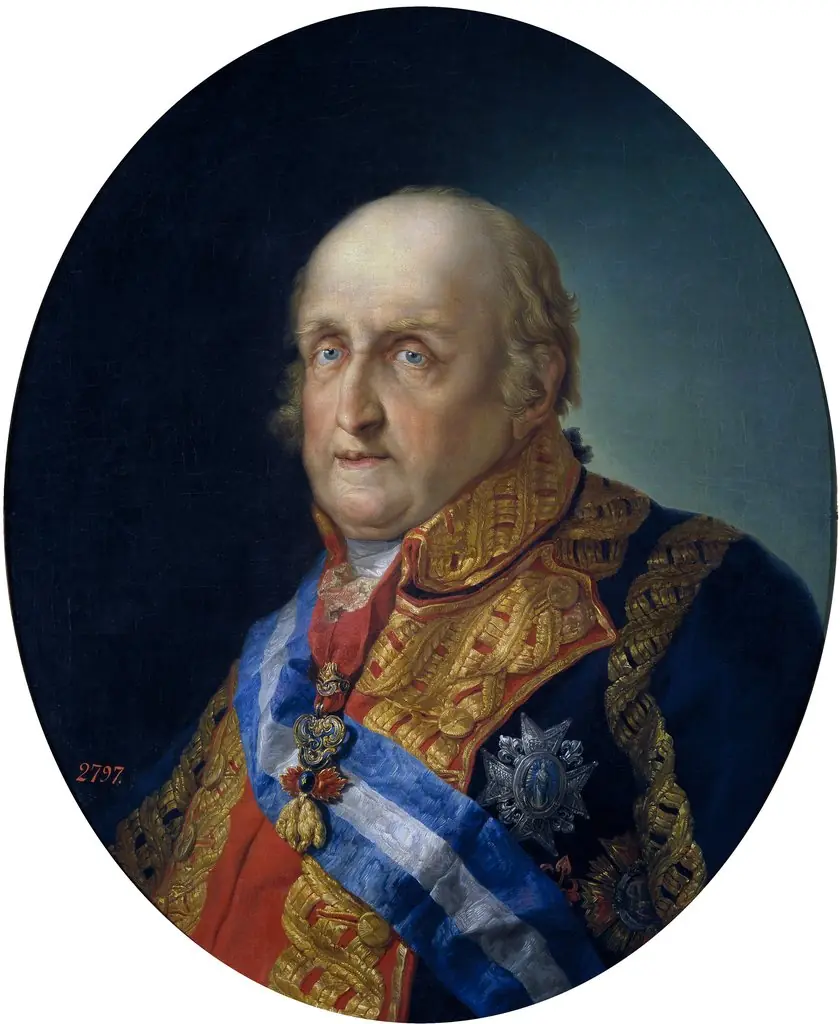 El infante Antonio Pascual de Borbón
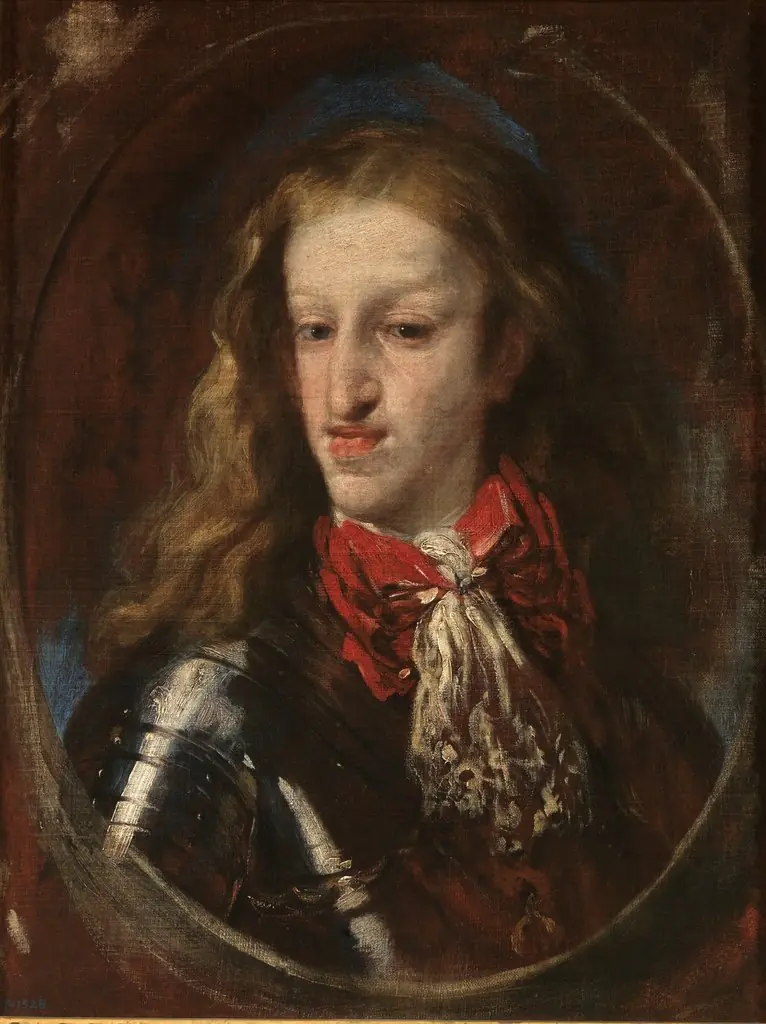 Charles II
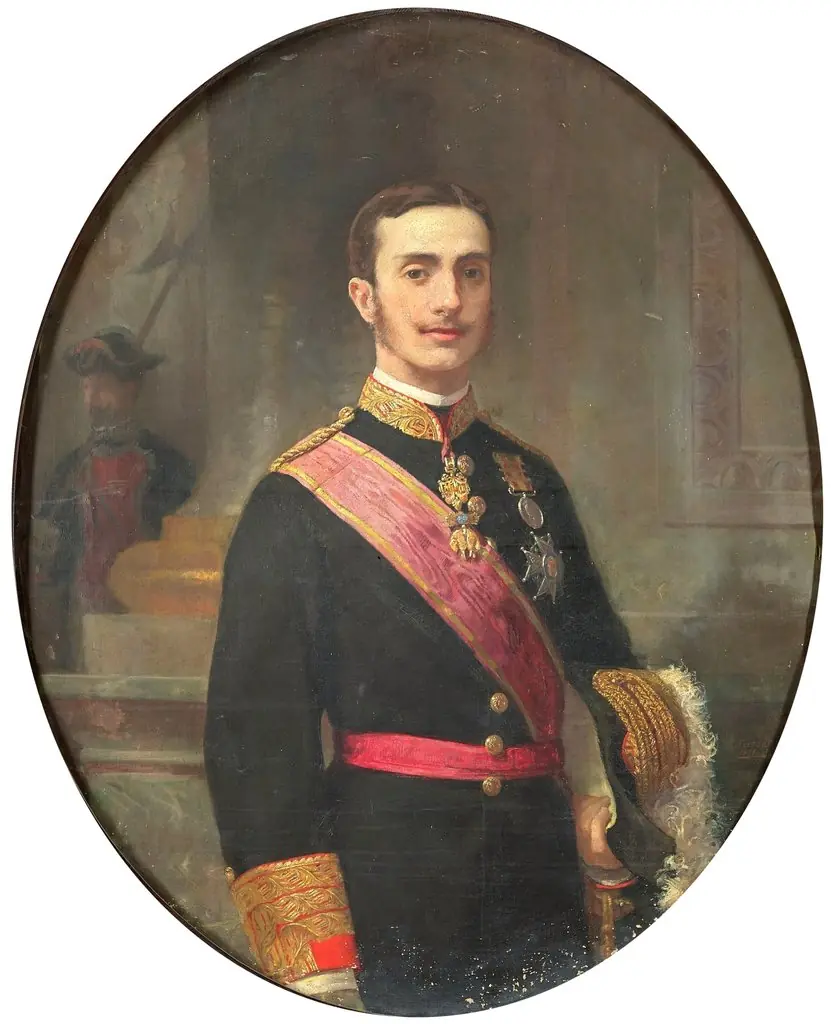 Alfonso XII
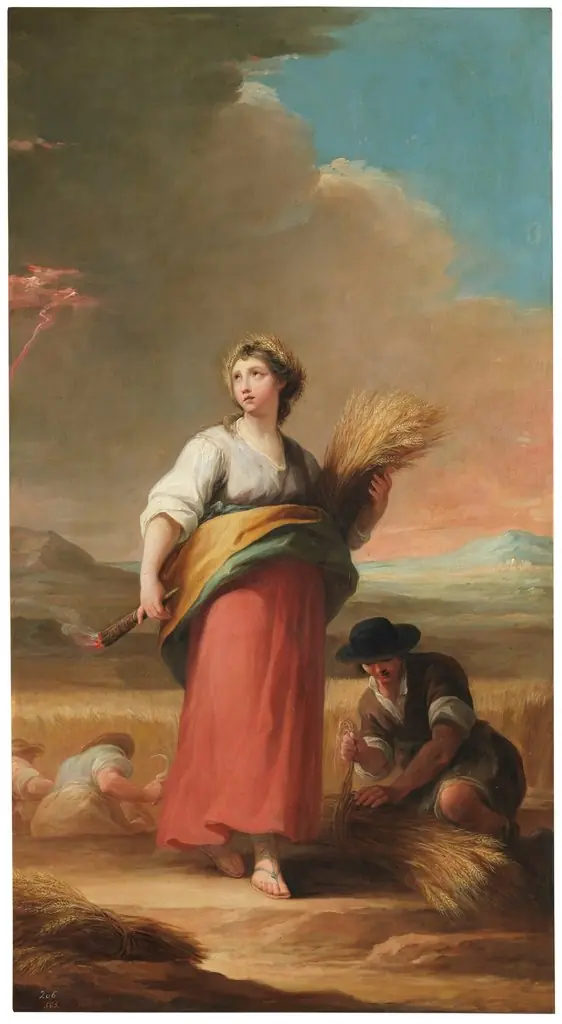 El Verano
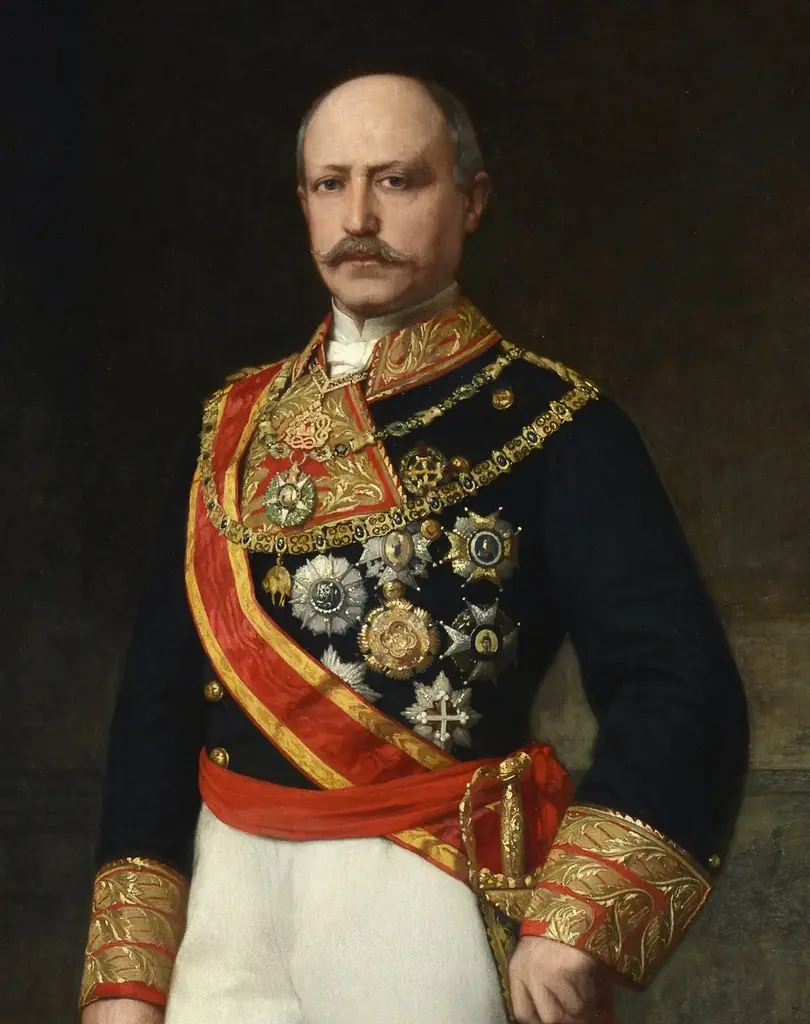 El capitán general Francisco de Serrano y Domínguez I duque de la Torre
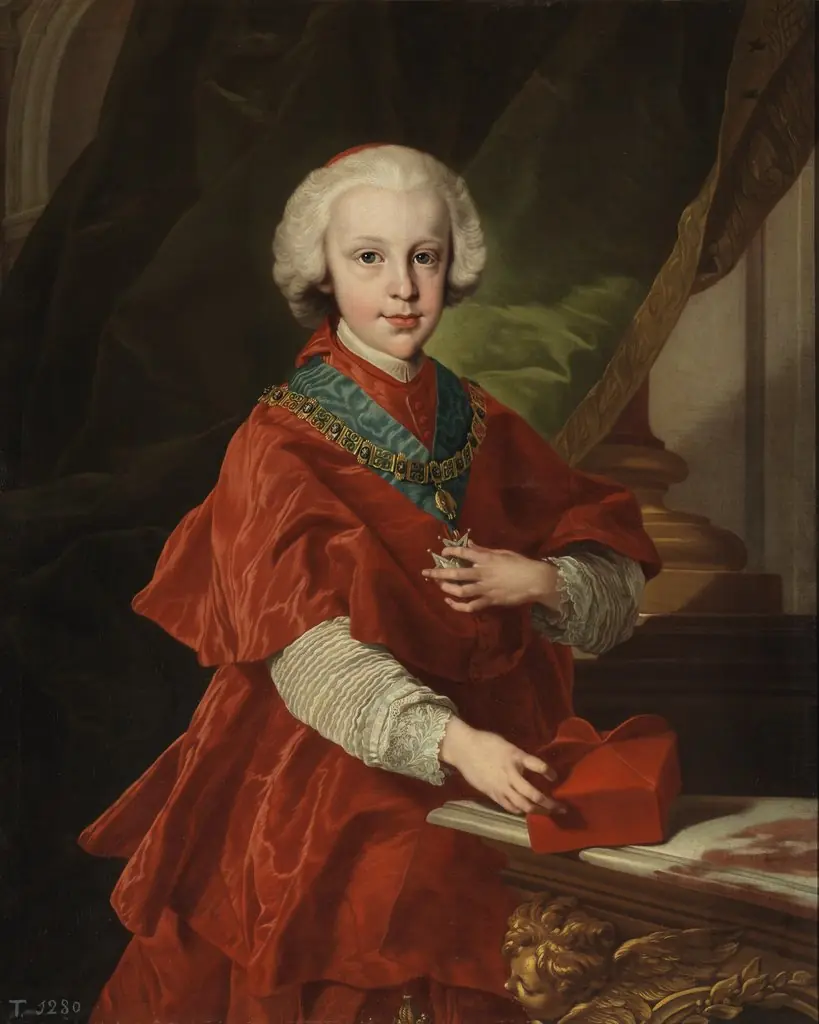 Cardinal-Infante Luis Antonio of Bourbon
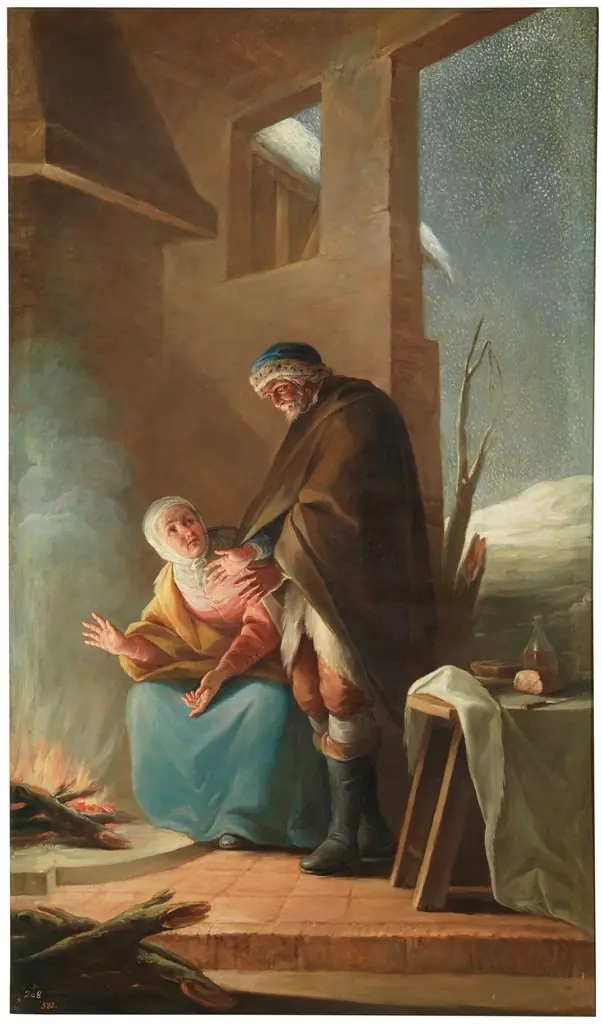 Winter
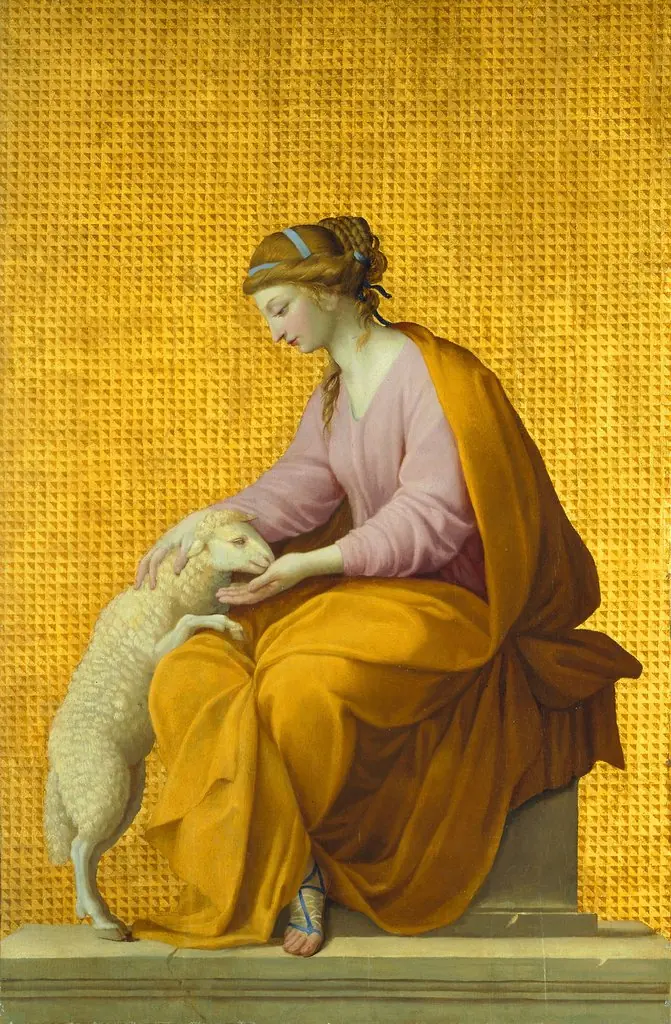 Meekness (Douceur or Mansuétude)
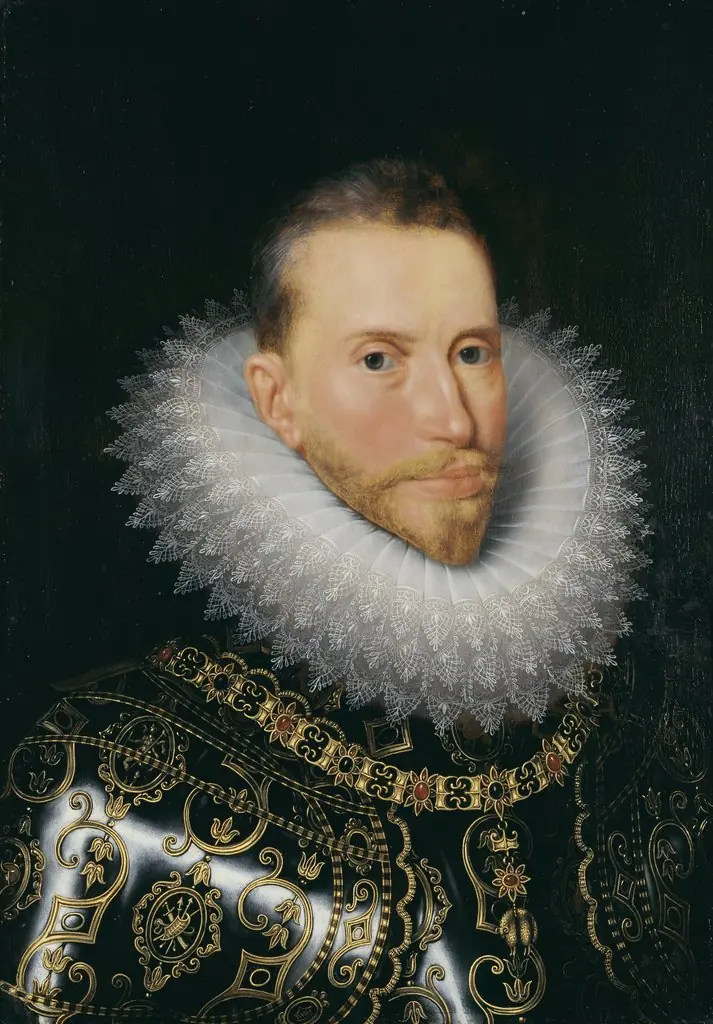 Portrait of the Archduke Albert
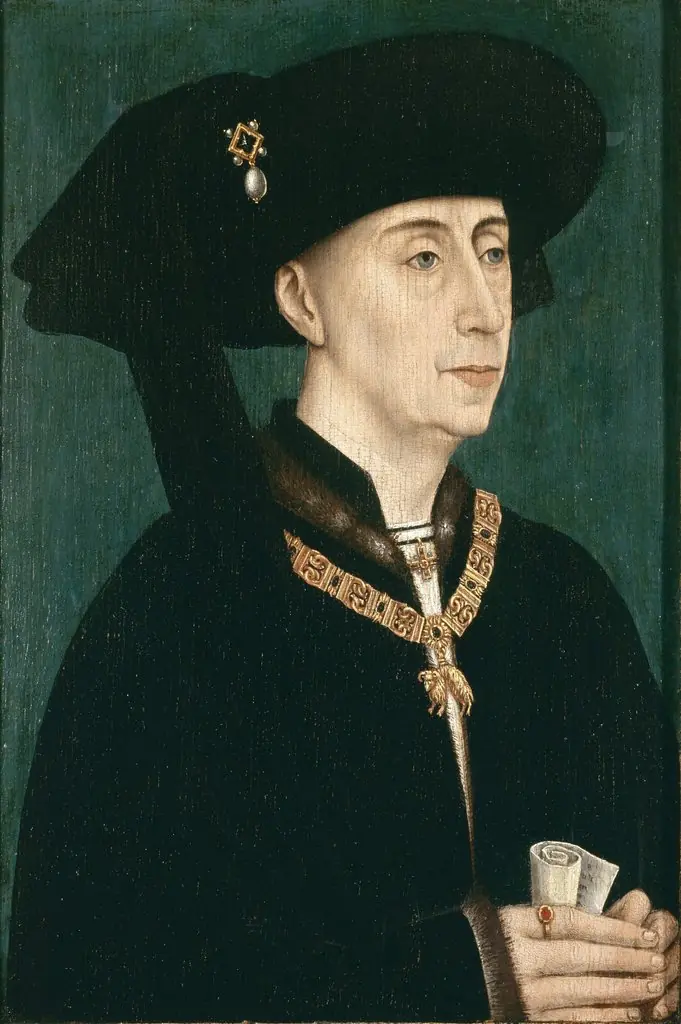 Portrait of Philip the Good
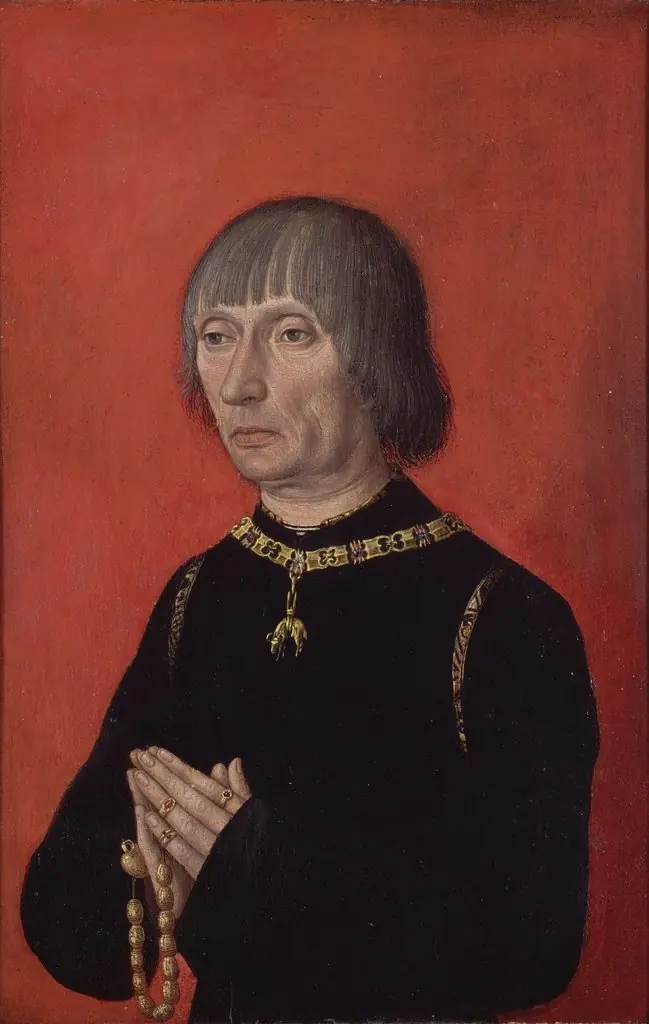 Portrait of Lodewijk van Gruuthuse
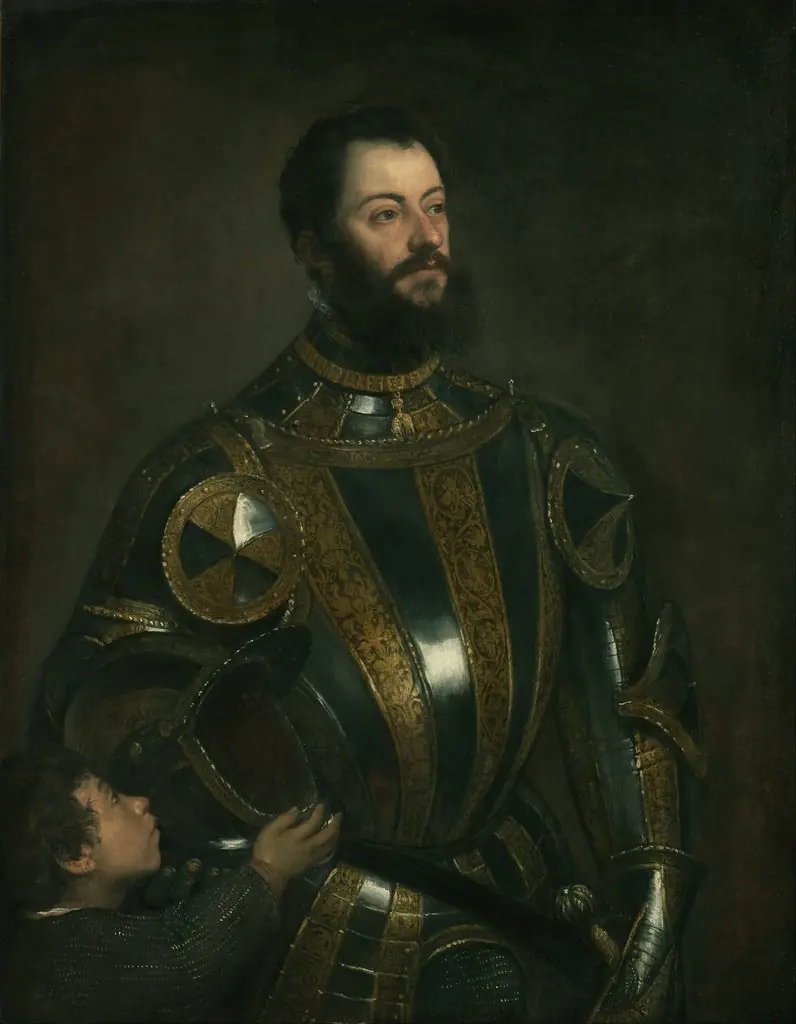 Portrait of Alfonso d'Avalos, Marchese del Vasto, in Armor with a Page
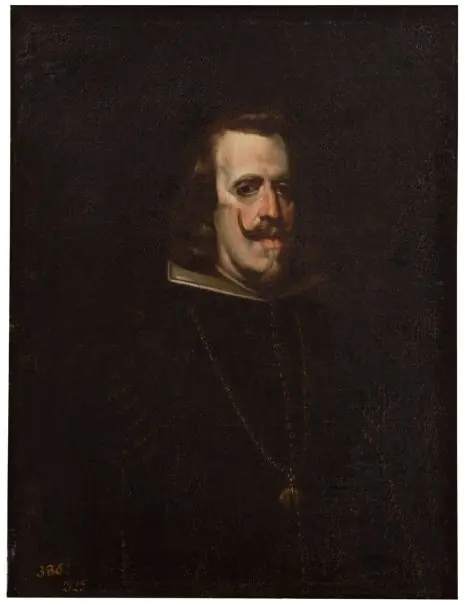 King Philip IV at half-length
Frequently asked questions
What is Golden Fleece?
Golden Fleece is a subject in art. insignia worn by knights of the Order of the Golden Fleece
How many Golden Fleece works does Artifact World Gallery have?
Artifact World Gallery holds 83 public-domain Golden Fleece works, all free to view and download.
Who are the key Golden Fleece artists?
Key Golden Fleece artists in the collection include Titian, David Teniers the Younger and Peter Paul Rubens.
Where can I see Golden Fleece works?
Golden Fleece works in the collection are held by Museo del Prado, Groeningemuseum and J. Paul Getty Museum.