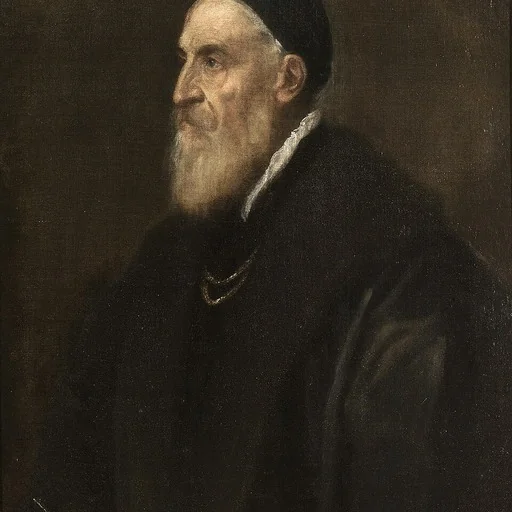
Subject
Gemstone
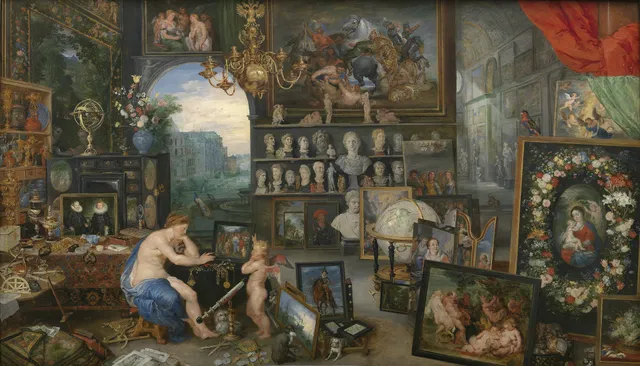
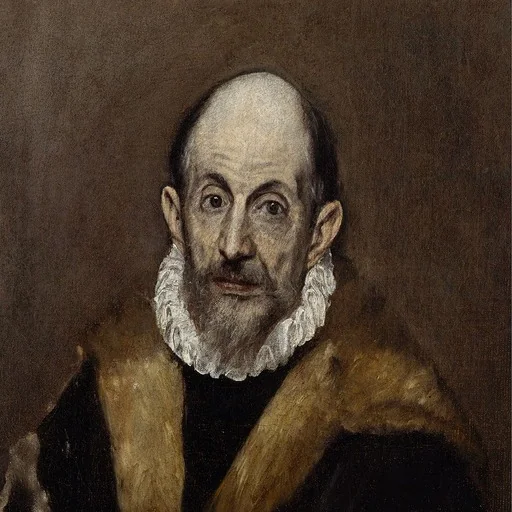
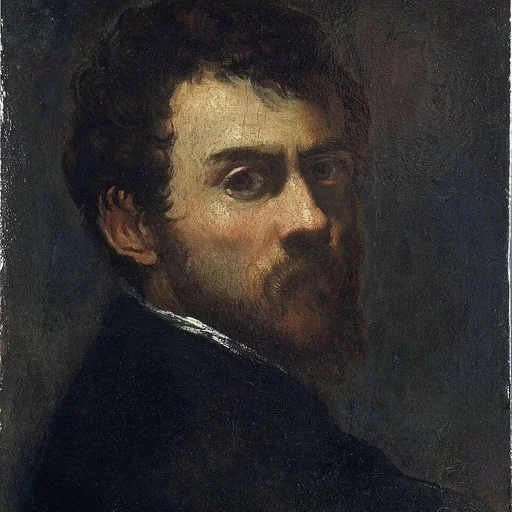
Gemstone is a subject in art. The gallery holds 163 works in this subject in art, including works by Titian, Paolo Veronese and El Greco.
As a subject in art, the gemstone occupies two intertwined territories: it is both a material that artists have carved into objects of beauty, and a motif that painters have used to signal wealth, sensual pleasure, and the fragility of earthly things. A gemstone is a piece of mineral crystal—or occasionally an organic material such as amber, jet, or pearl—that, once cut or polished, becomes ornament. From antiquity, the very hardness and luminosity that made these stones precious also made them a supreme test of the artist's skill.
The oldest art devoted to the gemstone is glyptics, the engraving of hardstones such as carnelian, chalcedony, amethyst, onyx, sardonyx, and rock crystal. The craft descends from the cylinder seals of Mesopotamia in the third millennium BCE but reached its first great peak in the Greco-Roman world, where carvers distinguished the intaglio—an image cut into the surface for use as a seal—from the cameo, carved in relief across the contrasting layers of a banded stone. The supreme survivals are themselves canonical works of art: the Hellenistic Tazza Farnese (a four-layered sardonyx bowl, now in Naples), the Gonzaga Cameo in the Hermitage, and the five-layered Great Cameo of France in Paris, the largest surviving Roman imperial cameo. The Renaissance revived the form, and collectors such as Lorenzo de' Medici prized these ancient gems above almost any painting.
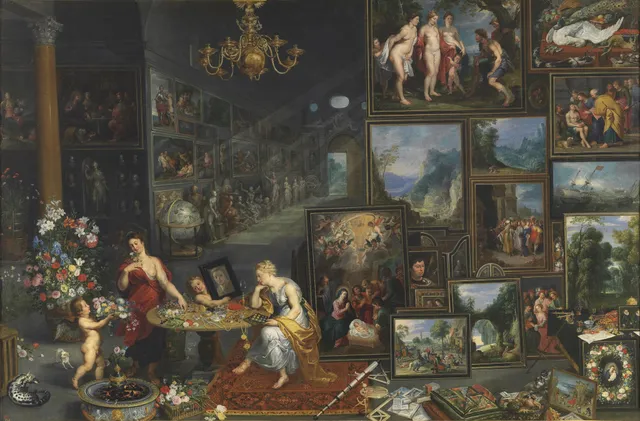
In the painted tradition, gemstones became charged emblems. Renaissance and Baroque masters lavished attention on rendering the glint of a ruby or the soft sheen of a pearl, both to flatter sitters and to encode meaning. Titian's Venus and Music, the Tintorettos' sensual figures, and Rembrandt's Judith at the Banquet of Holofernes use jewels to convey luxury, eroticism, and moral tension. The theme culminates in Jan Brueghel the Elder and Peter Paul Rubens's The Sense of Sight and Allegory of Sight and Smell (c. 1617, Prado), where a nude personification contemplates a cabinet brimming with gems and precious objects—seeing itself figured as the appreciation of beauty.
The same brilliance darkened in Dutch vanitas still life, where jewellery joined skulls and guttering candles to remind viewers that wealth and beauty are fleeting. From carved seal to allegory to memento mori, the gemstone has remained art's most concentrated emblem of value—and of its loss.
Key artists
Overview
A gemstone is a piece of mineral crystal that, when cut or polished, is used to make jewelry or other adornments. The term also encompasses certain rocks like lapis lazuli, opal, and obsidian, as well as organic materials not classified as minerals, such as amber, jet, coral, and pearl. Valued for their beauty, rarity, and durability, gemstones have been used for personal adornment since the Paleolithic era. Their aesthetic appeal derives from physical properties including color, luster, transparency, and light refraction. Because of their considerable material and visual worth, gemstones have historically served as potent symbols of wealth and status, making them a recurring motif in the visual arts to denote opulence, power, and divine authority.
Iconography & meaning
In art history and archaeology, the term hardstone is often used for semi-precious gemstones. Historically, Western classification traces back to ancient Greece, which distinguished between precious and semi-precious stones based on rarity and quality. The four traditional precious stones are diamond, ruby, sapphire, and emerald, while all others were deemed semi-precious, a commercial distinction that can be misleading since certain semi-precious stones like tsavorite can exceed mid-quality emeralds in value. Beyond material worth, gemstones carry symbolic meaning, often encoded in jewelry. During the 18th and 19th centuries, acrostic jewelry used stones to spell out sentiments or names based on the first letter of each gem, such as the English regard ring, which combined ruby, emerald, garnet, amethyst, and diamond to signify high esteem.
Across movements & periods
The treatment and use of gemstones have evolved significantly across periods. In antiquity and the Middle Ages, jewels were primarily polished into cabochon forms, rounded and smooth without facets. During this early era, colored stones were predominantly prized as precious gems, while the diamond, valued primarily for its extreme hardness, was used by craftsmen as a tool for carving intaglios rather than as a decorative jewel. The faceted cut emerged in the early modern period, revolutionizing the aesthetic of gemstones by maximizing light reflection and dispersion. By the modern era, the diamond became the preeminent precious stone, and the introduction of 10x magnification as a standard for grading clarity in the 1950s fundamentally changed how stones were evaluated and appreciated.
Notable depictions
Specific gemstones carry deep historical and cultural weight. Early biblical texts mention ruby, emerald, sapphire, and beryl, establishing their longstanding significance. In the visual arts, the depiction of these stones often aligned with their cultural hierarchy. For instance, up to the 19th century, amethyst was considered a precious stone until the discovery of bulk deposits in Brazil devalued its status. The French legal system eventually consolidated the terms precious stone, fine stone, and ornamental stone into the single designation pierre gemme, aligning with the international CIBJO nomenclature to prevent commercial abuse, while specifically regulating that the term precious can only apply to natural products and synthetics must be explicitly labeled.
Legacy
The legacy of gemstones bridges natural history, artistry, and modern commercial science. The skilled profession of the lapidarist or gemcutter, who shapes the raw mineral into a brilliant object, remains central to the industry. Modern gemology uses technical terminology to classify stones by chemical composition, crystal system, and optical phenomena, moving beyond the ancient subjective grading by the naked eye. The industry for colored gemstones is projected to grow significantly, from an estimated 1.55 billion US dollars in 2023 to 4.46 billion by 2033. However, this legacy also includes a long history of forgery and enhancement, from ancient burning and dyeing of agate to modern irradiation and heat treatments that alter color, practices that now require strict disclosure under international trade laws.
Works
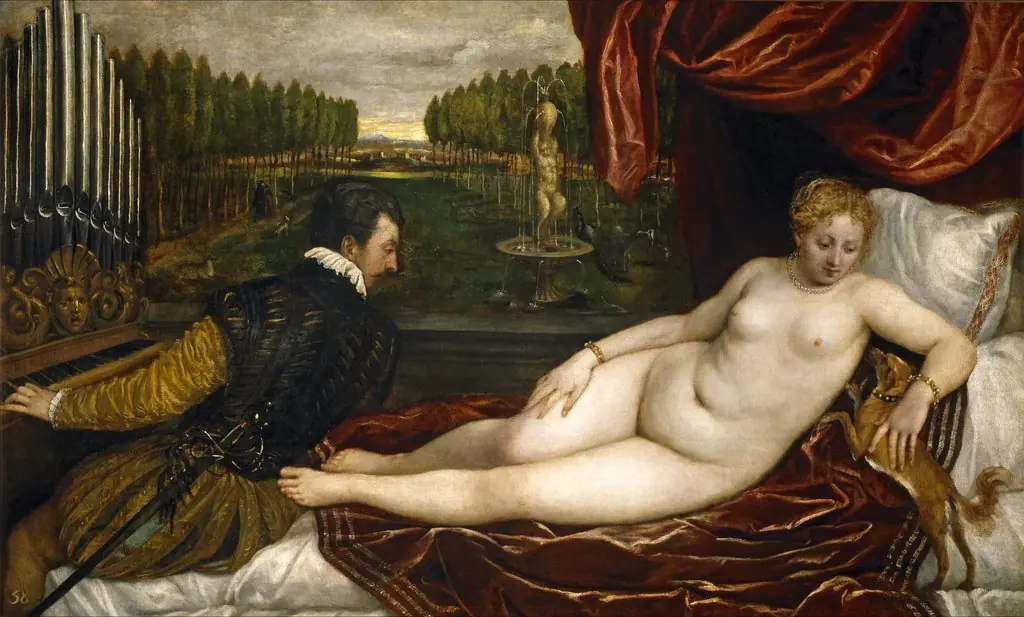 Venus and Music
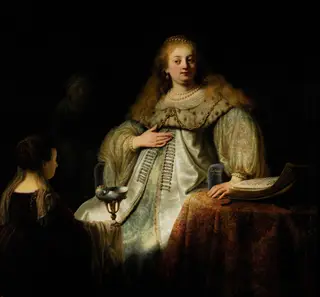 Judith at the Banquet of Holofernes
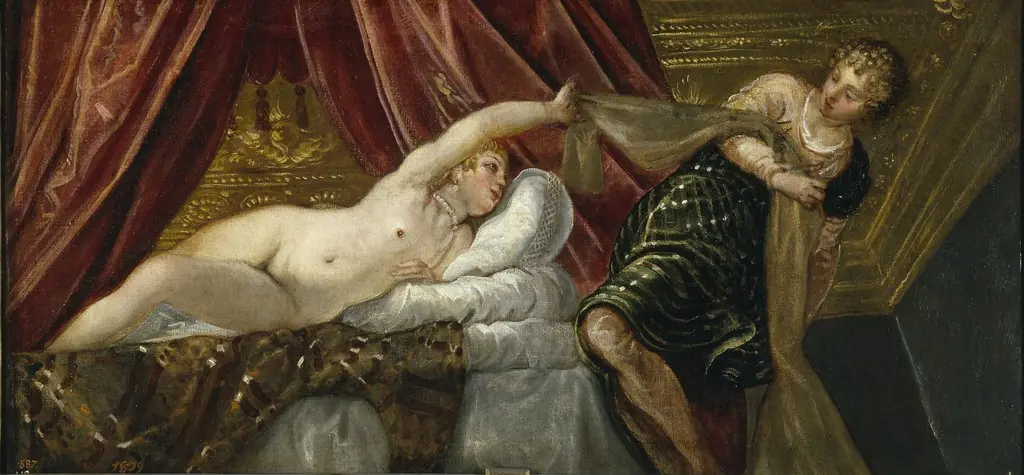 Joseph and Potiphar's Wife
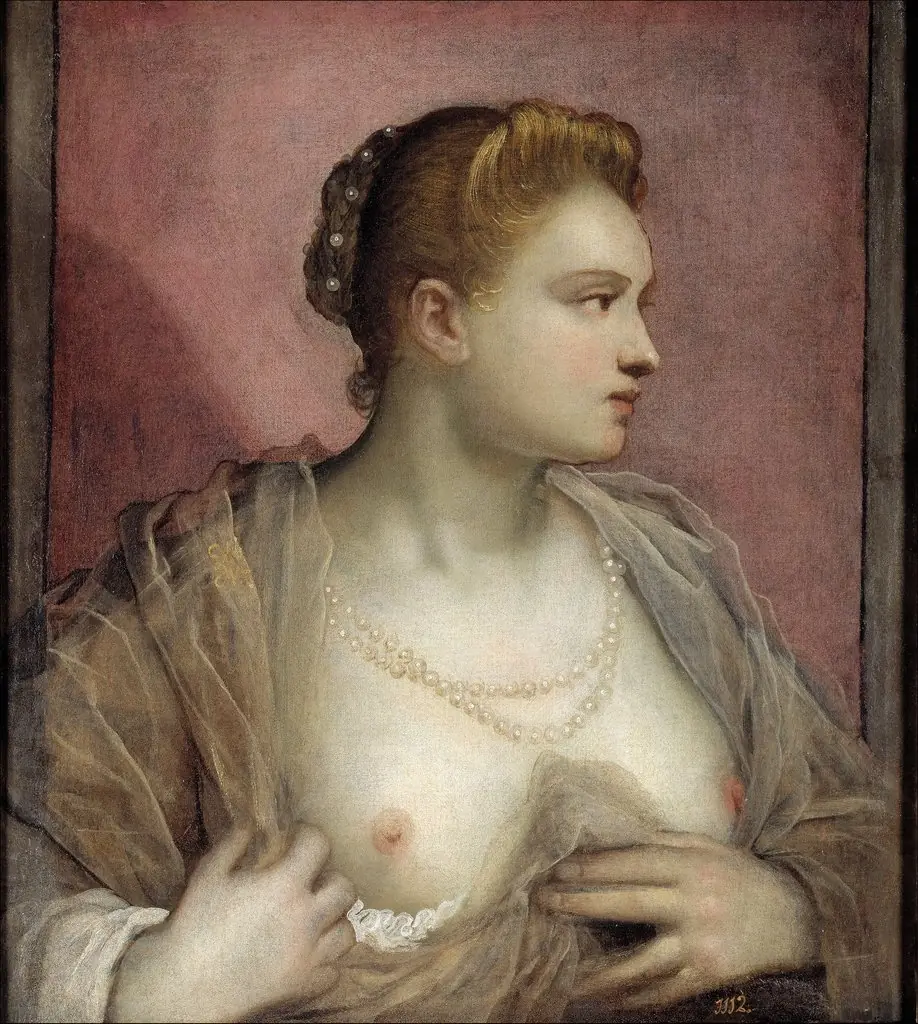 Portrait of a Bare-Breasted Woman
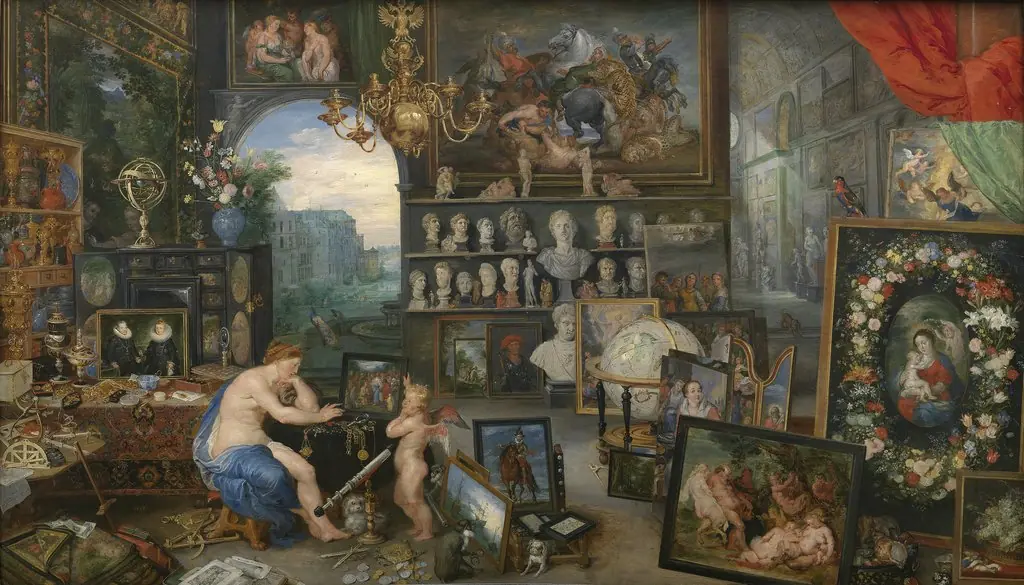 The Sense of Sight
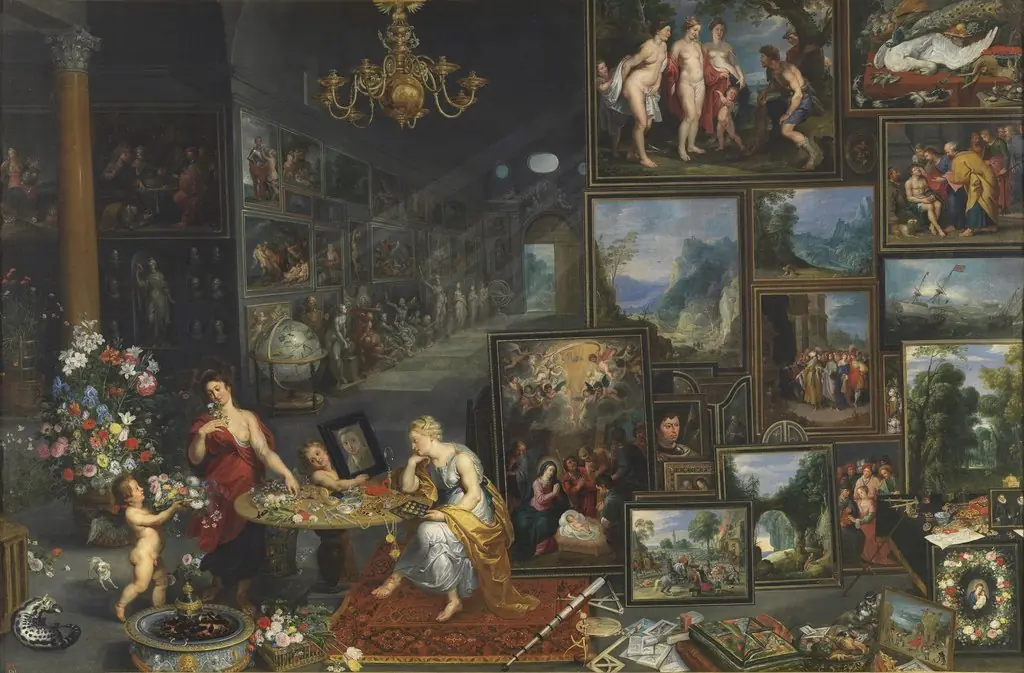 Allegory of Sight and Smell
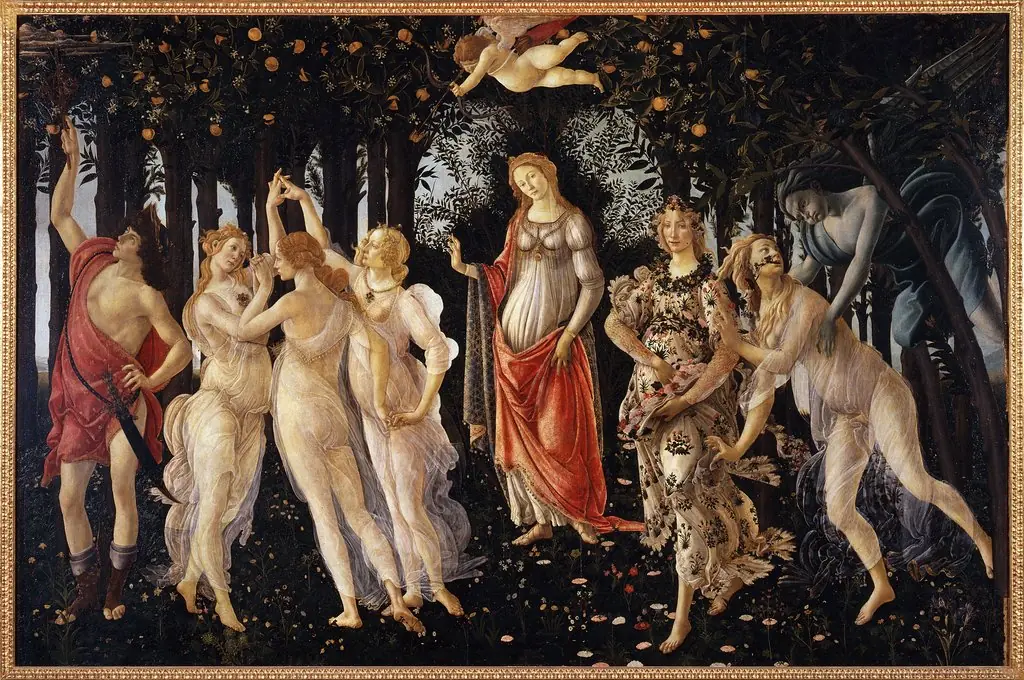 Primavera
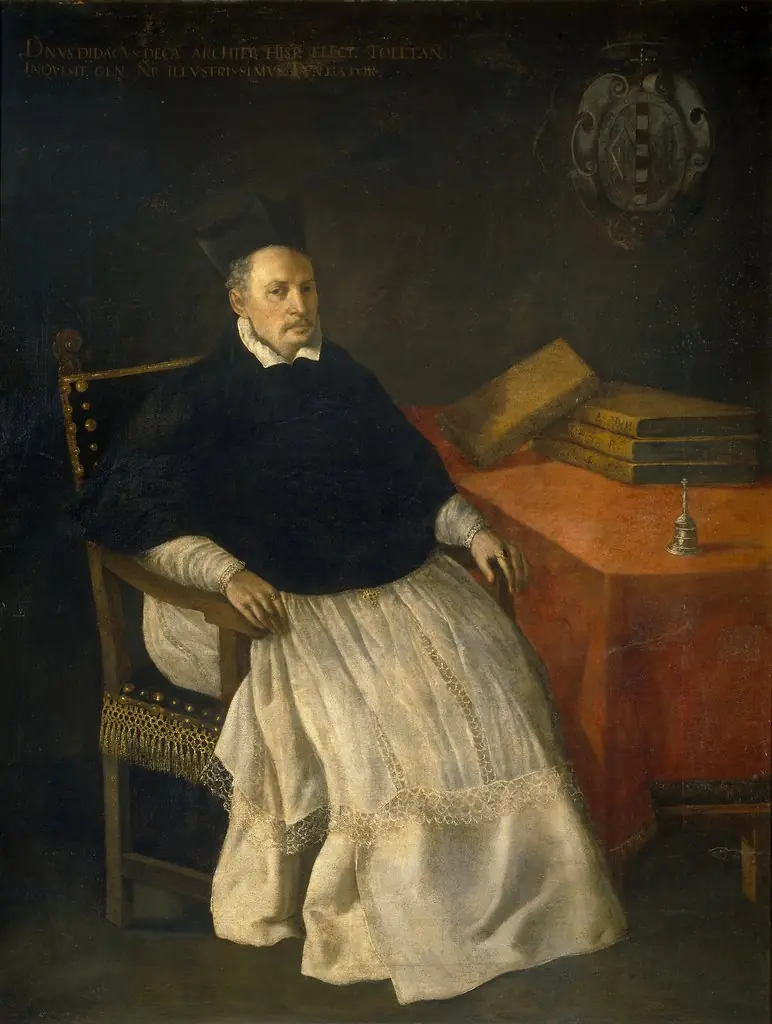 Fray Diego de Deza y Tavera arzobispo de Sevilla
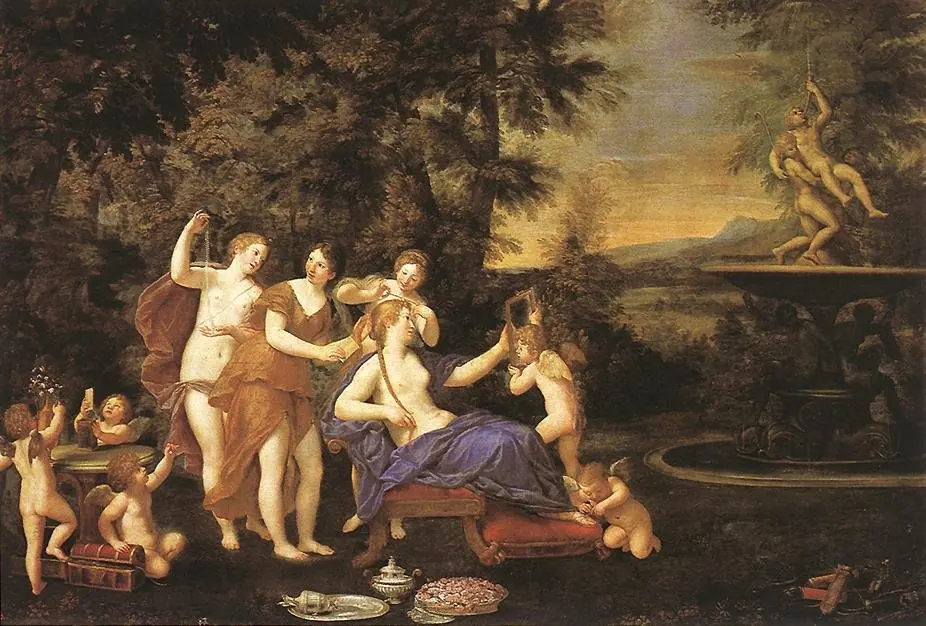 The toilet of Venus
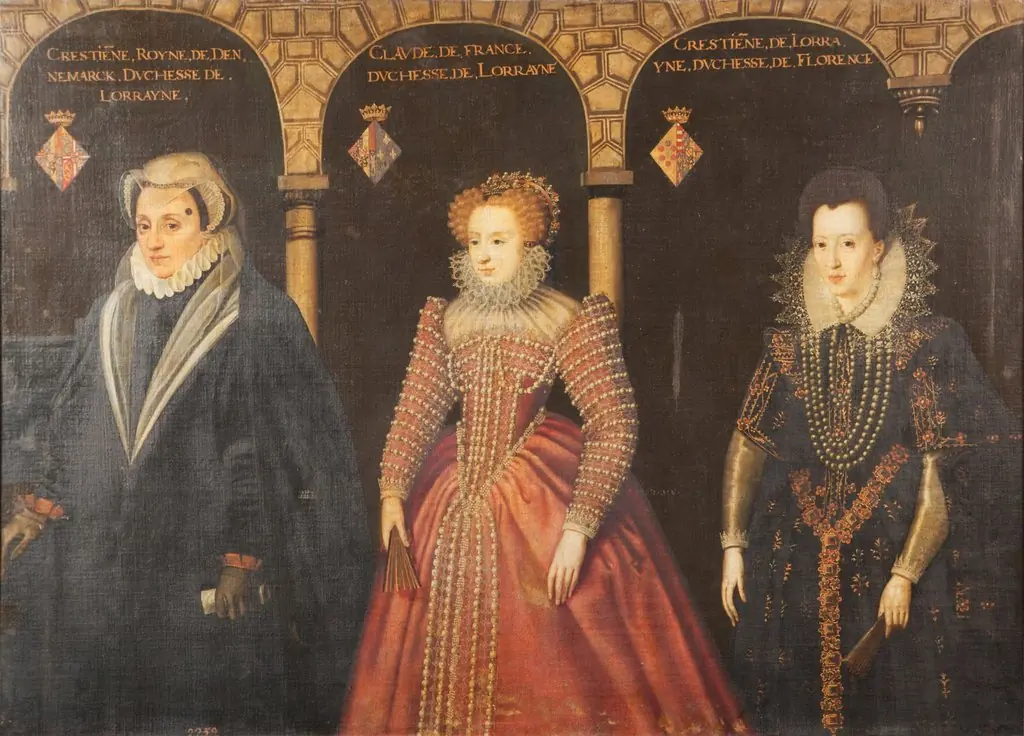 Portrait of Christina of Denmark, Claude of Valois and Christina of Lorraine
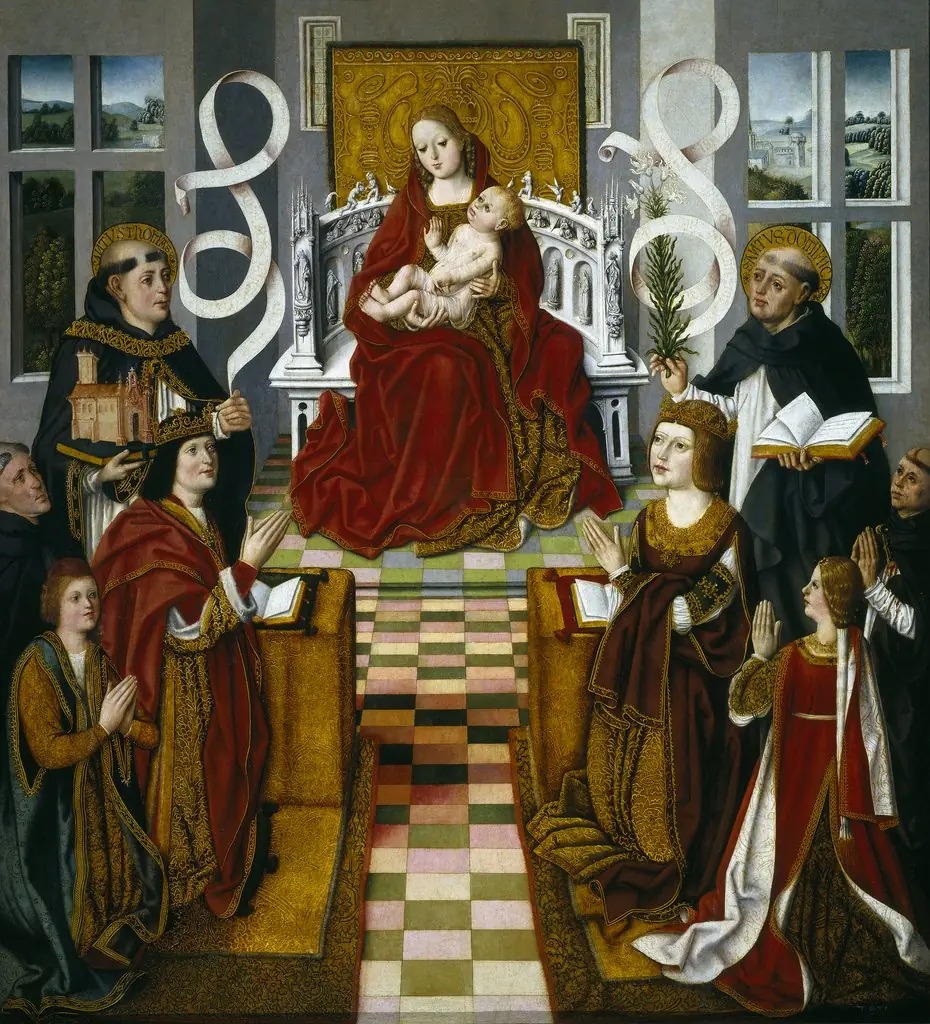 Madonna of the Catholic Monarchs
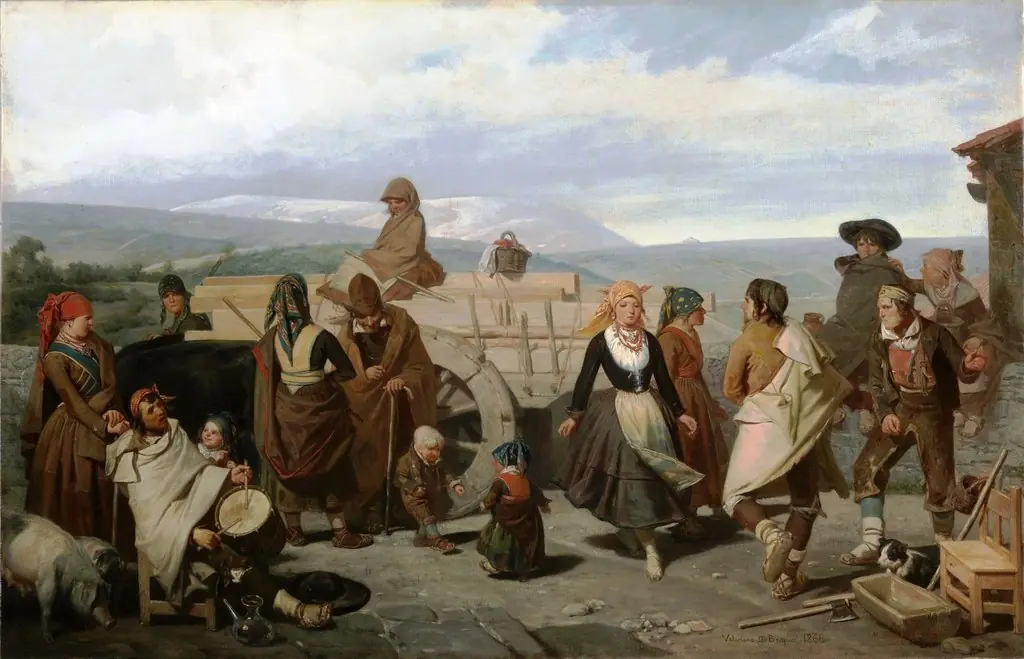 The Dance
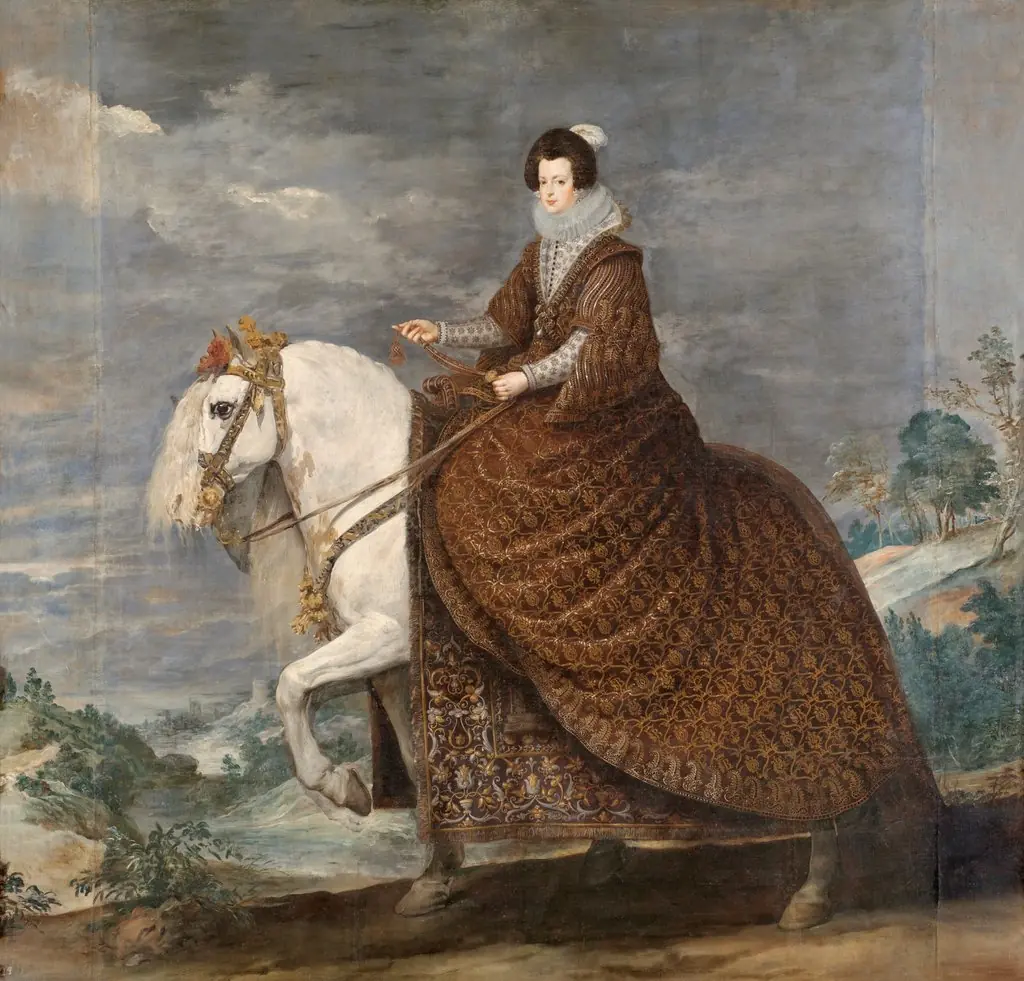 Equestrian Portrait of Elisabeth of France
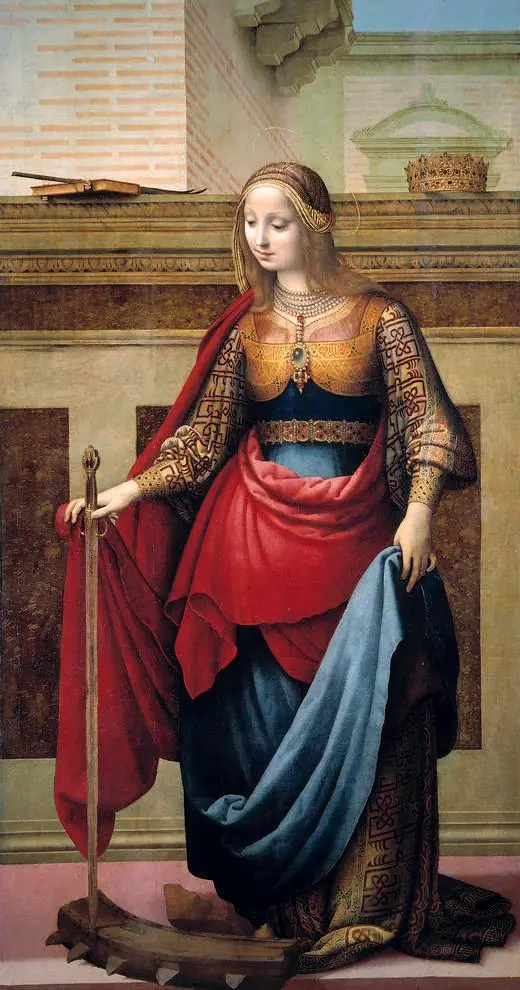 Saint Catherine
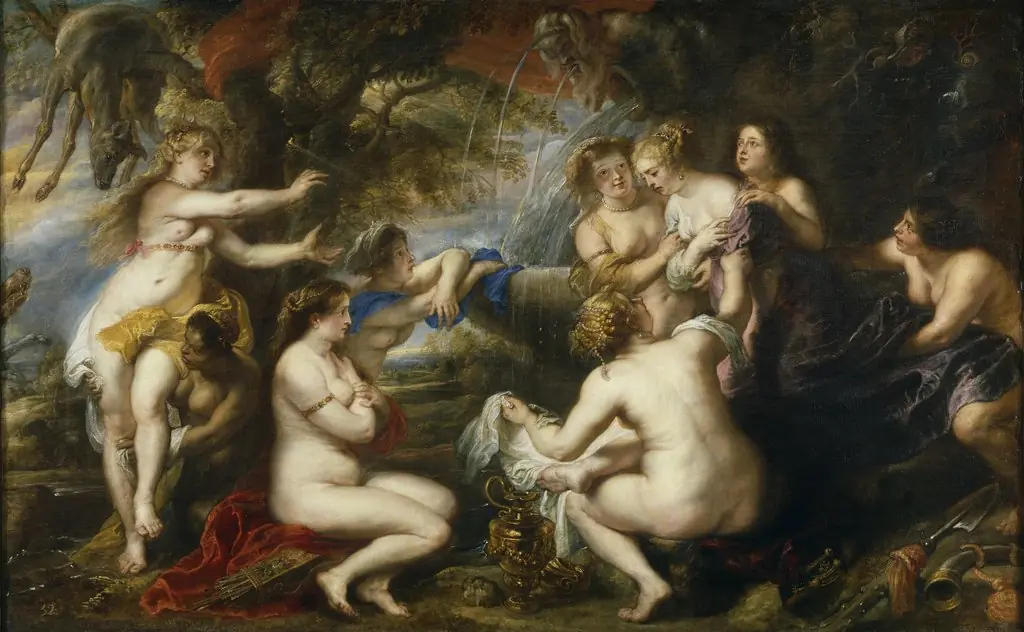 Diana and Callisto
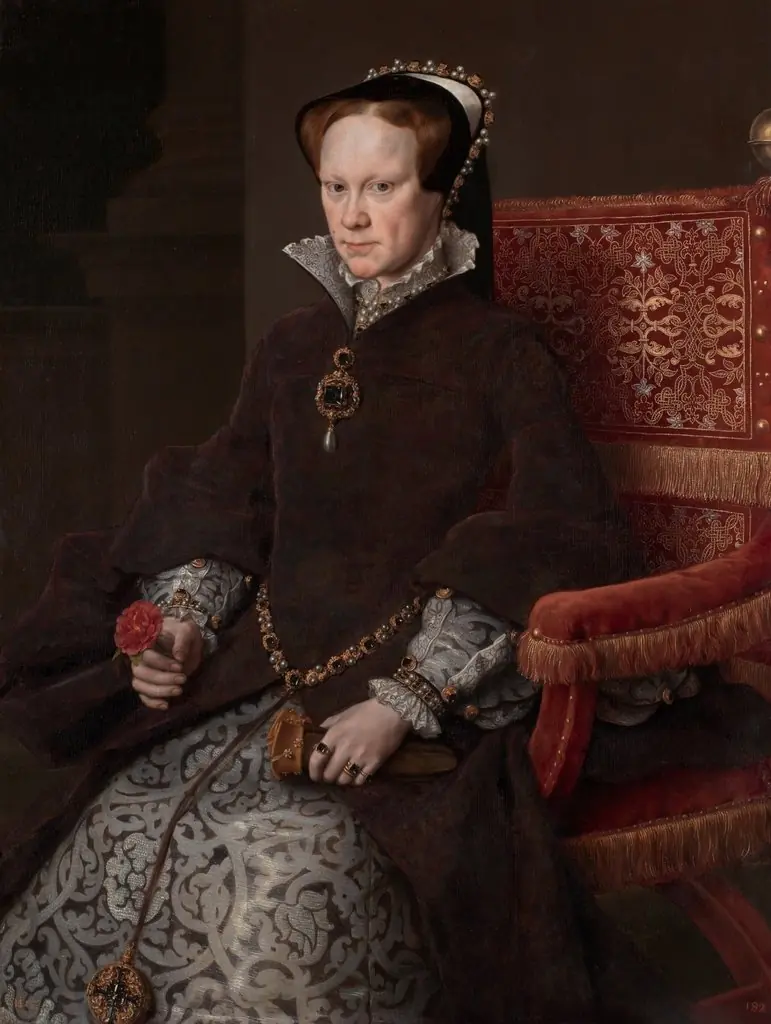 Portrait of Mary Tudor
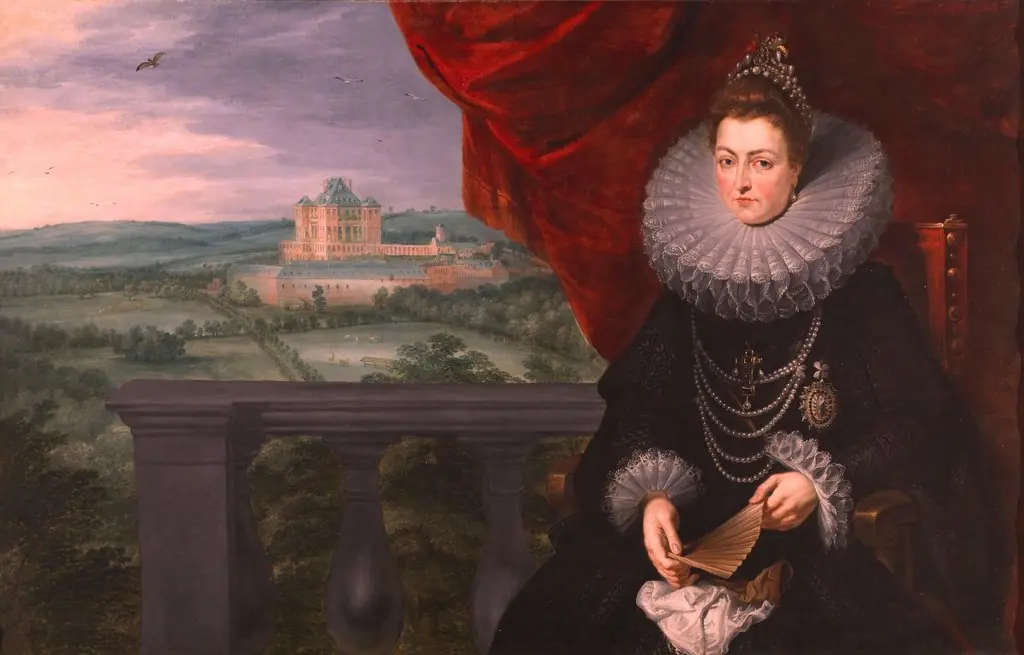 The Infanta Isabel Clara Eugenia
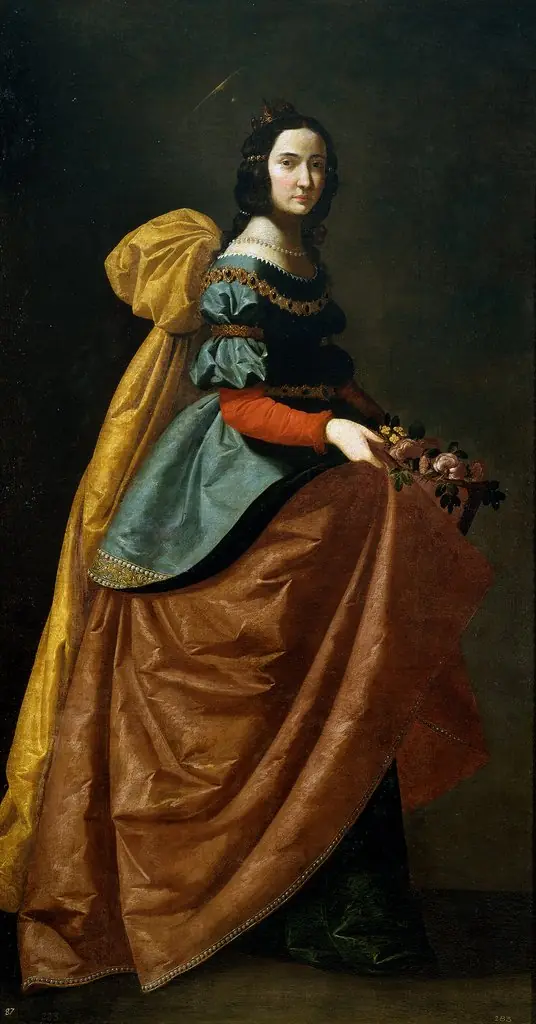 Saint Elizabeth of Portugal
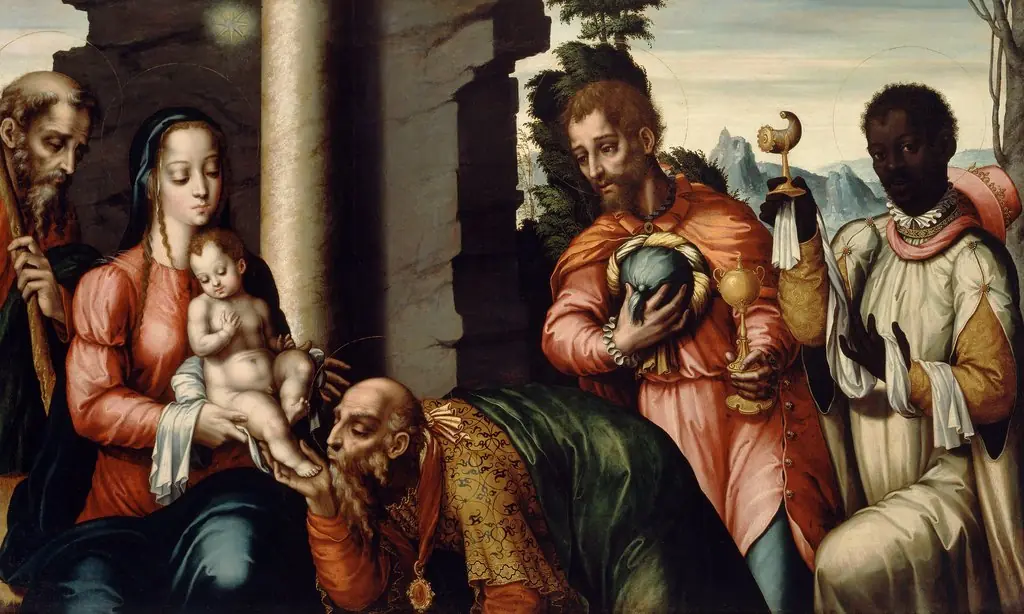 The Adoration of the Magi
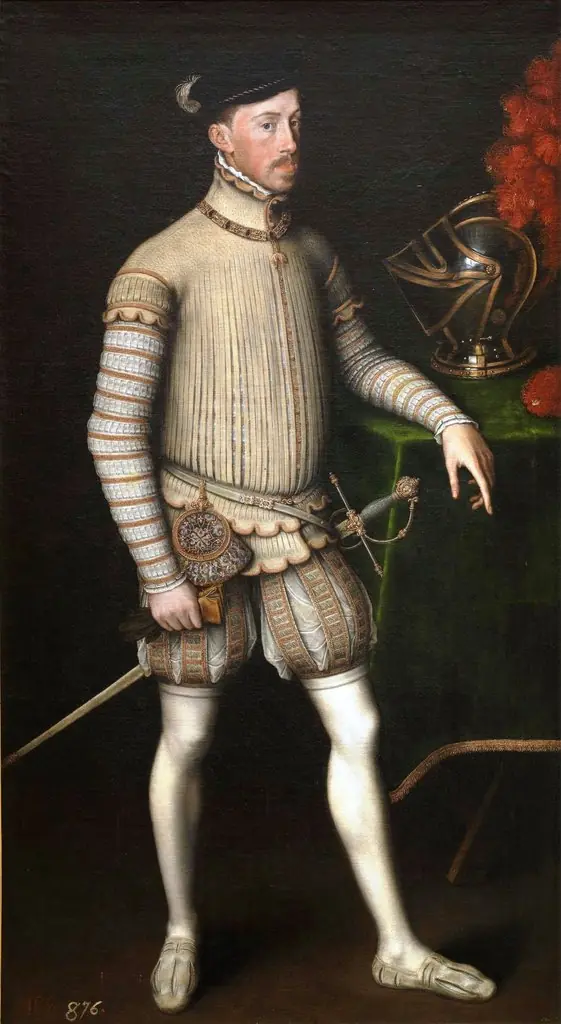 Emperor Maximilian II
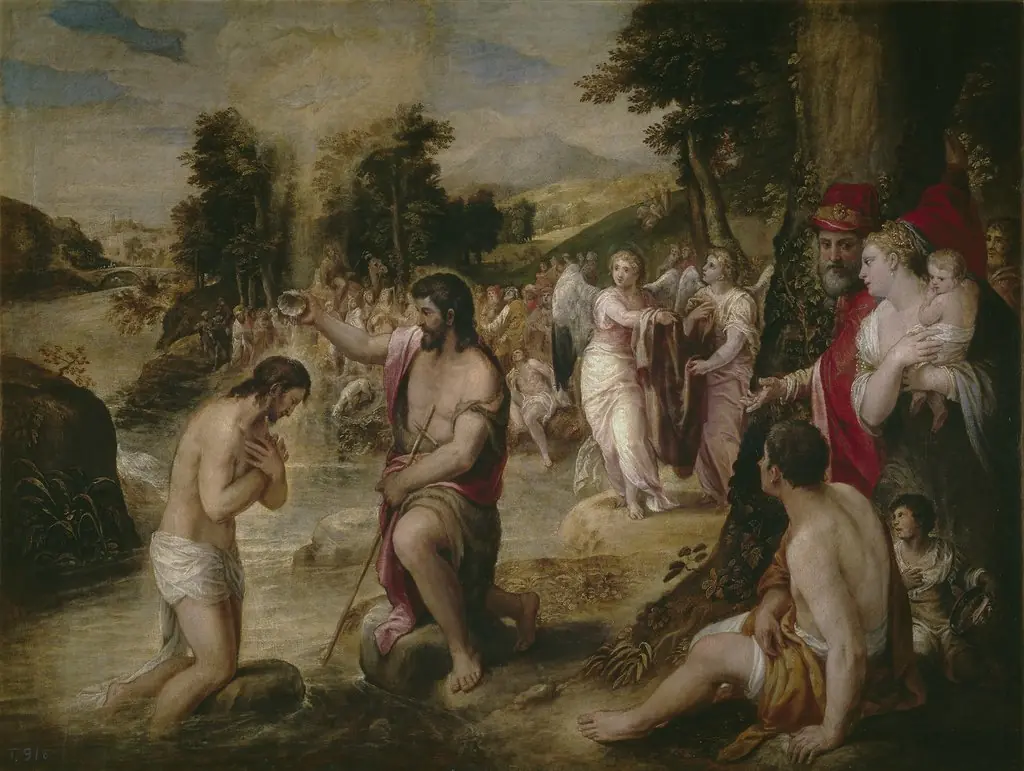 The Baptism of Christ
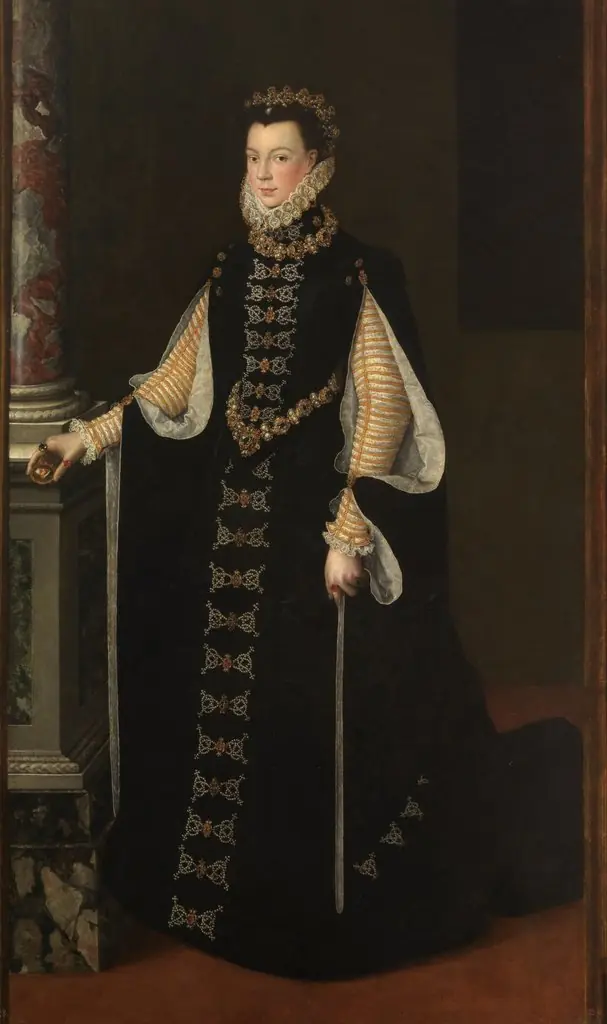 Portrait of Elisabeth of Valois
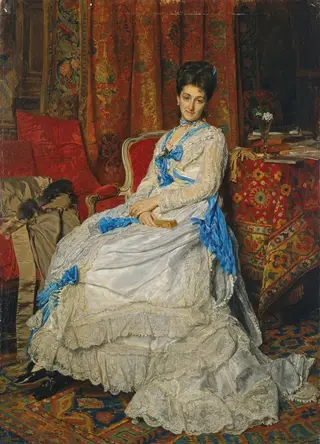 Josefa Manzanedo e Intentas de Mitjans, Second Marchioness of Manzanedo
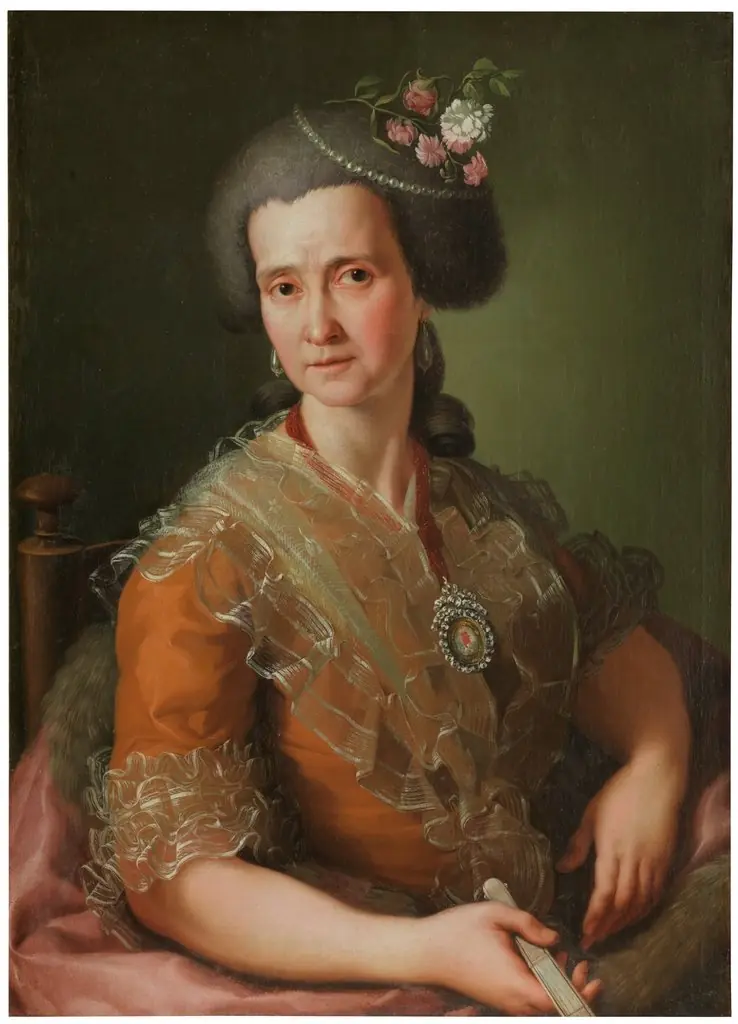 Manuela Tolosa y Aviñón
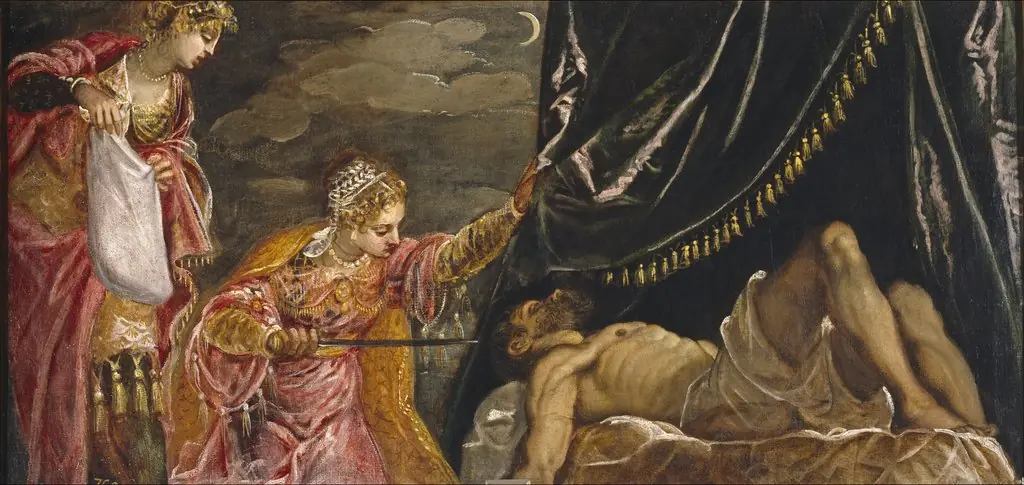 Judith and Holofernes
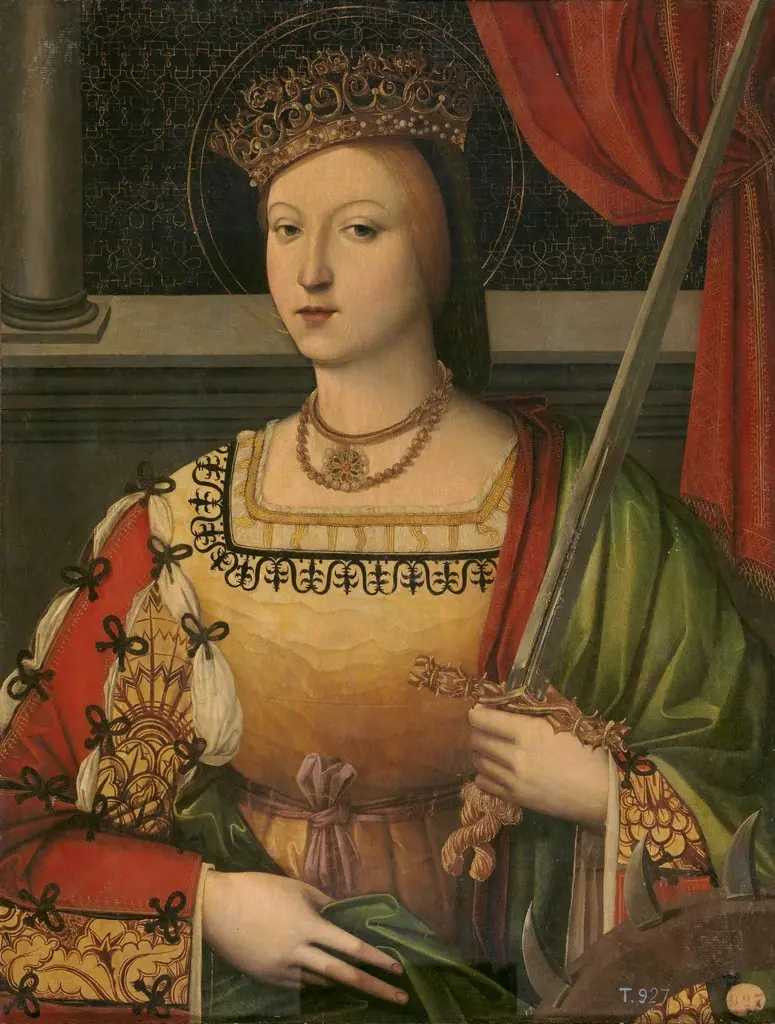 Catalina de Austria reina de Portugal como Santa Catalina
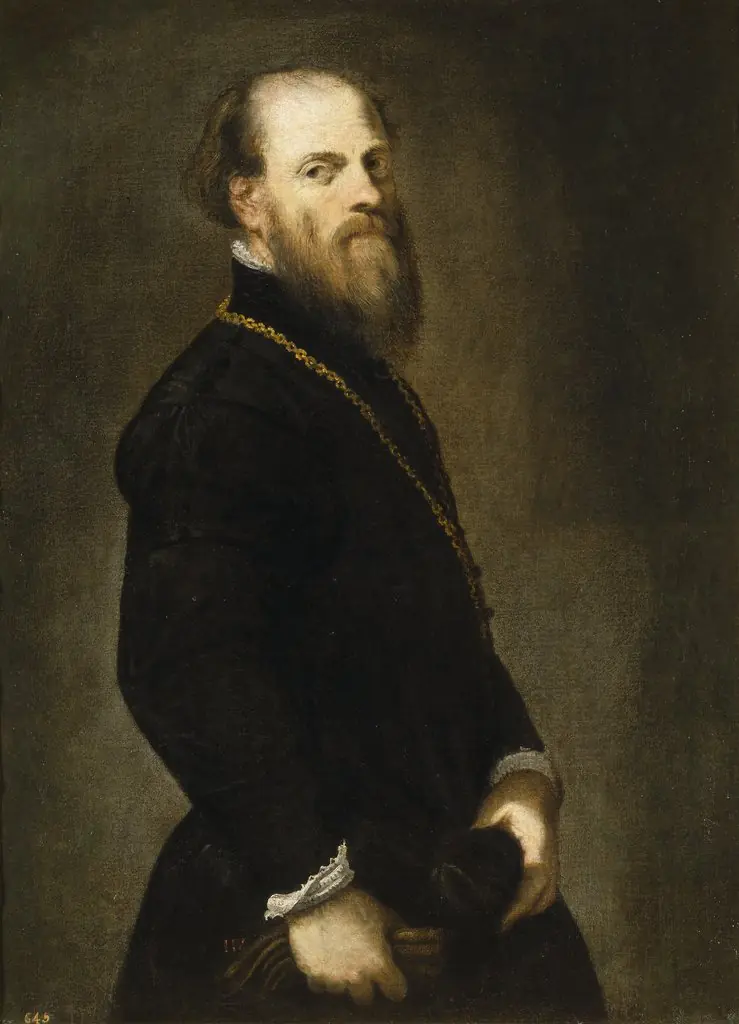 Man with a Golden Lace
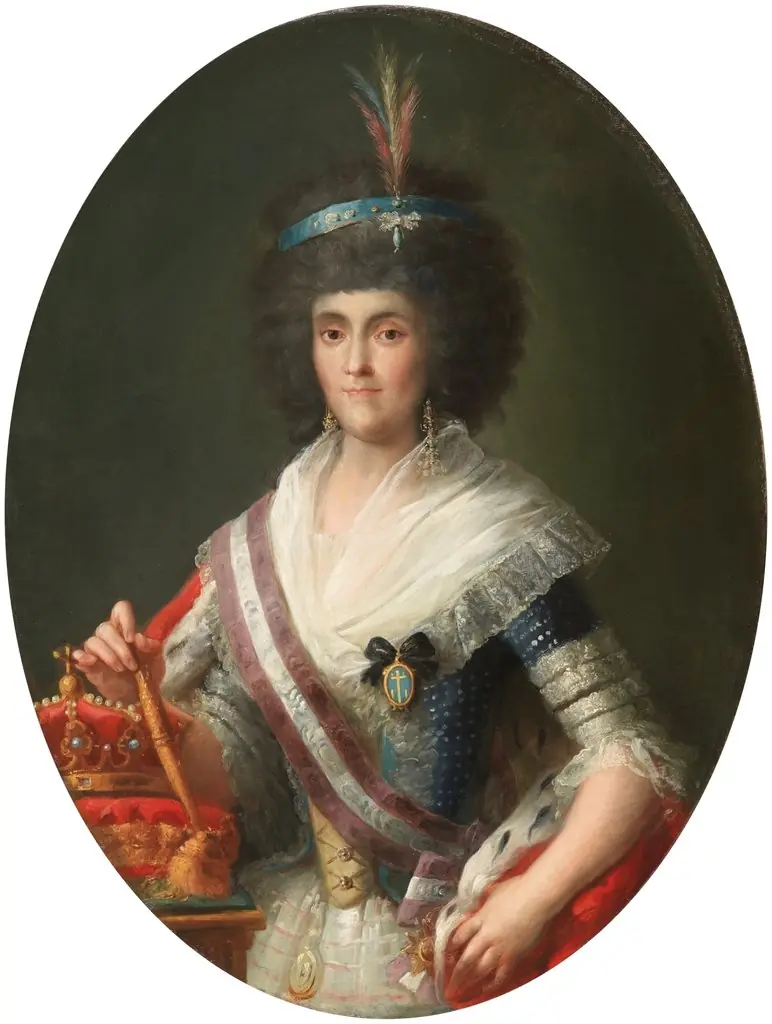 María Luisa de Parma, Queen of Spain
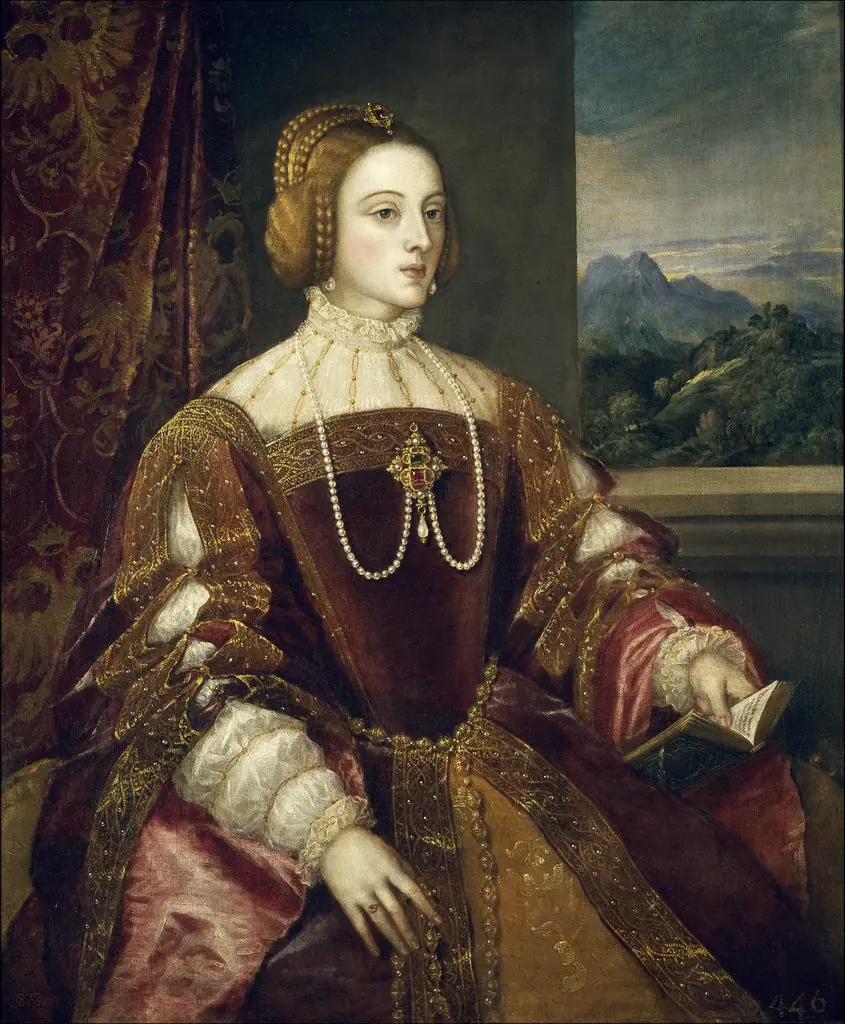 Portrait of Isabella of Portugal
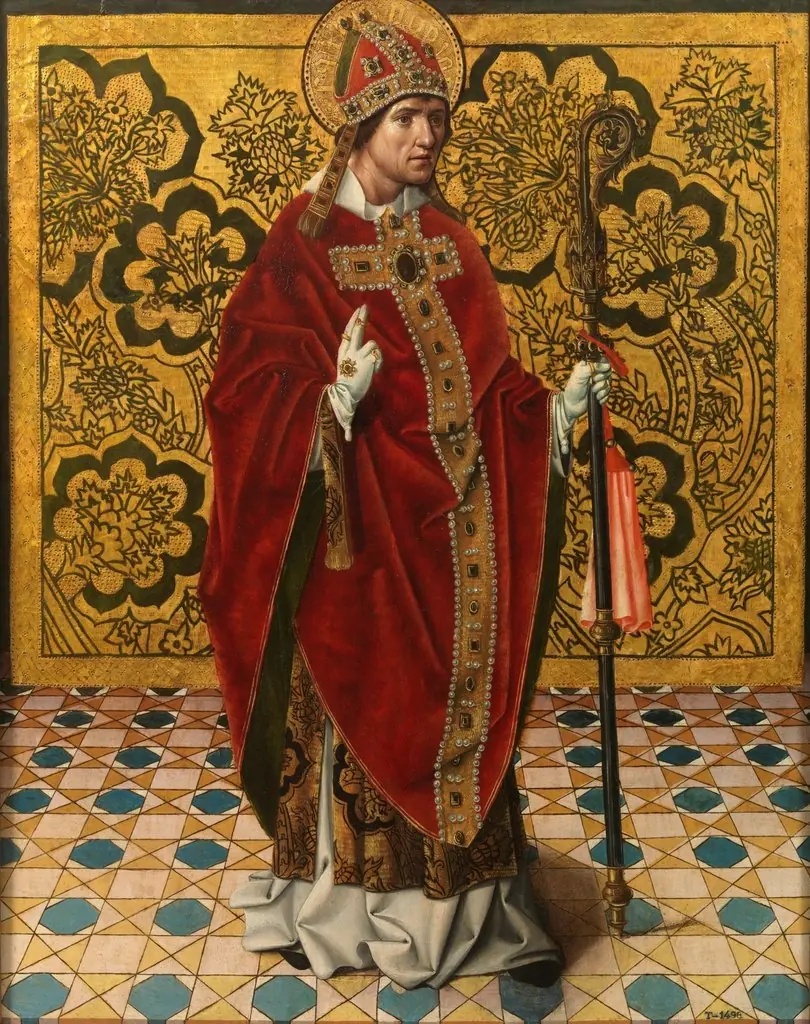 Saint Gregory
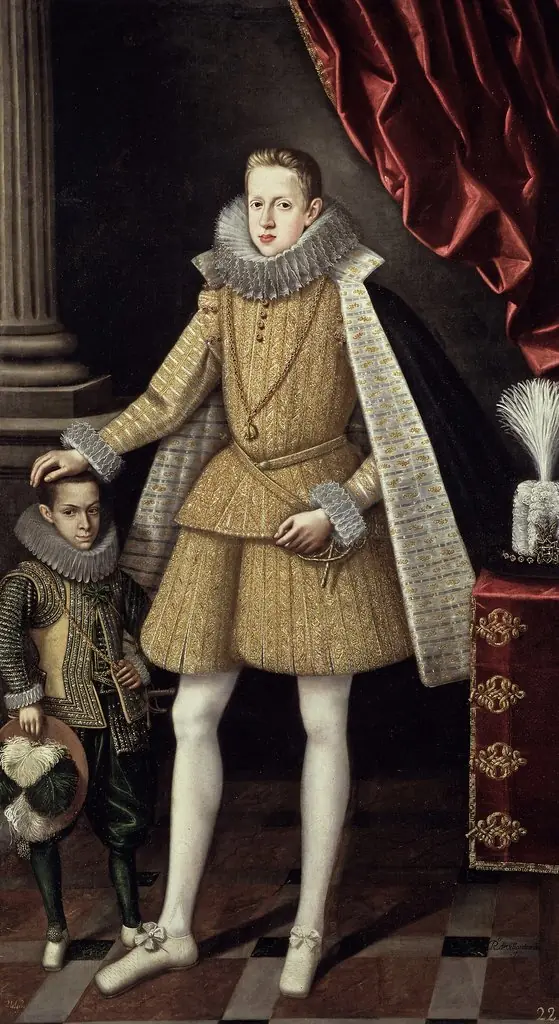 Prince Philip and the Dwarf, Miguel Soplillo
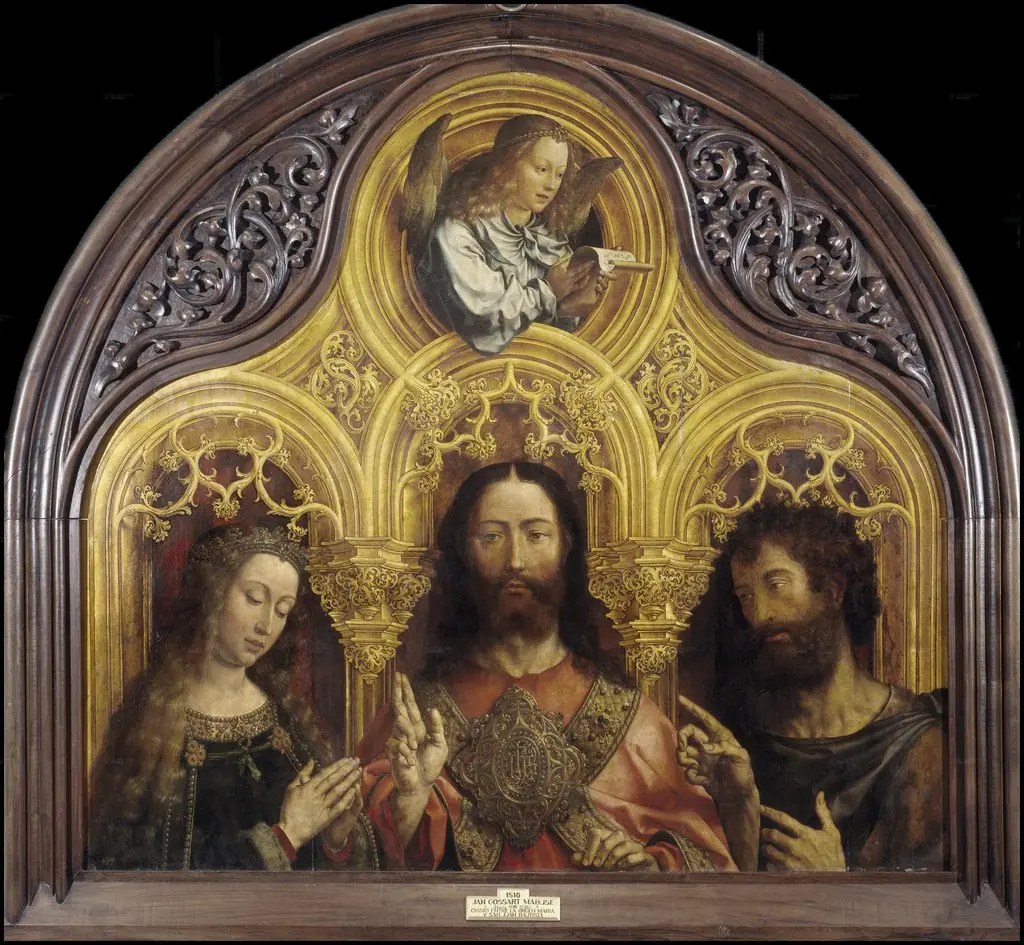 Christ between the Virgin Mary and Saint John the Baptist
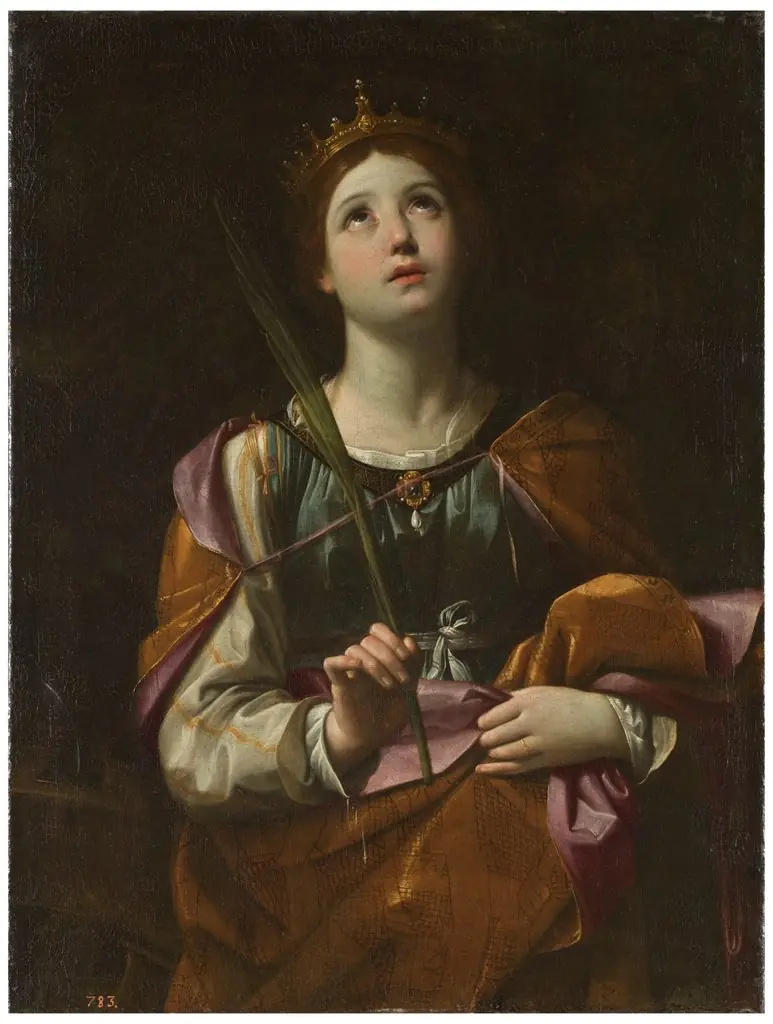 Saint Catherine
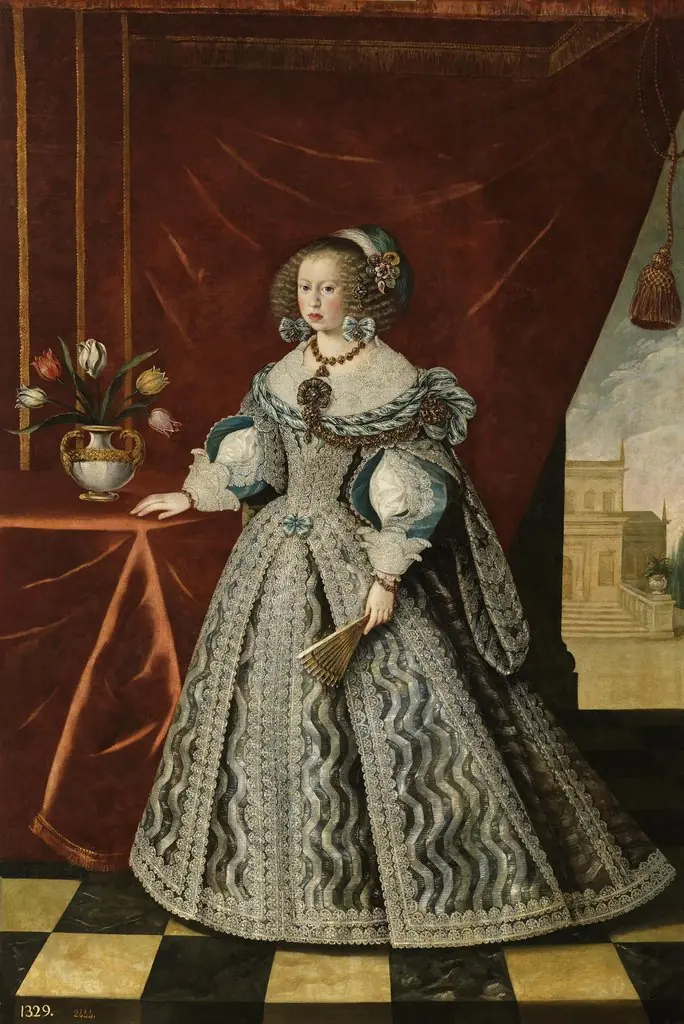 Mariana of Austria
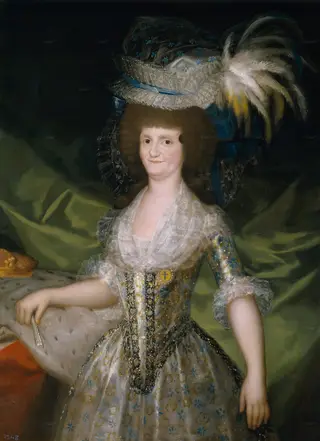 Queen of Spain Maria Louisa, née Bourbon-Parma
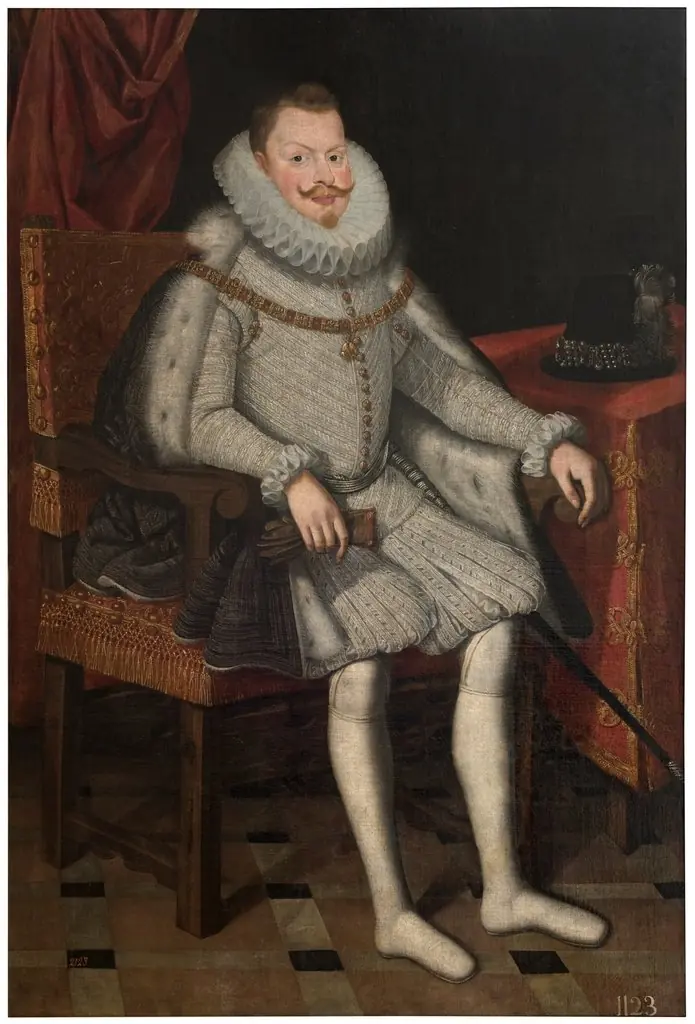 Felipe III rey de España sedente
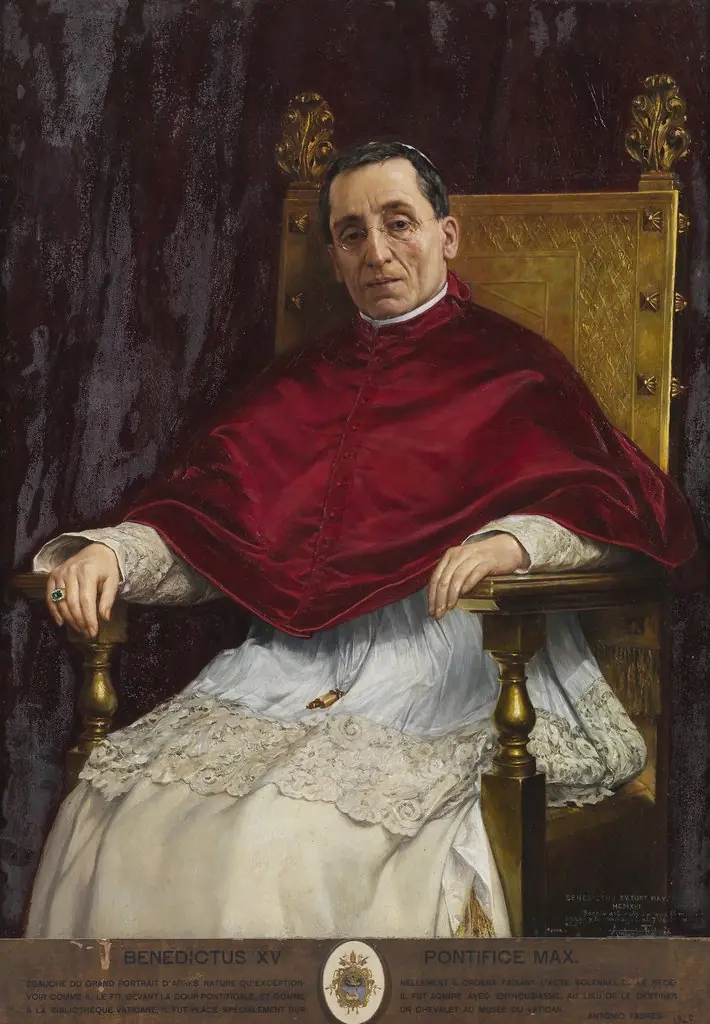 Pope Benedict XV
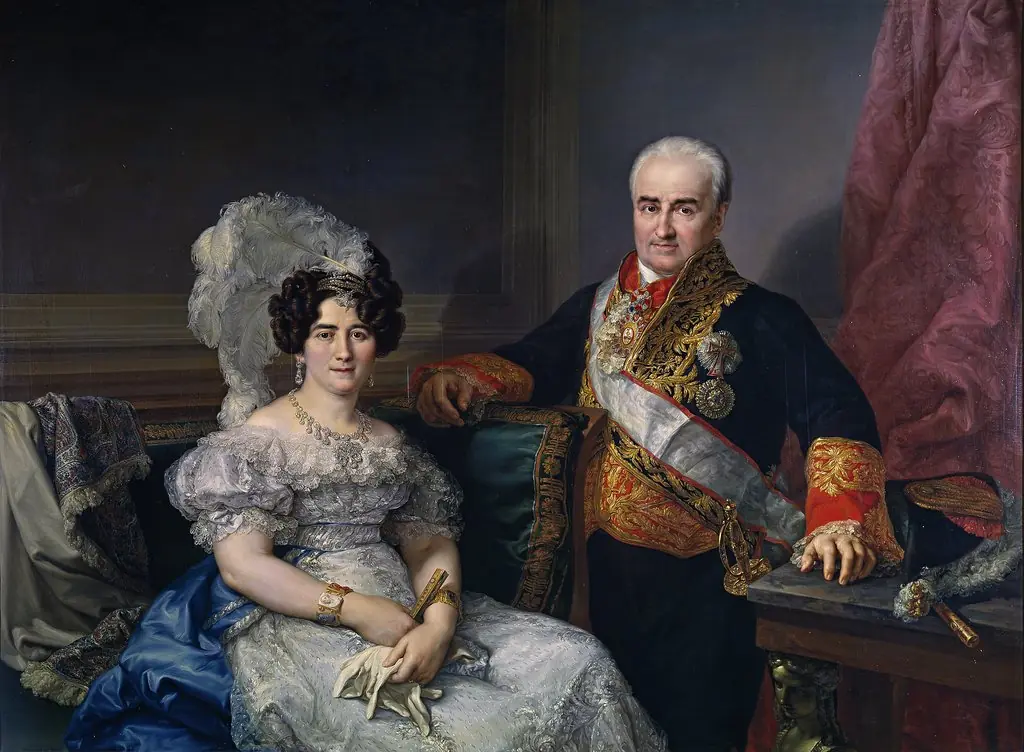 Antonio Ugarte and his wife Maria Antonia Larrazábal
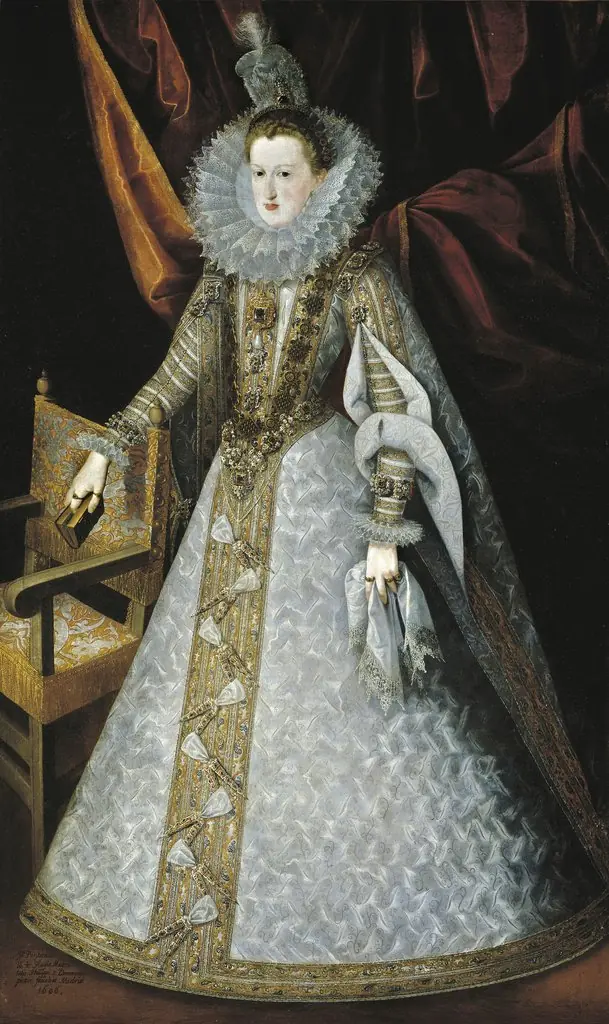 Margaret of Austria
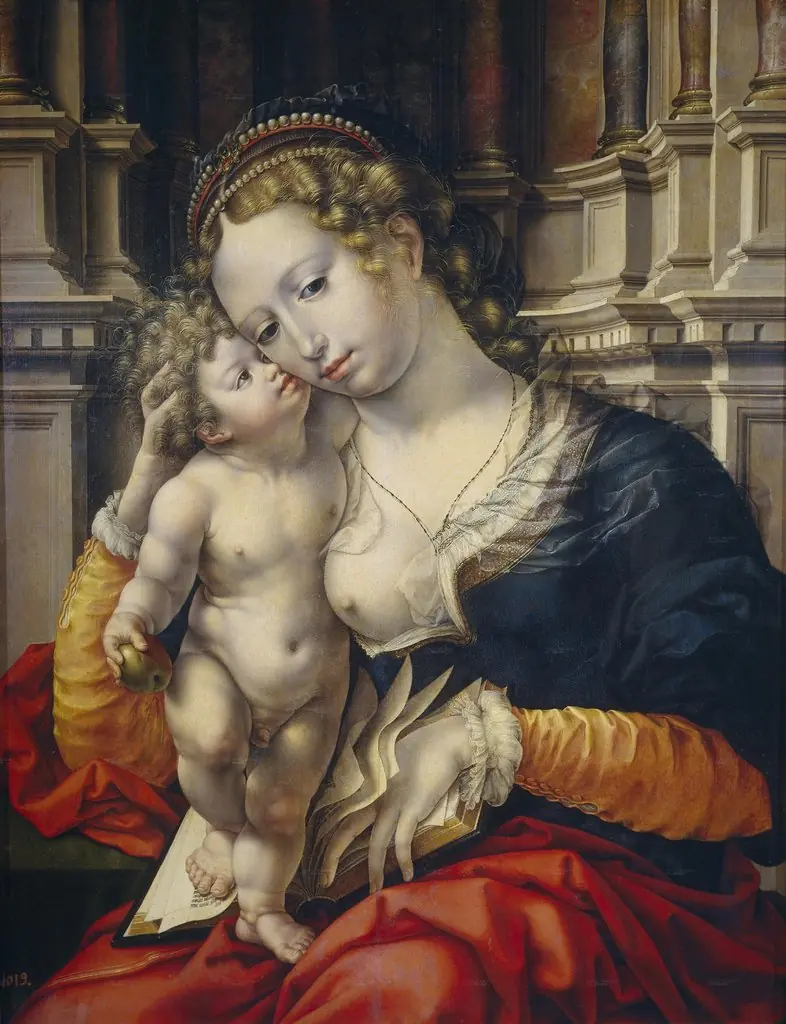 The Virgin and Child
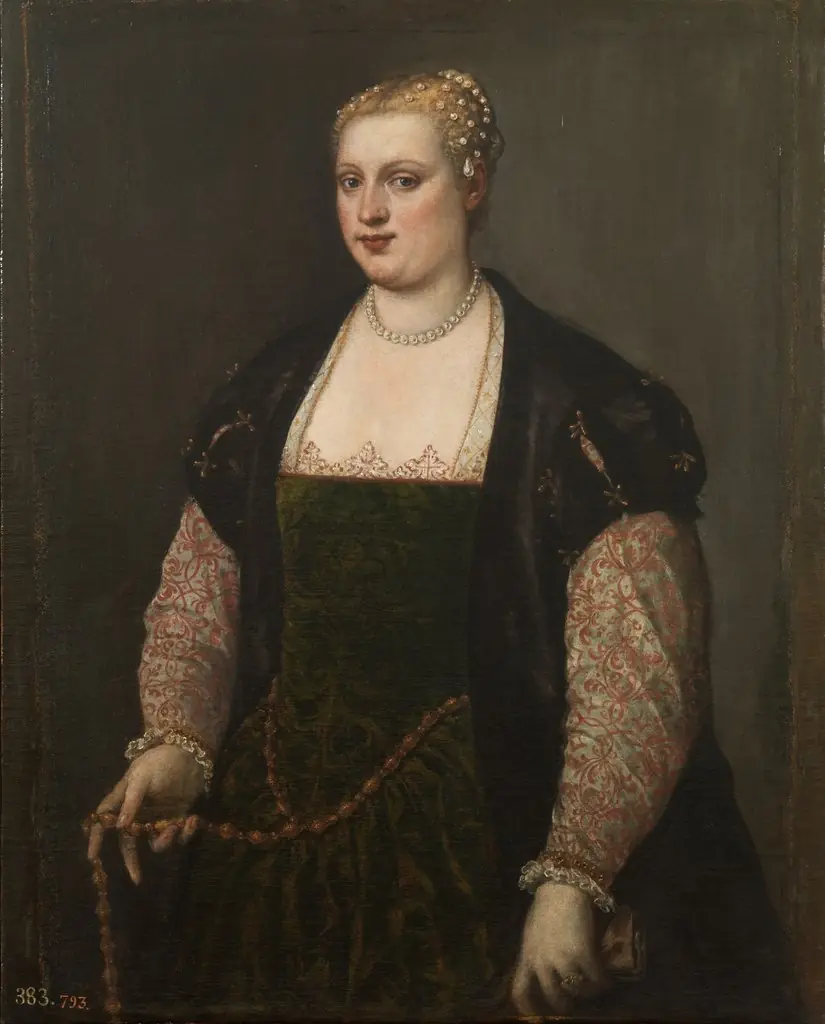 Portrait of a Woman
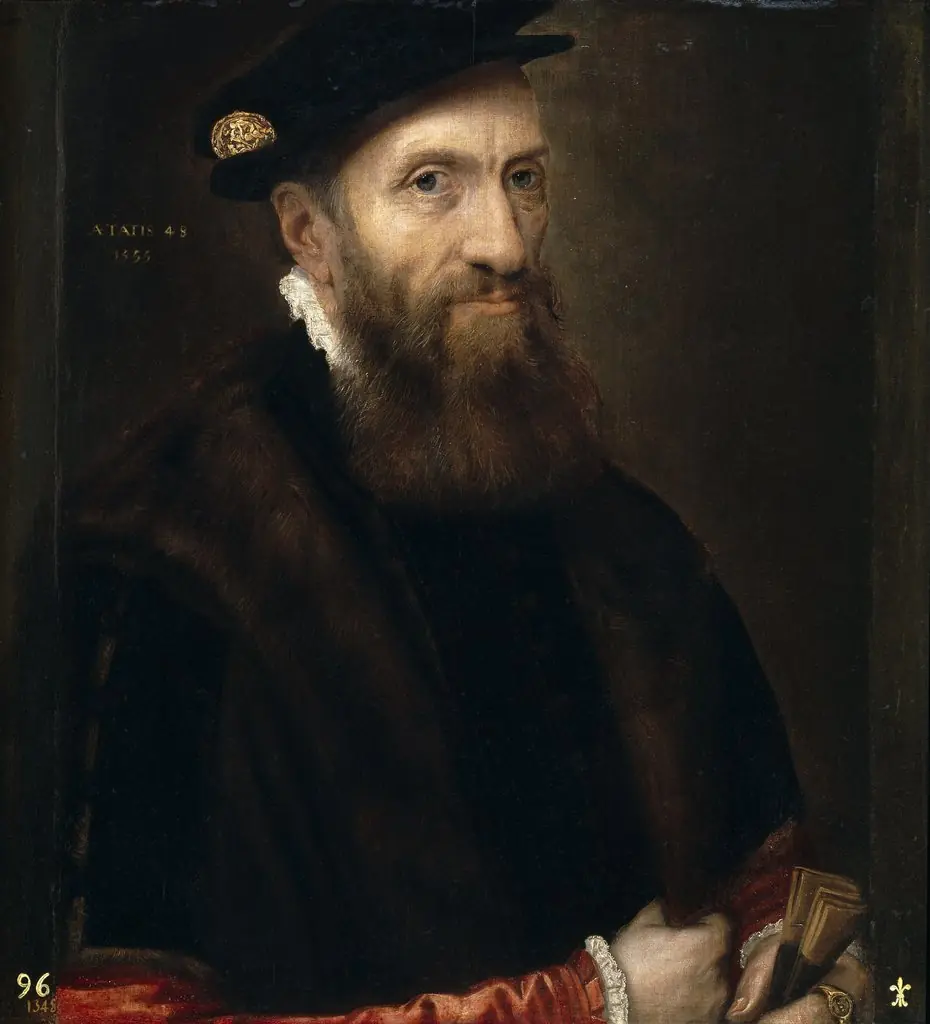 Portrait of a Man aged 48
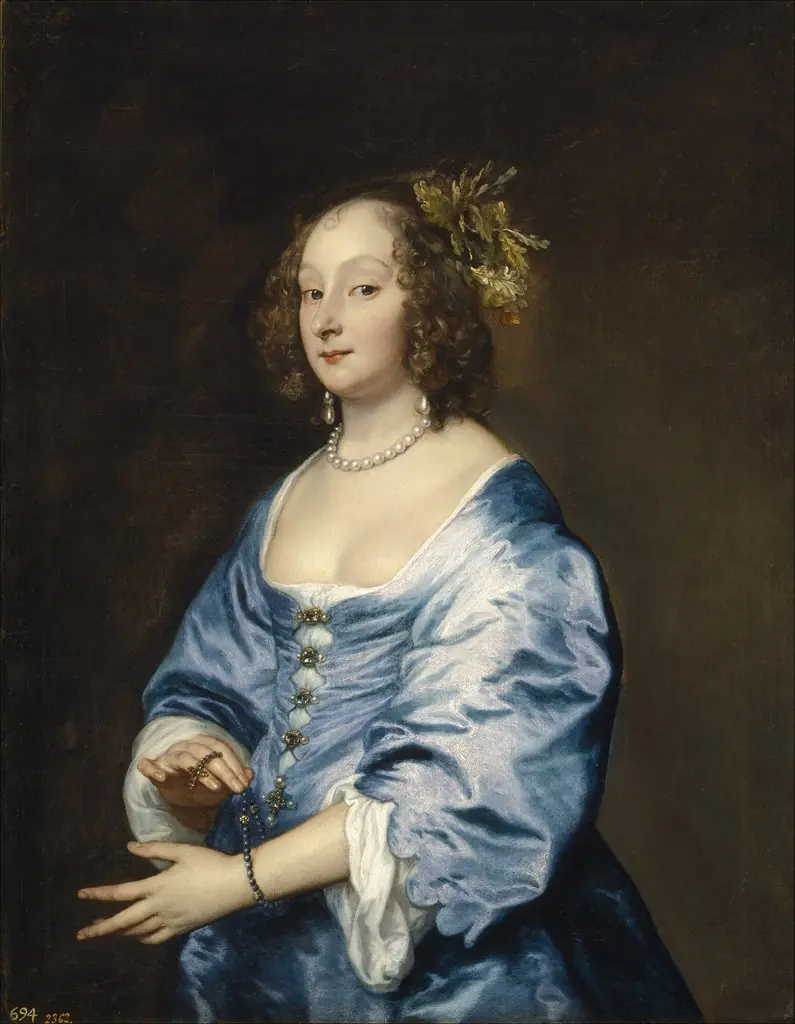 Mary, Lady Van Dyck
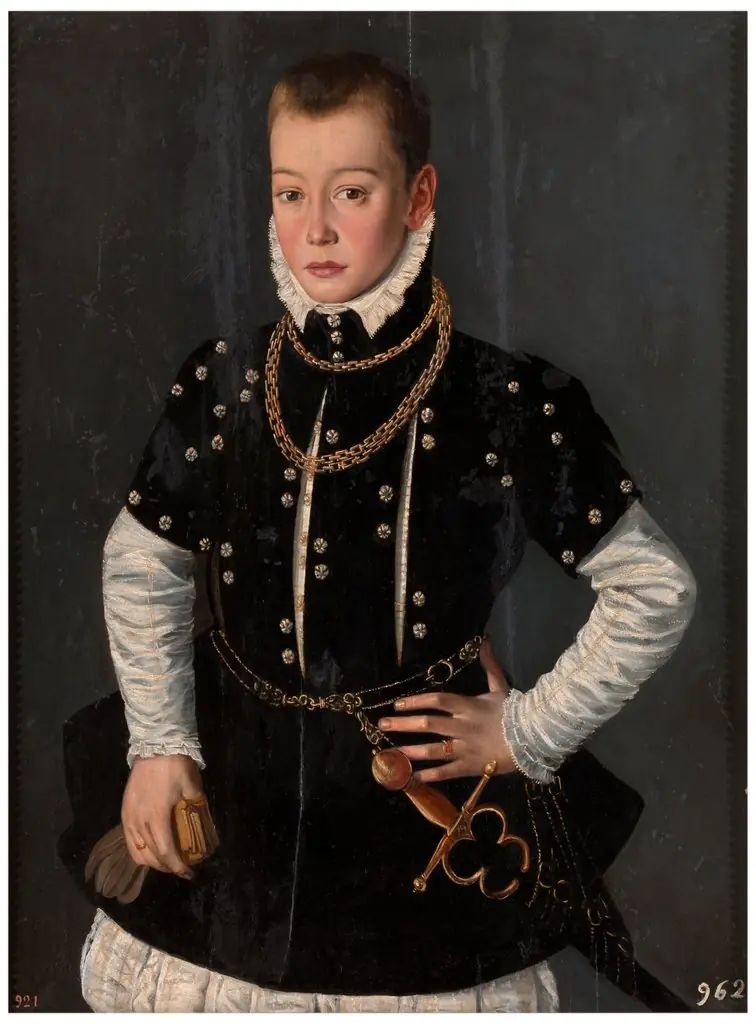 Portrait of an Unidentified Boy
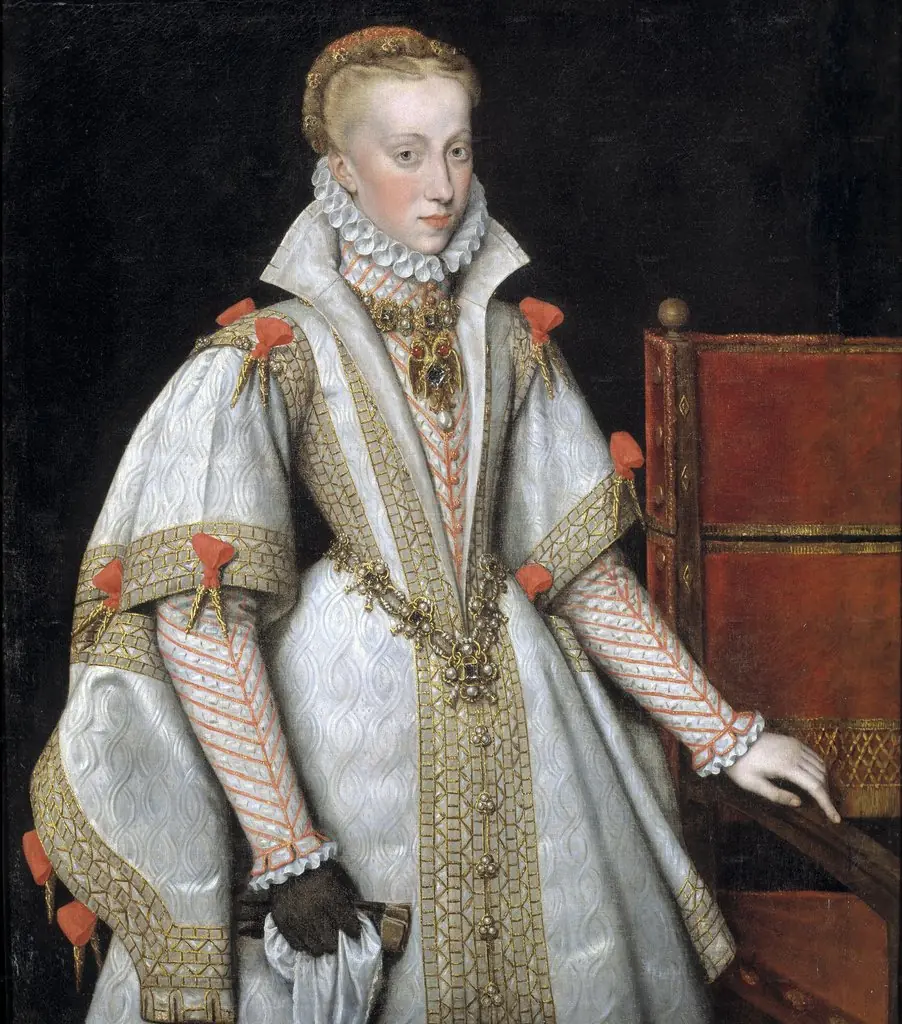 Queen Anne of Austria, fourth Wife of Philip II
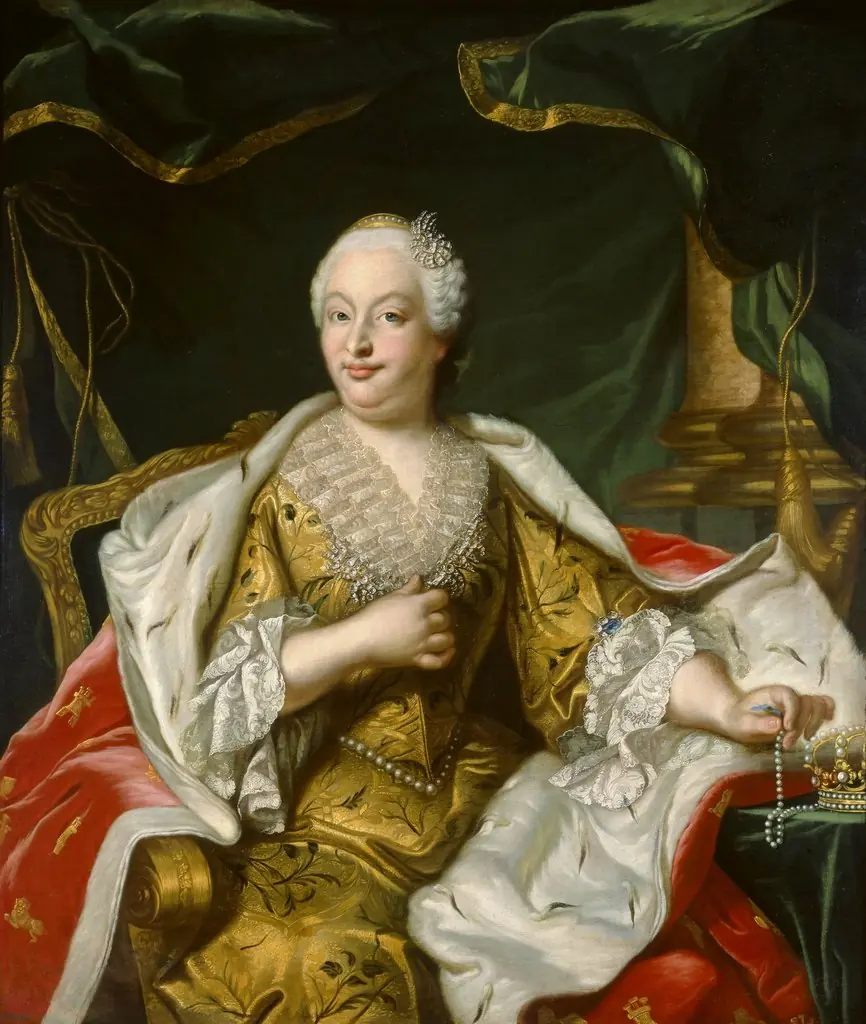 Bárbara de Braganza reina de España
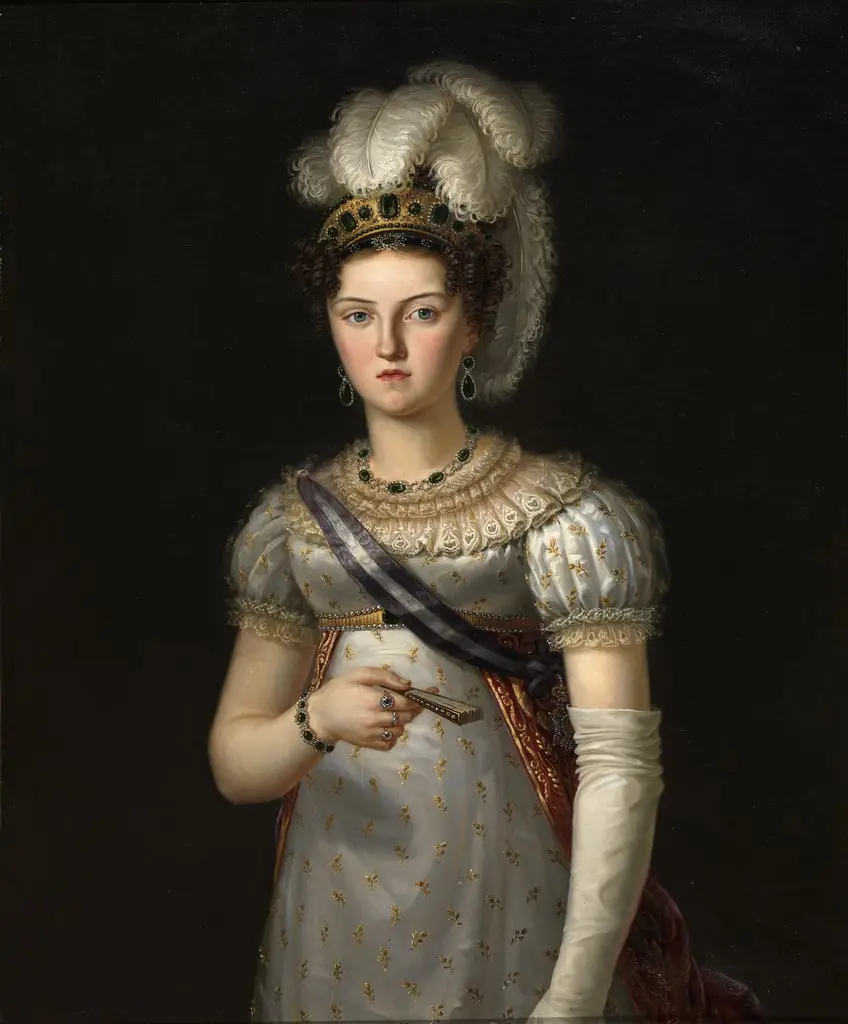 Maria Josepha Amalia of Saxony, Queen of Spain, third wife of Ferdinand VII
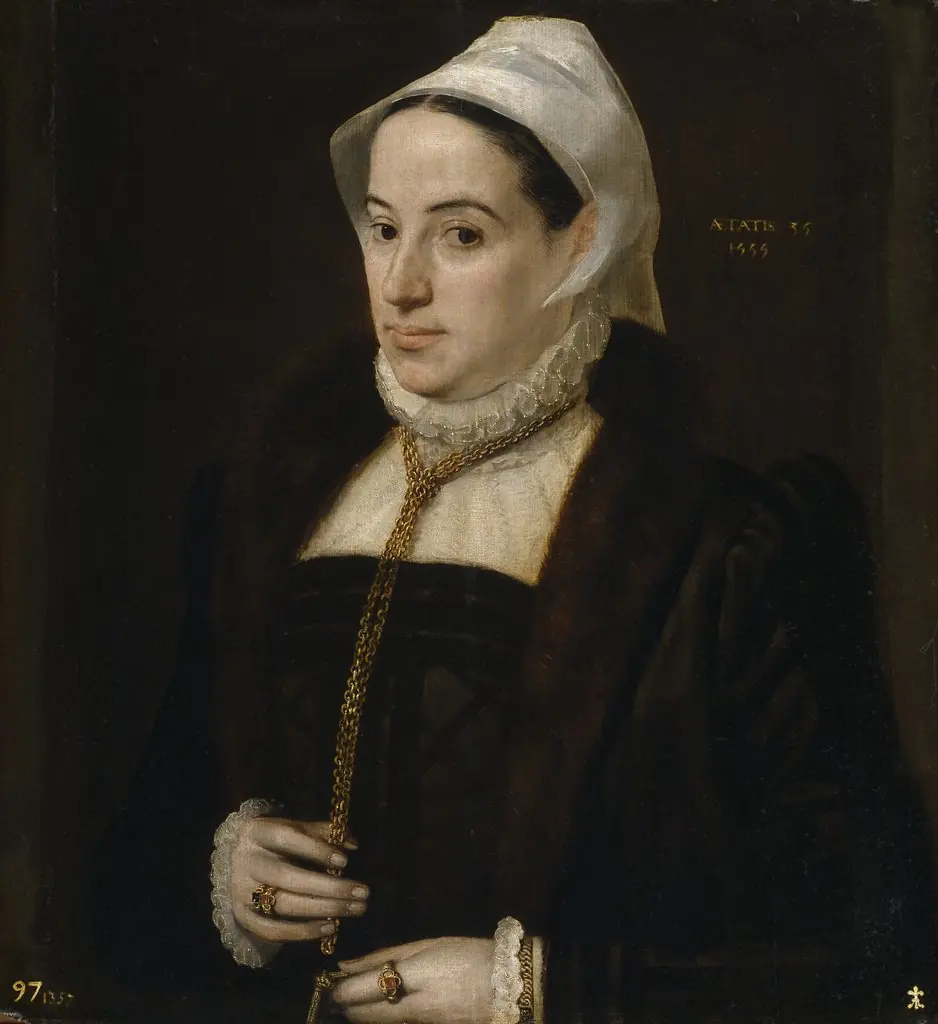 Portrait of a Woman aged 35
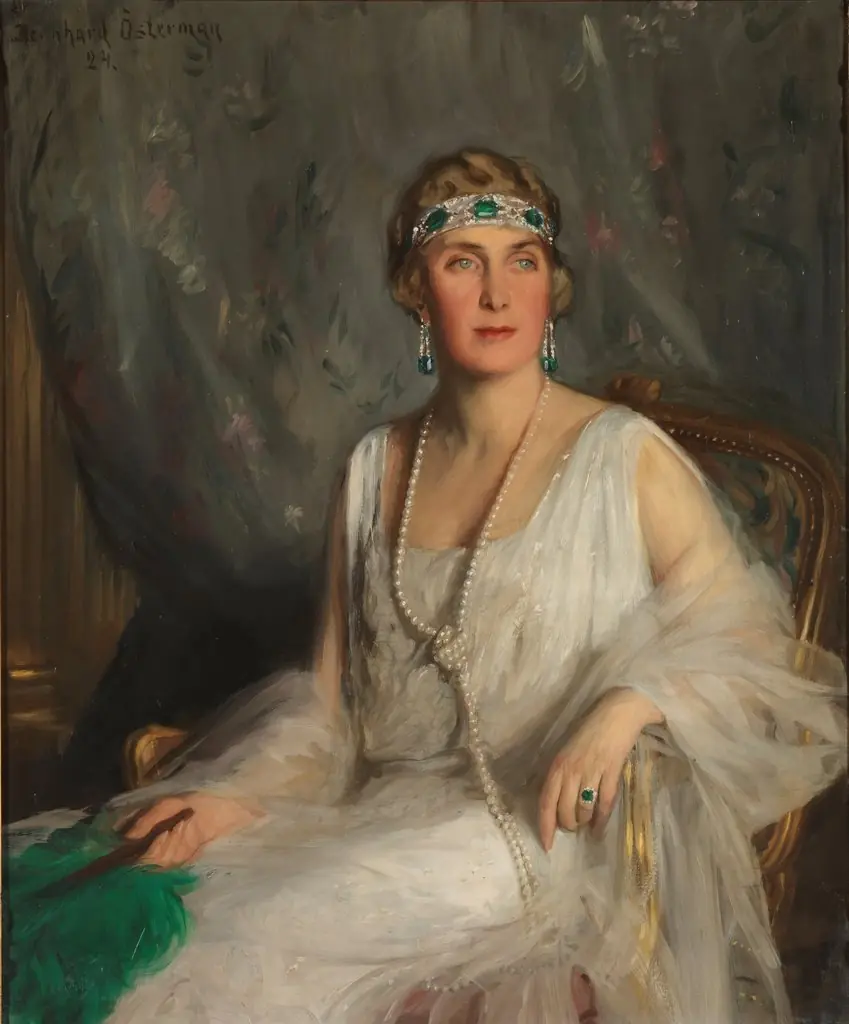 Victoria Eugenie of Battenberg
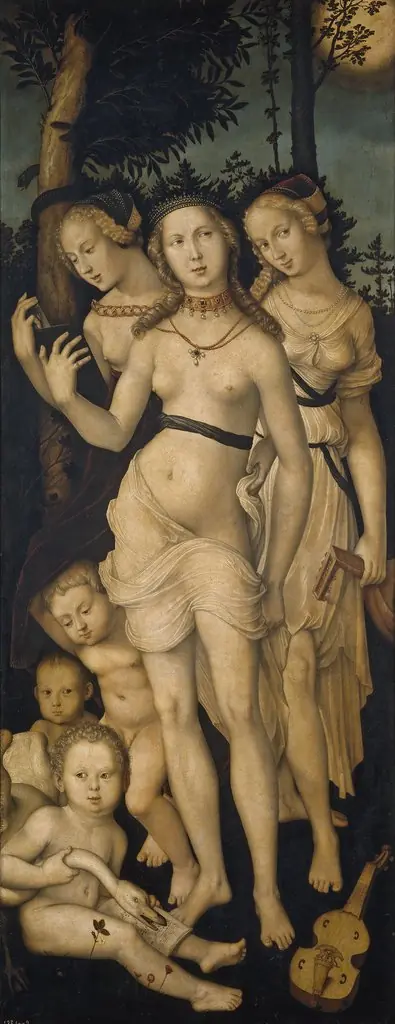 Harmony (The Three Graces)
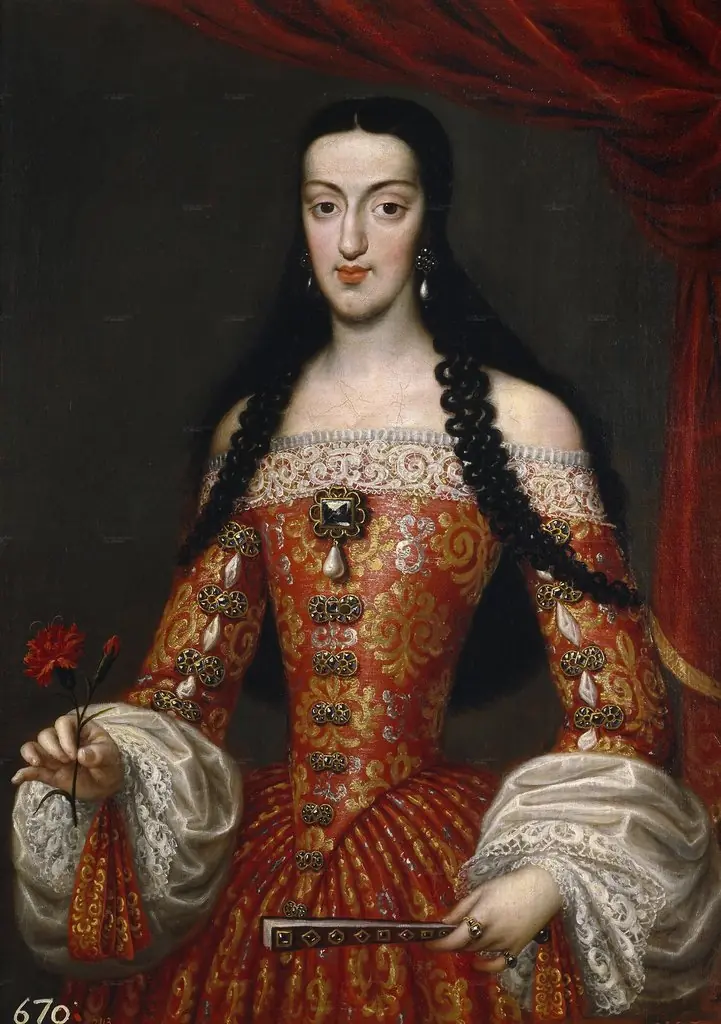 Mary Louise of Orleans, queen of Spain
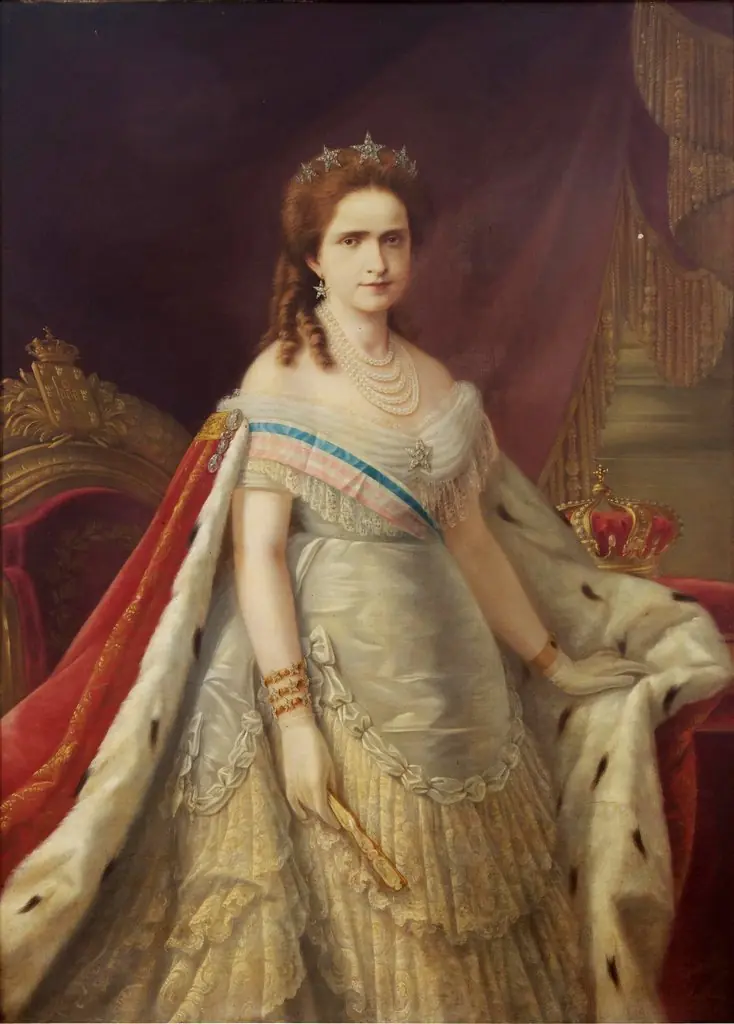 María Pía de Saboya reina de Portugal
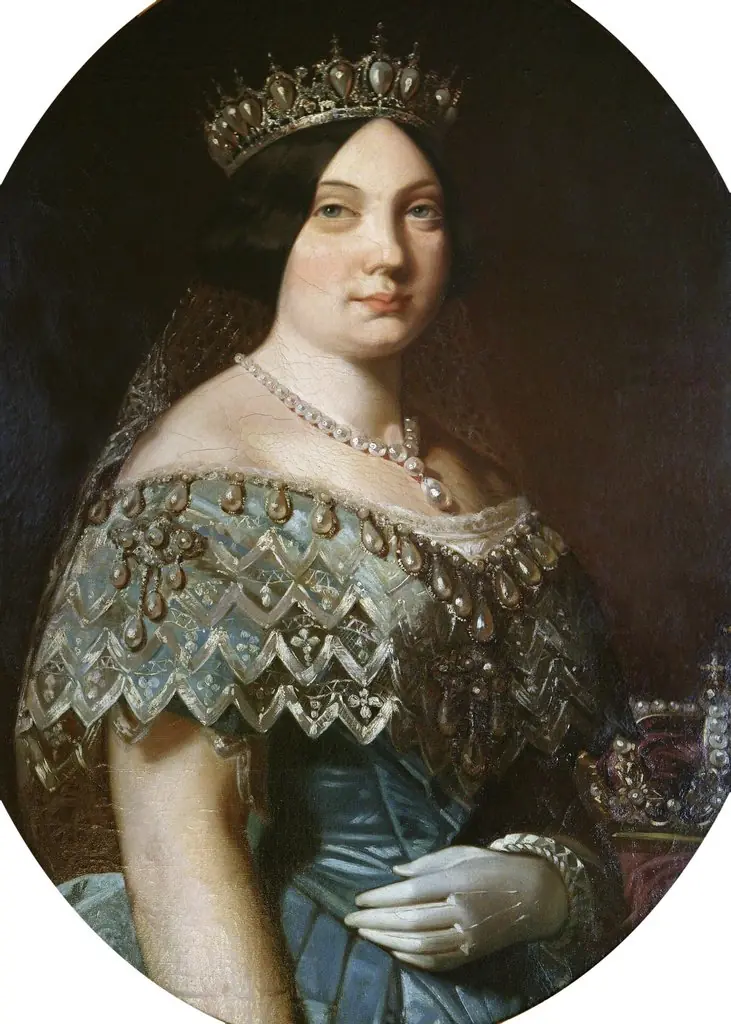 Isabel II
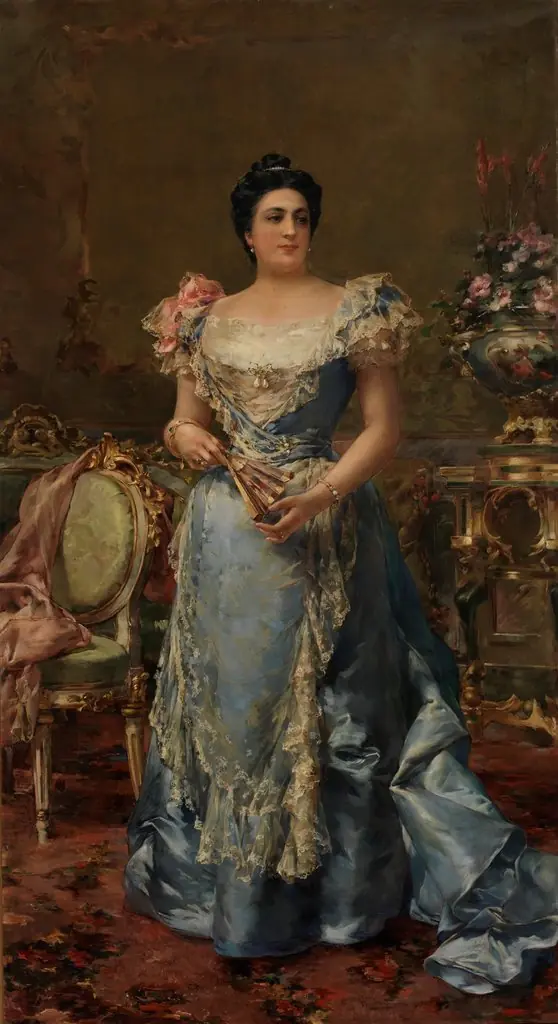 Faustina Peñalver y Fauste marquesa de Amboage
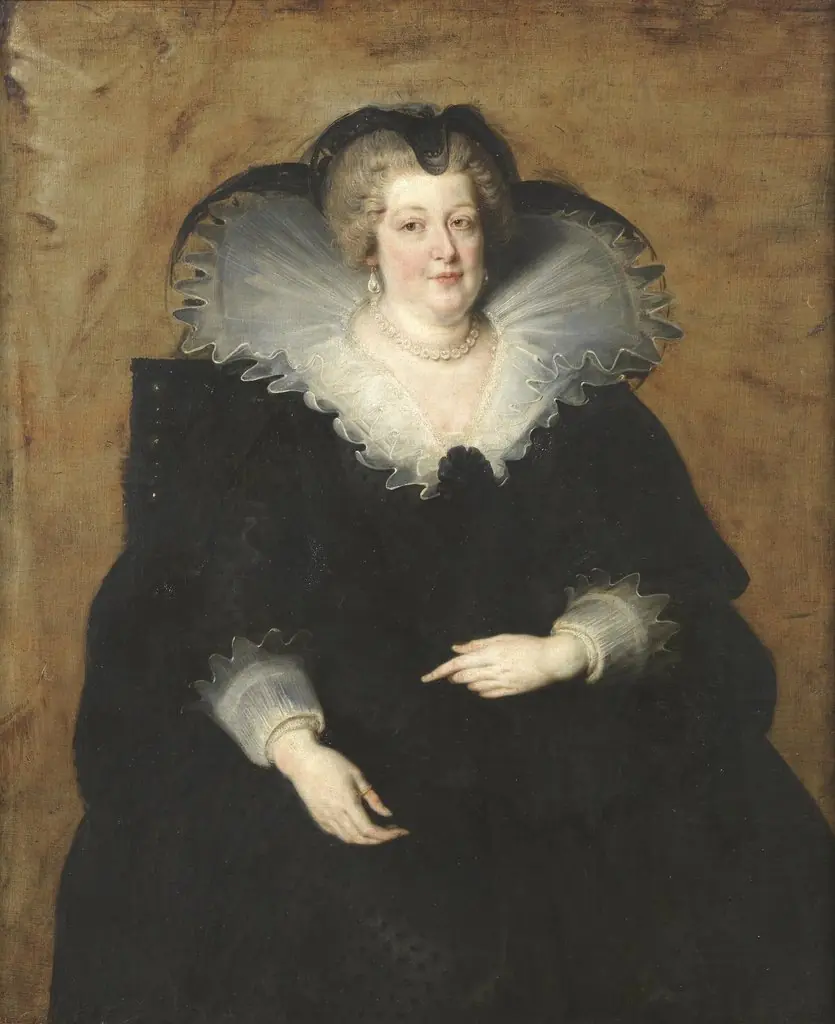 Marie de Medici, Queen of France
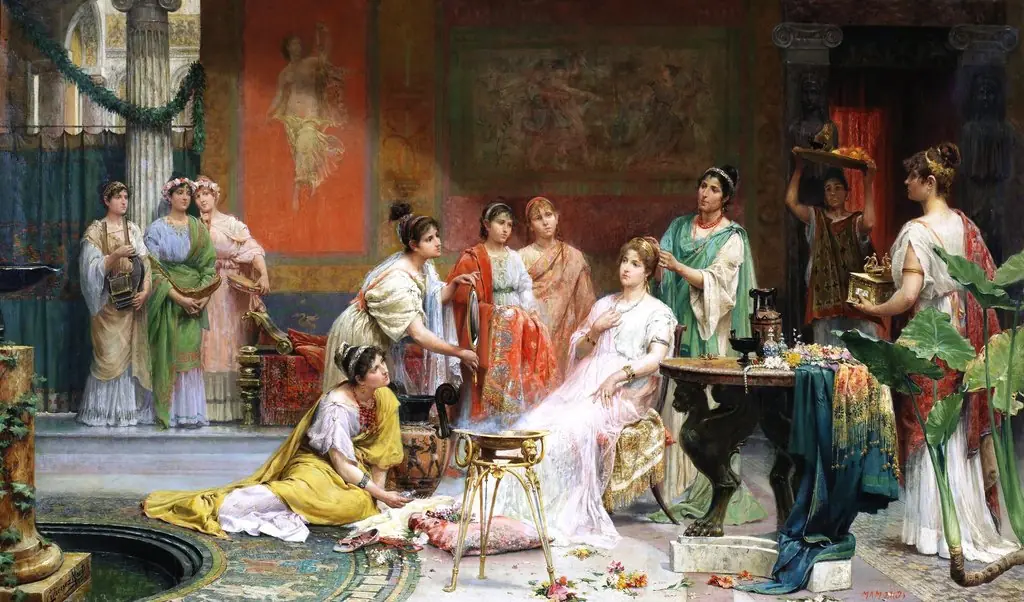 Tocador de una dama romana
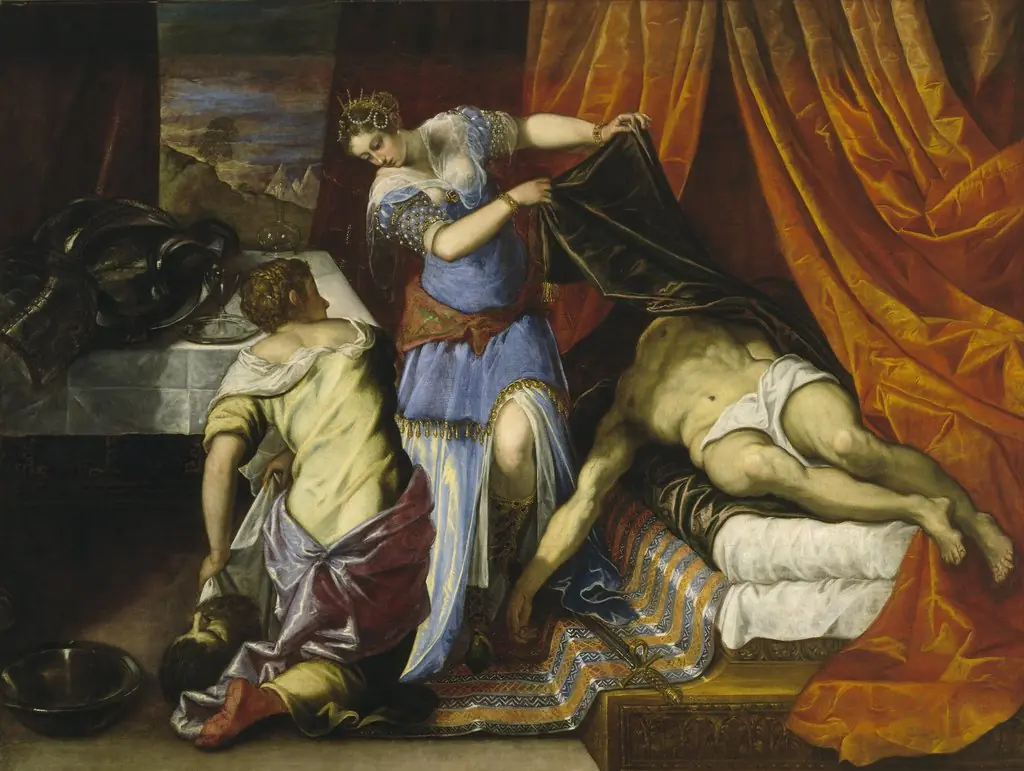 Judith and Holofernes
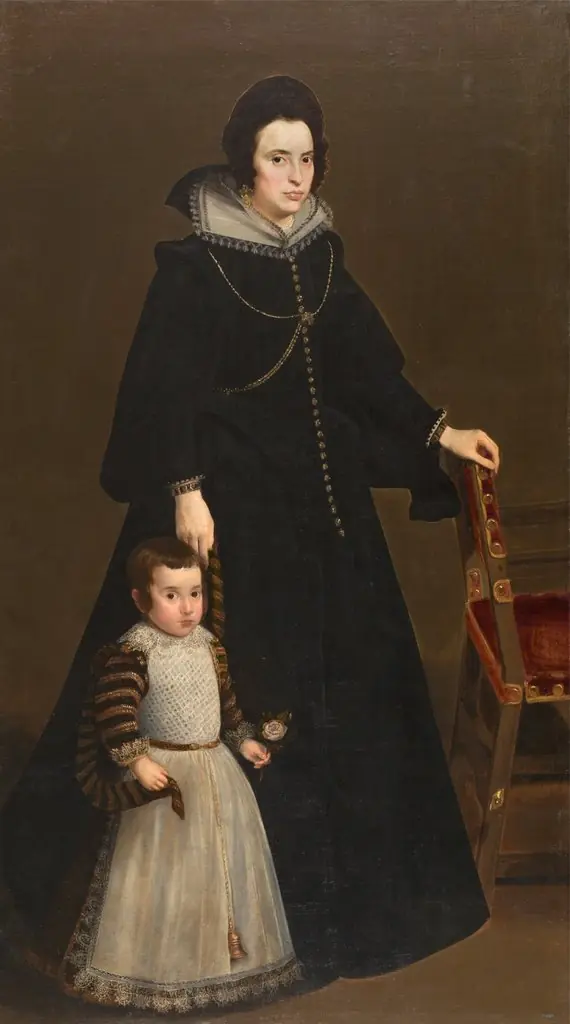 Doña Antonia de Ipeñarrieta y Galdós and Her Son Don Luis
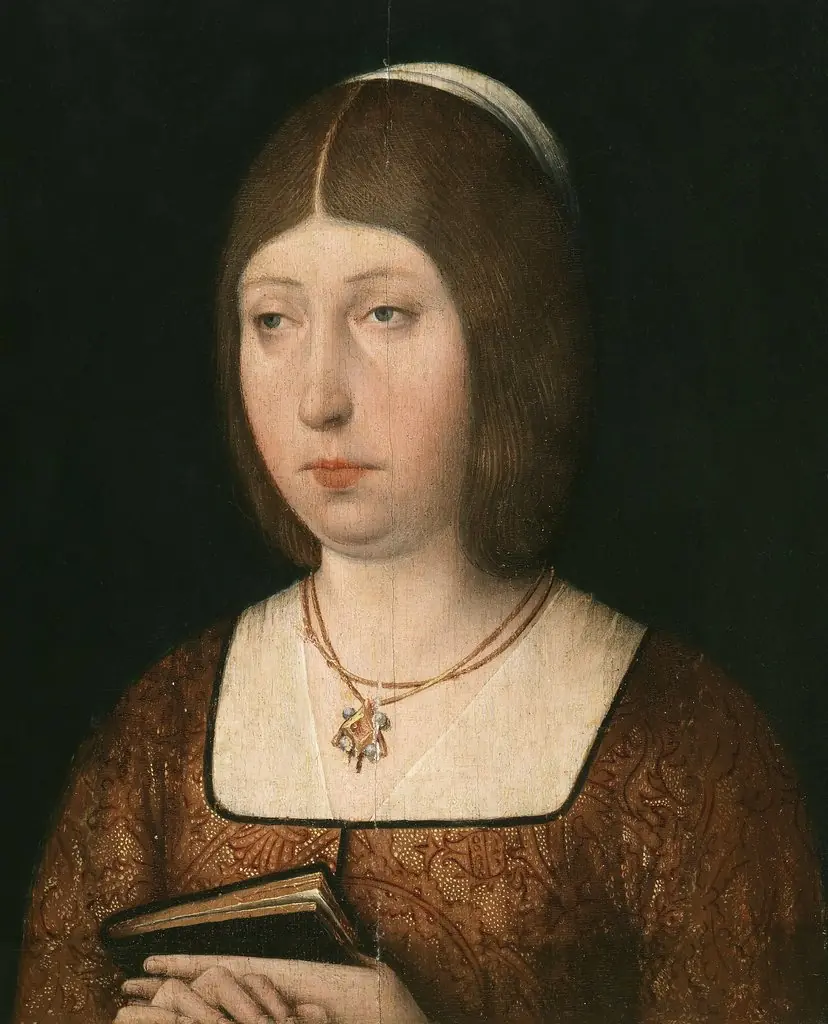 Isabella I of Castile
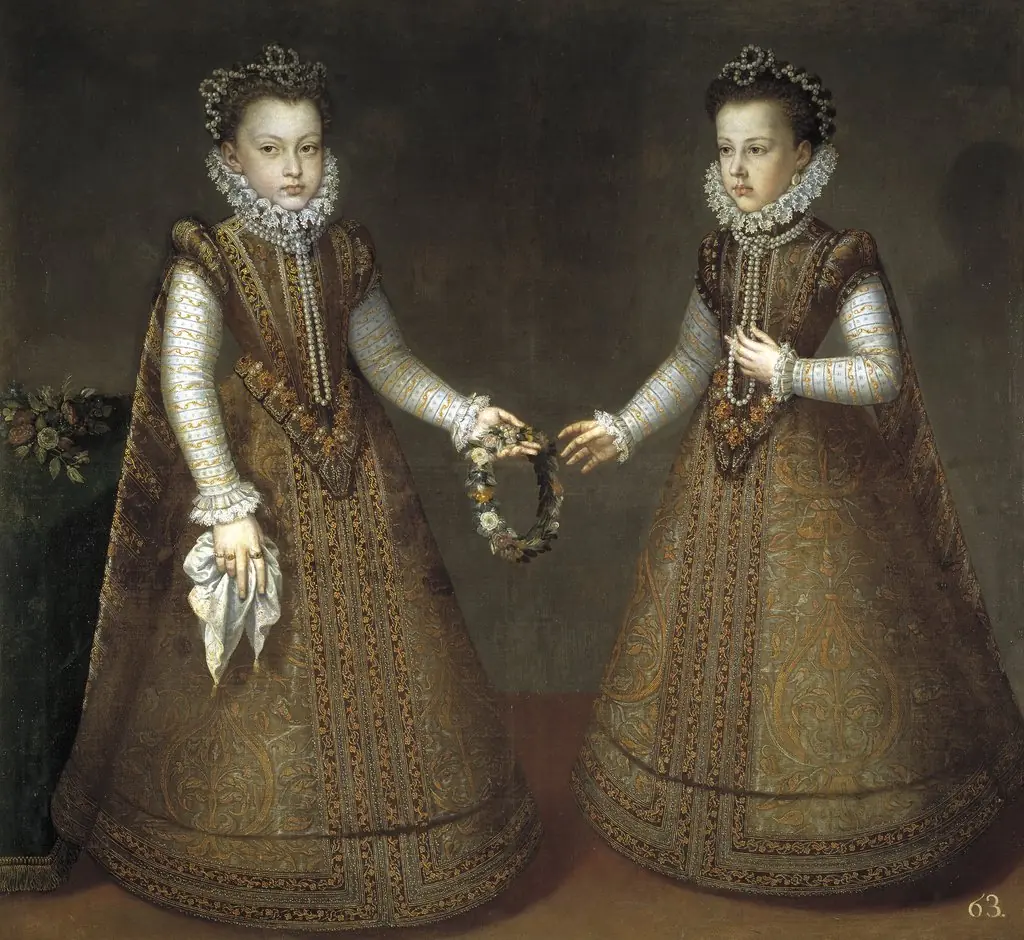 The Infantas Isabel Clara Eugenia and Catalina Micaela
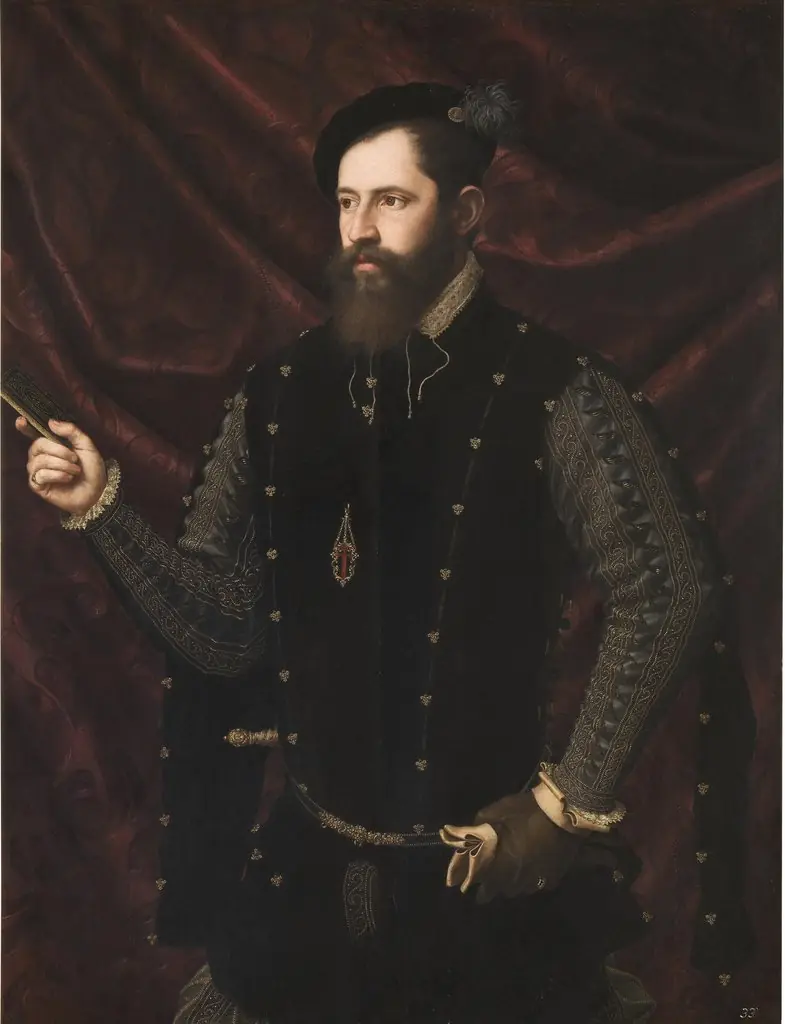 Portrait of a Knight of the Order of Santiago
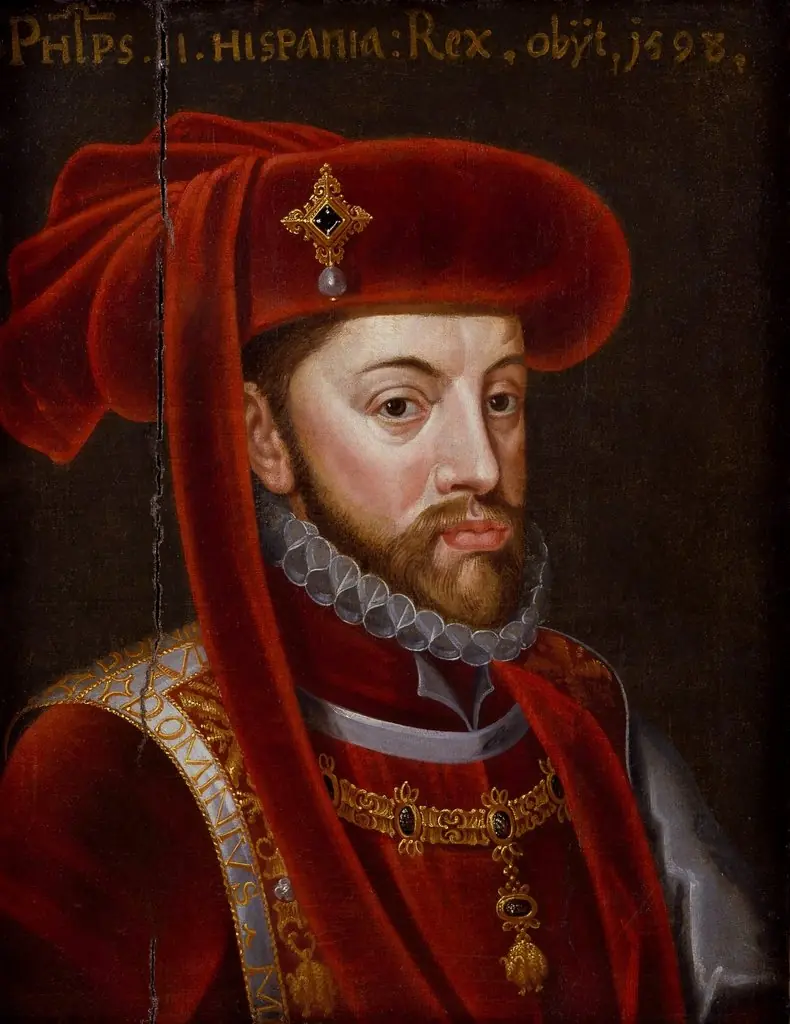 Philip II, King of Spain
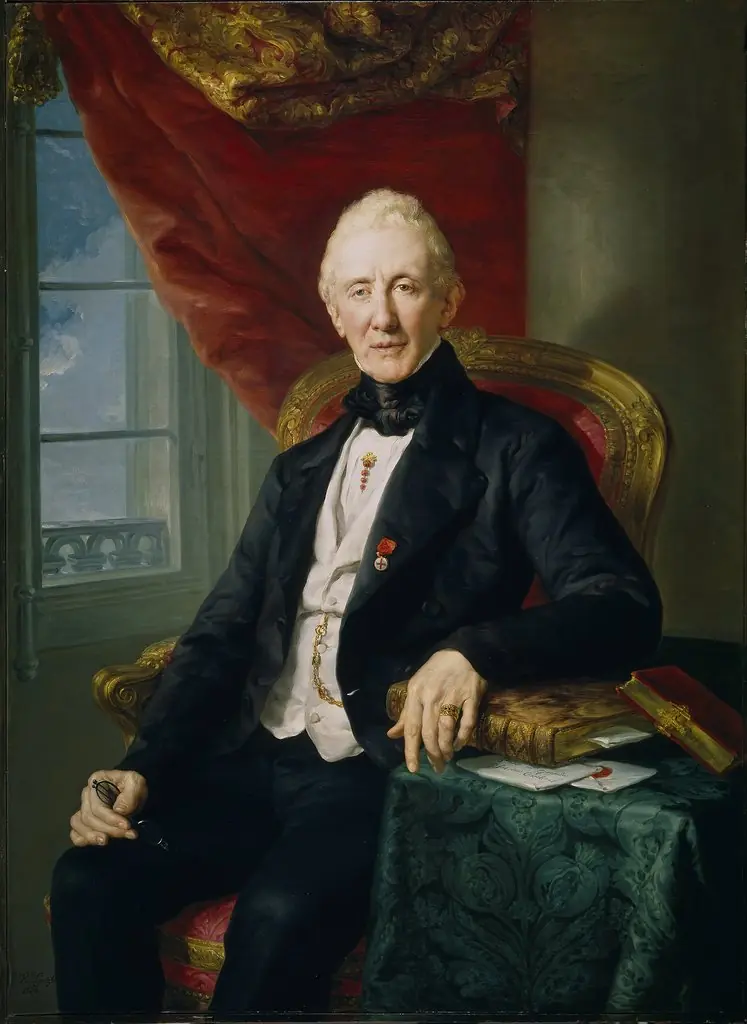 José Gutiérrez de los Ríos
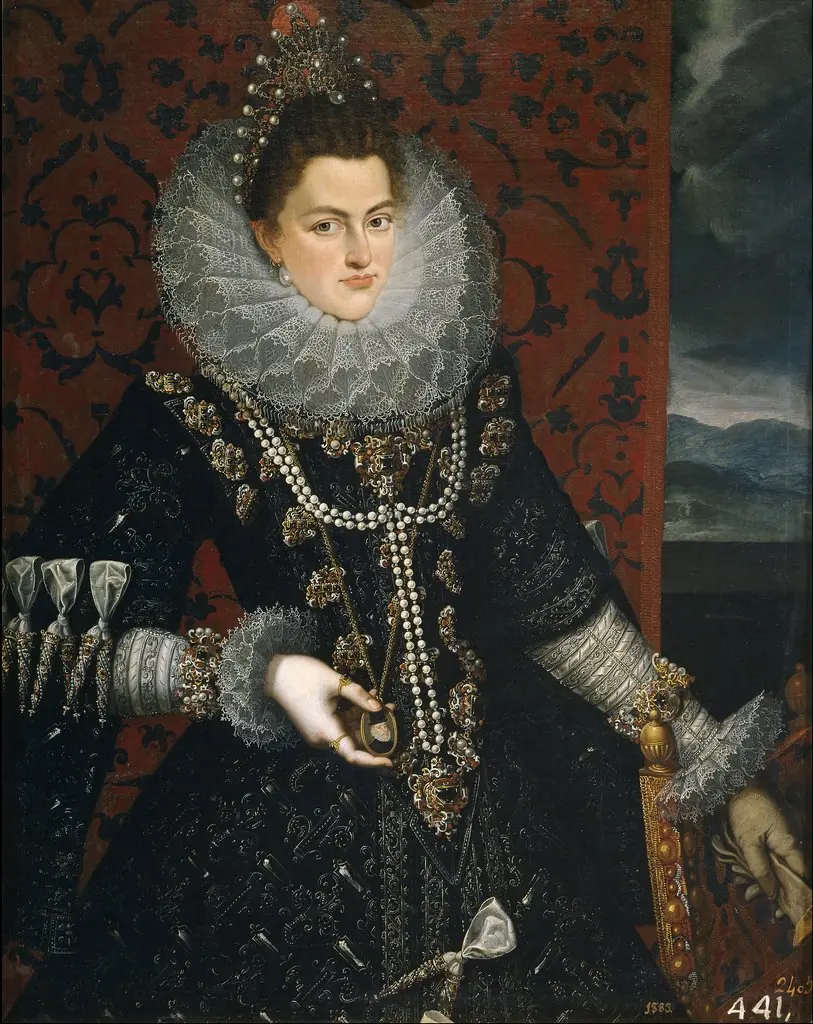 The Infanta Isabel Clara Eugenia
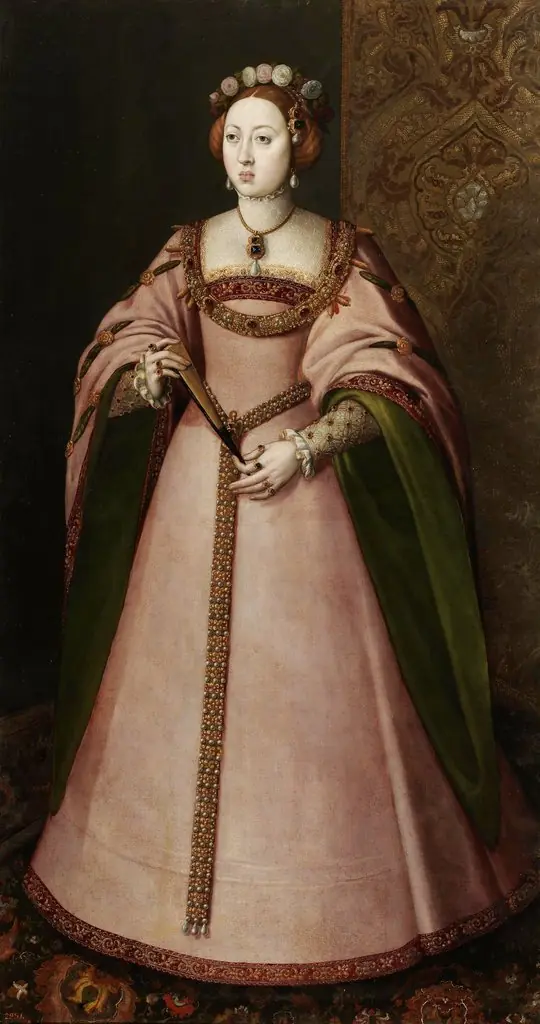 Mary of Portugal (1527–1545)
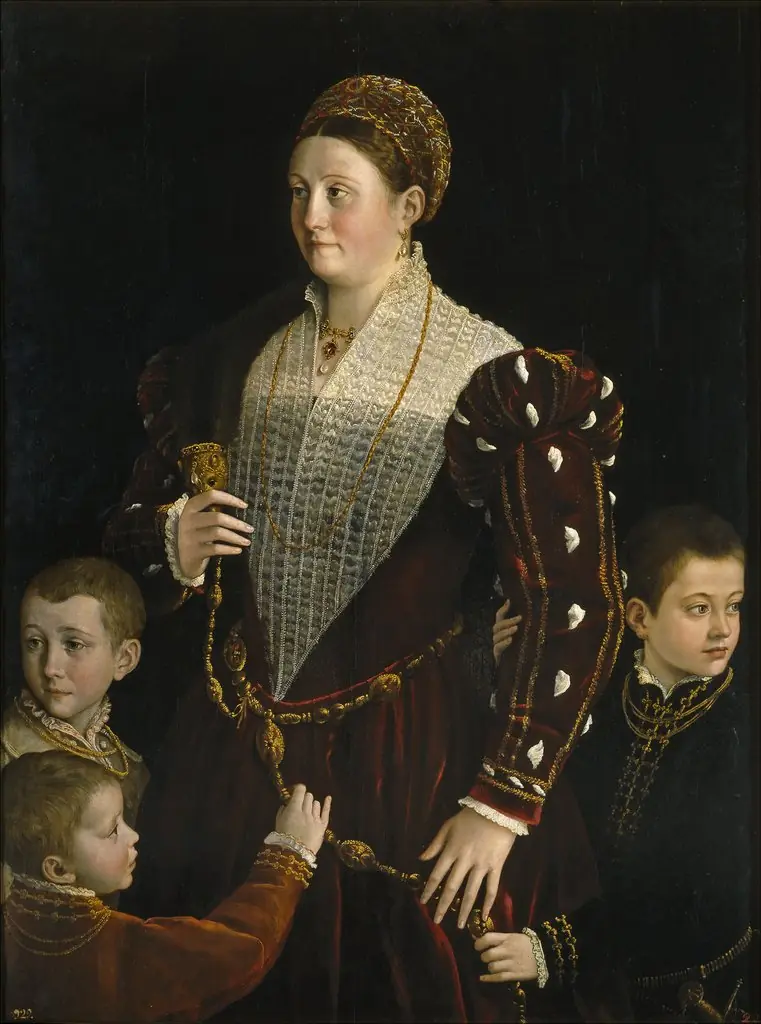 Portrait of Camilla Gonzaga and Her Three Sons
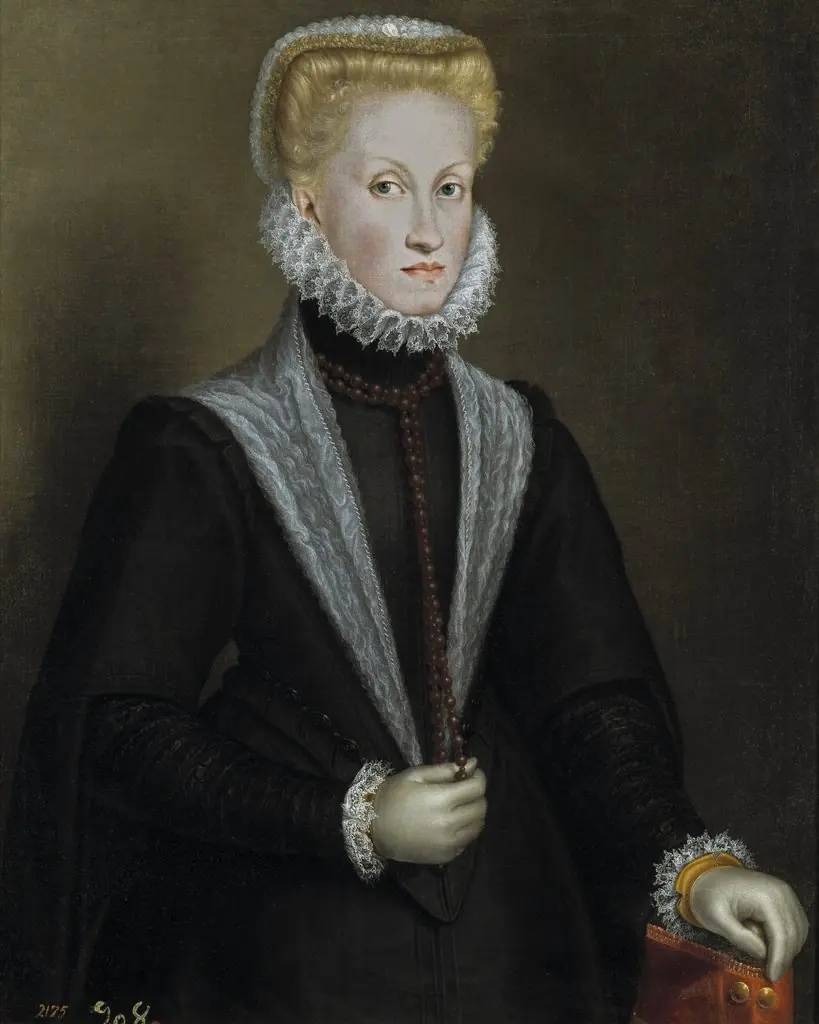 Portrait of Anna of Austria (1549-1580)
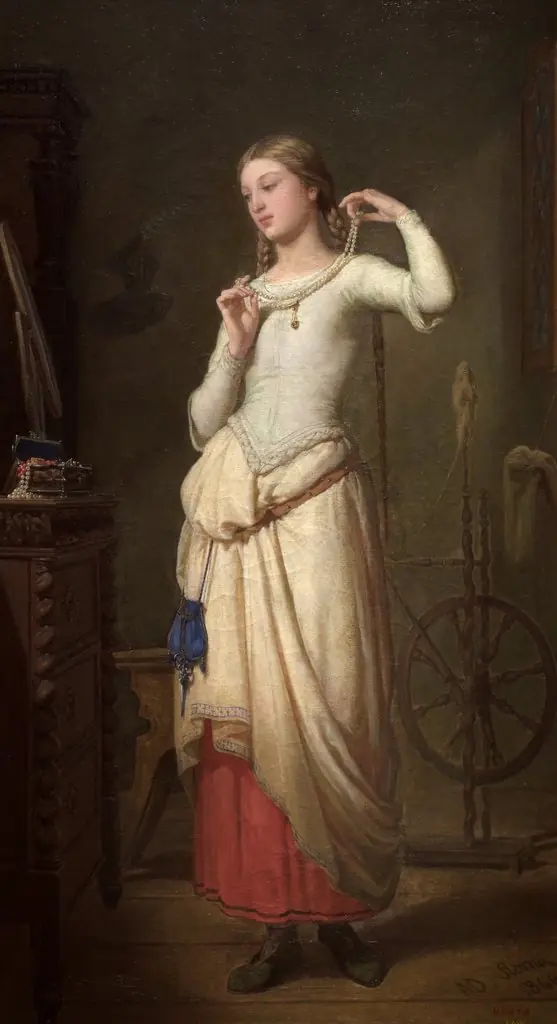 Margaret before the Mirror
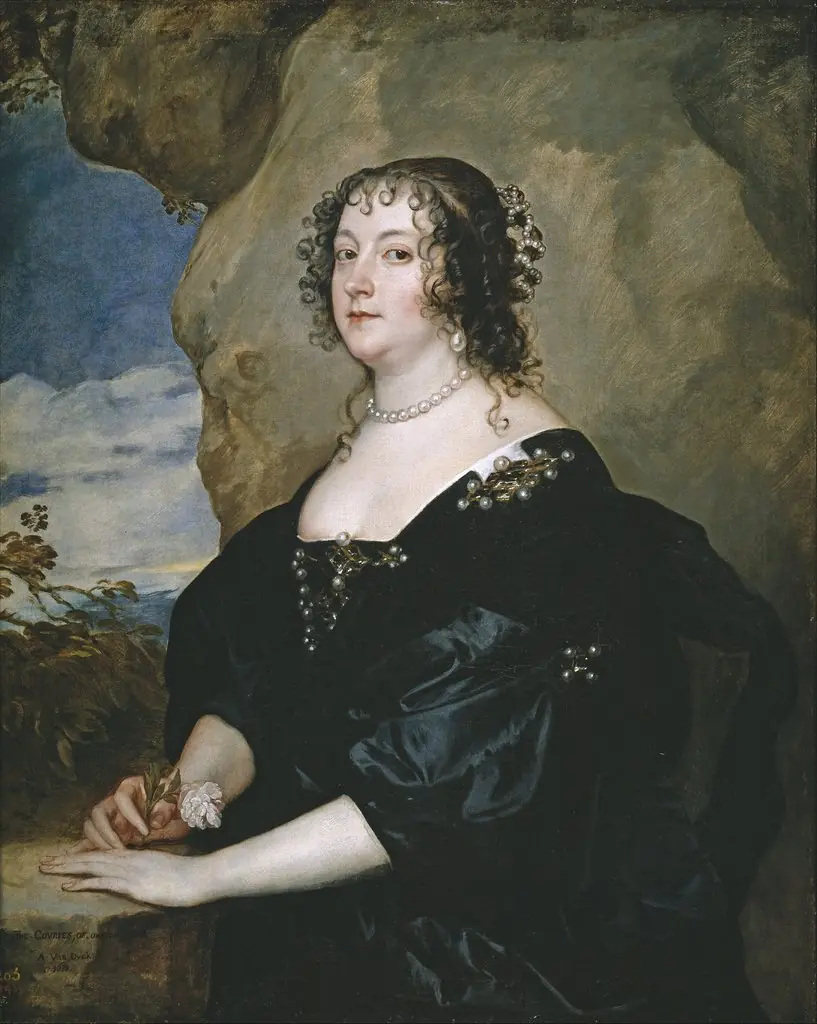 Beatriz van Hemmema, Countess of Oxford (formerly called Diana Cecil)
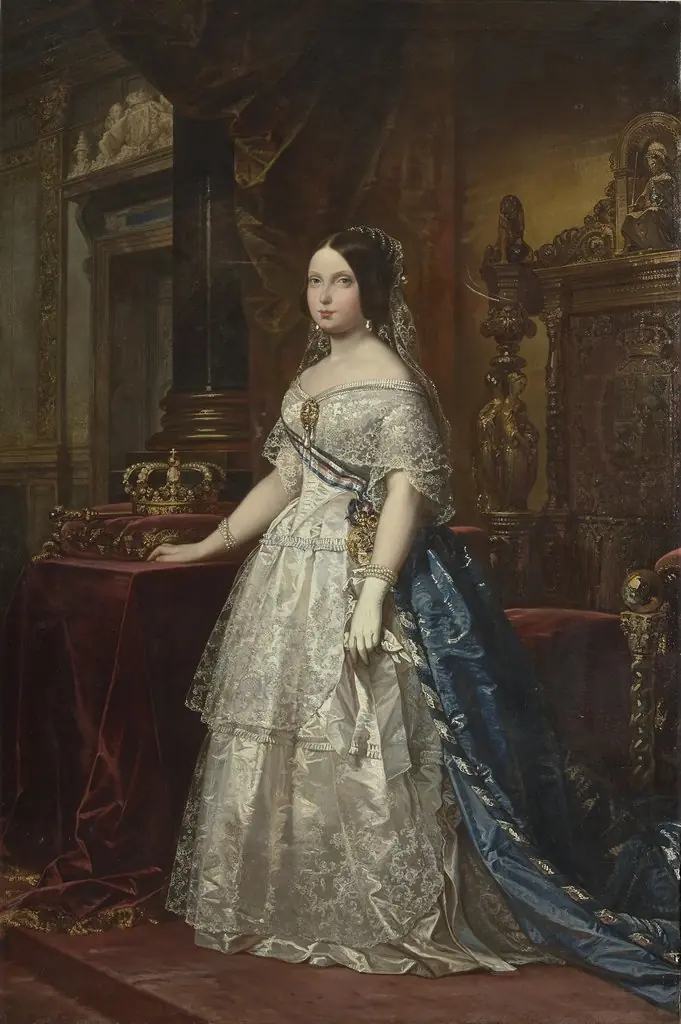 Isabel II
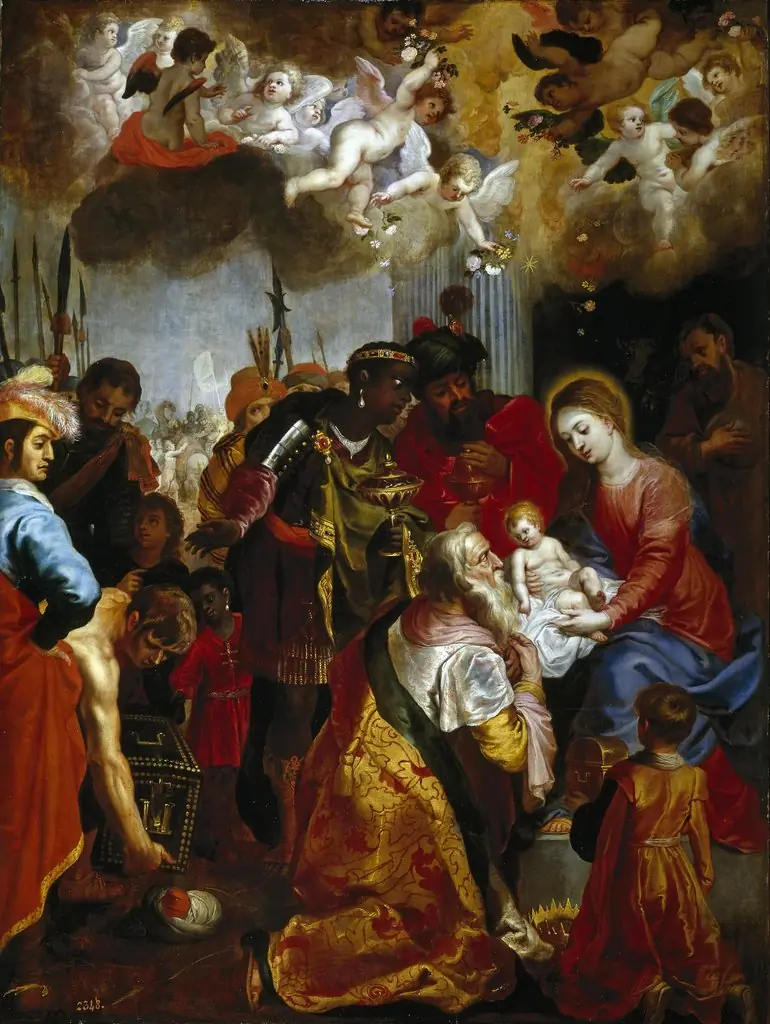 Adoration of the Magi
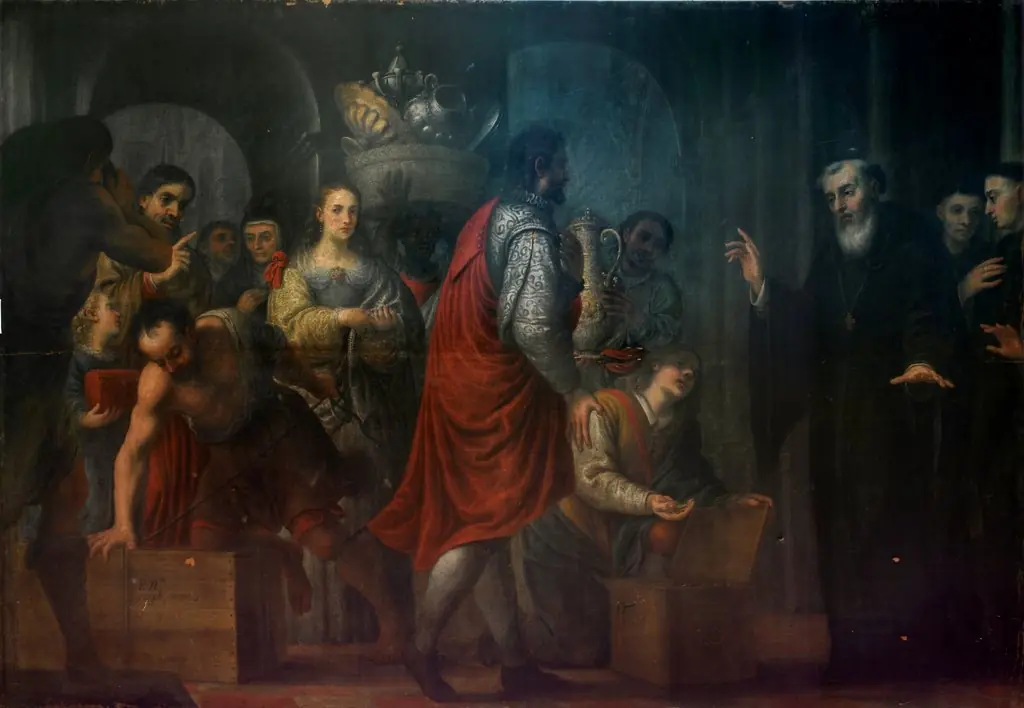 San Agustín recibiendo donaciones de los ricos para entregarlas a los pobres
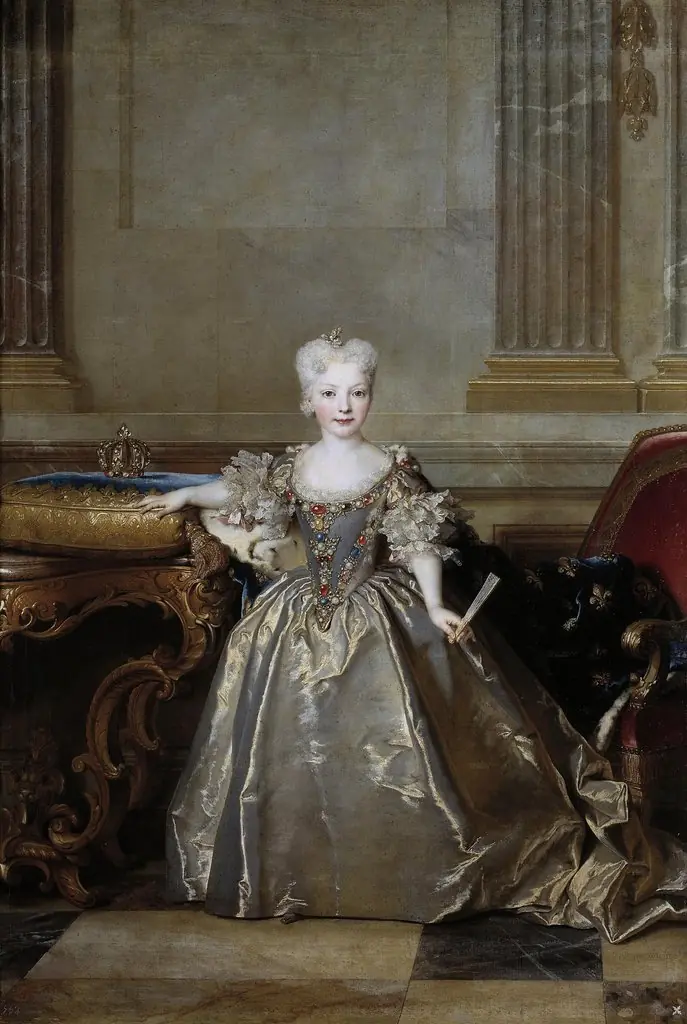 María Ana Victoria de Borbón y Farnesio
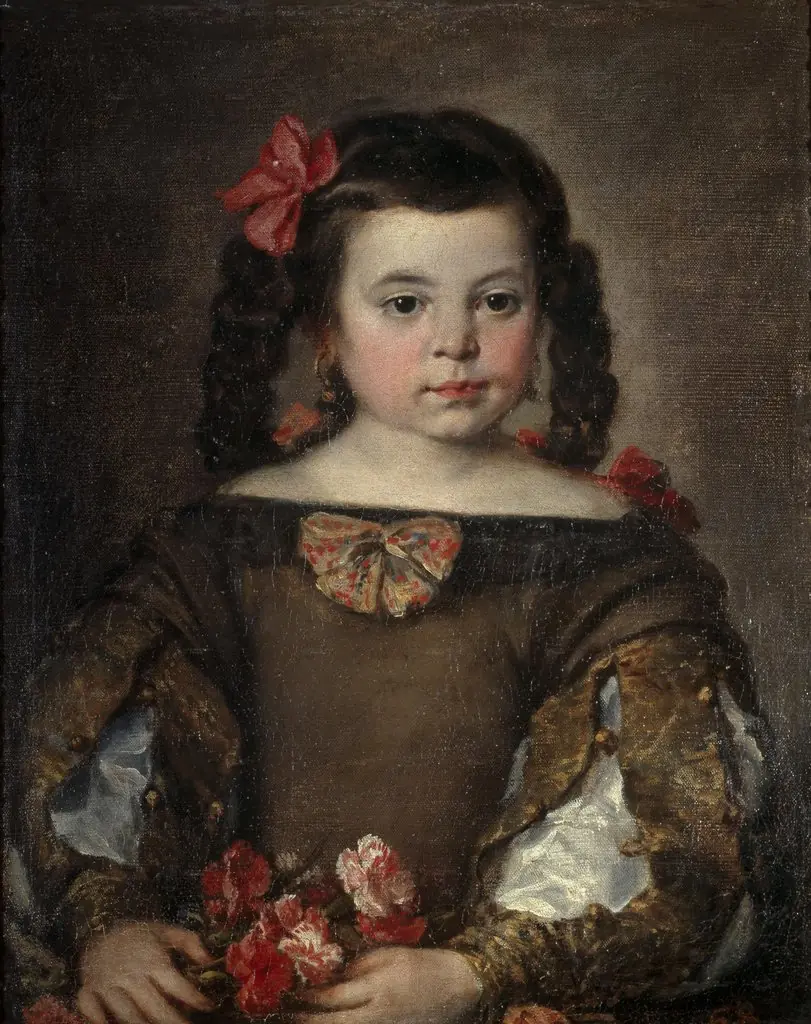 Portrait of a Young Girl
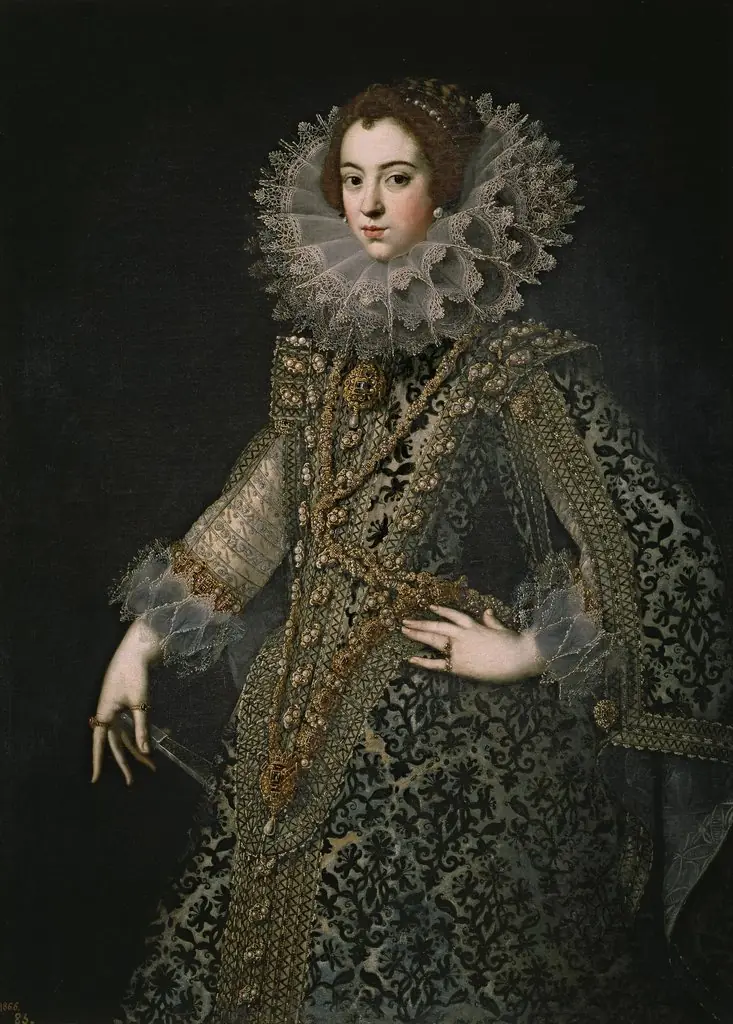 Portrait of Elisabeth of Bourbon, Queen of Spain
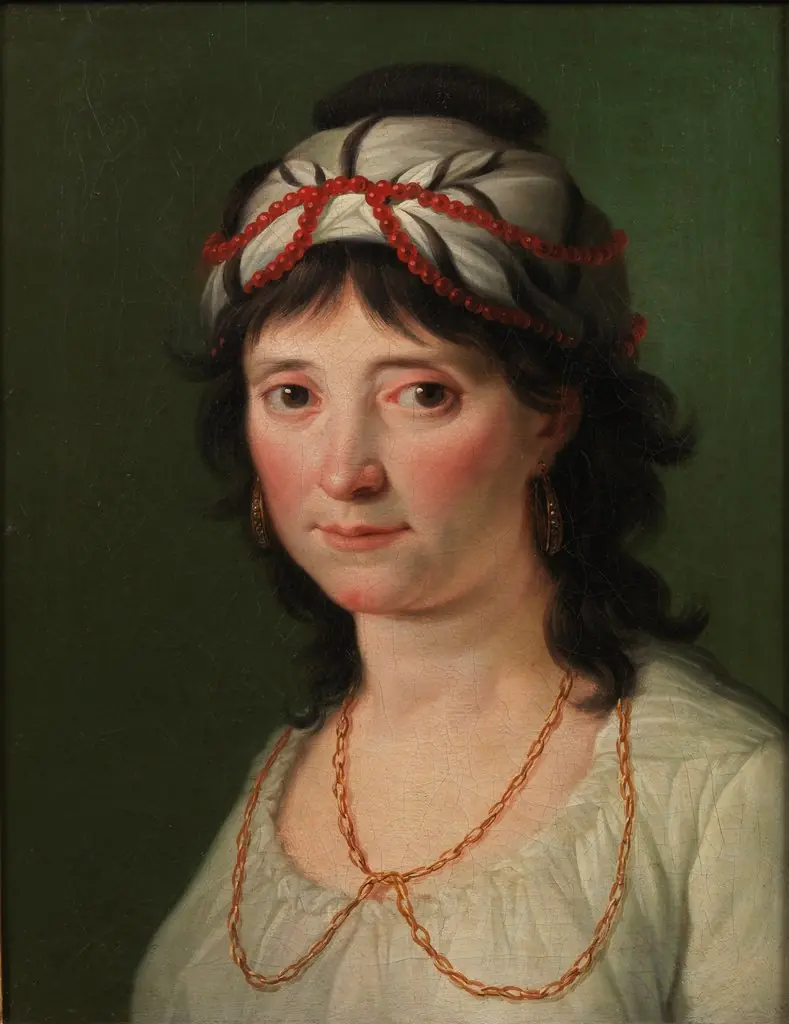 Portrait of a Lady
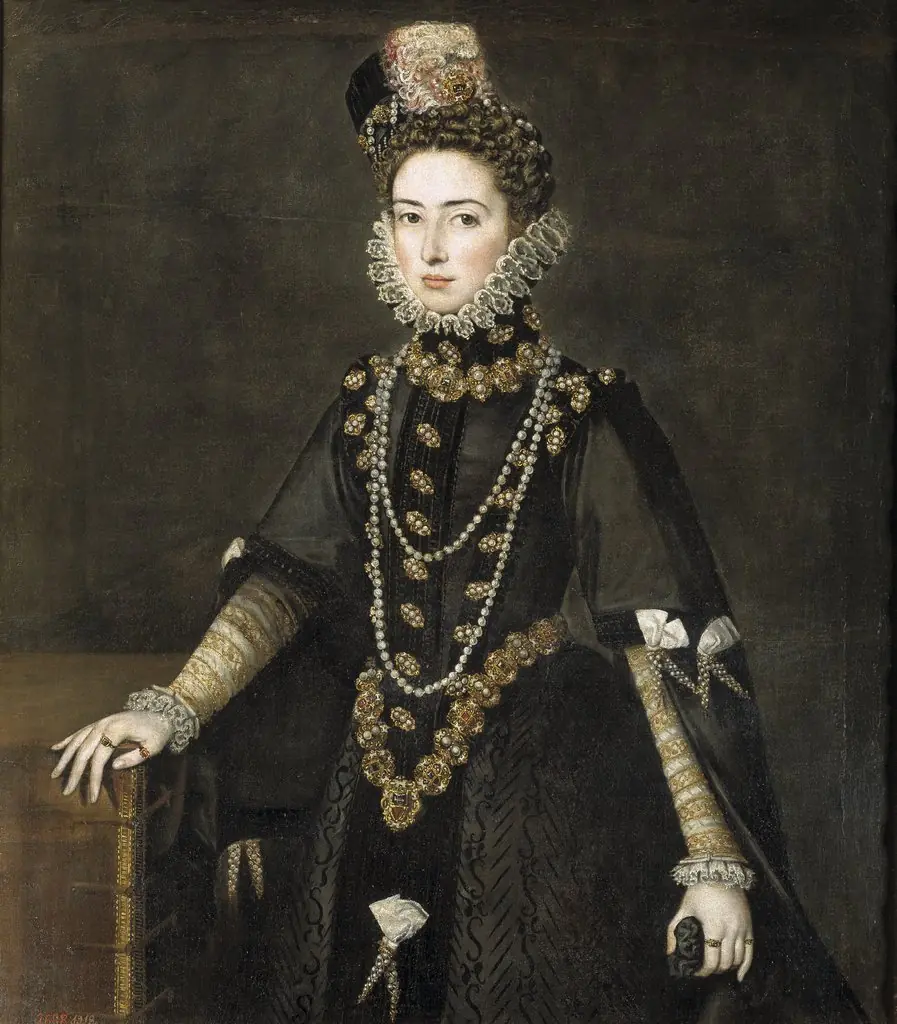 Catalina Micaela de Austria, Duchess of Savoy
 María Antonia Gonzaga, Dowager Marchioness of Villafranca
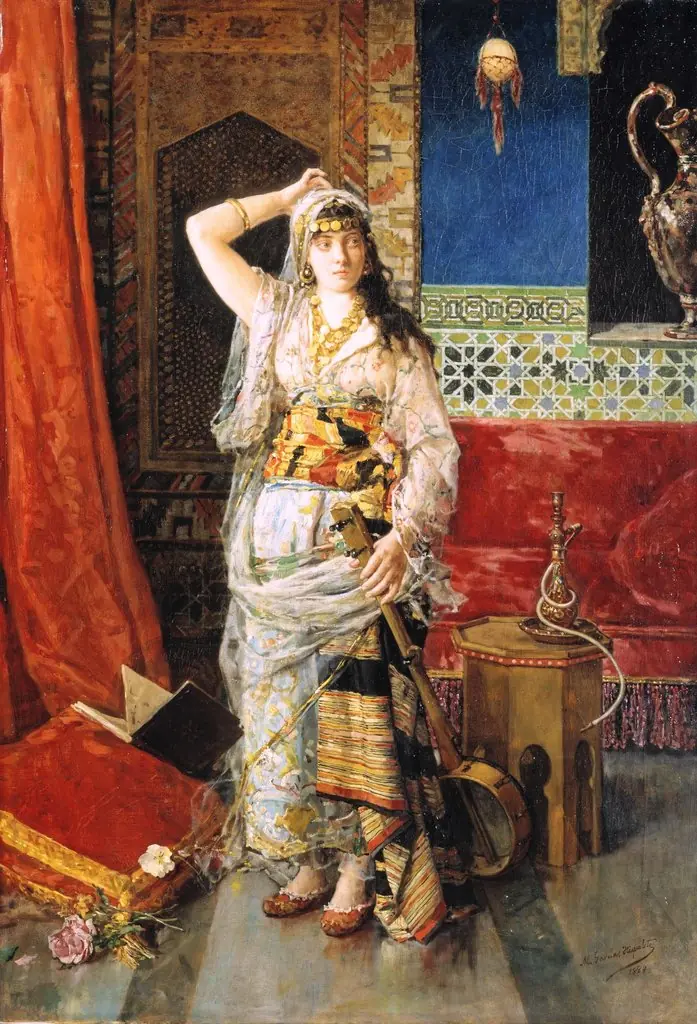 Faraj
Faraj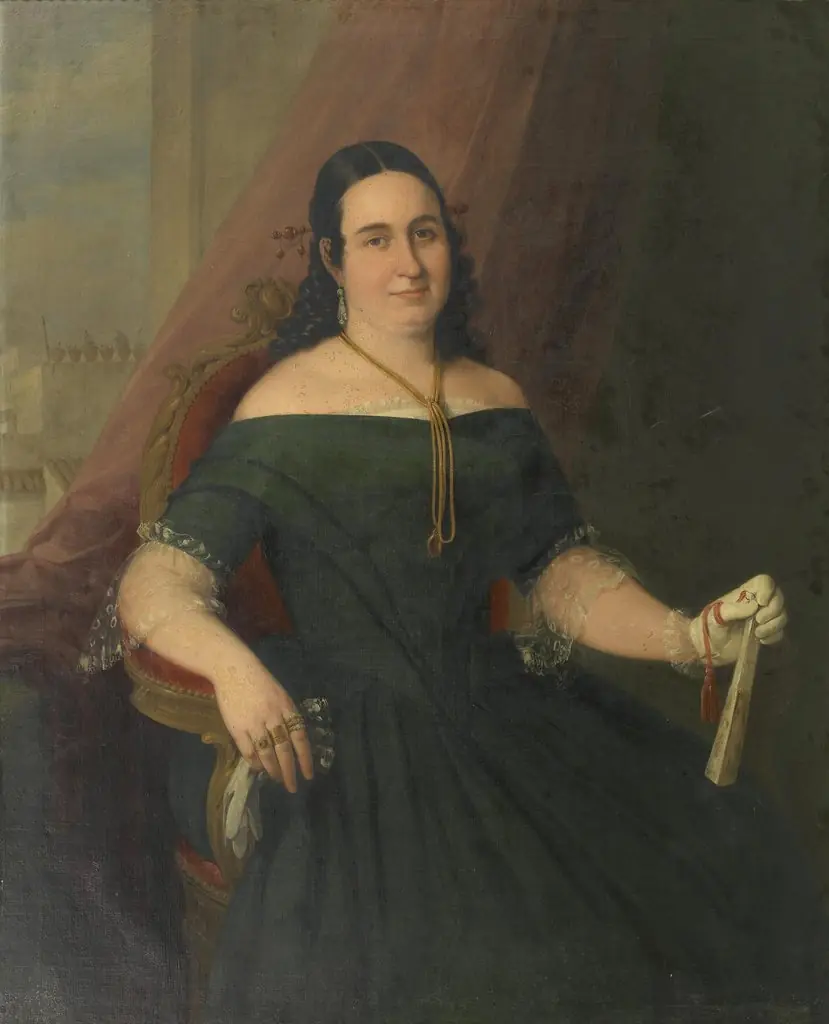 Retrato de señora
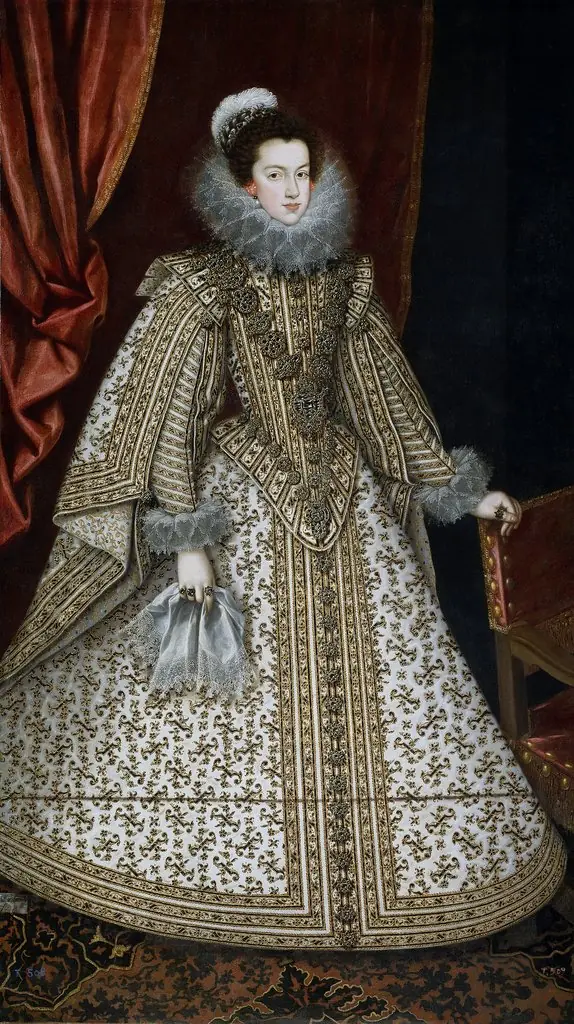 Isabel de Borbón, Wife of Philip IV
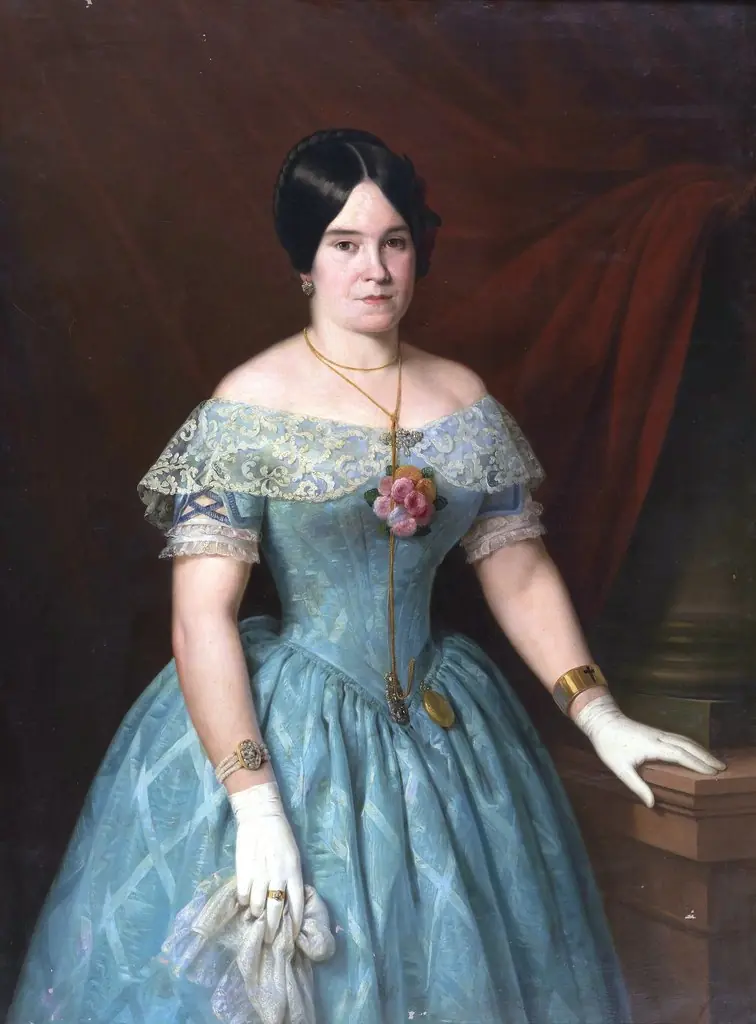 Retrato de señora
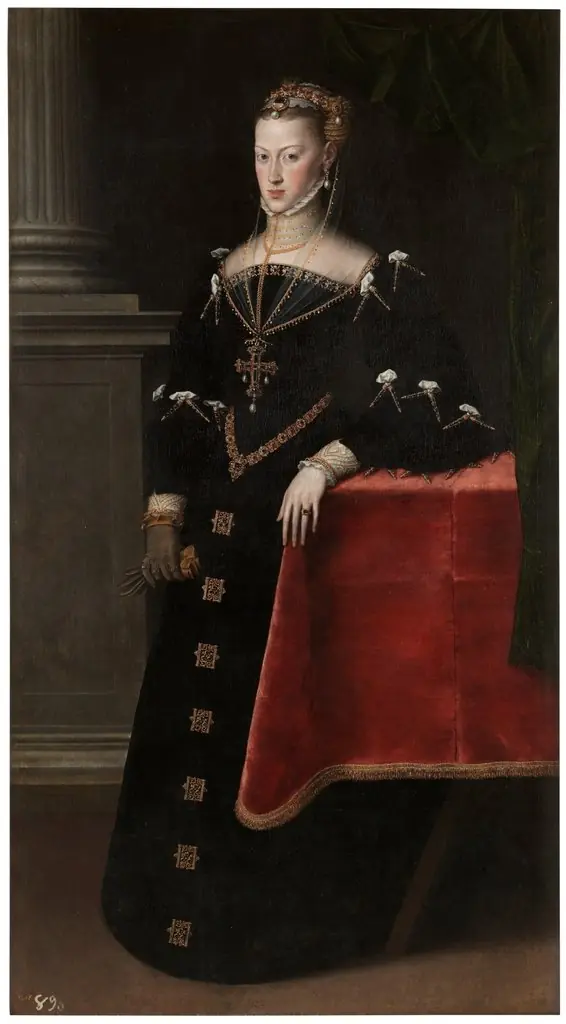 Empress Maria of Austria, Wife of Maximilian II
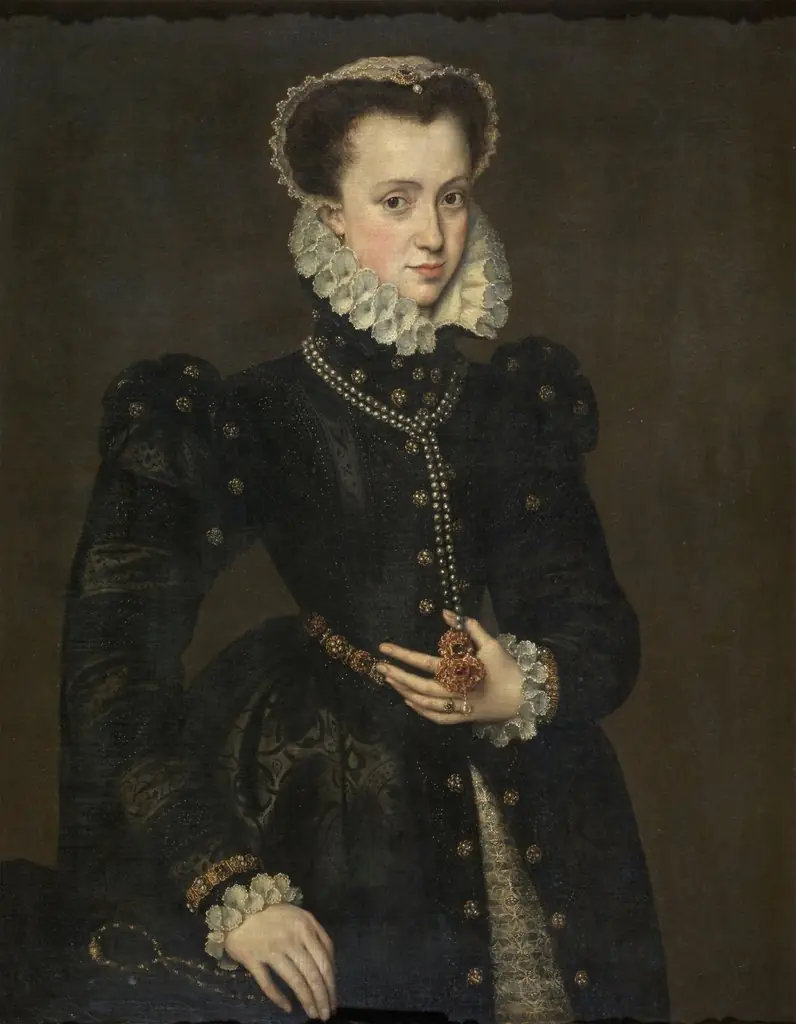 Portrait of a Lady
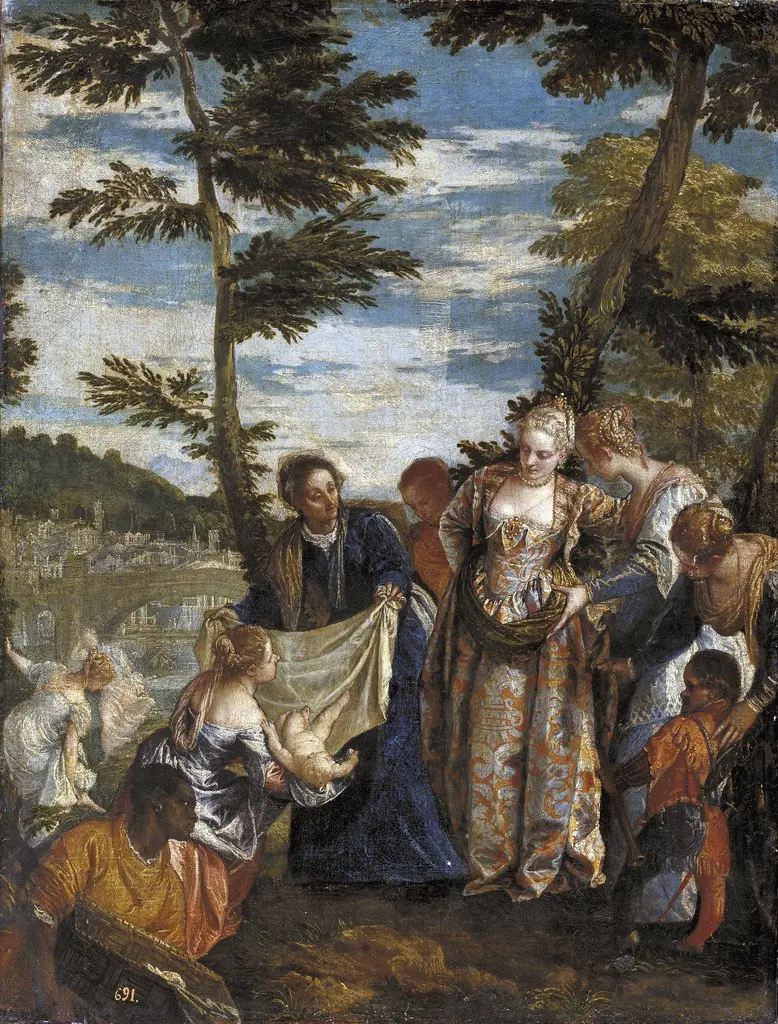 The Finding of Moses
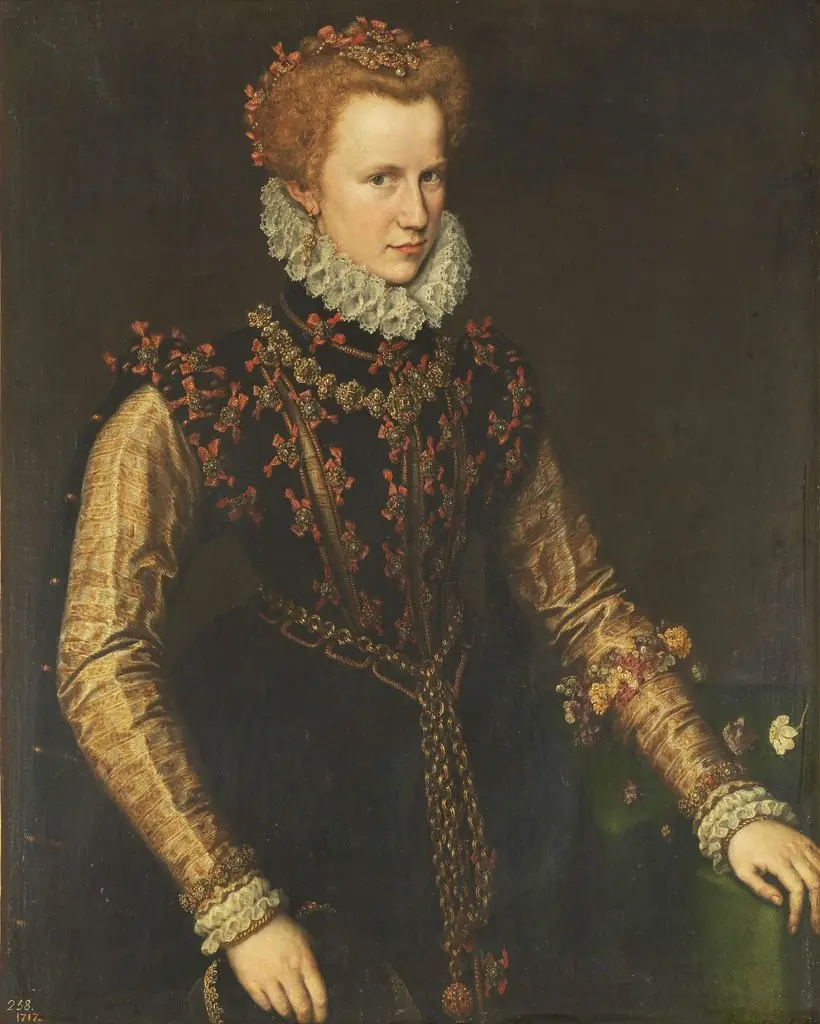 Jane Dormer, Duchess of Feria (?)
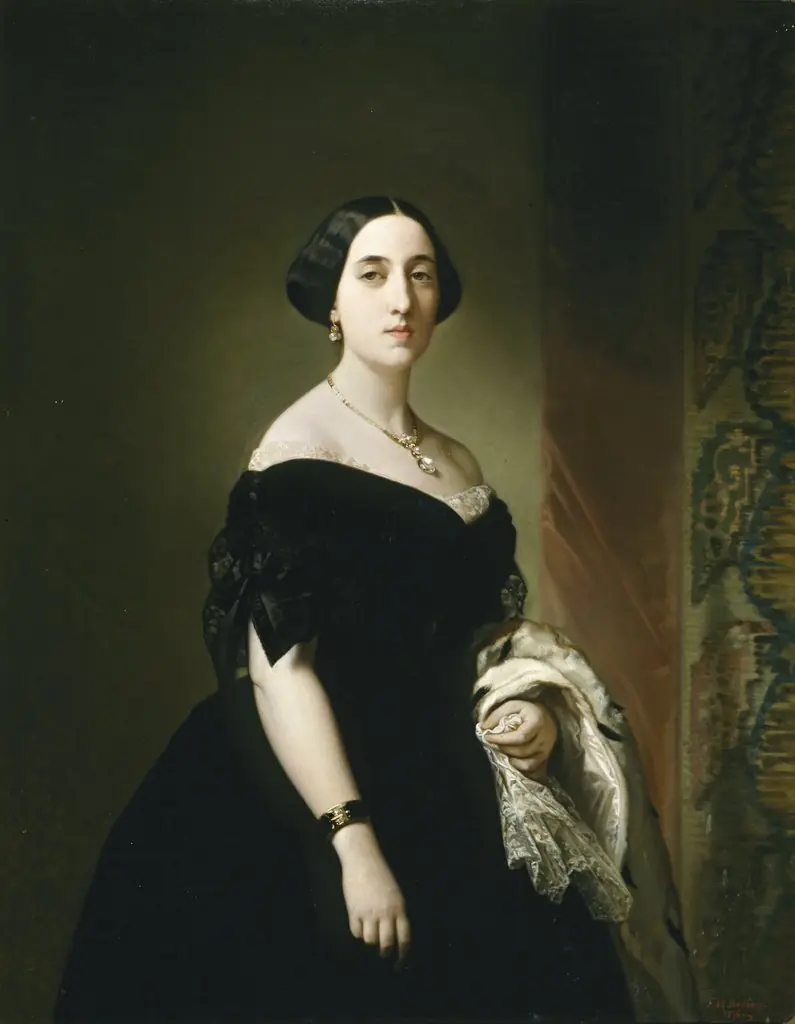 Concepción Remisa
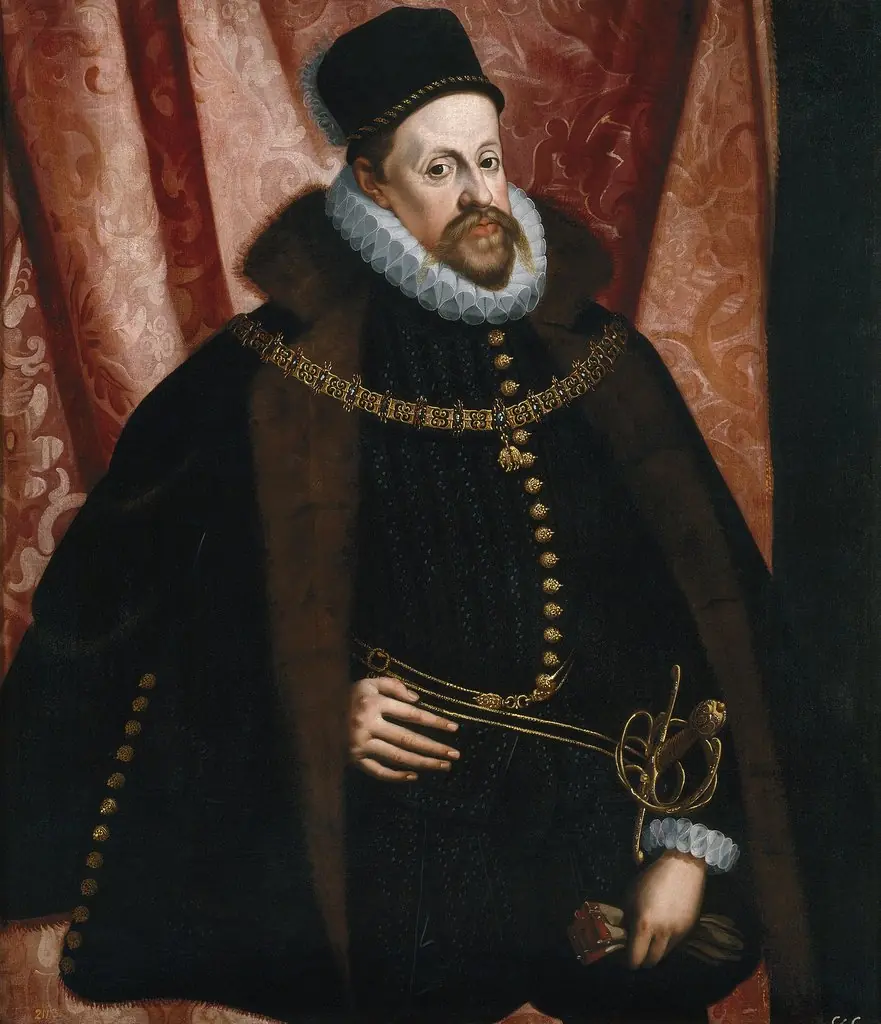 El archiduque Carlos de Austria, duque de Stiria
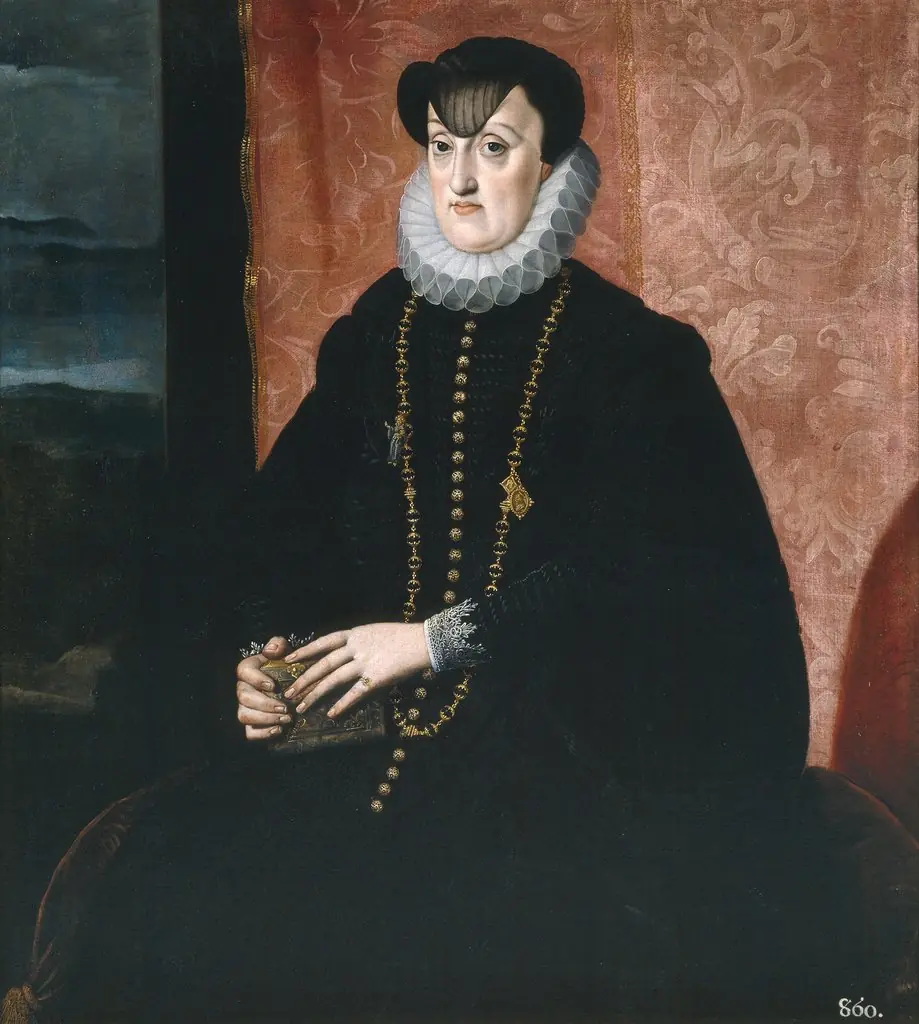 La archiduquesa María de Baviera duquesa de Stiria
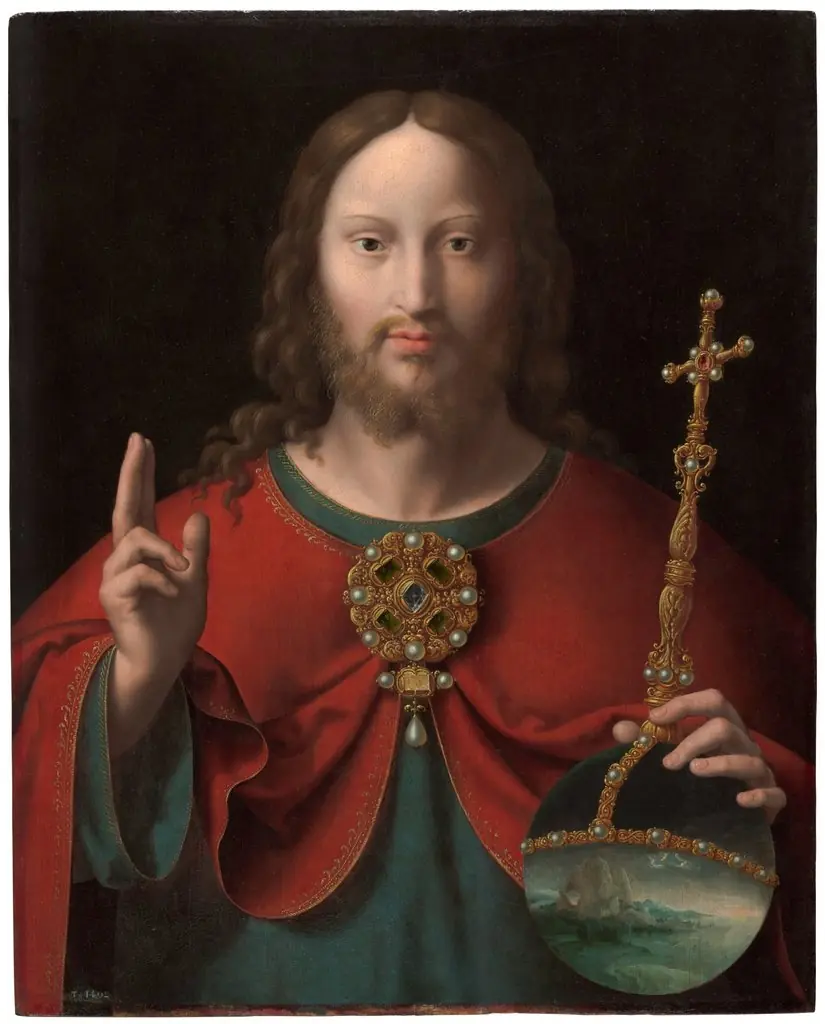 Christ the Saviour
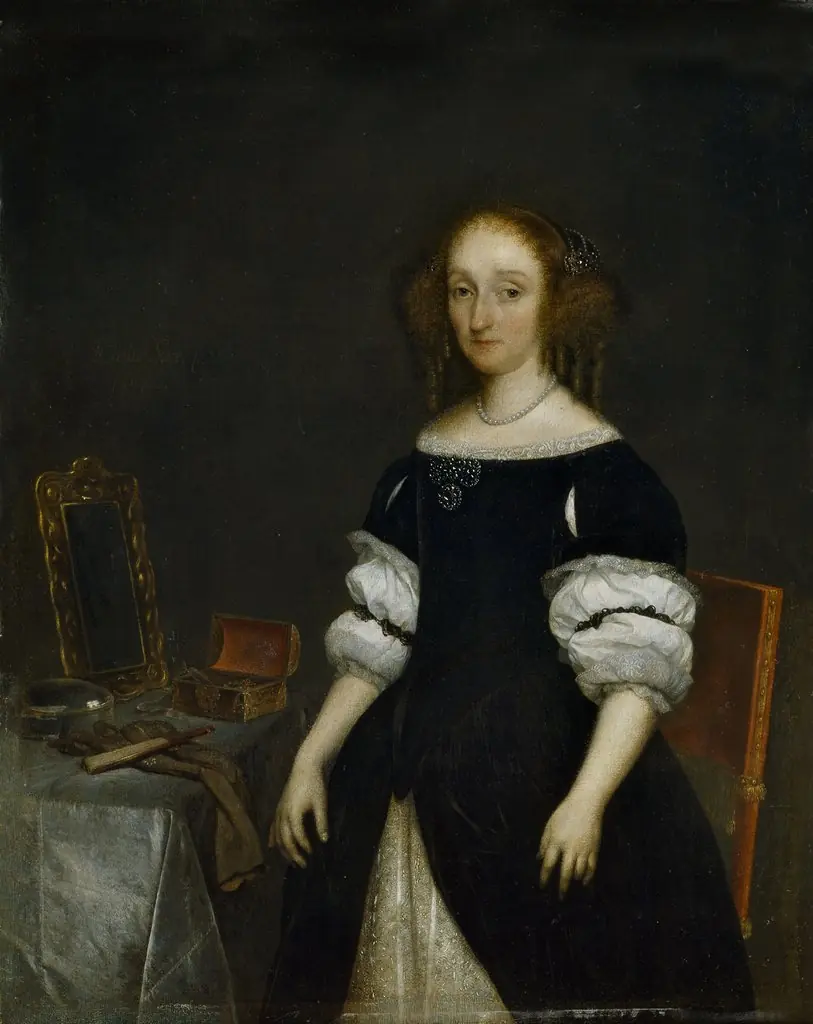 Portrait of Petronella de Waert
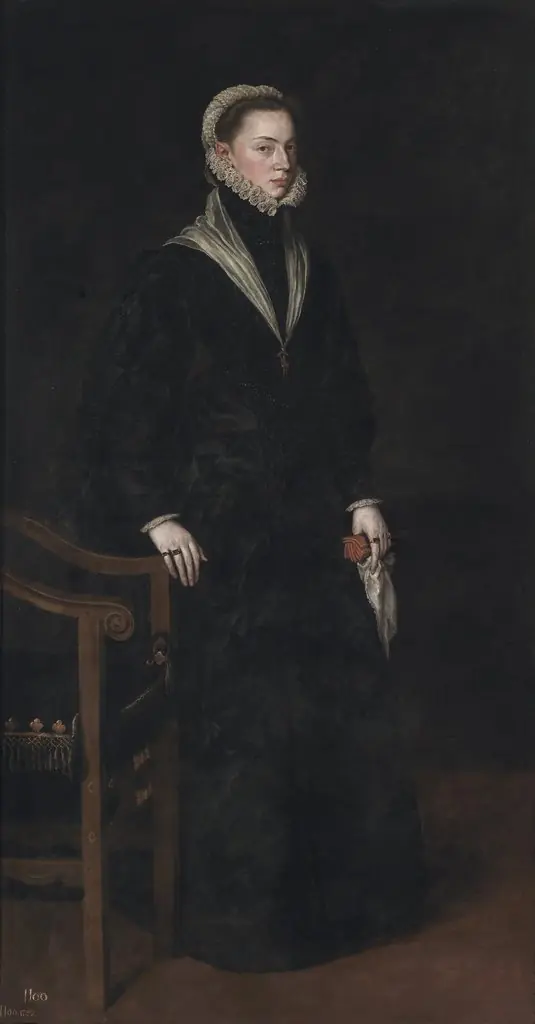 Joanna of Austria
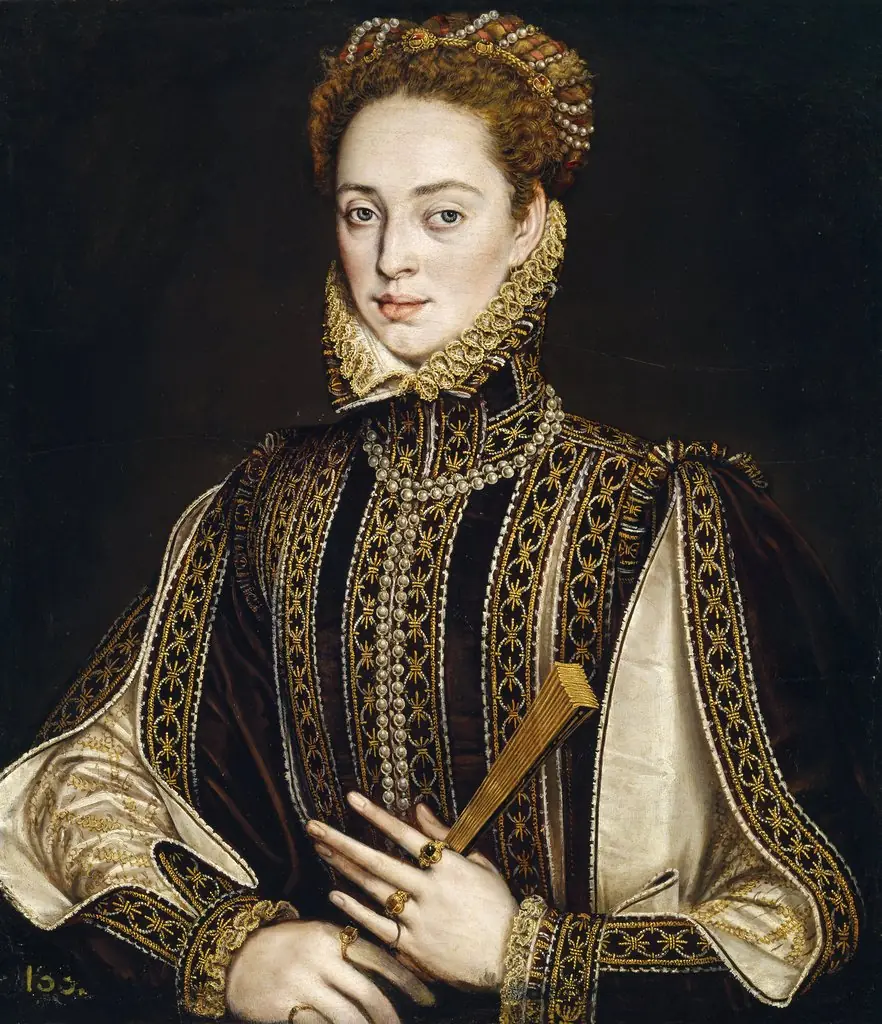 Lady with a Fan
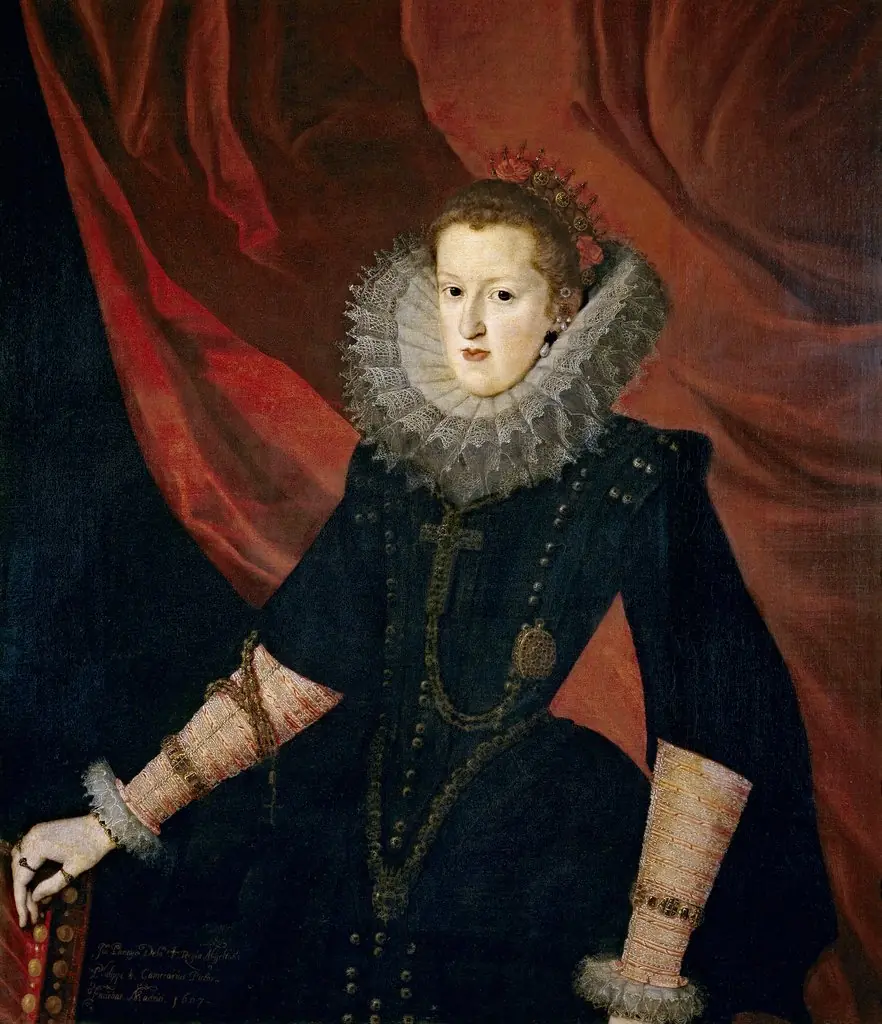 Margaret of Austria
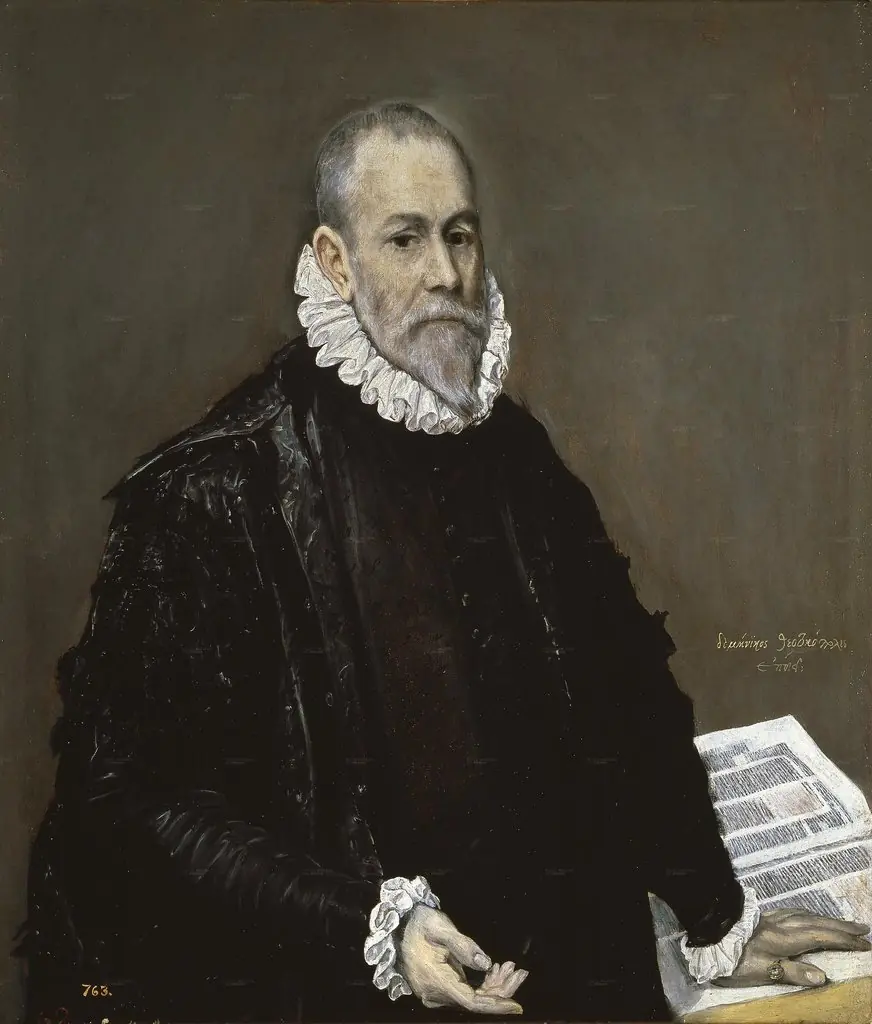 Portrait of Rodrigo de la Fuente
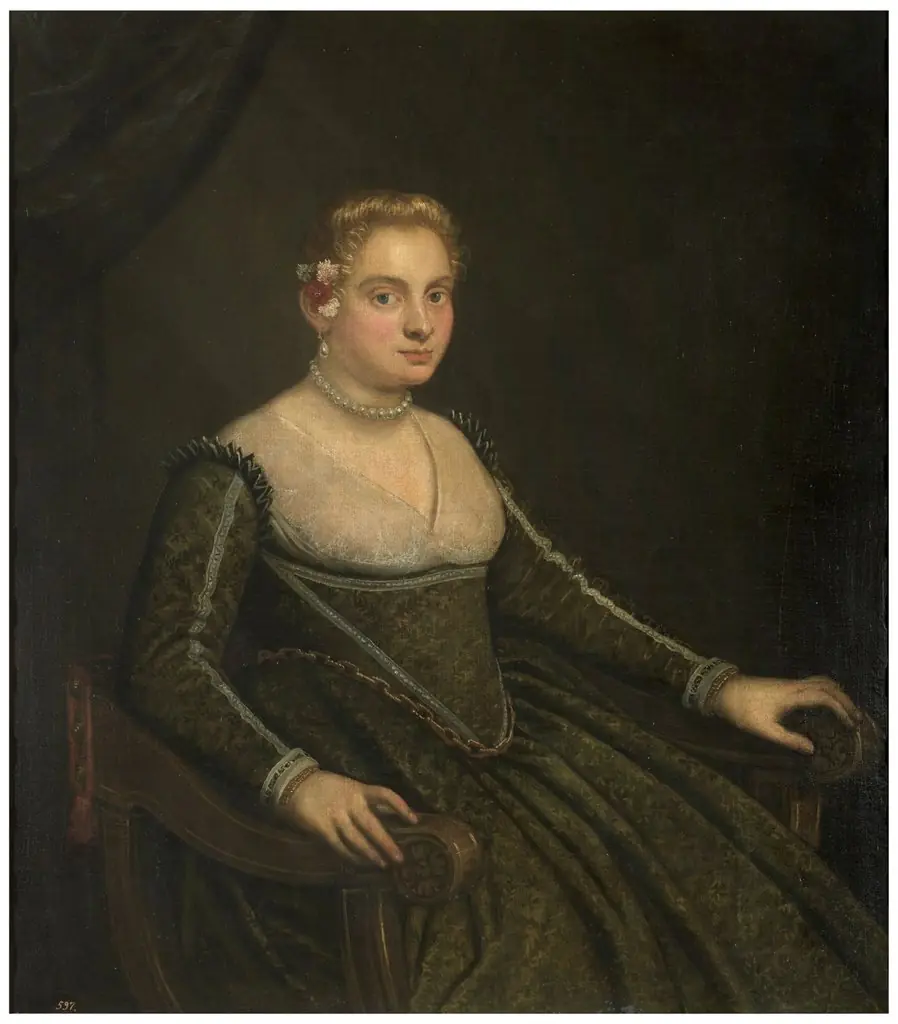 Portrait of a Young Woman
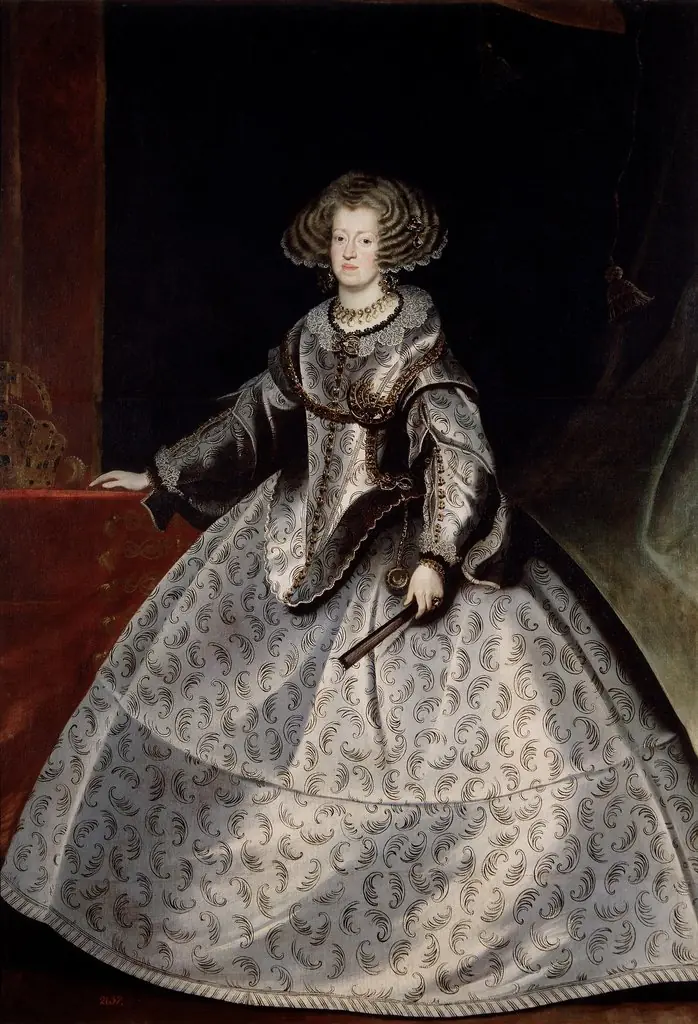 María of Austria Queen of Hungary
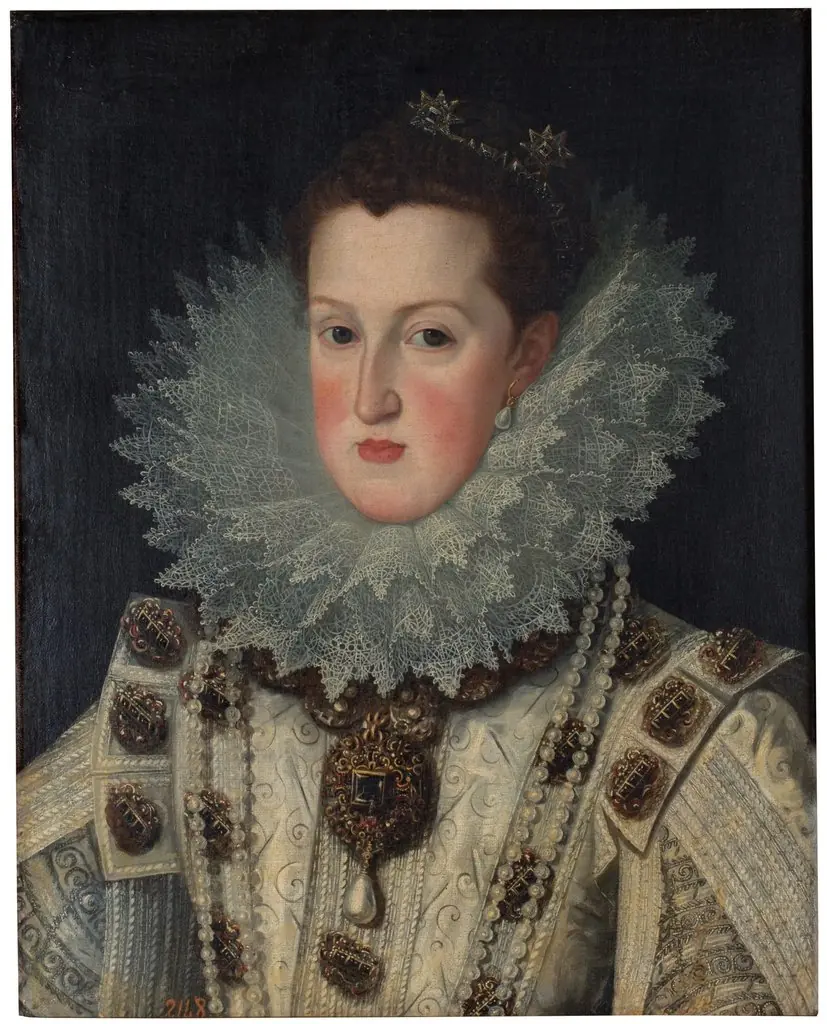 Margarita de Austria, reina de España
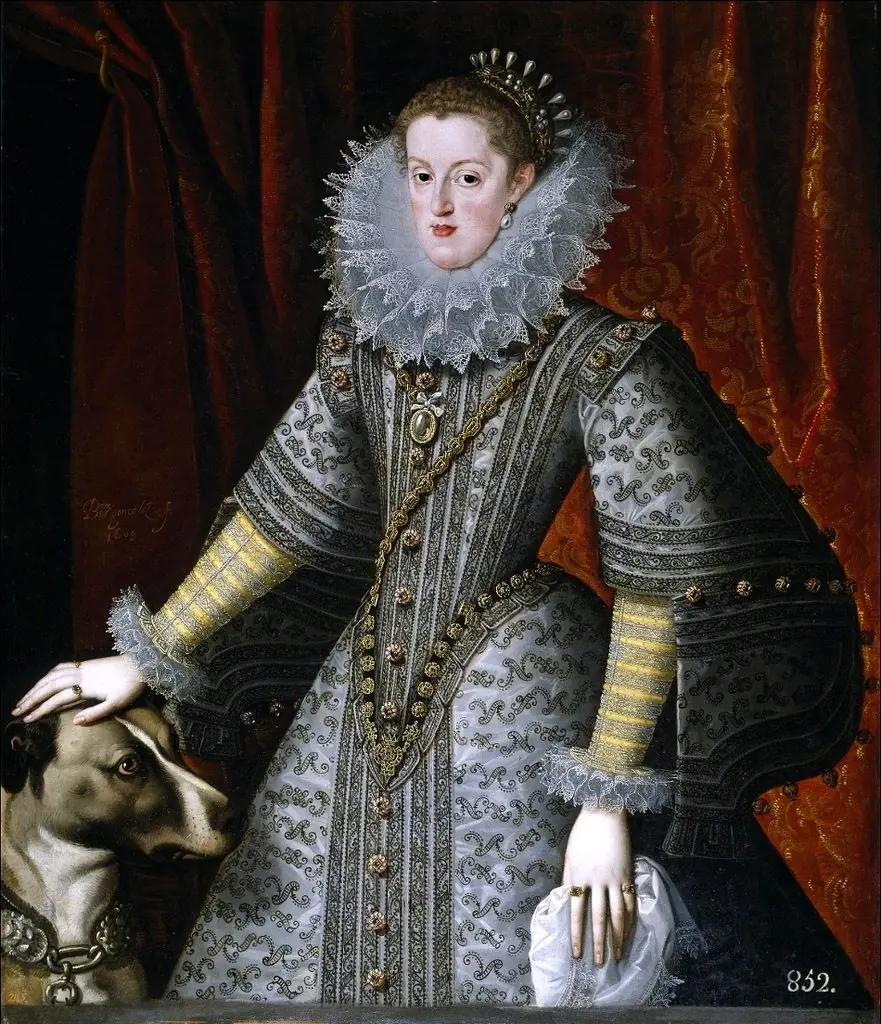 Queen Margaret of Austria
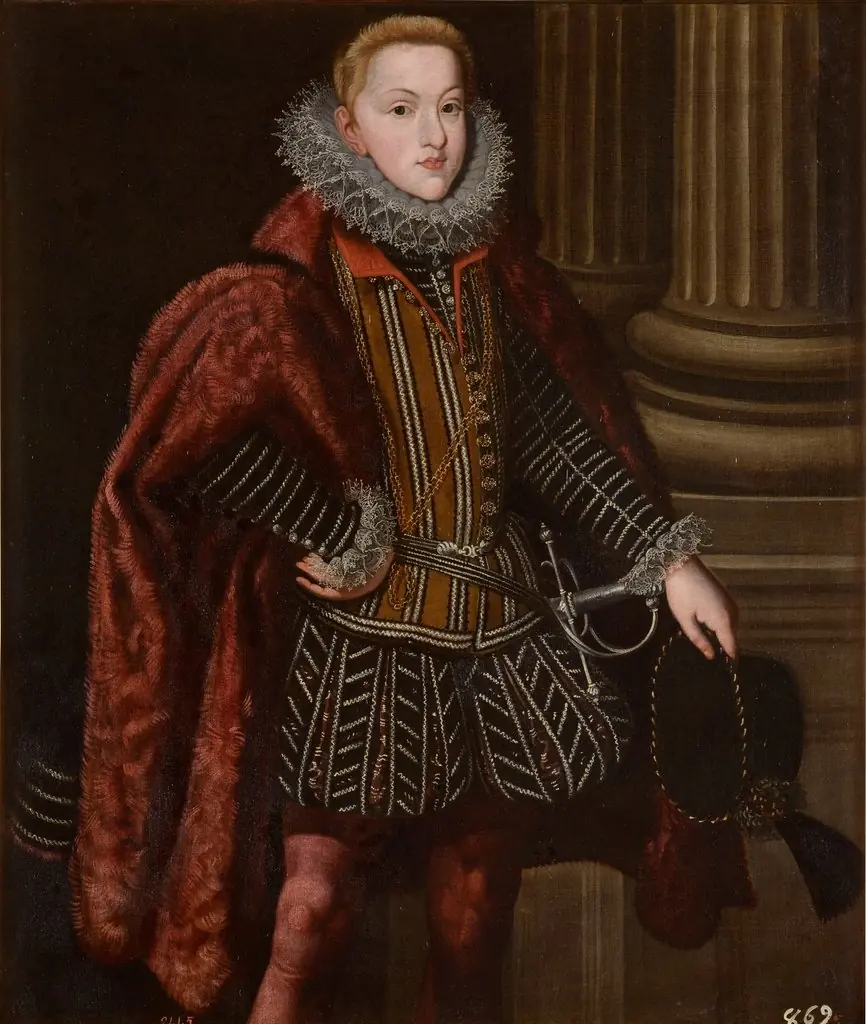 El archiduque Leopoldo cuñado de Felipe III
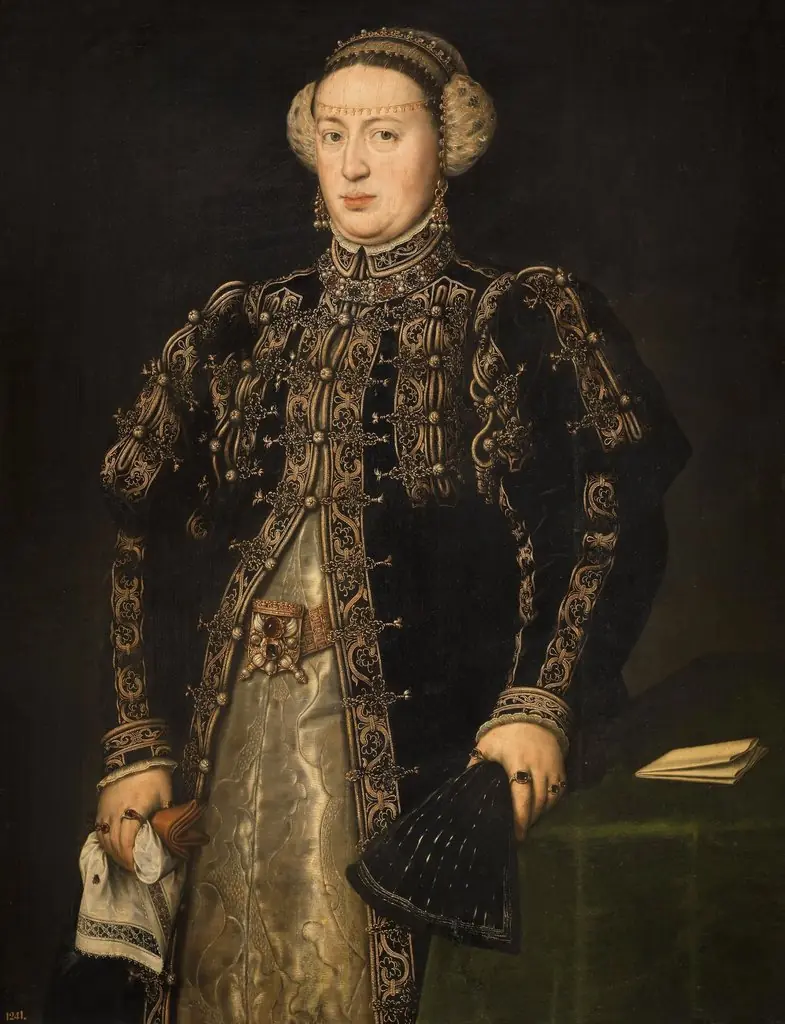 Catherine of Hapsburg, the Wife of King John III of Portugal
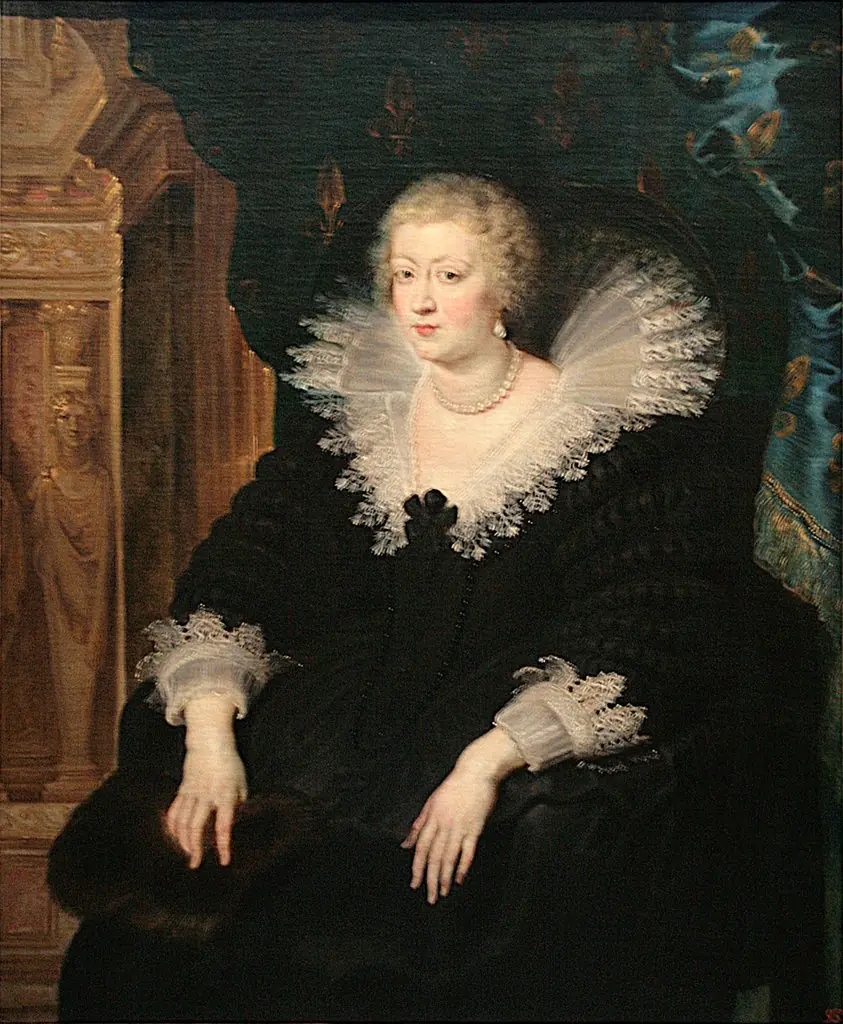 Anne of Austria, Queen of France
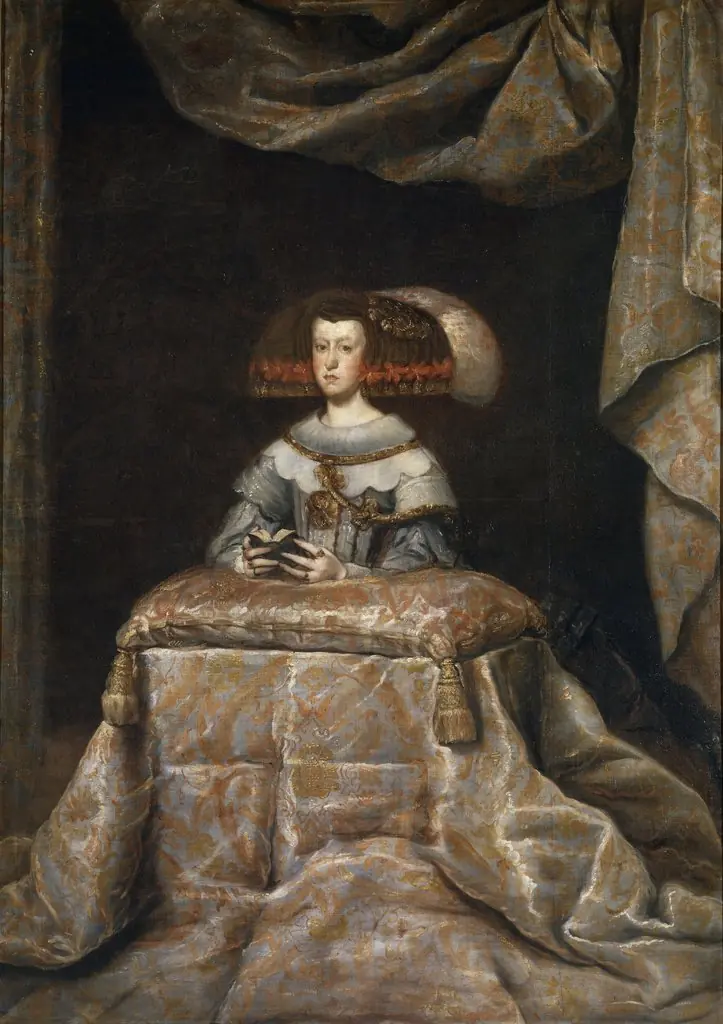 Mariana of Austria in prayer
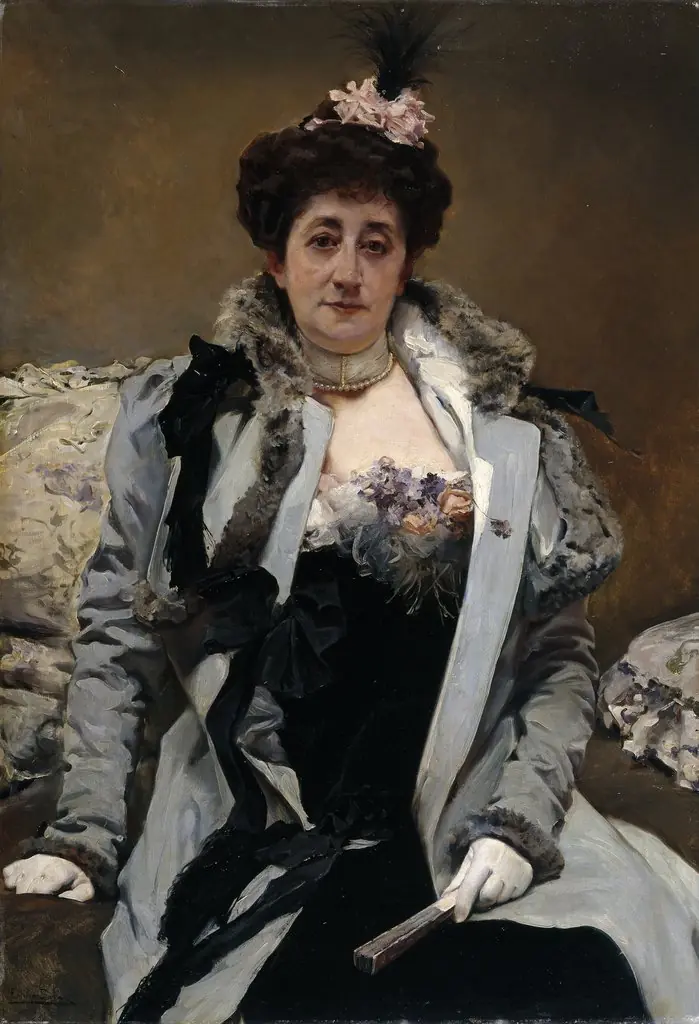 María Semprún y Pombo
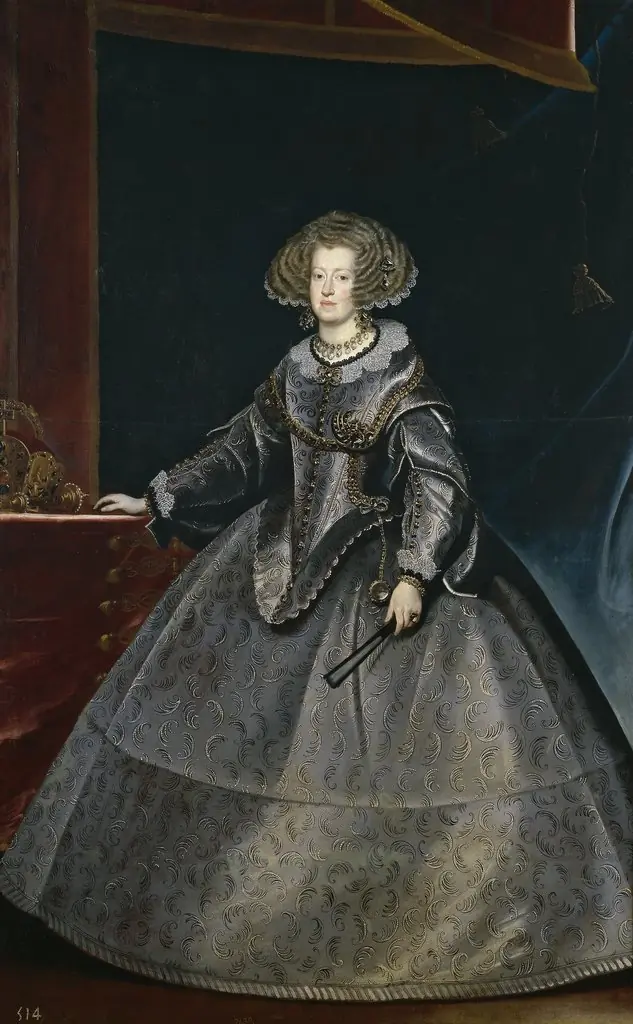 María of Austria Queen of Hungary
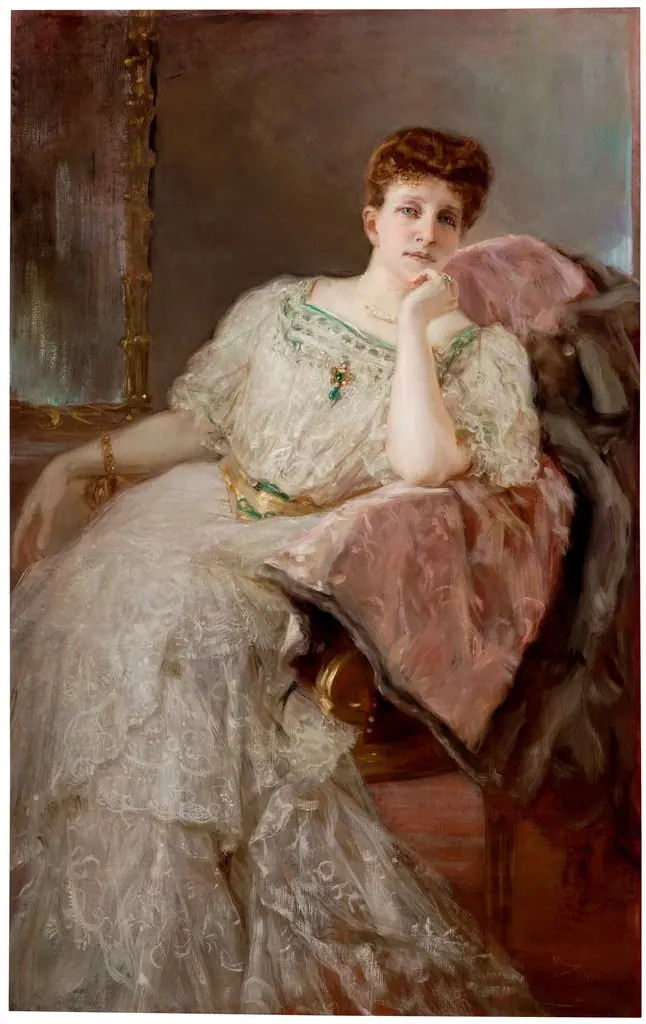 Matilde Noever de Vogel
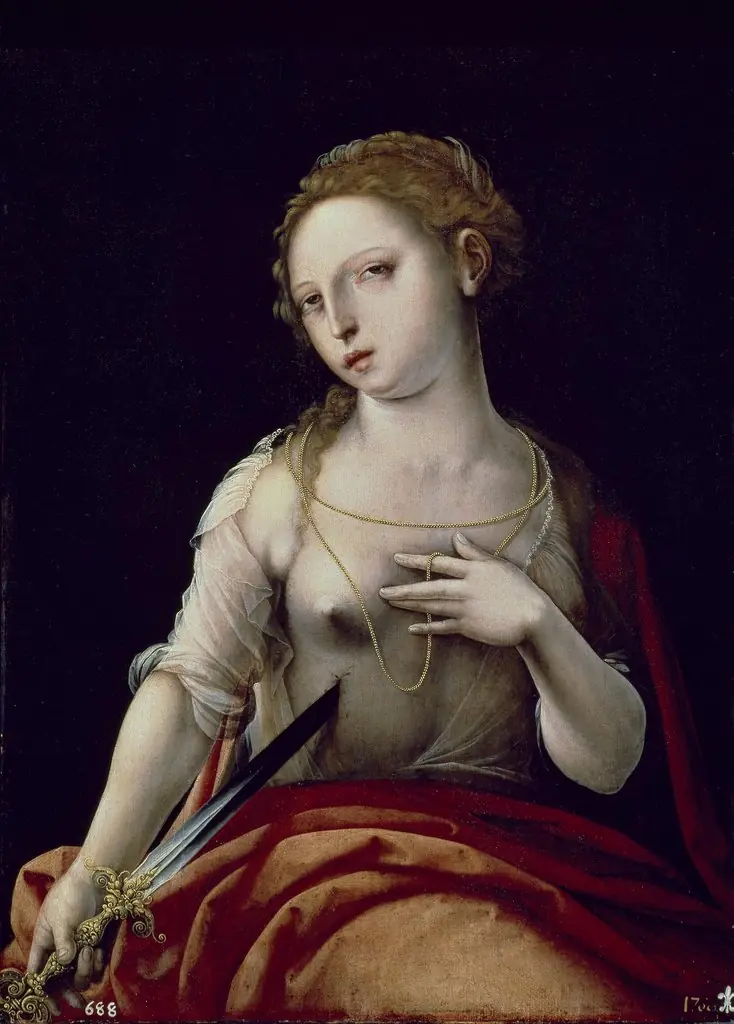 The death of Lucretia
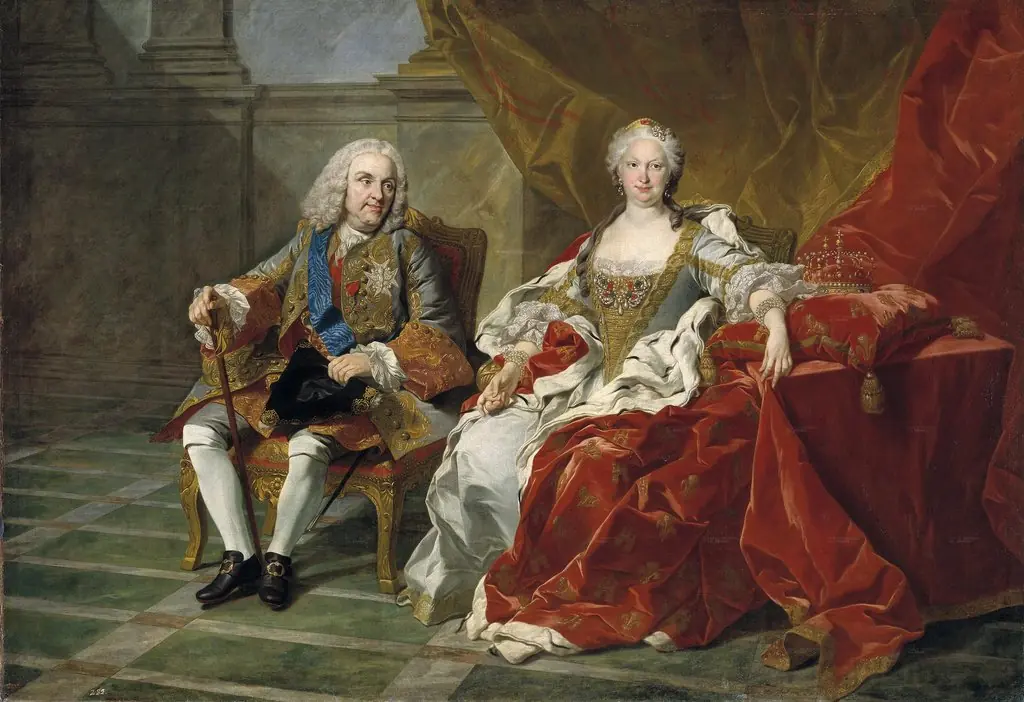 Felipe V e Isabel Farnesio
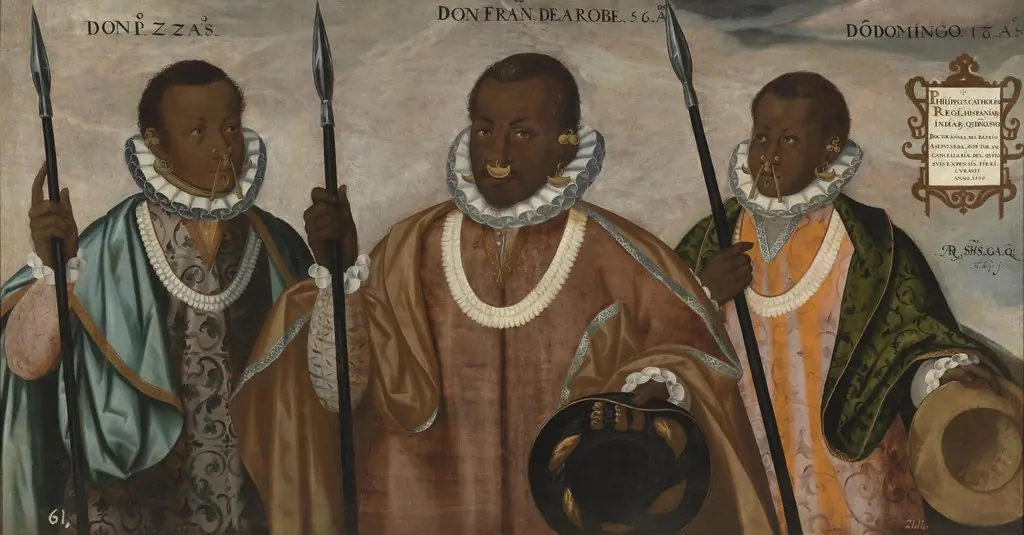 Los mulatos de Esmeraldas
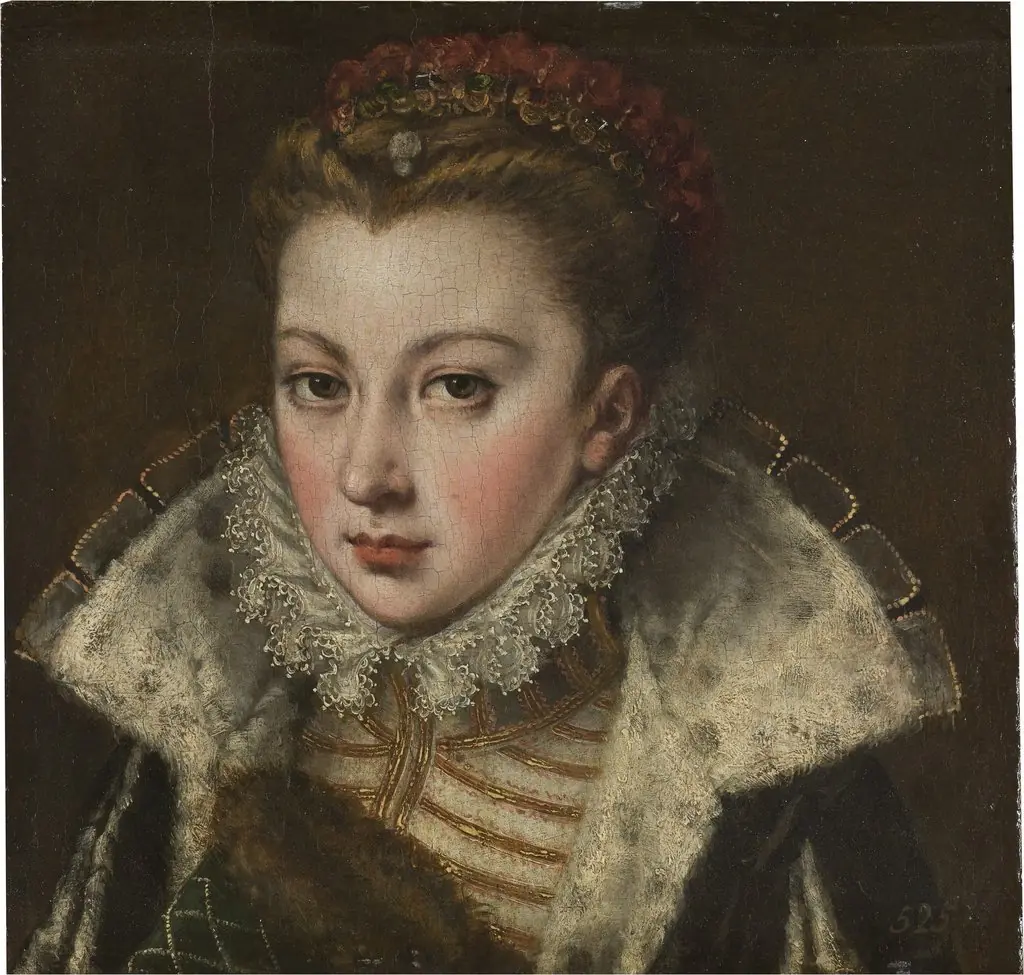 An Unknown Young Woman
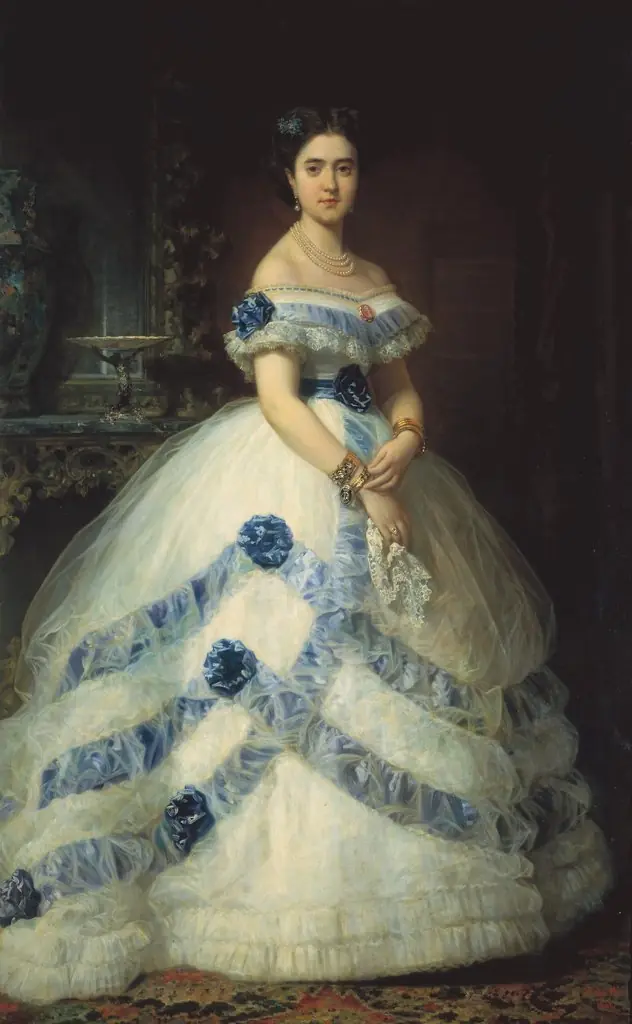 Isabel Álvarez Montes, II Marchioness of Valderas and II Duchess of Castro Enríquez
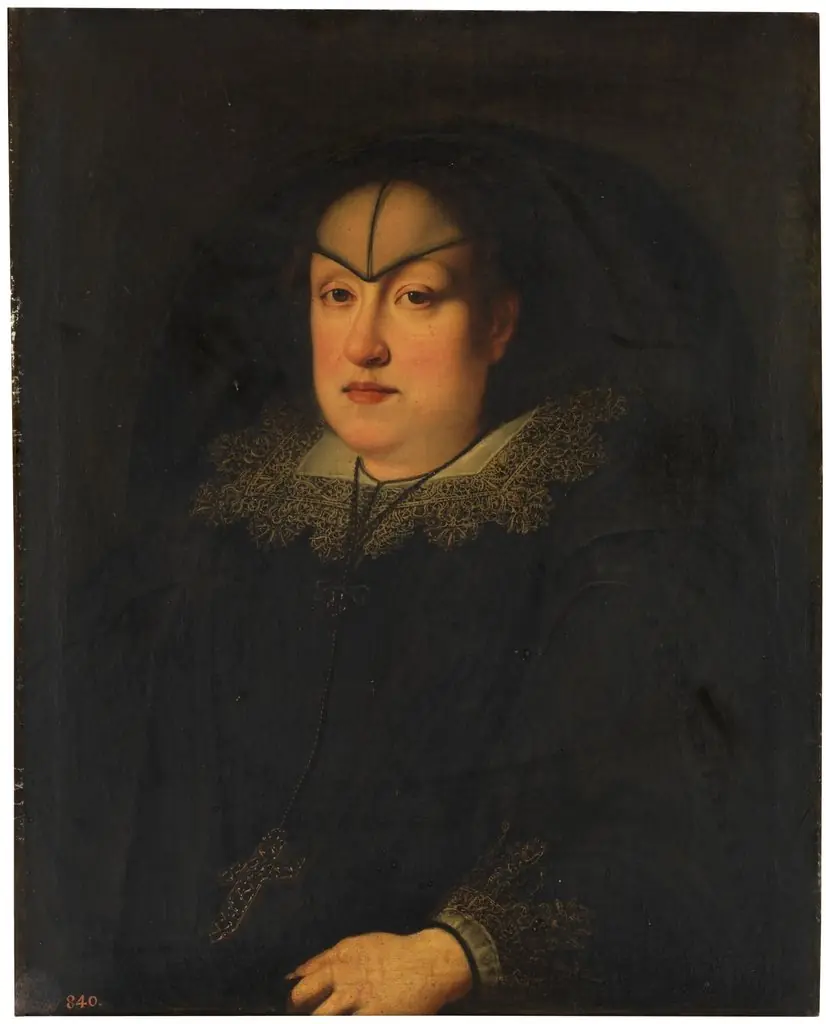 Portrait of Maria Maddalena of Austria as a widow
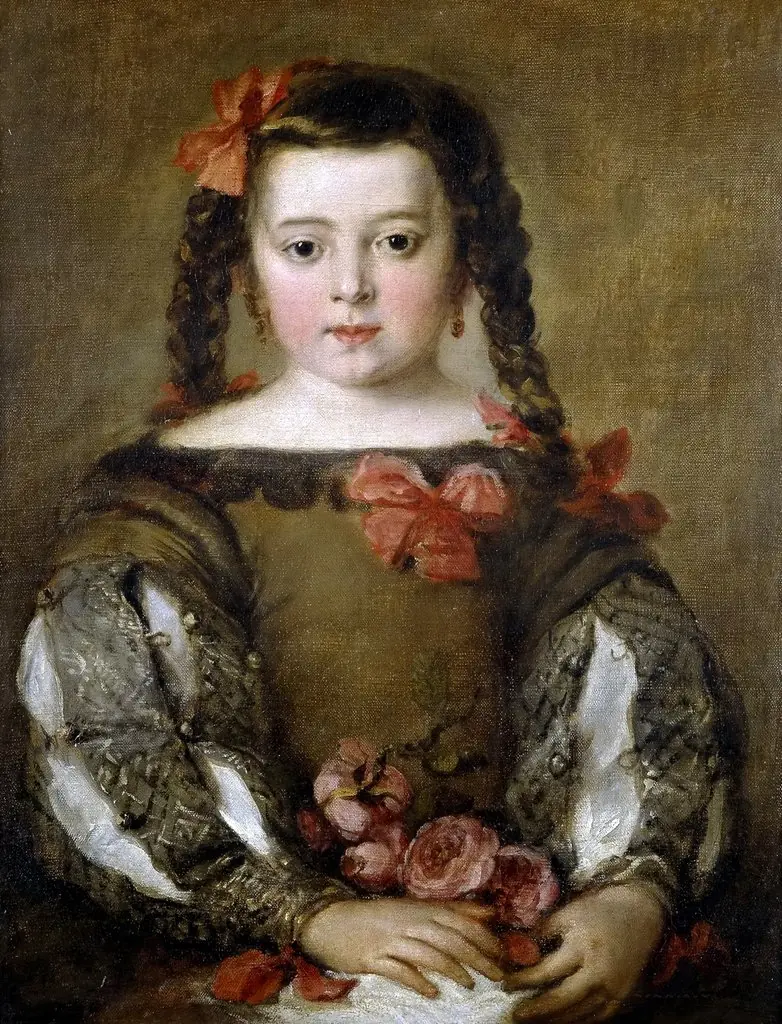 Portrait of a Young Girl
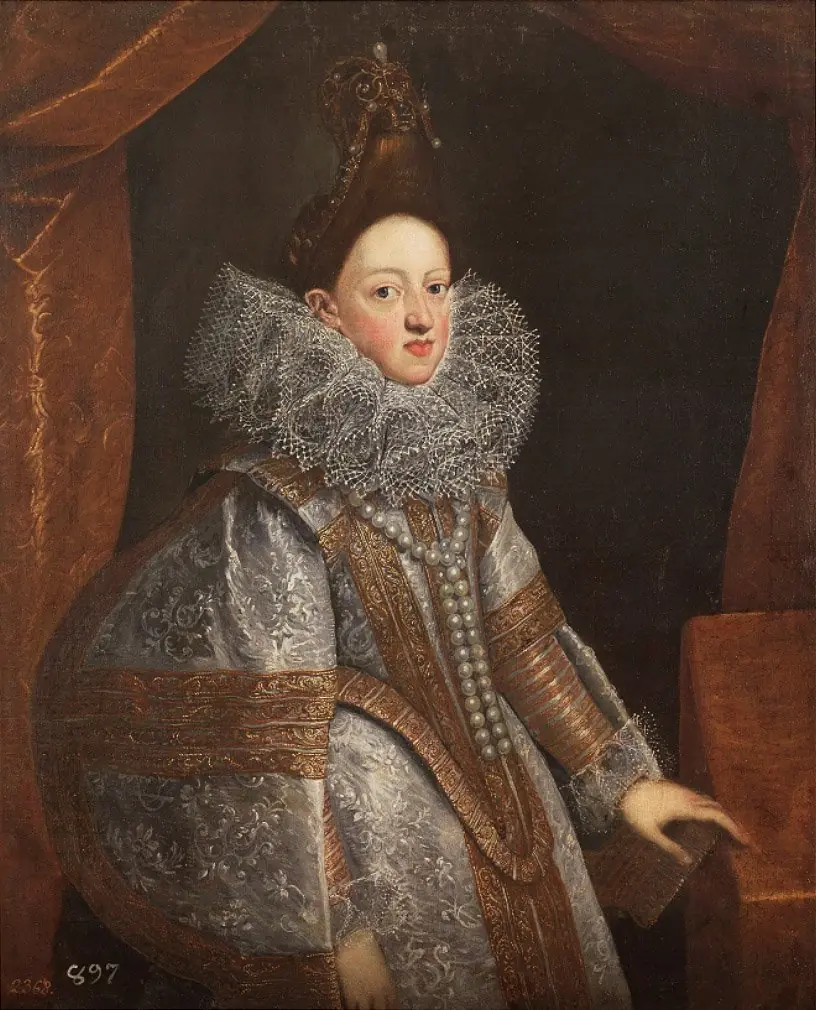 Portrait of Eleanor of Austria
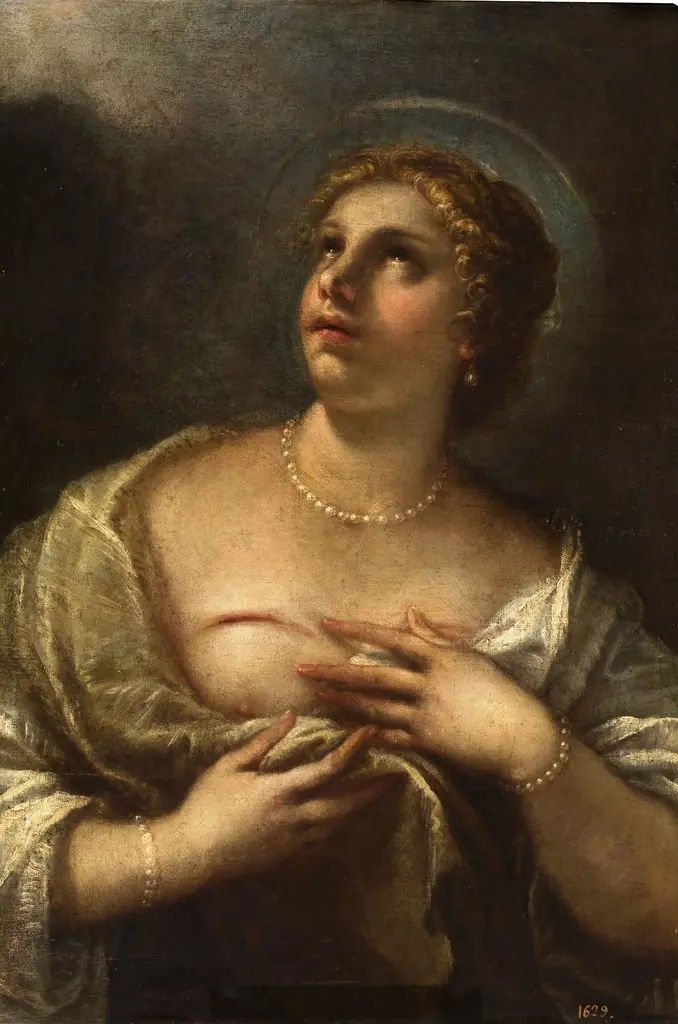 Santa Águeda
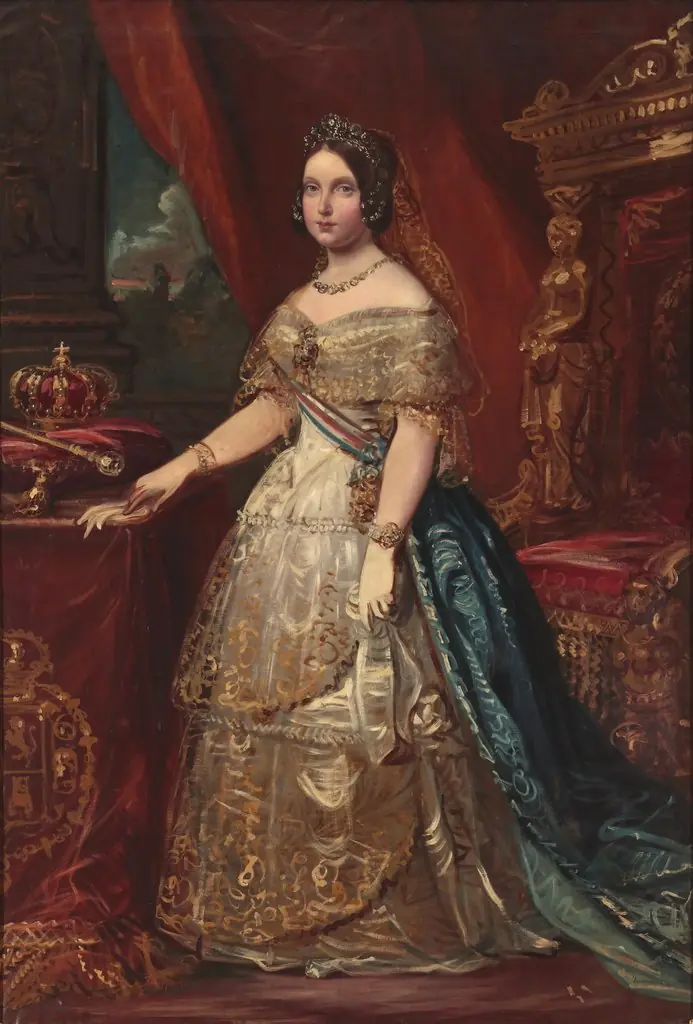 Isabel II
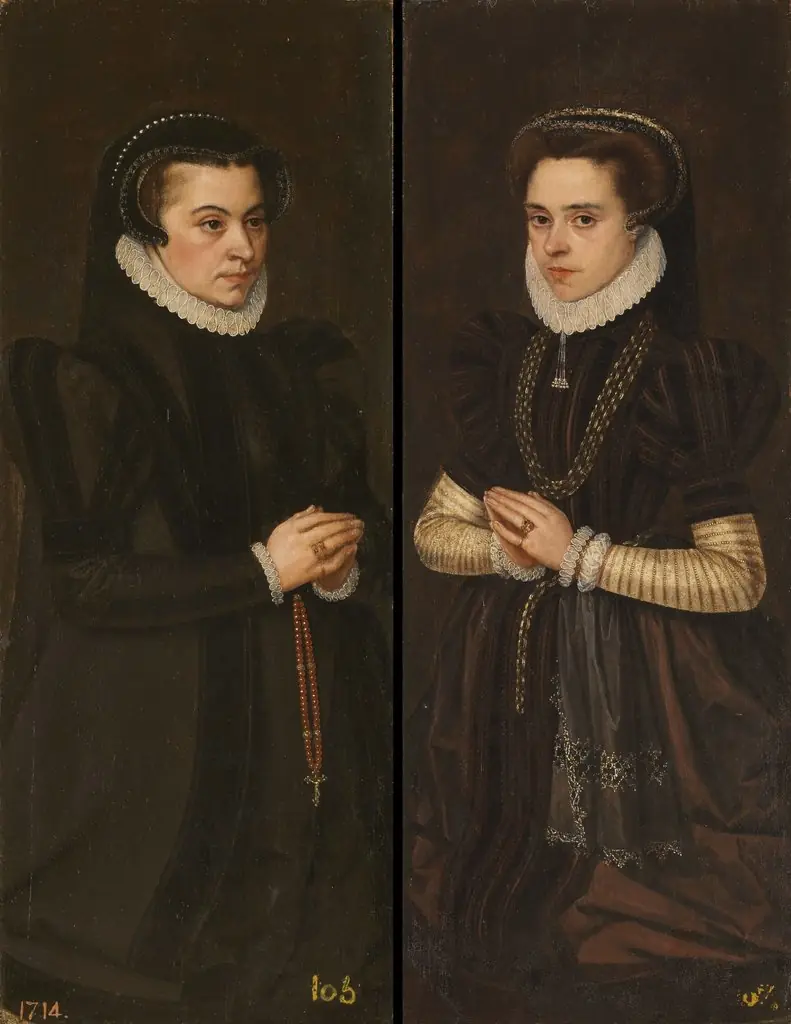 Margaret Duchess of Parma
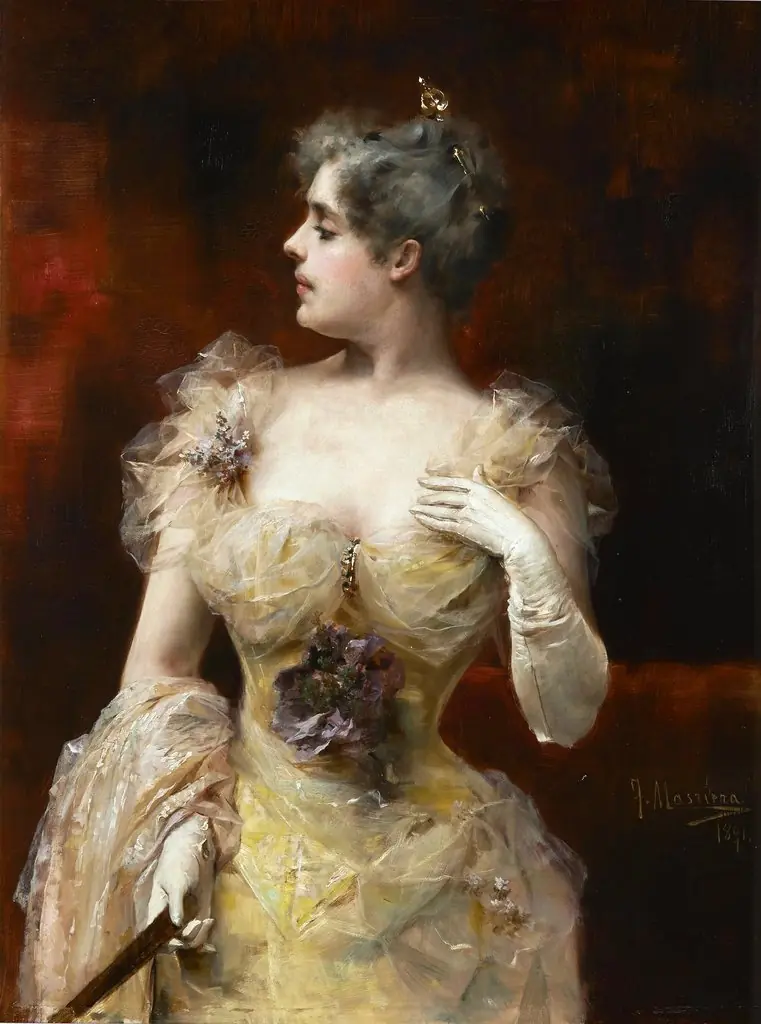 La ofendida
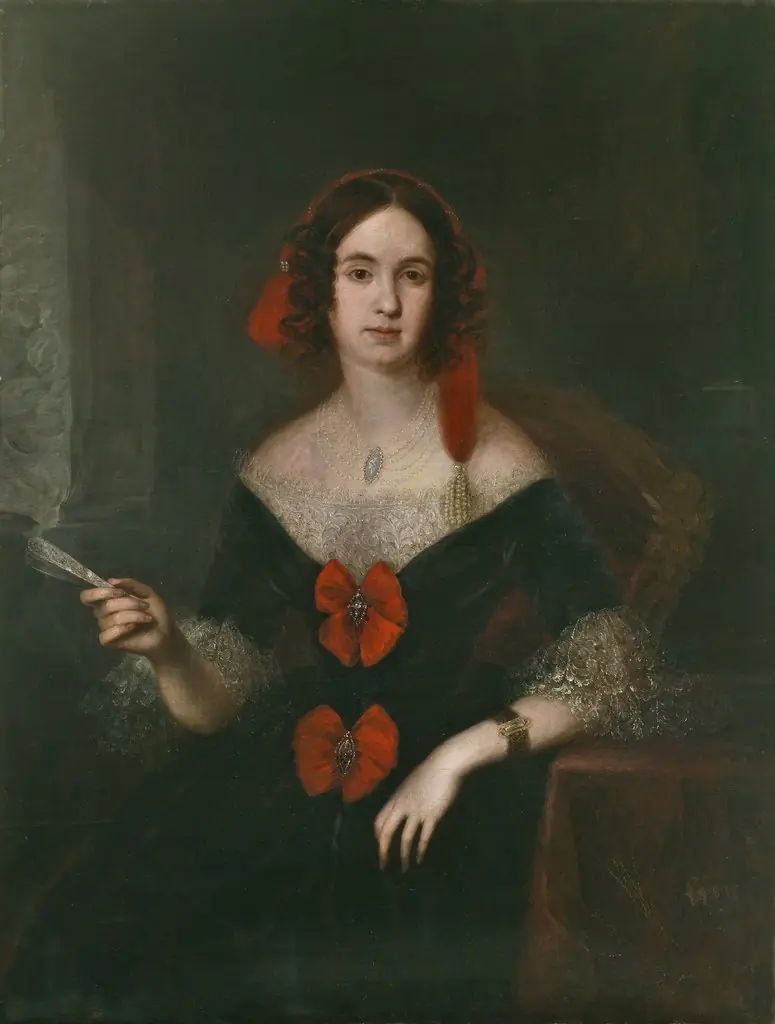 Dama con abanico
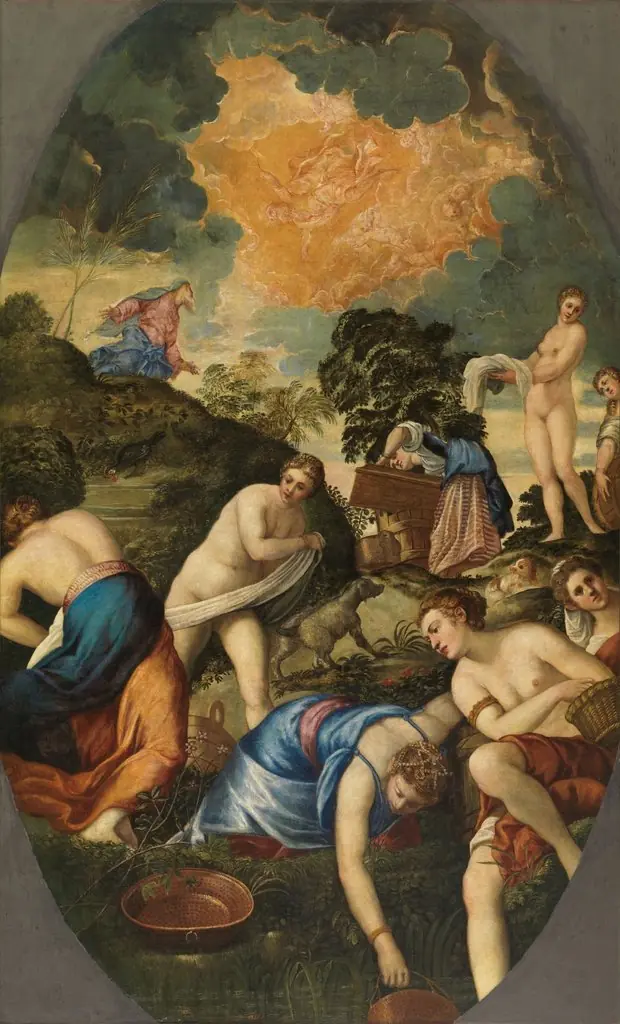 The Purification of the Midianite Virgins
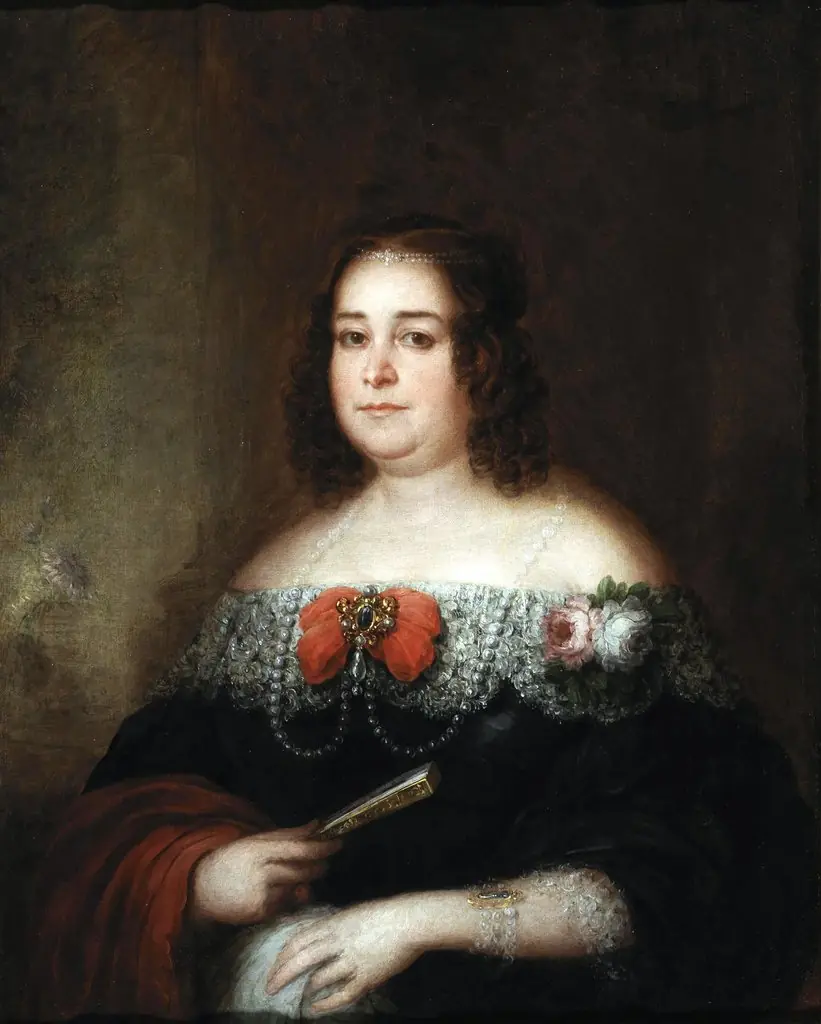 Retrato de señora
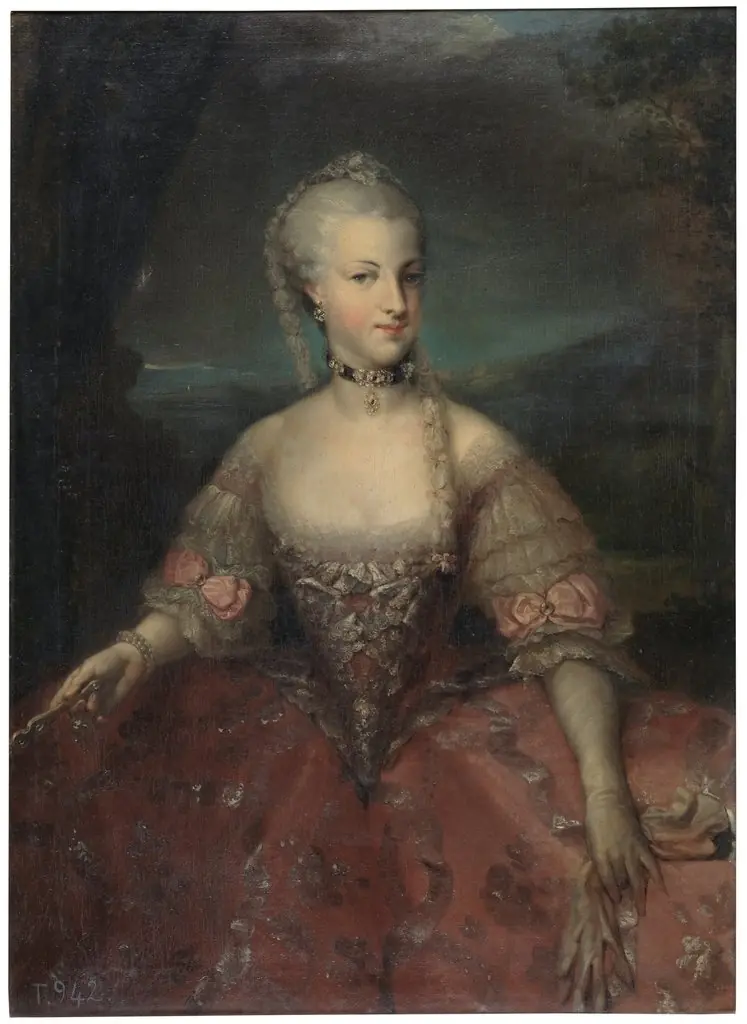 Maria Carolina of Habsburg-Lorraine, Queen of Naples
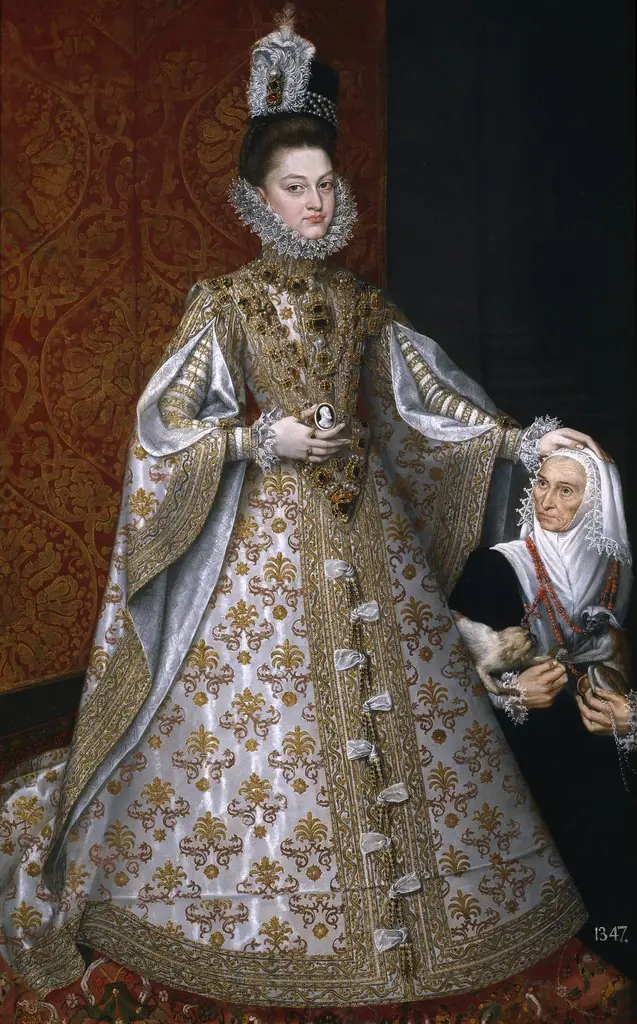 The Infanta Isabel Clara Eugenia and Magdalena Ruiz
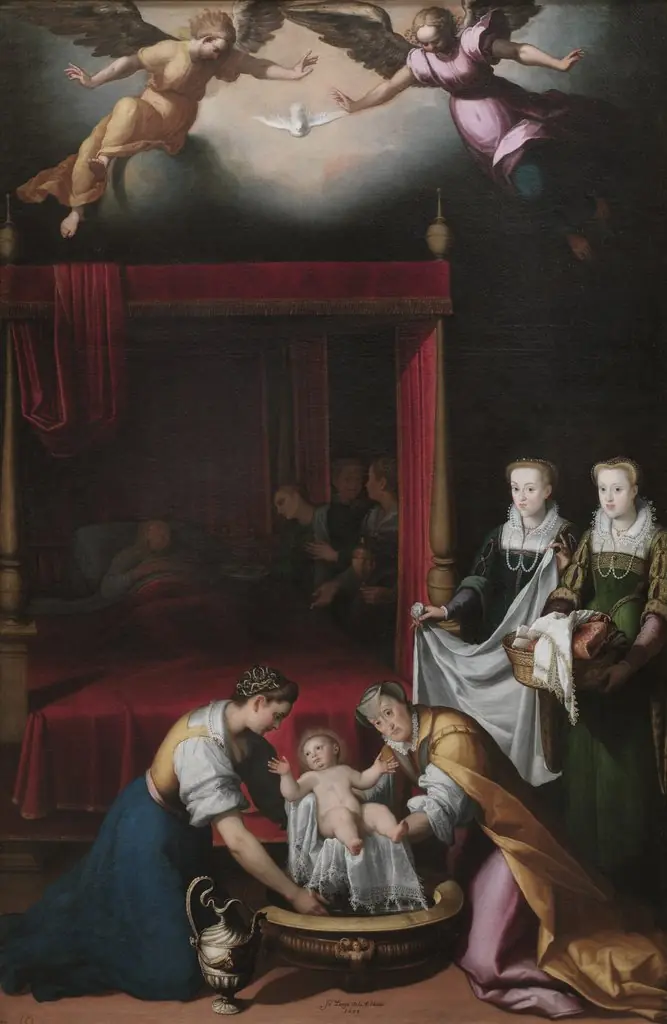 The Birth of the Virgin
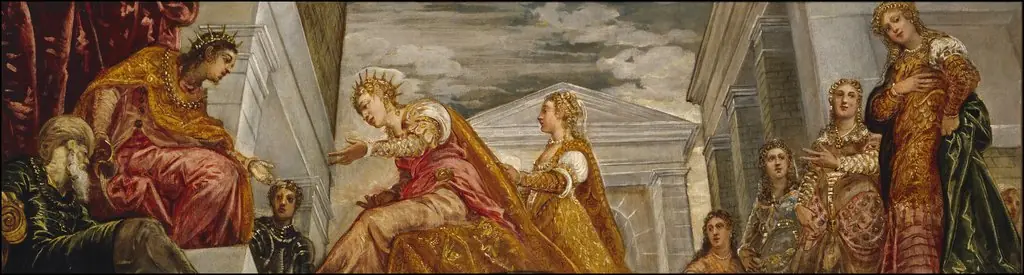 The Queen of Sheba and Solomon
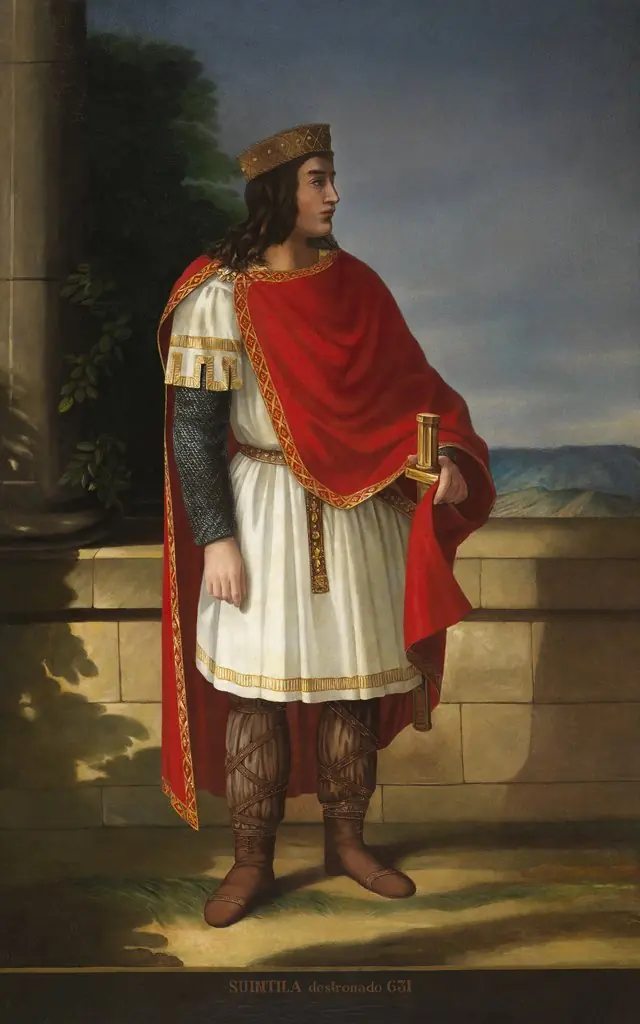 Wittiza, visigothic's king
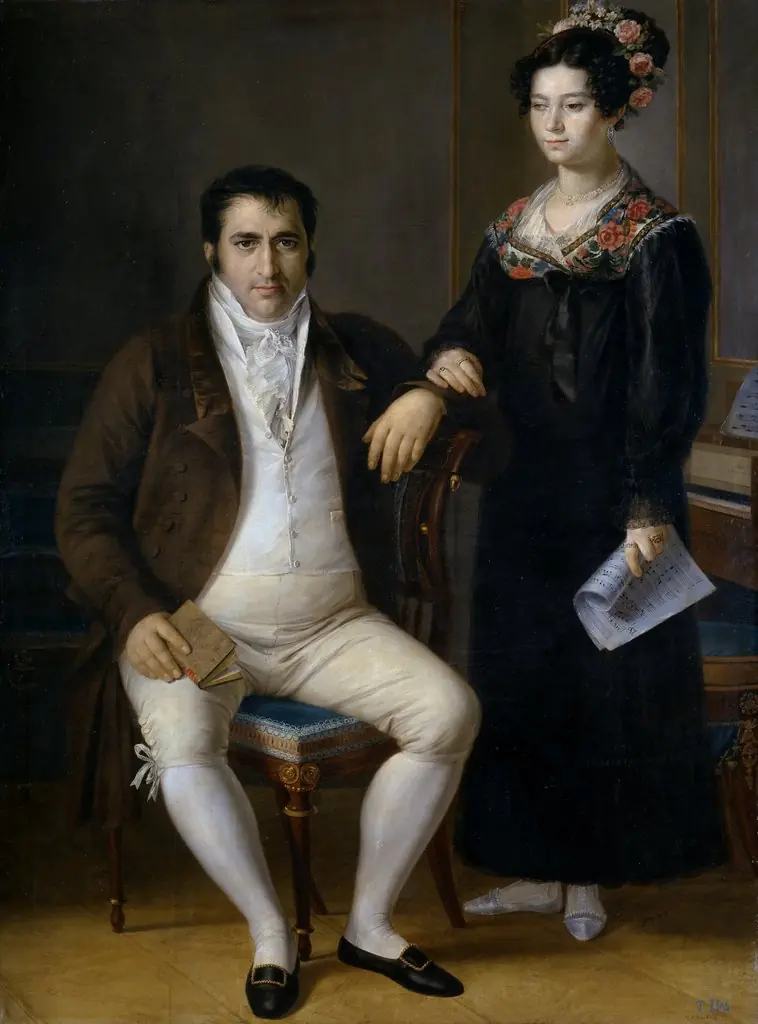 Don Pedro Benítez and his daughter María de la Cruz
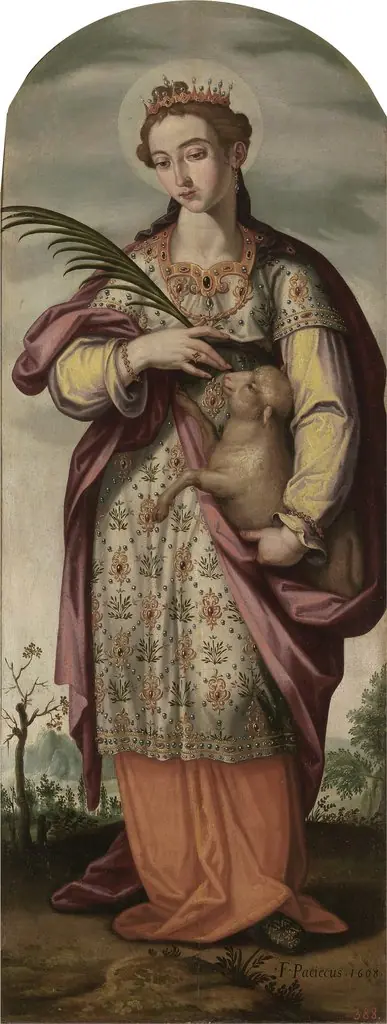 Santa Inés
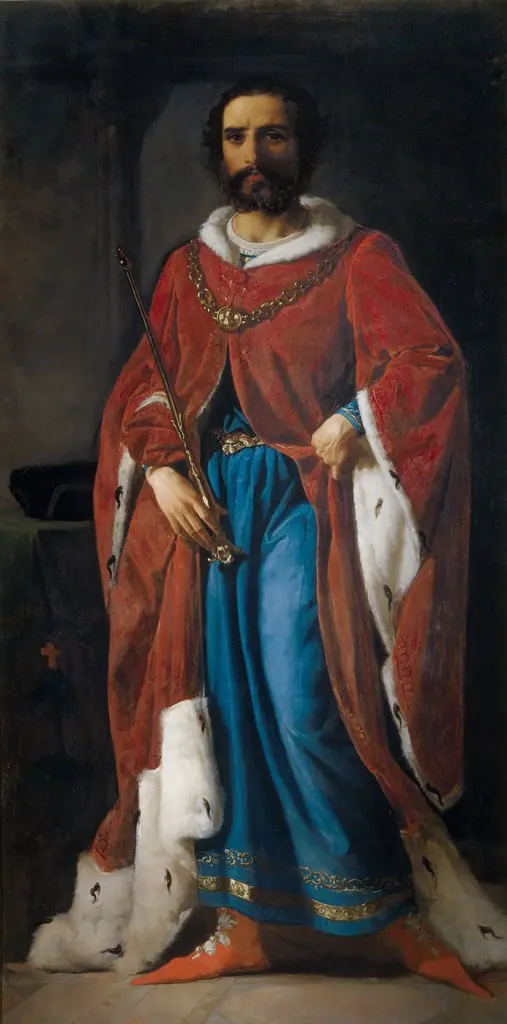 Don García Aznar; conde de Aragón
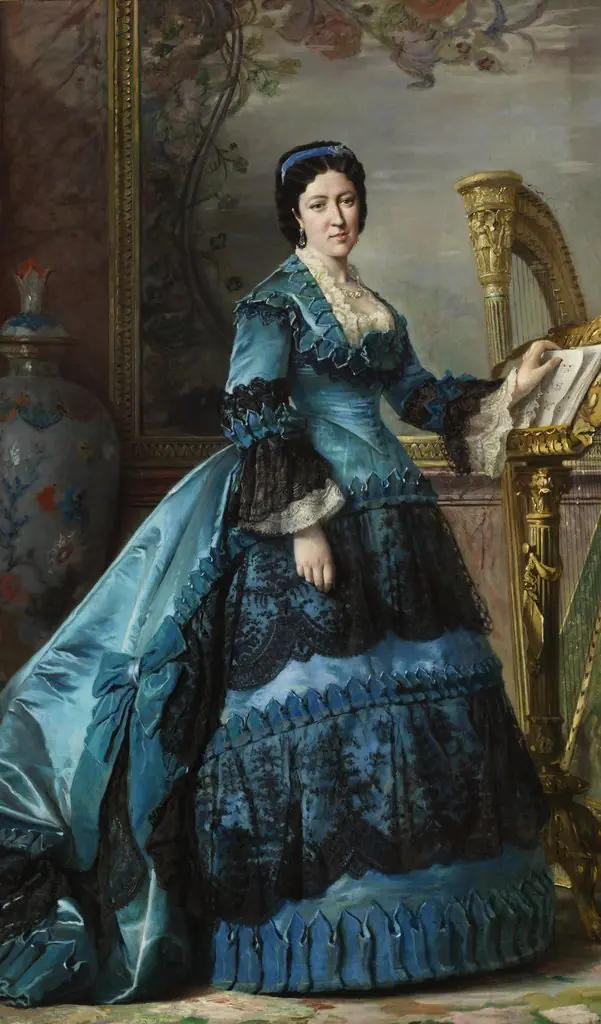 María de los Dolores Collado y Echagüe, duchess of Bailén
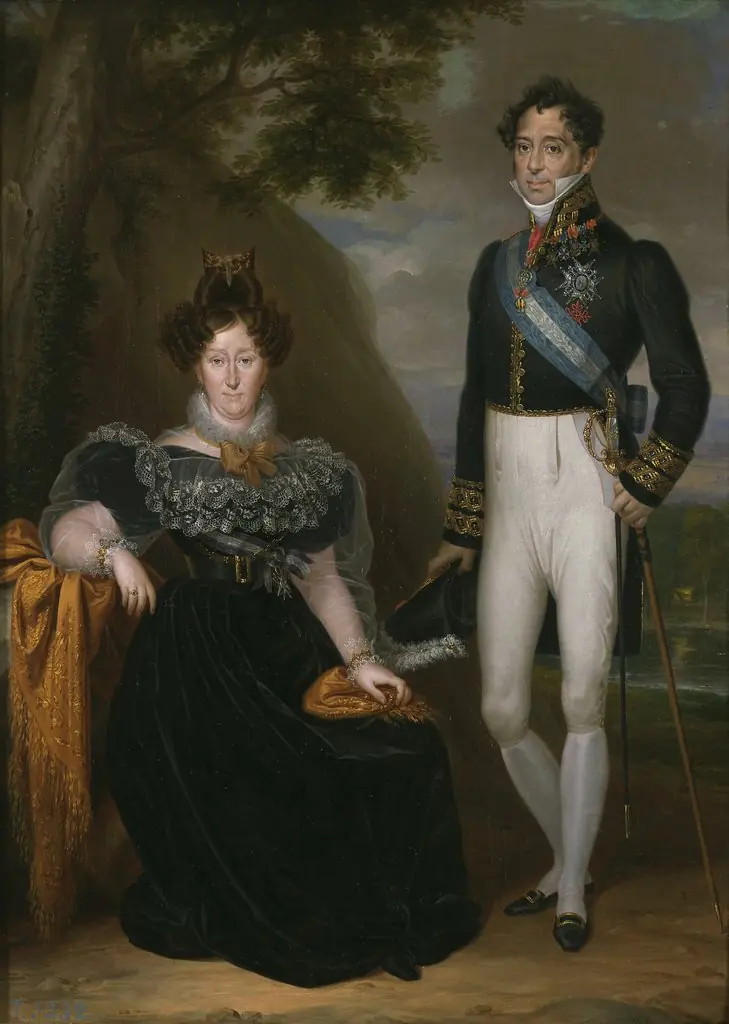 The Duke and Duchess of San Fernando de Quiroga
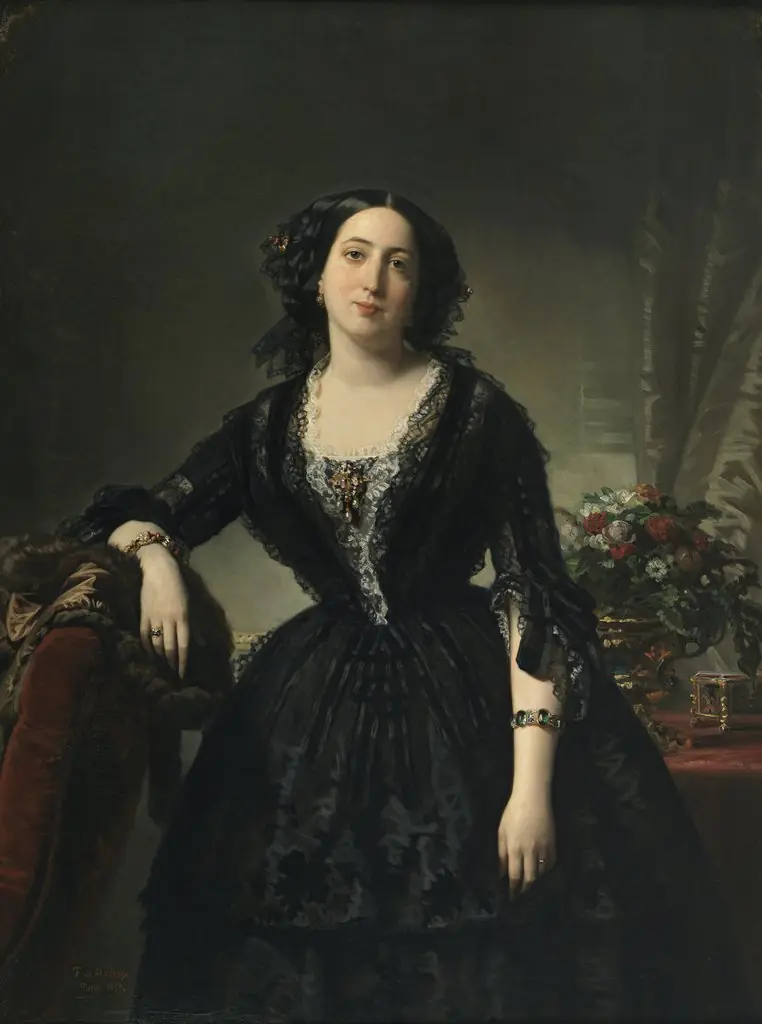 María Dolores de Aldama, Marchioness of Montelo
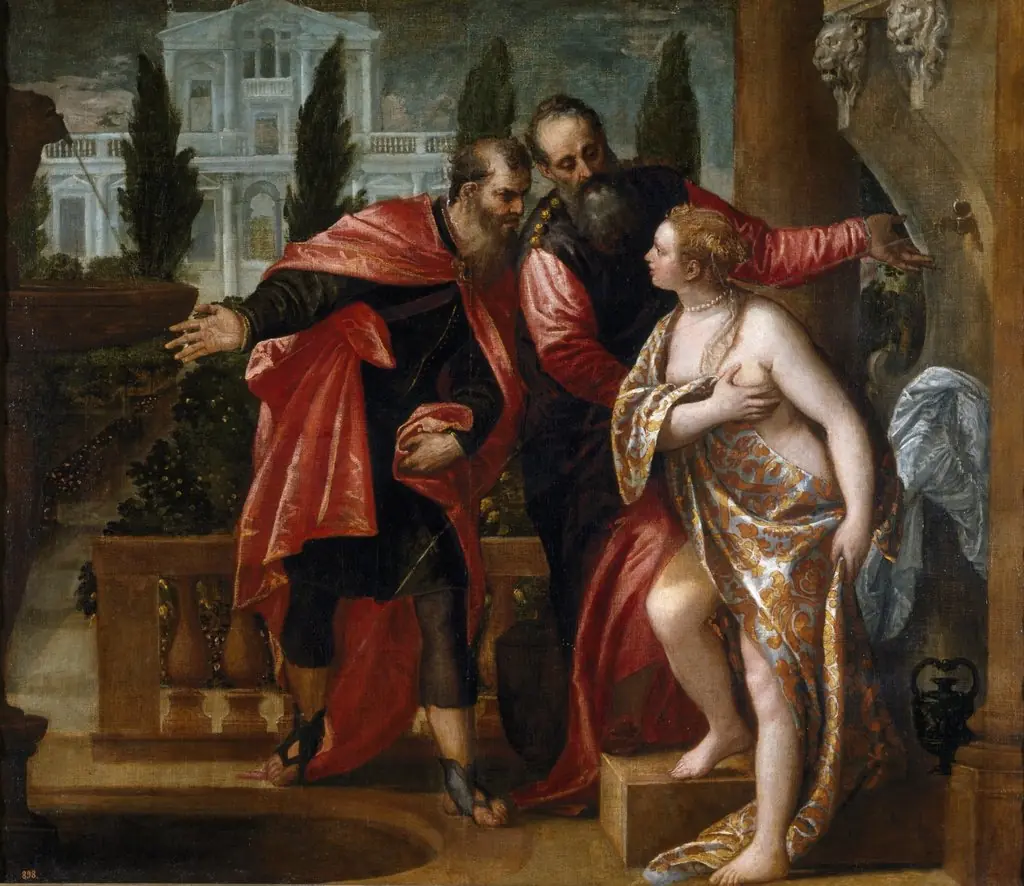 Susannah and the Elders
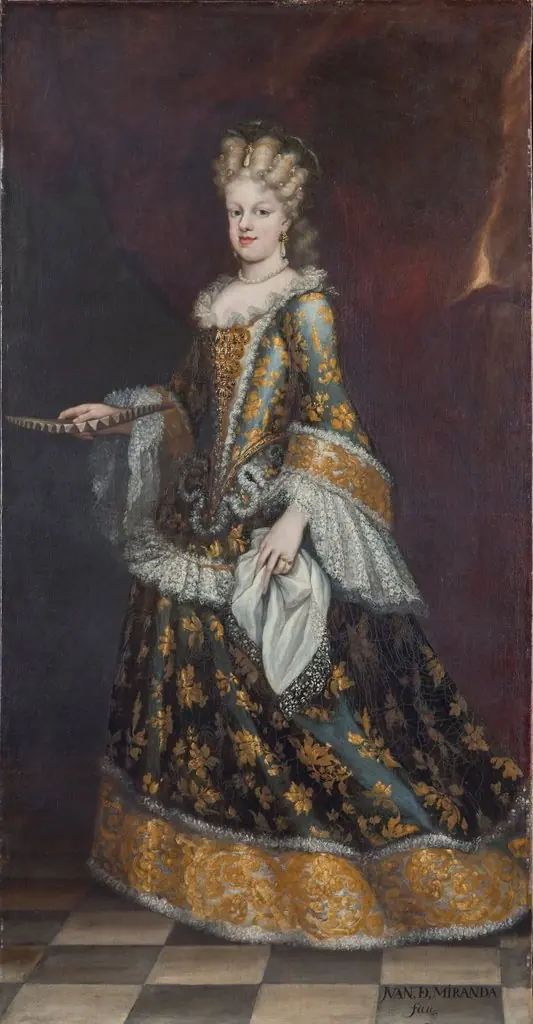 María Luisa Gabriela de Saboya primera esposa de Felipe V
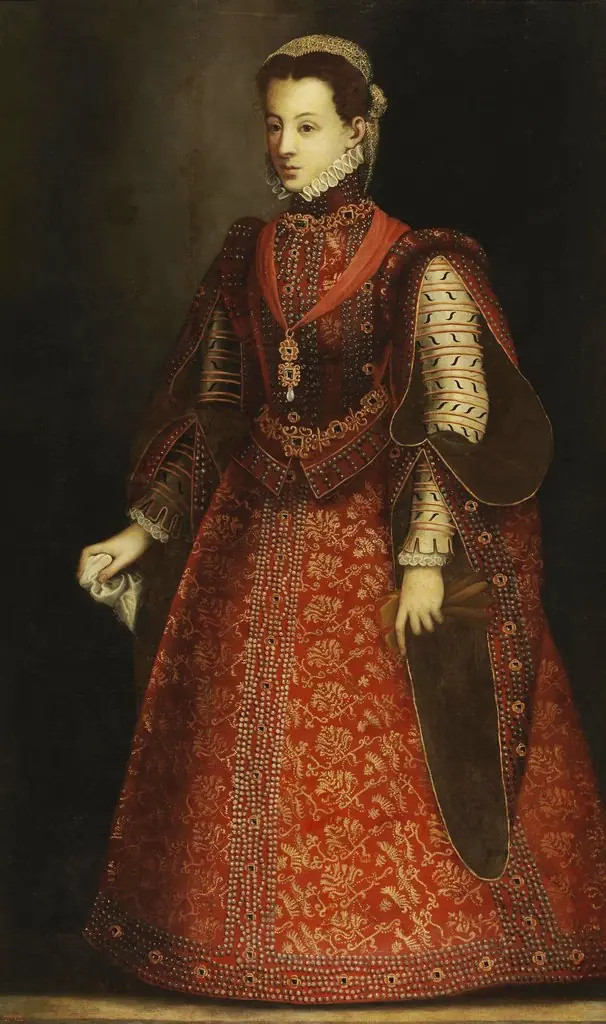 La emperatriz Isabel de Portugal mujer de Carlos V
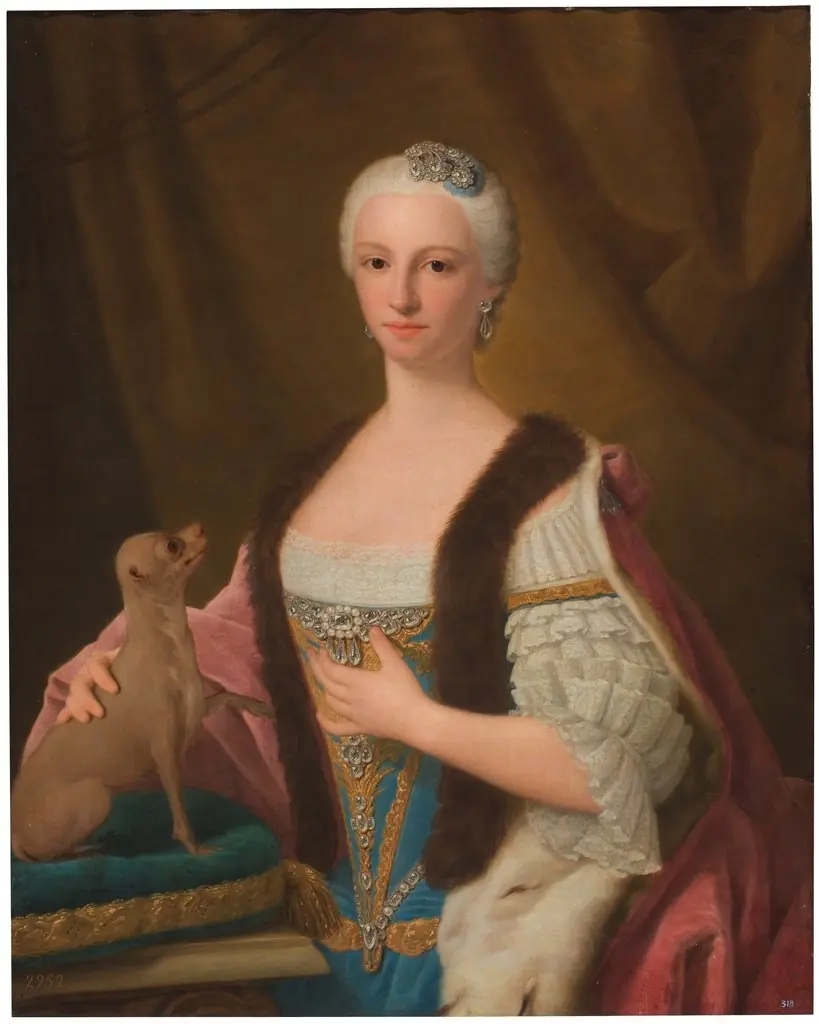 María Antonia Fernanda de España esposa de Vittorio Amadeo III
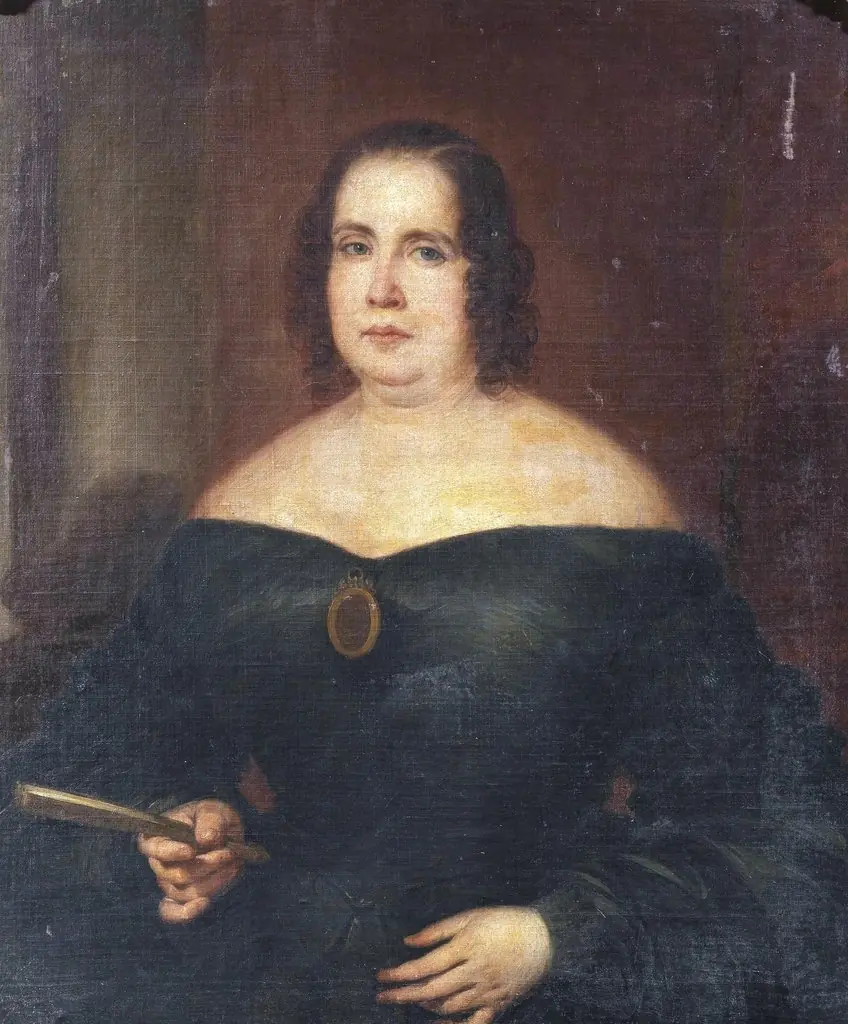 Retrato de señora
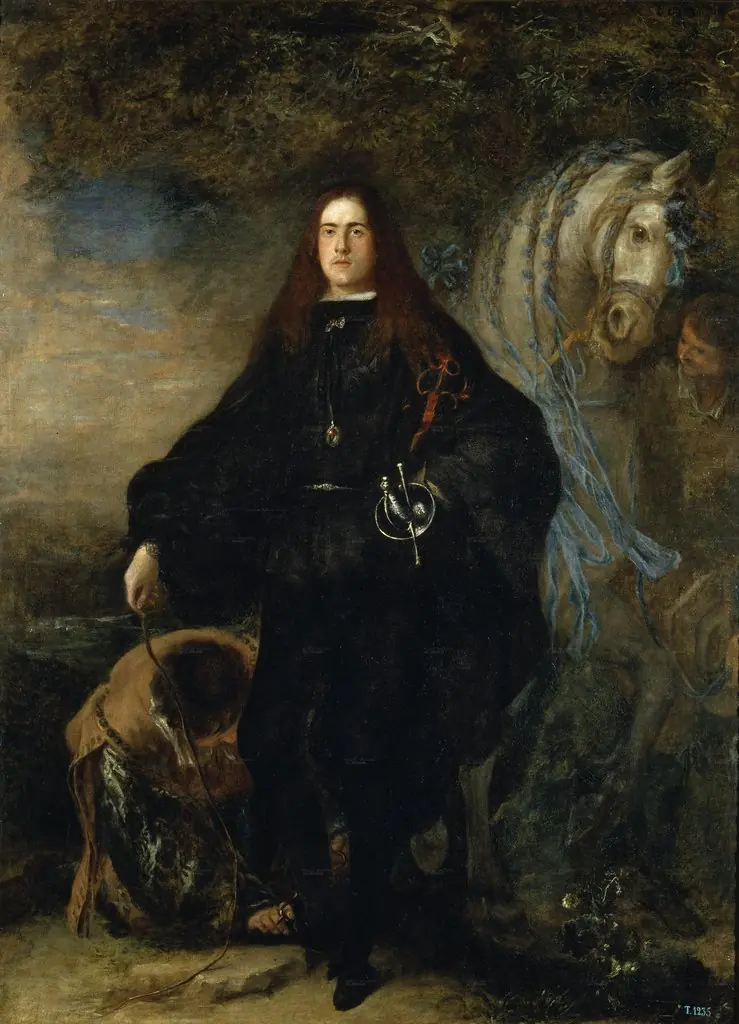 The Duke of Pastrana
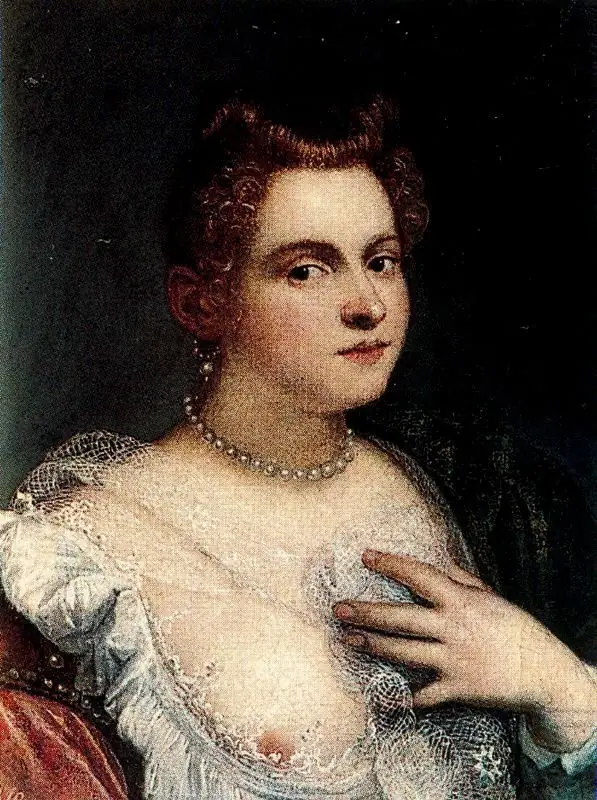 Joven veneciana
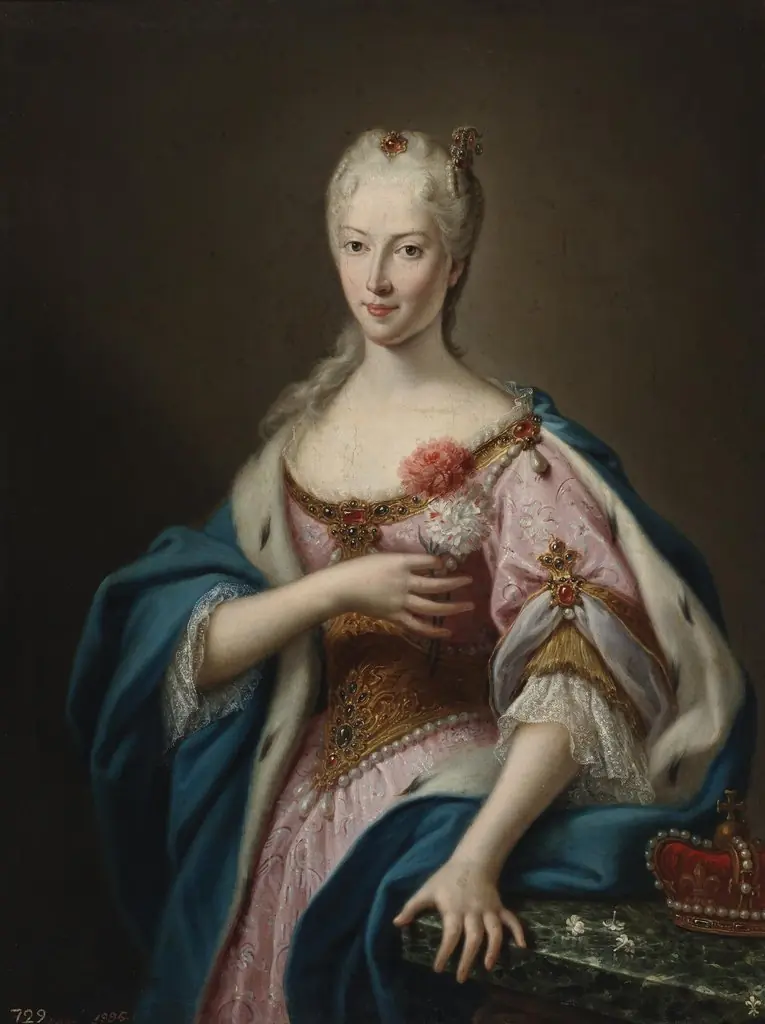 Clementina Sobiesky
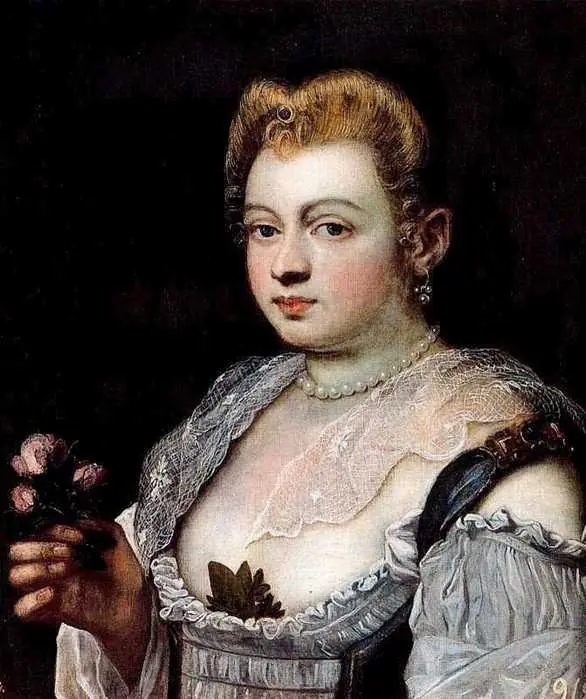 Flora
Flora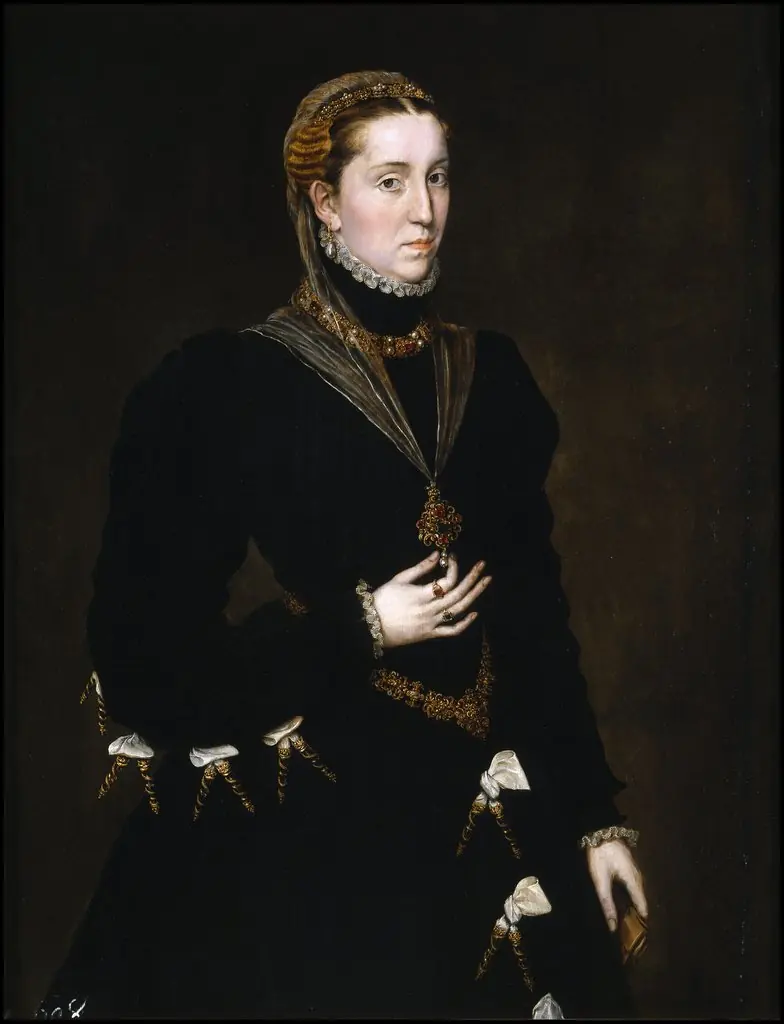 Lady with the Jewel
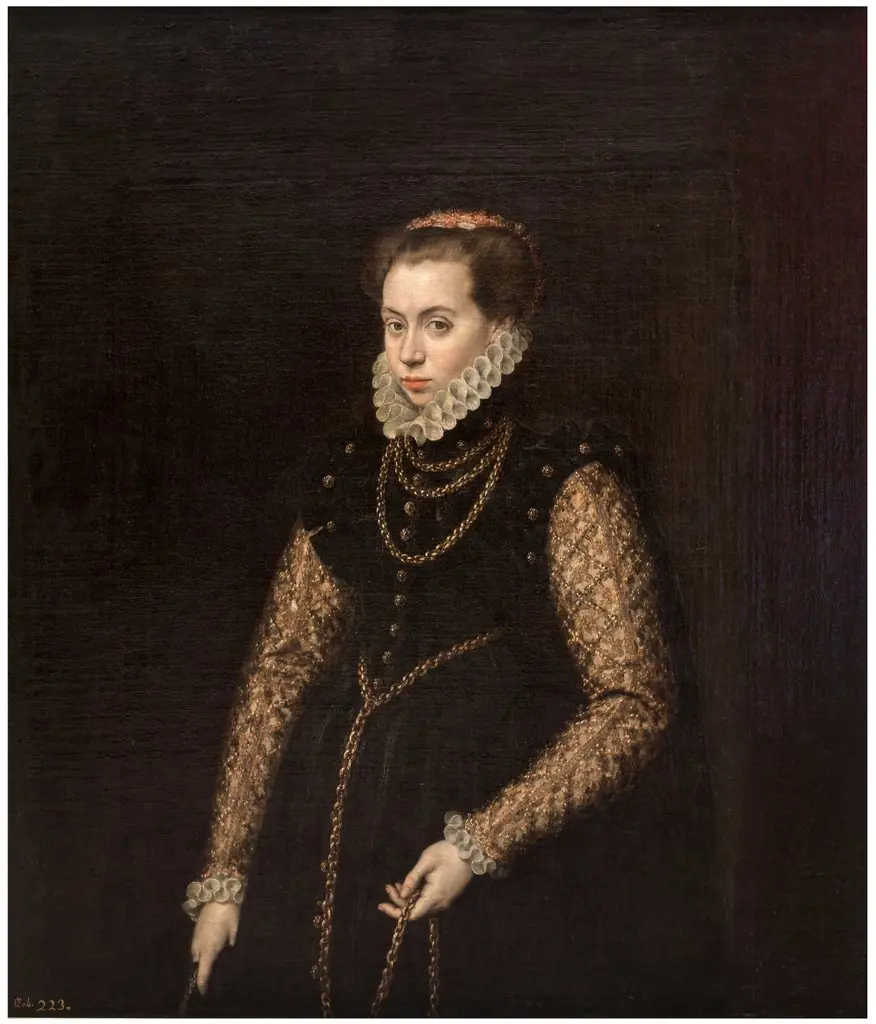 Lady with Gold Chains
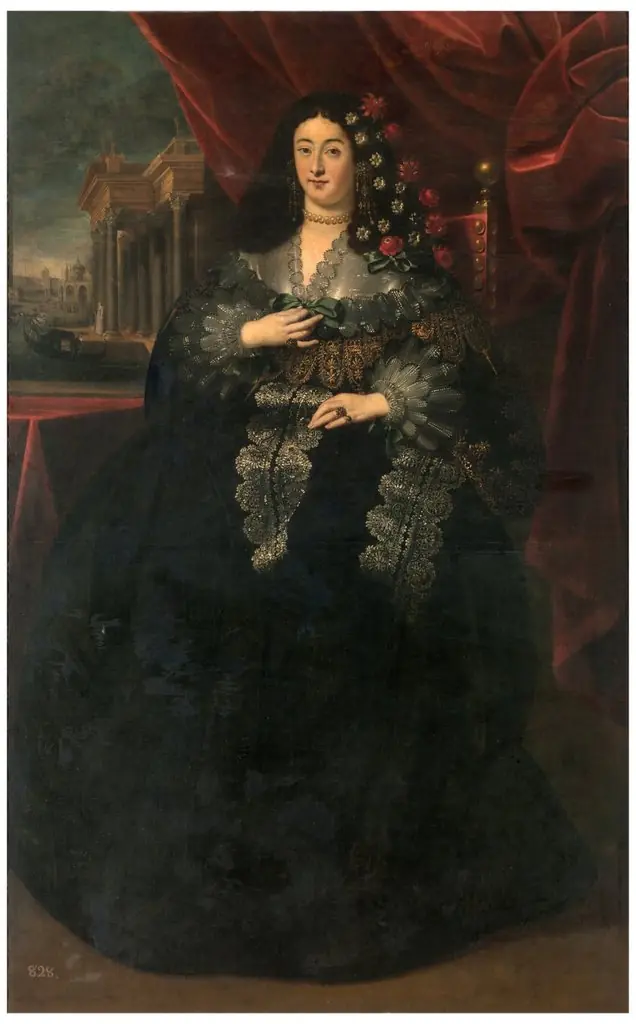 Venetian Lady
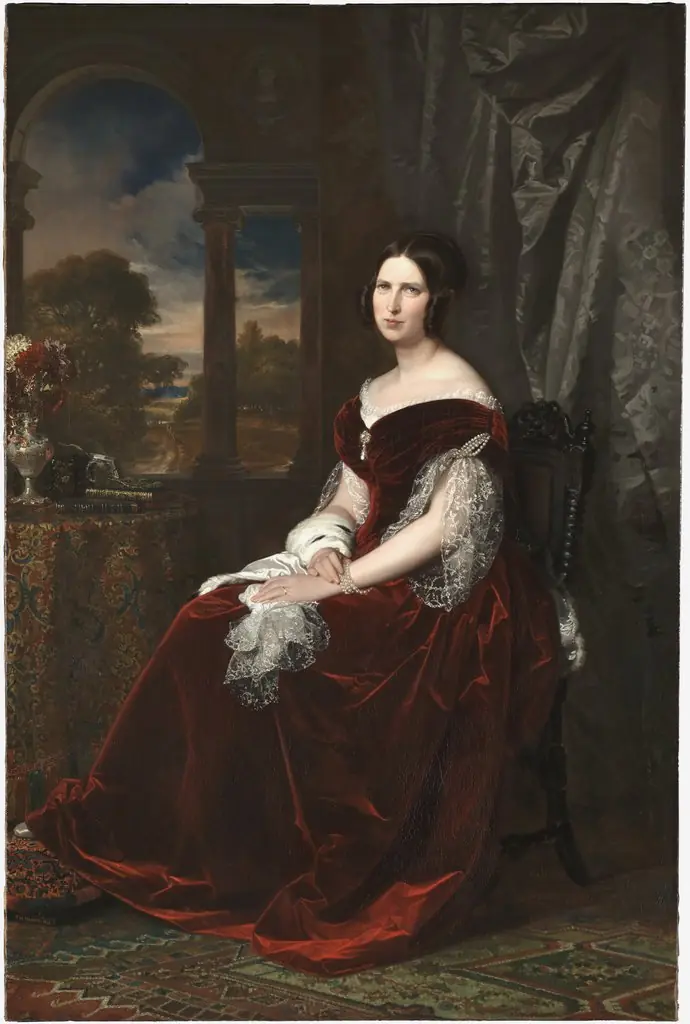 Sabina Seupham Spalding
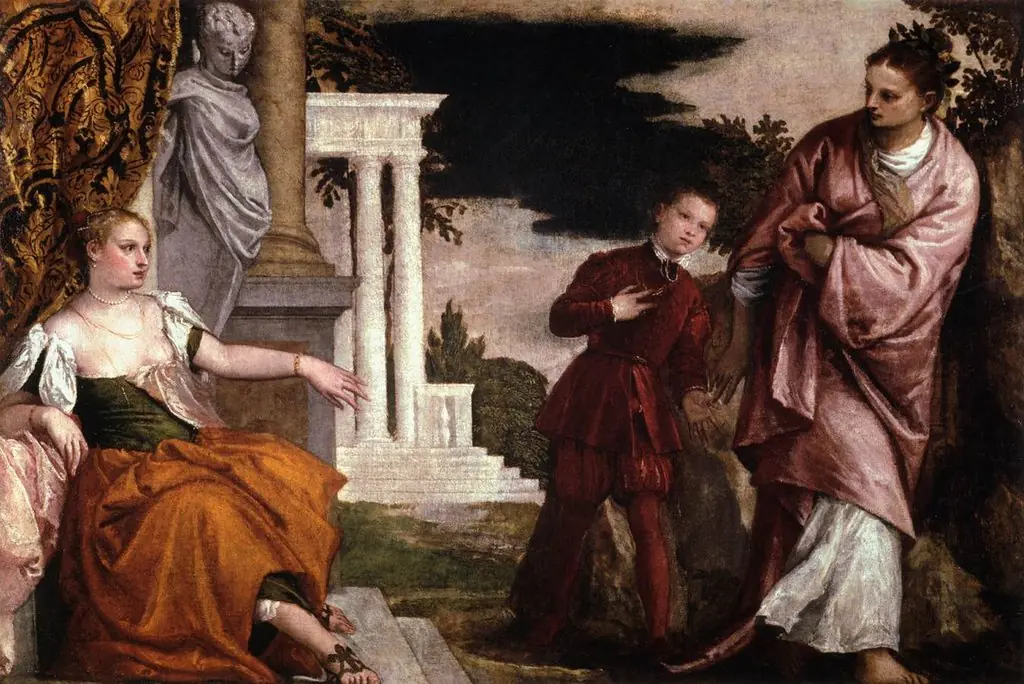 Young Man between Vice and Virtue
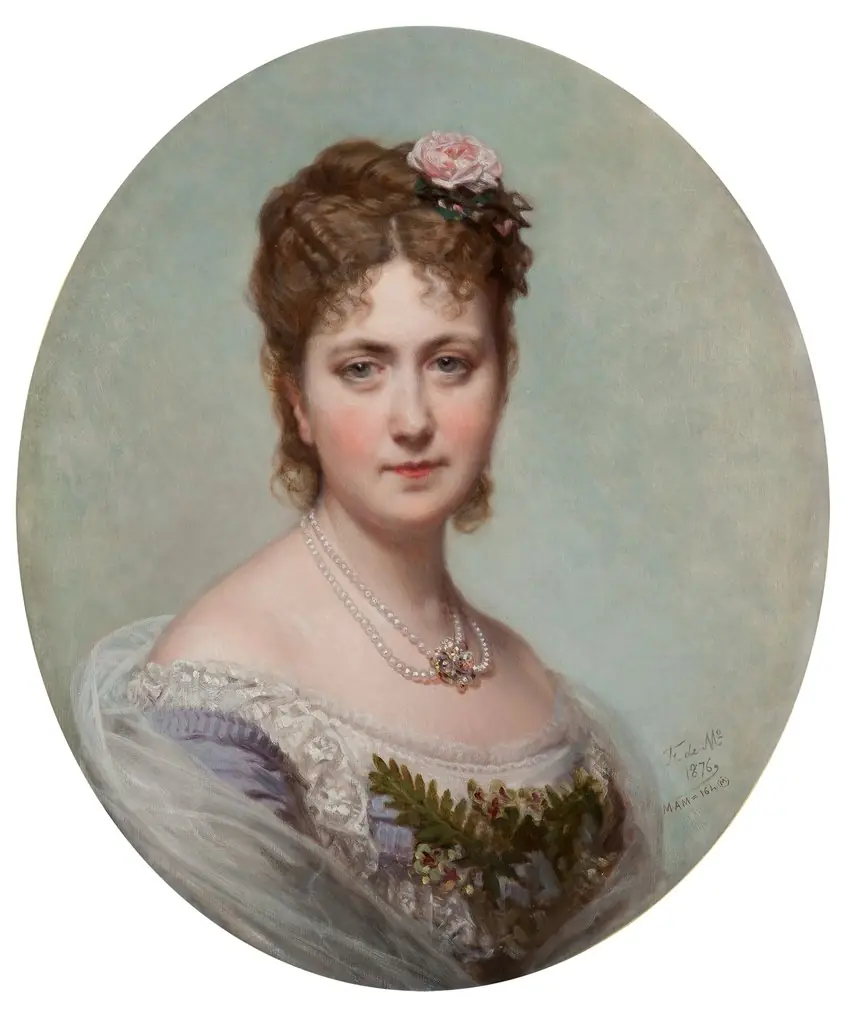 Elisa Tapia y Parrella
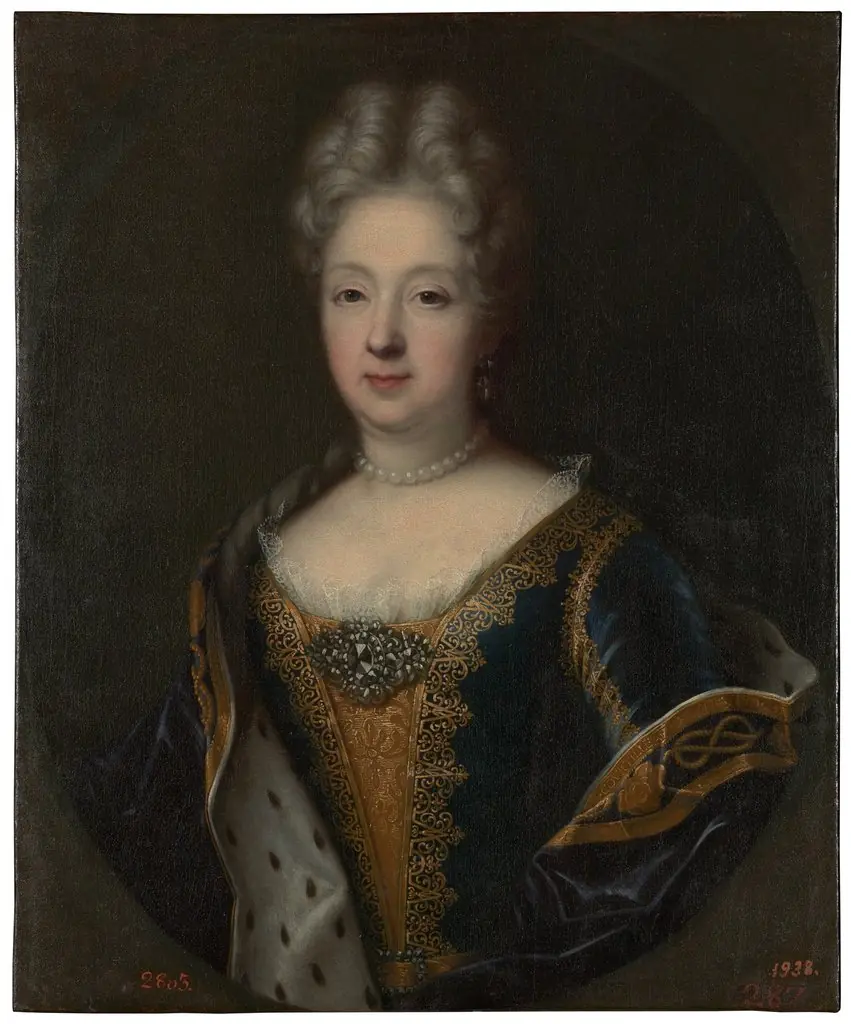 Maria Giovanna Battista Duchess of Savoy
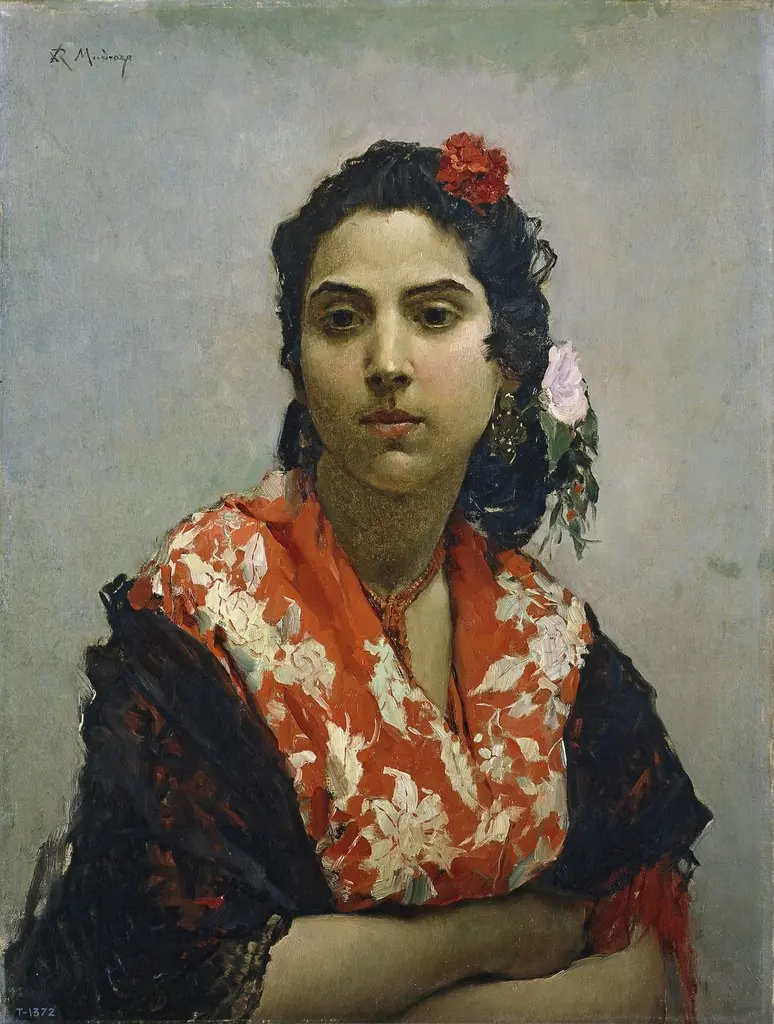 Gipsy girl
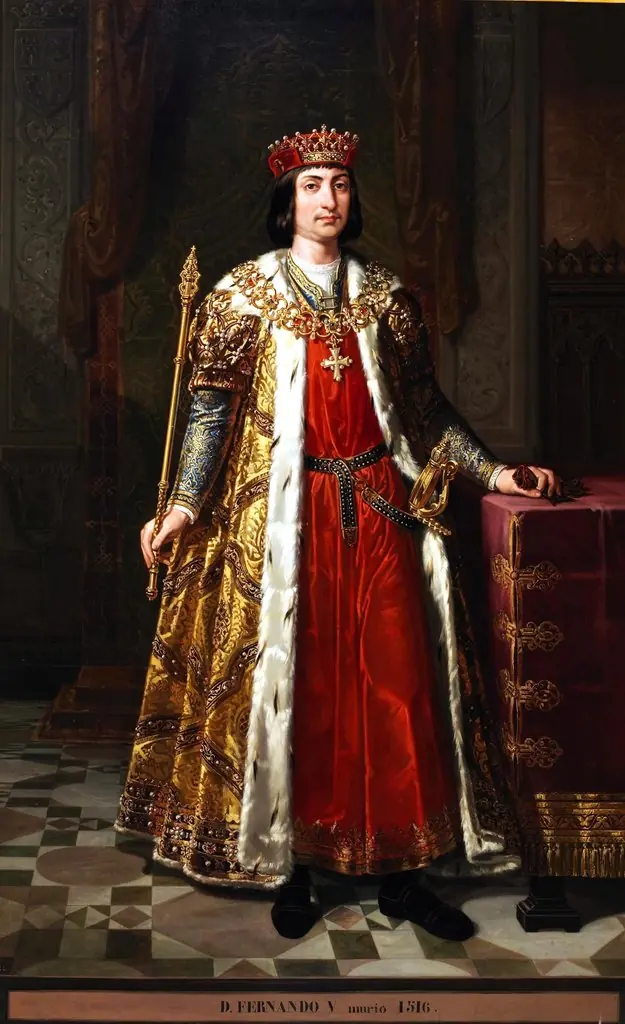 Fernando el Católico
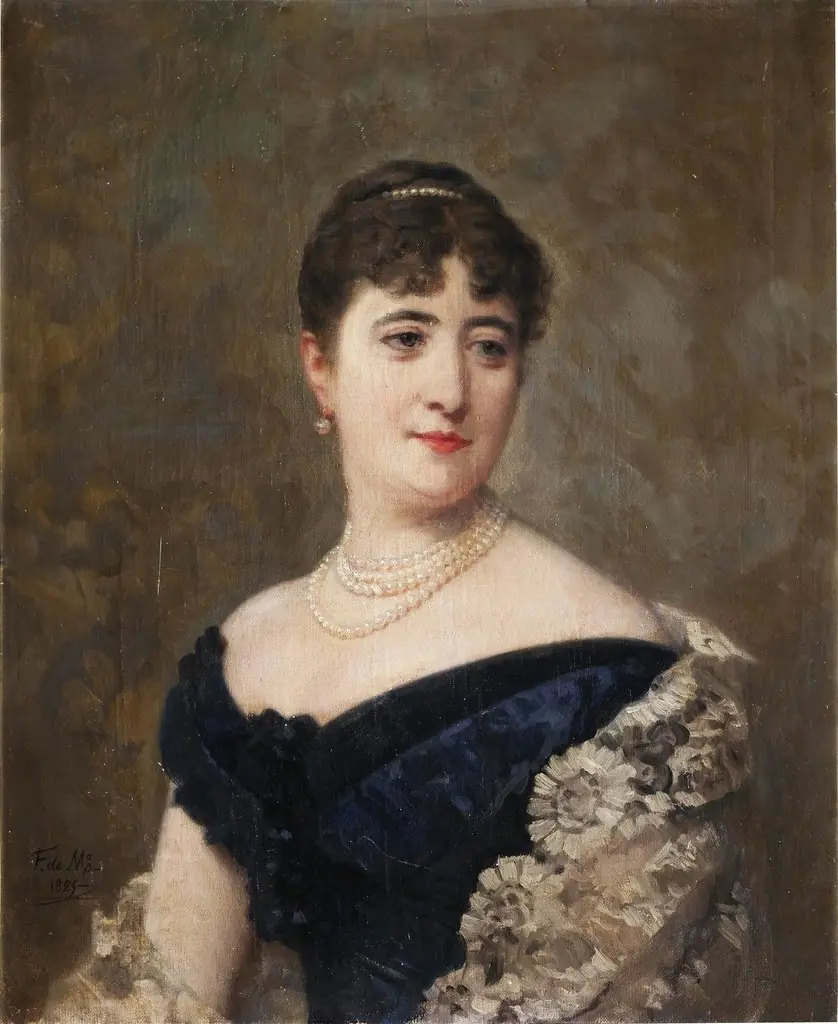 Purificación Fontán, marquesa del Pazo de la Merced
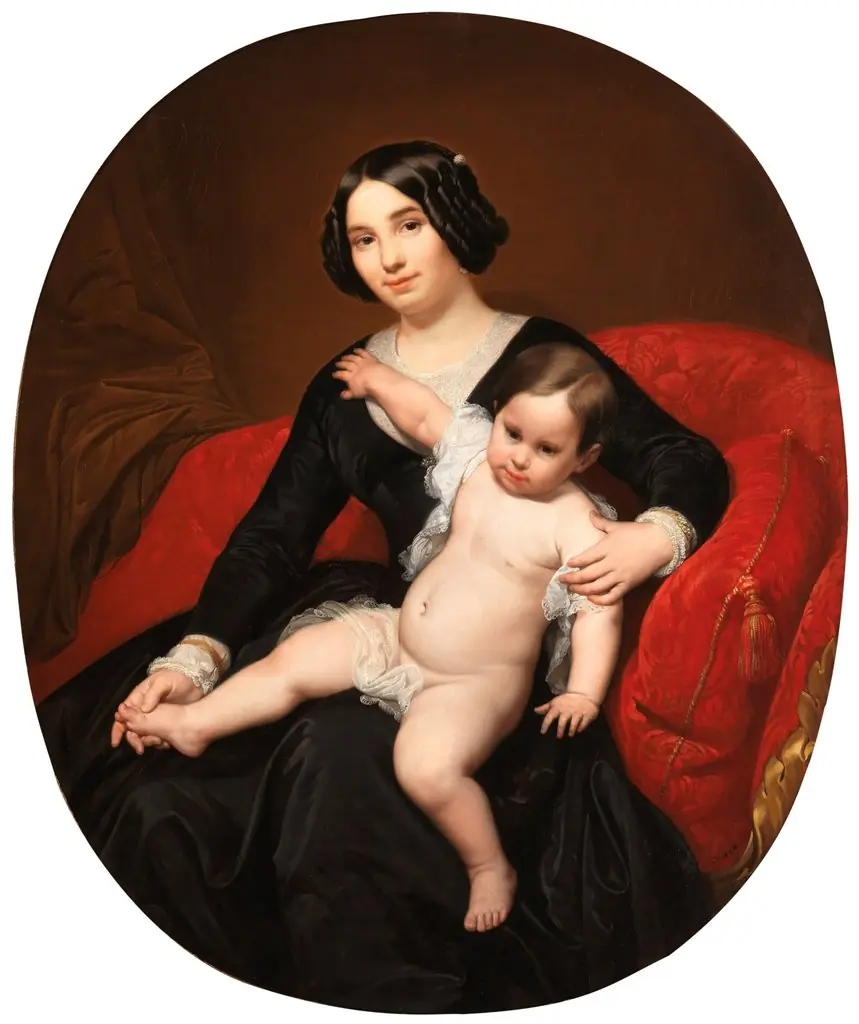 Portrait of a Lady with her Son
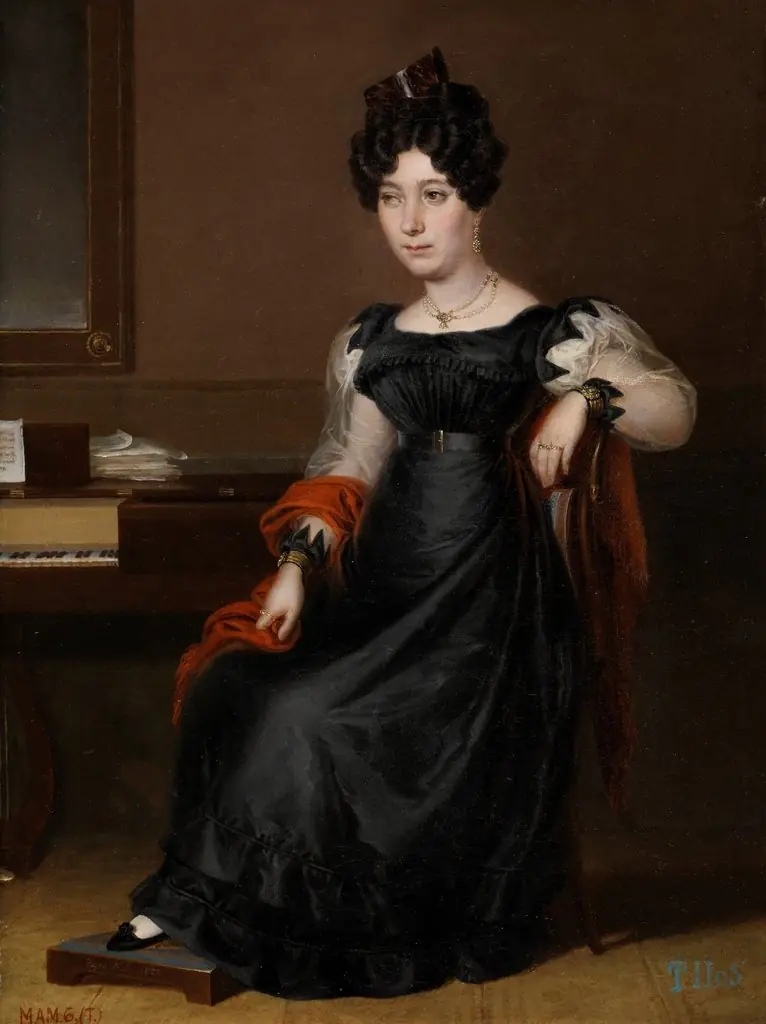 María de la Cruz Benítez
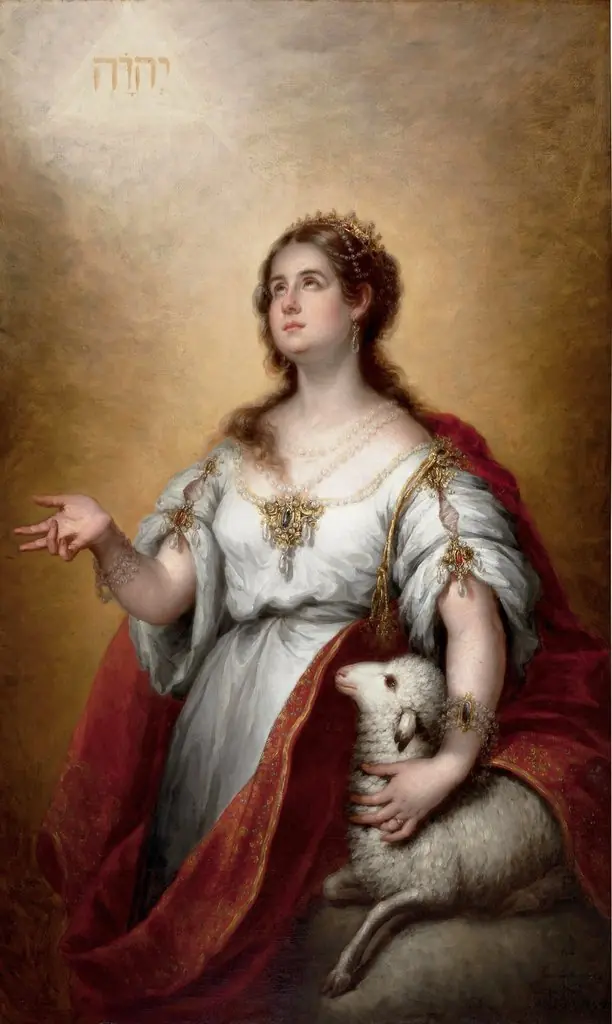 Alegoría del Nuevo Testamento
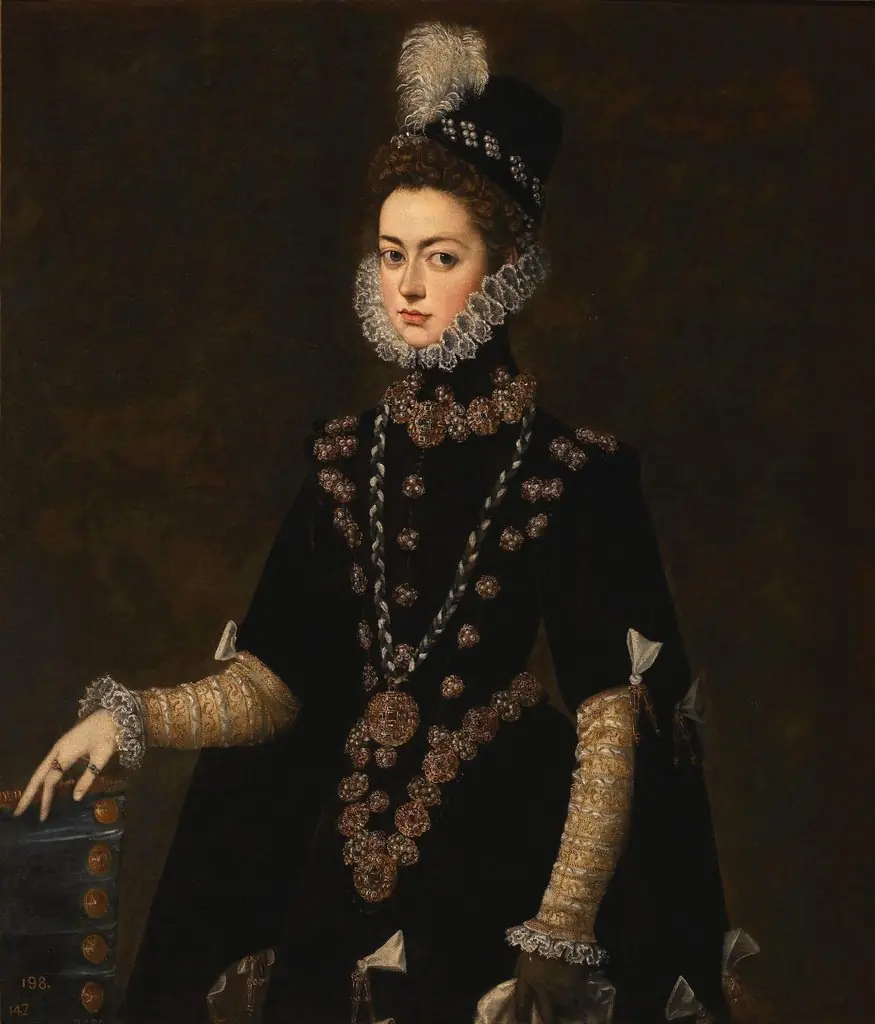 The Infanta Catalina Micaela
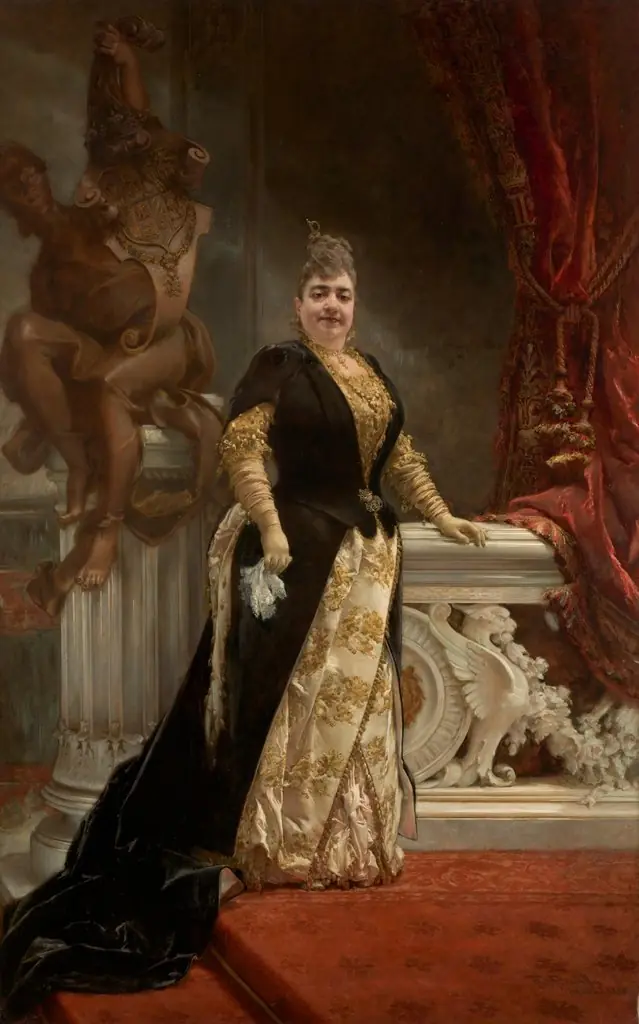 Raimunda Ossorio y Ortega marquesa de Linares
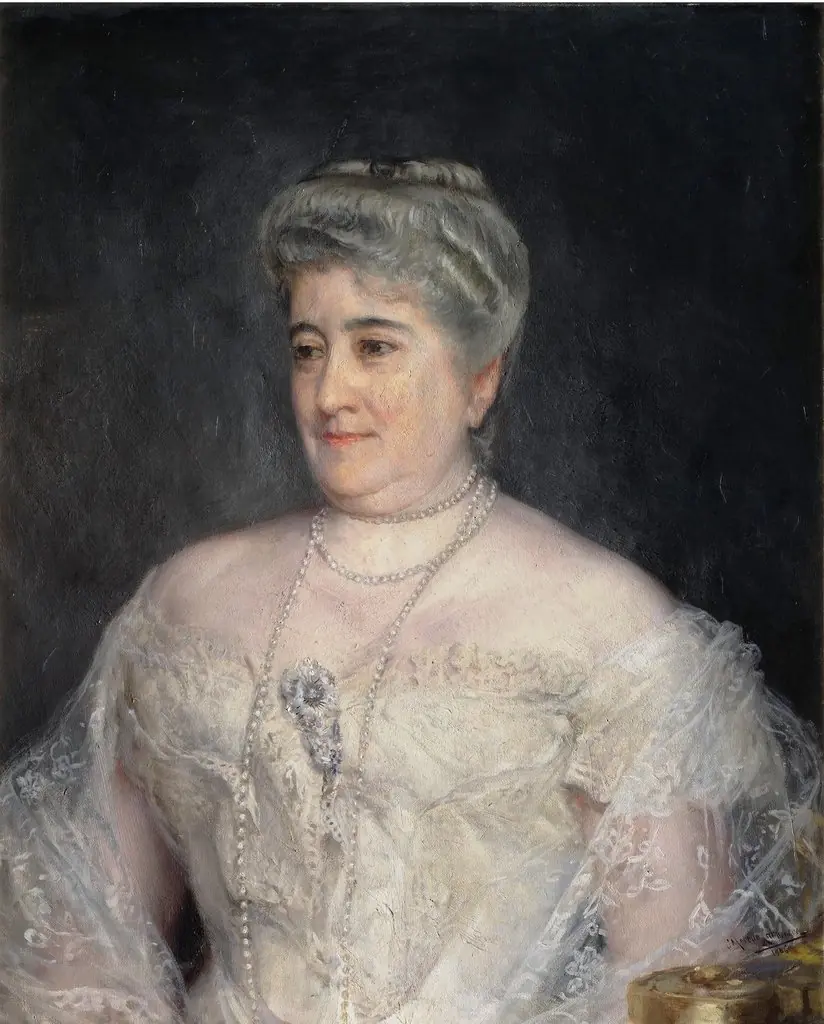 Purificación Fontán marquesa viuda del Pazo de la Merced
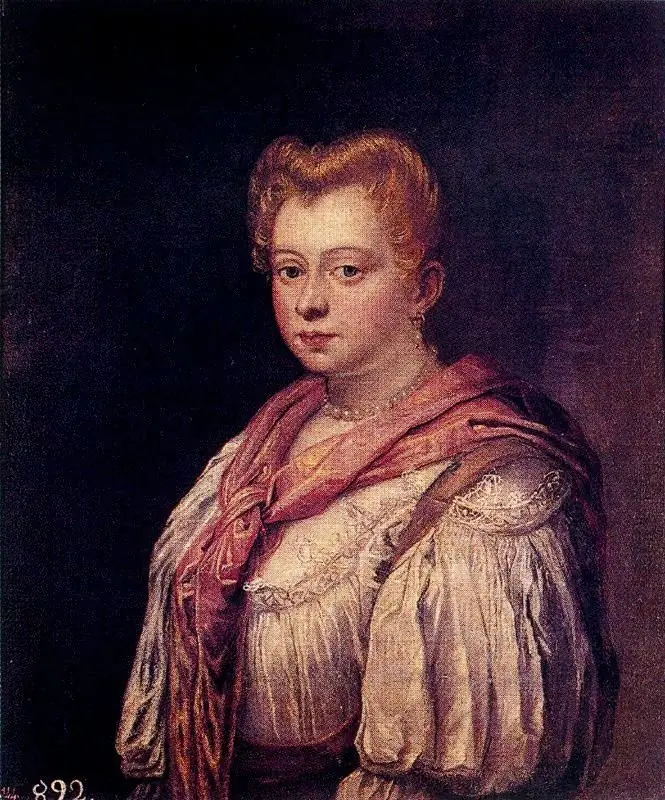 Young Venetian Woman
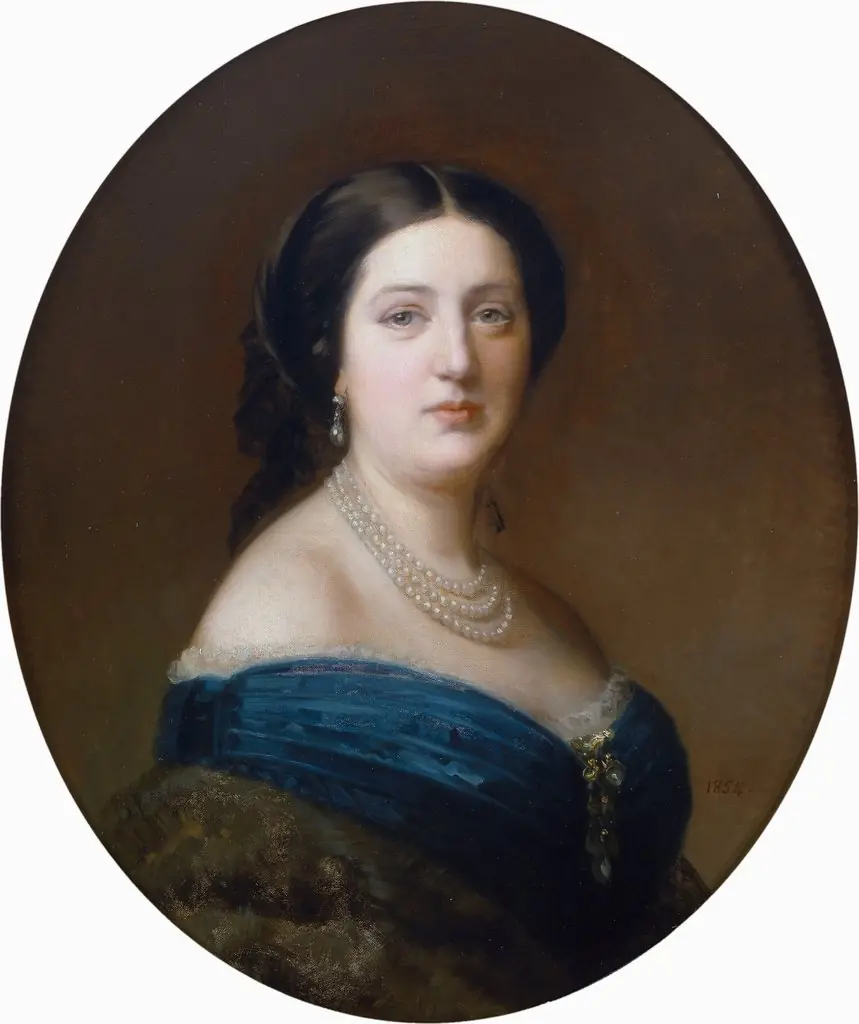 Manuela María Miquel y Lucuy
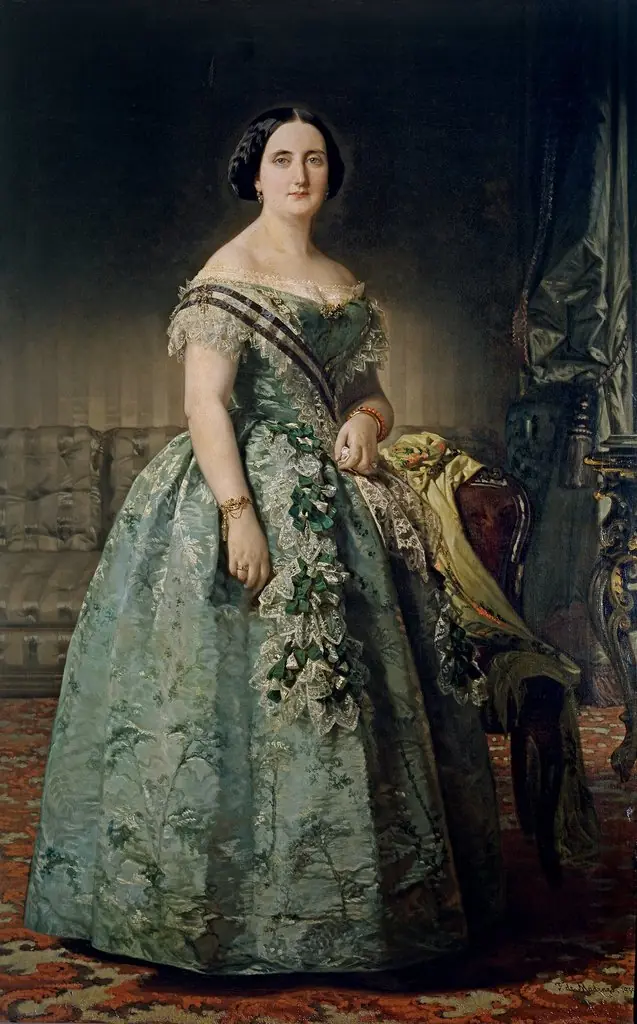 Josefa Coello de Portugal
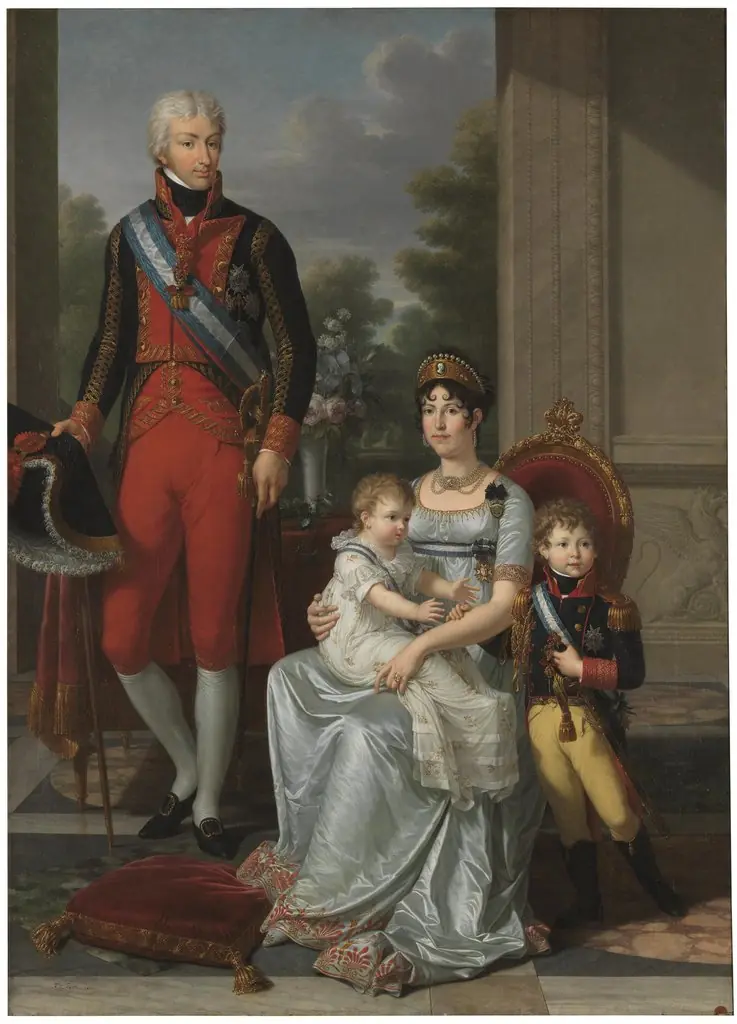 The Etrurian Royal Family
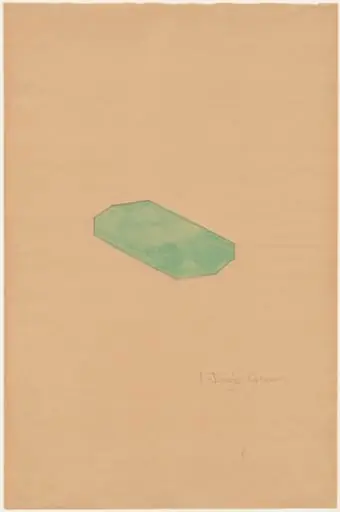 Untitled
 Untitled
Frequently asked questions
What is Gemstone?
Gemstone is a subject in art. A gemstone (also called a fine gem, jewel, precious stone, semiprecious stone, or simply gem) is a piece of mineral crystal which, when cut or polished, is used to make jewelry or other adornments.
How many Gemstone works does Artifact World Gallery have?
Artifact World Gallery holds 163 public-domain Gemstone works, all free to view and download.
Who are the key Gemstone artists?
Key Gemstone artists in the collection include Titian, Paolo Veronese and El Greco.
Where can I see Gemstone works?
Gemstone works in the collection are held by Museo del Prado, Museum of Modern Art and Uffizi Gallery.