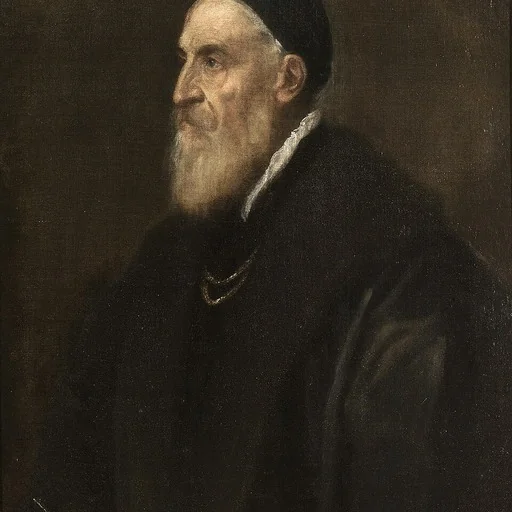
Subject
Water Transport
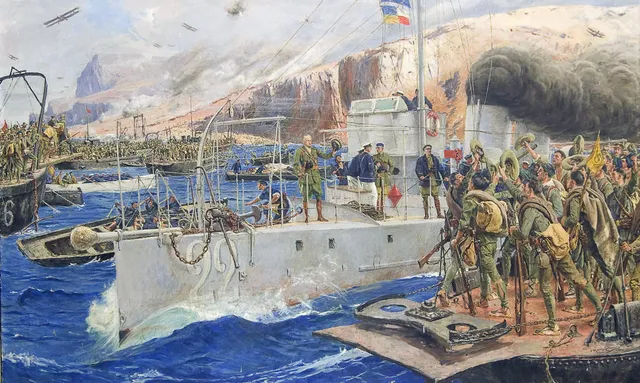
Water Transport is a subject in art. The gallery holds 65 works in this subject in art, including works by Titian, Jacopo Tintoretto and Quinten Metsys.
Maritime transport (or ocean transport) or more generally waterborne transport, is the transport of people (passengers) or goods (cargo) via waterways. Freight transport by watercraft has been widely used throughout recorded history, as it provides a higher-capacity mode of transportation for passengers and cargo than land transport, the latter typically being more costly per unit payload due to it being affected by terrain conditions and road/rail infrastructures.
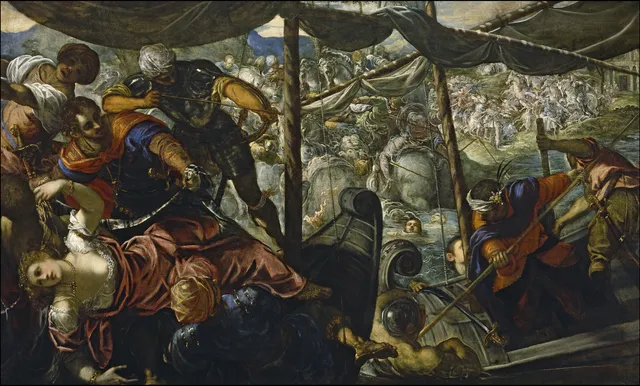
Key artists
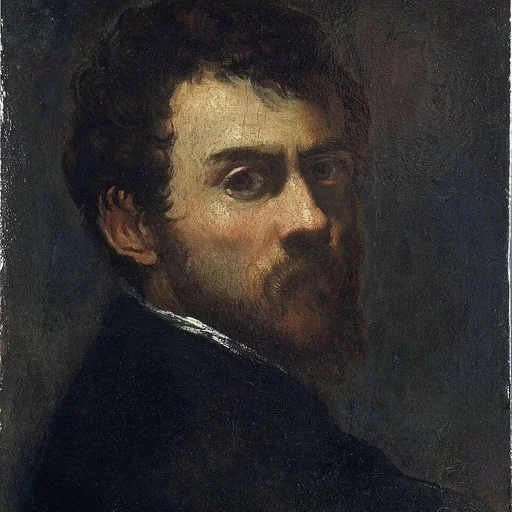
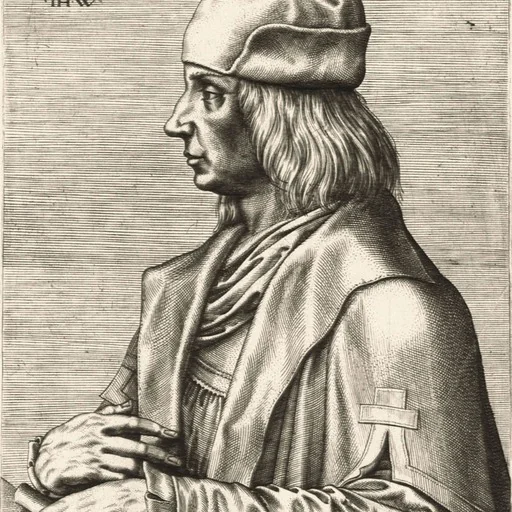
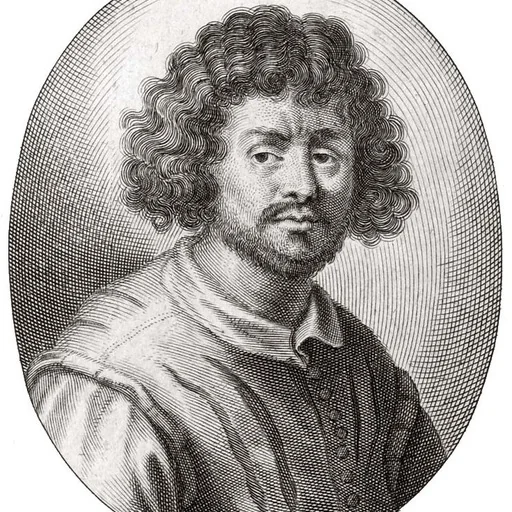
Overview
Water transport, also known as waterborne or maritime transport, is the movement of passengers and cargo via waterways. This subject recurs throughout art history because waterborne transit has been a foundational element of human civilization since prehistory. Beginning around 4000 BCE in river-valley and coastal societies such as Mesopotamia, basic watercraft allowed people to move goods and people along waterways. Water transport historically provided a higher-capacity and more cost-effective mode of transit than land transport, which was constrained by terrain and infrastructure. The subject encompasses voyages across oceans, lakes, rivers, and canals for commercial, recreational, or military purposes, making it a constant visual fixture in human visual culture.
Across movements & periods
The artistic treatment of water transport has shifted alongside technological and cultural transformations. In ancient and medieval periods, artists depicted rudimentary vessels like rafts and rowed boats, reflecting early propulsion methods. During the Renaissance, ships were integrated into expansive landscapes and mythological scenes, serving as both narrative devices and demonstrations of spatial depth. The early modern era saw the rise of maritime empires, and art correspondingly shifted to document naval power, military landings, and global trade routes. The advent of steam power in the 19th century and the later transition to diesel and nuclear propulsion in the 20th century transformed the iconography from wind-driven vessels to mechanical leviathans, though modern and contemporary painters have also returned to the elemental, atmospheric qualities of coastal waters and traditional watercraft.
Legacy
The legacy of water transport as an artistic motif persists even as the practical dominance of sea travel has shifted. The advent of commercial aviation during the 20th century diminished the importance of sea travel for passengers, restricting regular maritime transit largely to short ferry routes and pleasure cruises. However, maritime transport remains the backbone of global trade, accounting for roughly 80 to 90 percent of international commerce by volume. The mid-20th century revolution of containerization fundamentally altered the visual landscape of ports and ships, replacing varied cargo with standardized steel boxes. While the massive container ships and diesel-powered vessels of the modern era lack the romantic sail-powered silhouettes of previous centuries, the fundamental image of the vessel navigating the water continues to serve as a potent symbol of human connectivity, commerce, and the enduring desire to traverse the unknown.
Works
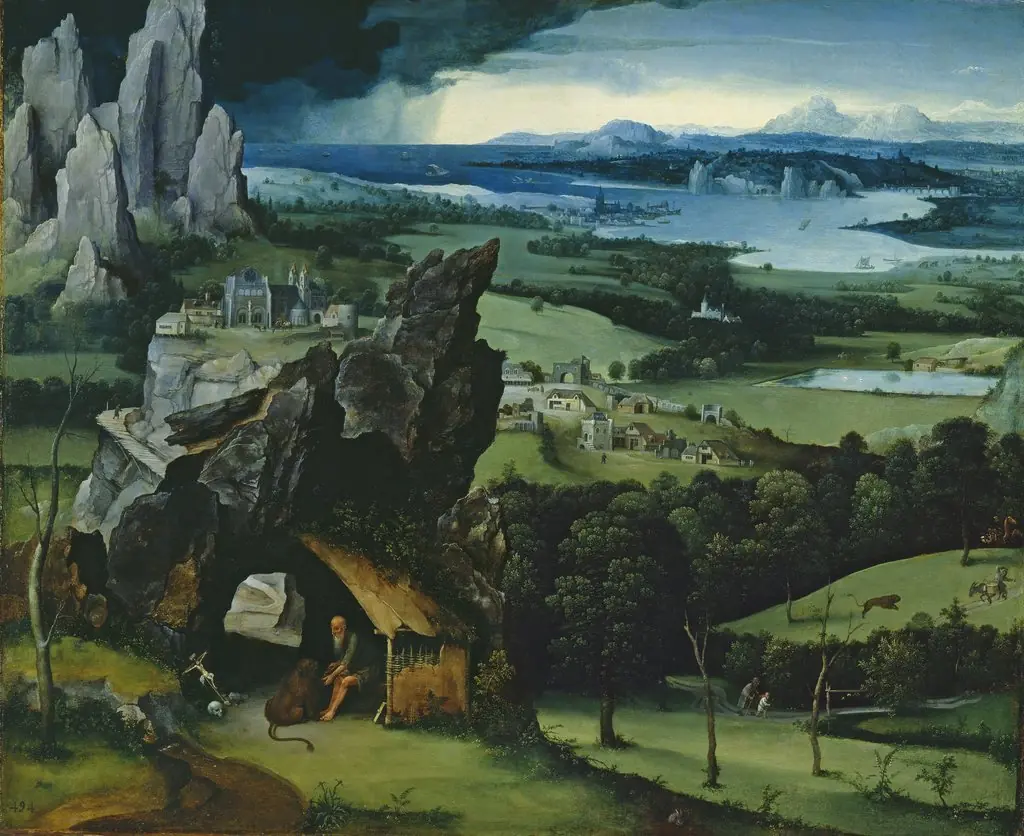 Landscape with St Jerome
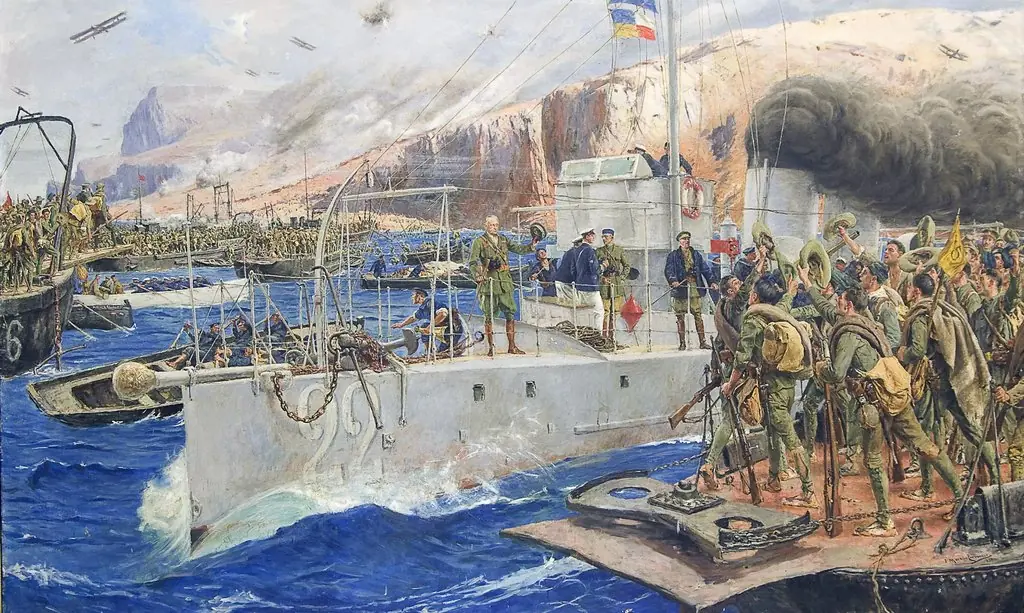 Alhucemas Landing
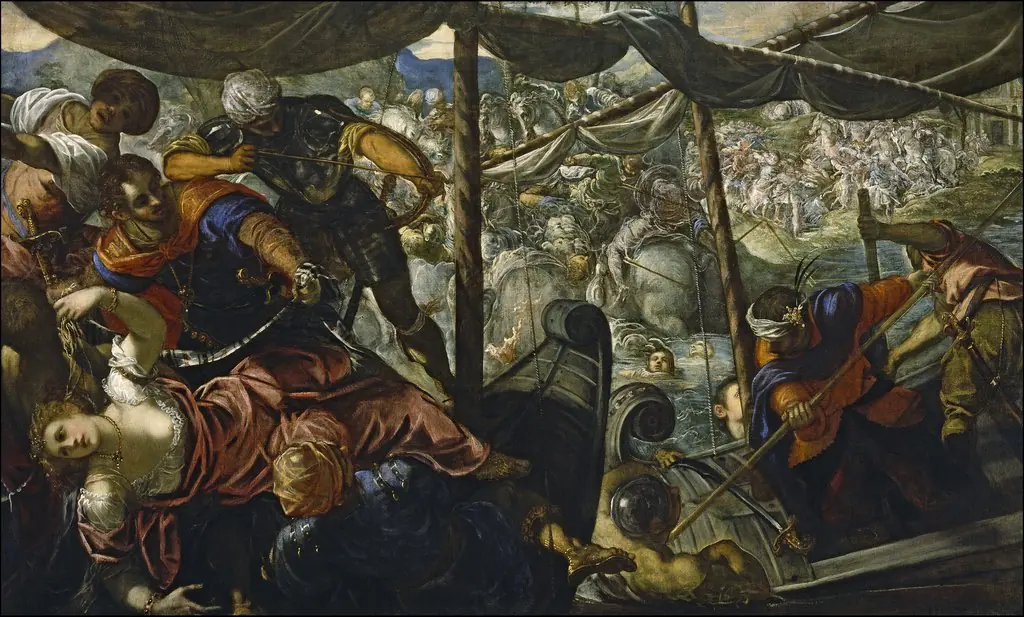 The Rape of Helen
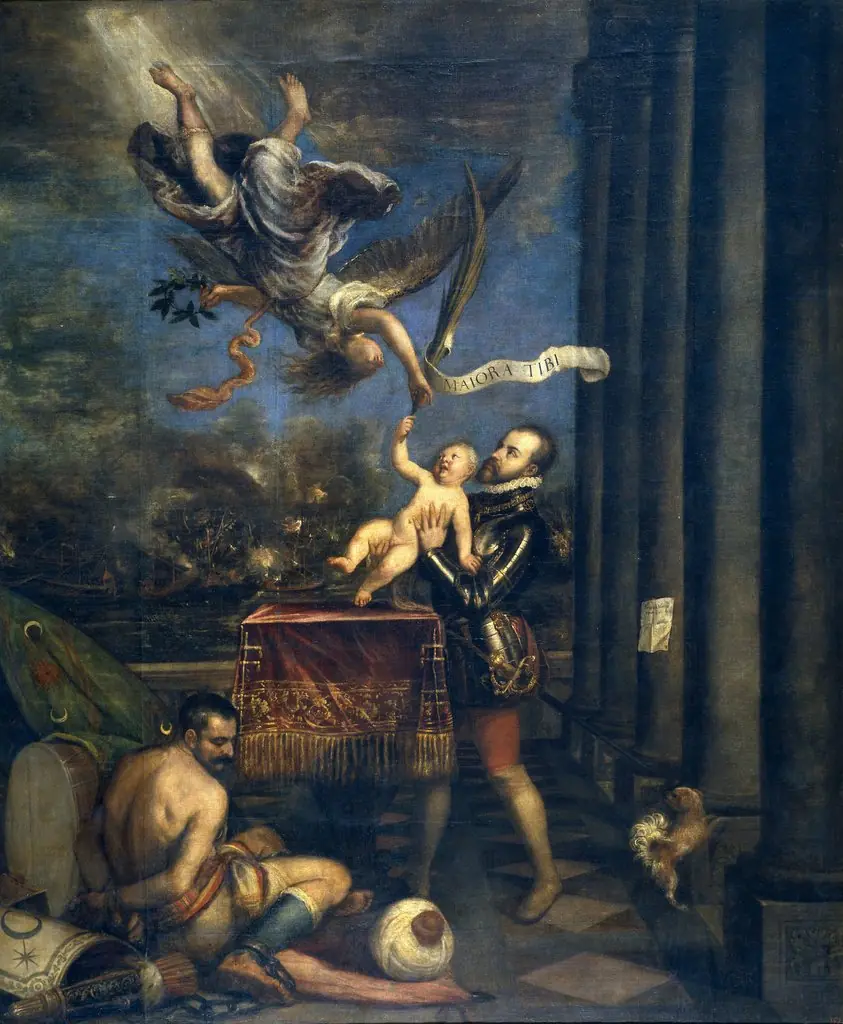 Philip II offering the Infante don Fernando to the Heavens
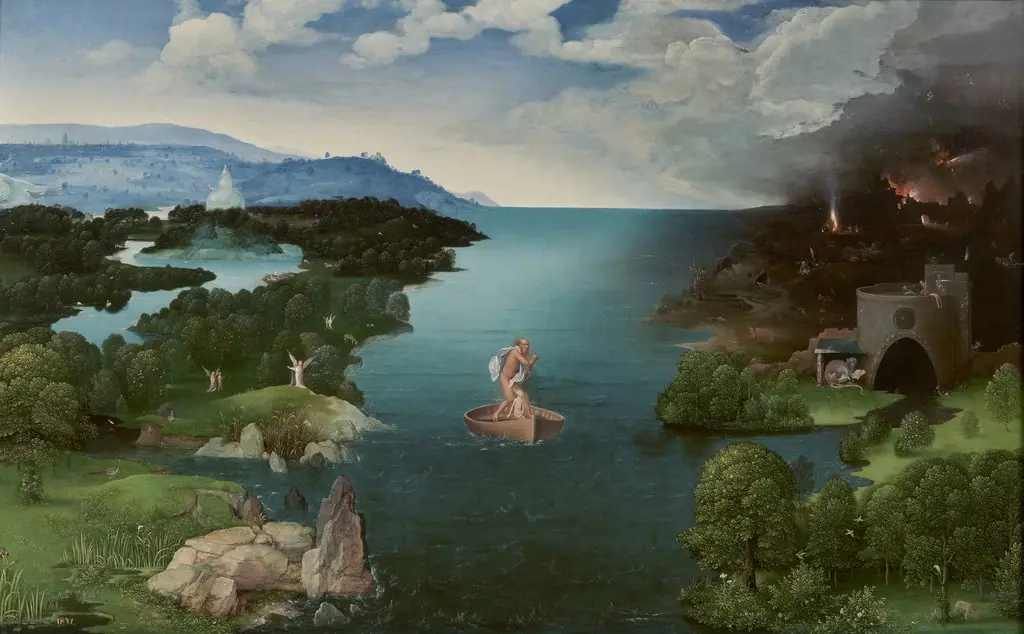 Landscape with Charon Crossing the Styx
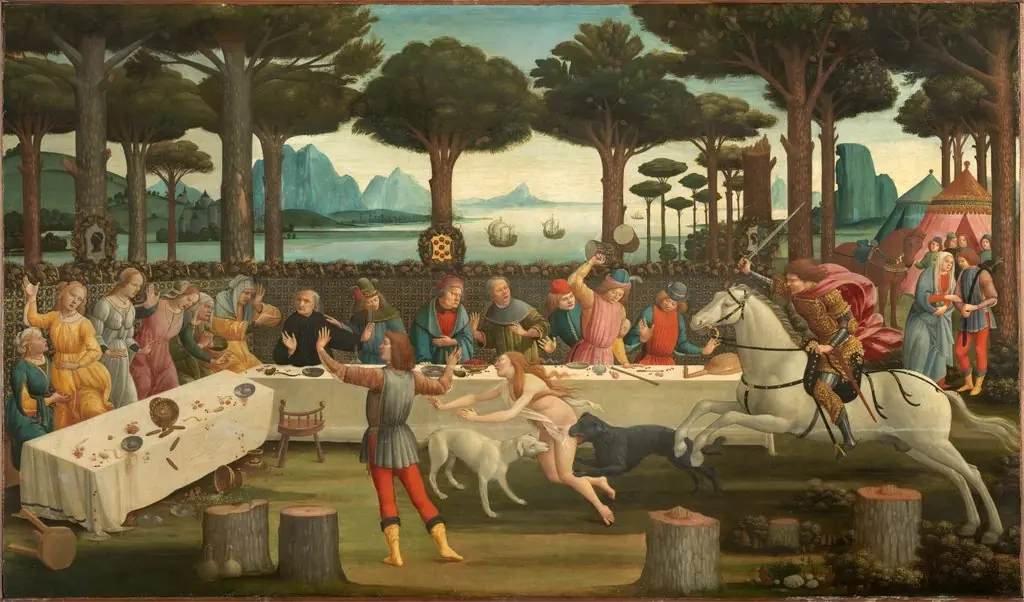 The Story of Nastagio Degli Onesti, part three
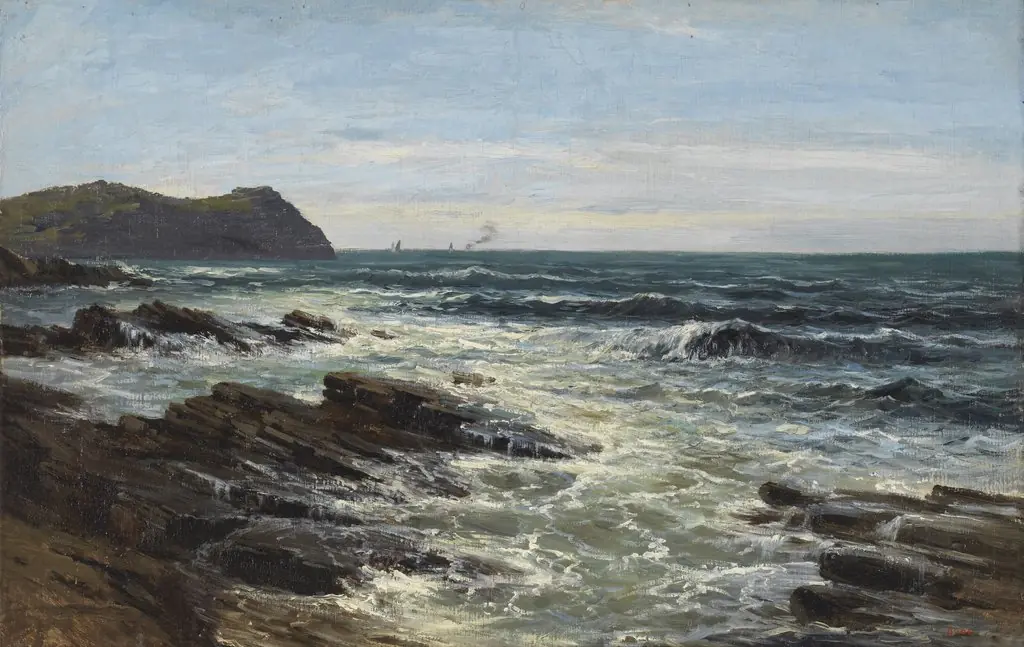 Acantilados (Guéthary)
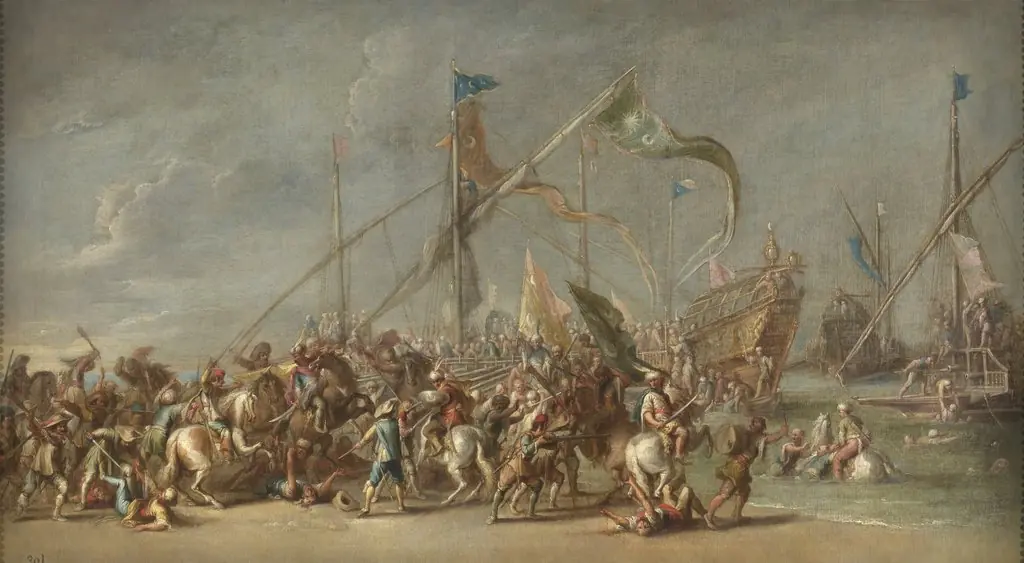 Landing and combat
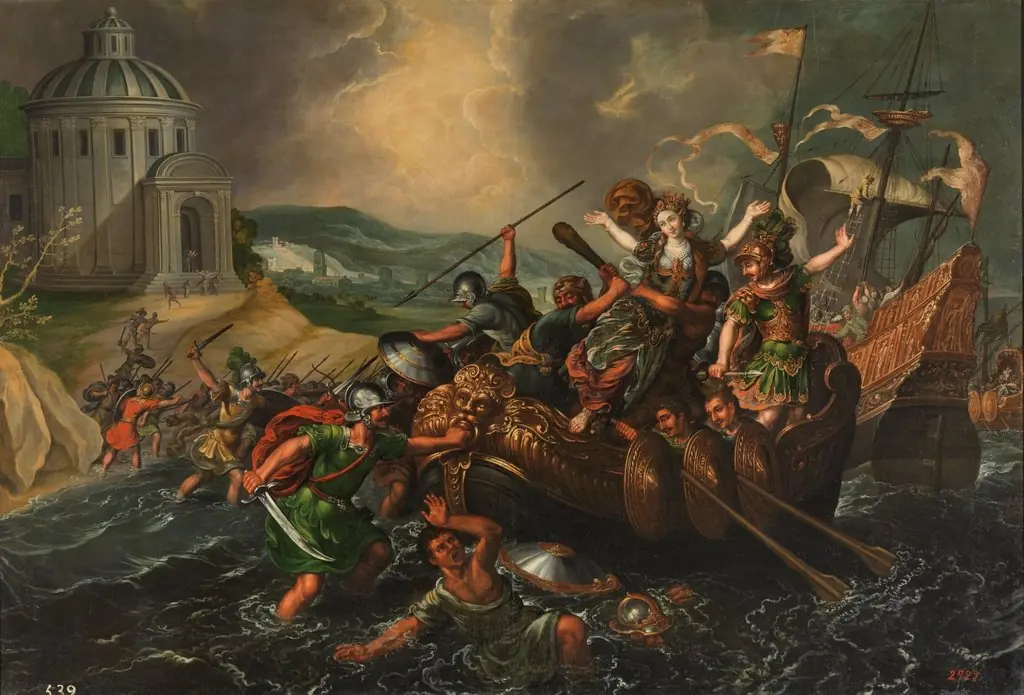 The Rape of Helen by Juan de la Corte
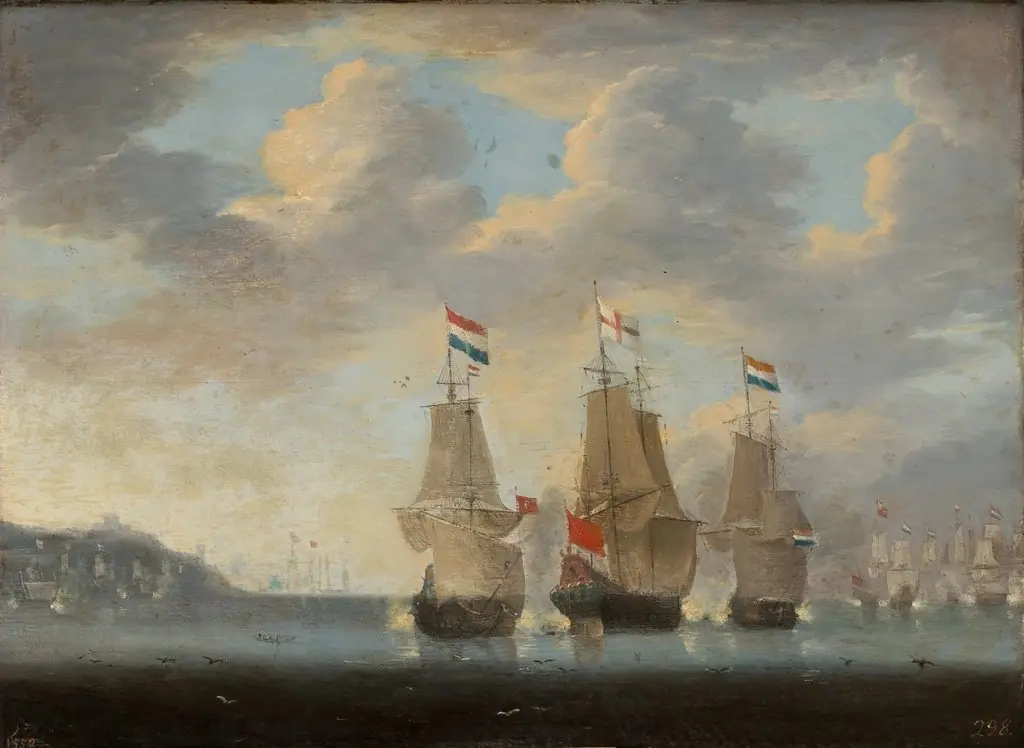 Naval Battle
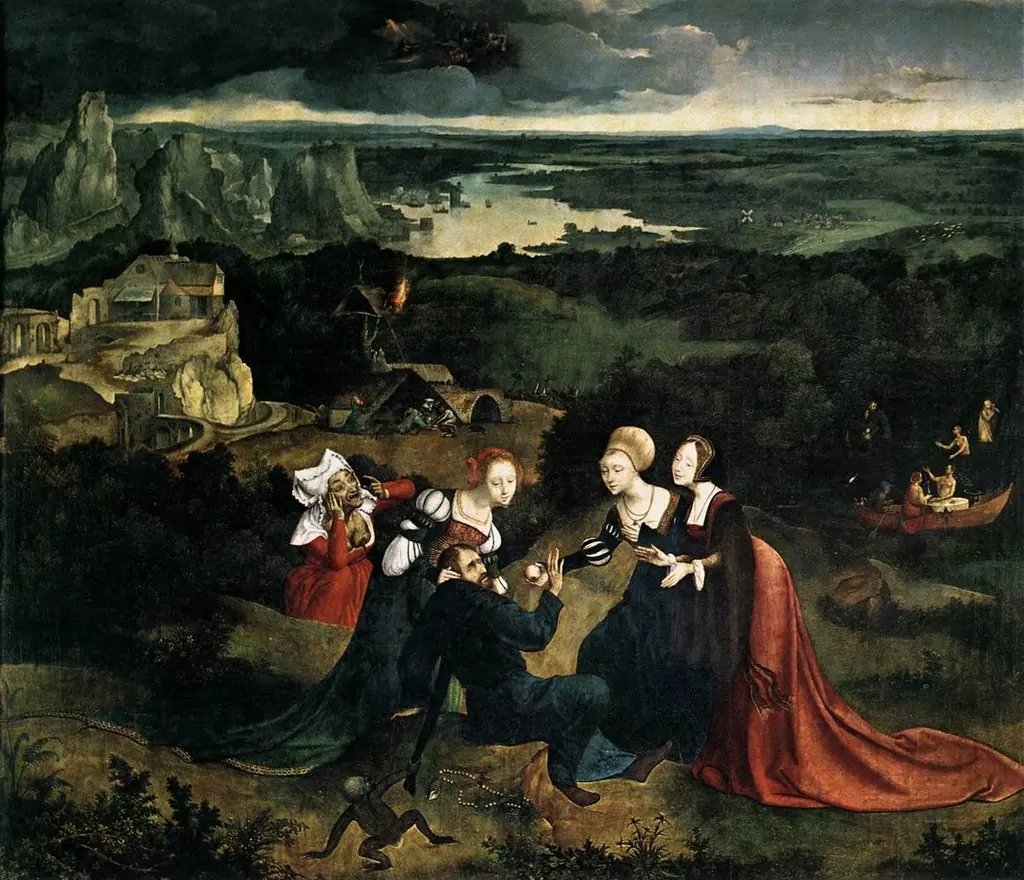 The Temptations of Saint Anthony the Abbot
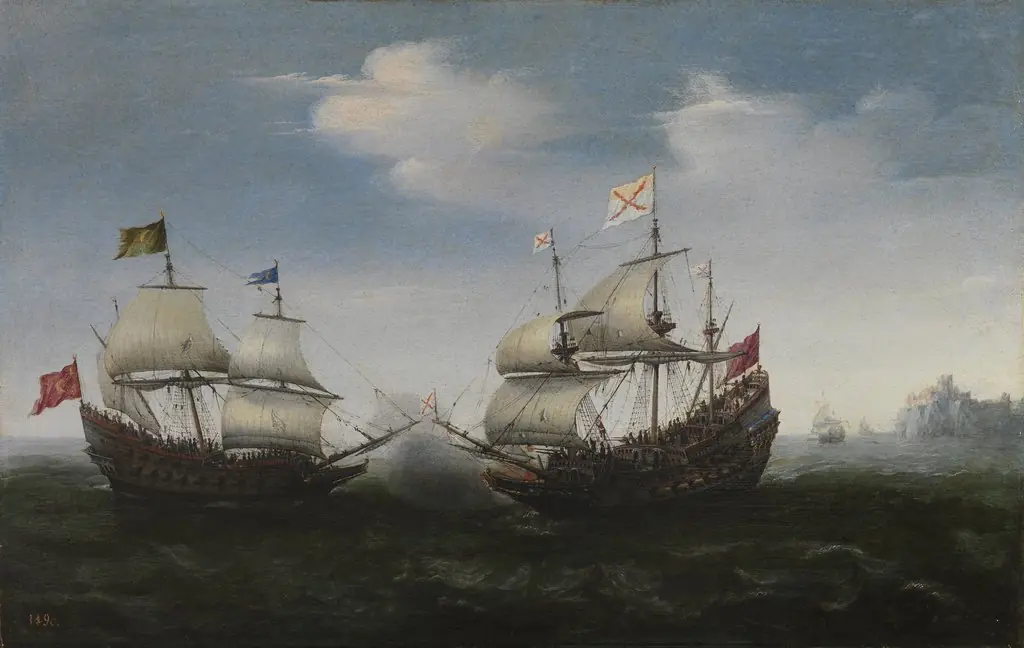 Naval Battle off a Rocky Coast
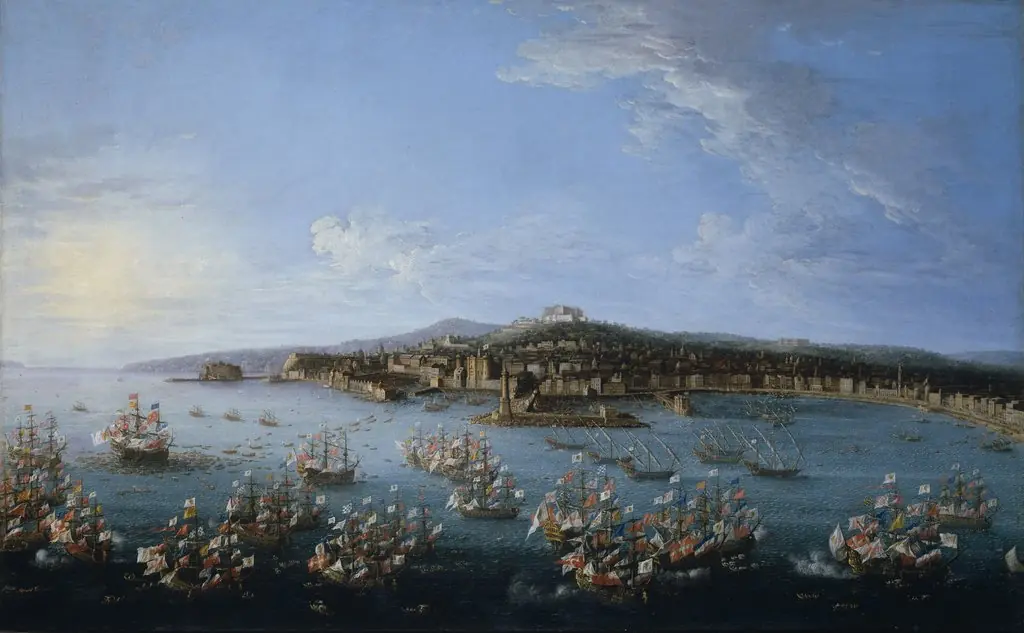 Carlos III leaving the Port of Naples, as Seen from the Sea
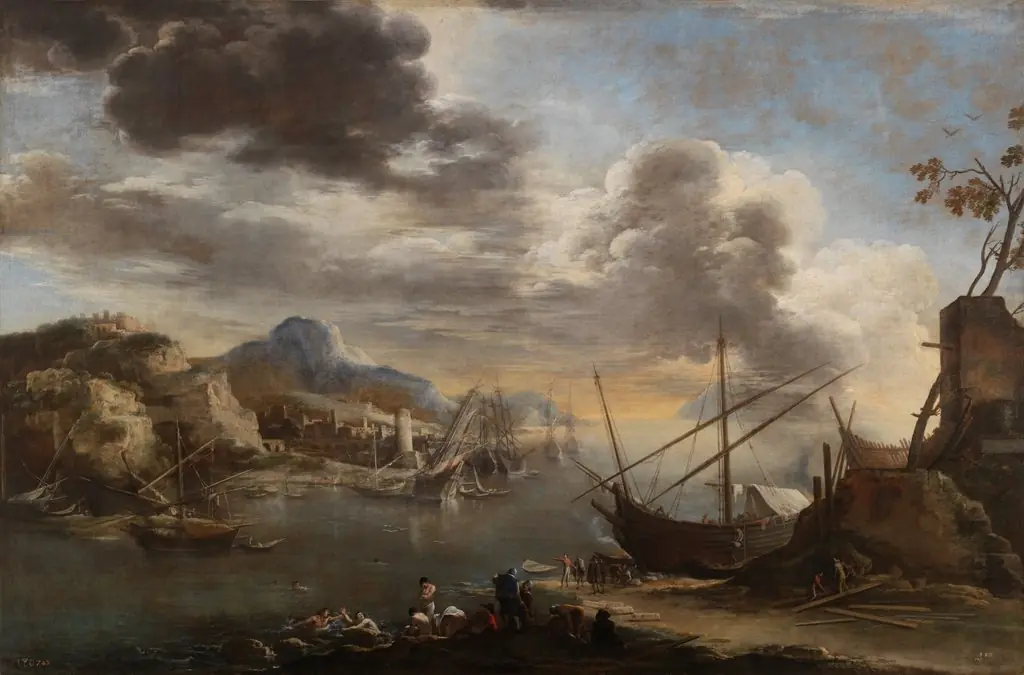 A harbour scene
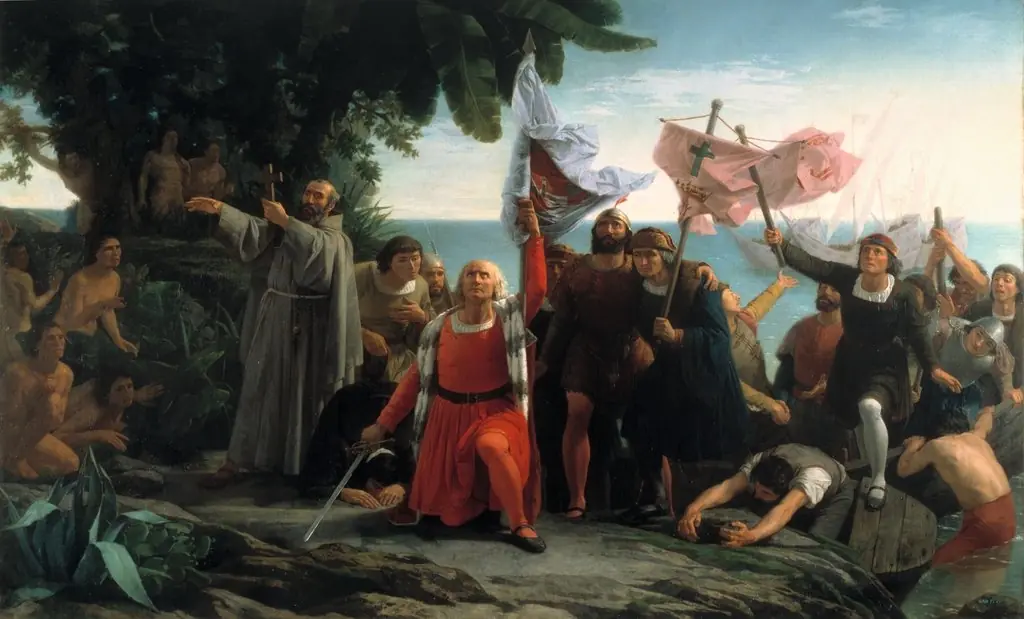 Primer desembarco de Cristóbal Colón en América
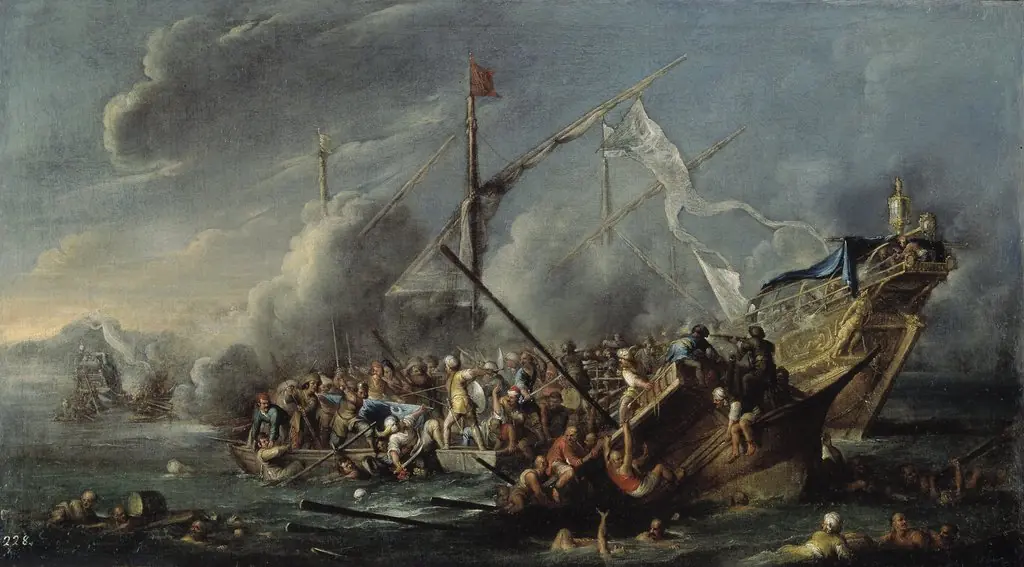 Combate naval entre españoles y turcos
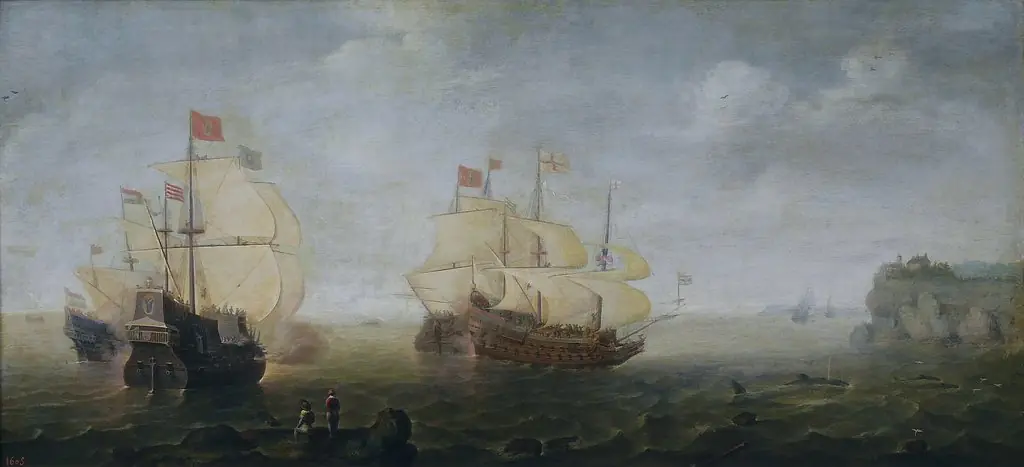 Naval Battle
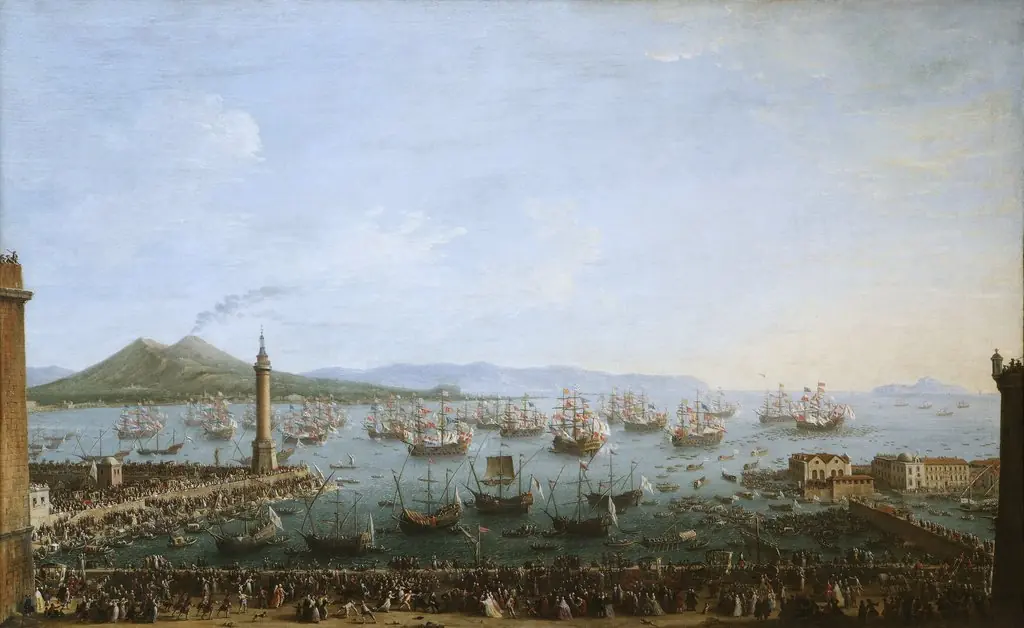 Carlos III leaving the Port of Naples, as Seen from the Land
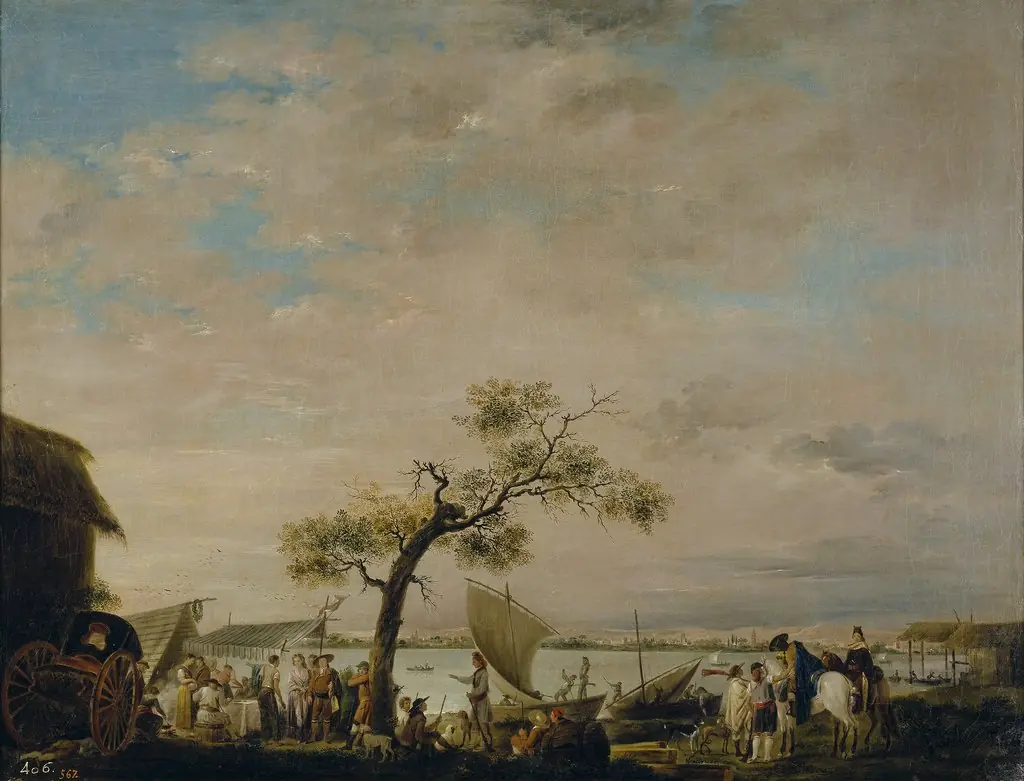 View of the Albufera in Valencia
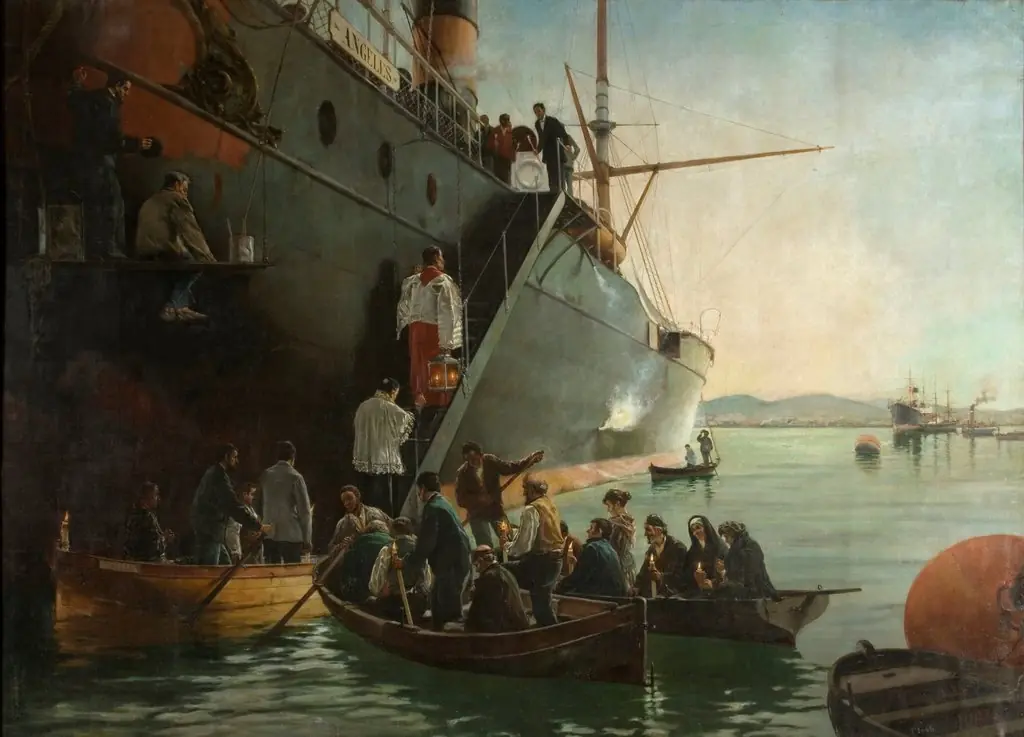 El viático a bordo
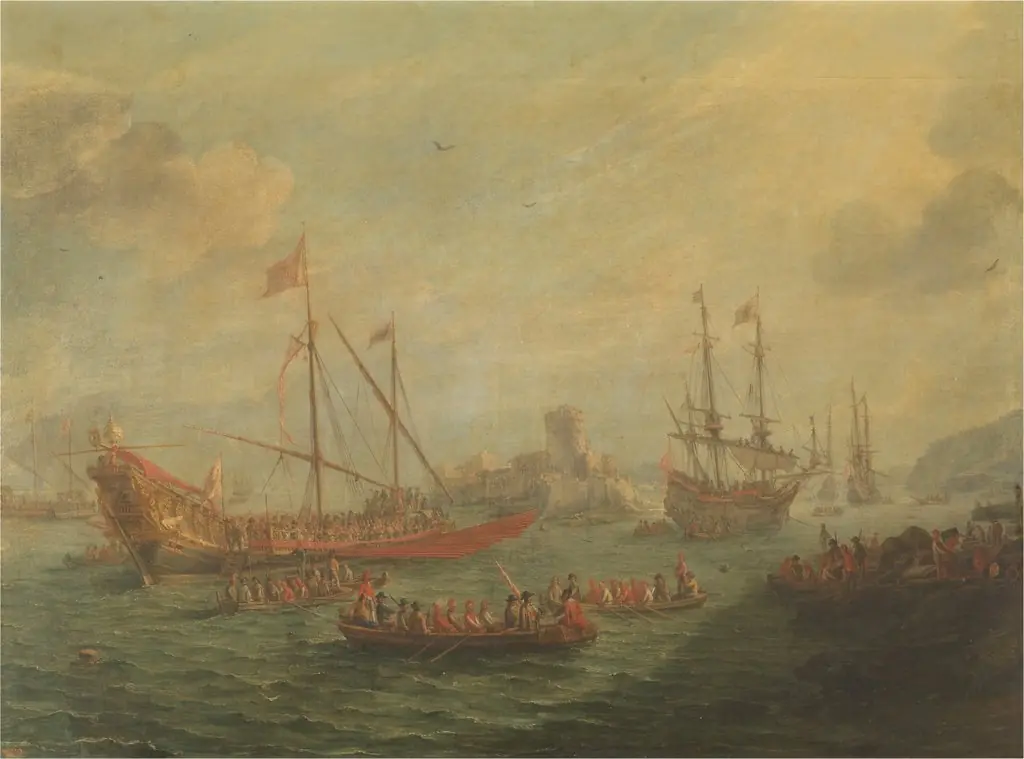 Marine Painting
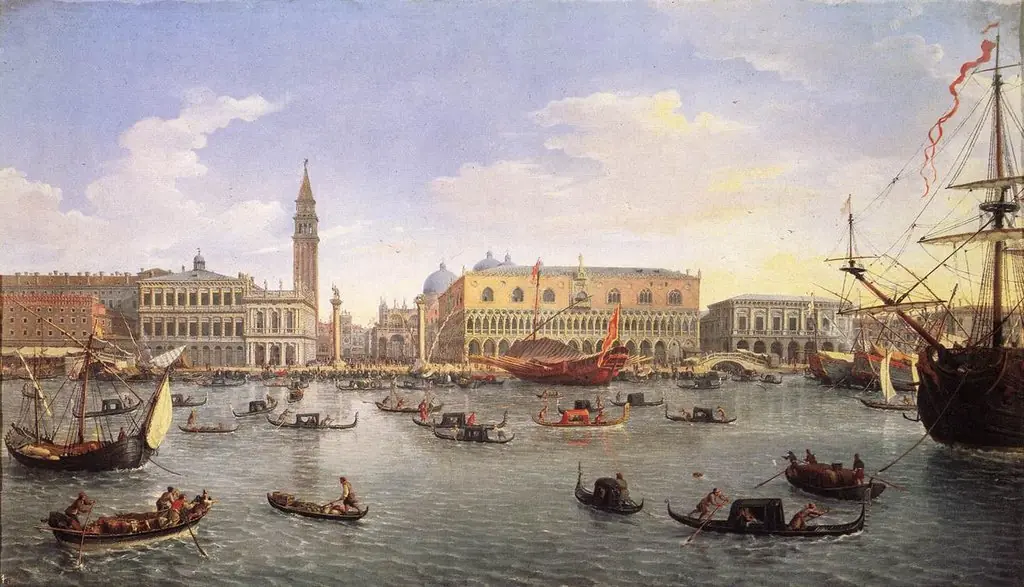 View of Venice from the Island of San Giorgio
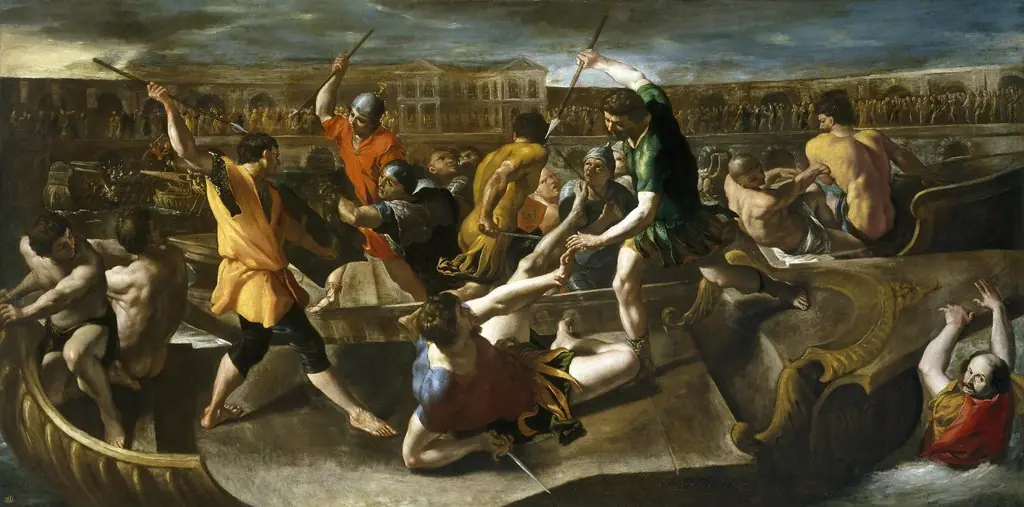 Naumaquia romana
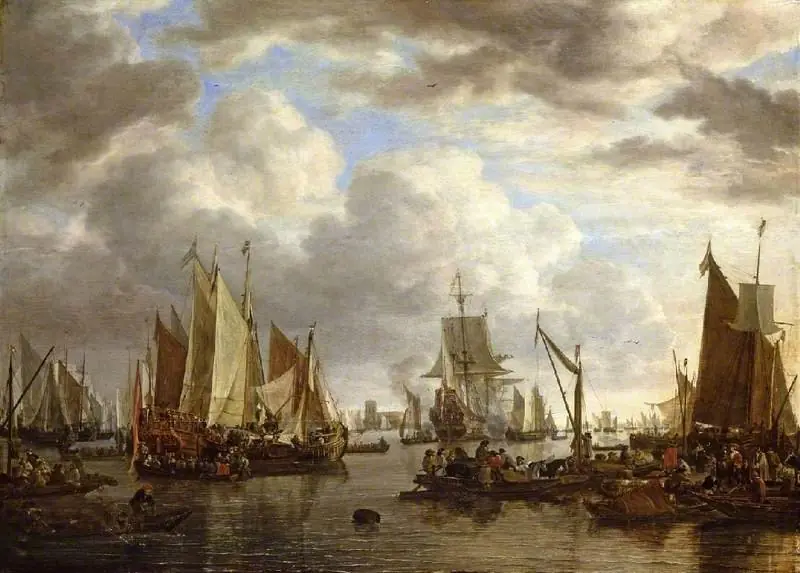 Shipping before Dordrecht
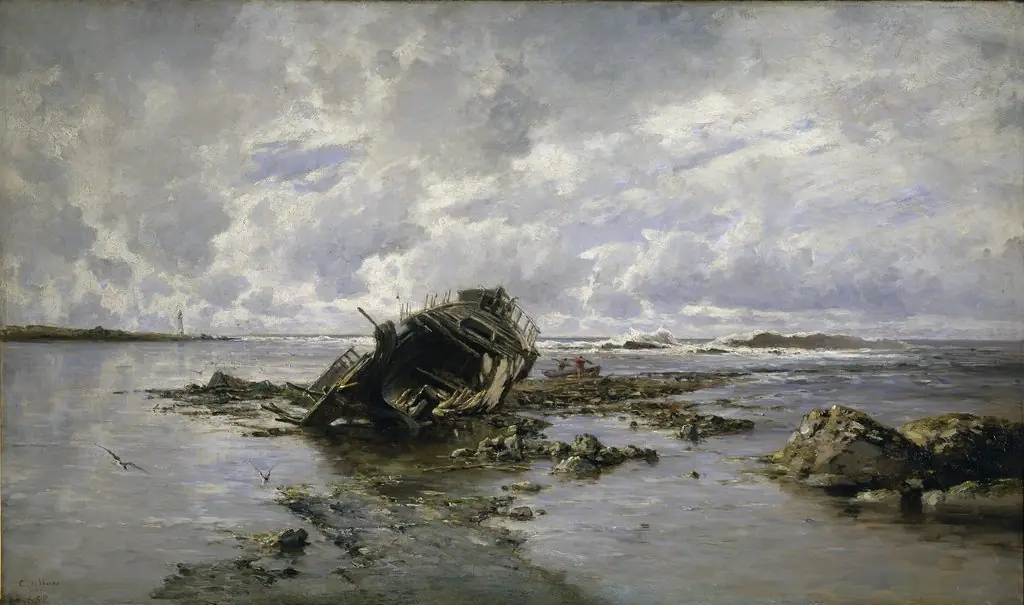 A Wrecked Boat
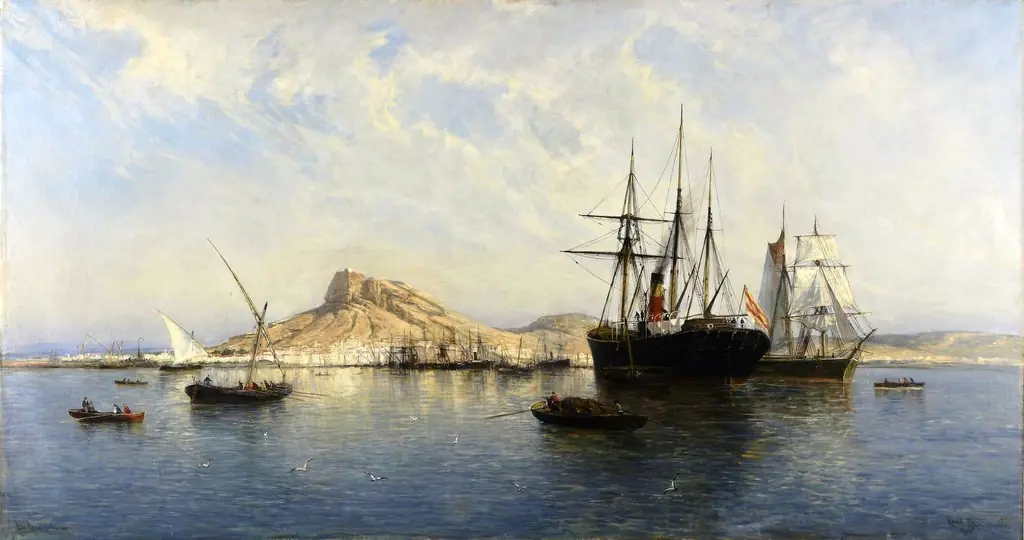 La rada de Alicante
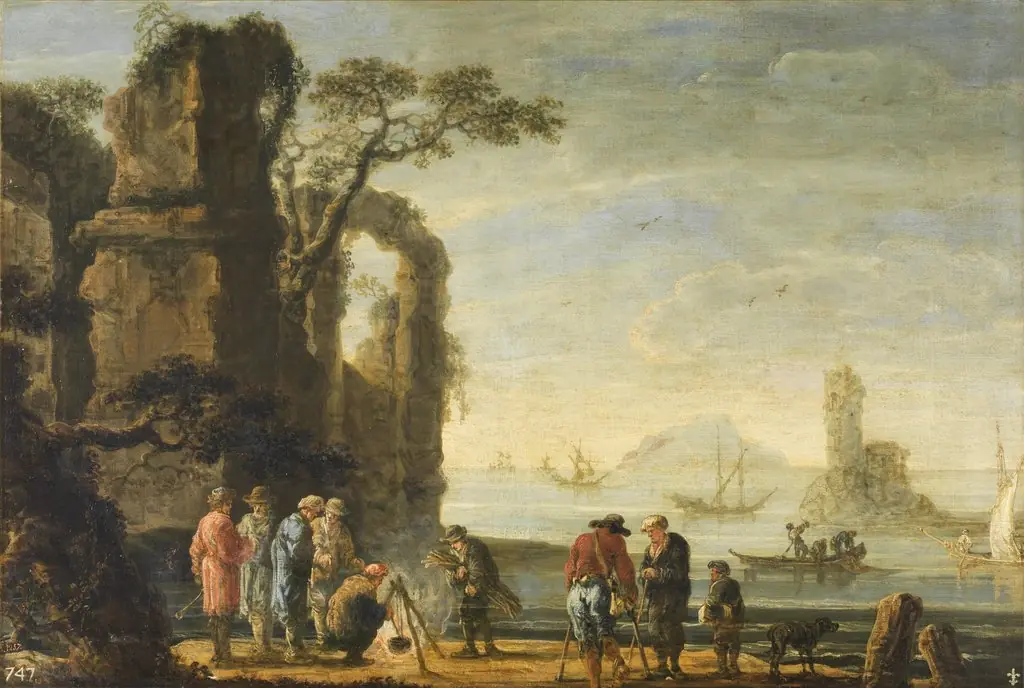 Un muelle
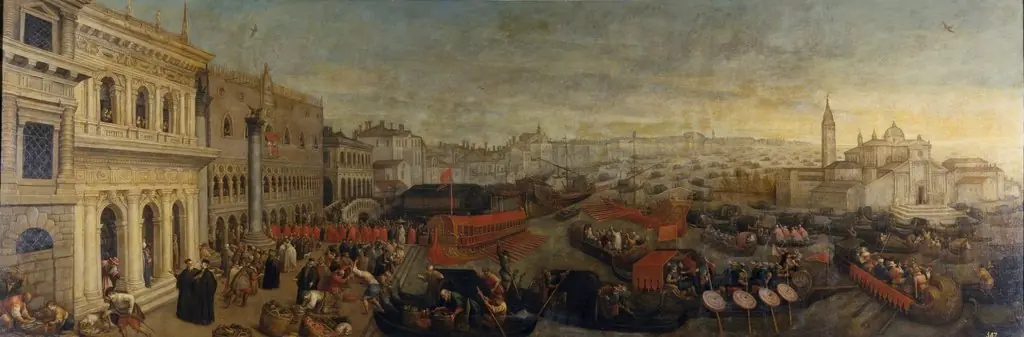 Embarkation of the Doge of Venice
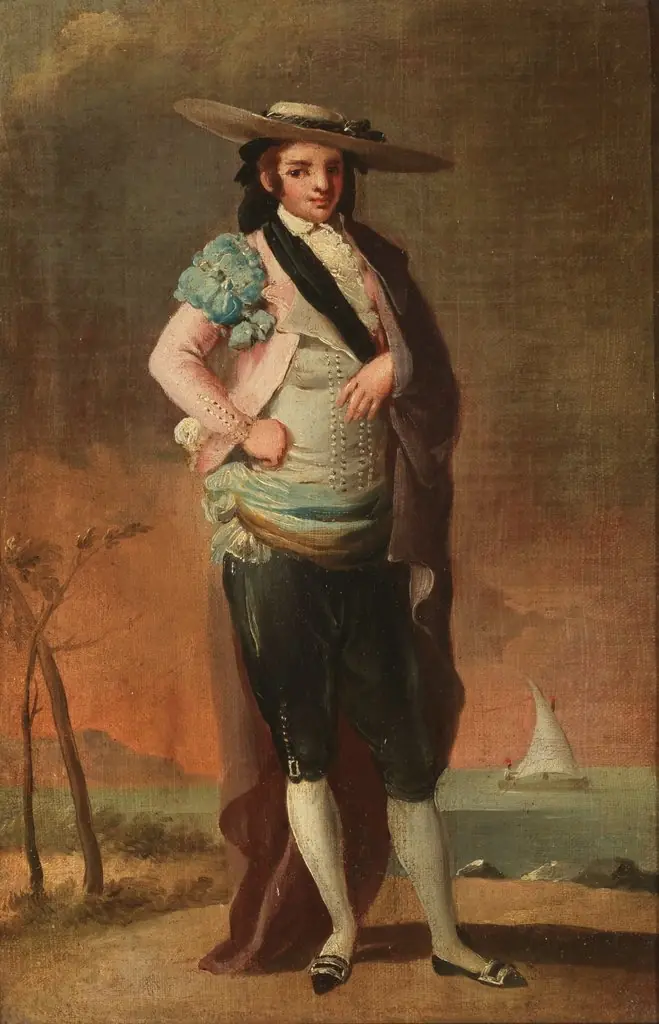 Bullfighter. Maja in Finery
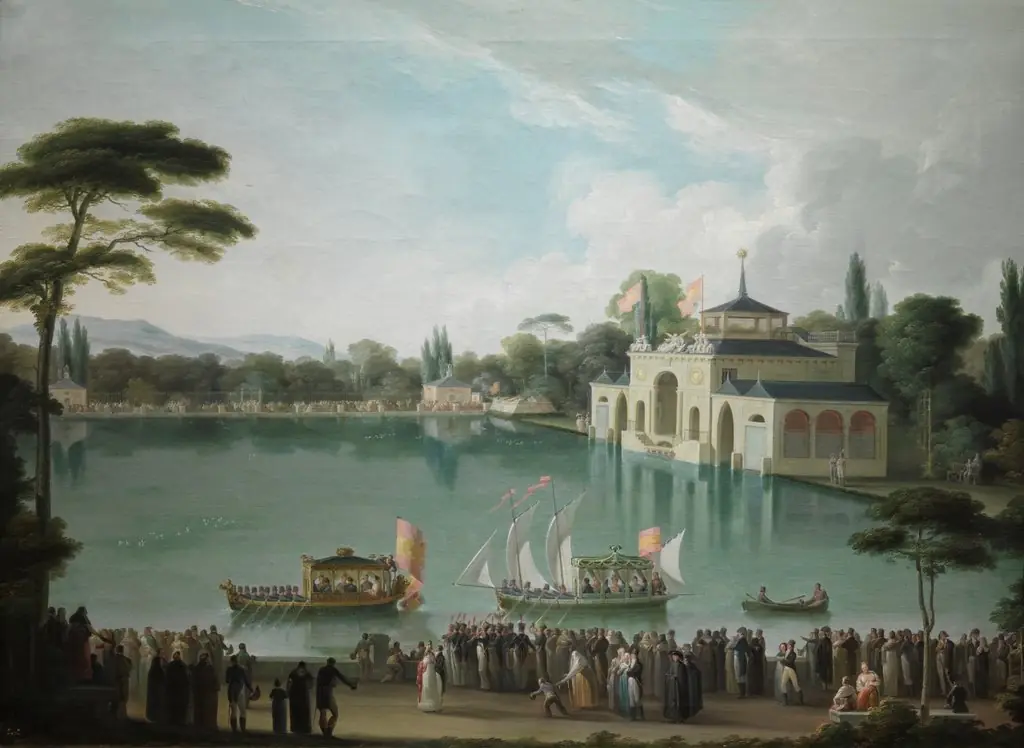 Royal Outing on the Large Lake in the Retiro
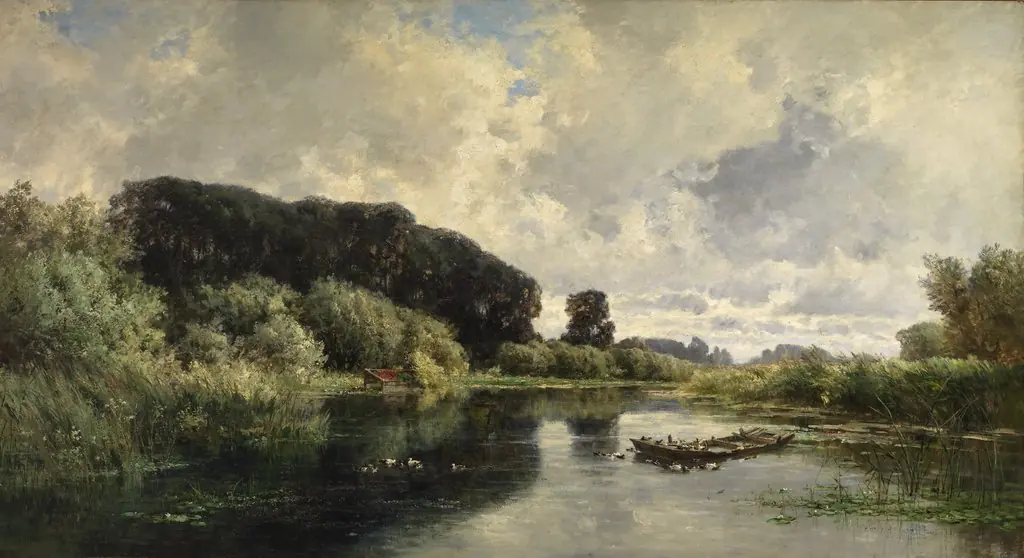 Cercanías de Vriesland (Holanda)
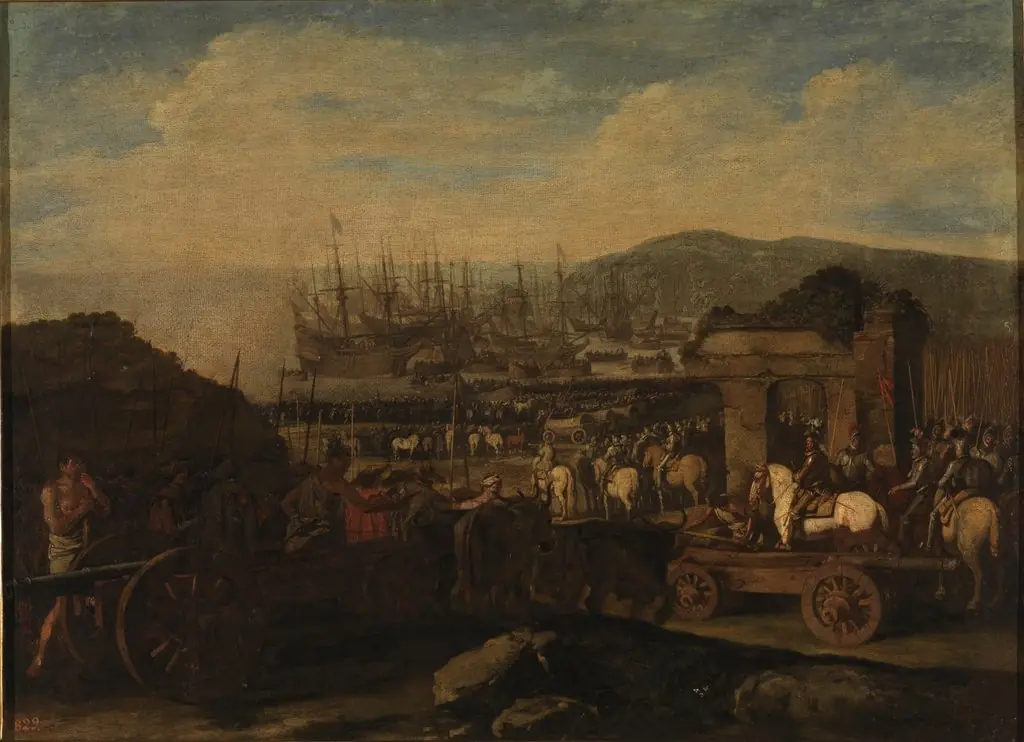 Embarco de tropas de artillería
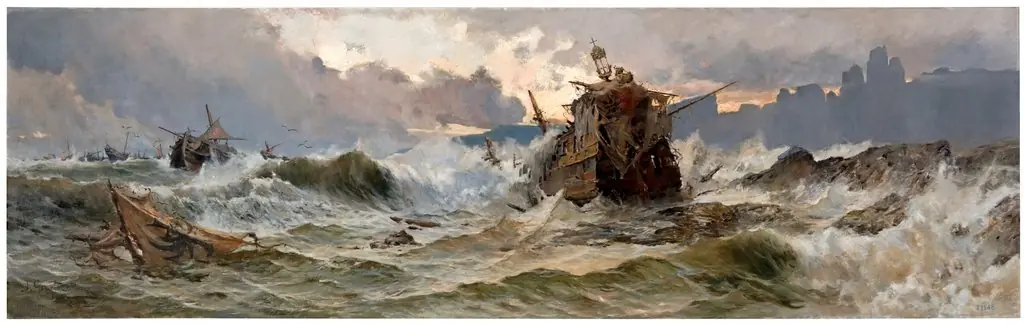 La Invencible
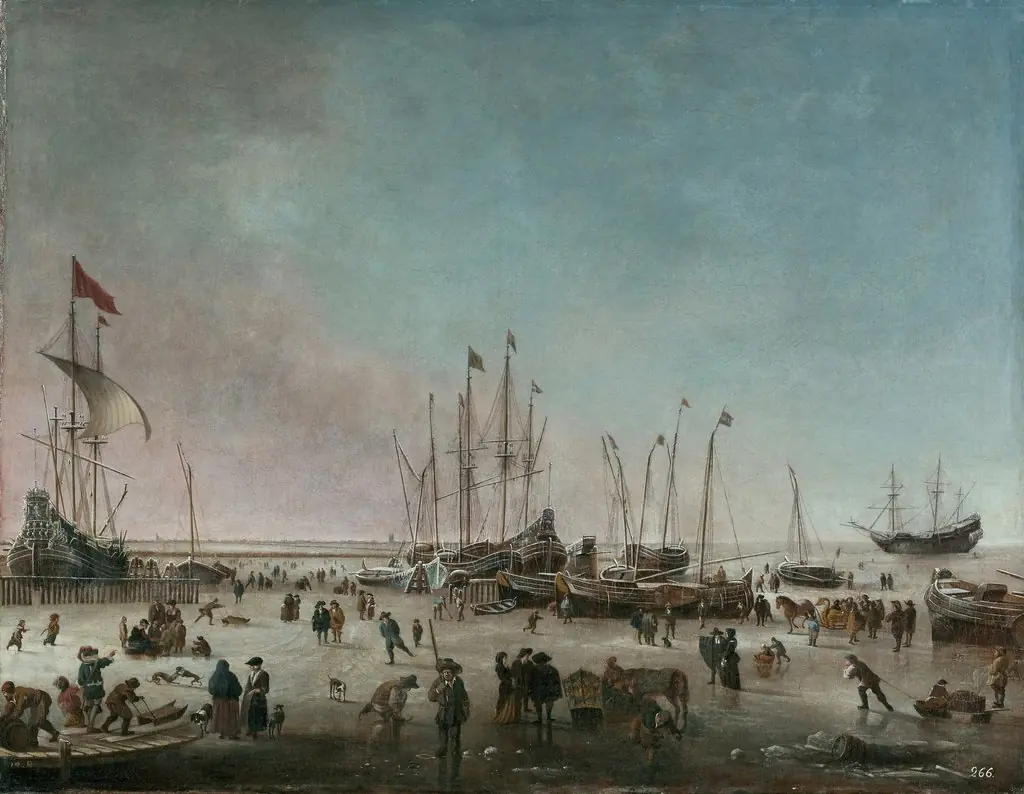 The Port of Amsterdam in Winter
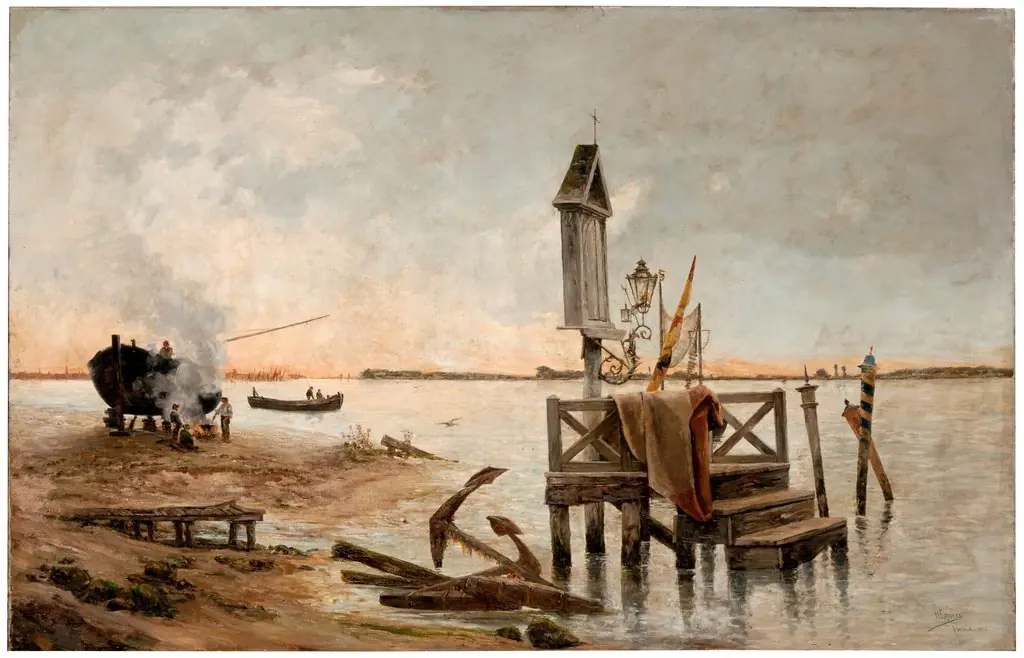 Venecia
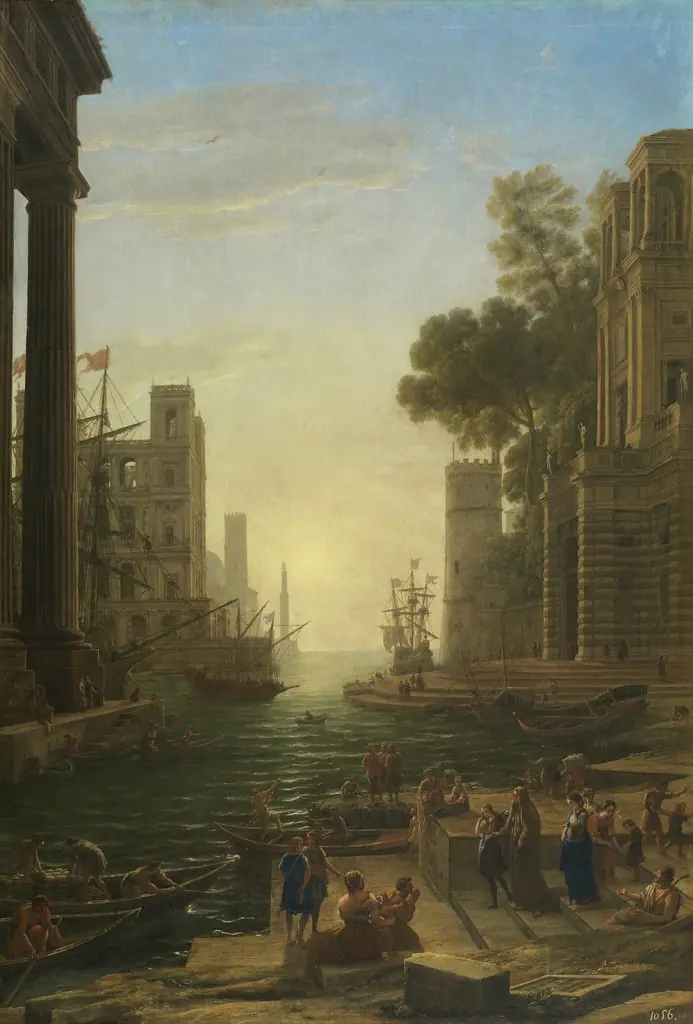 Landscape with the Embarkation of Saint Paula Romana at Ostia
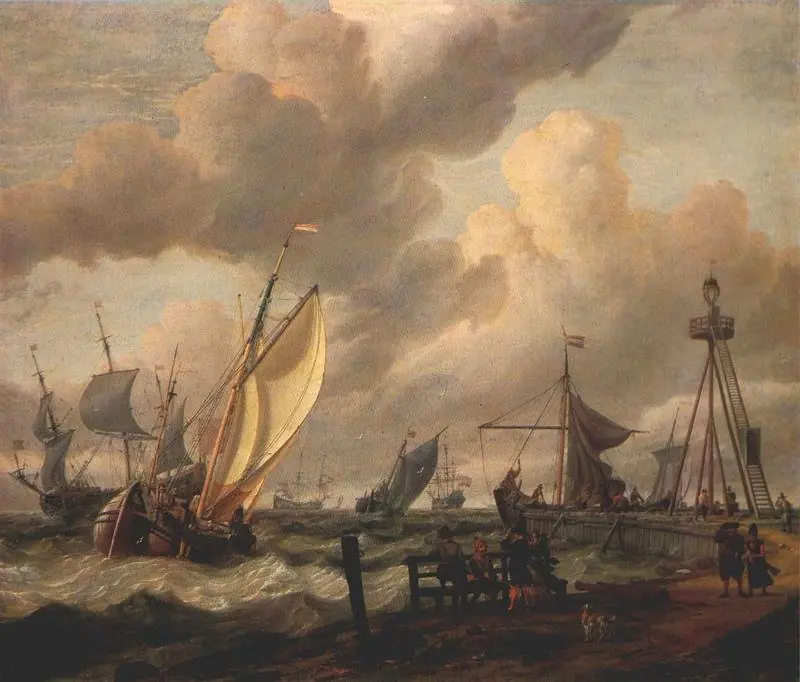 Shipping
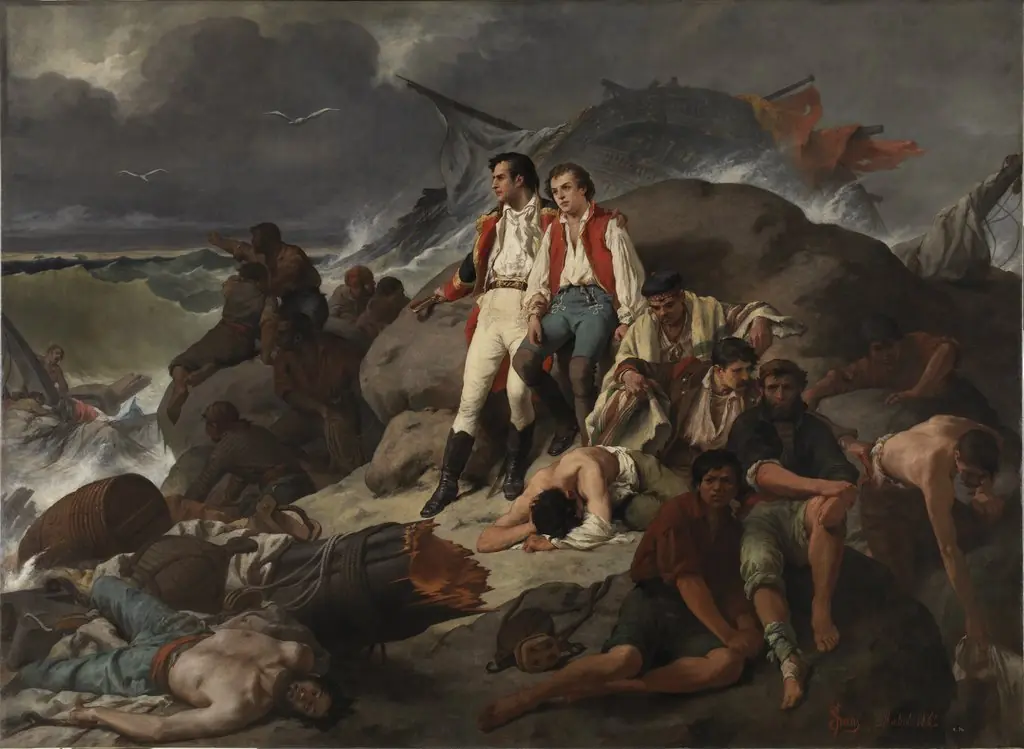 Episode after Trafalgar
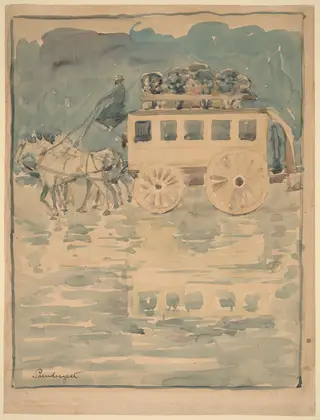 Parisian Omnibus
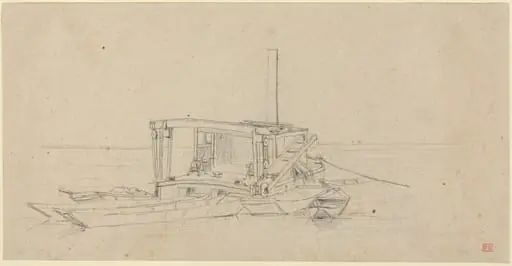 River Dredges and Lighters
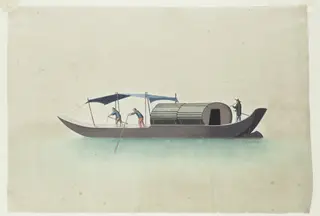 Boat with Three Boatmen
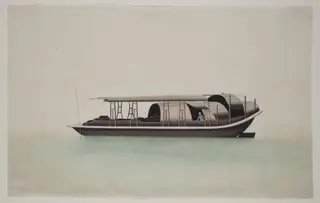 Boat with Boatman
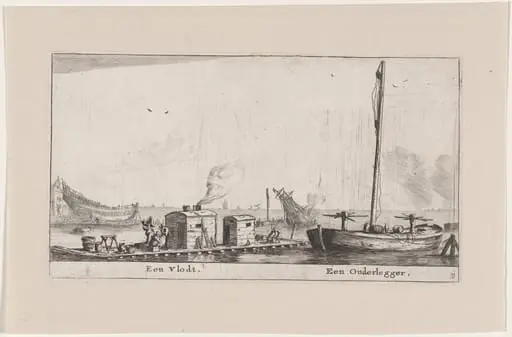 A Raft and a "Onderlegger"
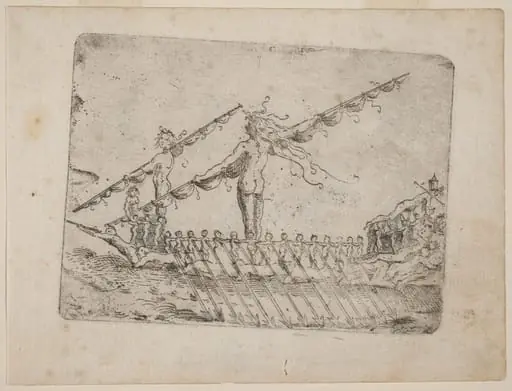 From "Bizzarie di varie Figure"
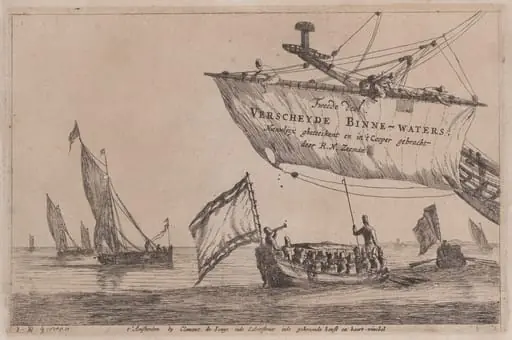 Title Page: Fishing Boats and Staten Sloop
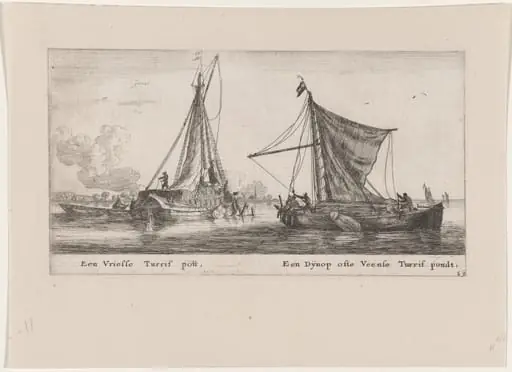 A "Friesland" Peatpot, and a "Dijnopschuit" or "Veense" Peatpot
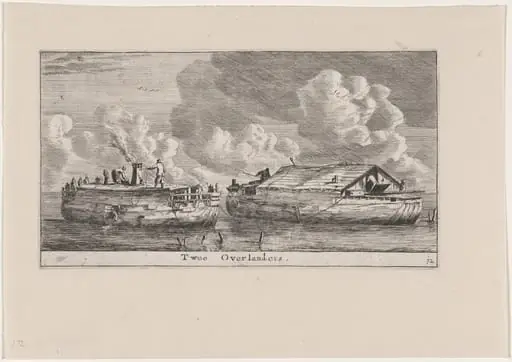 Two "Overlanders" or Houseboats
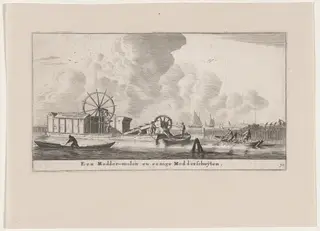 A Dredger and Mudhoppers
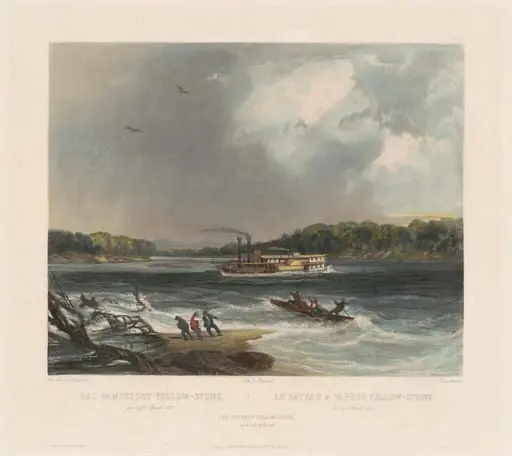 The Steamer Yellow-stone
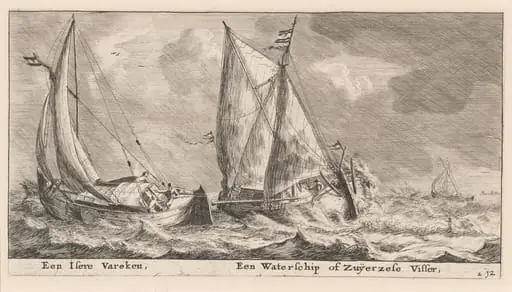 An "Isere" Vessel and a Waterschip or Zuiderzee Fishing-Boat
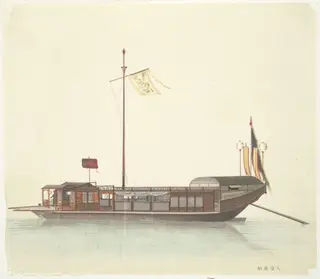 Mandarin's Boat
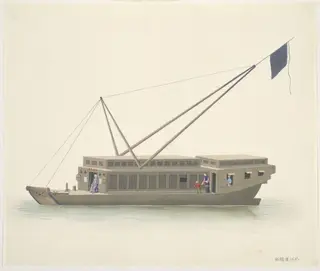 Rice Boat From Outside the River
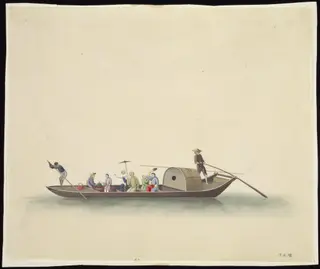 Cross-Water Ferry
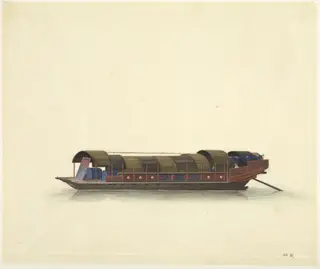 Theatrical Troupe's Boat
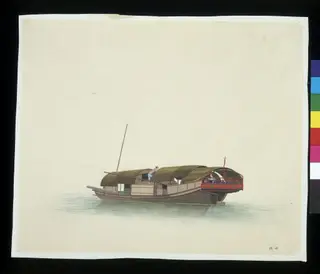 Boat Going to Four Directions
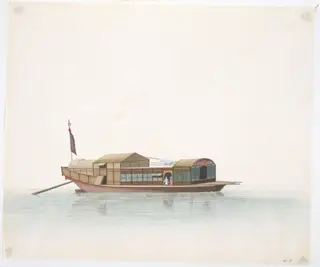 Prostitute's Boat
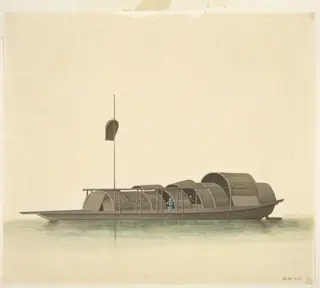 West River Rice Boat
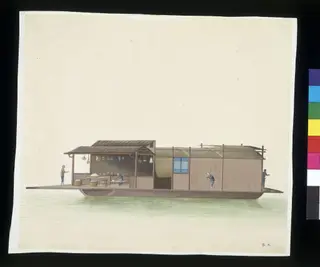 Floating Grocery
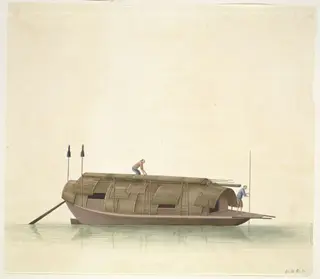 Xi'nan Passenger Boat
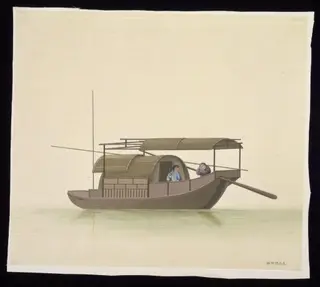 Pimp's Boat
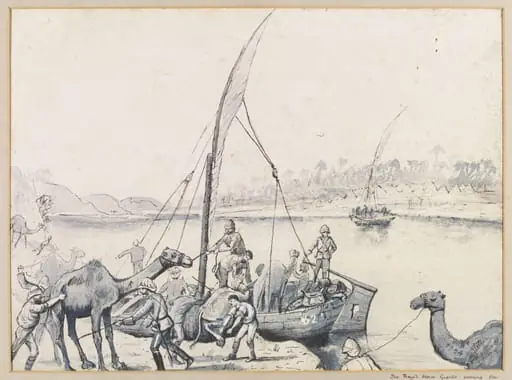 The Royal Horse Guards crossing the Nile at Handak
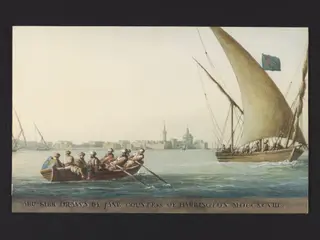 Abu-Kier
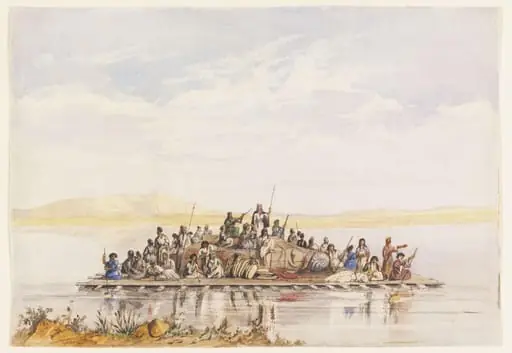 Raft Conveying Winged Bull to Baghdad
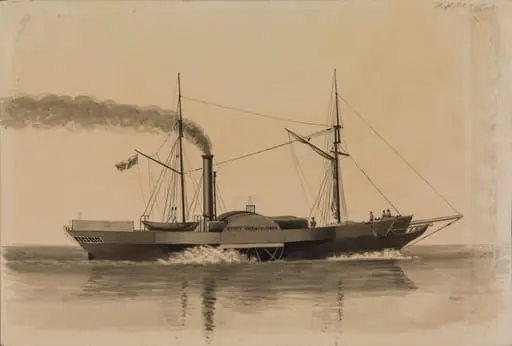 Siipirataslaiva Furst Menschikoff
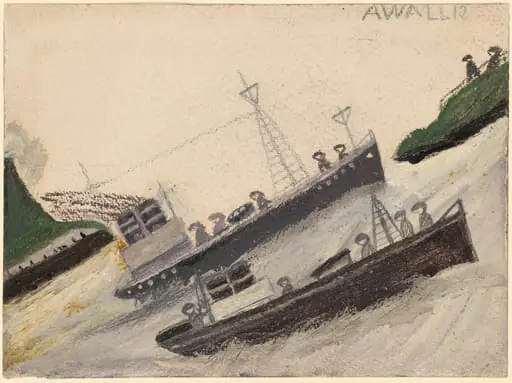 Untitled
Frequently asked questions
What is Water Transport?
Water Transport is a subject in art. Maritime transport (or ocean transport) or more generally waterborne transport, is the transport of people (passengers) or goods (cargo) via waterways.
How many Water Transport works does Artifact World Gallery have?
Artifact World Gallery holds 65 public-domain Water Transport works, all free to view and download.
Who are the key Water Transport artists?
Key Water Transport artists in the collection include Titian, Jacopo Tintoretto and Quinten Metsys.
Where can I see Water Transport works?
Water Transport works in the collection are held by Museo del Prado, Victoria and Albert Museum and National Gallery of Art.