Artwork
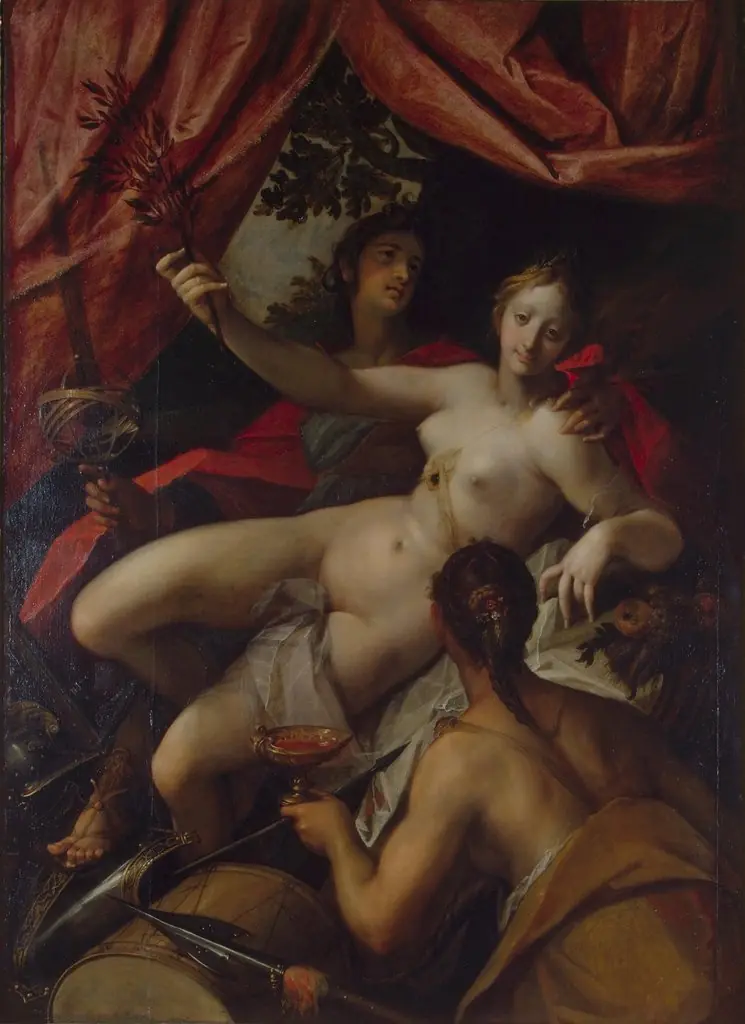
Allegory of Joy and Melancholy
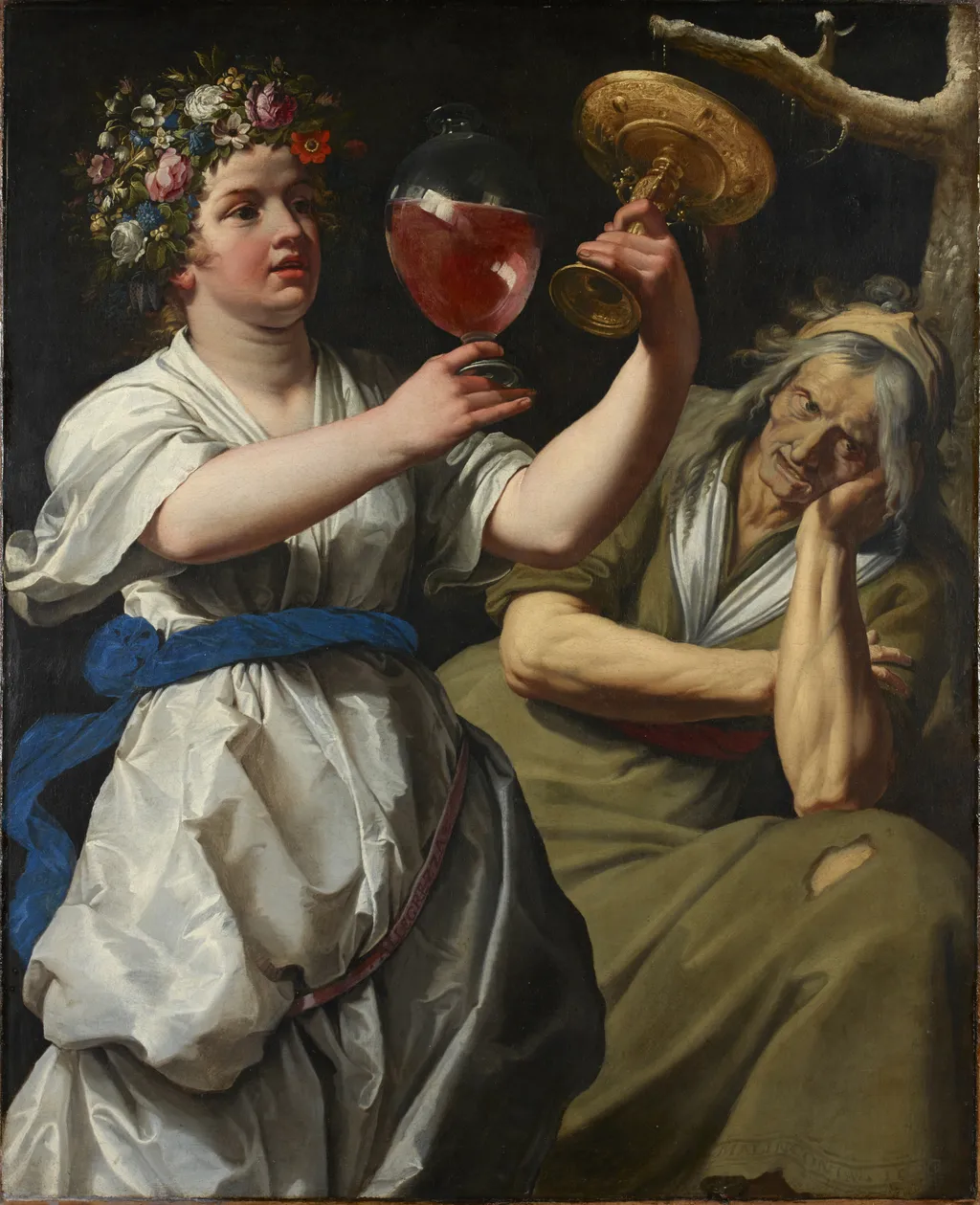
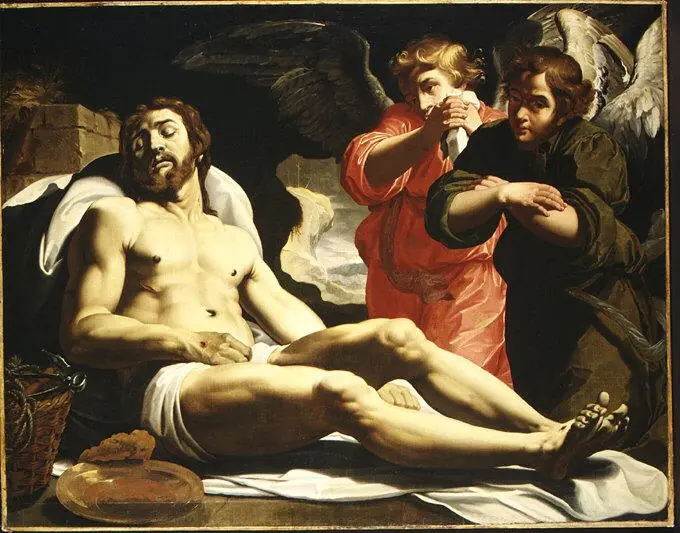
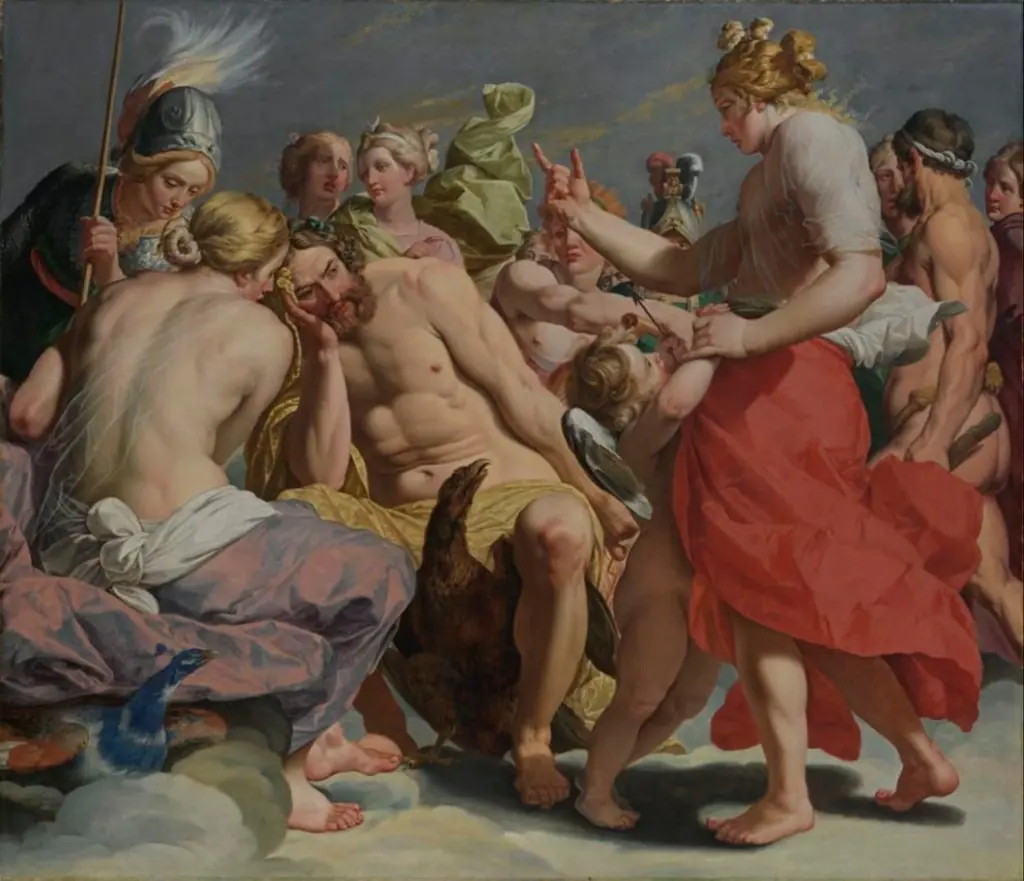
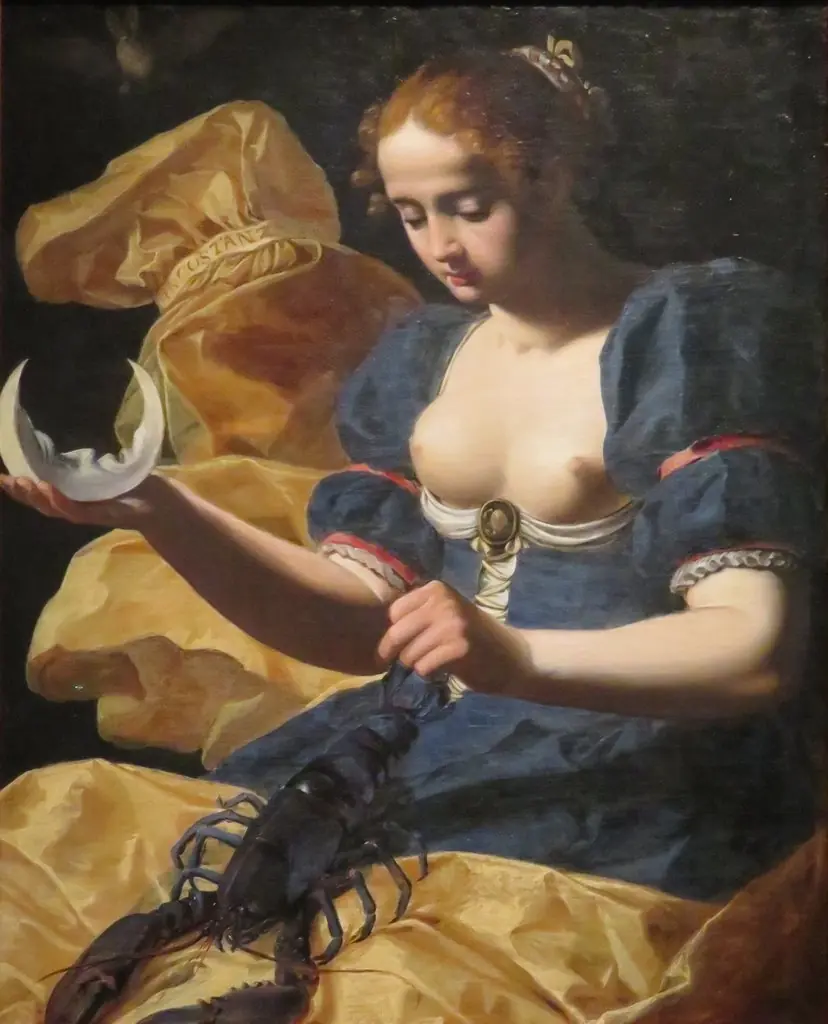
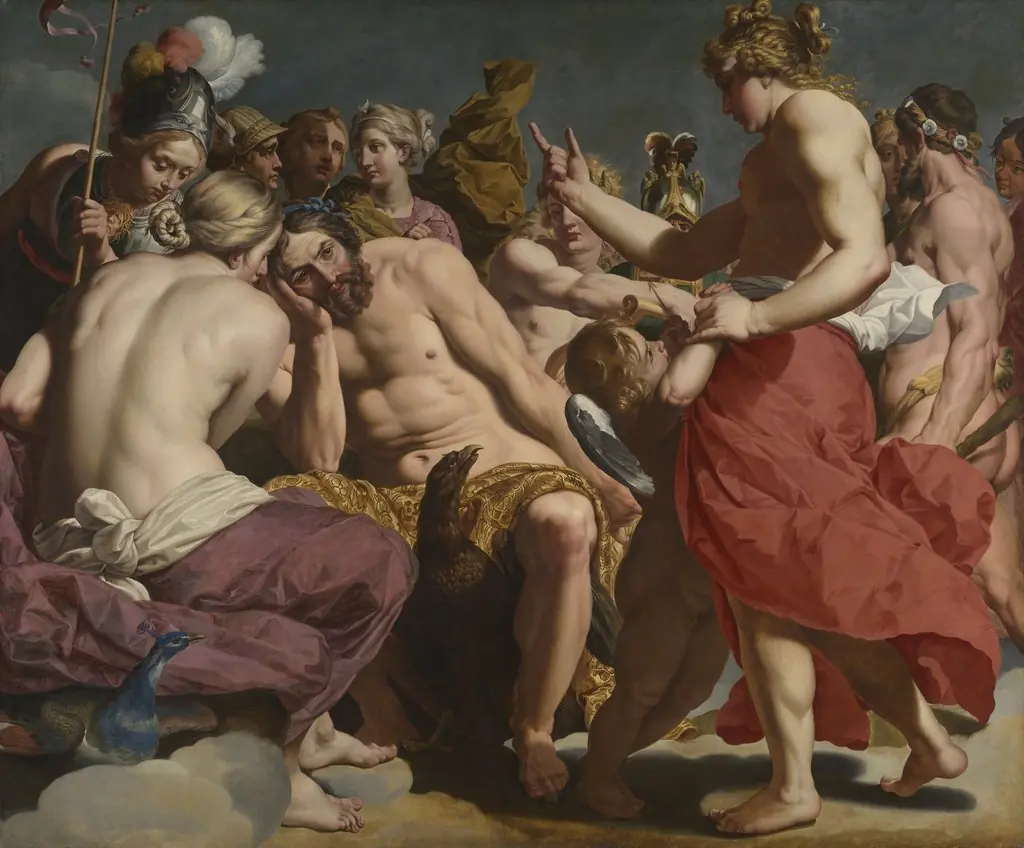
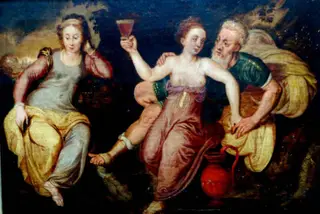
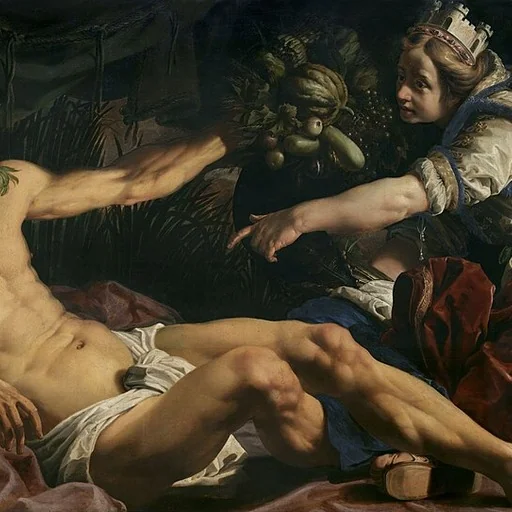
Allegory of Joy and Melancholy is an oil painting by the Flemish Baroque painting artist Abraham Janssens I. It dates from 1628 and is held in the collection of the Ashmolean Museum.
About this work
Overview
Janssens, a leading Flemish history painter before Rubens’s return from Italy, employed the visual language of the Baroque to explore abstract concepts.
Painted in 1628 by Abraham Janssens I, this oil-on-canvas work presents a dual allegory of emotional states through two female figures. Janssens, a leading Flemish history painter before Rubens’s return from Italy, employed the visual language of the Baroque to explore abstract concepts. The painting’s composition and lighting reflect his engagement with Caravaggisti techniques, emphasizing emotional contrast through light and shadow.
Subject & Meaning
The painting juxtaposes two women: one youthful, adorned with a floral wreath and raising a glass of wine, the other older, seated with a solemn gaze and holding a golden goblet. The figures symbolize joy and melancholy, not as moral judgments but as complementary human conditions. The wine and flowers suggest transience and celebration, while the elder’s stillness evokes reflection and the weight of time, creating a quiet dialogue between vitality and resignation.
Technique & Style
Janssens uses chiaroscuro to define form and mood, with strong contrasts between light and shadow shaping the figures’ volumes. Rich textures in fabric, glass, and foliage enhance tactile realism. The palette favors deep reds and warm golds against muted backgrounds, drawing attention to the central figures.
His handling of oil paint shows careful layering, particularly in the rendering of skin tones and the translucency of the wine.
History & Provenance
Created during Janssens’s mature period, the painting was likely commissioned by a private patron in Antwerp, where he maintained a prominent studio. It entered the Ashmolean Museum’s collection in the 19th century, possibly through the bequest of a British collector with interest in Flemish art. Its attribution has remained consistent, with no significant disputes over authorship or date.
Context
In early 17th-century Flanders, allegorical painting served as a vehicle for philosophical and moral reflection, often blending classical themes with contemporary sensibilities. Janssens worked in a climate where religious subjects dominated, yet secular allegories like this one flourished among educated elites. His style bridged late Mannerist elegance and emerging Baroque naturalism, positioning him as a transitional figure before Rubens’s dominance.
Legacy
Though overshadowed by Rubens in historical narratives, Janssens’s work, including this allegory, demonstrates a refined command of emotional expression through figural contrast. The painting remains a key example of Flemish Baroque allegory outside religious contexts, illustrating how artists used classical motifs to explore universal human experiences. It continues to inform scholarly understanding of pre-Rubensian Flemish painting.
Own this work as a print
Artist & collection
Artist
Abraham Janssens I, Abraham Janssen I or Abraham Janssens van Nuyssen (1575–1632) was a Flemish painter, who is known principally for his large religious and mythological works, which show the influence of Caravaggio.