Artwork
Saint Rosalie Interceding for the Plague-stricken of Palermo
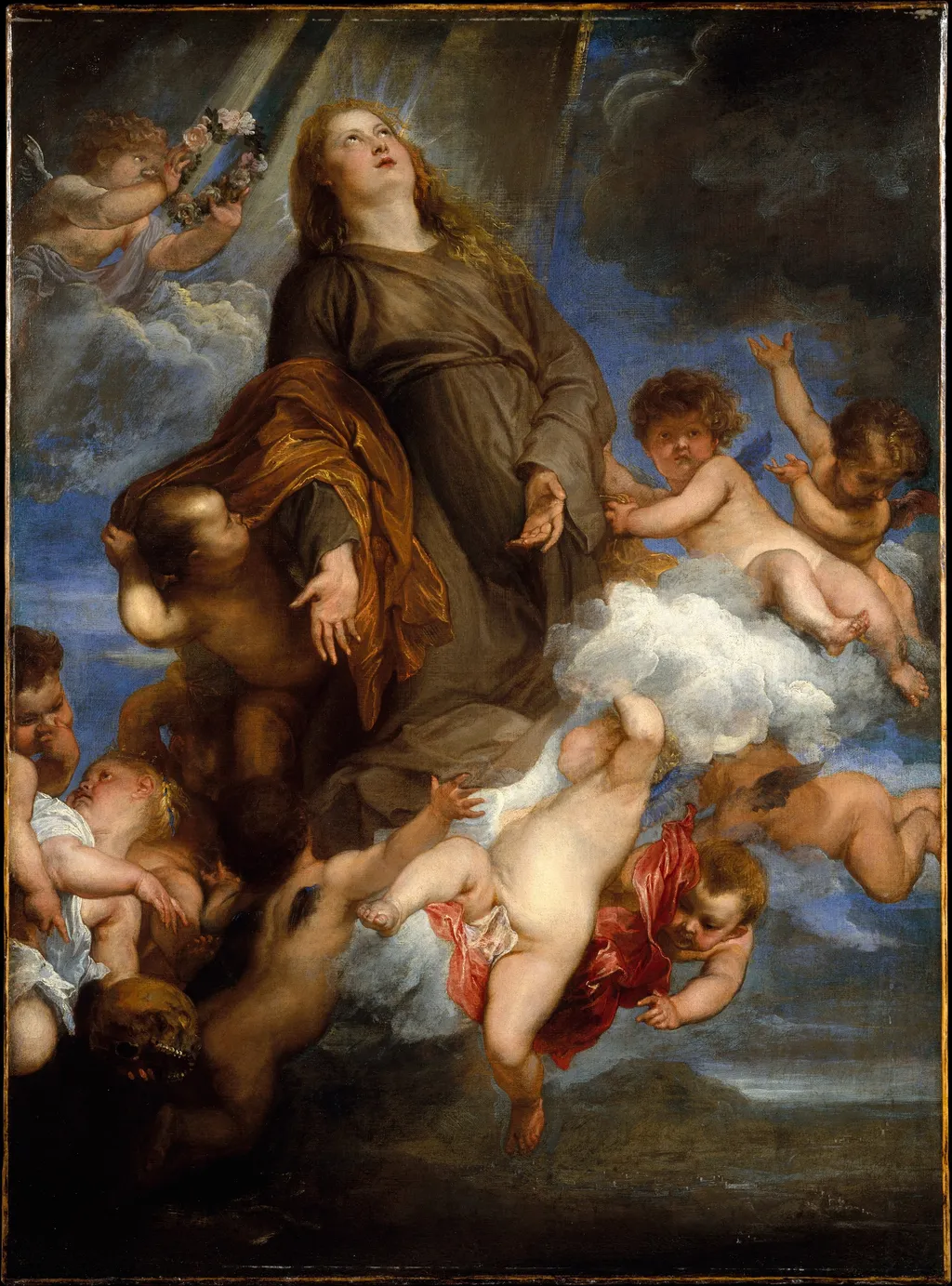
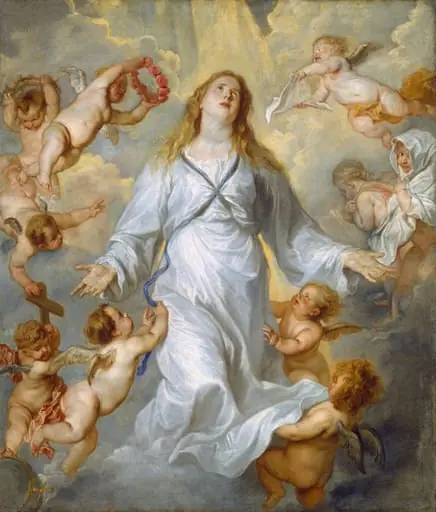
Saint Rosalie Interceding for the Plague-stricken of Palermo is an oil painting by the Baroque artist Anthony van Dyck. It dates from 1624 and is held in the collection of the Metropolitan Museum of Art.
About this work
Subject & Meaning
The composition features the saint surrounded by ten putti, one of which prepares to place a floral crown upon her head, symbolizing her sanctity and glory.
Executed in 1624 during a plague outbreak, the painting depicts Saint Rosalia, Palermo's patron saint, kneeling on a cloud to intercede with Heaven for the city's inhabitants. The composition features the saint surrounded by ten putti, one of which prepares to place a floral crown upon her head, symbolizing her sanctity and glory. The background integrates specific local topography, showing the port of Palermo and Mount Pellegrino, the site where the saint's remains were discovered that same year.
This imagery represents a direct spiritual plea for the cessation of the epidemic, linking the divine intervention of the saint to the physical landscape of the suffering city. The work serves as a religious testament to the belief in Rosalia's protective power over Palermo during the crisis.
Technique & Style
Executed in 1624, this Baroque work is an oil painting on canvas measuring approximately 99.7 by 73.7 centimeters. The vertical composition depicts Saint Rosalia kneeling on a cloud surrounded by ten putti, with the port of Palermo and Monte Pellegrino visible in the background. Modern technical analysis using neutron autoradiography has revealed that Van Dyck reused the support, which previously bore a sketch for a self-portrait beneath the final religious imagery.
The handling of the medium reflects the artist's activity during his quarantine in Palermo, characterized by the dynamic arrangement of figures typical of the period's religious art.
History & Provenance
The painting was commissioned by the Sicilian nobleman Antonio Ruffo, who patronized van Dyck during the artist's stay in Palermo in the late summer of 1624, a period marked by a plague quarantine. Executed in oil on canvas, it depicts Saint Rosalia interceding for the city's plague-stricken inhabitants, with the port of Palermo and Monte Pellegrino visible in the background. Radiographic analysis has revealed that van Dyck reused the support, uncovering an earlier self-portrait sketch beneath the surface.
The work remained in private hands until it entered the Metropolitan Museum of Art in 1871, having previously been owned by William T. Blodgett and Thomas Emmerson.
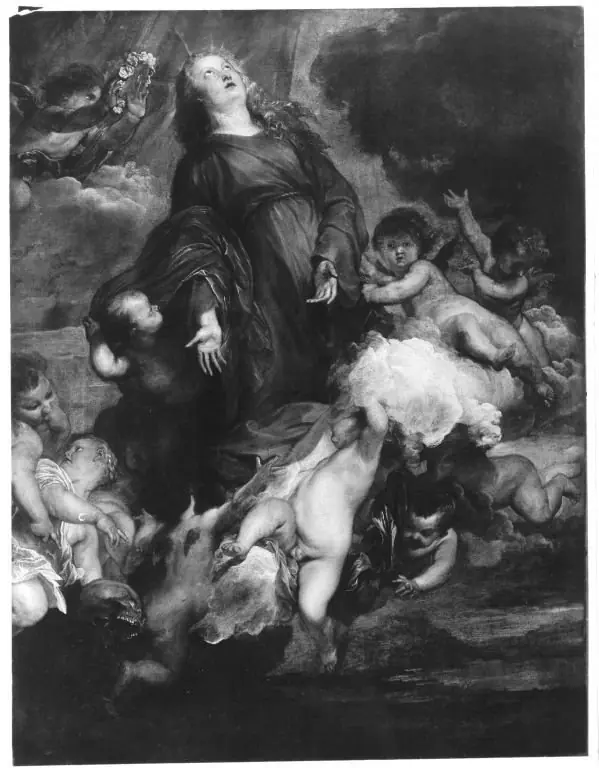
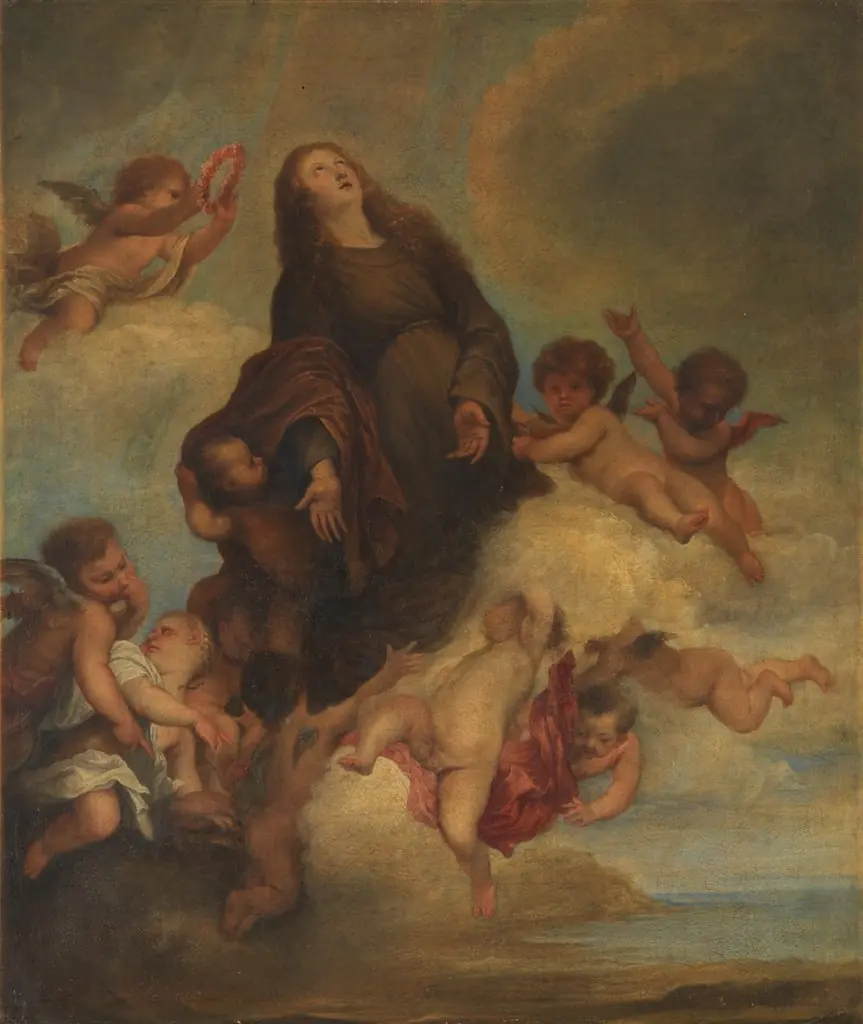
Saint Rosalie Interceding for the Plague-stricken of Palermo has been held by the Metropolitan Museum of Art in New York since 1871. It was an early purchase, and curators initially misidentified it as an Assumption of the Virgin. As of 2020 the work was on view at the museum. An undated copy, generally regarded as autograph, is recorded at the Alte Pinakothek in Munich.
Context
Painted in Palermo during the late summer of 1624, the work belongs to a cluster of Saint Rosalia compositions Van Dyck produced while the city was under quarantine, and he revisited the subject again in 1629 with related paintings in Vienna and Ponce. The commission is linked to the Sicilian nobleman and collector Antonio Ruffo, who also later owned Rembrandt's Aristotle with a Bust of Homer and patronized Matthias Stom, situating Van Dyck within a trans-Mediterranean network of seventeenth-century patronage. Classified within the Baroque movement and executed in oil on canvas, the painting entered the Metropolitan Museum of Art in 1871 as an early acquisition, where curators initially misidentified it as an Assumption of the Virgin.
Technical analysis using neutron autoradiography has since revealed that Van Dyck reused a canvas that had previously carried a sketch, probably for a self-portrait, adding a layer of studio practice to the work's art-historical profile. An undated, likely autograph copy is held by the Alte Pinakothek in Munich.
Legacy
Since its acquisition by the Metropolitan Museum of Art in 1871, the painting has remained a touchstone of van Dyck's Sicilian period and a focal point of the museum's early European holdings. Misattributed on entry as an Assumption of the Virgin, its true subject, Saint Rosalia's intercession during the 1624 Palermo plague, was re-established through later scholarship. Technical studies using neutron autoradiography revealed a reused support bearing a preliminary self-portrait by the artist, underscoring the work's layered creative process.
A near-contemporary autograph copy now in Munich's Alte Pinakothek attests to the composition's reception and dissemination. The painting also anchors van Dyck's broader Rosalia series of 1624–25, linking it to later treatments such as the 1629 Vienna Coronation and the Ponce version, thereby shaping interpretations of plague iconography in Baroque art.
Overview
Anthony van Dyck's 1624 oil painting, Saint Rosalie Interceding for the Plague-stricken of Palermo, depicts the patron saint of Palermo appealing for divine intervention during a devastating plague. This significant work, executed in oil, is housed at the Metropolitan Museum of Art in New York, where it has been part of the collection since 1871. The composition captures a moment of spiritual solace amidst widespread suffering.
Own this work as a print
Artist & collection
Artist
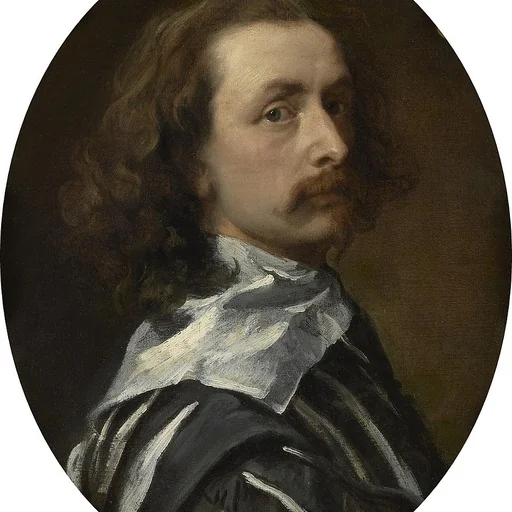
Sir Anthony van Dyck (; Dutch: Antoon van Dijck; 22 March 1599 – 9 December 1641) was a Flemish Baroque artist, who became the leading court painter in England after success in the Spanish Netherlands and Italy.

 Santa Rosalía de Palermo
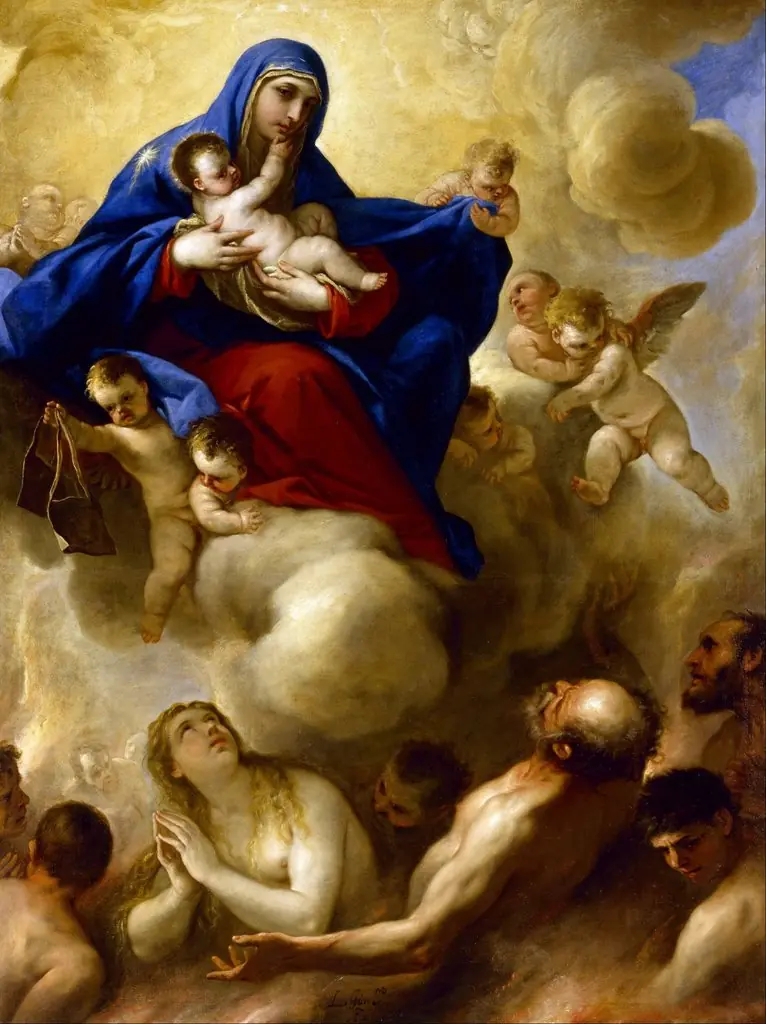 Madonna and Child with Souls in Purgatory
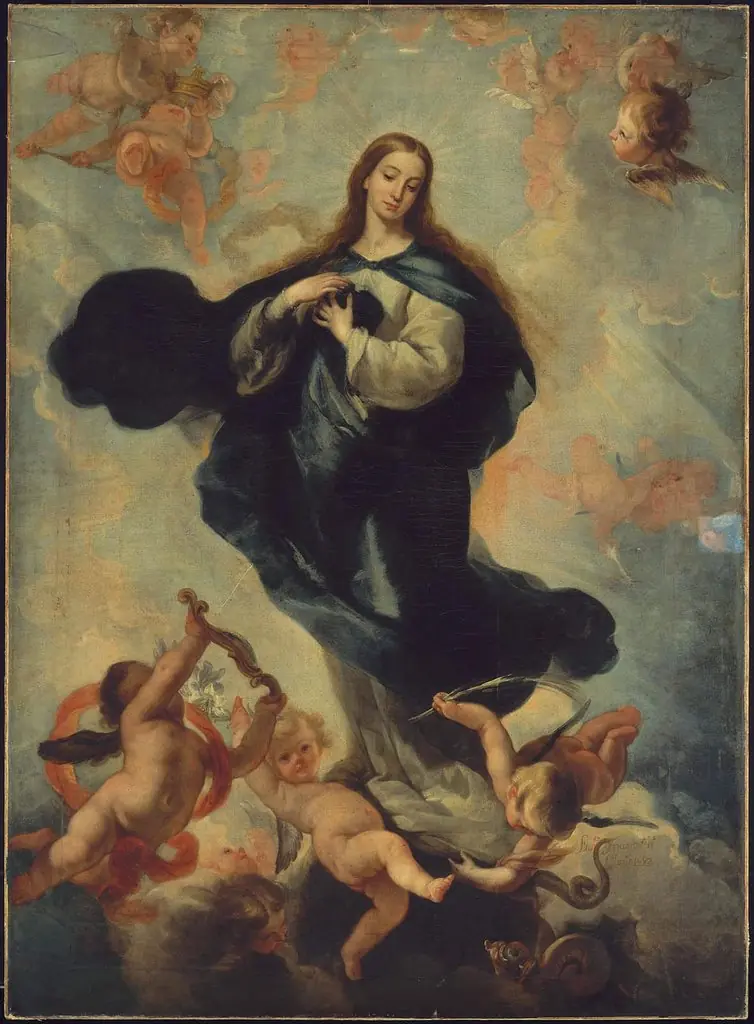 The Virgin of the Immaculate Conception
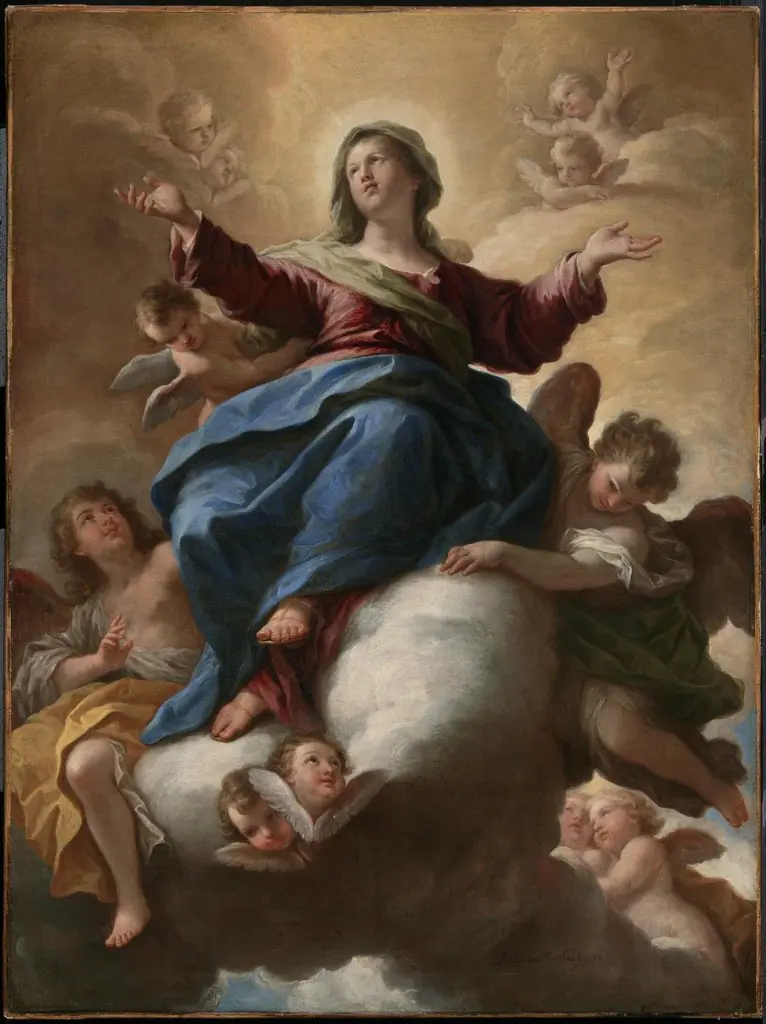 Assumption of the Virgin
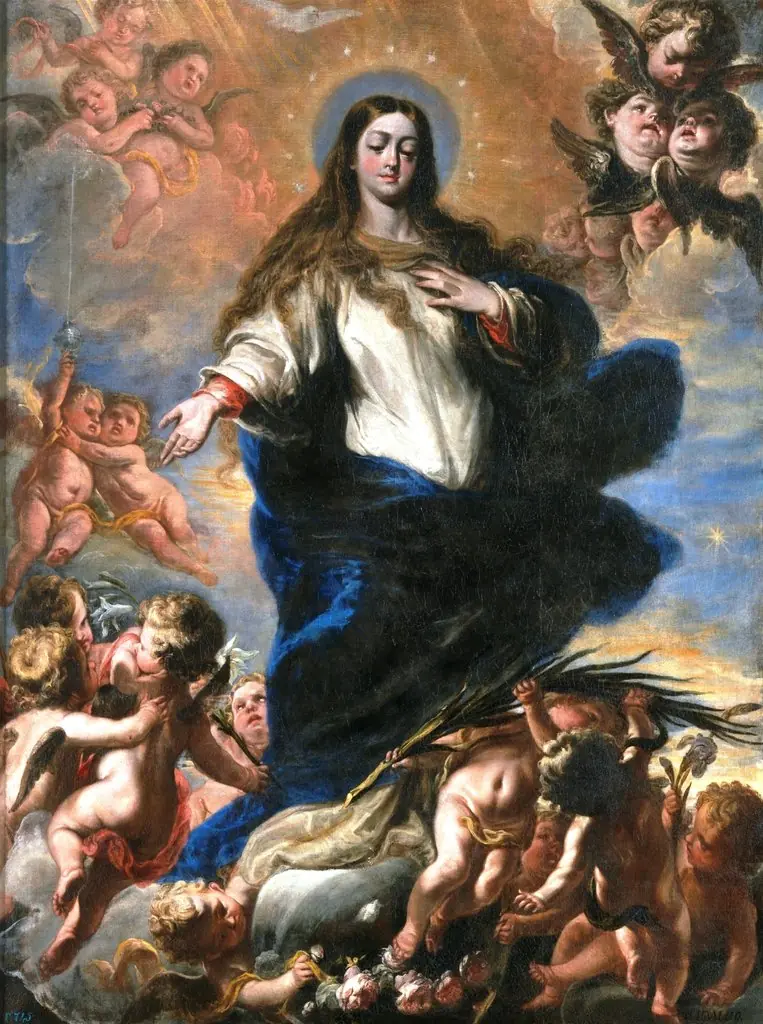 The Immaculate Conception
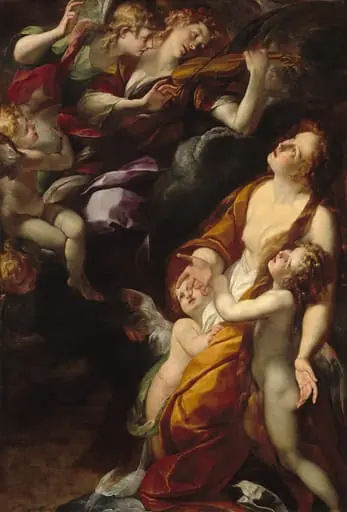 The Ecstasy of the Magdalen
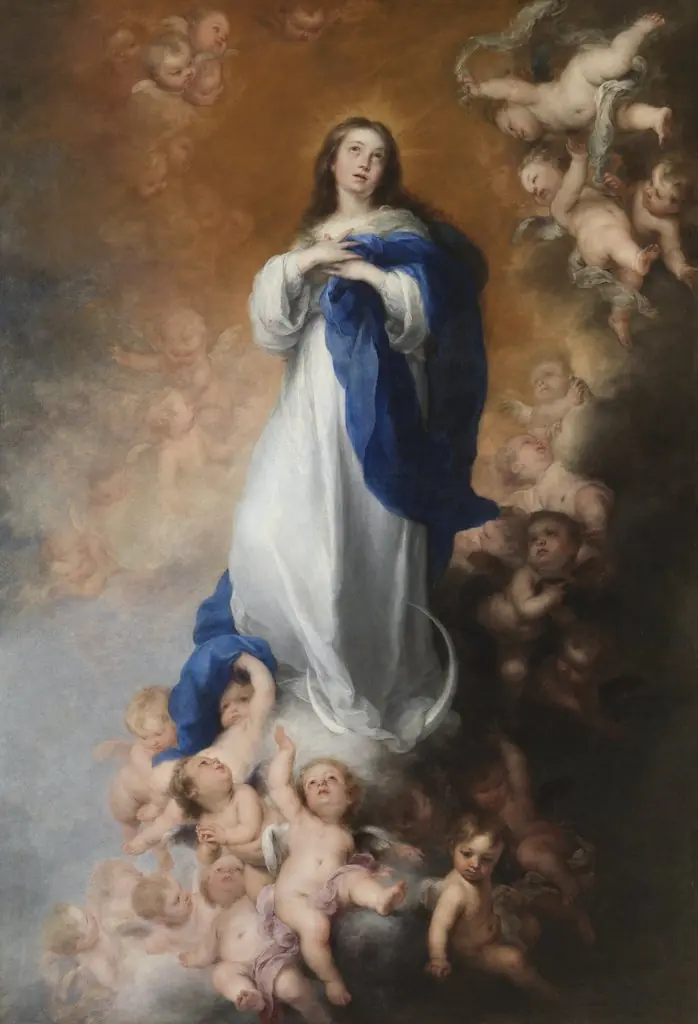 The Immaculate Conception of Los Venerables
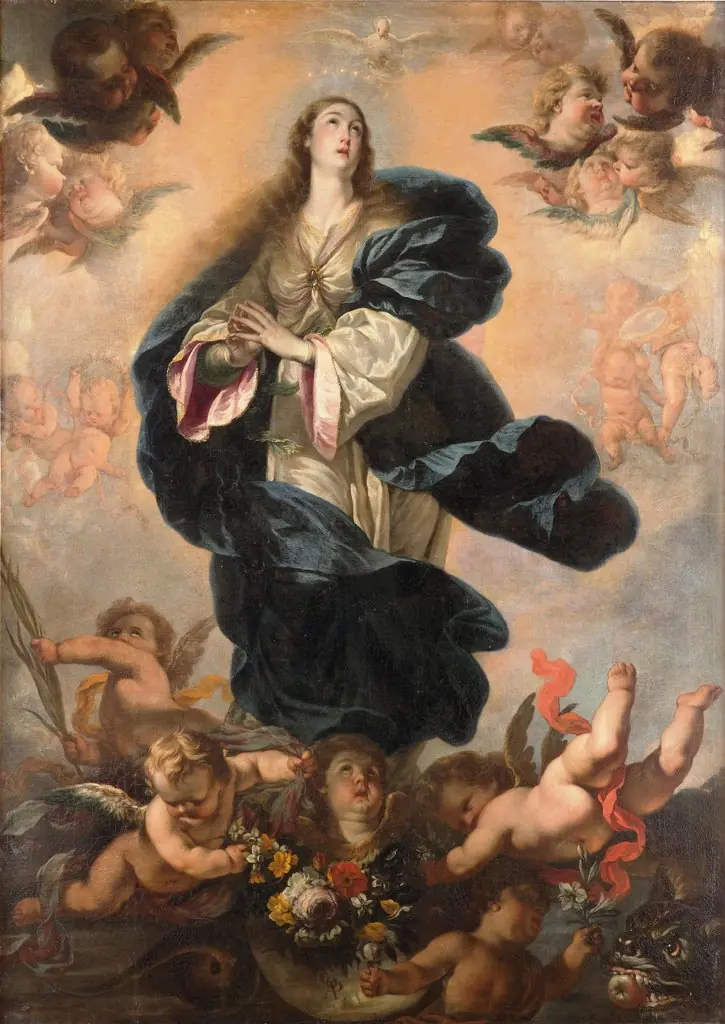 The Immaculate Conception
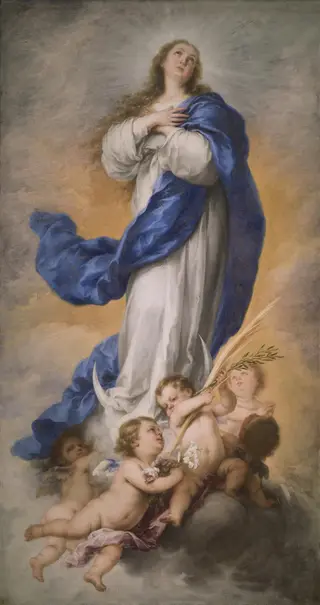 The Aranjuez Immaculate Conception
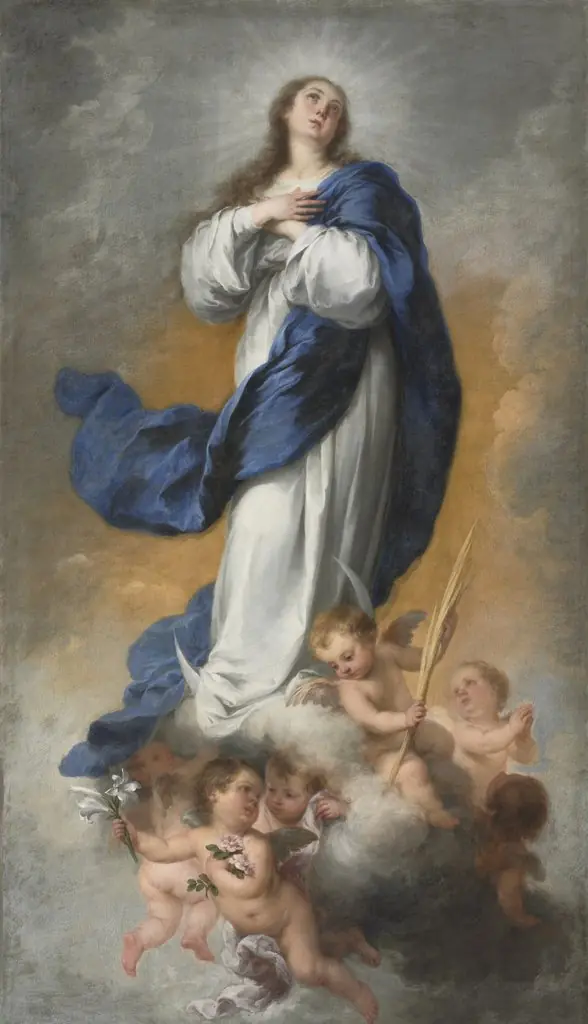 The Immaculate Conception
- Ascension of Saint Rosalie