Artwork
Jupiter and Io
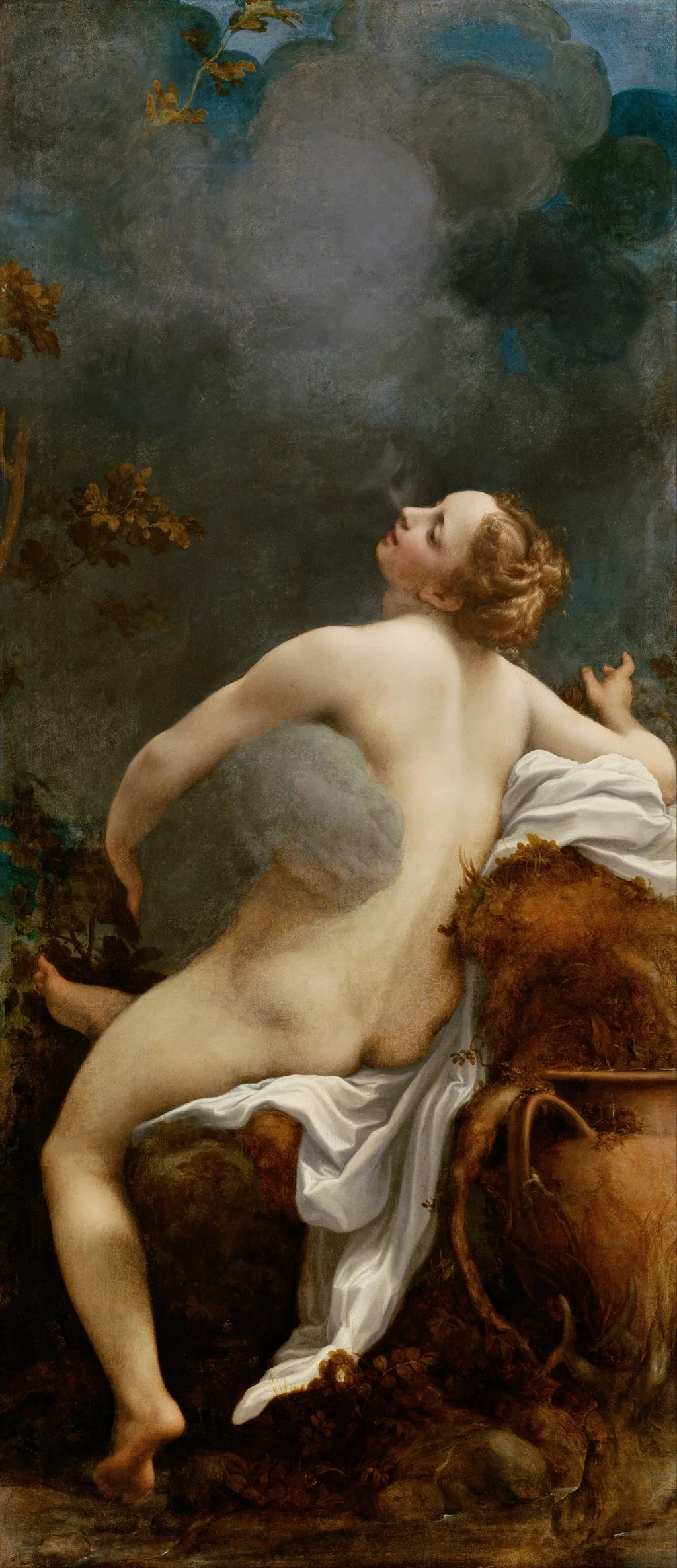
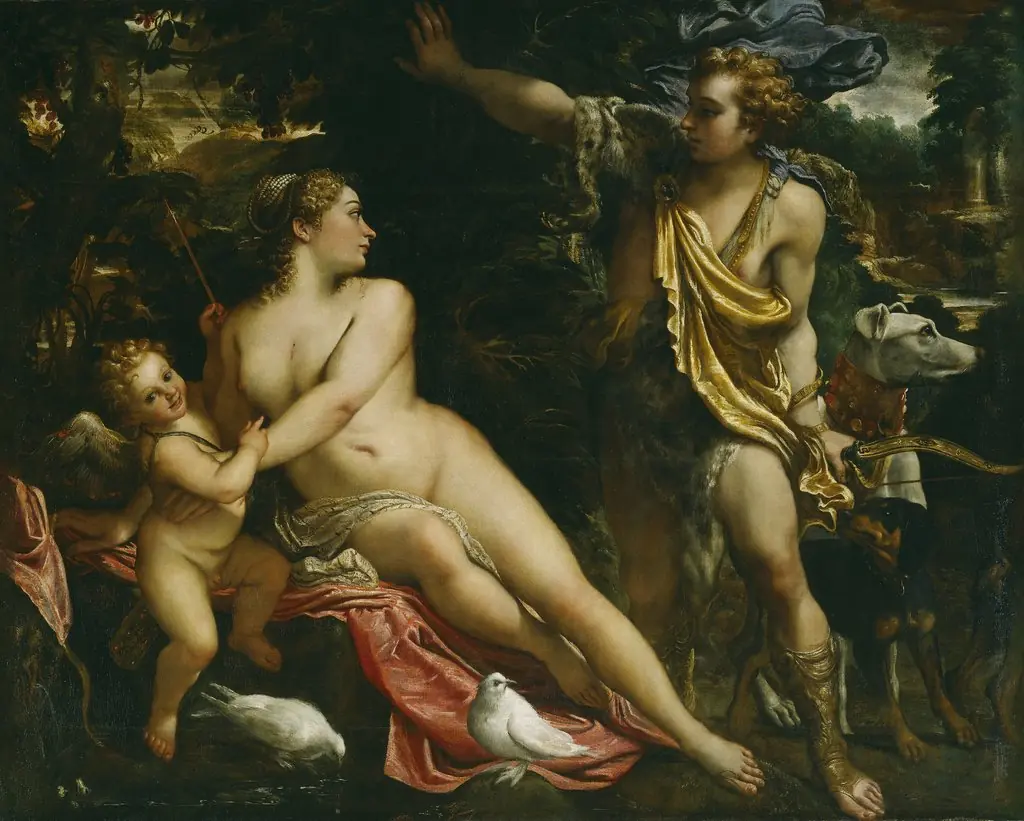
Jupiter and Io is an oil painting by the Mannerist artist Antonio da Correggio. It dates from 1530 and is held in the collection of the Kunsthistorisches Museum.
About this work
Subject & Meaning
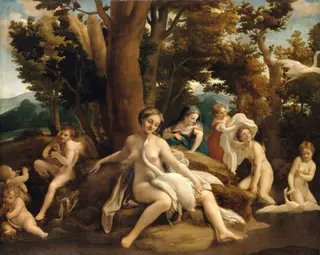
The painting illustrates the moment Jupiter, transformed into a dark cloud, embraces the nymph Io as described in Ovid’s Metamorphoses.
The painting illustrates the moment Jupiter, transformed into a dark cloud, embraces the nymph Io as described in Ovid’s Metamorphoses. Jupiter’s face is barely visible above Io’s, while his smoky hand is pulled toward her by her own gesture, highlighting the contrast between his immaterial form and her sensual, flesh‑filled body lost in erotic rapture. This juxtaposition anticipates the sensual dynamism of later Baroque works by Bernini and Rubens.
It was commissioned by Federico II Gonzaga of Mantua as part of a series of four erotic canvases depicting Jupiter’s loves, intended for a room devoted to those myths. A small figure of a drinking stag in the lower right corner may allude to Io’s father, the river‑god Inachus, adding a layer of mythological reference to the scene’s sensual narrative.
Technique & Style
Executed in oil on canvas around 1530, this work exemplifies Correggio's mastery of chiaroscuro to enhance spatial depth and tactile realism. The composition juxtaposes the immaterial, smoky form of Jupiter, rendered as a dark cloud enveloping the nymph, against the substantial, sensual flesh of Io. The artist achieves a delicate rendering of skin tones and light, avoiding vulgularity while depicting an erotic rapture that anticipates later Baroque sensibilities.
Io's curved posture, viewed from behind, draws inspiration from classical reliefs such as the Ara Grimani. The scene includes subtle narrative details, including a drinking stag and an amphora in the lower right, set against a landscape where the god's misty hand caresses the figure.
History & Provenance
Antonio da Correggio painted Jupiter and Io around 1530 as part of a decorative program for Duke Federico II Gonzaga of Mantua. The series, which included works depicting Jupiter's loves, was commissioned for the duke's Palazzo Te and later intended for Emperor Charles V. After the duke's death in 1540, the paintings were transferred to the Habsburg court. The work entered the imperial collection in Vienna by the 1610s and has remained in the Kunsthistorisches Museum since then.
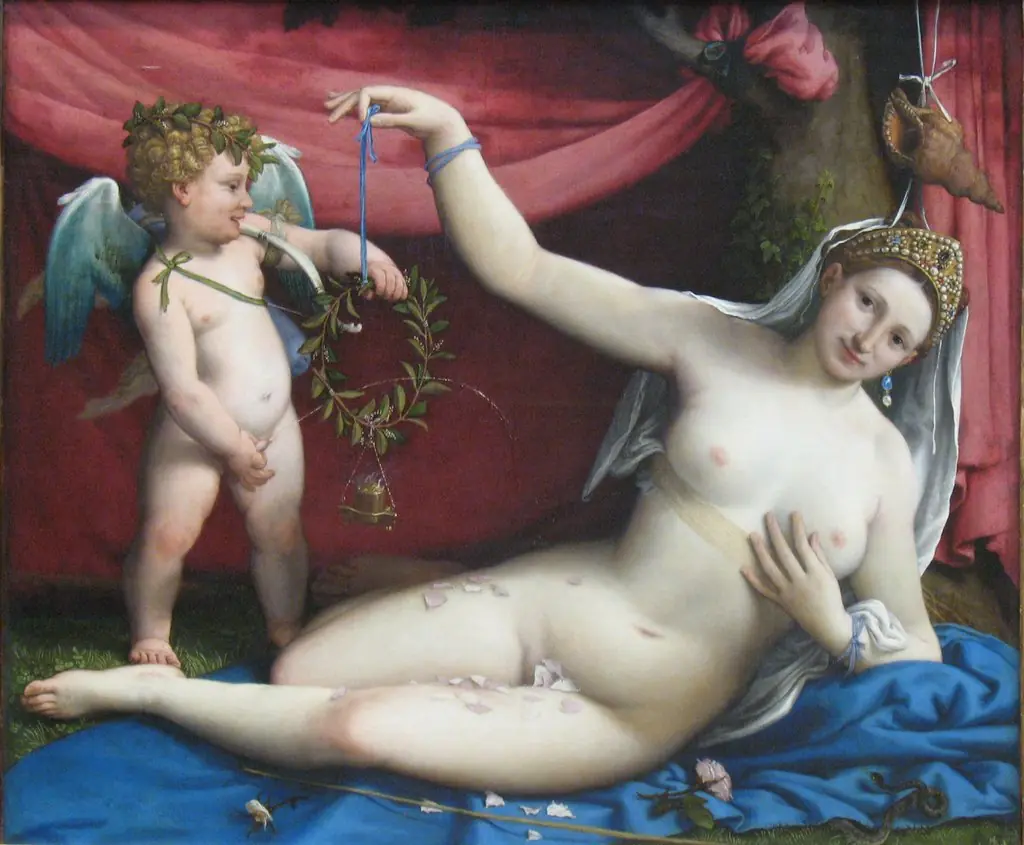
The painting was executed in oil on canvas, measuring 162 cm by 73.5 cm, and reflects Correggio's synthesis of High Renaissance composition with emerging Mannerist sensuality. It was created circa 1530–1532, likely shortly after the success of Correggio's earlier work Venus and Cupid with a Satyr.
Jupiter and Io is held in the Kunsthistorisches Museum in Vienna, Austria, as part of the Habsburg imperial collections. Commissioned by Duke Federico II Gonzaga of Mantua as one of four canvases on the loves of Jupiter, the painting was later given to Emperor Charles V. According to one hypothesis, Federico presented it to Charles V during the emperor's 1532 visit to Mantua; another suggests the work was ceded only after the duke's death in 1540, possibly in connection with the marriage of Philip, son of Charles V.
The canvas is thought to have passed from Philip II to the sculptor Leone Leoni, whose son sold it before 1603 to Emperor Rudolf II. It is documented in the Habsburg imperial collections in Vienna from the 1610s, recorded together with Correggio's Ganymede, and has remained in the Kunsthistorisches Museum since Rudolf II's death.
Context
Conceived following the success of Venus and Cupid with a Satyr, this work belongs to a series of four canvases depicting the loves of Jupiter, commissioned by Duke Federico II Gonzaga of Mantua. While Giorgio Vasari's early biographies only explicitly described two entries in the cycle based on accounts from Giulio Romano, later scholarship by Cecil Gould and Egon Verheyen has debated whether the duke initially retained Io and Ganymede for his Palazzo Te before gifting them to Emperor Charles V. The cycle is widely regarded as a pinnacle of Renaissance erotic painting, with the specific depiction of Io's sensual rapture noted for anticipating the dynamism found in later works by Bernini and Rubens. Uniquely, Correggio diverged from traditional iconography by illustrating the moment of seduction via a cloud rather than Io's subsequent transformation into a heifer.
The painting entered the Habsburg imperial collections in Vienna by the 1610s, where it remains a defining masterpiece of the artist's mature style.
Legacy
The painting is regarded as a pinnacle of erotic Renaissance art and one of Correggio's masterpieces. Its depiction of Io's sensual rapture is noted for anticipating the later works of Gian Lorenzo Bernini and Peter Paul Rubens. Uniquely, Correggio's visualization of the myth as an embrace by a cloud, rather than showing Io's subsequent transformation into a heifer, appears to be the first of its kind in art history.
In terms of modern reception, the work holds a place in the "imaginary museum" of the French historian Paul Veyne, who described it in his writings. The canvas has remained a significant holding of the Kunsthistorisches Museum in Vienna since the early 17th century, having been part of the Habsburg imperial collections.
Overview
Created circa 1530 by the Italian painter Antonio da Correggio, this oil on canvas depicts a solitary female figure reclining on a rocky ledge. The work is part of the collection of the Kunsthistorisches Museum in Vienna, where it has been on display for many decades. Its composition balances a luminous figure against a dark, atmospheric background, drawing the viewer’s eye to the central form.
Artist & collection
Artist
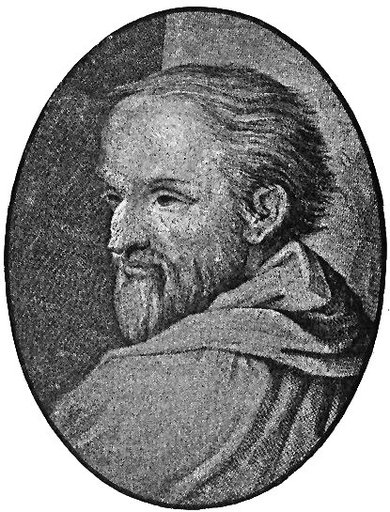
Antonio Allegri da Correggio, usually known as just Correggio, was an Italian Renaissance painter who was the foremost painter of the Parma school of the High Renaissance, who was responsible for some of the most…