Artwork
Family of Negro Slaves from Loango
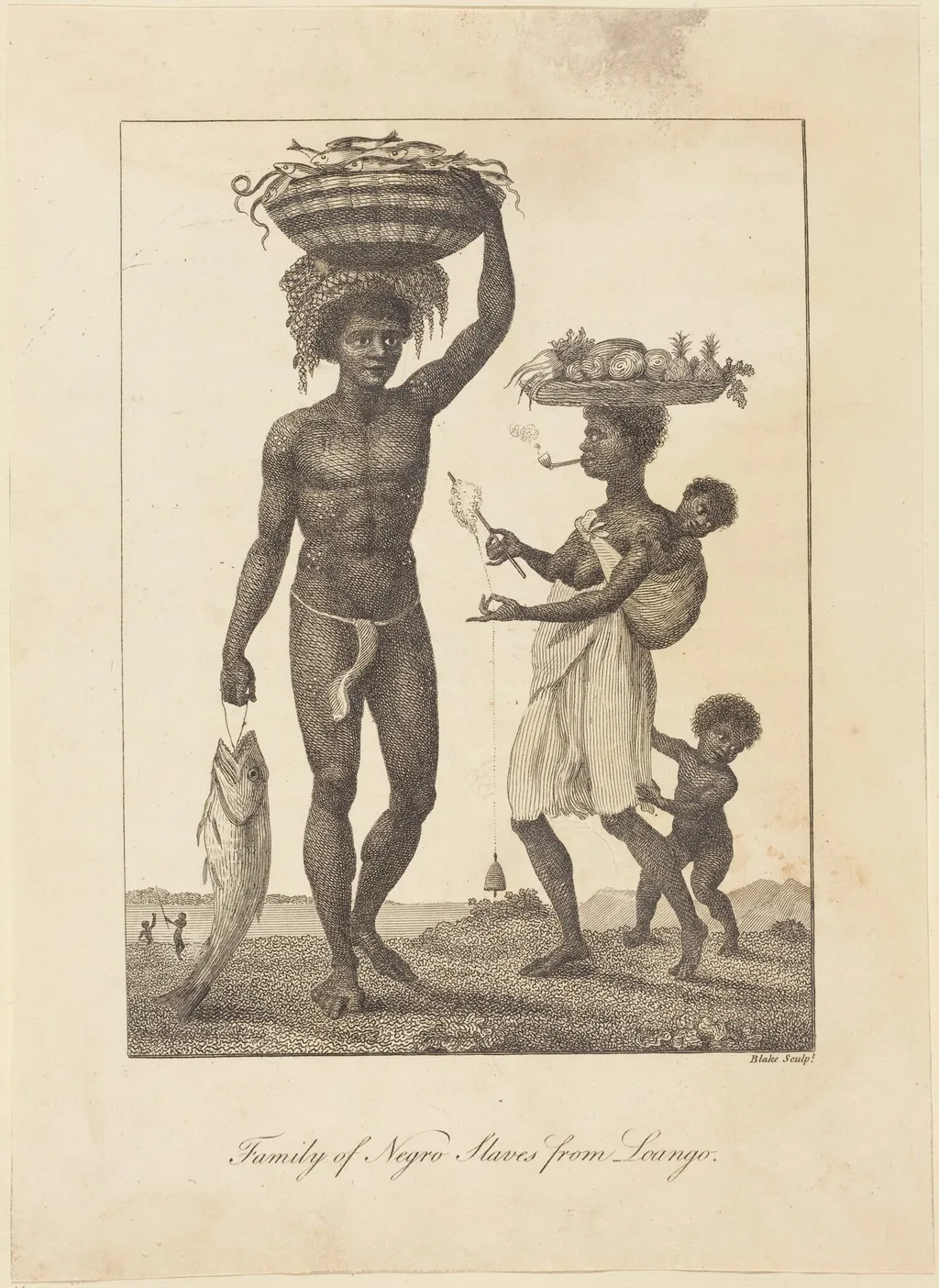
Family of Negro Slaves from Loango is an ink print by the Romanticist artist William Blake. It dates from 1793 and is held in the collection of the National Gallery of Art.
- Inscription
- Inscribed:recto: in plate, below image, at right: Blake Sculpt.; in plate, below image, at center: Family of Negro Slaves from Loango; on mount, in graphite, at lower left: K. III xiii; on mount, in graphite, at lower right: 3-4320 37-1432; verso: none
About this work
Overview
Created in 1793, this print by William Blake combines etching and engraving on wove paper that has been mounted onto laid paper. The work depicts a four‑person family from the Loango region, rendered in fine line work characteristic of Blake’s printmaking practice. The composition presents the figures in a simple outdoor setting, emphasizing their modest attire and everyday activities.
Subject & Meaning
The scene shows a father balancing a large basket on his head while holding a fish, a mother carrying an infant on her back and smoking a pipe, and a small child standing nearby. Their barefoot stance and plain clothing suggest a portrayal of ordinary life among enslaved people, inviting contemplation of their labor, familial bonds, and the broader human condition within the context of the Atlantic slave trade.
Technique & Style
The composition balances delicate shading with stark outlines, a hallmark of Blake’s Romantic sensibility that merges realism with symbolic resonance.
Blake employed a dual process: an initial acid‑etched copper plate followed by hand‑engraved details, allowing for both broad tonal areas and intricate line work. The use of wove paper provides a smooth surface for fine lines, while the laid paper backing adds texture. The composition balances delicate shading with stark outlines, a hallmark of Blake’s Romantic sensibility that merges realism with symbolic resonance.
History & Provenance
The print was produced during Blake’s early career, a period when his socially engaged subjects were seldom recognized by contemporary audiences. It remained relatively obscure until the 20th century, when scholars reassessed Blake’s oeuvre and identified the work as part of his broader engagement with abolitionist themes. Today it is held in several public collections, reflecting its importance to studies of Romantic printmaking and anti‑slavery iconography.
Context
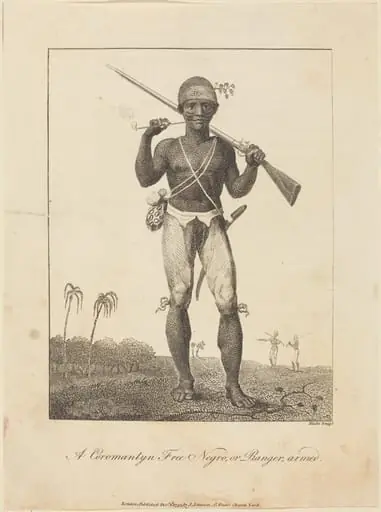
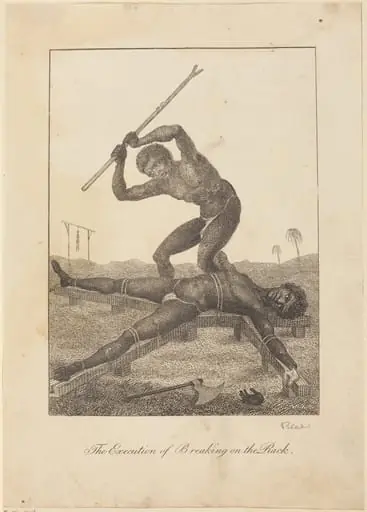
Blake created this image amid growing British abolitionist activity, shortly before the Slave Trade Act of 1807. While Blake is chiefly known for his visionary poetry and illuminated books, this print demonstrates his willingness to address pressing moral issues through visual means. The depiction of a Loango family aligns with contemporary interest in African cultures, yet Blake’s treatment avoids exoticism, focusing instead on the humanity of his subjects.
Own this work as a print
Artist & collection
Artist
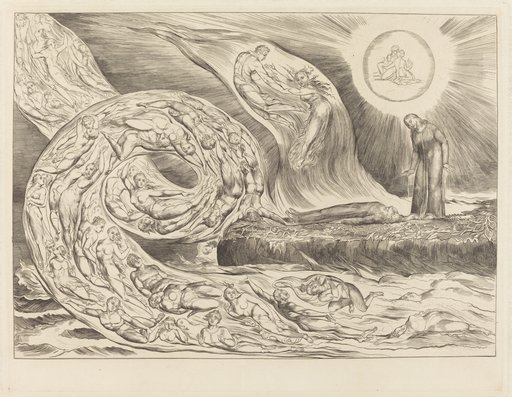
William Blake (28 November 1757 – 12 August 1827) was an English poet, painter and printmaker.