Artwork
Japanese Still Life
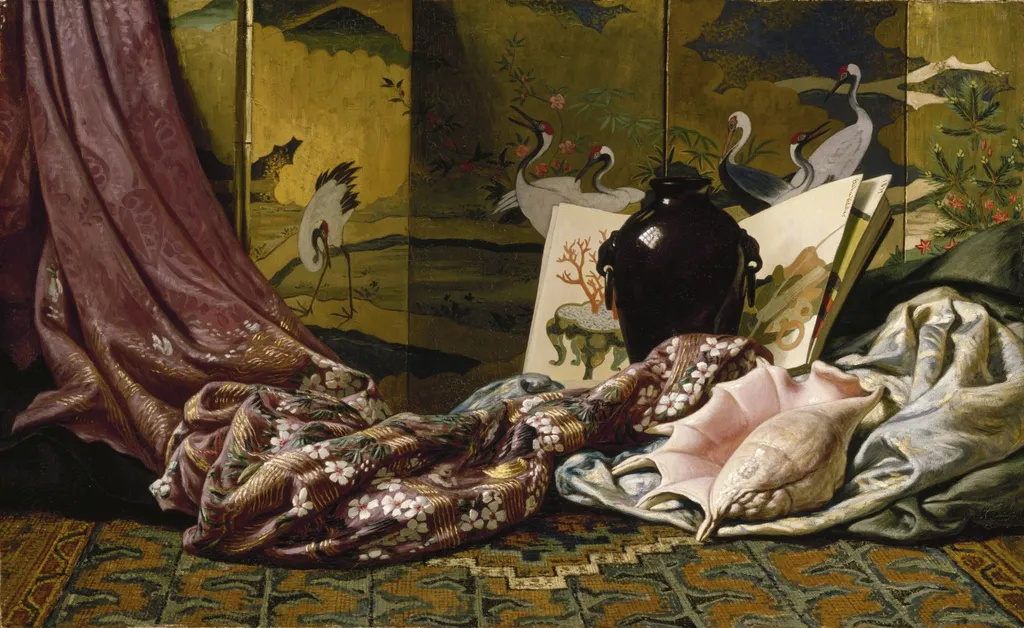
Japanese Still Life is an unspecified painting by the American Impressionist artist Elihu Vedder. It dates from 1890 and is held in the collection of the Los Angeles County Museum of Art.
About this work
Overview
Japanese Still Life is a painting created by Elihu Vedder in 1890, blending Eastern and Western artistic influences within an American Impressionist framework.
Subject & Meaning
The painting depicts a carefully arranged still life on a rug, featuring a black vase, patterned cloths, and a Japanese-designed screen with cranes and plants, evoking a Japanese-inspired ambiance.
Technique & Style
Vedder employed chiaroscuro to create depth, juxtaposing the foreground objects with the screen's backdrop, generating visual interest through layered spatial elements.
History & Provenance
Japanese Still Life is part of the Los Angeles County Museum of Art's collection, reflecting Vedder's exploration of symbolism and cross-cultural aesthetics.
Context
This work exemplifies Vedder's broader practice of merging symbolic themes with diverse artistic traditions, characteristic of his contributions to American Symbolism and illustration.
Artist & collection
Artist
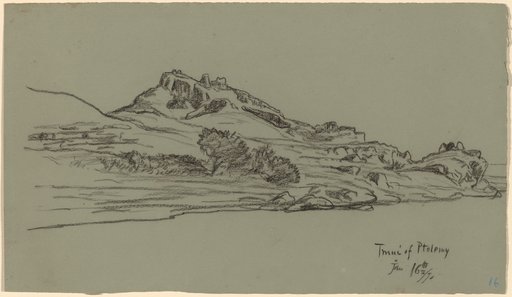
Elihu Vedder (26 February 1836 – 29 January 1923) was an American symbolist painter, book illustrator and poet from New York City.

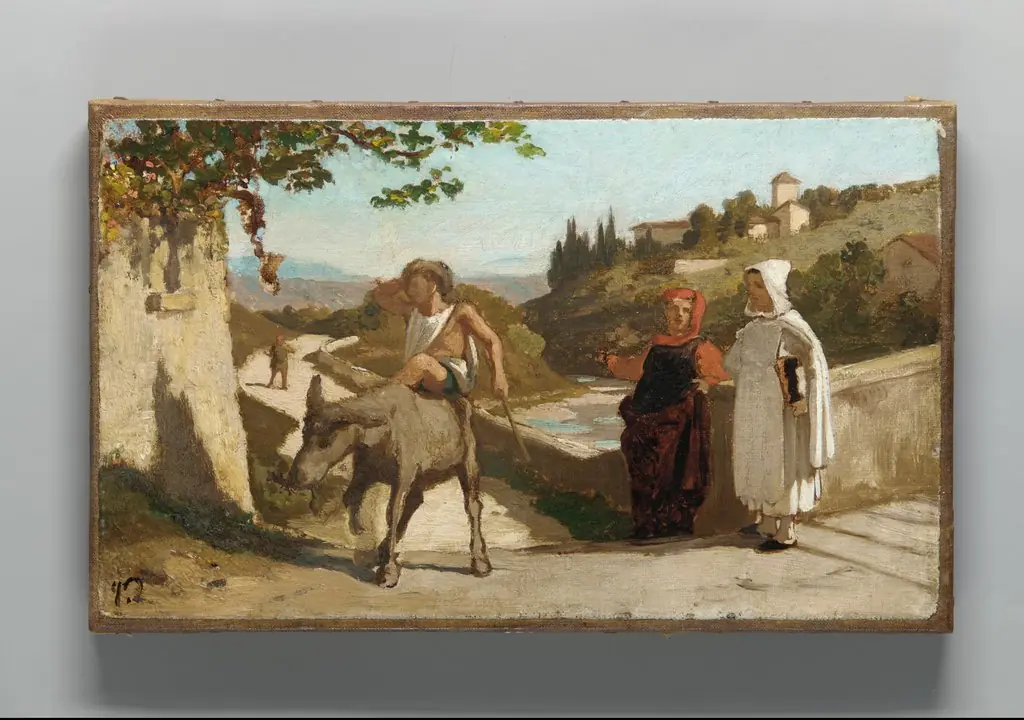 The Fable of the Miller, His Son, and the Donkey
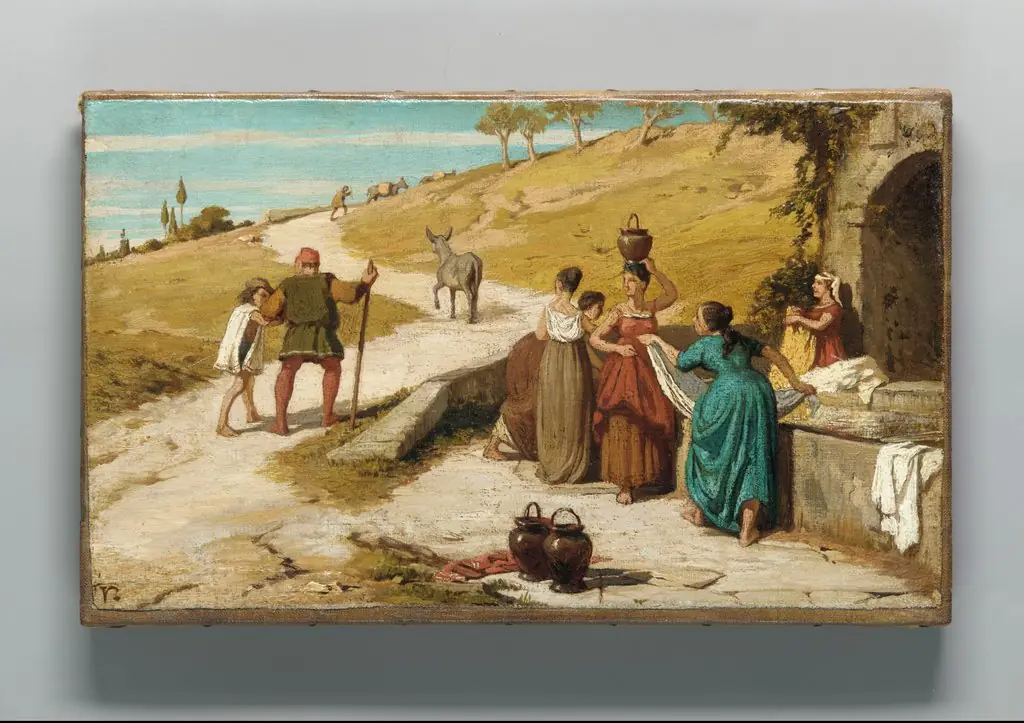 The Fable of the Miller, His Son, and the Donkey
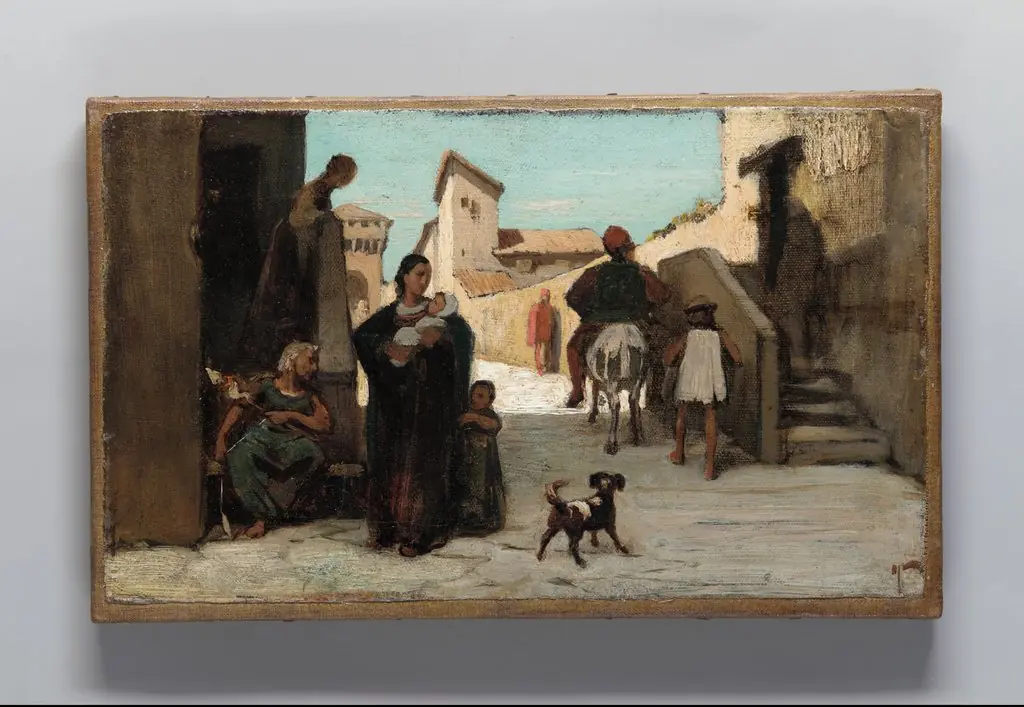 The Fable of the Miller, His Son, and the Donkey
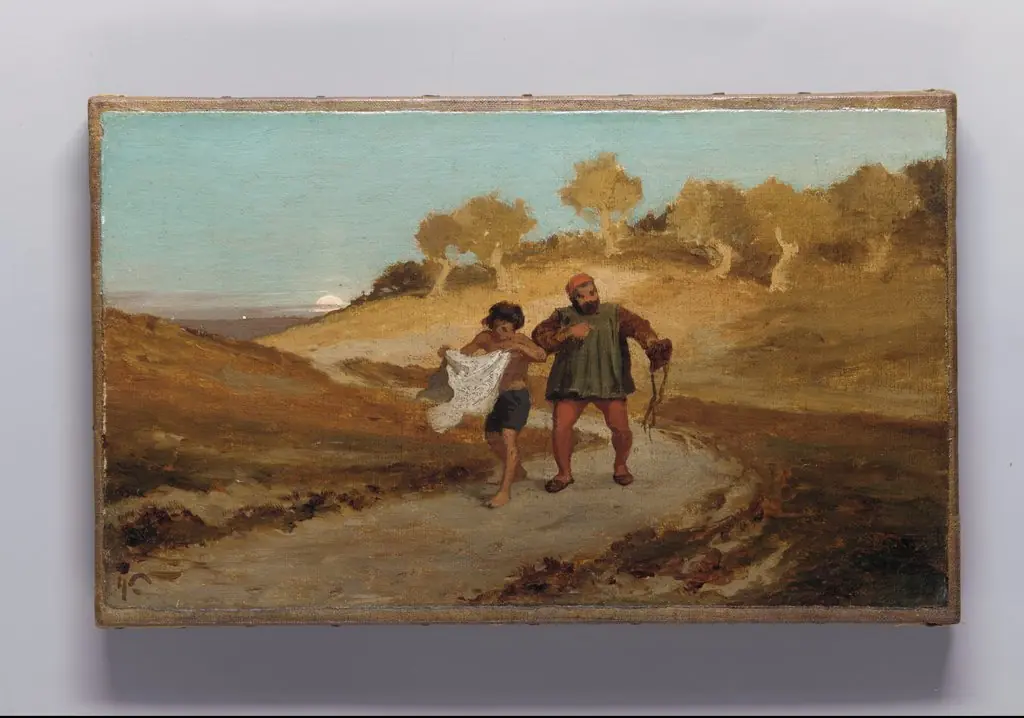 The Fable of the Miller, His Son, and the Donkey
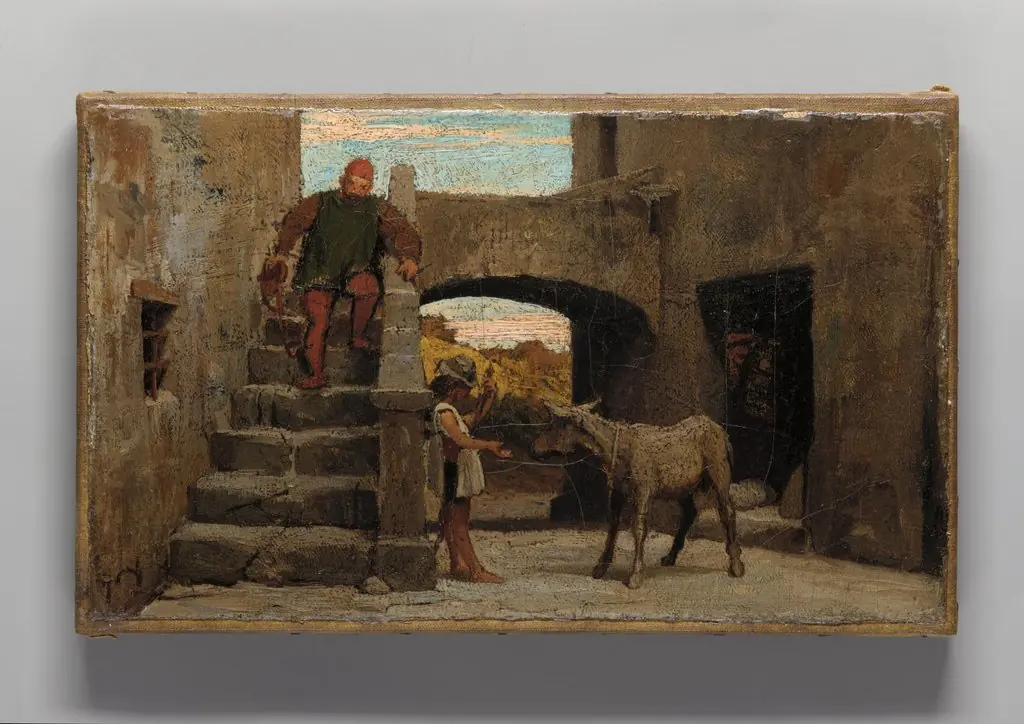 The Fable of the Miller, His Son, and the Donkey
 The African Sentinel
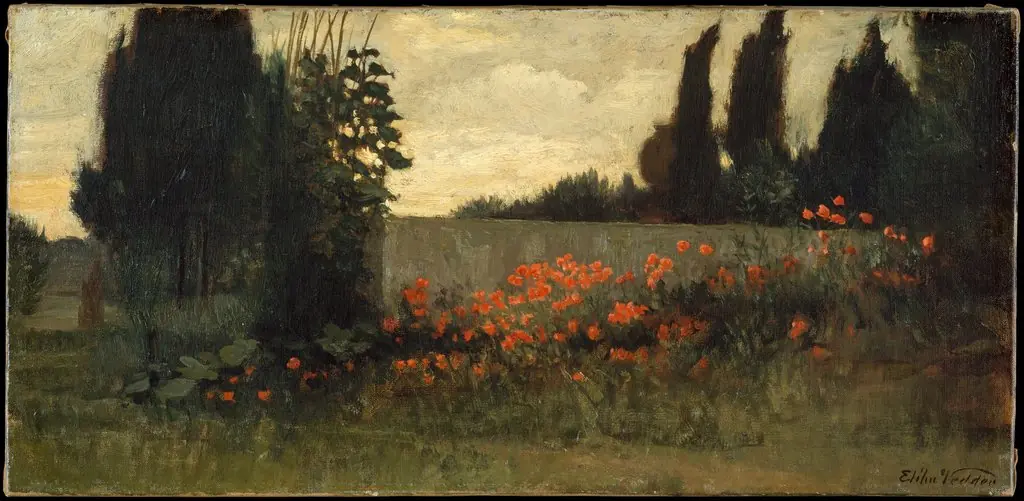 Cypress and Poppies
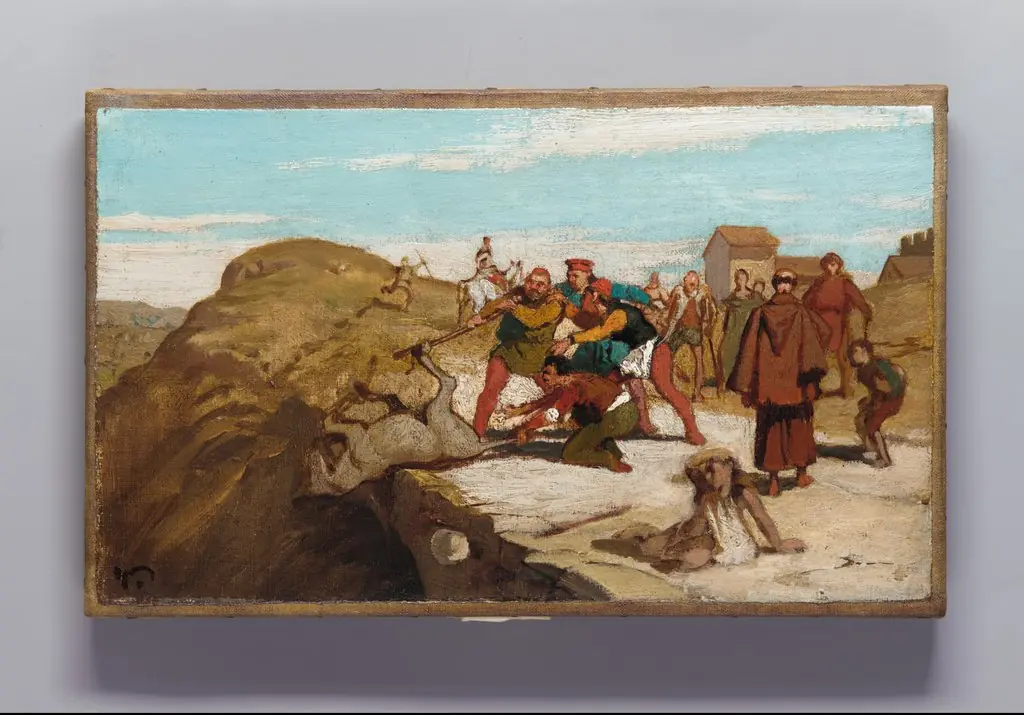 The Fable of the Miller, His Son, and the Donkey
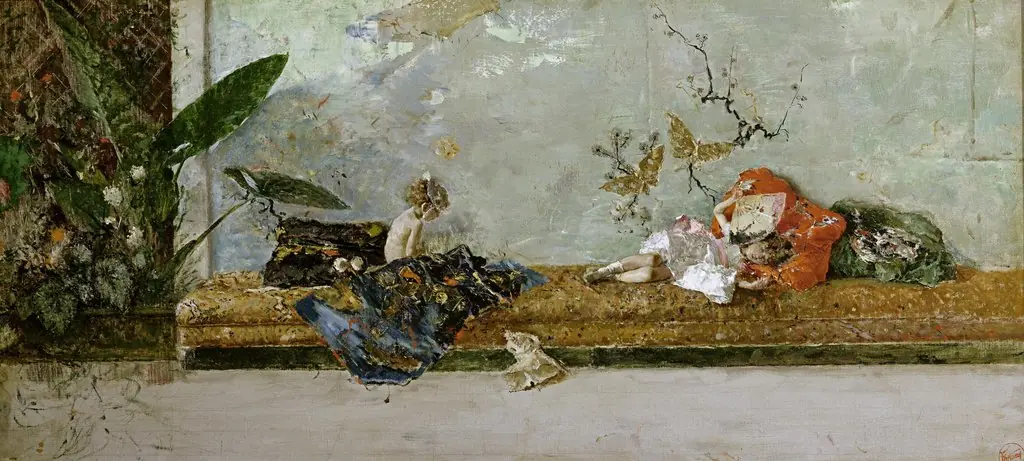 The Painter's Children in the Japanese Room
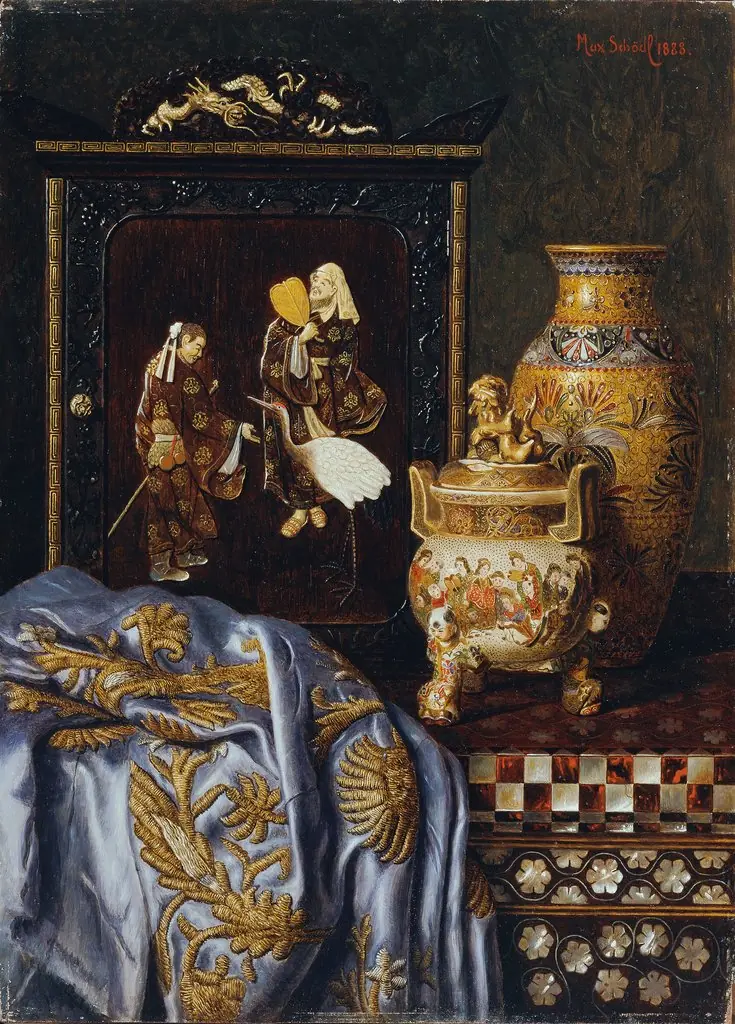 Stillleben mit japanischen Kunstgegenständen
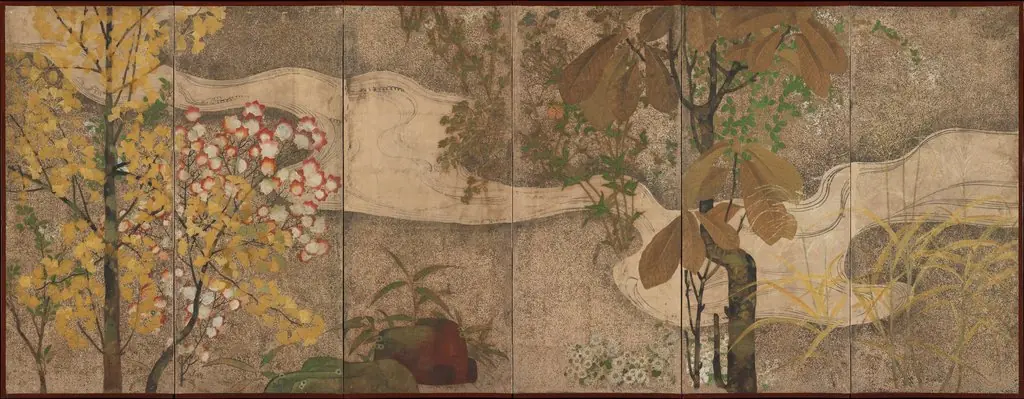 Autumn Trees and Grasses by a Stream
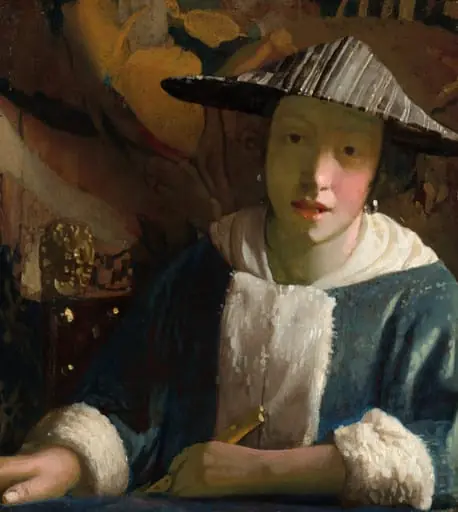 Girl with a Flute
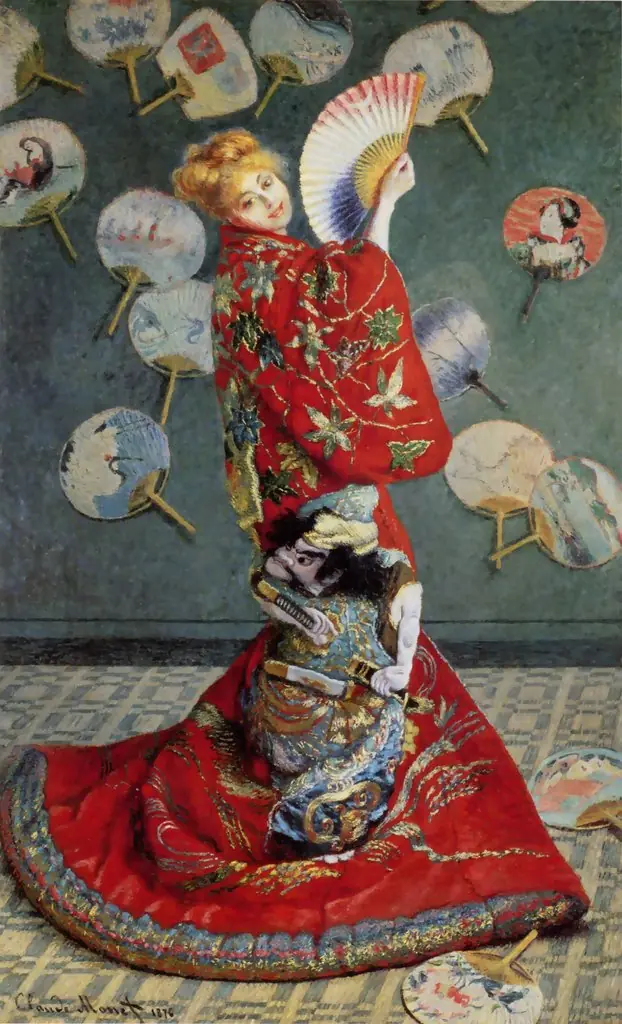 Madame Monet wearing a kimono
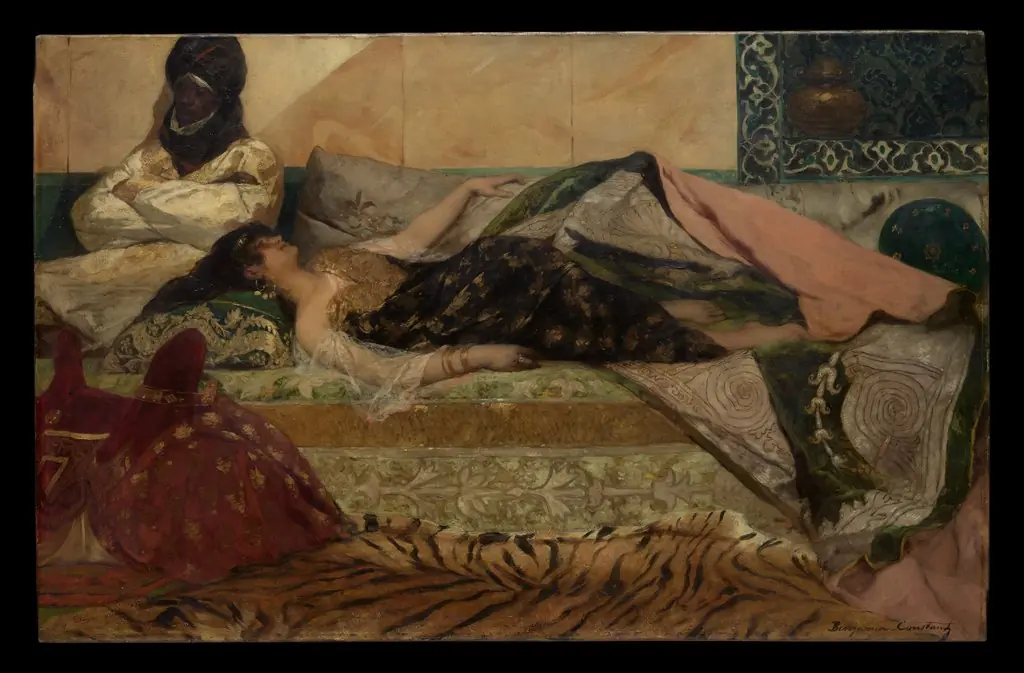 Odalisque
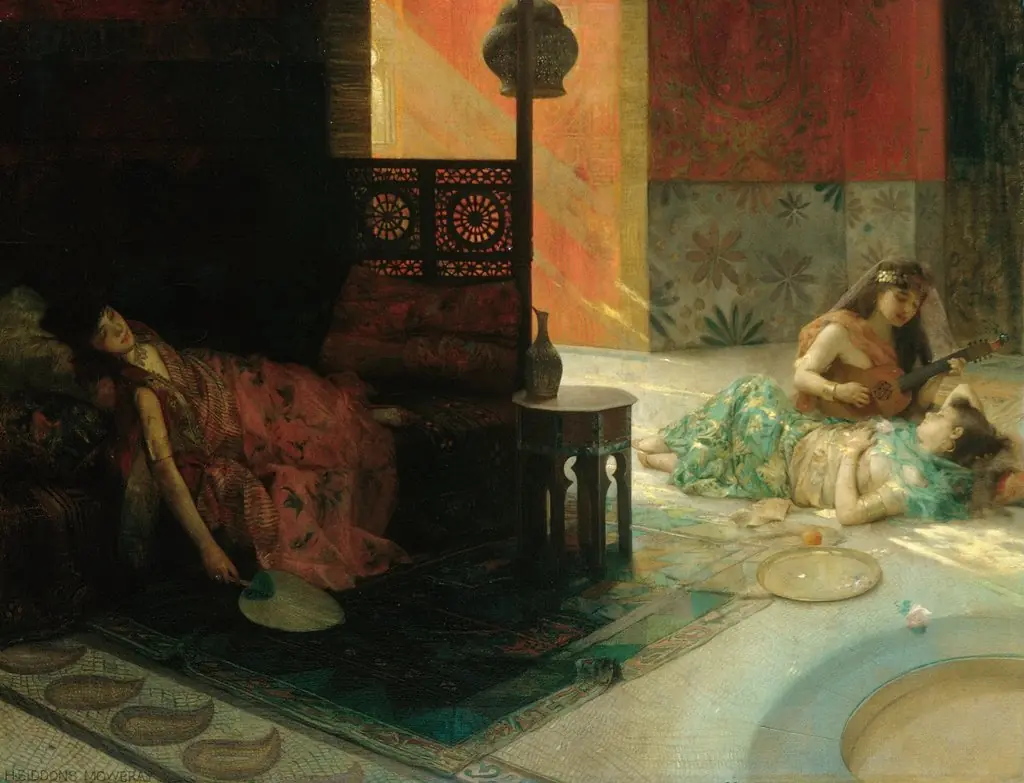 Harem Scene
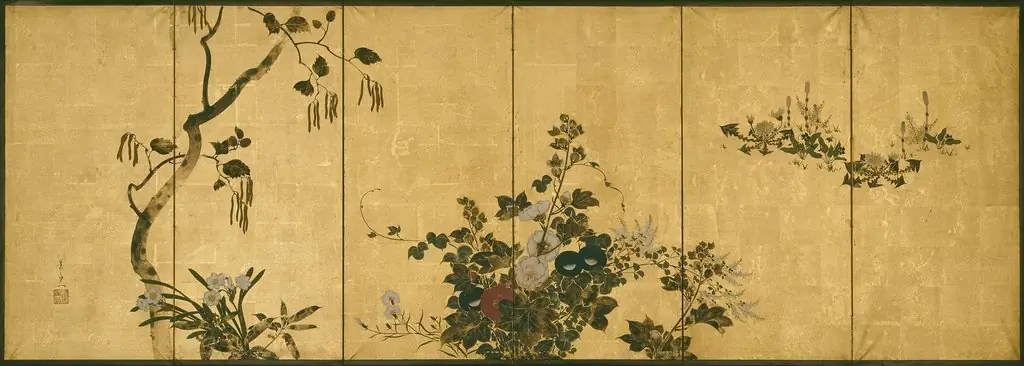 Flowers of Autumn and Winter
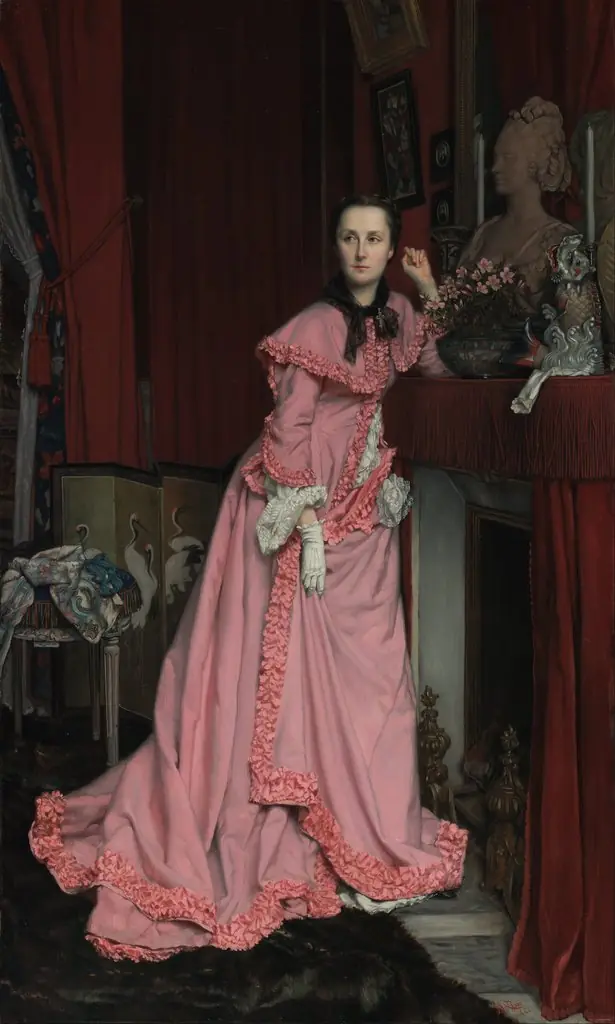 Portrait of the Marquise de Miramon, née, Thérèse Feuillant
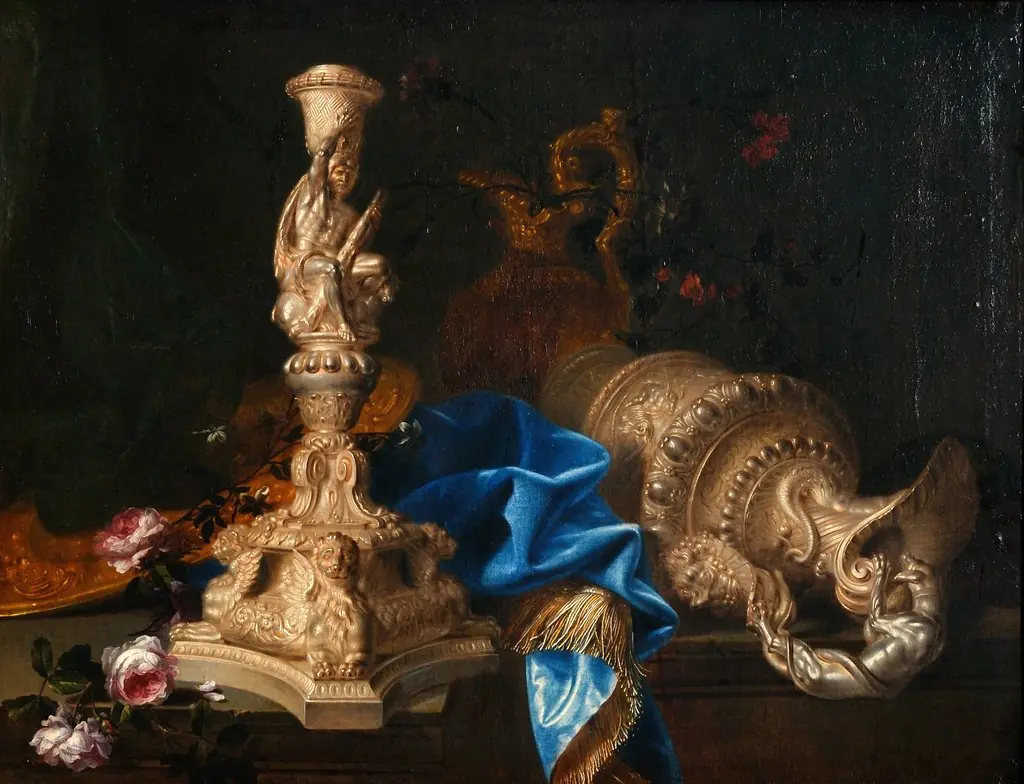 Still life with candlestick of the "Labours of Hercules" series and two ewers
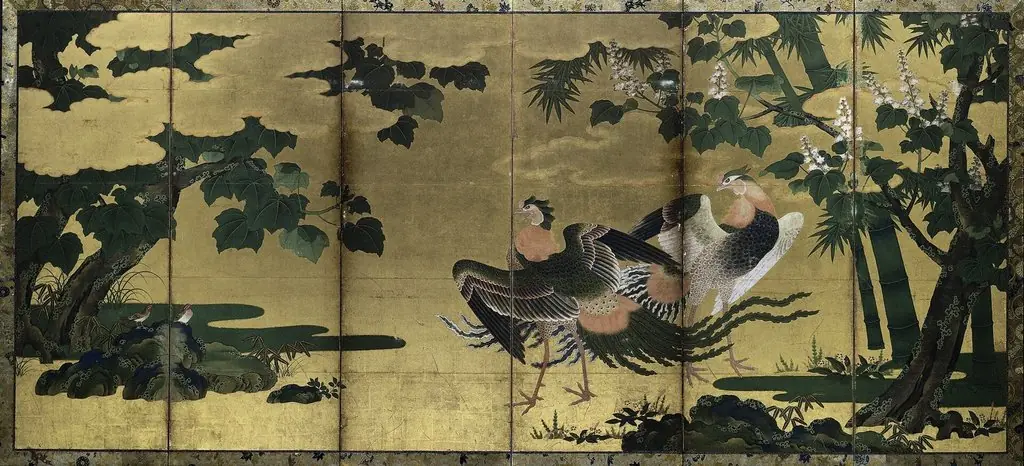 Phoenixes and Paulownia
 Woman with a Veil