Artwork
Allegory of dawn
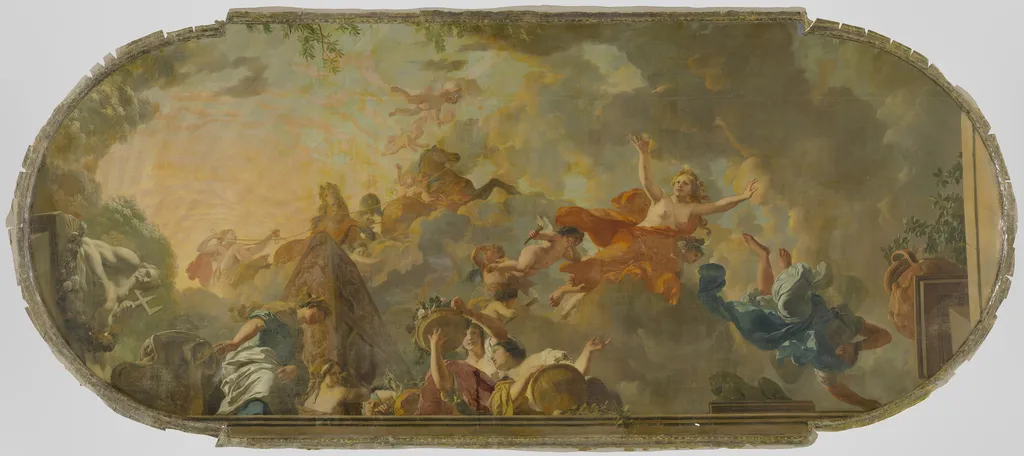
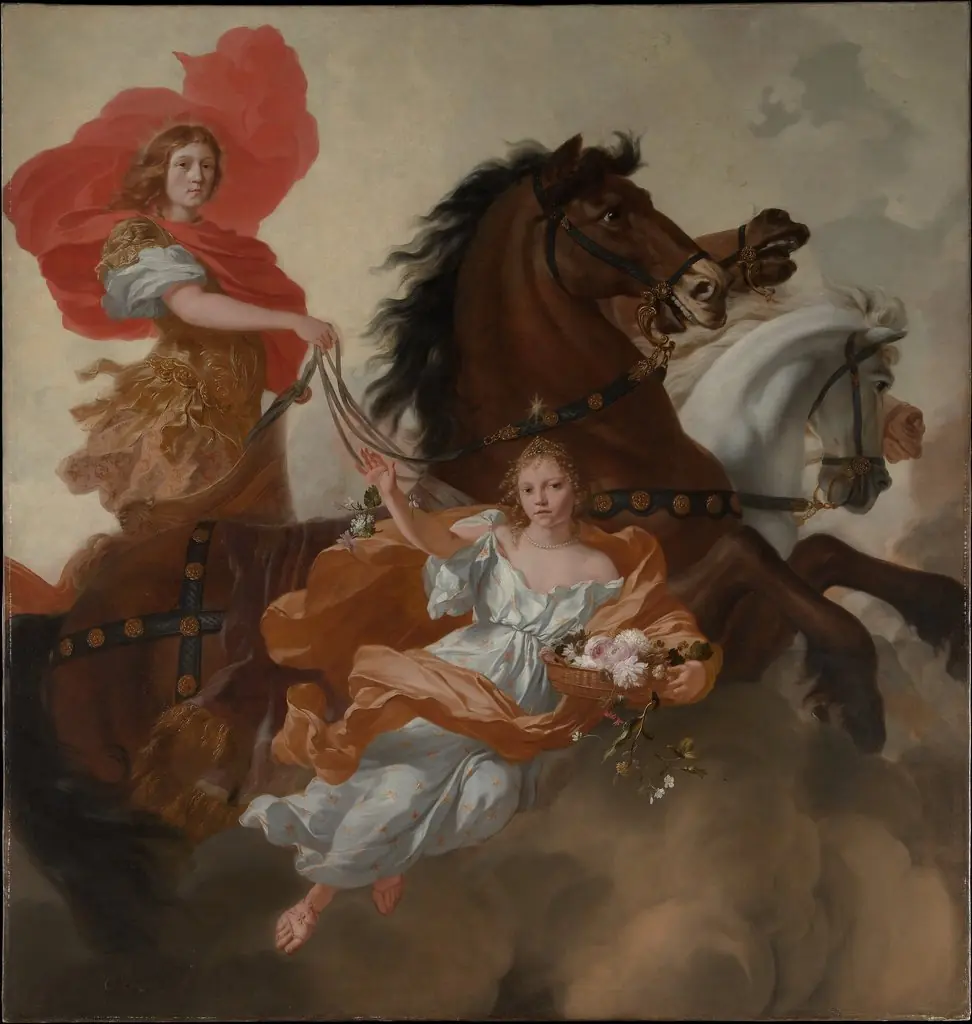
Allegory of dawn is an oil painting by the Dutch Golden Age artist Gerard de Lairesse. It dates from 1673 and is held in the collection of the Rijksmuseum.
About this work
Technique & Style
The work is classified as an allegorical painting, a genre central to the artist's output during this period.
Gerard de Lairesse executed the Allegory of Dawn in 1673 using oil paint applied to a canvas support. The work is classified as an allegorical painting, a genre central to the artist's output during this period. Its physical dimensions are substantial, measuring 290 cm in height and 680 cm in width, indicating a large-scale composition intended for significant visual impact. The piece is currently held within the collection of the Rijksmuseum.
History & Provenance
An oil painting on canvas titled Allegory of dawn was created in 1673 by Gerard de Lairesse, who both painted and engraved the work. The piece entered the collection of the Rijksmuseum, where it remains on display.
The painting was commissioned as part of a decorative program for the Amsterdam city hall, reflecting the allegorical representation of dawn as a symbolic element of civic virtue.
The work measures 290 cm in height and 680 cm in width, confirming its large-scale format typical of 17th‑century allegorical canvases.
Gerard de Lairesse's Allegory of Dawn, created in 1673, is held in the collection of the Rijksmuseum. The painting, executed in oil on canvas, measures 290 cm in height and 680 cm in width. While the work is confirmed to be part of the museum's holdings, the provided sources do not specify an inventory or accession number, nor do they list any exhibition history for this specific piece.
Legacy
The painting influenced later Dutch allegorical works through its compositional treatment of personified concepts, particularly its integration of celestial symbolism with narrative structure. De Lairesse's theoretical writings on proportion and expression, articulated in this work, informed subsequent discourse on visual rhetoric in Dutch Baroque art. The piece remains part of the Rijksmuseum's permanent collection, where it is cited in scholarly analyses of 17th-century emblematic traditions.
Overview
Allegory of Dawn is a 1673 oil painting by Gerard de Lairesse, a Dutch painter and theorist. It is an allegorical work characteristic of the Dutch Golden Age movement and is now held in the Rijksmuseum.
Subject & Meaning
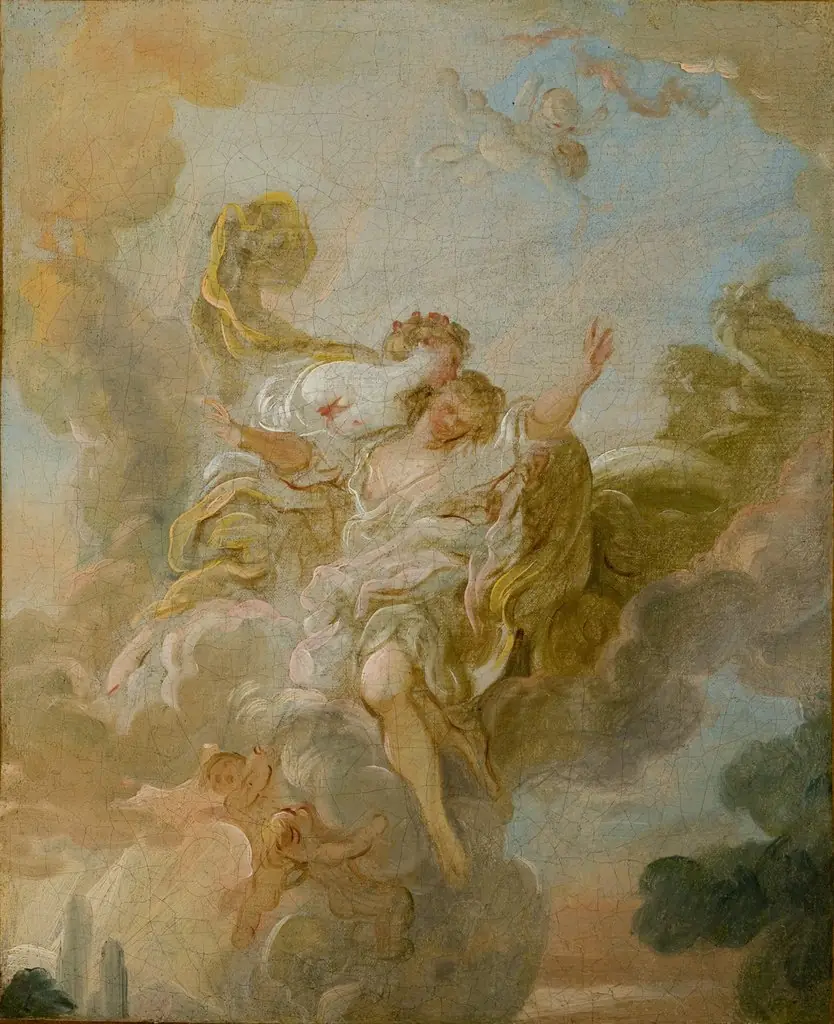
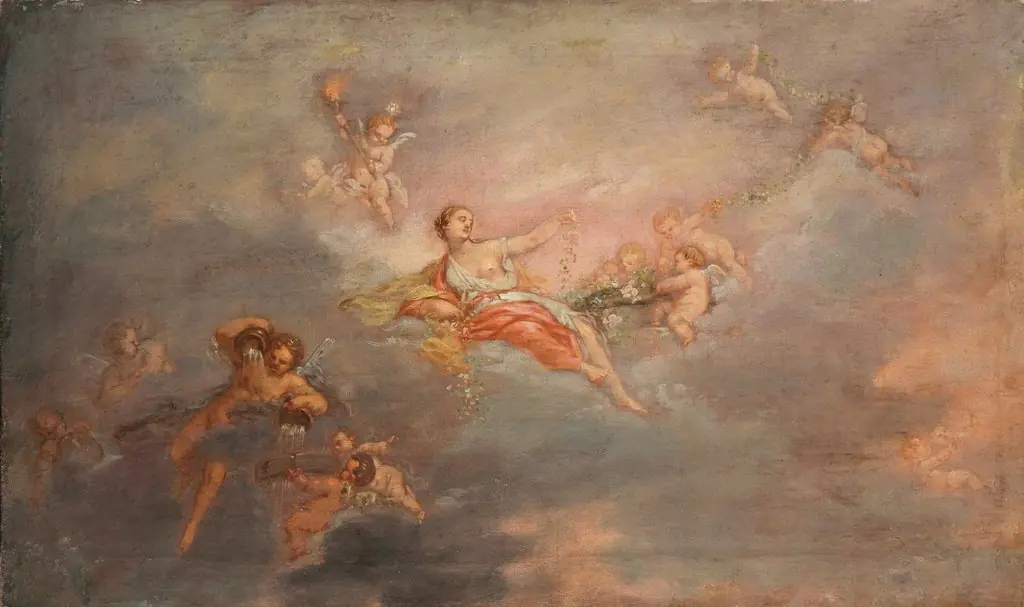
The painting depicts a dynamic scene with multiple figures, centered around a woman in an orange robe with outstretched arms, set against a backdrop of clouds and a radiant sun. The figures interact with each other and their surroundings, conveying a symbolic narrative.
Artist & collection
Artist
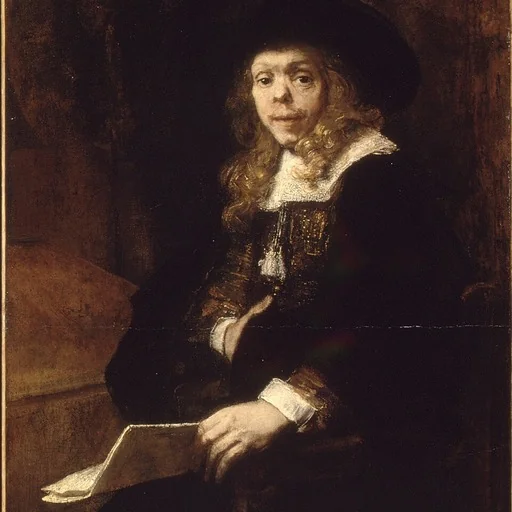
Gerard or Gérard (de) Lairesse (French pronunciation:; 11 September 1641 – June 1711) was a Dutch Golden Age painter and art theorist.

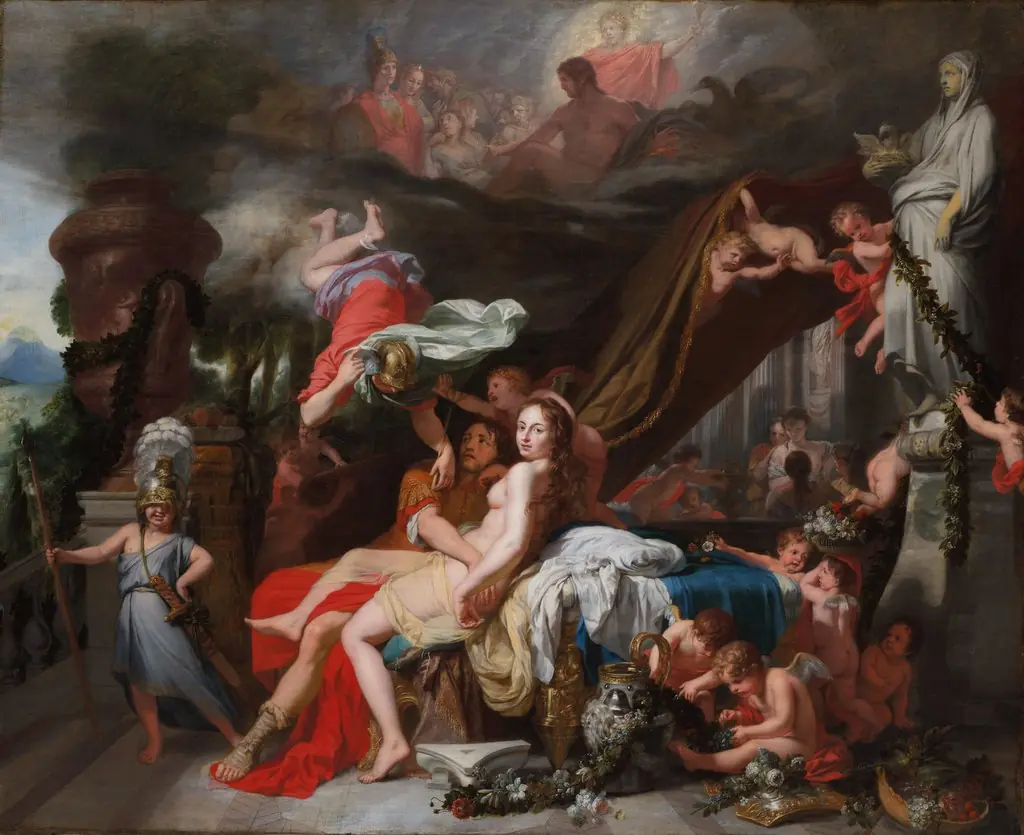
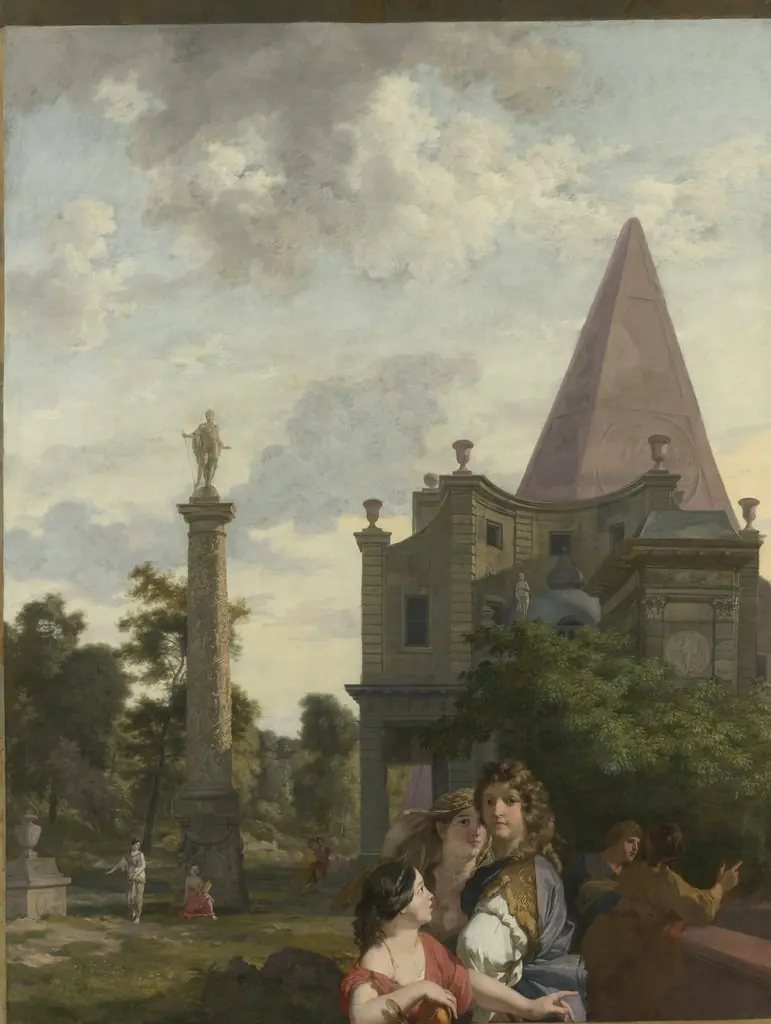
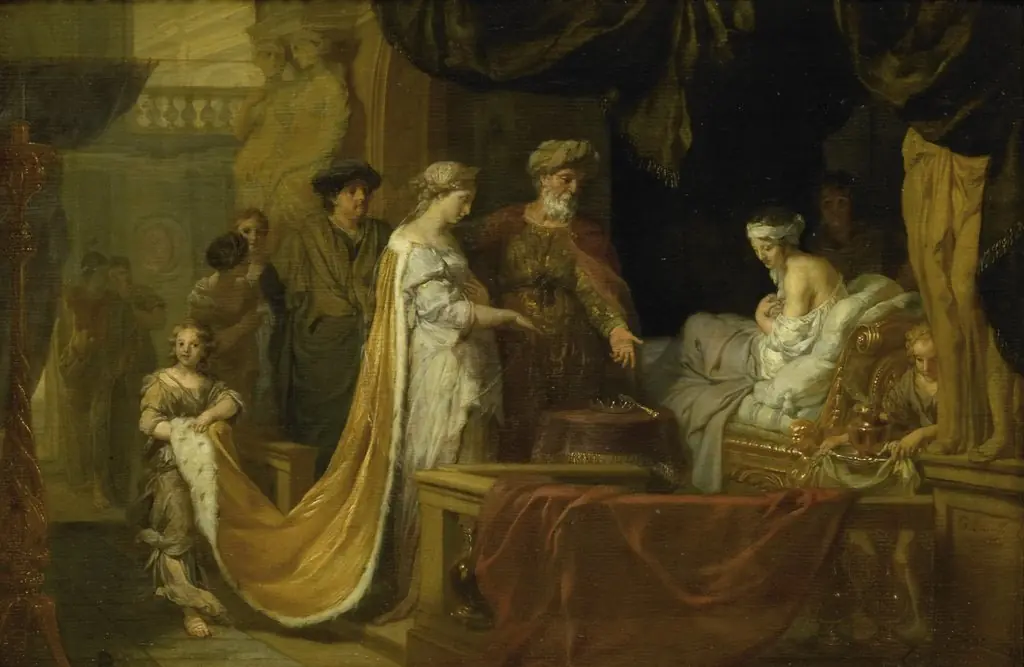
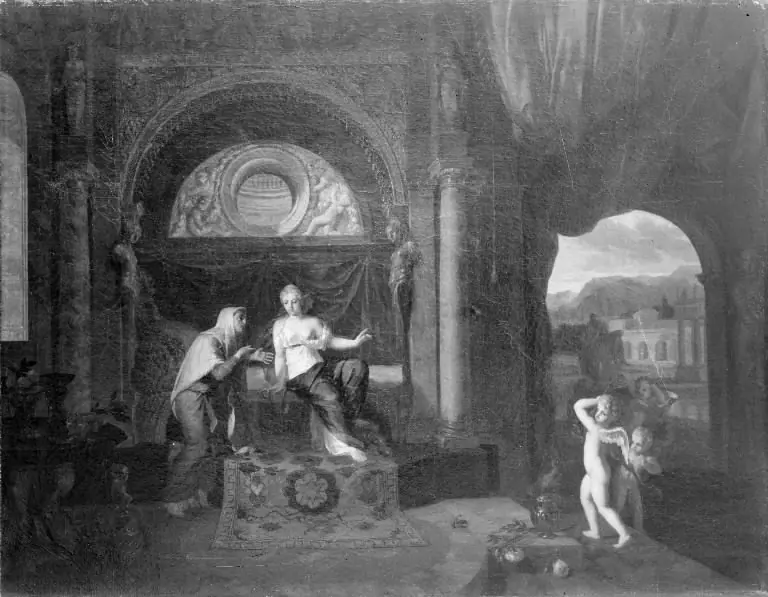
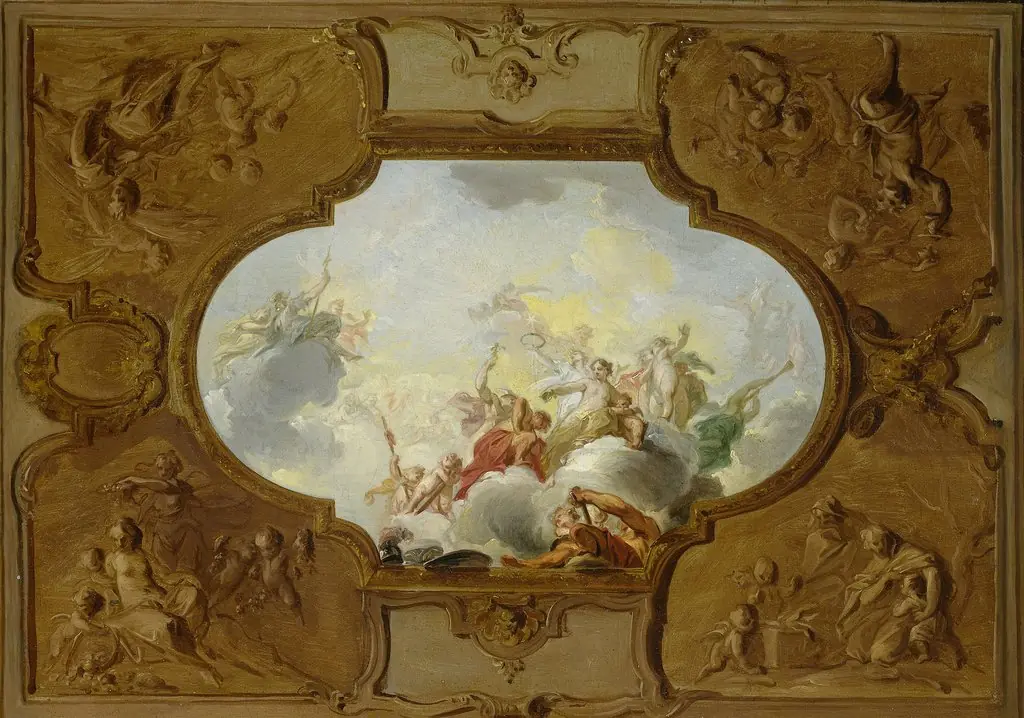 Design for a ceiling piece with Aeneas and the four seasons in the corners
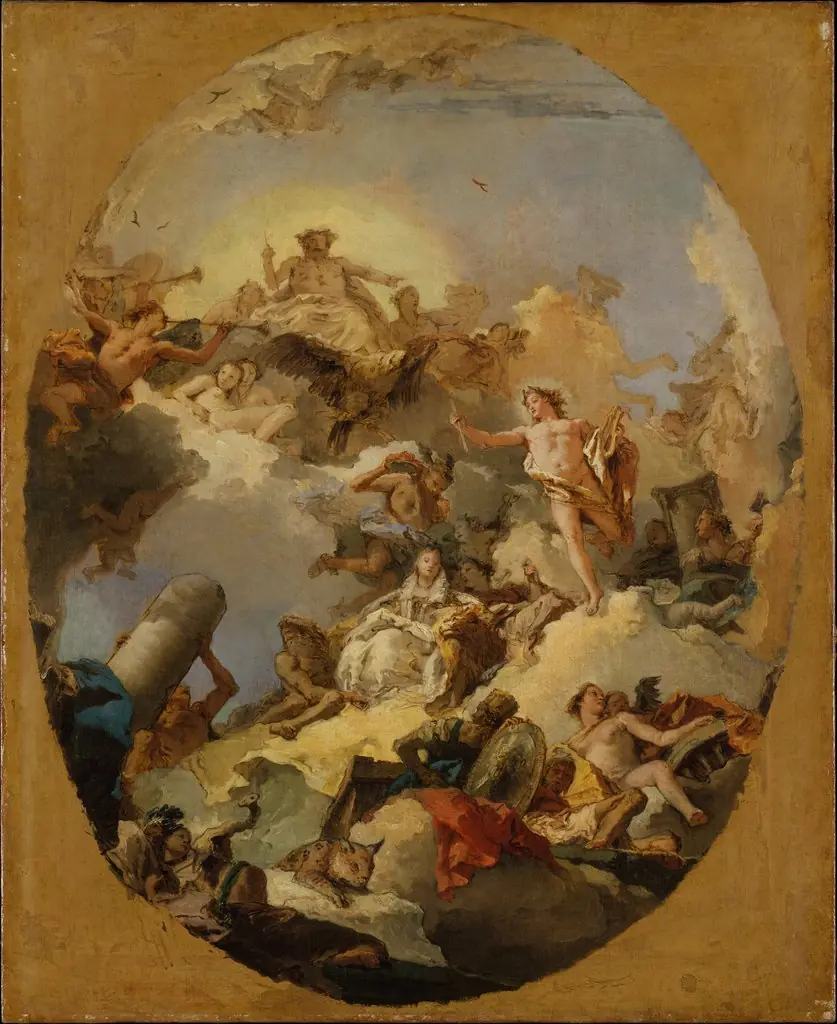 The Apotheosis of the Spanish Monarchy
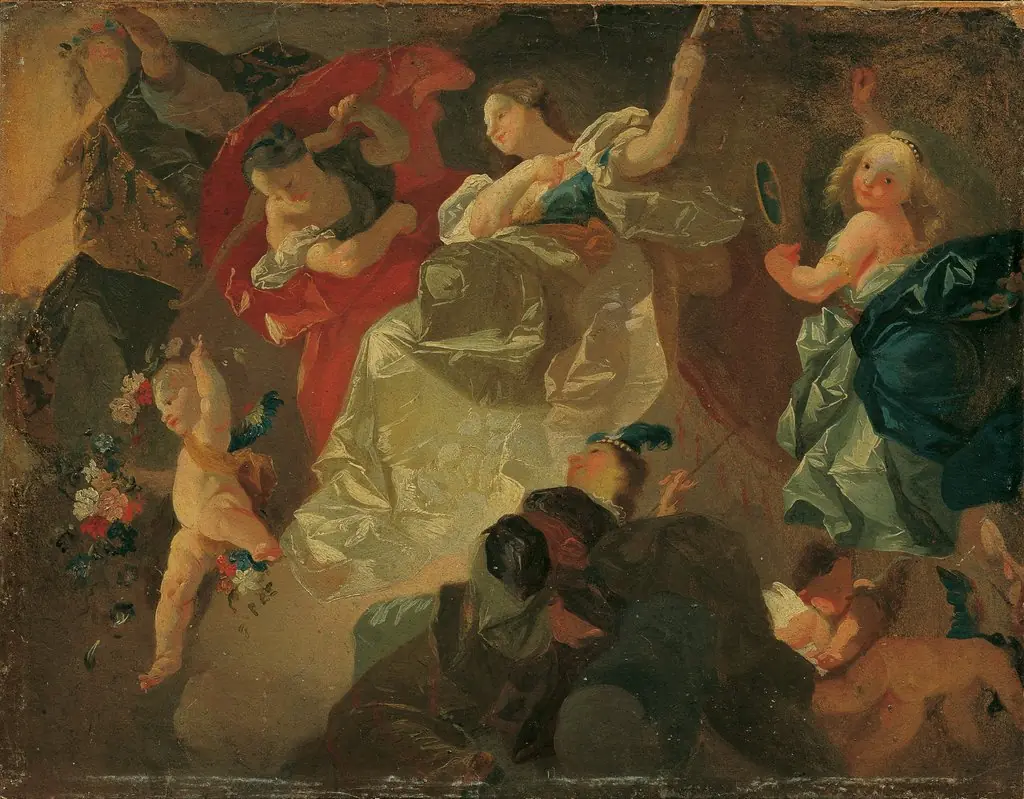 Virtues
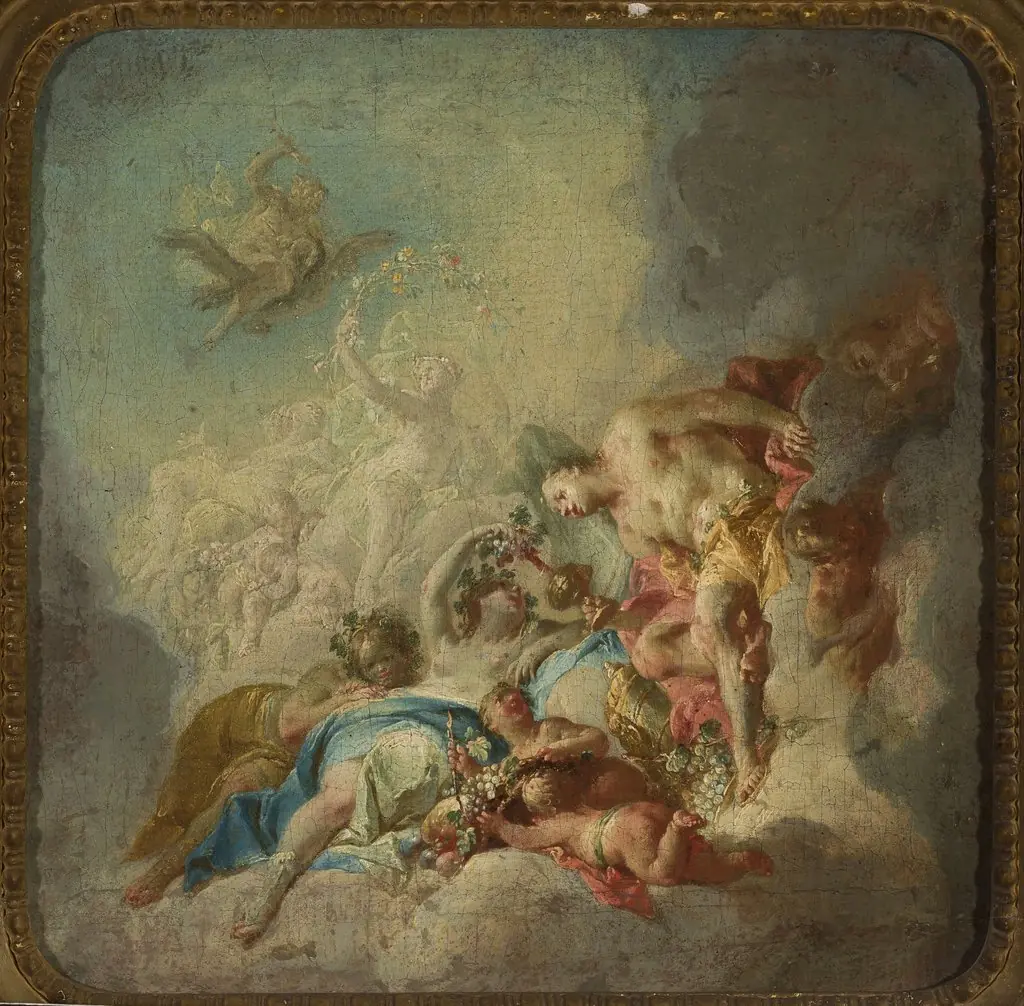 Bacchus and Ceres
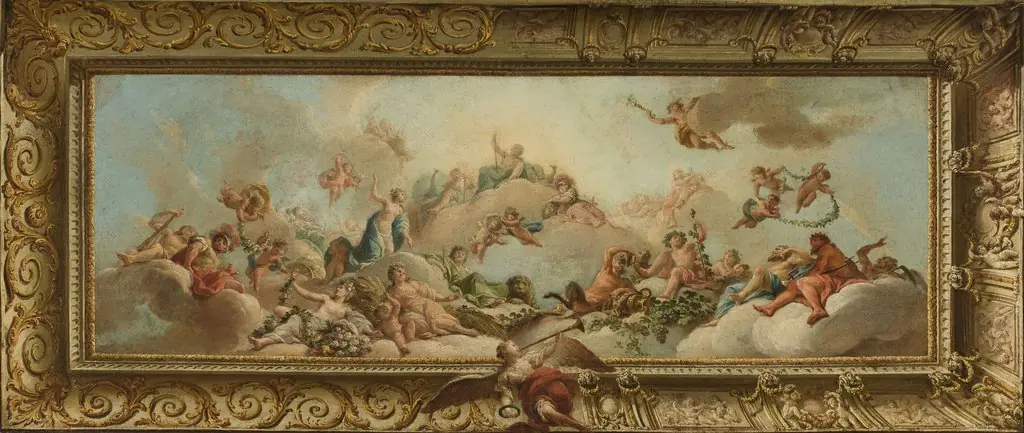 Greeting of Venus at Mount Olympus
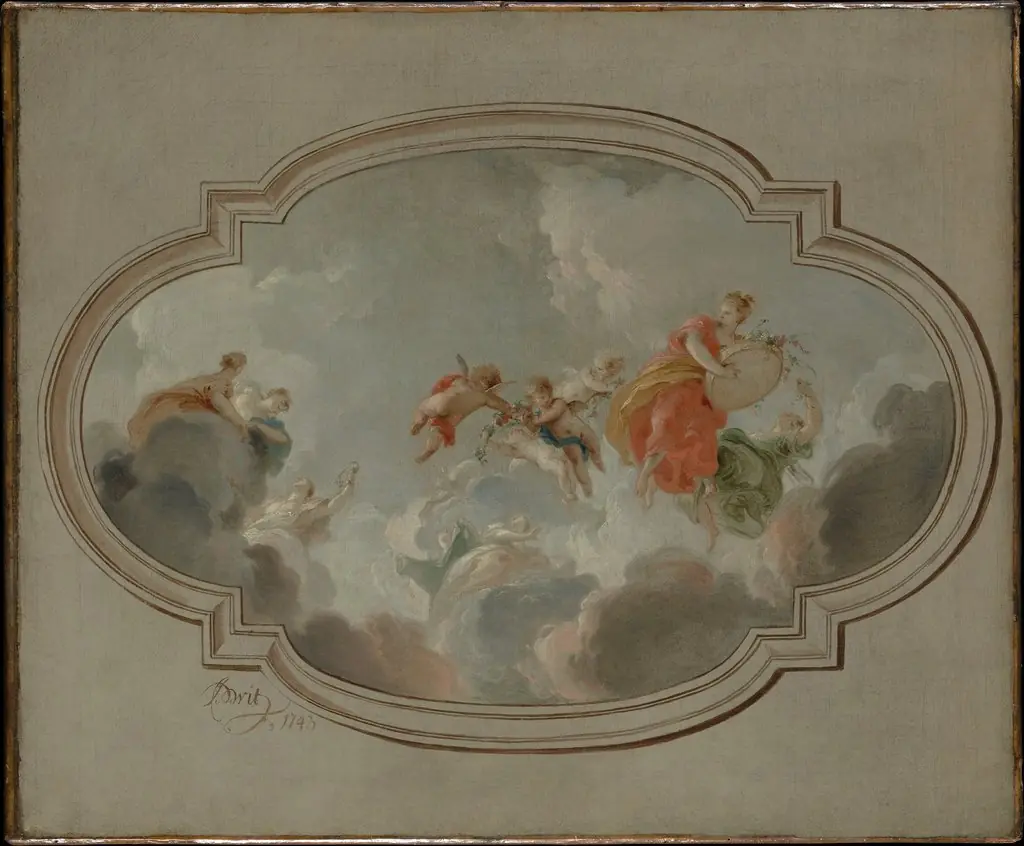 Flora and Zephyr
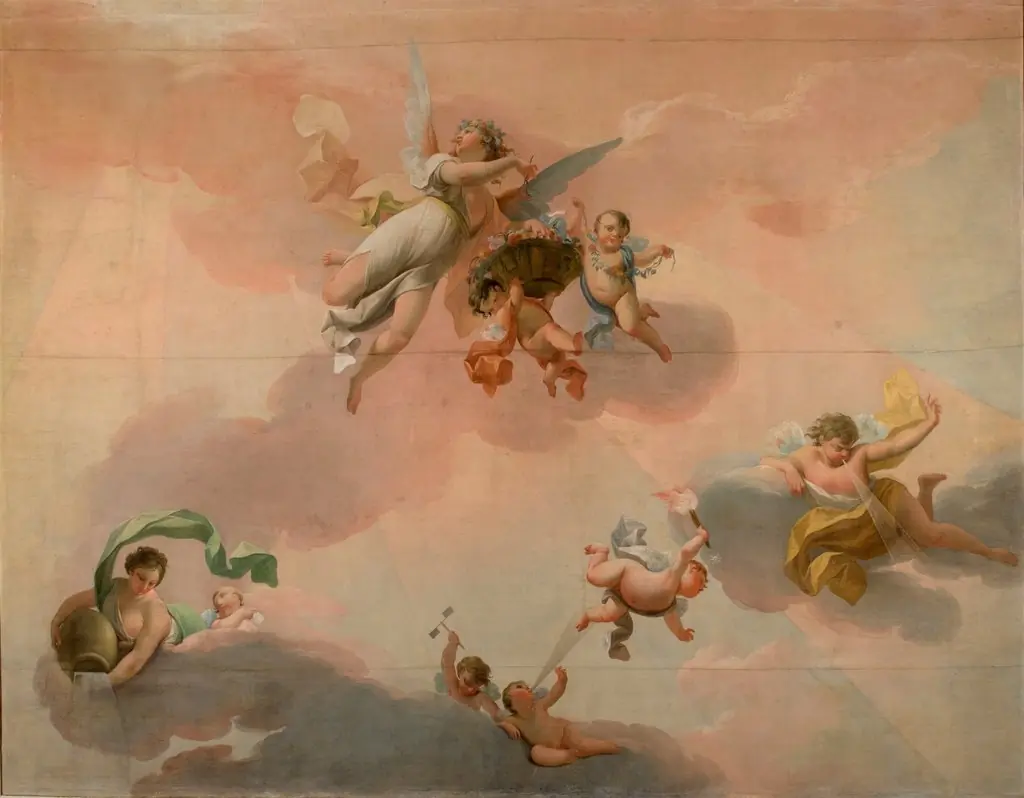 Alegoría de la Aurora
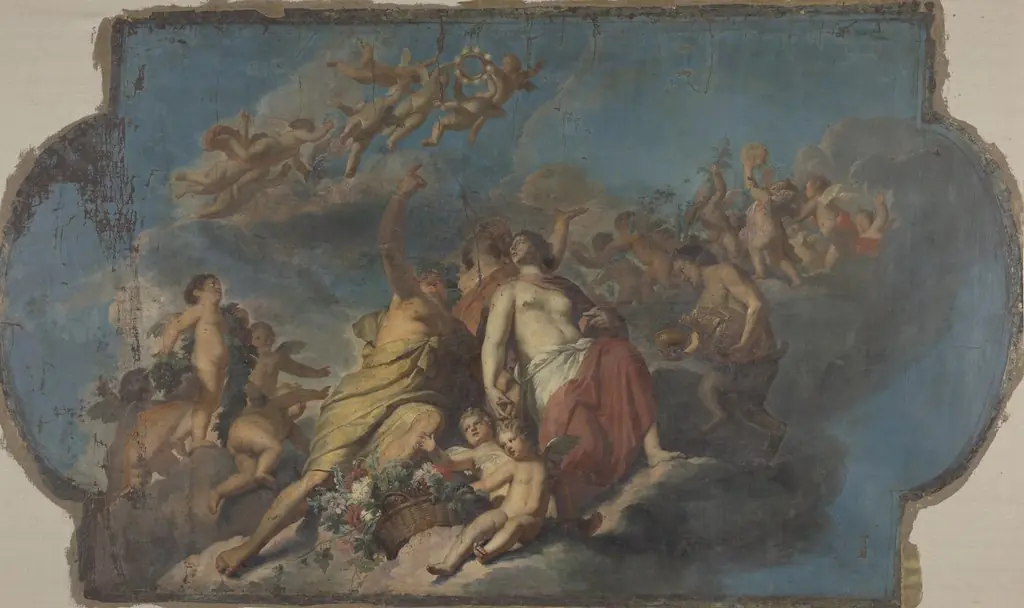 The Marriage of Bacchus and Ariadne
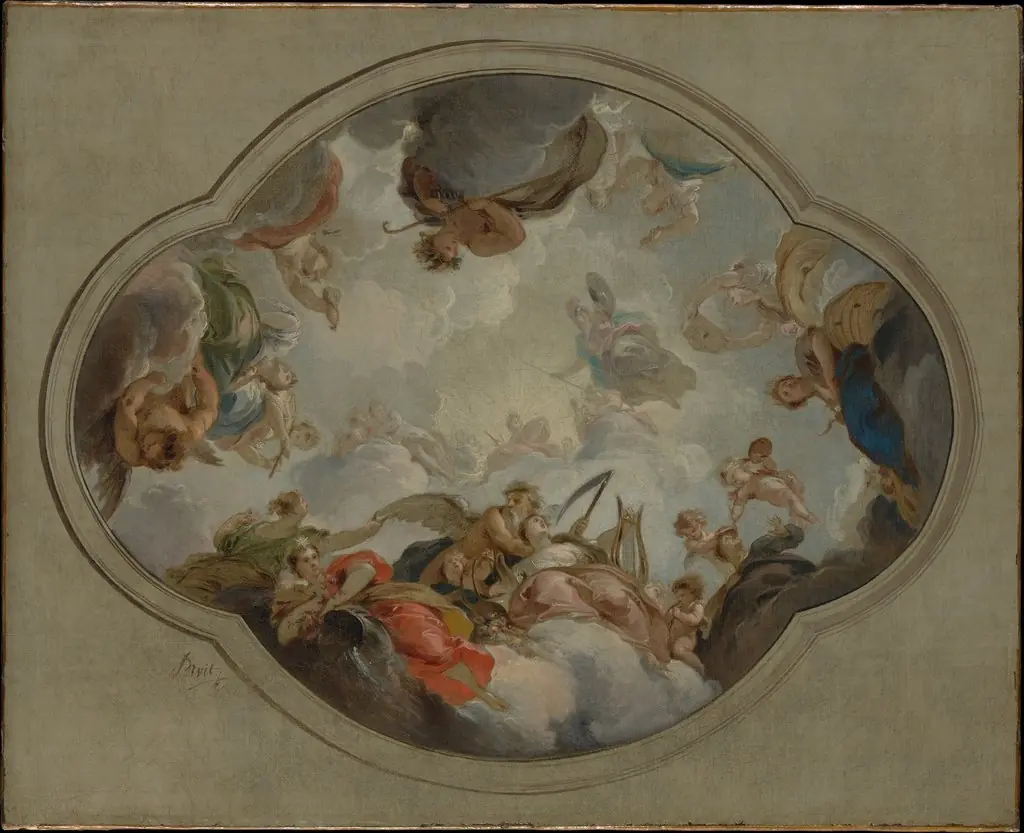 Allegory of the Arts
 Allegorical Figures
 Der Morgen / Aurora blumenstreuend
- Allegory