Artwork
Sarah Carver and Her Daughter, Sarah
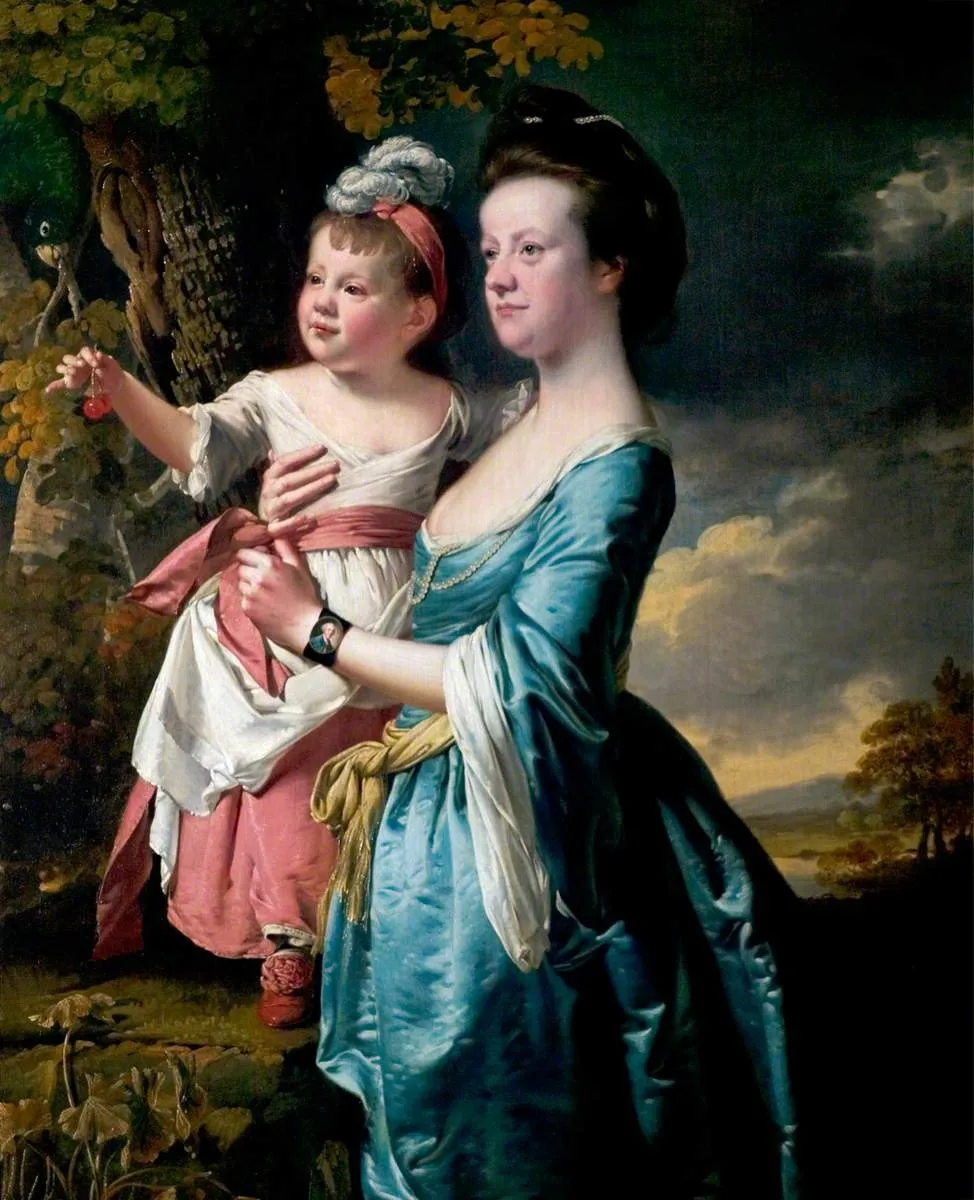
Sarah Carver and Her Daughter, Sarah is an oil painting by the Rococo painting artist Joseph Wright of Derby. It dates from 1769 and is held in the collection of the Derby Museum and Art Gallery.
About this work
Overview
Wright, known for his nuanced depictions of domestic life and natural light, rendered the scene with careful attention to atmosphere and emotional quietude.
Painted in 1769 by Joseph Wright of Derby, this oil portrait depicts Sarah Carver and her young daughter, Sarah. Wright, known for his nuanced depictions of domestic life and natural light, rendered the scene with careful attention to atmosphere and emotional quietude. The work is part of the Derby Museum and Art Gallery’s permanent collection, where it remains a key example of 18th-century British portraiture.
Subject & Meaning
The painting captures a tender, unposed moment between mother and child in an outdoor setting. Sarah Carver, dressed in blue with a yellow sash, gazes aside as if distracted by something beyond the frame, while her daughter, in white and pink, looks directly outward with quiet curiosity. The red flower she holds may symbolize youth or fleeting innocence, reinforcing the painting’s subtle meditation on familial bonds and the passage of time.
Technique & Style
Wright employed chiaroscuro to sculpt the figures with dramatic yet naturalistic lighting, drawing attention to their faces and hands while softening the surrounding landscape. The brushwork is precise in detailing fabrics and foliage, yet loose enough to suggest atmosphere. The interplay of light and shadow, influenced by Caravaggisti traditions, elevates the scene beyond mere likeness into a contemplative study of presence and stillness.
History & Provenance
Commissioned by the Carver family, the painting remained in private hands until its acquisition by Derby Museum and Art Gallery in the 20th century. Its survival in good condition reflects its early recognition as a significant work by Wright, an artist deeply connected to Derby’s intellectual and artistic circles. The painting’s provenance aligns with Wright’s broader practice of portraying local families with dignity and psychological depth.
Context
Created during the late Rococo period, the painting diverges from the ornamental frivolity typical of the style by embracing a more restrained, intimate realism. Wright’s focus on natural light and emotional subtlety aligns with emerging Enlightenment ideals of individuality and quiet observation. Though set outdoors, the scene avoids grandeur, instead reflecting a growing cultural interest in domestic virtue and personal connection.
Legacy
The portrait stands as a quiet landmark in British portraiture for its synthesis of emotional nuance and technical precision. Wright’s use of chiaroscuro in domestic settings influenced later artists seeking to elevate everyday subjects. The painting continues to be studied for its understated narrative and its role in shifting portraiture away from aristocratic formality toward more personal, psychologically resonant imagery.
Artist & collection
Artist
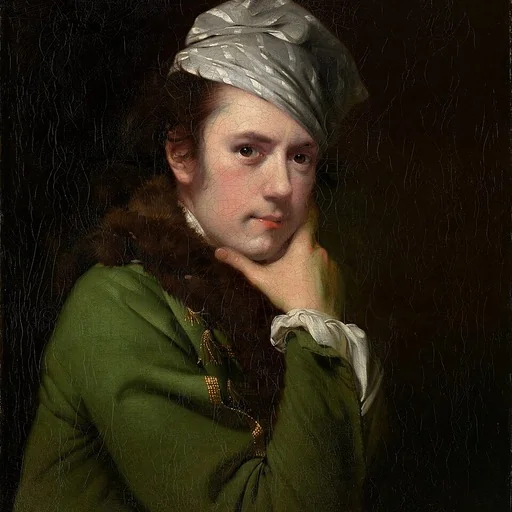
Joseph Wright (3 September 1734 – 29 August 1797), styled Joseph Wright of Derby, was an English painter who specialised in portrait painting and landscape art.




- Mother and Child
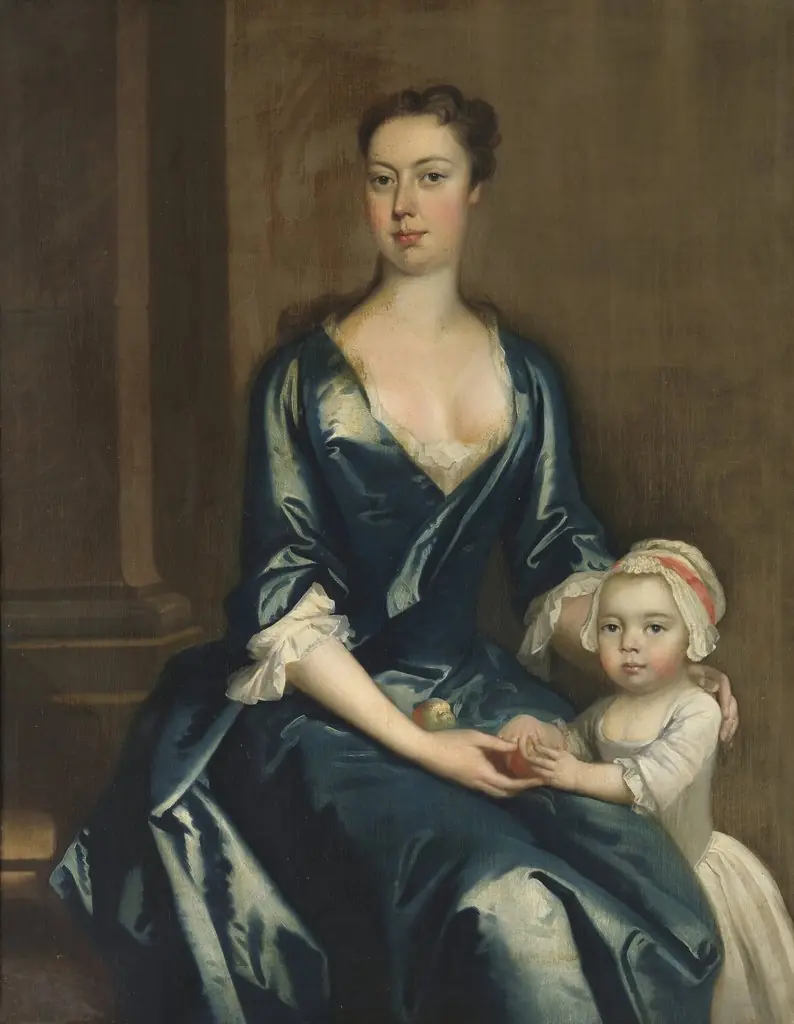 Portrait of a Lady with her daughter
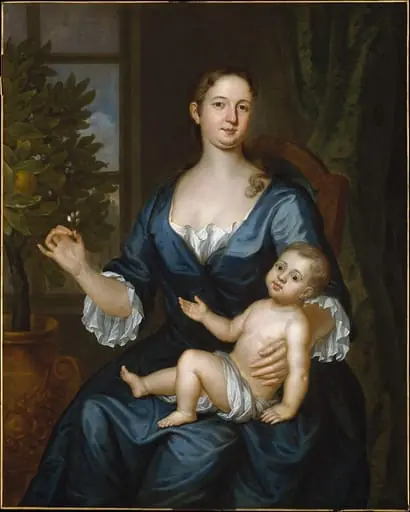 Mrs. Francis Brinley and Her Son Francis
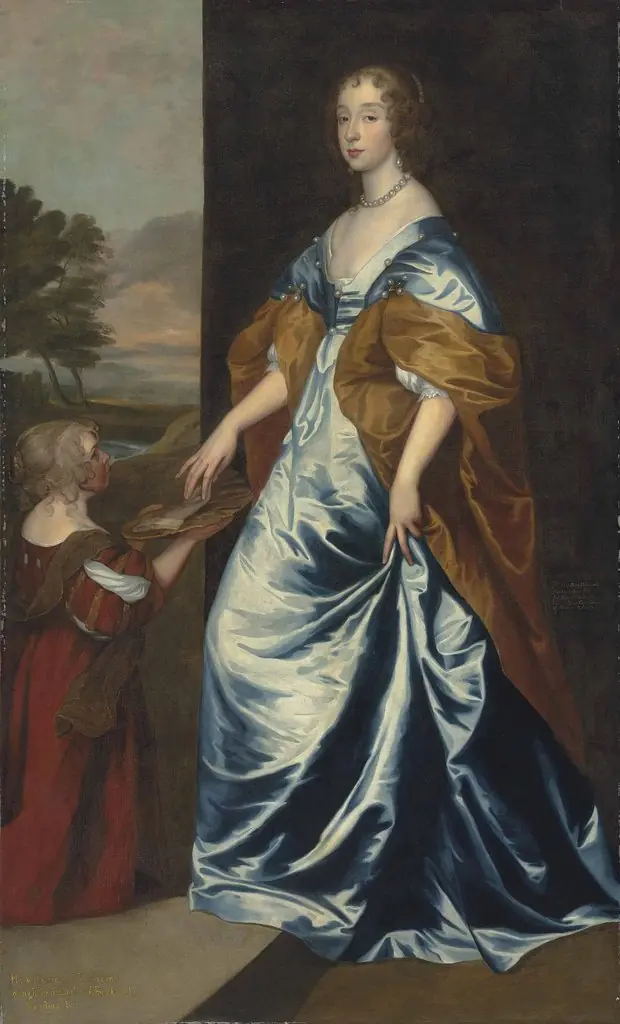 Duchess of Lennox and Richmond (1622–1685) with her lady’s maid, the dwarf, Anne Shepherd
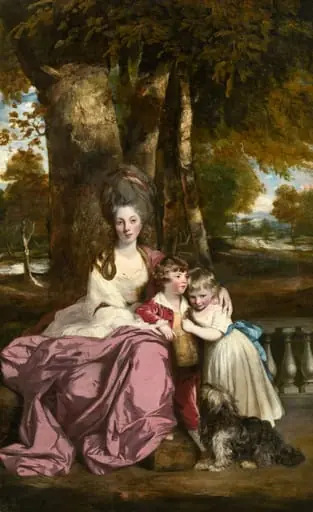 Lady Elizabeth Delmé and Her Children
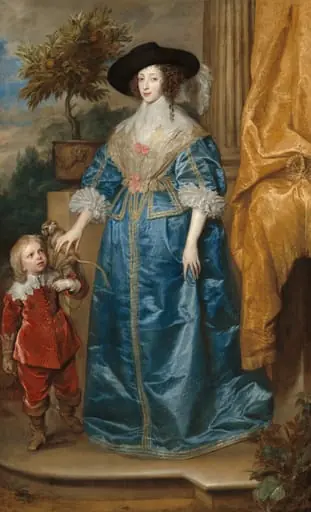 Queen Henrietta Maria with Sir Jeffrey Hudson
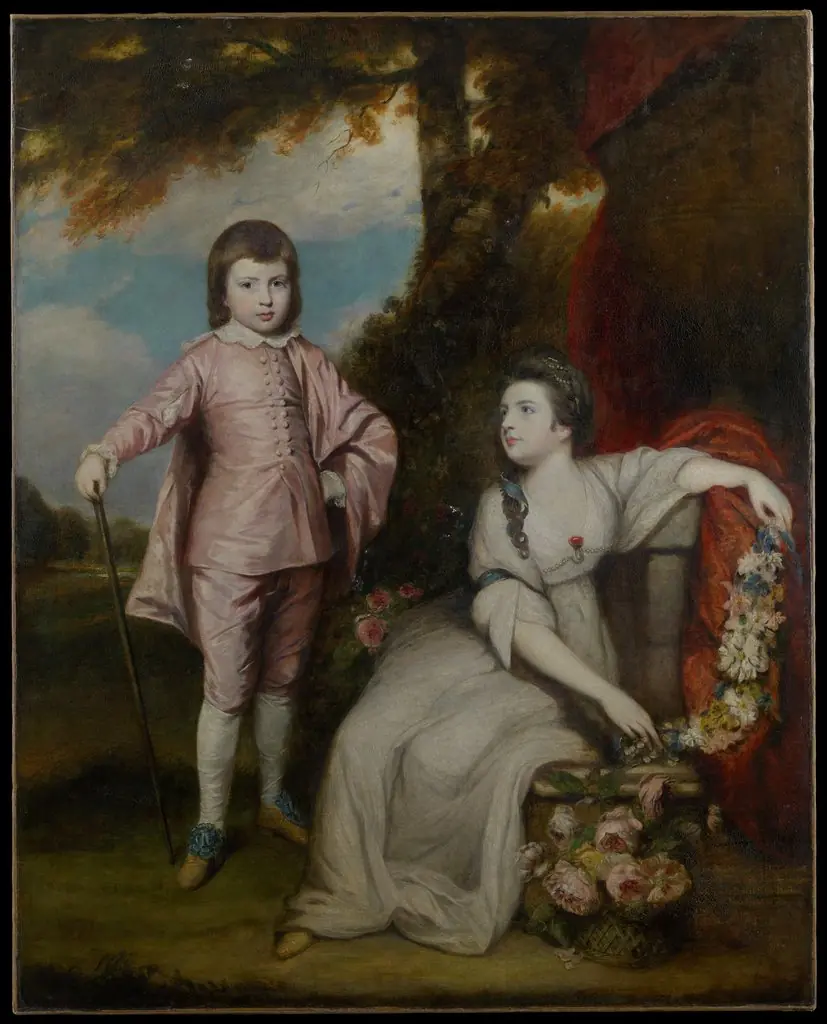 George Capel, Viscount Malden (1757–1839), and Lady Elizabeth Capel (1755–1834)
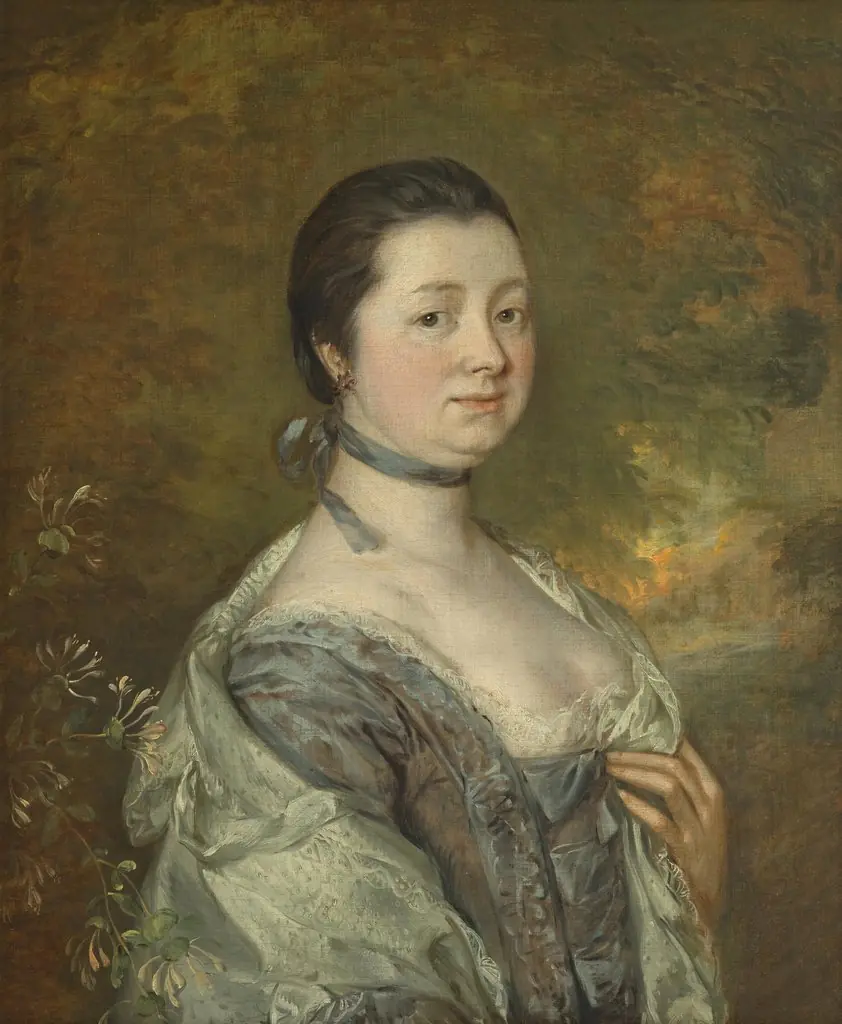 Margaret Gainsborough, née Burr (1728-1798)
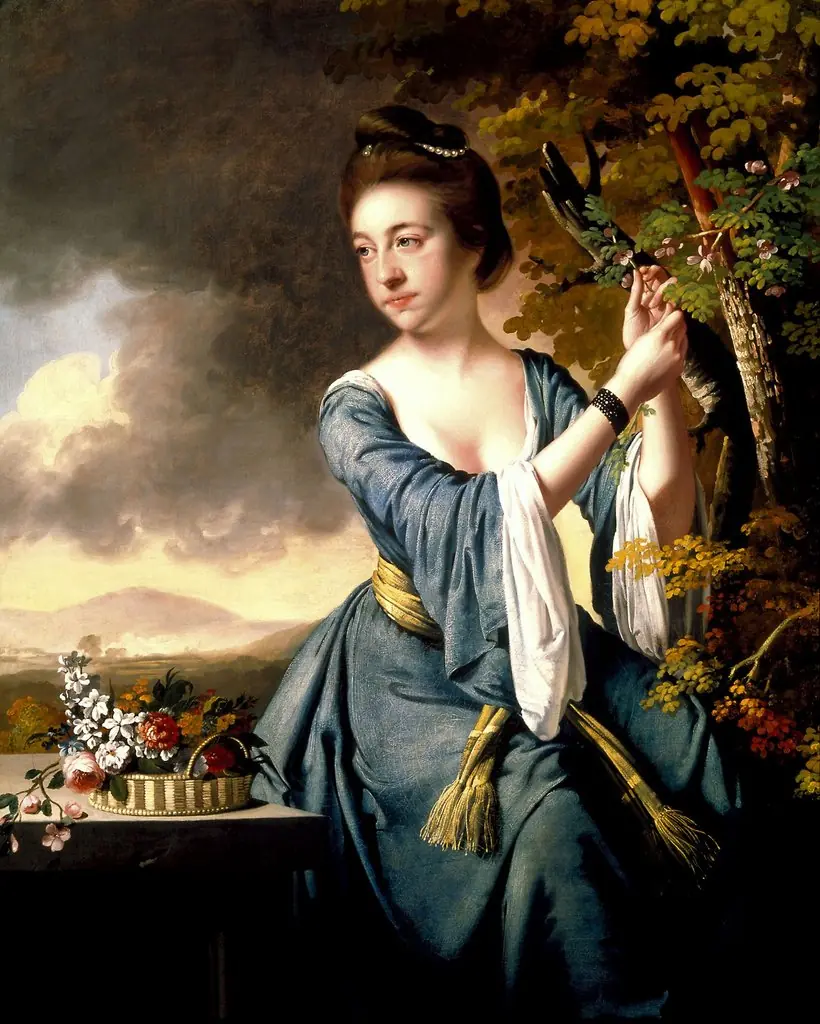 Elizabeth, Mrs. John Bostock
 Elizabeth Ross (Mrs. William Tyng)
 Portrait of Marie Adélaïde of Savoy, Duchess of Burgundy
 Mrs. Jacob Hurd and Child