Artwork
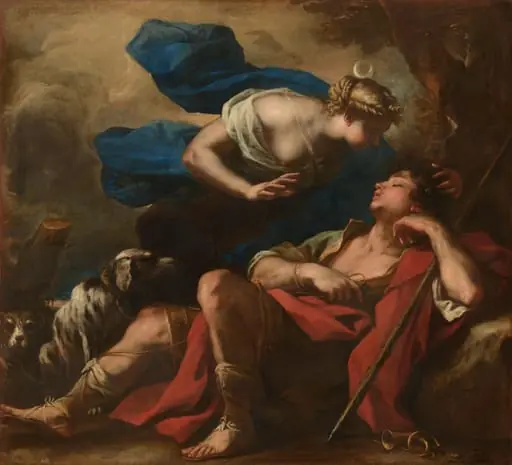
Alpheus and Arethusa
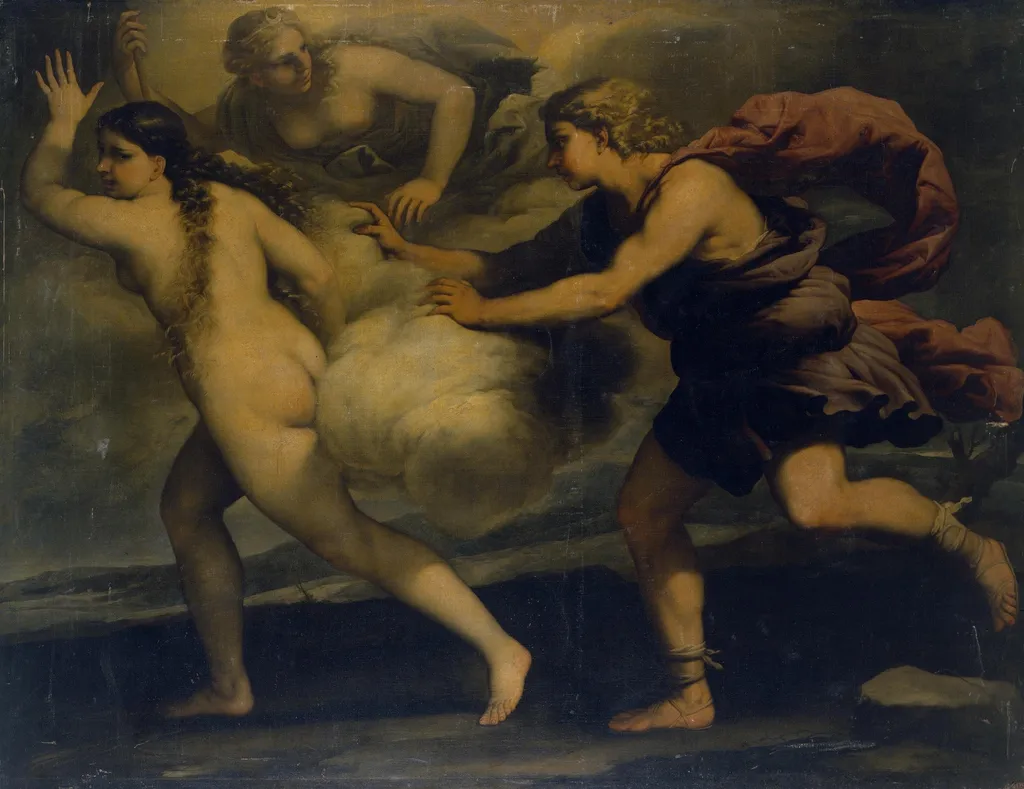
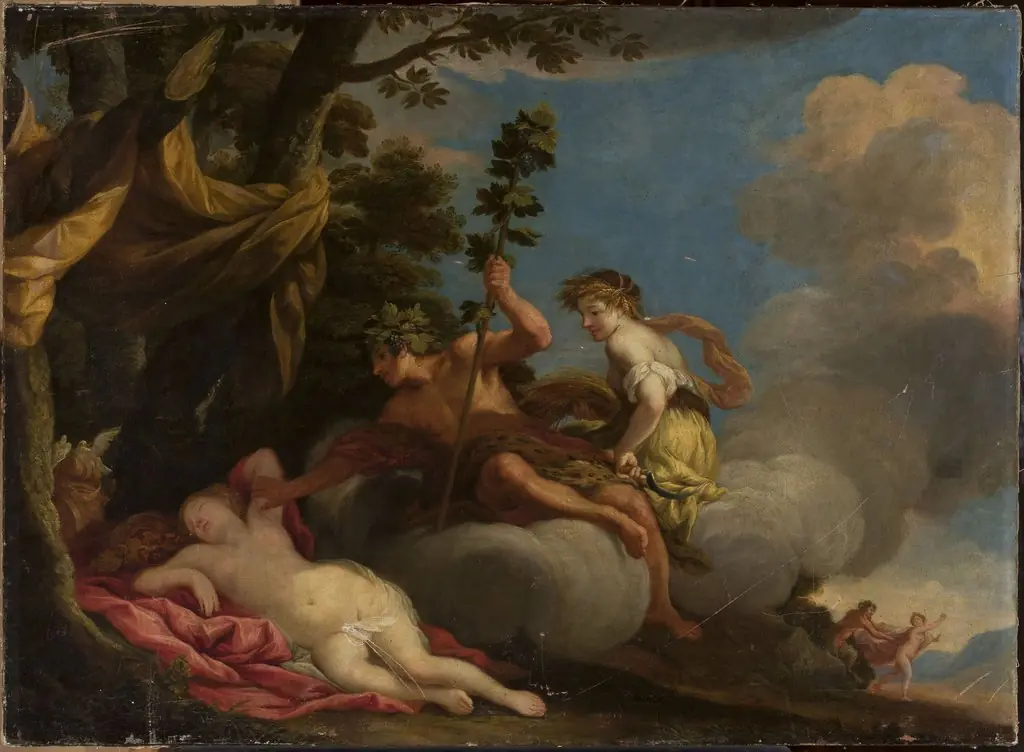
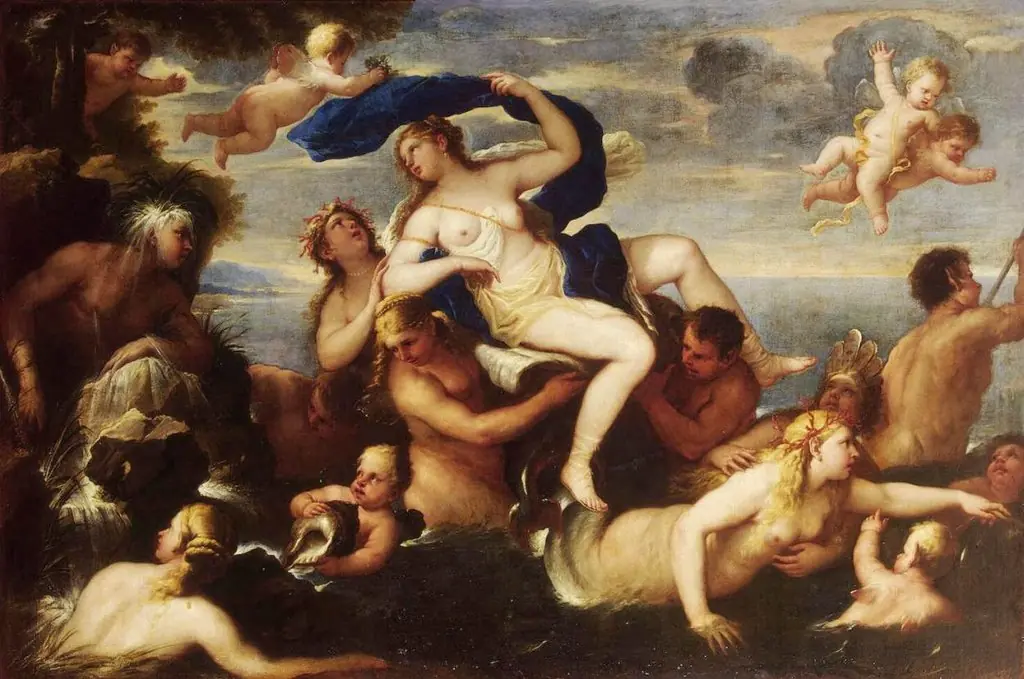
Alpheus and Arethusa is an oil painting by the High Baroque Italian artist Luca Giordano. It dates from 1692 and is held in the collection of the Hermitage Museum.
About this work
Overview
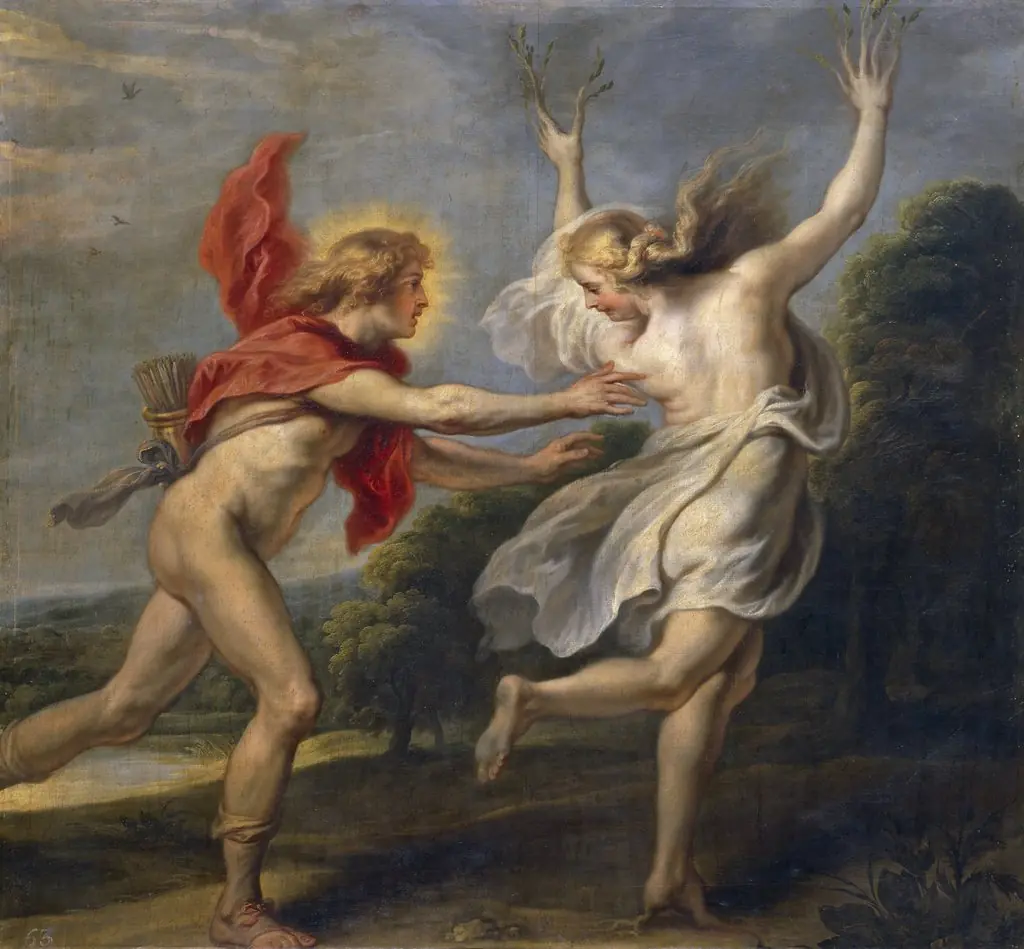
Painted in 1692 by Luca Giordano, this oil-on-canvas work depicts a mythological encounter between the river god Alpheus and the nymph Arethusa.
Painted in 1692 by Luca Giordano, this oil-on-canvas work depicts a mythological encounter between the river god Alpheus and the nymph Arethusa. The painting is part of the State Hermitage Museum’s collection in Saint Petersburg, where it has been held since the 18th century. Giordano’s rapid, expressive brushwork characterizes the piece, reflecting his reputation as a prolific and versatile Baroque painter.
Subject & Meaning
The scene illustrates a moment from Ovid’s Metamorphoses, in which Alpheus, smitten by the nymph Arethusa, pursues her across land and sea. To escape him, Arethusa is transformed into a spring by the goddess Artemis. Giordano captures the tension of flight and divine intervention, emphasizing transformation and the power of nature over mortal desire, a common theme in classical mythology rendered in Baroque drama.
Technique & Style
Giordano employed loose, energetic brushstrokes and a dynamic composition to convey motion and emotion. The figures are rendered with fluidity, their forms blending into swirling drapery and atmospheric landscapes. His use of chiaroscuro heightens the theatricality, while the palette, rich in earth tones and cool blues, grounds the myth in a tangible, naturalistic setting despite its fantastical subject.
History & Provenance
The painting entered the Hermitage collection in the 1760s as part of a larger acquisition of Italian Baroque works from the collection of the French financier Pierre Crozat. It was cataloged among the museum’s early acquisitions of Neapolitan art, reflecting Catherine the Great’s interest in expanding her holdings of European narrative painting during the Enlightenment.
Context
Created during the late Baroque period in Naples, the work aligns with a broader trend of mythological subjects favored by aristocratic patrons. Giordano, trained in the tradition of Rubens and Caravaggio, synthesized dramatic movement with classical themes to satisfy the tastes of southern Italian courts. His rapid execution and adaptability made him a sought-after artist across Europe.
Legacy
Though not among Giordano’s most widely reproduced works, Alpheus and Arethusa remains a representative example of his narrative vigor and technical fluency. It contributes to scholarly understanding of how Baroque artists interpreted classical myths for elite audiences, preserving a moment of mythic transformation through the immediacy of paint and gesture.
Own this work as a print
Artist & collection

Artist
Luca Giordano was an Italian late-Baroque painter and printmaker in etching. Giordano was one of the most celebrated artists of the Neapolitan Baroque, whose vast output included altarpieces, mythological paintings and…