Artwork
Lukrezia
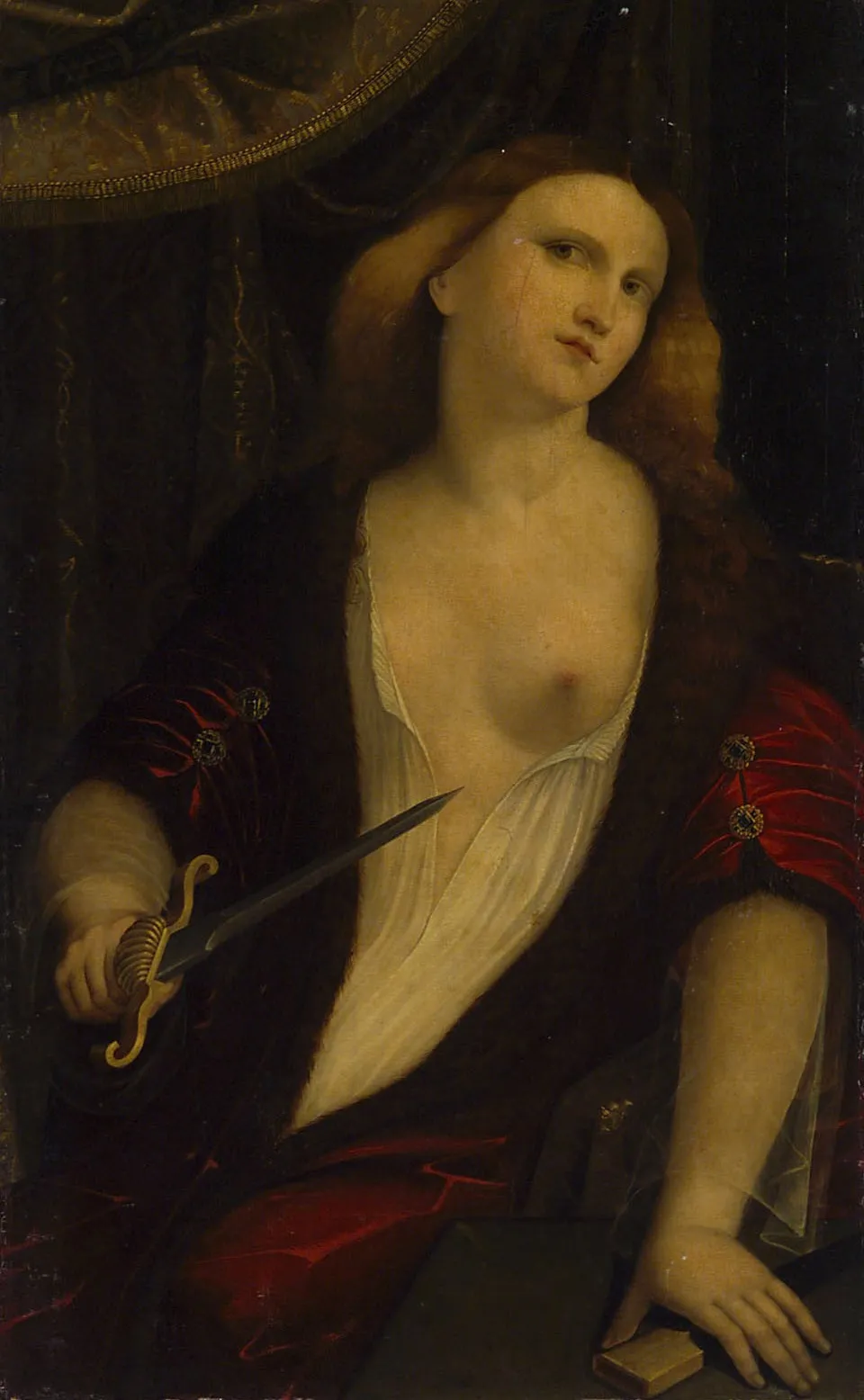
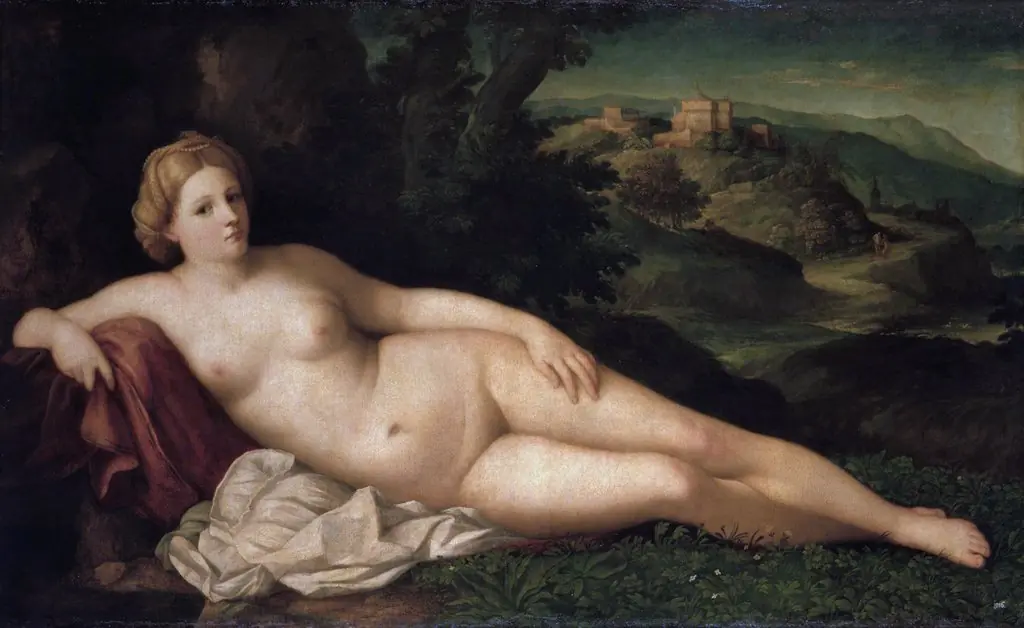
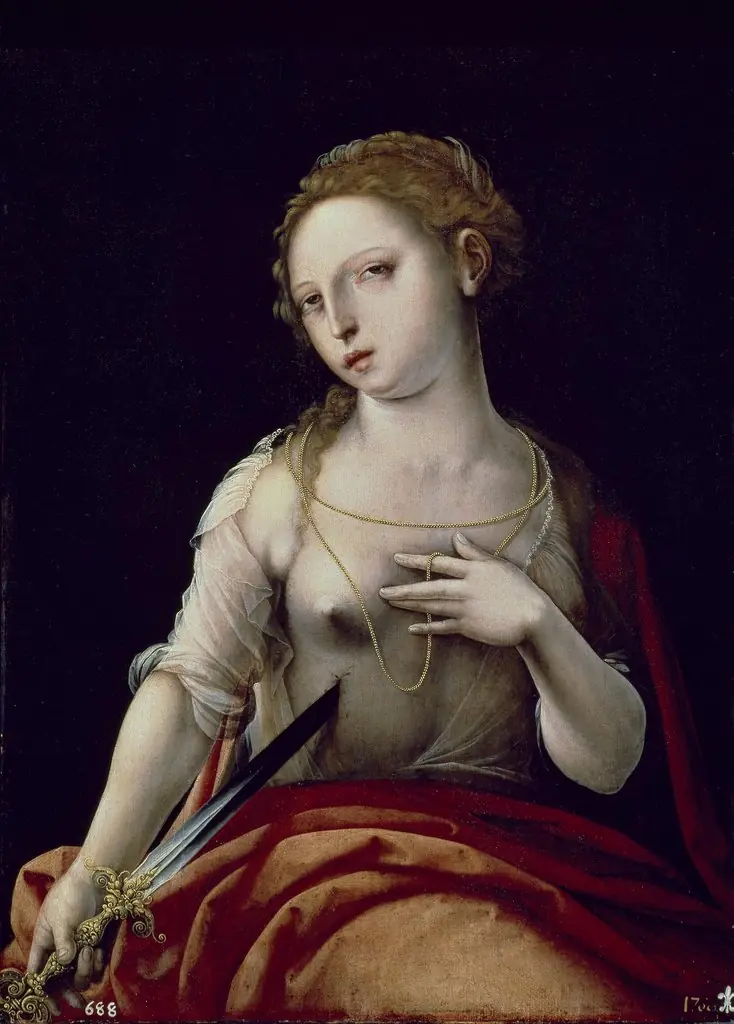
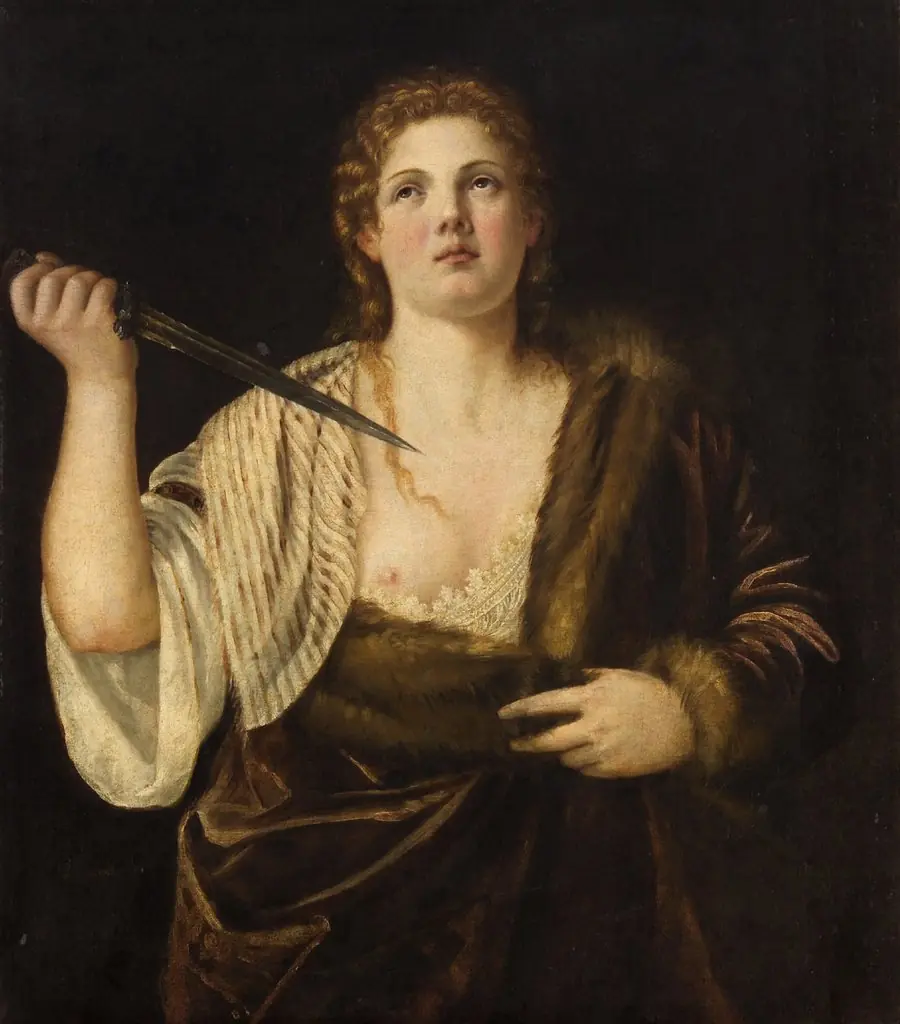
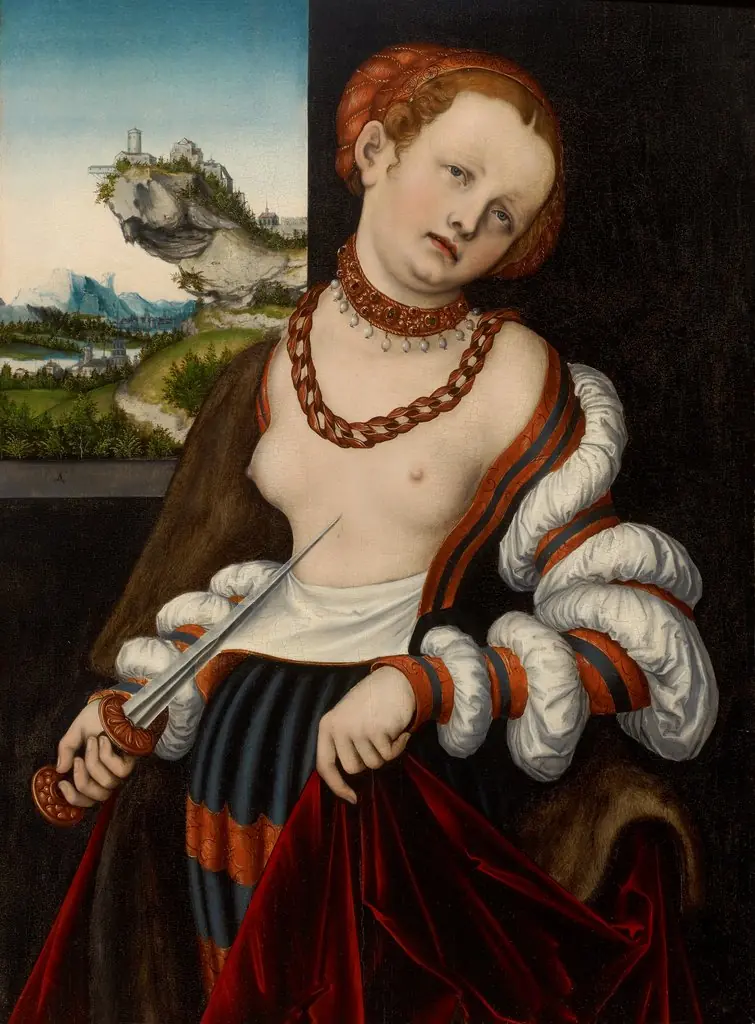
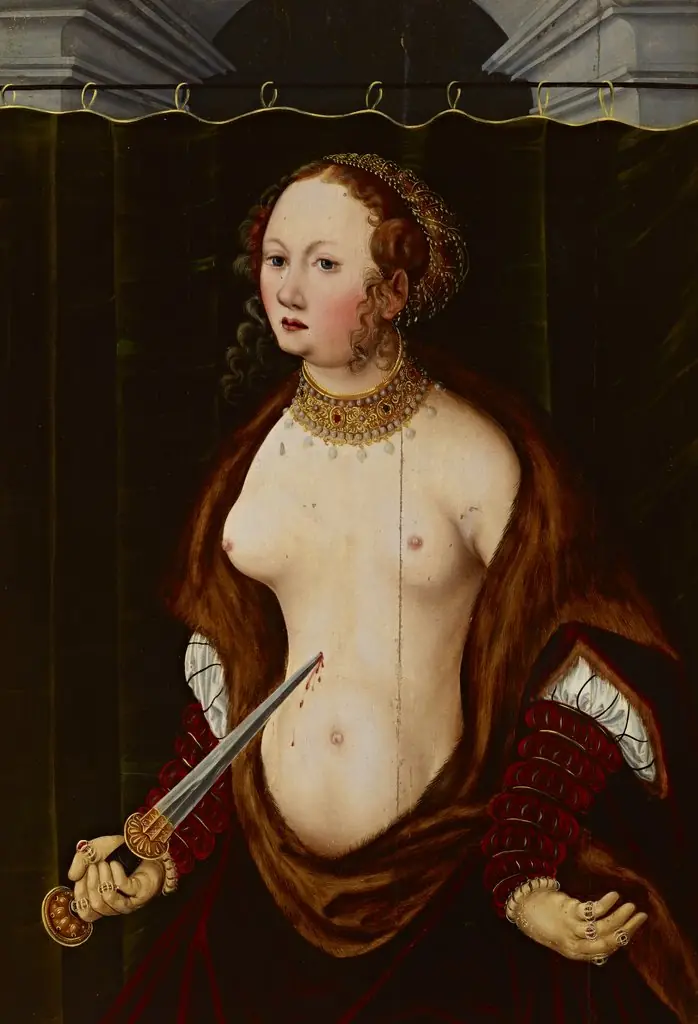
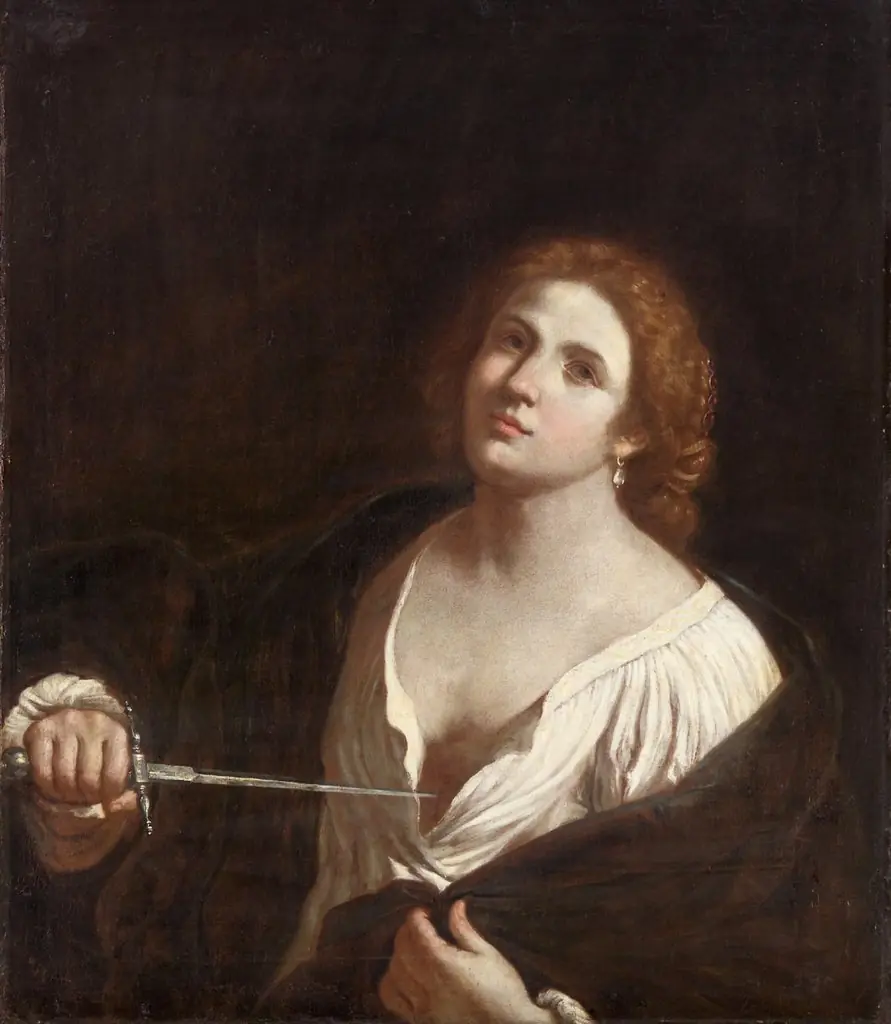
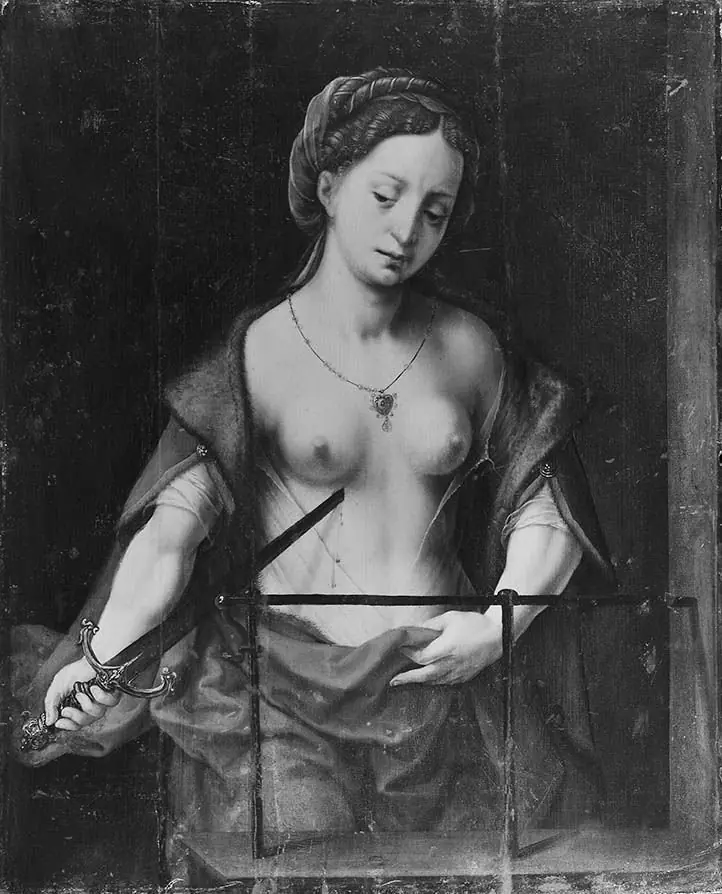
Lukrezia is a color painting by the High Renaissance artist Palma Vecchio. It dates from 1520 and is held in the collection of the Kunsthistorisches Museum.
About this work
Subject & Meaning
As a history painting, the image serves as a moral exemplar, representing the ultimate sacrifice made to preserve personal honor and spark political change.
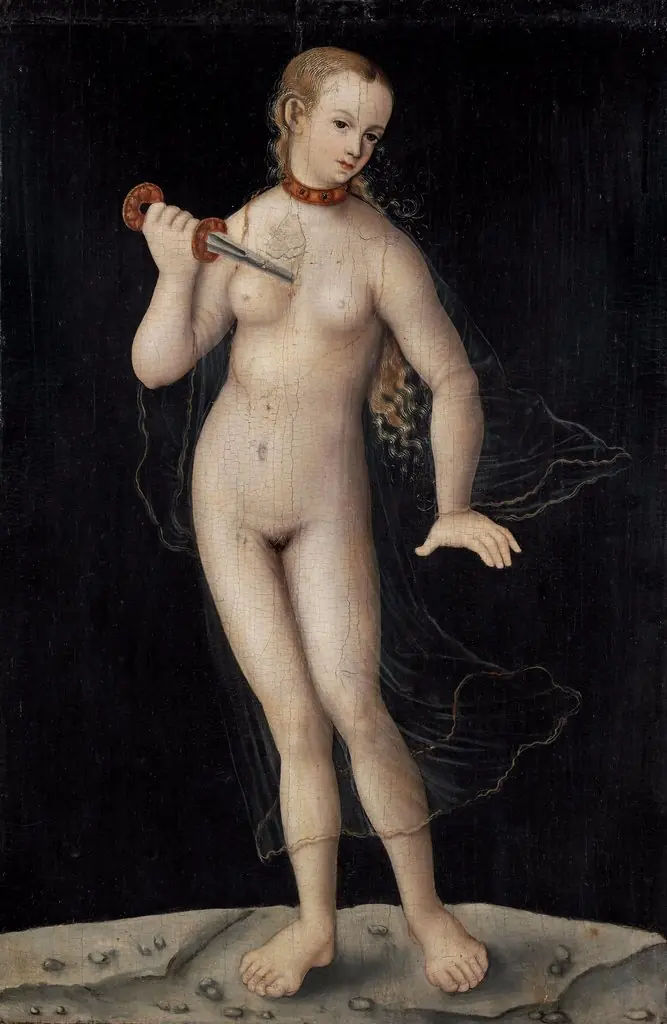
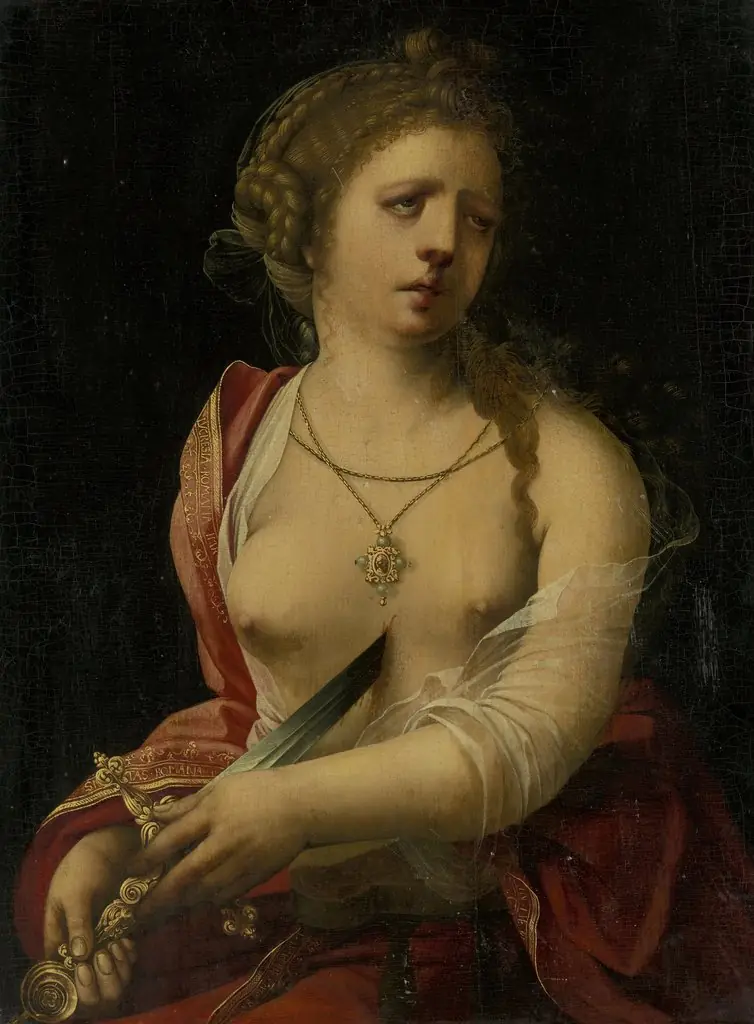
Palma Vecchio's 1520 panel painting depicts Lucretia, the legendary Roman noblewoman whose suicide following her rape by Sextus Tarquinius became a defining subject in history painting. The work focuses entirely on this single female figure, utilizing her story to explore themes of chastity, virtue, and the tragic consequences of political tyranny in ancient Rome. As a history painting, the image serves as a moral exemplar, representing the ultimate sacrifice made to preserve personal honor and spark political change.
The depiction aligns with Renaissance traditions that frequently revisited classical narratives to convey ethical lessons through dramatic human suffering.
Technique & Style
Executed around 1520, the work is painted in oil on panel, aligning with Palma Vecchio’s characteristic handling of Venetian colorito during the second decade of the sixteenth century. The technique emphasizes softly blended flesh tones and delicate transitions in the drapery, while the composition’s quiet gravity centers on the figure’s introspective gaze and the dagger’s restrained placement. No later conservation notes are recorded in the cited sources, and the cited records do not provide condition details.
History & Provenance
The painting Lukrezia was created in 1520 by Palma Vecchio, depicting Lucretia in a color technique on panel. It belongs to the history_painting genre and was originally part of the Kunsthistorisches Museum's collection, where it remains on display in Vienna. The work is recorded as an example of the Venetian school's output and is classified under the title Lukrezia in museum catalogues.
Context
The Lukrezia painting by Palma Vecchio, created in 1520, is classified as a history painting and reflects the influence of Jacopo Negretti. It is housed in the Kunsthistorisches Museum, where it is recognized as part of their collection of Renaissance works. Scholarship emphasizes its role within the broader context of Venetian Renaissance art, particularly in relation to narrative treatments of classical subjects.
Overview
Lukrezia is a 1520 history painting by Palma Vecchio, a prominent Venetian artist of the Italian High Renaissance. The work is now part of the Kunsthistorisches Museum's collection.
Legacy
Lukrezia contributes to the broader representation of Lucretia in Renaissance art, a theme exploring virtue, tragedy, and female agency. The painting's somber introspection reflects the artist's contribution to the emotional depth characteristic of High Renaissance historical subjects.

Artist & collection

Artist
Palma Vecchio (c. 1480 – 30 July 1528), born Jacopo Palma, also known as Jacopo Negretti, was a Venetian painter of the Italian High Renaissance. He is called Palma Vecchio in English and Palma il Vecchio in Italian…