Artwork
Helena Fourment in a Fur Robe
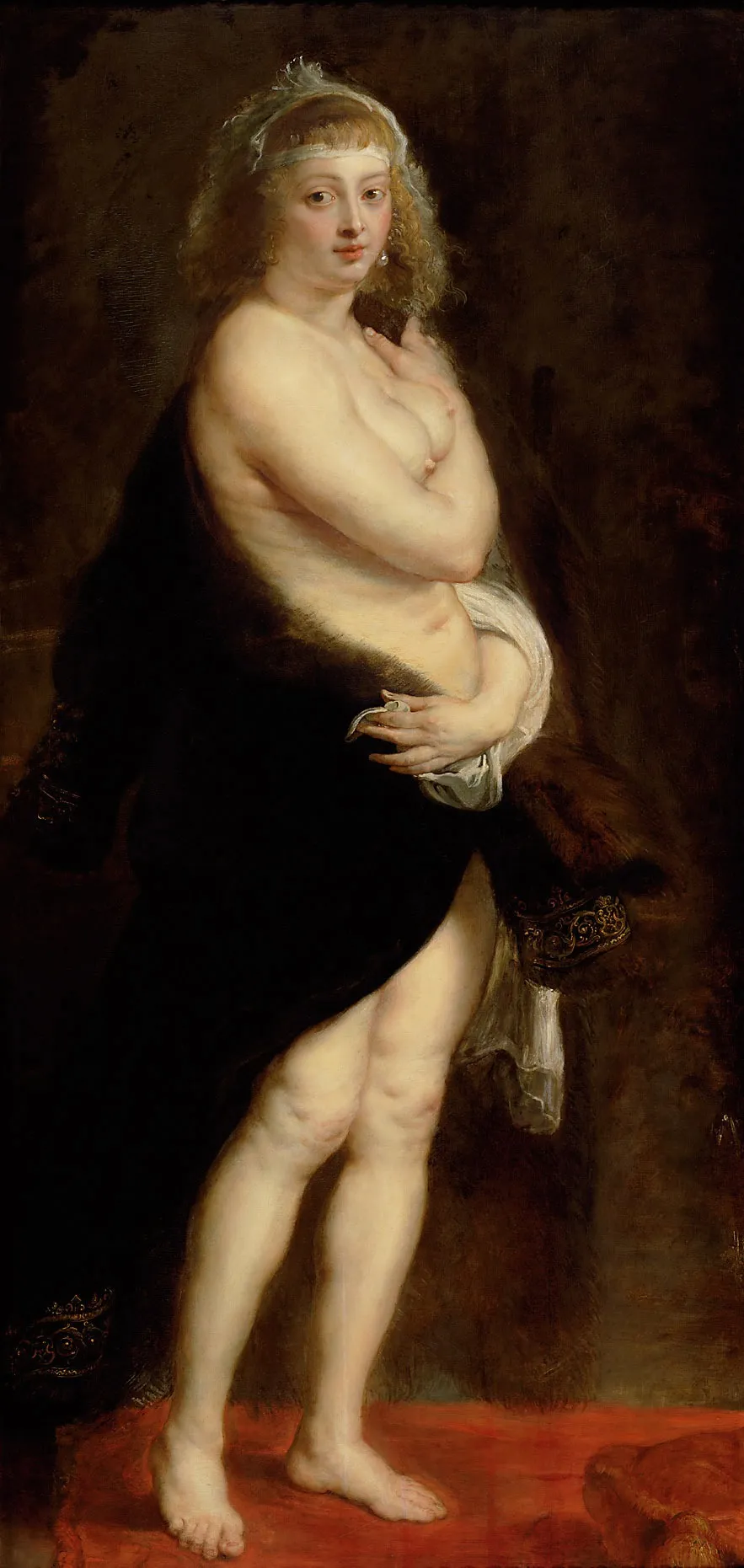
Helena Fourment in a Fur Robe is an oil painting by the Flemish Baroque painting artist Peter Paul Rubens. It dates from 1638 and is held in the collection of the Kunsthistorisches Museum.
About this work
Subject & Meaning
The painting shows Helena Fourment emerging from a bath, draped only in a short black‑fur mantle that barely conceals her naked form.
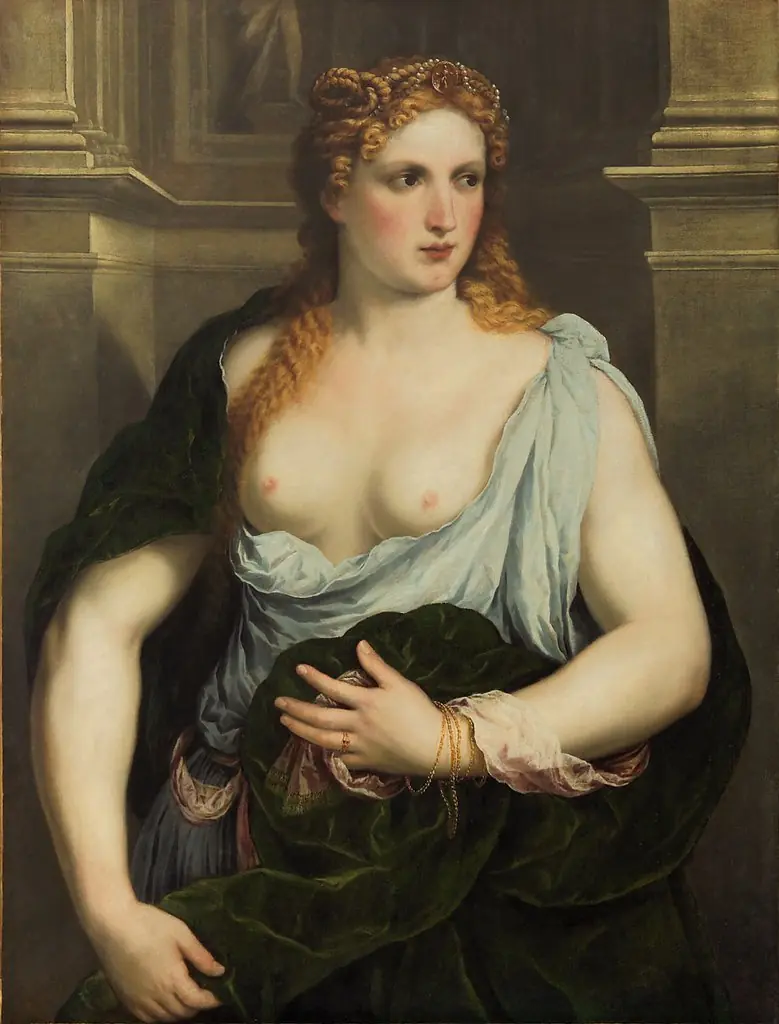
The painting shows Helena Fourment emerging from a bath, draped only in a short black‑fur mantle that barely conceals her naked form. Her pose follows the tradition of the Venus Pudica, echoing classical statues and Titian’s Girl in a Fur, yet Rubens adds a fleshly realism with dimpled knees and visible folds of flesh. The fur, the red carpet and the pearl earring heighten the sensual contrast, while a hidden fountain with a urinating boy in the background has been read as a symbol of fertility and marital intimacy.
Art historians view the work as both a private erotic portrait and an homage to the natural beauty of Rubens’s second wife.
Technique & Style
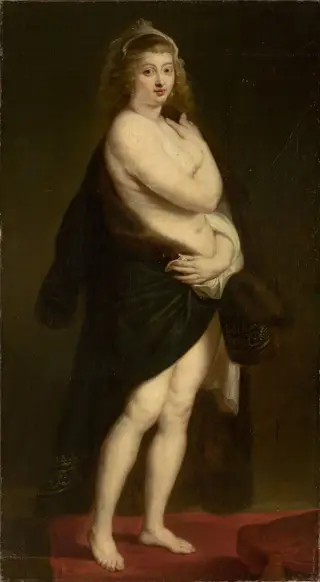
Helena Fourment in a Fur Robe is an oil painting on panel, measuring 176 by 83 cm. Technical analysis conducted at the Rubenshuis in Antwerp prior to the 2015 exhibition Rubens in Private, led by Gerlinde Gruber, used macro X-ray fluorescence scanning, X-ray, and infrared imaging to examine the support and paint layers. These studies revealed that Rubens originally conceived the work as a half-length composition and later enlarged it into a full-length portrait by adding several oak panels. The imaging also uncovered an overpainted fountain with a lion's head and a puer mingens in the right background, as well as lead- and copper-based paint layers subsequently covered with dark pigment.
Stylistically, Rubens contrasts the pale, softly modeled flesh against the deep black fur mantle, with the red carpet and cushion intensifying the figure's rosy complexion. The pose recalls the Venus pudica type, while the naturalistic rendering of dimpled knees and compressed flesh departs from Titian's idealized precedent.
History & Provenance
Helena Fourment in a Fur Robe (Het Pelsken) was painted by Peter Paul Rubens around 1636–1638, likely inspired by Titian’s Girl in a Fur, which Rubens had copied during his 1629–1630 visit to Charles I’s collection in London. The work was not intended for public display, aligning with its intimate subject matter. Upon Rubens’s death in 1640, the painting was bequeathed directly to Helena Fourment in his will, bypassing the general estate.
Fourment initially planned to leave it to her second husband, Jan van Brouchoven, but revised her 1658 testament to assign it to her children from her marriage to Rubens. The painting resurfaces in the imperial collection in Vienna by 1730, though its whereabouts between 1658 and 1730 remain undocumented.
The painting is held by the Kunsthistorisches Museum in Vienna, where it remains part of the imperial collection. Its provenance traces back to the will of Peter Paul Rubens in 1640, in which he personally bequeathed the panel to his wife Helena Fourment rather than including it in his estate. Fourment initially intended in her 1658 will to leave it to her second husband, Jan van Brouchoven, but later revised the testament to assign it to her children by Rubens.
The work's whereabouts between the mid-seventeenth century and 1730 are undocumented, after which it reappears in the imperial picture gallery in Vienna under Emperor Charles VI. In preparation for the 2015 exhibition "Rubens in Private. The Master Portrays His Family" at the Rubenshuis in Antwerp, the panel underwent technical analysis led by Gerlinde Gruber of the Kunsthistorisches Museum.
Context
The portrait of Helena Fourment in a fur robe, painted by Peter Paul Rubens in 1638, has been interpreted as a private erotic image that fuses classical precedent with contemporary realism. Scholars note its reference to the Venus pudica motif and to Titian’s girl in a fur, while also emphasizing Rubens’s departure from idealisation by rendering dimpled flesh and explicit anatomical detail (Michel; Morrall). Technical imaging reveals an earlier fountain and cherub that were later overpainted, showing the artist’s compositional revisions (Kunsthistorisches Museum technical study).
Provenance records from Rubens’s 1640 will and subsequent transfers place the work in the Viennese collection by the early 18th century, where it remained (Kunsthistorisches Museum records). Contemporary reception has oscillated between viewing it as a celebration of marital beauty and as a nuanced commentary on sensuality and fertility, reflecting its enduring significance in Rubens’s oeuvre and art‑historical discourse.
Legacy
Helena Fourment in a Fur Robe has become one of the most celebrated erotic images in Western art, occupying an ambiguous position between intimate portrait and mythological nude. Art historian Andrew Morrall notes that this intensely private work has ironically become one of the most celebrated erotic images in Western art. The painting's scholarly reputation has been shaped by extended art-historical debate: Julius S. Held first drew the comparison to the Venus pudica in 1967, while Margit Thøfner proposed in 2004 that the figure be read as a Helena genetrix, emphasizing marital and procreative meaning.
Kristin Lohse Belkin revisited the work in 2006 with a study of Fourment's beauty aids, and in 2015 Geert Van der Snickt, Katlijne Van der Stighelen, Koen Janssens, and Gerlinde Gruber published new findings from macro X-ray fluorescence analysis, revealing an overpainted fountain with a puer mingens that reshaped interpretation of the setting. The painting was included in the 2015 exhibition Rubens in Private: The Master Portrays His Family at the Rubenshuis in Antwerp, the project that occasioned the technical analysis.
Overview
This oil painting, known as Helena Fourment in a Fur Robe, was created by Peter Paul Rubens around 1636–1638. It depicts his second wife, Helena Fourment, in an intimate moment. The work is currently housed in the Kunsthistorisches Museum in Vienna.
This portrait is also sometimes referred to by its Dutch, German, or French titles, such as Het Pelsken or La Petite Pelisse, alluding to the fur garment.
Artist & collection
Artist
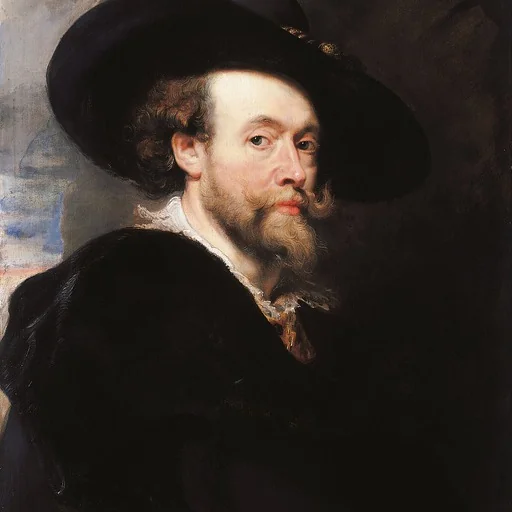
Sir Peter Paul Rubens ( ROO-bənz; Dutch:; 28 June 1577 – 30 May 1640) was a Flemish artist and diplomat.