Artwork
Hygeia
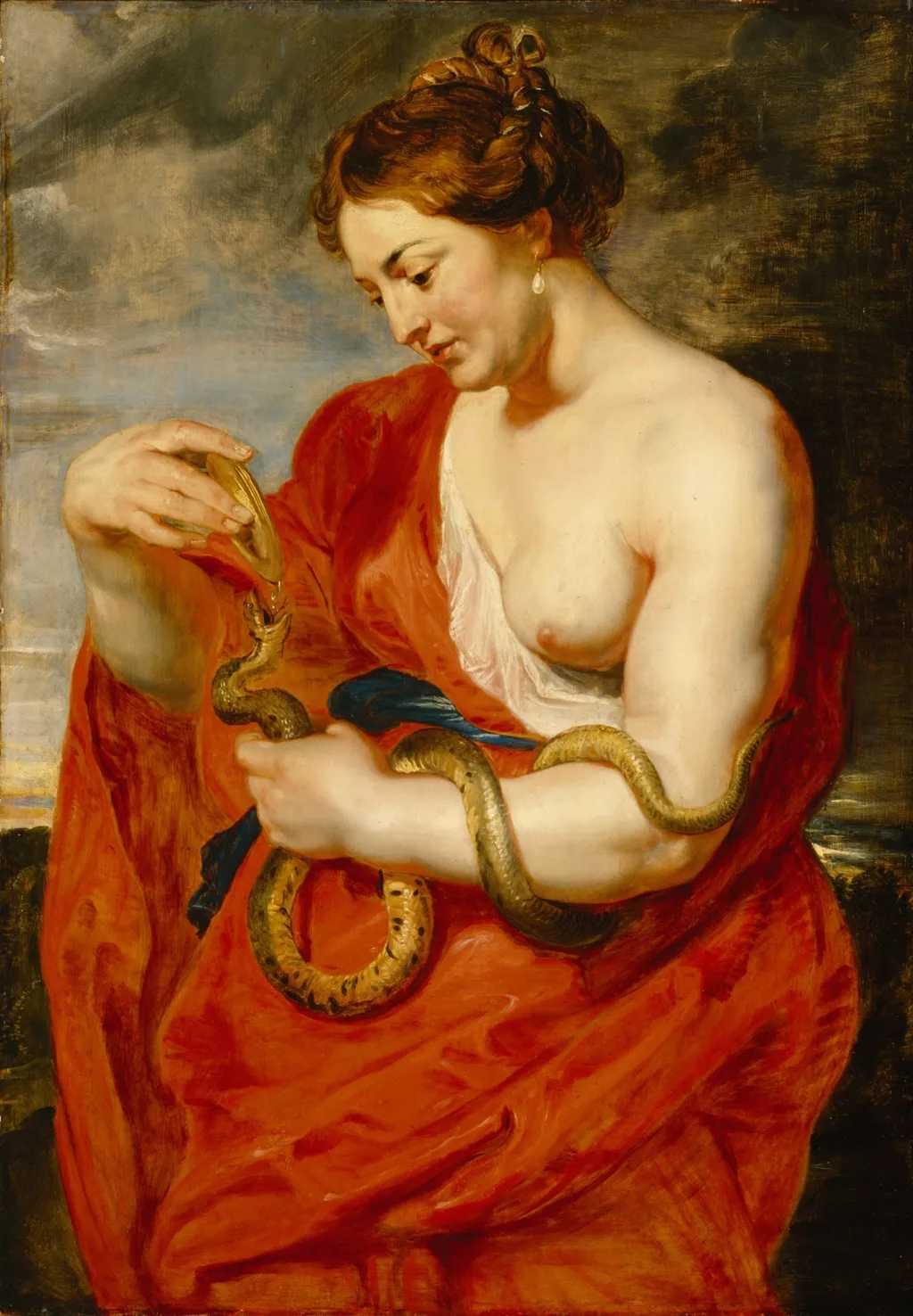
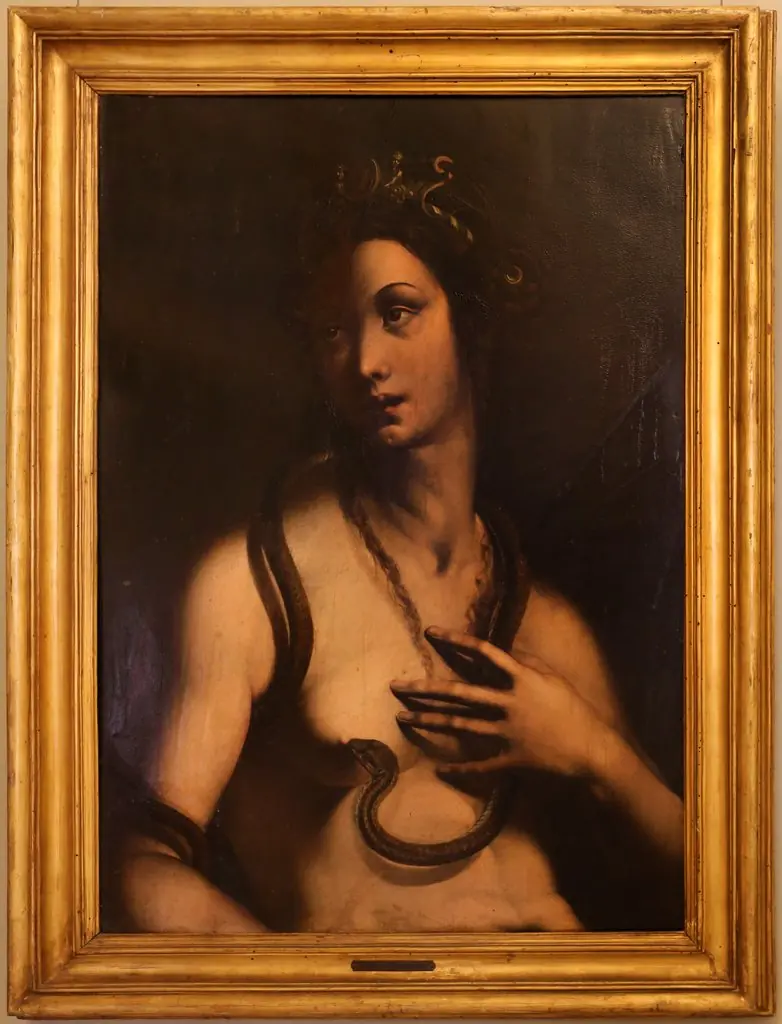
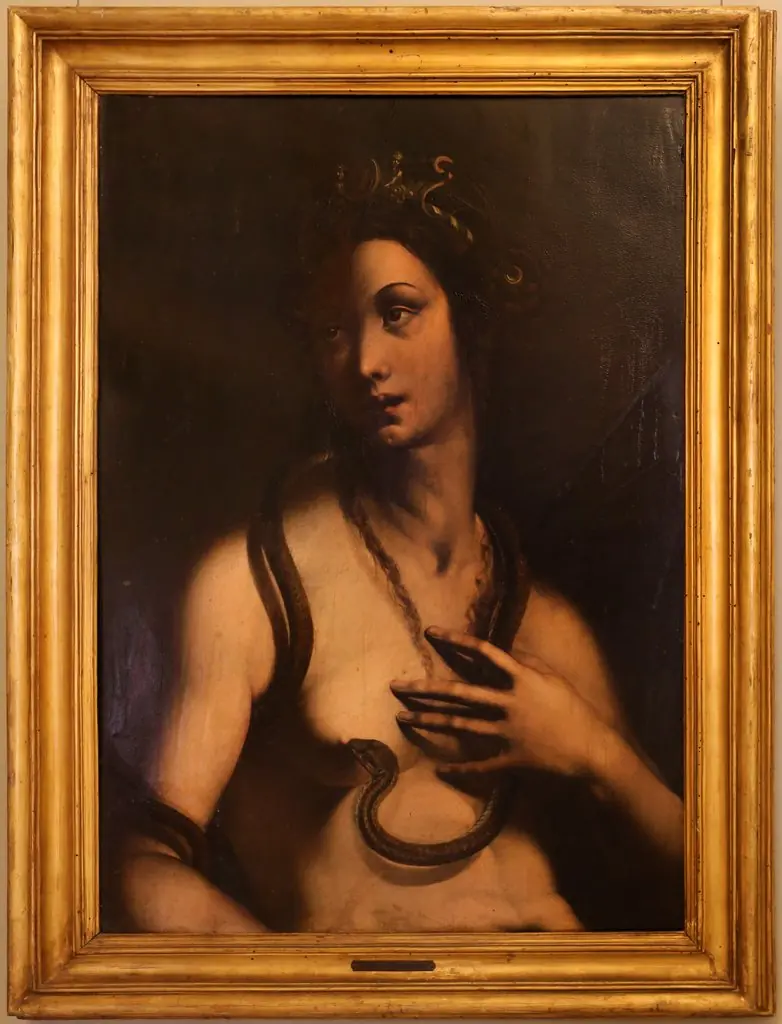
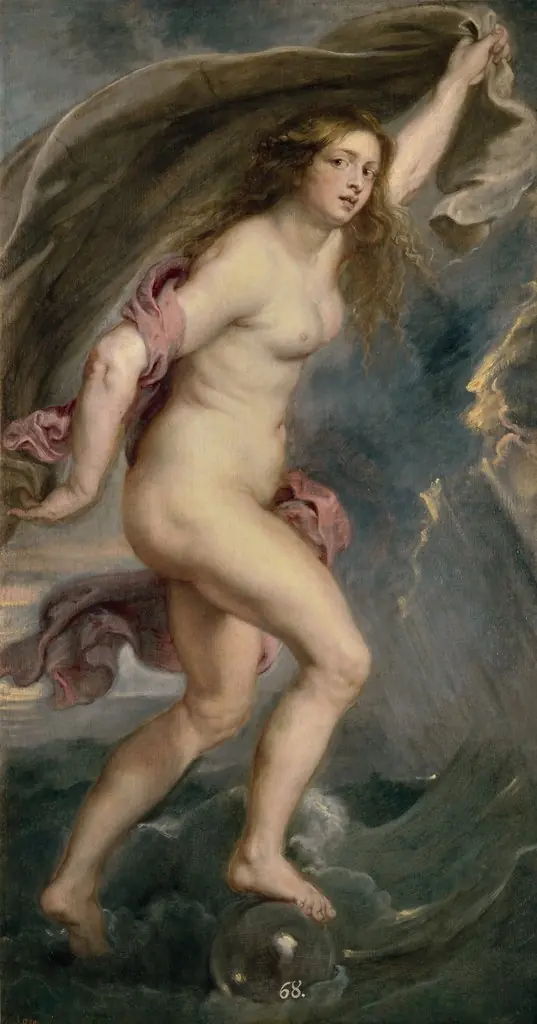
Hygeia is an oil painting by the Flemish Baroque painting artist Peter Paul Rubens. It dates from 1615 and is held in the collection of the Detroit Institute of Arts.
About this work
Subject & Meaning
Peter Paul Rubens's 1615 oil painting depicts Hygieia, the Greek goddess of health and hygiene.
Peter Paul Rubens's 1615 oil painting depicts Hygieia, the Greek goddess of health and hygiene. The work's iconography centers on the figure of the deity accompanied by a snake, an attribute traditionally associated with her in classical mythology as a symbol of healing and renewal. As a mythological painting, the piece represents the personification of public health and the prevention of sickness, themes often explored in Baroque art through allegorical figures.
The presence of the serpent specifically identifies the subject within the visual language of the time, distinguishing her from other figures in the Asclepius mythos.
Technique & Style
Hygeia is an oil painting on canvas created by Peter Paul Rubens in 1615. The work measures 106.2 cm in height and 74.3 cm in width, depicting the goddess Hygieia alongside a snake, a symbol of healing. Executed in the mythological painting genre, the artwork employs oil paint as its medium and canvas as its support.
It has been held by several notable collectors before entering the collection of the Detroit Institute of Arts, where it remains today.
History & Provenance
The painting was created in 1615 by Peter Paul Rubens, as documented in the source. It entered the collection of Jeremias Wildens and passed through several owners including Charles de Proli, Pieter de Smeth, Christianus Johannes Nieuwenhuys, Philippe Joseph Allard, Clemence Allard, Prosper Crabbe, Galerie Charpentier, and Martin Asscher before being acquired by the Detroit Institute of Arts.
Legacy
Hygeia by Peter Paul Rubens exerted lasting influence on mythological painting through its depiction of Hygieia alongside a snake, establishing a visual motif tied to health and healing. The work's provenance, documented through successive ownership by Jeremias Wildens and other collectors before its inclusion in the Detroit Institute of Arts collection, reflects its enduring significance. Its material execution in oil paint on a canvas measuring 106.2 cm in height and 74.3 cm in width, completed in 1615, demonstrates Rubens' mastery of mythological genre painting during the Baroque period.
Overview
Hygeia is a 1615 oil painting by Peter Paul Rubens, exemplifying the Flemish Baroque style. The work depicts the mythological figure Hygieia accompanied by a snake, embodying Rubens's affinity for classical and allegorical themes.
Context
Aligned with the Counter-Reformation's artistic preferences, Hygeia represents Rubens's engagement with religious and classical motifs, appealing to the era's aesthetic and ideological values.
Own this work as a print
Artist & collection
Artist
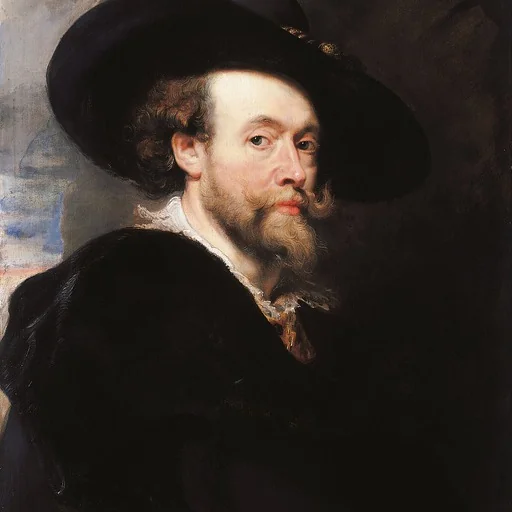
Sir Peter Paul Rubens ( ROO-bənz; Dutch:; 28 June 1577 – 30 May 1640) was a Flemish artist and diplomat.